
Guide to the Marsa Alam dive sites · Southern Egyptian Red Sea
Marsa Alam Dive Sites Seagrass bays, coral blocks, dolphin reefs and the walls of Elphinstone
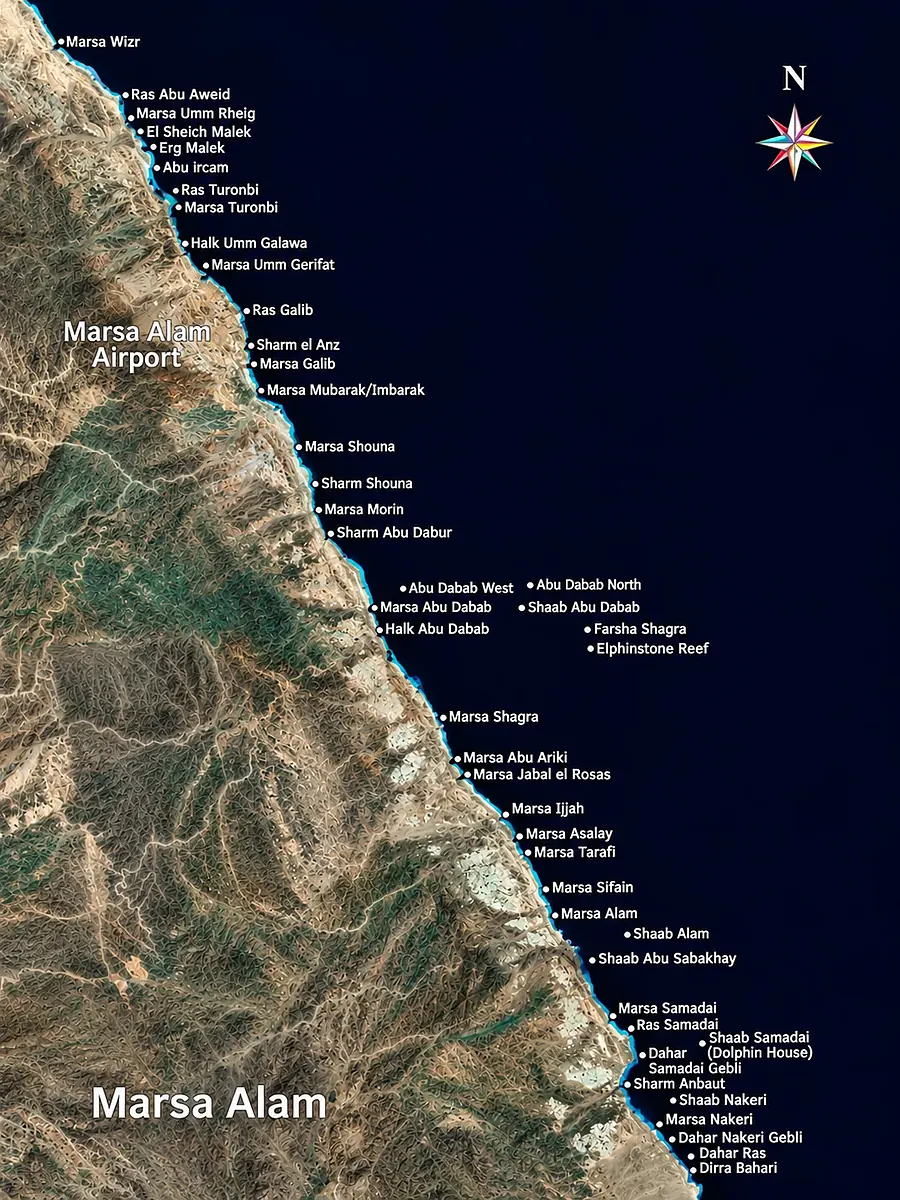
The Marsa Alam dive sites cover the coast of the southern Egyptian Red Sea from Ras Torombi near Port Ghalib down to Marsa Nakari, south of town. In addition, they range from easy shore bays with turtles and dugongs to offshore coral blocks, the dolphin lagoon of Shaab Samadai and the deep walls of Elphinstone.
Which Marsa Alam dive sites can you dive?
Overall, the sites below fall into three groups: the shore bays and house reefs, the Abu Dabab reefs, and the headlands and offshore reefs. In addition, each card links to a full guide with depth, marine life, level and access.
Shore bays and house reefs
First, the sheltered bays of Marsa Alam diving, where you walk in from the beach over sand and seagrass to coral reefs on each side.
Marsa Mubarak · Seagrass bay of dugongs
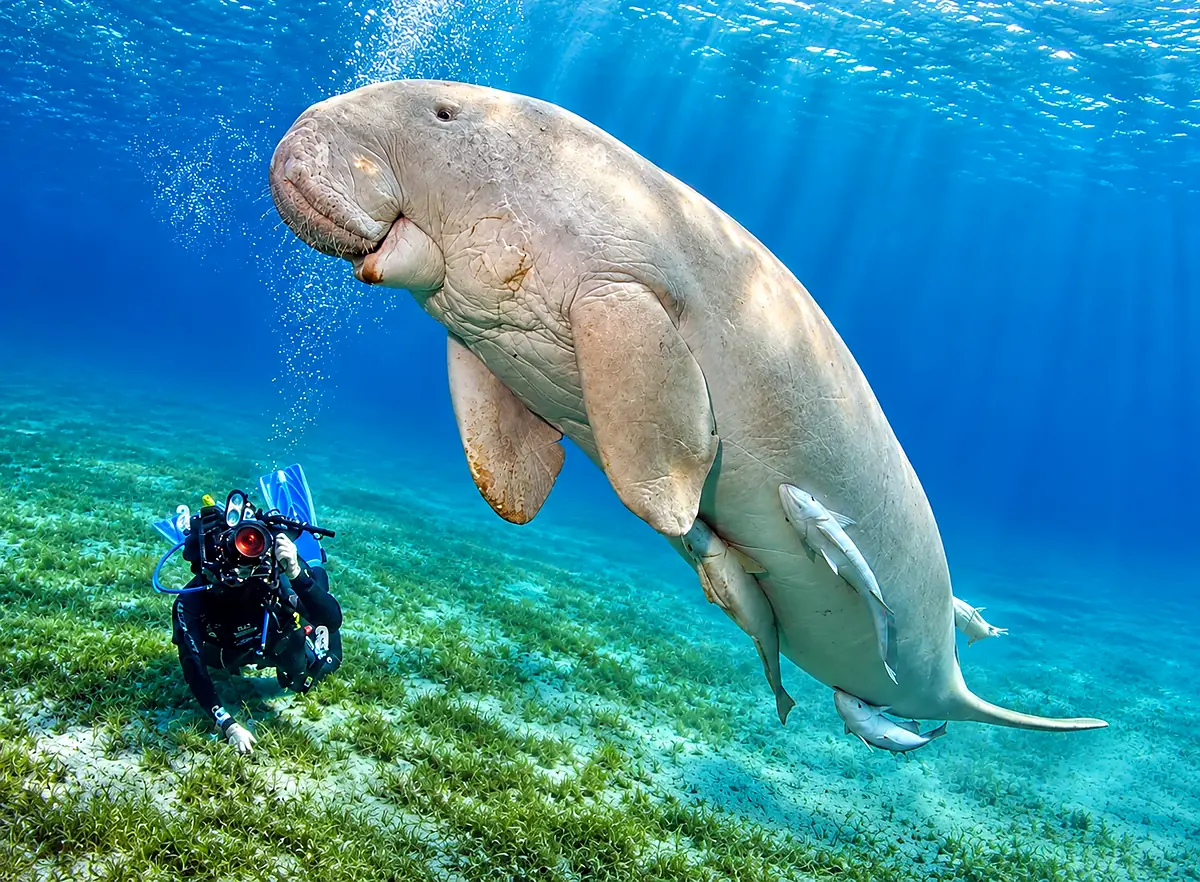
Next, a 500 m seagrass bay south of Port Ghalib, known for dugongs and green turtles.
Visit Marsa Mubarak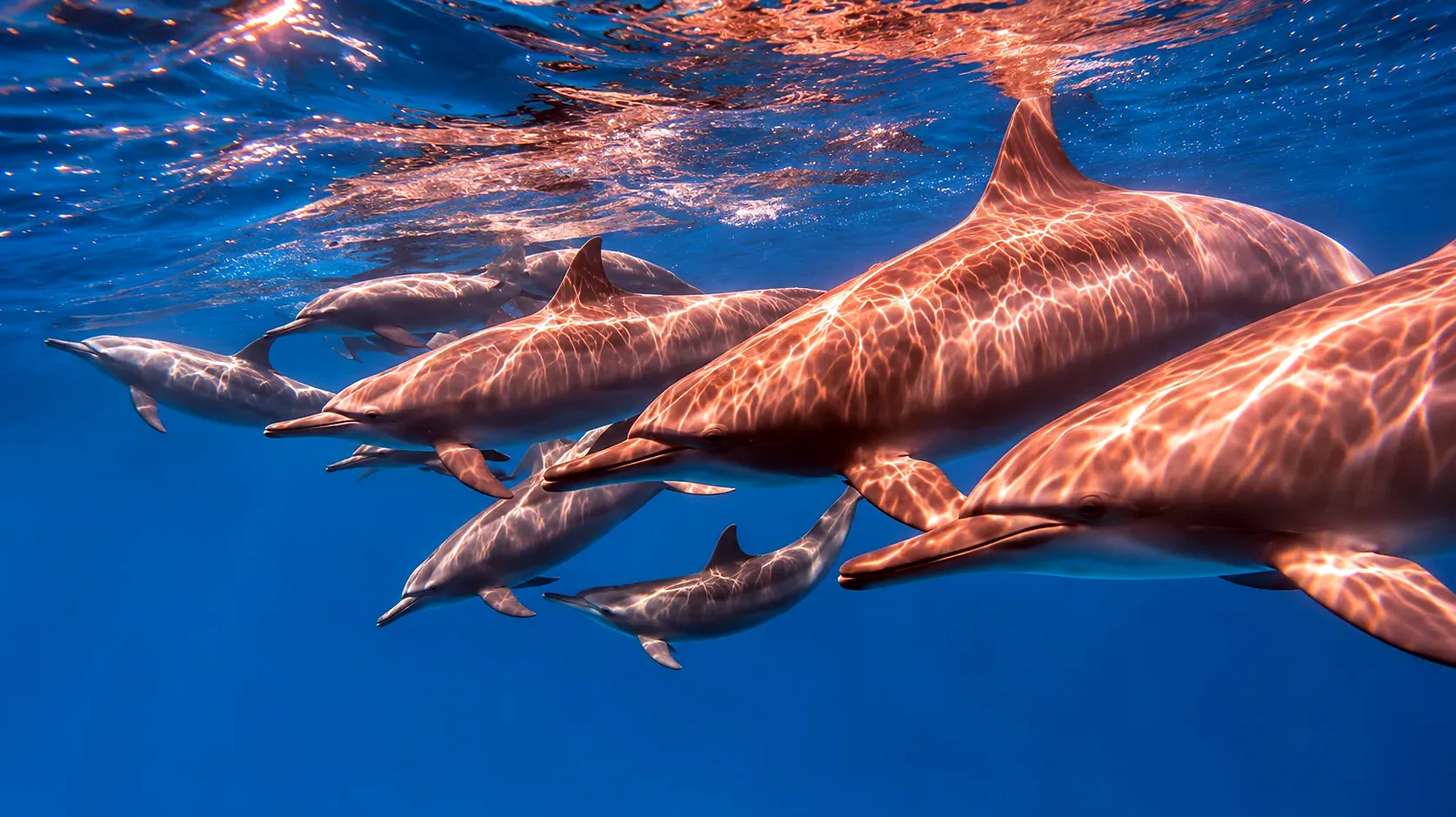
Marsa Shouna · Wild bay and two halgs
Then, a wild bay with Halg Shoni and Halg Salmaan close by, best at 10–15 m.
Visit Marsa Shouna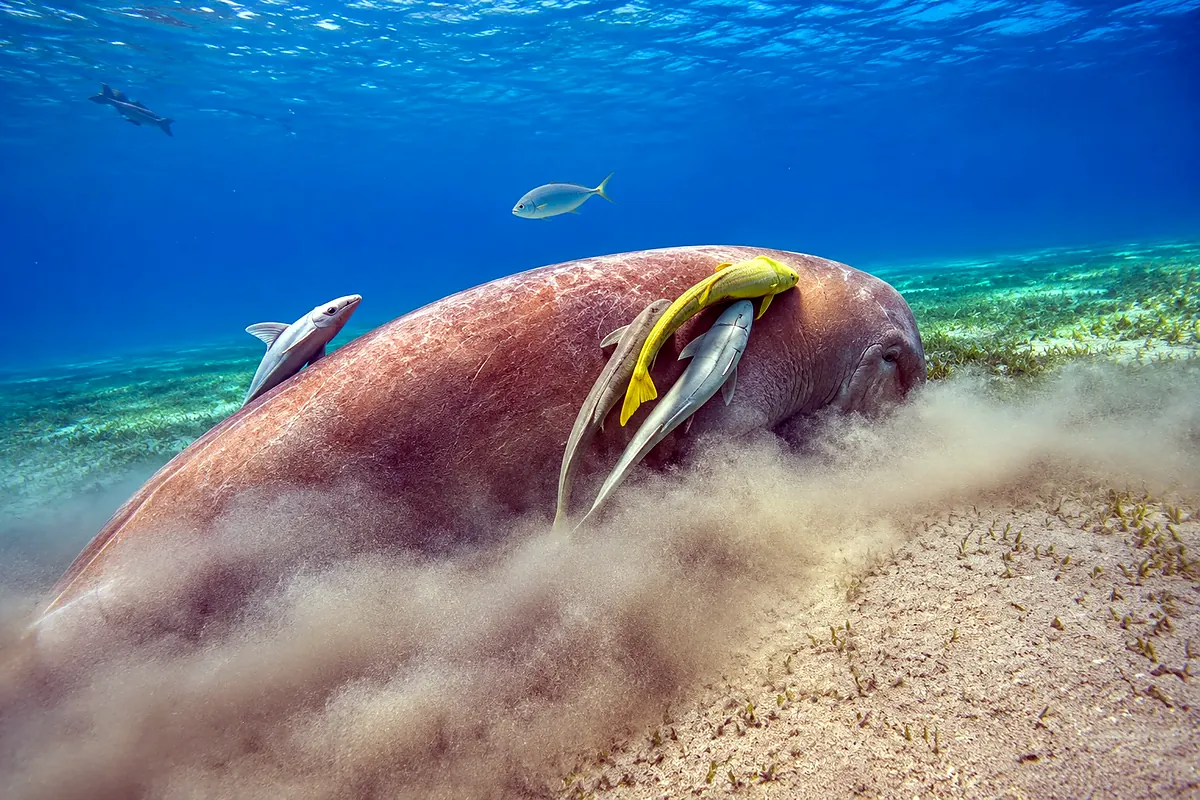
Marsa Hermez · Hermes Bay and its walls
Also, a 900 m reef with seagrass and coral walls, and the odd visit from a dugong.
Visit Marsa Hermez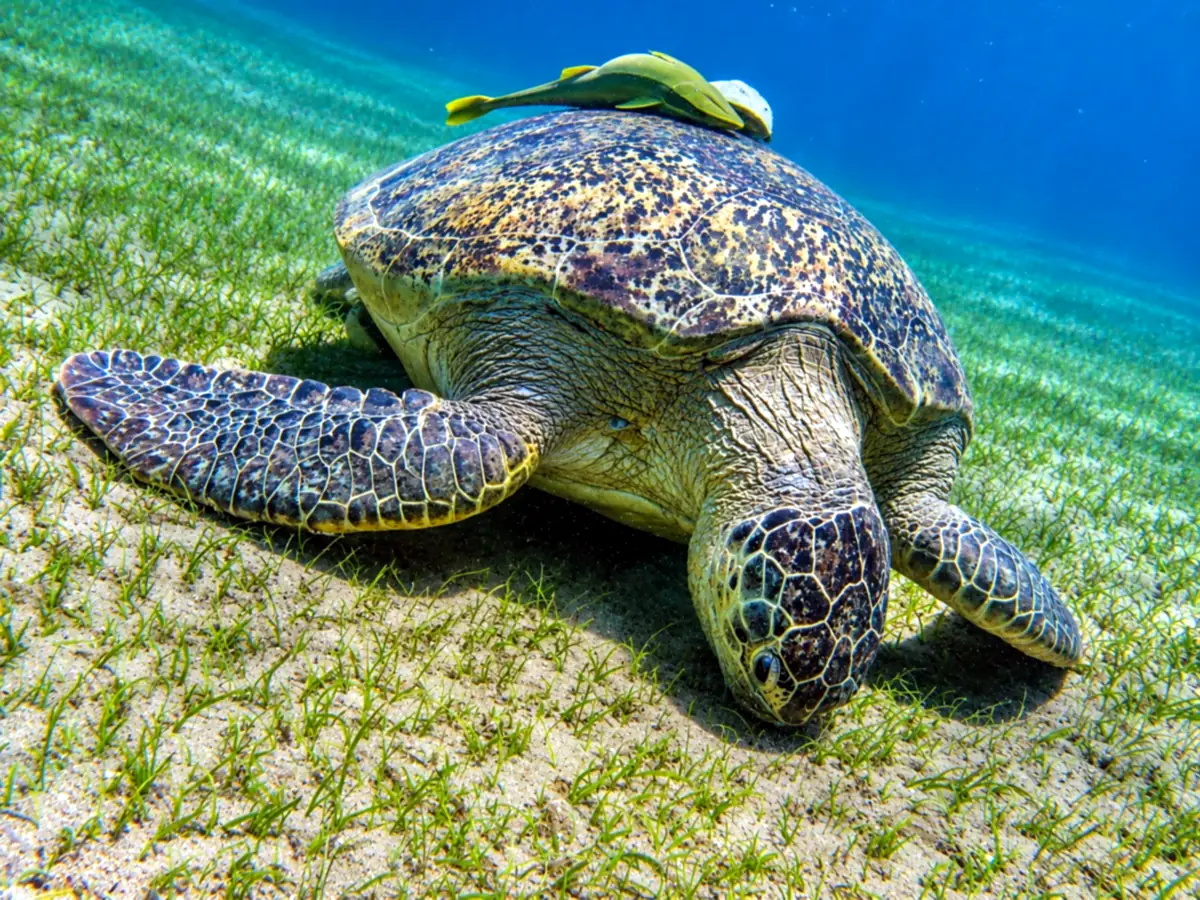
Marsa Abu Dabab · The famous turtle bay
Meanwhile, the best-known of the Marsa Alam reefs from the shore, with turtles on seagrass at 2–4 m.
Visit Marsa Abu Dabab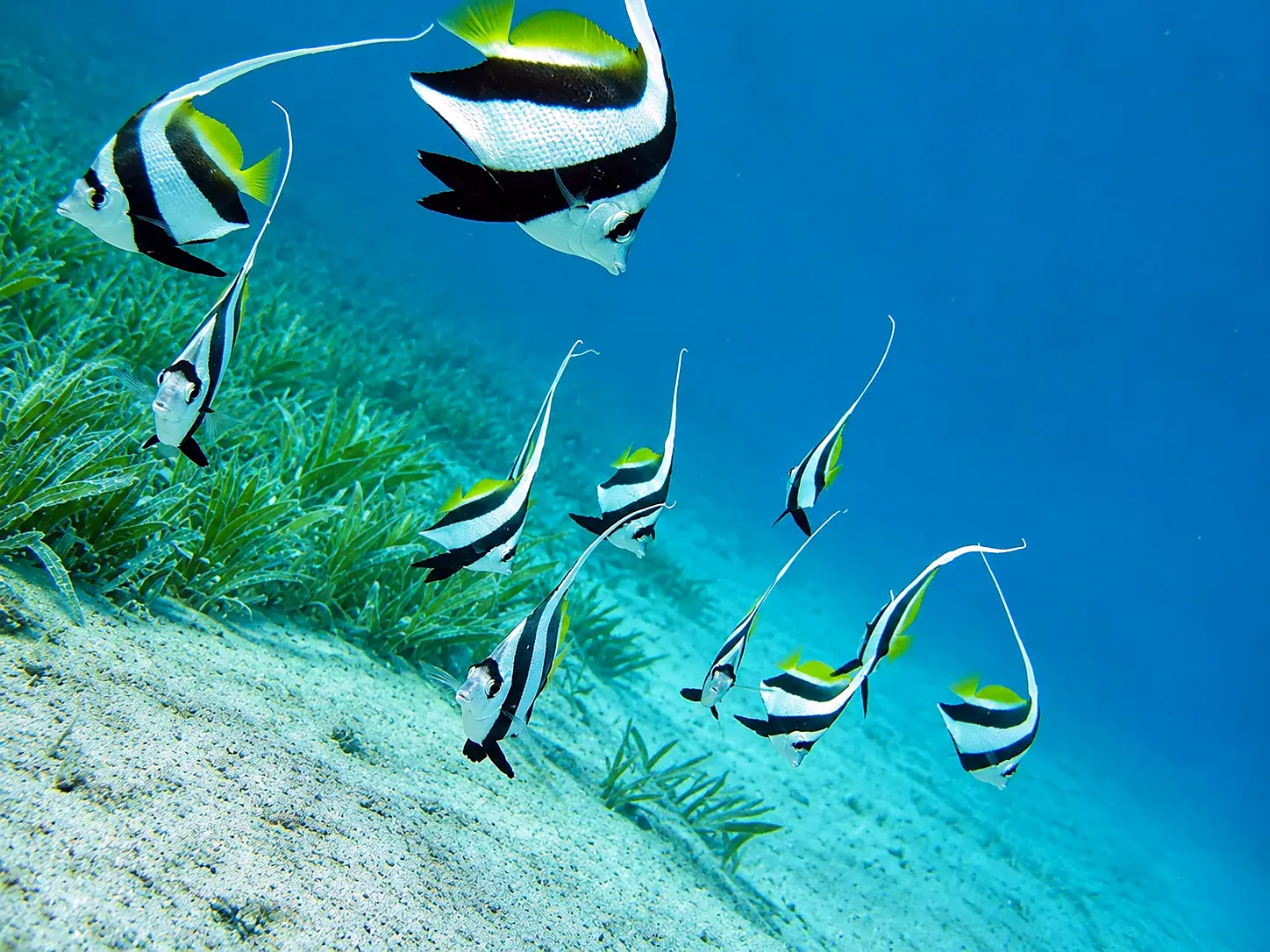
Marsa Egla · Sand, seagrass, two reefs
In addition, an easy beach dive over sand and seagrass to two coral reefs.
Visit Marsa Egla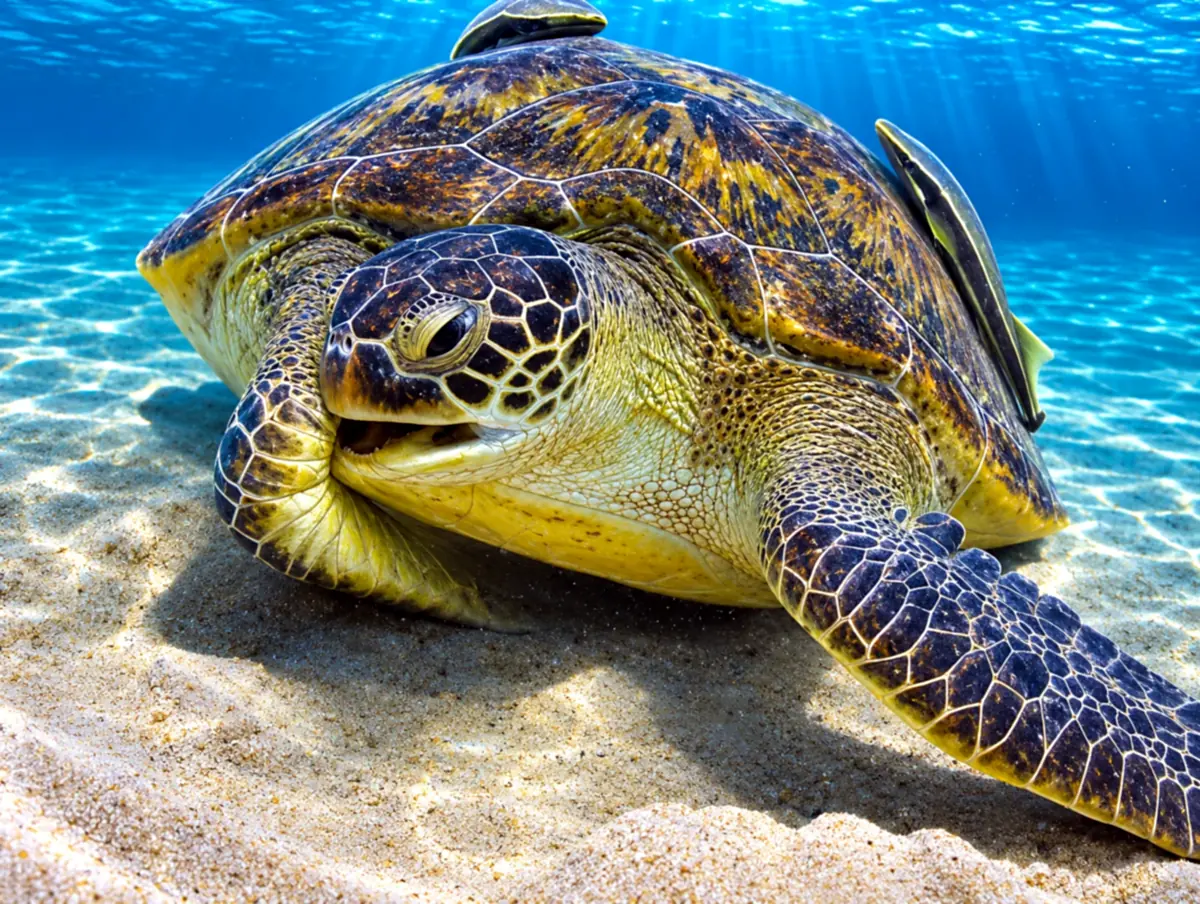
Marsa Assalaya · Kilo 7 sandy bay
Likewise, a calm sandy bay with a coral reef on each side, ideal for beginners.
Visit Marsa Assalaya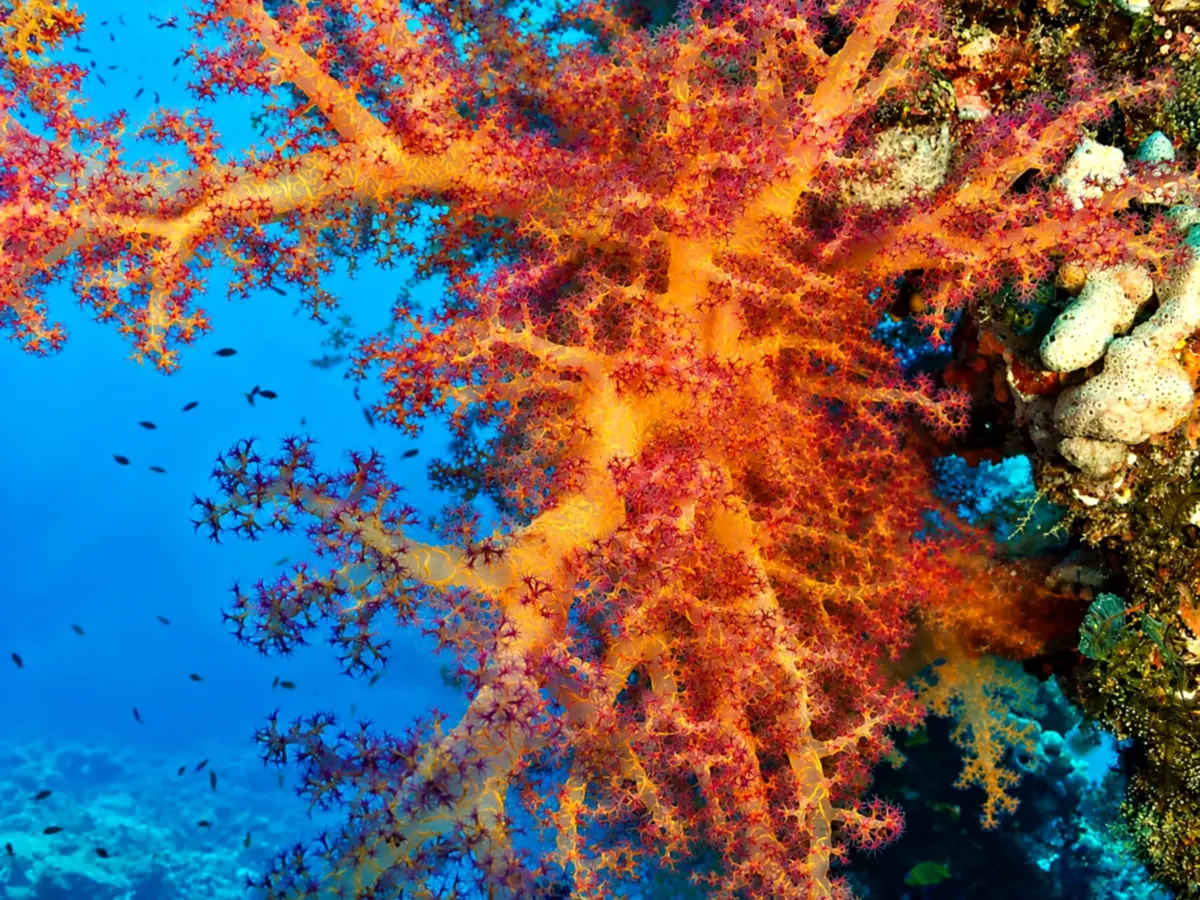
Marsa Shagra · Protected house reef
Moreover, a protected 2 km house reef, one of the healthiest Marsa Alam reefs, with walls north and south.
Visit Marsa Shagra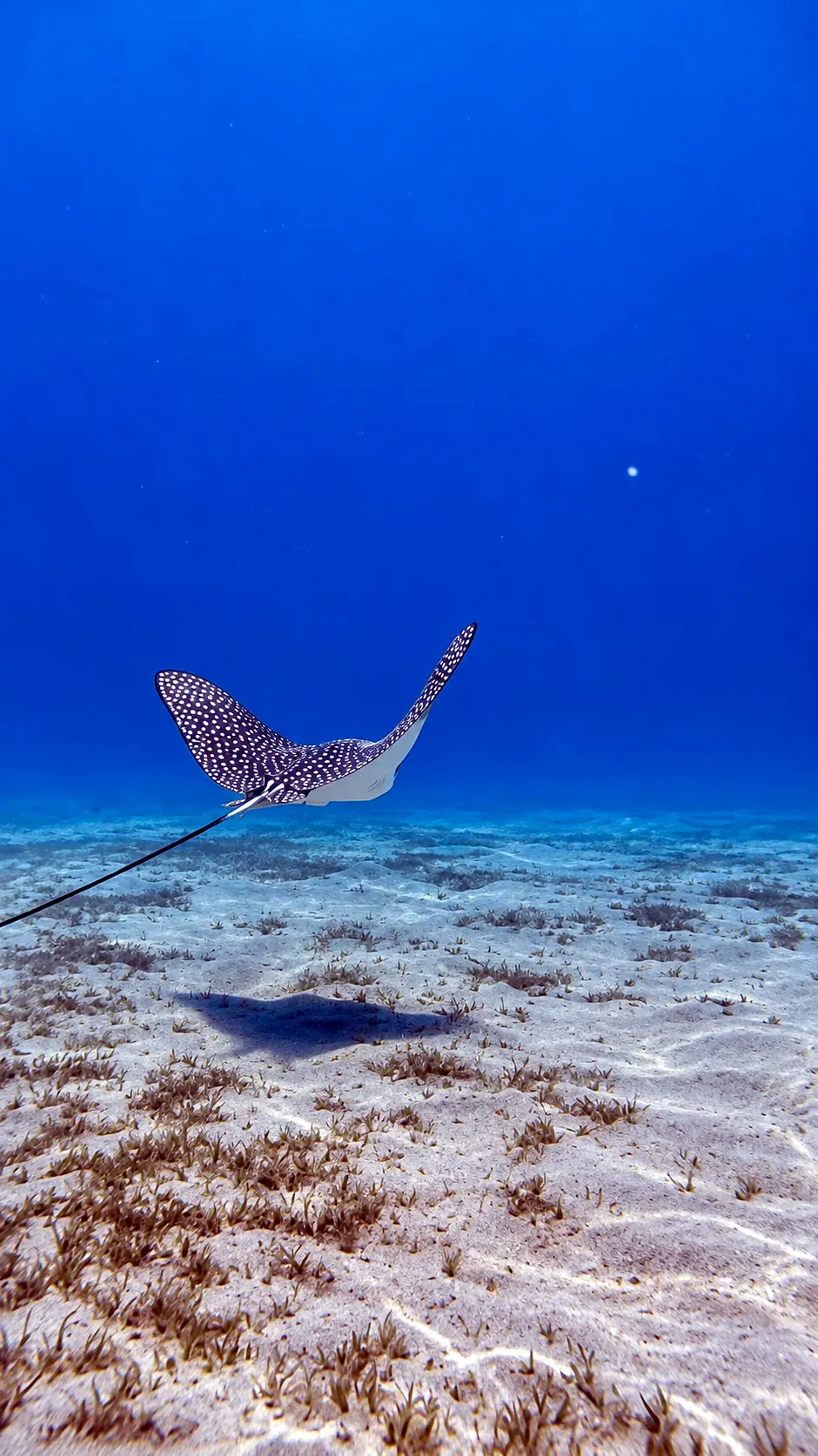
Marsa Samadai · Two rich reefs
Then, a sandy bay with two rich reefs, turtles, giant morays and eagle rays.
Visit Marsa Samadai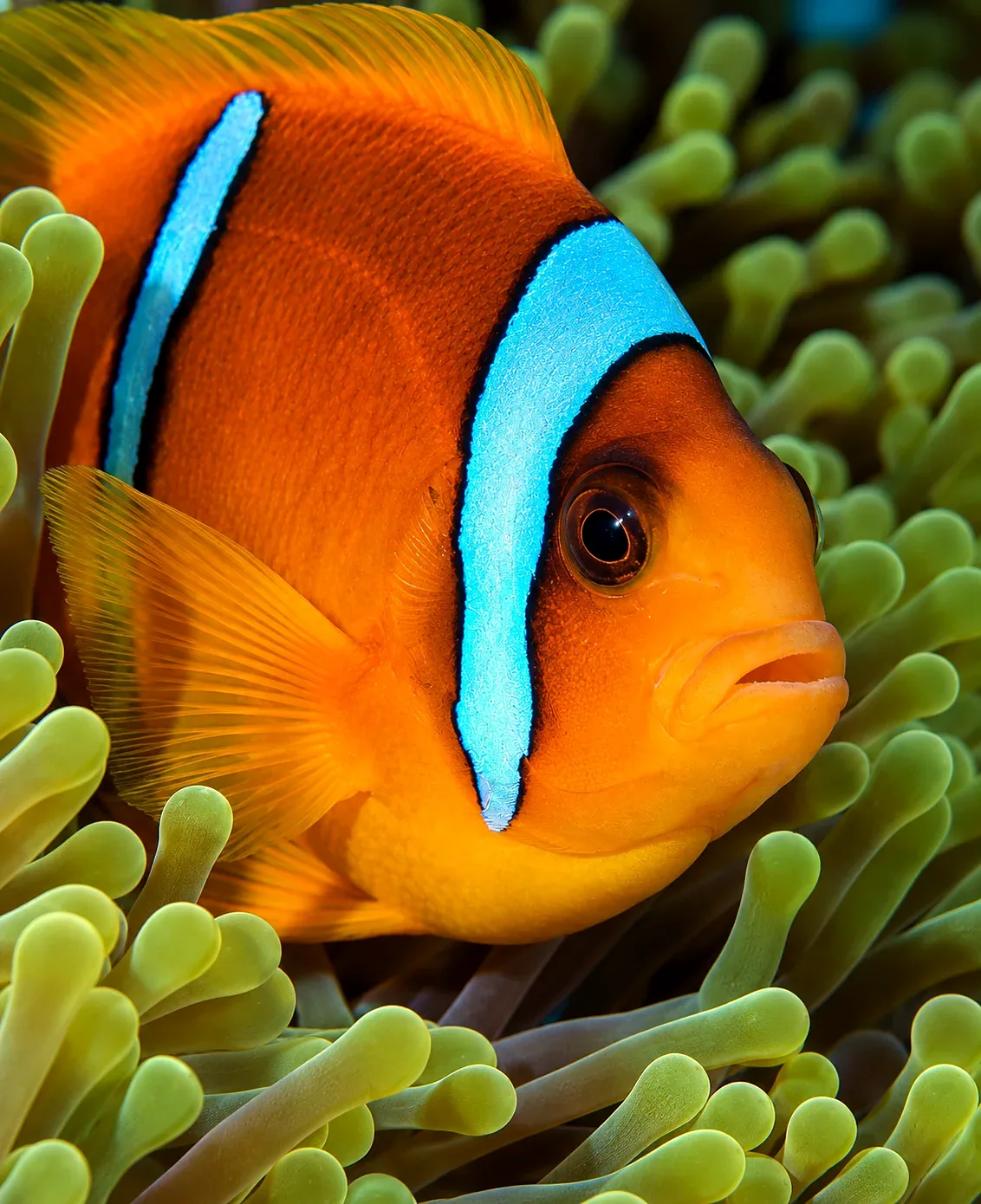
Marsa Nakari · Anemone city bay
Finally, a sheltered bay 18 km south of town, with an anemone city at about 12 m.
Visit Marsa NakariThe Abu Dabab reefs
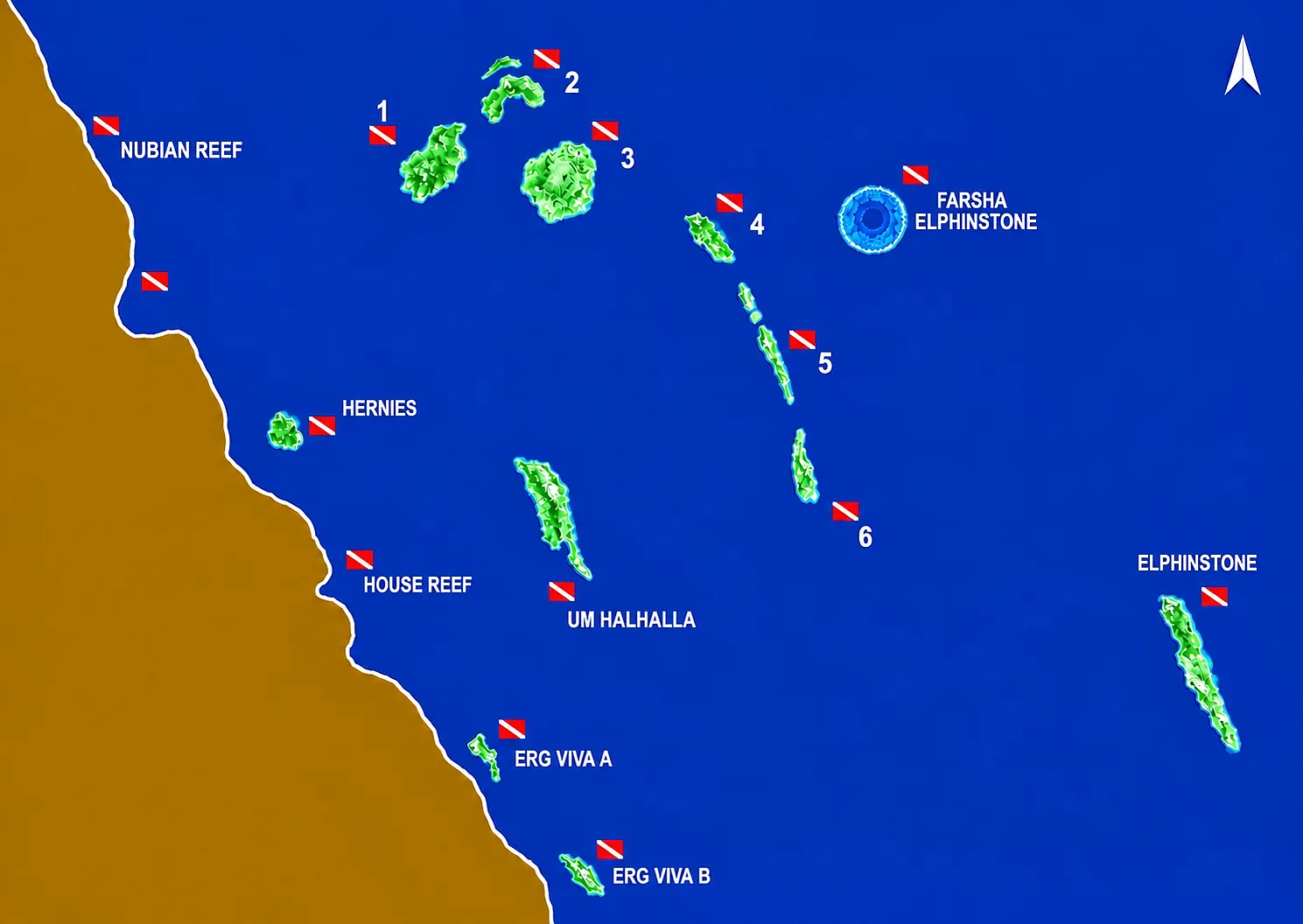
Next, the offshore coral blocks off Abu Dabab, Marsa Alam reefs reached by zodiac or day boat, with caves, swim-throughs and a wreck.
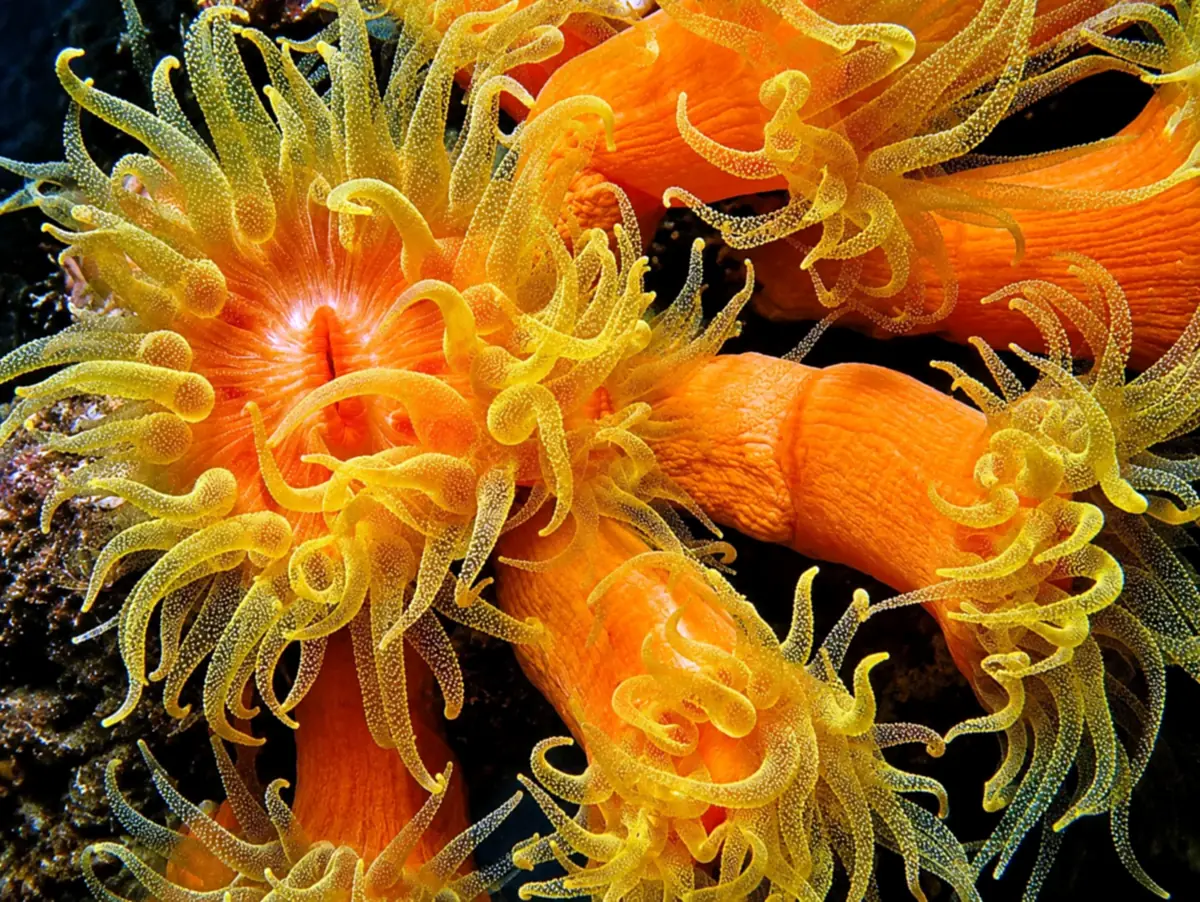
Abu Dabab 1 · Coral garden and caves
First, a quiet garden of soft-coral blocks and small caves full of light.
Visit Abu Dabab 1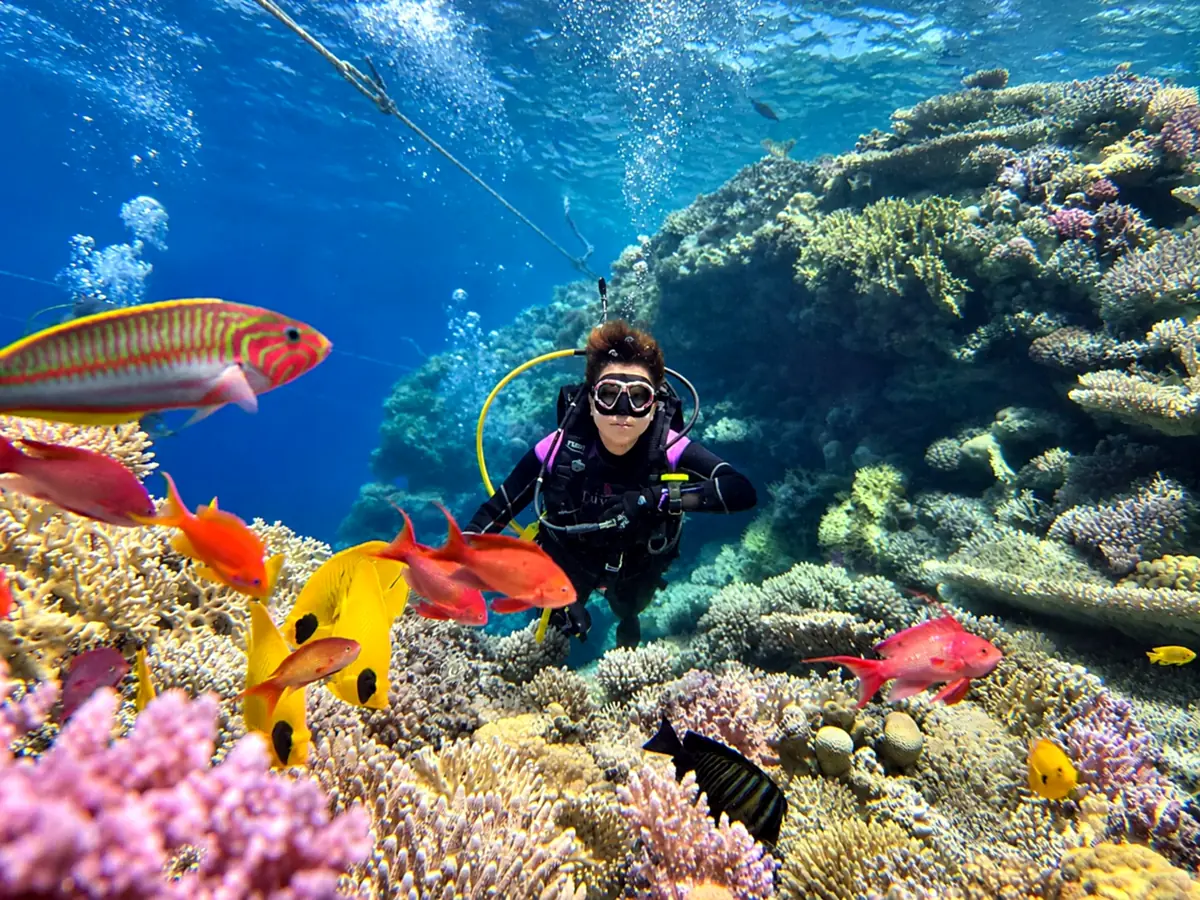
Abu Dabab 2 · Cave and Heaven One wreck
Next, a bright cave, swim-throughs, a pinnacle field and the Heaven One wreck.
Visit Abu Dabab 2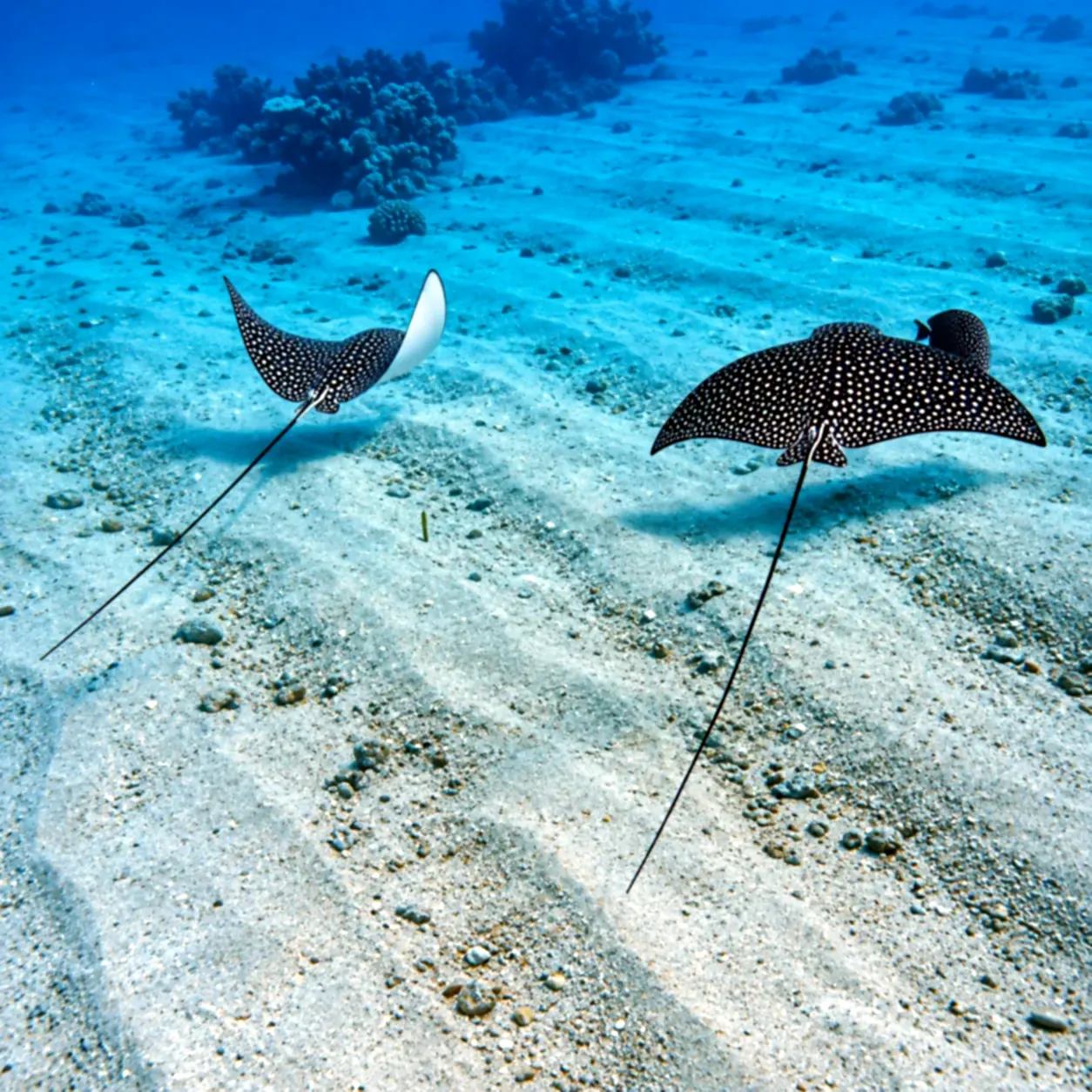
Abu Dabab 3 · Twin reef of Abu Dabab 2
Then, the twin reef of Abu Dabab 2, with pinnacles and swim-throughs.
Visit Abu Dabab 3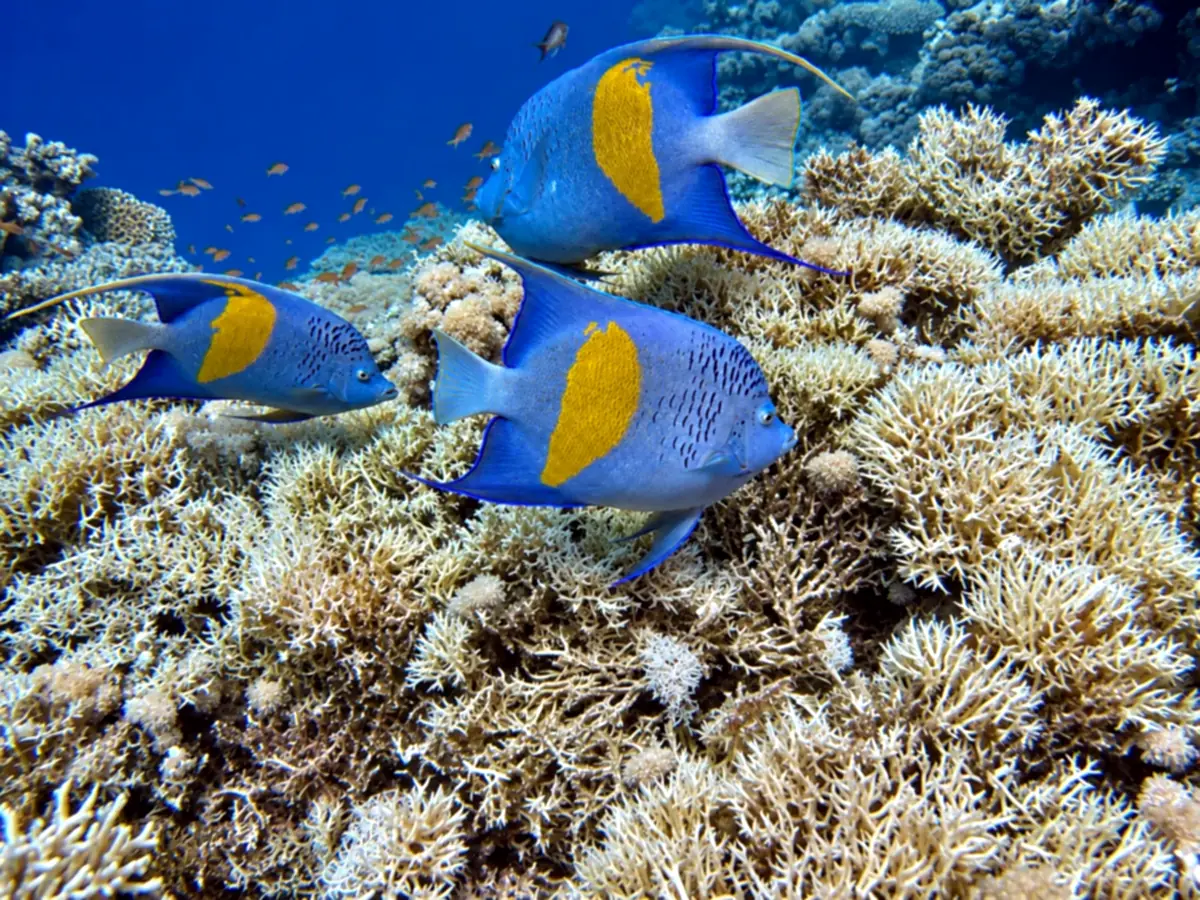
Abu Dabab 4 · One big coral block
Also, one big coral block of the Marsa Alam reefs, ringed by pinnacles from 3 to 25 m.
Visit Abu Dabab 4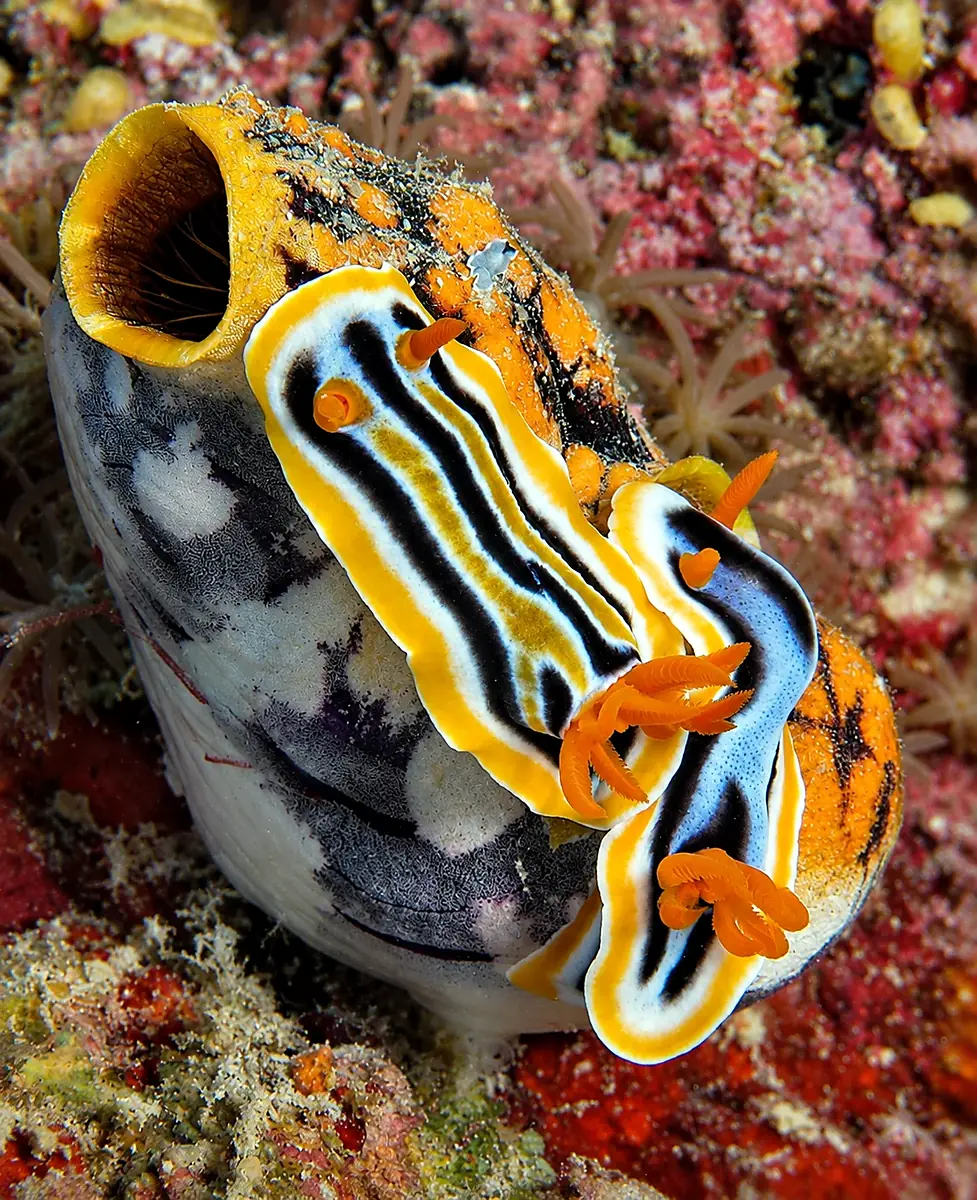
Abu Dabab 5 · Blocks, caves and light
Meanwhile, big and small coral blocks with caves and open spaces full of light.
Visit Abu Dabab 5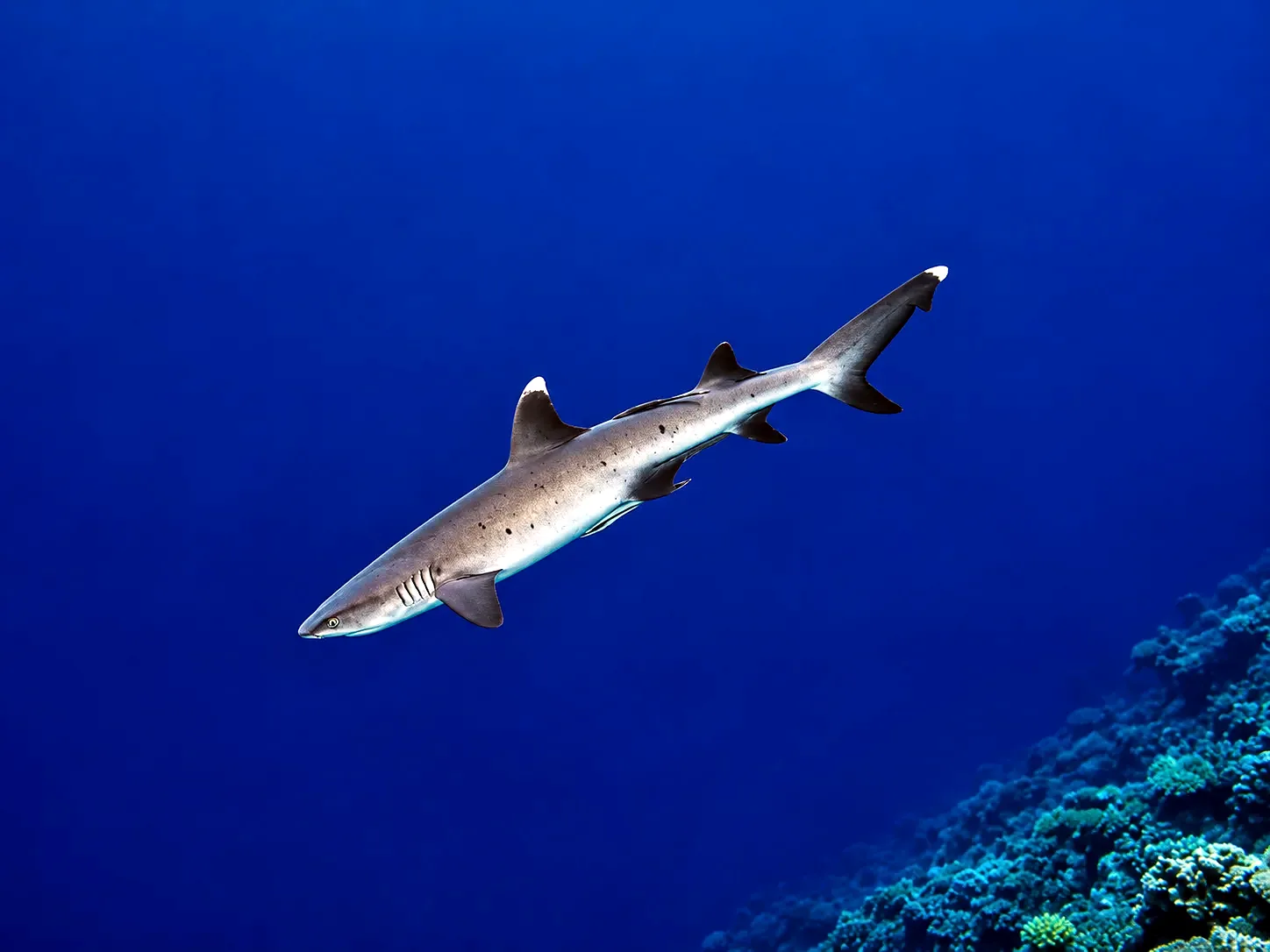
Abu Dabab 6 · Wave-carved reef
In addition, one big reef carved by the waves, ringed by pinnacles and sandy channels.
Visit Abu Dabab 6Headlands, offshore reefs and Elphinstone
Finally, Ras Torombi, the reefs in open water from Elphinstone to the dolphin lagoon of Shaab Samadai, and the way south.
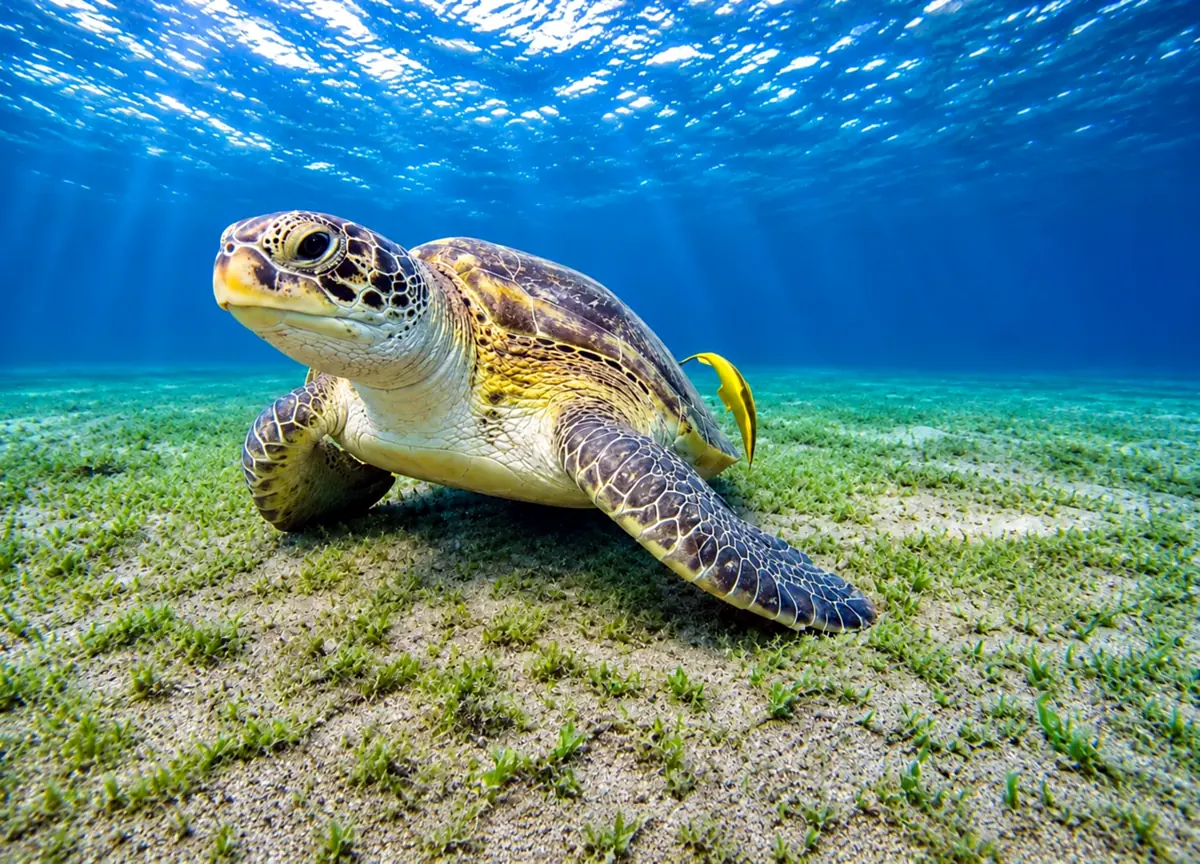
Ras Torombi · Headland, lagoon and pinnacles
First, a wild headland near Port Ghalib with a bay, a lagoon garden and pinnacles.
Visit Ras Torombi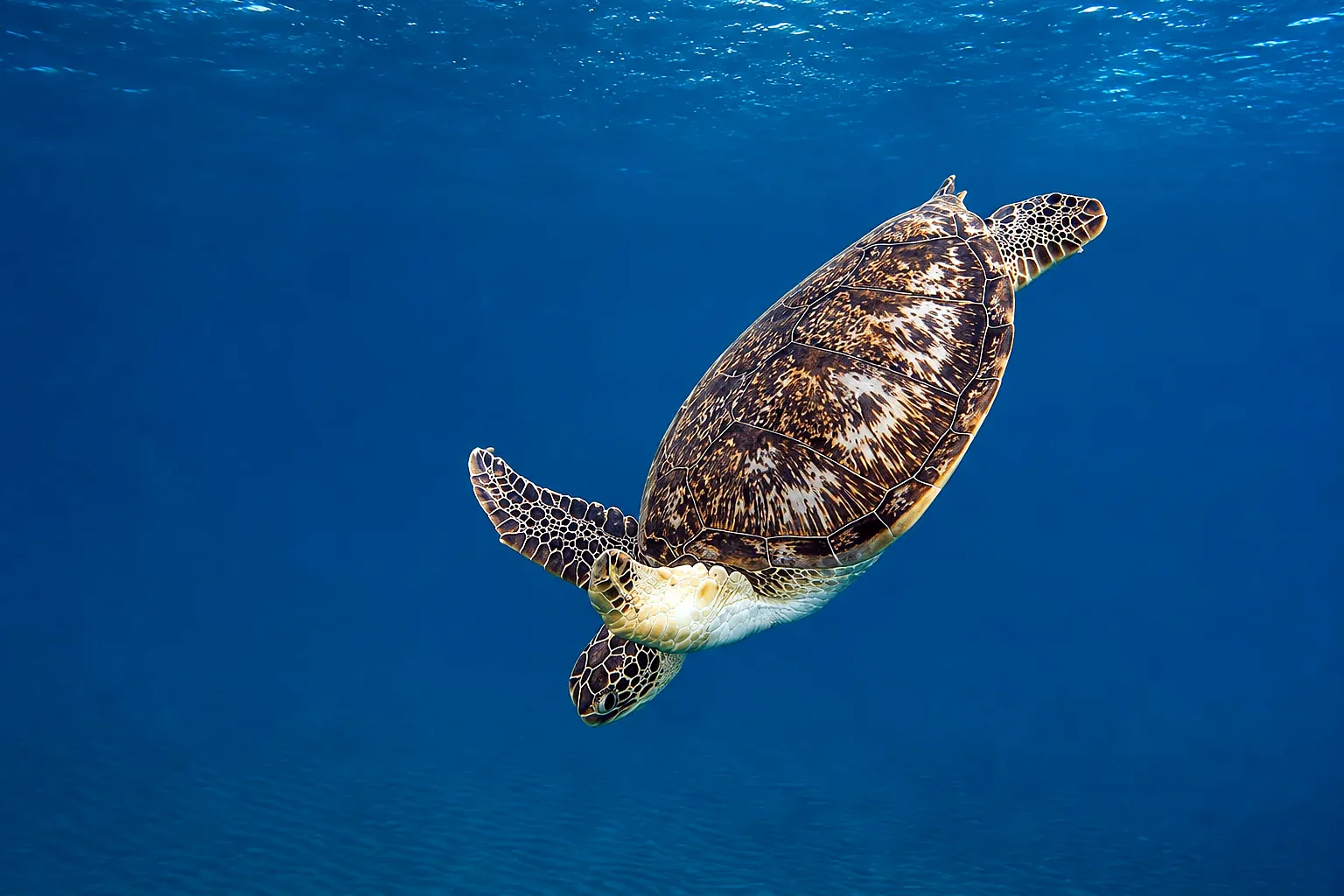
Mohalhala · Long reef of blocks
Next, a long, sheltered reef of coral blocks and pinnacles 2 km offshore.
Visit Mohalhala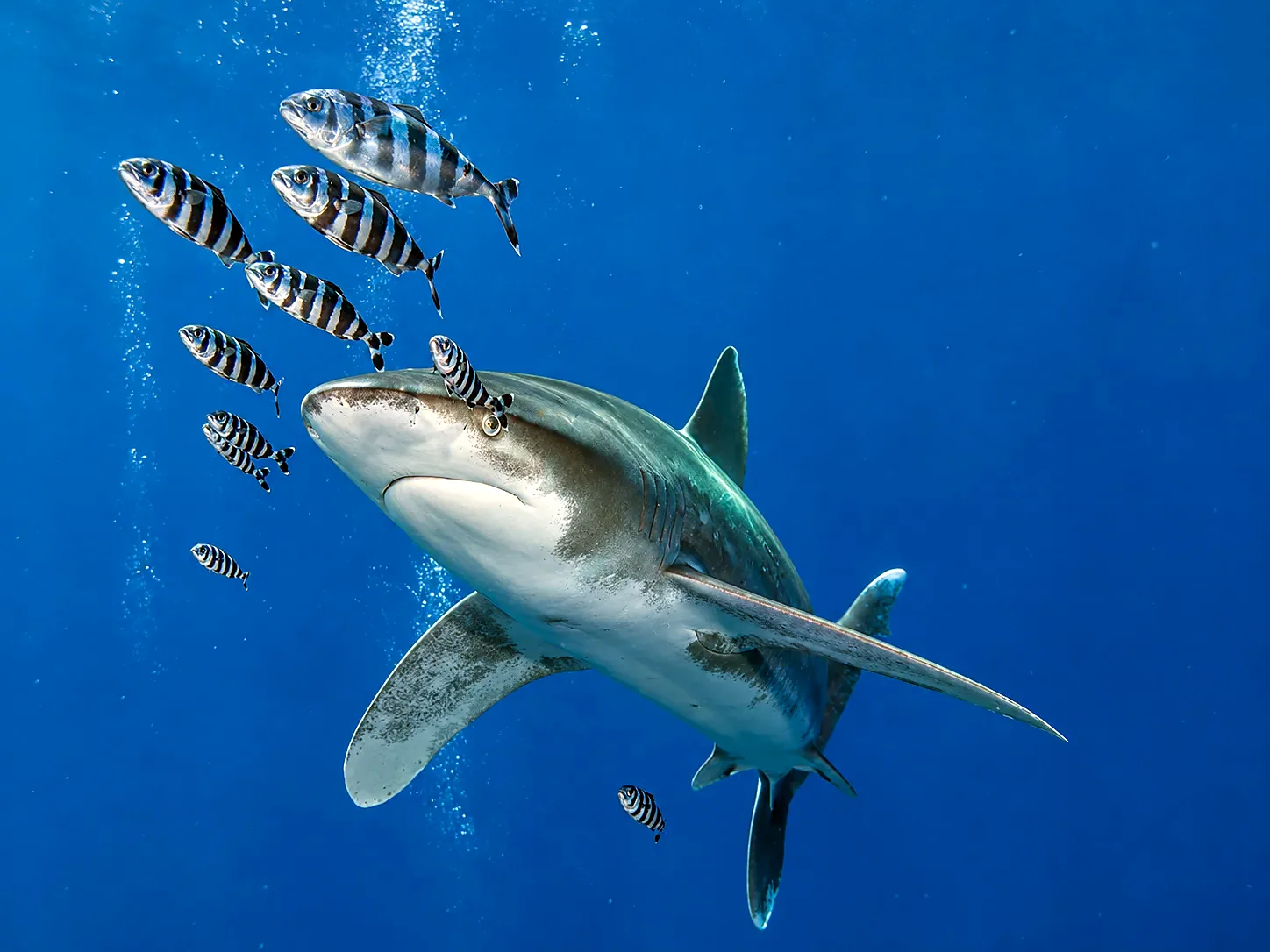
Elphinstone · Walls and oceanic whitetips
Then, the most famous of the Marsa Alam reefs, with walls past 100 m and oceanic whitetips in autumn.
Visit Elphinstone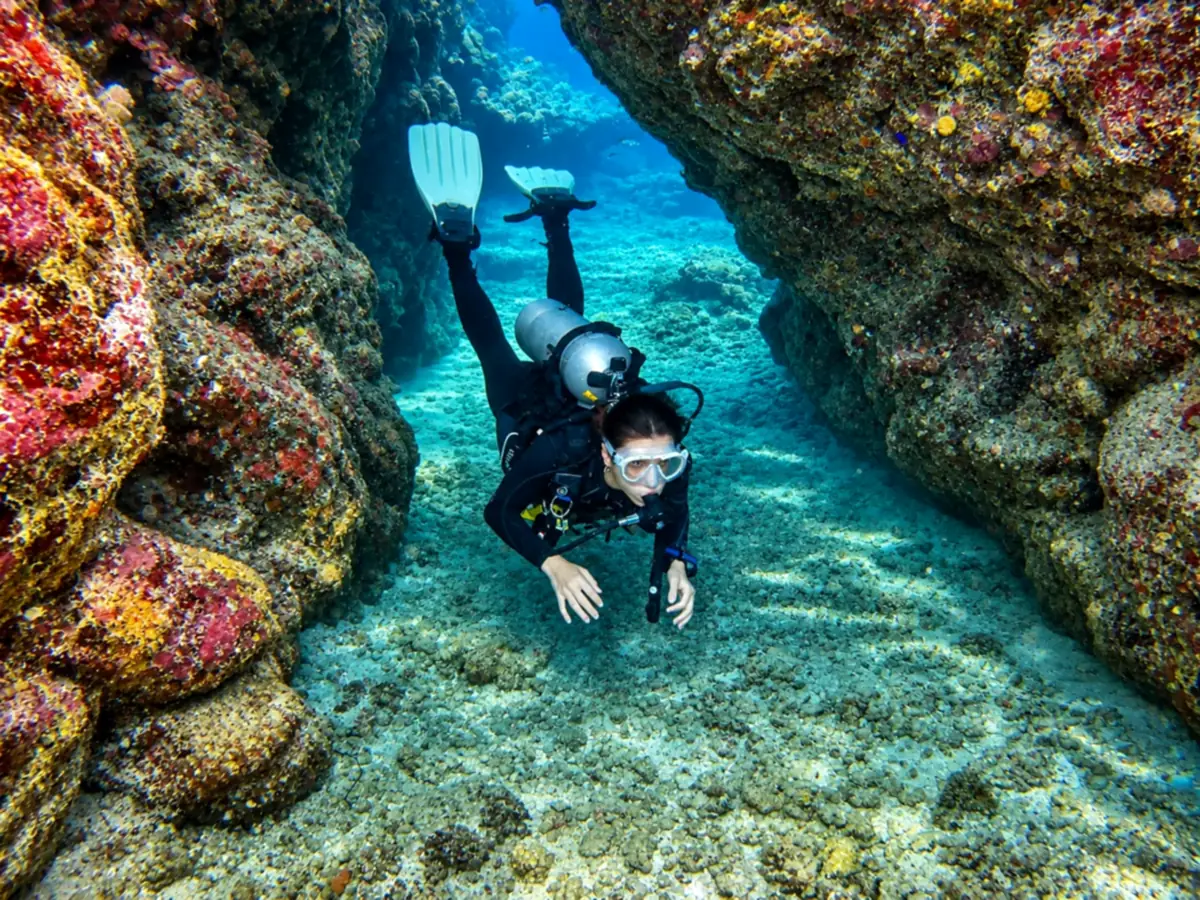
Shaab Marsa Alam · Lagoon, drift and wreck
Also, a 790 m reef 10 minutes from the marina, with a lagoon, caverns and the Legend wreck.
Visit Shaab Marsa Alam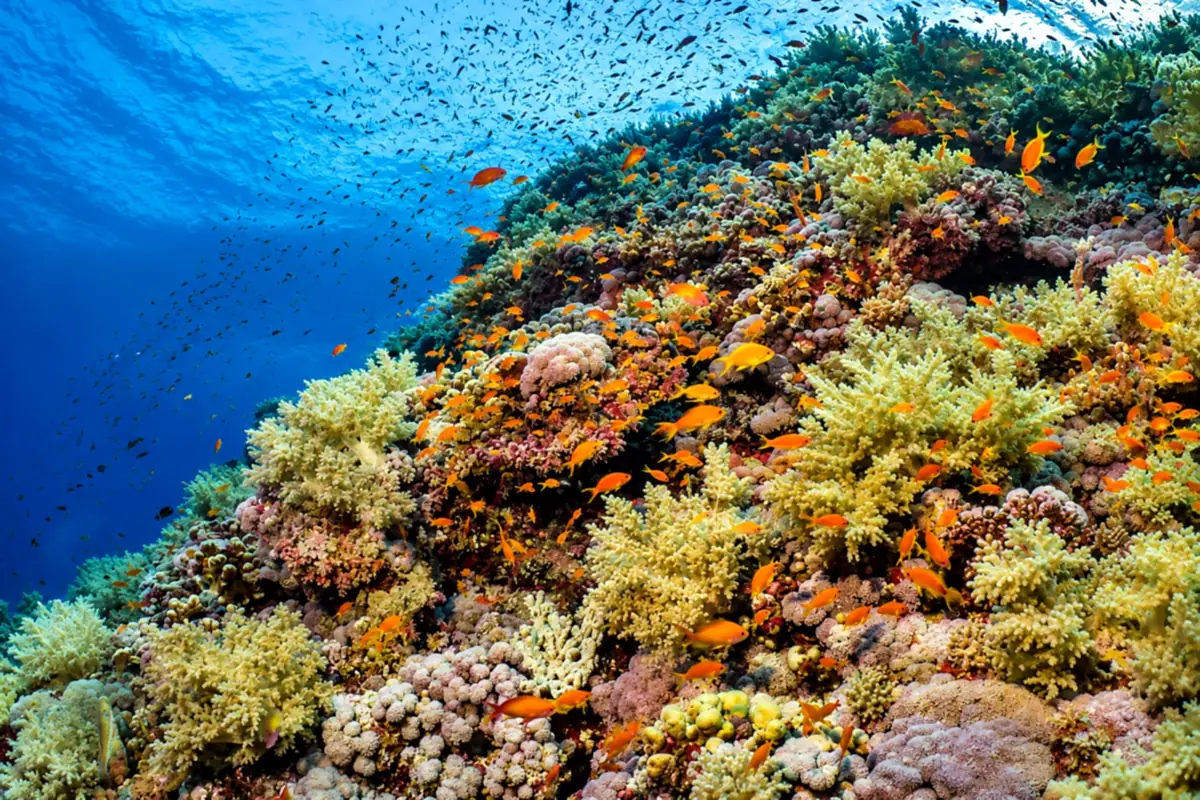
Habili Marsa Alam · Round coral pinnacle
Meanwhile, a round pinnacle 130 m across, 550 m off Shaab Marsa Alam, with a top at 2–5 m.
Visit Habili Marsa Alam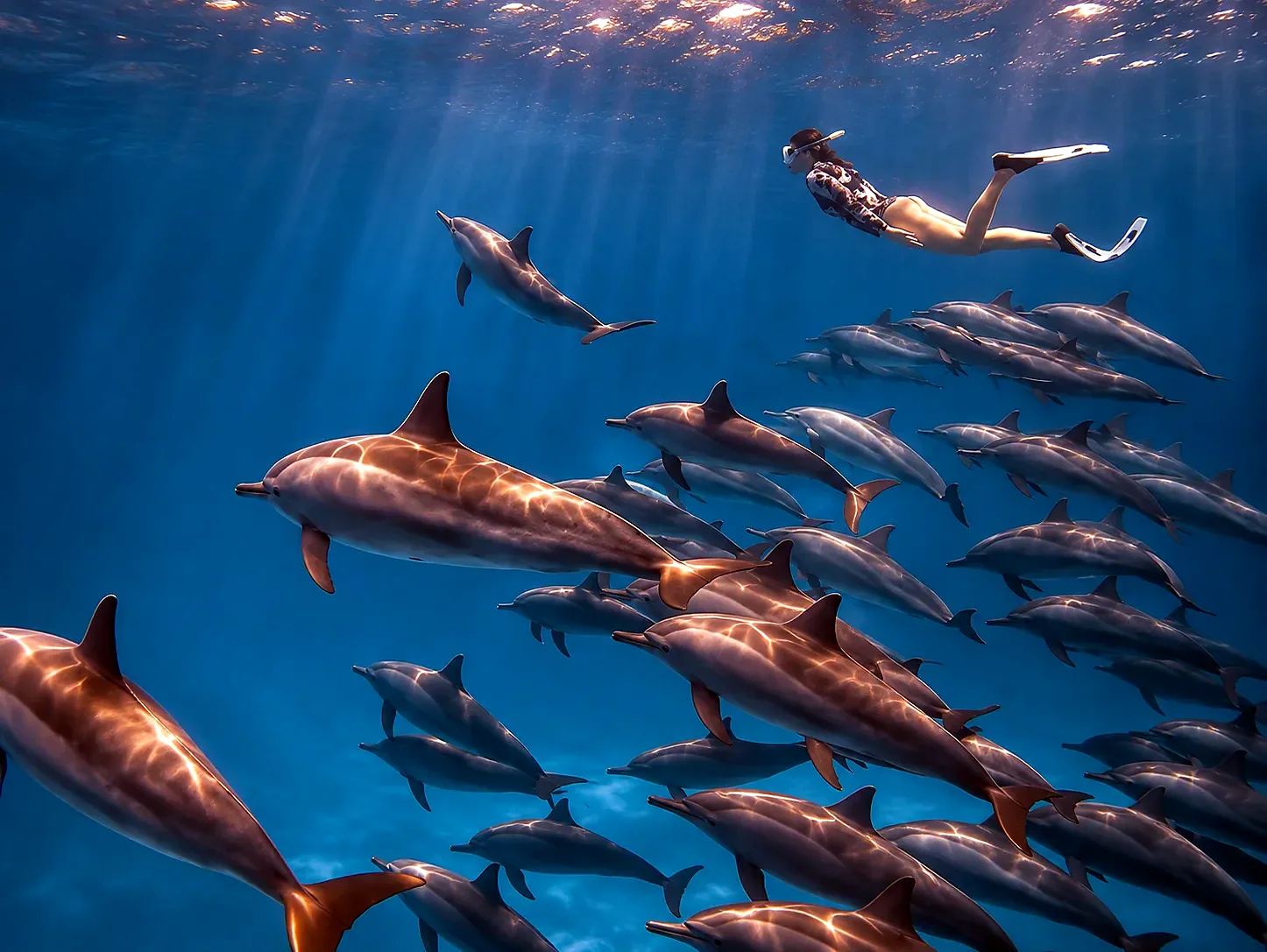
Shaab Samadai · Dolphin House lagoon
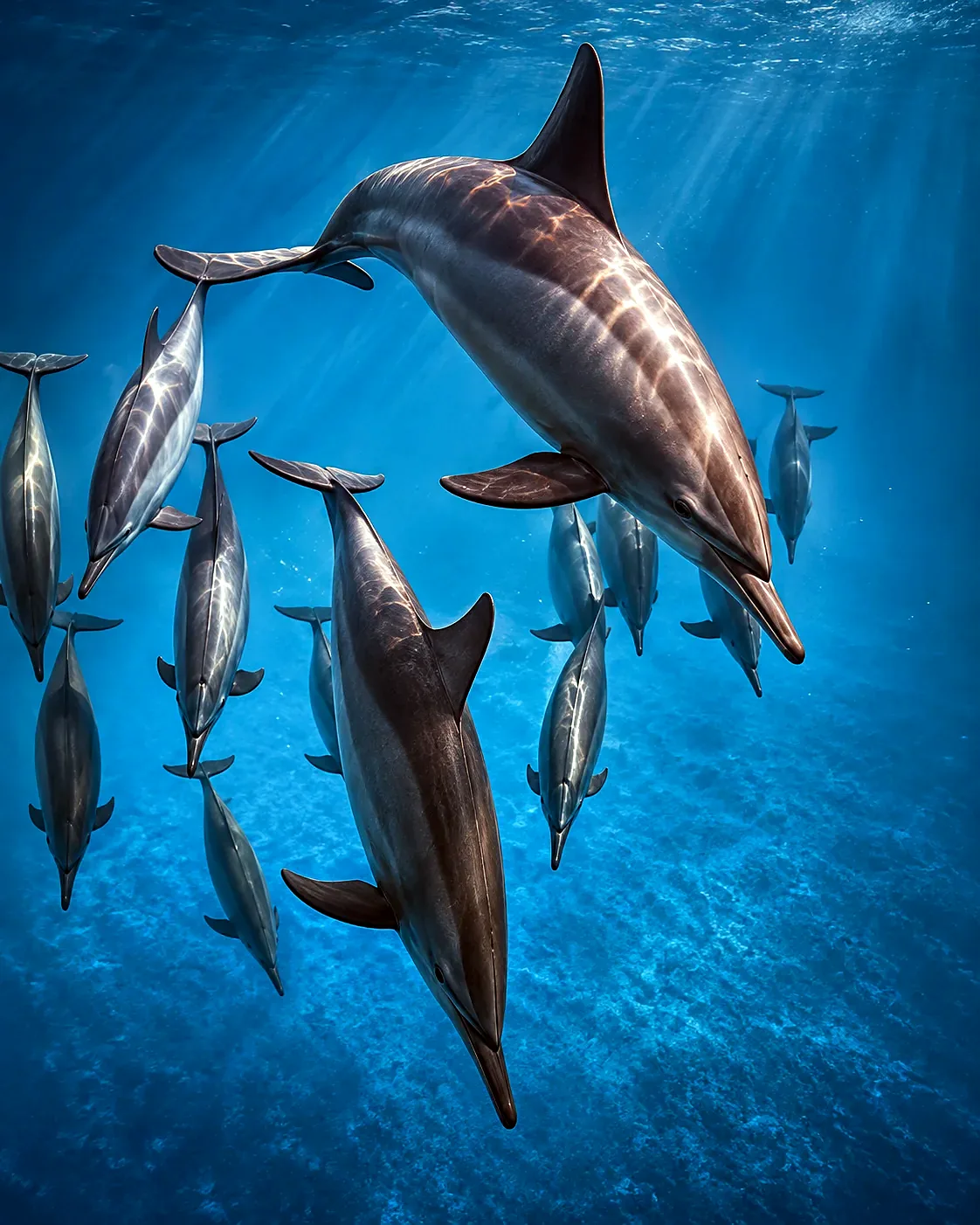
In addition, the protected horseshoe reef where spinner dolphins rest in the lagoon.
Visit Shaab Samadai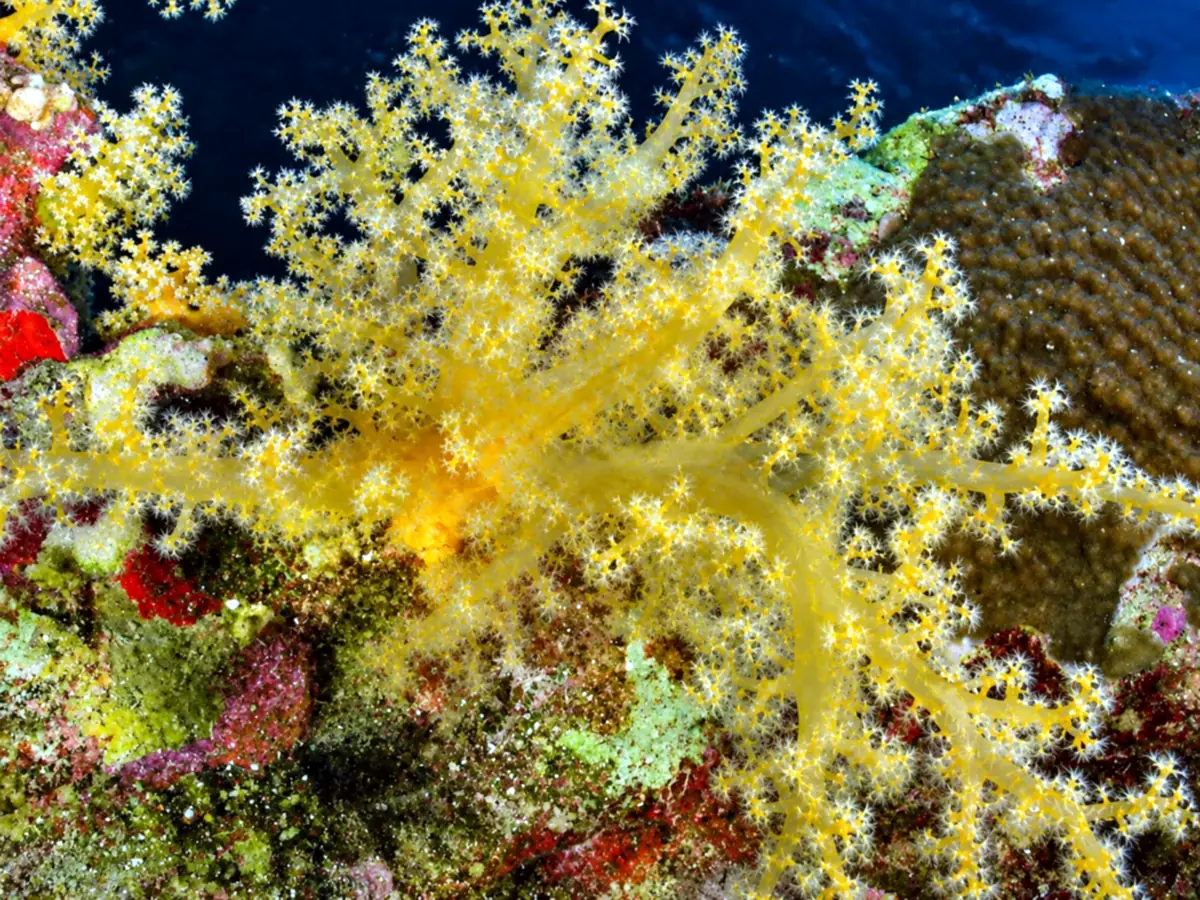
Shaab Nakari · Quiet coral walls
Likewise, a quiet 260 m reef with coral walls and gardens on its northern side.
Visit Shaab Nakari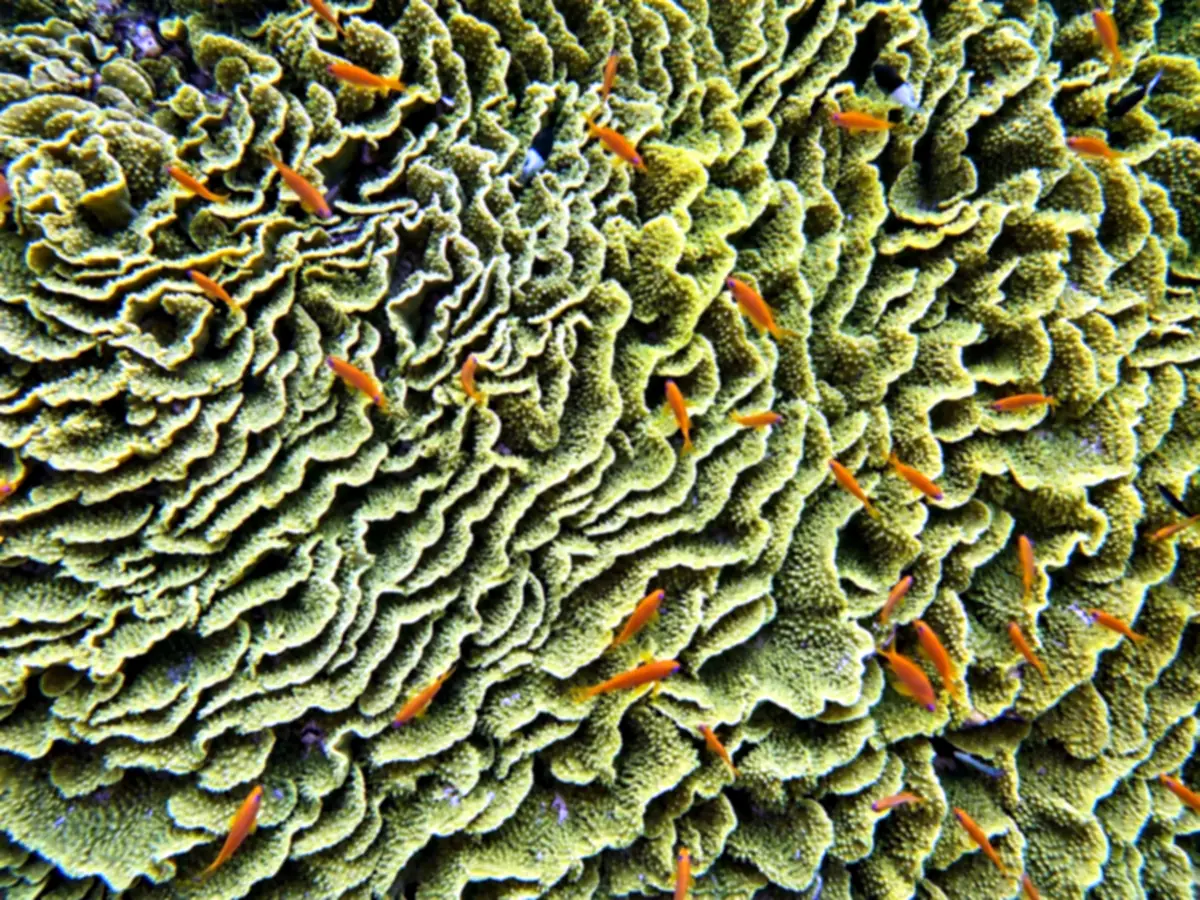
Habili Nakari · Submerged reef
Besides, a submerged reef off the Marsa Nakari coast, dived on calm days only.
Visit Habili Nakari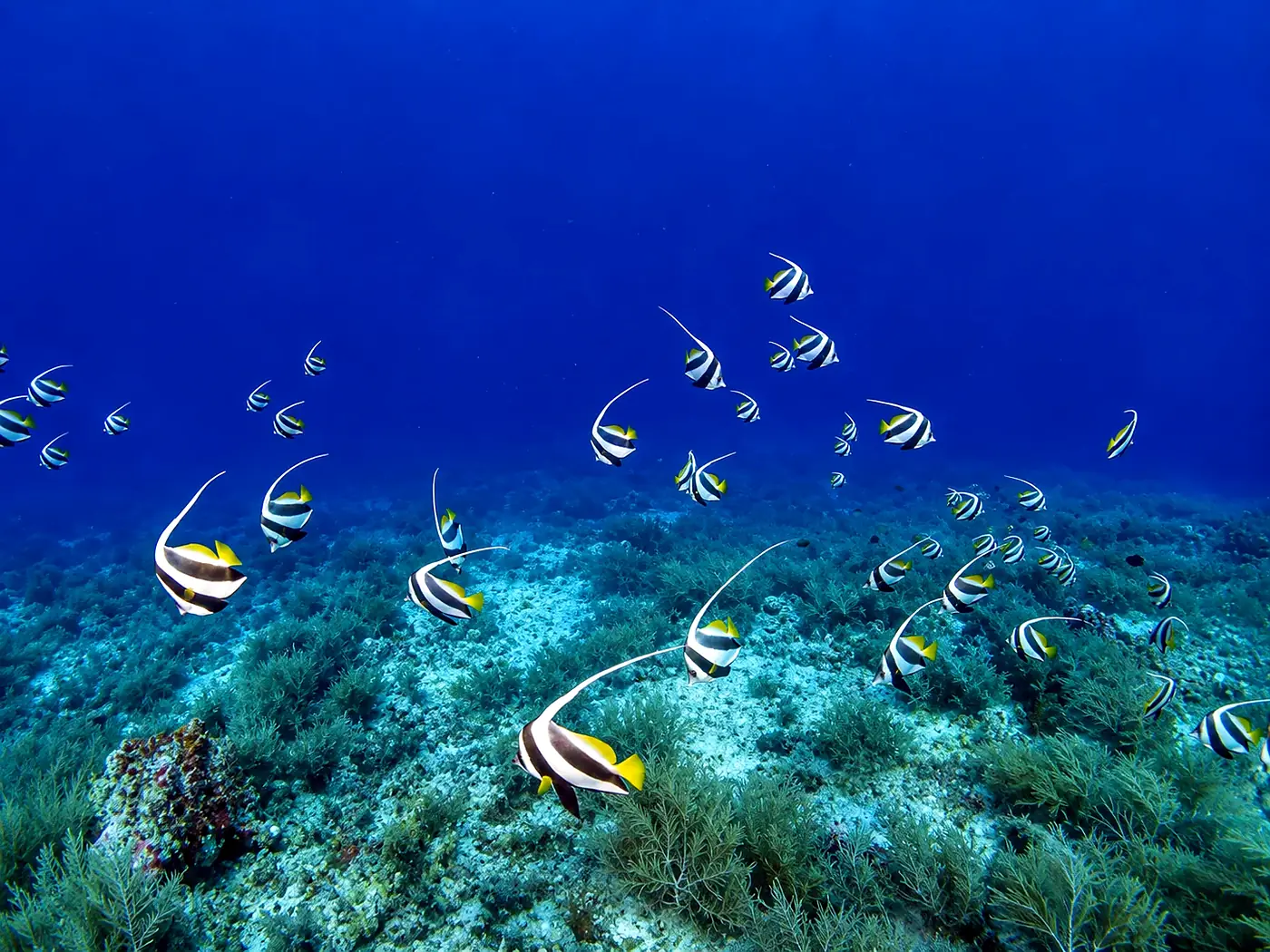
Wadi El Gemal · Further south
Finally, beyond Marsa Nakari, the national park reefs continue south toward Hamata.
Explore Wadi El GemalThe Marsa Alam dive sites in short
In short, the Marsa Alam dive sites line the coast of the southern Egyptian Red Sea, from Ras Torombi and Marsa Mubarak near Port Ghalib to Marsa Nakari, 18 km south of town. They include shore bays such as Marsa Abu Dabab and Marsa Shagra, the offshore coral blocks of Abu Dabab 1–6, the dolphin reef of Shaab Samadai and Elphinstone, about 26 km north of town. Overall, depths run from about 2 m in the seagrass to 40 m on the walls, so there are dives for every level.
What is diving in Marsa Alam like?
Above all, it is a coast of bays. Many of the best dives start on a beach, so you walk in over sand and seagrass and reach the reef in minutes.
Moreover, the offshore reefs add variety. For example, the Abu Dabab blocks hide caves and a wreck, while Shaab Samadai shelters dolphins and Elphinstone brings big sharks.
However, the offshore reefs depend on the weather. For this reason, guides choose the boat dives each day according to wind and waves.
Marsa Alam at a glance
Shore bays
First, sheltered bays you enter straight from the beach.
Coral blocks
Next, the Abu Dabab blocks, reached by zodiac or day boat.
Offshore reefs
Finally, Shaab Samadai, the habilis and the walls of Elphinstone.
Where are the Marsa Alam dive sites?
Geographically, the sites stretch along the coast on both sides of Marsa Alam town. Meanwhile, in the north, Ras Torombi and Marsa Mubarak lie near Port Ghalib, and Elphinstone stands about 11 km offshore, 26 km north of town.
Further south, Shaab Samadai, Shaab Nakari and Marsa Nakari lie below the town. In addition, beyond them, the Wadi El Gemal dive sites, the Hamata dive sites and Fury Shoals continue the reefs to the south.
What marine life lives at the Marsa Alam dive sites?
Overall, the coast is famous for big animals in shallow water. Still, wild animals are never guaranteed, so treat the list below as possibilities rather than promises.
Turtles and dugongs
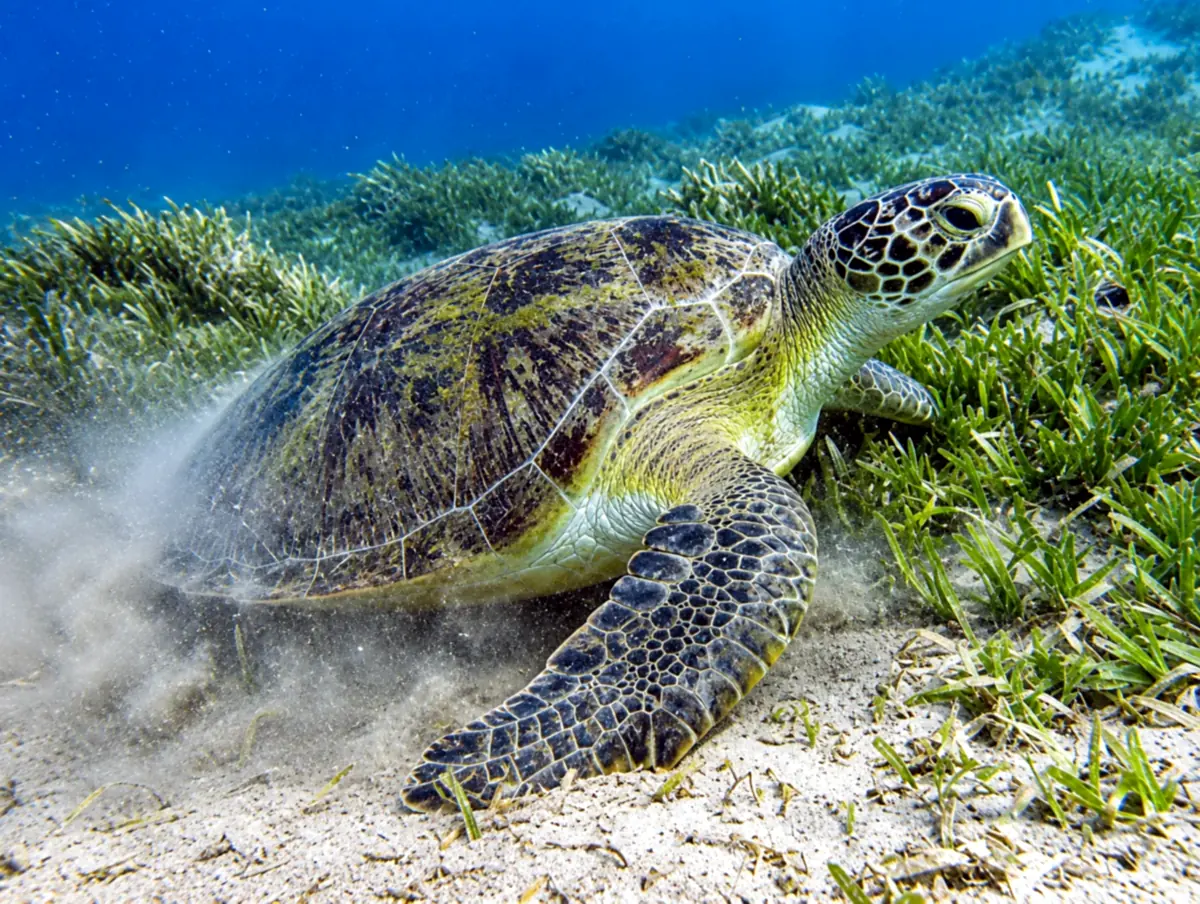
Typically, green turtles feed on the seagrass of Abu Dabab, Mubarak and Hermez, where a dugong is sometimes seen.
Dolphins
Meanwhile, spinner dolphins rest by day in the protected lagoon of Shaab Samadai.
Sharks and reef fish
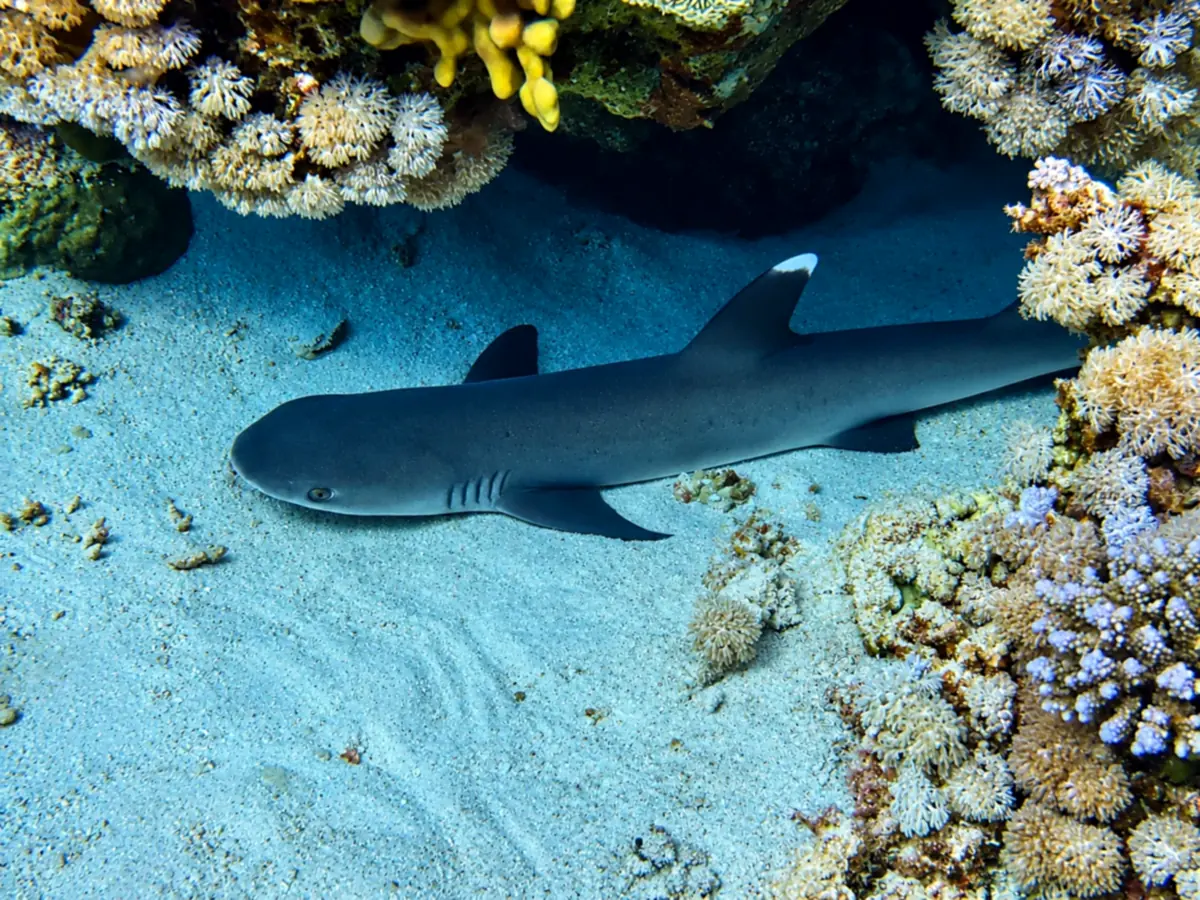
Finally, oceanic whitetips visit Elphinstone from September to December, while anthias and reef fish fill every reef.
Are the Marsa Alam dive sites suitable for beginners?
In general, most of them, yes. Shore bays such as Marsa Abu Dabab, Marsa Assalaya, Marsa Egla and Marsa Nakari suit Open Water divers and snorkelers with a guide.
However, Elphinstone has strong currents and deep walls. Therefore, it calls for Advanced Open Water and current experience.
Before you dive in Marsa Alam
Firstly, bring your logbook and listen to every briefing. Secondly, practice negative entries and SMB deployment, as described in our liveaboard dive techniques guide.
Above all, follow our diving safety standards and the rules of HEPCA. We strongly recommend dive insurance such as DAN Europe.


Wadi El Gemal, the far south and courses
However, Marsa Alam diving is only one part of the south. In fact, the Wadi El Gemal dive sites and Hamata lie just to the south, while the Deep South St. John’s liveaboard continues toward the Sudanese border.
In addition, we teach PADI courses, BSAC courses and CMAS courses in Hurghada, so you can gain the experience for the offshore reefs before you sail.
How do you get to the Marsa Alam dive sites?
In practice, divers reach the bays by road and walk in from the beach, while zodiacs and day boats take them to the offshore reefs. Also, with us, Elphinstone and the Marsa Alam reefs are stops on our BDE liveaboard and the Daedalus and Fury Shoals route. Guests board on Saturday after 15:00, and check-out is between 09:00 and 10:00 the following Saturday.
Plan your Marsa Alam dive trip
- BDE liveaboard — Brothers, Daedalus and Elphinstone.
- Daedalus and Fury Shoals liveaboard — Daedalus Reef and the southern reefs.
- What divers need on board — the packing checklist for a Red Sea safari.
- redsealiveaboard.net — Red Sea safari schedules and availability.
- All eight boats in our fleet can sail these routes: Sea Fox, Simba, Sea Treasure, Star Jet, Bismarck, C Echo II, C U and Ramadan 3.
Other routes from Red Sea Diving
Generally, after Marsa Alam diving, or for a first liveaboard, the North Red Sea liveaboard keeps to the classic wrecks. On the other hand, the Elba Reef liveaboard goes far south. Meanwhile, the Red Sea liveaboard guide compares all eight routes.
Marsa Alam dive sites: frequently asked questions
What are the Marsa Alam dive sites?
In fact, they are the reefs along the coast around Marsa Alam, from Ras Torombi near Port Ghalib to Marsa Nakari south of town, plus offshore reefs such as Elphinstone.
Can you see dugongs and turtles in Marsa Alam?
Above all, turtles, very often, on the seagrass of Marsa Abu Dabab and nearby bays. A dugong is seen only sometimes, so it is never guaranteed.
Are the Marsa Alam dive sites good for beginners?
In general, most shore bays are, with a guide. However, Elphinstone needs Advanced Open Water and some current experience.
Where can you see dolphins in Marsa Alam?
Above all, at Shaab Samadai, also called Dolphin House, where spinner dolphins rest in the protected lagoon by day.
How do you get to the Marsa Alam dive sites?
Usually, from the shore, by zodiac or day boat, or on our southern liveaboard routes. Moreover, all eight boats in the Red Sea Diving fleet can run these routes.
Marsa Alam · Liveaboard · Bays, reefs and dolphins
Dive Marsa Alam with us
Simply tell us your dates, the number of divers, your certification level and your number of logged dives. Afterward, our team checks which departure fits your group before you commit to anything.


