
Guide to St. John’s dive sites · Deep South Egypt · near Sudan
St. John’s Dive Sites Ten remote reefs of pinnacles, walls and coral gardens in the far south of the Egyptian Red Sea
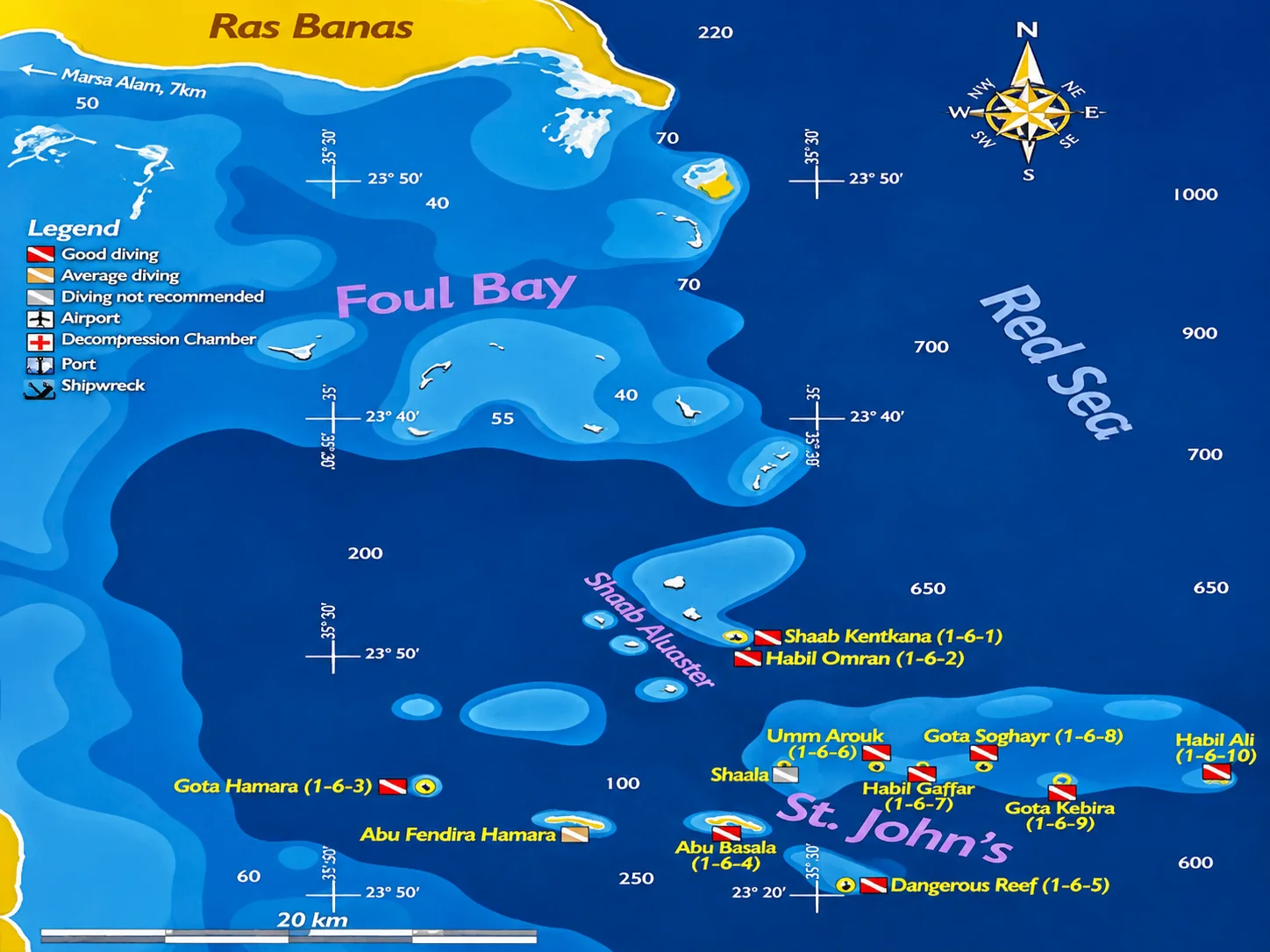
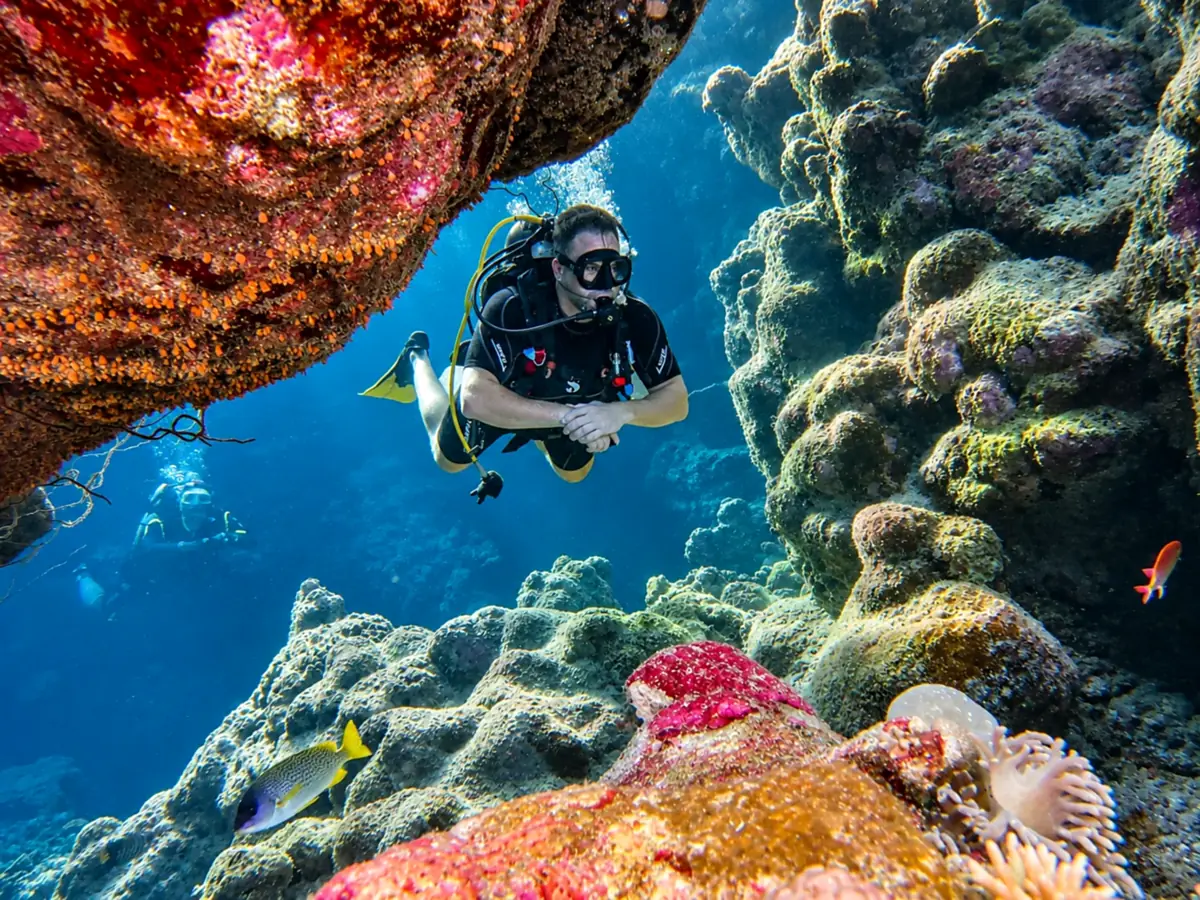
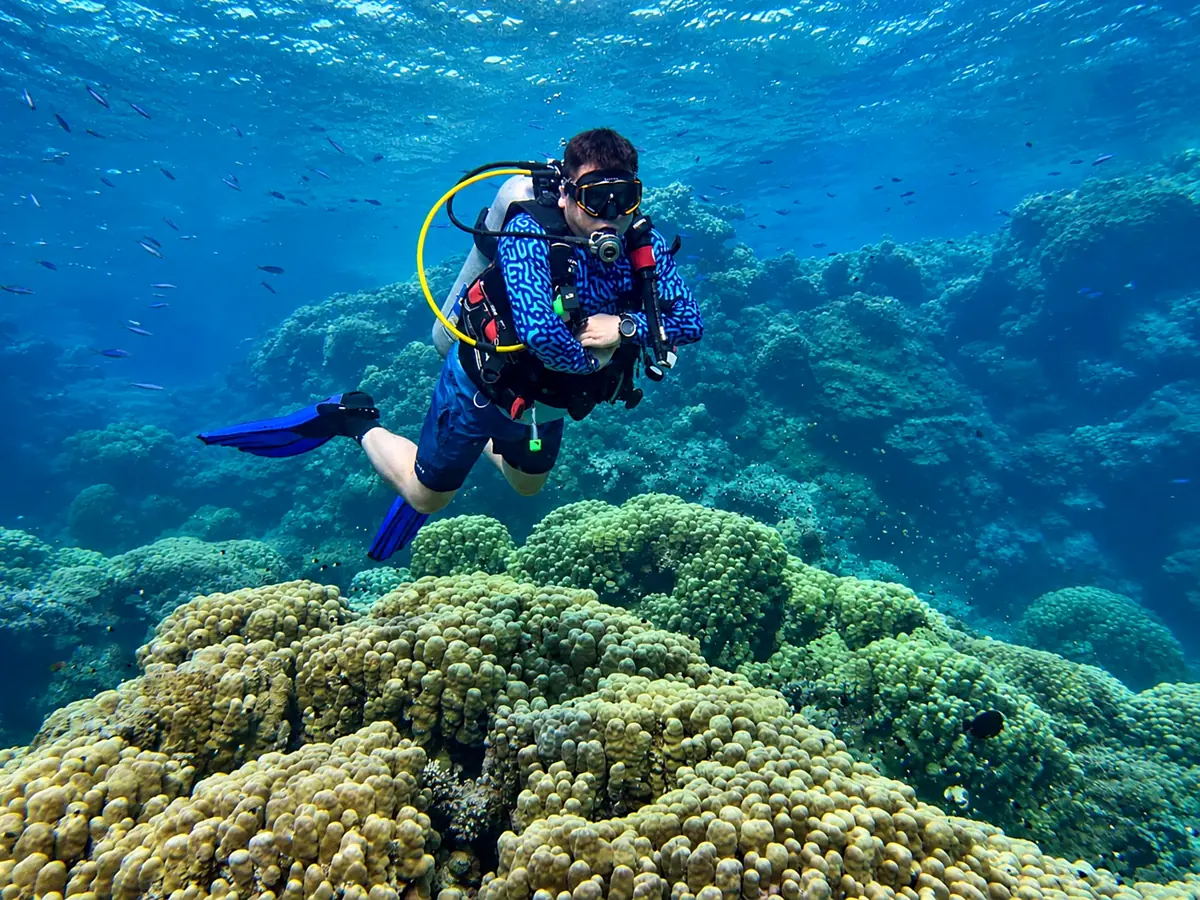
St. John’s dive sites form one of the most remote and spectacular reef systems in the Egyptian Red Sea, close to the border with Sudan. In fact, ten reefs spread across about 29 km offer everything from shark-swept pinnacles to shallow coral gardens, and all of them are reached by liveaboard.
Which St. John’s dive sites can you dive?
Overall, the reefs below are the main sites on a St. John’s week, grouped by the kind of diving they offer. In addition, each card links to a full guide with depth, GPS, marine life and dive routes.
Pinnacles and walls for experienced divers
Habili Ali · 10–40 m
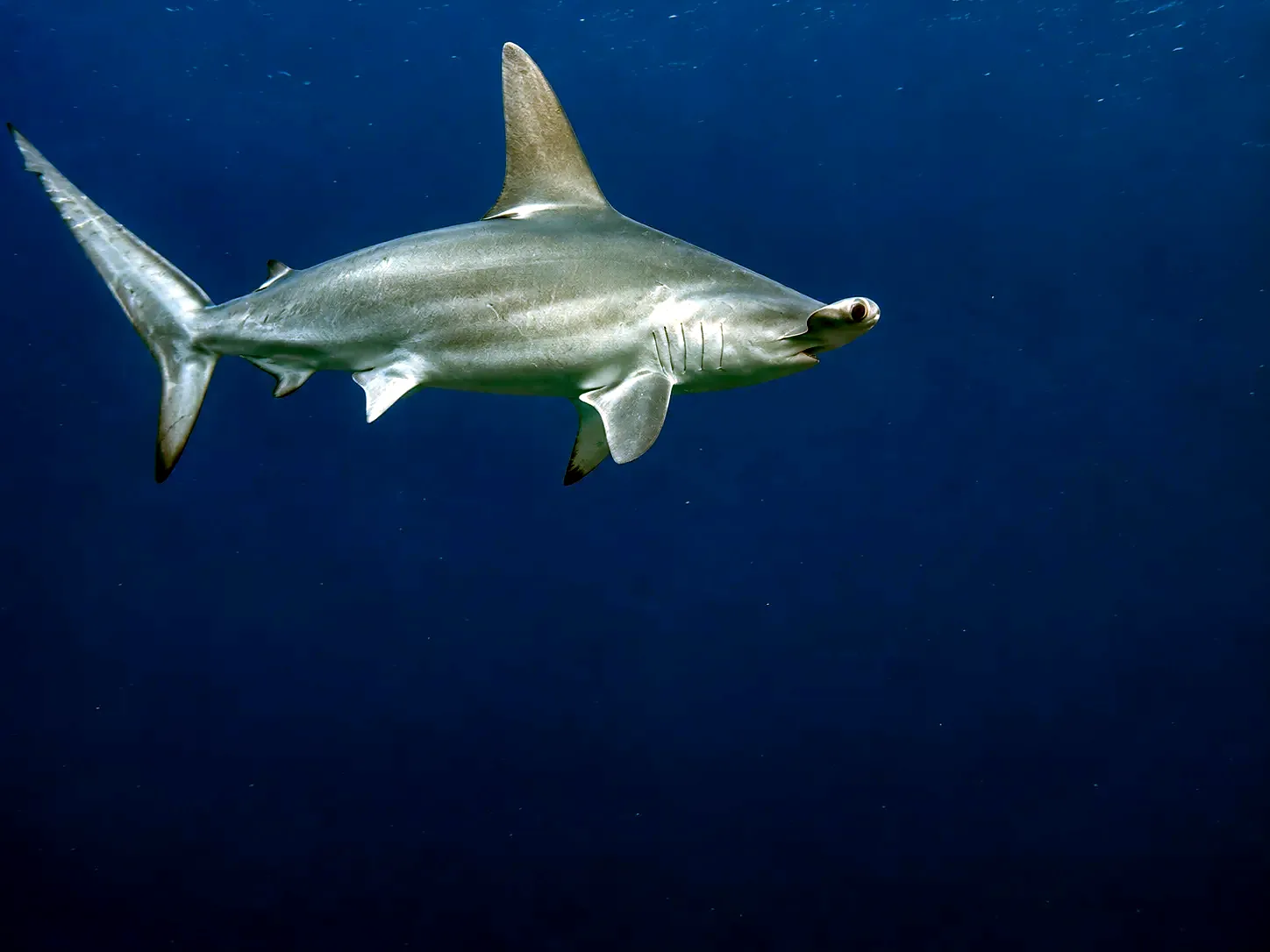
First of all, the easternmost reef is a submerged pinnacle with its top at 3–7 m, walls to 200 m, giant sea fans and a chance of hammerheads.
Visit Habili Ali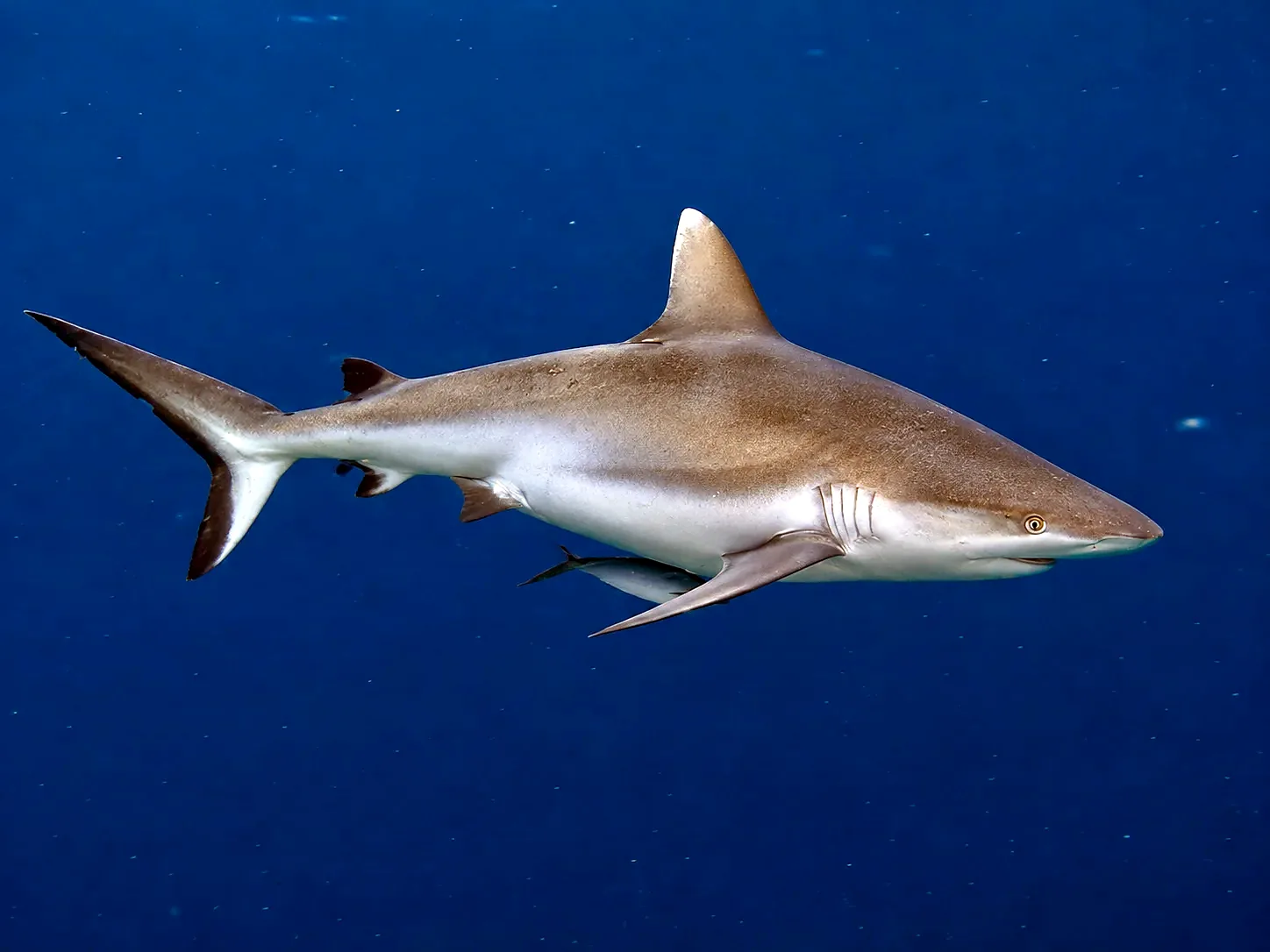
Habili Gaffar · 5–60 m+
Similarly, Habili Gaffar is a small pinnacle in the center of St. John’s, with its top at 5–6 m and coral walls dropping beyond 60 m.
Visit Habili Gaffar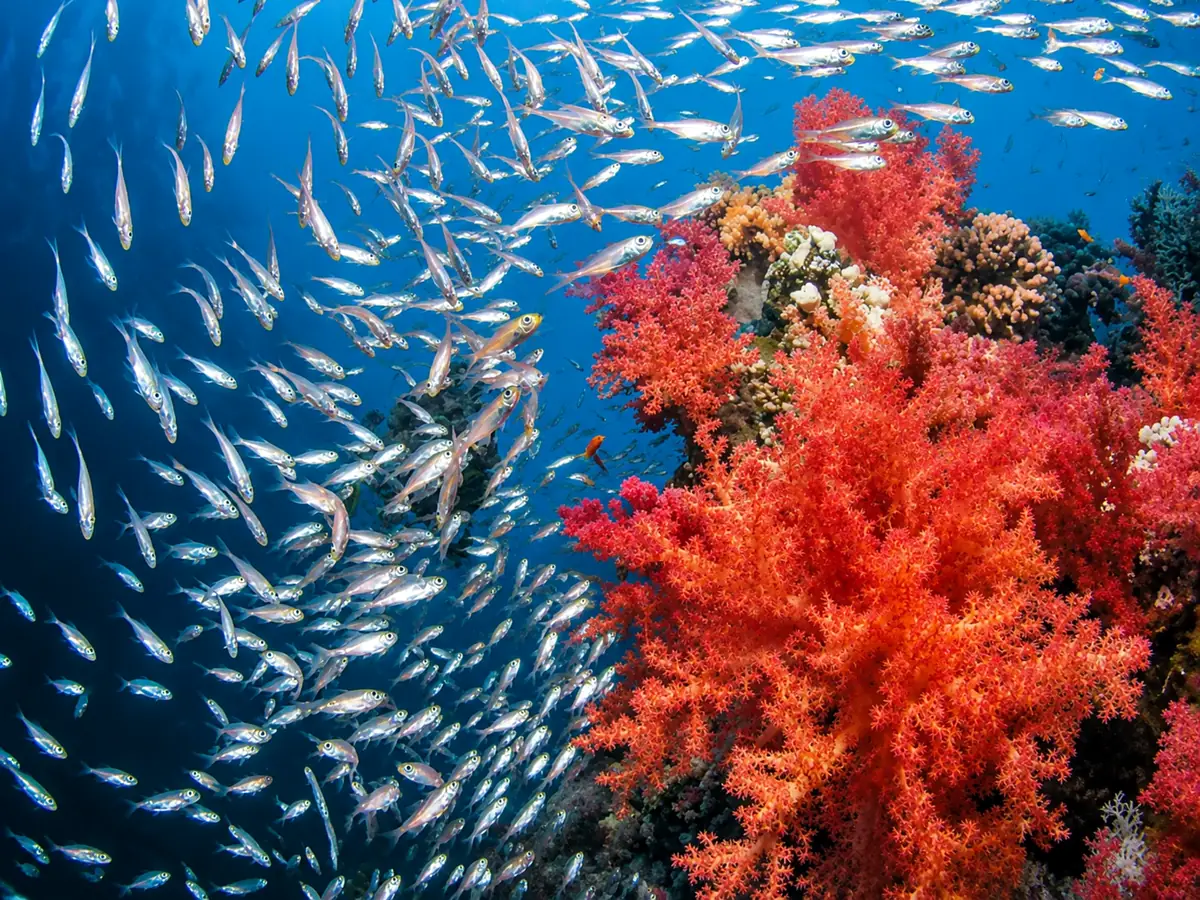
Gota Soraya · 5–30 m
In contrast, Small Gota offers steep walls with overhangs, a small cave, glassfish and sea fans, and it is dived by day only.
Visit Gota Soraya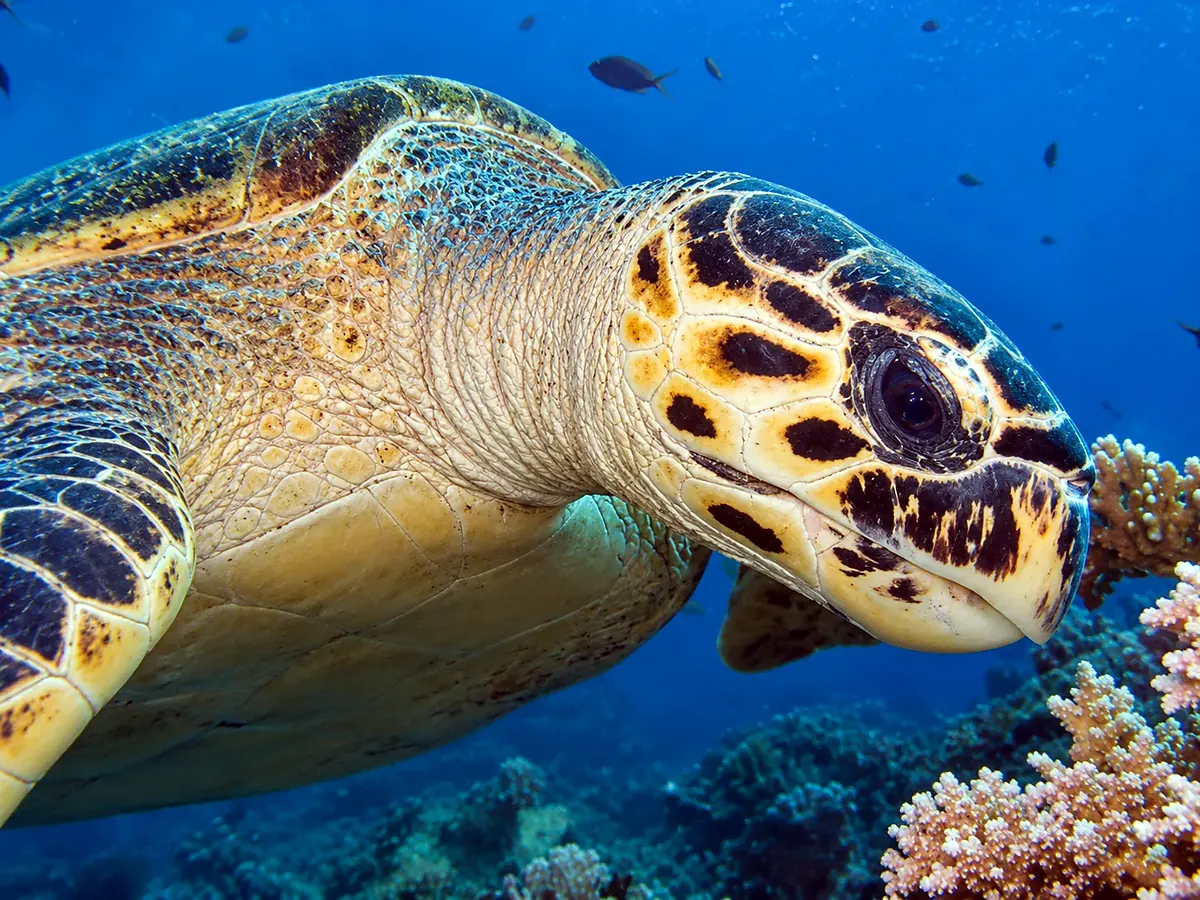
Gota Kebira · 5–30 m
Likewise, Big Gota is one of the largest reefs, with coral walls, two plateaus, turtles and several different routes.
Visit Gota KebiraCoral towers, gardens and night dives
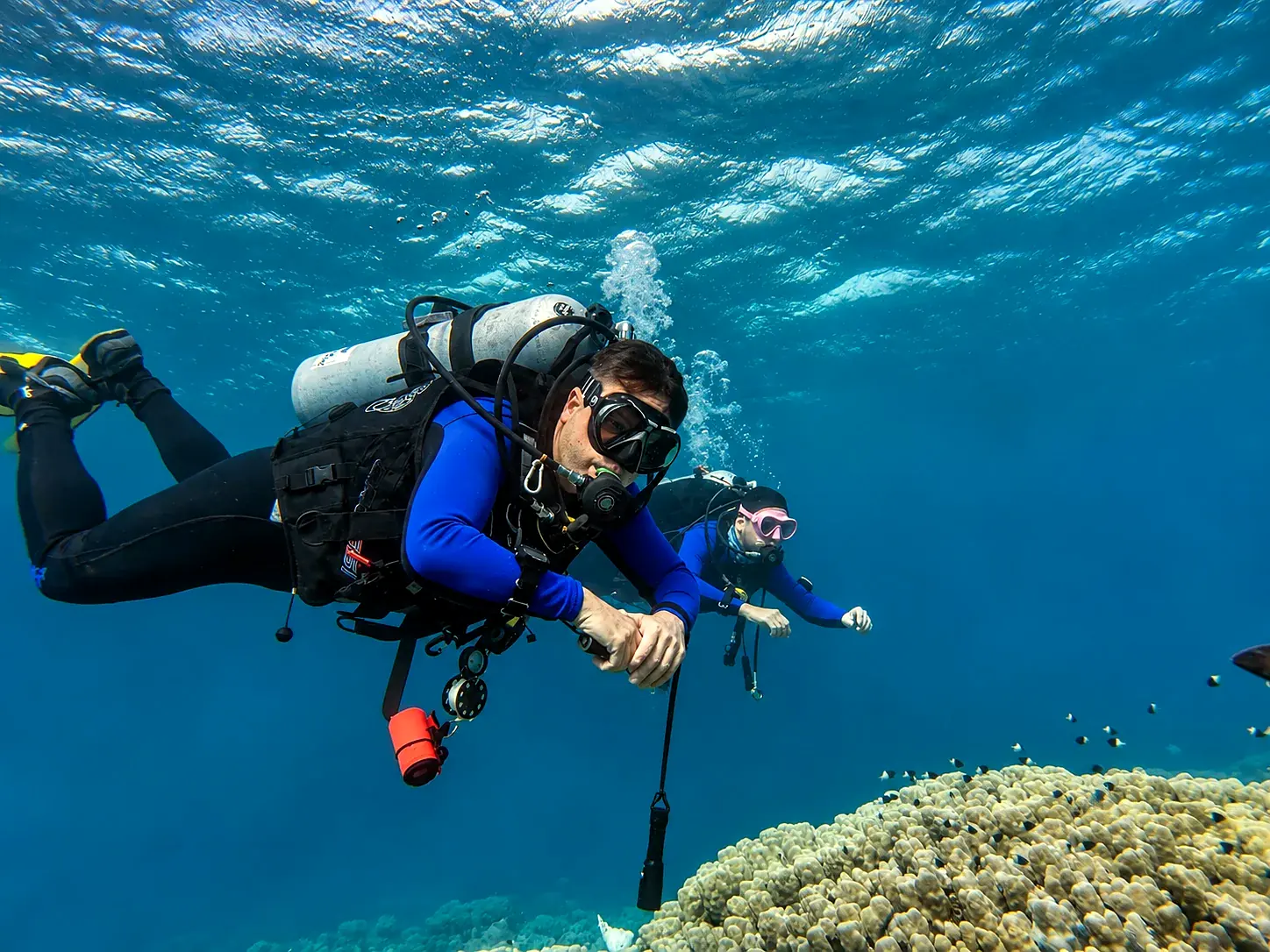
Umm Arouk · 5–25 m
Above all, the mother of coral towers is a forest of pinnacles on sand, with safe night moorings and a favorite for photographers.
Visit Umm Arouk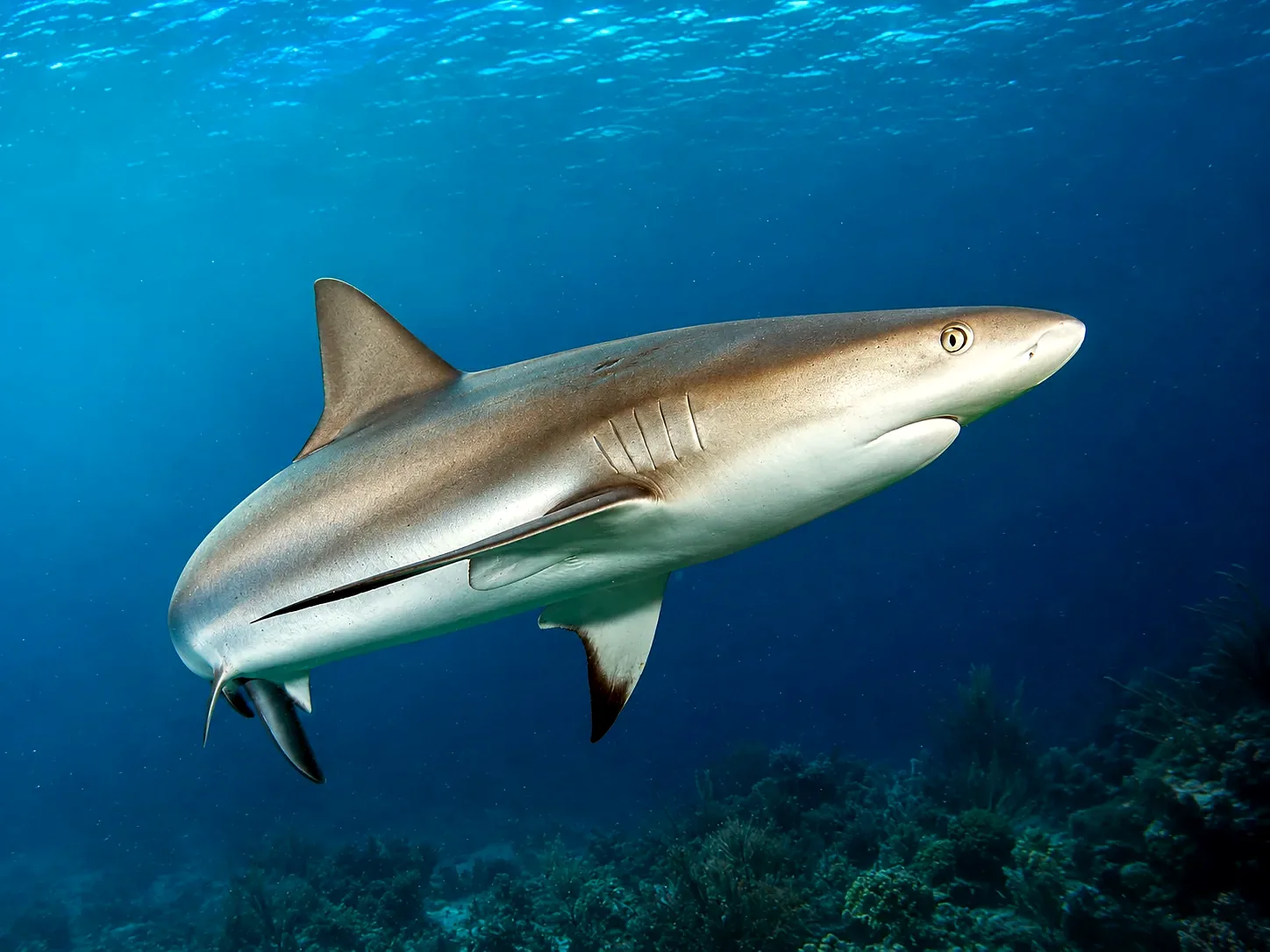
Dangerous Reef · 5–30 m
Meanwhile, the southernmost reef combines coral gardens, short caverns at 7–10 m and one of the most popular night dives.
Visit Dangerous Reef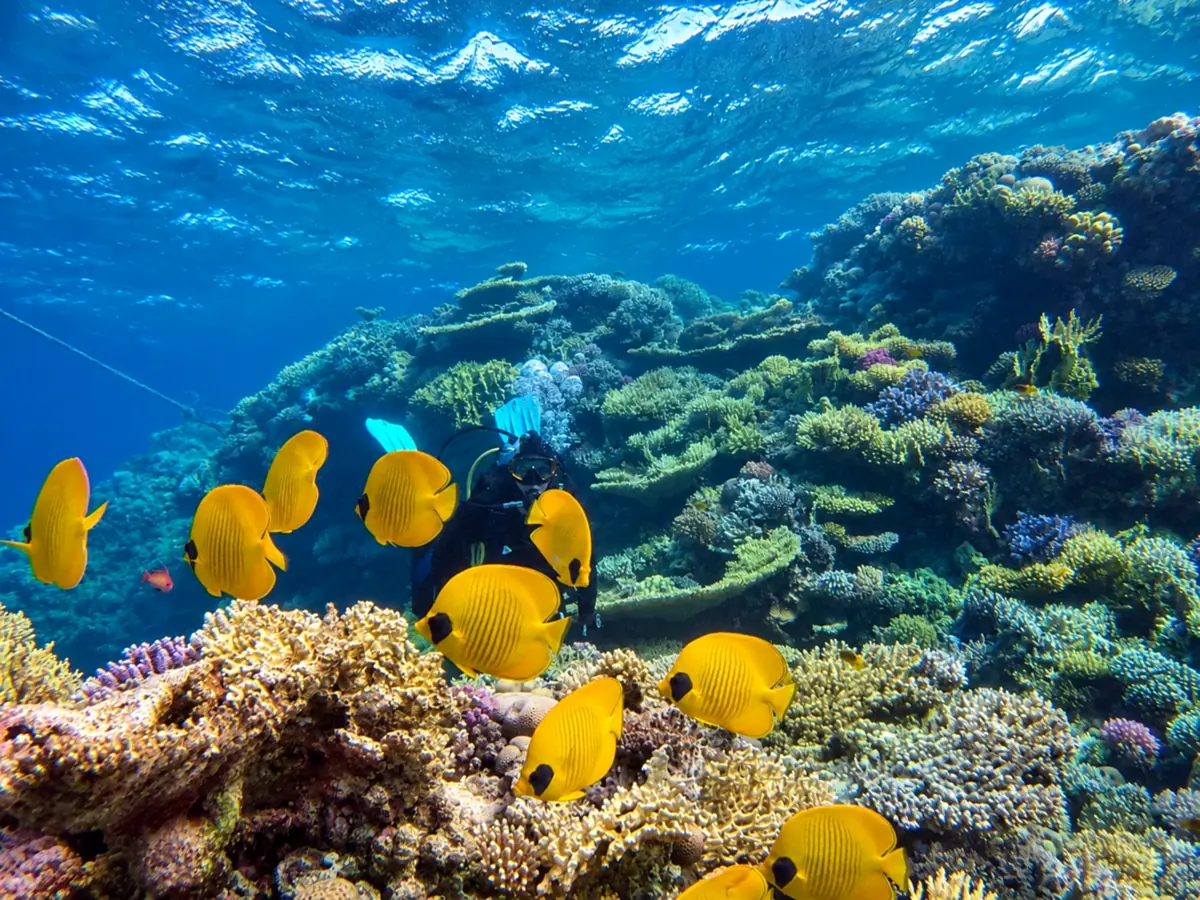
Abu Basala · 10–25 m
Additionally, this long reef has coral towers on a sandy plateau, coral gardens for night dives and a cave system for experts.
Visit Abu Basala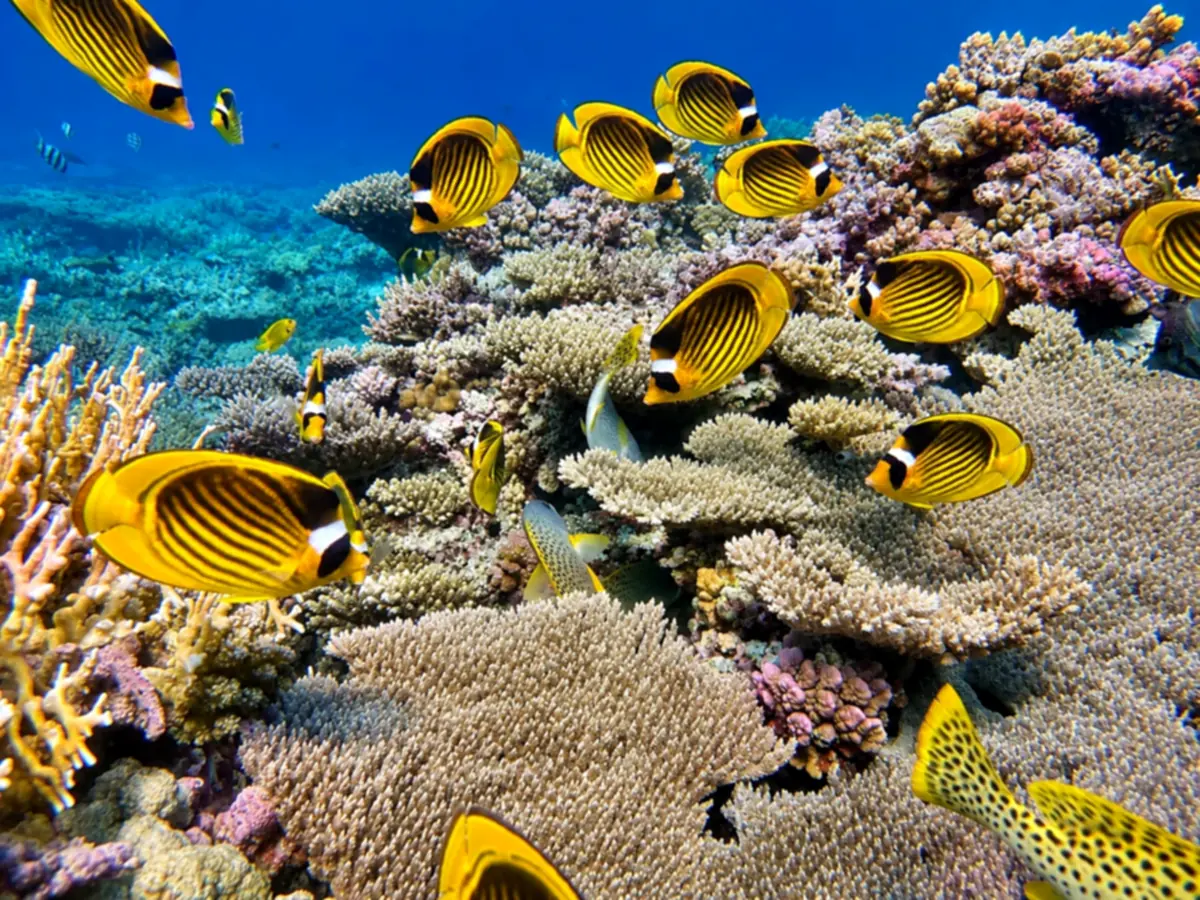
Gota Hamera · 10–16 m
Finally, this quiet crescent reef on the western edge has a sheltered 10 m bay, a coral garden and excellent night dives.
Visit Gota HameraReefs just north of St. John’s
Habili Omran · 18–20 m
Moreover, four coral towers stand on sand just north of St. John’s, with rare currents and excellent visibility.
Visit Habili Omran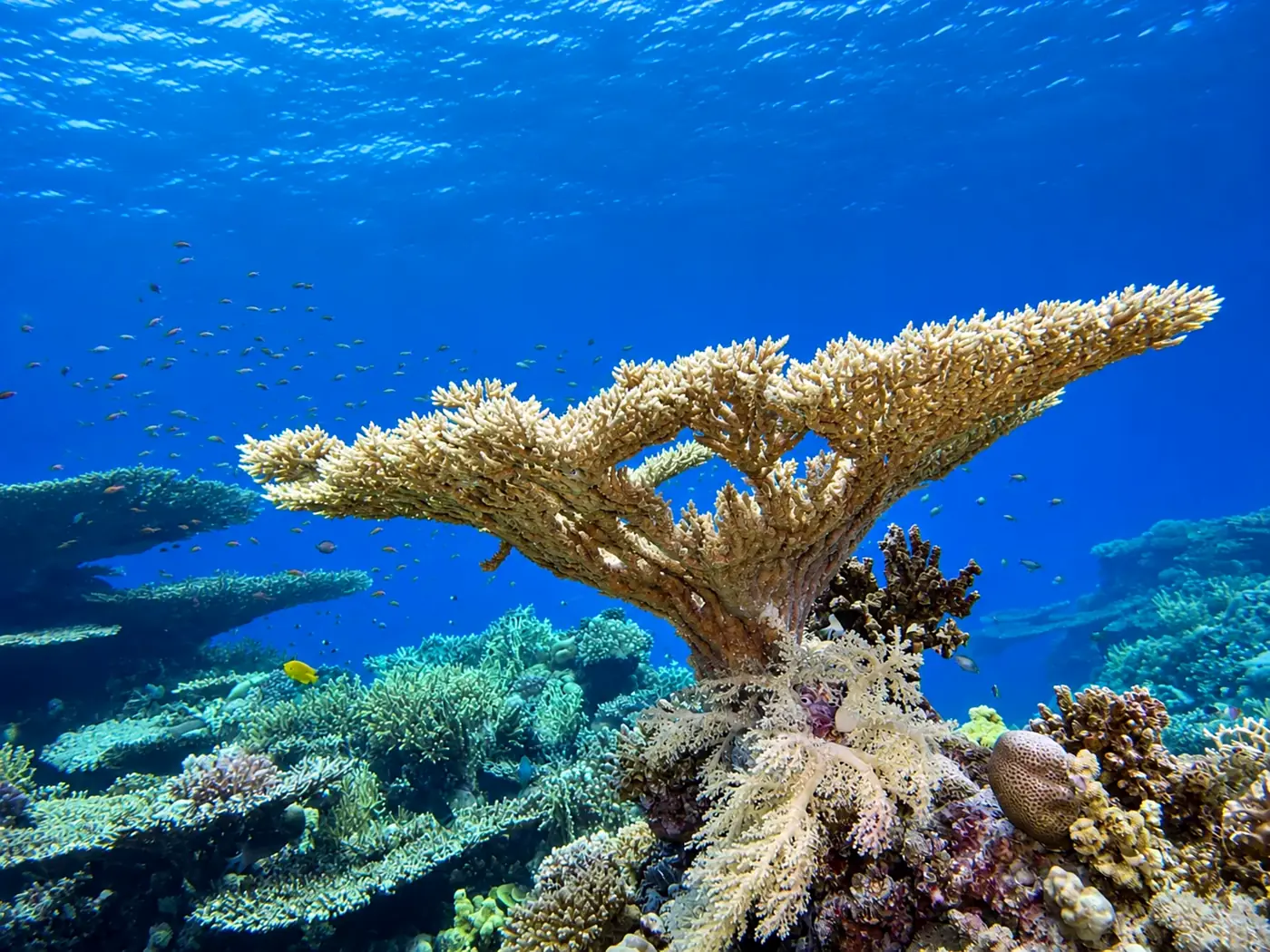
Shaab Kentkana · 3–20 m
Similarly, the easternmost reef of the Shaab Aluaster group offers quiet coral gardens, caverns and young whitetip reef sharks.
Visit Shaab KentkanaSt. John’s dive sites in short
In short, the St. John’s dive sites are ten bank reefs near the Sudanese border, spread about 29 km from east to west and 10 km from north to south. Exposed pinnacles such as Habili Ali and Habili Gaffar offer steep walls, strong currents and sharks for advanced divers, while Umm Arouk, Abu Basala and Gota Hamera have shallow sandy seabeds ideal for photographers, beginners and night dives. Because the area is remote, it is reached only by liveaboard, usually on our Deep South St. John’s route. Above all, expect healthy corals, reef fish, turtles and Napoleon wrasse, plus grey reef sharks, oceanic whitetips and, occasionally, hammerheads on the outer reefs.
What are the St. John’s dive sites?
Essentially, St. John’s is a group of offshore reefs in the far south of the Egyptian Red Sea. Specifically, the system includes large coral reefs called gotas, submerged pinnacles called habilis, steep walls, sandy plateaus and coral gardens.
Because the reefs suit both beginners and experienced divers, St. John’s has become a highlight of any Deep South safari. Since the mid-1990s, liveaboards have moved further south in search of new reefs, and this area is now increasingly popular.
However, many reefs are still left alone. Countless coral towers and small habilis lie just below the surface, so sea charts mark the area as a danger zone, and boats avoid sailing between the reefs.
St. John’s at a glance
Gotas
Above all, large coral reefs such as Gota Kebira and Gota Soraya, with coral-covered walls and plateaus.
Habilis
Similarly, submerged pinnacles such as Habili Ali and Habili Gaffar rise from deep water and attract big fish.
Coral towers
Meanwhile, Umm Arouk and Abu Basala offer forests of coral towers on sand, ideal for photographers.
Where are the St. John’s reefs?
Geographically, the St. John’s reefs lie near the maritime border with Sudan, at the southern end of a 360 km stretch of coast that begins north of Port Ghalib. In the early days, everything south of Hurghada was simply called “the South”, so the term Deep South now describes these remote reefs.
In addition, the Shaab Aluaster group lies just north of St. John’s. Strictly speaking, its reefs belong to Foul Bay, but Shaab Kentkana and Habili Omran sit on its outer edge and are safe for large boats, so they are often dived in the same week.
How do the St. John’s dive sites compare?
Naturally, depth, currents and exposure vary a lot between the reefs, so the table below helps you match each site to your experience. Of course, the final plan always depends on the weather and the guide’s briefing.
| Reef | Depth | Level |
|---|---|---|
| Habili Ali | 10–40 m | Advanced |
| Habili Gaffar | 5–60 m+ | Advanced |
| Gota Soraya | 5–30 m | Intermediate to advanced |
| Gota Kebira | 5–30 m | Intermediate to advanced |
| Umm Arouk | 5–25 m | Beginner to intermediate |
| Dangerous Reef | 5–30 m | Beginner to intermediate |
| Abu Basala | 10–25 m | All levels, caves for experts |
| Gota Hamera | 10–16 m | Easy in the bay |
| Habili Omran | 18–20 m | Beginner-friendly |
| Shaab Kentkana | 3–20 m | Beginner to intermediate |
What marine life lives at St. John’s?
Overall, St. John’s combines rich reef life with visitors from the open sea. Still, wild animals are never guaranteed, so treat the list below as possibilities rather than promises.
Reef fish
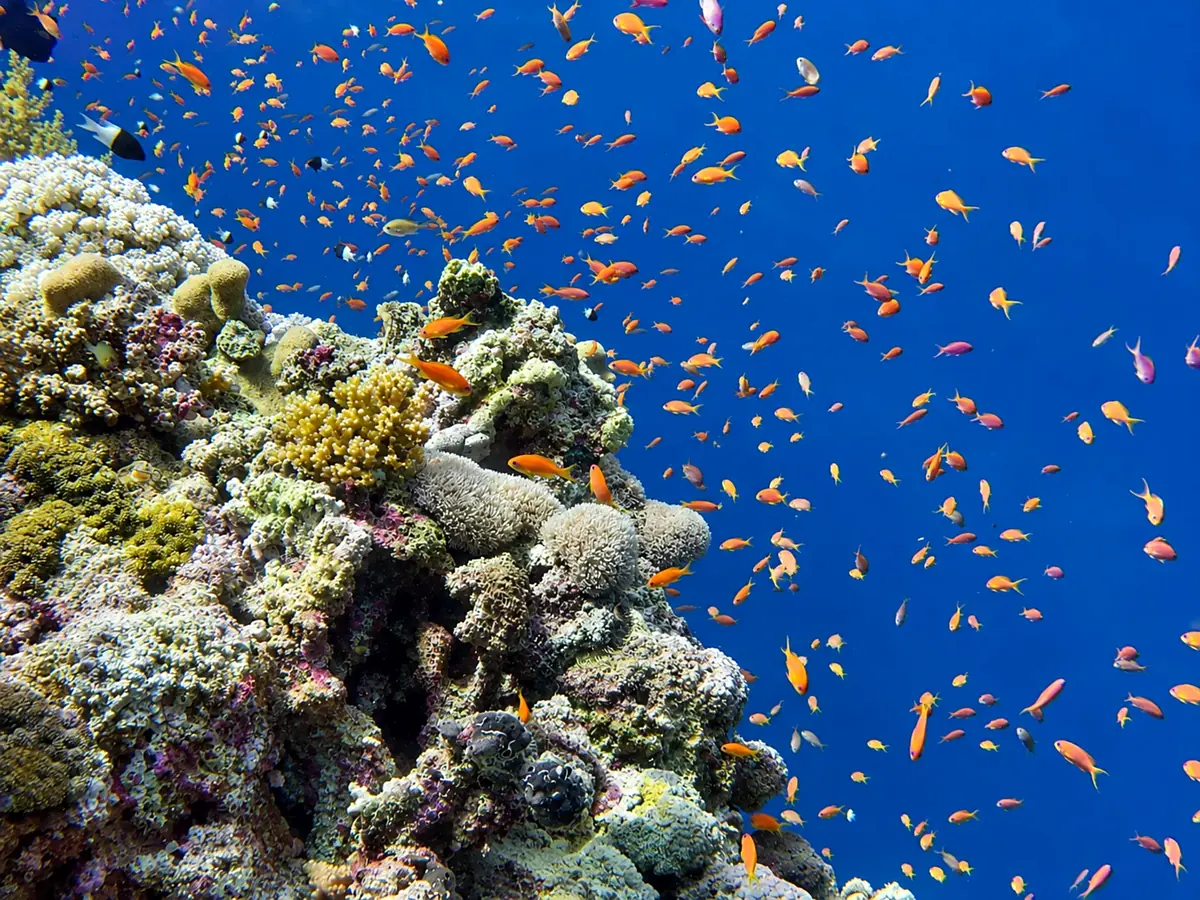
Typically, anthias, butterflyfish, angelfish, parrotfish, surgeonfish and groupers fill every reef, while moray eels hide in the coral.
Larger animals
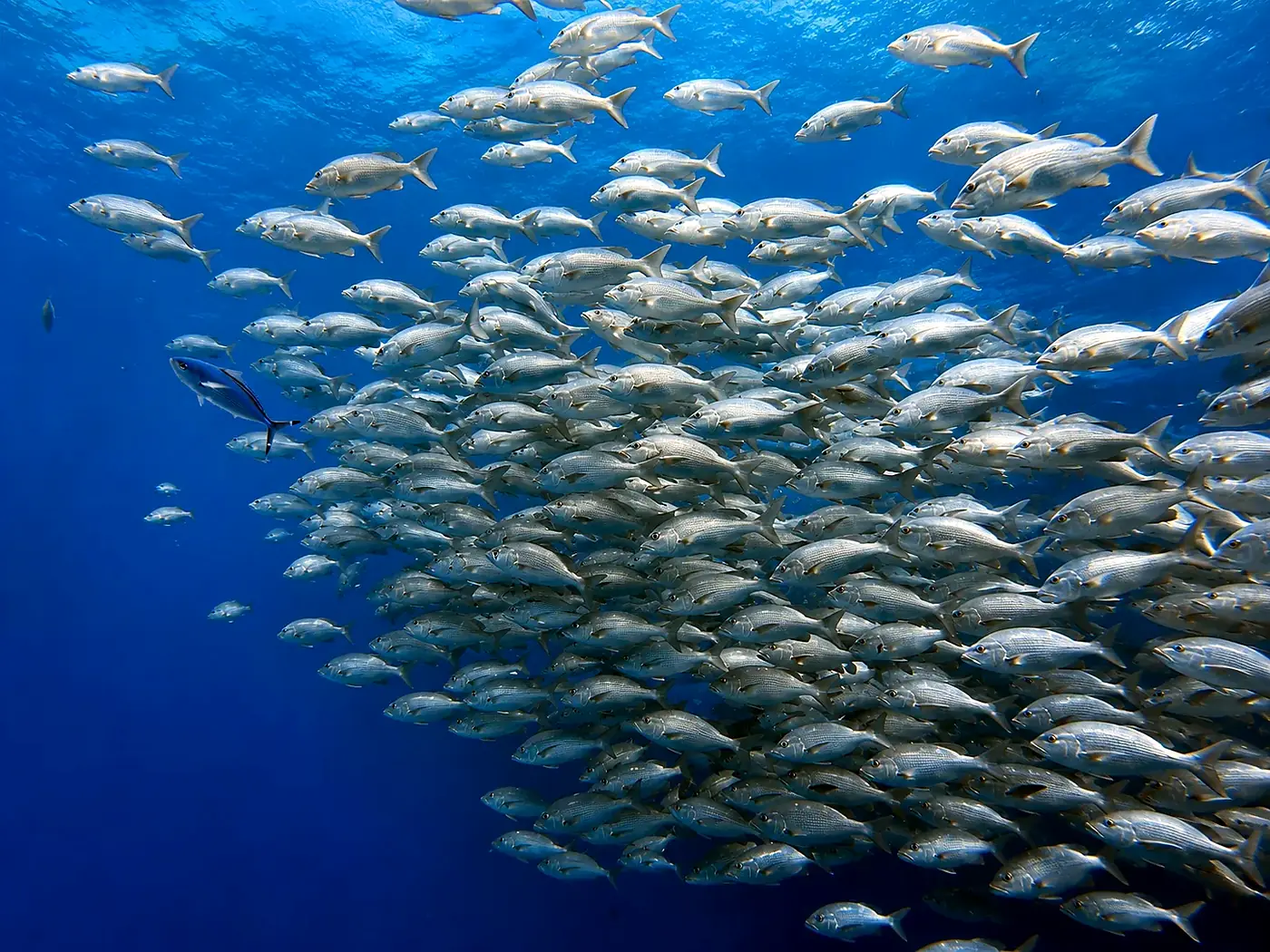
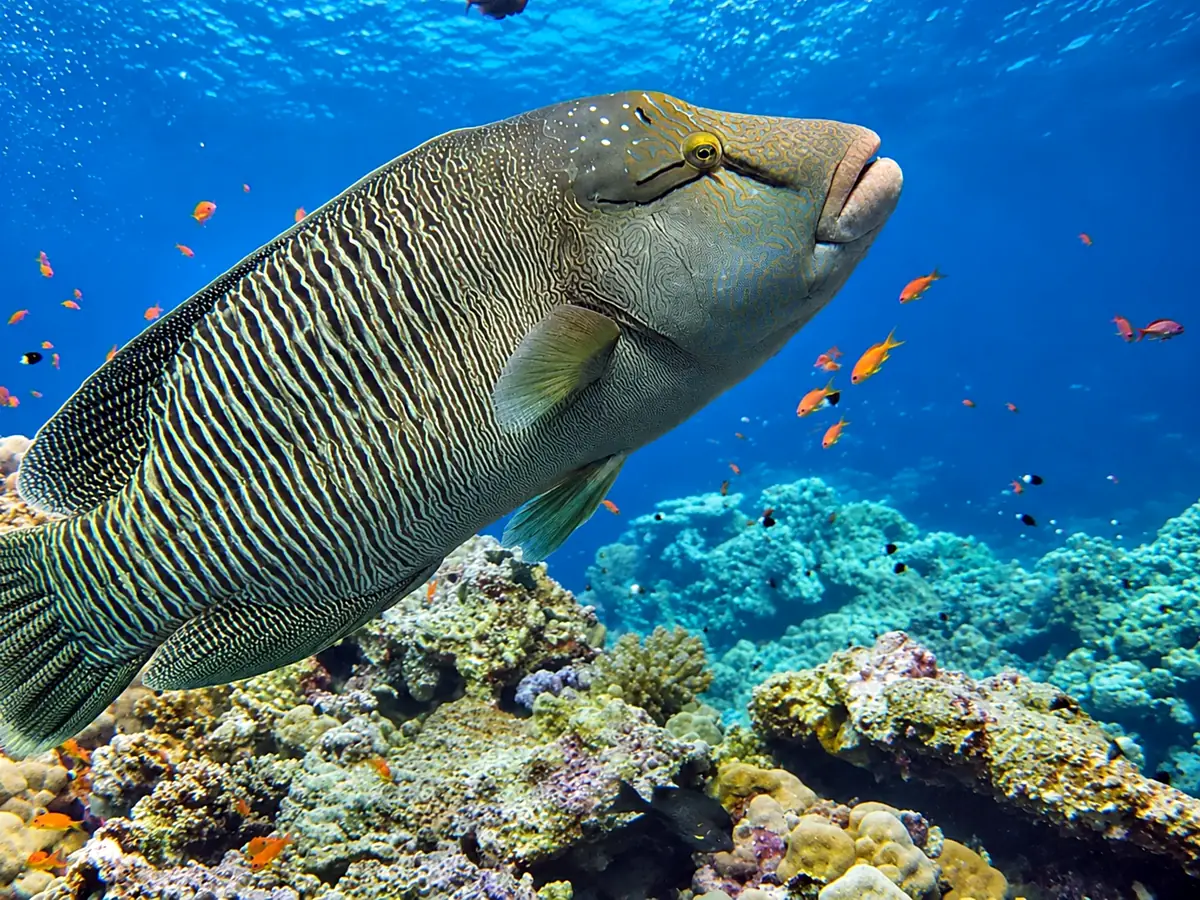
Meanwhile, Napoleon wrasse, sea turtles, barracuda, trevallies and tuna are regular sights around the larger reefs.
Sharks
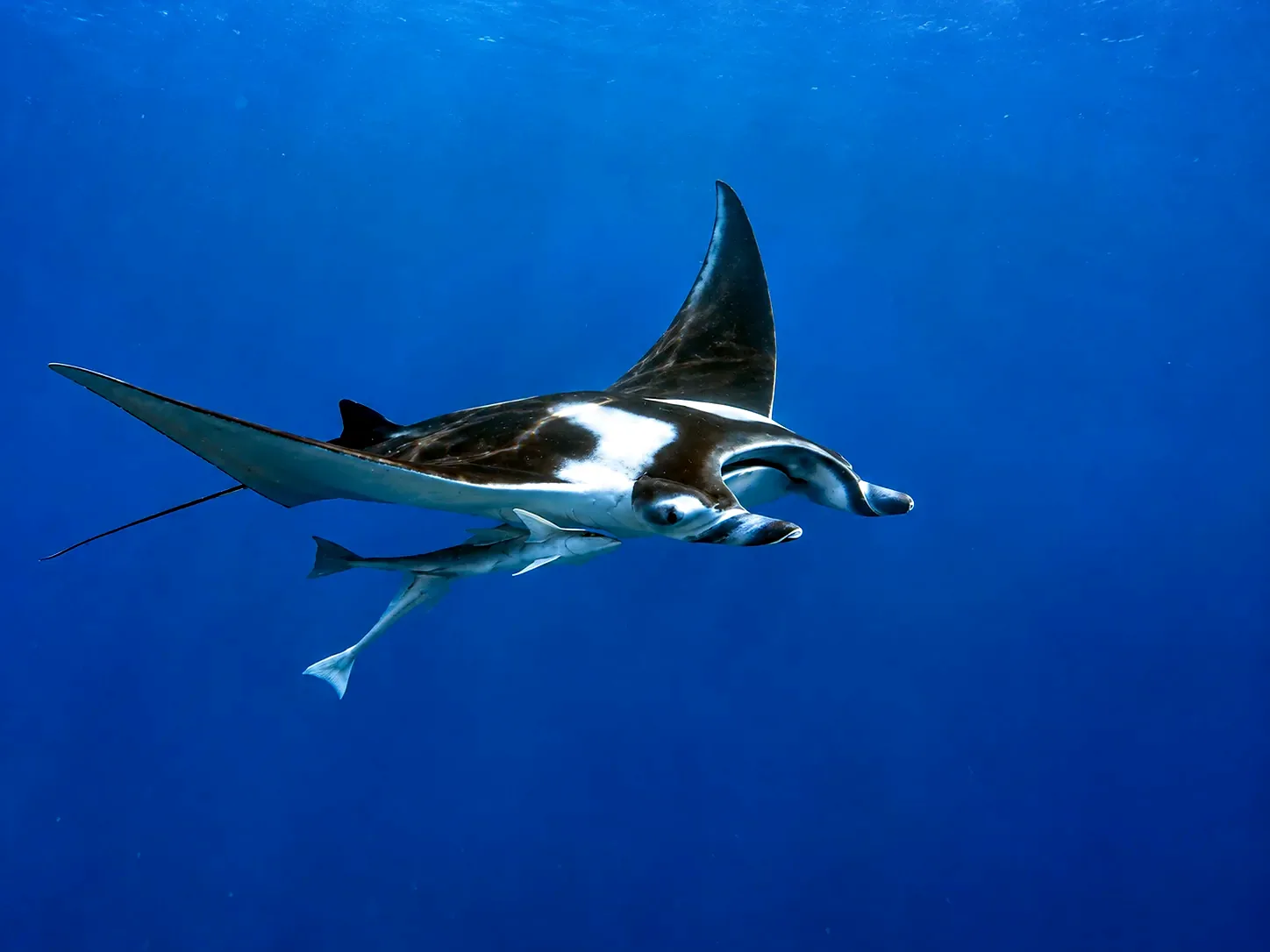
On the steep outer walls, grey reef sharks and oceanic whitetips are often seen, and hammerheads occasionally visit the exposed reefs.
Are the St. John’s dive sites suitable for beginners?
Yes, some of them. Sheltered reefs such as Umm Arouk, Gota Hamera and Habili Omran suit Open Water divers with a guide, while the deep walls and current-swept pinnacles need Advanced Open Water or more.
Moreover, the nearest decompression chamber is in Hamata, eight hours or more by boat. Therefore, careful planning matters even more here, and courses such as PADI Deep Diver and Enriched Air Nitrox help you dive safely.
Before you dive St. John’s
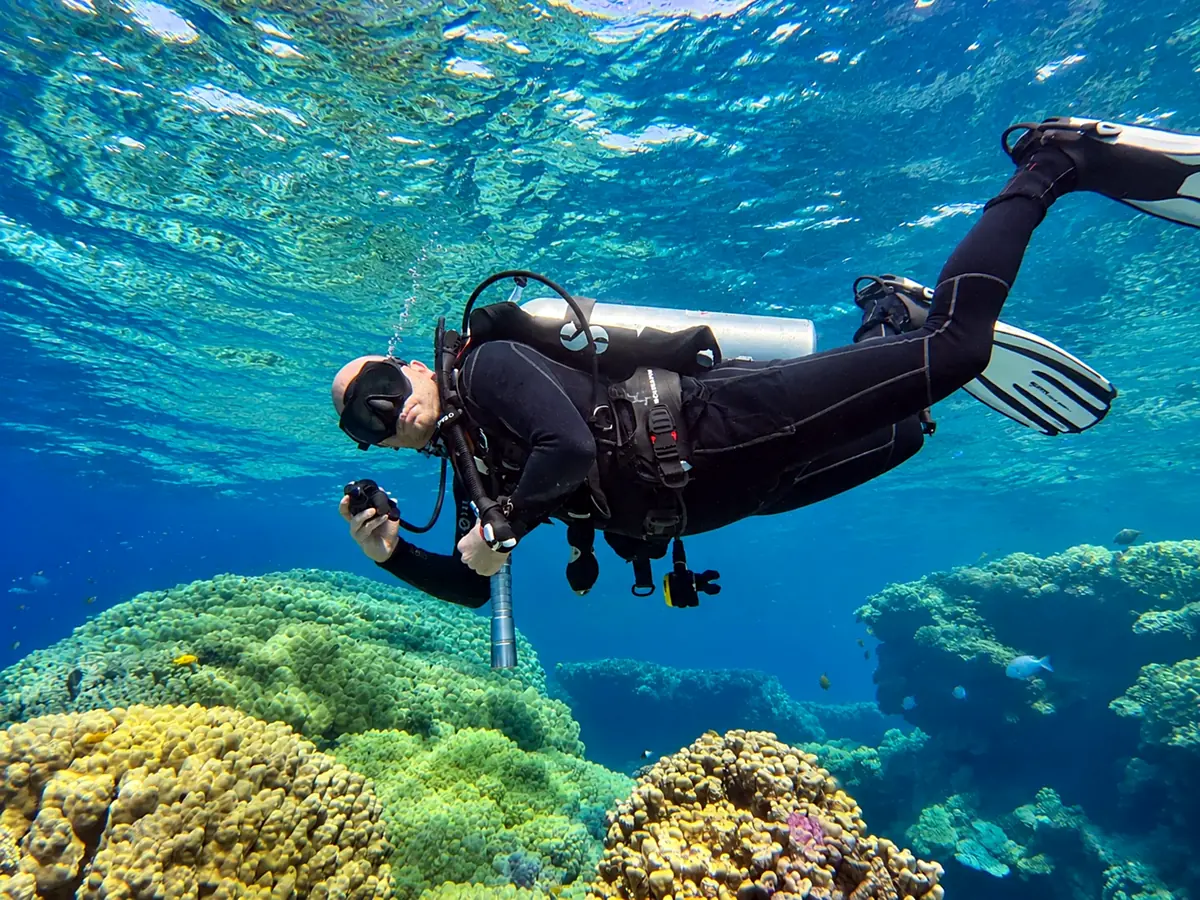
Firstly, choose each dive by your experience, not by the reef’s reputation. Secondly, carry a surface marker buoy, since many dives end in open water with a zodiac pickup.
Above all, follow the guide’s briefing and our diving safety standards. The southern reefs are protected by HEPCA, and remote sites like these make dive insurance such as DAN Europe essential.
How do you get to St. John’s?
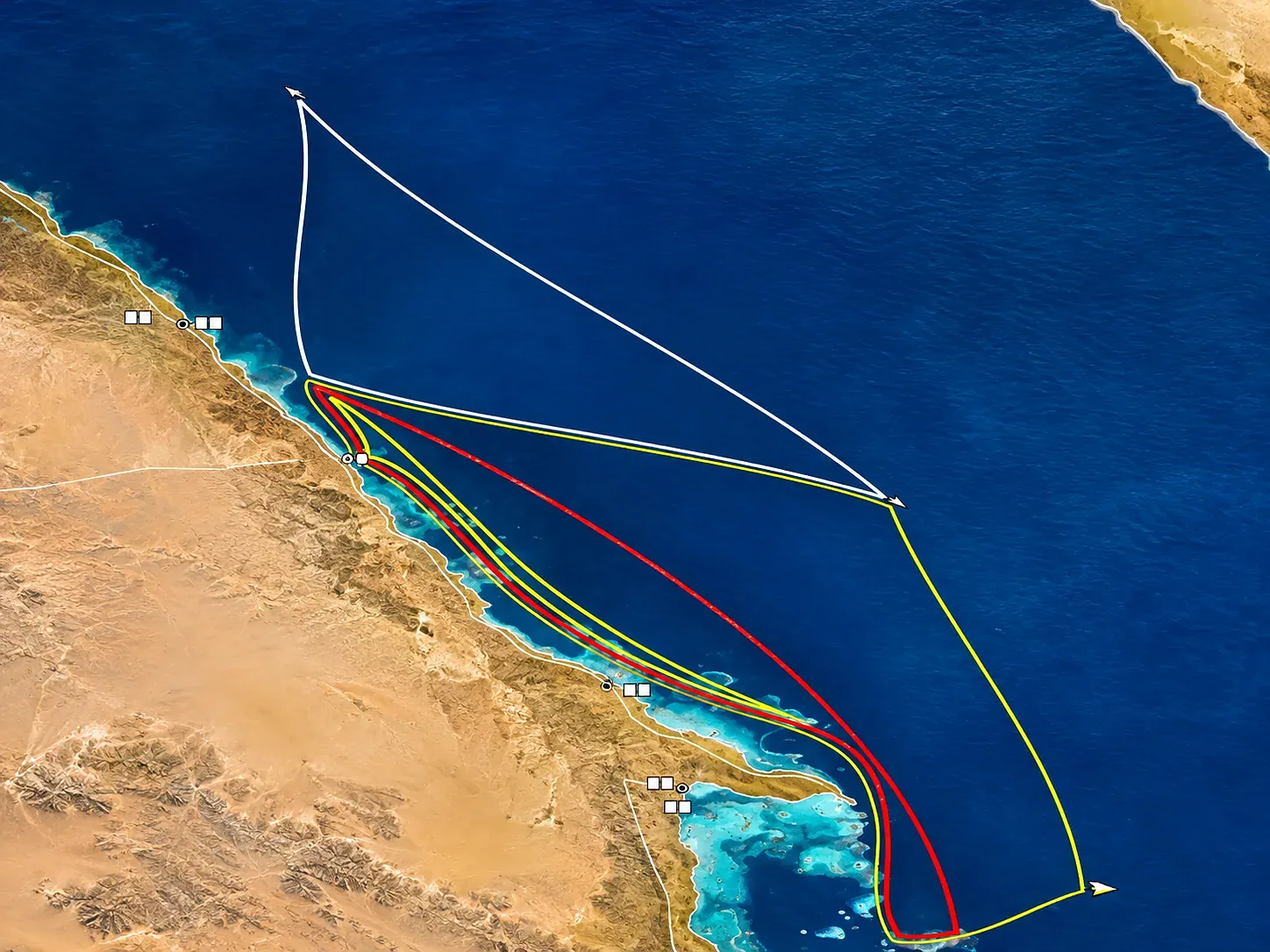
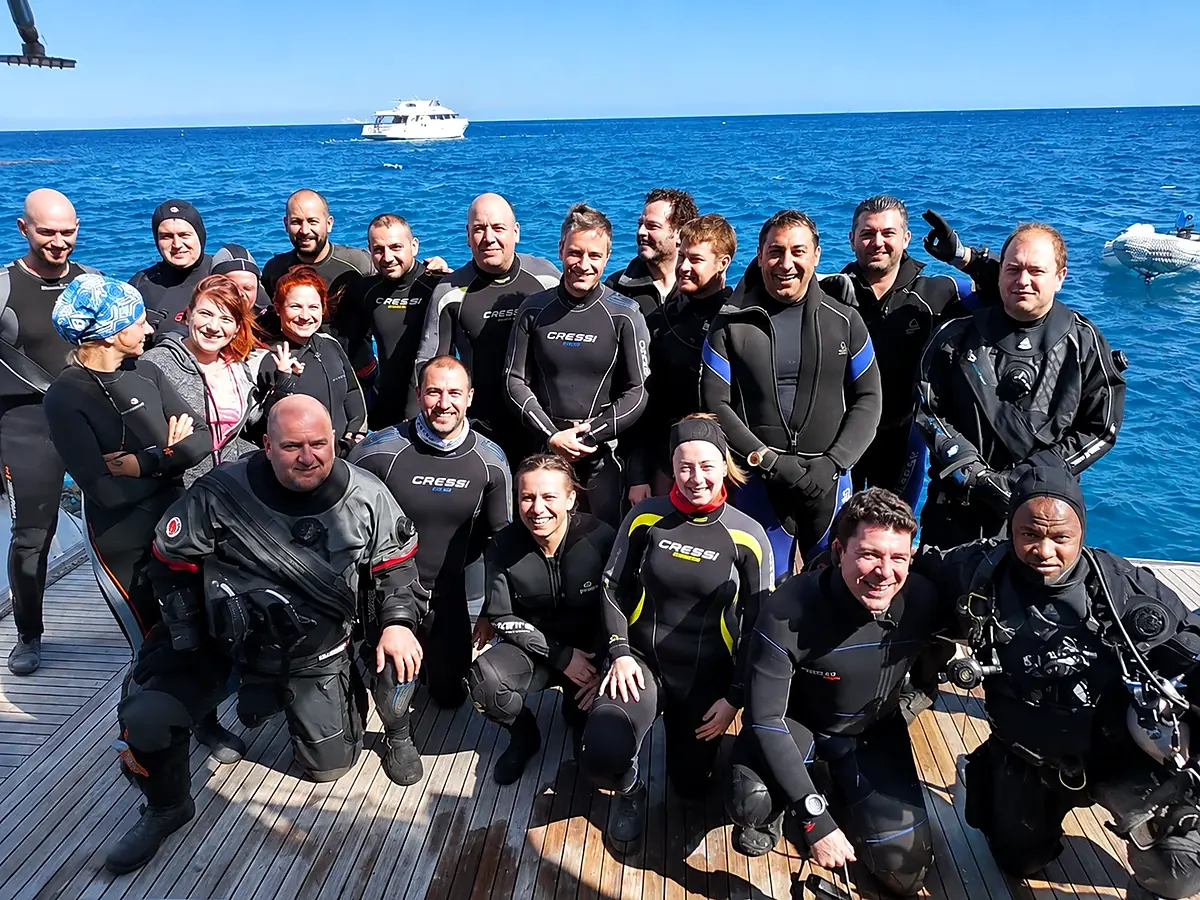
In practice, the St. John’s dive sites are reached only by liveaboard, usually on a seven-night Deep South St. John’s safari. Boats board on Saturday after 15:00, and check-out is between 09:00 and 10:00 the following Saturday.
Generally, during the day, the boats spread out well across the area. At night, however, they share the few sheltered moorings, such as Dangerous Reef, Umm Arouk and Abu Basala.
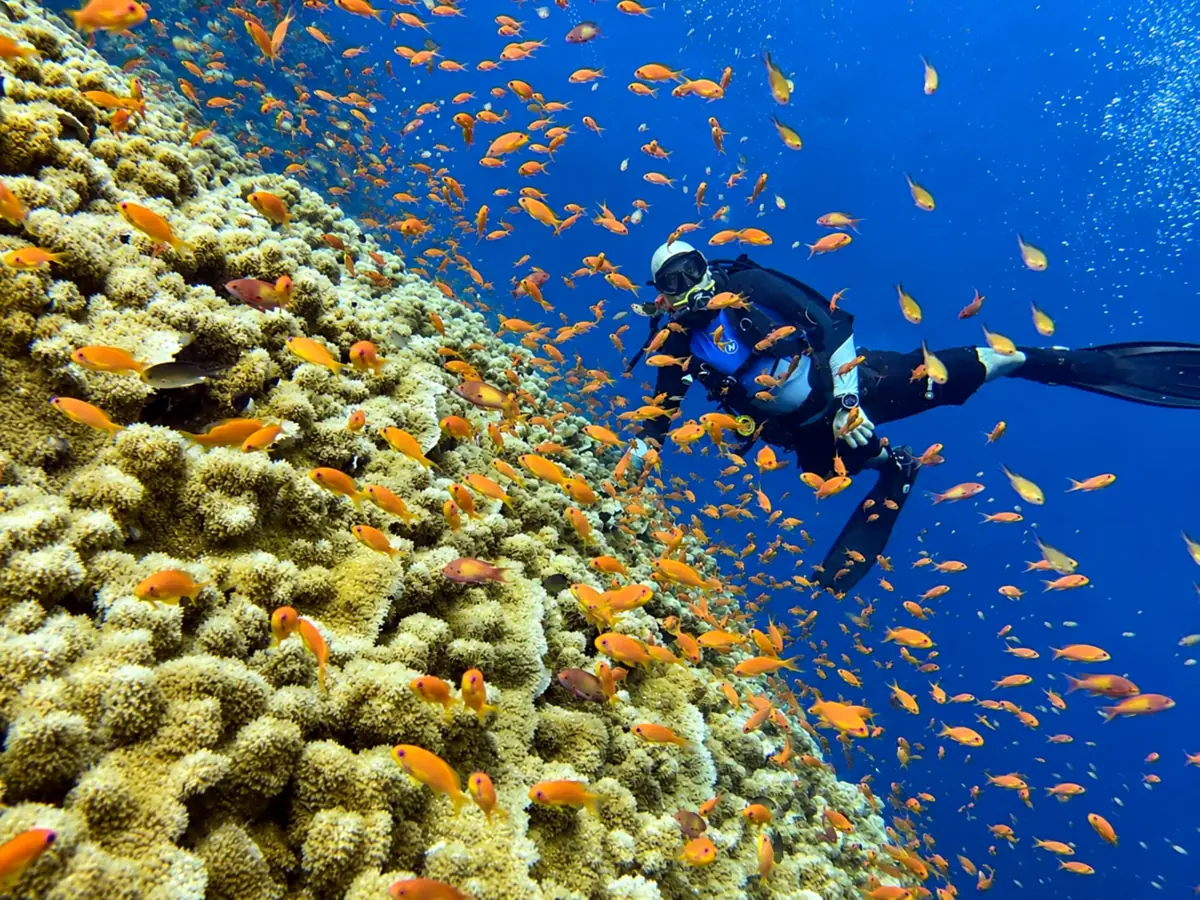

Plan your St. John’s week
- Deep South St. John’s liveaboard — the week that covers these reefs.
- Elba Reef liveaboard — an even more remote expedition in the far south.
- What divers need on board — the packing checklist for a Red Sea safari.
- redsealiveaboard.net — Red Sea safari schedules and availability.
- Fortunately, all eight boats in our fleet can sail to St. John’s: Sea Fox, Simba, Sea Treasure, Star Jet, Bismarck, C Echo II, C U and Ramadan 3.
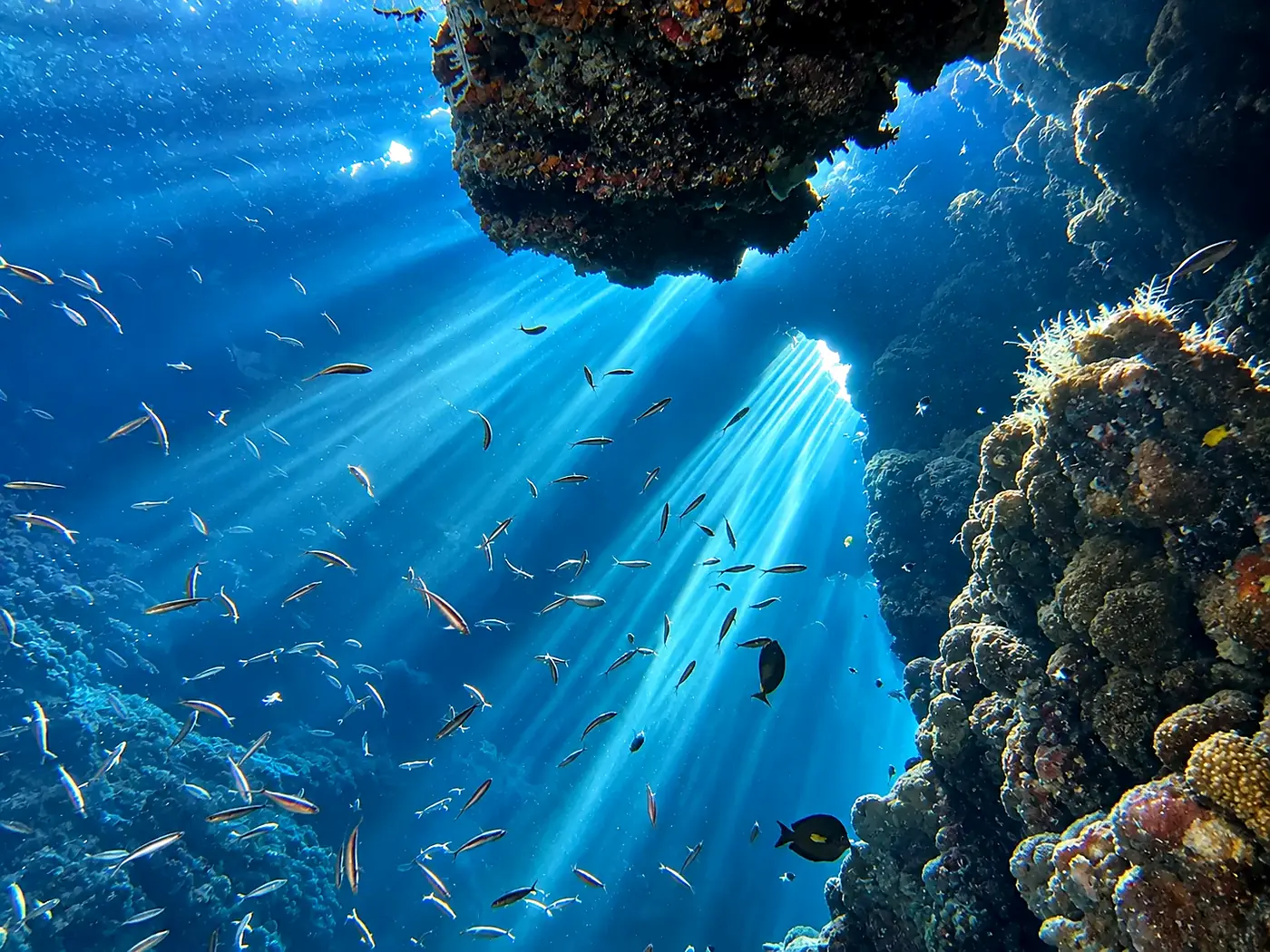
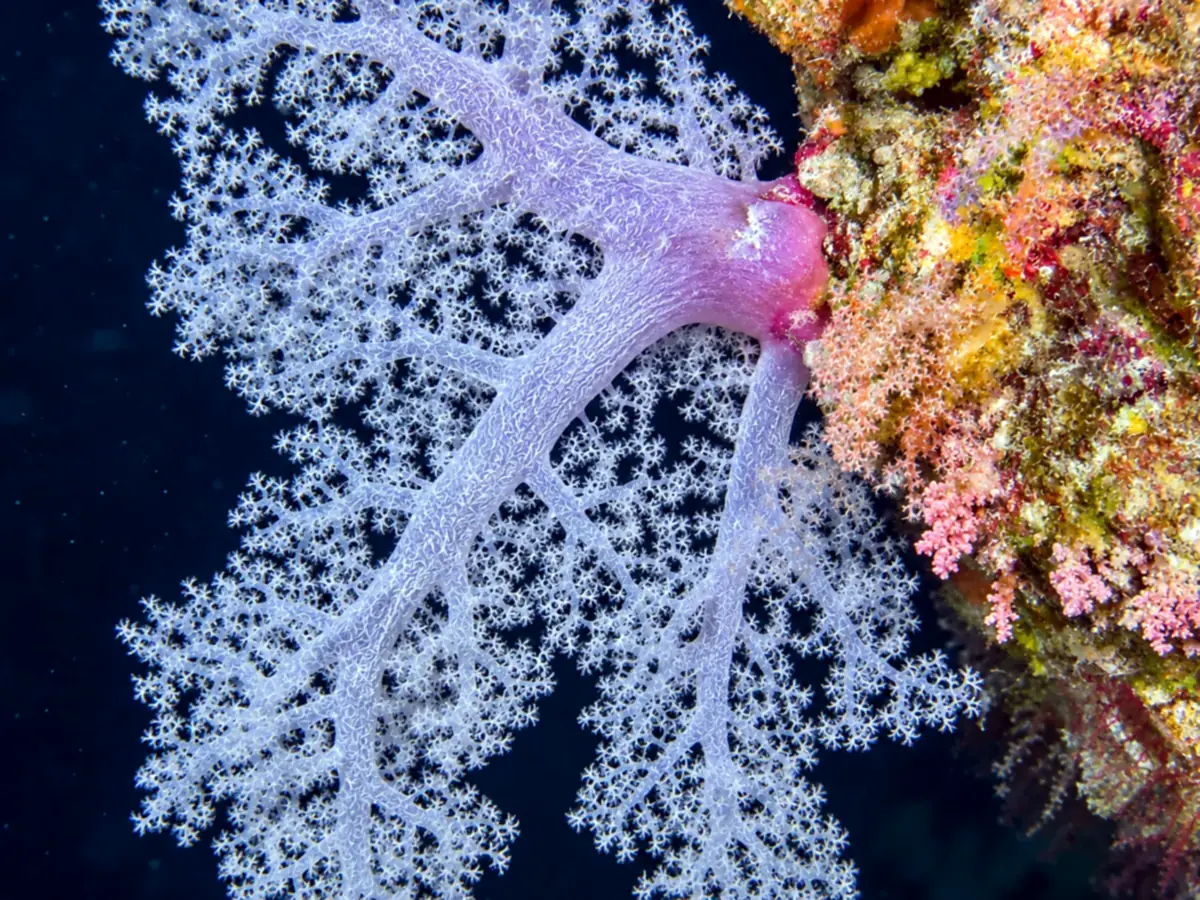
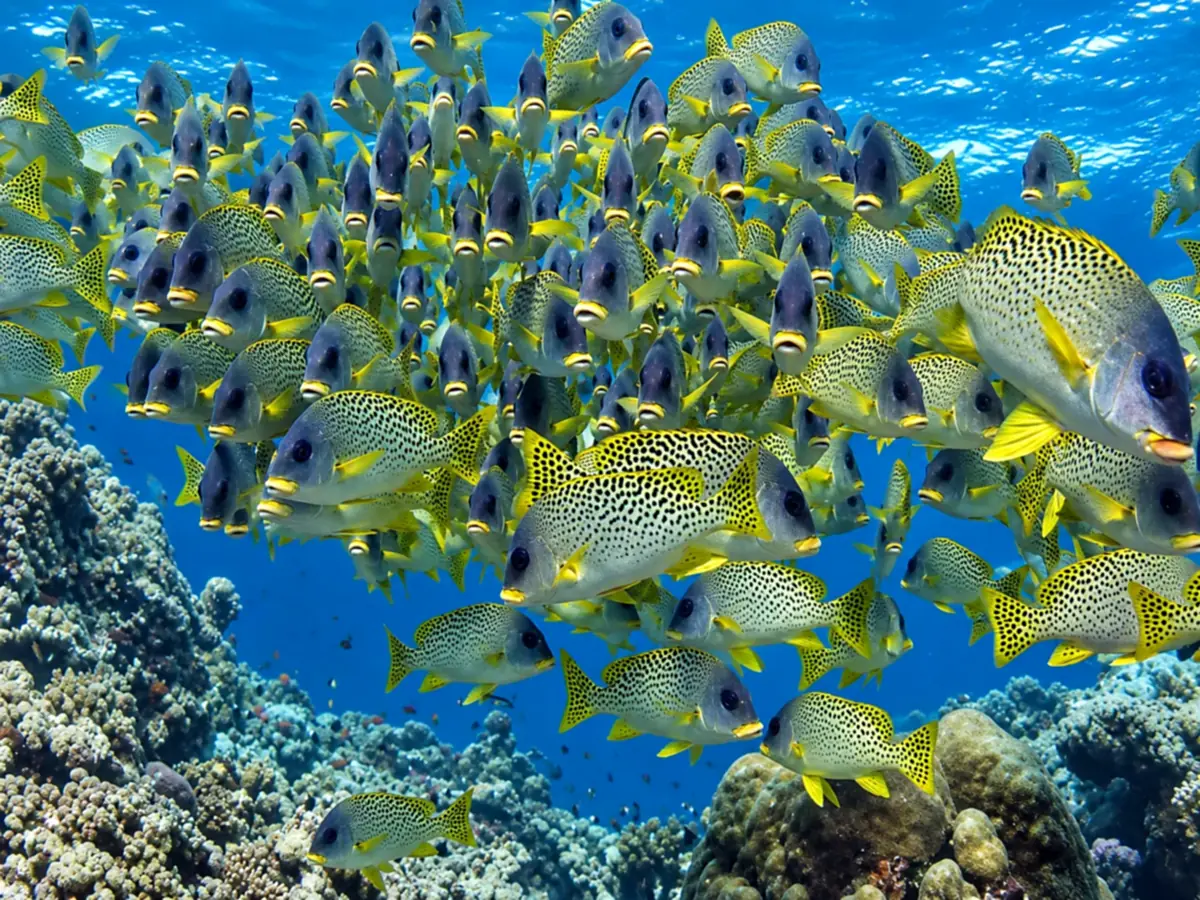
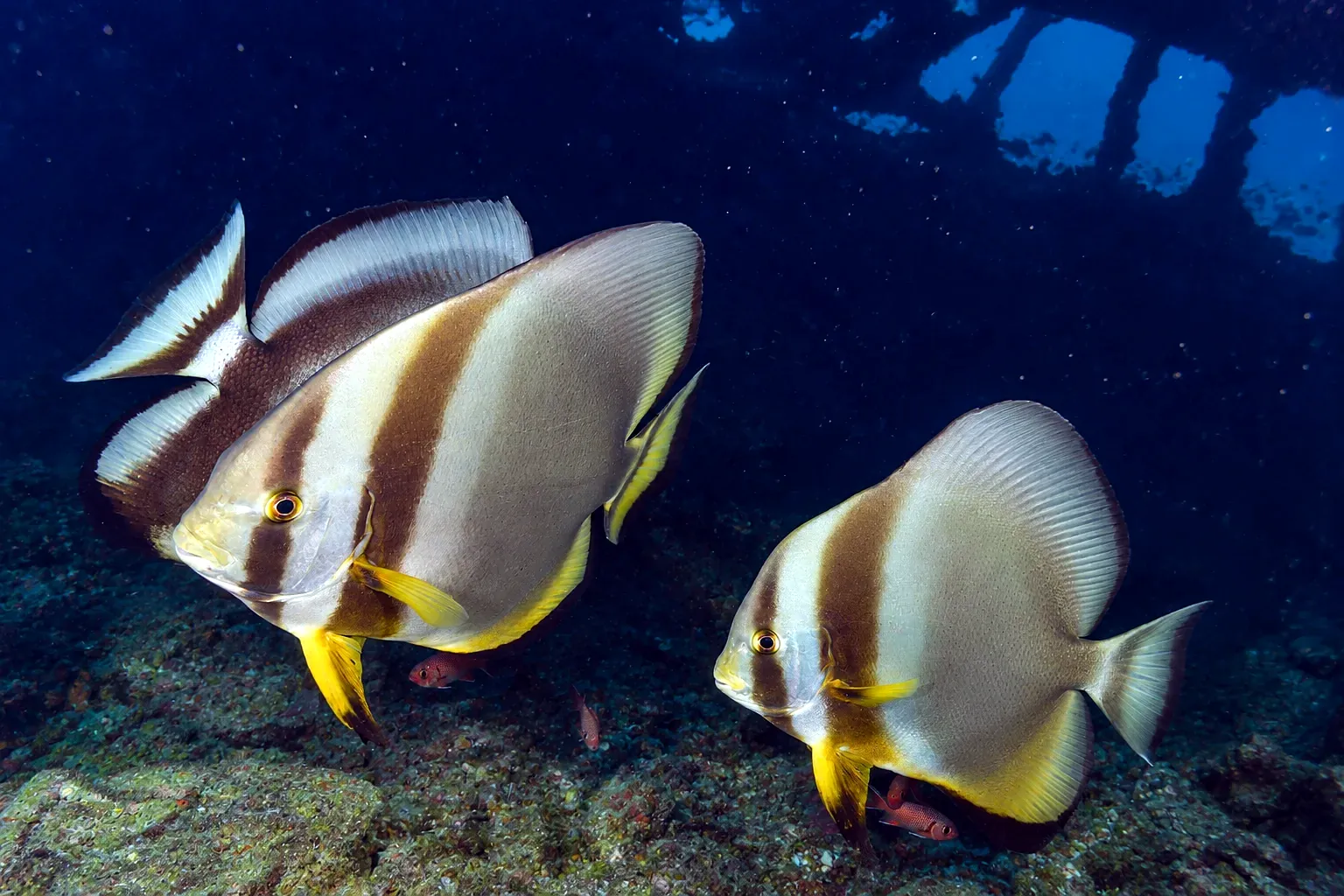
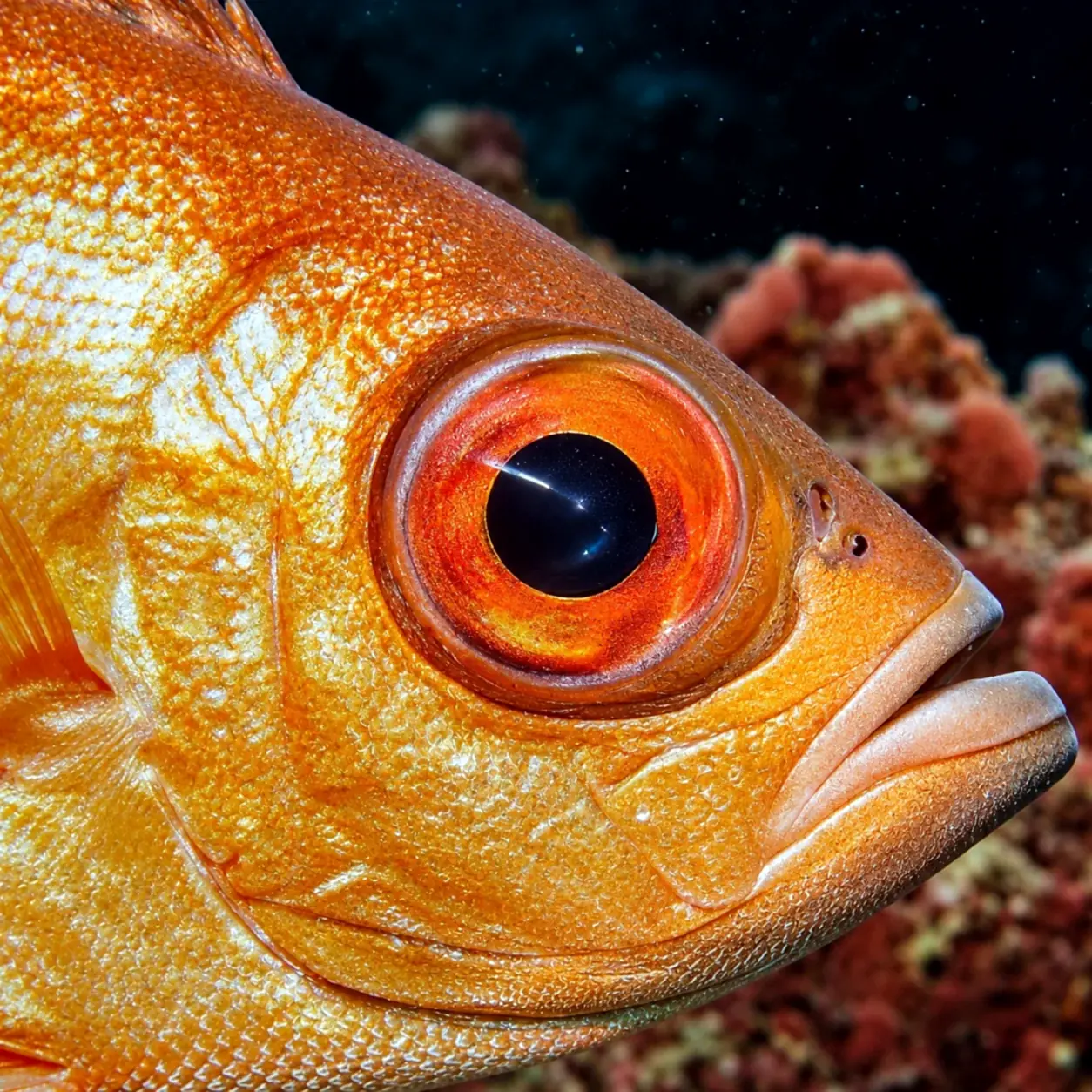
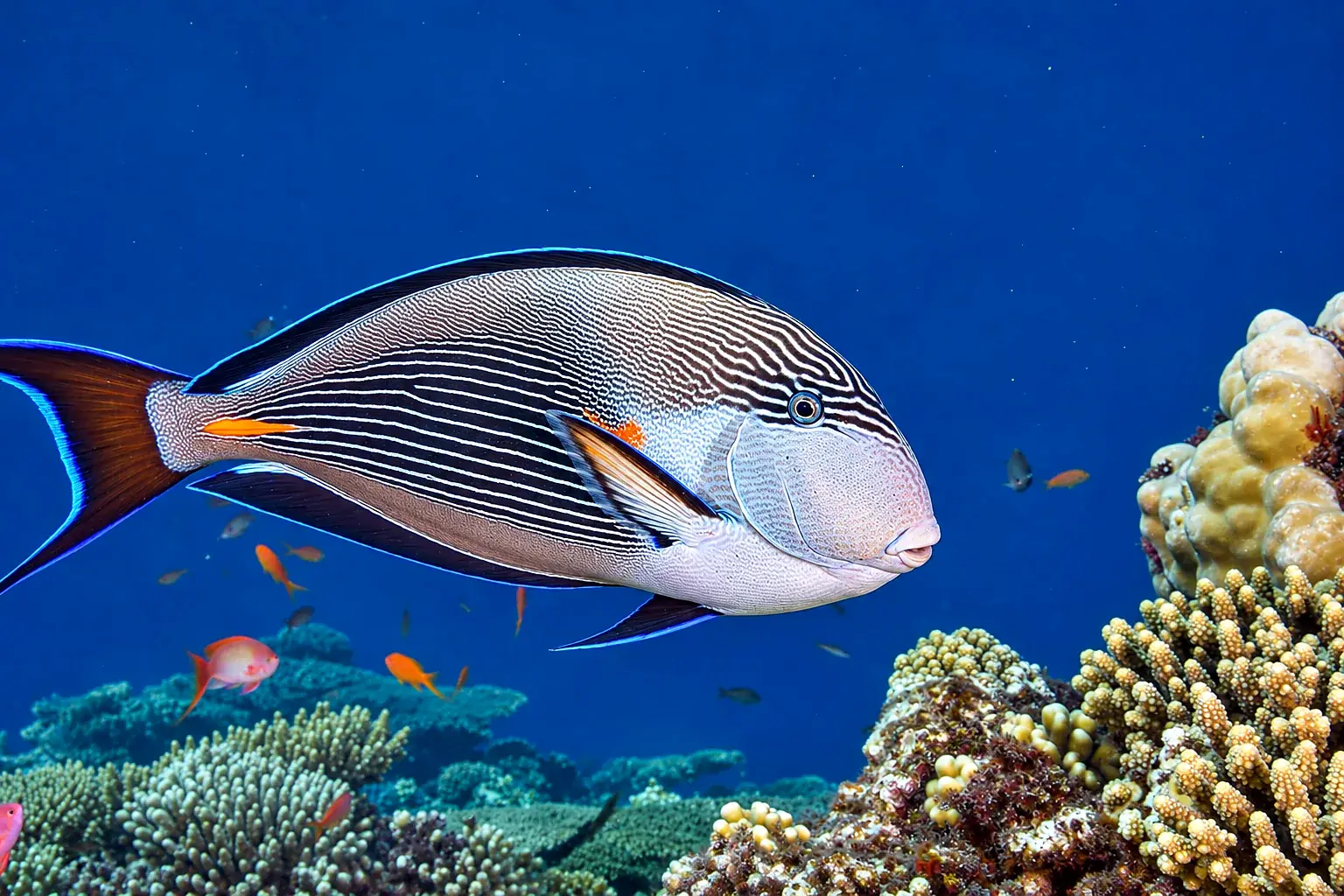
Photo gallery from the southern reefs
Other routes from Red Sea Diving
Generally, for a first liveaboard, the North Red Sea liveaboard keeps to the classic wrecks. On the other hand, the BDE liveaboard runs Brothers, Daedalus and Elphinstone, while Daedalus and Fury Shoals also reaches the southern reefs. Meanwhile, the Red Sea liveaboard guide compares all eight routes.
St. John’s dive sites: frequently asked questions
Where are the St. John’s dive sites?
Geographically, the St. John’s dive sites lie in the far south of the Egyptian Red Sea, near the maritime border with Sudan. In total, ten bank reefs spread about 29 km from east to west and 10 km from north to south.
How many dive sites are there at St. John’s?
In total, the system has ten bank reefs. Specifically, our guides cover Habili Ali, Habili Gaffar, Gota Soraya, Gota Kebira, Umm Arouk, Dangerous Reef, Abu Basala and Gota Hamera, plus Habili Omran and Shaab Kentkana just to the north.
Which St. John’s reefs are best for beginners?
Sheltered reefs such as Umm Arouk, Gota Hamera and Habili Omran suit beginners with a guide, because they are shallow and the currents are usually mild.
Where can you see sharks at St. John’s?
The steep outer reefs, such as Habili Ali and Habili Gaffar, offer the best chance of grey reef sharks and oceanic whitetips. However, wild animals can never be guaranteed.
Can you night dive at St. John’s?
Yes, particularly on the sheltered reefs. For example, Umm Arouk, Dangerous Reef, Abu Basala and Gota Hamera are popular night dives.
Are Shaab Kentkana and Habili Omran part of St. John’s?
In fact, not strictly. They belong to the Shaab Aluaster group just to the north, but because they lie so close, they are often dived on a St. John’s week.
How do you get to St. John’s?
In practice, only by liveaboard, usually on a seven-night Deep South St. John’s safari. Moreover, all eight boats in the Red Sea Diving fleet can run this route.
Deep South · St. John’s · Liveaboard only
Dive St. John’s with us
First, tell us your dates, the number of divers and your certification level. Afterward, our team checks which Deep South St. John’s week fits and which reefs suit your logbook before you commit to anything.


