
Dive site guide · Gota Kebira · St. John’s Reef System, southern Red Sea
Gota Kebira Dive Site Big Gota: coral walls, two plateaus and turtles in St. John’s
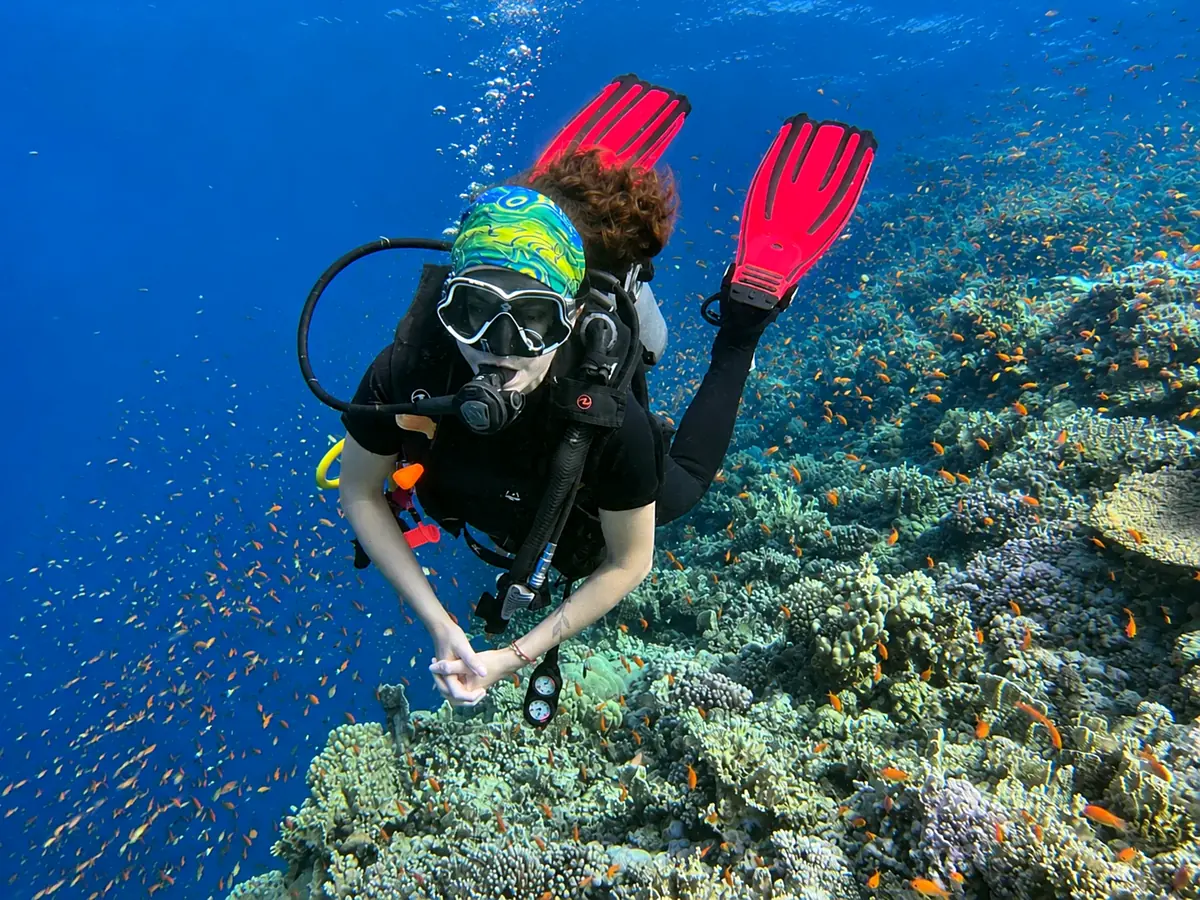
Gota Kebira, also written Gota Kebir and known as Big Gota, is one of the largest and most impressive reefs in the St. John’s system of the southern Egyptian Red Sea. Its coral walls, plateaus and fissures offer several different dives between 5 and 30 meters, so many boats visit it more than once in a week.
Gota Kebira in short
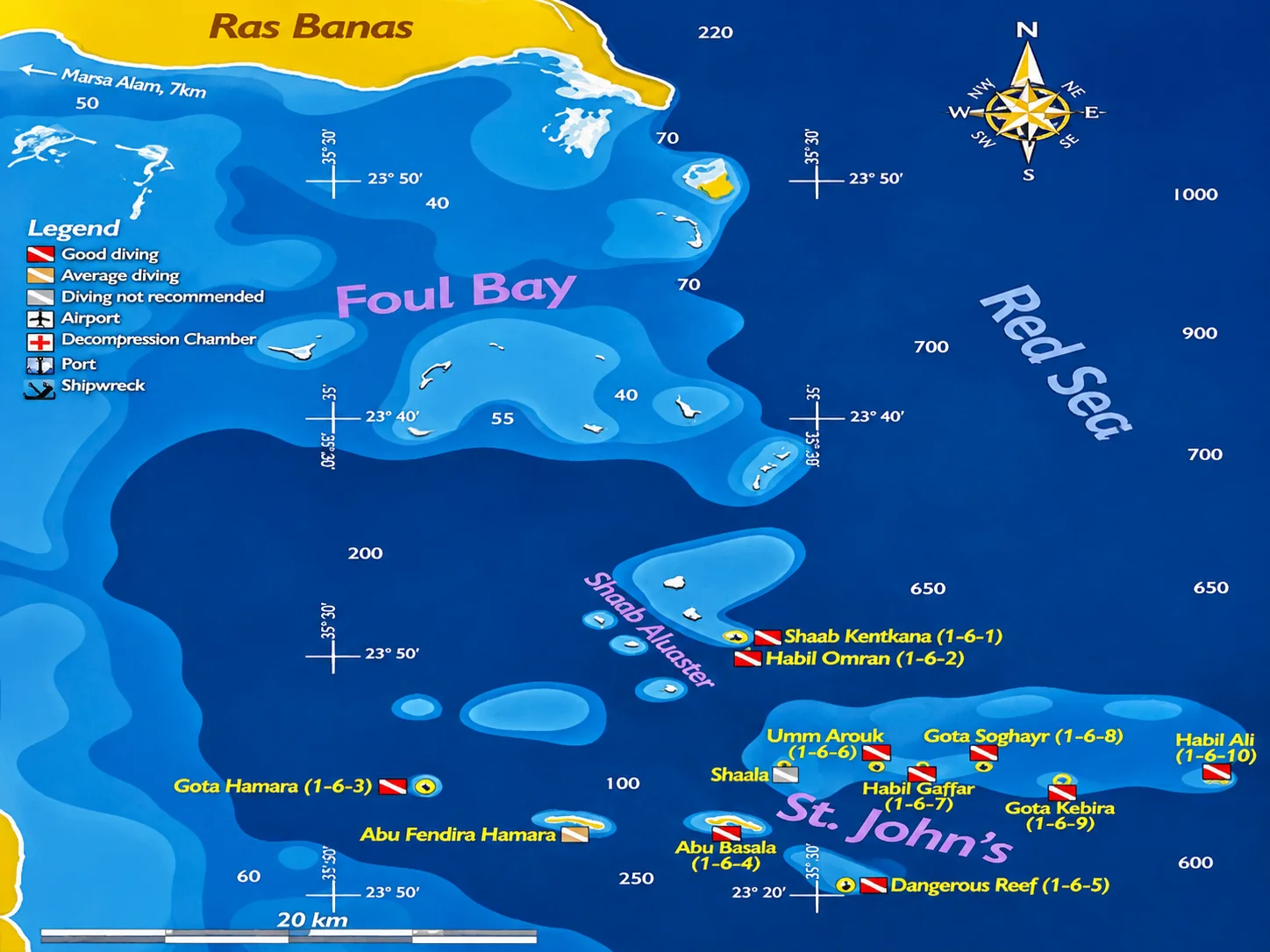
In short, Gota Kebira, or Big Gota, is one of the largest reefs in St. John’s, about 3.4 km east of Gota Soraya in the southern Egyptian Red Sea. Typically, dives stay between 5 and 30 meters along steep coral walls, a current-swept northern plateau and a more sheltered southern side. Overall, it suits intermediate to advanced divers on the exposed routes, and it is reached only by liveaboard on the Deep South St. John’s route. Above all, expect hard and soft corals, anthias, surgeonfish, groupers, Napoleon wrasse and turtles, plus barracuda, trevallies and, at times, reef sharks.
What is Gota Kebira?
Gota Kebira is a large coral reef in the St. John’s system, and its names include Gota Kebir and Big Gota. Specifically, the name means the big Gota, since the reef sits beside its smaller sister, Gota Soraya.
Because the reef is so large, it offers several different dive routes. Consequently, Gota Kebira suits repeated visits during a liveaboard week, with one dive on the exposed north and another on the calmer south.
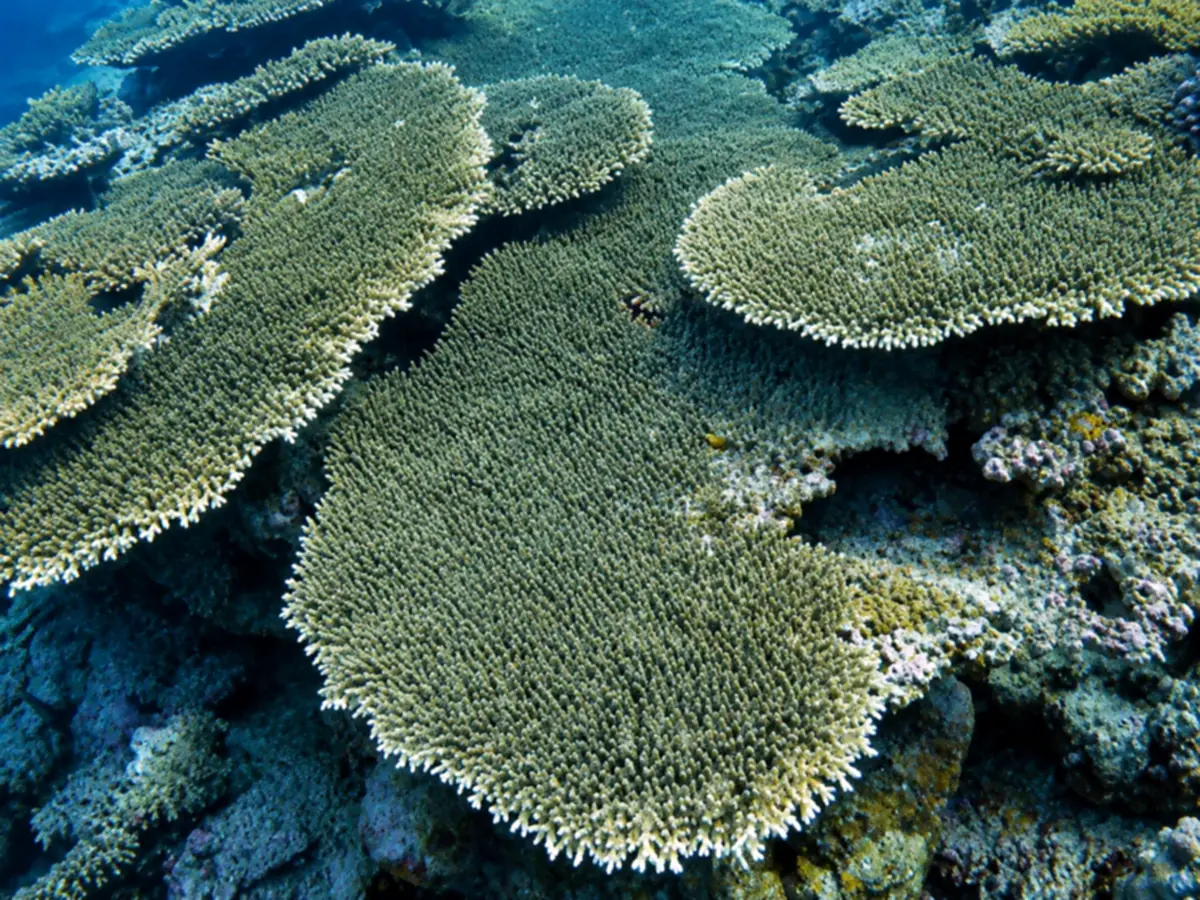
Moreover, hard corals build most of the reef, while colorful soft corals decorate sections of the walls. In addition, natural fissures and plateaus add variety to every route.
Gota Kebira at a glance
Topography
Above all, steep coral walls drop into deep blue water, with plateaus at the north and south ends.
Marine life
Similarly, turtles, Napoleon wrasse and schools of reef fish live on the coral, while barracuda pass in the blue.
Conditions
However, the current can be strong on the exposed corners, so the route always follows the current and visibility.
Where is the reef located?
Gota Kebira lies in the St. John’s reef system, close to the Sudanese border and far from any harbor. Accordingly, the only practical way to dive it is from a liveaboard on the Deep South St. John’s or Elba Reef routes.
In addition, Gota Soraya is only 3.4 km to the west, and several other St. John’s reefs are usually dived in the same days, so one week can mix walls, pinnacles and caves.
How do you dive Gota Kebira?
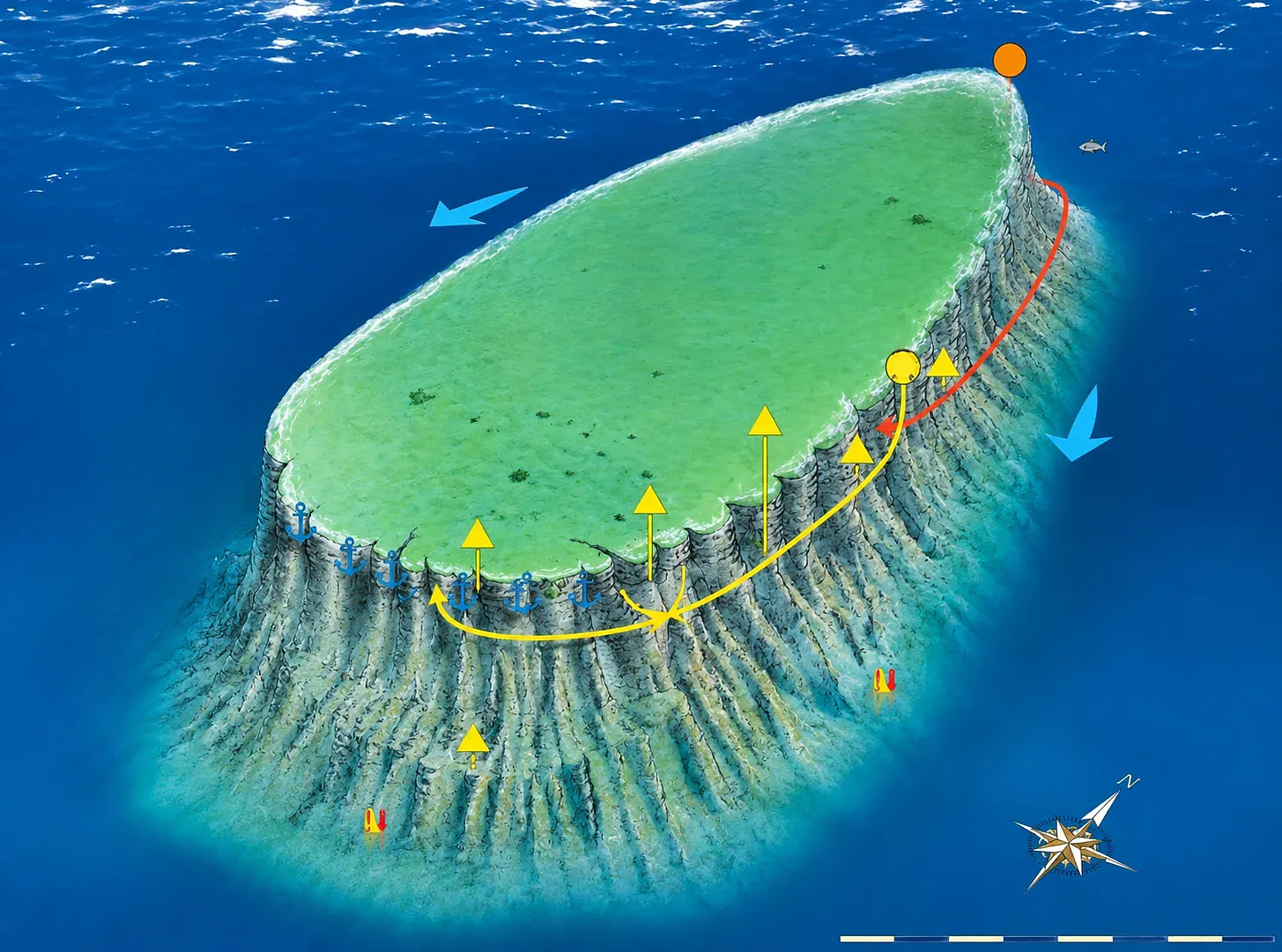
Usually, a Gota Kebira dive starts on the wall that faces the current. Then, divers drift toward a more sheltered section or a planned zodiac pickup, as set at the briefing.
Two ends of one large reef
North
The northern plateau. Firstly, the northern section forms a plateau exposed to changing currents. As a result, this is the side where pelagic fish and reef sharks are most likely.
Walls
The coral walls. Secondly, steep walls fall into deep blue water along the sides. Meanwhile, natural fissures and soft corals break up the wall and shelter reef fish.
South
The southern side. Finally, the south offers coral formations and calmer areas when conditions allow. Therefore, it often suits a relaxed second dive or the end of a drift.
What marine life lives at Gota Kebira?
Overall, Gota Kebira combines rich reef life with open-water visitors on its exposed corners. Of course, wild animals are never guaranteed, so treat the list below as possibilities rather than promises.
Reef fish
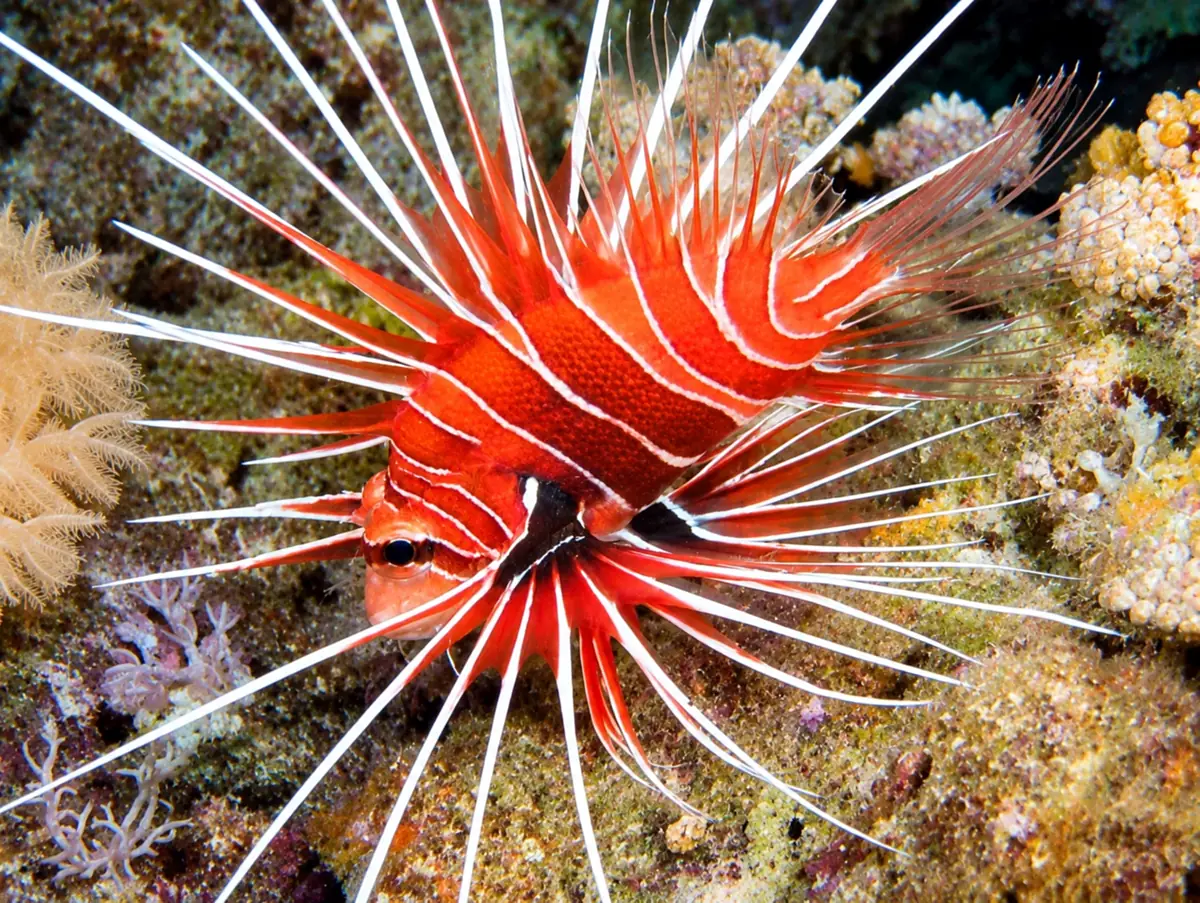
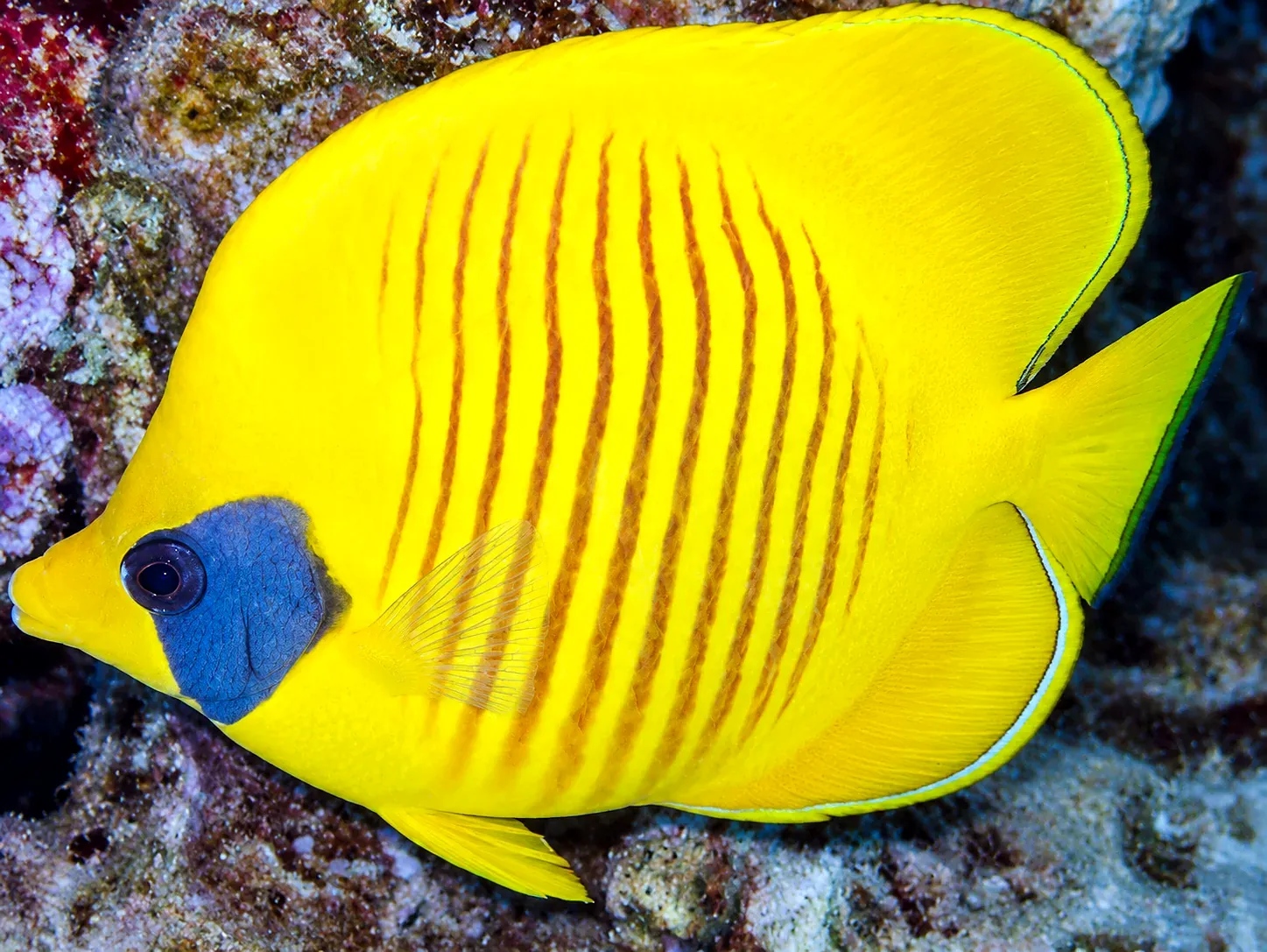
Typically, anthias, butterflyfish, surgeonfish and parrotfish fill the coral, while groupers wait under the ledges.
Turtles and wrasse
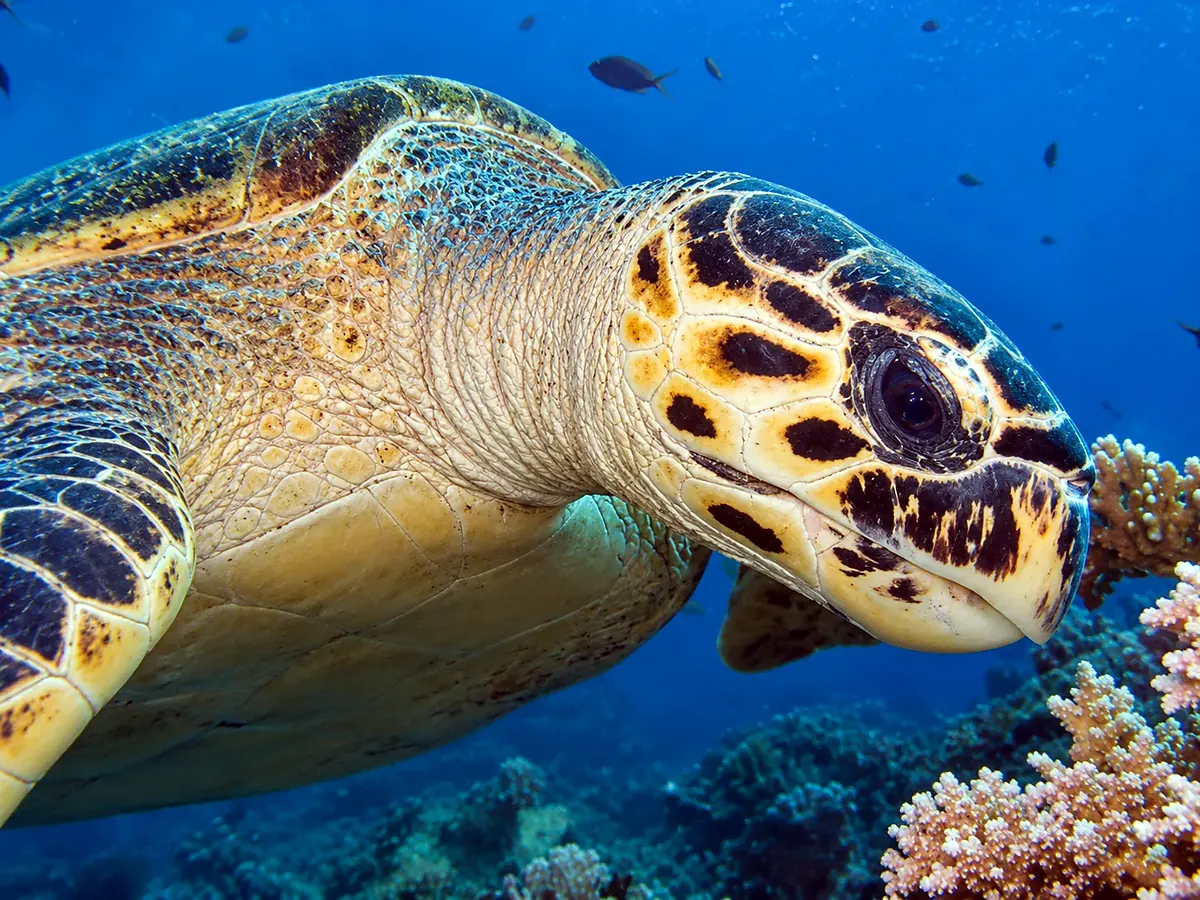
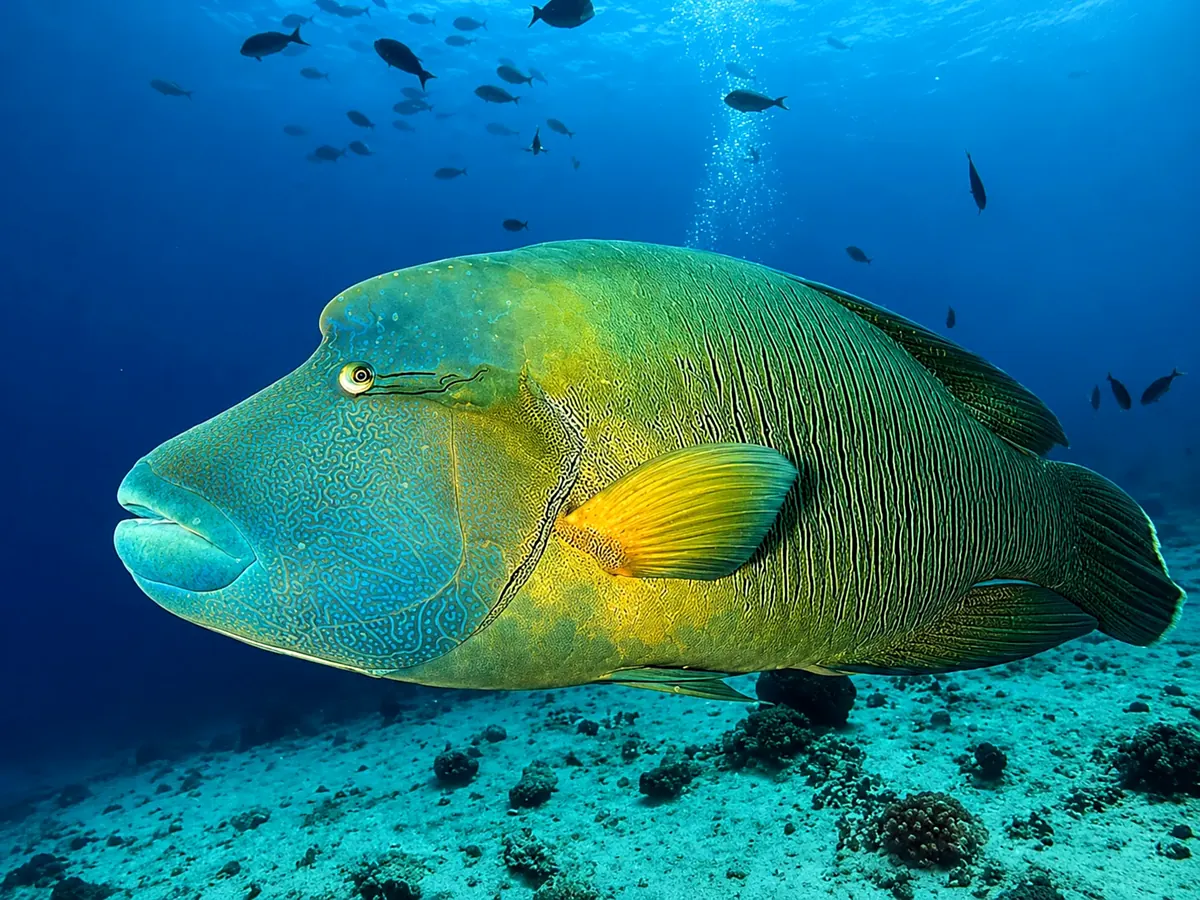
Often, sea turtles rest or feed on the reef. Meanwhile, Napoleon wrasse often follow divers along the wall.
Sharks and pelagics
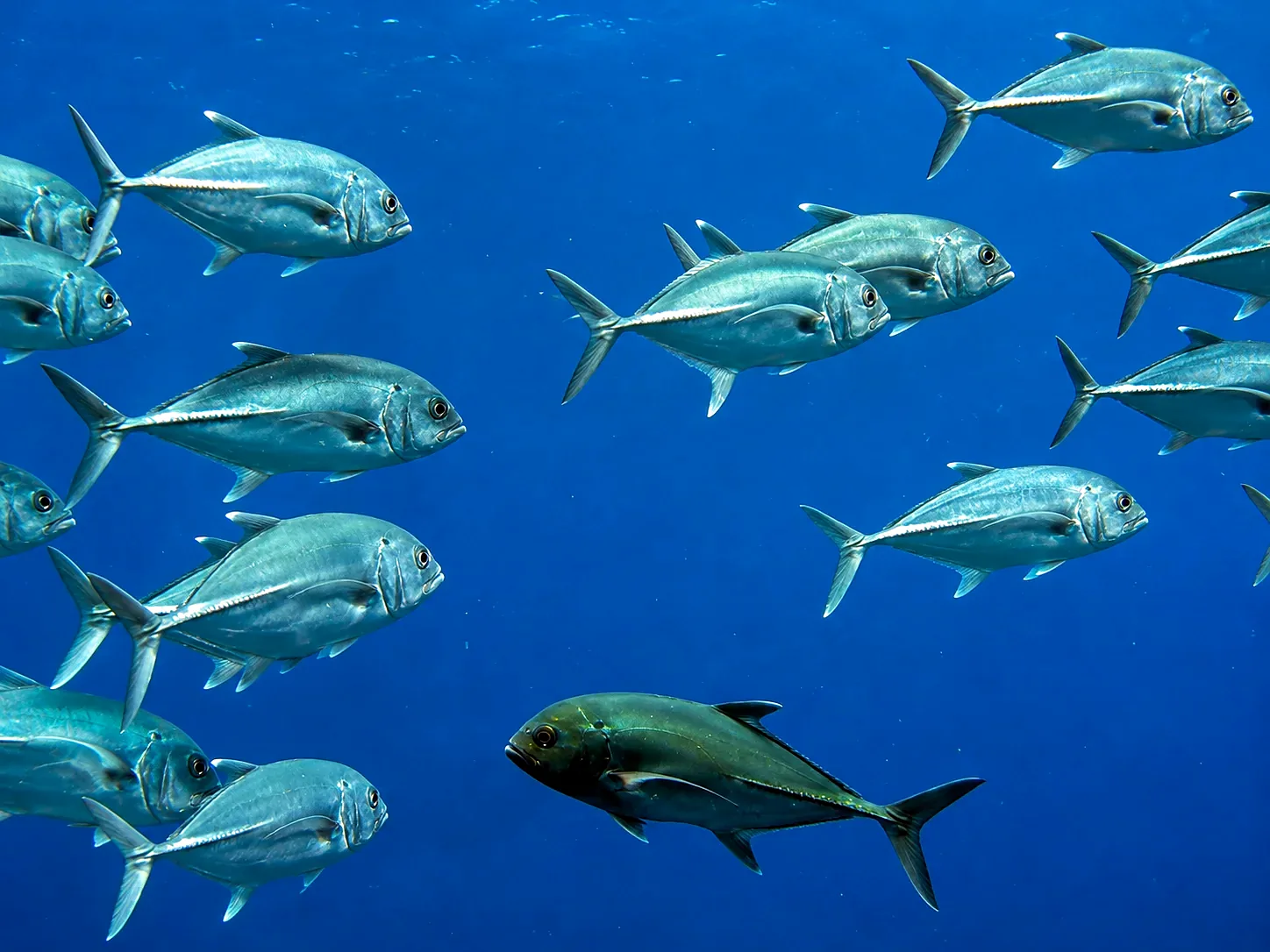
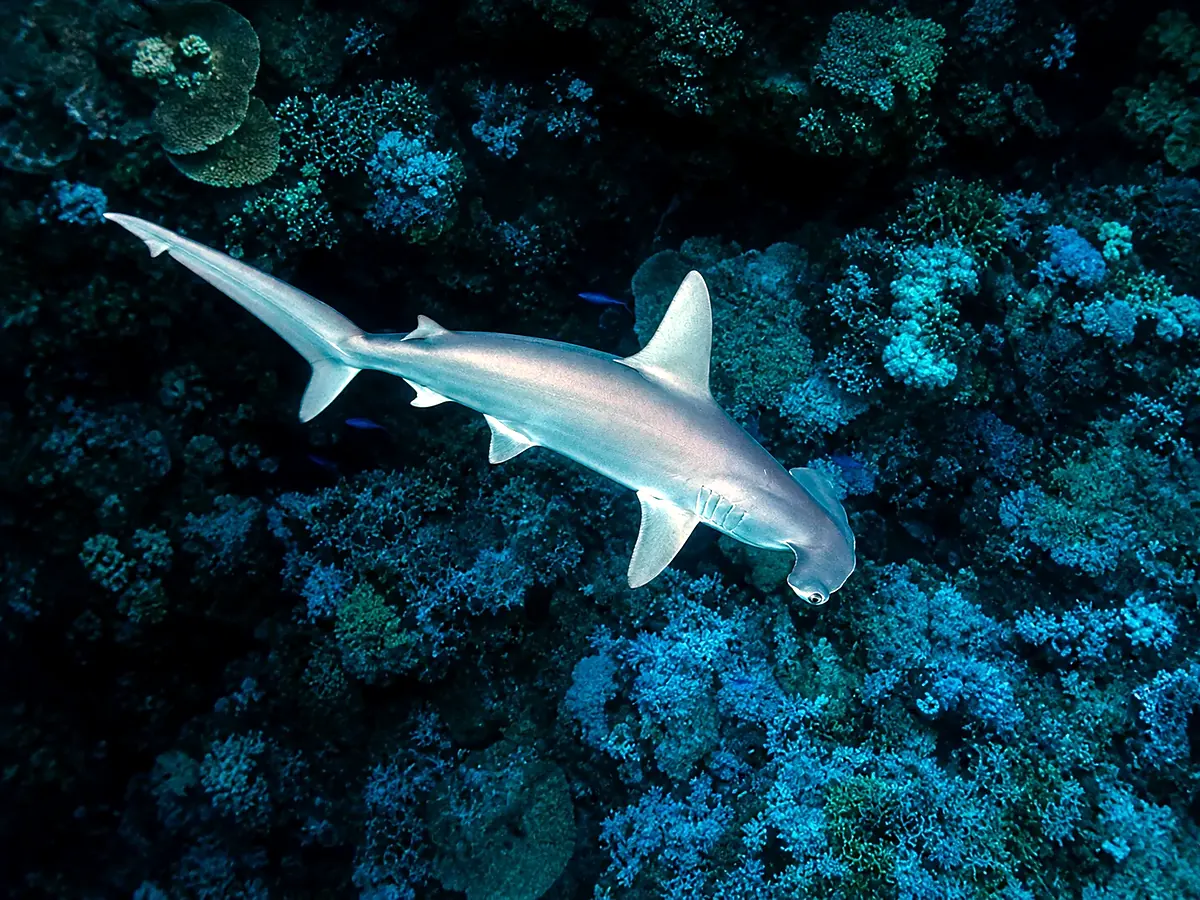
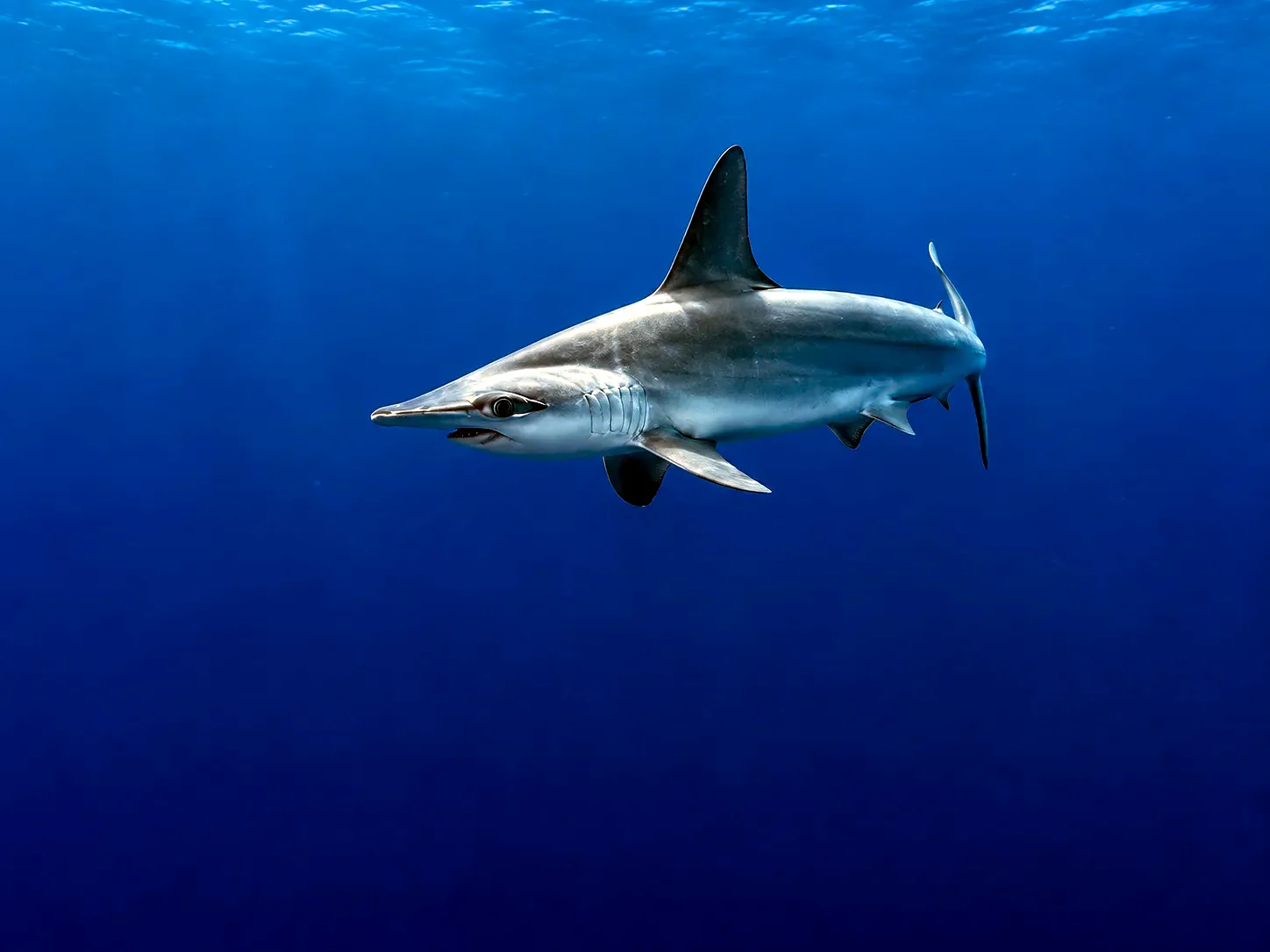
Out in the blue, barracuda, trevallies and reef sharks are possible visitors, especially off the exposed northern plateau.
Is Gota Kebira suitable for beginners?
Partly. The sheltered southern side can suit calmer dives, but the exposed walls and drift routes need intermediate to advanced experience. In practice, Advanced Open Water or an equivalent, plus some recent drift diving, is a sensible minimum for the northern plateau.
Moreover, the current at the corners can change during the dive. Training such as the PADI Deep Diver course and Enriched Air Nitrox helps, since Nitrox extends bottom time along the walls.
Before you dive Gota Kebira
Firstly, choose a route that matches the current, the visibility and your experience. Secondly, carry a surface marker buoy, because drift dives often end with a zodiac pickup in open water.
Above all, follow the guide’s briefing and our diving safety standards. The southern reefs are protected by HEPCA, and remote sites like this one make dive insurance such as DAN Europe essential.
How do you get there?
In practice, Gota Kebira is reached only by liveaboard, usually on a seven-night Deep South St. John’s safari. Boats board on Saturday after 15:00, and check-out is between 09:00 and 10:00 the following Saturday.
Besides Gota Kebira, the same week normally includes other St. John’s reefs. Since the reef is large, the guides often plan two or more dives here on different sides.
Plan your Gota Kebira dive
- Deep South St. John’s liveaboard — the week that includes Gota Kebira.
- Gota Soraya — the smaller sister reef, with overhangs and glassfish.
- Liveaboard dive techniques — negative entries, SMB deployment and zodiac pickups.
- redsealiveaboard.net — Red Sea safari schedules and availability.
- All eight boats in our fleet can sail to St. John’s: Sea Fox, Simba, Sea Treasure, Star Jet, Bismarck, C Echo II, C U and Ramadan 3.
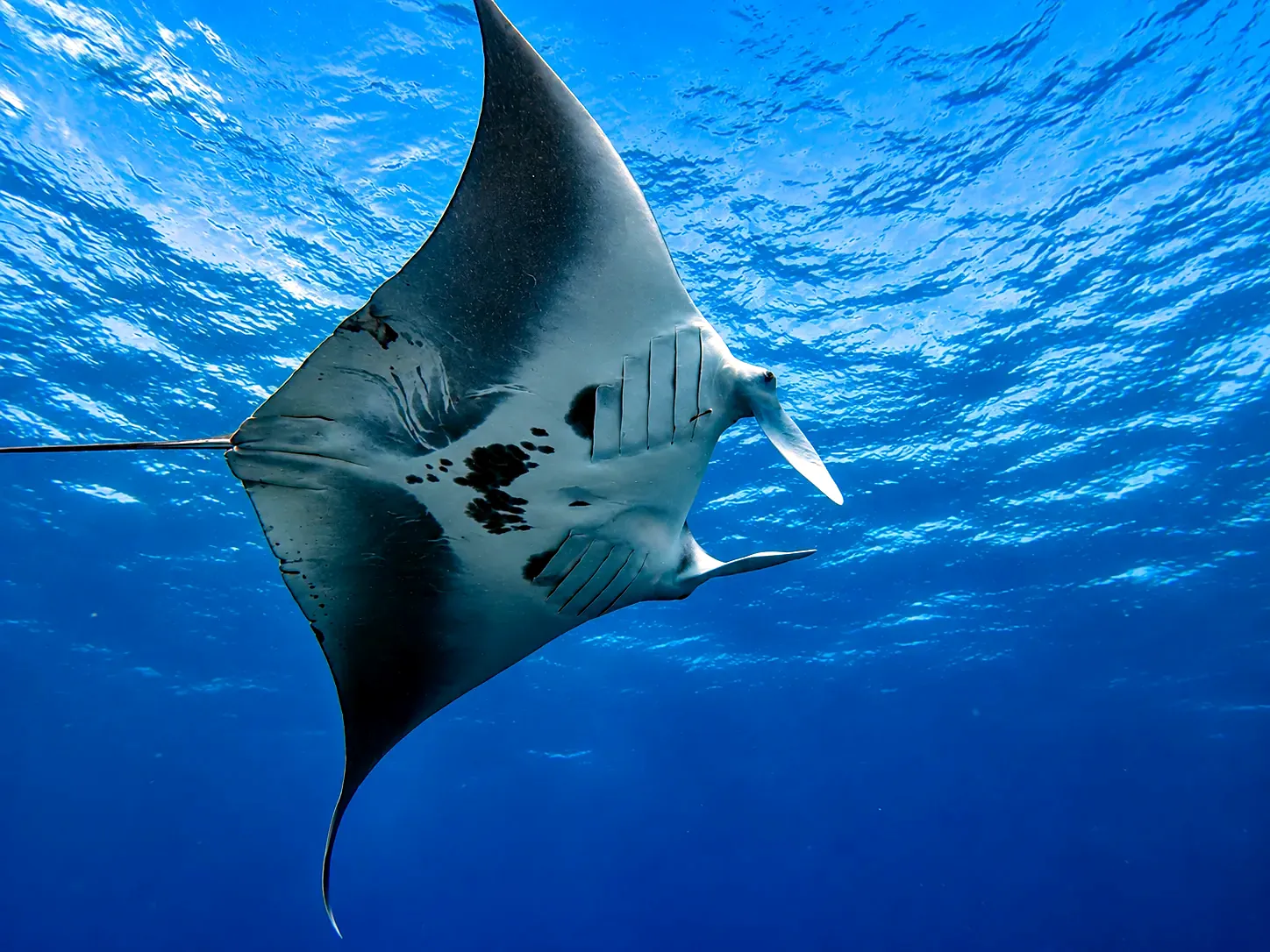
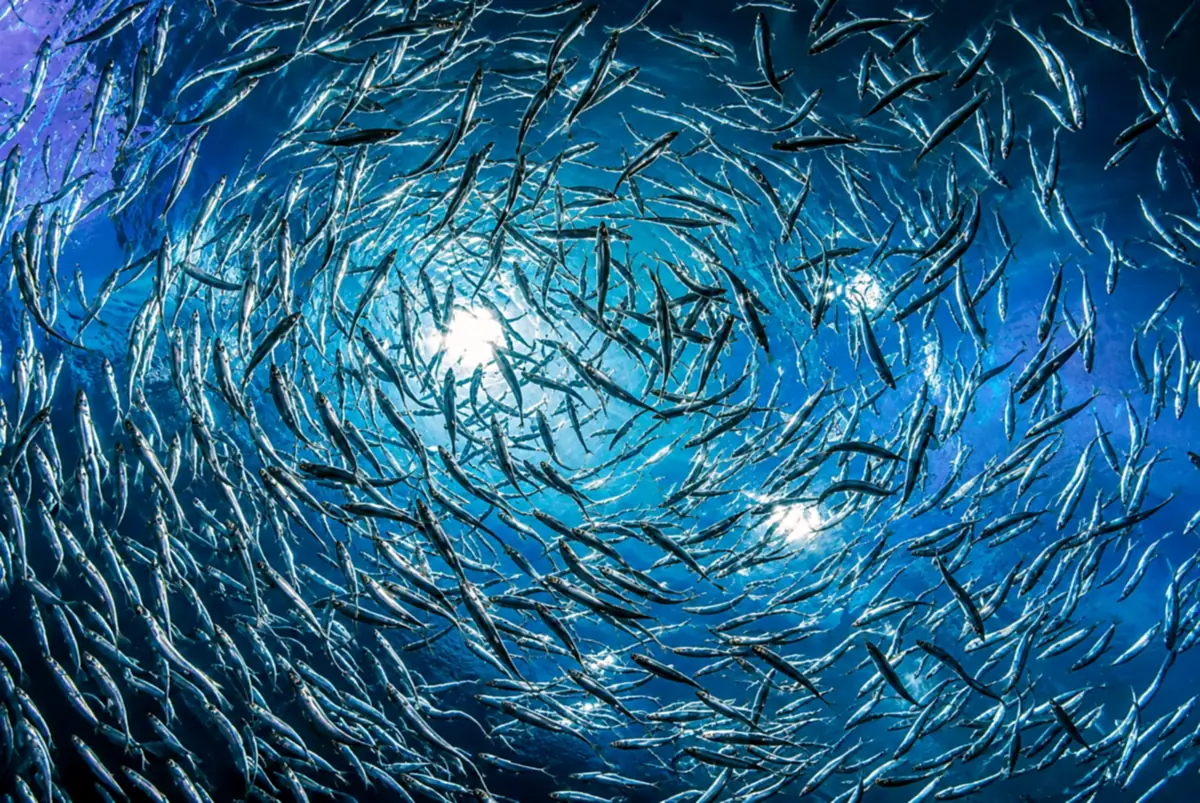
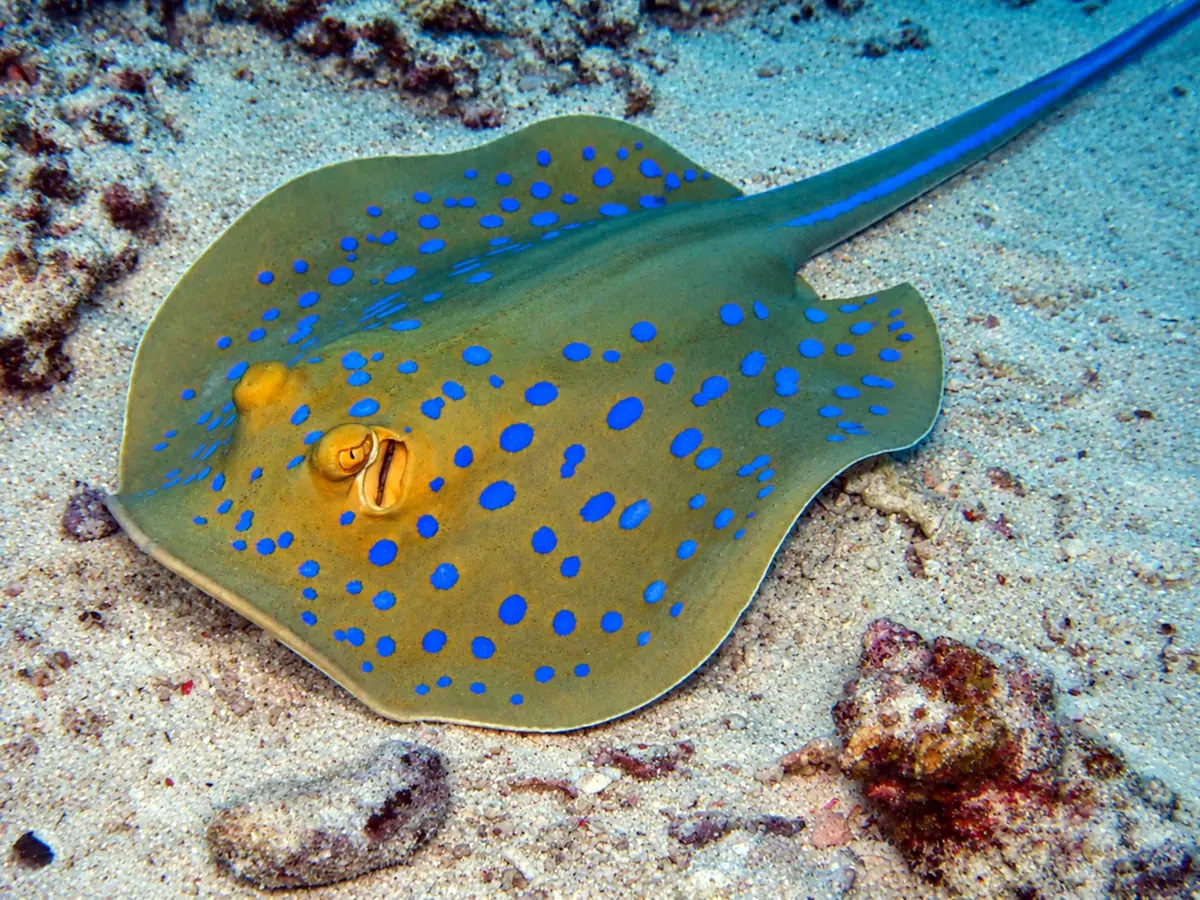
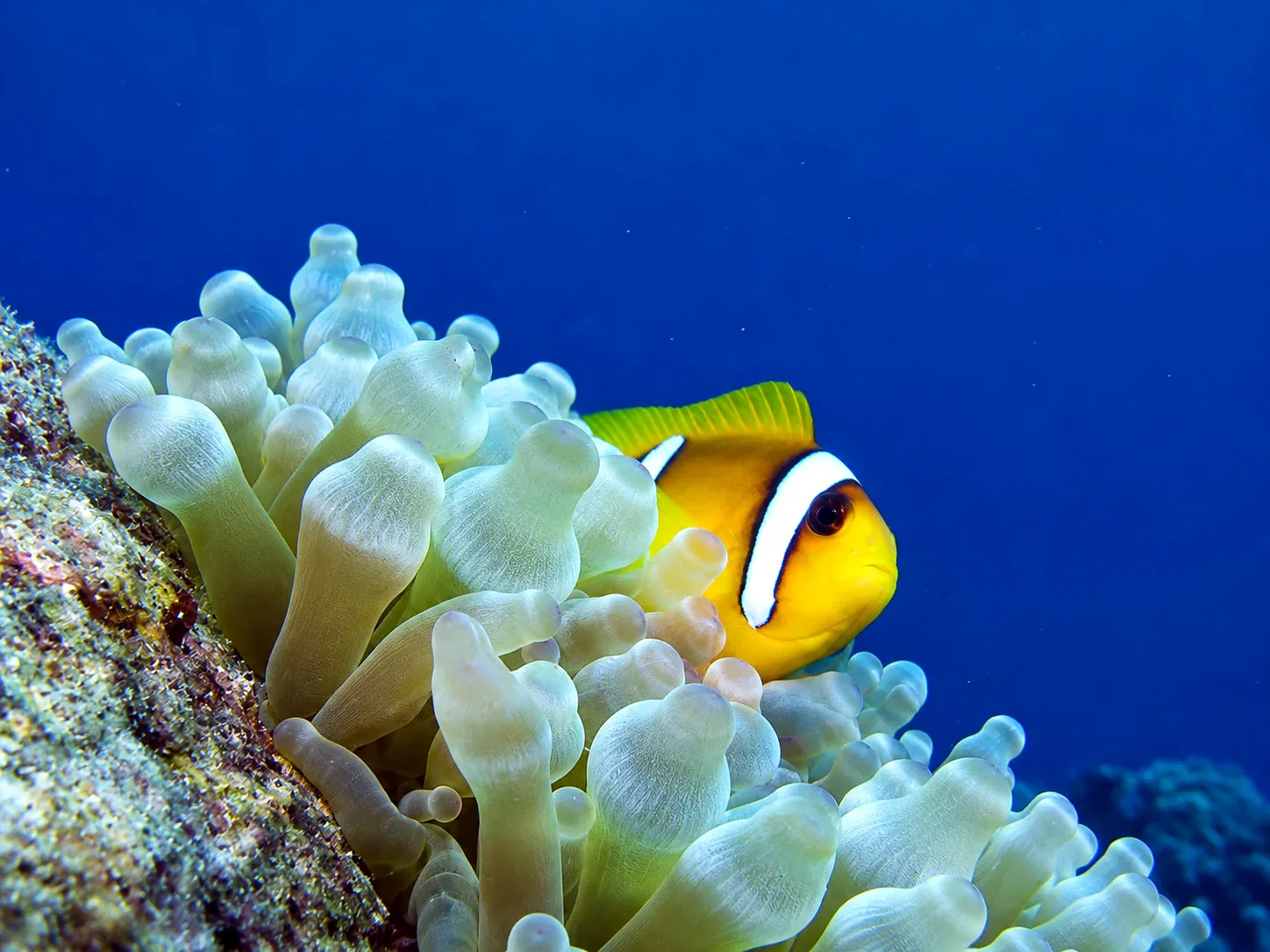
Photo gallery from the southern reefs
Other routes from Red Sea Diving
Generally, for a first liveaboard, the North Red Sea liveaboard keeps to the classic wrecks. On the other hand, the BDE liveaboard runs Brothers, Daedalus and Elphinstone, while Daedalus and Fury Shoals and the Elba Reef liveaboard also reach the far south. Meanwhile, the Red Sea liveaboard guide compares all eight routes.
Gota Kebira: frequently asked questions
Where is Gota Kebira?
Gota Kebira lies in the St. John’s reef system in the southern Egyptian Red Sea, at 23°24′37″N, 35°55′48″E. Specifically, it is about 3.4 km east of Gota Soraya.
Is Gota Kebira the same as Gota Kebir or Big Gota?
Yes. In fact, Gota Kebira, Gota Kebir and Big Gota are names for the same reef, the larger sister of Gota Soraya.
How deep is Gota Kebira?
Most dives stay between 5 and 30 meters. However, the walls drop into deep blue water, so every diver must stay within the limits of their own certification.
What can you see at Gota Kebira?
For example, expect hard and soft corals, anthias, surgeonfish, groupers, Napoleon wrasse and sea turtles. In addition, barracuda, trevallies and reef sharks are possible visitors on the exposed sections.
Is Gota Kebira suitable for beginners?
Partly. The sheltered south can suit calmer dives, but the exposed wall and drift routes are for intermediate to advanced divers.
Which side of Gota Kebira is best?
It depends on the current. Generally, the northern plateau is better for pelagic fish, while the southern side is calmer and better for corals and photography.
How do you get to Gota Kebira?
Only by liveaboard, usually on a seven-night Deep South St. John’s safari. Moreover, all eight boats in the Red Sea Diving fleet can run this route.
St. John’s · Deep South liveaboard · Intermediate to advanced
Dive Gota Kebira with us
Simply tell us your dates, the number of divers and your certification level. Afterward, our team checks which Deep South St. John’s week fits and which Gota Kebira routes suit your logbook before you commit to anything.


