
Northern Red Sea, Egypt · North Red Sea Liveaboard
North Red Sea Liveaboard Hurghada to Ras Mohammed, seven nights
A classic seven-night, six-day North Red Sea liveaboard running from Hurghada up to Ras Mohammed and back. Because the route stays west of the Straits of Tiran, the week concentrates instead on the famous wrecks, the northern reef systems, the SS Thistlegorm and the reefs of Ras Mohammed National Park.
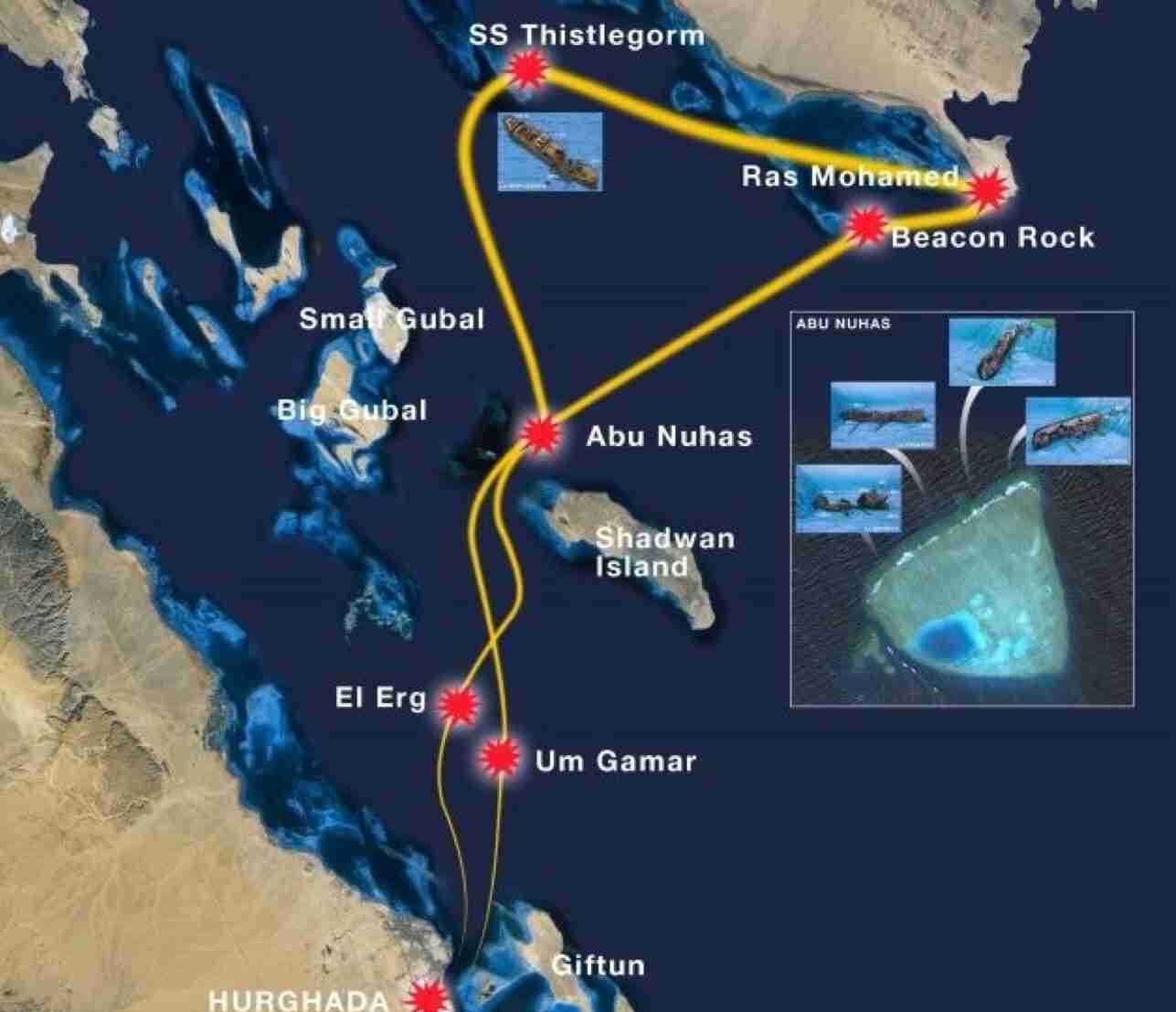
Wrecks, reefs and Ras Mohammed on a northern Red Sea safari
The North Red Sea liveaboard is one of Egypt’s most established itineraries. In particular, the reason is the density of what sits within a single week. Starting from Hurghada, the week combines northern reef systems, the wreck cluster at Abu Nuhas, the SS Thistlegorm and Ras Mohammed National Park before turning back south.
Because the Straits of Tiran are not part of this route, no time is spent crossing to reach them. Consequently the days are spent where the wrecks and the northern reefs actually are, rather than on long transits between two separate regions.
Every dive is planned around the conditions on the day. Current, wind, swell and mooring availability are all considered by the captain and the dive team before anyone enters the water, so the published week is a plan rather than a promise.
Trip at a glance
Legendary wreck diving
The SS Thistlegorm and the classic wrecks of Abu Nuhas, namely Giannis D, Carnatic, Chrisoula K and the Dunraven, whenever conditions permit. Above all, this is the week that made Egyptian wreck diving famous.
Northern reefs
Reefs such as Shaab El Erg, Shag Rock and Beacon Rock, with coral gardens and reef fish. Moreover the north is known for its visibility.
Ras Mohammed
Finally the northern leg finishes at one of the best known areas in the Red Sea, including Shark Reef and Yolanda Reef.
The North Red Sea liveaboard week
The week runs Saturday to Saturday. However, the exact order of the dive sites can change according to weather, currents, mooring availability and safety, so read the days below as the shape of the week rather than a fixed sequence.
Northbound, Hurghada to the Thistlegorm
Saturday
Arrival and boarding in Hurghada. Guests are welcome on board after 15:00. Afterwards check-in, cabin allocation, equipment preparation, documentation and the welcome briefing all take place during the evening.
Sunday
Trip start, Hurghada northern reefs. The vessel leaves Hurghada in the morning after breakfast and the safety briefing. First the opening dives are used as check dives, then the route continues north. Possible sites include Shaab El Erg and the nearby northern reefs.
Monday
Abu Nuhas wrecks. A full day around Abu Nuhas, which is known above all for its collection of historic shipwrecks. Depending on sea conditions, dives may include Giannis D, Carnatic, Chrisoula K and the nearby reef sections.
Tuesday
SS Thistlegorm. Namely the day most divers book this week for. The plan covers the exterior sections and the cargo holds where conditions, certification and diver experience allow, and a night dive may be added when conditions permit.
Ras Mohammed and the run home
Wednesday
Shag Rock, Kingston and Beacon Rock. Meanwhile the route works through the Strait of Gubal, mixing reef and wreck diving. Possible sites include Shag Rock, the Kingston wreck, Beacon Rock and the Dunraven area.
Thursday
Ras Mohammed, Shark and Yolanda Reef. Essentially a day inside Ras Mohammed National Park, including Shark Reef and Yolanda Reef. Additional nearby sites may follow, depending on conditions, before the journey back towards Hurghada begins.
Friday
Final dives and return. Then two final dives are planned in the morning at suitable sites along the return route. Afterwards the vessel returns to Hurghada marina.
Saturday
Check-out, 09:00 to 10:00. First breakfast on board, then check-out. Transfers can be arranged according to the booking.
This is a planned itinerary, not a guaranteed sequence of dive sites. The captain and the dive team may change the order of sites according to weather, wind, currents, mooring availability, marine park regulations and safety. Those decisions always take priority over the published plan.
North Red Sea liveaboard dive sites
Broadly the North Red Sea liveaboard focuses on the water between Hurghada, the Strait of Gubal and Ras Mohammed. Since Tiran sits outside this itinerary, the twelve sites below are where the six diving days are actually spent.
Shaab El Erg
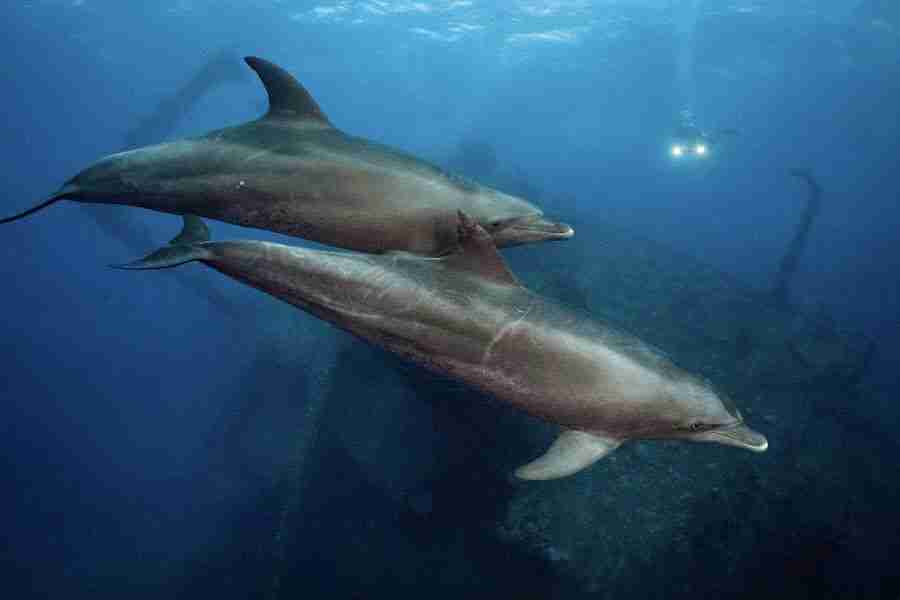
A large reef system north of Hurghada, known for coral gardens, shallow reef and the possibility of dolphin encounters. Furthermore it sits close enough to leave in the morning and dive before lunch. Its shelter also makes it a natural place for the opening check dives. There is more on this reef system on its own page.
Visit Shaab El ErgGiannis D
One of the best known wrecks at Abu Nuhas, lying on its side with recognisable engine-room and superstructure sections.
Visit Abu NuhasCarnatic
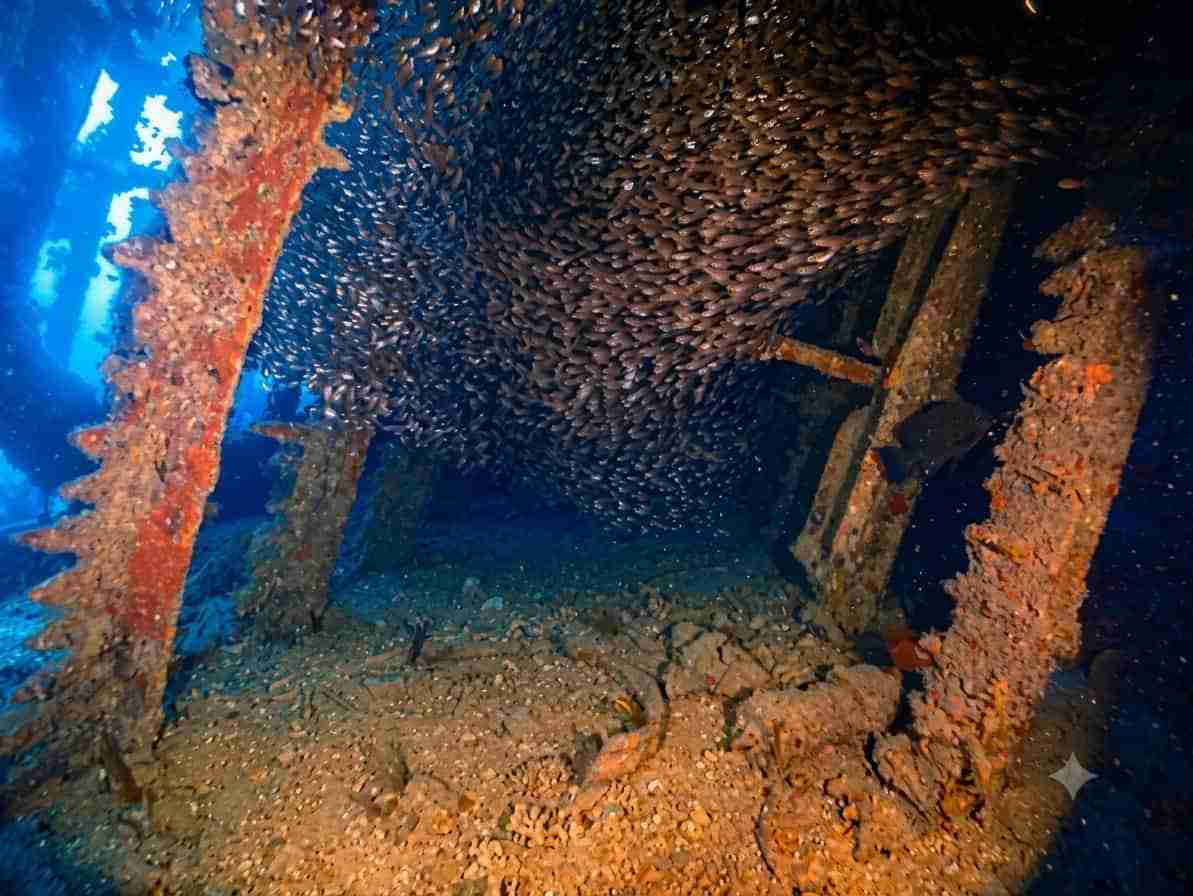
Similarly historic, this wreck is covered in coral growth and marine life. Indeed it counts among the classic dives of the reef, and it reads very differently from the Giannis D despite sitting on the same wall.
Chrisoula K
A cargo wreck at Abu Nuhas, popular for its structure and its cargo remains. In fact she photographs better than either of her neighbours. Notably it is also one of the better wrecks on the route for underwater photography.
SS Thistlegorm
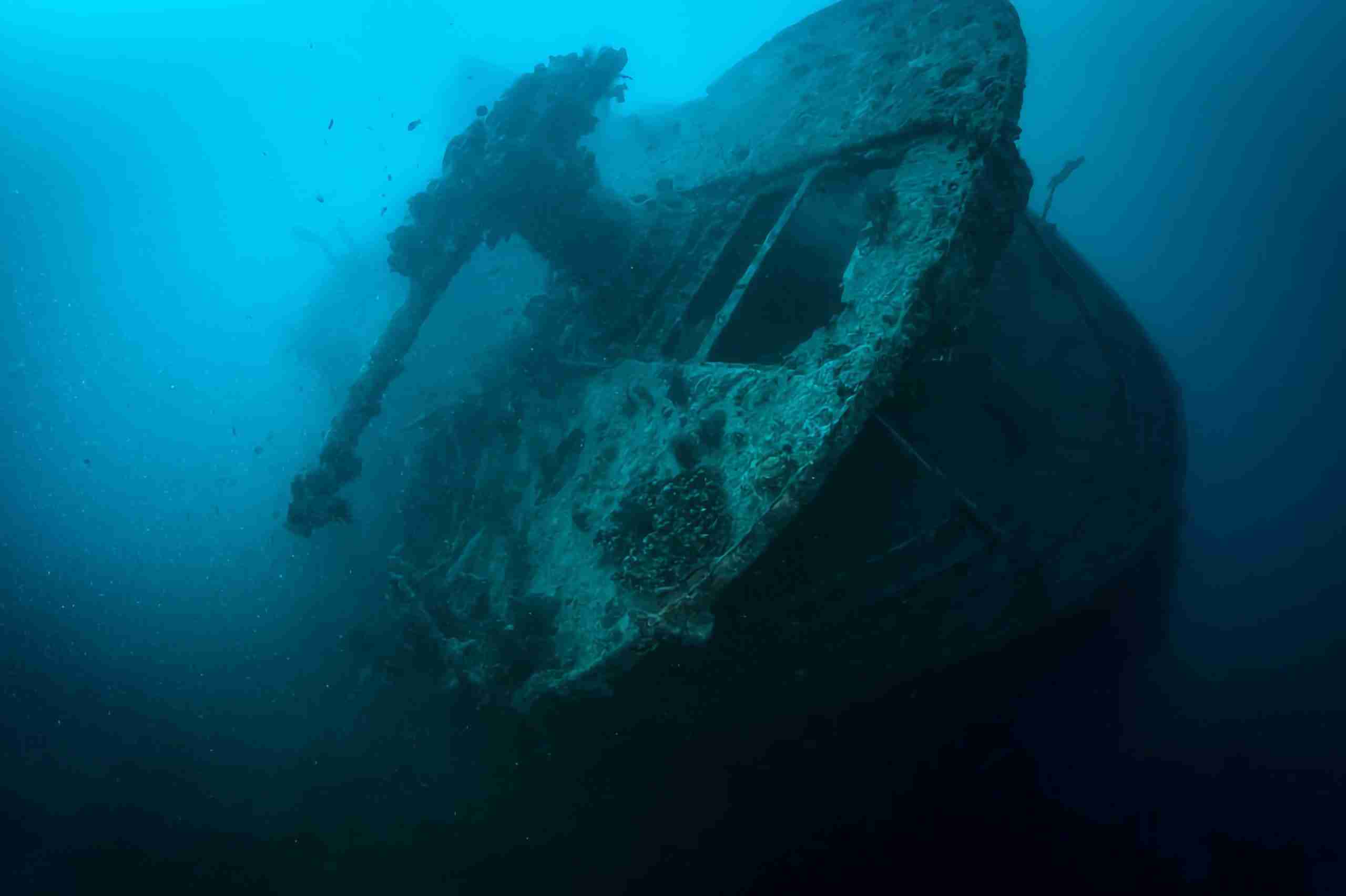
The legendary Second World War wreck, and the reason most divers book a North Red Sea liveaboard in the first place, with motorcycles, trucks, railway equipment and military cargo still inside her holds. Consequently she takes a full day rather than a single dive, and access to the holds depends on conditions, certification and experience. Her own page covers the wreck in detail.
Visit the ThistlegormShag Rock
A reef in the Strait of Gubal area with coral gardens and reef fish. Besides the reef itself, its position puts wreck diving within easy reach on the same day.
Visit the Strait of GubalKingston wreck
A shallow wreck near Shag Rock, heavily covered with coral and surrounded by active reef life. Indeed the coral has taken her over almost completely. Because it sits shallow, it also works well as a second or third dive of the day, which is why it appears so often in the Gubal day.
Beacon Rock
A classic northern reef area offering reef walls and coral gardens. Likewise nearby wreck sites are reachable from the same mooring.
Dunraven
A historic wreck close to Beacon Rock. Meanwhile she is usually dived as part of the Gubal section of the week rather than as a destination in her own right.
Shark Reef
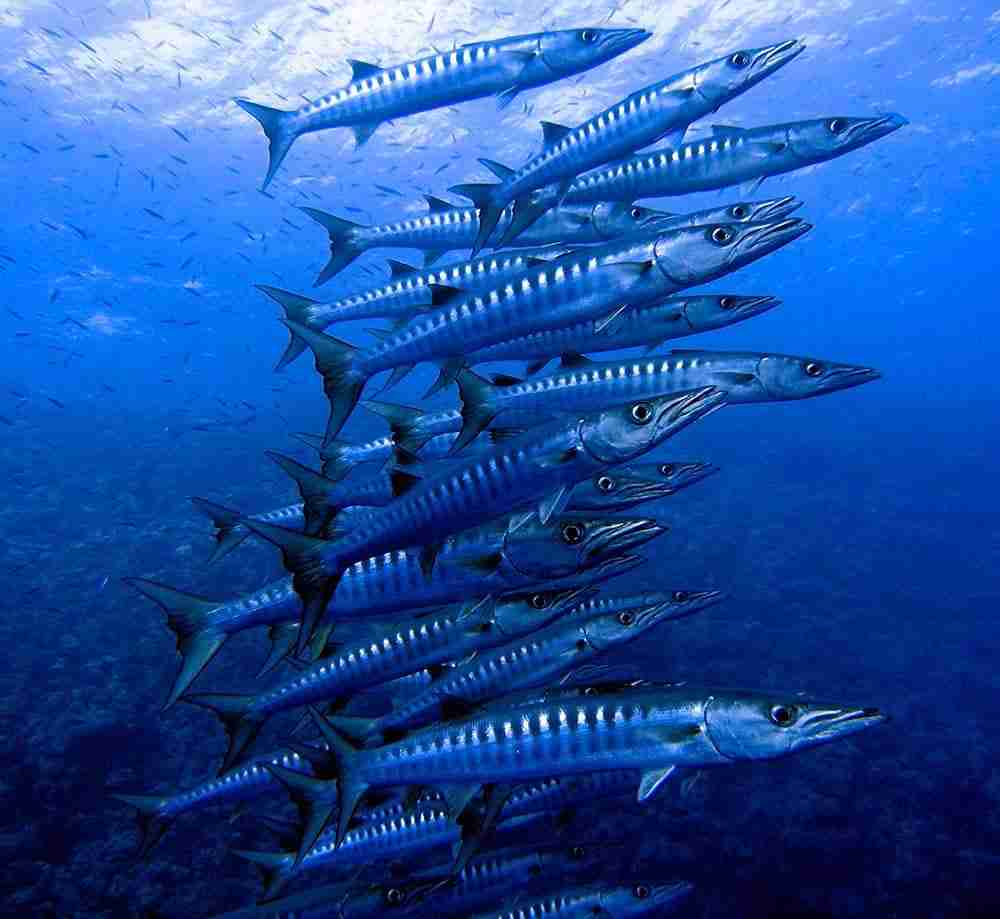
A dramatic Ras Mohammed wall with strong blue-water character, schooling fish and real pelagic potential. Therefore it rewards divers who keep looking away from the reef and into the blue.
Visit Shark and YolandaYolanda Reef
Especially known for coral, reef life and the scattered cargo associated with the Yolanda wreck area. In addition it is usually run as a drift, which is part of why it pairs so naturally with Shark Reef.
Ras Mohammed reefs
Finally, depending on conditions, further dives can be planned at other suitable sites inside the national park before the return south begins.

How many dives the North Red Sea liveaboard plans
The first diving day normally includes two to three dives, since guests are completing check dives while the vessel begins the northbound route. Monday through Thursday then typically allow three to four dives per day when conditions permit. Finally Friday includes two dives before the return to Hurghada.
In short, the printed numbers describe a good week rather than a guarantee. Long navigation legs, weather and mooring availability can all reduce a day’s diving, and the dive team will say so at the briefing rather than after the fact.
Worth asking before you book a North Red Sea liveaboard
Access to the Thistlegorm holds depends on conditions, certification and experience, so ask what applies to your certification level and your recent logbook.
Second, marine park and government fees, nitrox availability, equipment rental and transfers all vary by vessel and by departure. Ask which apply to your date rather than assuming they match another boat.
Safety on a North Red Sea liveaboard
Certainly wreck diving and open-water reef diving both ask more of a diver than a sheltered house reef. Above all, depth discipline and gas planning matter on the Thistlegorm and at Abu Nuhas, while Ras Mohammed can carry real current on the walls and plateaus.
The captain has the final word. The route may change whenever safety, weather, sea conditions, marine park regulations or official requirements call for it. Likewise, every diver is expected to follow the guides’ briefings and to stay within the limits of their own certification and experience.
Why the north?
The Hurghada liveaboard week that holds the famous names
Overall this route covers reputation instead of distance. The Thistlegorm, Abu Nuhas, the Strait of Gubal and Ras Mohammed are the sites that made Egyptian diving famous, and a North Red Sea liveaboard puts all of them inside one week without a long southern crossing.
Typically, for divers who have not yet done a Red Sea safari, the north is the natural first one. For divers who already know the area from day boats, seeing these sites early in the morning, before the day traffic arrives, is a genuinely different experience.
More Red Sea diving
- What is a liveaboard — how life on board actually works.
- Liveaboard dive techniques — negative entries, SMB deployment and exits in swell.
- What divers need on board — the packing checklist for a Red Sea safari.
- Elba Reef Liveaboard — the Deep South expedition, for divers ready to go much further south.
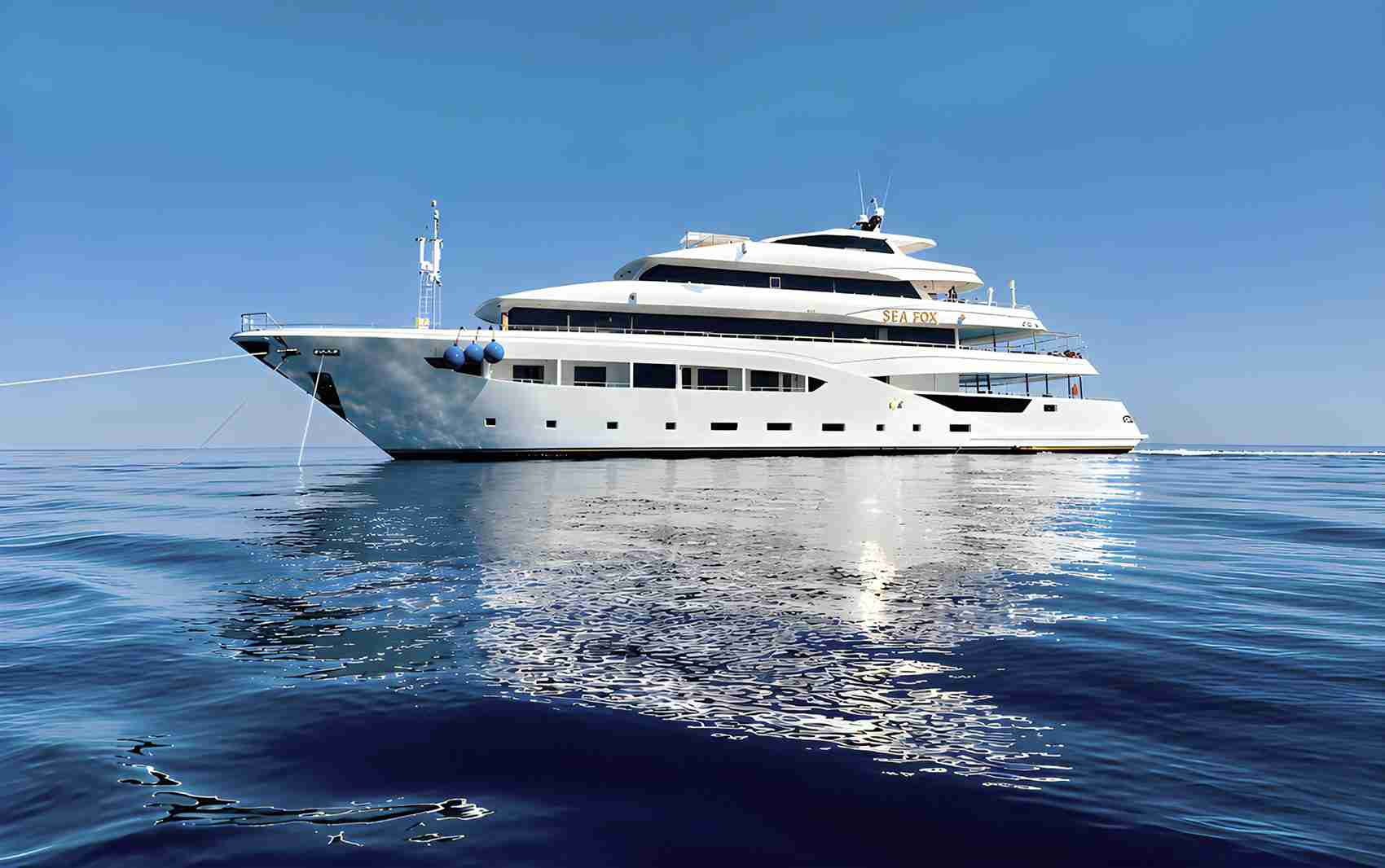
- Confirmed boats running this route so far: Sea Fox, Sea Treasure, My Simba, Bismarck and our other vessels.
- redsealiveaboard.net — Red Sea safari schedules and availability.
North Red Sea liveaboard: frequently asked questions
Does this North route include Tiran?
No. Instead this itinerary runs from Hurghada north to Ras Mohammed and back, without the Straits of Tiran.
When can guests board?
Guests are welcome on board on Saturday after 15:00, and check-in, equipment preparation and the welcome briefing follow during the evening.
When does the liveaboard start?
The vessel starts the trip on Sunday morning, after breakfast, the safety briefing and dive preparation.
How many dives are planned?
The first day normally includes two to three dives. Most full diving days then include three to four dives when conditions permit, and Friday includes two final dives.
When does the boat return to Hurghada?
The liveaboard returns to Hurghada marina on Friday, after the final dives of the week.
What time is check-out?
Check-out is on Saturday morning, between 09:00 and 10:00, following breakfast on board.
Seven nights, six diving days
Book your adventure
Tell us your dates and then we will confirm availability on the North Red Sea liveaboard. If you are unsure whether the Thistlegorm and the Abu Nuhas wrecks suit your certification and your recent logbook, our team will talk it through with you before you commit to anything.
Inquiry