
The Aquarium · Gota Abu Ramada
Gota Abu Ramada The oval reef that everyone calls the Aquarium
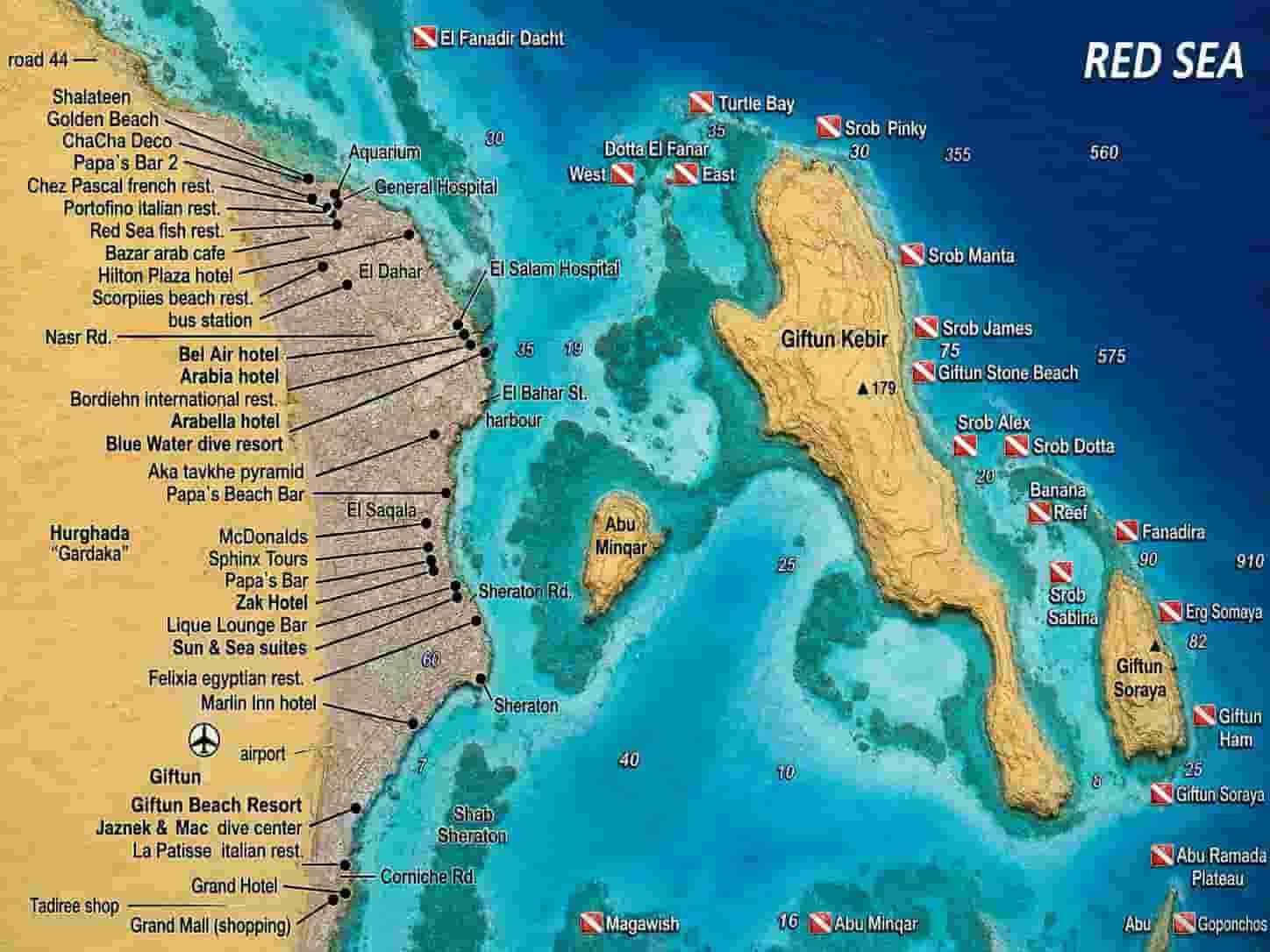
27°11.93′ N · 33°58.97′ E · 0–15 m · 60–90 min
Coral outcrops standing on flat sand, arranged around an oval reef, with fish in the kind of numbers that earned the site its nickname. Meanwhile the water stays sheltered and the current stays light, so this is one of the few reefs near Hurghada where a course student and a photographer both get the dive they came for.
The shape of Gota Abu Ramada
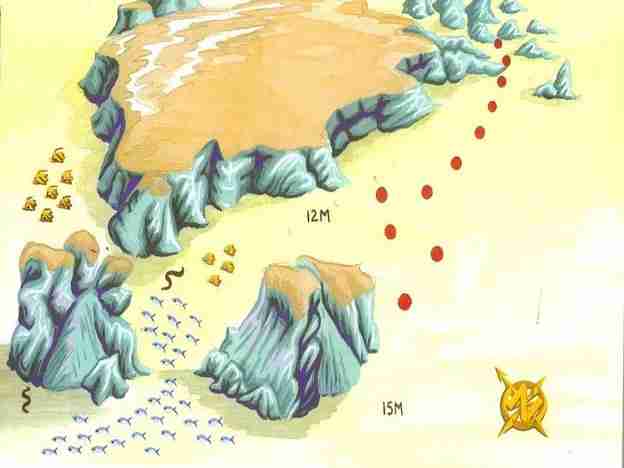
Firstly, picture an oval reef sitting on a flat sandy bottom, with coral outcrops scattered around it rather than one continuous wall. Consequently the site reads as a set of separate structures with clear sand between them, and that is exactly why it is so easy to navigate.
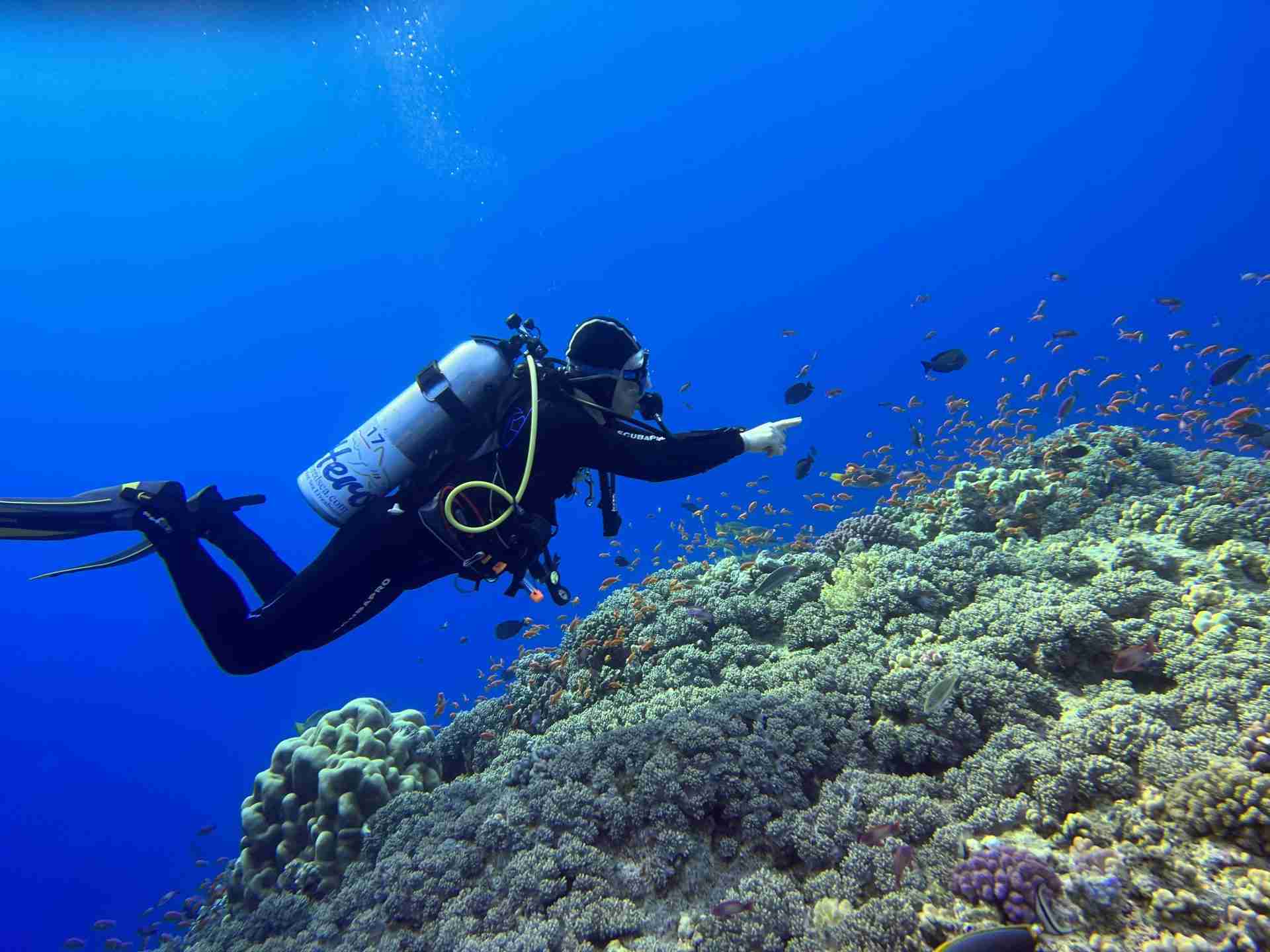
Then comes the part that made its reputation. Namely, the amount of marine life gathered around those outcrops is spectacular enough that Gota Abu Ramada is commonly known simply as the Aquarium, and it remains one of the most popular dive sites in the Hurghada area.
Meanwhile the depths stay modest. Specifically, the main reef runs from the surface down to about fifteen metres, whereas the outer perimeter drops away to forty. Because almost everything worth seeing sits in the shallow half, nobody needs to go deep here.
What you are diving
- Firstly the oval main reef, 0 to 15 m, with coral outcrops standing on sand
- Then three large pinnacles to the east, 15 to 20 m off the main reef
- Also a coral garden behind them, with brain corals and small grottoes
- Meanwhile two ergs to the west, roughly 20 m out from the reef
- Besides those, the outer perimeter falling to 40 m, which is rarely the plan
- Finally open sand throughout, which keeps navigation simple
This one suits everybody. The site is sheltered, usually calm, and carries only a little current. Consequently it works for course students, for divers coming back after a long gap, and for anyone who wants a long relaxed bottom time rather than a demanding profile.
Shallow is not the same as no plan. Namely, a site this easy tempts people into wandering off alone between the outcrops. Therefore agree a direction before anyone gets in, and keep track of which side of the reef the boat is on.
| Position | 27°11.93′ N, 33°58.97′ E |
| Depth | 0–15 m on the main reef |
| Perimeter | 40 m at the outer edge |
| Travel | Around 60 to 90 minutes from central Hurghada |
| Conditions | Sheltered, usually calm, a little current |
| Level | All levels |
| Also called | The Aquarium |
| Mooring | South side of the reef |
Diving Gota Abu Ramada
Generally the boats moor on the south side of the reef, and the dive then goes either west or east from there. Alternatively the whole site can be run as a drift when the conditions suit it, which works well for a group happy to be picked up somewhere else.
East — the pinnacles and the coral garden
Firstly there are three large pinnacles standing about fifteen to twenty metres off the main reef, with a beautiful coral garden behind them. Consequently this side gives you two quite different things on one dive: isolated structures out on the sand, then dense growth against the reef itself.
Then the topography becomes the reason to slow down. Namely, cascading brain corals and tiny grottoes make this some of the best underwater landscape anywhere in the area, and it repays a careful pass far more than a fast one.
Watch for
- Firstly the gap between the pinnacles and the reef, which is open sand
- Then the grottoes, which are small and deserve a light rather than a fin
- Finally the light itself, since shallow clear water is what makes this side work
West — the two ergs
Meanwhile the west side has a highlight of its own: two ergs sitting roughly twenty metres away from the main reef. Certainly they are smaller than the eastern pinnacles, although they hold more detail per square metre than anything else on the site.
Above all it is the northern erg that earns the swim out. Specifically, it carries three separate peaks along with a great many small cracks and overhangs, all covered in soft corals and interspersed with rich life tucked into every gap.
Watch for
- Firstly the northern erg’s three peaks, which are easy to mistake for one
- Then the overhangs, where the soft coral growth is heaviest
- Finally the cracks themselves, which reward looking rather than swimming past
Photography is why many people ask for this site. Specifically, the shallow light-filled water on the eastern side makes Gota Abu Ramada ideal for underwater photography: natural light, clear sand as a backdrop, and subjects that do not bolt. Therefore bring the camera even if you normally leave it on the boat.
Marine life at Gota Abu Ramada
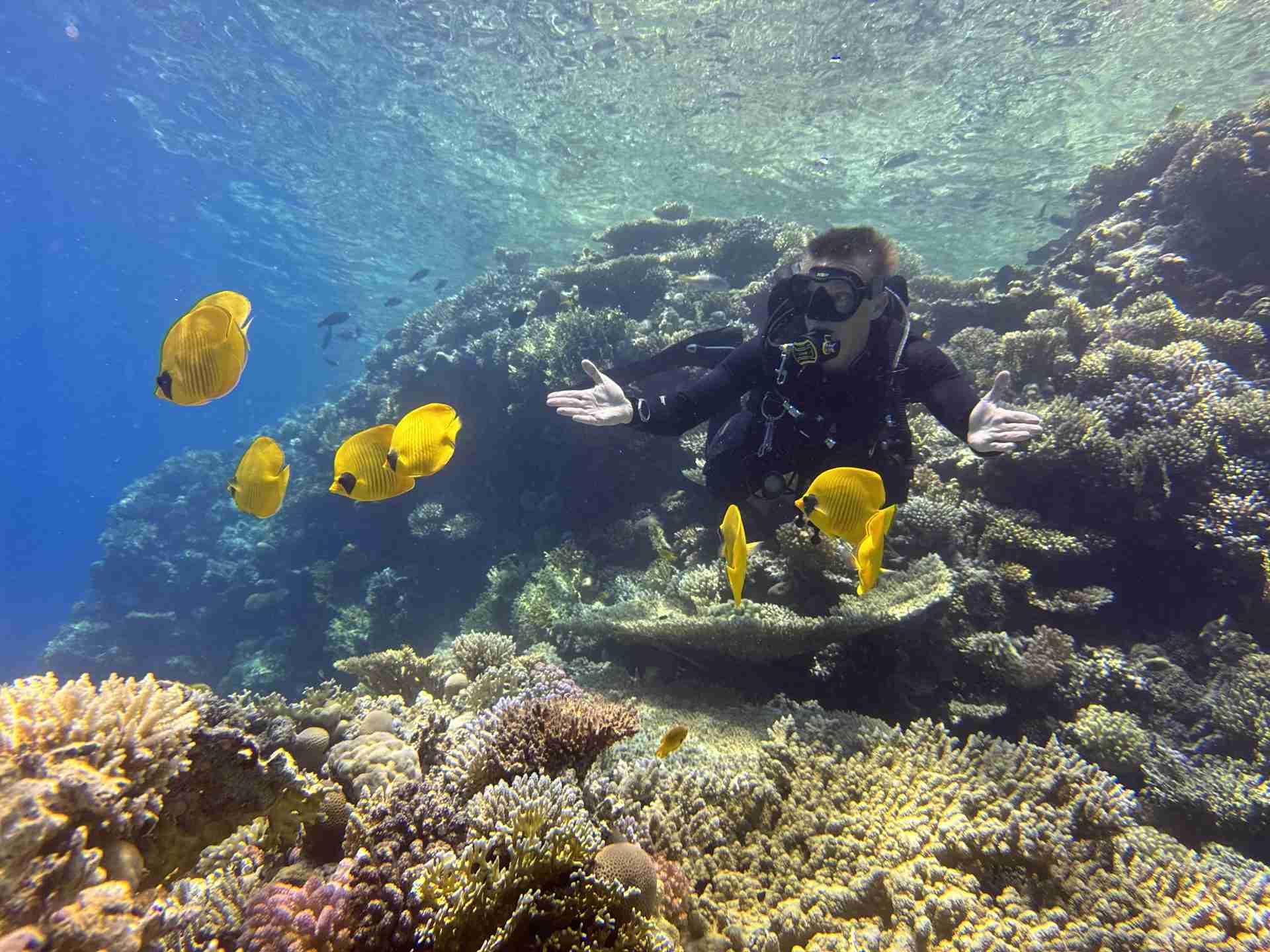
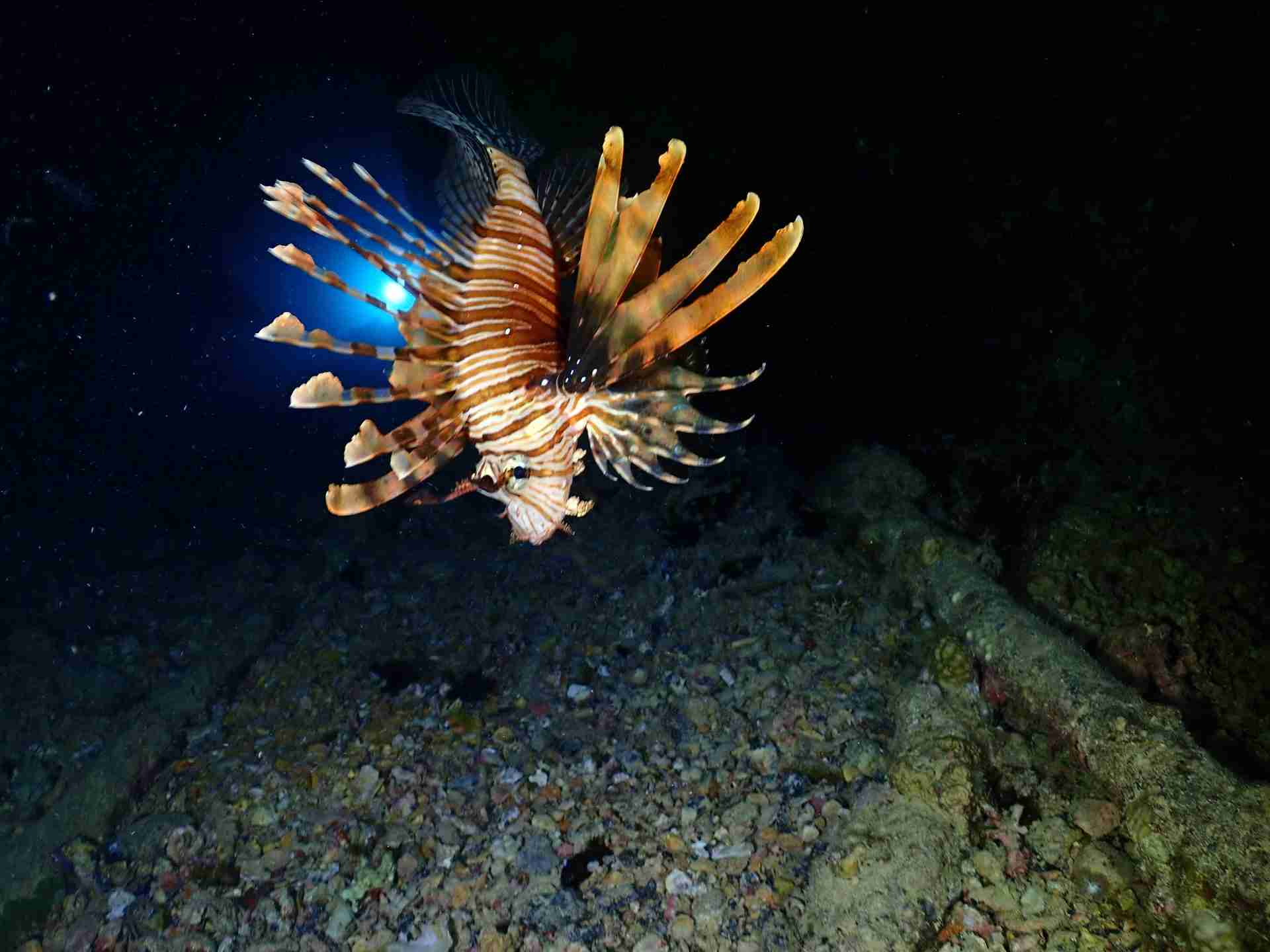
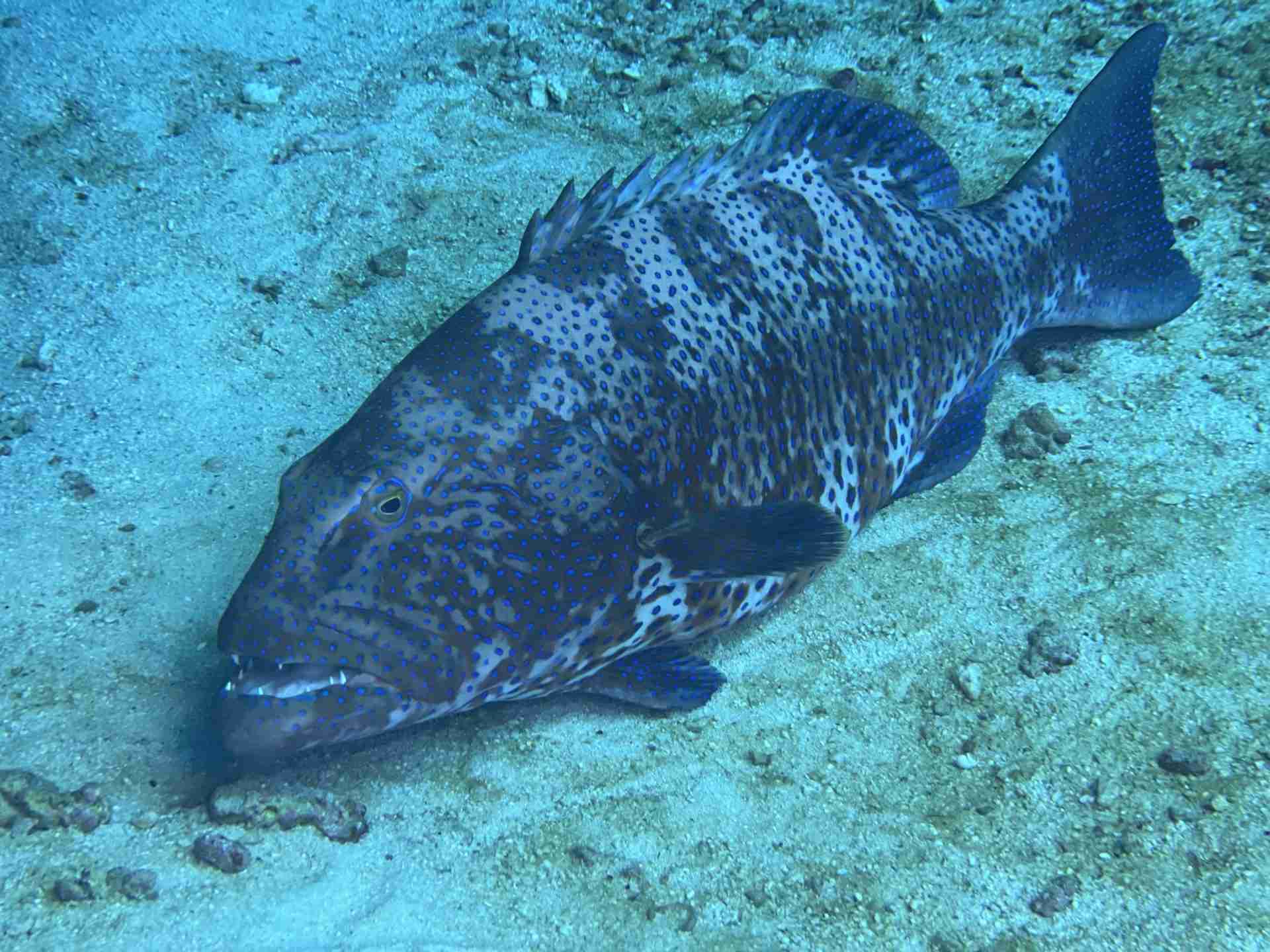
Above all, the sheer numbers of fish here are what make this site so special. Certainly there are grander walls along this coast, and equally there are none where quite this much is happening inside fifteen metres of water.
Schooling fish
Namely bannerfish, masked butterflyfish, sweetlips, goatfish and glassfish, in large numbers rather than ones and twos.
Cornetfish
Also common here, hanging almost motionless and easy to swim straight past without ever noticing.
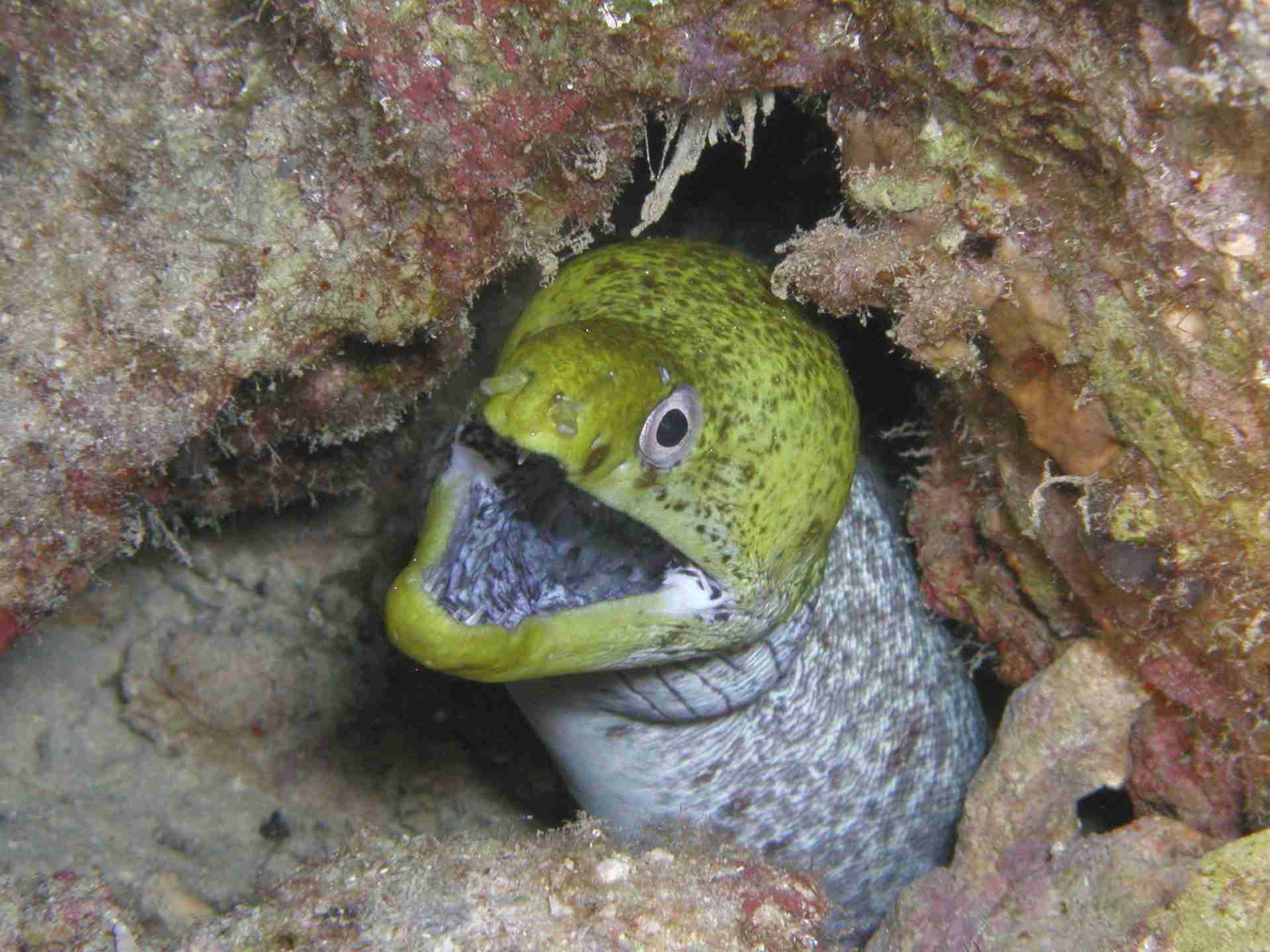
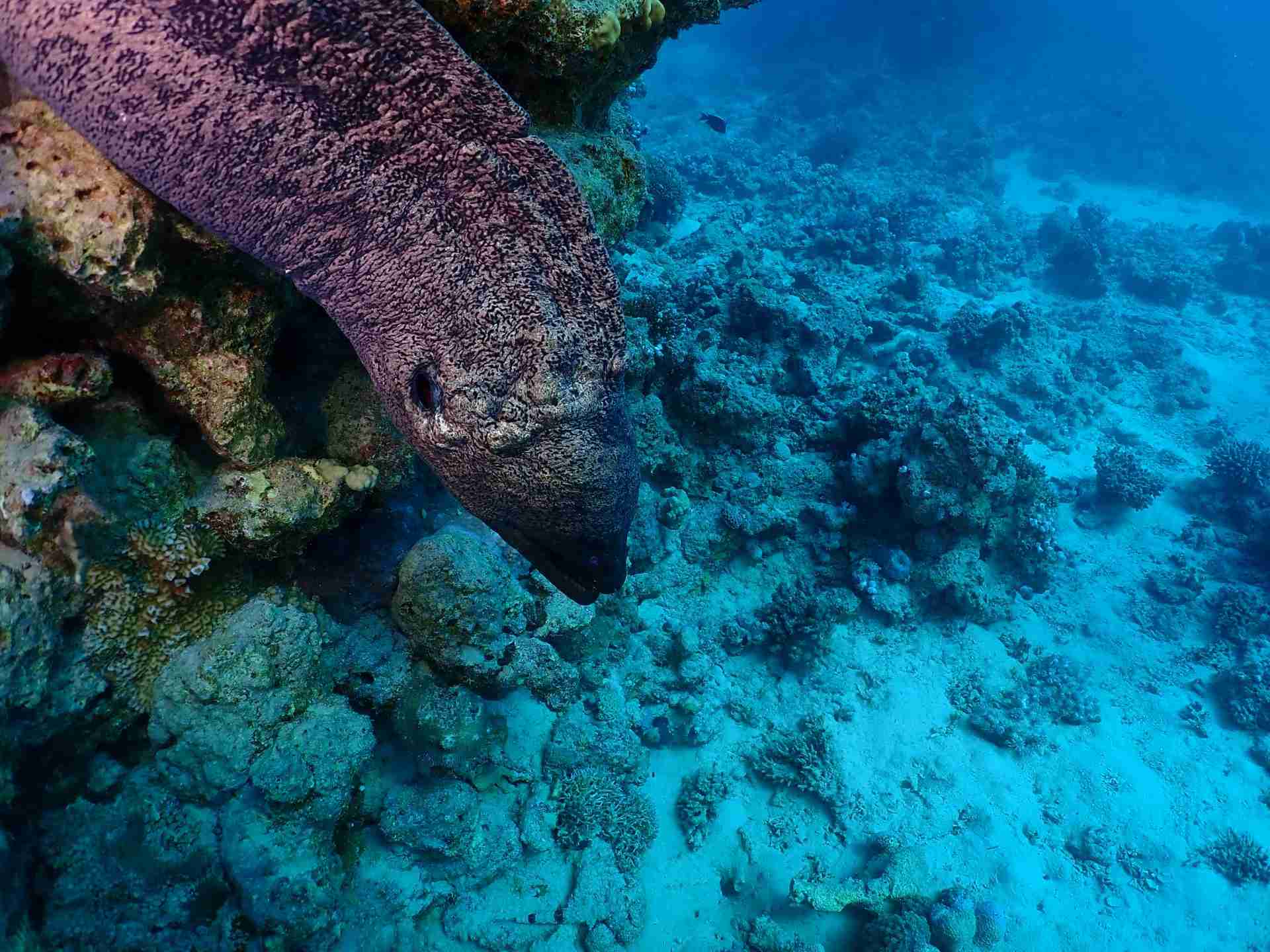
Morays
Meanwhile morays turn up regularly through the outcrops, which suits the grottoes over on the eastern side.
Barracuda and jacks
Certainly worth glancing away from the coral for, since both are seen commonly out over the open sand.
Eagle rays and turtles
Both have been spotted here. Frankly they are a bonus rather than a promise, so treat them as one.
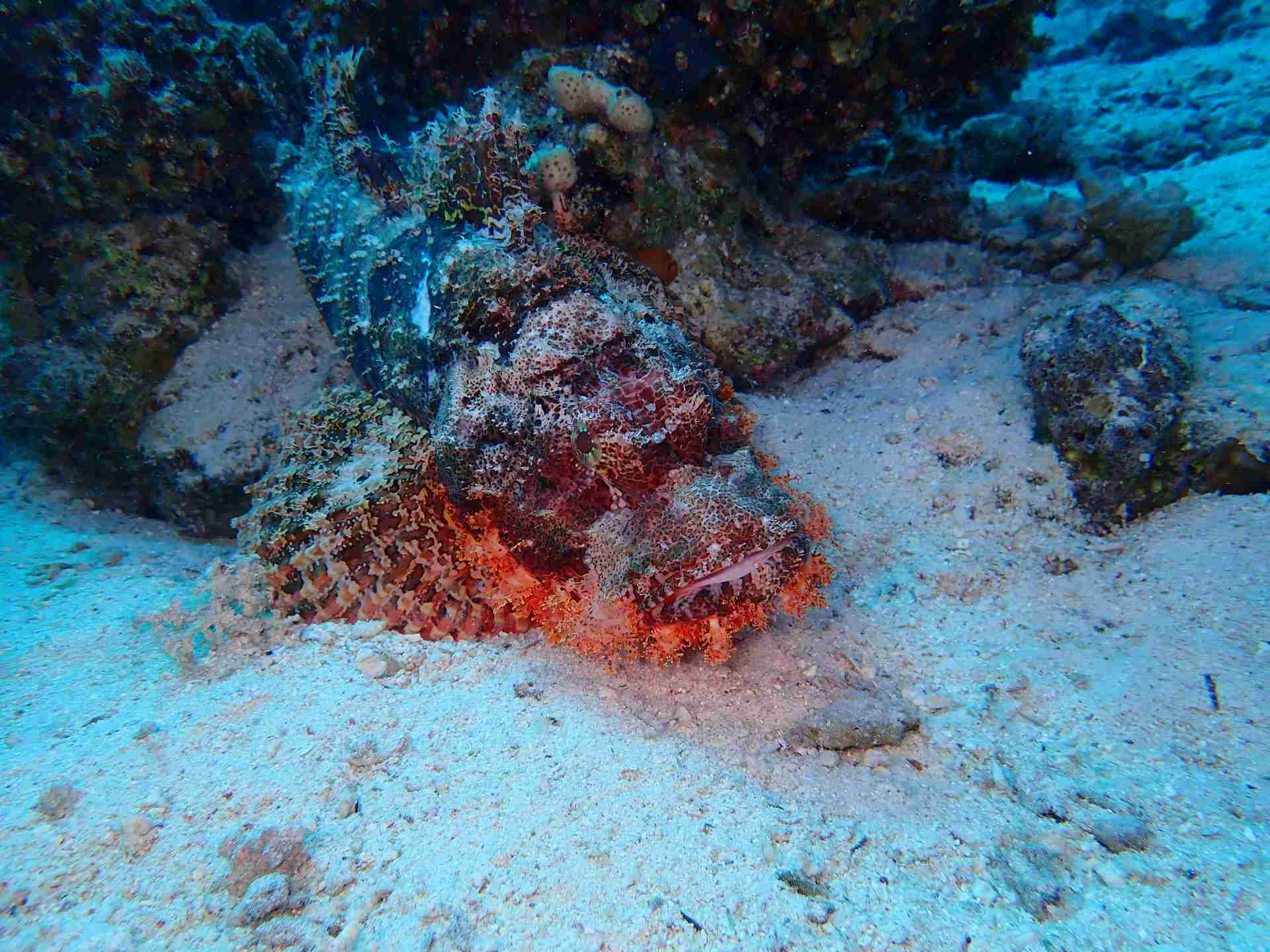
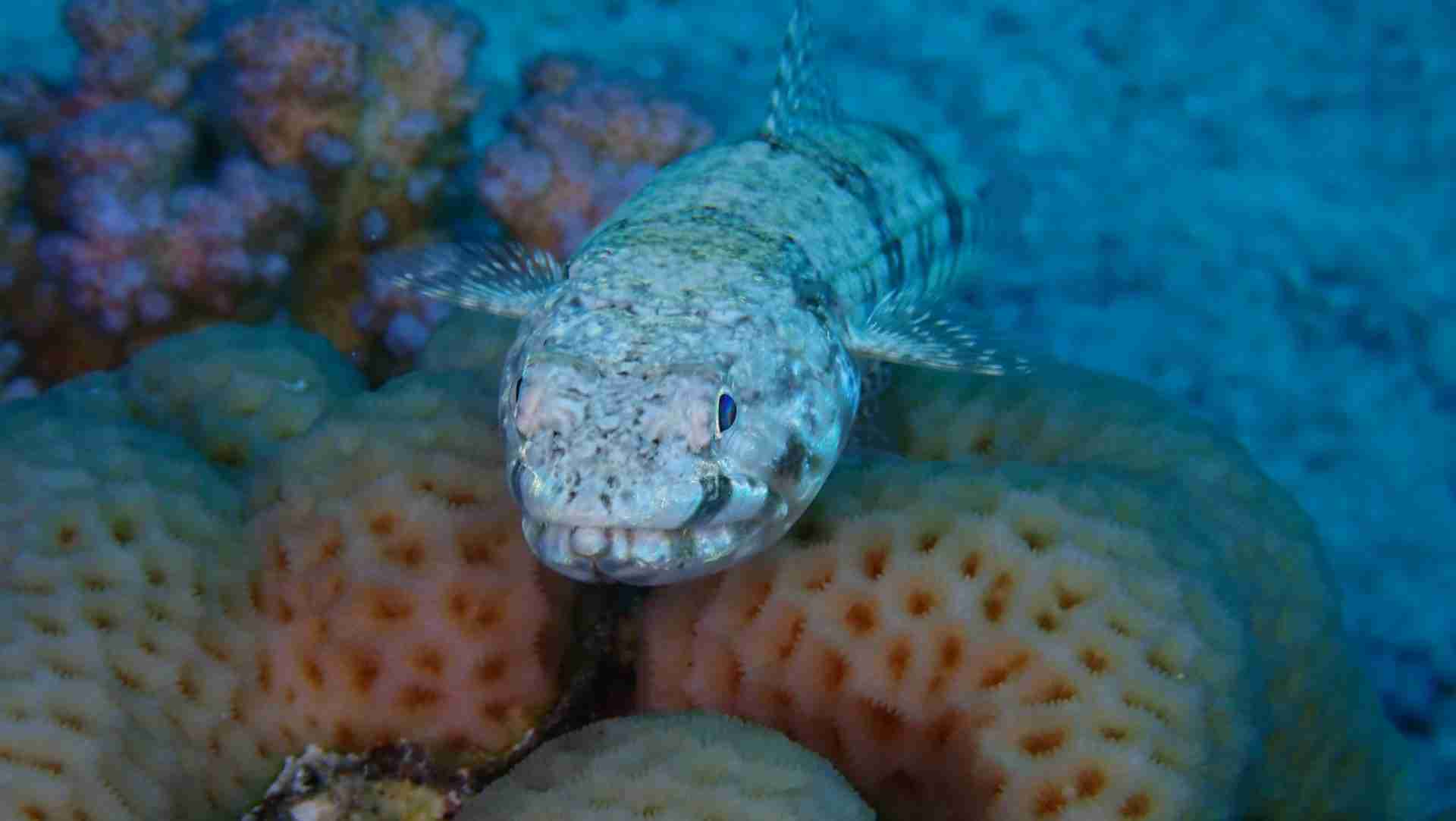
Crocodile fish
Down on the bottom and almost invisible until it moves. Consequently it repays looking at the sand, not only at the reef.
Give nesting triggerfish room. Namely, a triggerfish guarding a nest defends a cone of water rising above it rather than a circle around it, so swimming upward is the wrong instinct. Therefore move sideways and stay low, keeping your fins between yourself and the fish.
Planning a dive at Gota Abu Ramada
Practical notes
- Firstly allow 60 to 90 minutes each way from central Hurghada
- Then expect to moor on the south side and choose a direction from there
- Also decide early between east and west, since one dive rarely covers both
- Meanwhile keep the profile shallow, because the interest sits above 15 m
- Consequently air lasts unusually well, so plan a long dive rather than a deep one
- Carry a light for the grottoes over on the eastern side
- Also consider running the site as a drift when conditions favour it
- Finally leave the 40 m perimeter alone unless there is a reason to be down there
A good site for a first check dive. Sheltered water, light current and shallow ground make this an easy place to sort out weighting and buoyancy at the start of a week. Consequently many boats use it as the opener before heading somewhere more demanding.
Useful links
- Hurghada east and south — fifteen reefs within day-boat range of the harbour.
- Small Giftun — the gorgonian wall, for a harder dive on the same coast.
- Safety standards and emergency care — briefings, oxygen and chamber contacts.
- Red Sea Liveaboard — safari routes and boats across the Egyptian Red Sea.
- Divers Alert Network (DAN) — insurance and emergency guidance.
Frequently asked questions
How deep is Gota Abu Ramada?
The main reef runs from the surface to about 15 m. Meanwhile the outer perimeter falls away to 40 m, though that is rarely part of the dive.
Why is it called the Aquarium?
Namely because of the numbers of fish. Coral outcrops on open sand, with schools moving between them, give the impression of a tank rather than a reef.
What level do I need?
All levels. Certainly the shelter, the calm water and the light current make this a reasonable choice for a beginner.
East side or west side?
East for the three pinnacles, the coral garden and the topography. Alternatively west for the two ergs and the soft coral growth on the northern one.
How long is the boat ride?
Around 60 to 90 minutes from central Hurghada, depending on where you leave from and what the sea is doing that morning.
Is it good for photography?
Certainly, and the shallow light-filled water on the eastern side is the reason. Subjects also sit close enough that a compact housing is plenty.
Can it be dived as a drift?
Yes. Usually boats moor on the south side, although the site also works as a drift when conditions suit.
What are you waiting for?
Book your adventure
Tell us which experience you want to enjoy and leave the rest to us. If you have questions, or you are still choosing between routes, our team will talk it through with you before you commit to anything.
Inquiry