

Guide to the Abu Fendera dive sites · far southern Red Sea · near Sudan
Abu Fendera Dive Sites Nine guides to a quiet 6 km reef line of channels, gotas, habilis and ergs
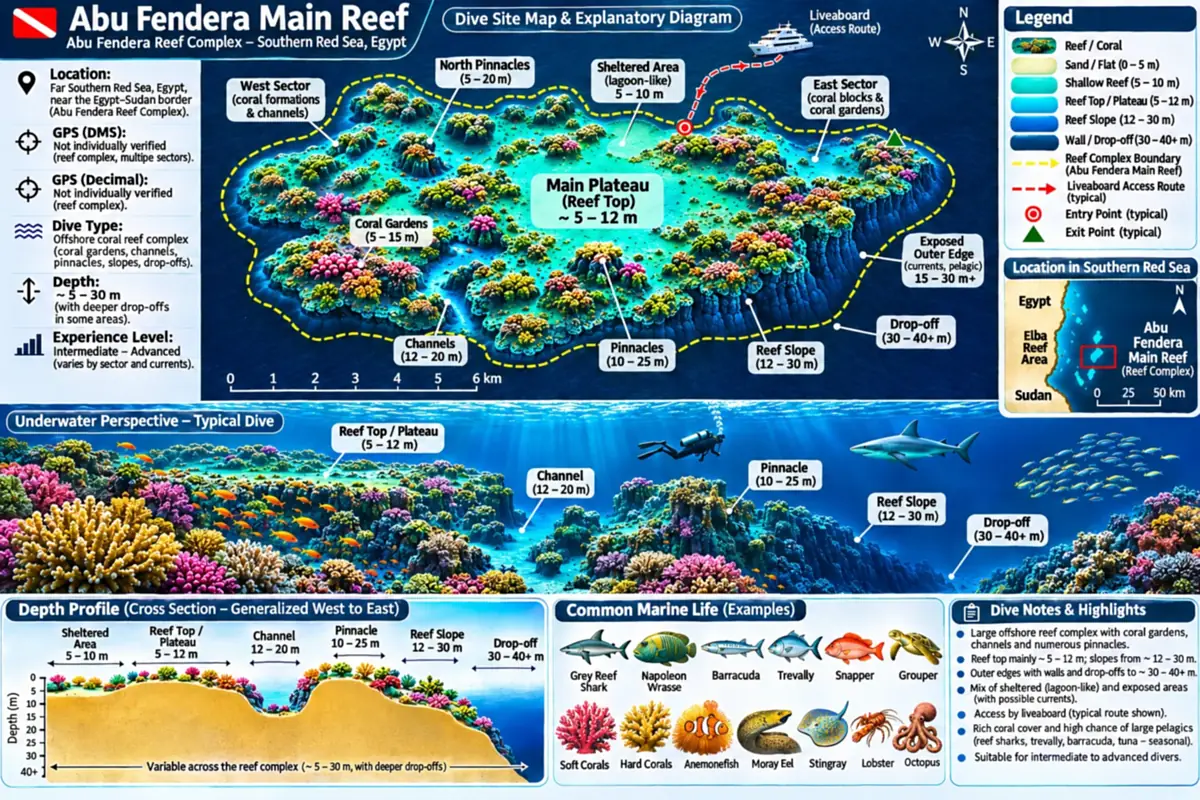
The Abu Fendera dive sites form a remote reef system south of St. John’s, close to the Sudanese border. In fact, few boats sail this far, so divers often have its channels, coral blocks and deep pinnacles to themselves, with Napoleon wrasse and bumphead parrotfish for company.

Which Abu Fendera dive sites can you dive?
Overall, the sites below are the sectors boats dive at Abu Fendera, grouped by the kind of diving they offer. In addition, each card links to a full guide with depth, marine life, level and access.
The main reef and its ends
Above all, the 6 km reef line itself, with a channel in the middle and a different character at each end.
Abu Fendera Main Reef · 6 km reef line
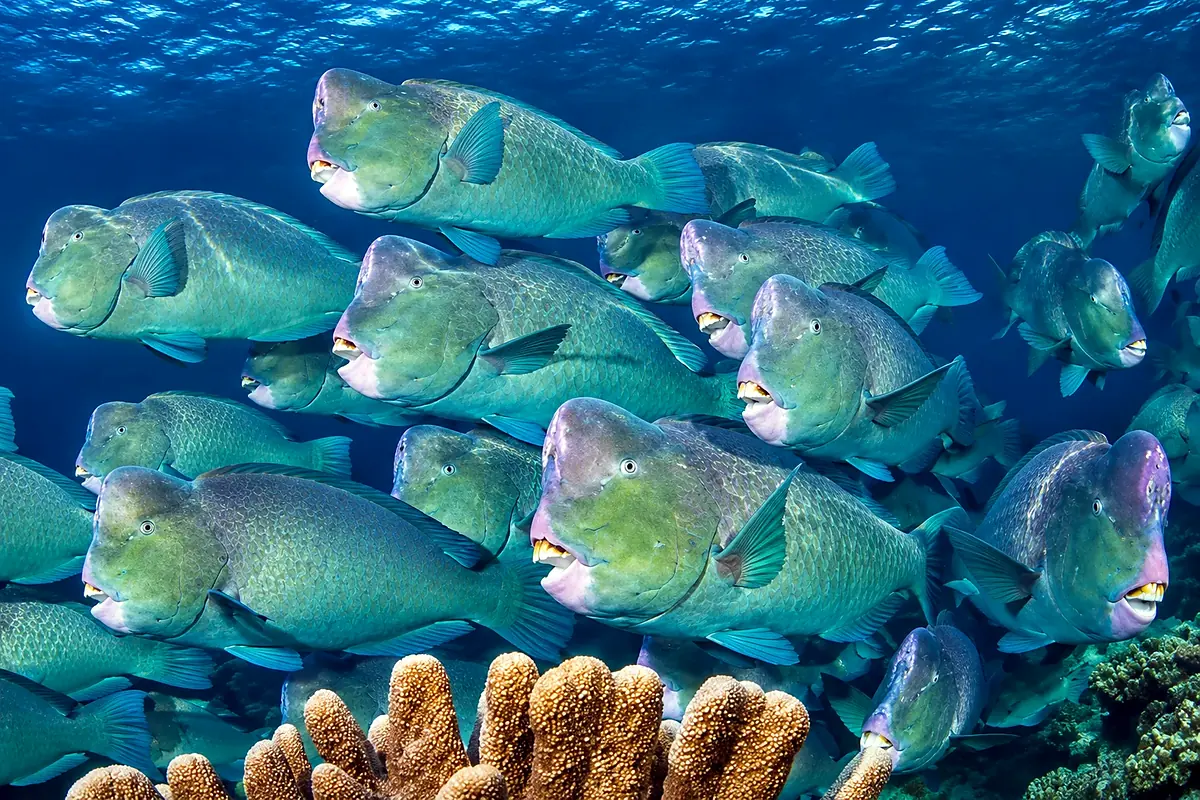
First of all, the whole reef line, with coral blocks, channels, Napoleon wrasse and schools of bumphead parrotfish.
Visit Abu Fendera Main Reef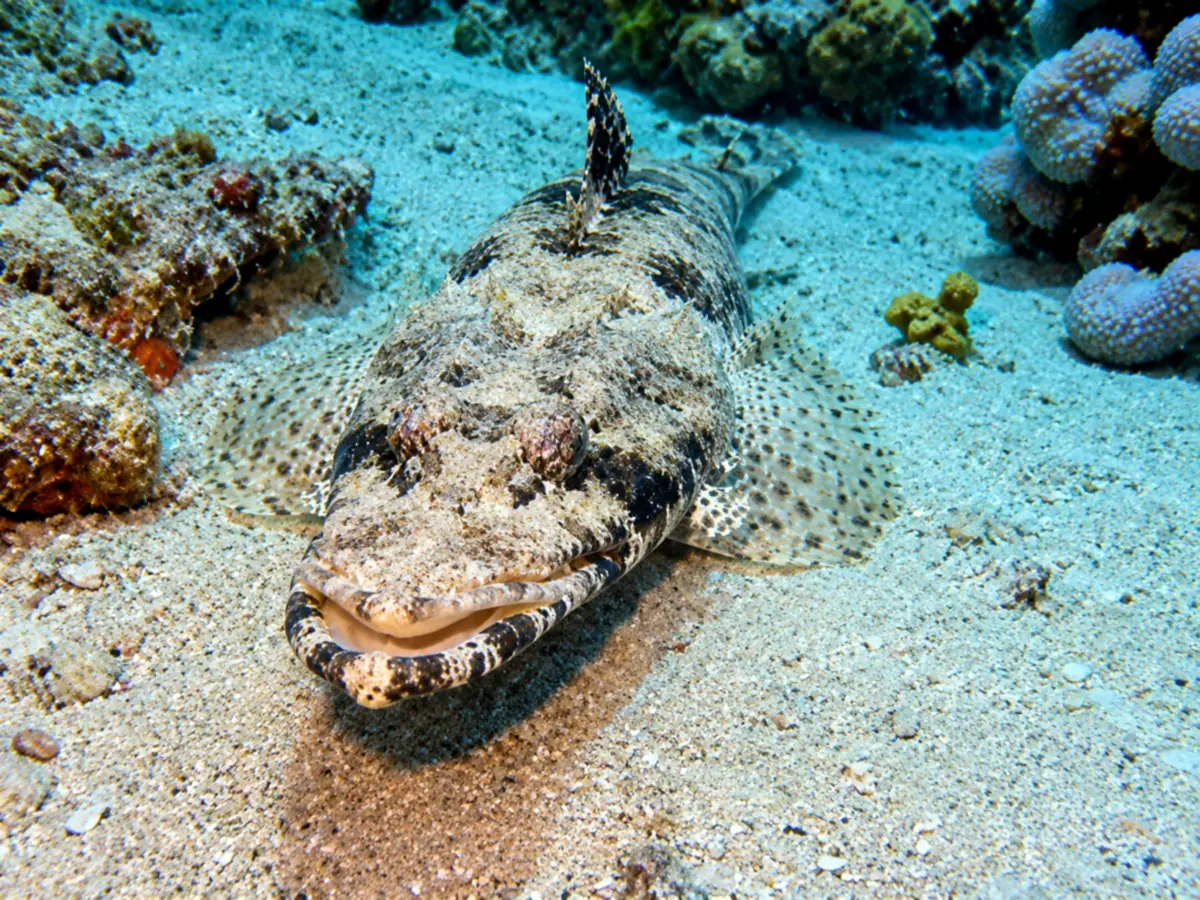
Fasma Abu Fendera · Channel, 15–20 m
Similarly, a coral channel from the lagoon to the reef, with soft-coral towers, rays and crocodilefish.
Visit Fasma Abu Fendera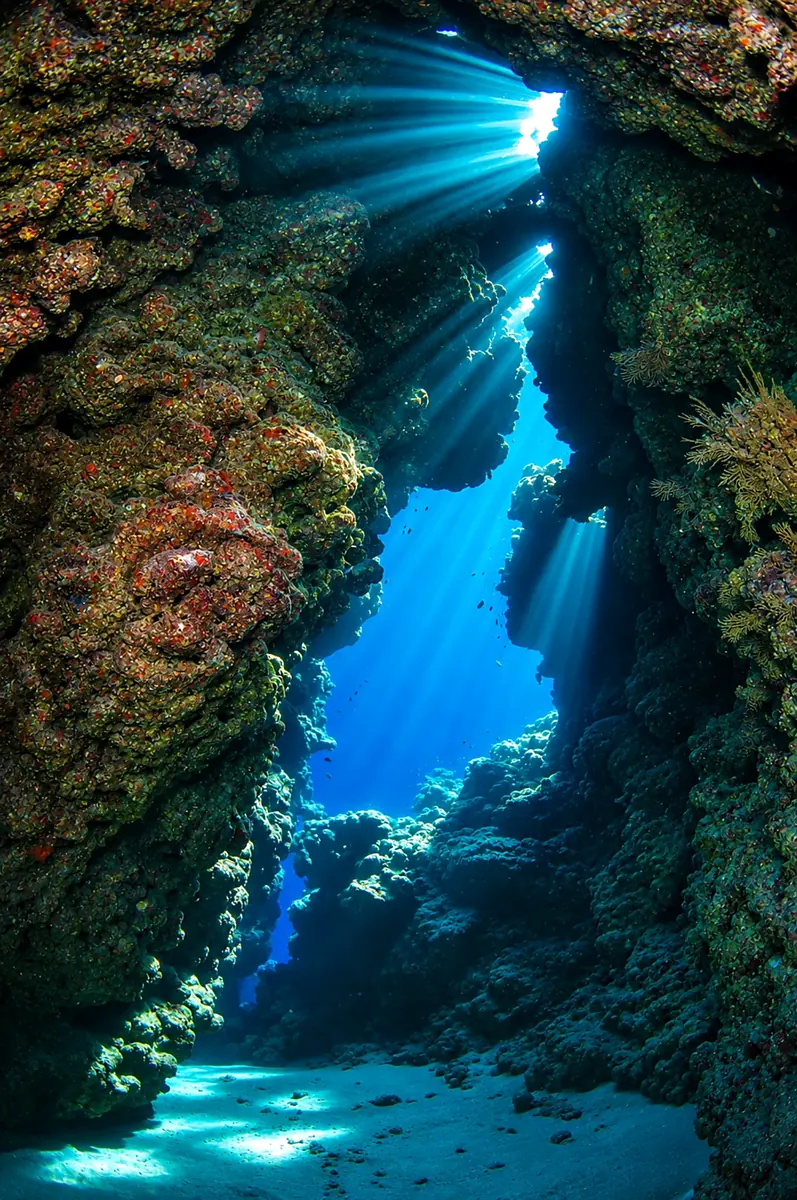
Shaab Abu Fendera East · Wall and canyons
In contrast, the eastern wall is cut by U-shaped cracks and vertical canyons to about 27 m.
Visit Shaab Abu Fendera East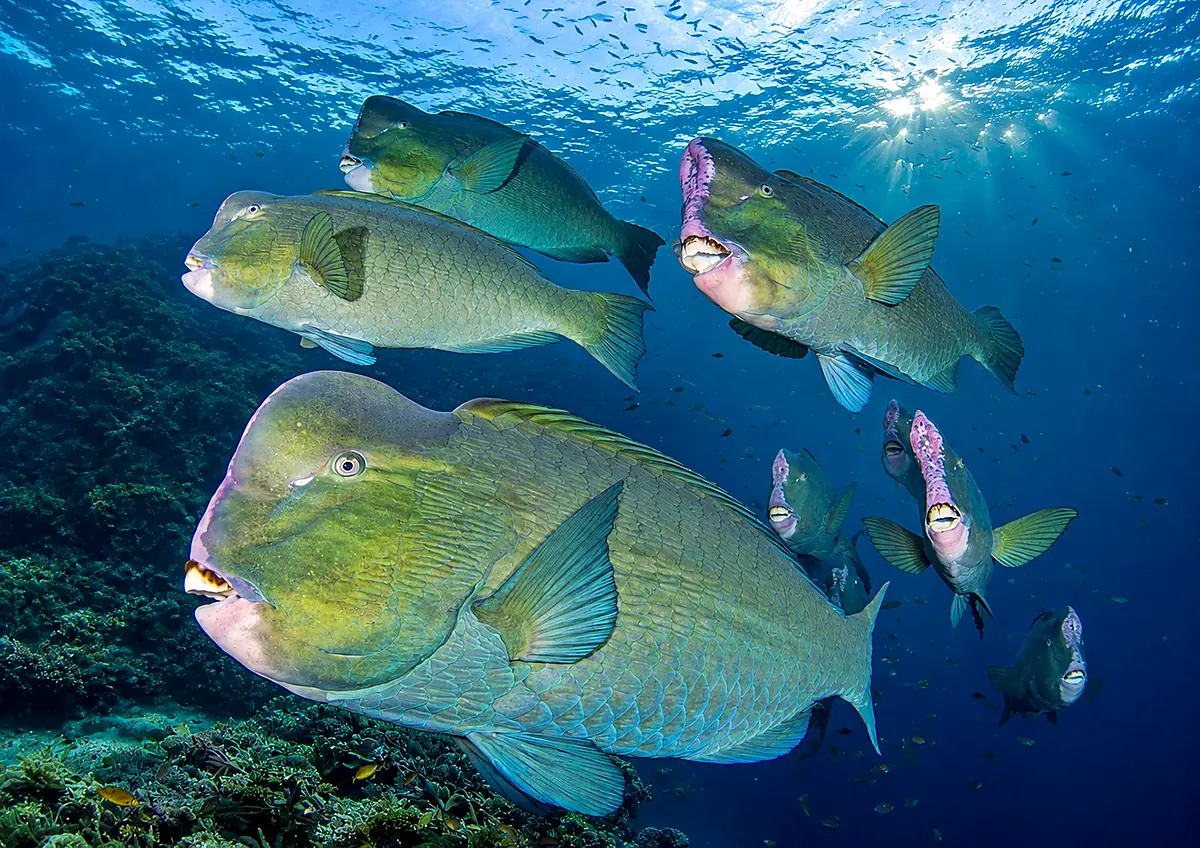
Abu Fendera West · Western sector
Meanwhile, the quiet western end is little documented and assessed on site before each dive.
Visit Abu Fendera WestGotas: the twin coral blocks
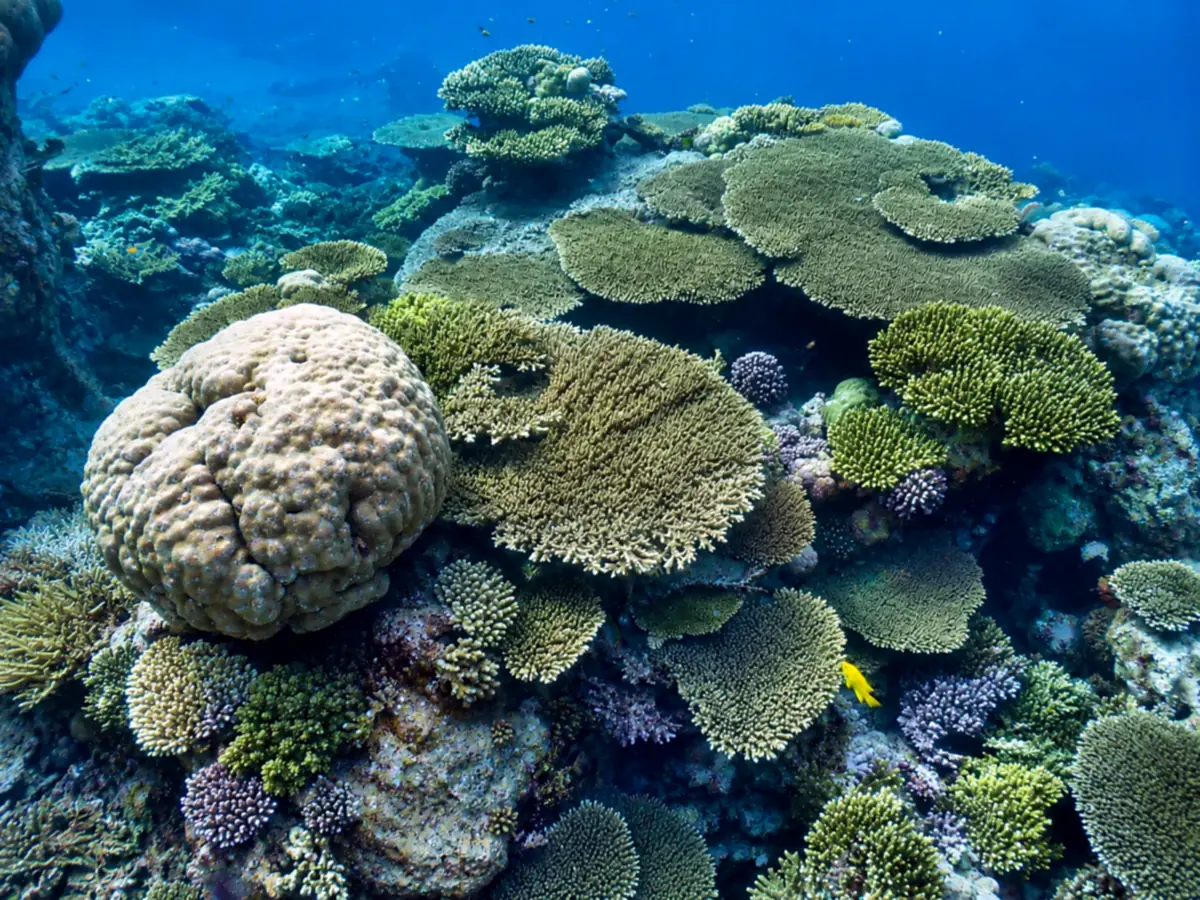
Then, two large coral blocks stand on a sandy plateau and are often dived one after the other.
Gota Wahed Abu Fendera · Block on 18 m sand
Firstly, the first block, with a garden of smaller blocks at 15–20 m on its western side.
Visit Gota Wahed Abu Fendera
Gota Etnien Abu Fendera · Second block
Secondly, its twin, with smaller pinnacles and sand linking the two gotas.
Visit Gota Etnien Abu FenderaPinnacles, ergs and nearby reefs
Finally, submerged habilis, a deep plateau and fields of ergs complete the picture, along with Ohrob Reef, which the CDWS lists in the same group.
Habili Abu Fendera · Pillars, 5–24 m
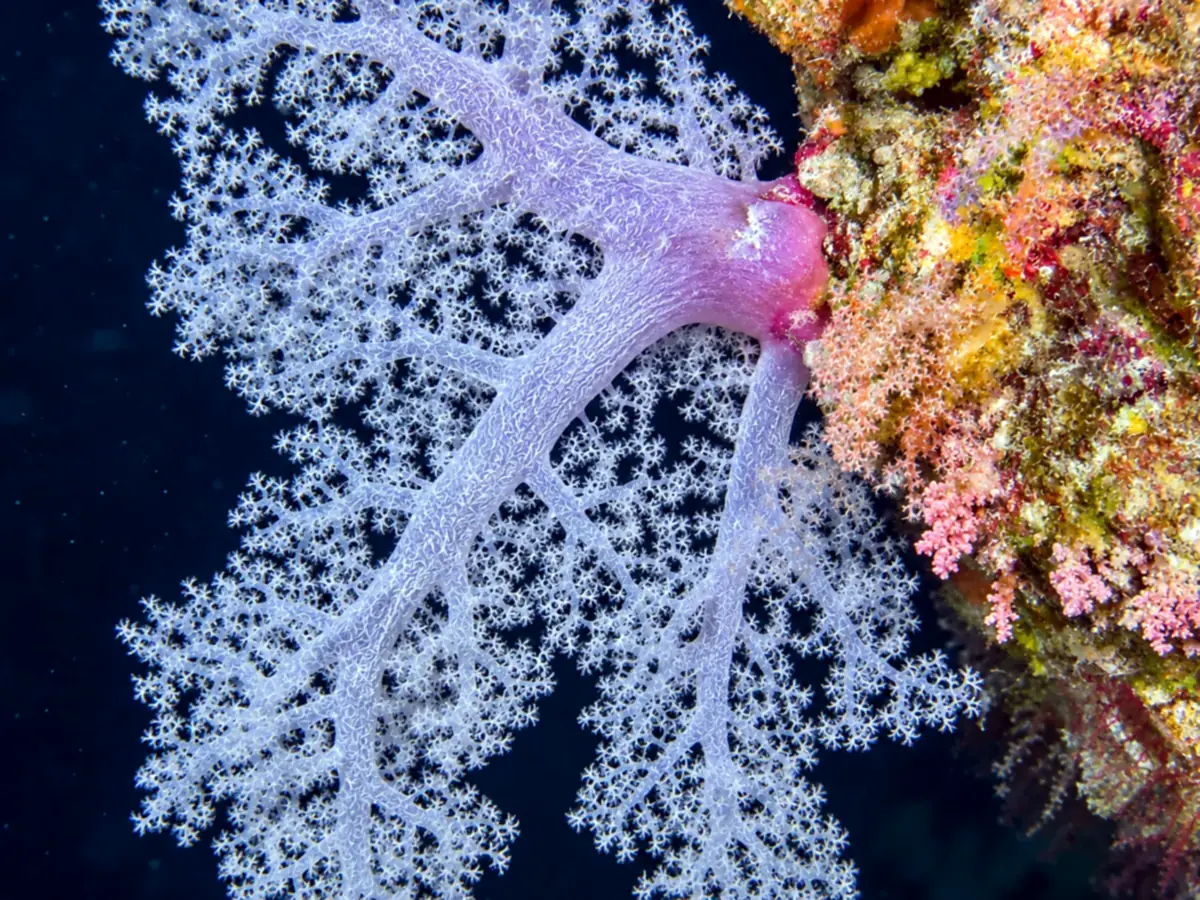
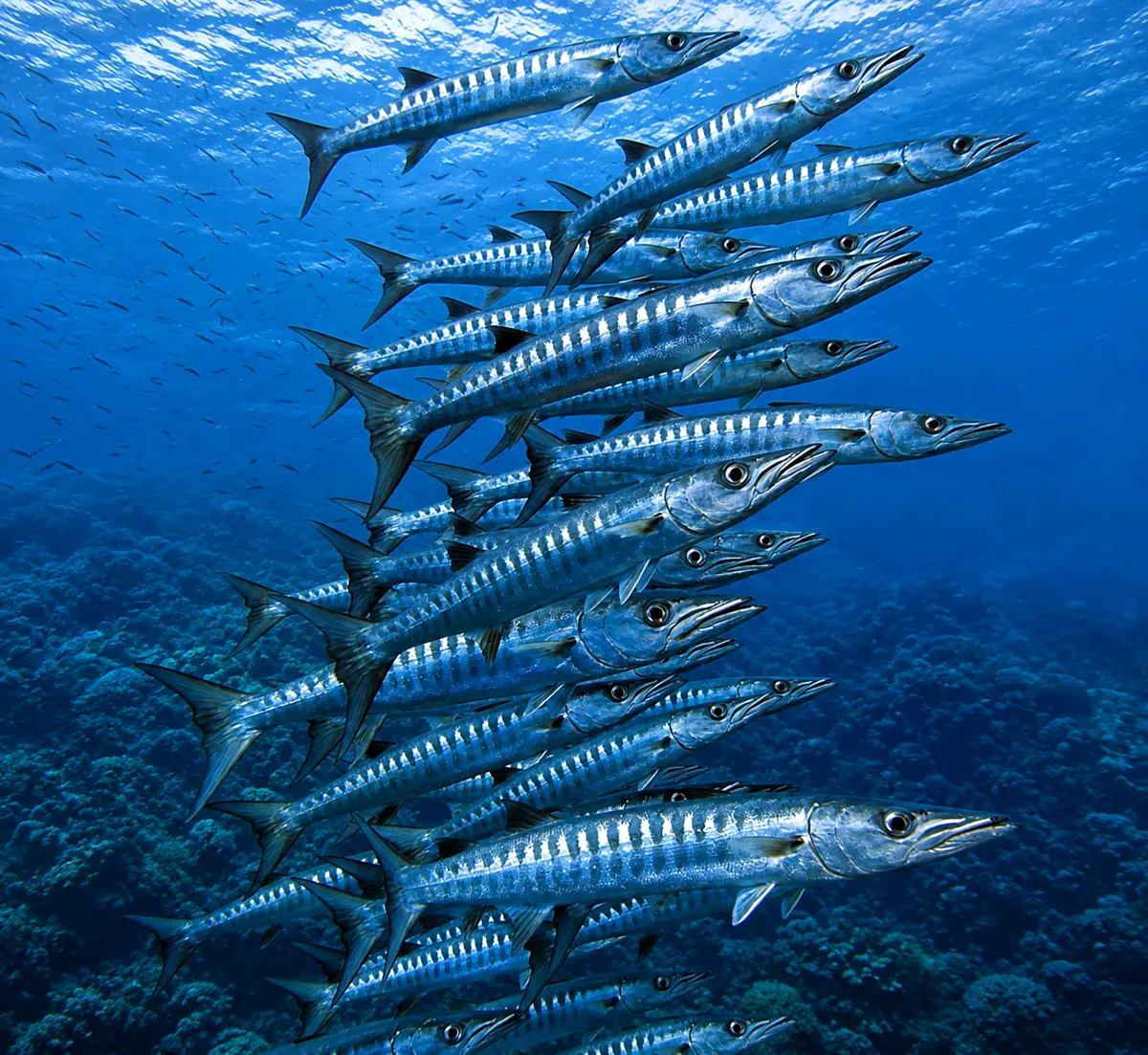
Above all, two coral pillars and smaller pinnacles on sand, with barracuda and jacks.
Visit Habili Abu Fendera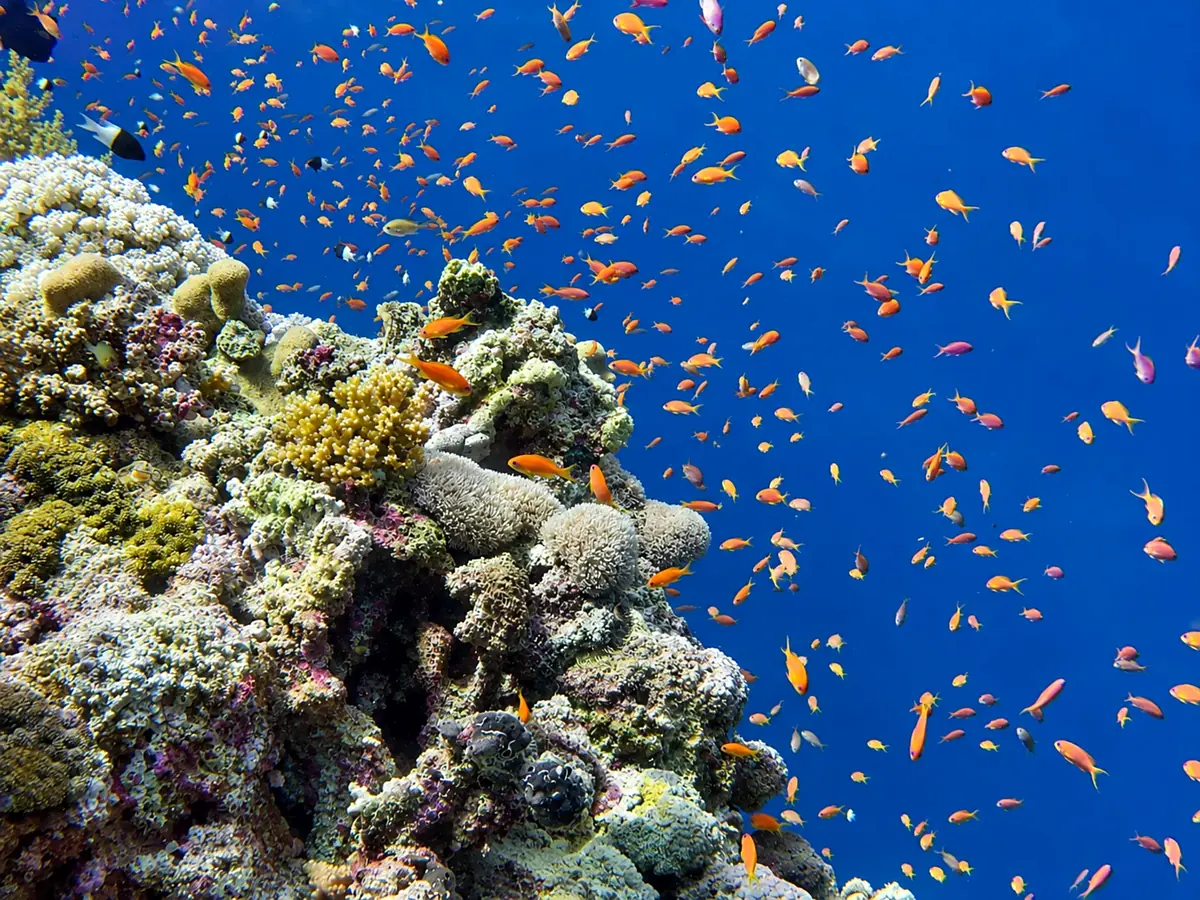
Farcha Abu Fendera · Plateau 25–30 m
Likewise, a deep plateau of pinnacles in a horseshoe, dropping to about 50 m, for advanced divers.
Visit Farcha Abu Fendera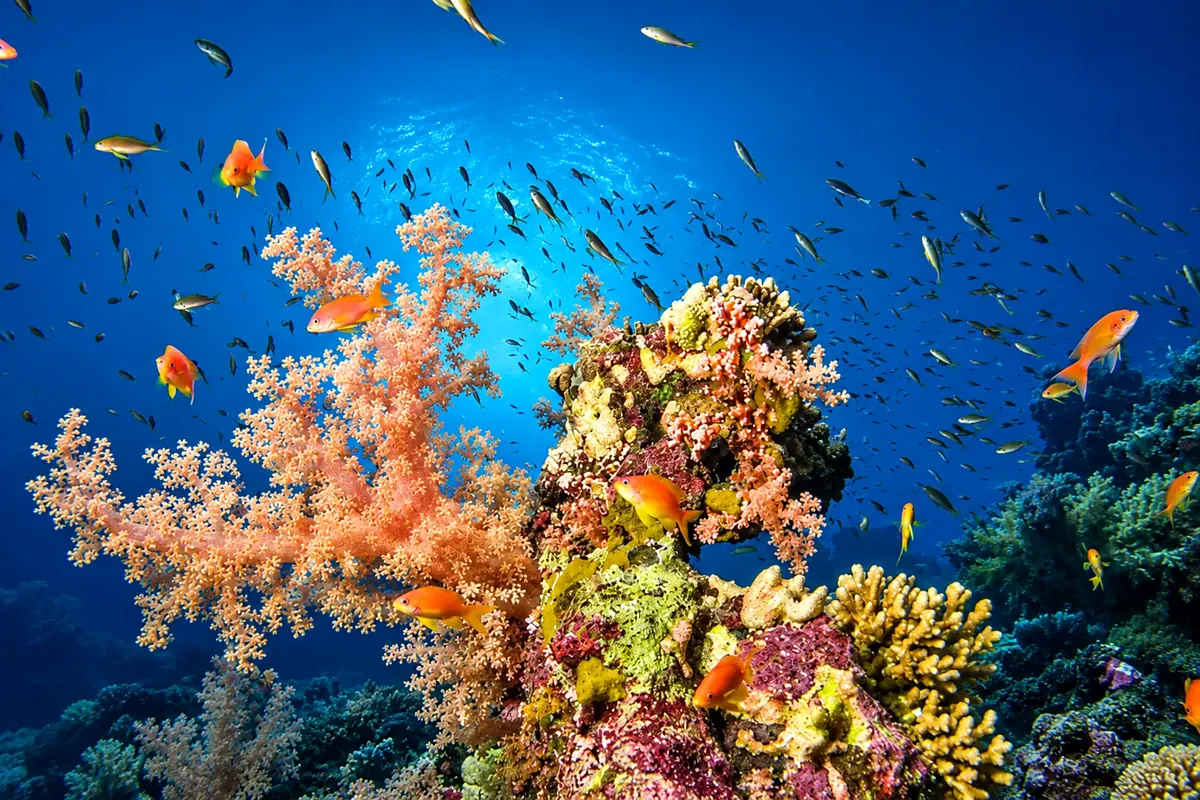
Abu Fendera Ergs South-East · Coral ergs
Meanwhile, a south-eastern field of coral blocks and pinnacles, not yet surveyed in detail.
Visit Abu Fendera Ergs South-East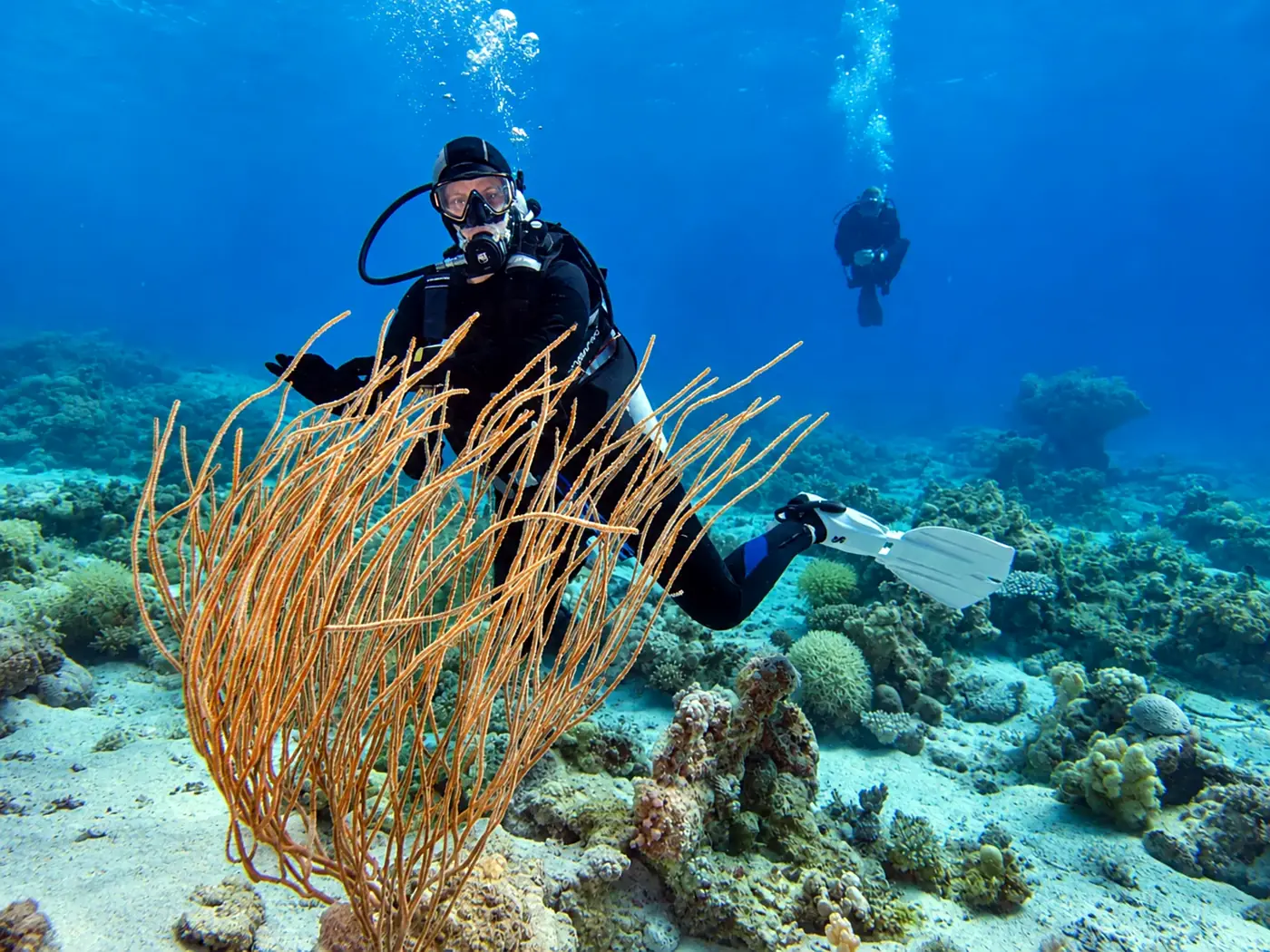
Ohrob Reef · Seaplane 5–15 m
Finally, a reef with a sunken Albatross seaplane and a trawler, listed by the CDWS with Abu Fendera.
Visit Ohrob ReefThe Abu Fendera dive sites in short
In short, the Abu Fendera dive sites are the sectors of a remote reef system about 6 km long, lying south of St. John’s near the Egypt–Sudan border. For example, they include the main reef, the Fasma channel, the eastern canyons, the twin gotas, the habili pillars and the deep Farcha plateau. Most documented dives range from about 5 to 30 meters, with deeper drop-offs on the outer edges. It suits intermediate to advanced divers and is reached only by liveaboard, for instance on the Elba Reef liveaboard.
What are the Abu Fendera dive sites?
Essentially, Abu Fendera is a line of long reefs running from west to east, with channels between them and many coral blocks in front. Hard corals dominate the main reef, while soft corals cover the blocks.
Moreover, the reef is quiet. Few liveaboards reach it, and some crews go several days without meeting another boat. As a result, the corals are healthy and the big reef fish are relaxed.
However, several sectors are only partly documented. Therefore, each of our guides marks clearly what is verified, such as the CDWS positions, and what is only reported.
Abu Fendera at a glance
Channels
Above all, the channels link the lagoon with the open reef and are lined with soft-coral towers.
Gotas and ergs
Similarly, large and small coral blocks stand on sand, each with its own residents.
Habilis
Meanwhile, submerged pillars and a deep plateau at 25–30 m attract schooling fish.
Where are the Abu Fendera dive sites?
Geographically, Abu Fendera lies south of St. John’s in the far southern Egyptian Red Sea, close to the Sudanese border and inside the Elba protected area. In practice, operators quote about three to four hours’ sailing from the St. John’s reefs.
Further south, the Elba Reef route continues to the Elba dive sites, while on the way back north most trips stop at the St. John’s dive sites, such as Habili Ali.
What marine life lives at Abu Fendera?
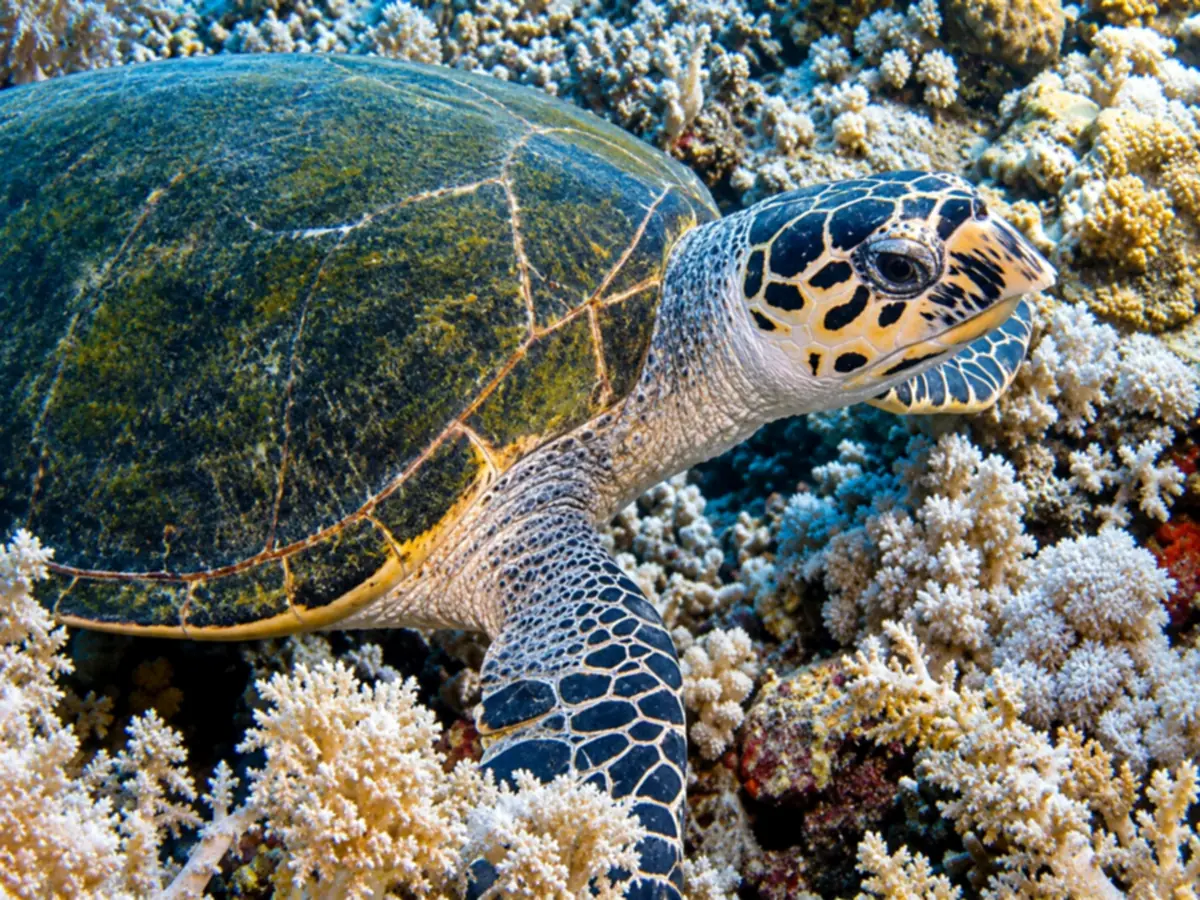
Overall, Abu Fendera is known for healthy corals and large reef fish that are rarely disturbed. Still, wild animals are never guaranteed, so treat the list below as possibilities rather than promises.
Reef giants
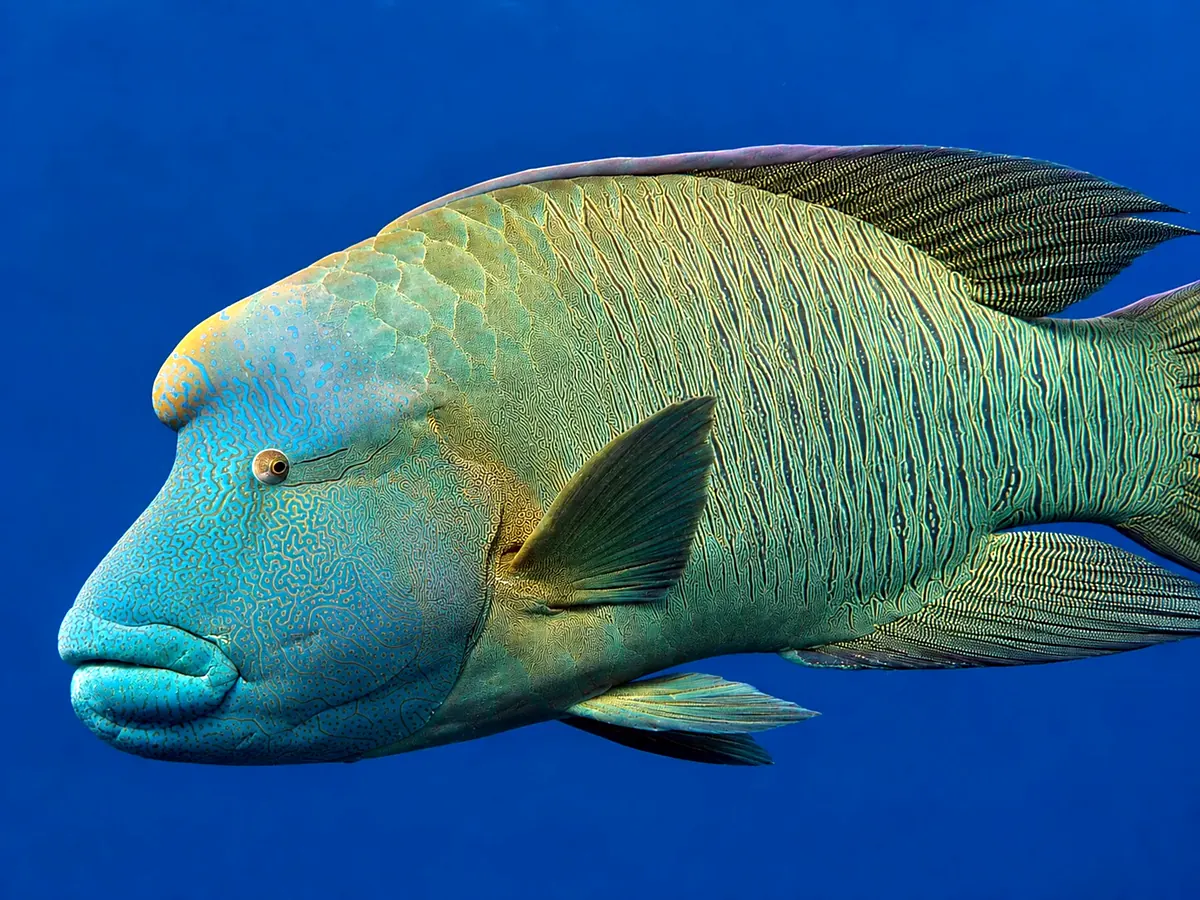
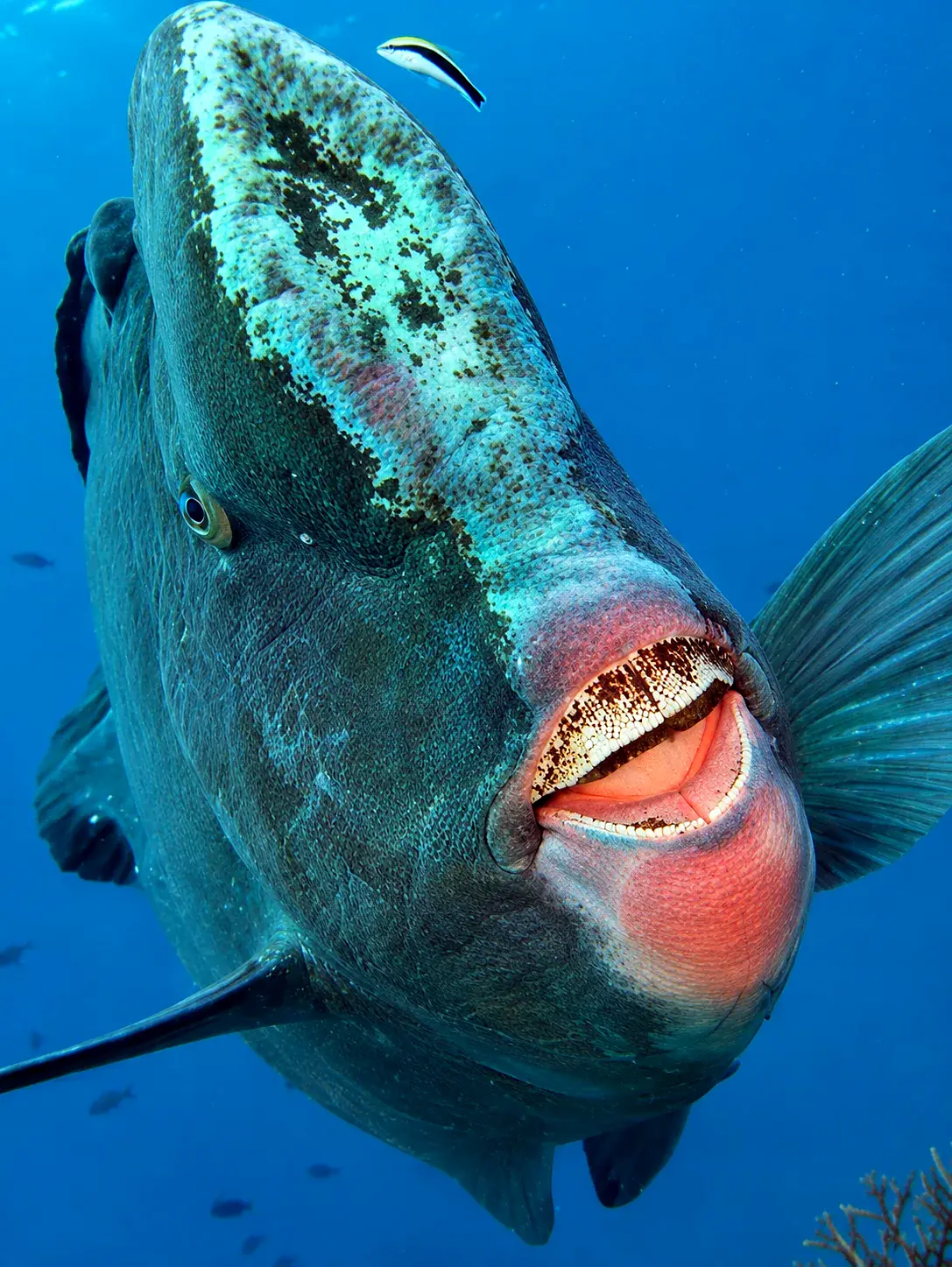
Typically, Napoleon wrasse of all sizes and large schools of bumphead parrotfish are the signature sightings.
Schooling fish
Likewise, barracuda, trevally, jacks and tuna hunt around the pinnacles and outer edges.
Sand and crevices
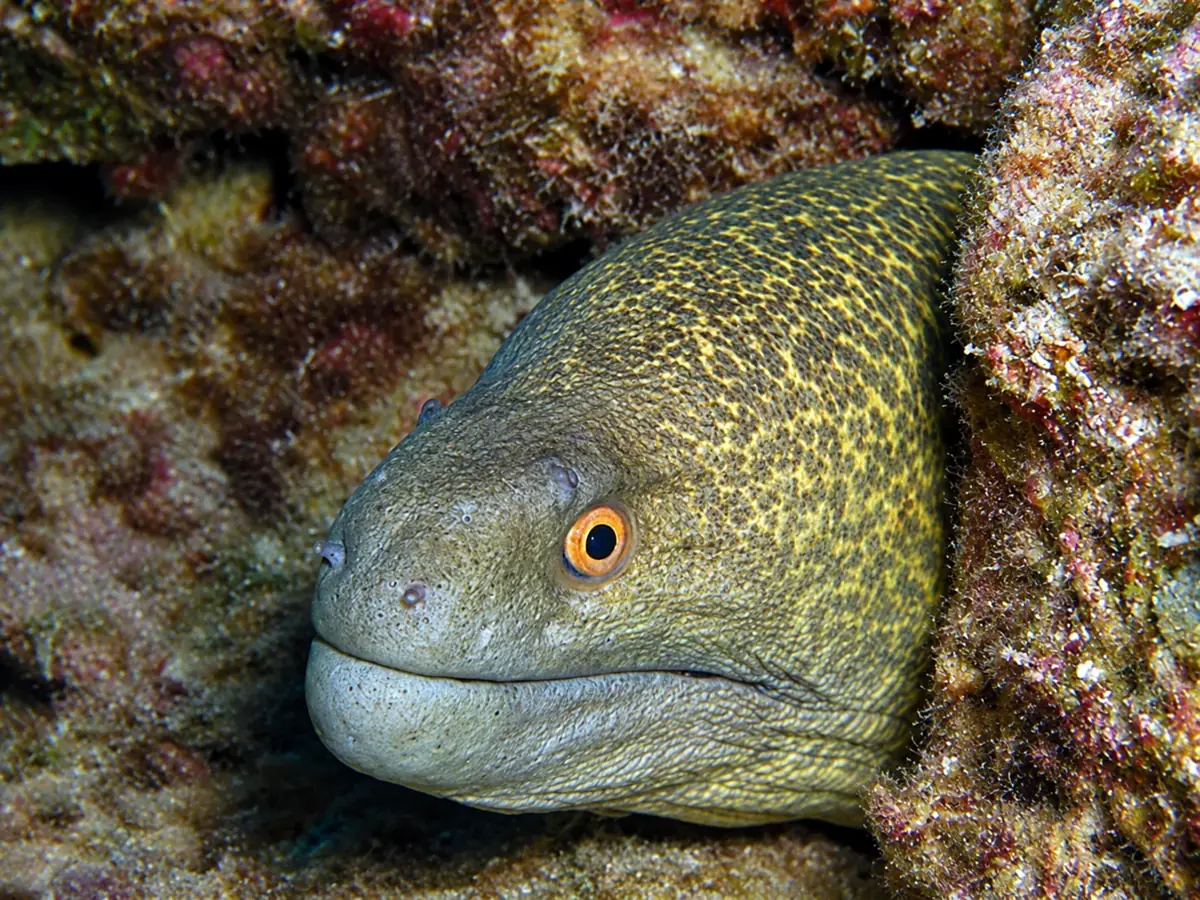
Finally, bluespotted rays and crocodilefish hide on the sand, while morays and groupers use the cracks.
Are the Abu Fendera dive sites suitable for beginners?
Partly. The lagoon and the sheltered channels are calm, yet the outer edges and the deep plateau need experience. Therefore, we recommend at least Advanced Open Water, and some operators ask for 30 or more logged dives on this route.
Moreover, the Farcha plateau and the drop-offs reward depth training. For example, PADI Deep Diver and Enriched Air Nitrox both fit this trip.
Before you dive Abu Fendera
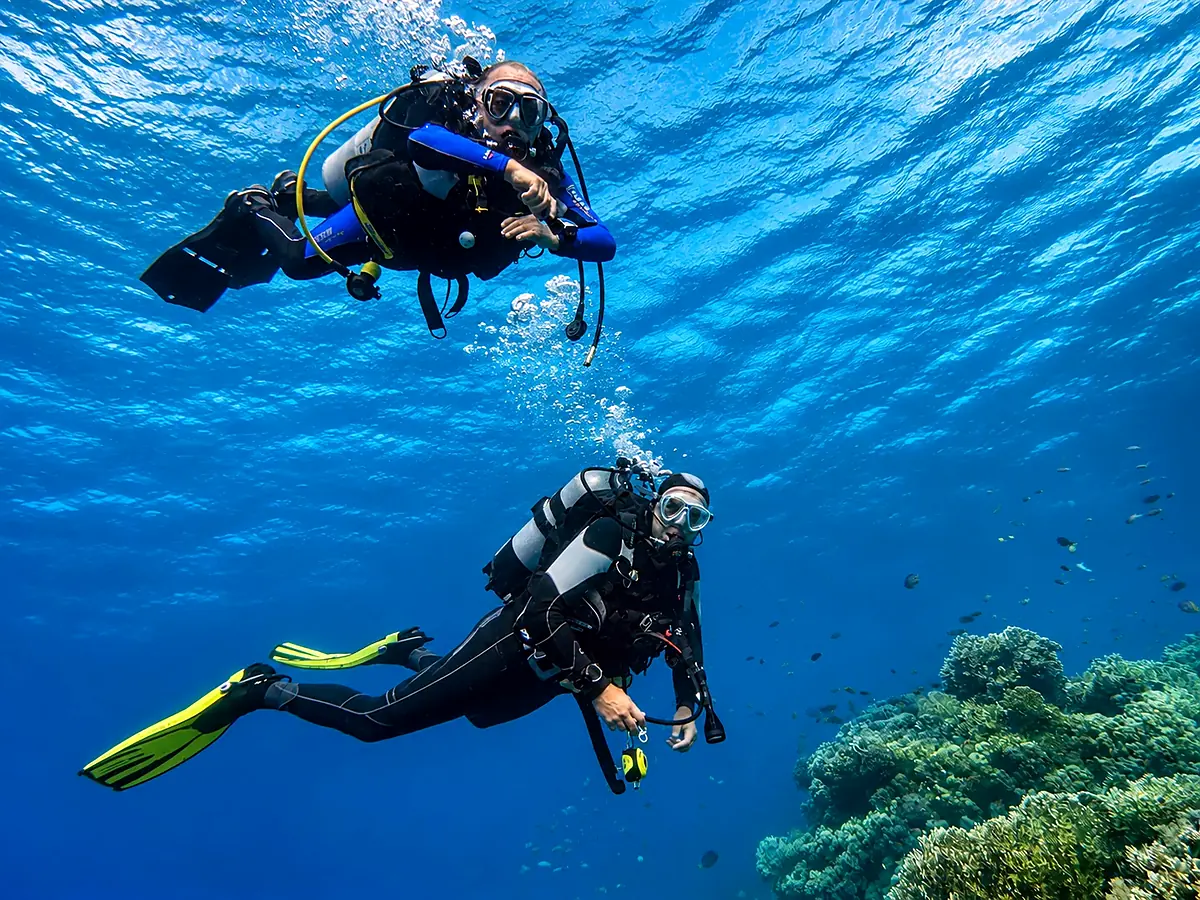
Firstly, confirm which sector you are diving and how the group returns to the boat, because the channels and blocks look alike. Secondly, carry a surface marker buoy for zodiac pick-ups.
Above all, follow the guide’s briefing and our diving safety standards. The southern reefs are protected by HEPCA, and remote sites like these make dive insurance such as DAN Europe essential.
St. John’s, Elba, daily diving and courses
However, Abu Fendera is only one stop on the far south route. In fact, the Elba dive sites lie further south, while the Deep South St. John’s liveaboard spends a whole week at St. John’s.
Similarly, if you have only a few days, our daily boats leave from Hurghada and Sharm El Sheikh. For instance, daily diving in Hurghada covers the Giftun reefs, whereas daily diving in Sharm El Sheikh reaches Ras Mohammed and Tiran.
Above all, the far south needs Advanced Open Water, so you can also take the course with us before you sail. In addition, we teach PADI courses, BSAC courses and CMAS courses in Hurghada.
How do you get to the Abu Fendera dive sites?
In practice, the Abu Fendera dive sites are reached only by liveaboard, on the Elba Reef route. Boats board on Saturday after 15:00, and check-out is between 09:00 and 10:00 the following Saturday on the seven-night trip. However, a one-week trip leaves time for only a few dives here, so 10 and 15 day departures suit divers who want several sectors.
Plan your Abu Fendera dive trip
- Elba Reef liveaboard — the route that passes Abu Fendera.
- Liveaboard dive techniques — negative entries, SMB deployment and exits in current.
- What divers need on board — the packing checklist for a Red Sea safari.
- redsealiveaboard.net — Red Sea safari schedules and availability.
- All eight boats in our fleet can sail this route: Sea Fox, Simba, Sea Treasure, Star Jet, Bismarck, C Echo II, C U and Ramadan 3.
Other routes from Red Sea Diving
Generally, for a first liveaboard, the North Red Sea liveaboard keeps to the classic wrecks. On the other hand, the BDE liveaboard runs Brothers, Daedalus and Elphinstone, while Daedalus and Fury Shoals and the Deep South St. John’s route also reach the far south. Meanwhile, the Red Sea liveaboard guide compares all eight routes.
Abu Fendera dive sites: frequently asked questions
Where are the Abu Fendera dive sites?
Geographically, they lie south of St. John’s in the far southern Egyptian Red Sea, near the Sudanese border and inside the Elba protected area.
Which dive sites are at Abu Fendera?
Overall, the main sectors are the main reef, Fasma channel, the east wall, the west sector, Gota Wahed and Gota Etnien, Habili and Farcha, and the south-eastern ergs.
How deep are the Abu Fendera dive sites?
Most documented dives range from about 5 to 30 meters. However, the Farcha plateau lies at 25–30 meters and some edges drop to around 50 meters.
Are the Abu Fendera dive sites suitable for beginners?
Partly. The lagoon and channels are calm, but the outer edges and deep plateau need experience, so Advanced Open Water is recommended.
How do you get to the Abu Fendera dive sites?
Only by liveaboard, on the Elba Reef route, with 7, 10 or 15 day departures. Moreover, all eight boats in the Red Sea Diving fleet can run this route.
Abu Fendera · Far south liveaboard · Intermediate to advanced
Dive the quiet reefs of Abu Fendera
Simply tell us your dates, the number of divers and your certification level. Afterward, our team checks which far south departure fits your group before you commit to anything.


