

Dive guide to Abu Fendera Main Reef · south of St. John’s · far southern Red Sea
Abu Fendera Main Reef Dive Site A 6 km reef line of coral blocks, channels and habilis near the Sudanese border
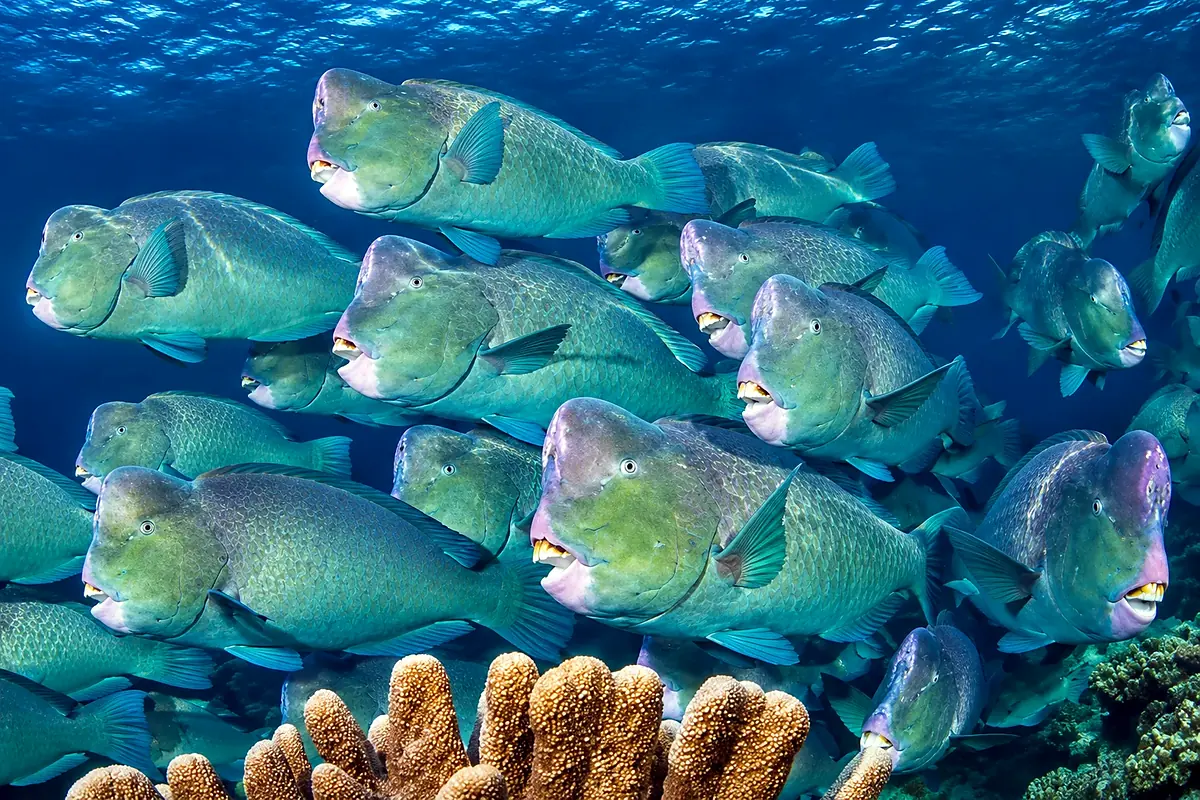
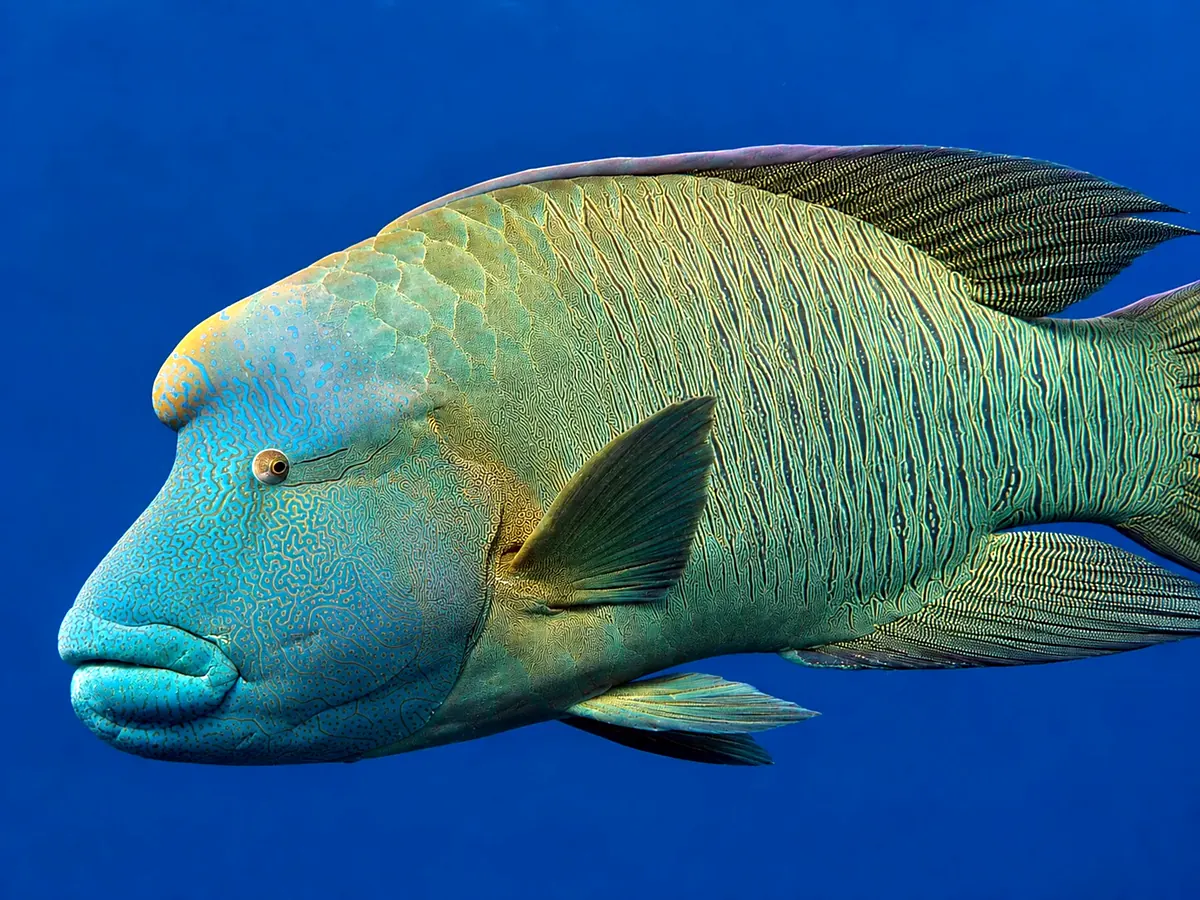
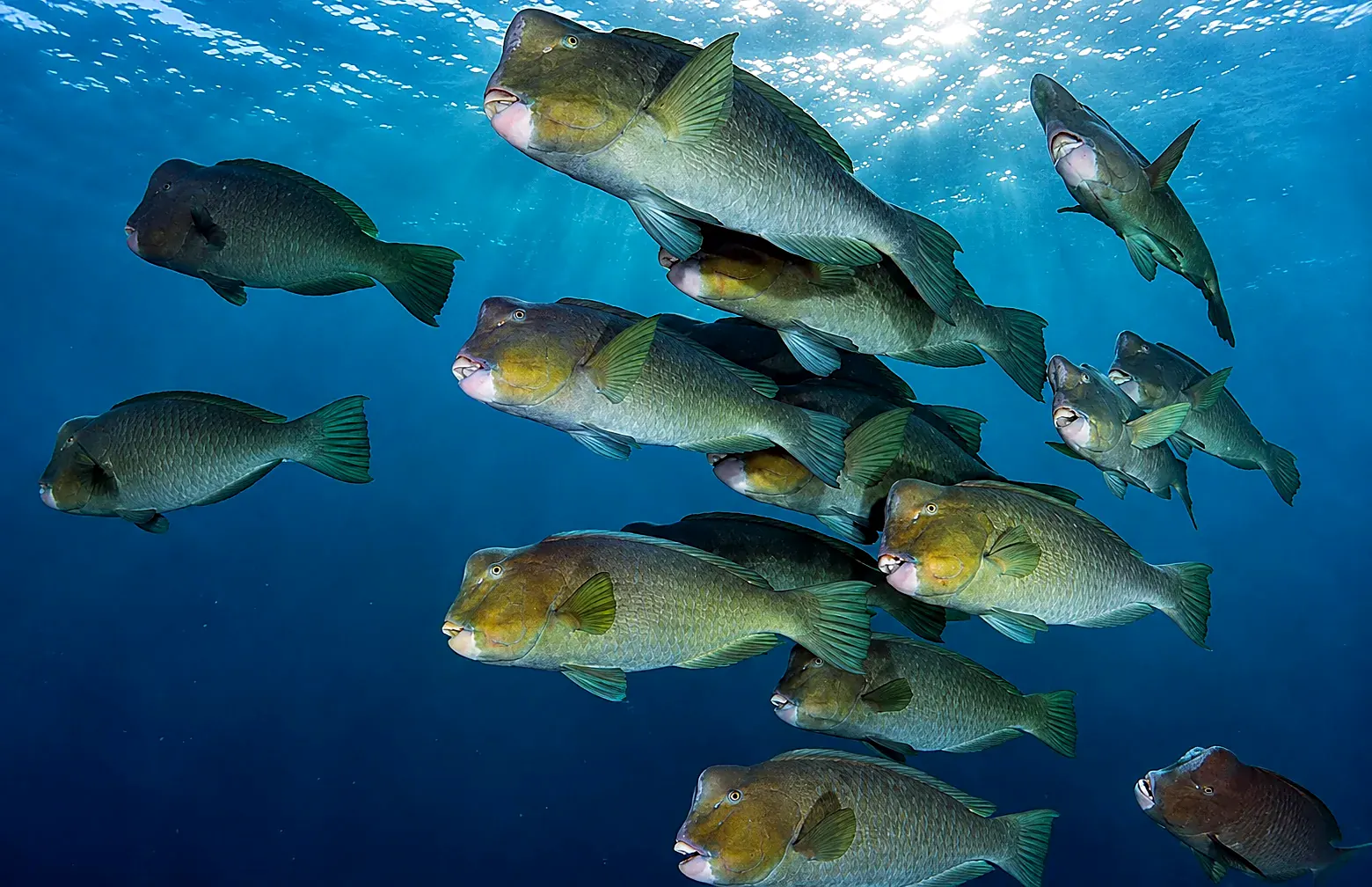
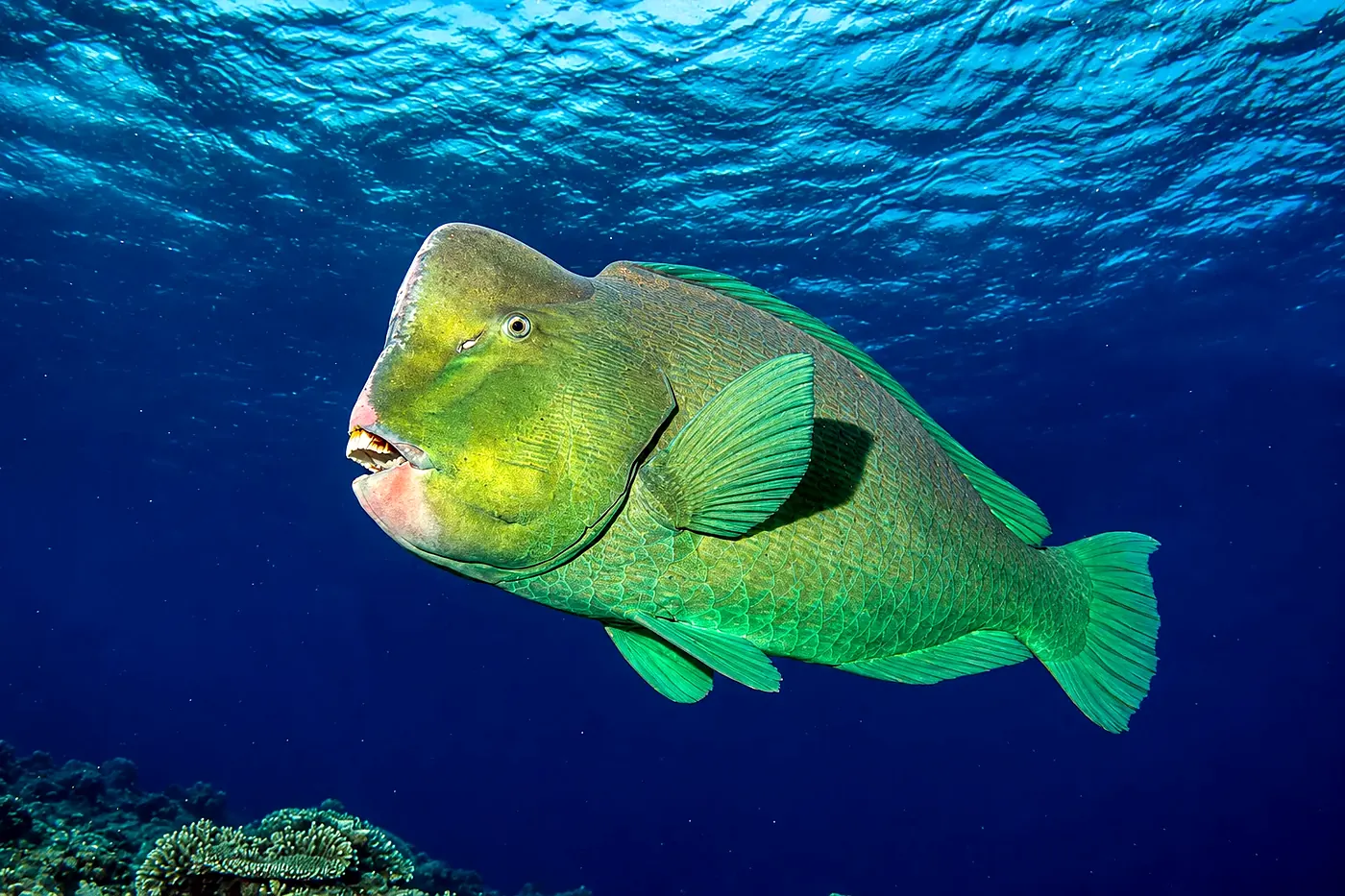
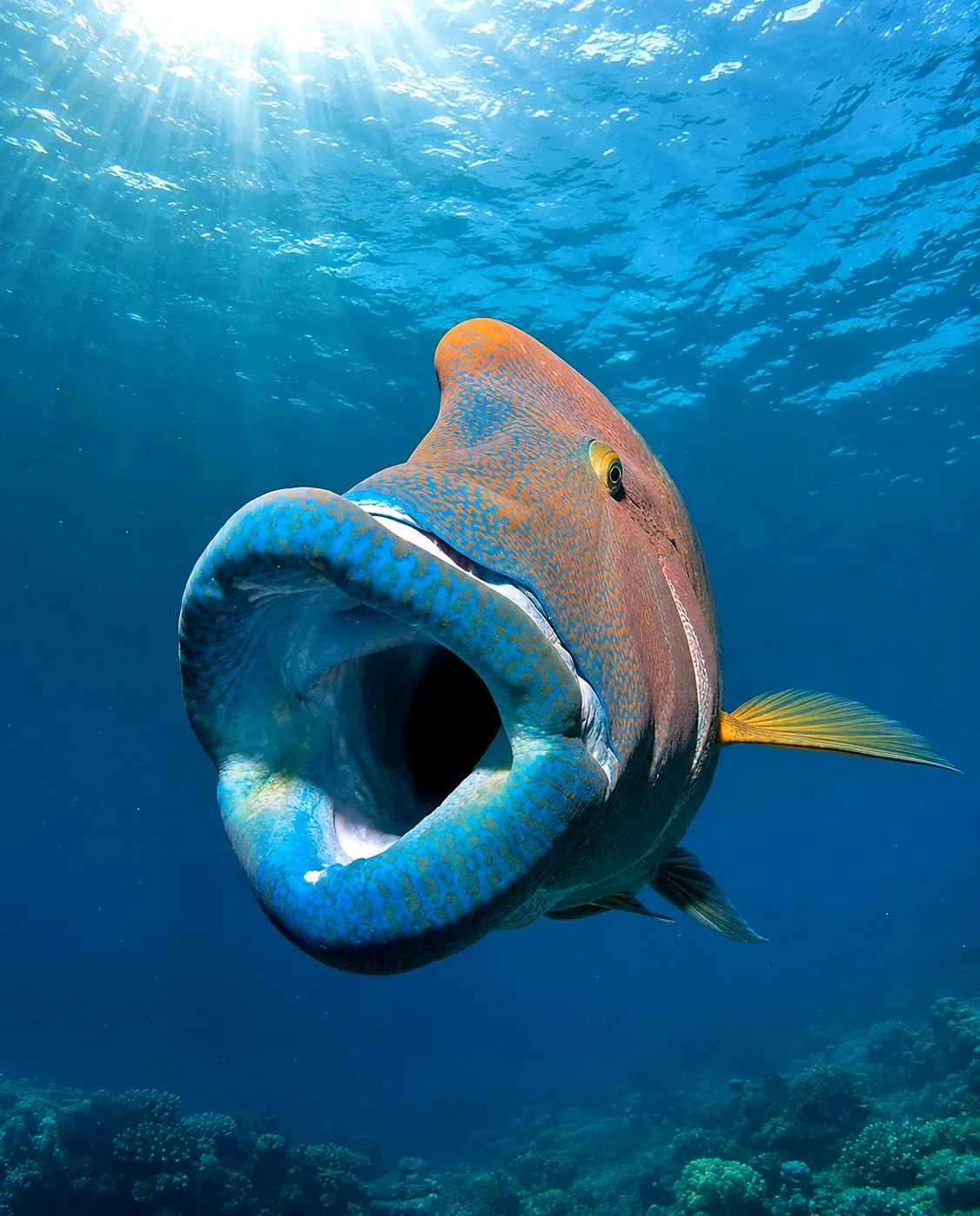
Abu Fendera Main Reef is a remote reef system in the far south of the Egyptian Red Sea, a few hours’ sailing south of St. John’s. The main reef runs for about 6 km, and its channels and coral blocks host Napoleon wrasse of all sizes and schools of bumphead parrotfish.
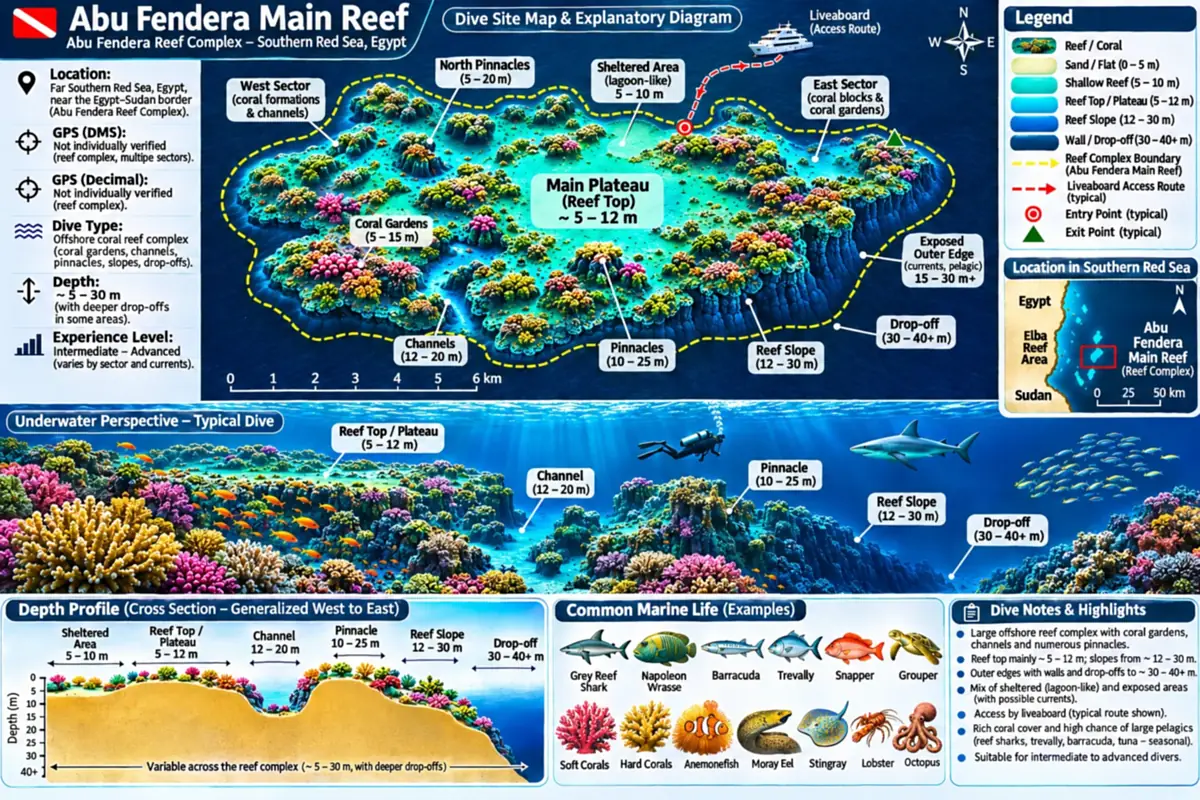

Abu Fendera Main Reef in short
In short, Abu Fendera Main Reef is a remote offshore reef complex about 6 km long, lying south of St. John’s near the Egypt–Sudan border. Rather than one dive, it offers several sectors of coral blocks, channels, plateaus and drop-offs, with most documented dives between about 5 and 30 meters. Napoleon wrasse and bumphead parrotfish are the stars, and soft corals cover the blocks. It suits intermediate to advanced divers and is reached only by liveaboard, for example on the Elba Reef liveaboard.
What is Abu Fendera Main Reef?
Essentially, it is a long line of reefs running from west to east, with passages between them and countless smaller blocks in front. Operators describe six long reefs separated by channels, each with its own topography.
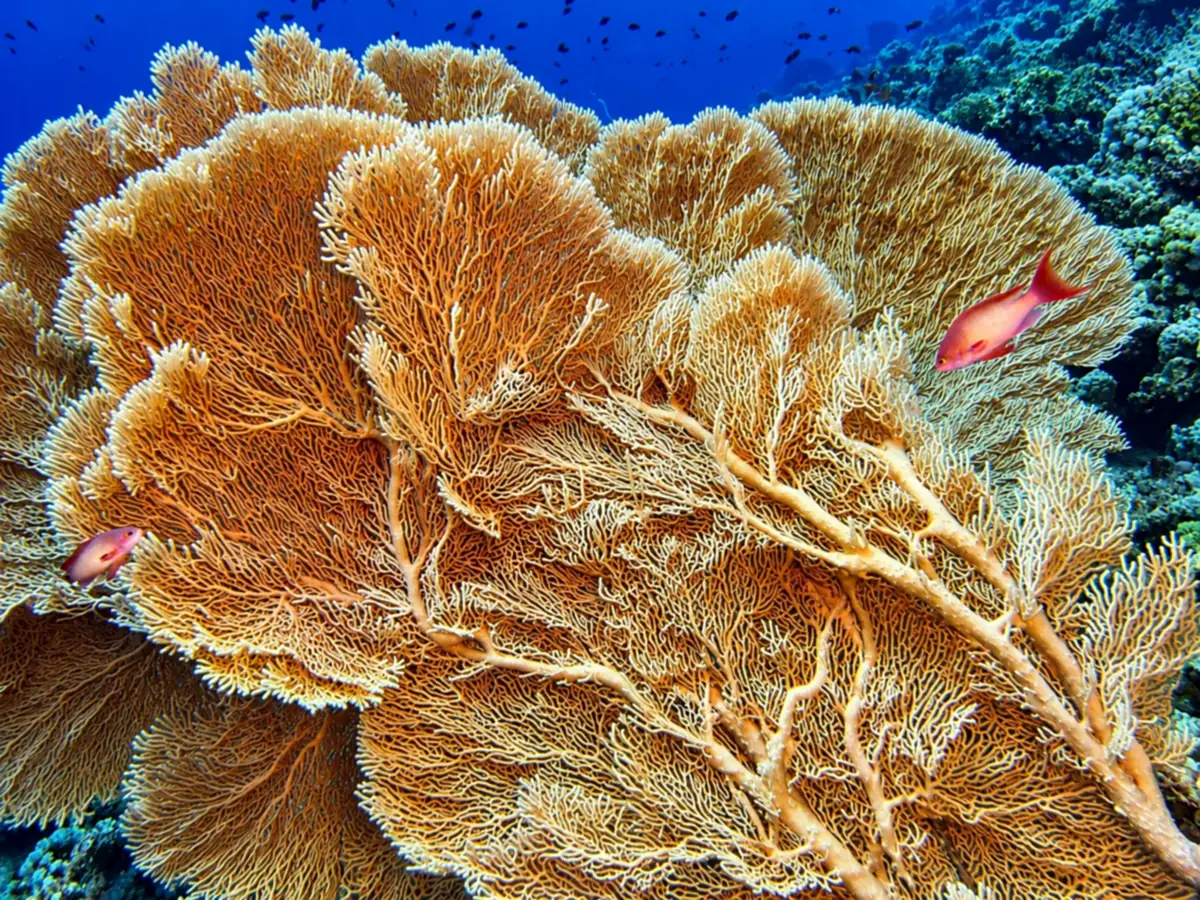
Interestingly, one operator calls the main wall itself unspectacular, yet praises the passages and the coral blocks around it. In fact, hard corals dominate the main reef, while the blocks are covered in soft corals.
Moreover, Abu Fendera is quiet. Few boats sail this far, and some crews go several days without meeting another liveaboard. However, no single verified GPS position covers the whole reef, so each sector is planned on its own.
Abu Fendera Main Reef at a glance
Topography
Above all, channels and fields of coral blocks link the long reefs, with plateaus and drop-offs on the outer edges.
Marine life
Similarly, Napoleon wrasse of every size and schools of bumphead parrotfish are the signature sightings.
Conditions
Meanwhile, the lagoon and channels are calmer, while the outer edges can catch the current.
Which sectors make up Abu Fendera Main Reef?
Because the reef complex is so large, boats dive it as separate sectors rather than one route. The depths below come from operator descriptions and are not independently verified.
Fasma Abu Fendera
The channel. Firstly, fasma means a channel between two reefs that a boat can pass. Here, two main reefs and many blocks frame the passage, with soft-coral towers at about 15–20 m near its entrance.
Gota Wahed and Etnien
The twin gotas. Then, two large blocks rise from a sandy plateau at about 18 m, with smaller blocks at 15–20 m on the west side. Operators plan two dives here.
Farcha and Habili
The horseshoe. Finally, two groups of three habilis sit at the ends of a horseshoe-shaped plateau at 25–30 m, which drops to about 50 m at its edge.

Where is Abu Fendera Main Reef?
The reef lies south of St. John’s in the far southern Egyptian Red Sea, close to the Sudanese border and inside the Elba protected area. In practice, operators quote about three to four hours’ sailing from the St. John’s reefs.
However, no verified coordinate represents the whole complex. Instead, the CDWS lists separate positions for its sectors, such as Shaab Abu Fendera East near 22.89° N, 36.31° E, and places Ohrob Reef in the same group. Therefore, the captain sets the mooring for each sector on the day.
How do you dive Abu Fendera Main Reef?
To begin with, the boat usually moors in the sheltered lagoon. Then a zodiac drops the group at the chosen sector, and the dive follows the blocks or the channel back towards the boat.
Lagoon, channel and blocks
The drop-off point
The start. Firstly, the guide chooses the sector by wind and current, and the zodiac drops divers above the blocks or at the channel mouth.
The coral blocks
The main part. Then, the group weaves between soft-coral blocks at about 15–20 m, looking for nudibranchs and Napoleon wrasse.
The lagoon
The finish. Finally, divers cross the channel towards the boat and end the dive in the sandy shallows of the lagoon.
What marine life lives at Abu Fendera Main Reef?
Overall, the reef is known for healthy hard and soft corals and for big reef fish that are rarely disturbed. Still, pelagic encounters depend on the season and the conditions.
Reef giants
Typically, Napoleon wrasse of all sizes patrol the blocks, and large schools of bumphead parrotfish graze the hard corals.
Open-water hunters
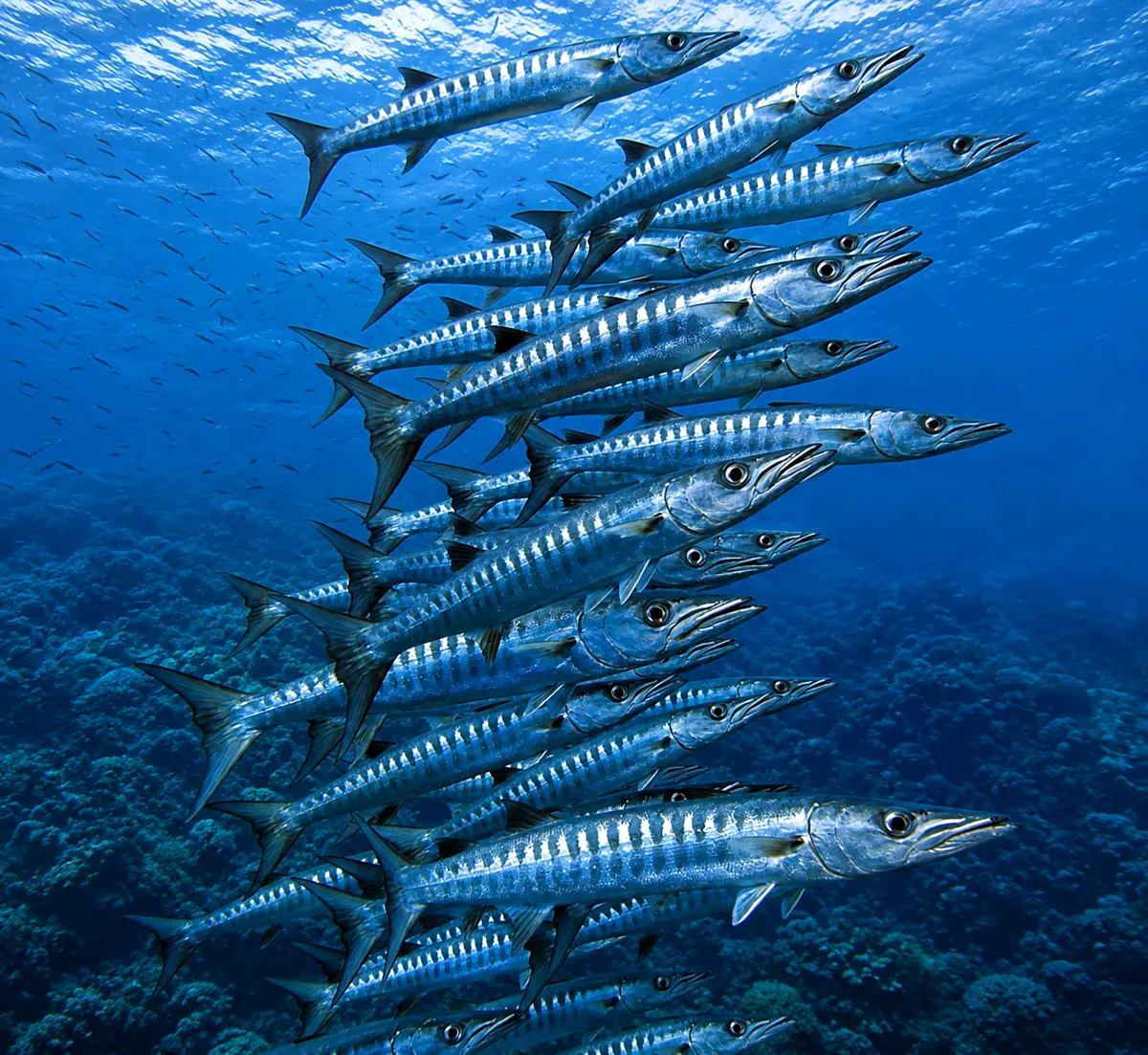
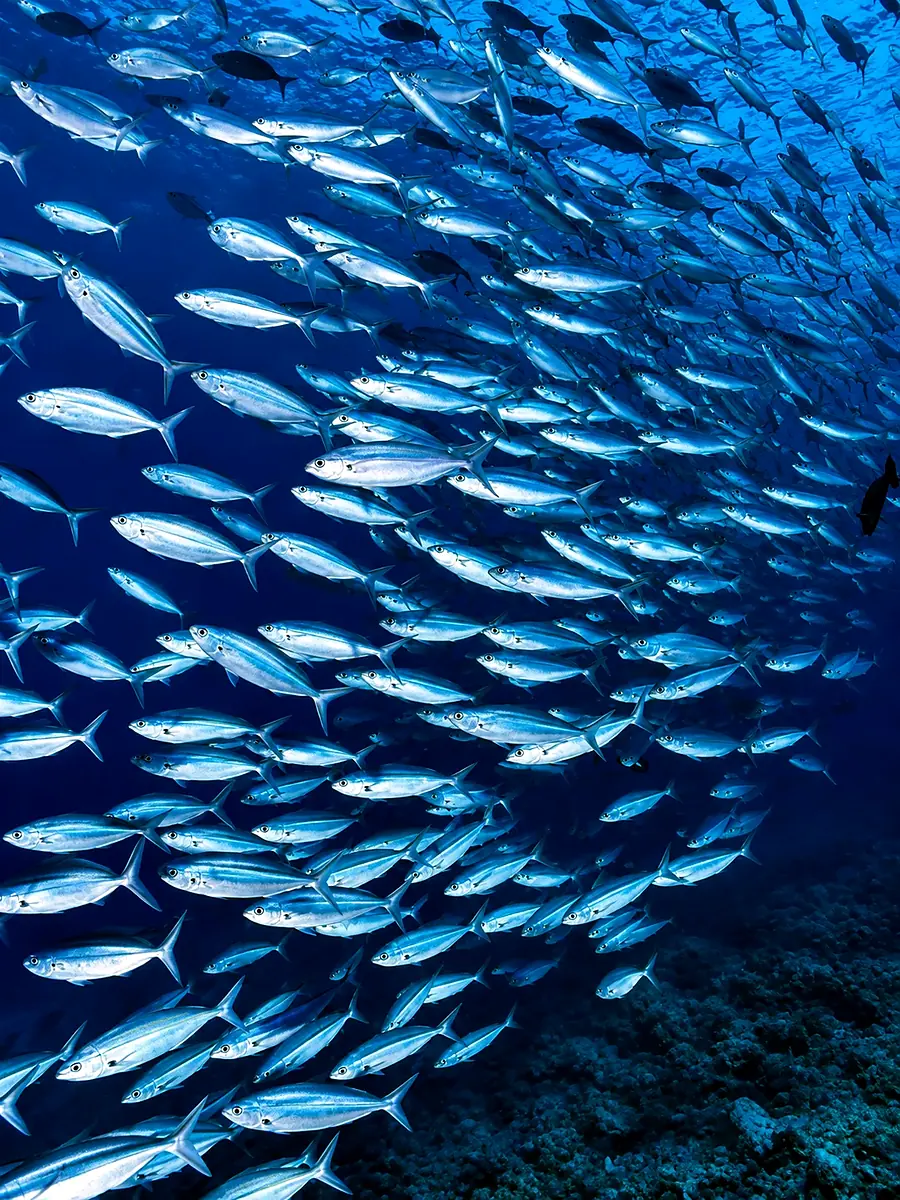
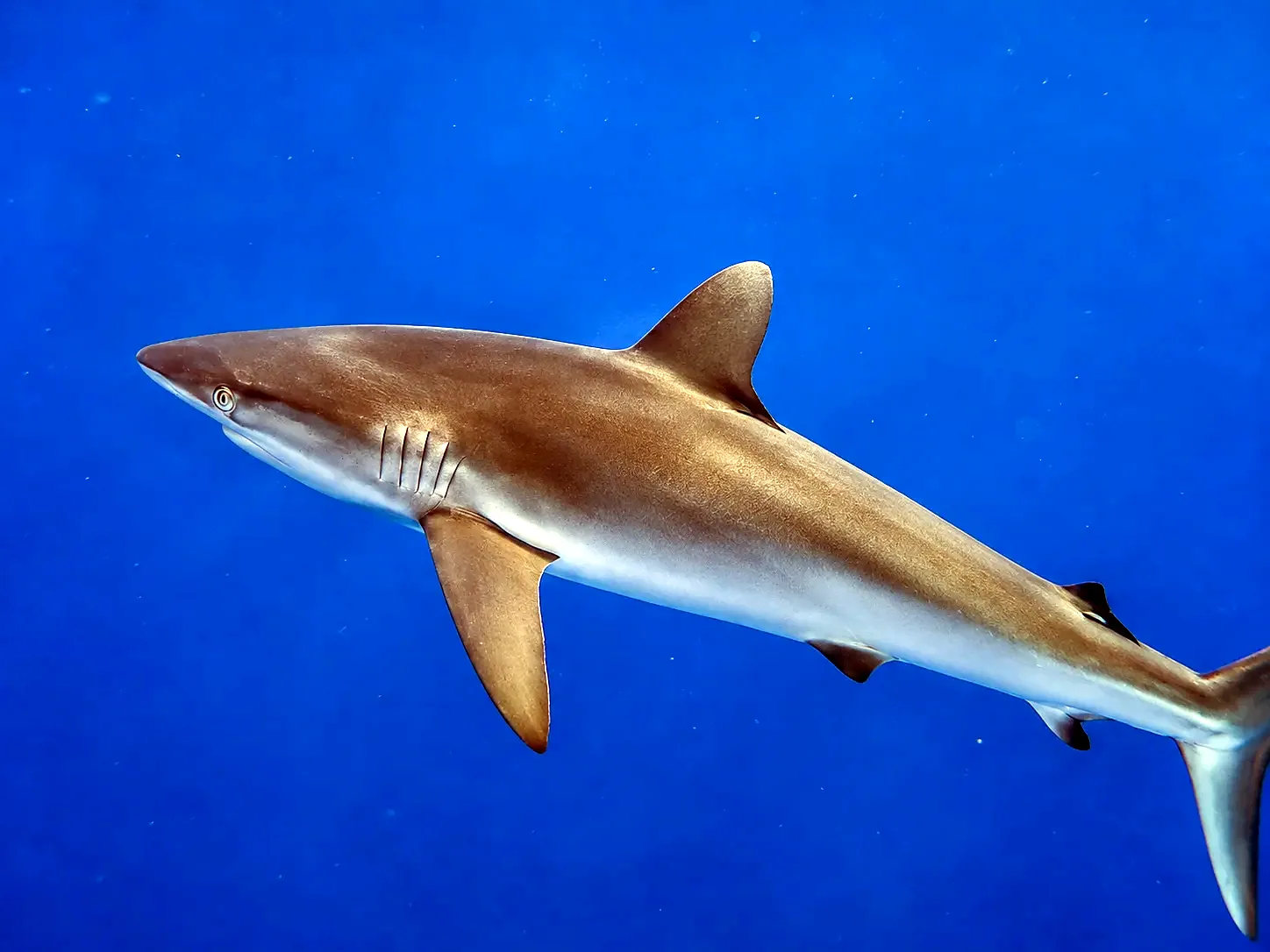
Likewise, barracuda, trevally and tuna hunt off the outer edges, where reef sharks also cruise.
Sand and critters
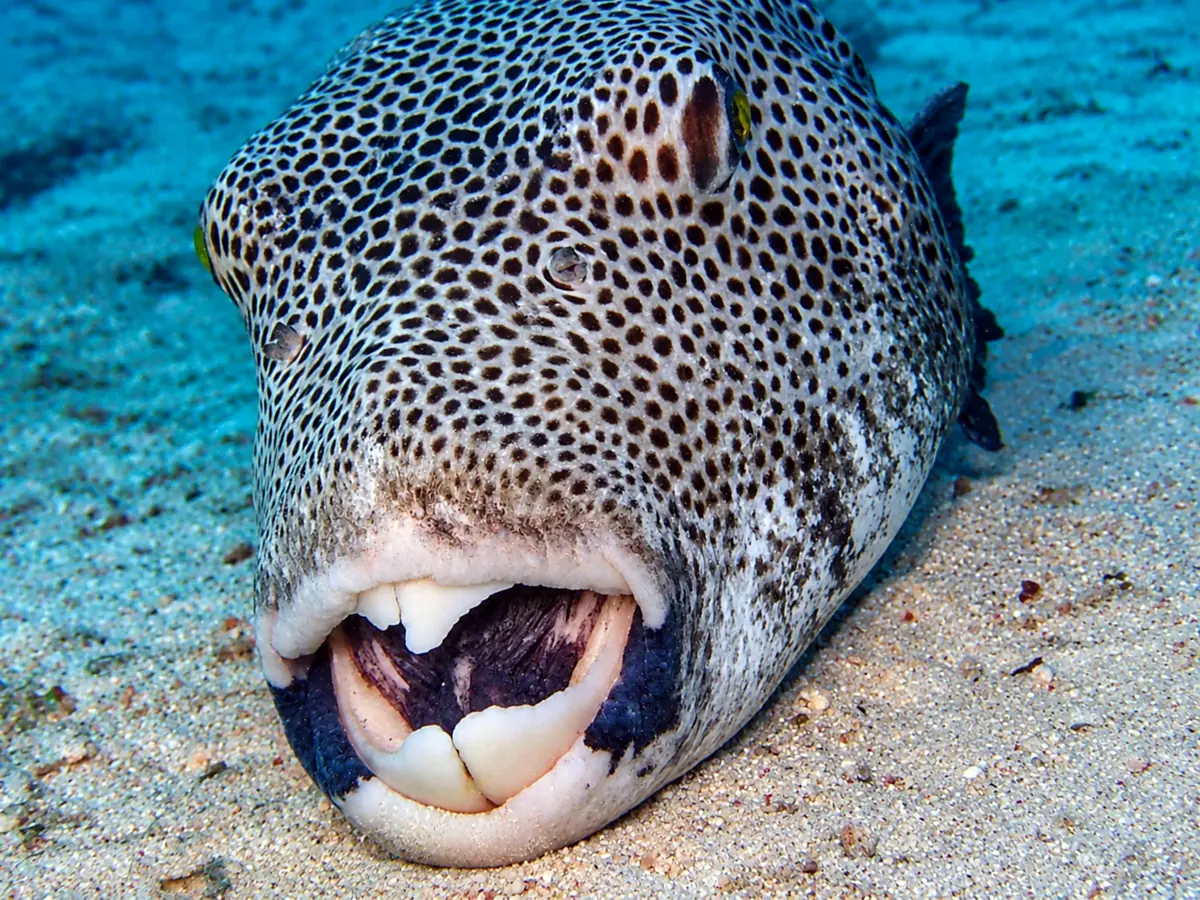
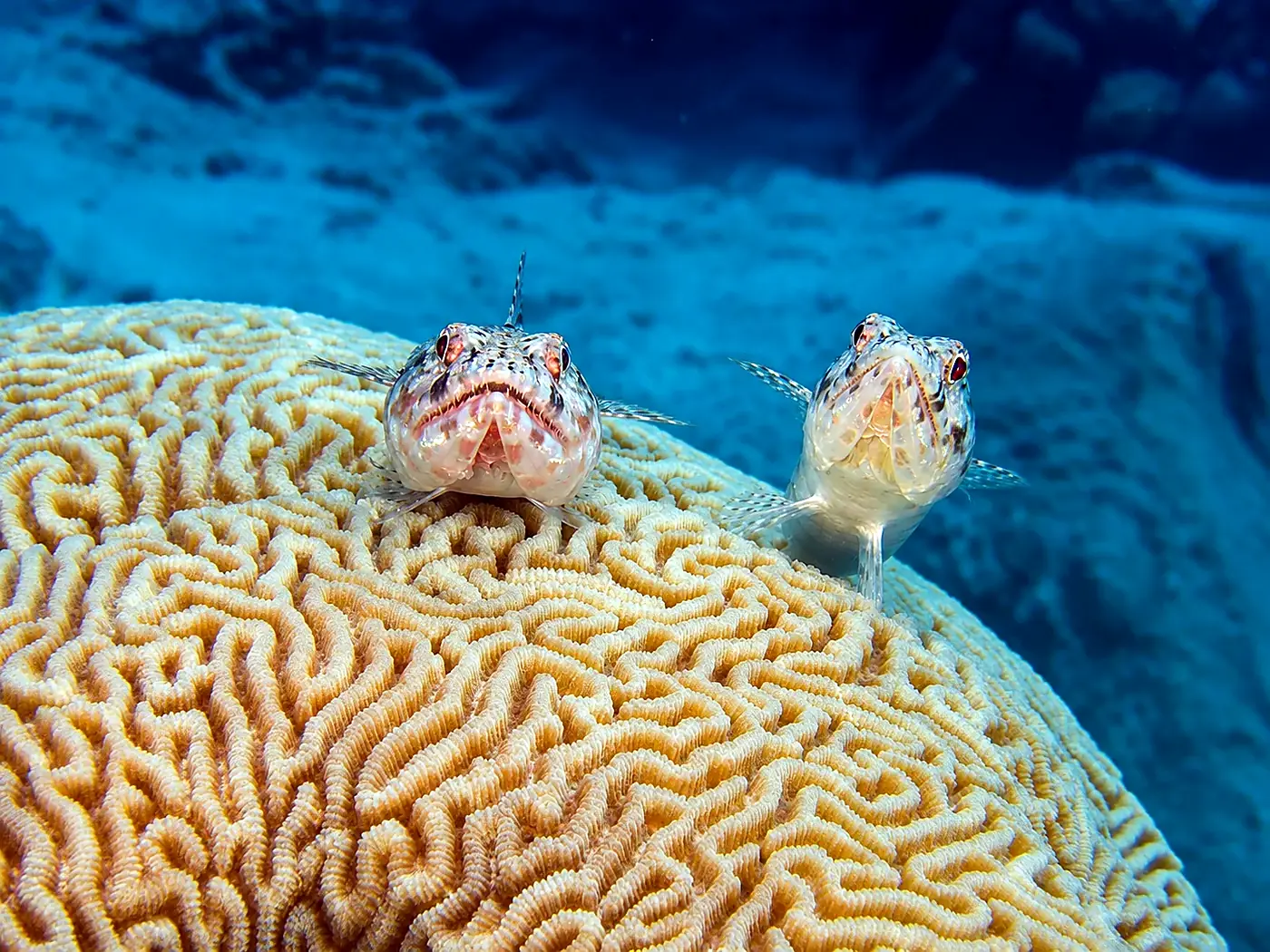
Finally, the sandy channels hide crocodilefish, bluespotted rays, pufferfish and boxfish, while nudibranchs crawl over the soft corals.
Is Abu Fendera Main Reef suitable for beginners?
Partly. The lagoon and the sheltered channels are calm, yet the outer edges and the deeper plateaus need more experience. Therefore, we recommend at least Advanced Open Water, and some operators ask for 30 logged dives on this route.
Moreover, good buoyancy protects the soft corals between the blocks. For example, Peak Performance Buoyancy helps in tight passages, and liveaboard dive techniques covers zodiac entries and exits.
Before you dive Abu Fendera Main Reef
Firstly, confirm which sector you are diving and how the group returns to the boat, because the channels look alike underwater. Secondly, carry a surface marker buoy for zodiac pick-ups on the outer edges.
Above all, follow our diving safety standards. The southern reefs are protected by HEPCA, and a remote site like this makes dive insurance such as DAN Europe essential.

How do you get to Abu Fendera Main Reef?
In practice, Abu Fendera is reached only by liveaboard. Our Elba Reef route passes it between Elba and St. John’s, and guests board on Saturday after 15:00, with check-out between 09:00 and 10:00 the next Saturday on the seven-night trip.
However, a one-week trip leaves time for only a few dives here, so 10 and 15 day departures suit divers who want several sectors. On the same trip, most boats also dive the St. John’s dive sites, such as Habili Ali and Dangerous Reef.
Plan your Abu Fendera Main Reef dive
- Elba Reef liveaboard — the route that passes Abu Fendera.
- What divers need on board — the packing checklist for a Red Sea safari.
- Elba dive sites — the reefs and wrecks further south.
- redsealiveaboard.net — Red Sea safari schedules and availability.
- All eight boats in our fleet can sail this route: Sea Fox, Simba, Sea Treasure, Star Jet, Bismarck, C Echo II, C U and Ramadan 3.
Photo gallery from the far southern reefs
Other routes from Red Sea Diving
Generally, for a first liveaboard, the North Red Sea liveaboard keeps to the classic wrecks. On the other hand, the BDE liveaboard runs Brothers, Daedalus and Elphinstone, while Daedalus and Fury Shoals and the Deep South St. John’s route also reach the south. Meanwhile, the Red Sea liveaboard guide compares all eight routes.
Abu Fendera Main Reef: frequently asked questions
Where is Abu Fendera Main Reef?
Abu Fendera lies south of St. John’s in the far southern Egyptian Red Sea, near the Sudanese border. No single verified coordinate covers the whole reef, so each sector has its own position.
How deep is Abu Fendera Main Reef?
Most documented dives range from about 5 to 30 meters, with coral blocks at 15–20 m. Some edges drop much deeper, so the guide sets the limit for each sector.
What can you see at Abu Fendera?
Napoleon wrasse, bumphead parrotfish, barracuda, trevally, tuna, groupers, snappers and reef sharks are reported, along with healthy hard and soft corals. However, no sighting is guaranteed.
Is Abu Fendera suitable for beginners?
The lagoon and channels are calm, but the outer edges need experience. Therefore, Advanced Open Water or an equivalent is recommended for this route.
How do you get to Abu Fendera?
Only by liveaboard, for example on the Elba Reef route, with 7, 10 or 15 day departures. Longer trips leave time for more of its sectors.
Abu Fendera · Far south liveaboard · Intermediate to advanced
Dive the quiet reefs of Abu Fendera
Simply tell us your dates, the number of divers and your certification level. Afterward, our team checks which far south departure fits your group before you commit to anything.


