
Guide to the Fury Shoals dive sites · Maksur, Sataya, Abu Galawa, Farewell
Fury Shoals Dive Sites Offshore reefs off Hamata with canyons, coral gardens, two wrecks and a dolphin lagoon
The Fury Shoals dive sites are a group of offshore reefs off Hamata, in the far south of the Egyptian Red Sea. Specifically, they include the walls of Shaab Maksur, the reefs and dolphin lagoon of Sataya, the canyons of Shaab Claudio, the two wrecks of Abu Galawa and Farewell Reef, and most of them are shallow, sheltered and full of light.
Which Fury Shoals dive sites can you dive?
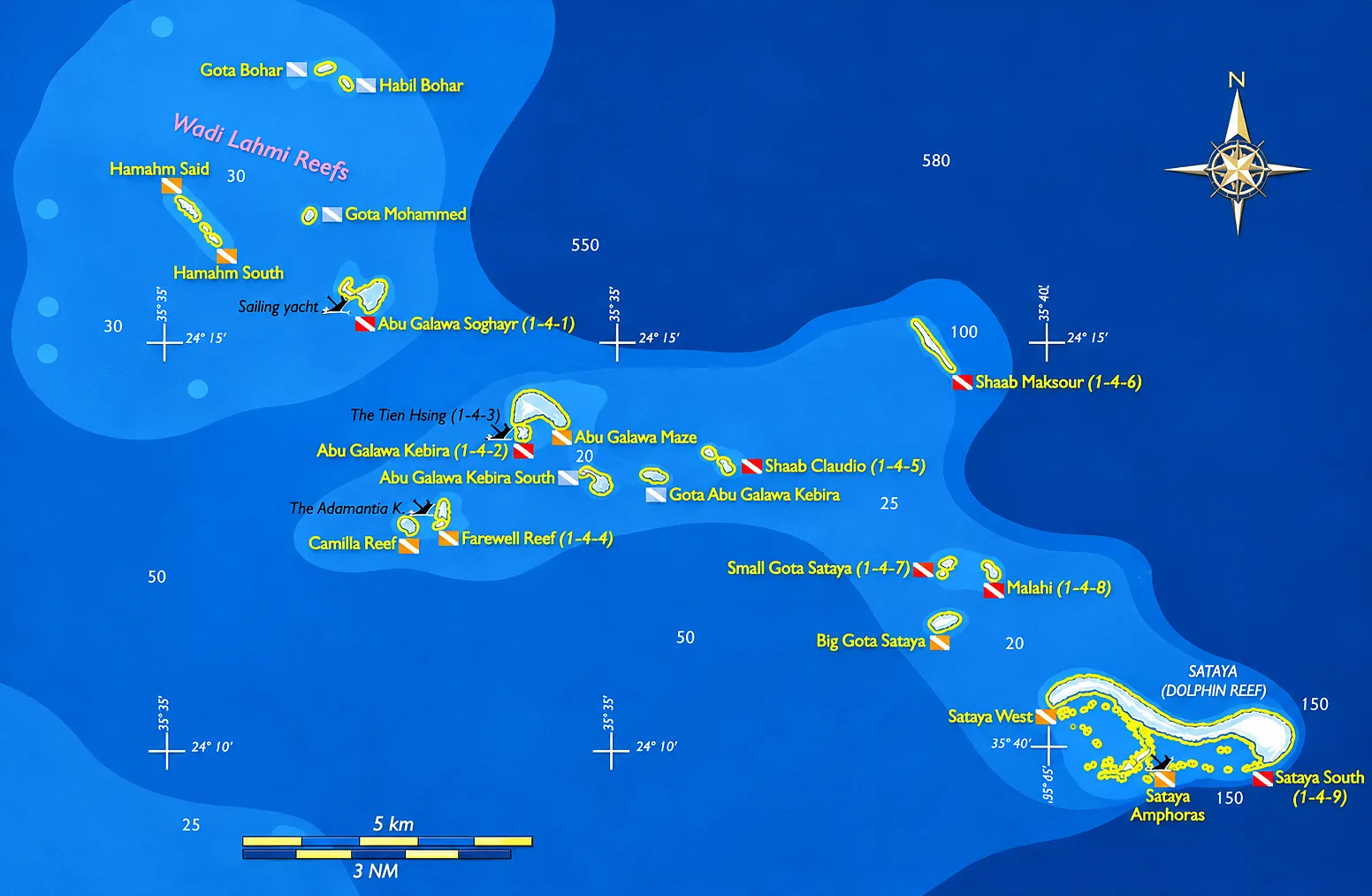
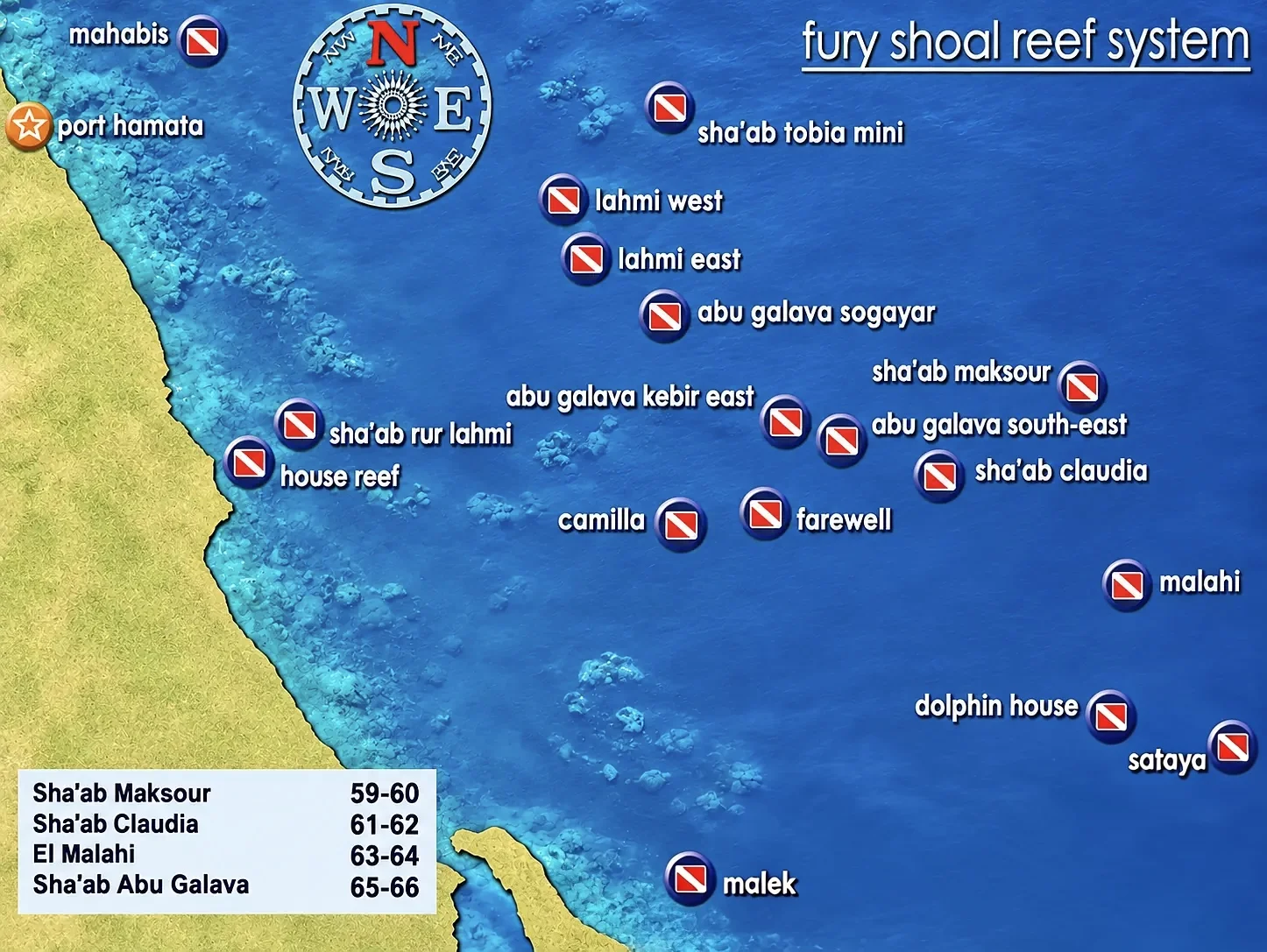
Overall, the sites below are grouped in two areas, from Shaab Maksur and Sataya in the east to Farewell Reef near the mainland. In addition, each card links to a full guide with depth, marine life, level and access.
Shaab Maksur and the Sataya reefs
First, the offshore walls of Shaab Maksur lead to the large Sataya reef and its neighbours, with sheltered moorings, coral gardens, ergs, a coral labyrinth and the dolphin lagoon.
Shaab Maksur · North plateau, walls to 100 m
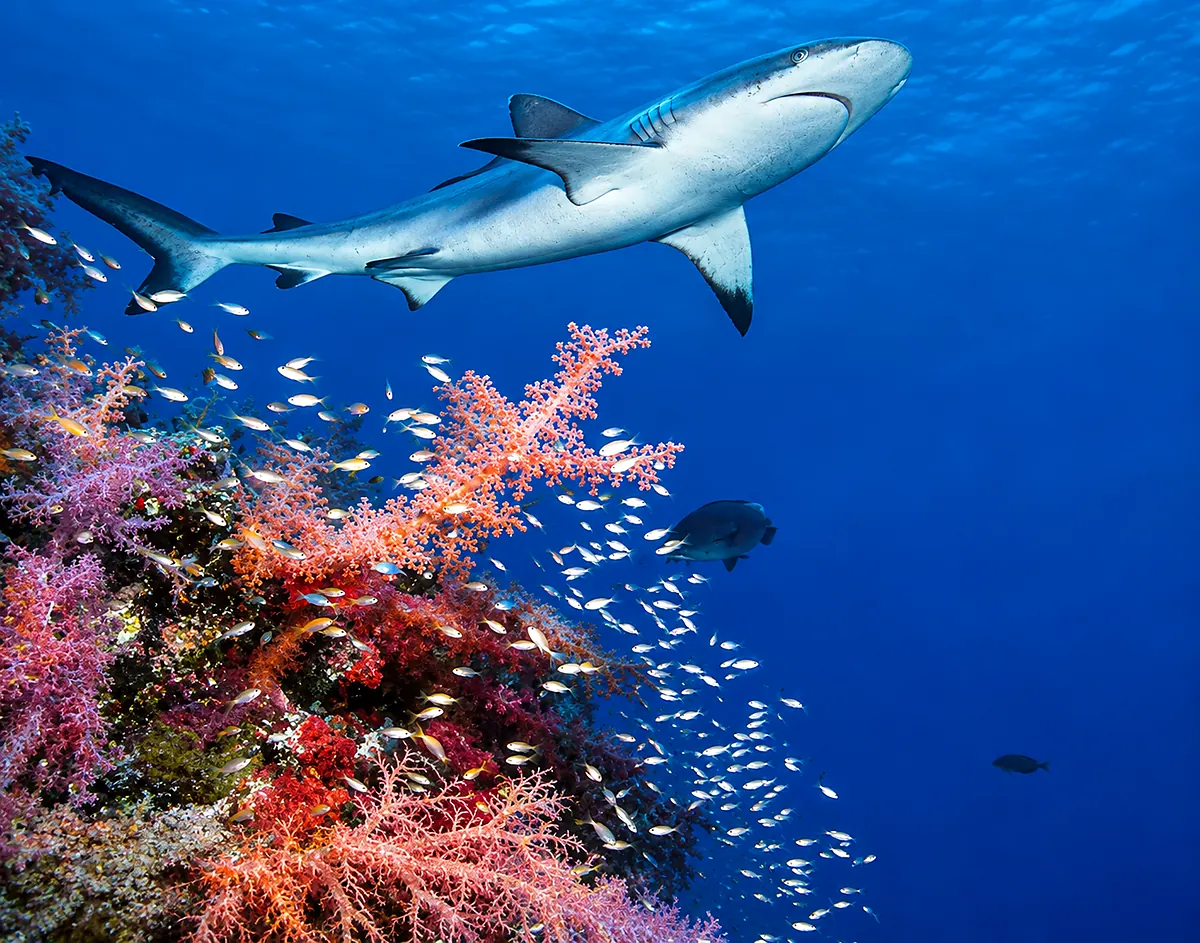
In particular, a 1.5 km offshore reef with walls to 100 m, two plateaus, strong currents and sharks, best for advanced divers.
Visit Shaab Maksur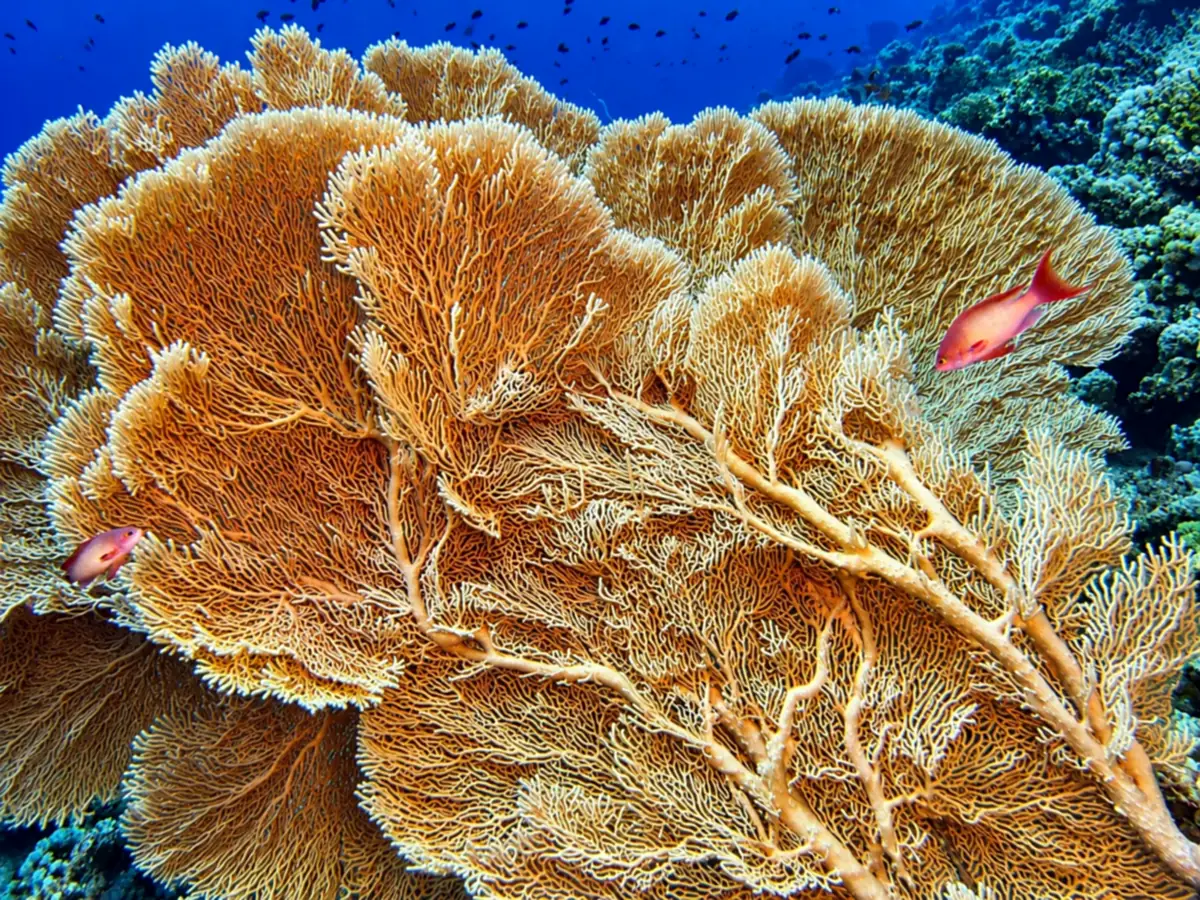
Sataya North · Outer wall past 40 m
Then, the northern dive area of Shaab Sataya offers an outer wall past 40 m, coral slopes and big fish.
Visit Sataya North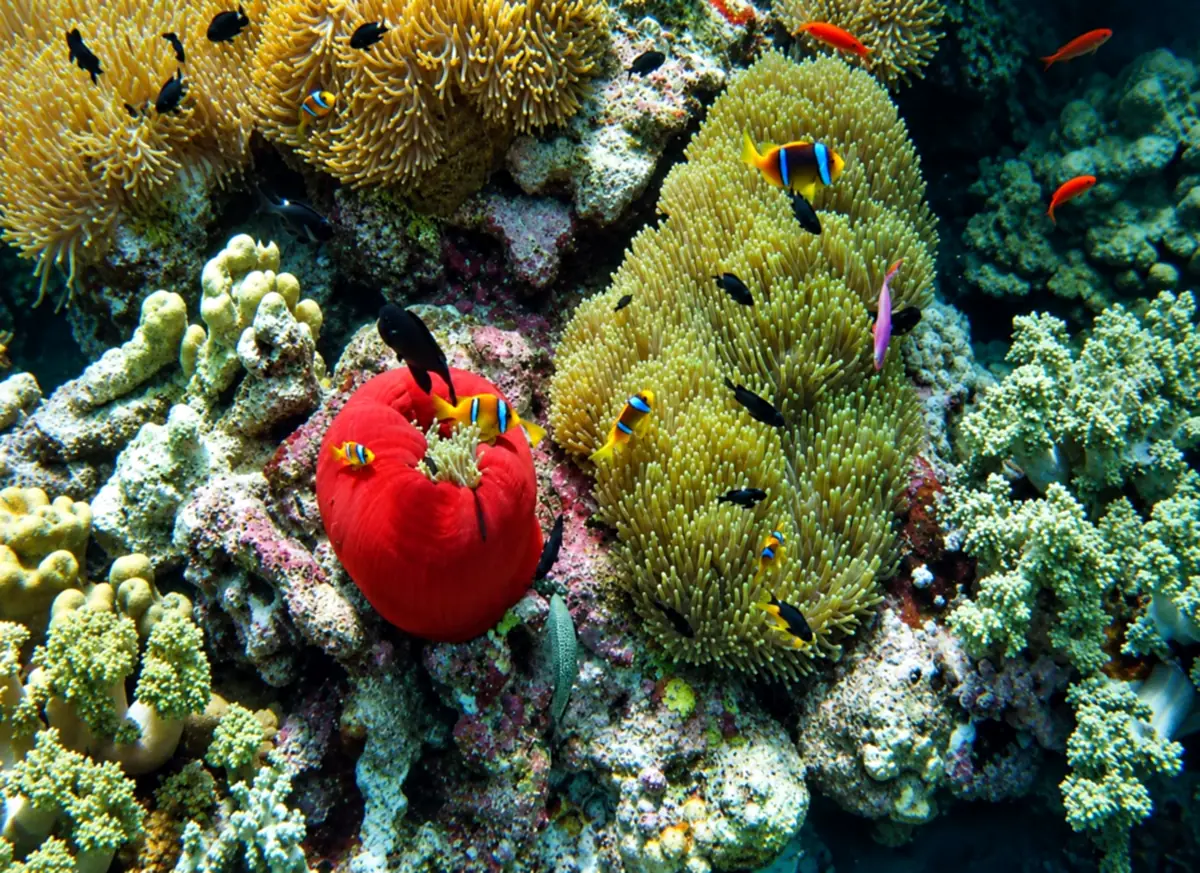
Sataya South · Moorings and wall to 150 m
Meanwhile, safe liveaboard moorings lead to night dives, a coral garden from 25 to 5 m and a deep outer wall.
Visit Sataya South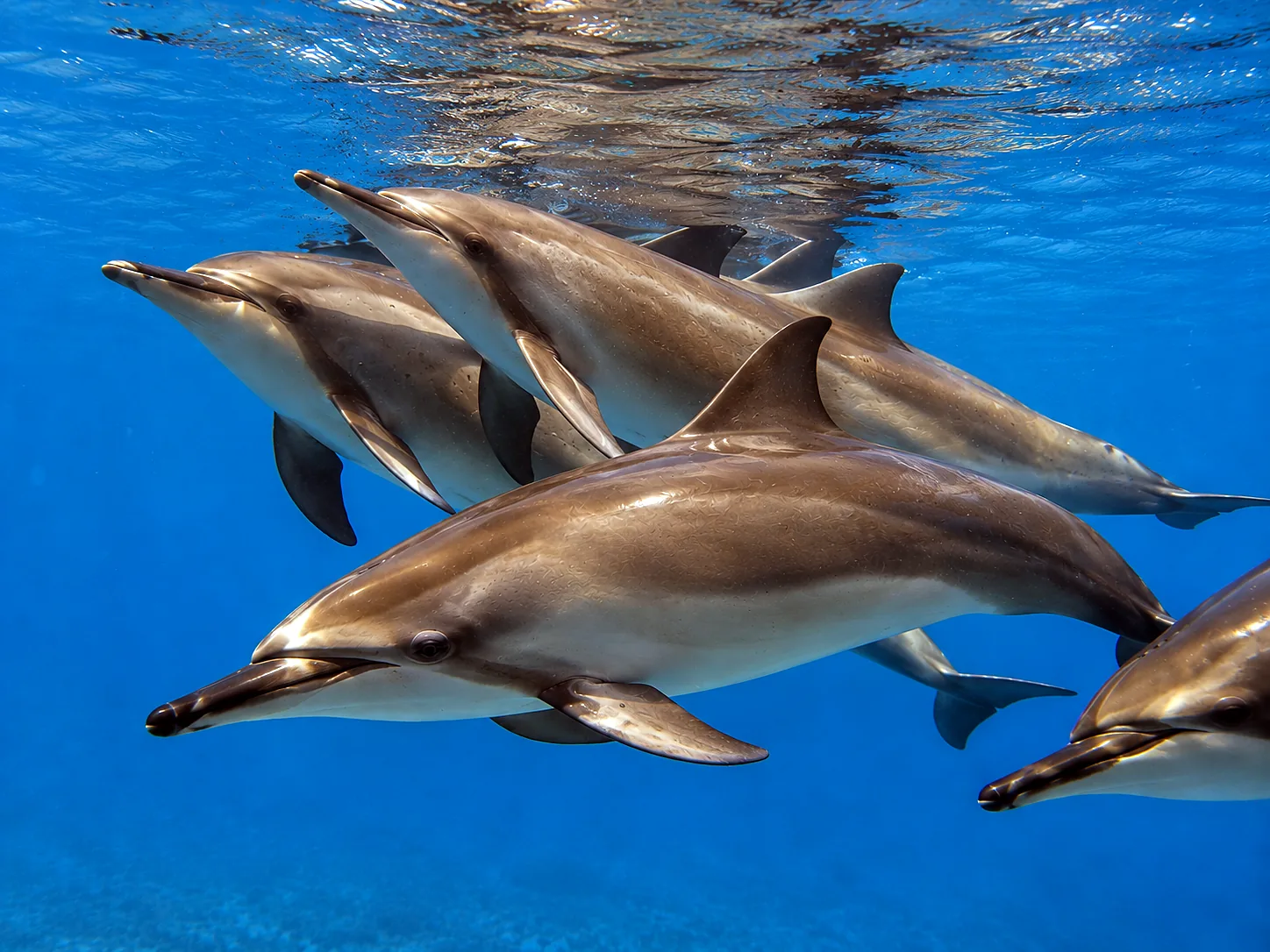
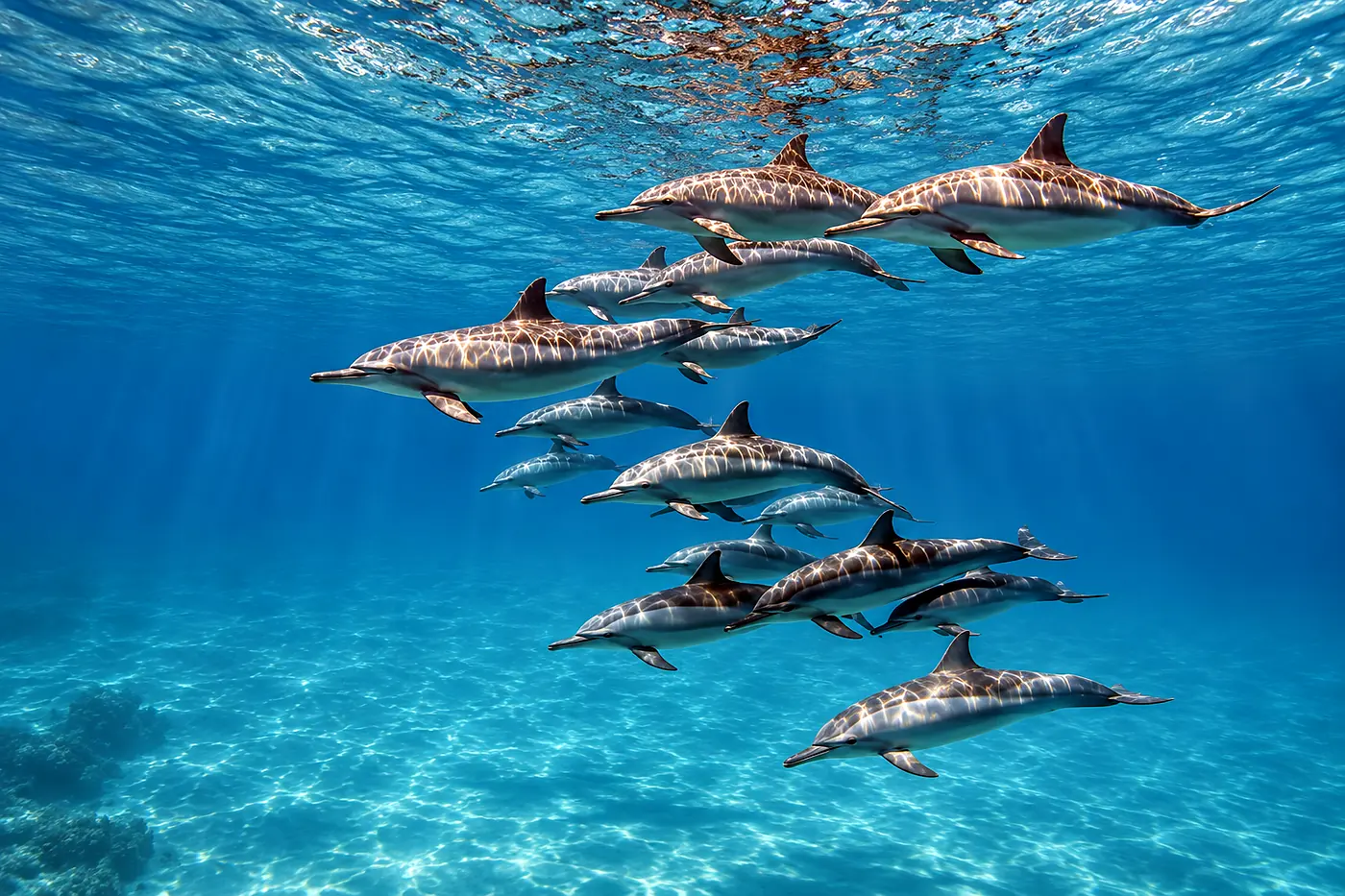
Sataya Dolphin House · Spinner dolphin lagoon
Also, spinner dolphins rest in this sheltered lagoon by day, and visitors follow strict rules.
Visit Sataya Dolphin House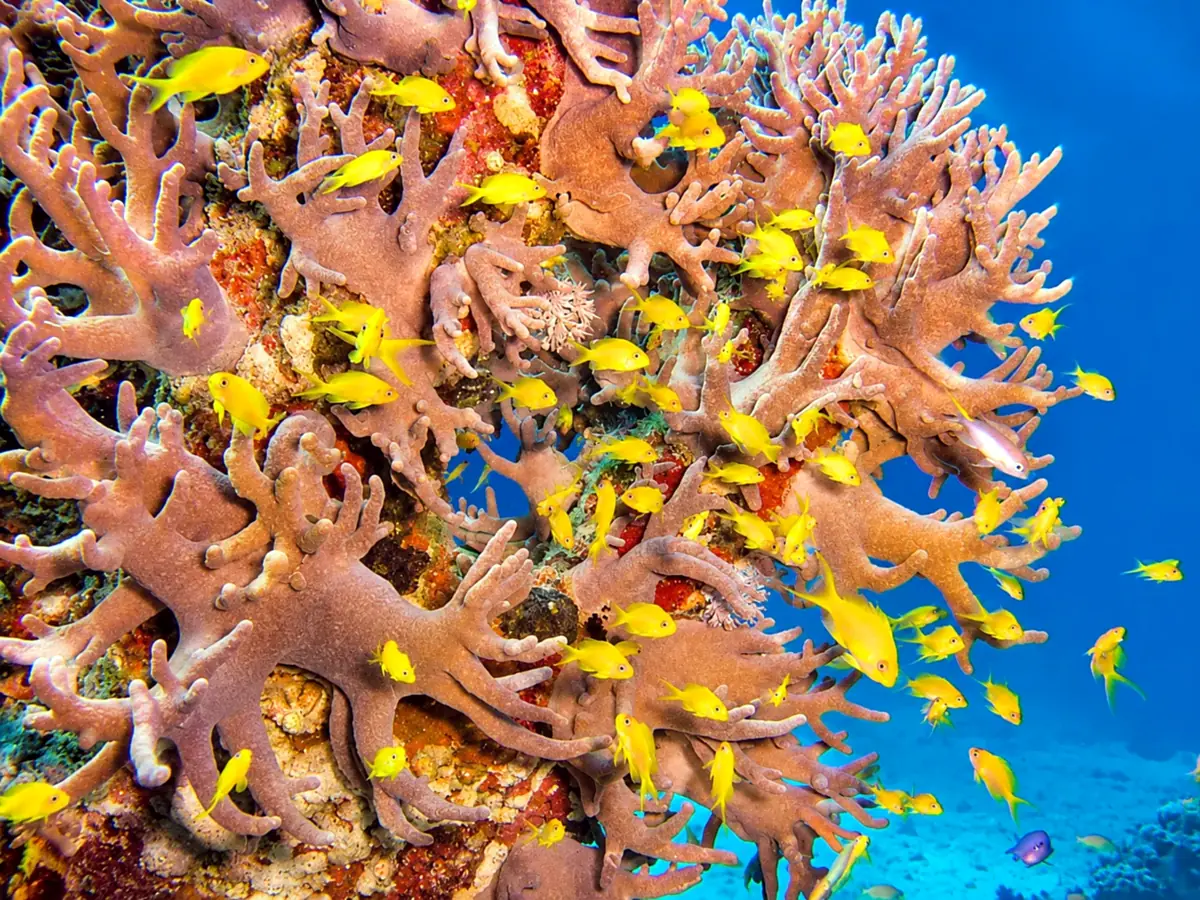
Sataya Ergs · Coral pinnacles
Similarly, coral pinnacles in the Sataya area host reef fish, macro life and good photo subjects.
Visit Sataya Ergs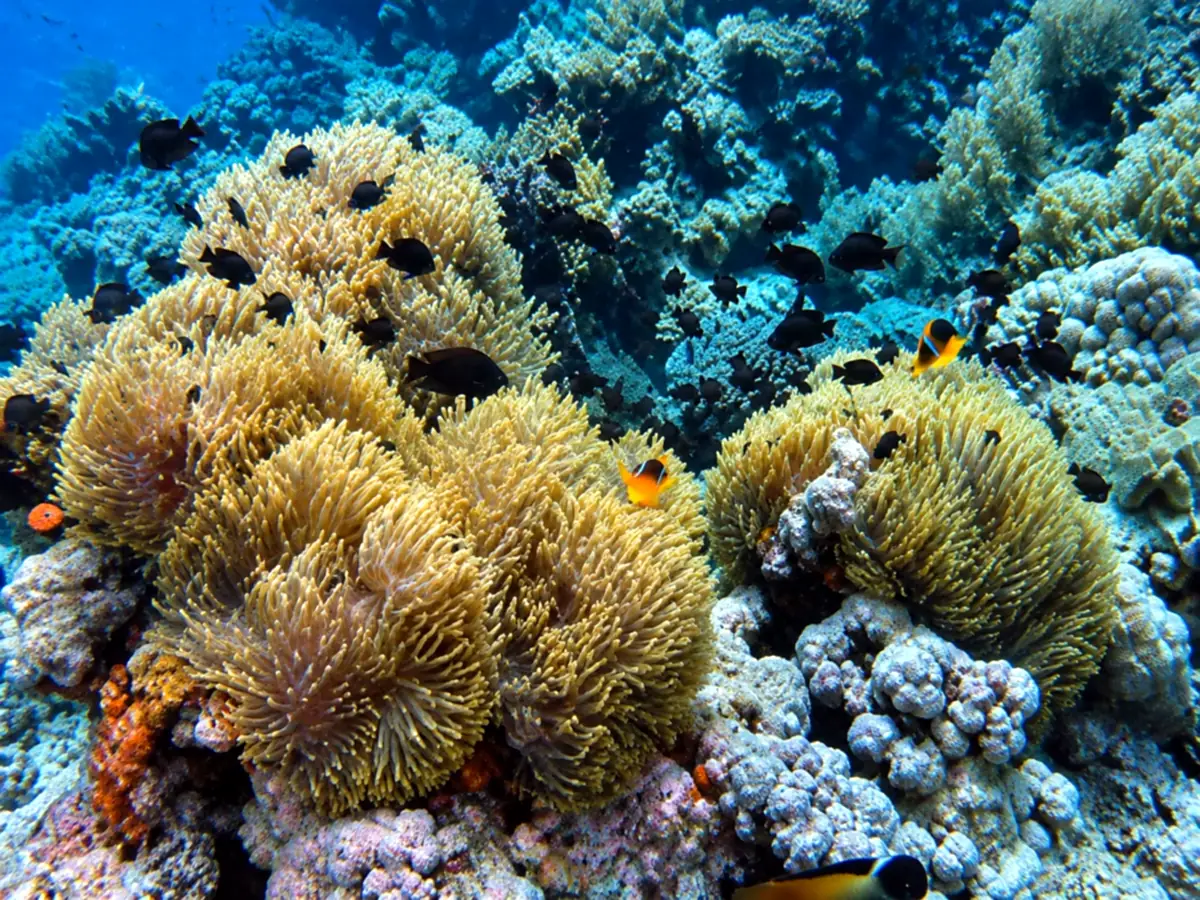
Gota Sataya Kebir · Big Gota Sataya
Next, an offshore coral reef near Sataya offers coral gardens and plenty of reef life.
Visit Gota Sataya Kebir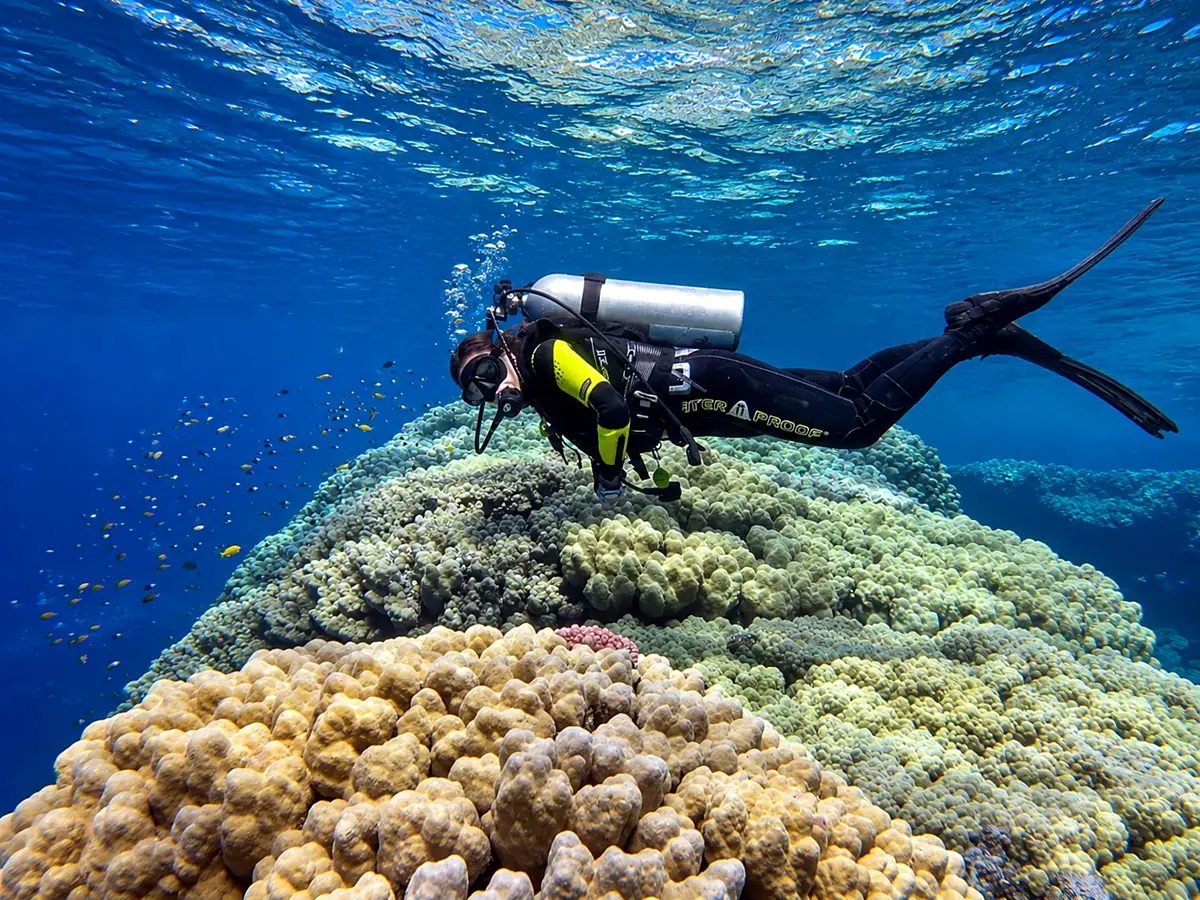
Small Gota Sataya · Coral garden and two ergs
In addition, a 330 m reef offers a large coral garden, two ergs and night dives below the moorings.
Visit Small Gota Sataya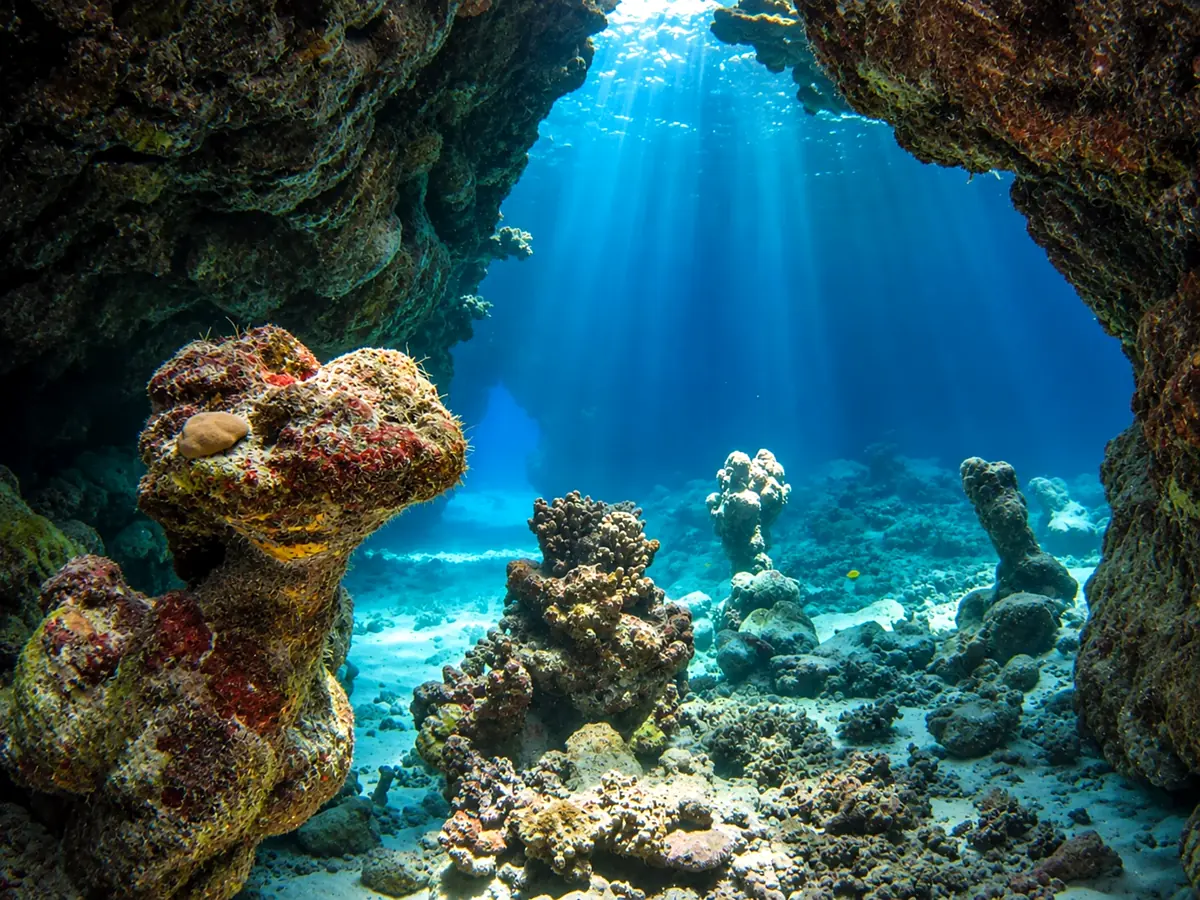
Shaab Malahi · The coral labyrinth
Finally, ten coral towers form a maze of sandy passages, two valleys and a small cave passage.
Visit Shaab MalahiShaab Claudio, Abu Galawa and Farewell Reef
Moreover, further west, a canyon reef, the two Abu Galawa reefs with their small wrecks and Farewell Reef near the mainland complete the area.
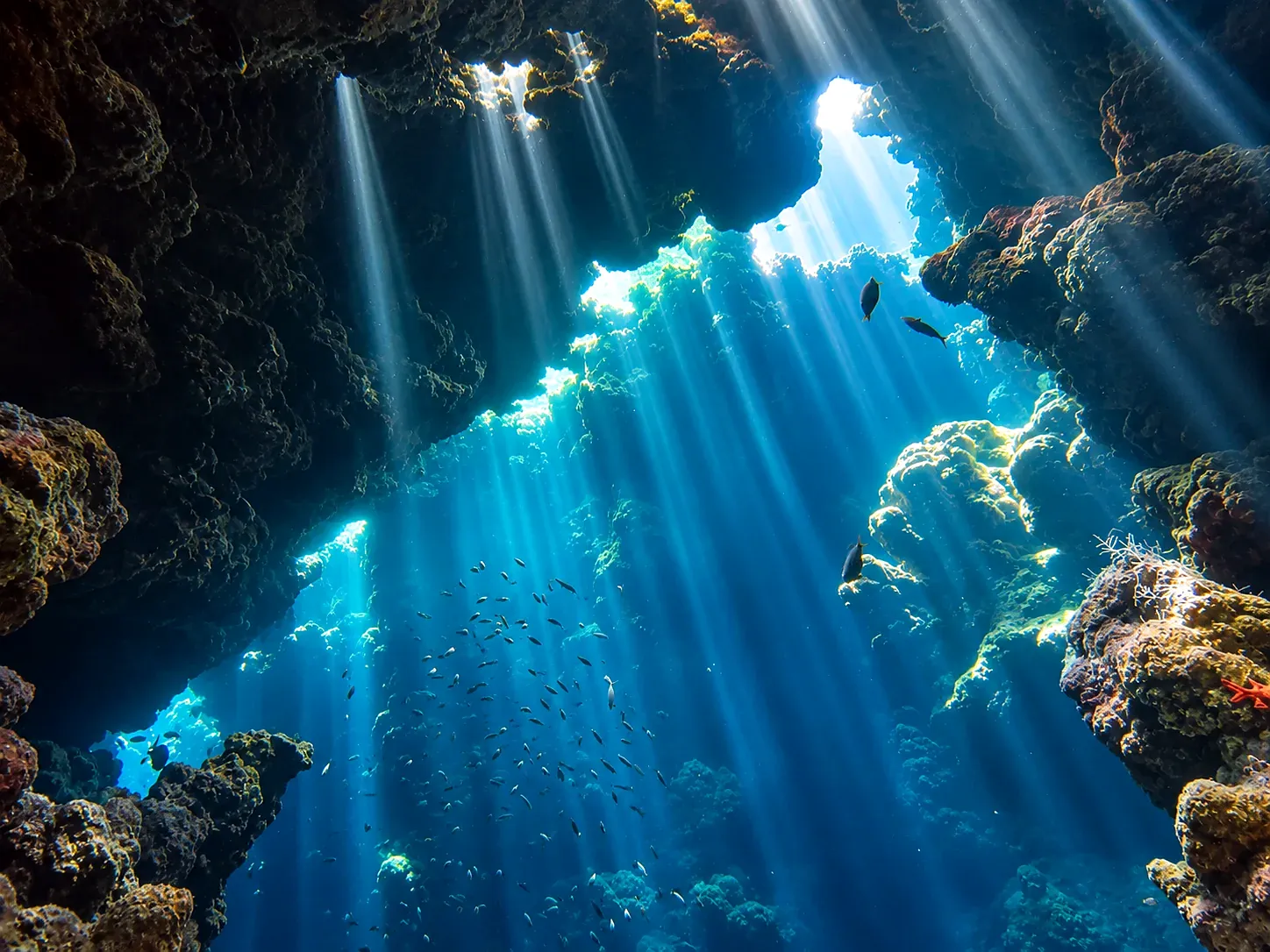
Shaab Claudio · Coral canyons at 4–20 m
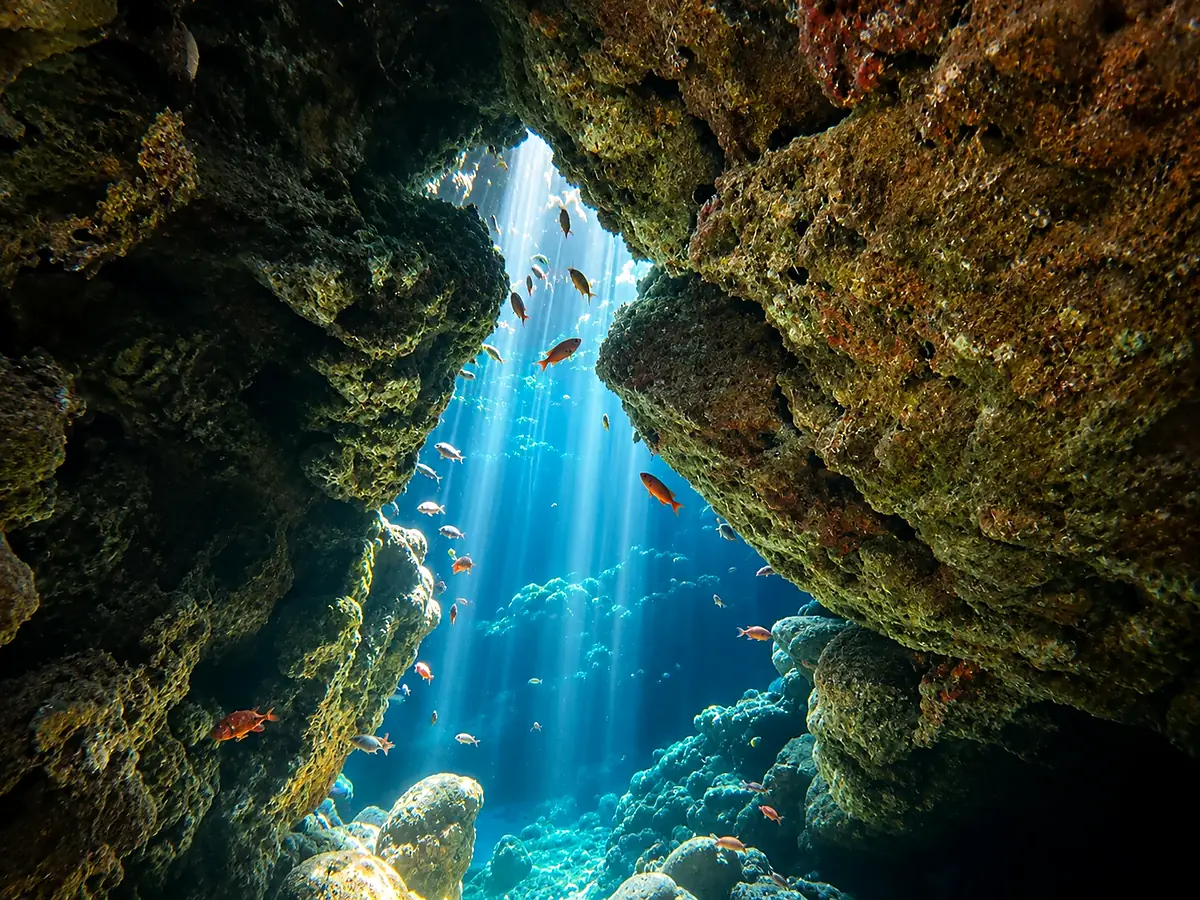
Above all, shallow coral canyons, overhangs and swim-throughs fill with beams of sunlight.
Visit Shaab Claudio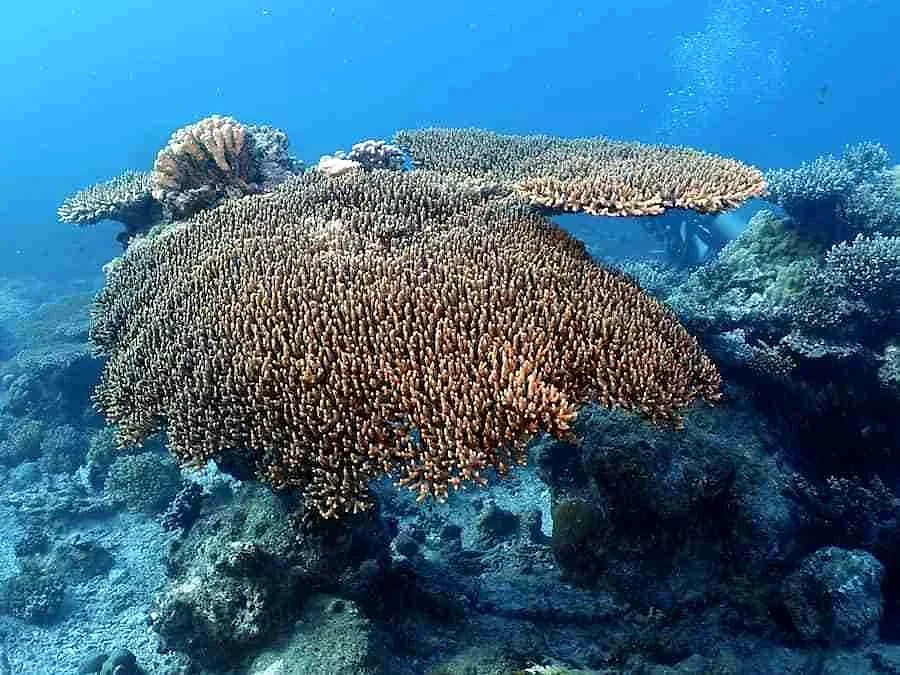
Abu Galawa Kebir · Coral garden and night dives
Then, sheltered bank reefs 13 km offshore offer a long coral garden and safe overnight moorings.
Visit Abu Galawa Kebir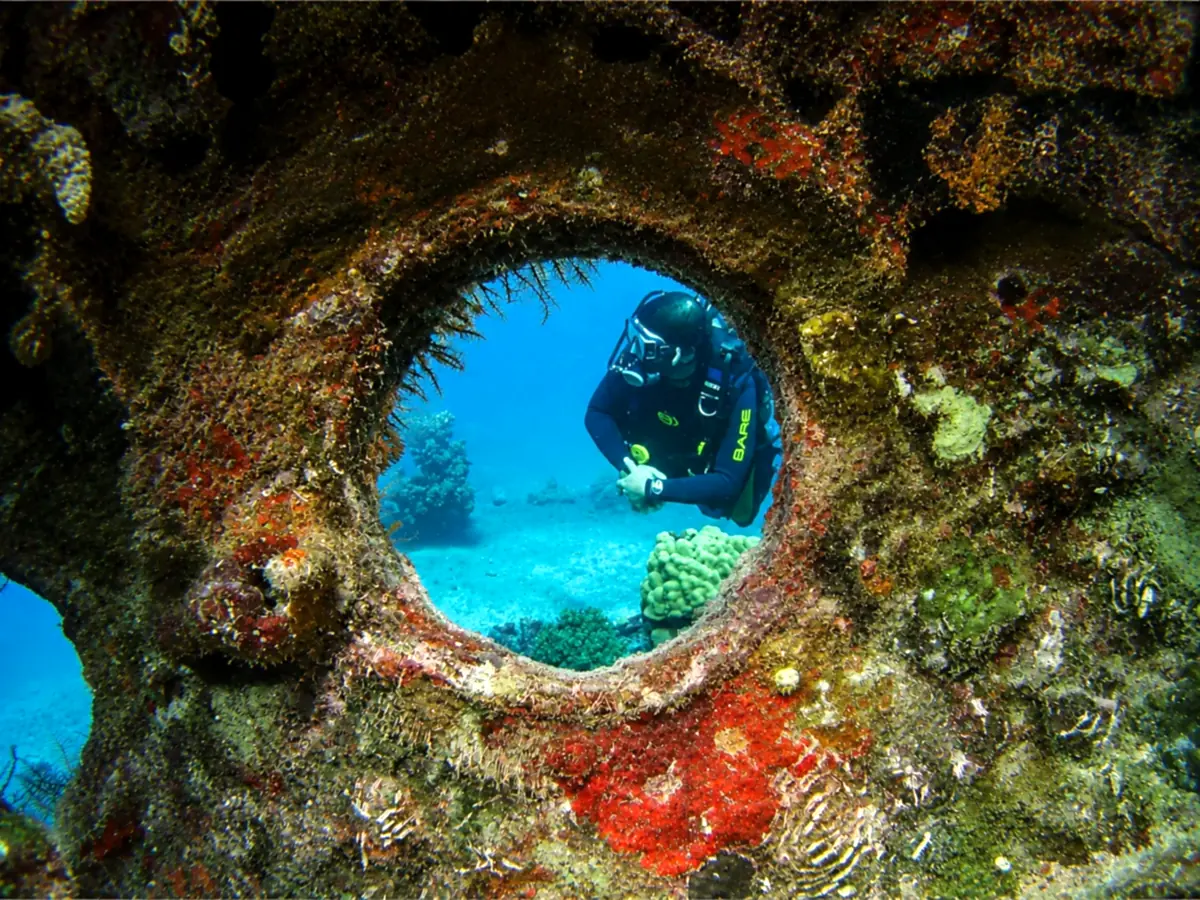
Tien Hsing Wreck · Tugboat from 18 m
Meanwhile, an overgrown tugboat rests against one of the smaller reefs of Abu Galawa Kebir.
Visit Tien Hsing Wreck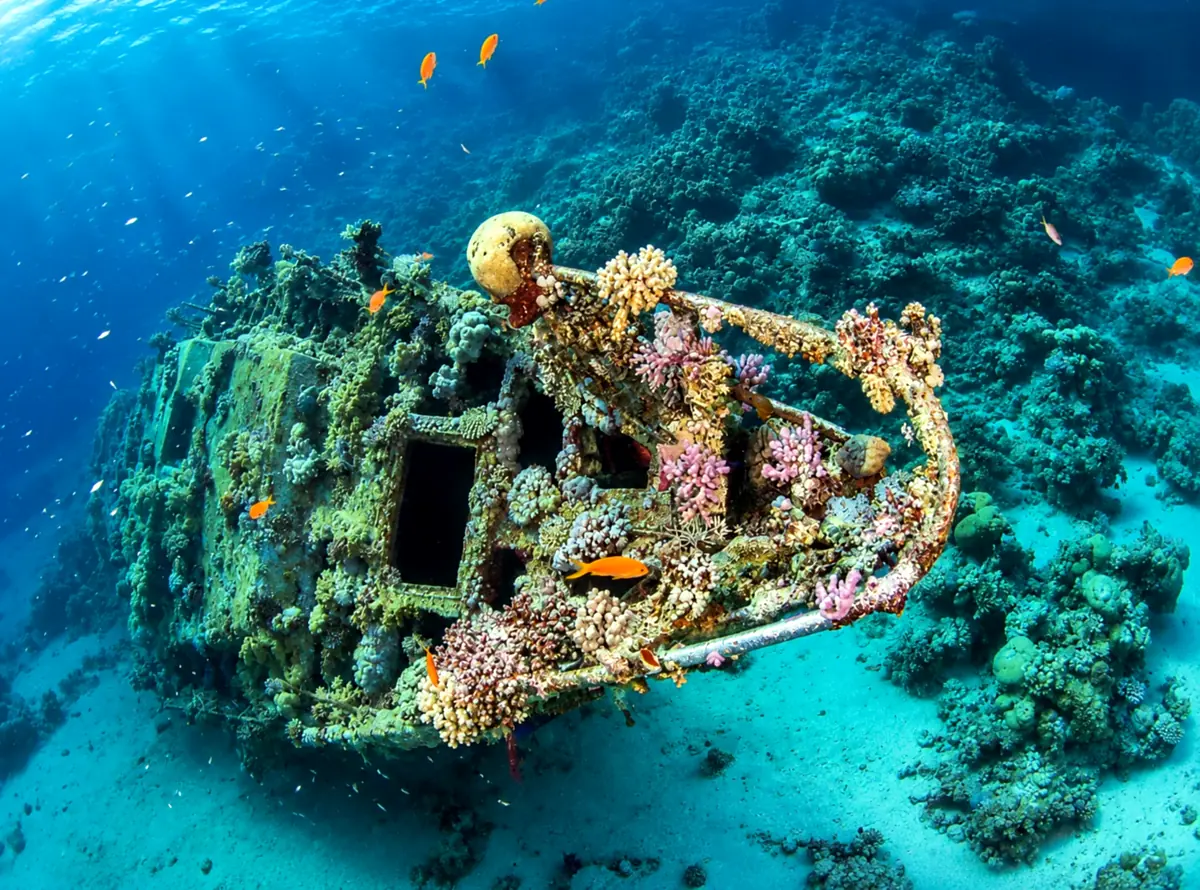
Abu Galawa Soraya · Yacht wreck at 16 m
Next, a small reef hides a 16 m sailing yacht wreck, a hidden coral canyon and a boulder garden.
Visit Abu Galawa Soraya
Farewell Reef · Twin reefs and a 100 m channel
Overall, two bank reefs are split by a channel with a coral garden, red anemones and easy conditions.
Visit Farewell ReefThe Fury Shoals dive sites in short
In short, the Fury Shoals dive sites are a group of offshore reefs off Hamata and Wadi Lahami, in the far south of the Egyptian Red Sea. Generally, most of them are shallow and sheltered, with coral gardens, canyons, ergs and small caves, while Shaab Maksur adds steep walls, currents and sharks for experienced divers. In addition, the area holds two small wrecks at Abu Galawa and the Sataya lagoon, where spinner dolphins rest by day. Because several reefs offer safe moorings, a week can combine all of this, for example on our Daedalus and Fury Shoals route.
What are the Fury Shoals?
Essentially, the Fury Shoals are a field of coral reefs scattered off the coast between Hamata and Wadi Lahami. For example, some sit close to the mainland, such as Farewell Reef about 10 km out, while others, such as Sataya and Shaab Maksur, lie further offshore.
Because the area is far from the big resorts, it stays quiet. As a result, its corals are counted among the best preserved in Egypt.
However, the reefs differ a lot. For instance, some are sheltered enough for night moorings, while others, such as Shaab Malahi, are dived only in calm seas.
Fury Shoals at a glance
Coral gardens
Above all, the shoals are known for healthy coral gardens in clear, shallow water.
Canyons and wrecks
Similarly, sunlit canyons, a coral labyrinth and two small wrecks add variety.
Dolphins
Meanwhile, spinner dolphins rest in the Sataya lagoon, protected by strict rules.
Where are the Fury Shoals dive sites?
Geographically, the reefs lie off Hamata in the far south of Egypt. In other words, they lie south of Marsa Alam. For example, Farewell Reef sits about 10 km off the mainland and Abu Galawa Kebir about 13 km, while the Sataya reef lies further out to the south-east.
Because of their position, the shoals are often combined with Daedalus on the same week. Likewise, many itineraries stop at Elphinstone Reef off Marsa Alam, and the far south continues to the St. John’s dive sites.
What marine life lives in the Fury Shoals?
Overall, the healthy corals make the shoals rich in reef life. However, wild animals are never guaranteed, so treat the list below as possibilities rather than promises.
Dolphins and sharks
Typically, spinner dolphins rest in the Sataya lagoon, while grey reef sharks patrol the walls of Shaab Maksur.
Reef fish
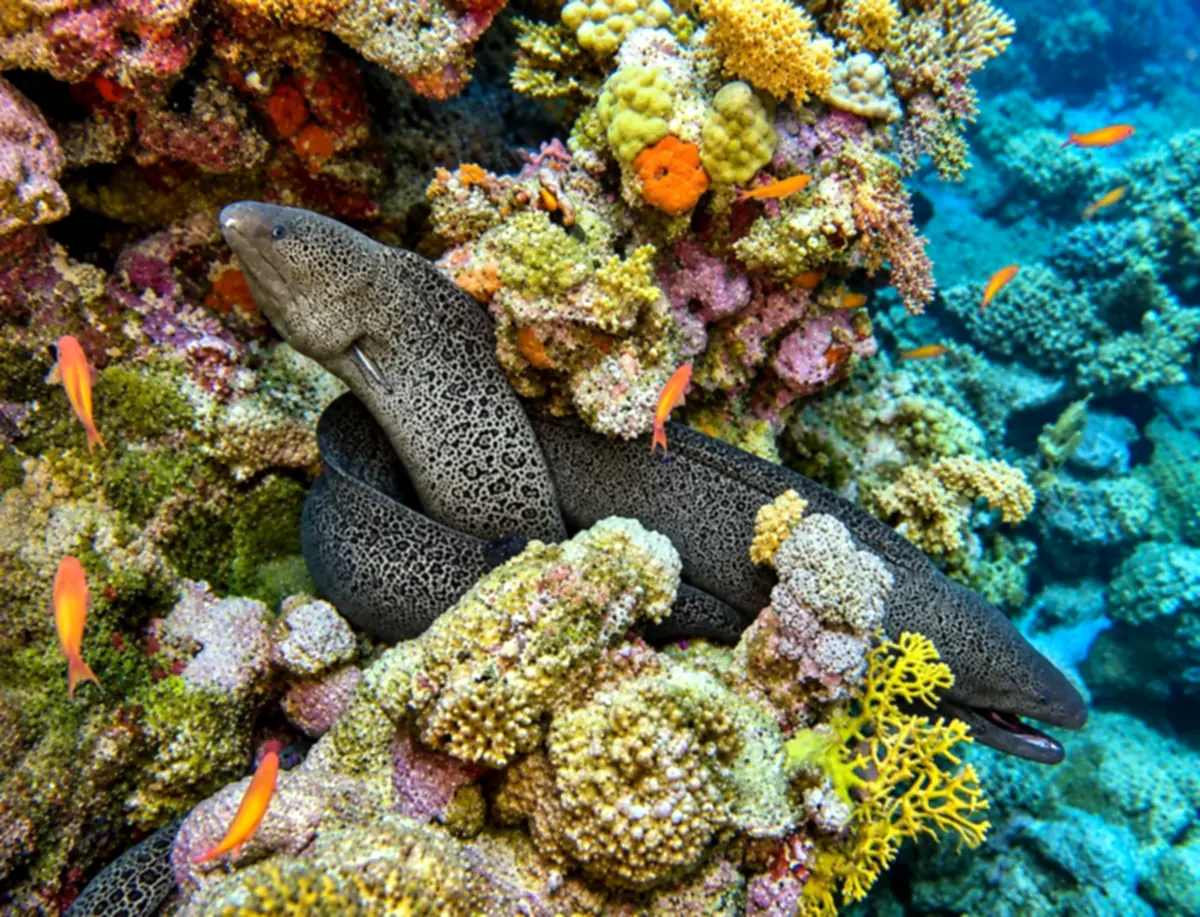
Meanwhile, anthias, butterflyfish, angelfish, groupers, snappers and moray eels fill the coral gardens.
Turtles and rays
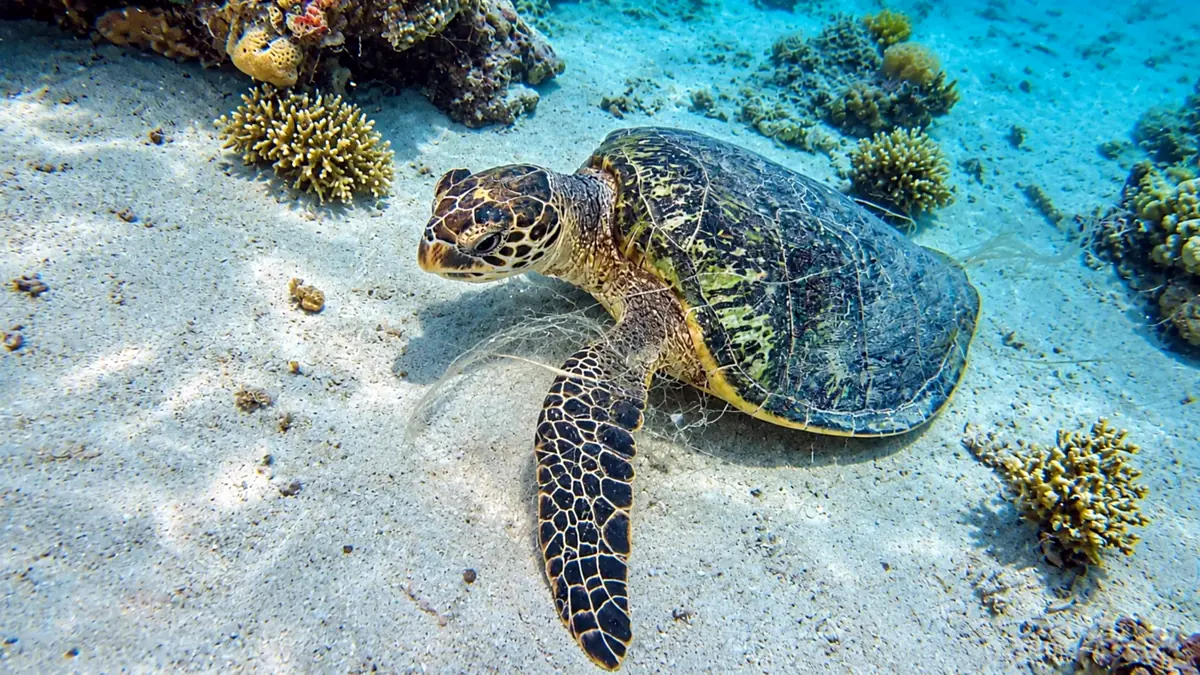
Finally, turtles and stingrays are regular visitors, and anemonefish live in the anemone fields.
Are the Fury Shoals dive sites suitable for beginners?
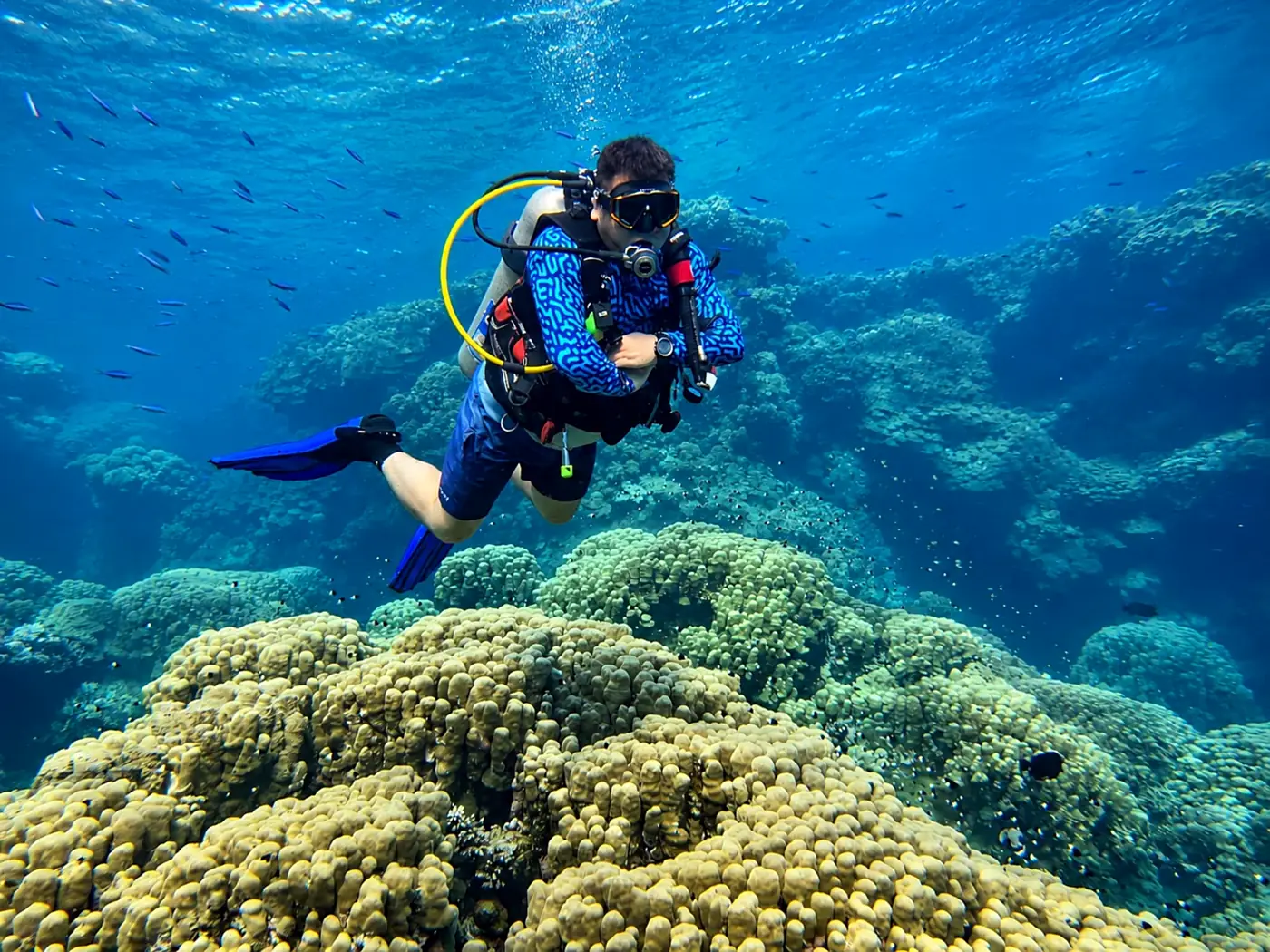
Mostly, yes. In particular, sheltered reefs such as Farewell Reef, Abu Galawa Kebir and Small Gota Sataya suit Open Water divers with a guide, while Shaab Claudio, Shaab Malahi and the Tien Hsing reward good buoyancy and navigation.
However, Shaab Maksur and the outer walls of Sataya are for experienced divers. Therefore, for these sites, Advanced Open Water and recent experience in currents are the sensible minimum.
Before you book a Fury Shoals trip
Firstly, bring your logbook and tell us your level, so the guide can match the sites to your group. Secondly, at the Sataya lagoon, swimmers follow the dolphin rules: no chasing, no touching and no feeding.
Above all, follow our diving safety standards and the rules of HEPCA. Likewise, dive insurance such as DAN Europe is essential this far from the coast.
Marine Park, St. John’s and courses
However, the shoals are only one part of a southern trip. In fact, our Daedalus and Fury Shoals route also visits Daedalus Reef in the Marine Park, while the Deep South St. John’s liveaboard continues to the reefs near the Sudanese border.
In addition, we teach PADI courses, BSAC courses and CMAS courses in Hurghada, so you can build experience before you sail south.
How do you get to the Fury Shoals dive sites?
In practice, we reach the reefs by liveaboard, while day boats from the coast visit the nearer ones. Specifically, with us, choose the Daedalus and Fury Shoals route, or the Deep South route when conditions allow. Usually, boats board on Saturday after 15:00, and check-out is between 09:00 and 10:00 the following Saturday.
Plan your Fury Shoals trip
- Daedalus and Fury Shoals — Daedalus with the southern reefs.
- Deep South St. John’s liveaboard — the far south near the Sudanese border.
- What divers need on board — the packing checklist for a Red Sea safari.
- redsealiveaboard.net — Red Sea safari schedules and availability.
- All eight boats in our fleet can sail these routes: Sea Fox, Simba, Sea Treasure, Star Jet, Bismarck, C Echo II, C U and Ramadan 3.
Other routes from Red Sea Diving
Generally, for a first liveaboard, the North Red Sea liveaboard keeps to the classic wrecks. On the other hand, the North and Dahab route adds Tiran and the Blue Hole. Meanwhile, the Red Sea liveaboard guide compares all eight routes.
Fury Shoals dive sites: frequently asked questions
What are the Fury Shoals dive sites?
In short, they are offshore reefs off Hamata: Shaab Maksur, the Sataya reefs and lagoon, Gota Sataya Kebir, Small Gota Sataya, Shaab Malahi, Shaab Claudio, the Abu Galawa reefs with two wrecks, and Farewell Reef.
What are the best dive sites in the Fury Shoals?
Overall, favorites include the canyons of Shaab Claudio, the walls of Shaab Maksur, the labyrinth of Shaab Malahi and the Tien Hsing wreck at Abu Galawa Kebir.
Is the Fury Shoals area good for beginners?
Yes. Generally, most reefs are shallow and sheltered, so beginners enjoy sites such as Farewell Reef and Abu Galawa Kebir, while Shaab Maksur is best left to experienced divers.
Can you see dolphins in the Fury Shoals?
Often, yes. Indeed, spinner dolphins rest in the Sataya lagoon during the day, and visitors must follow the HEPCA rules: no chasing, no touching and no feeding.
How do you get to the Fury Shoals dive sites?
Usually, by liveaboard on the Daedalus and Fury Shoals route or, when conditions allow, the Deep South route. Moreover, all eight boats in the Red Sea Diving fleet can run these routes.
Fury Shoals · Liveaboard · Reefs, wrecks and dolphins
Dive the Fury Shoals with us
Simply tell us your dates, the number of divers, your certification level and your number of logged dives. Afterward, our team checks which southern departure fits your group before you commit to anything.


