
Packing Guide · What Divers Need on Board
What Divers Need on Board Kit, spares and paperwork for a Red Sea safari
Kit · Spares · First aid · Documents · Travel
The boat gives you tanks and weights. Everything else on the list of what divers need on board comes out of your own bag, and there is no dive shop past the breakwater. A snapped mask strap is a two-minute repair with a spare in your crate and a lost week without one.
What divers need on board, in one paragraph
Packing for a safari is not complicated, but it is unforgiving. Once the lines are off there is nowhere to buy anything, so the rule is: bring what you dive with, and bring a spare for anything small enough to break.
What the boat provides
Cylinders and weights, always. Nitrox on most boats, though confirm it when you book rather than on the first morning.
What divers need on board themselves
Your whole personal kit, mask to computer, plus a weight belt if your BCD has no integrated pockets.
Never leave behind
An SMB and a signalling device. Both are required by Egyptian law and no guide will put you in the water without them.
What the boat supplies, and what divers need on board themselves
Most Red Sea boats run 12-litre aluminium cylinders — 80 cubic feet, which is about 11.3 litres of actual gas. That suits most divers for a normal profile. If you breathe heavily or want a bigger cylinder, reserve one when you book: stock is limited and it is charged separately.
Weights come with the boat. Weight belts often do not, or not in enough numbers for a full trip. If you dive a belt, or your BCD has no pockets, bring your own from home rather than hoping.
The two items the law requires
Every diver in Egyptian waters carries a surface marker buoy and an emergency signalling device. These are not accessories. Both have pulled divers out of open water, and the crew checks for them before the first dive of the week.
A strobe or a bright torch satisfies the signalling requirement underwater. A whistle or an air horn does it on the surface, which is why most experienced divers carry one of each.
Knowing when to send the buoy up is a separate skill, covered on the techniques page.
The kit list divers need on board
Core equipment every diver needs
- Mask and snorkel
- Fins and boots
- Wetsuit, 5 mm for most of the year
- BCD
- Regulator with octopus and gauges
- Dive computer
- Compass
- Torch, and its charger
- Knife or line cutter
- Strobe light — required
- SMB and reel — required
Spares divers need on board, which is where trips are saved
- Spare mask
- Mask strap and fin straps
- Backup dive computer
- Second torch
- O-rings
- Neoprene glue
- Batteries for every device that takes them
None of that weighs anything. It is the difference between missing three dives and fixing something on the dive deck between briefings.
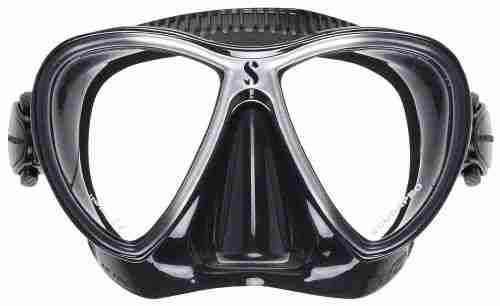
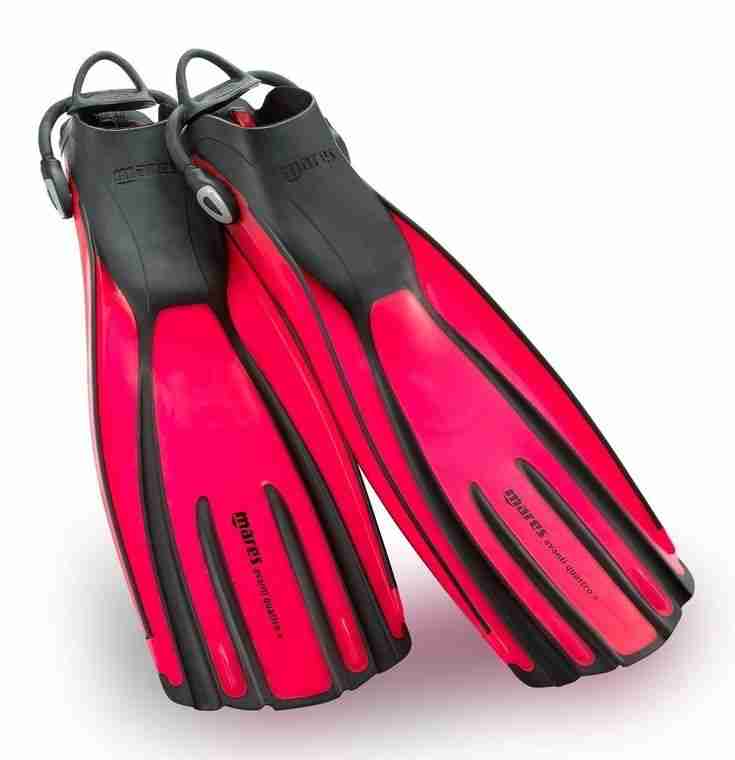
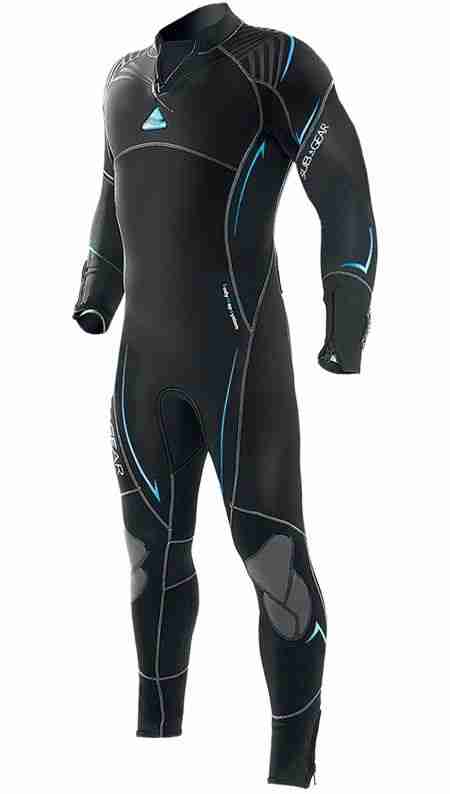
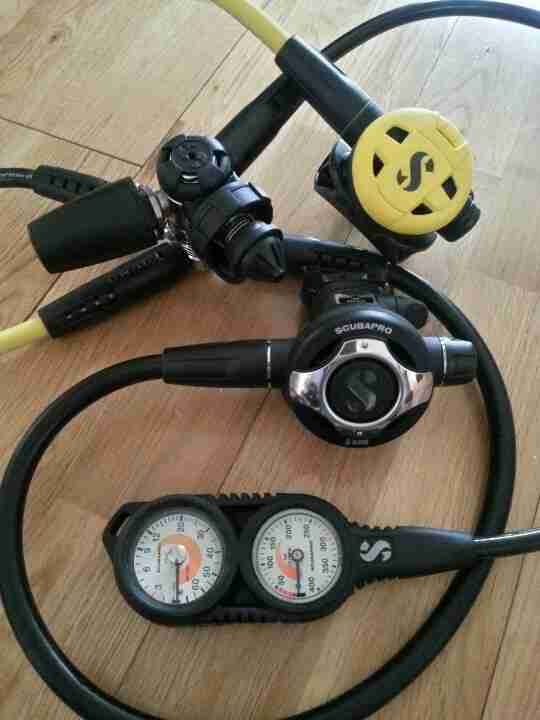
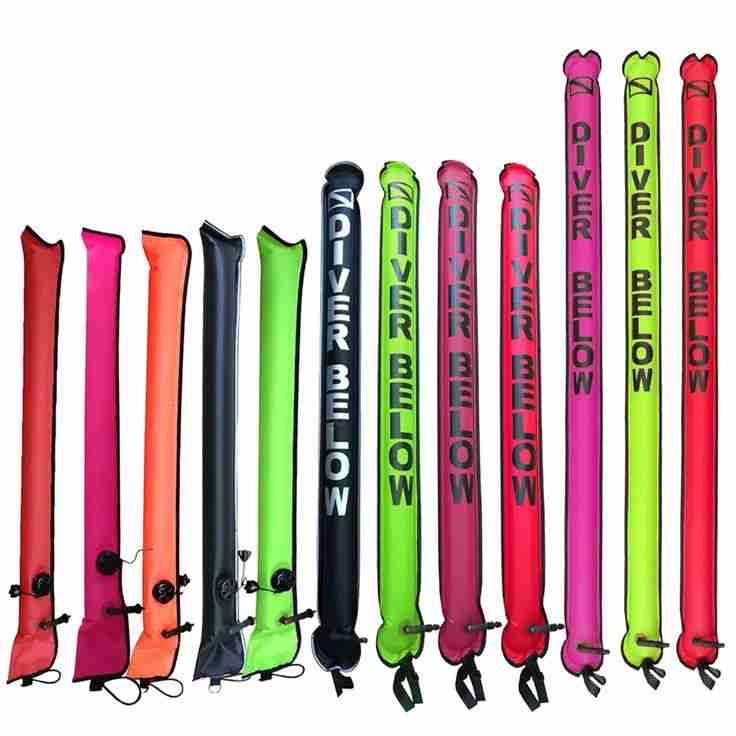
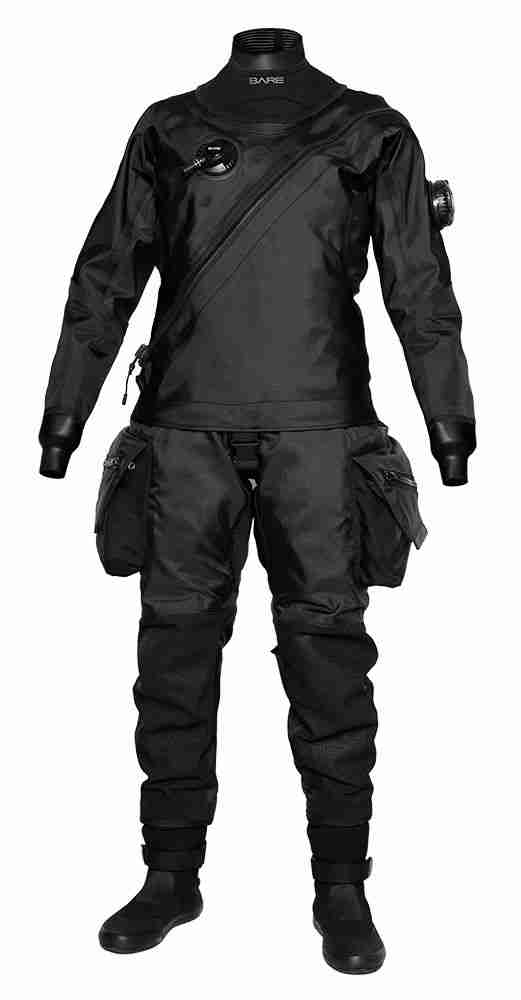
Forgot something, or travelling light? Our dive centre in Hurghada rents and sells the full range — BCD, regulator, wetsuit, fins, mask and computer. Tell us what you need when you book so the sizes are put aside, or ask at check-in on the morning of departure. Fit it on land: once the lines are off, the boat has no shop.
First aid divers need on board
General
- Painkillers, and something specifically for headaches
- Fever medication
- Anti-diarrhoea tablets
- Stomach and indigestion medication
- Ointment for cuts, sprains and sun rash
- Antiseptic wipes, plasters and bandages
- Seasickness tablets, taken before you sail rather than after
Diver-specific
- Seawater nasal spray
- Ear drops
- Cortisone ointment for stings and rashes
- Any prescription you take, in its original packaging
Every boat carries oxygen and a first aid kit. Your own medication is still yours to bring, and on the southern routes the nearest pharmacy is a day’s sailing away.
Documents divers need on board
- Passport valid at least six months from arrival
- Flight tickets and your booking confirmation
- Certification card and logbook
- Diving medical dated within the last twelve months
- Dive insurance details and an emergency contact
Divers under eighteen need written, signed permission from a parent or legal guardian, and their own passport and visa documents. The crew will ask for both at check-in, not at the airport.
Before you fly
Clothing divers need on board
- T-shirts and shorts for the heat of the day
- A light jacket for the evening and the crossings
- A buff or headband against wind and sun
- Hat and sunglasses
- Swimwear and a quick-dry towel
- Toiletries and reef-safe sun cream
- A refillable water bottle
Clothing is the part of what divers need on board that people pack by habit and then regret. Sun, salt and wind are constant on an open deck.
People underestimate the wind far more often than the sun, and a jacket you never wear weighs less than a week of being cold on a night crossing.
Pack soft. Storage under a cabin bunk is measured in centimetres. A duffel or a folding dive bag beats a hard case, and the crew can stow a soft bag out of the way once you have unpacked. A hard case lives in your cabin all week, in the space where you wanted to stand.
Pack the list once. Then keep it as your standard kit for every trip, and the only thing you check before the next one is what you used up.
Travel details to sort before you board
Equipment is only half of it. The rest of what divers need on board is paperwork, cash in the right notes and a plug that fits the socket, and all three are easier to sort at home than at four in the morning in a departure hall.
Visa and passport
Most nationalities need a visa for Egypt. Unless your operator arranges it in advance, you buy one on arrival for roughly twenty-five US dollars. Bring the exact amount in cash — change and airport exchange rates are rarely in your favour. The sticker goes into a blank page and is normally valid a month.
Money
Egyptian pounds are the local currency, and euros and dollars are accepted almost everywhere divers actually go. Carry small notes: few places can give change in a foreign currency.
Electricity
220 volts, European-style sockets. Cabins usually have one socket, so an extension lead with several outlets earns its space. High-draw chargers belong on the dive deck, where the boat provides dedicated sockets for them.
Phone coverage
On the southern routes there is effectively none, and where there is signal, roaming is expensive. Tell people at home before you sail that you will be offline for the week, so nobody worries on day three.
Luggage, airlines and who is responsible
Everything on the list of what divers need on board has to reach Hurghada first, and that part is between you and the airline.
On land transfers, keep your own bags in sight and stay with them while they are loaded and unloaded. They remain your responsibility the whole way.
For flights, your ticket is the contract with the airline, so a claim for lost or damaged baggage goes to the carrier and not to the dive operator. Excess baggage is paid to the airline at check-in, and dive kit is heavy enough that it is worth checking your allowance before you get there.
Useful links
- What is a liveaboard — cabins, the daily schedule and what a week looks like.
- The techniques page — entries, exits, SMB deployment and the rules in Egyptian waters.
- The practical page — the weighting check, reading a current and the pre-dive checklist.
- Our safari routes — north, the offshore marine parks and the deep south.
- Talk to our team about cylinders, nitrox and anything on this list you are unsure of.
- Boats, cabins and departure dates — the wider Egyptian fleet.
- Divers Alert Network (DAN) — insurance, medical forms and emergency contacts.
- HEPCA — reef conservation, and why the sun cream on this list matters.
Frequently asked questions
Are tanks and weights included?
Yes, both are on the boat. Belts are the exception: numbers are limited, so bring your own if your BCD has no integrated pockets.
What size cylinders are used in the Red Sea?
Twelve-litre aluminium tanks, which are 80 cubic feet, about 11.3 litres of gas. Larger sizes are reserved in advance and charged separately.
Is an SMB really compulsory?
Yes. Egyptian law requires a surface marker buoy and a signalling device for every diver, and the crew checks before the first dive.
Do I need a diving medical certificate?
Bring one dated within the last twelve months, and keep it with your certification card, logbook and insurance details.
Can I charge camera batteries in the cabin?
Usually one socket per cabin, so bring an extension lead. High-power chargers go on the dedicated sockets on the dive deck instead.
Will I have a phone signal?
Rarely on southern routes. Coverage is patchy at best and roaming is expensive, so plan to be offline for most of the week.
Can I rent equipment instead of bringing my own?
Yes. Our dive centre in Hurghada rents and sells complete sets, from BCD and regulator to suit, fins, mask and computer. Reserve when you book so the right sizes are held for you, and collect before you sail rather than at sea.
What do divers most often forget to bring on board?
A spare mask strap, followed closely by batteries. Both are tiny, both end dives, and neither can be bought at sea.
What are you waiting for?
Book your adventure
Tell us which experience you want to enjoy and leave the rest to us. If you are not sure which route suits your certification and recent experience, our team will talk it through with you before you commit to anything.
Inquiry