
Dive guide to Sataya North · Fury Shoals, southern Red Sea
Sataya North Dive Site The northern dive area of Shaab Sataya, with an outer wall, reef slopes and big fish
Sataya North is the dive area on the northern, windward side of Shaab Sataya, the 5 km crescent-shaped reef at the south-eastern end of the Fury Shoals. Here the outer reef slopes and drops past 40 m into the open sea, so it is the place on Sataya for walls, coral slopes and passing big fish in the far south of Egypt.
Sataya North in short
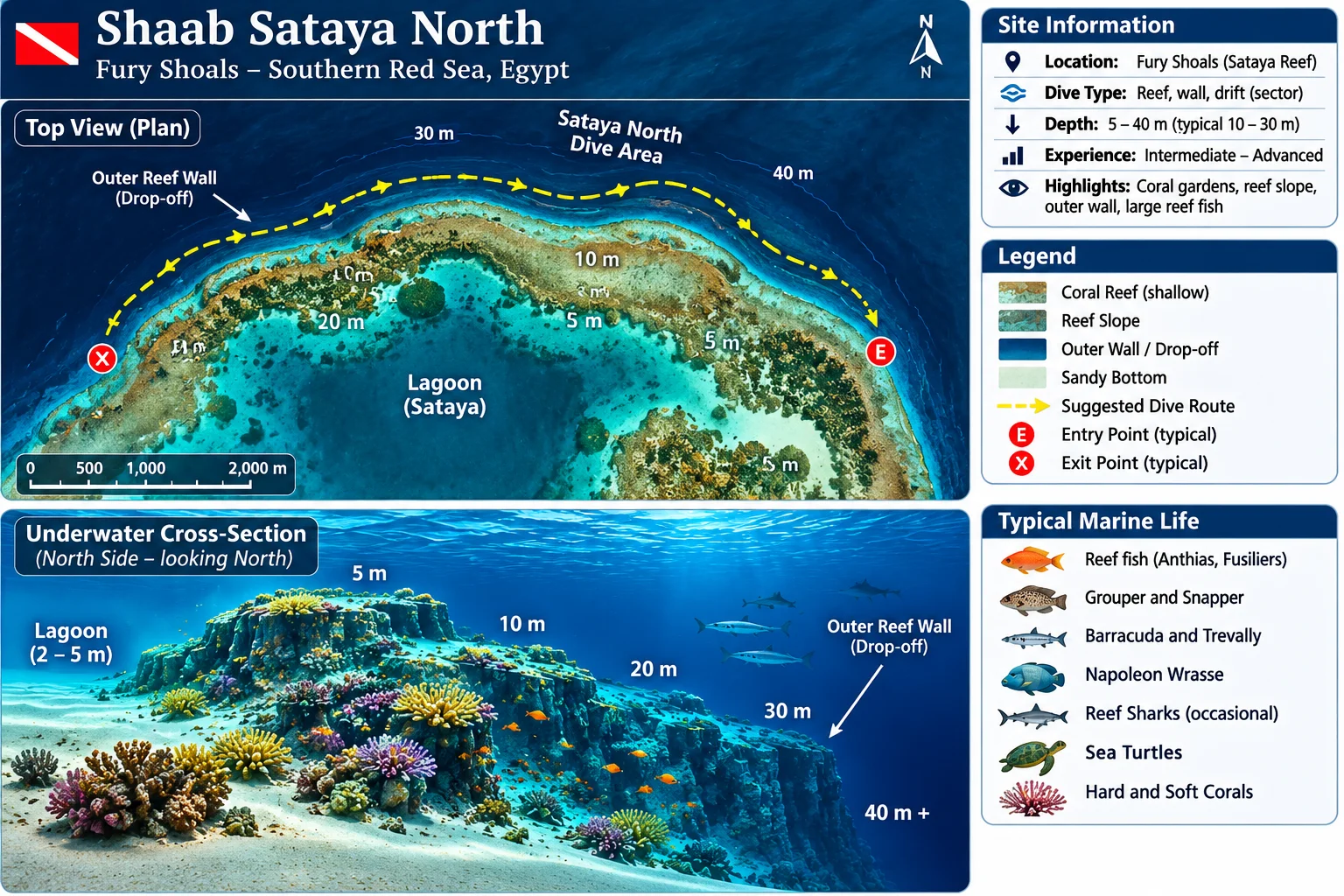
In short, Sataya North is the dive area on the northern side of Shaab Sataya, the large crescent-shaped reef, about 5 km long, at the south-eastern end of the Fury Shoals in the southern Egyptian Red Sea. Its outer reef faces the prevailing wind, with coral slopes that drop past 40 m, and divers come here for the wall, the corals and passing barracuda, trevally and turtles. Indeed, it is part of the larger Sataya reef rather than a separate one; the sheltered lagoon with the dolphins is a different area with its own rules. Finally, it is reached by liveaboard or by a long day trip from Hamata.
What is Sataya North like?
Above all, it is the exposed side of the reef. The north face takes the wind and the swell, so, as a result, the corals here grow on slopes and walls that lead straight into the blue.
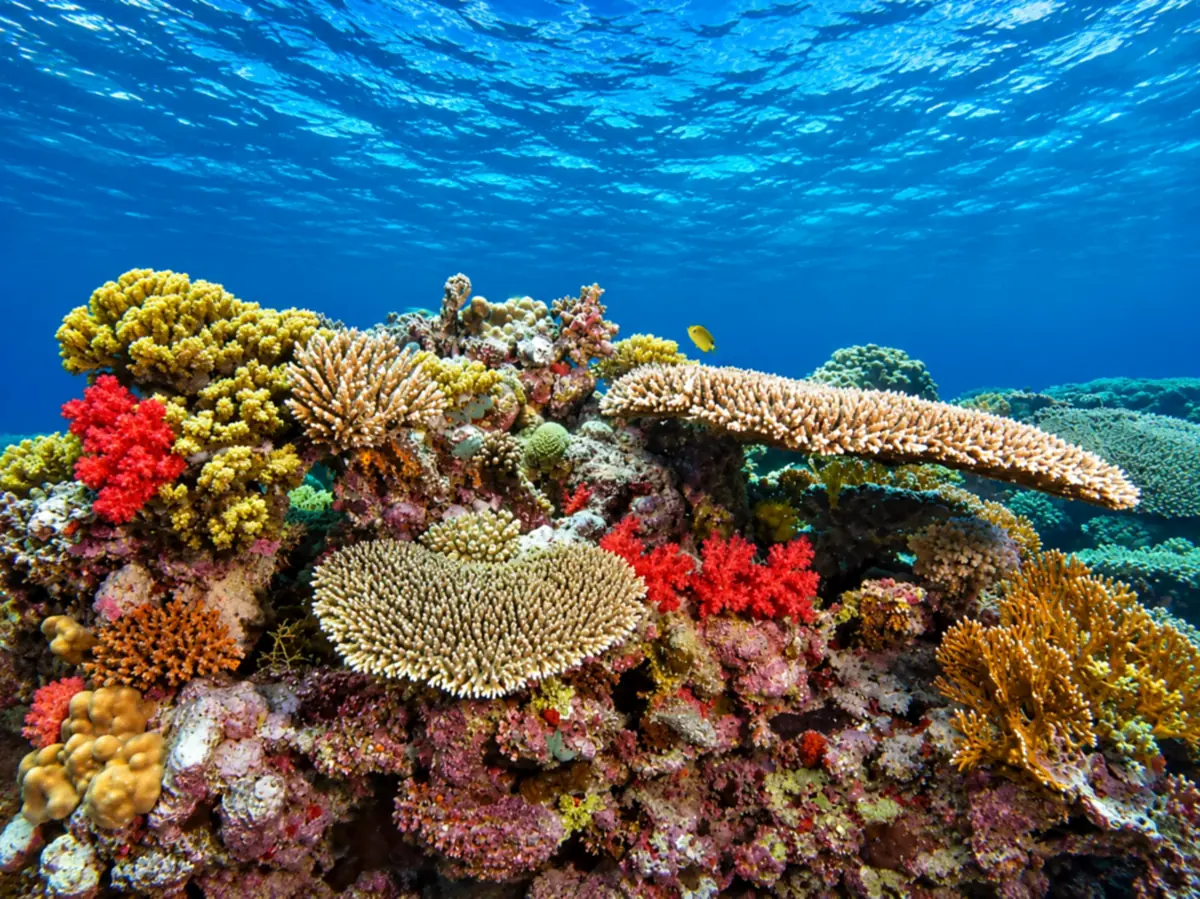
Because of this, the dives are mostly along the outer reef. In particular, the edge can bring barracuda, trevally and turtles, whereas the slopes are covered with hard and soft corals full of anthias and reef fish.
However, detailed surveys of this sector are limited. For this reason, the exact entry points, depths and route depend on the guide, the weather and the current on the day.
Sataya North at a glance
Outer wall
First, the outer wall faces the open sea and is the place to look for bigger fish in the blue.
Reef slope
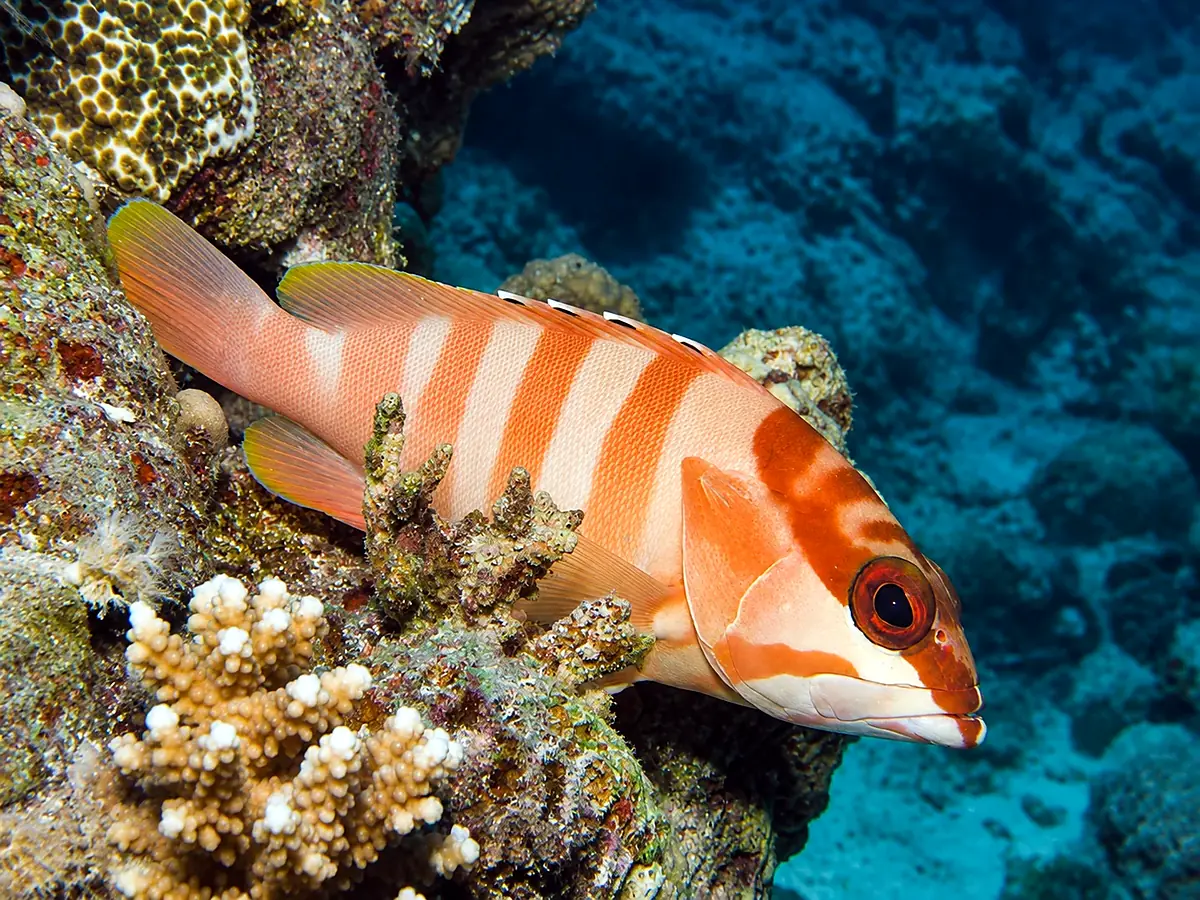
Next, the coral slopes above the wall make a good second dive, with anthias, groupers and turtles.
West edge
Meanwhile, the western edge has a steep wall at about 18–22 m that becomes shallower towards the reef.
How do the Sataya dive sites differ?
Although several dive areas carry the Sataya name, they are not the same dive. Therefore, it helps to know which part of the reef the guide means in the briefing; the dolphin lagoon, Sataya Dolphin House, is a separate, protected area.
Sataya North
This page. Firstly, it is the dive area on the exposed northern side of the main reef, with the outer wall and coral slopes.
The sheltered side. Then, the southern dive area has the safe liveaboard moorings, night dives and a coral garden from 25 m up to 5 m.
Gota Sataya
The neighbour. Finally, Gota Sataya is a separate reef, about 15 minutes by boat further north, with several ergs rising from about 22 m.
Where is Sataya North?
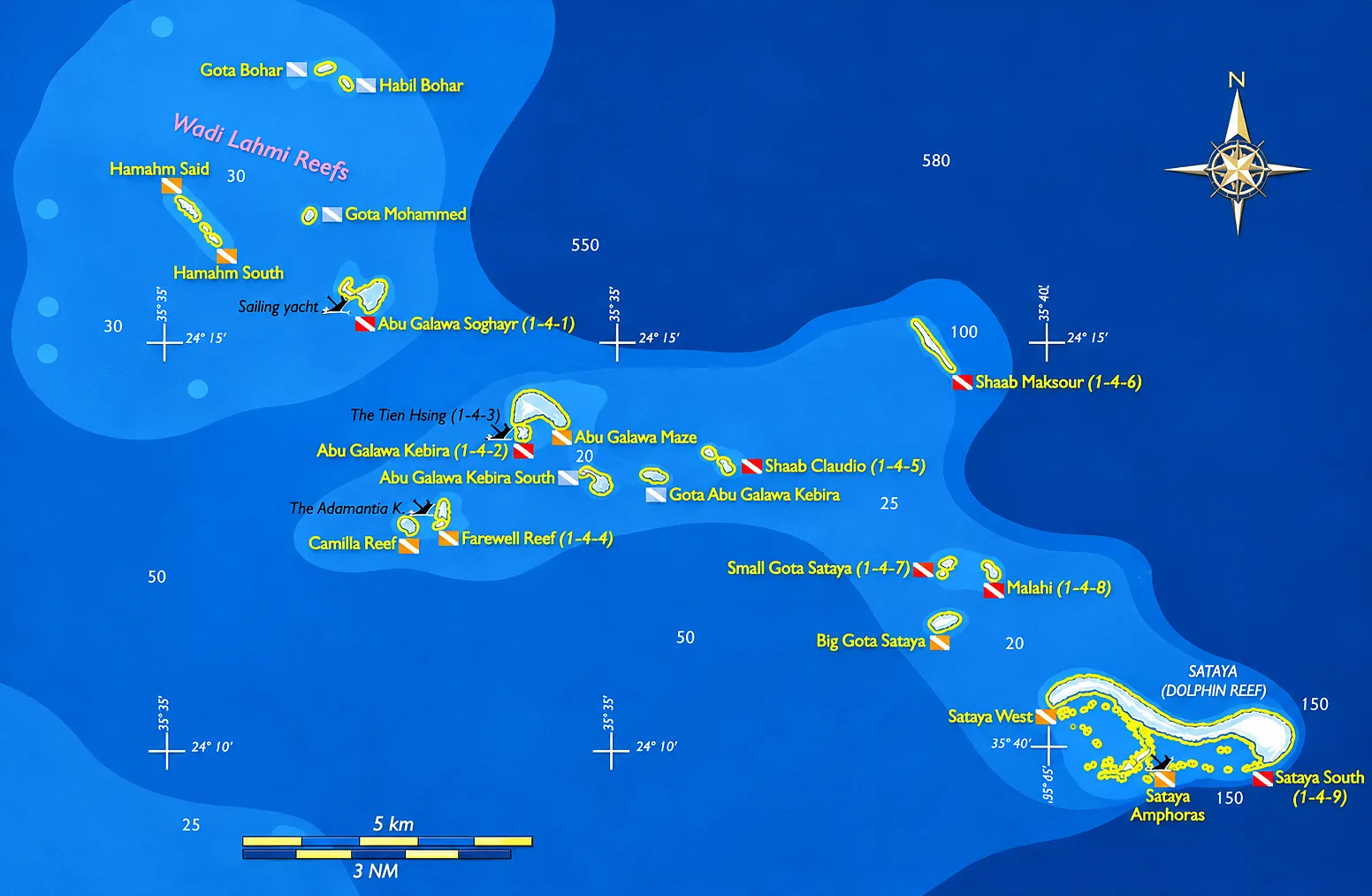
Specifically, Shaab Sataya lies at the south-eastern end of the Fury Shoals, far off the coast of Hamata, about 2–2.5 hours by day boat from the Hamata jetty. In other words, Sataya North is the dive area along the northern, windward side of this reef. Furthermore, several dive guides give a position for its north-west tip of about 24°10′02″N, 35°40′24″E, which is about 24.1672°N, 35.6733°E.
However, this is an approximate reference, not a surveyed entry point, and the exact boundaries of the sector have not been mapped. For example, the buttons below lead to the routes and the other areas of the south.
How do you dive Sataya North?
To begin with, there is no single fixed route here, because the wind decides how close the boat can get to the outer reef. For this reason, the guide chooses one of the plans below in the briefing.
Typical dive plans
Plan A
The wall. Firstly, on calm days a RIB drops you on the outer reef, and you drift with the current along the wall. Meanwhile, watch the blue for barracuda and trevally, keep the reef close and let the RIB pick you up at the end.
Plan B
The west wall. Then, one operator describes a dive that starts at the western edge, follows the steep wall at about 18–22 m and becomes shallower, to about 12 m, as it turns along the reef.
Plan C
The coral slope. Finally, on a second dive the guide may keep you shallower on the coral slope above the wall, where turtles, groupers and anthias are common.
Above all, the outer edge can be rough when the wind is up. Therefore, always follow the briefing, stay close to the reef and watch your depth on the wall.
What marine life lives at Sataya North?
Thanks to the mix of open sea, wall and coral slope, life here is very varied. However, these are observations from the wider Sataya reef, and no sighting is guaranteed.
Corals
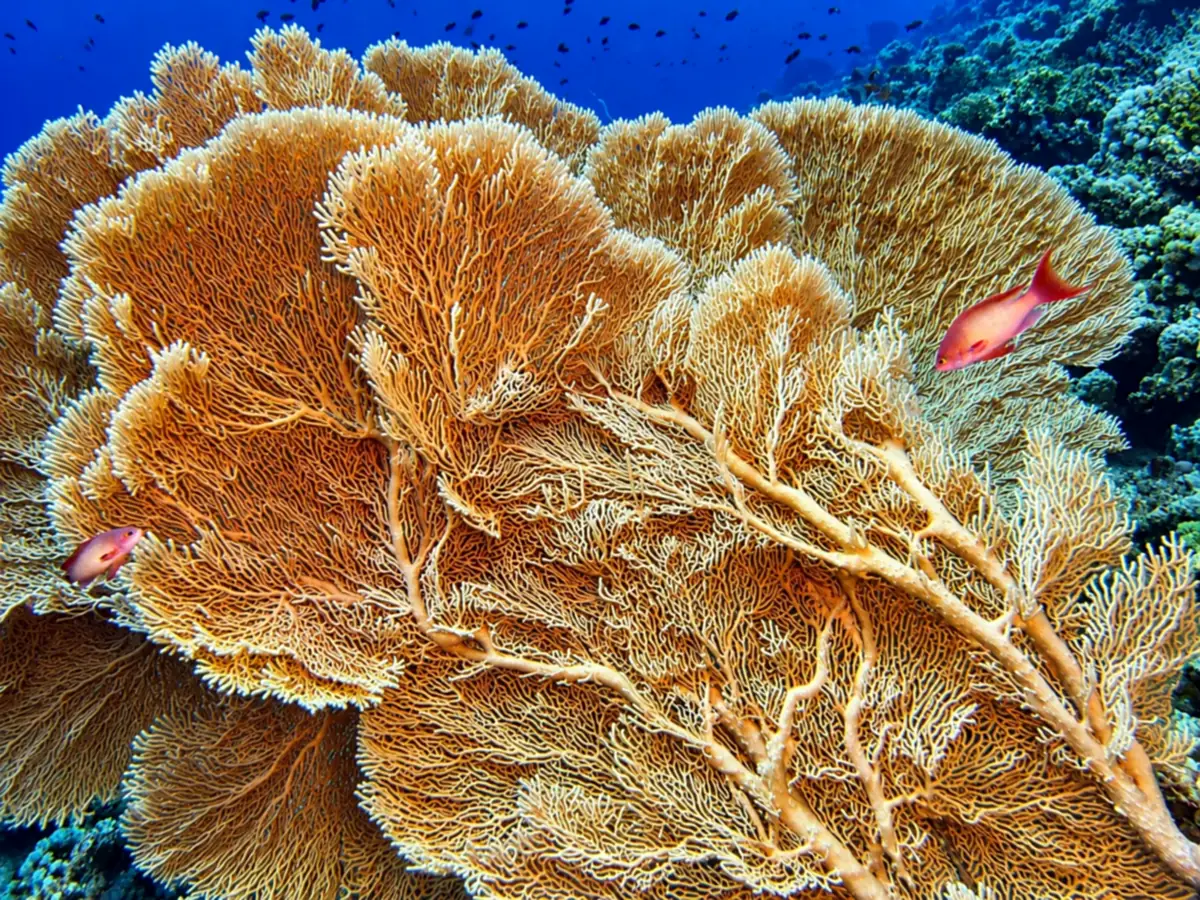
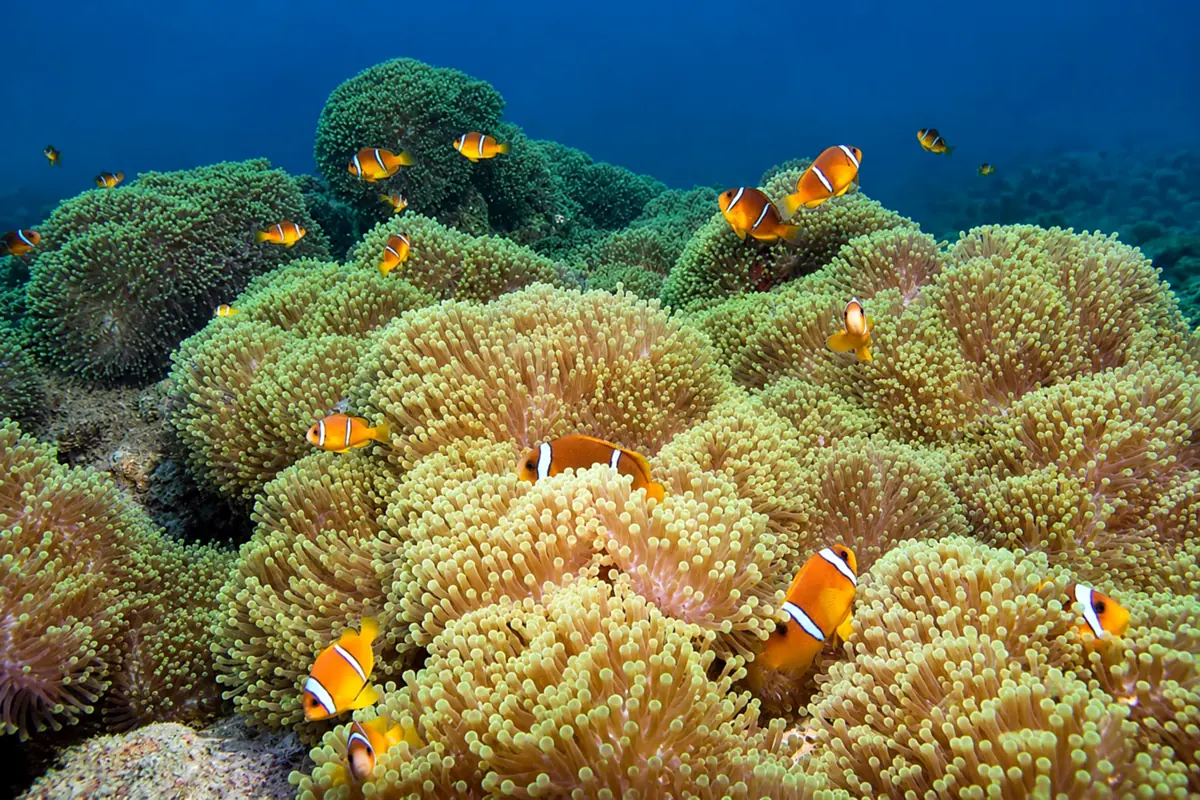
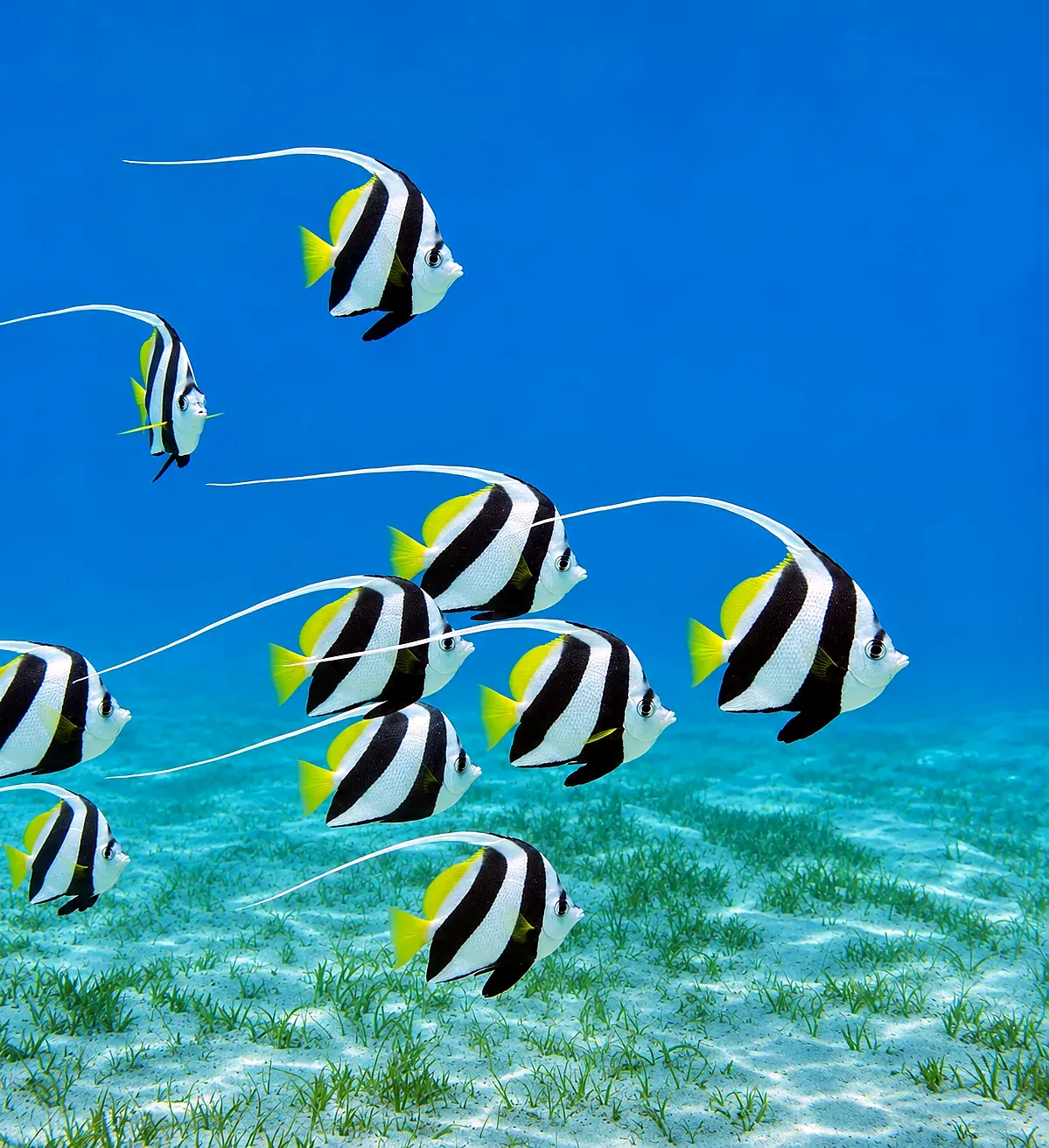
Often, the slopes and the wall are covered with hard and soft corals, with butterflyfish, angelfish and clouds of anthias around them.
Open water
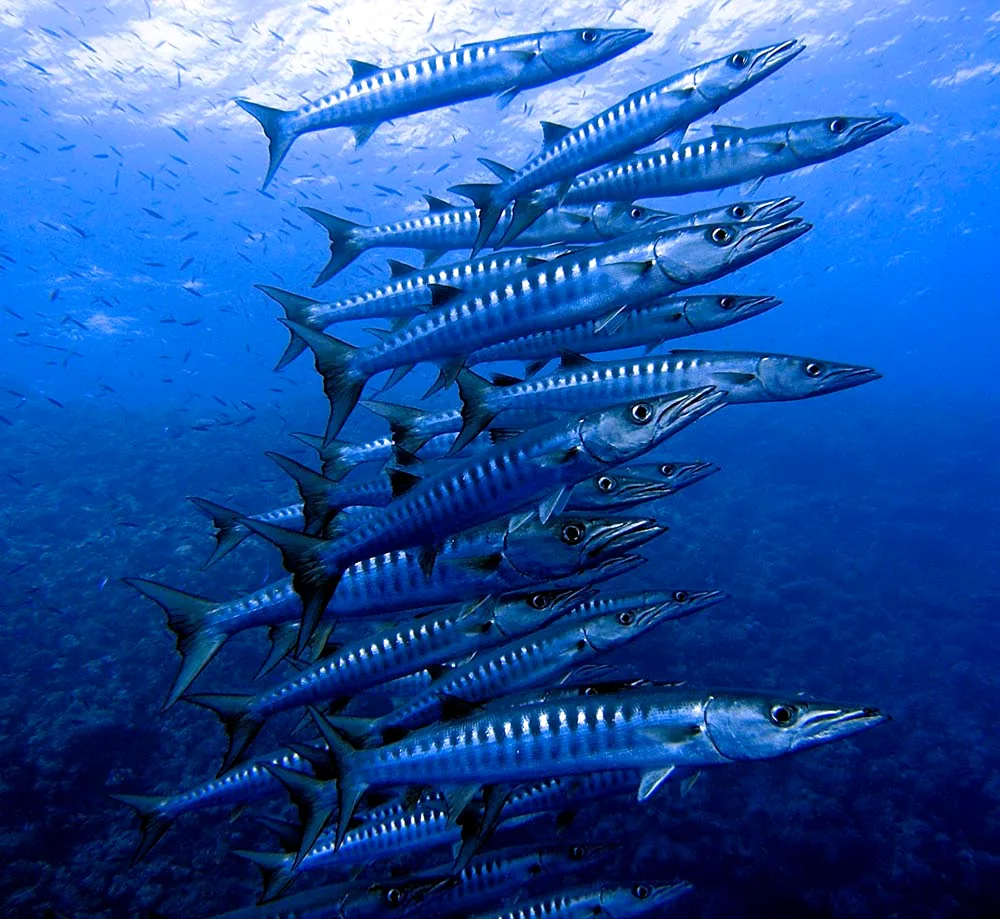
Likewise, barracuda, trevally and fusiliers patrol the outer edge, with the occasional passing pelagic fish and groupers and snappers along the wall.
Reef life
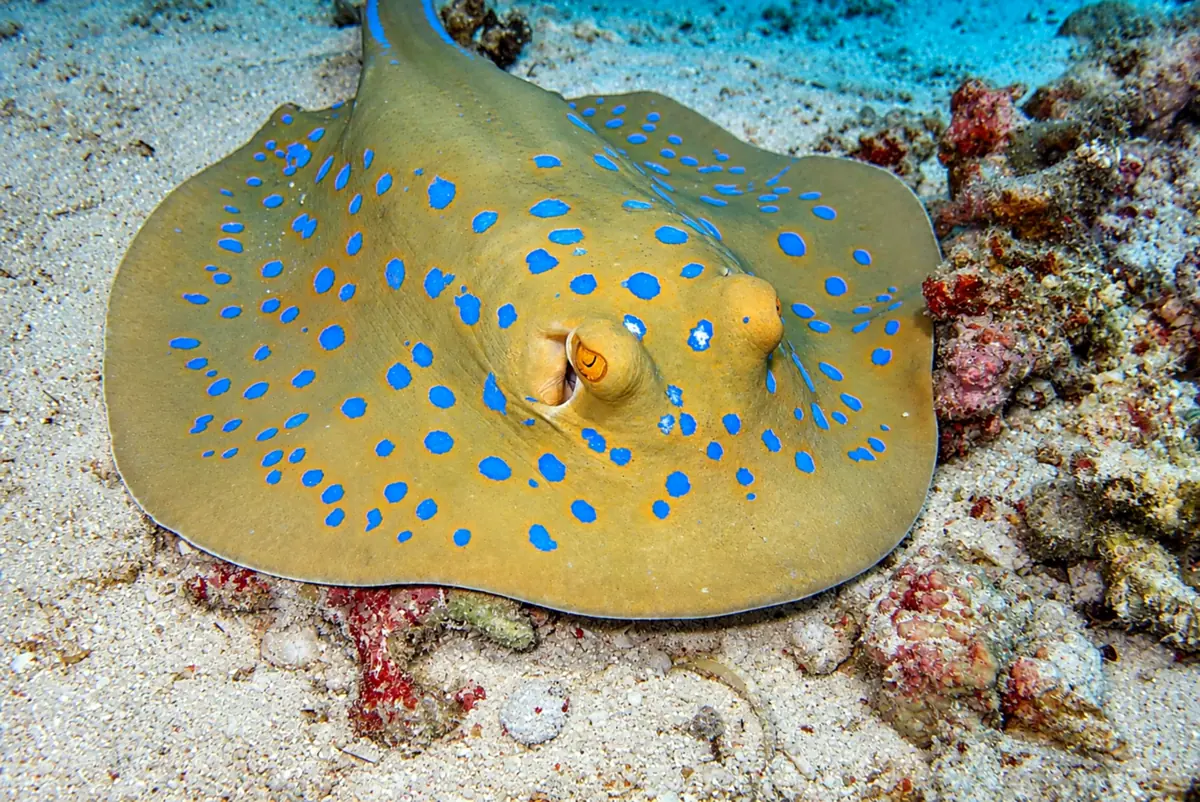
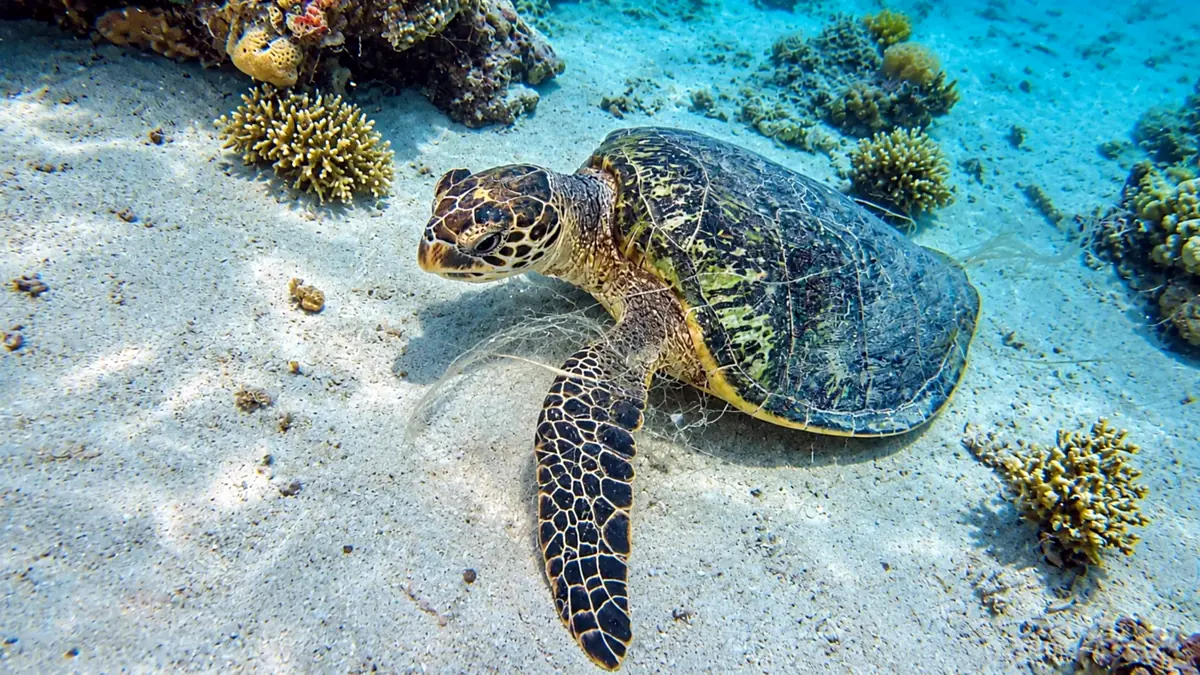
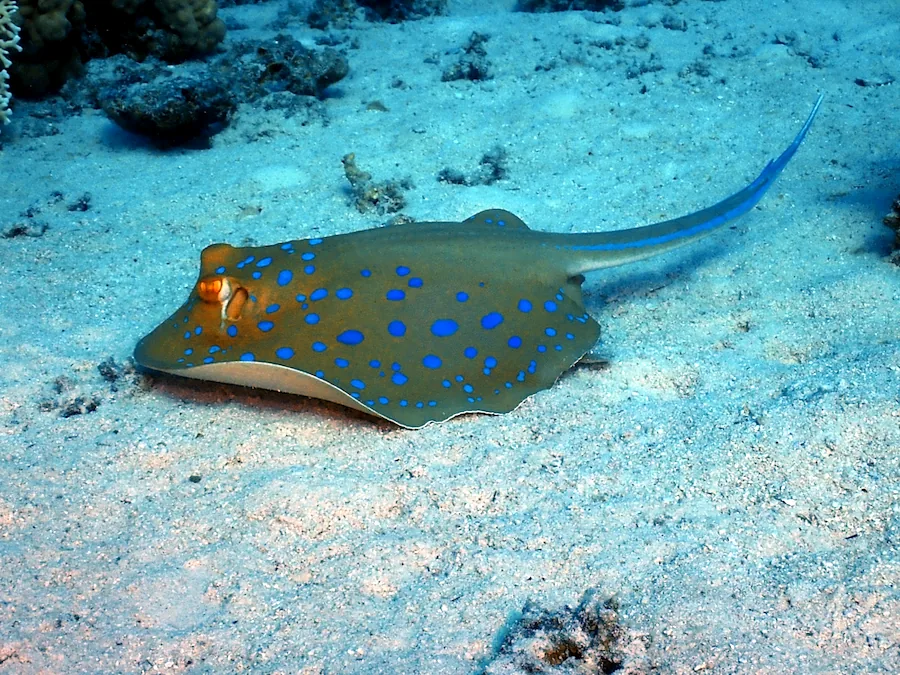
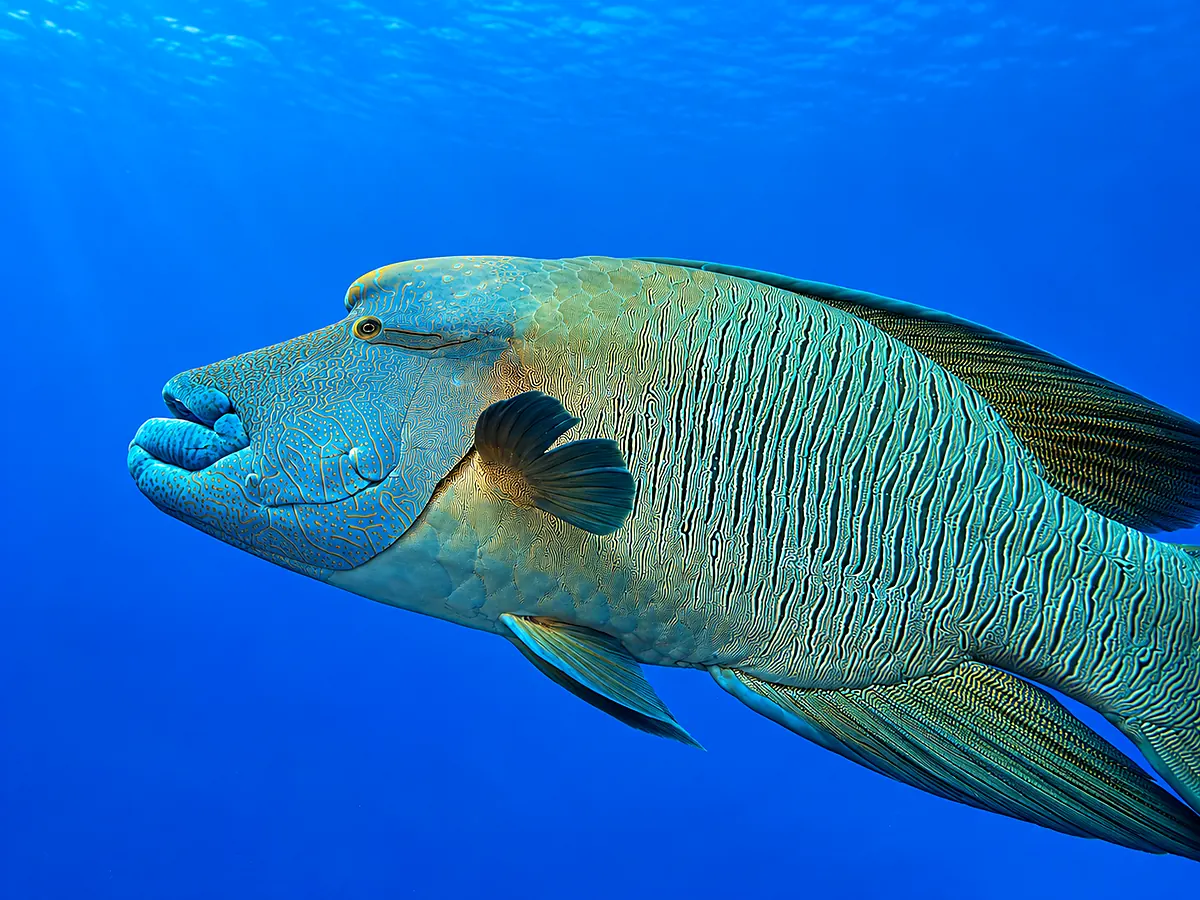
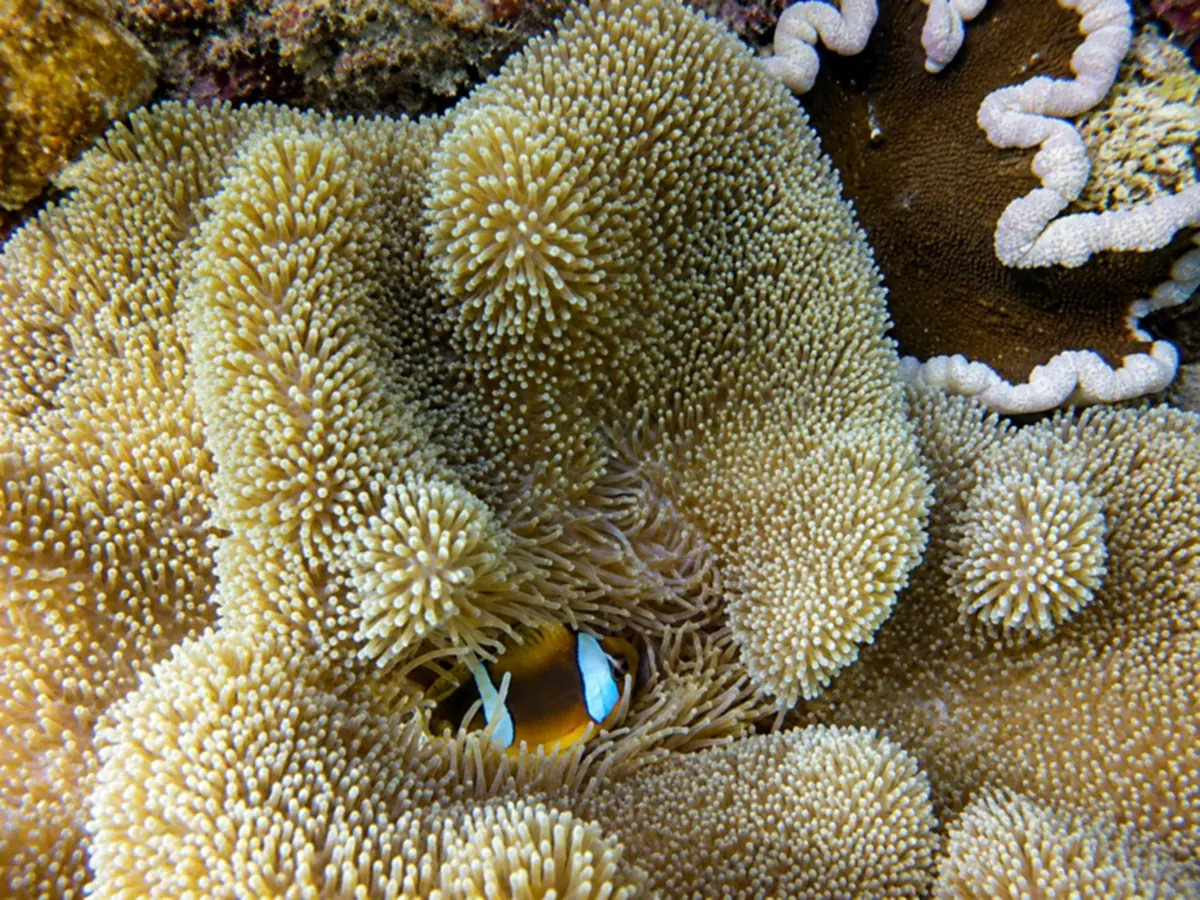
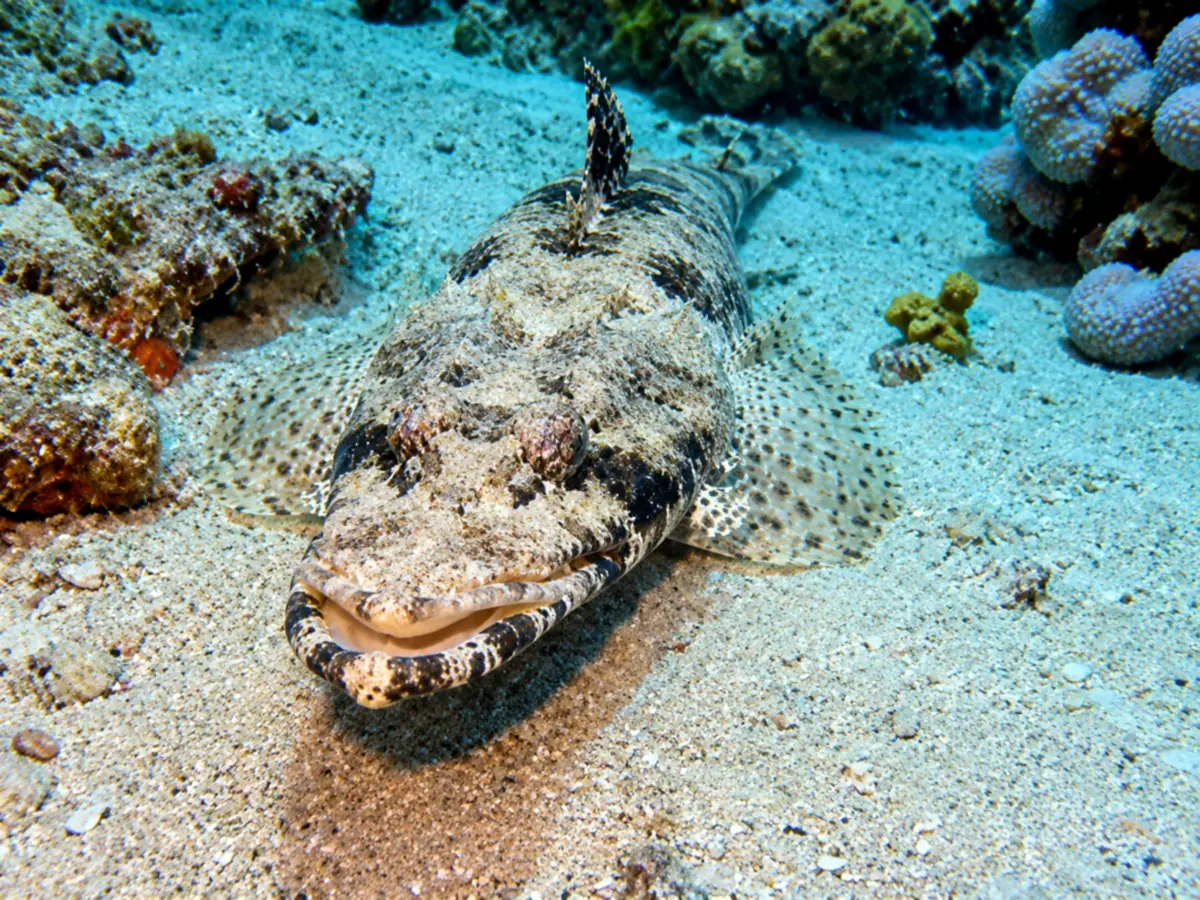
Finally, sea turtles feed on the reef, while Napoleon wrasse, blue-spotted rays, crocodilefish and clownfish live along the slope.
Is Sataya North suitable for beginners?
Not really. In fact, the outer wall is exposed and drops past 40 m, and this is a remote offshore reef. For that reason, we recommend at least Advanced Open Water and some drift-diving experience, while good buoyancy protects the corals on the slope.
In addition, liveaboard skills help here. For example, RIB entries and pick-ups on the outer reef are part of most dives, as explained in our liveaboard dive techniques guide.
Before you dive Sataya North
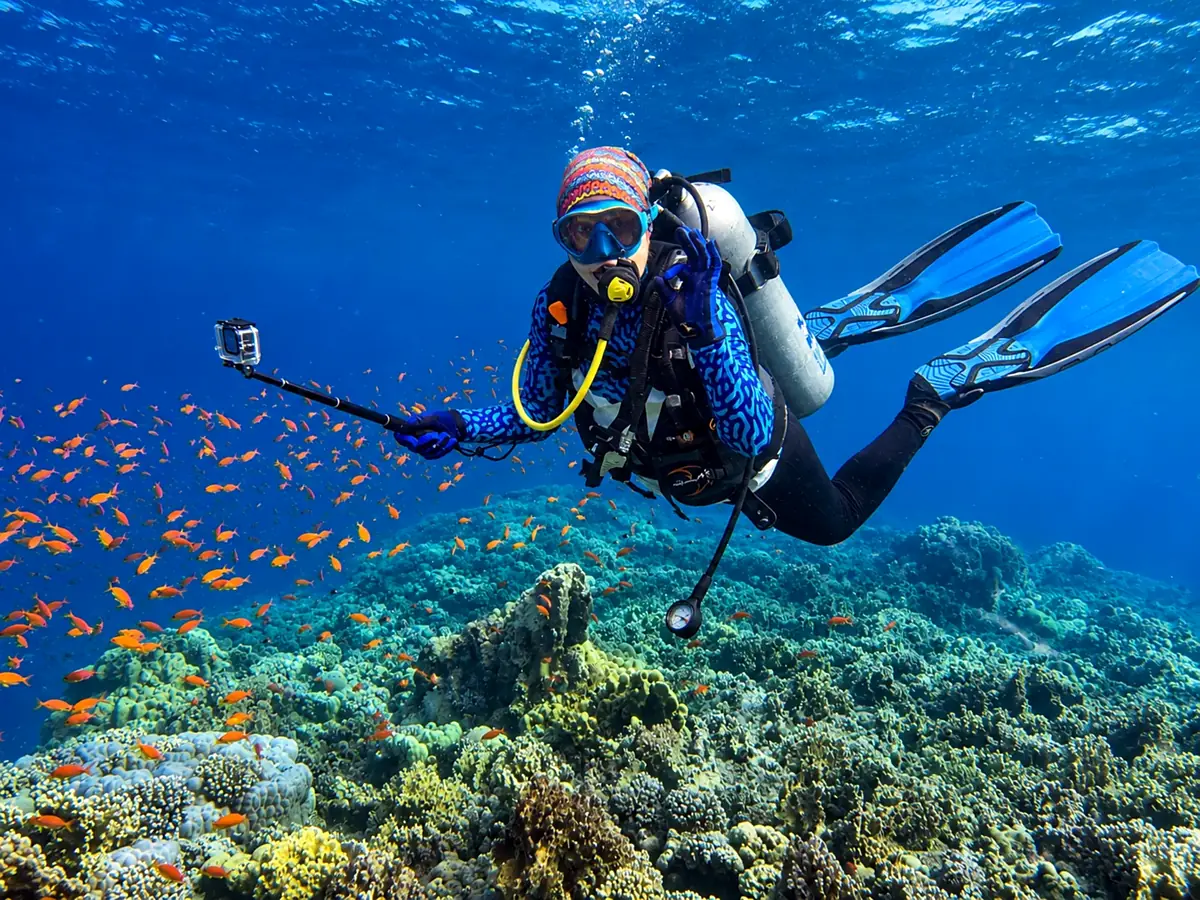
Firstly, check the wind and the current before every dive and stay close to the reef. Secondly, carry a surface marker buoy, and stay clear of the protected dolphin zone inside the lagoon.
Above all, follow our diving safety standards and the rules of HEPCA. Dive insurance such as DAN Europe is essential this far from the coast.
How do you get to Sataya North?
In practice, we reach the reef by liveaboard. With us, it is a stop on our Daedalus and Fury Shoals route, and it can also be part of the Deep South St. John’s route when conditions allow. As usual, guests board on Saturday after 15:00, and check-out is between 09:00 and 10:00 the next Saturday.
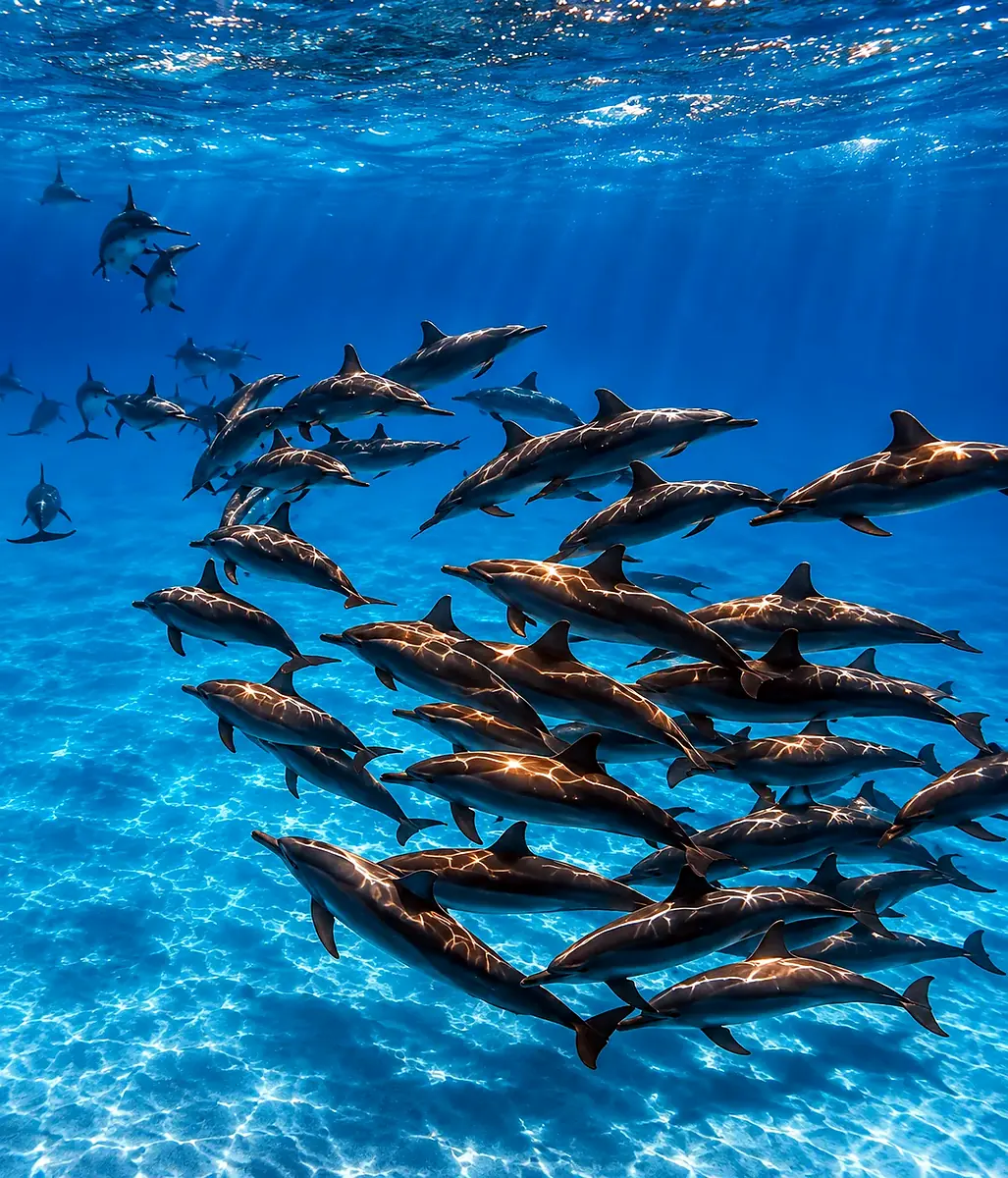
Besides diving, snorkelers can join our Sataya dolphin safari, an eight-day snorkeling trip built around the dolphin reef. Consequently, divers and snorkelers in one group can both enjoy the area.
Plan your Fury Shoals dive trip
- Daedalus and Fury Shoals route — Daedalus, the Fury Shoals reefs and the south.
- Deep South St. John’s liveaboard — the far south near the Sudanese border.
- What divers need on board — the packing checklist for a Red Sea safari.
- redsealiveaboard.net — Red Sea safari schedules and availability.
- All eight boats in our fleet can sail these routes: Sea Fox, Simba, Sea Treasure, Star Jet, Bismarck, C Echo II, C U and Ramadan 3.
Photo gallery from the Fury Shoals
Other routes from Red Sea Diving
Generally, for a first liveaboard, the Hurghada wreck liveaboard keeps to the classic wrecks. On the other hand, the BDE liveaboard runs Brothers, Daedalus and Elphinstone, while the Elba Reef liveaboard reaches the far south. Meanwhile, the Red Sea liveaboard guide compares all eight routes.
Sataya North: frequently asked questions
Where is Sataya North?
In fact, it is the dive area on the northern, windward side of Shaab Sataya at the south-eastern end of the Fury Shoals, with its north-west tip at roughly 24°10′02″N, 35°40′24″E.
How deep is the diving at Sataya North?
Overall, the west edge wall lies at about 18–22 m and the outer reef drops past 40 m, so the guide sets the depth for each dive in the briefing.
What can you see at Sataya North?
Often, coral slopes, barracuda, trevally, groupers and turtles, with the occasional pelagic fish in the blue. However, sightings are never guaranteed.
Is Sataya North suitable for beginners?
Not really. The outer wall is exposed and deep, so we recommend Advanced Open Water and some drift-diving experience.
How do you get to Sataya North?
With us, by liveaboard on the Daedalus and Fury Shoals route or, when conditions allow, the Deep South route. Moreover, all eight boats in the Red Sea Diving fleet can run these routes.
Fury Shoals · Liveaboard · Wall and reef slope
Dive Sataya North with us
Simply tell us your dates, the number of divers, your certification level and your number of logged dives. Afterward, our team checks which southern departure fits your group before you commit to anything.


