

Dive guide to Sataya South · Fury Shoals, southern Red Sea
Sataya South Dive Site Safe moorings, a large coral garden and an outer wall above the deep
Sataya South is the most visited dive site on Shaab Sataya, the largest reef of the Fury Shoals, about 15 km off the Egyptian mainland. Because liveaboards can moor here safely overnight, it offers easy dives from the boat, night dives and early-morning dives, with a coral garden from 25 m up to 5 m and an outer wall that drops past ledges into the deep.
Sataya South in short
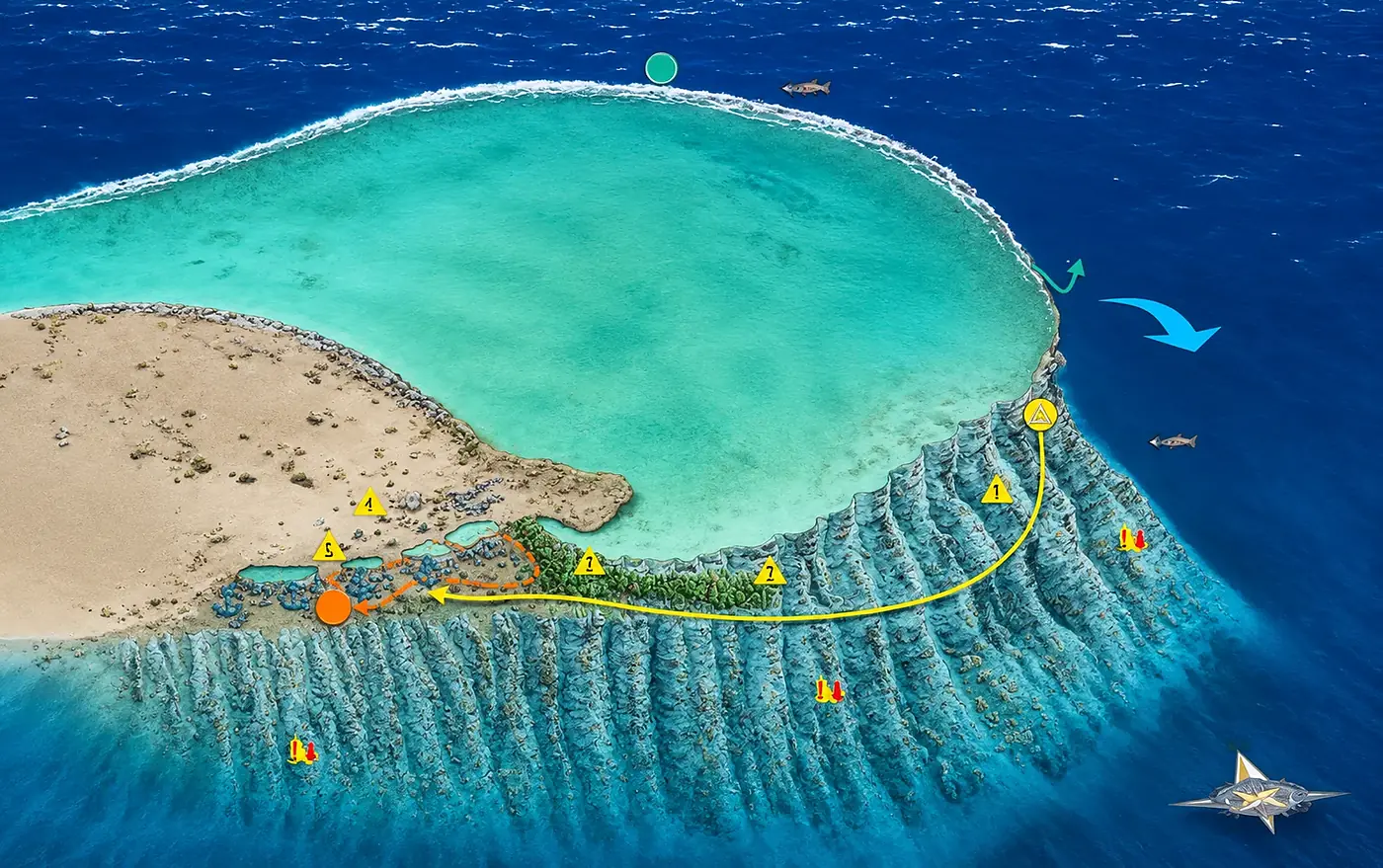
In short, Sataya South is the southern dive area of Shaab Sataya, a reef about 4,700 m across that is the largest in the Fury Shoals and marks the southern edge of the group, about 15 km off the mainland near Hamata. It is the most visited site on the reef because liveaboards can moor here safely overnight, which makes it ideal for night dives and early-morning dives. Specifically, below the moorings, coral rocks rise from a sandy seabed at about 10 m, a large coral garden climbs from 25 m to 5 m, and the exposed outer wall drops past ledges to around 150 m. As a result, the sheltered side suits beginners, while the outer reef is for experienced divers.
What is Sataya South like?
Above all, it is two dives in one. On the sheltered side, for instance, the boats lie over a sandy seabed with coral rocks; on the outside, the reef faces the open sea.
Indeed, because the current on the outer side is often strong, the corals there grow densely and big fish come close to the reef. In contrast, the sheltered side is calm and shallow, so it is where most first dives and night dives take place.
However, the sandy seabed looks the same in every direction and visibility there is sometimes limited. For this reason, staying close to the coral rocks makes navigation easier, and it is also where there is most to see.
Sataya South at a glance
Moorings
First, the boats moor on coral rocks above a sandy seabed, so you can dive straight from the deck.
Coral garden
Next, a large coral garden flanks the way into the lagoon and climbs along the reef wall.
Outer wall
Meanwhile, the exposed outer wall drops past several ledges and attracts big fish in the current.
How does Sataya South differ from Sataya North?
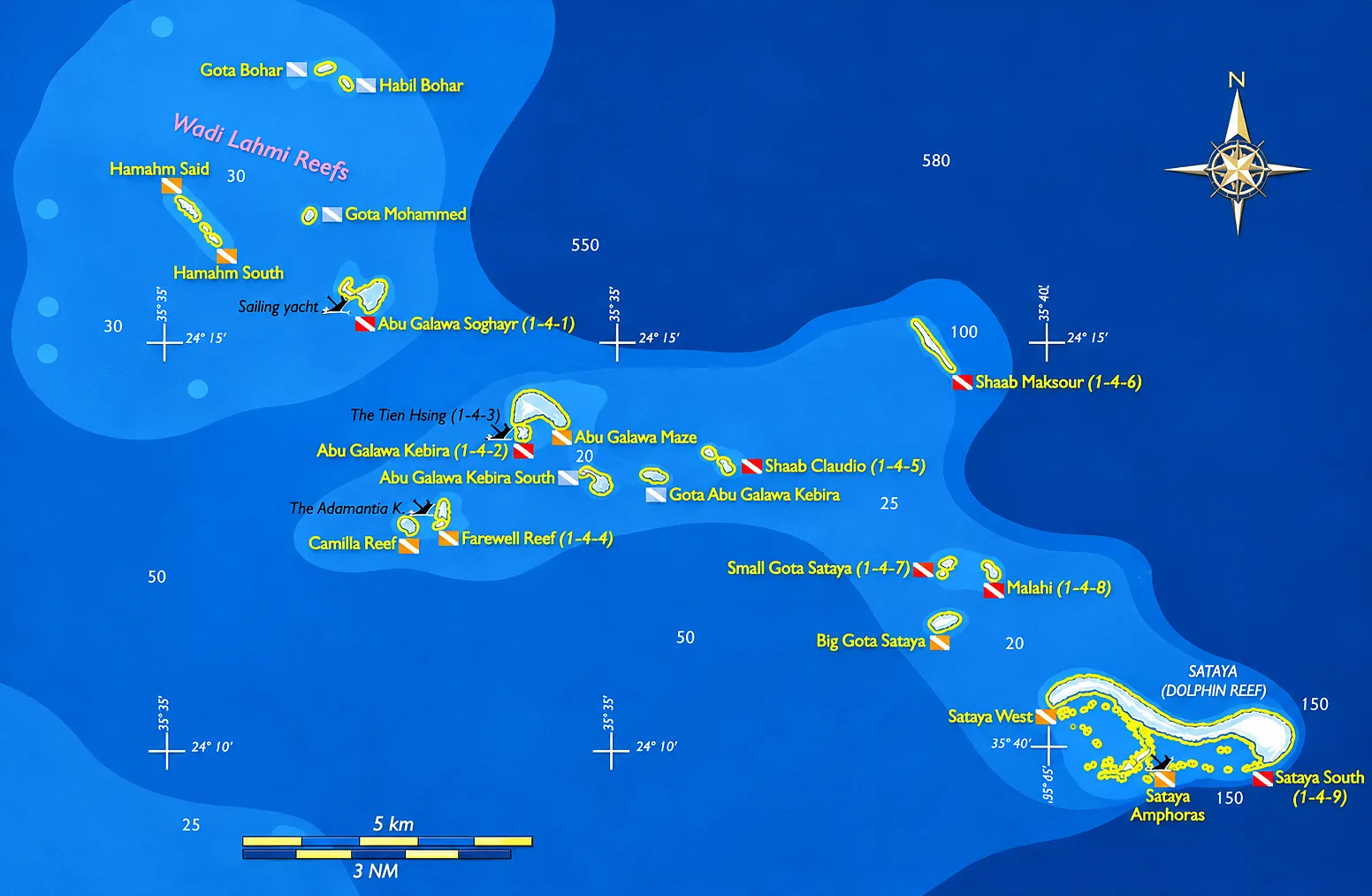
Although both dive areas belong to the same reef, they suit different dives. Besides these two, the reef also has other named sites, such as Sataya West and the Sataya Amphoras.
Sataya South
This page. Firstly, it has the safe overnight moorings, the coral garden and the easiest dives on the reef.
The exposed side. Then, the northern dive area faces the wind, with an outer wall and coral slopes for experienced divers.
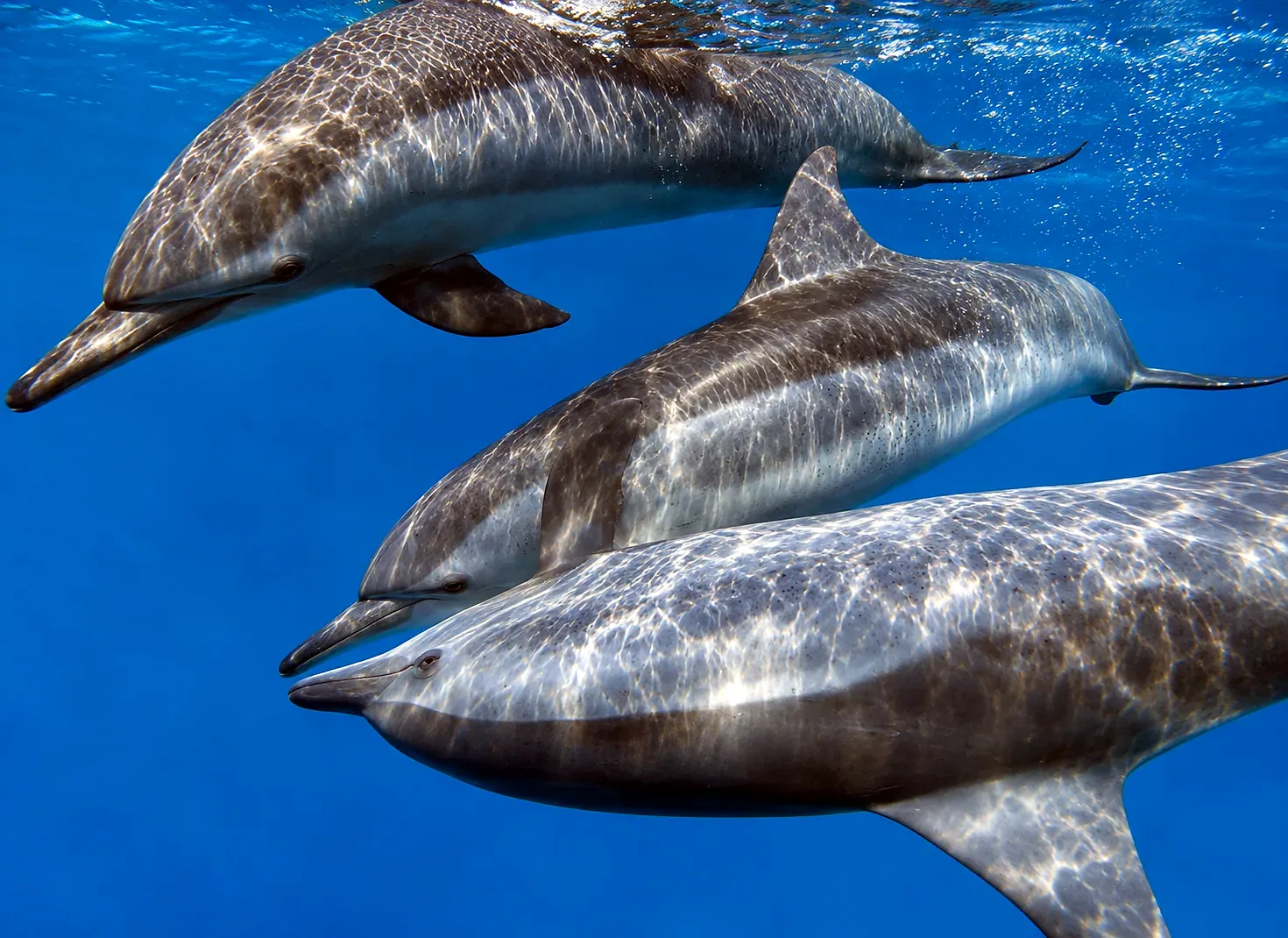
Separate area. Finally, the inner lagoon is a protected resting area for spinner dolphins with its own rules.
Where is Sataya South?
Specifically, Shaab Sataya forms the southern edge of the Fury Shoals, about 15 km off the mainland near Hamata, and Sataya South lies on its southern, sheltered side. Furthermore, our dive guide gives a reference position for the south-east of the reef of about 24°09′25″N, 35°42′45″E, which is about 24.1569°N, 35.7125°E.
However, this is a published reference point for the reef, not a verified entry point or the exact position of the moorings. For example, the buttons below lead to the other reefs of the area and the routes.
How do you dive Sataya South?
To begin with, the conditions depend very much on the route. While dives on the outer reef call for more skill because of waves, current and depth, the calm, shallow side can be explored safely by newer divers.
Three classic dive routes
Route A
The morning dive. Firstly, a RIB takes you to the eastern side, where you descend to about 35 m and watch the blue for big fish. After that, you dive back towards the moorings along the wall, keeping it on your right shoulder, and ascend through the coral garden from 25 m. Finally, you spend some time at 10–15 m among the corals near the lagoon edge before your safety stop.
Route B
The night dive. Next, you descend straight from the liveaboard to the sandy seabed at about 10 m. Then always stay close to the coral rocks and explore the area below the boat, which is also the easiest way back.
Route C
The drift. Meanwhile, a RIB drops you at the entry point and you descend to about 40 m, diving with the current and the reef on your right shoulder. Afterwards, you ascend slowly, end the dive and return to the boat by RIB.
Above all, the outer reef is only for experienced divers. Therefore, stay close to the reef, watch your depth on the wall and follow the briefing on which way the current runs.
What marine life lives at Sataya South?
Thanks to the coral garden, the coral rocks and the outer wall, life here is very varied. However, no sighting is guaranteed, especially of the bigger fish on the outer reef.
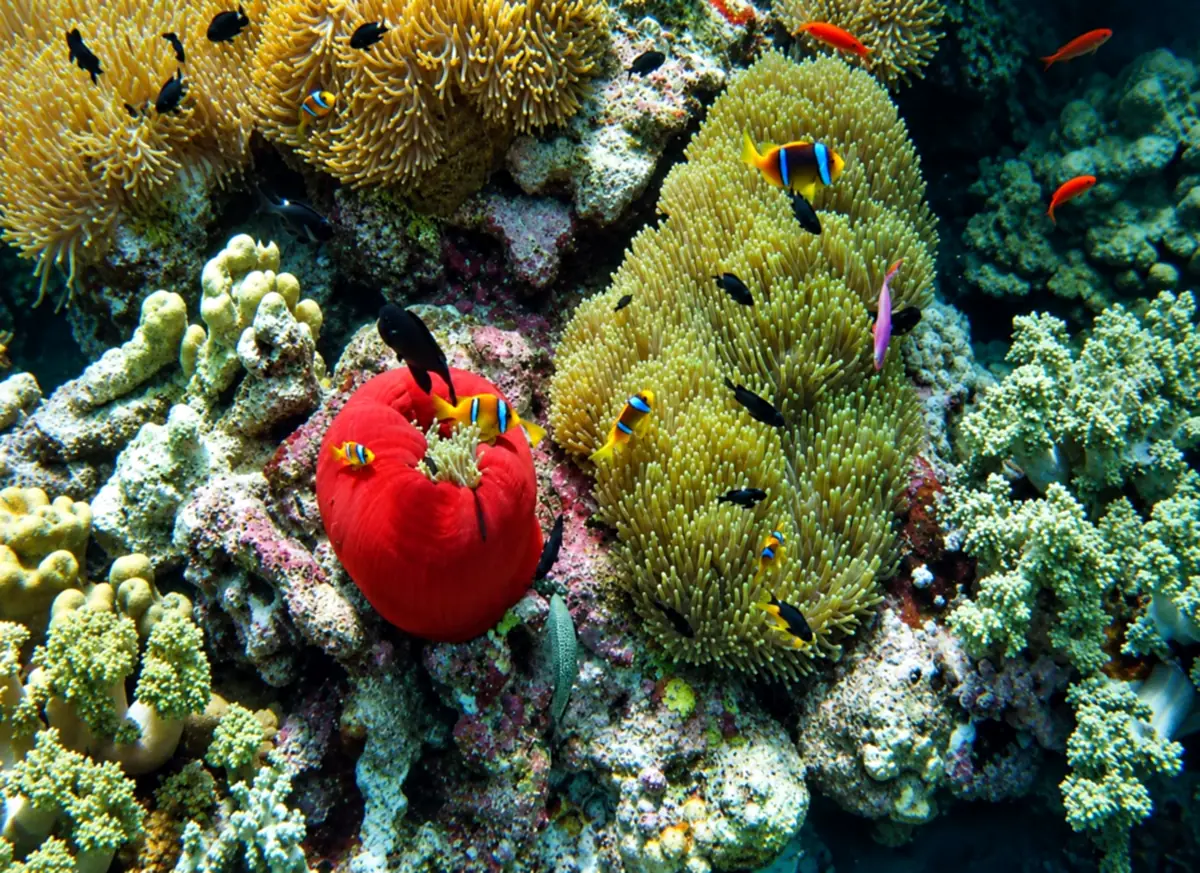
Coral garden
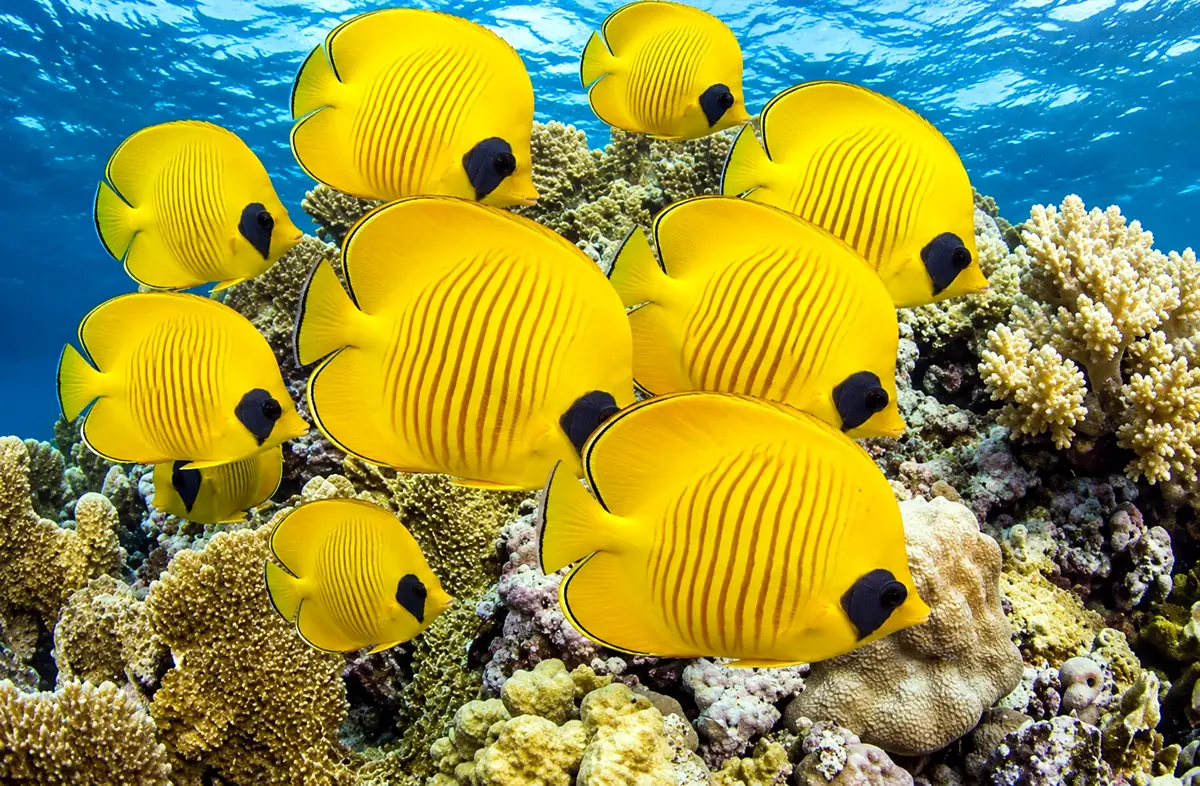
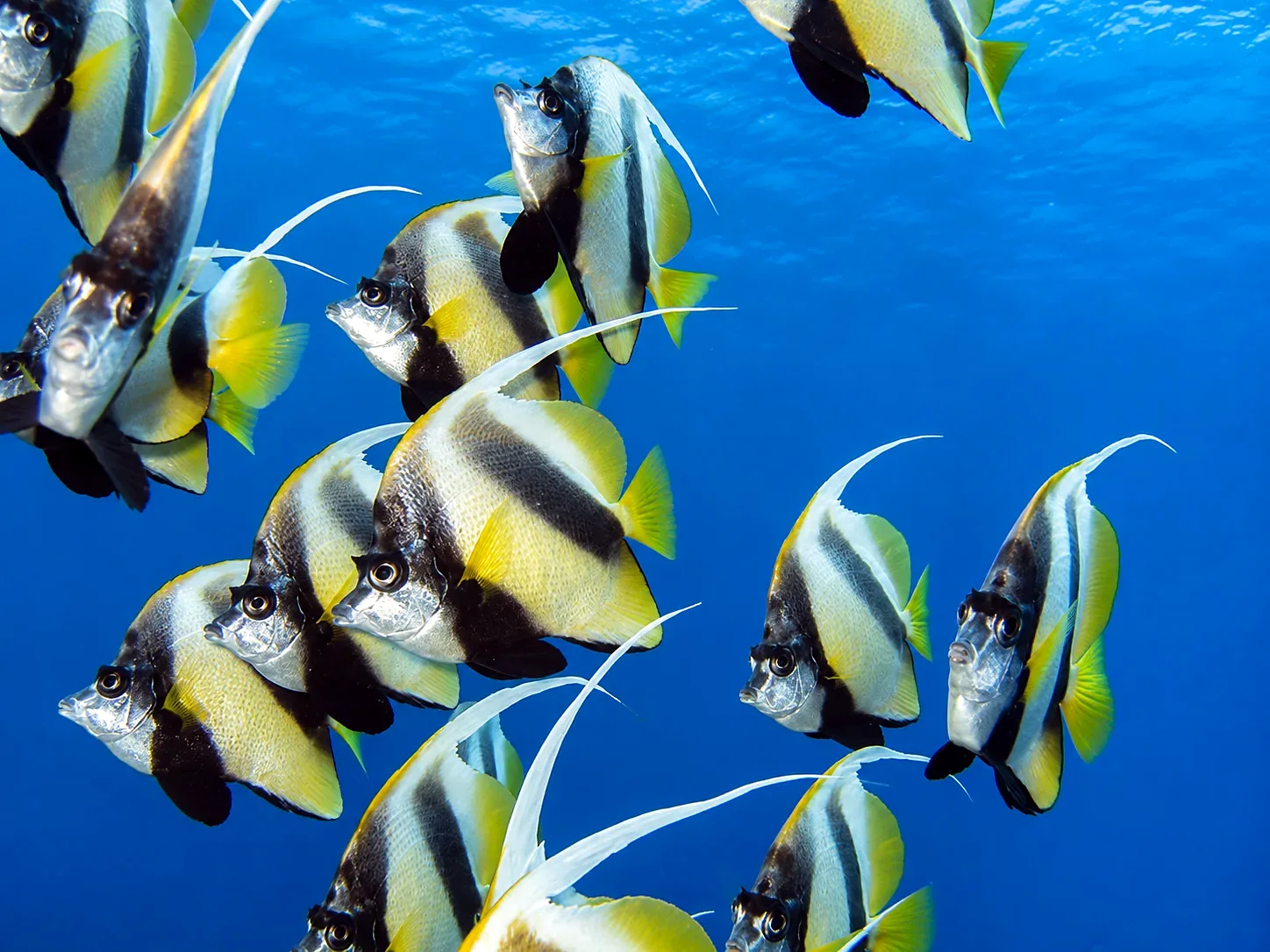
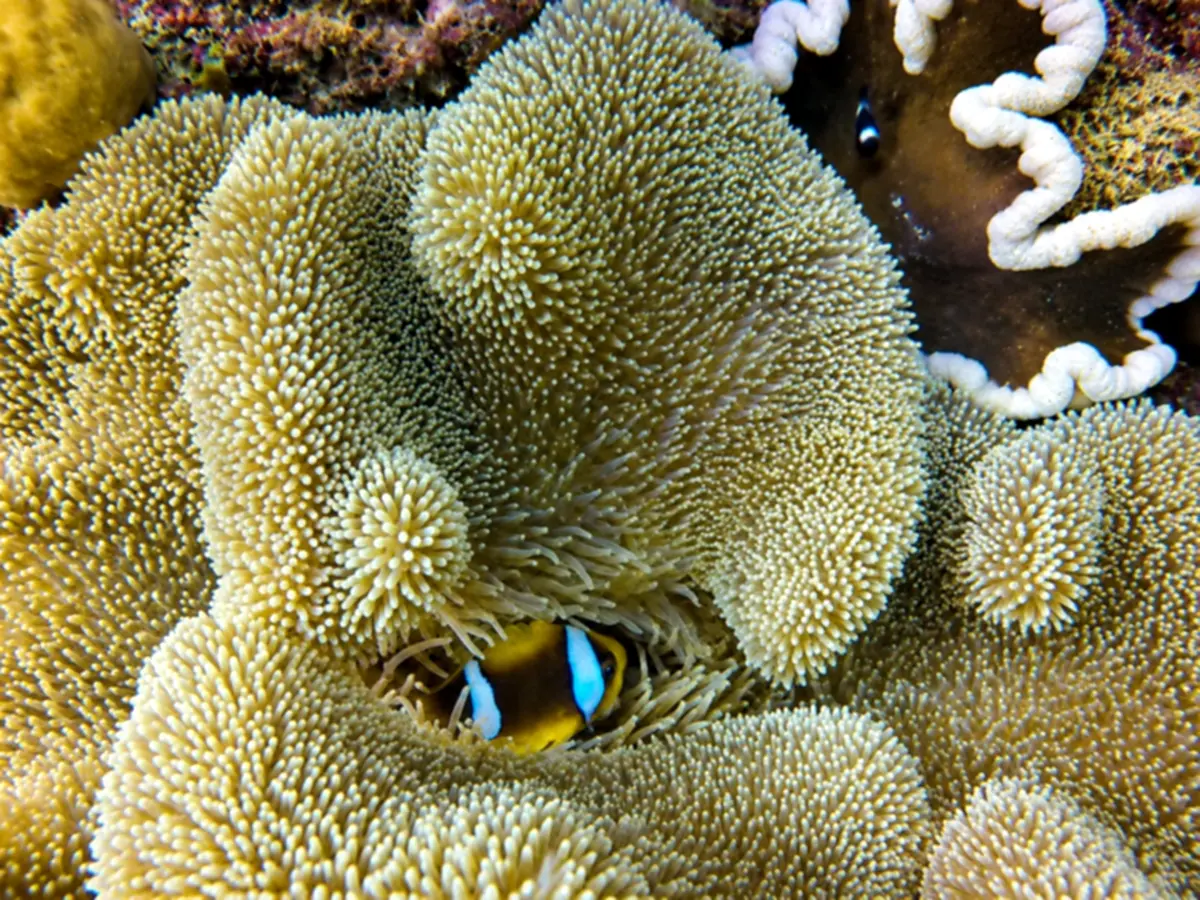
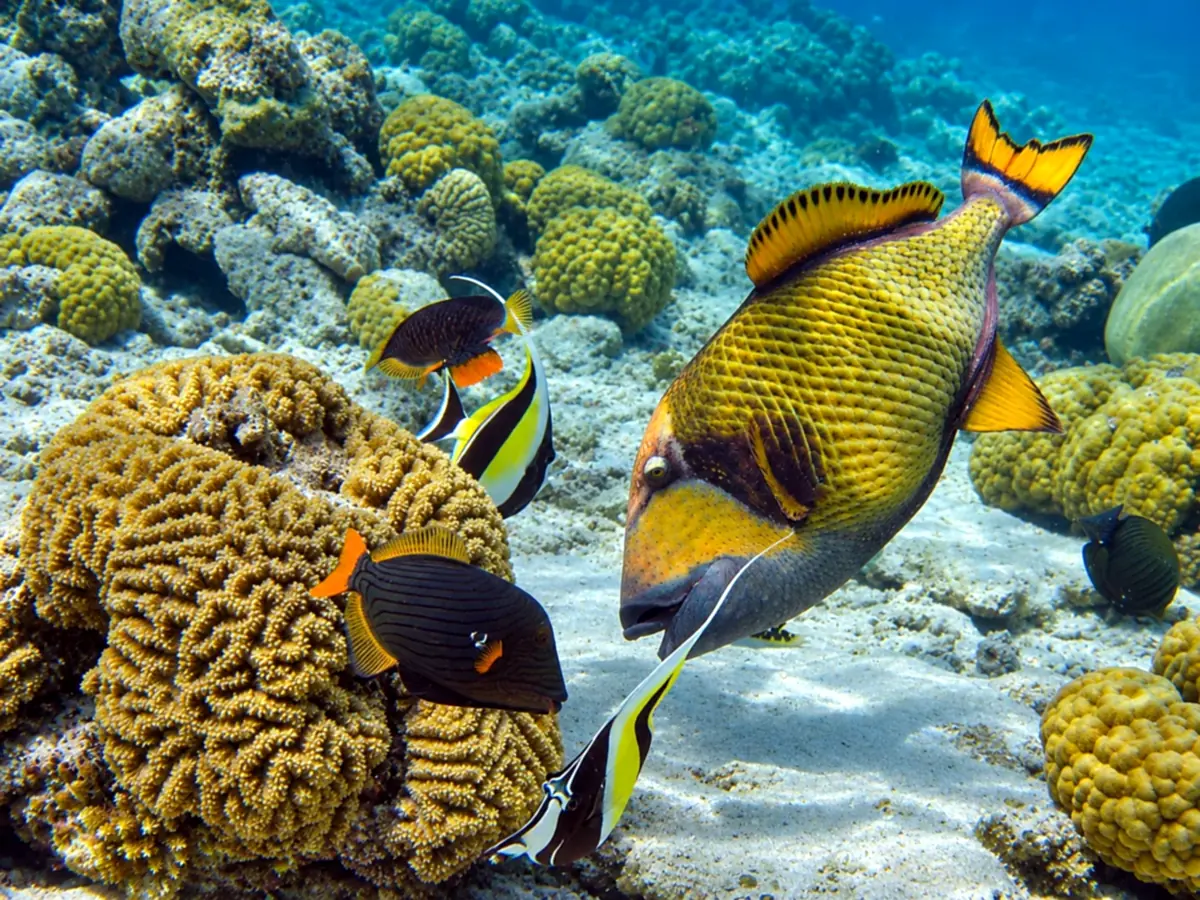
Often, in particular, the coral garden is busy with anthias, butterflyfish, angelfish and clownfish in their anemones, with hard and soft corals all around.
Rocks and sand
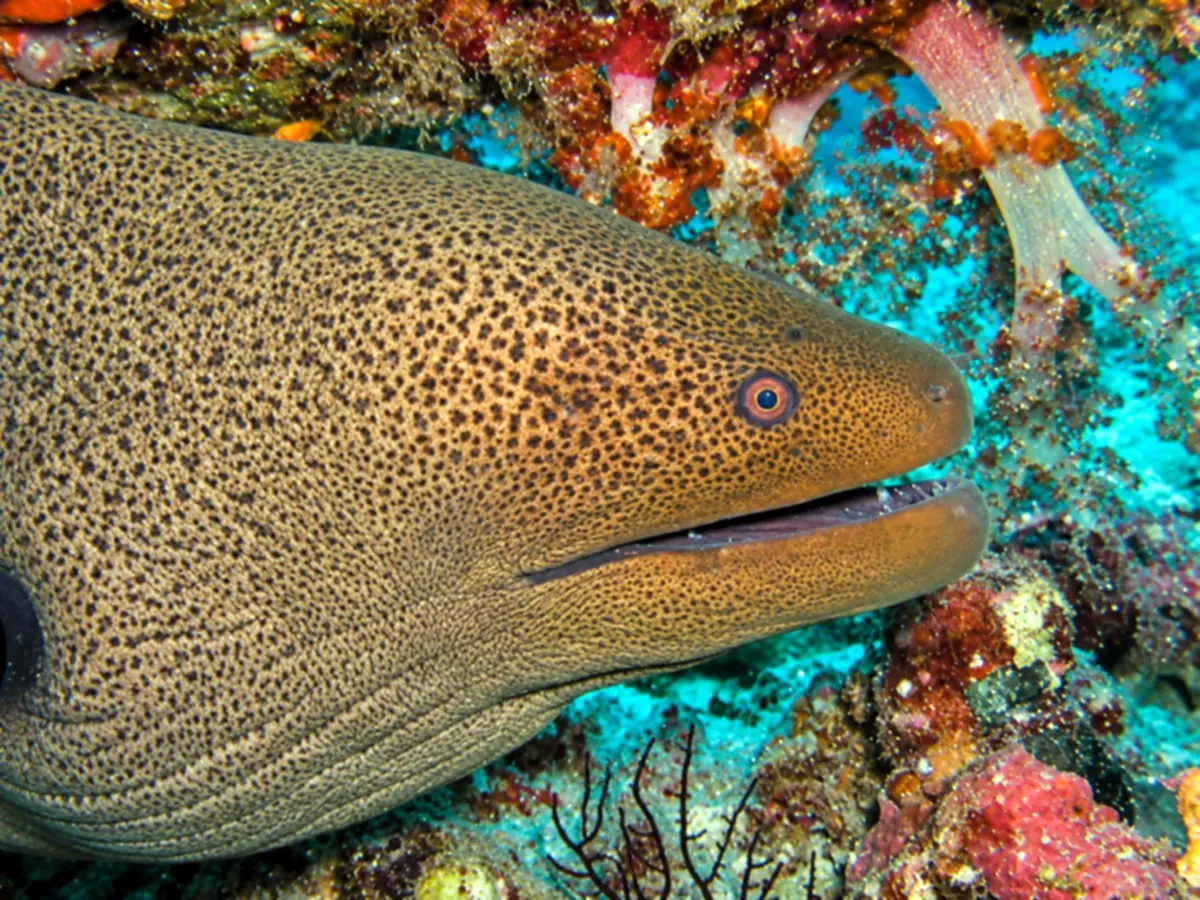
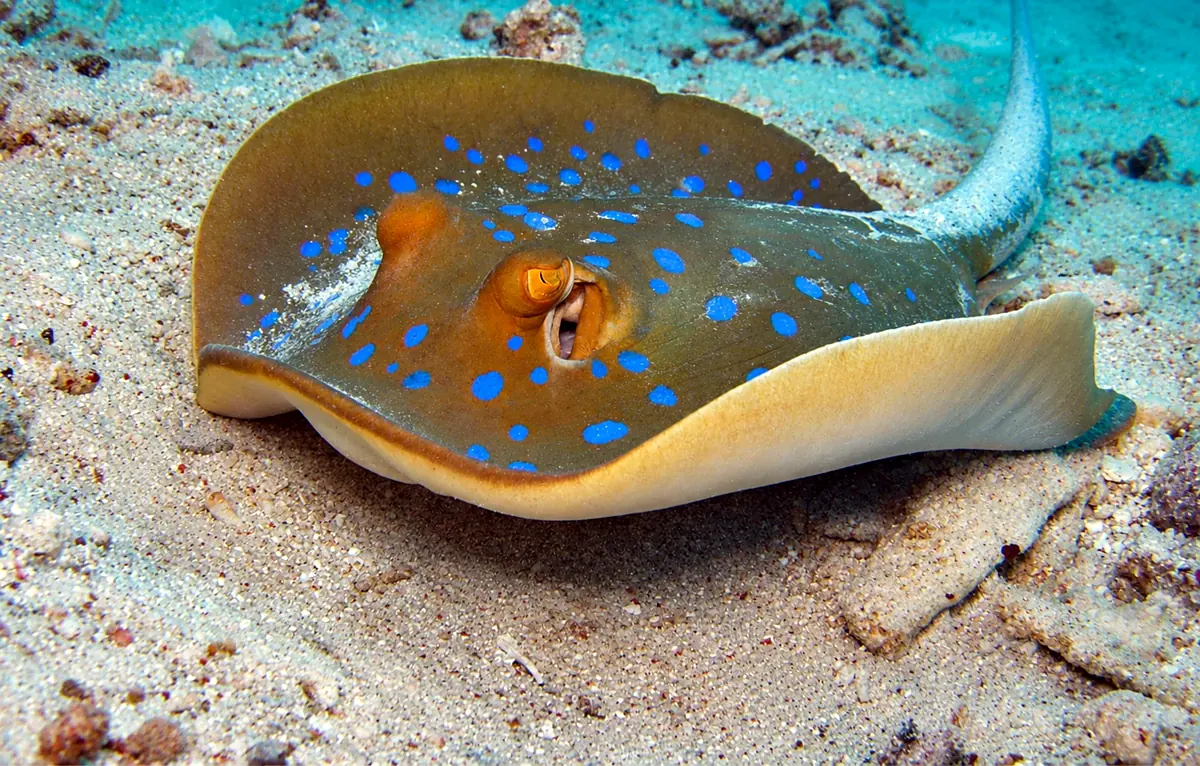
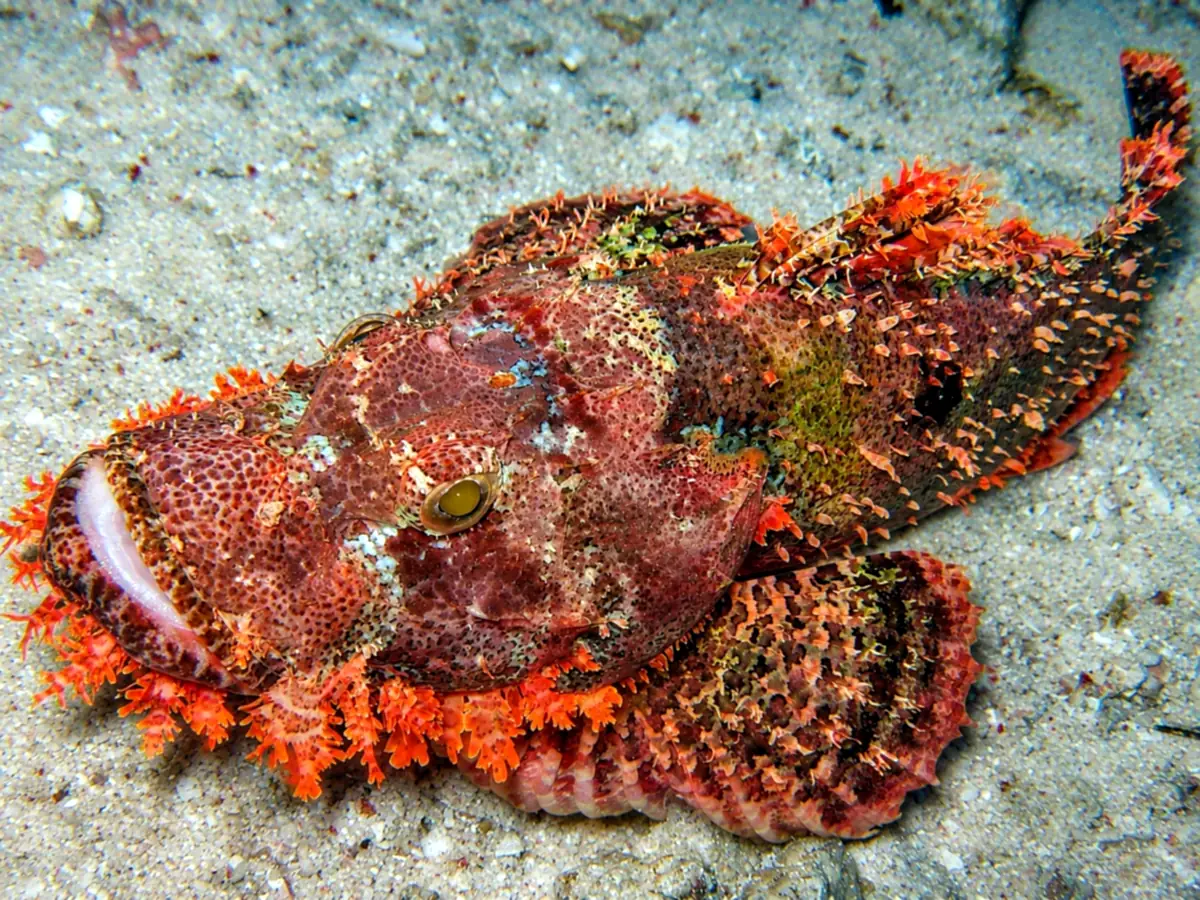
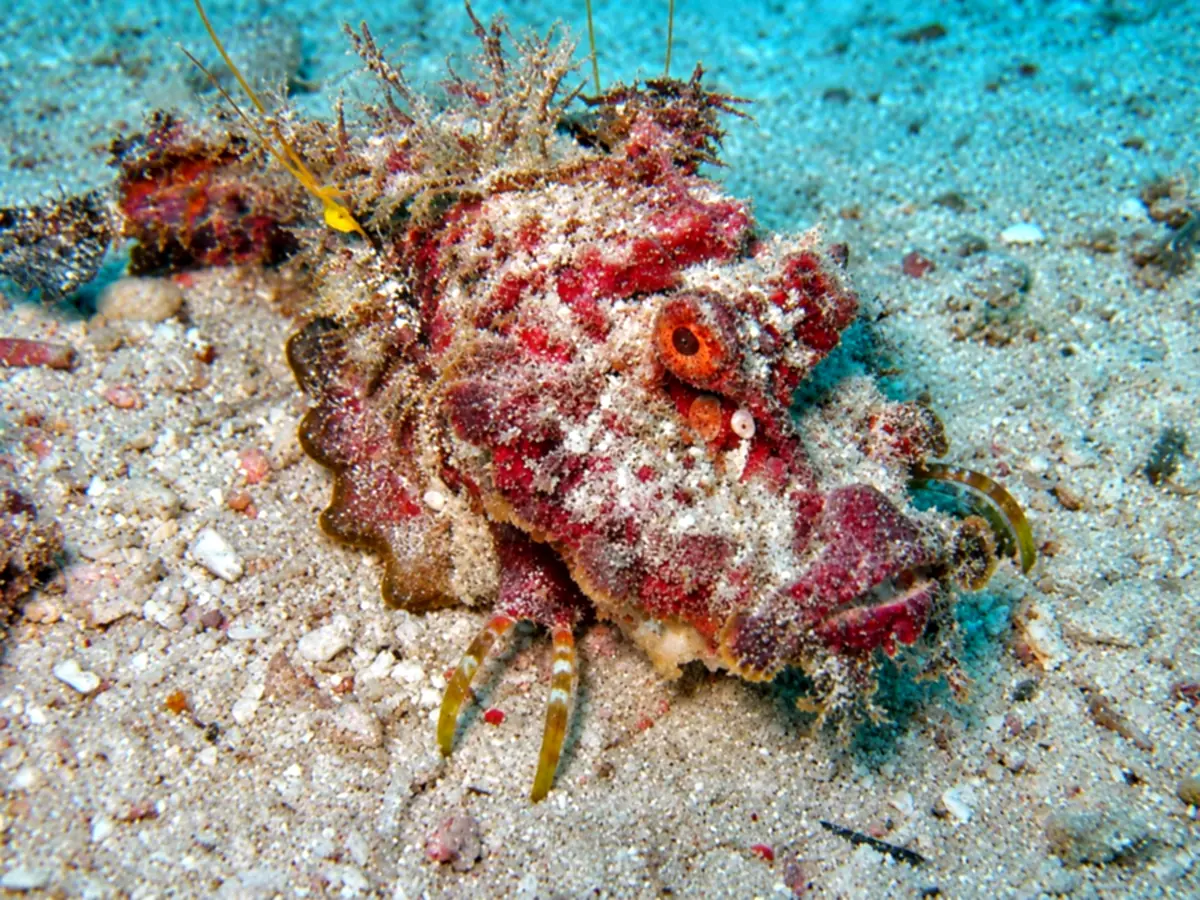
Likewise, moray eels, scorpionfish, groupers and snappers hide around the coral rocks, while blue-spotted stingrays rest on the sand.
Outer reef
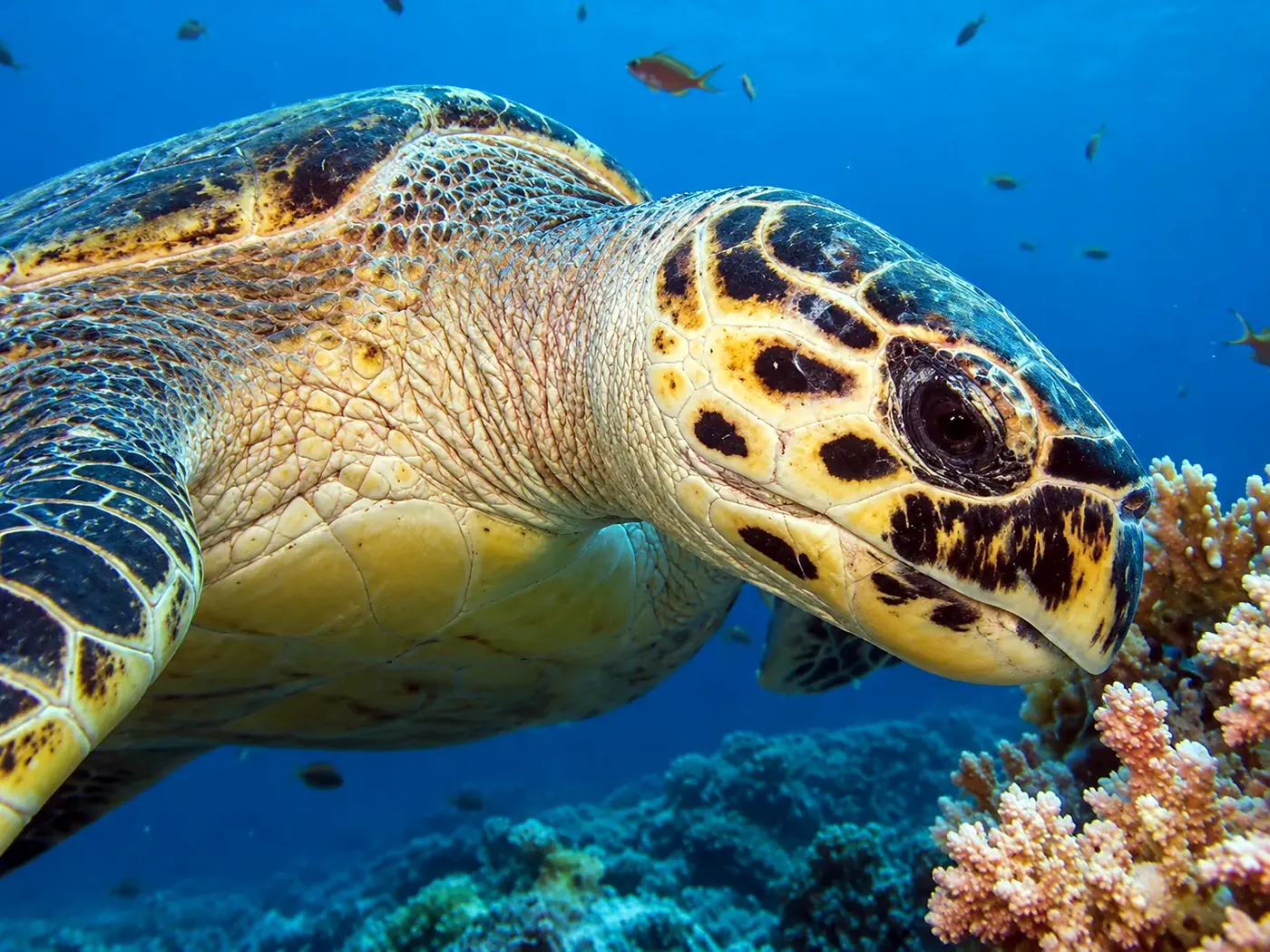
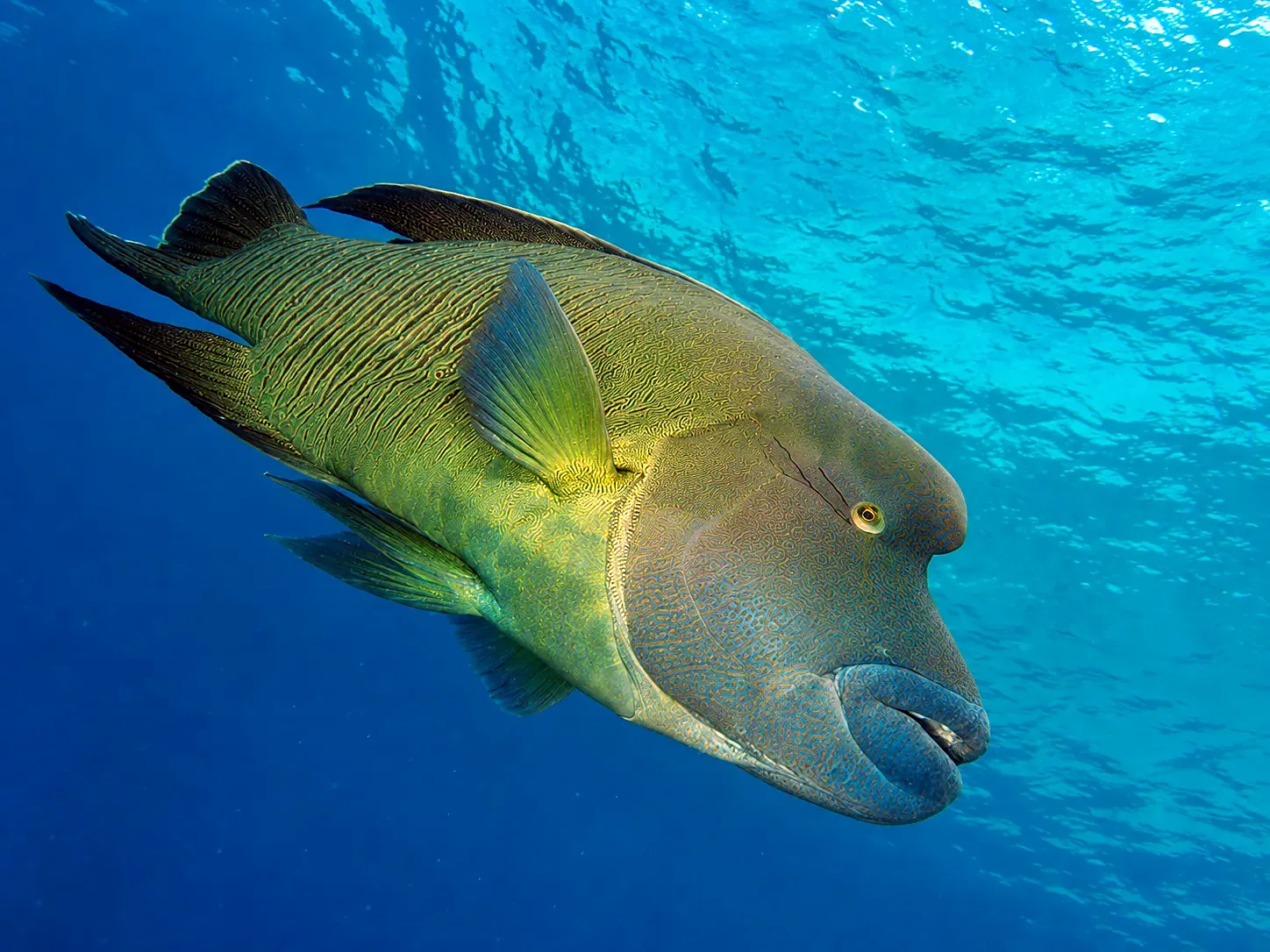
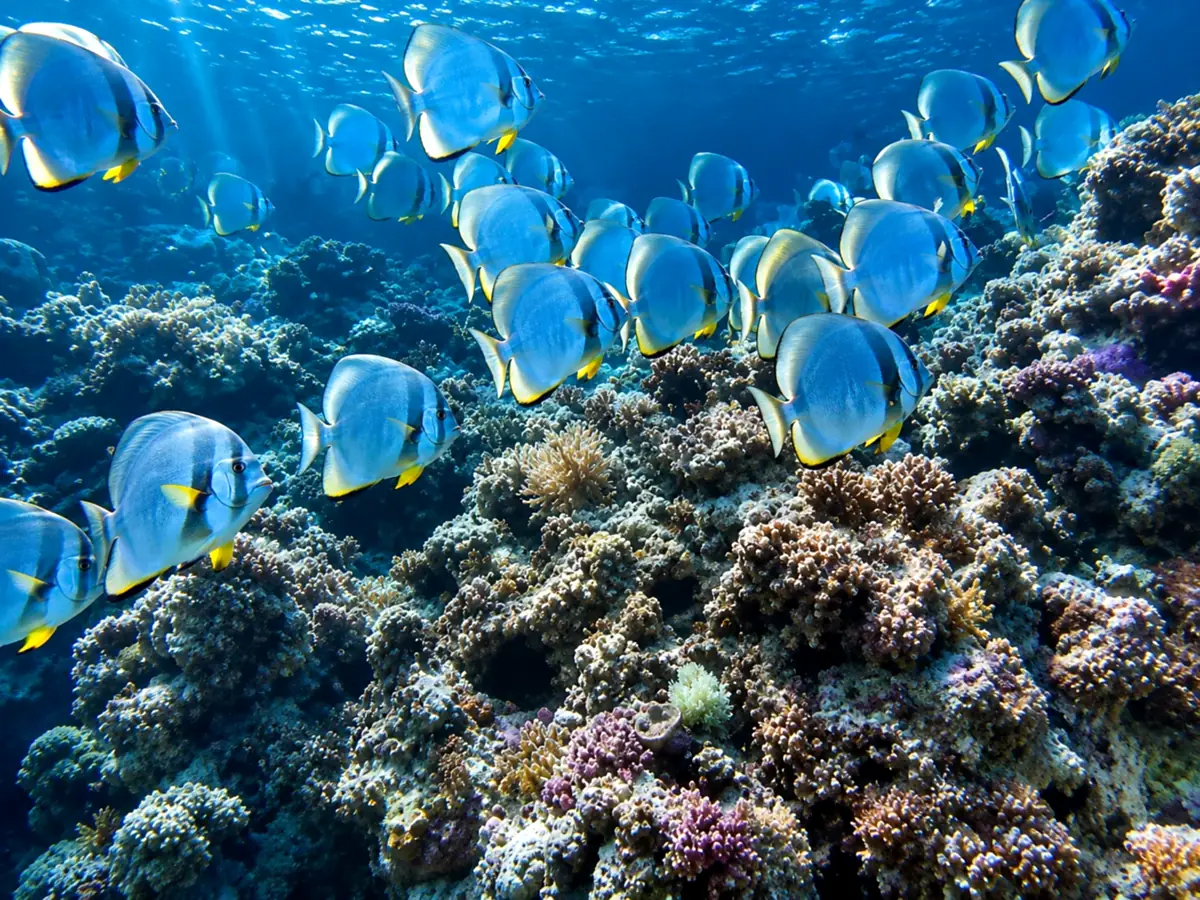
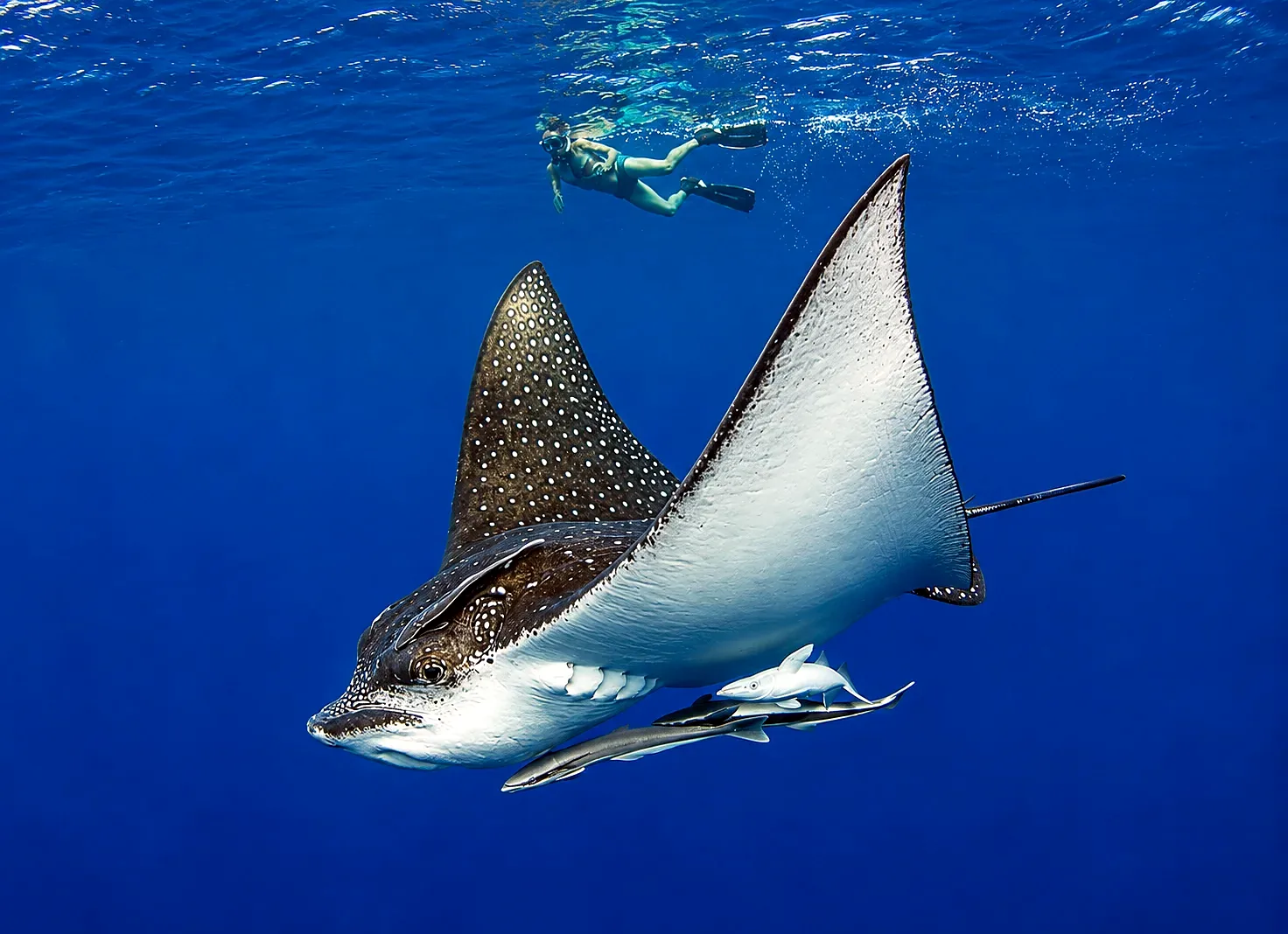
Finally, trevally, fusiliers, batfish and sea turtles patrol the outer side, where encounters with bigger fish are possible.
Is Sataya South suitable for beginners?
Yes, on the sheltered side. The mooring dive at about 10 m suits Open Water divers with a guide; however, Routes A and C go to 35–40 m on the outer reef, so we recommend Advanced Open Water, PADI Deep Diver training and Enriched Air Nitrox for them.
In addition, the night dive is a good reason to prepare. For example, the PADI Night Diver course teaches light handling and navigation, and our liveaboard dive techniques guide explains the RIB entries.
Before you dive Sataya South
Firstly, stay close to the coral rocks, because the sandy seabed looks the same everywhere. Secondly, carry a light at night and a surface marker buoy on the outer reef.
Above all, follow our diving safety standards and the rules of HEPCA, including the protected lagoon zones. Likewise, dive insurance such as DAN Europe is essential this far from the coast.

How do you get to Sataya South?
In practice, we reach the reef by liveaboard. With us, it is a stop on our Daedalus and Fury Shoals route, and it can also be part of the Deep South St. John’s route when conditions allow. As usual, guests board on Saturday after 15:00, and check-out is between 09:00 and 10:00 the next Saturday.
Usually, boats spend the night at the southern moorings, so one stop here can include a night dive and an early-morning dive. Besides diving, snorkelers can join our Sataya dolphin safari, an eight-day snorkeling trip around the reef.
Plan your Fury Shoals dive trip
- Daedalus and Fury Shoals route — Daedalus, the Fury Shoals reefs and the south.
- Deep South St. John’s liveaboard — the far south near the Sudanese border.
- What divers need on board — the packing checklist for a Red Sea safari.
- redsealiveaboard.net — Red Sea safari schedules and availability.
- All eight boats in our fleet can sail these routes: Sea Fox, Simba, Sea Treasure, Star Jet, Bismarck, C Echo II, C U and Ramadan 3.
Photo gallery from the Fury Shoals
Other routes from Red Sea Diving
Generally, for a first liveaboard, the Hurghada wreck liveaboard keeps to the classic wrecks. On the other hand, the BDE liveaboard runs Brothers, Daedalus and Elphinstone, while the Elba Reef liveaboard reaches the far south. Meanwhile, the Red Sea liveaboard guide compares all eight routes.
Sataya South: frequently asked questions
Where is Sataya South?
In fact, it is the southern, sheltered side of Shaab Sataya, the largest reef of the Fury Shoals, about 15 km off the mainland near Hamata, at roughly 24°09′25″N, 35°42′45″E.
How deep is the diving at Sataya South?
Overall, the sandy seabed at the moorings lies at about 10 m and the coral garden runs from 25 m to 5 m, while the outer wall drops past ledges to around 150 m.
Can you night dive at Sataya South?
Yes. In fact, because liveaboards moor here safely overnight, the mooring dive over the sand and coral rocks at about 10 m is a classic night dive.
Is Sataya South suitable for beginners?
Yes, on the sheltered side with a guide. However, the routes on the outer reef go to 35–40 m and are only for experienced divers.
How do you get to Sataya South?
Typically, with us, by liveaboard on the Daedalus and Fury Shoals route or, when conditions allow, the Deep South route. Moreover, all eight boats in the Red Sea Diving fleet can run these routes.
Fury Shoals · Liveaboard · Moorings and coral garden
Dive Sataya South with us
Simply tell us your dates, the number of divers, your certification level and your number of logged dives. Afterward, our team checks which southern departure fits your group before you commit to anything.


