
The course
2–3 evenings · 3 supervised dives · lights included

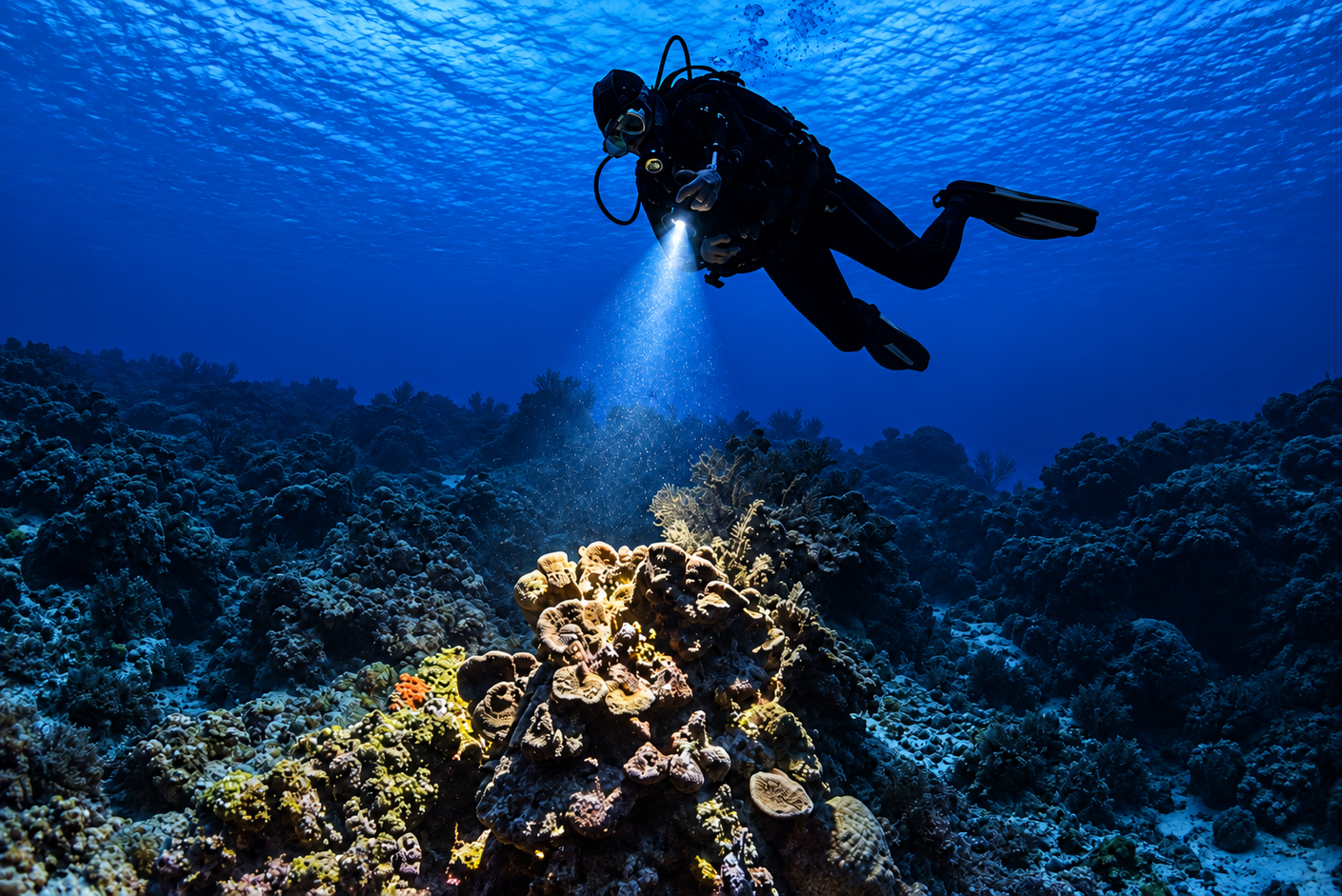
PADI Night Diver Course in Hurghada · Two to three evenings · Ages 12 and up
The reef you dived this morning becomes a different place after sunset. Consequently, three supervised night dives teach you to plan for the dark, talk with your light, navigate without landmarks and stay calm when the beam goes out.
2–3 evenings · 3 supervised dives · lights included
€250 per person · dives, gear and certification included
Open Water Divers · ages 12 and up
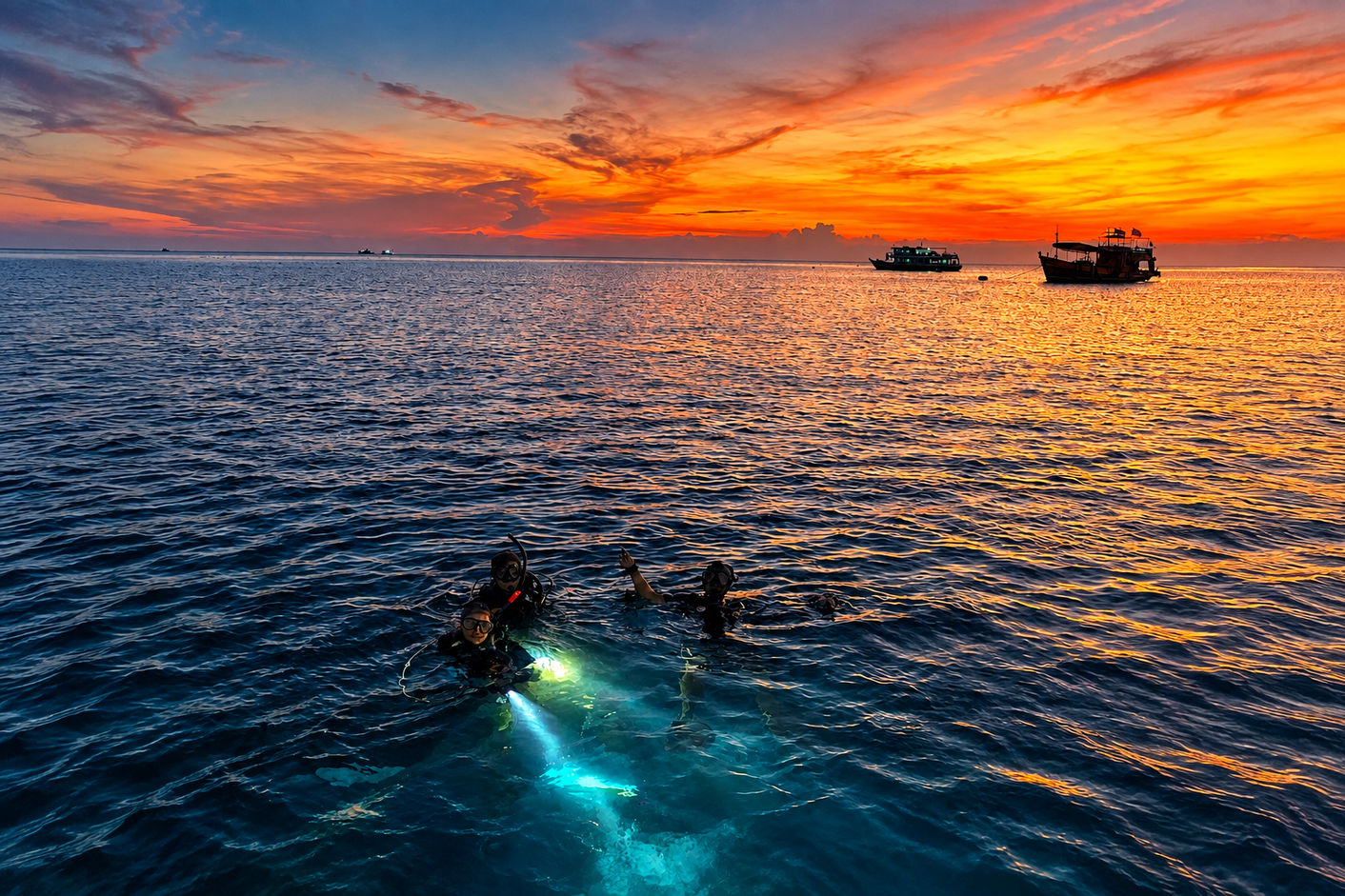
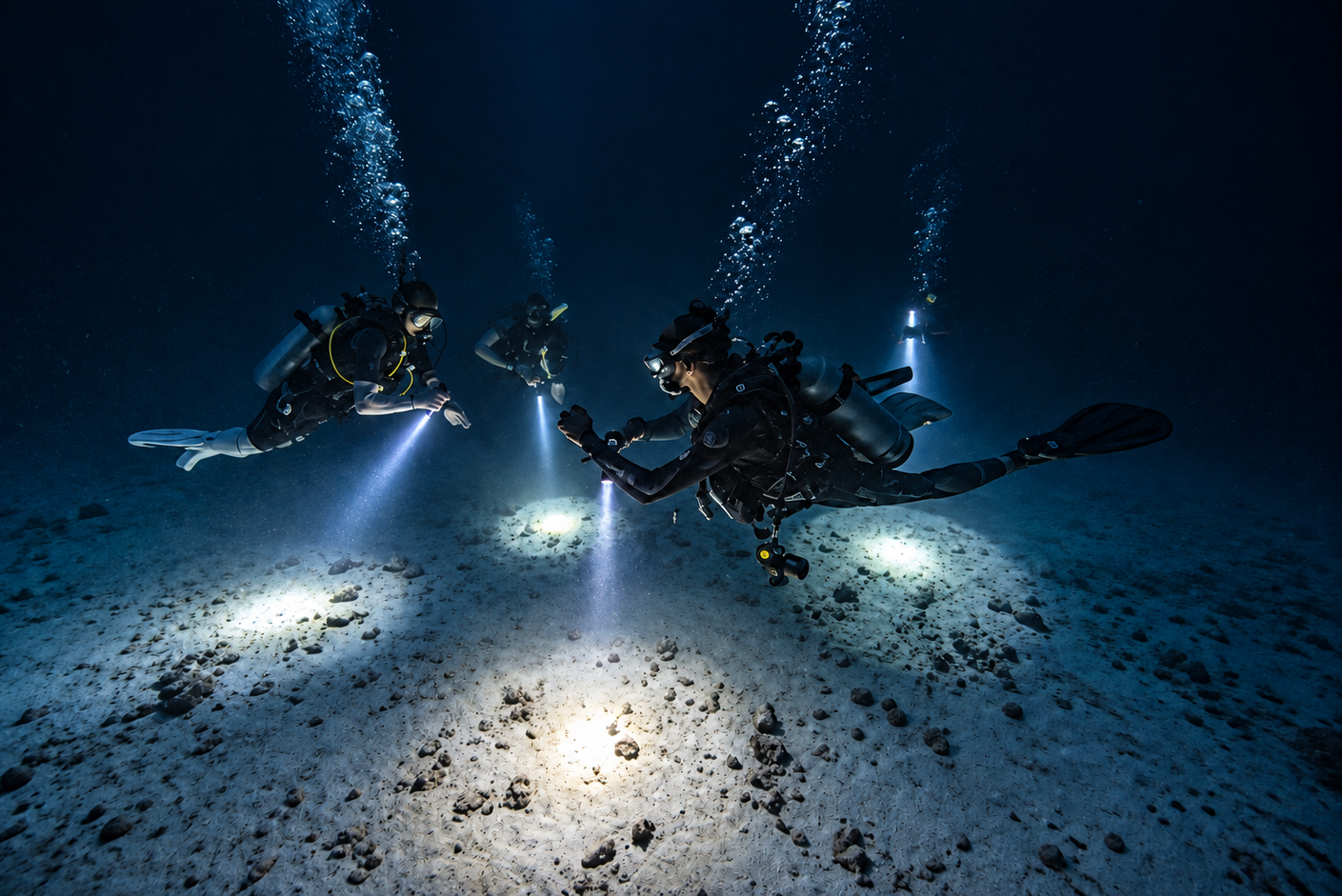
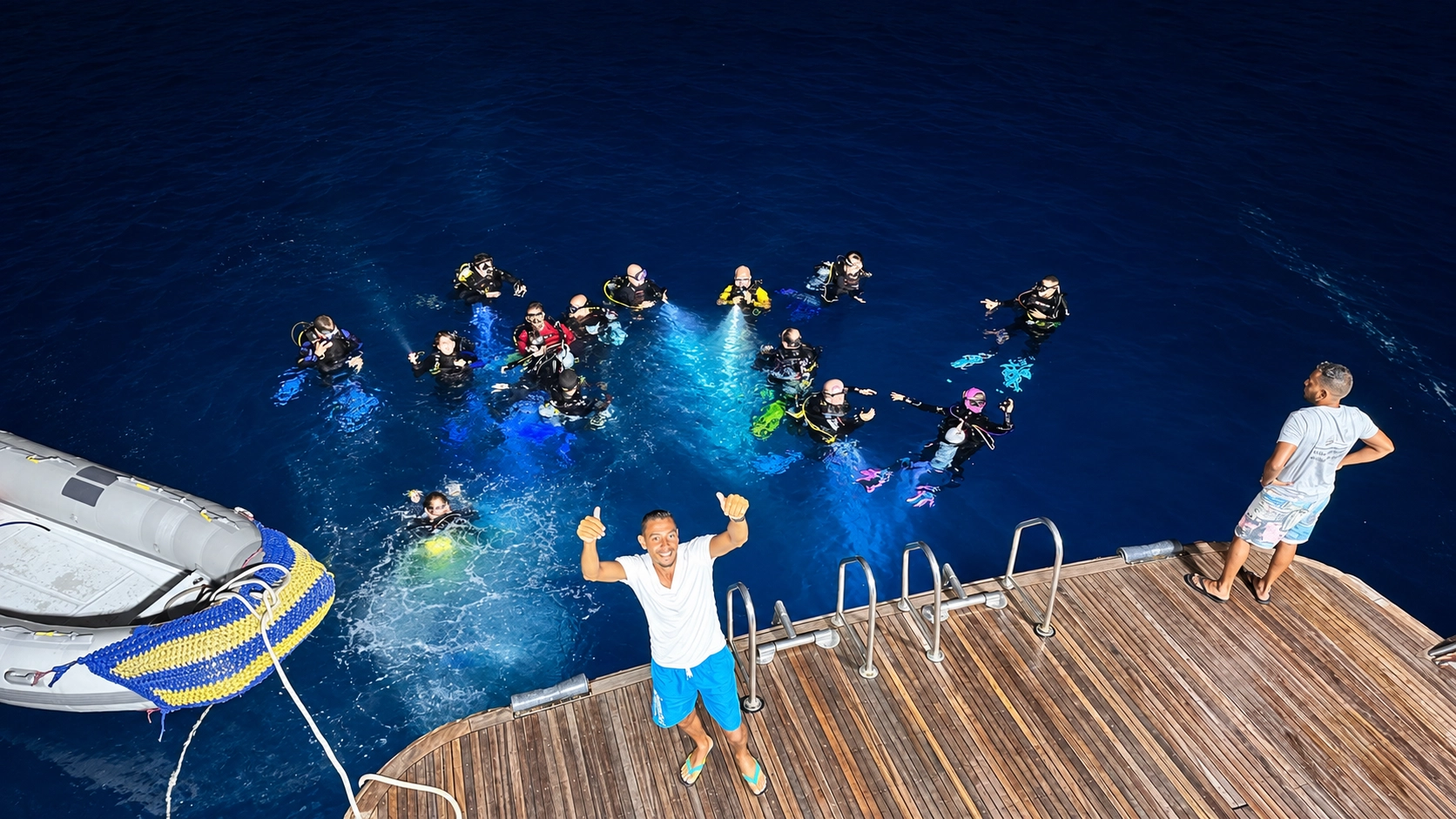
The PADI Night Diver Course in Hurghada costs €250 per person and includes three supervised night dives, normally spread over two or three evenings. Moreover, the price covers instruction, PADI materials and certification, standard scuba equipment, a primary dive light and a backup where required, cylinders and weights, and transfer within central Hurghada where available. In addition, you must be at least twelve years old and hold PADI Open Water Diver or an accepted equivalent. Red Sea Diving arranges the PADI Night Diver Course on request only, from an authorized shore or house reef in the Hurghada area, and never from the normal daily diving boats.
In other words, a night dive is a recreational scuba dive that begins after sunset and is conducted with a primary dive light, a backup light and light-based communication between buddies. In fact, the PADI Night Diver certification is the PADI specialty that trains a certified diver to plan and conduct those dives. Full standards come from PADI.
| Course | PADI Night Diver, a PADI specialty course |
|---|---|
| Price | €250 per person, all inclusive |
| Duration | Two to three evenings |
| Training dives | Three supervised night dives, usually one per evening |
| Minimum age | 12 years |
| Prerequisite | PADI Open Water Diver or an accepted equivalent |
| Location | Authorized shore or house reef in the Hurghada area, Egypt |
| Availability | On request only, not from the daily diving boats |
| Season | Year round, water 22 to 29 °C |
| Included | Instruction, PADI materials, certification, standard equipment, primary and backup dive lights, cylinders and weights |
| Not included | Transfers from outside central Hurghada, resort or house reef entry fees, Nitrox, private instructor, insurance, accommodation |
| Booking | Written confirmation of site, inclusions and total price before payment |
| Operator | Red Sea Diving, a PADI dive operator based in Hurghada, Egypt, since 2000 |
| Contact | info@redsea-diving.com, +20 105 005 6542, 24 hours a day |
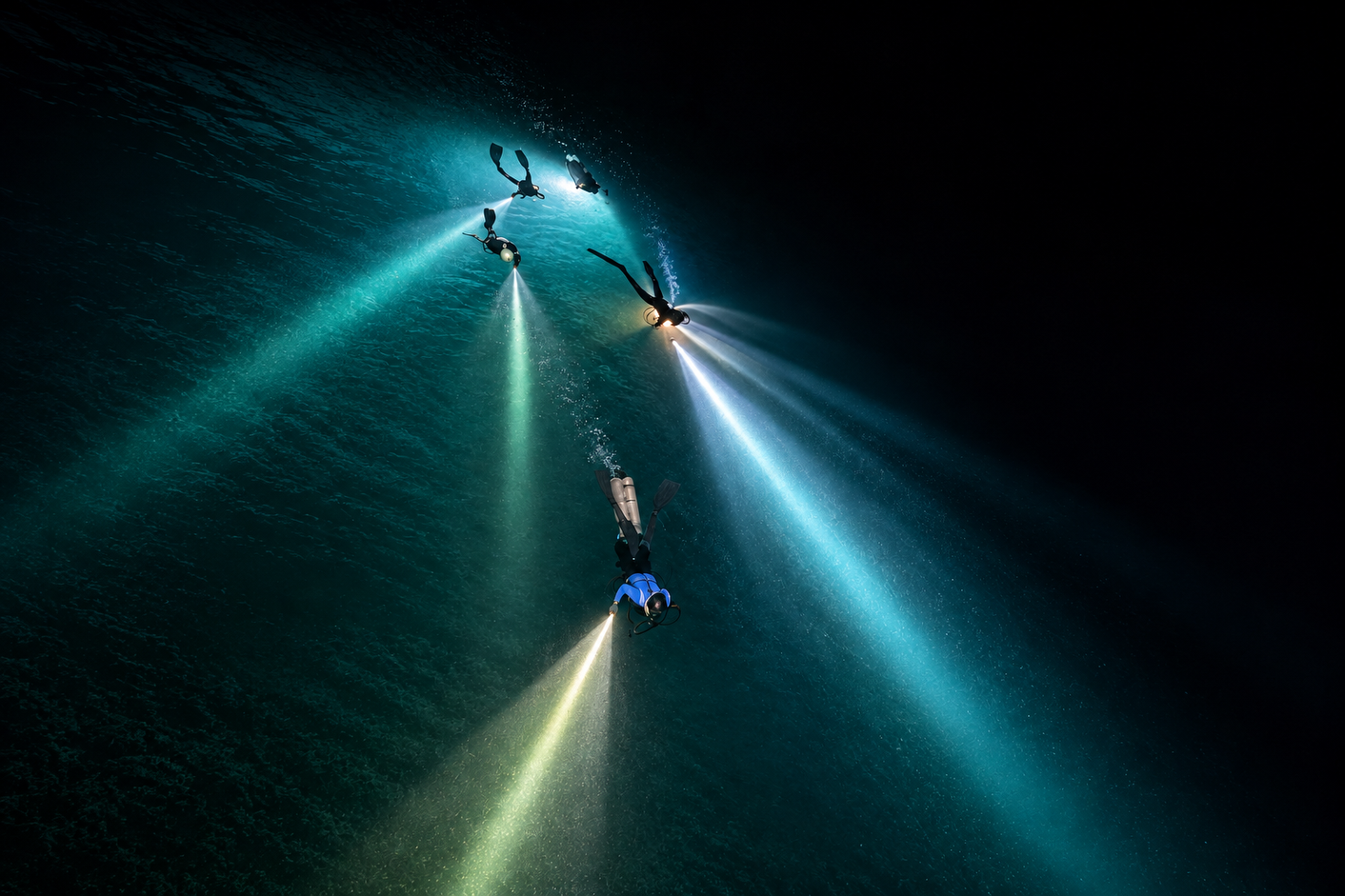
Night diving needs its own course because darkness changes the planning, the equipment and the way divers communicate. Above all, animals that hid all day come out to hunt, others tuck themselves into the coral, and a dive light brings back colors that daylight at depth washes away entirely.
Meanwhile the skills change too. Consequently a night diver plans and organizes the dive differently, prepares and checks different equipment, chooses entry and exit points with care, and carries a primary light plus a backup.
Therefore the training covers communicating with light signals rather than hand signals alone, navigating without visual landmarks, holding buddy contact deliberately, controlling buoyancy in reduced visibility, and knowing exactly what to do when a light fails or a buddy disappears.
The first night dive covers night dive planning, site orientation, primary and backup lights, light signals, entry and exit procedures and emergency signals. As a result it is mostly about becoming comfortable after sunset.
Subsequently, the second night dive develops compass work, recognizing natural references in the dark, holding neutral buoyancy, signaling without blinding your buddy and monitoring depth, time and gas.
Finally, the third night dive combines everything: planning a route, leading part of the dive, responding to a simulated light failure, running buddy separation procedures and managing the ascent, exit and equipment in the dark.
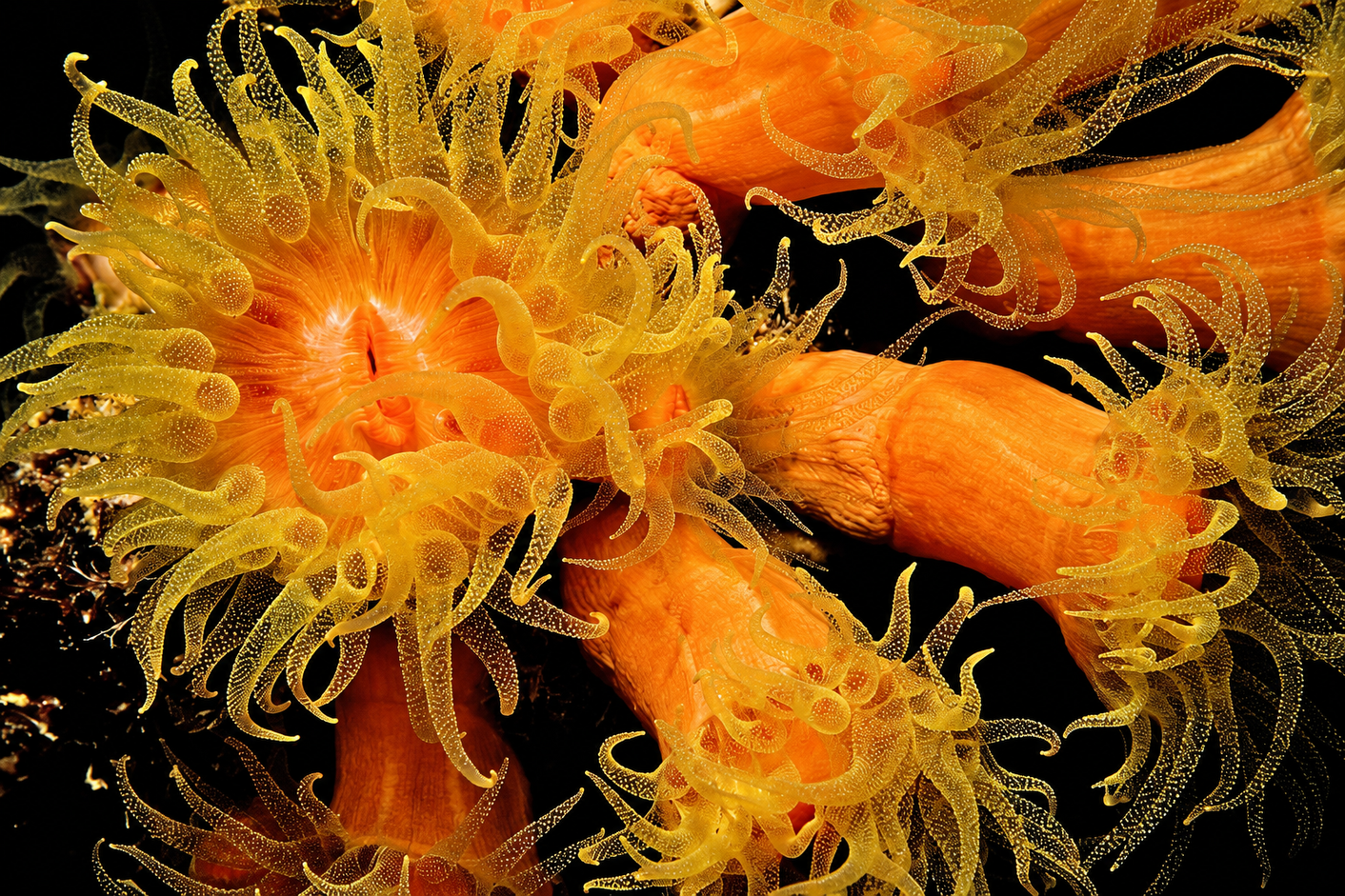
First of all, a night diver carries normal scuba kit plus a reliable primary dive light, a backup light, a dive computer with an illuminated display, a compass, a surface marker buoy, a whistle or other audible signal, suitable exposure protection and a small marker light where approved. Above all, never shine a powerful beam directly into another diver’s eyes.
To begin with, a slow circle with the beam means OK, and moving the beam side to side attracts attention. For normal hand signals you light your own hand rather than your buddy’s face. Therefore you keep the beam where your buddy can see it and signal before changing direction. Emergency signals are covered in the site briefing.
Altogether, the €250 price of the PADI Night Diver Course in Hurghada covers everything needed to complete and certify the course:
Possible extras: transfer to an outside house reef, transfers from Makadi Bay, Sahl Hasheesh, El Gouna, Soma Bay or Safaga, resort or house reef entry fees, Nitrox cylinders, a private instructor, personal diving insurance and accommodation. Moreover, the final location, inclusions and total price are confirmed in writing before any payment.
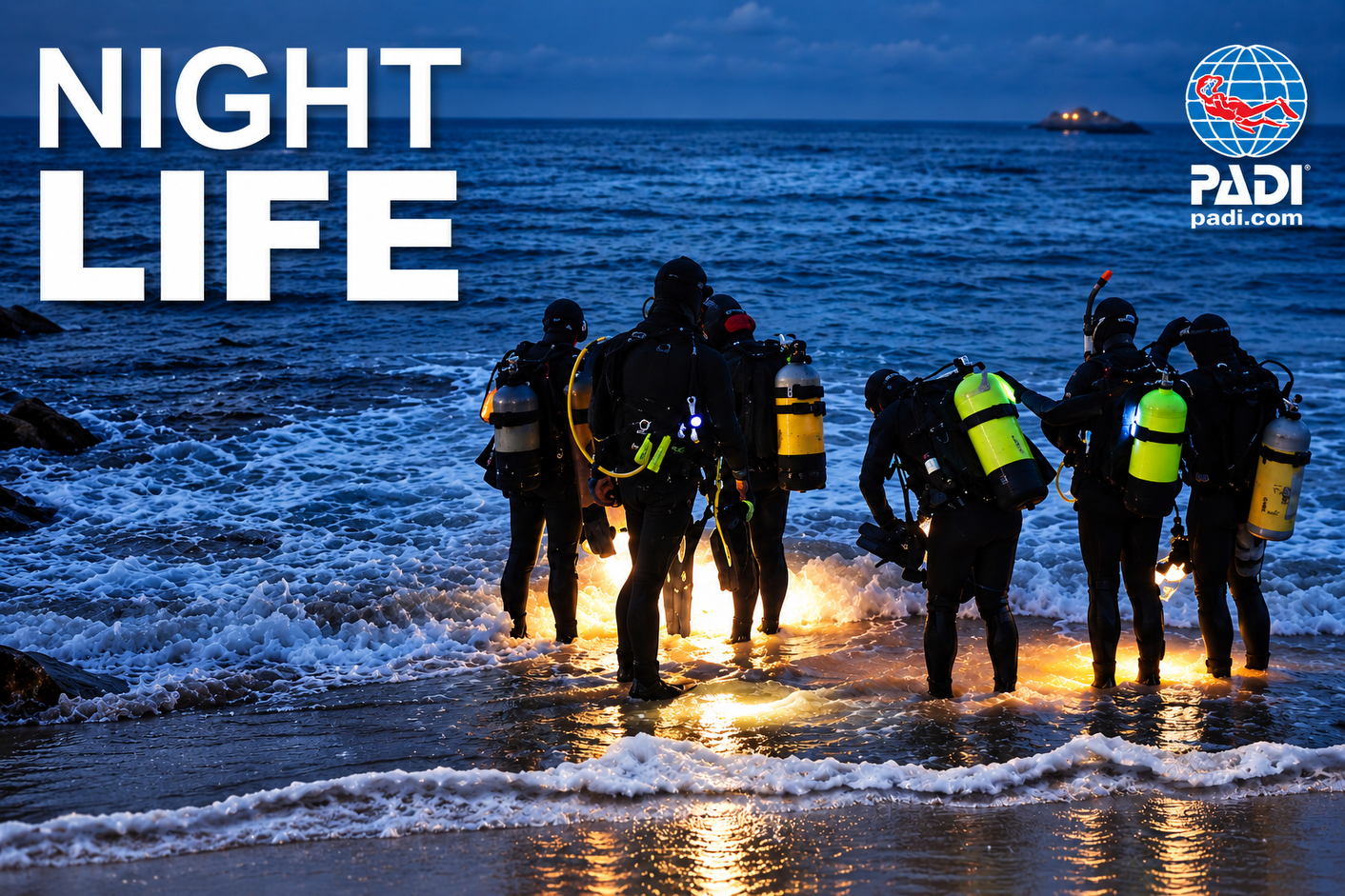
Importantly, the PADI Night Diver Course runs from an authorized shore entry or house reef in the Hurghada area, never from a daily diving boat. Standard boats return to the marina during the afternoon, and diving after dark around busy marinas or dense shallow coral is often restricted or simply unsuitable.
Consequently the site has to offer a safe entry and exit, suitable depth, manageable current, clear surface orientation, adequate lighting ashore, permission to dive after sunset and appropriate emergency support. Naturally that combination is not available everywhere, which is exactly why the course is on request.
The location may sit outside central Hurghada, and a transfer charge can apply. Nevertheless we confirm the exact site before you book, and site permission and safety always outrank the planned schedule. Our procedures are set out on the diving safety page.
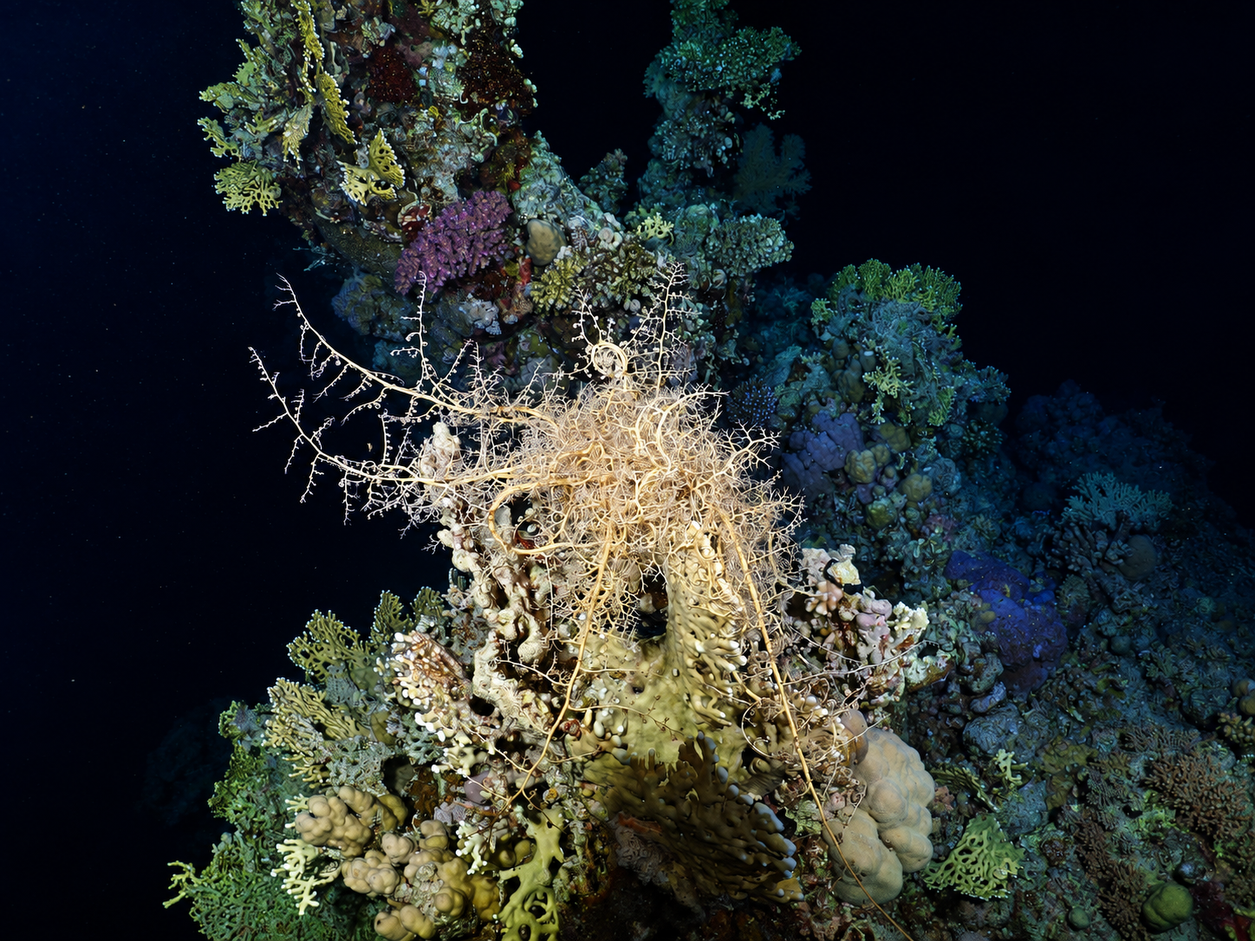
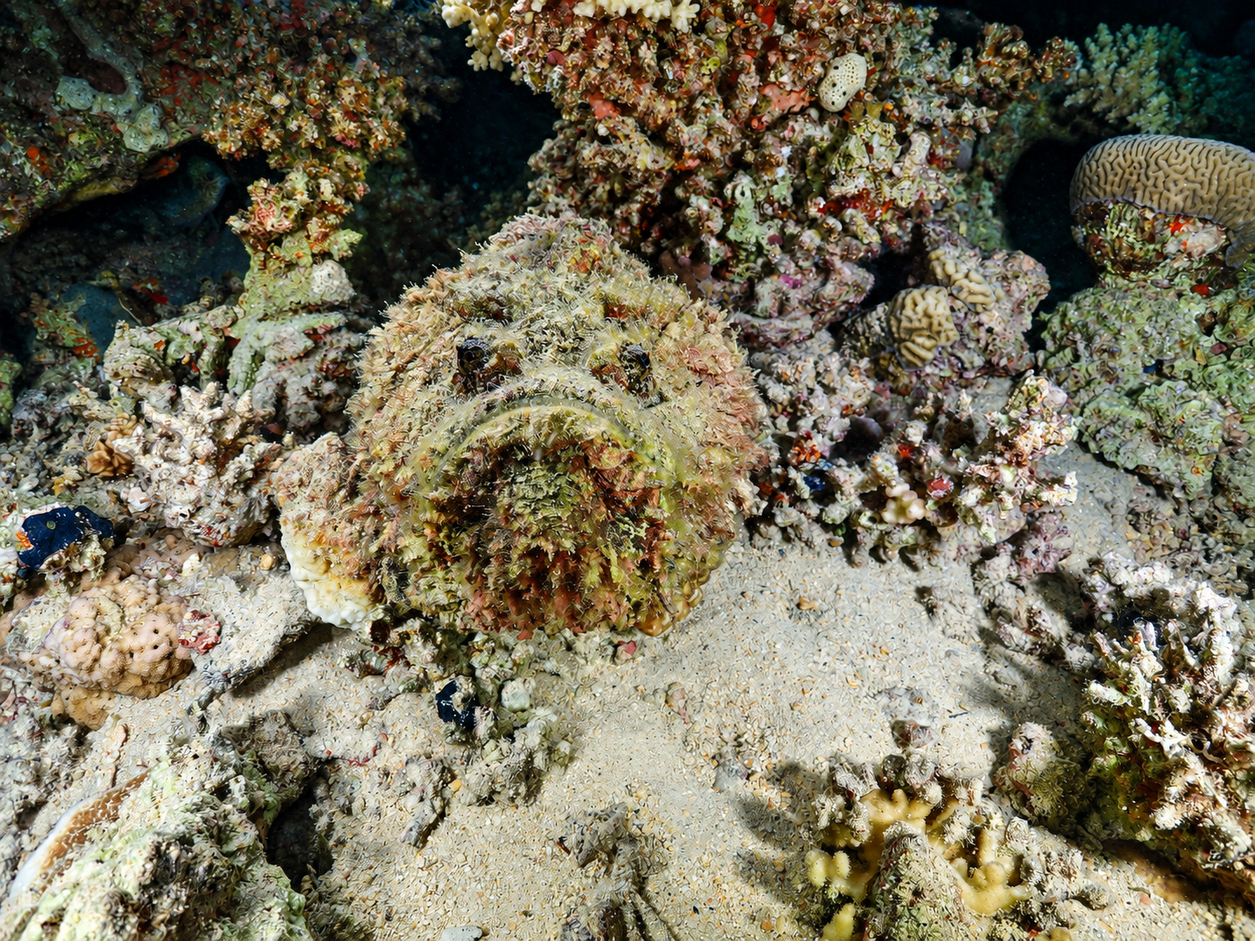
In practice, night dives on Red Sea reefs regularly turn up hunting moray eels, lionfish working the edge of the beam, octopuses, cuttlefish, reef squid, Spanish dancers, crabs and shrimps, parrotfish asleep in their mucus cocoons, basket stars opened wide to feed and feather stars out on the coral heads. Nothing is guaranteed, however, because this is wildlife rather than an aquarium.
Meanwhile the rule underwater stays simple: look, do not touch, never feed, and let the animals carry on with their night. Our Hurghada dive sites page shows the reefs we normally work.
Before you enroll in the PADI Night Diver Course in Hurghada, a diver needs the following:
Junior diver depth and supervision restrictions still apply. Furthermore, if you have not dived for a while, a refresher session first makes the whole course easier, and we would rather suggest one than watch you struggle in the dark. Where depth control is the thing you fight, take Peak Performance Buoyancy first.
By comparison, Advanced Open Water may include a single Night Adventure Dive among its five, alongside Deep and Navigation. In short, that is a taste rather than a full training program, and it is subject to the same site availability.
By contrast, the Night Diver specialty is three night dives with detailed training in planning, navigation, light communication and emergency procedures. Moreover, an eligible Night Adventure Dive may sometimes count toward the specialty when completed to PADI requirements.
Navigation matters more after dark than anywhere: a reef gives you almost nothing to steer by, which is exactly what Underwater Navigator trains you to handle.
Gallery
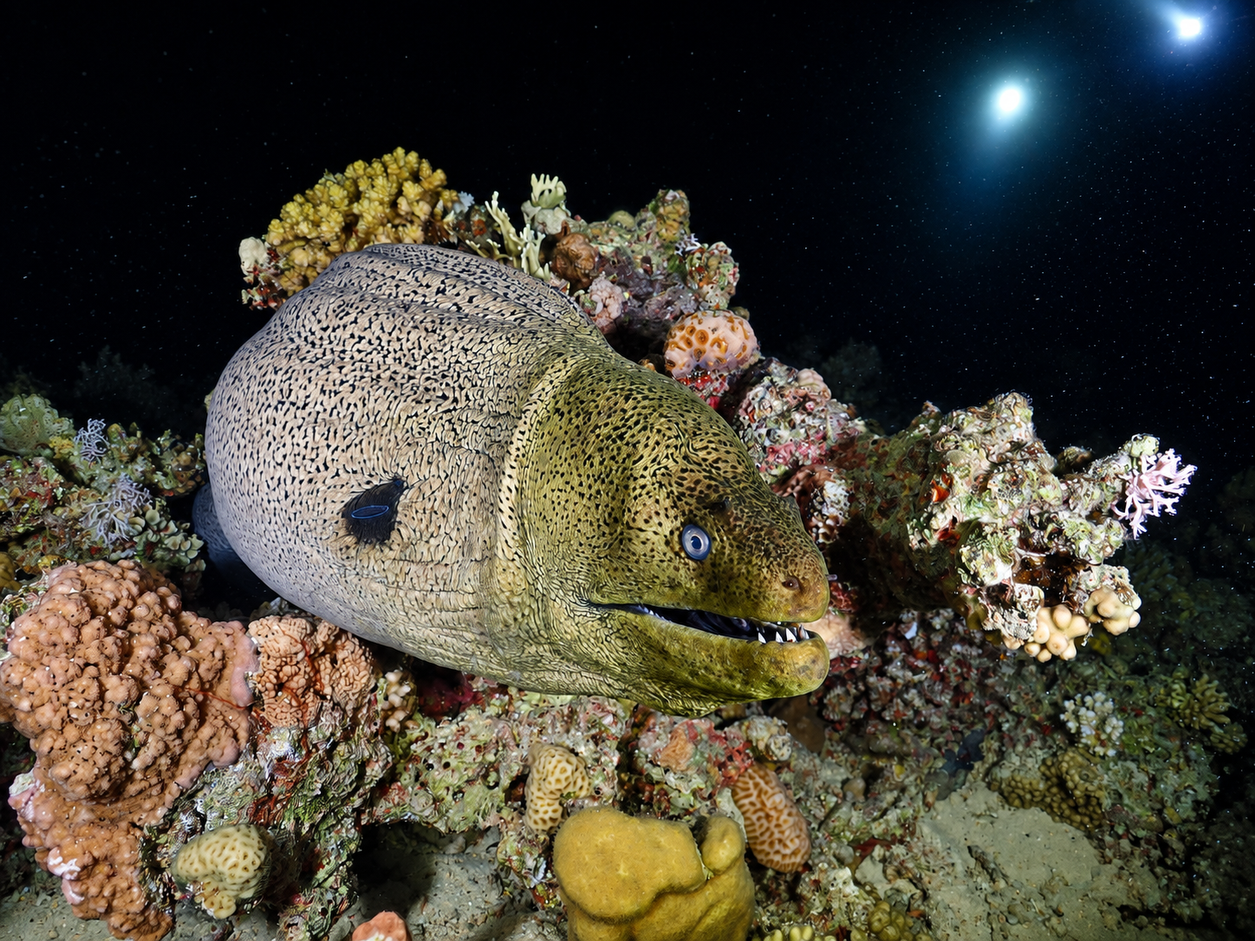
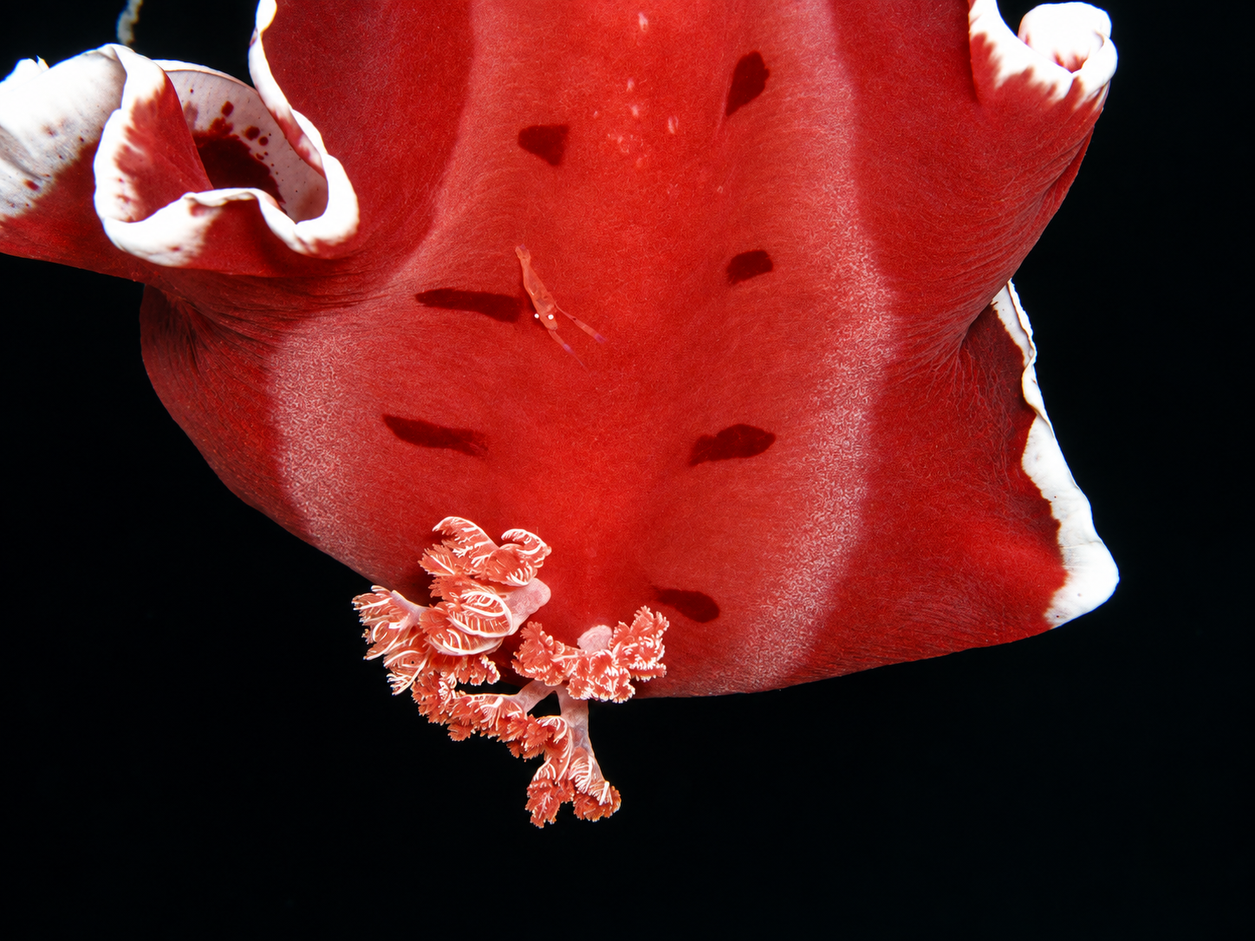
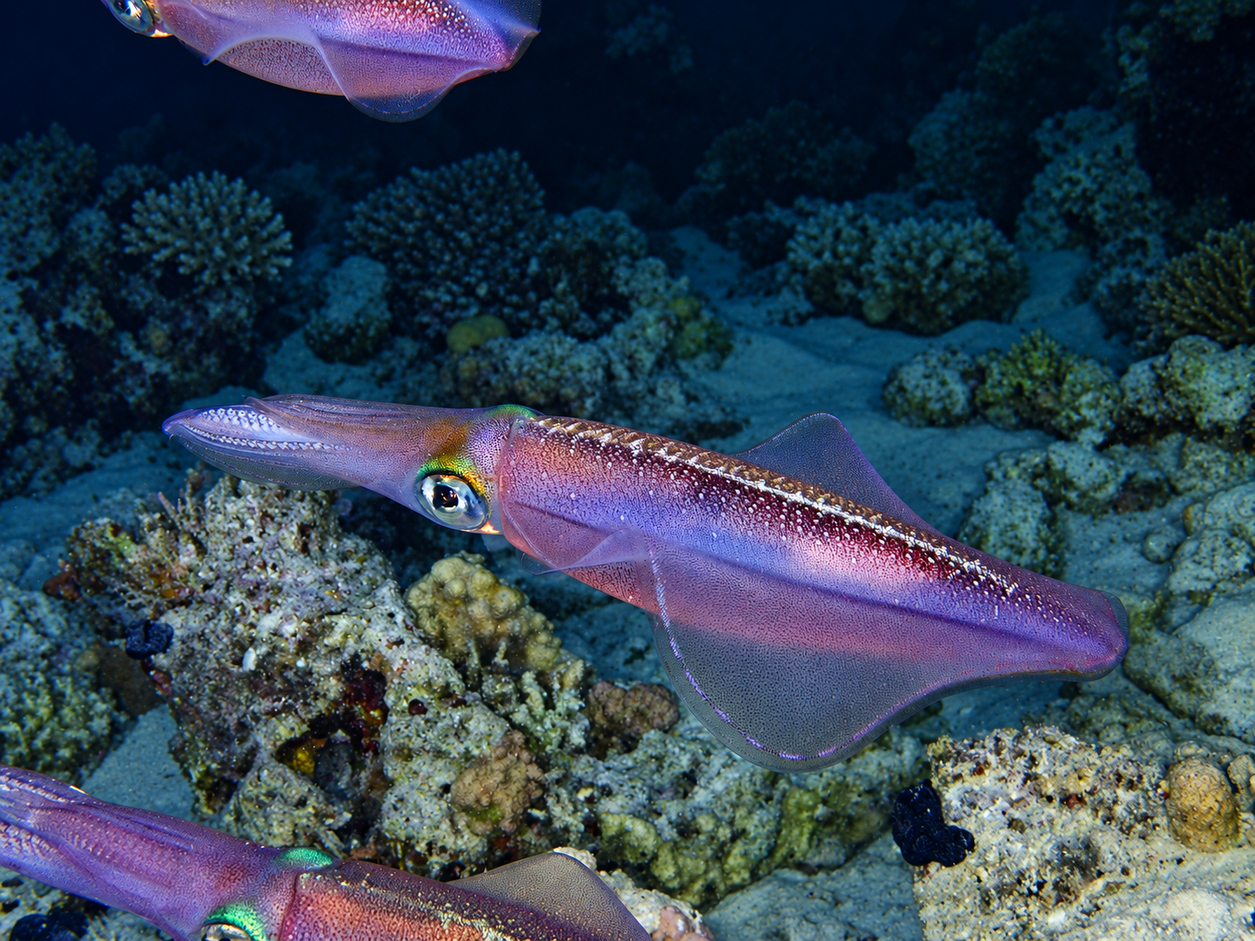
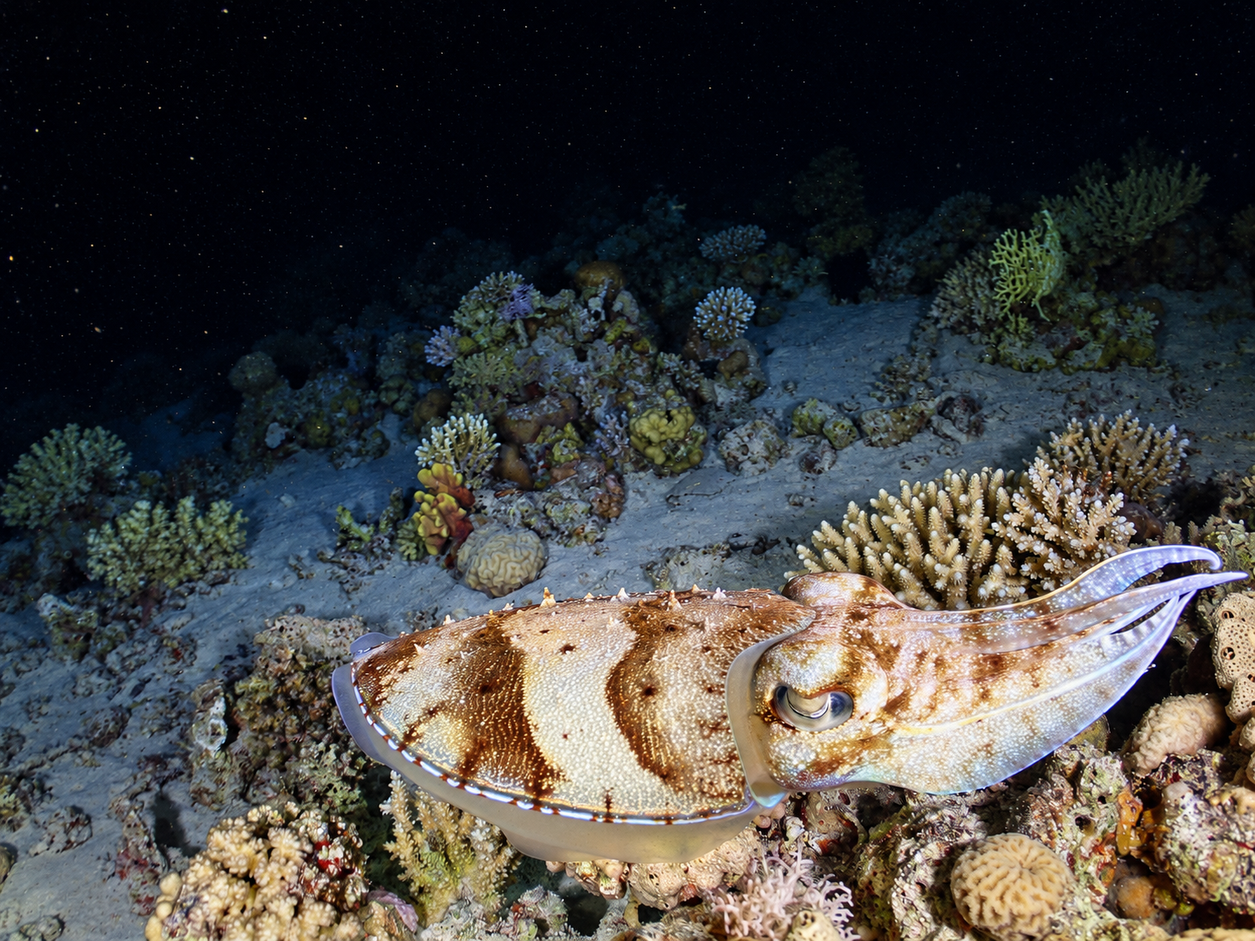
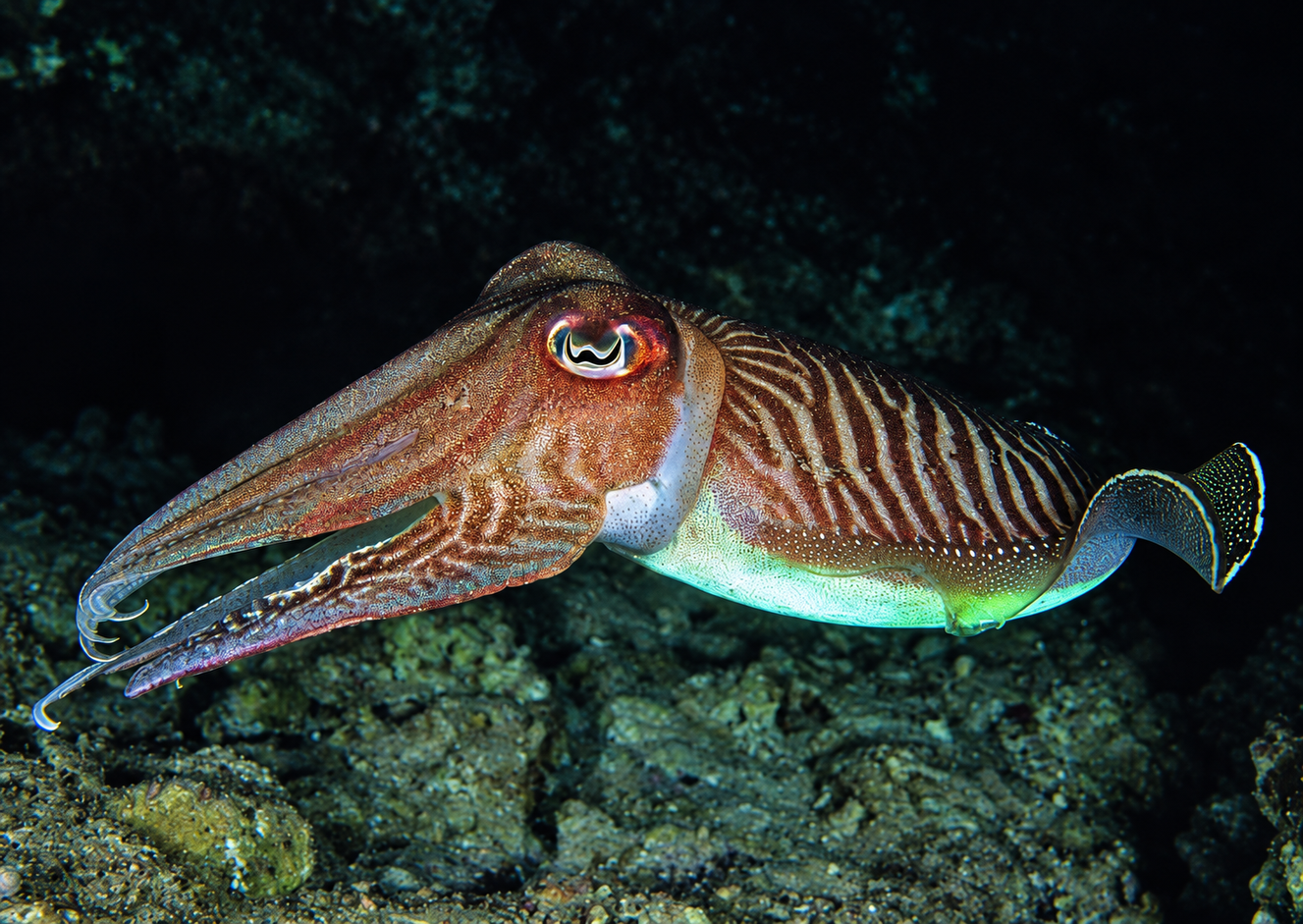
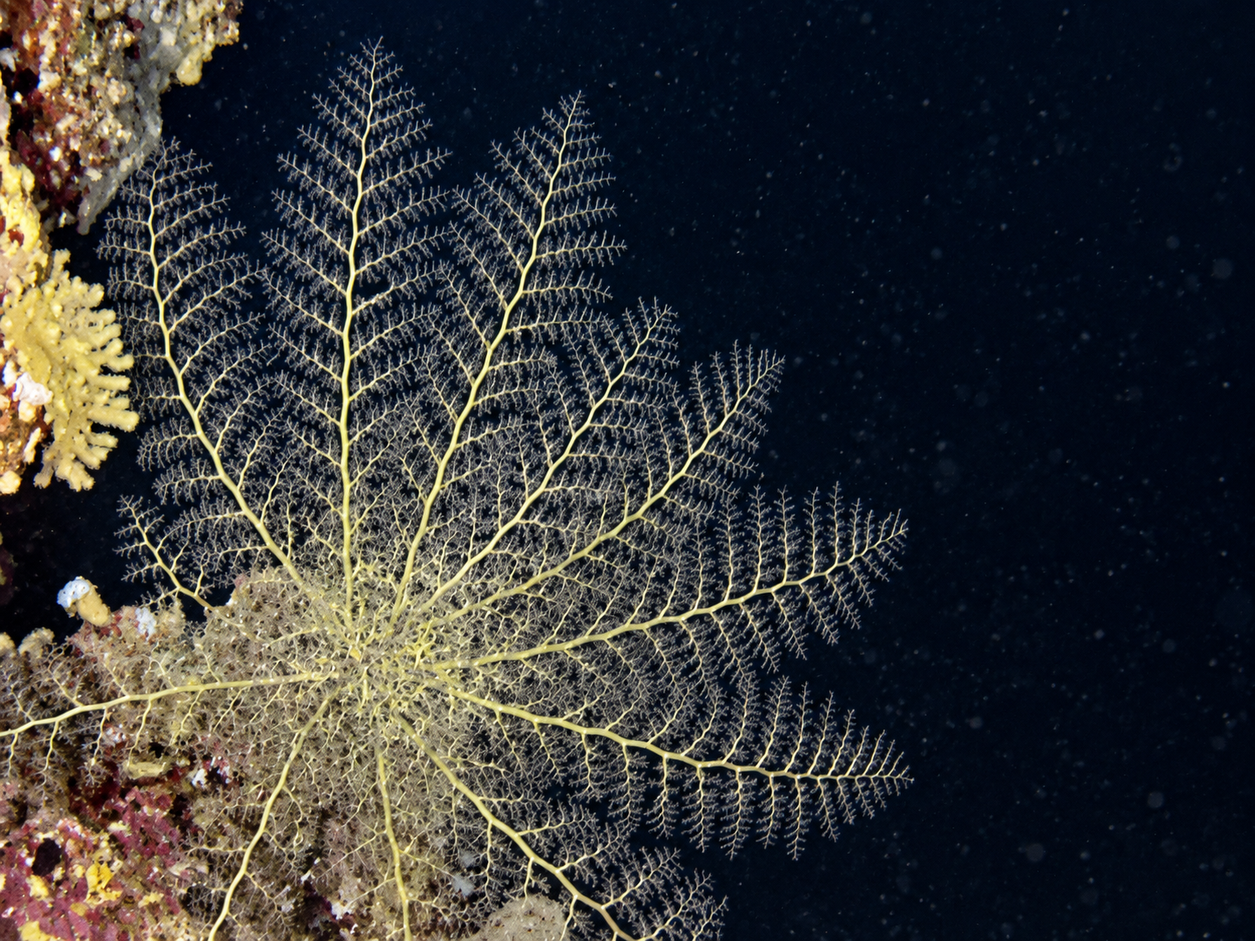
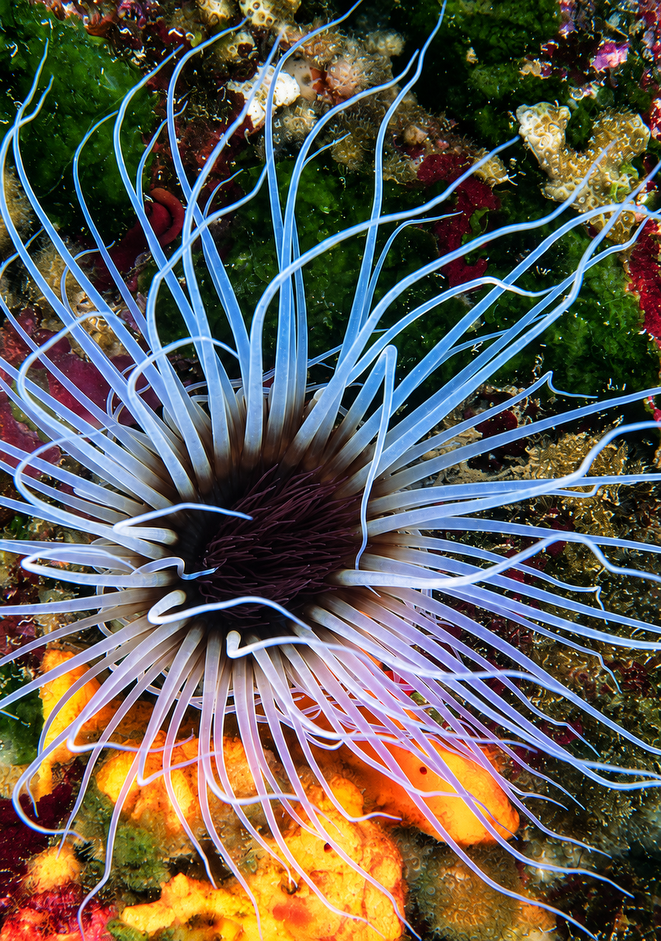
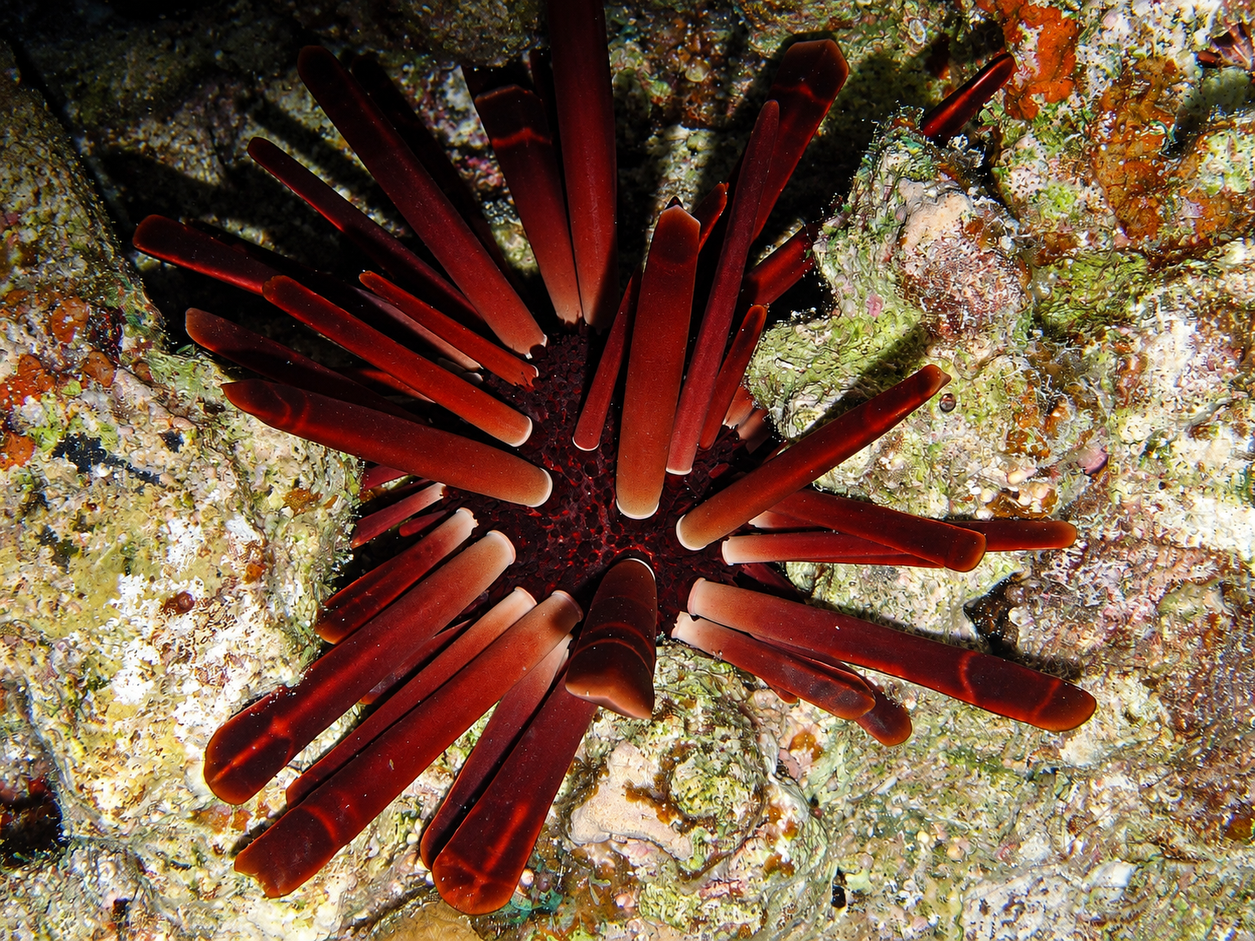
Furthermore, night diving sits well beside Enriched Air Nitrox, Deep Diver and Wreck Diver, all of which reward the buoyancy and awareness this course builds. Underwater Photography is another natural pairing, since night is when the colors come back.
If you have not done it yet, Rescue Diver remains the most useful course most divers ever take. Meanwhile our daily diving trips keep your dive count moving between courses, and a liveaboard week is where most divers get their next night dives. The full ladder sits on our PADI courses page.
Why us
Above all, full emergency equipment, a documented action plan and a thorough briefing before every dive, which matters twice as much after dark.
Indeed, more than two decades of diving and liveaboard operations out of Hurghada, on every Egyptian route.
Furthermore, night training runs in very small groups so the instructor keeps every diver in sight throughout.
As a result, a primary dive light and a backup where required come with the course, so you buy nothing to try night diving.
Moreover, we confirm the site, the permissions, the transfers and the total price before accepting a booking rather than after.
In addition, divers are taught to observe nocturnal life without touching, feeding or crowding it.
Questions
The PADI Night Diver course in Hurghada costs €250 per person. In other words, that covers three training dives, instruction, standard equipment, lights, PADI materials and certification.
Yes. Indeed, a primary dive light is included, and a backup light where the site or the exercise requires one.
Yes. The learning materials and the certification processing sit inside the price, so nothing arrives afterwards as an extra.
The PADI Night Diver course takes three night dives completed over two or three evenings. Therefore it fits comfortably inside a normal diving week.
Normally not. The course is organized over two or three evenings to allow proper rest, learning and skill development.
No. Red Sea Diving does not operate this course from the normal Hurghada daily diving boats. It is arranged from a suitable shore or approved house reef instead.
No. Availability depends on the selected site, local permission, the weather and the instructor schedule.
Sometimes. Where the approved site sits outside central Hurghada a transfer charge can apply, and we confirm it in writing before you book.
In short, PADI Open Water Diver or an accepted equivalent from another recognized agency.
The minimum age is twelve years. However, junior diver depth and supervision restrictions still apply.
Certified Open Water Divers may enroll, although comfortable buoyancy and recent diving experience matter a great deal here.
Night diving requires additional planning and equipment. With suitable conditions, professional supervision and correct procedures, it can be conducted safely.
Stay calm, signal your buddy using your backup light and follow the procedures explained in the briefing. Every diver has access to a backup light.
Nitrox may be available where appropriate, provided you hold the required certification and analyze the cylinder before diving.
No. After all, wildlife encounters are natural and cannot be guaranteed.
No, the card is for life. Nevertheless, a refresher is recommended after a long period without night diving.
First, send us your certification level, your number of logged dives, your preferred dates and your hotel. We check the approved night diving site, confirm permissions and come back with availability and the full price. For independent guidance on dive planning read Divers Alert Network, and for liveaboard diving in Egypt see also redsealiveaboard.net.
Rated 4.9 out of 5 from 132 reviews on Google.
Prefer to talk? Message us on WhatsApp or call +20 105 005 6542. We answer 24 hours a day, seven days a week.
Red Sea Diving, Madares Street, Hurghada 1, Hurghada 84511, Red Sea Governorate, Egypt. Diving and PADI training here since 2000. Last reviewed by the Red Sea Diving instructor team.
Premium Red Sea diving in Egypt. Liveaboard trips with experienced crews, comfortable vessels and 20+ years of experience.