
Safaga, Egypt · Panorama Reef
Panorama One of the best wall dives in the Red Sea
GPS 26° 44.94′ N · 34° 4.9′ E
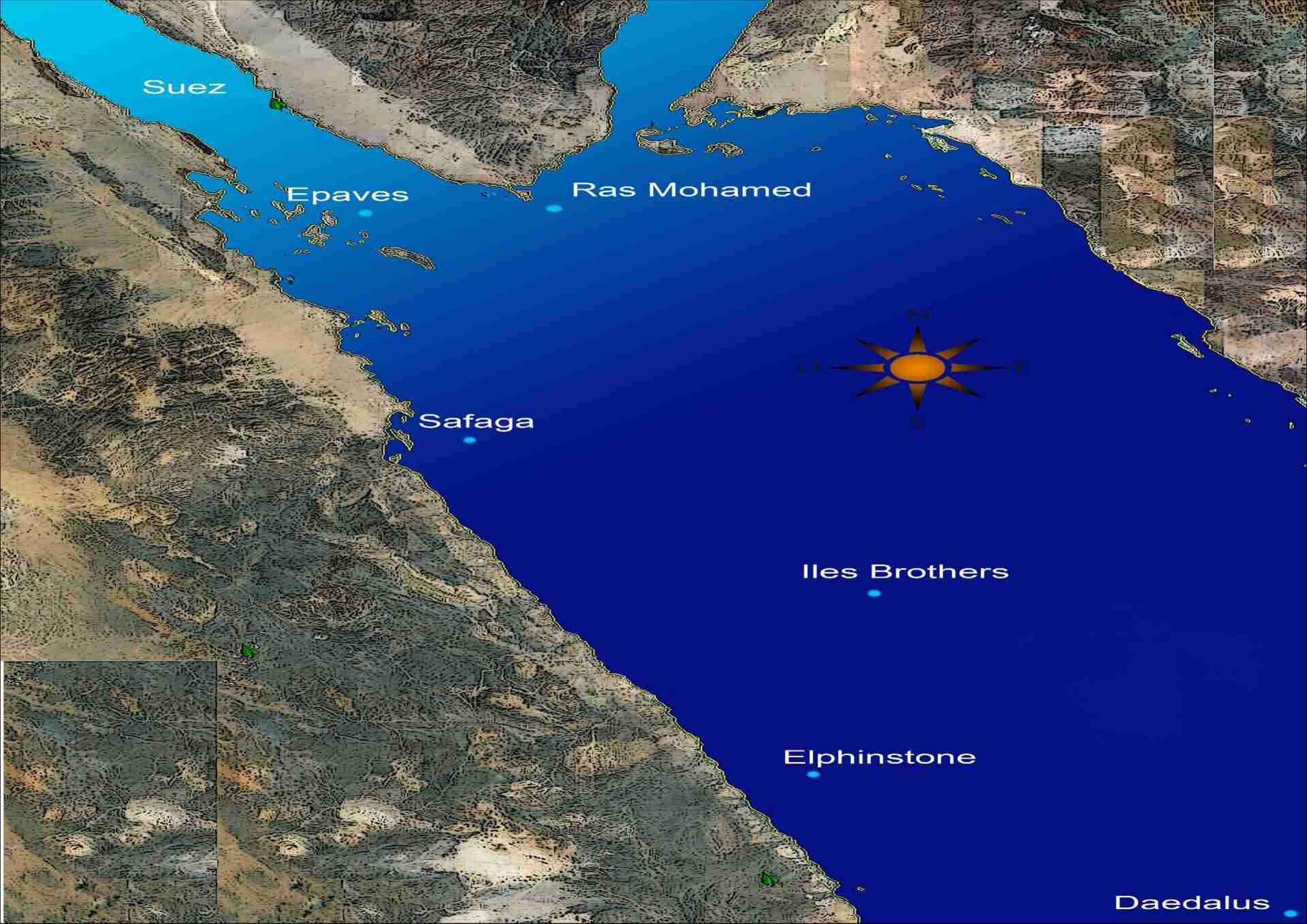
Panorama Reef takes its name from the panoramic underwater views off its plateaus and vertical walls. Because it is one of the largest single reefs off Safaga, and because the wall falls past 100m into open blue, a single dive never covers it. Consequently most boats plan at least two.
Panorama Reef at a glance
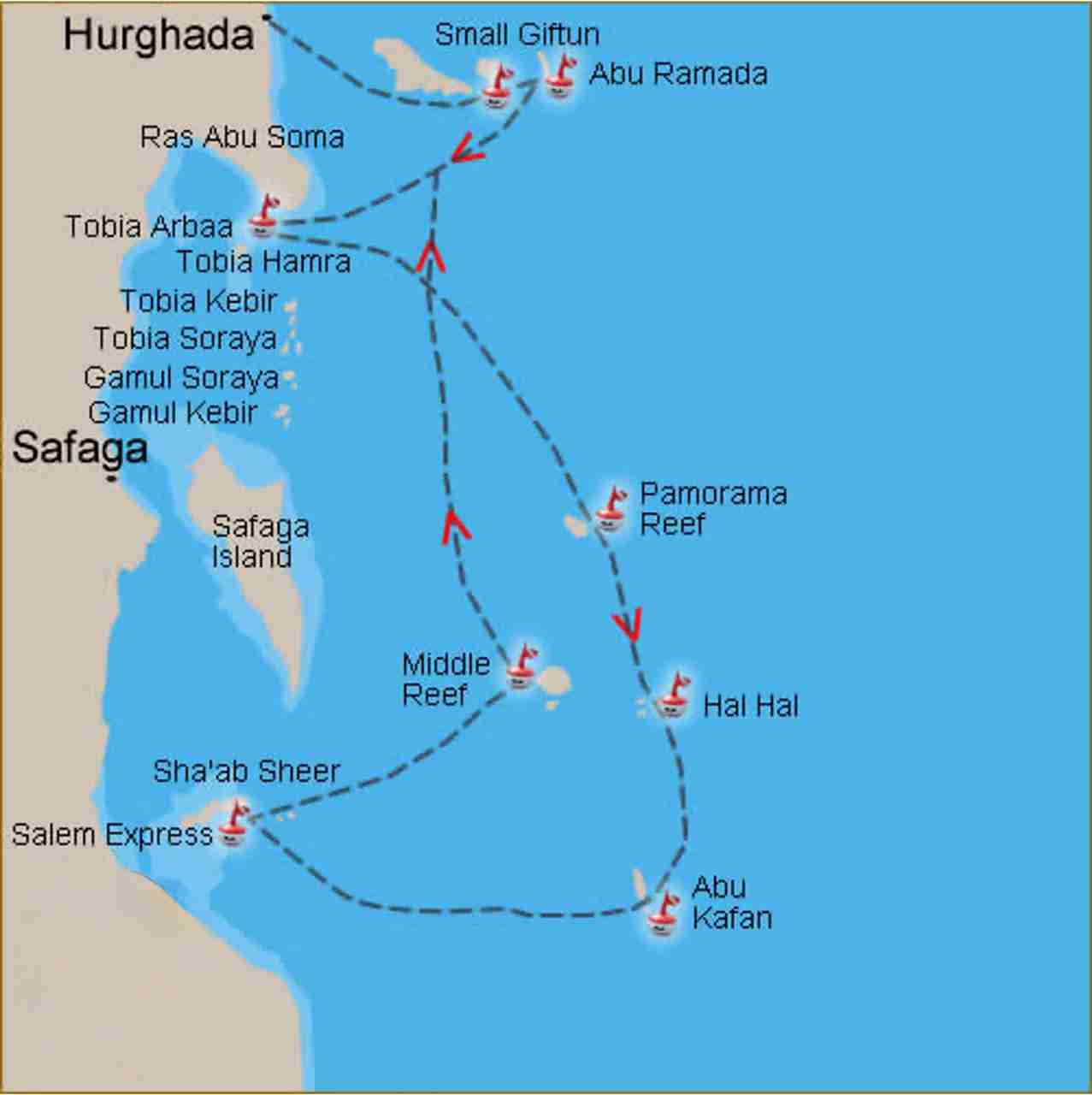
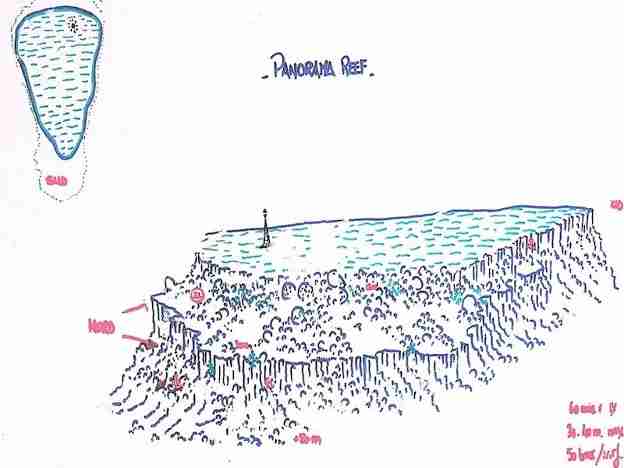
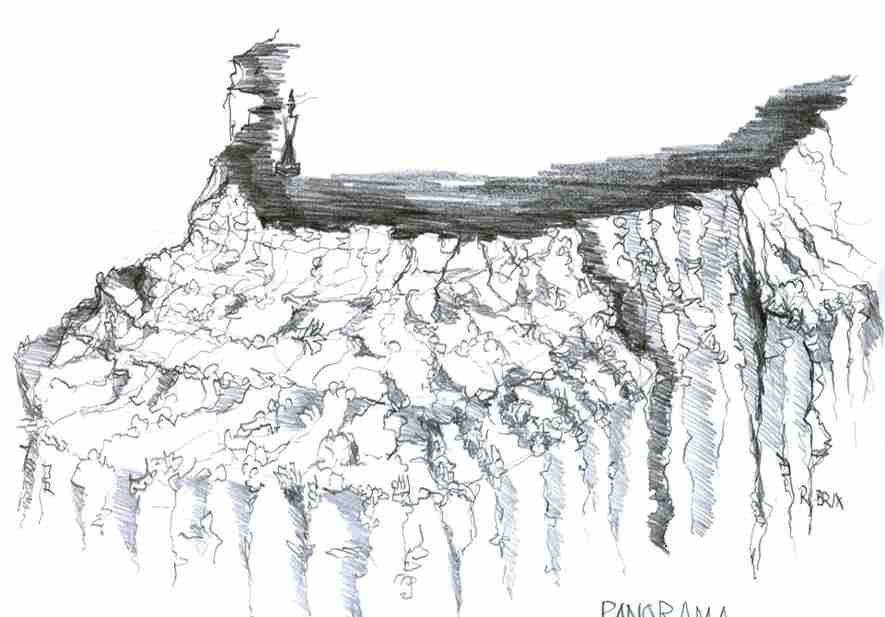
Panorama is a large, oblong reef lying roughly seventy-five minutes north-east of Safaga harbour. Moorings sit at the southwest, while one plateau runs off to the northwest and another to the southeast. Between them, a vertical wall drops through a hundred metres of open water.
Because the reef is so big, boats normally moor at the southern end and send divers on an out-and-back, heading around either to the northeast or to the northwest. Alternatively, when conditions allow it, the east side makes an excellent drift. Either way, more than one dive here is essential if you want to see what the site actually offers.
Currents occasionally run hard, and on a windy day the sea over the reef gets genuinely rough. Therefore this is not a site for a diver’s first week. Some experience is required, particularly the ability to read a current on the surface and change the plan accordingly.
Conditions in short
Depth: 2–18m over the reef, plateau to 35m, then a sheer drop past 100m.
Location: around 75 minutes from Safaga.
Conditions: some experience required. The current can be ripping, and on a windy day the sea here can be rough.
Best for: wall diving, wide-angle photography and time spent looking out into the blue rather than down at the reef.
The reef itself
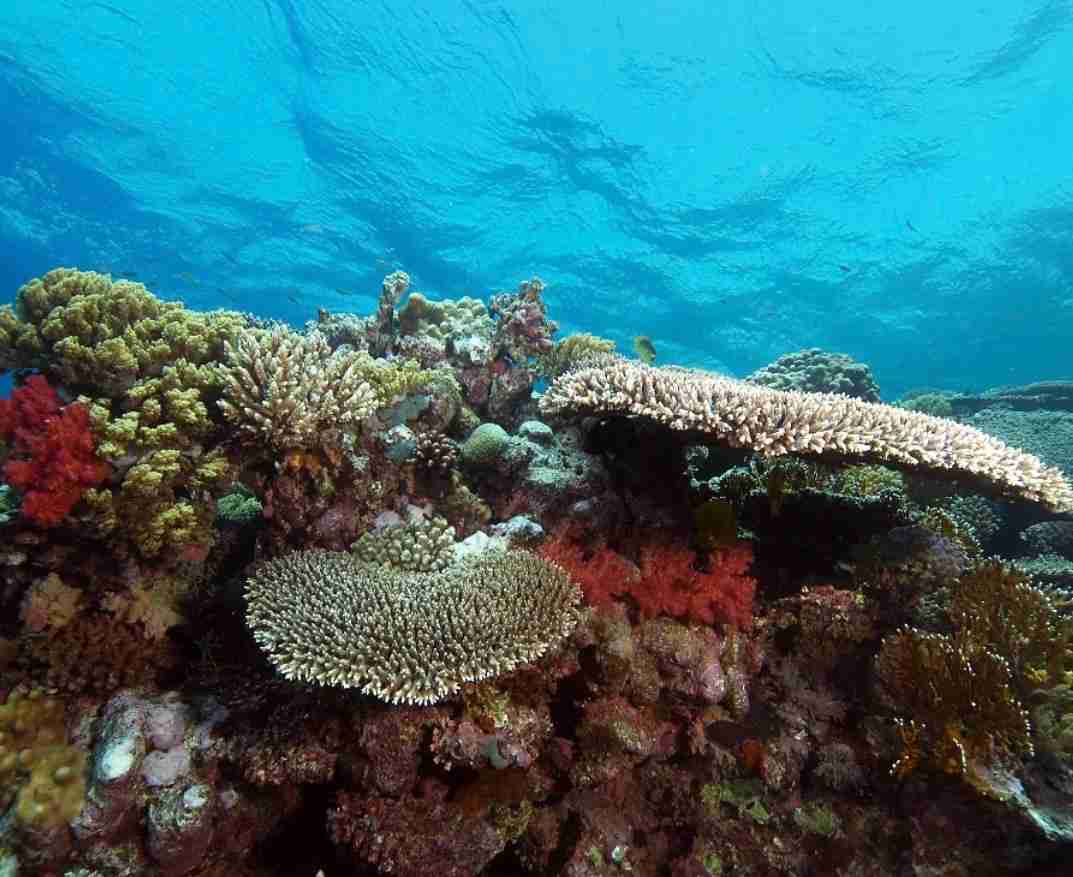
To the south sits a vertical wall carrying deep fissures, which you can explore in the shallows at the end of a dive while anthias cloud the water around you. As you work around from the south to the east side, meanwhile, a sloping plateau opens between 20m and 30m. Large shoals of blue lunar fusiliers dart in towards the reef across it.
Out in the blue, tuna, trevally and barracuda patrol constantly. Therefore it pays to spend part of every dive facing away from the reef rather than into it, because the occasional white-tip shark, or even a grey reef shark, passes through open water rather than along the coral.
Dive plans for Panorama Reef
Two routes work here, and the current decides which one you get. Consequently the briefing is worth listening to twice, since the plan given on the boat may not be the plan you were told the night before.
Route one: the east wall drift
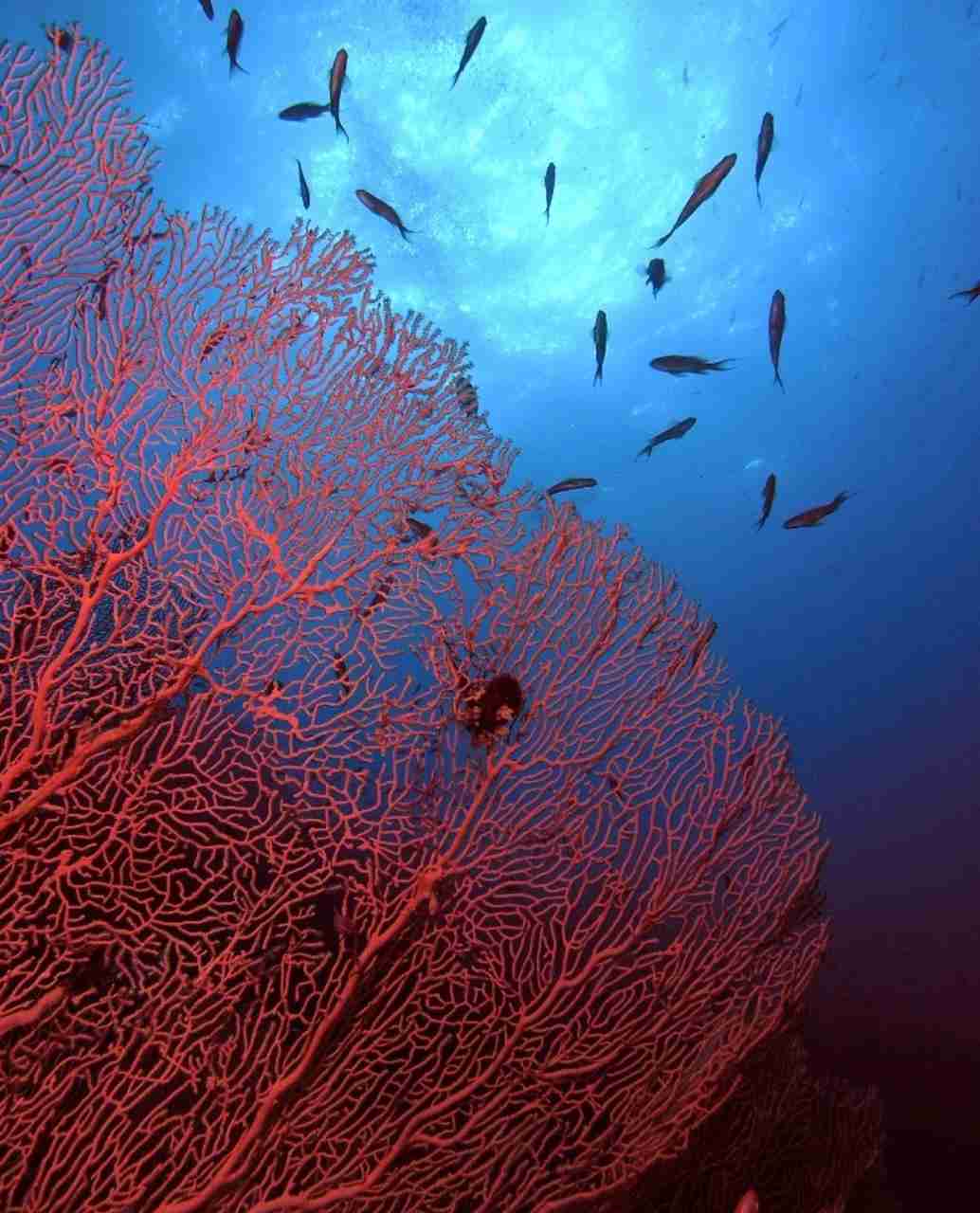
Drop a little way up to the north on the east side, then swim along the wall. Towards the southeast, at around 22 to 30m, a forest of beautiful gorgonians sways in the current. Below that the plateau slopes to roughly 35m, where it plunges into the abyss.
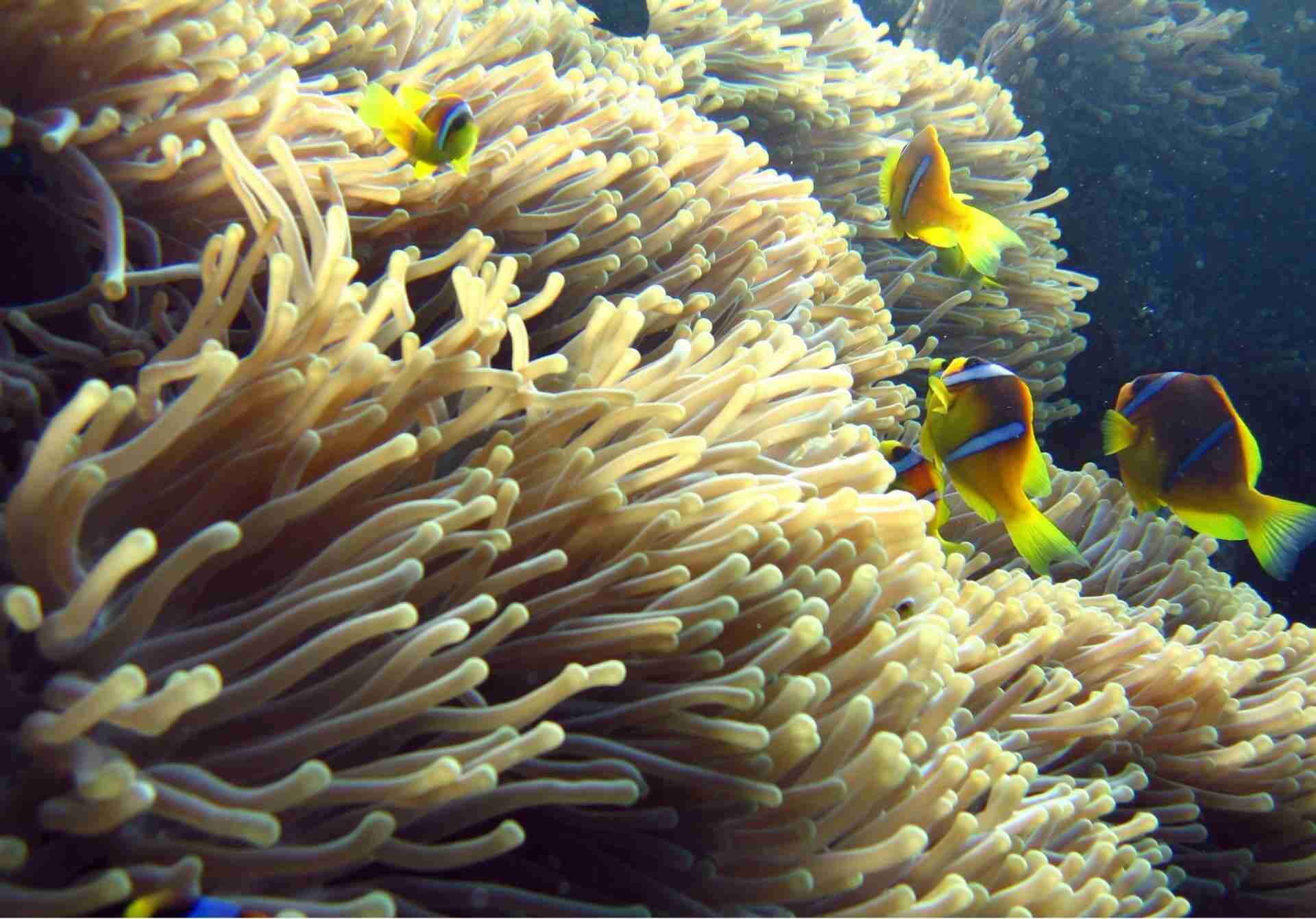
Move progressively shallower as you approach the boat rather than saving your ascent for the end. Finally, make the safety stop at anemone city on the southwest corner of the reef wall, which runs from 3m up to 15m and rewards a long, slow finish.
Route two: out and back from the mooring
Boats normally moor at the southern end, so this route starts and finishes in the same place. Head around to the northeast or the northwest along the wall, then turn back before you are committed, since there is no live boat pickup at the far end.
When you reach the south plateau, several small pinnacles emerge from the sloping reef wall. Turning around from there, you multilevel your way back and continue along the wall, making a long safety stop until you reach the boat.
Check the current on the surface, every time. Panorama occasionally runs hard, and the drift plan only works in one direction. If the check says the current has turned since the briefing, then the plan turns with it.
What to see on the Panorama dive site
On the south plateau you are practically guaranteed several napoleon wrasse. Especially pleasing is how many of them are juveniles, which suggests the population here is healthy rather than simply habituated to divers.
Pelagic species such as tuna visit from time to time. Meanwhile other predators, notably bigeye trevally and barracuda, hunt through vast schools of fusilier along the plateau edge. Eagle rays turn up regularly too.
Sharks are a real possibility rather than a promise. White tip reef shark, grey shark, silky shark and even oceanic white tips have all been recorded here. Because they pass through open water, though, you will only see them if you are looking out into the blue at the time.
Planning a dive at Panorama
Who the Panorama dive site suits
Divers with some experience behind them, and ideally a few Red Sea walls already logged. Although the shallows are forgiving, the wall is not, because the bottom simply is not there to catch you.
Good buoyancy matters more here than depth qualifications. Since the plateau slopes continuously, a distracted diver drifts deeper without noticing, so watch the computer as carefully as the blue.
When to go
Diving runs all year, however the sea decides. Calm days open the whole reef, while wind closes it entirely and sends the boats back to the sheltered reefs behind Abu Soma instead.
Depth at a glance
More Safaga diving
- Safaga local dive sites — the other fourteen reefs, from the sheltered Tobia and Gamul gardens out to Middle Reef and Mahal Hala.
- Liveaboard dive techniques — negative entries, SMB deployment and exits in swell, which is what a wall like this asks for.
- What divers need on board — the packing checklist for a Red Sea safari.
- The boats that run these routes: Sea Fox, Sea Treasure, My Simba and Bismarck.
- redsealiveaboard.net — Red Sea safari schedules and availability.
Panorama Reef: frequently asked questions
How deep is Panorama Reef?
The reef top sits between 2m and 18m, while the plateau runs down to about 35m. Beyond the plateau edge the wall drops sheer past 100m.
How long does it take to reach Panorama from Safaga?
Around seventy-five minutes by boat, although rough weather makes that longer and sometimes cancels the trip entirely.
Is Panorama suitable for a newly qualified diver?
Generally not. Some experience is required, because the current can run hard and the wall gives you no bottom to settle on if things go wrong.
Can you see sharks at Panorama?
Sometimes. White tip reef shark, grey shark, silky shark and even oceanic white tips have been recorded, though they pass through open water rather than along the reef.
Why do boats plan more than one dive here?
Because a single dive cannot cover a reef this size. One dive takes the east wall, while another works the south plateau and the shallows.
Where is the best safety stop?
Anemone city, on the southwest corner of the reef wall, which runs from 3m to 15m and easily fills the last ten minutes of a dive.
What is the current like at Panorama?
Usually manageable, occasionally ripping. Therefore a proper current check on the surface decides the route, rather than the plan given at the briefing.
What are you waiting for?
Book your adventure
Simply tell us which experience you want, then leave the rest to us. If you are unsure whether Panorama suits your certification and recent logbook, our team will talk it through with you before you commit to anything.
Inquiry