
Safaga, Egypt · Local Dive Sites
Safaga Local Dive Sites Fourteen reefs and pinnacle fields south of the coast
Sheltered gardens · Offshore reefs · GPS · Dive plans
In practice, the Safaga dive sites split cleanly into two kinds of diving. Behind the Abu Soma peninsula, meanwhile, sit the sheltered Tobia and Gamul reefs, calm enough to dive in almost any weather and forgiving enough for every level. Further out, exposed reefs like Middle Reef, Shaab Shehr and Mahal Hala trade that shelter for current, depth and the chance of something large passing through the blue.
Diving in Safaga
The industrial port of Safaga lies, broadly, an hour’s drive south of Hurghada. The town is largely undeveloped, although it is well known as the main terminal for ferries to Saudi Arabia, which means thousands of pilgrims pass through its shores on their way to and from Mecca during the Haj.
Only a handful of dive centres work the Safaga dive sites, which are also popular with safari boats stopping on their way to and from the southern Red Sea. The result is an area that is still relatively undiscovered, and a reminder of how exceptional Red Sea diving can be when development and diver numbers stay low, whether by nature or by design.
Further out, luxuriant corals cover walls that fall hundreds of metres to the seafloor. Meanwhile, hard coral builds underwater labyrinths you can spend a whole dive inside. Overall the marine life runs the full range, from the smallest nudibranch through vast quantities of reef fish to barracuda and reef sharks.
Wind decides which Safaga reefs are open
The wind and the current here can be formidable, which is exactly why Safaga is one of Egypt’s best known windsurfing and kite surfing destinations. For divers, however, it means the most exhilarating sites are off the menu much of the time.
Fortunately, however, the same coast offers a wealth of nearby sheltered reefs and shallow coral gardens, perfect for newer divers and for changeable weather. That is the practical logic of a week here: the offshore reefs when the sea allows it, the Tobia and Gamul gardens when it does not.
Notably, three Safaga sites are not covered on this page. Panorama, Abu Kifan and the wreck of the Salem Express each get their own page, because each one deserves more room than a summary can give it.
Safaga is also home to the Salem Express, an Egyptian passenger ferry that sank in 1991 on its return journey packed with pilgrims from Mecca. The loss of so many lives on board makes it one of the greatest Egyptian marine tragedies of all time, and diving it remains a matter of respect rather than sightseeing.
All Safaga dive sites at a glance
Below, the list runs from the sheltered water behind Abu Soma out to the exposed offshore reefs in that order. Travel times, of course, are from Safaga harbour and assume a normal working boat speed.
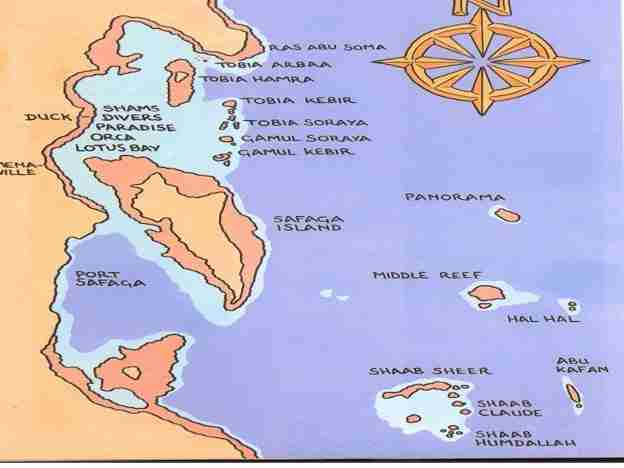
Sheltered Safaga reefs behind Abu Soma
These are the Safaga dive sites that save a week whenever the wind gets up. The Abu Soma peninsula takes the weather off them, the current is usually gentle or absent, and the bottom is flat enough that navigation is straightforward. Moreover, every one of them suits training and newer divers, and several rank among the best photography sites on this coast.
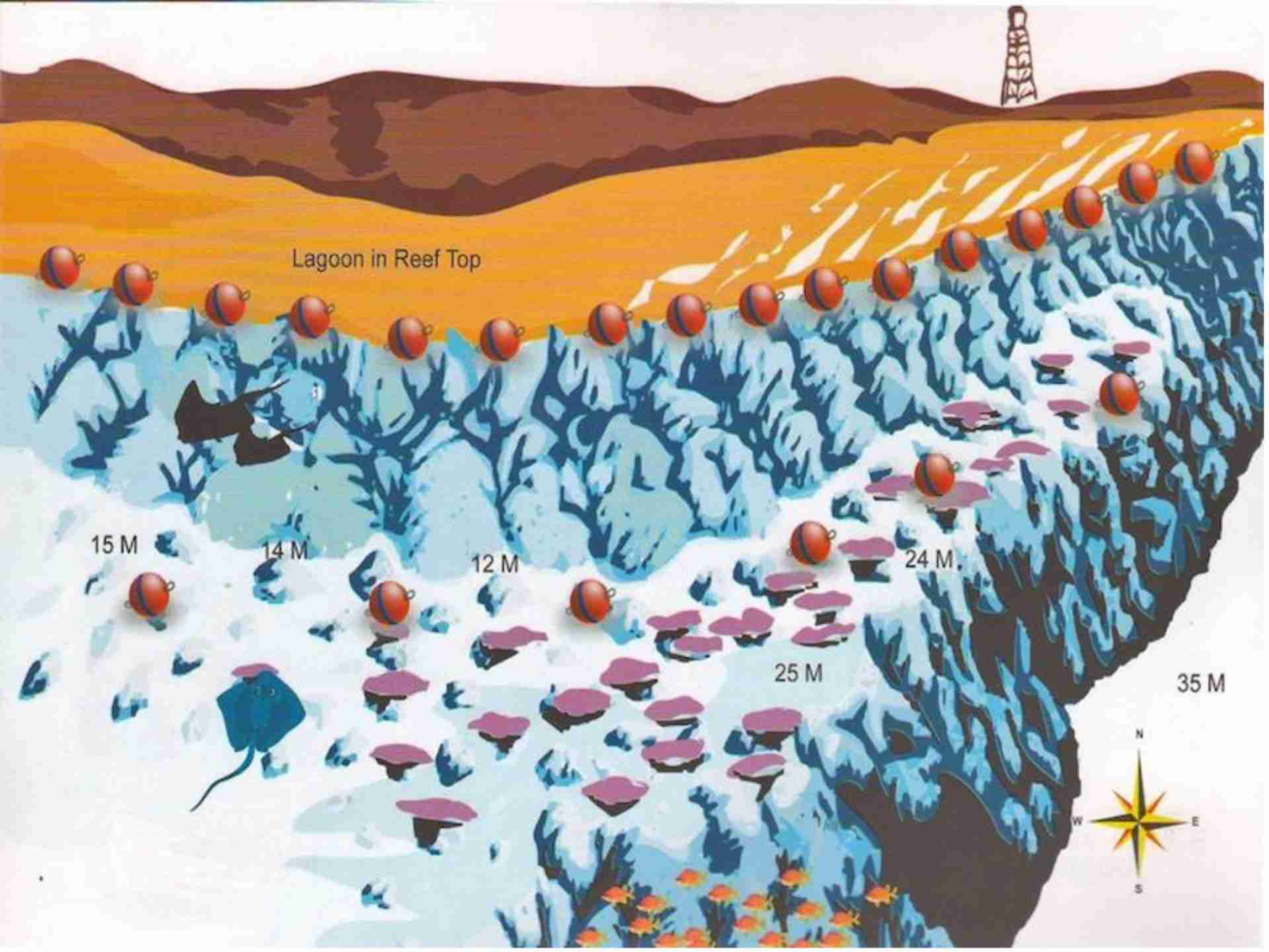
Ras Abu Soma
GPS 26° 50.35′ N · 34° 00.12′ E
Normally protected from both wind and current, which makes this a reliable choice for every level of diver and for dive training.
Overview
A slanting reef side lands on a sandy slope littered with coral blocks, which eventually drops away into great depth. Further north the shelf narrows to a ledge and finally gives way to a vertical wall.
Dive plan
This is an obvious drift. First, drop a few hundred metres to the north and swim with the wall on your right. Then, after a few minutes, the wall is broken by a ledge at 35m, which climbs into a plateau at 15m carrying table corals and hard corals of a spectacular kind. The plateau slopes to about 25m before it disappears into the deep as a drop-off. The rich marine life in the shallows guarantees an enjoyable safety stop, and a dive here is often combined with the neighbouring Abu Soma Gardens.
What to see
Giant moray eels are often seen free swimming over the plateau, and eagle rays sometimes pass by. On the reef slope, meanwhile, you may find an octopus or a cuttlefish. In addition, numerous anemones shelter families of clownfish across the plateau. Big predators have been known to visit, but do not count on a shark encounter.
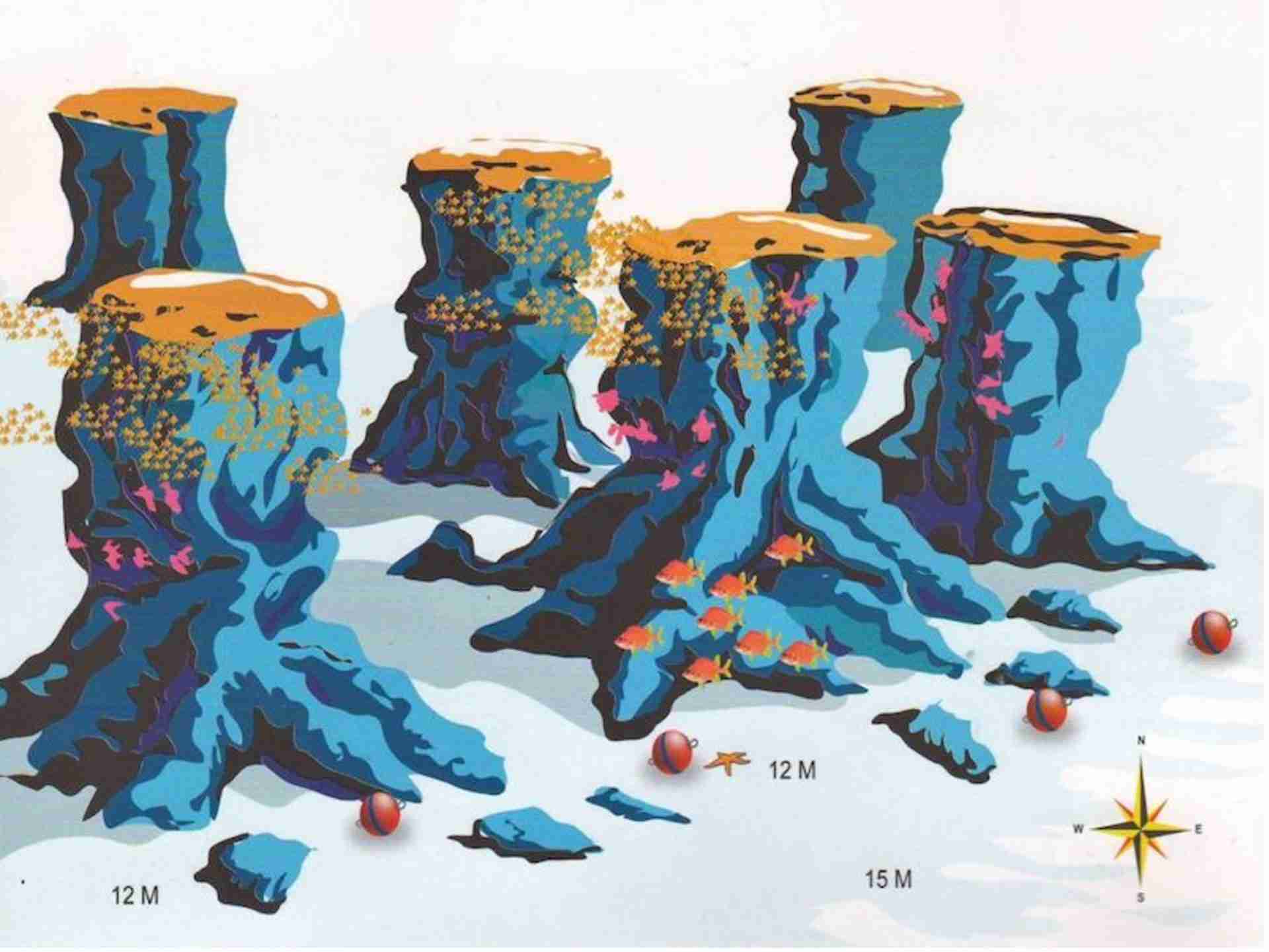
Tobia Arbaa
GPS 26° 50.20′ N · 33° 59.40′ E
Because it sits behind the headland of Abu Soma, this site is diveable in effectively any conditions and suits every level of diver and all dive training.
Overview
Also known as the Seven Pillars. On a flat sandy bottom, five main pinnacles lead to a slope at the south where the boats normally moor.
Dive plan
Right underneath the boat, meanwhile, the bottom slopes from roughly 30m up to a flat sandy floor holding the five pinnacles. Two of the five are split at the top, which is almost certainly where the name Seven Pillars comes from. Naturally, plenty of cracks and caves give shelter to marine life. With hardly any current and a flat bottom you can improvise this dive as you go, and the pinnacles are all within sight of one another so navigation is easy. Still, watch your profile: this topography invites involuntary yo-yo diving.
What to see
Undoubtedly the ultimate Safaga dive site for photographers and videographers. Napoleon wrasse pose enthusiastically for the wide-angle, while nudibranchs model for the macro lens. Meanwhile lionfish and jackfish stalk schools of silversides, and soft coral overhangs veiled in anthias and glassfish will make you feel like a professional. There is often a turtle here too.
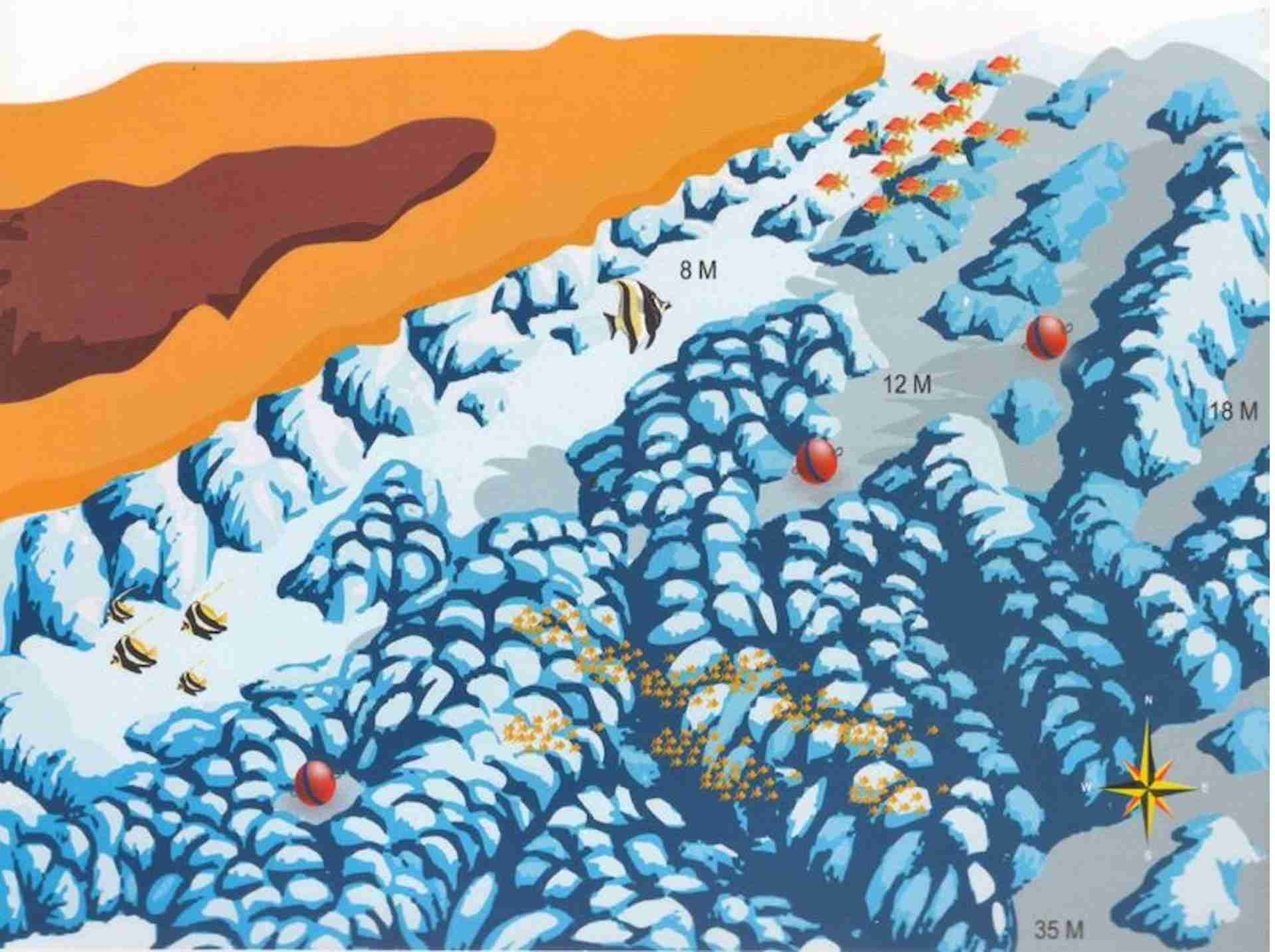
Tobia Hamra
GPS 26° 49.79′ N · 33° 59.05′ E
Protected by the Abu Soma peninsula, generally calm and showing little current.
Overview
Broadly, an extensive sloping reef on a north–south axis, interrupted by ridges and sandy-bottomed canyons. Tobia Island sits at one end, while Sandy Island lies at the other.
Dive plan
An obvious morning dive, since the whole site faces east. The shallow part is a maze of ridges and canyons, so you could easily make three or four different dives along the same reef system. Rather than follow a fixed route, simply wander at no more than 15m. Normally the boat moors to the north, and you begin by descending and moving southeast to your maximum depth over the coral garden. At least two napoleon wrasse live around the moorings, so you may find yourself descending straight on top of them. At maximum depth, continue south along the coral garden until you reach a sandy channel, then turn west and follow it as it rises to around 4m. Ultimately the channel becomes a lagoon running north to south between the main reef and the coral garden at about 8m.
What to see
Typically, turtles are a familiar sight here, as are napoleon wrasse and moray eels. Otherwise the usual suspects work the reef: butterflyfish, angelfish and emperor fish, plus stonefish and the Red Sea walkman. Jackfish and barracuda sometimes come here to hunt, and zebra sharks have been seen resting on the sandy flats.
Tobia Al Kabeir
GPS 26° 48.50′ N · 33° 59.70′ E
Similarly to Tobia Hamra, this site is protected from wind and waves by Abu Soma. The current is normally gentle or absent, so it suits all levels of diver.
Overview
Broadly, a large rectangular reef sitting on a flat sandy seabed, annexed to the south by two large pinnacles and one small one.
Dive plan
The east side is naturally the liveliest part, because it is the most exposed to current. So start from the mooring on the south side and set out along the pathway between the reef and the pinnacles. Notably, the east wall is broken at the top by small canyons, which gives the reef a far more interesting profile. If you have time left when you reach the southern pinnacles you will find scorpionfish and morays, though the pinnacles themselves are not really worth a long exploration. Finally, the south end of the reef comes up to around 5m, which makes it an excellent place for the safety stop.
What to see
In short, the east wall is an explosion of some of the best marine life and coral the Red Sea has to offer: groupers, tangs, surgeonfish, unicornfish and anemones teeming with clownfish. Meanwhile, on the sand flanking the reef, there are blue-spotted rays and flatfish such as moses sole. Meanwhile the southern pinnacles hold cracks and holes where glassfish hide from hungry lionfish and jackfish. Triggerfish patrol the bottom, and in summer dolphins sometimes drop by.
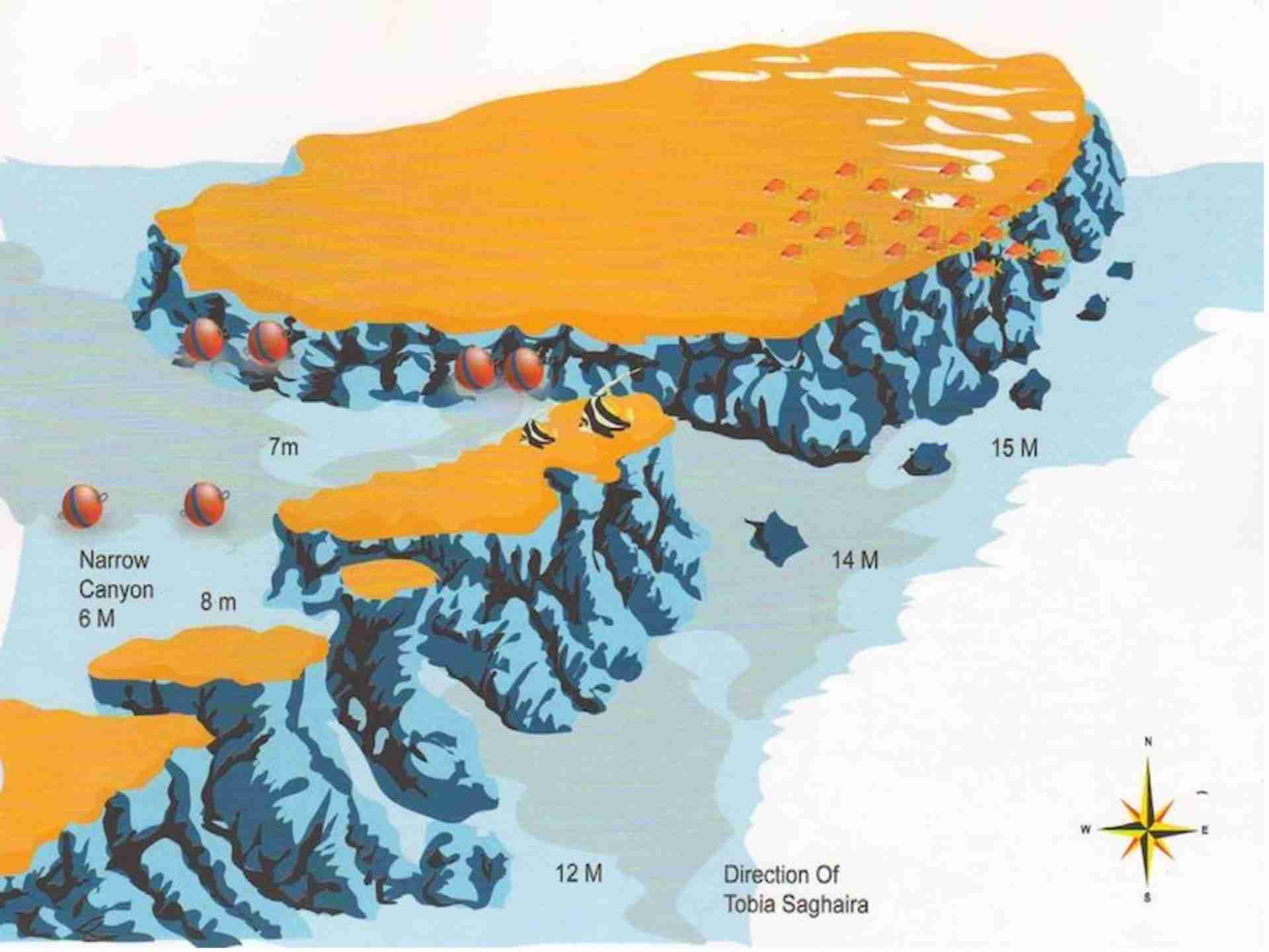
Tobia Al Saghaira
GPS 26° 48.20′ N · 33° 59.70′ E
Not completely protected, but normally a good choice in most weather conditions.
Overview
Further south from Tobia Al Kabeir, two lines of ergs rise from a flat sandy seabed.
Dive plan
Because the bottom is fairly flat at around 13m, and the pinnacles sit close together, this site can be tricky to navigate. However, one way to simplify it is to head out on the east side and come back along the west, crossing the gorges and channels on your return. Alternatively, concentrate on the two southernmost pinnacles, which are the best of them anyway. There are gorgeous photo and video opportunities here, particularly in the small tunnel through the eastern pinnacle. The small coral formations at the north end of the western pinnacles are a second highlight.
What to see
Typically, big schools of bannerfish and goatfish hang effortlessly in the current. Meanwhile blue-spotted rays and crocodilefish are everywhere on the bottom. Glassfish and silversides shelter from lionfish, groupers and scorpionfish in every crack, while surgeonfish and unicornfish patrol the top of the reef. If time and air allow, stop for a manicure at one of the many cleaning stations.
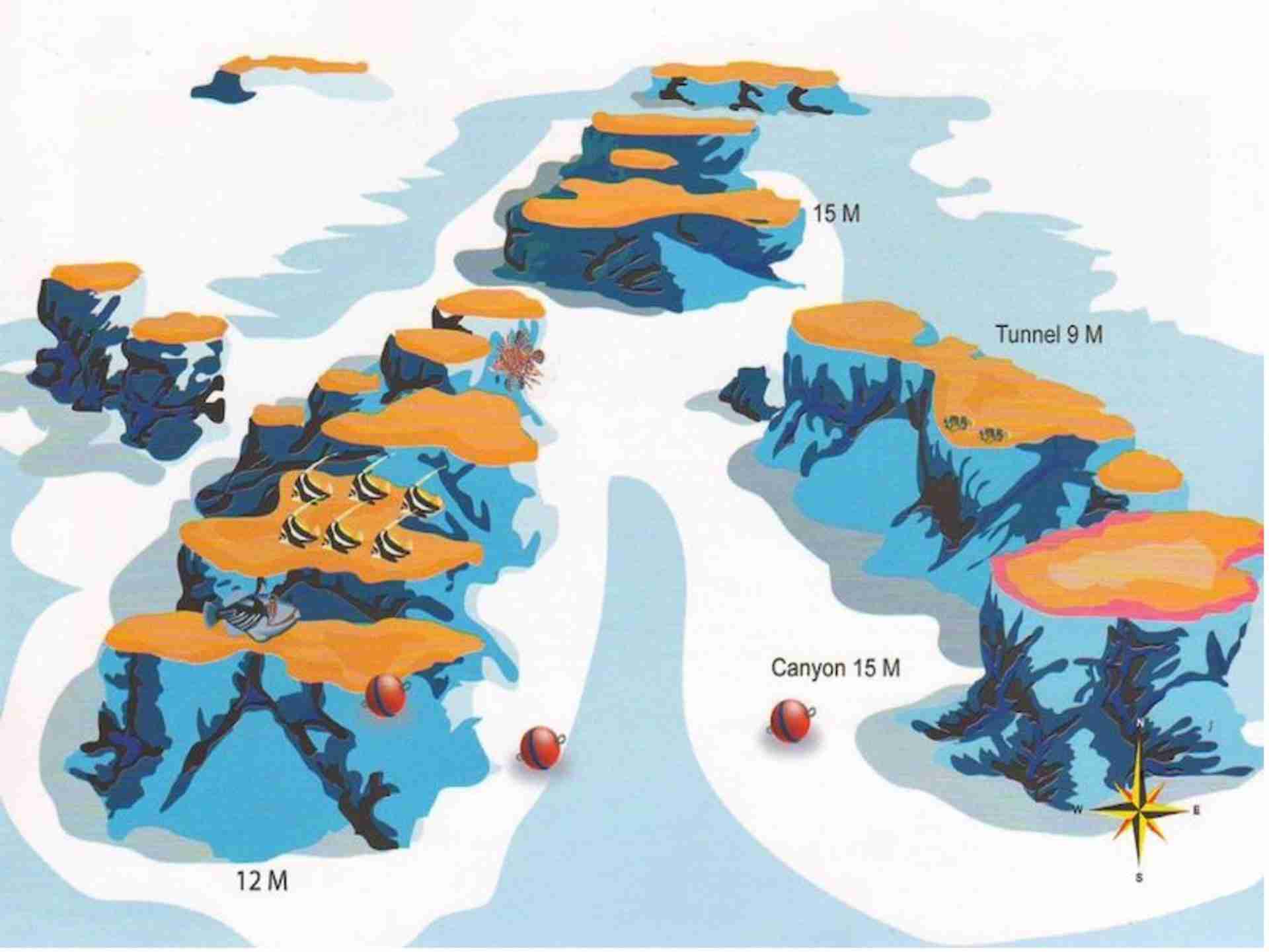
Gamul Al Saghir
GPS 26° 47.77′ N · 33° 59.48′ E
Suits all levels, and an excellent idea on the days when the weather has narrowed your choices down to almost nothing.
Overview
Normally the boats moor at the south end of this small circular reef. There is a sandy plateau at the northwest end, plus a number of pinnacles spread, further out, across a large area to the southeast.
Dive plan
Certainly the southern pinnacles are the most interesting part of the site, covered in soft corals and surrounded by an abundance of marine life. On the way to the closest and biggest one, incidentally, you pass garden eels swaying over the seabed at 14m. Navigating from pinnacle to pinnacle is much easier if you check your bearings before you jump, as they sit roughly 50 to 60 metres apart on the flat sand. Finally, save some air for a quick run along the top of the main reef, which makes a beautiful safety stop.
What to see
Typically the pinnacles are draped in schools of bannerfish, goatfish and butterflyfish. On the sand, particularly, there is a surprising number of scorpionfish. Batfish hang around too and gladly pose for photographers, while lionfish and moon grouper hunt in cracks packed with glassfish.
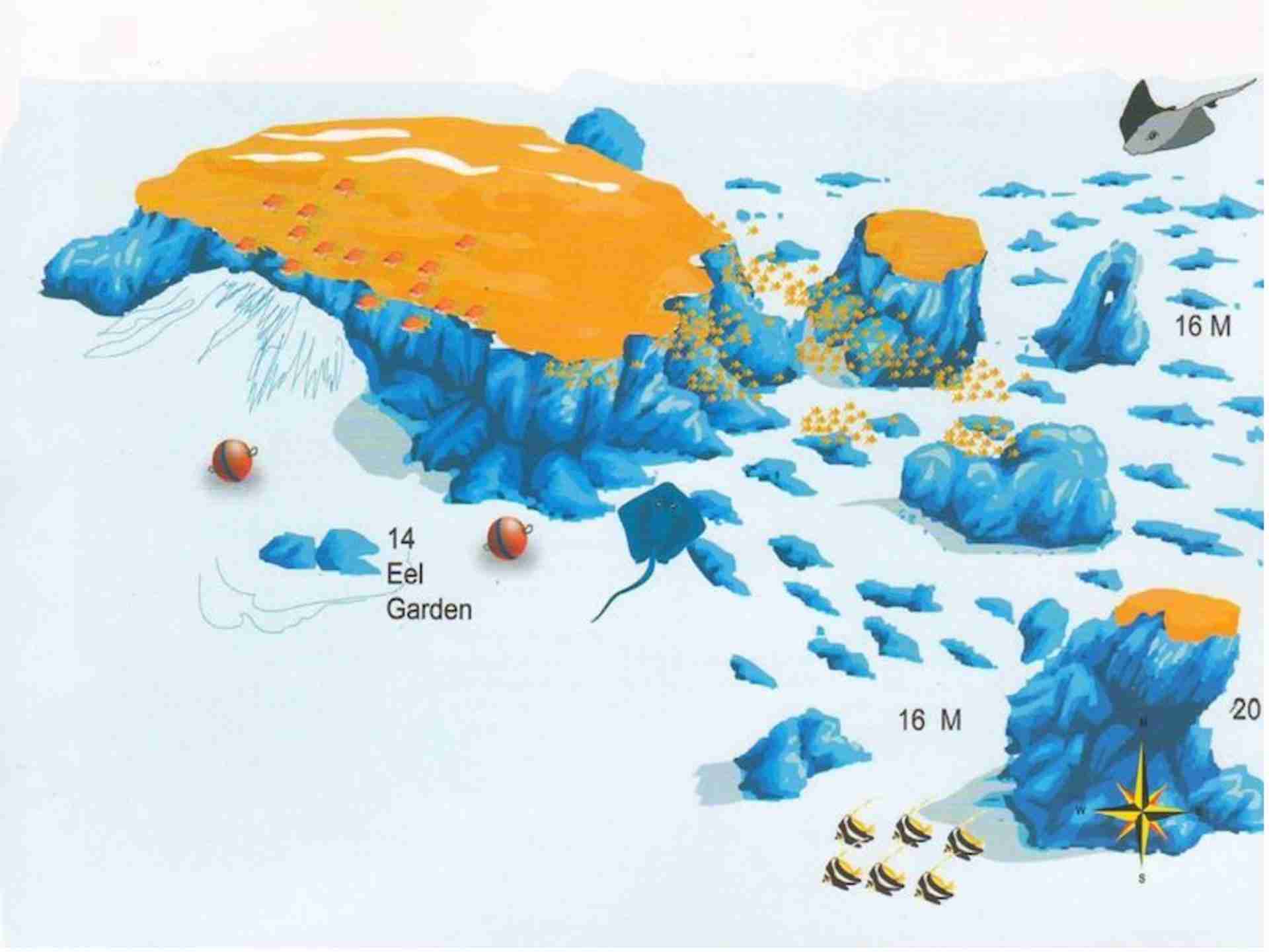
Gamul Al Kabeir
Usefully, a sheltered mooring practically guarantees a high-quality dive here in any conditions. Suits all levels of diver and all dive training.
Overview
Broadly, a round reef rising from 15m encircles a lagoon that opens to the west. Further north, three pinnacles line up.
Dive plan
Ideally, however, you dive this one as a drift. Drop on the north side and take some time over the three ergs, then turn south and work your way back to the boat with the main reef on your right. Naturally the top of the reef is beautiful, and it invites a long, enjoyable safety stop. If you choose to start from the mooring instead, you have almost half an hour of swimming to reach the pinnacles, and on the way you can explore some pretty areas of sea grass and eel gardens. Ideally, spend the return in shallow water, where the light sparkles through cracks in the top of the reef.
What to see
A large school of barracuda normally hangs just under the surface, with big-eyed emperor fish and snappers circling the pinnacles. Occasionally a sharp-eyed diver examining the seagrass turns up a sea moth. Eagle rays and white tip reef sharks are not unusual; indeed, even dugong sightings have been reported here.
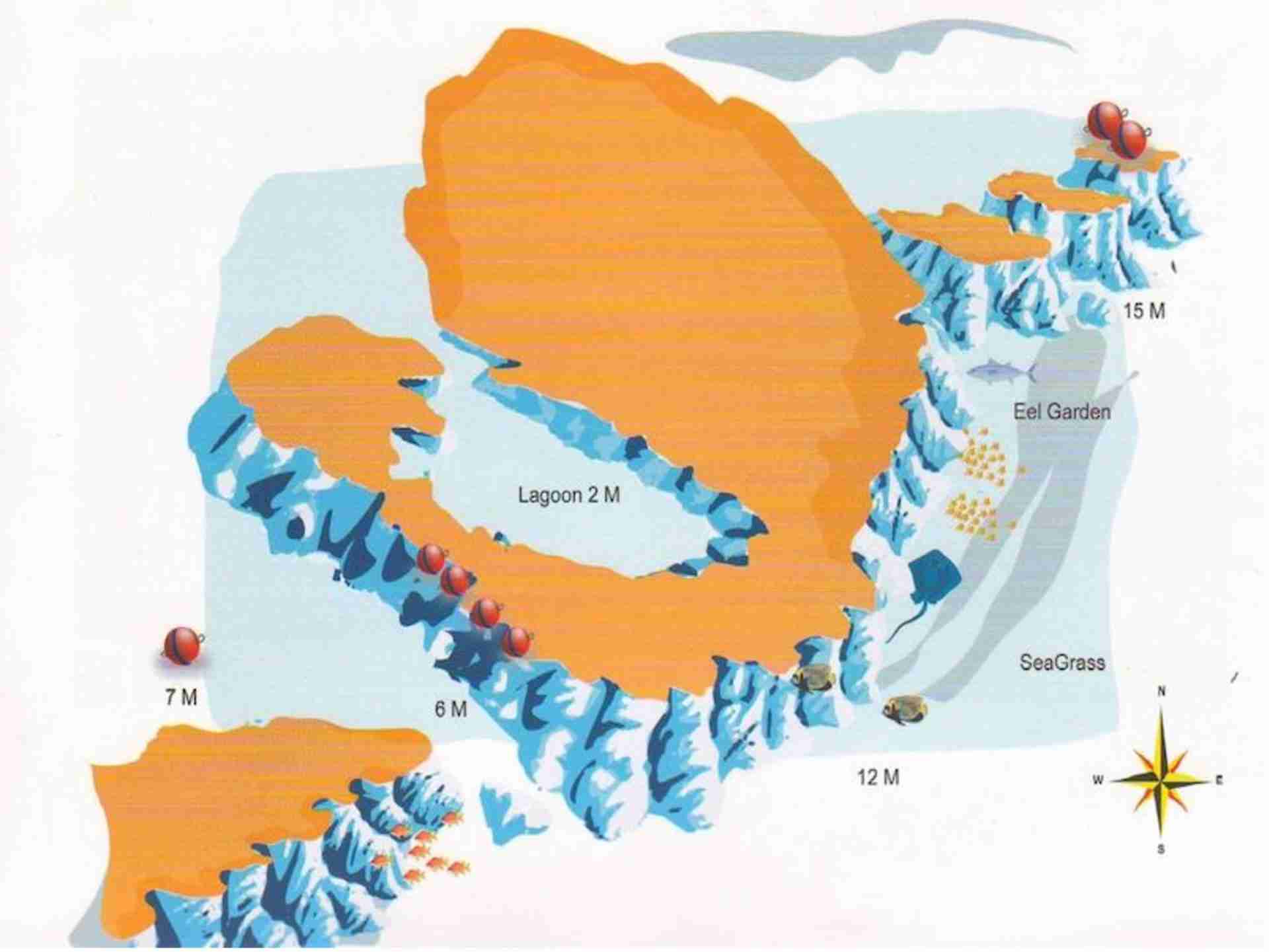
The exposed offshore Safaga dive sites
Ultimately these are the Safaga dive sites people come back for, and the ones the wind takes away. All of them sit far enough out that a check of the forecast decides the day, and several need a genuinely calm sea before a briefing is even worth giving. Current is the normal condition here rather than the exception, so plan the dive around it and keep an eye on your gauge.
Read the current before you jump, not after. On every reef in this group, after all, the current sets the plan, not the other way round. If the check on the surface says it has changed since the briefing, the plan changes with it.
Shaab Saiman
Exposed to both the weather and the current, and often simply not diveable as a result.
Overview
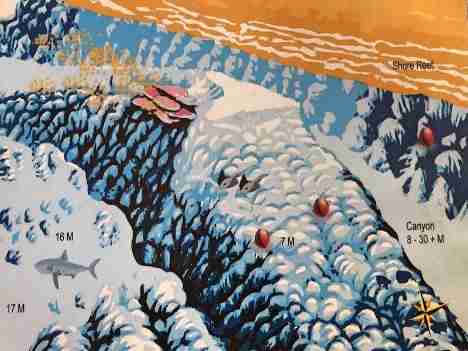
Broadly, a ridge flanking the coast, connected to the coastal reef by a ravine. Meanwhile the ridge extending on the east side carries a shelf at 15 to 20m.
Dive plan
Broadly, the shallowest part of the ravine comes up to around 8m and slopes towards the deep at both ends. There is no need to follow that slant, though, because the prettiest part of this site is by far the shallows, where natural light shining through cracks in the top of the reef brings out a cascade of famous Red Sea colours. Therefore make the plan with the current as the main consideration. Whichever route you choose, the ravine makes a natural safety stop after an expedition out to the shelf.
What to see
The richness of the marine life here is spectacular. Down on the sand you find lizardfish, crocodile fish and gobies. Meanwhile the hard coral is in exceptional condition and holds scorpionfish, stonefish and morays lurking in cavities. Snappers and other schooling fish populate the top of the reef, while barracuda and jackfish hang suspended in the blue.
Ras Umm Hesiwa
Exposed to weather and current. Consequently this site needs a calm day, and it best suits divers with some experience behind them.
Overview
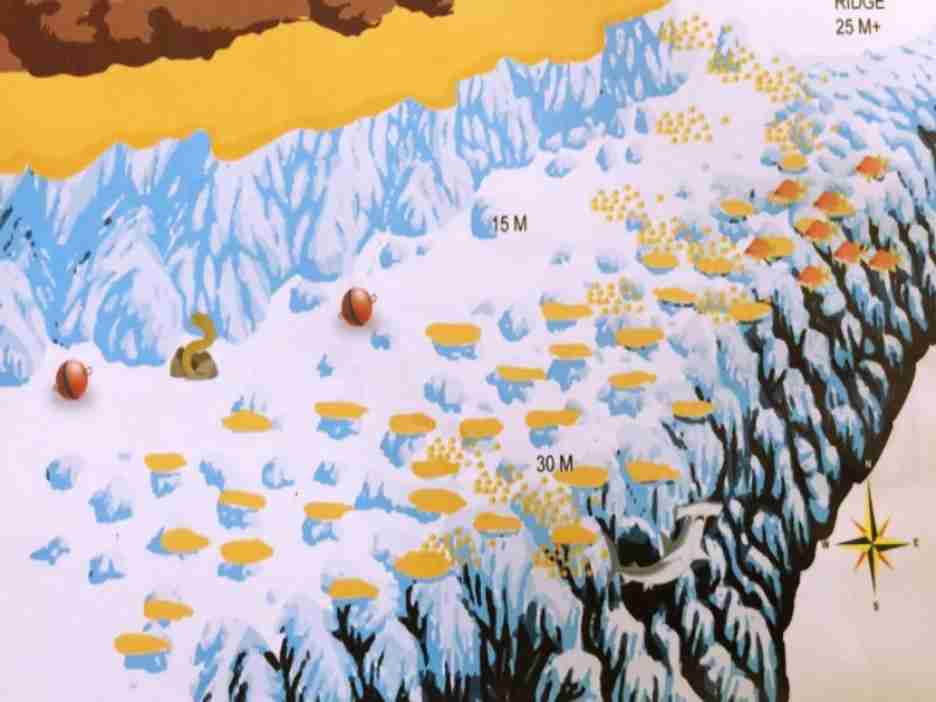
A sloping plateau that later plunges into the abyss. Further towards the open sea, a ridge extends from the north of the plateau and ends in a sheer drop.
Dive plan
Certainly the plateau between 15 and 20m is the main attraction. Indeed, if you bring a camera, you will find the number of large table corals ideal for photography. The ridge to the north is also worth some time, but it begins at 25m and can turn into a demanding venture, so watch the current and keep an eye on your pressure gauge. For less experienced divers it is usually a better idea to stay at the shallower depth of the main reef. Finally, making the safety stop in the shallows on top of the reef gives you the Red Sea at its finest.
What to see
The sandy areas underneath and around the table corals host rays, crocodile fish and sometimes even white tip reef sharks. Meanwhile, bannerfish and butterflyfish hang in the calm water sheltered by bends in the reef wall. On the ridge, the current, the depth and the open water all hint that pelagics might pass by, and thresher shark sightings have been reported here.
Middle Reef
GPS 26° 42.23′ N · 34° 06.01′ E
Exposed to the weather, though the boats normally moor on the south side and are fairly protected there. A range of divers can be accommodated, but beware the current, which can be strong.
Overview
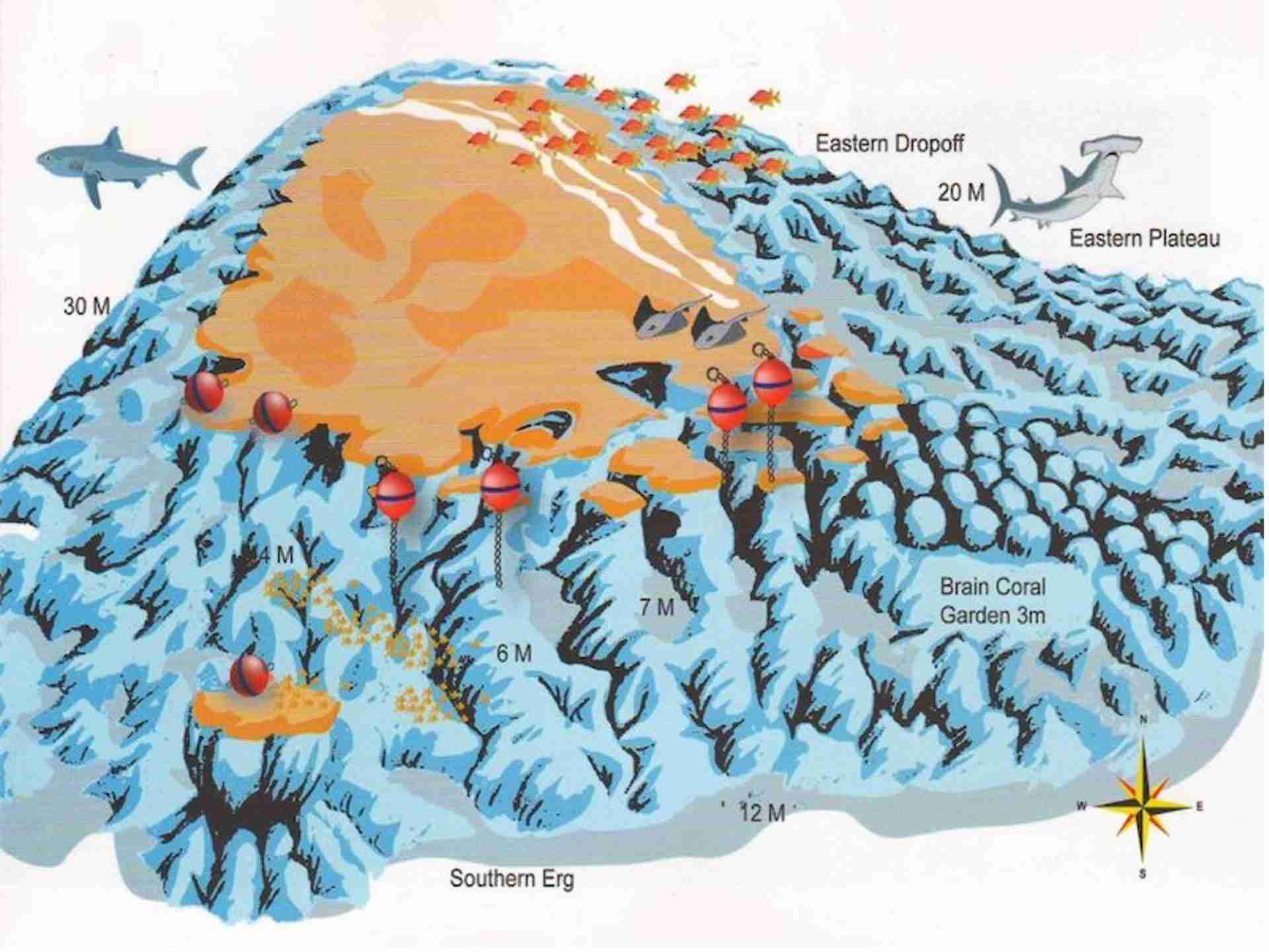
Broadly, a round reef with a coral garden in the southeast corner. Meanwhile the south side, broken up by canyons and caves, is flanked by pinnacles and large coral blocks. Further out the bottom slopes to 25m, where a lone erg emerges.
Dive plan
Sitting on a large plateau, this reef has a huge sandy area to the south, a wide shelf on the east and west sides and a generous plateau in the north, which is the textbook description of a Red Sea offshore reef. Drift dives with the prospect of big predators can be made along either side, and finishing in the coral garden makes a magnificent safety stop. Dives from the mooring are equally rewarding: the coral garden and the maze of ridges and canyons are worth every minute. Just make sure you have your bearings, because it is easy to get carried away by the beauty and lose your sense of direction.
What to see
A classic Red Sea paradise. Big brain corals lie in the coral garden, while soft corals and gorgonians flourish on the reef side, and macro life is everywhere. In short, small reef fish like anthias and butterflyfish, schooling fish such as snappers and sweetlips, and big predators like sharks and barracuda are all represented here.
Mahal Hala
Also known as Shaab Qais. Essentially it lies in open sea some 400m southeast of Middle Reef, so it needs perfect weather. The current can be brutal, so some experience is required.
Overview
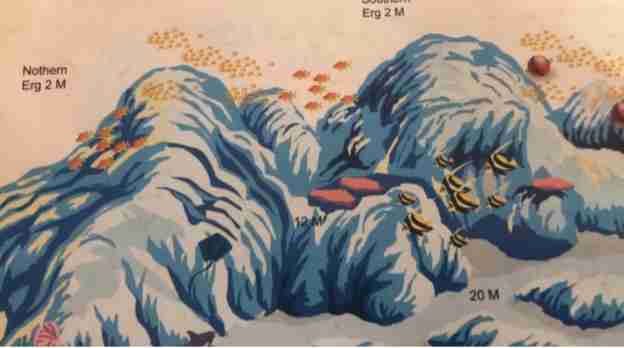
Broadly, two ergs emerge from 13m on a large plateau that drops away into the deep at 25m.
Dive plan
Start with a visit to the drop-off, cast your eyes into the blue and look for big fish, then decide where to go next based on the current. There is no hurry: the site is small enough to explore thoroughly in a single dive. Meanwhile, take your time around the pinnacles and work gradually shallower as you go, looking into all the small cracks and cavities where you are likely to find cleaner shrimps and other tiny crustaceans. Finally, the very top of the reef is around 4m and makes the most beautiful safety stop.
What to see
Overall this reef is a fountain of life, with soft corals, large gorgonians and impressive table corals. Overall, expect the smaller residents and the larger visitors in vast quantities. Out on the drop-off, particularly, you may meet tuna, Spanish mackerel, barracuda, turtles, sharks and groupers. Closer in around the pinnacles you are almost certain to see napoleon wrasse, snappers, sweetlips, unicornfish, anthias and large clouds of glassfish.
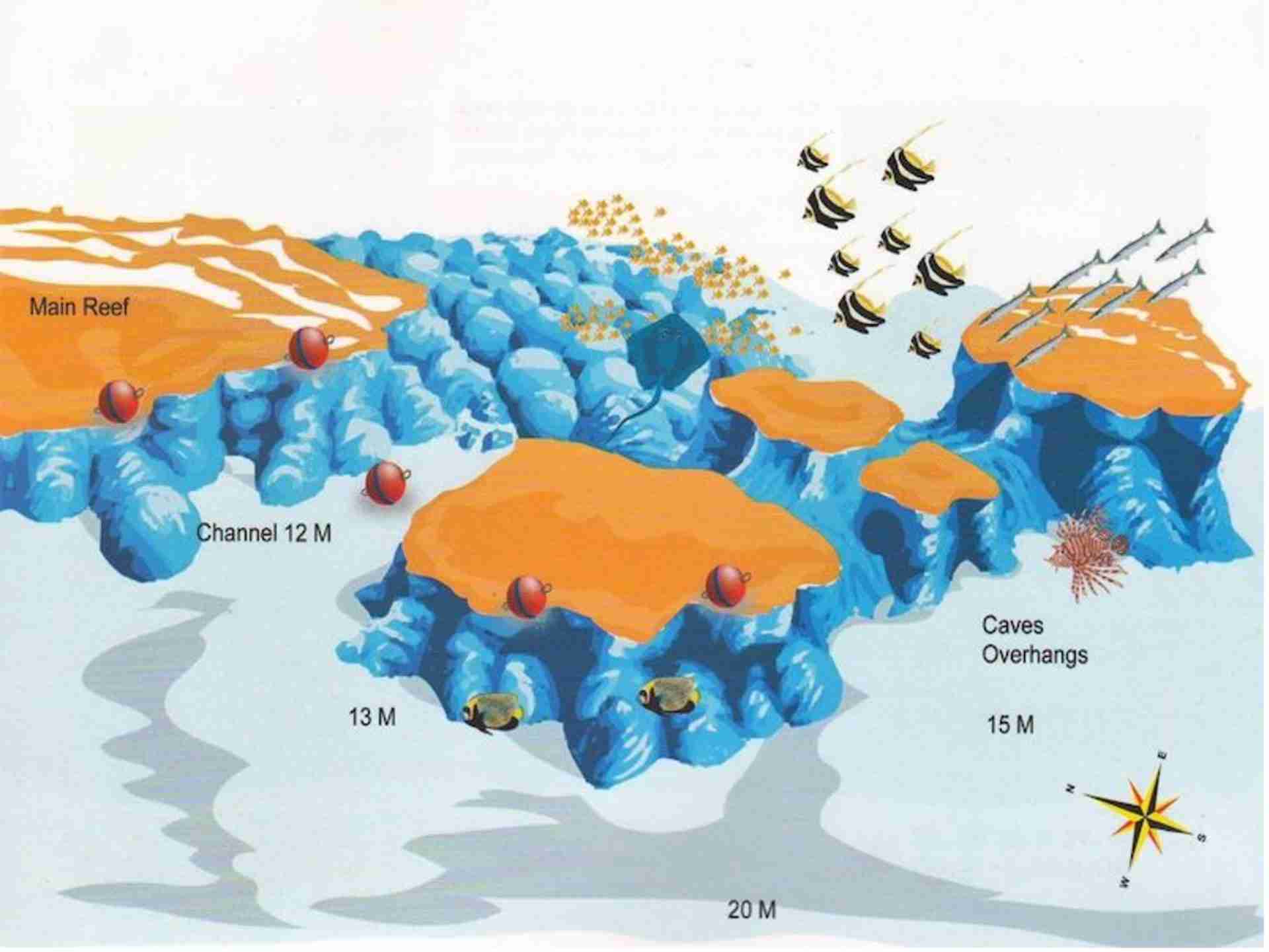
Shaab Shehr
GPS 26° 39.33′ N · 34° 02.45′ E
Also known as Hyndman Reef. Usefully, the reef itself offers protection for the moorings. The current can be strong around the corners, but it is mainly gentle behind the reef.
Overview
Broadly, a boomerang-shaped reef a kilometre long, running east to west, with thriving coral gardens and pinnacles rising from the seabed.
Dive plan
This site can be dived as a drift from the north side, provided you know how to make a proper current check. It can also be dived from the moorings at either the east or the west corner. Either way it is rewarding. On the east side, for instance, you head out along the main reef and turn north into a wonderful coral garden. Then, turning back, you hold east through a dramatic underwater landscape and circle a few ergs that come off the bottom at 16m, swimming narrow canyons and finding plenty of beautiful angles for the camera.
What to see
Typically, triggerfish, wrasse, parrotfish and surgeonfish cruise the reef. Meanwhile, emperorfish, bannerfish and sweetlips hang in schools and pose for photographs with the canyons in the pinnacles as a backdrop. Barracuda and jackfish are often seen, as well as tuna and even white tip sharks.
Shaab Claude
GPS 26° 39.04′ N · 34° 03.82′ E
Protected from the wind but not from the current, which makes this dive rather more demanding than it first appears.
Overview
A round reef rises from the bottom at 10m, extended by coral gardens to the east and west that cascade down a slope. A ridge of pinnacles sticks out to the south, while the bottom descends to around 15 to 18m.
Dive plan
Again, how you plan this one depends entirely on the current. Still, it is a small reef with a great deal to offer, and you can easily circle it in a single dive. Simply swim slowly, stay close in, and you will find a lot of interesting macro life. So head out east with the reef on your left shoulder, leading progressively shallower towards the end of the dive. That puts you at the ridge of pinnacles, where you can spend the safety stop exploring narrow canyons and swim-throughs.
What to see
Notably, at the very south end of the ridge there is an overhang with a big gorgonian, and a longnose hawkfish for anyone with sharp enough eyes. Around the reef, especially at the split point, you can find schools of bannerfish and sweetlips. Meanwhile the coral gardens and the top of the reef are populated by colourful triggerfish, parrotfish, tangs and unicornfish.
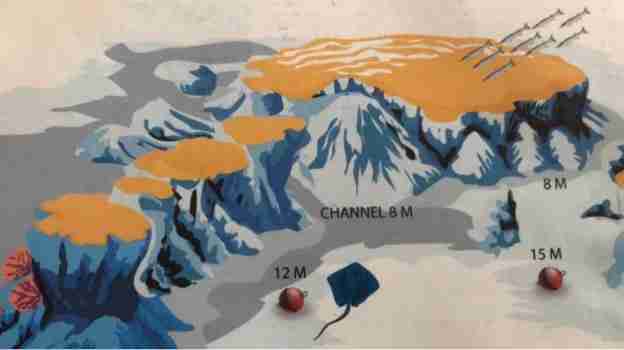
Shaab Hamdallah
GPS 26° 37.78′ N · 34° 03.57′ E
This is, notably, the most southerly reef in the Shaab Shehr area. Because it sits in open sea, this site needs excellent weather conditions.
Overview
Essentially, a cluster of five attractive ergs of different sizes, rising from a flat sandy bottom at 15 to 19m.
Dive plan
Let the current decide the plan. It is possible simply to swim around the ergs from the base and head upwards until you reach your safety stop. Because of the exposed position this site is dived less often and the corals are in mint condition. Meanwhile there are a few swim-throughs, plus plenty of soft corals and gorgonians promising superb photography. Still, be careful not to break anything: strong current makes it hard to hover motionless behind a viewfinder. If you have enough air you can venture further south to find a few more pinnacles.
What to see
Typically, glassfish and silversides are under constant attack from jackfish and lionfish around the pinnacles. Meanwhile, keep your eyes open for scorpionfish and stonefish, and watch for blue-spotted rays digging in the sand. Meanwhile, schools of unicornfish, tangs and Red Sea needlefish patrol the top of the reef, which makes the safety stop an absolute pleasure.
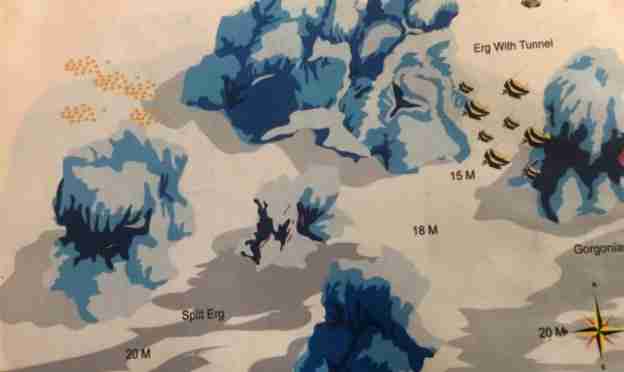
Planning a week on the Safaga dive sites
Broadly, the sensible way to plan here is to keep the offshore reefs loose and the sheltered ones ready. After all, Middle Reef, Mahal Hala, Shaab Hamdallah and Shaab Saiman all depend on a calm sea, and no forecast three days out is reliable enough to promise them.
Fortunately, the Tobia and Gamul reefs are the answer to that. Firstly they sit twenty to thirty minutes from the harbour; secondly they hold up in wind that closes everything else; and thirdly they are good enough that nobody comes back disappointed.
Which Safaga dive sites suit newer divers?
Ras Abu Soma, all four Tobia sites and both Gamul reefs. Broadly: shallow, protected, little current, and every one of them rich enough to hold a new diver’s attention for a full dive.
Depth at a glance
More on the Safaga dive sites
- Liveaboard dive techniques — backward roll, negative entries, SMB deployment and exits in swell, which is exactly what the exposed Safaga reefs ask for.
- What divers need on board — the packing checklist for a Red Sea safari.
- What is a liveaboard — how life on board actually works.
- The boats that run these routes: Sea Fox, Sea Treasure, My Simba and Bismarck.
- redsealiveaboard.net — Red Sea safari schedules and availability.
Safaga dive sites: frequently asked questions
How many dive sites are there at Safaga?
Fourteen local reefs are described in detail on this page, and three more, Panorama, Abu Kifan and the Salem Express, are large enough to need pages of their own.
Which Safaga dive sites can be dived in windy weather?
The reefs behind the Abu Soma peninsula. Ras Abu Soma, the four Tobia sites and both Gamul reefs stay diveable when the offshore reefs are closed by wind.
How far are the Safaga dive sites from the harbour?
Between twenty and ninety minutes by boat. The Gamul reefs are the closest at around twenty minutes, and Shaab Hamdallah is the furthest at about ninety.
Are the Safaga dive sites suitable for beginners?
Yes for the sheltered ones, which are used for training. However, the offshore reefs are not, because current, depth and open water there ask for experience.
Which sites have the strongest current?
Mahal Hala can be brutal, and Middle Reef, Shaab Saiman and Ras Umm Hesiwa all run hard. Make a proper current check on the surface before every one of them.
What is the deepest diving at Safaga?
Shaab Saiman slopes past 60m and several offshore reefs drop off beyond 40m. Recreational plans stay well above that and use the drop-offs to look out into the blue rather than to go down.
When is the best time to dive Safaga?
Diving runs all year. Summer brings the warmest water, spring and autumn the most comfortable air. Wind decides which reefs are open in every season.
What are you waiting for?
Book your adventure
Simply tell us which experience you want to enjoy, then leave the rest to us. If you are not sure which Safaga reefs suit your certification and recent experience, our team will talk it through with you before you commit to anything.
Inquiry