
Dolphin House · Shaab El Erg
Shaab El Erg The horseshoe reef they call Dolphin House
27°23.39′ N · 33°52.05′ E · 0–18 m · 90 min
A horseshoe of reef enclosing a shallow lagoon, ninety minutes north of Hurghada. The shape is the whole story: it makes a sheltered bowl that spinner dolphins use to rest in, and consequently this is the site everyone means when they say Dolphin House. The diving underneath is good enough to stand on its own, however, which is worth knowing on the days the dolphins are elsewhere.
The shape of Shaab El Erg
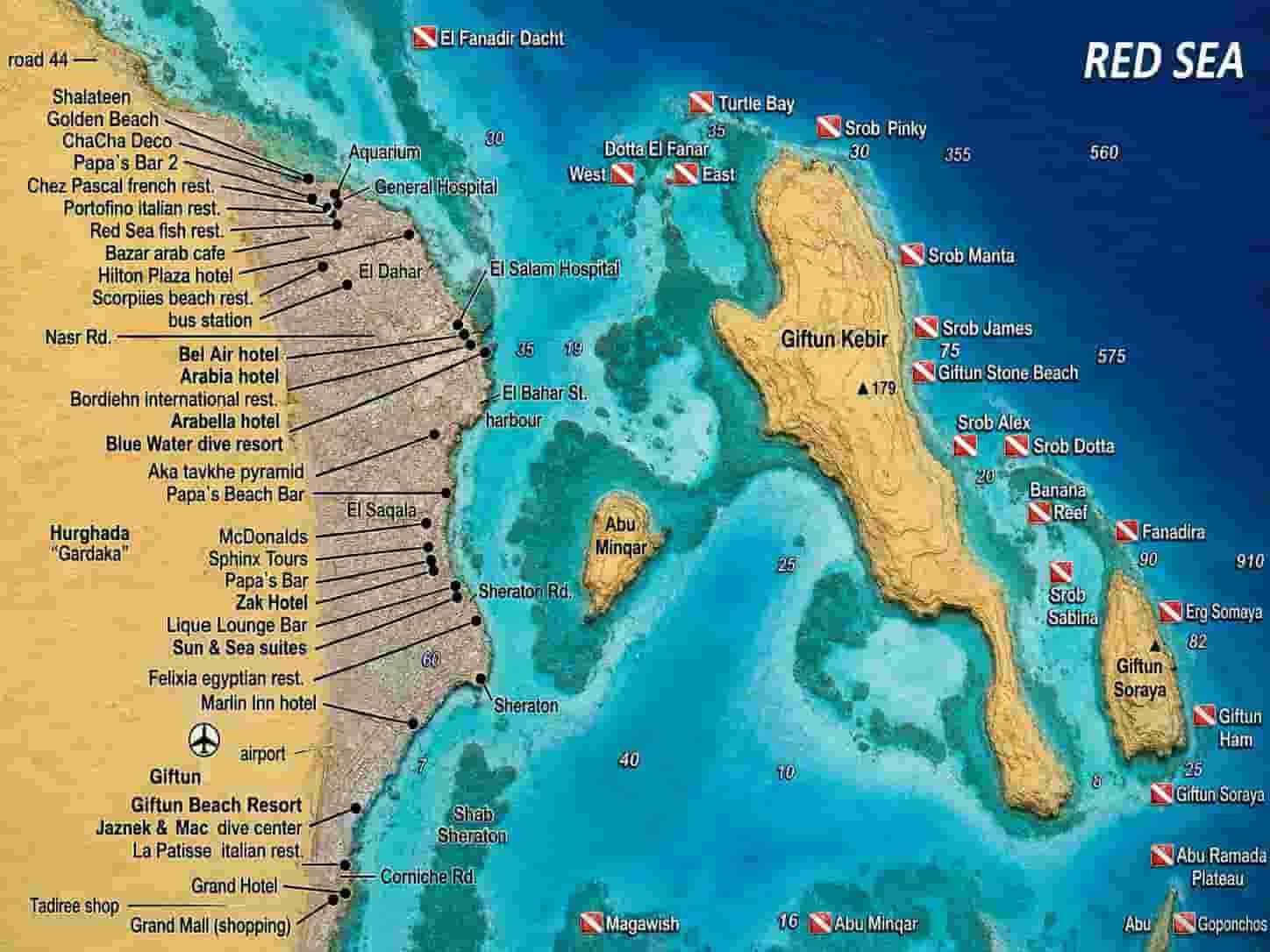
Firstly, the reef forms a horseshoe around a lagoon of shallow sand with small pinnacles scattered through it. Notably, the opening faces south. Because the arms come round so far, the water inside stays calm even when the outside is not, and the moorings in there are sheltered whatever the weather is doing.
That matters, because the reef itself sits in open water with nothing upwind of it. Consequently the crossing can be uncomfortable while the diving, once you arrive, usually is not. The site suits every level as a result, which is unusual for somewhere ninety minutes out.
Altogether, several separate dives live on this one reef. The west side and the Gota just south of it are far and away the most popular, although the lagoon and the southern coral garden both stand up perfectly well on their own.
Four ways to dive it
- First, the west wall, which drops to a shelf and then to the drop-off
- Then Gota Shaab El Erg, the separate reef immediately south
- Also the coral garden below the Gota, usually joined to that dive
- Finally the lagoon itself, shallow, sandy and full of small pinnacles
The lagoon is not a consolation prize. It is where courses run, where the safety stops happen, and where the dolphins rest. Consequently a lot of the day is spent in three or four metres of water, whatever else you dive.
| Position | 27°23.39′ N, 33°52.05′ E |
| Depth | 0–18 m at the main reef, then a sheer drop-off |
| Travel | Around 90 minutes from central Hurghada |
| Moorings | Sheltered, inside the lagoon |
| Exposure | Open water, no protection on the approach |
| Level | All levels, including training |
| Also called | Dolphin House, for the southern part of the site |

Dolphin House, and how to behave there
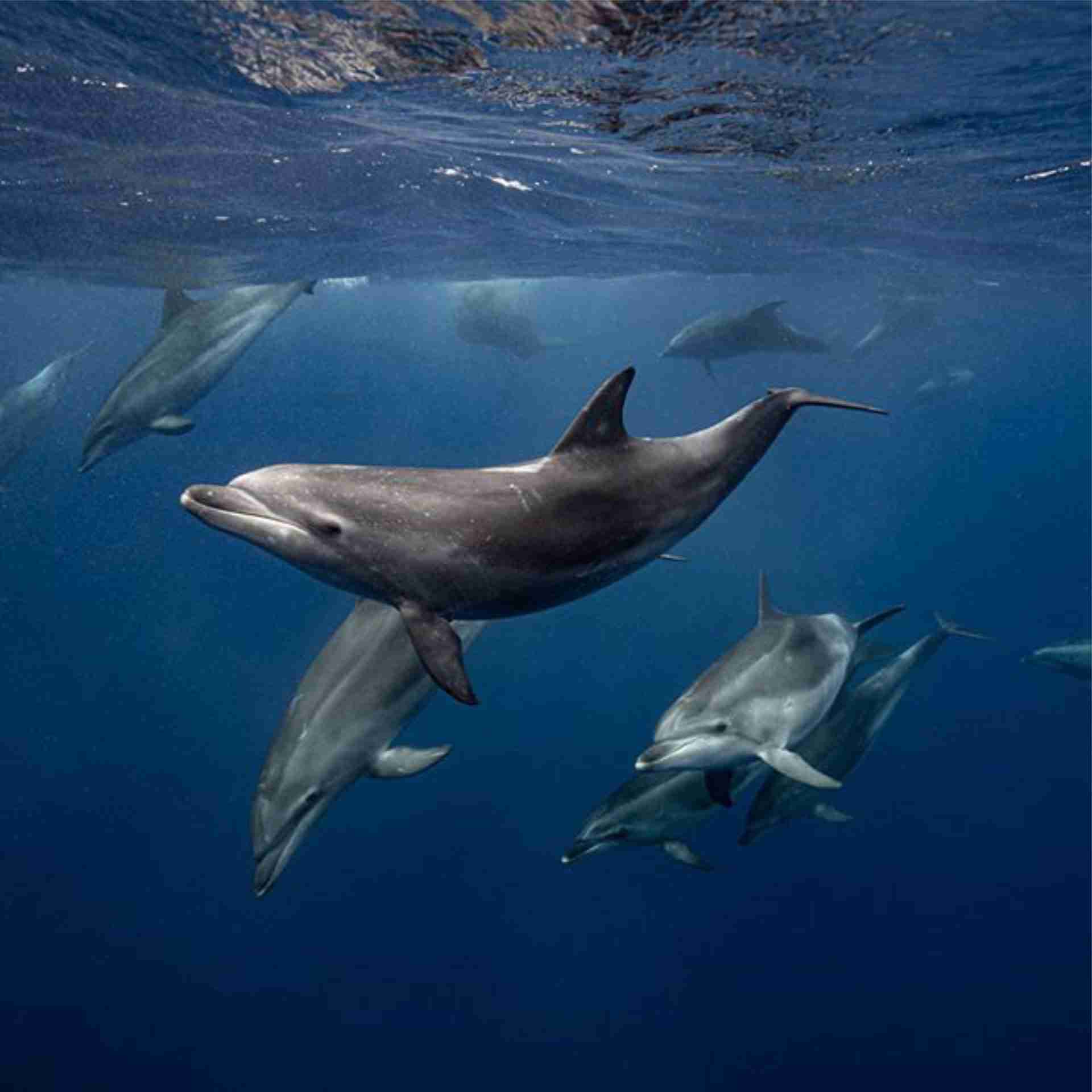
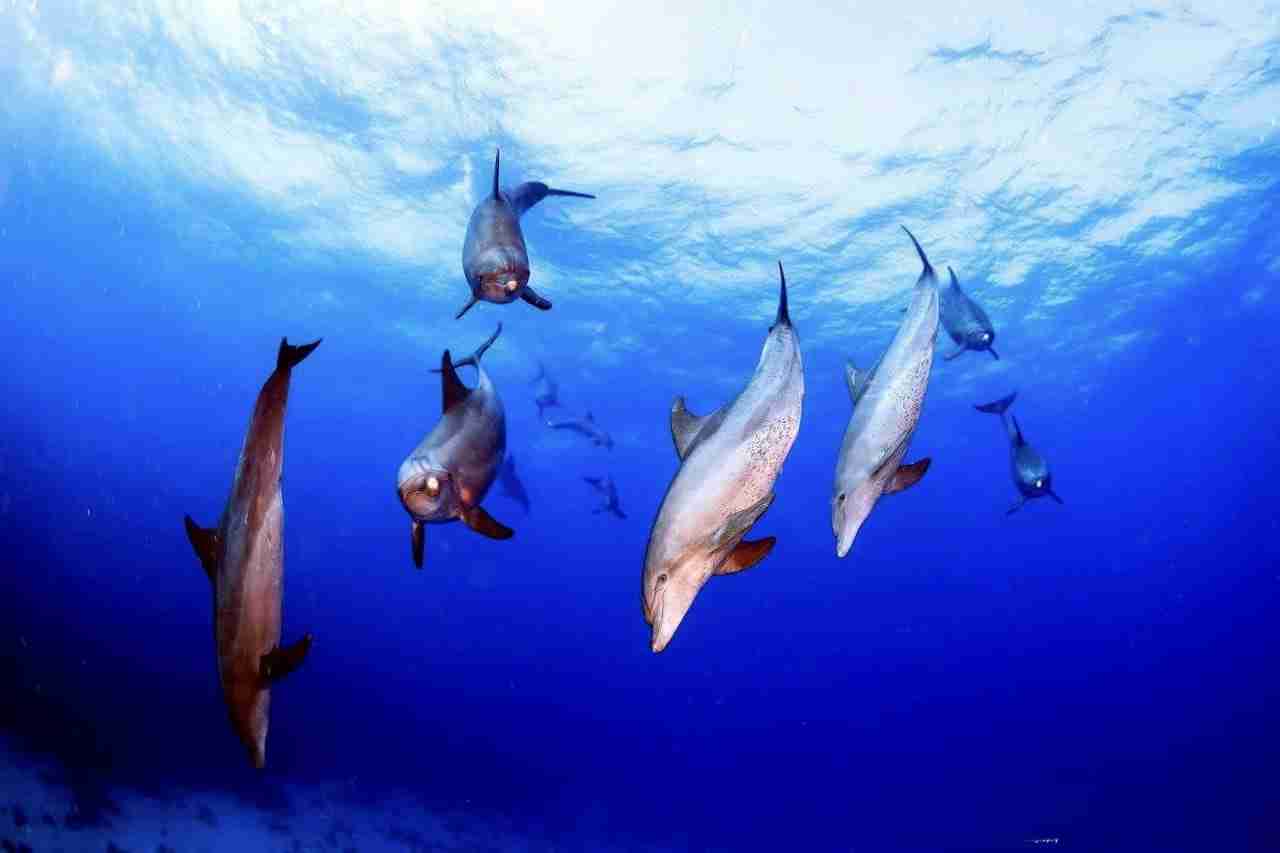
Certainly the name is earned. Specifically, spinner dolphins use sheltered lagoons like this one to rest during the day, and the horseshoe here is close to ideal for it. Consequently sightings are common enough that people book the trip specifically for them.
Nevertheless, the word resting is the important one. Namely, a pod inside the lagoon is not playing and not feeding; it is sleeping, in the only way an animal that has to keep surfacing can sleep. Chasing them, swimming into the middle of them or dropping a snorkelling group on top of them does real harm, and it is also the fastest way to make them stop using the lagoon at all.
How a good encounter is run. First, the boat holds off and cuts speed. Then people enter quietly, well to one side, and stay in a group rather than spreading across the water. Meanwhile nobody swims at the animals, nobody touches, and nobody blocks the way out of the lagoon. Finally you wait, and often enough they come to you. That is the whole technique.
Above all, treat a day without dolphins as a normal outcome rather than a failure. They are wild animals using the site on their own terms, and an operator who promises them is either lucky or lying. Frankly the reef is worth the trip regardless.

Diving the west wall
The west side of the main reef
Notably, this is the dive most people come back talking about. Specifically, the west side of the main reef runs as a wall that finishes on the bottom at thirteen metres, landing on a shelf that then slopes away towards the drop-off. Because the wall is short and the shelf is broad, the profile is easy to manage and the light stays good the whole way.
Then, working along it, a channel opens through the reef and leads into the lagoon and the mooring area. Usually that channel is the natural end to the dive: you come off the wall, through the gap, and finish among the pinnacles in shallow water with plenty of gas left.
Watch for
- Firstly, schooling fish over the top of the reef, which is patrolled constantly
- Then the shelf below thirteen metres, where the sand life sits
- Also the drop-off beyond it, worth a look but not worth the depth
Gota Shaab El Erg and the coral garden
The Gota, just south of the main reef
Firstly, immediately south of the horseshoe sits a separate reef, and between them they account for most of the diving here. Generally the plan is to leave the boat, swim clockwise all the way around the Gota, and take in the coral garden lying south of it on the way.
Consequently the whole dive is a single loop with no navigation problem to solve, which makes it a good choice for divers who are still building confidence. Meanwhile the coral garden is where the turtles turn up, so the slow half of the loop is generally the better half.
Watch for
- Firstly, turtles working through the coral garden, which happens often
- Then bluespotted rays out on the flat sand between the coral heads
- Also the pinnacles standing off the sandy seabed, each with its own fish
Marine life at Shaab El Erg
Dolphins
Spinner dolphins resting in the lagoon, which is what gives the southern part of the site its second name.
On the sand
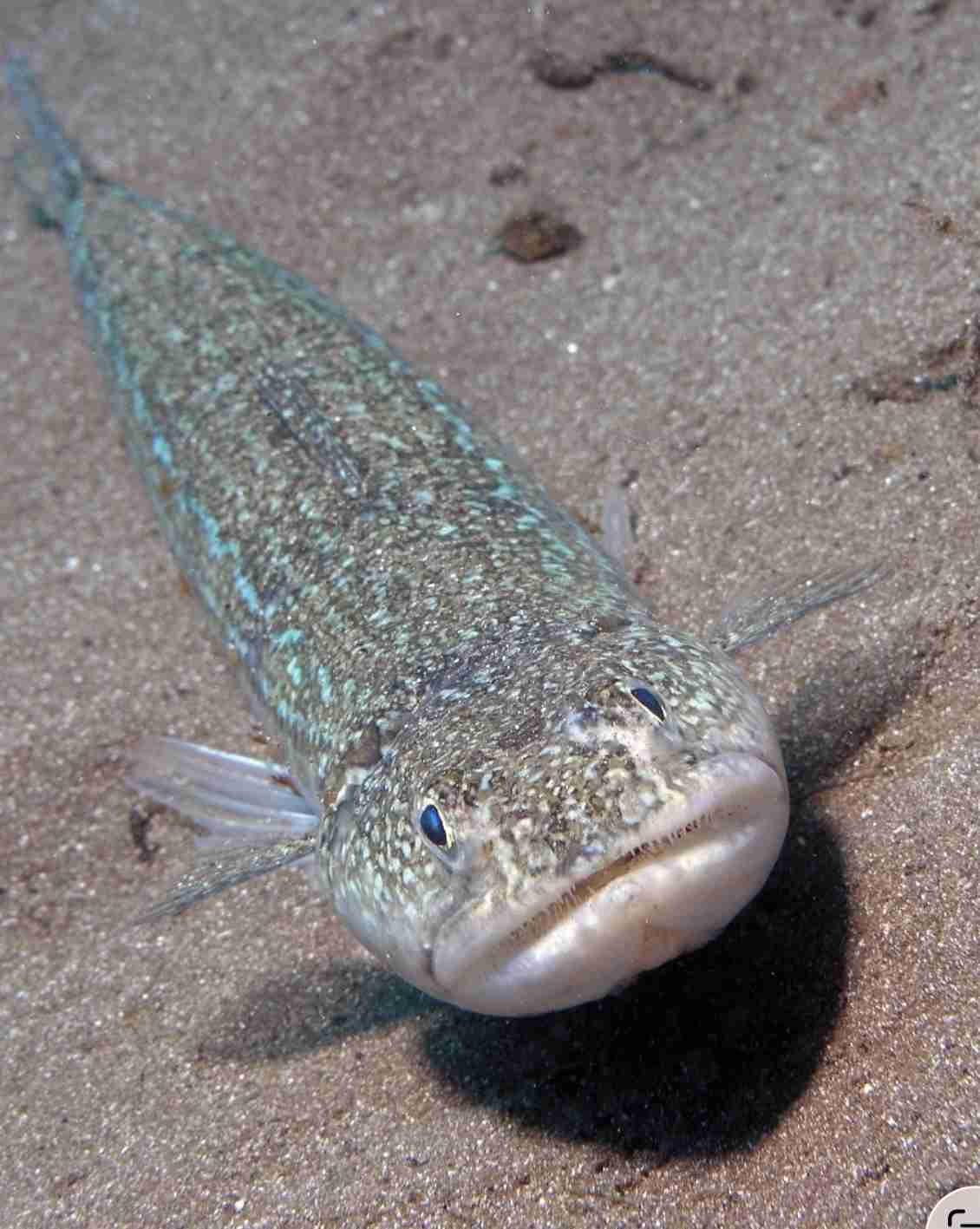
Meanwhile bluespotted rays and lizardfish work a genuinely rich supply of invertebrates, the lizardfish lying motionless until something swims past.
Over the reef
Namely, schooling fish of every ordinary kind, patrolling the reef top more or less continuously.
In the blue
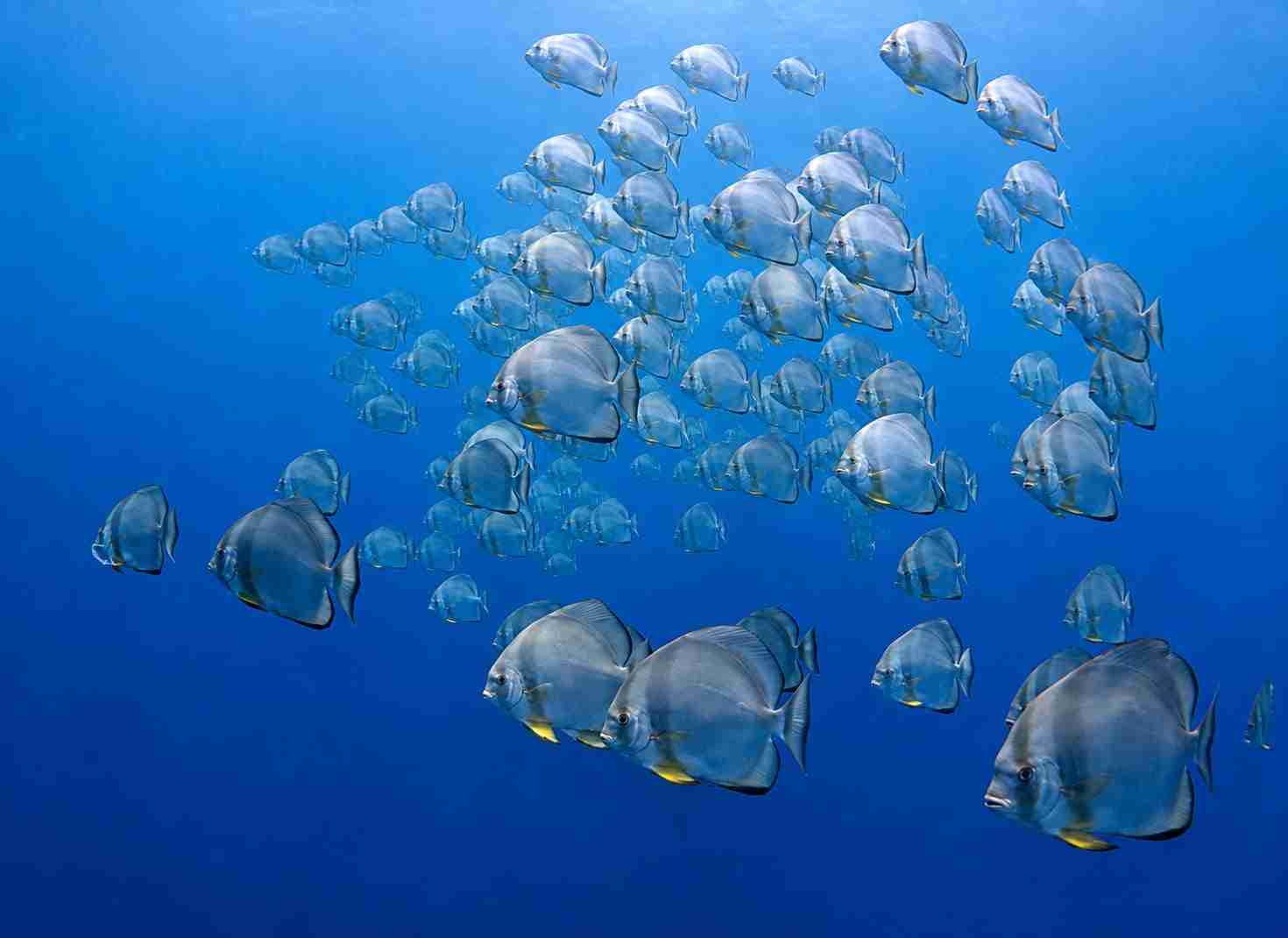
Batfish hang off the reef edge in loose groups, unbothered and easy to approach slowly.
Turtles
Certainly regular rather than guaranteed, and usually grazing somewhere in the southern coral garden.
Soft coral
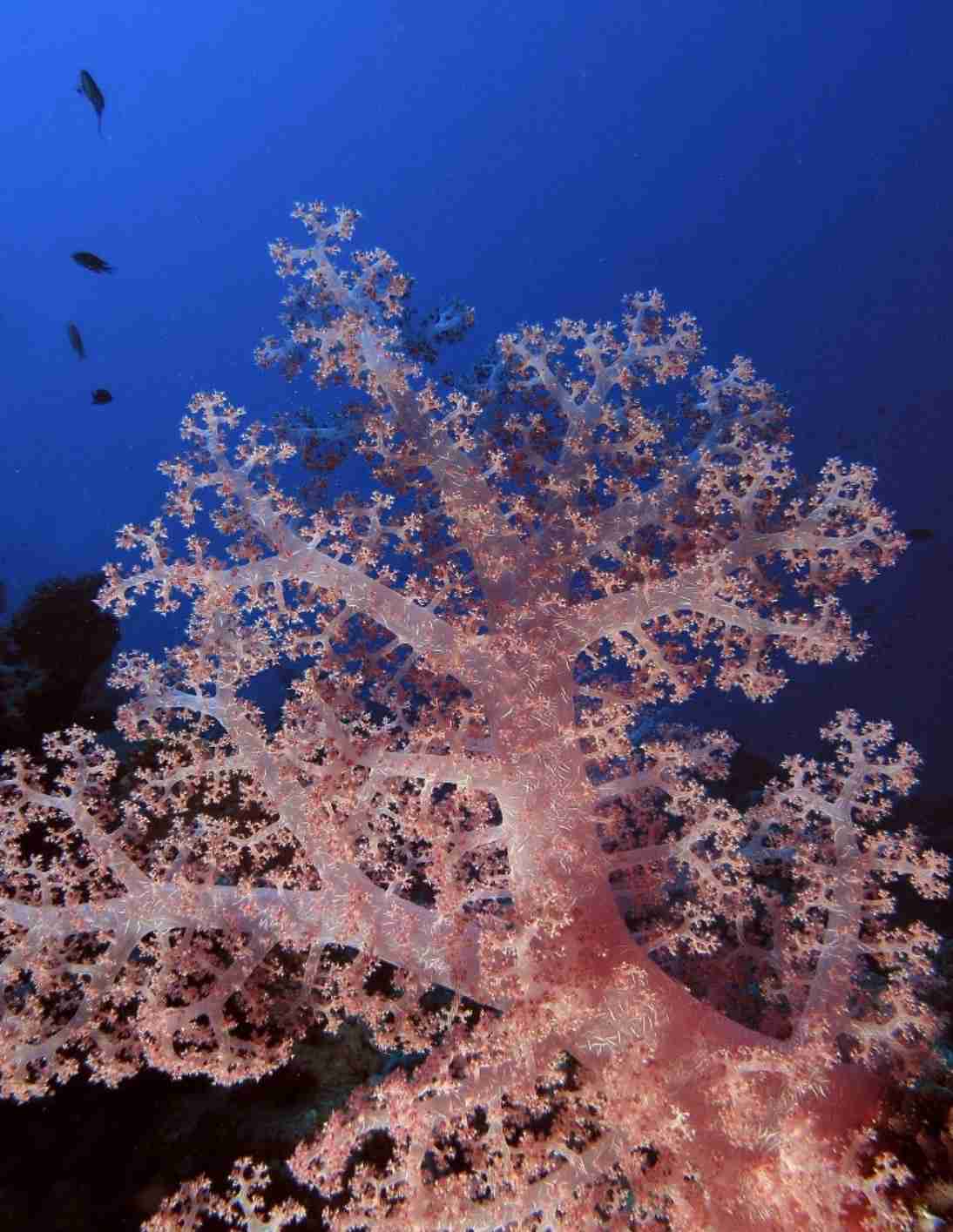
Pink and red Alcyonarians on the exposed faces, opening fully once the current picks up.
Planning a day at Shaab El Erg
Practical notes
- First, the crossing is ninety minutes and unprotected, so check the forecast
- Then remember the moorings are sheltered even when the approach is not
- Also plan two dives: the west wall, then the Gota and the garden
- Meanwhile the lagoon works for training, for snorkellers and for safety stops
- Consequently this suits mixed groups better than most sites this far out
- Finally, go early if dolphins matter, since the lagoon is a daytime resting place
Bring a wide lens. Nothing here needs macro particularly, whereas the lagoon, the pinnacles and any dolphin encounter all want width and available light. It is that kind of site.
Useful links
- Hurghada dive sites, north — the reefs either side of this one, from Fanous to Blind.
- Hurghada east and south dive sites — Giftun, Abu Ramada and the Magawish reefs.
- Safety standards and emergency care — briefings, oxygen and chamber contacts.
- Red Sea Liveaboard — safari routes and boats across the Egyptian Red Sea.
- Divers Alert Network (DAN) — insurance and emergency guidance.
Frequently asked questions
Is Shaab El Erg the same as Dolphin House?
Partly. Namely, Dolphin House is the name people use for the southern part of this reef, where the lagoon and the dolphins are.
Will I definitely see dolphins?
Frankly no, and nobody can promise it. They are wild animals using the lagoon on their own terms, so treat a blank day as normal.
How deep is the diving?
Notably, nothing forces you deep. The main reef runs to eighteen metres and the west wall ends at thirteen on a shelf.
Is it suitable for beginners?
Yes. Specifically, the moorings are sheltered, the profiles are shallow, and the lagoon is genuinely good for training.
Can snorkellers come?
Certainly. The lagoon is shallow and calm, which makes this one of the better mixed days for a group of divers and non-divers.
How long is the boat trip?
Generally around ninety minutes each way from central Hurghada, over open water with no shelter on the approach.
What are you waiting for?
Book your adventure
Tell us which experience you want to enjoy and leave the rest to us. If you have questions, or you are still choosing between routes, our team will talk it through with you before you commit to anything.
Inquiry