

Dive guide to Shaab Malahi · Fury Shoals, southern Red Sea
Shaab Malahi Dive Site The coral labyrinth of the Fury Shoals, with ten towers, valleys and a cave passage
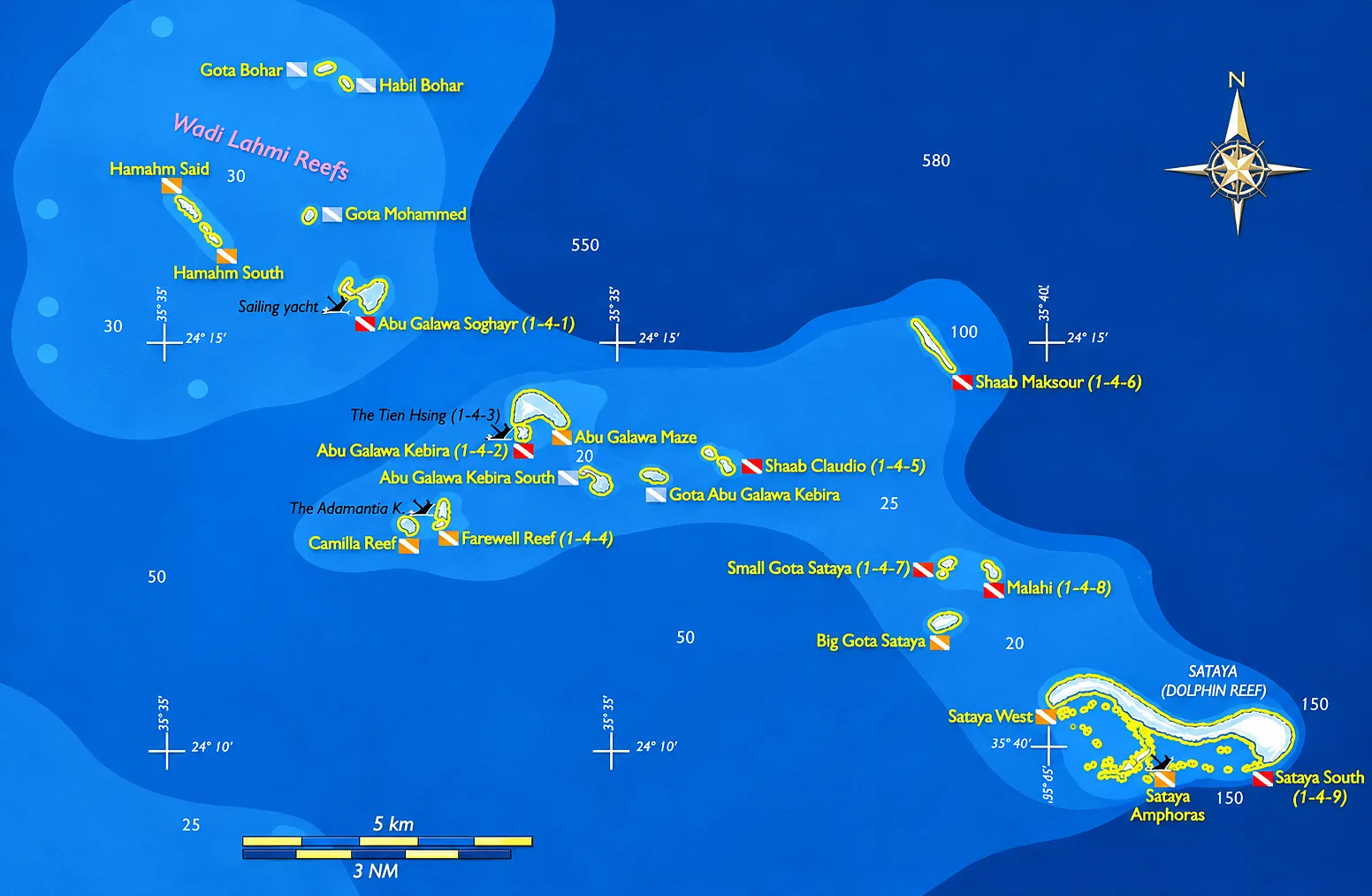
Shaab Malahi is a reef about 220 m long in the Fury Shoals, just 810 m east of Small Gota Sataya, made of a compact main reef to the north and ten large coral towers to the south. Because the towers stand so close together, they form a maze of passages, overhangs and sunlit corridors that is one of the most unusual dives in the southern Red Sea.
Shaab Malahi in short
In short, Shaab Malahi is a reef about 220 m long in the Fury Shoals, 810 m east of Small Gota Sataya in the southern Egyptian Red Sea, made of a compact main reef to the north and ten large coral towers to the south. The towers stand on a sandy seabed at 18–20 m and form a labyrinth of passages, overhangs and niches, while two narrow valleys and a small cave passage cut through the main reef. Inside, the reef is sheltered and most diving stays shallower than 15 m, but the site is exposed to wind and waves, so it is dived only in calm seas and boats do not stay overnight. Good buoyancy and navigation make the maze much more enjoyable.
What is Shaab Malahi like?
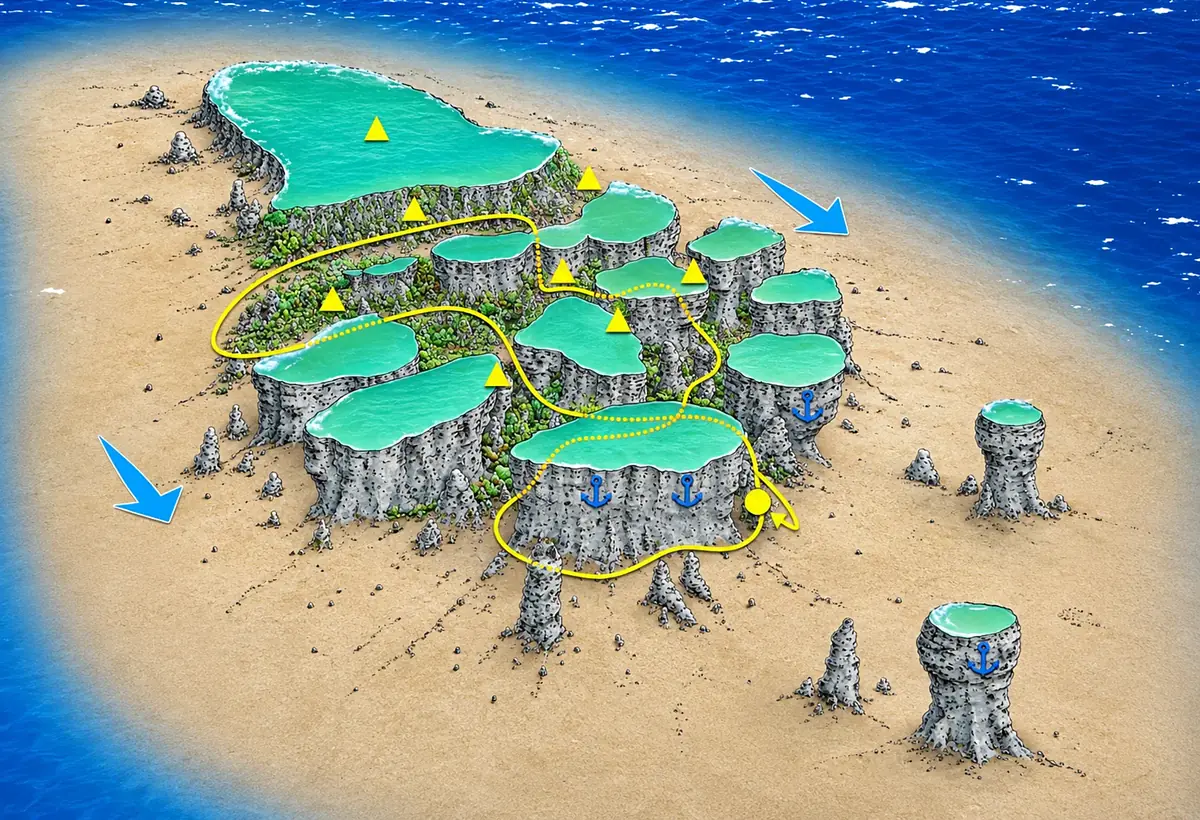
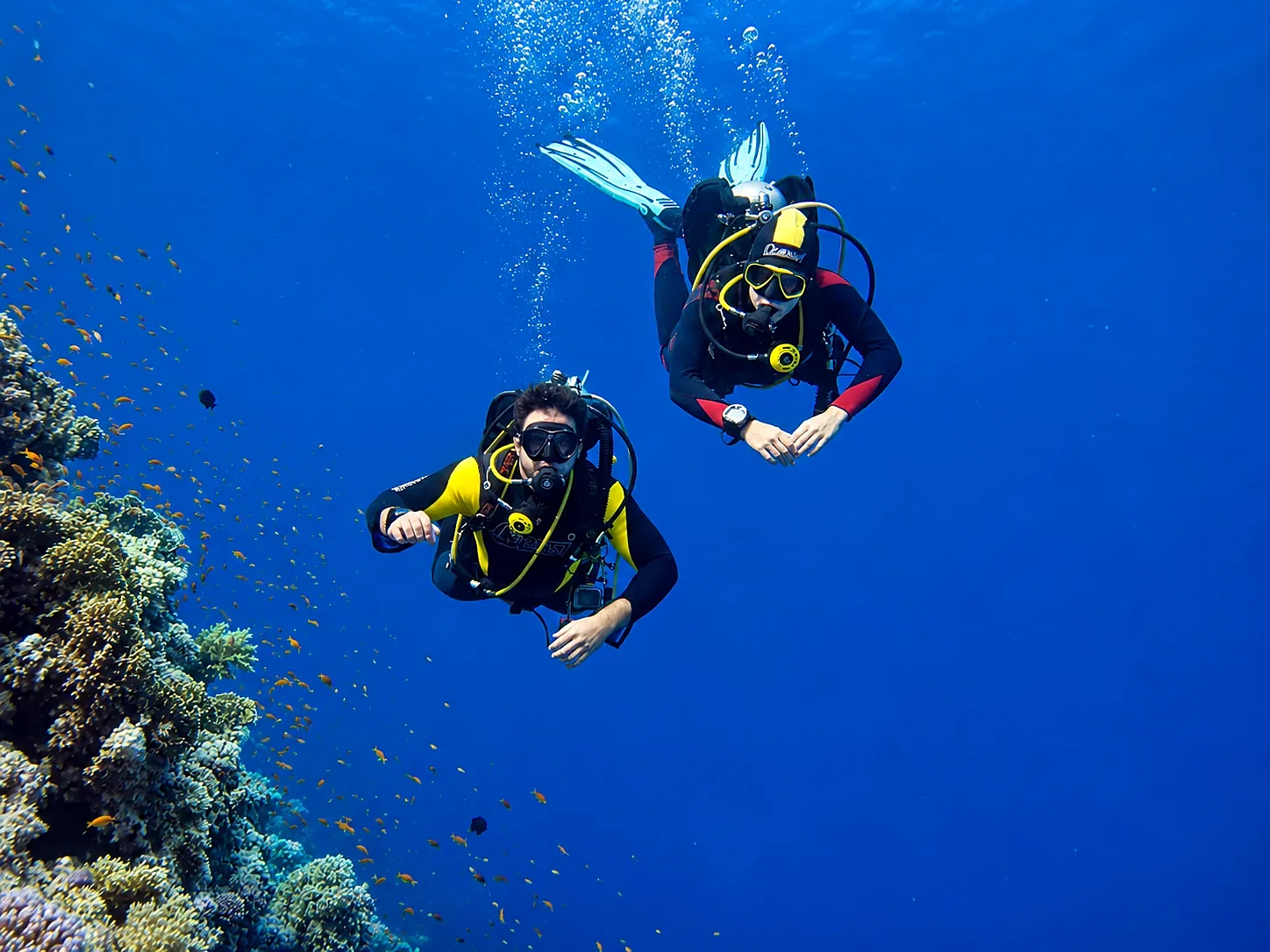
Above all, it is a maze. The coral towers to the south stand so close together that the gaps between them become passages, small squares and overhangs.
Because currents flow only around the outside, the inside of the reef is well sheltered. As a result, the diving is easy apart from the confusing passages, and the surface is always easy to reach.
However, the reef offers little shelter from the weather. For this reason, boats come only in good conditions, few moorings limit the number of divers, and no boat stays overnight.
Shaab Malahi at a glance
Coral towers
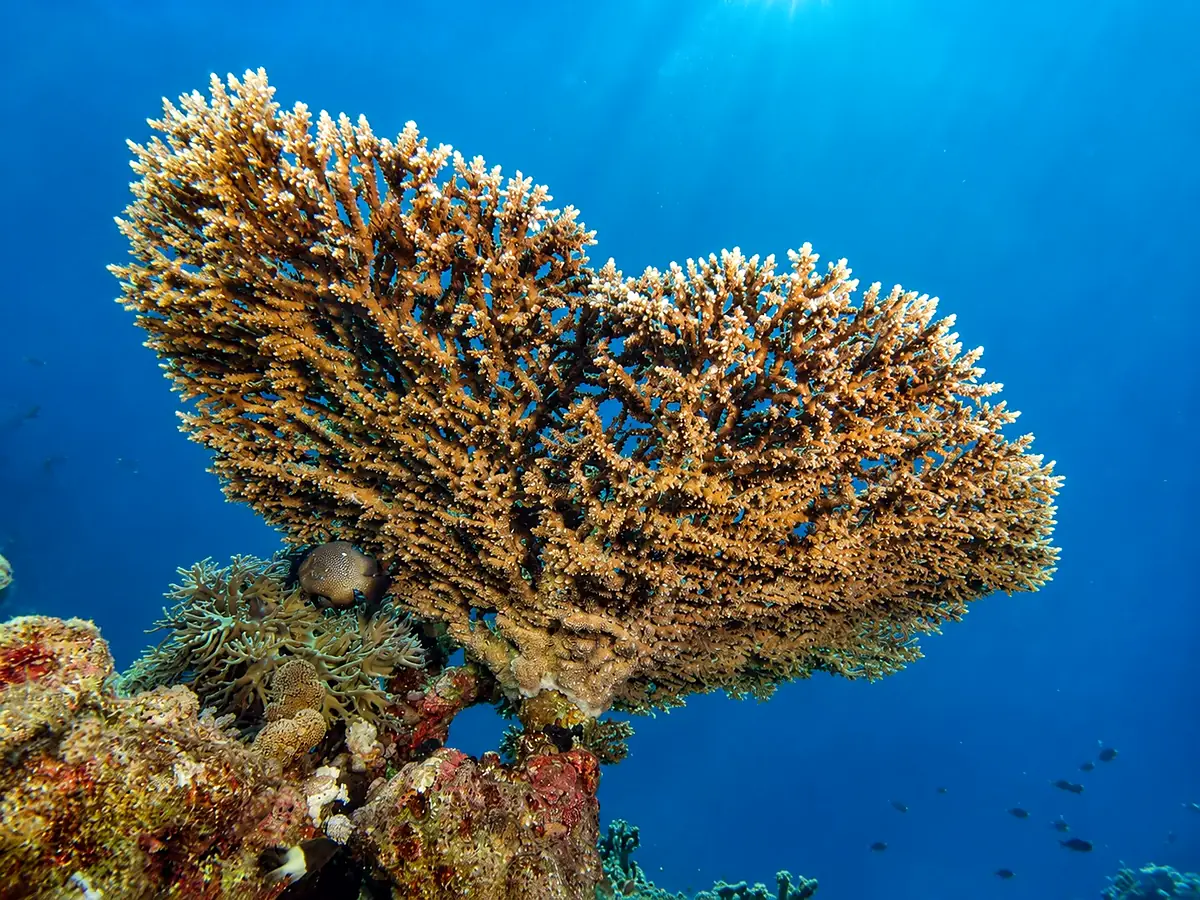
First, the towers in the south form the labyrinth, with corals covering both walls and seabed.
The Plaza
Next, a large open square with a mushroom-shaped boulder coral in its centre helps with orientation.
Valleys and cave
Meanwhile, two narrow valleys cross the main reef, linked to the towers by a small cave passage.
Why is it called a coral labyrinth?
Although the reef is small, its layout is complex. According to one operator, the name Malahi means playground, which fits a reef where every dive group finds its own way through.
The towers
The labyrinth. Firstly, ten large coral towers stand close together, with passages, overhangs and niches between them.
The main reef
The compact part. Then, the northern reef is one solid unit, crossed by two narrow valleys encrusted with corals.
The light
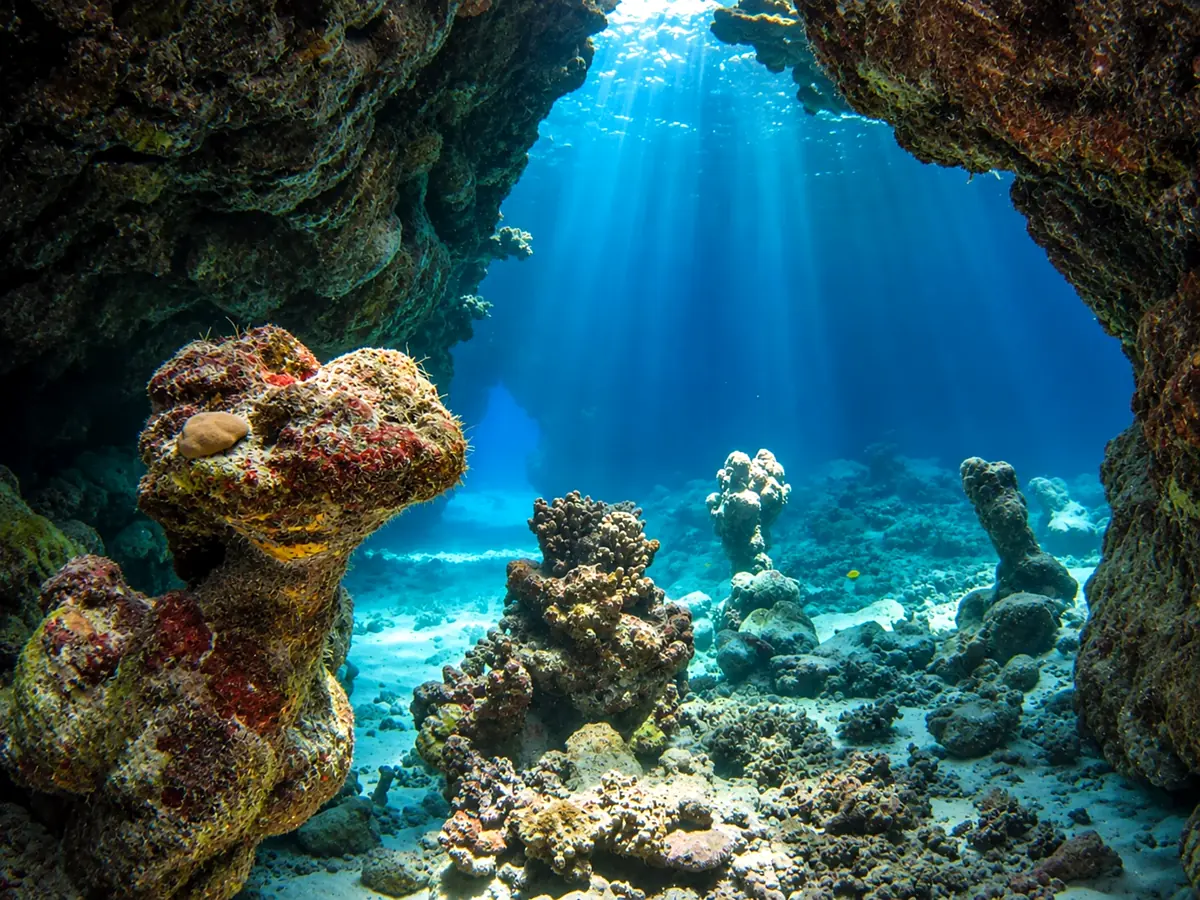
The shadows. Finally, when the sun is high, its beams cut through the passages and create striking light and shade.
Where is Shaab Malahi?
Specifically, the reef lies in the Fury Shoals, just 810 m east of Small Gota Sataya and north-west of the main Sataya reef, off Hamata in the far south of Egypt. Our dive guide gives its position as about 24°11′48″N, 35°39′36″E, which is about 24.1967°N, 35.6600°E.
However, this is a general reference for the reef, not a surveyed map of the labyrinth. For example, the buttons below lead to the nearby reefs and to our routes.
How do you dive Shaab Malahi?
To begin with, there is little point in a fixed route here, because every group explores the passages in its own way. Nevertheless, the route below takes you round the whole complex, and you do not need a RIB, since you can descend straight from the boat.
One classic route in three stages
Stage 1
The towers. Firstly, swim to the reef at about 10 m rather than down to the sand. Follow the southernmost tower with it on your right shoulder until the first big passage leads you into the Plaza.
Stage 2
The main reef. Then head east and north through the second or third passage to a cave opening at 9 m. It leads into the first valley; afterwards, follow the reef with it on your left shoulder to the second valley.
Stage 3
The free part. Finally, from the exit of the second valley head south again with the reef on your left, and wander through the towers back to the boat.
Above all, you cannot really get lost, because the outer side of the reef is always visible and easy to reach. Therefore, a compass is still useful, but never enter a narrow or enclosed passage without training and a clear way out.
What marine life lives at Shaab Malahi?
Thanks to the shelter of the towers, life gathers in every corner of the labyrinth. Indeed, each passage has its own residents. However, no sighting is guaranteed.
Reef fish
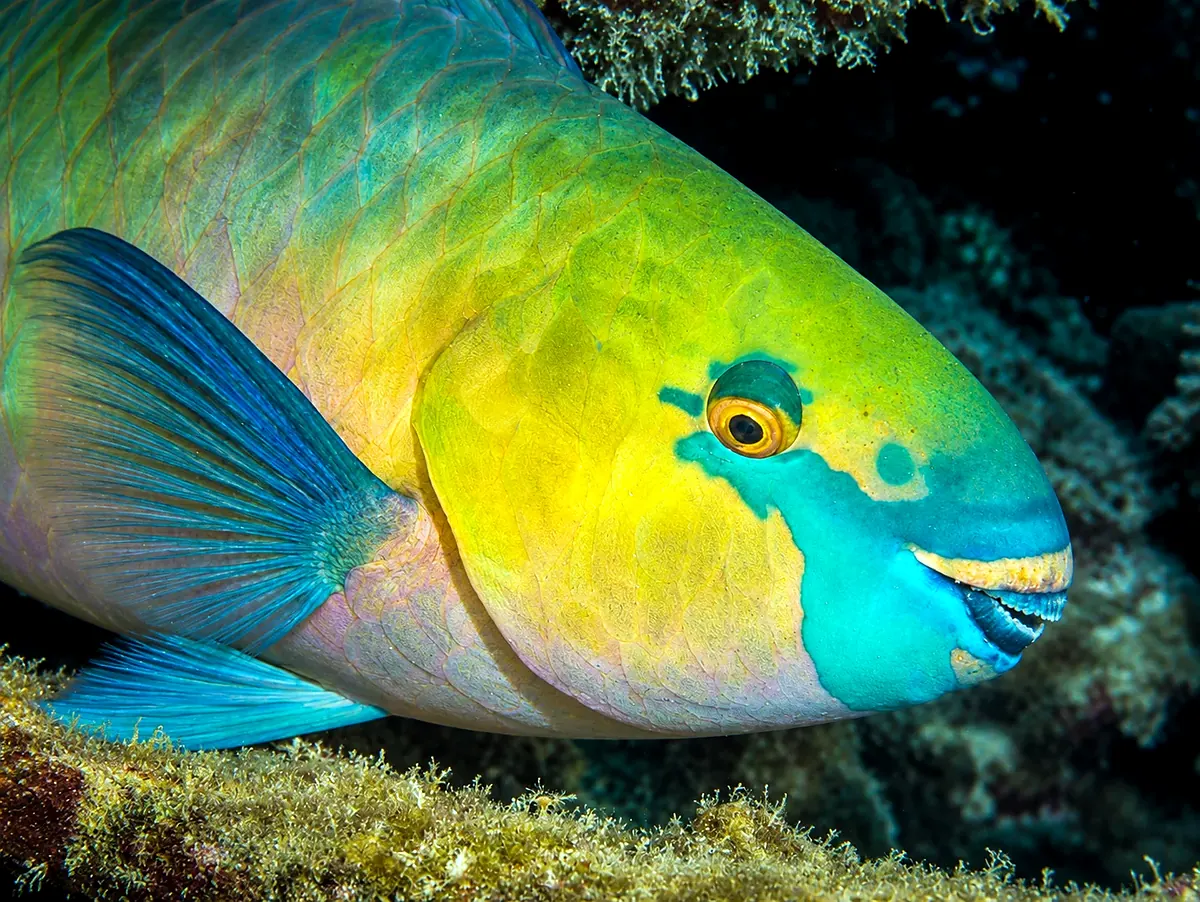
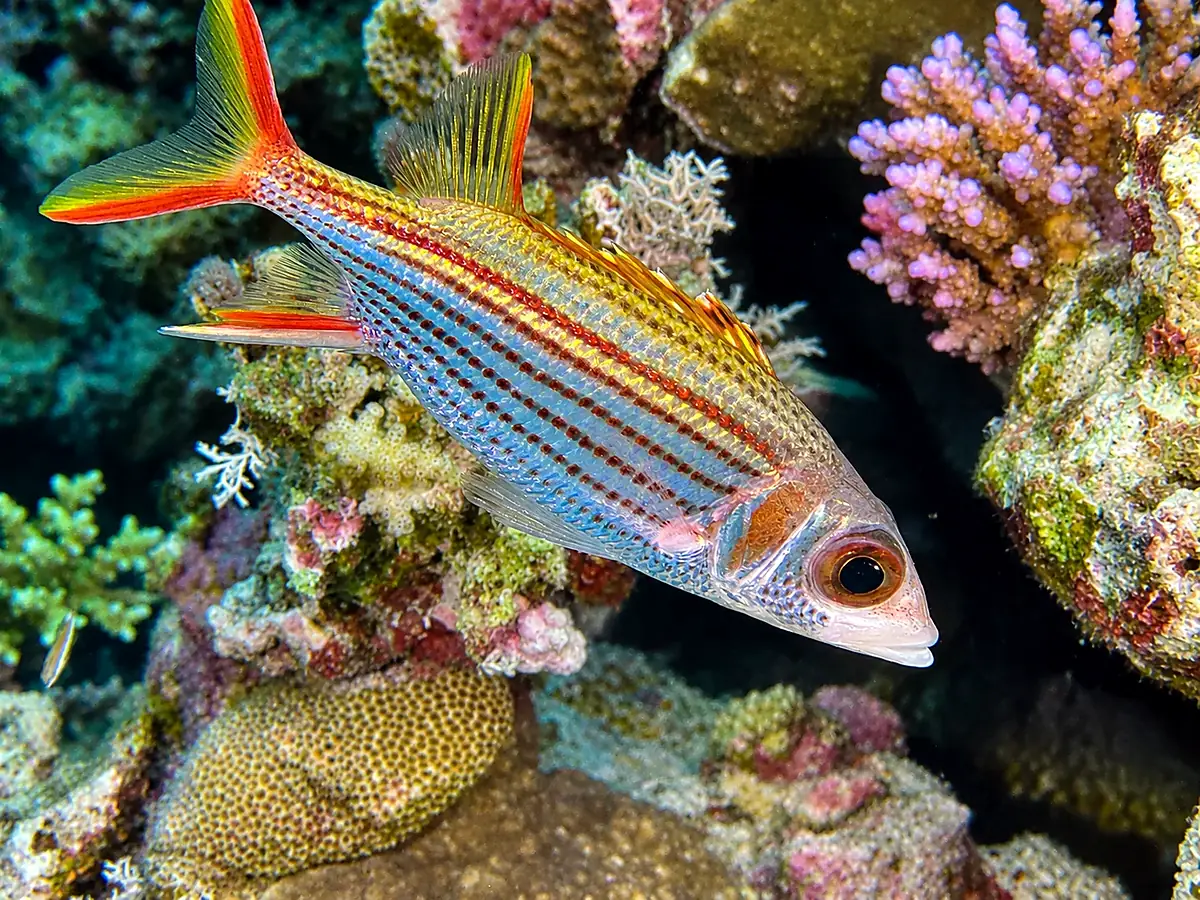
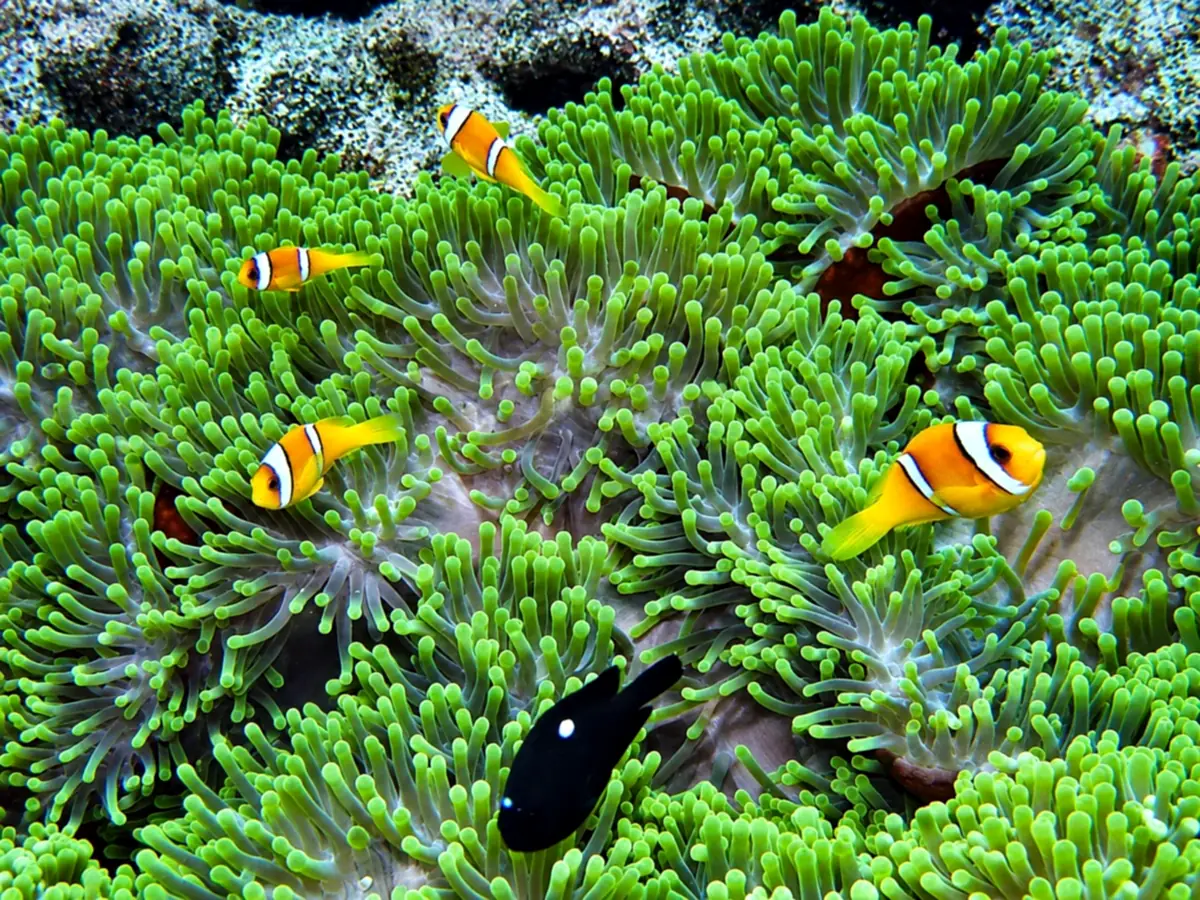
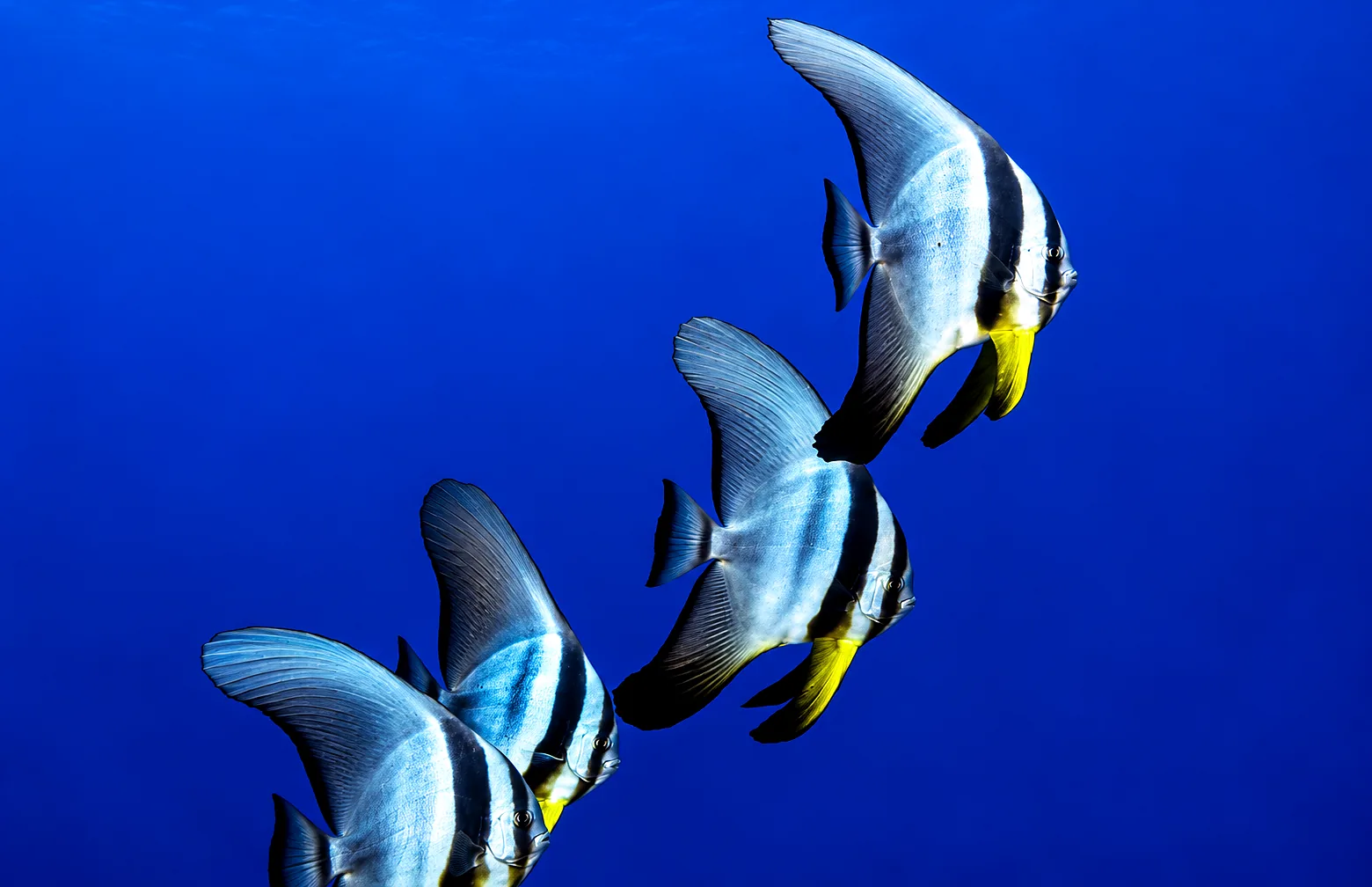
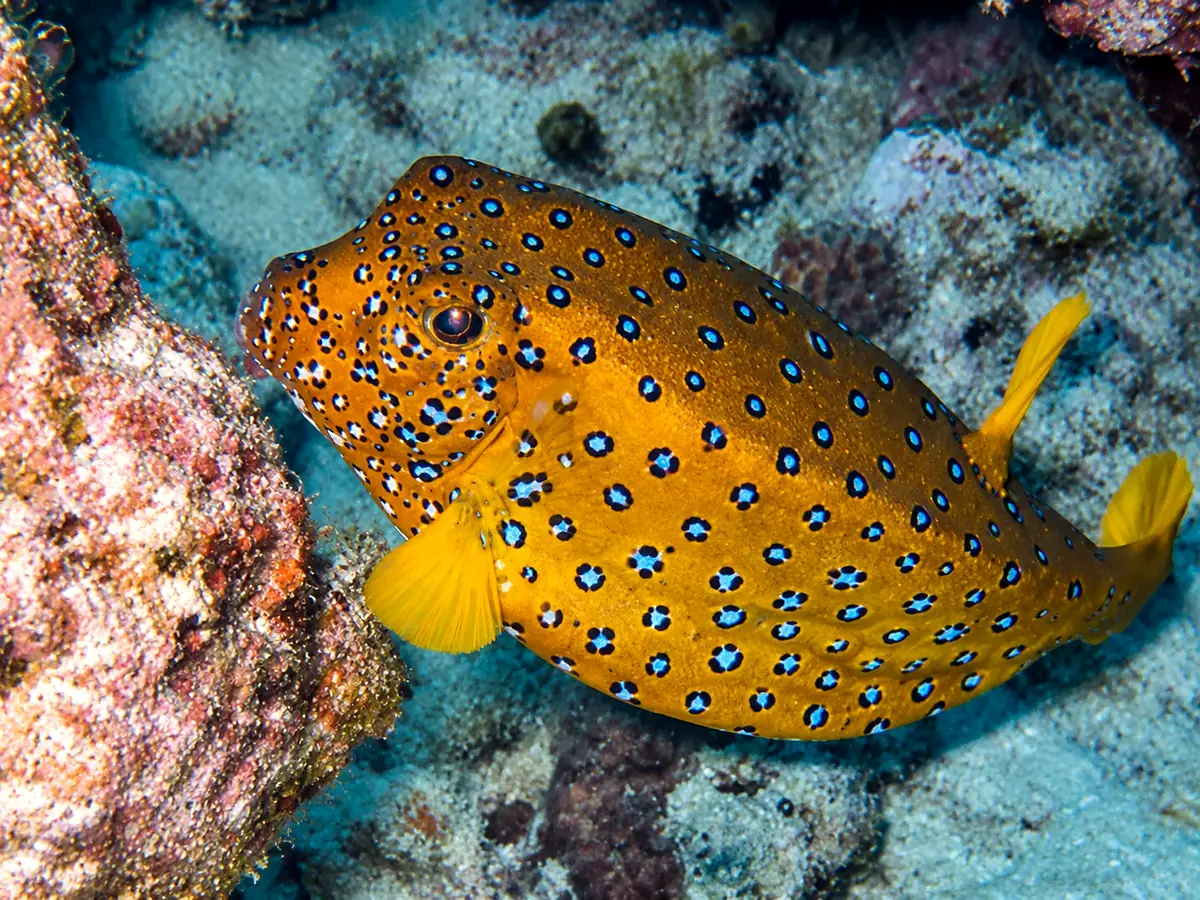
Often, anthias, fusiliers and yellow goatfish swirl through the passages, with butterflyfish and angelfish along the walls.
In the shade
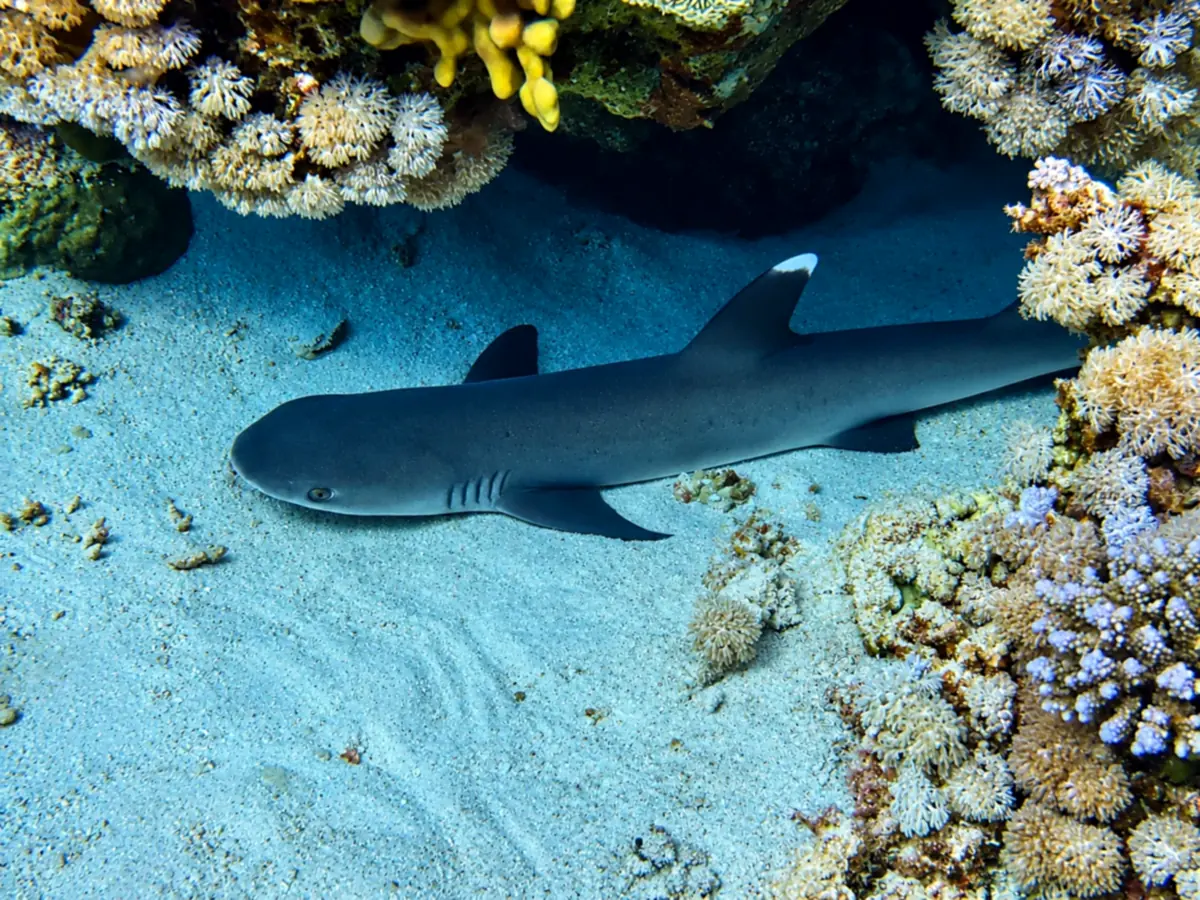
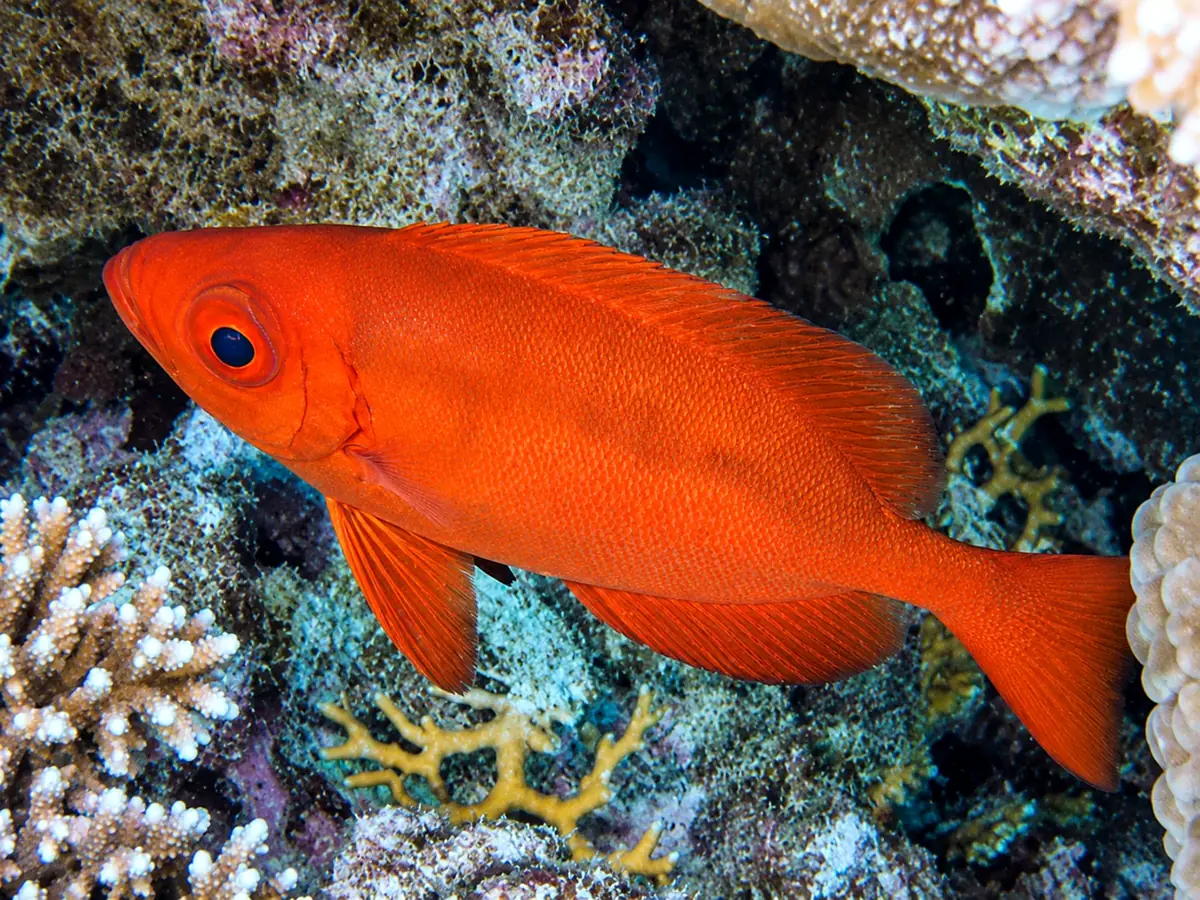
Likewise, moray eels, scorpionfish, groupers, snappers and squirrelfish hide in the overhangs and niches, and whitetips may rest on the sand.
Corals and macro
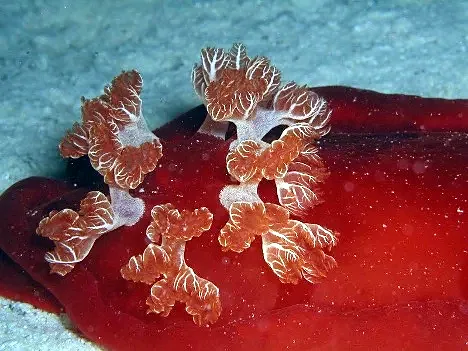
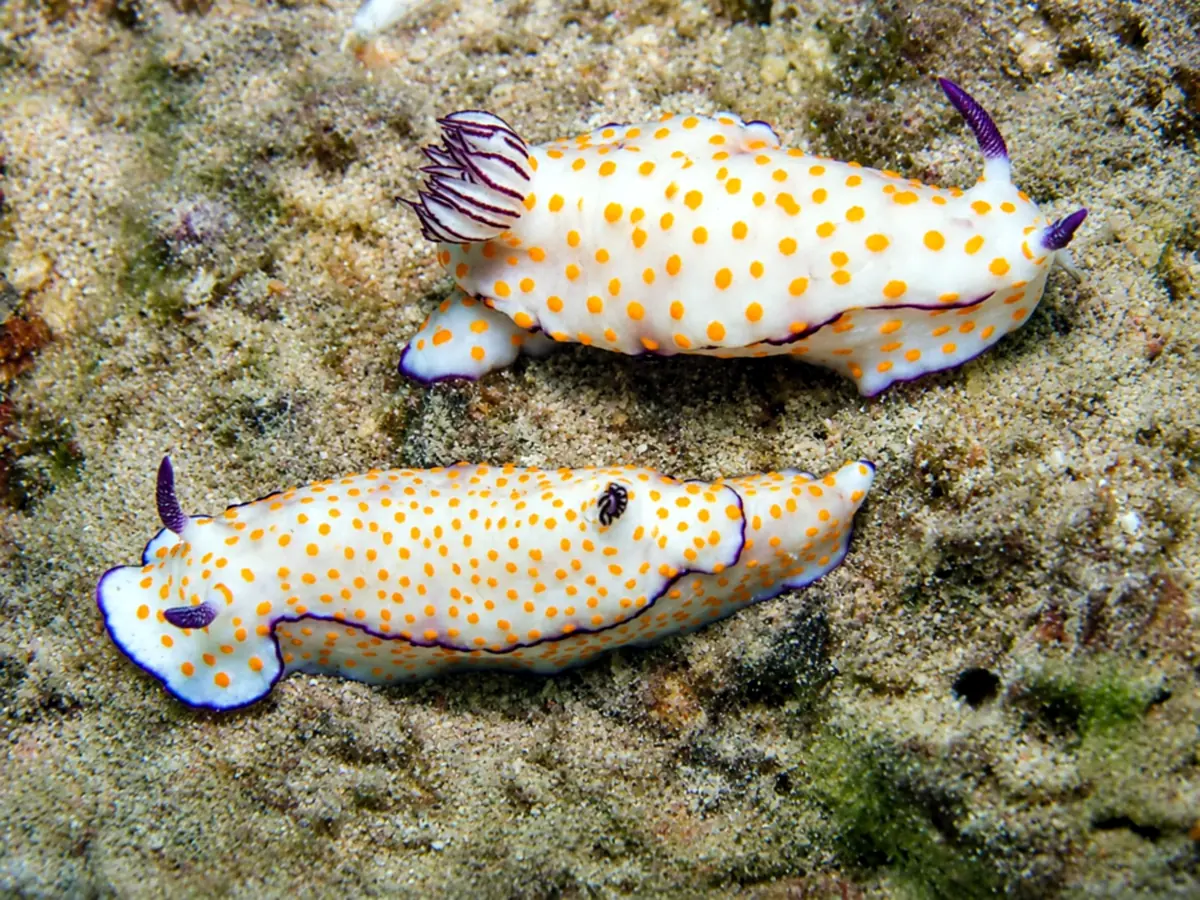
Finally, hard and soft corals cover walls and seabed, and nudibranchs and other small invertebrates live among them.
Is Shaab Malahi suitable for beginners?
Partly. Generally, the sheltered inside is shallow and easy, so Open Water divers with some experience can join a guided dive in calm seas; however, the passages are confusing, and the site suits intermediate divers with good buoyancy and navigation best.
In addition, the maze rewards preparation. For example, the PADI Underwater Navigator course helps you keep track of the passages, and Peak Performance Buoyancy keeps you clear of the walls.
Before you dive Shaab Malahi
Firstly, agree on the plan and the meeting point at the boat before you descend. Secondly, carry a compass and never enter a narrow or enclosed passage without training and a verified exit.
Above all, follow our diving safety standards and the rules of HEPCA. Likewise, dive insurance such as DAN Europe is essential this far from the coast.
How do you get to Shaab Malahi?
In practice, we reach the reef by liveaboard, and only when the sea is calm. Indeed, with us it is a stop on our Daedalus and Fury Shoals route, and it can also be part of the Deep South St. John’s route when conditions allow. As usual, guests board on Saturday after 15:00, and check-out is between 09:00 and 10:00 the next Saturday.
Usually, boats dive the labyrinth by day and move to a sheltered mooring for the night, such as the one at nearby Small Gota Sataya. Consequently, the maze, a coral garden and a night dive fit into one day.
Plan your Fury Shoals dive trip
- Daedalus and Fury Shoals route — Daedalus, the Fury Shoals reefs and the south.
- Deep South St. John’s liveaboard — the far south near the Sudanese border.
- What divers need on board — the packing checklist for a Red Sea safari.
- redsealiveaboard.net — Red Sea safari schedules and availability.
- All eight boats in our fleet can sail these routes: Sea Fox, Simba, Sea Treasure, Star Jet, Bismarck, C Echo II, C U and Ramadan 3.
Photo gallery from the Fury Shoals
Other routes from Red Sea Diving
Generally, for a first liveaboard, the Hurghada wreck liveaboard keeps to the classic wrecks. On the other hand, the BDE liveaboard runs Brothers, Daedalus and Elphinstone, while the Elba Reef liveaboard reaches the far south. Meanwhile, the Red Sea liveaboard guide compares all eight routes.
Shaab Malahi: frequently asked questions
Where is Shaab Malahi?
In fact, it is in the Fury Shoals, 810 m east of Small Gota Sataya, off Hamata in the southern Red Sea, at roughly 24°11′48″N, 35°39′36″E.
Why is Shaab Malahi called a labyrinth?
Because ten large coral towers stand close together on the sand, the gaps between them form a maze of passages, overhangs and small squares.
How deep is the diving at Shaab Malahi?
Overall, the sandy seabed lies at 18–20 m, but between the towers you rarely dive deeper than 15 m, and the route starts at about 10 m.
Can you night dive at Shaab Malahi?
No. In fact, the reef is exposed to wind and waves, so boats do not stay overnight, and night dives are made at nearby sheltered reefs instead.
How do you get to Shaab Malahi?
With us, by liveaboard on the Daedalus and Fury Shoals route or, when conditions allow, the Deep South route, and only in calm seas.
Fury Shoals · Liveaboard · Coral labyrinth
Dive Shaab Malahi with us
Simply tell us your dates, the number of divers, your certification level and your number of logged dives. Afterward, our team checks which southern departure fits your group before you commit to anything.


