

Dive guide to Abu Galawa Kebir · Fury Shoals, southern Red Sea
Abu Galawa Kebir Dive Site Big Abu Galawa: a sheltered reef with a coral garden, safe moorings and the Tien Hsing wreck
Abu Galawa Kebir, also called Big Abu Galawa, is one of the most famous reefs in the south of Egypt. It lies in the heart of the Fury Shoals, about 13 km off the coast, and combines easy diving, a long coral garden, a small lagoon and safe overnight moorings next to the well-known Tien Hsing tug wreck.
Abu Galawa Kebir in short
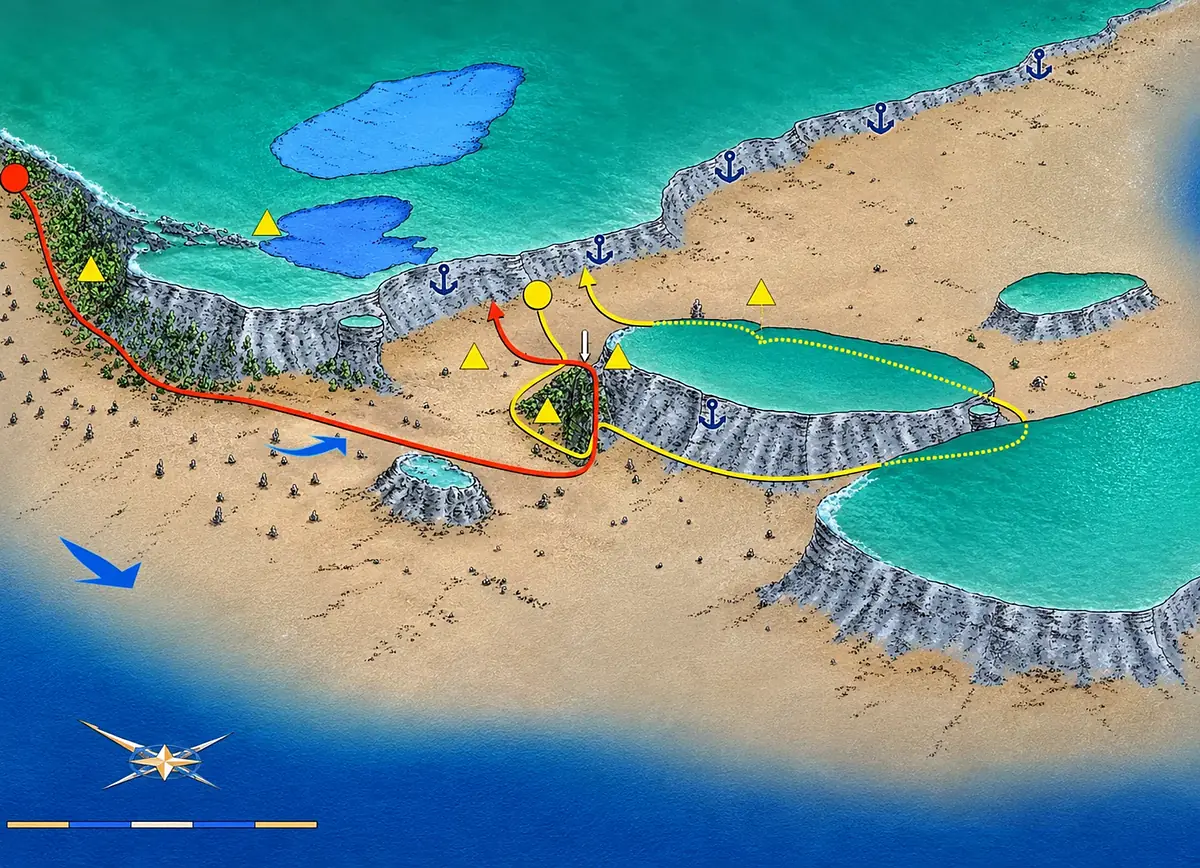
In short, Abu Galawa Kebir, or Big Abu Galawa, is a group of bank reefs in the western Fury Shoals, about 13 km off the southern Egyptian coast near Hamata. The sandy seabed lies at about 20 m, and a long coral garden runs from north to south along the western side of the main reef. In addition, a small lagoon links the reef to its southern side, where the safe overnight moorings are, close to the Tien Hsing tug wreck. Overall, currents are rare, conditions are simple and night dives are popular, so the site suits beginners to advanced divers depending on the route.
What is Abu Galawa Kebir like?
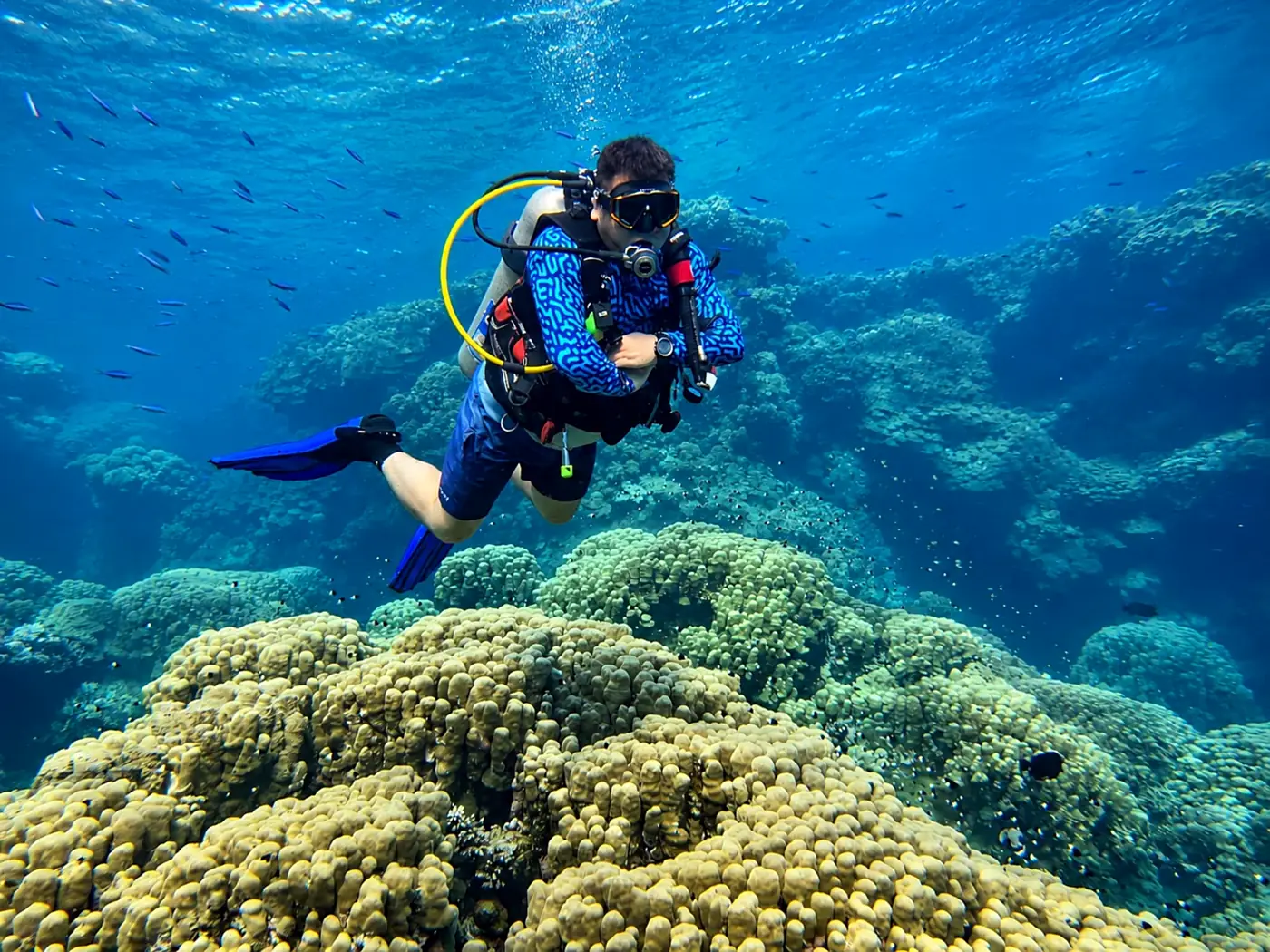
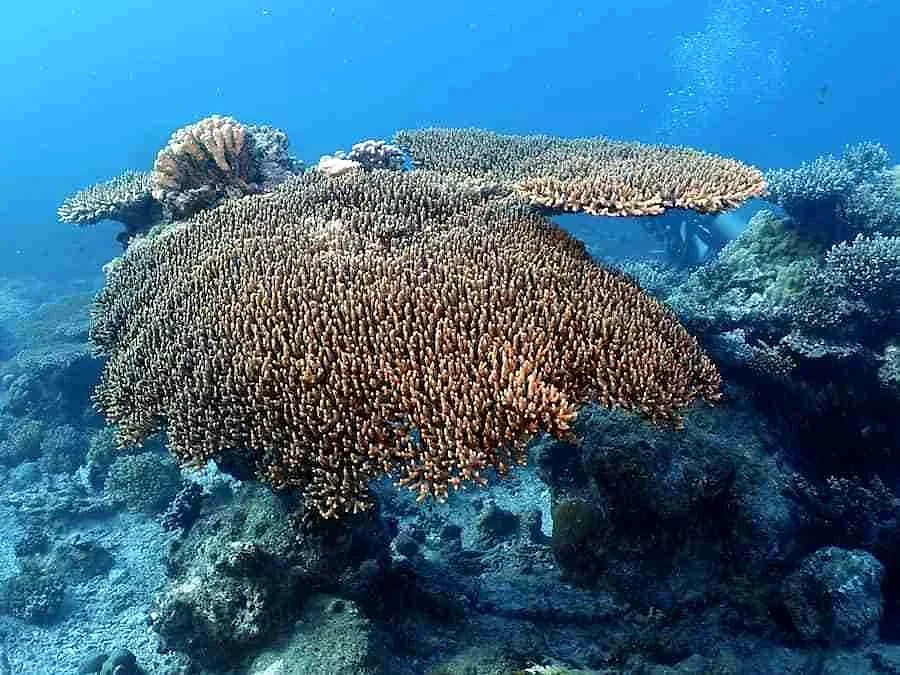
Above all, it is a relaxed, varied reef. The main reef and several smaller coral blocks rise from a sandy seabed at about 20 m, with walls that are mostly well covered in corals.
Because currents seldom flow here, the diving is easy. As a result, liveaboards like to spend the night at the moorings on the southern side and combine a reef dive, the wreck and a night dive.
However, the sandy seabed between the reefs has few landmarks. For this reason, a compass bearing before each dive is part of the routine here.
Abu Galawa Kebir at a glance
Coral garden
First, a large coral garden stretches along the western side of the main reef and is worth a dive by itself.
Lagoon and channel
Next, a small lagoon links the reef to its southern side, where the boats moor for the night.
Cave and passages
Meanwhile, a small cave at 3 m and short passages at 5 m lead a few metres into the smaller reef.
What can you see on the reef?
Although the wreck draws most of the attention, the reef itself offers enough for several dives. Consequently, many guests dive the garden, the small reef and the wreck on separate dives.
The coral garden
The highlight of the reef. Firstly, the garden runs from north to south along the main reef, with plenty of interesting sights between the coral blocks.
The smaller reef
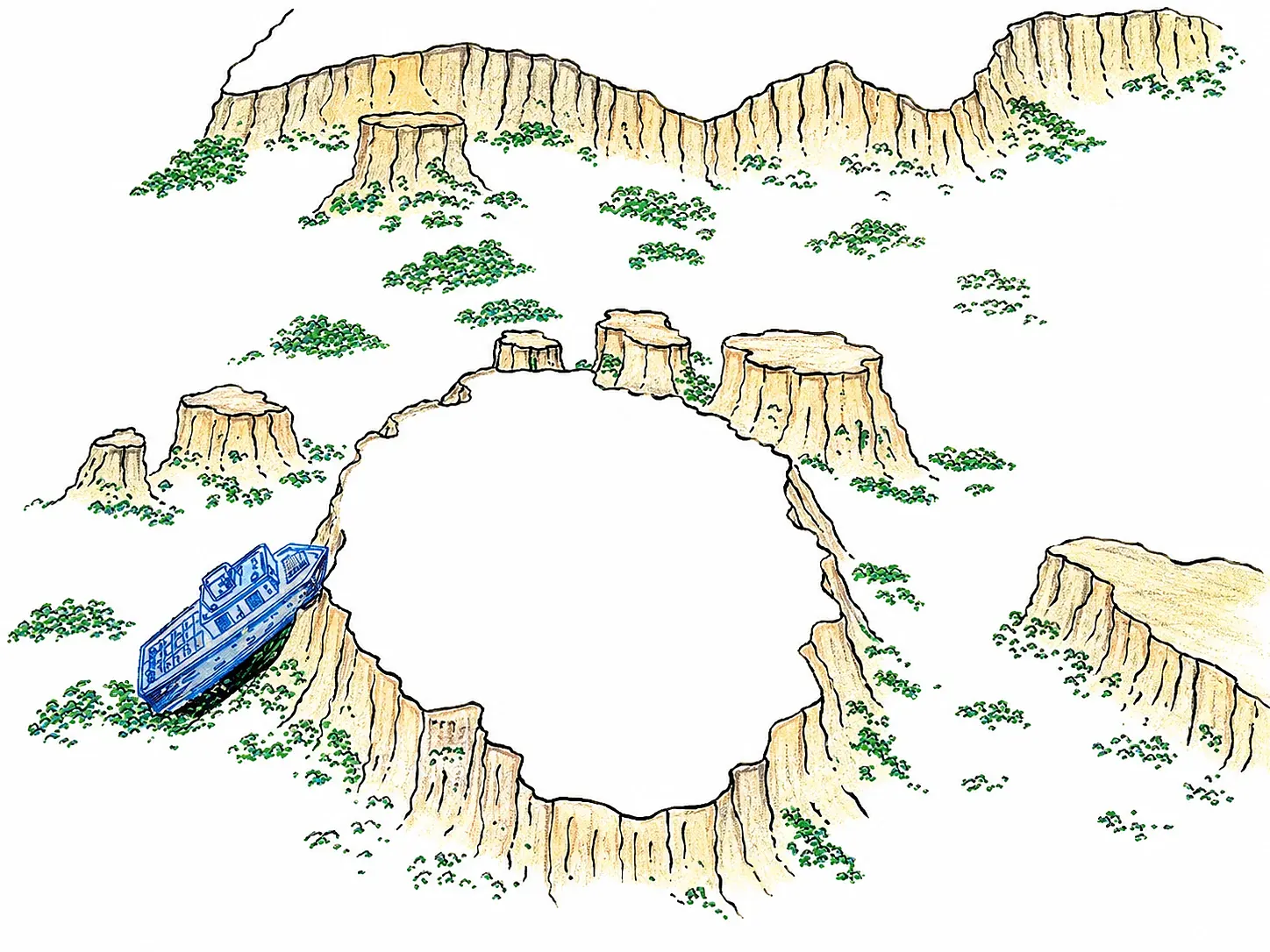
Next to the wreck. Then, a small cave beside the wreck leads into the reef at 3 m, where stingrays sometimes hide, and short passages at 5 m cut into its eastern side.
The Tien Hsing
The wreck. Finally, the overgrown tug usually identified as the Tien Hsing rests against one of the smaller reefs near the moorings; we cover it in our Tien Hsing guide.
Where is Abu Galawa Kebir?
Specifically, the reef lies in the western part of the Fury Shoals, off Hamata in the far south of Egypt, about 13 km from the coast. The published reference position is about 24°13′41″N, 35°34′25″E, which is about 24.2281°N, 35.5736°E; from there, Shaab Claudio is roughly 4 km to the east.
However, this is a general reference for the reef, not the exact position of the wreck. For example, the buttons below lead to the nearby reefs and to our routes.
How do you dive Abu Galawa Kebir?
To begin with, take a compass bearing before every dive, because it is easy to lose your orientation over the sandy seabed. Typically, each of the routes below takes about 60 minutes.
Three classic dives at the reef
Route A
From the boat. Firstly, descend from the liveaboard and swim through the channel to the smaller reef. Circle it with the reef on your left shoulder to the wreck, then continue around it and rise to 5 m on the eastern side so you do not miss the small cavern entrance, before returning to the boat.
Route B
By RIB. Then, start on the western side of the main reef and cross the coral garden with the reef on your left. At the south-western tip, leave the wall and cross the sand at about 150° to the wreck; if in doubt, keep a little more to the left. Afterwards, surface for the RIB or swim back to the boat.
Night dive
After dark. Finally, the night dive follows Route A, but you return to the boat from the wreck instead of circling the smaller reef.
Above all, currents here only flow outside the main reef and in the channel at the change of tide, and although they are rarely strong, they can be unpleasant. Therefore, follow your guide’s briefing on the day.
What marine life lives at Abu Galawa Kebir?
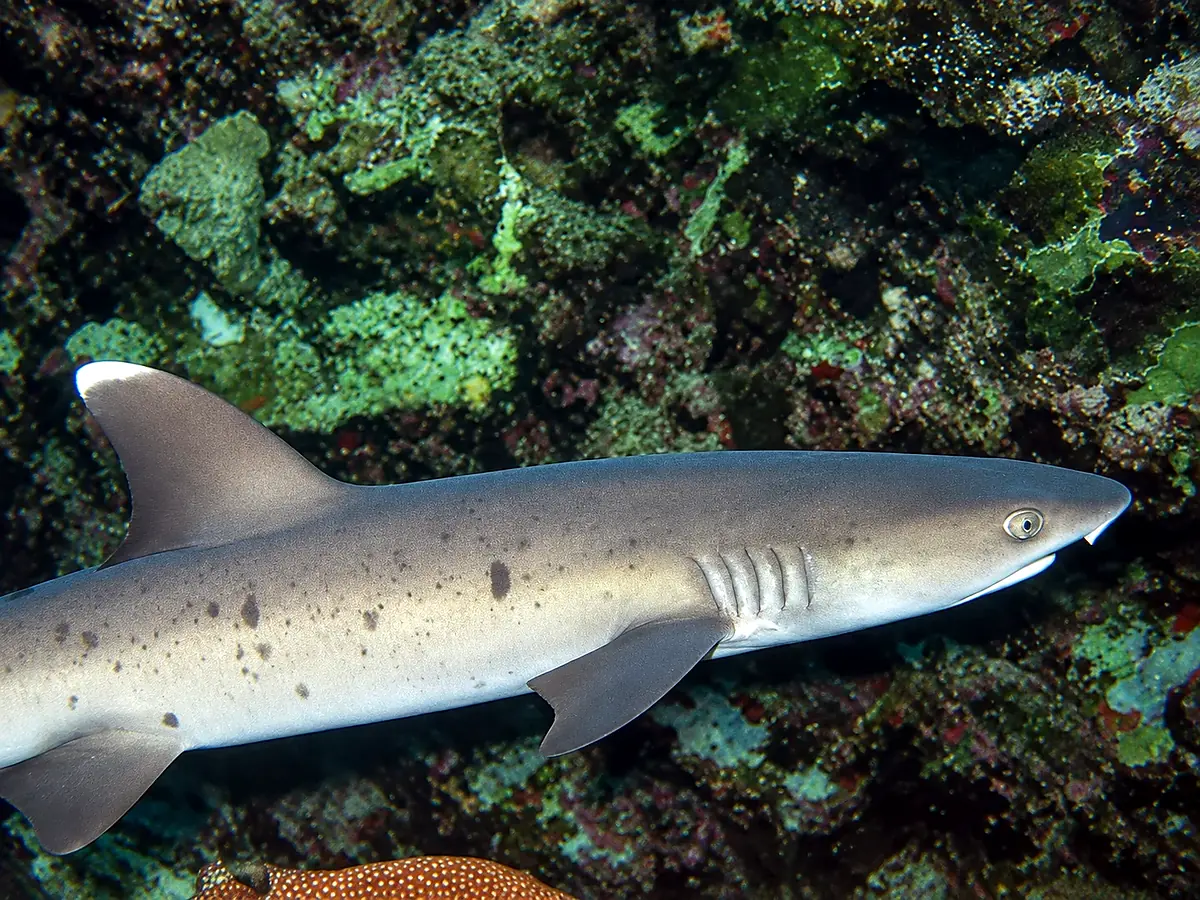
Thanks to the sheltered reef and the coral garden, life is rich all around the site. However, no sighting is guaranteed.
Reef fish
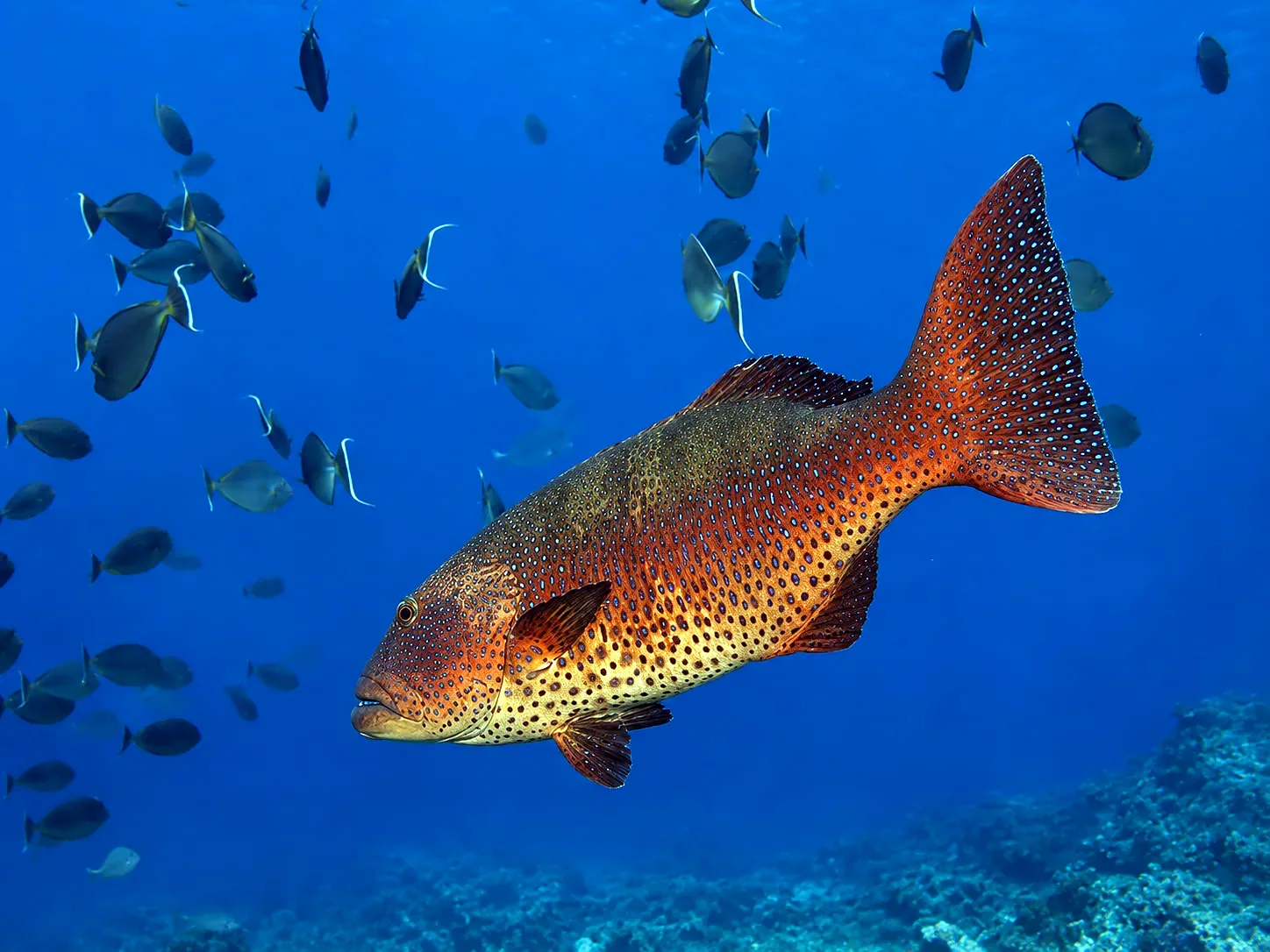
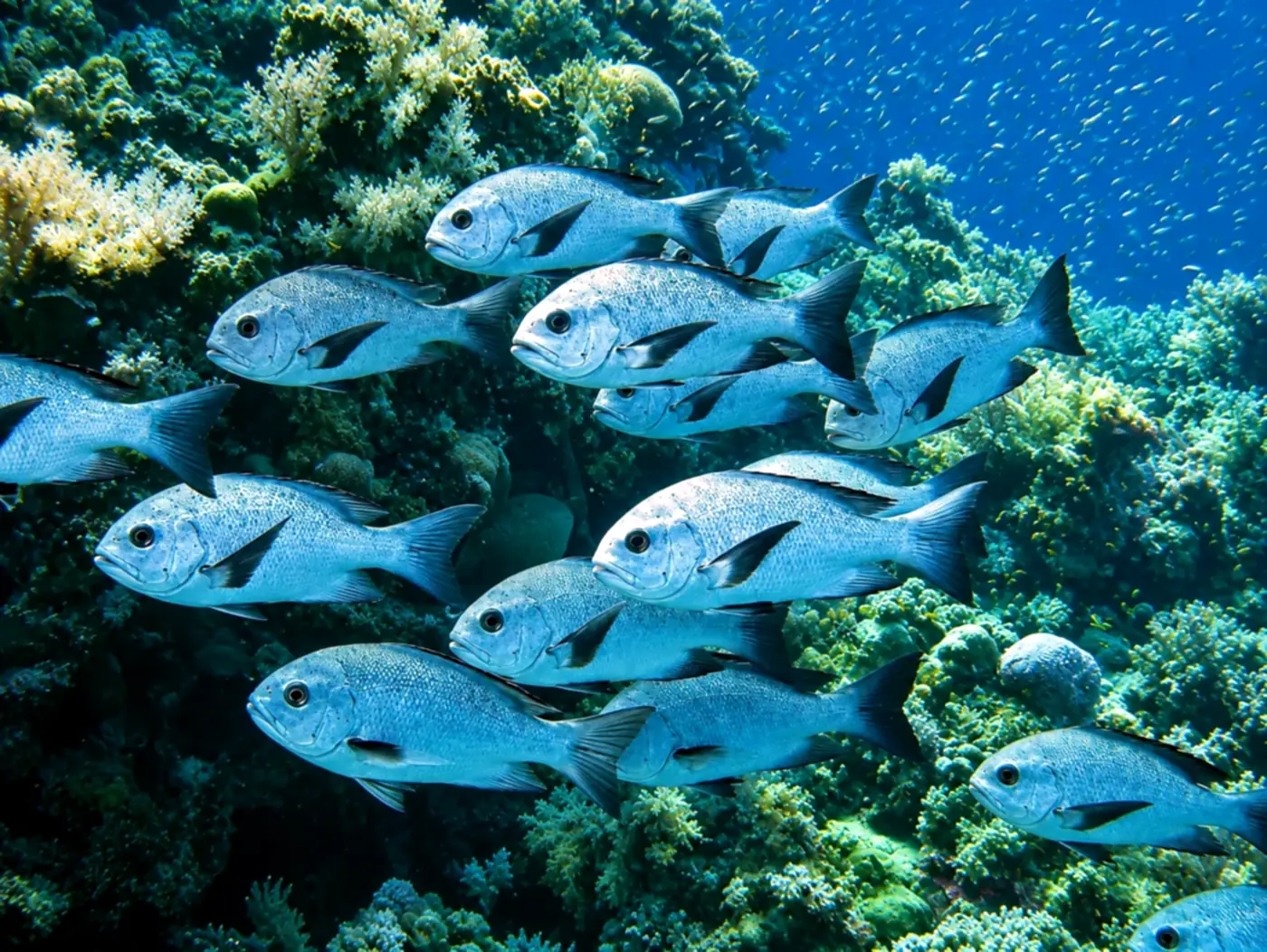
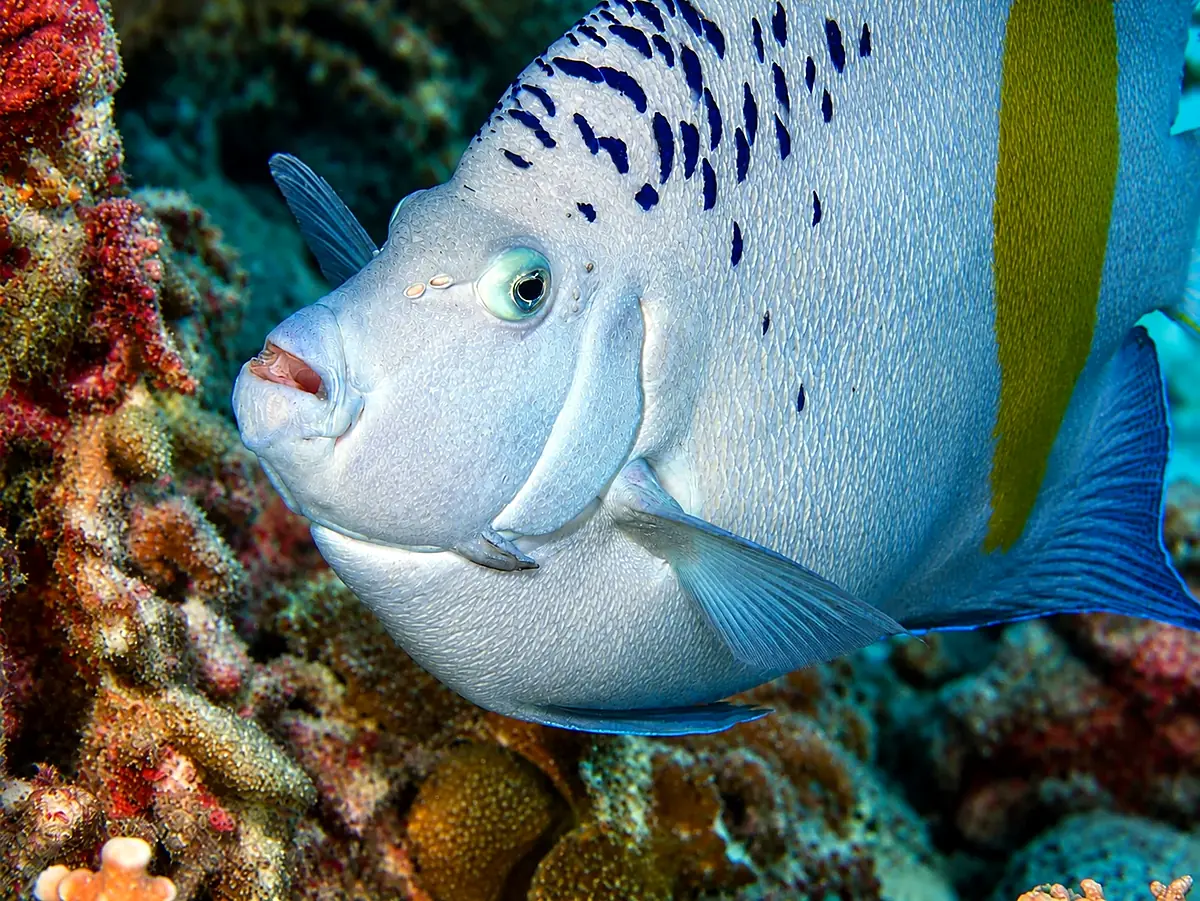
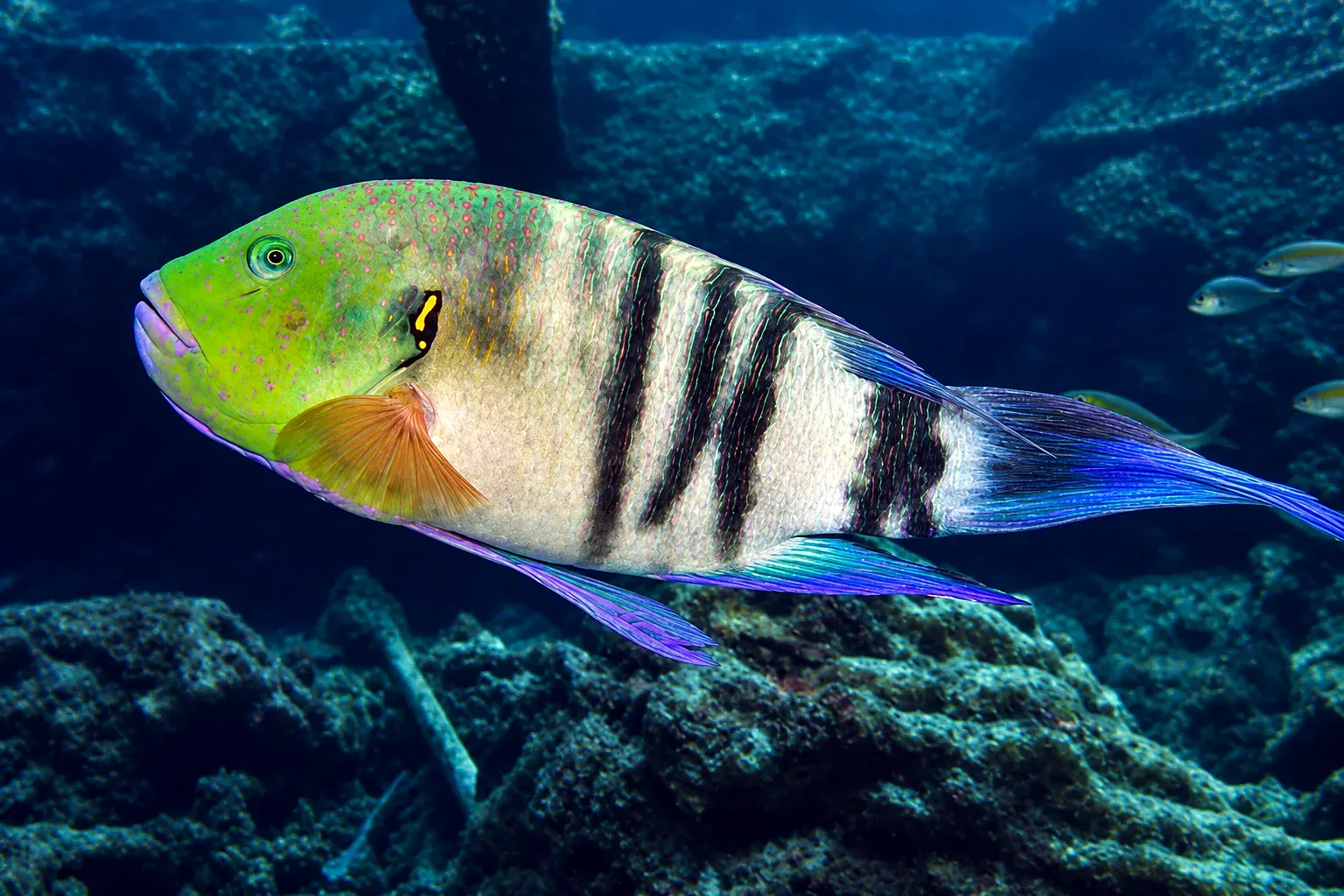
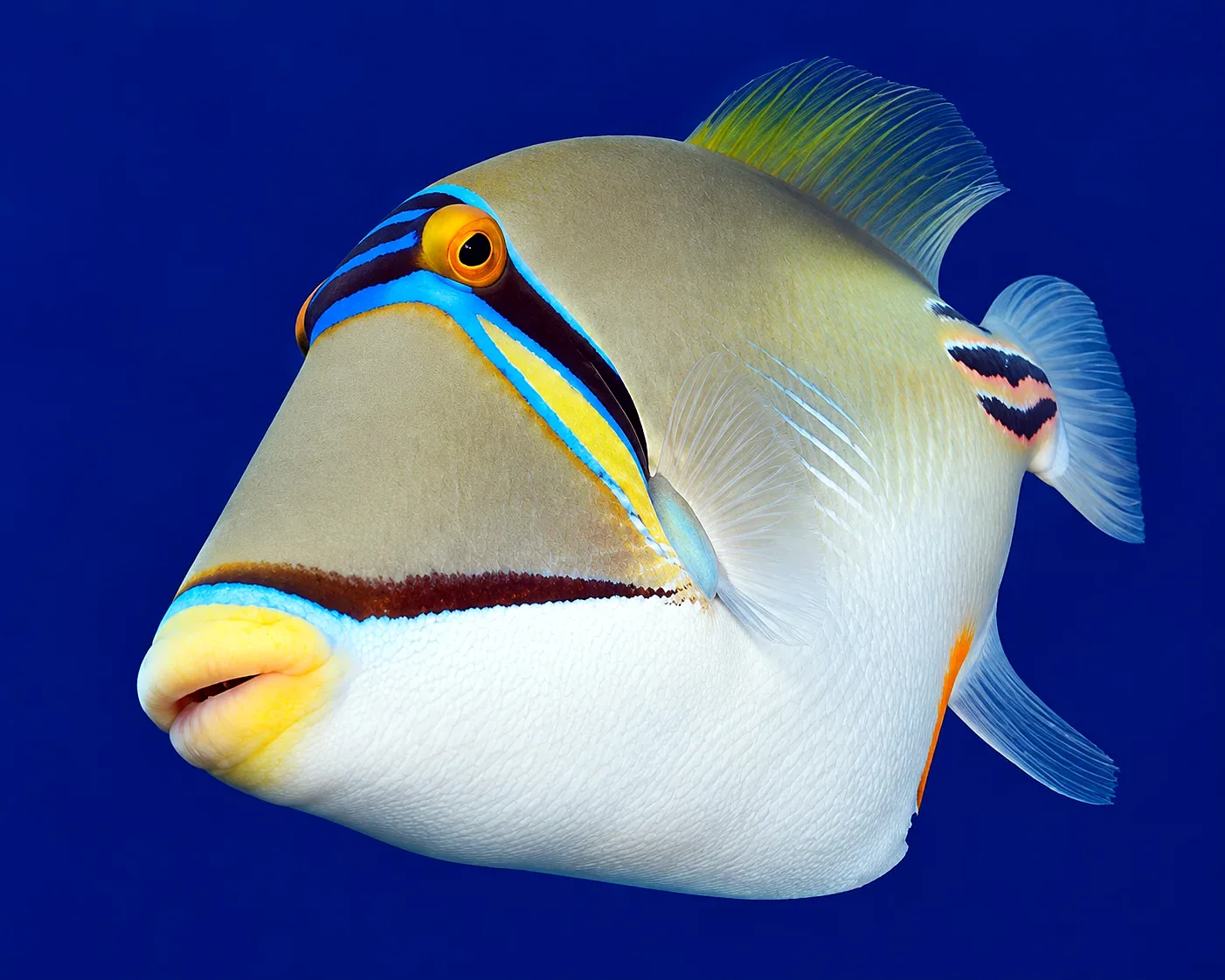
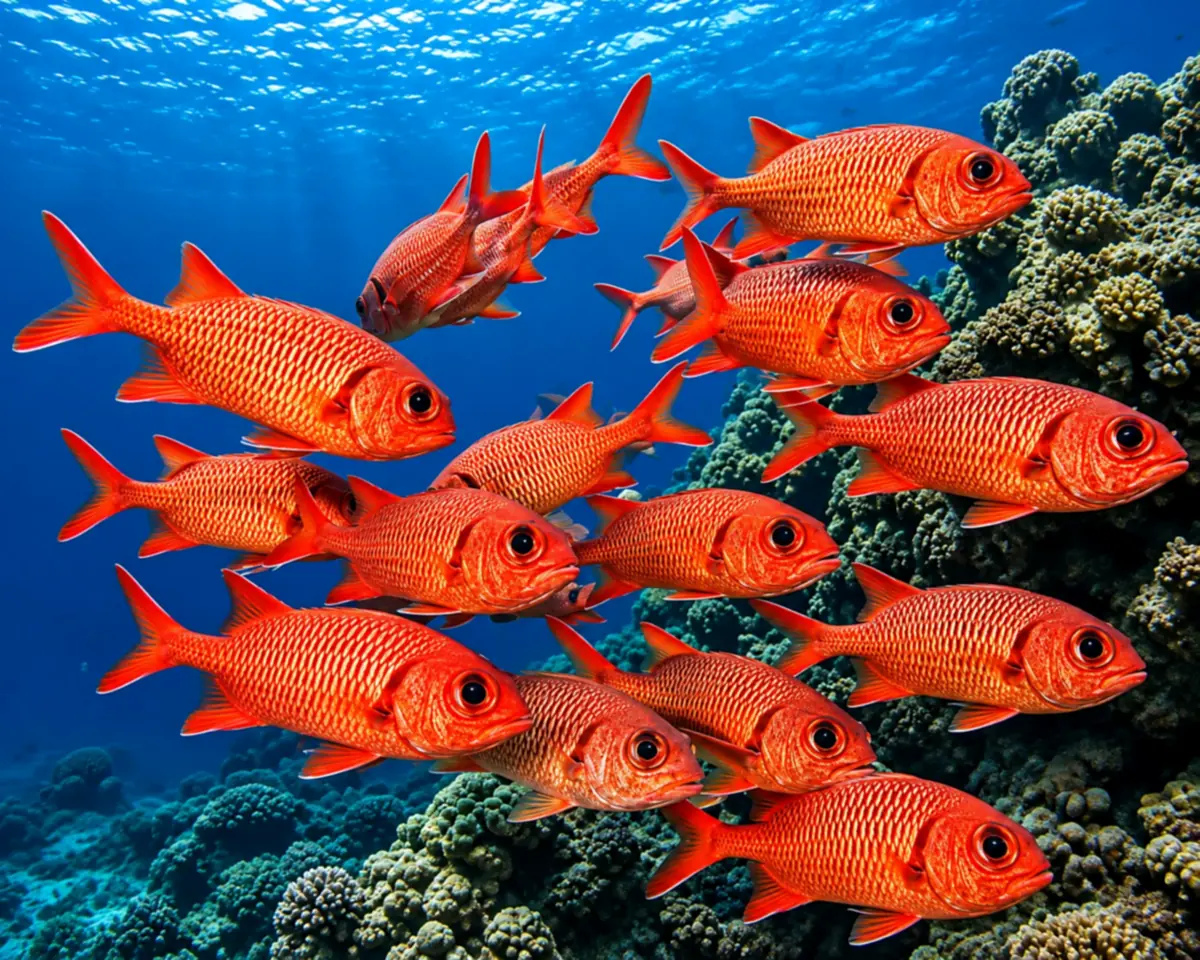
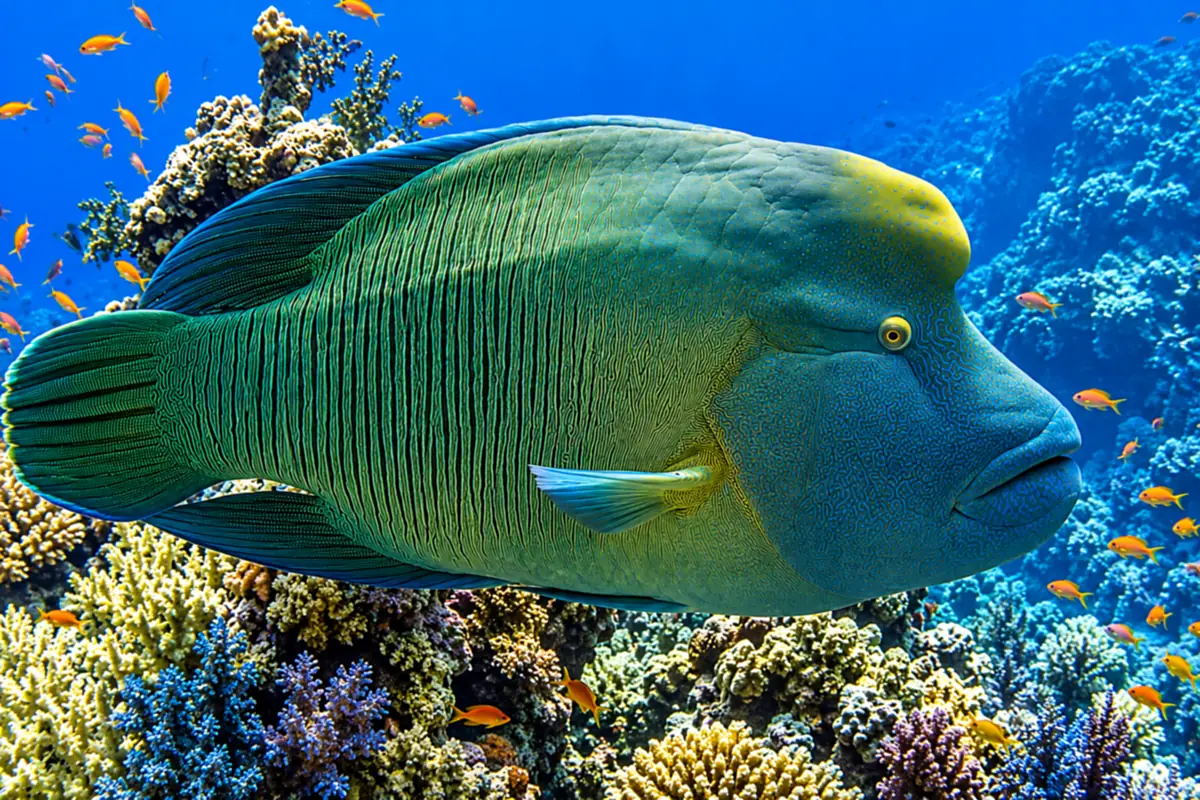
Often, anthias and fusiliers swarm over the coral, with groupers, snappers, butterflyfish and angelfish along the walls.
Hunters and turtles
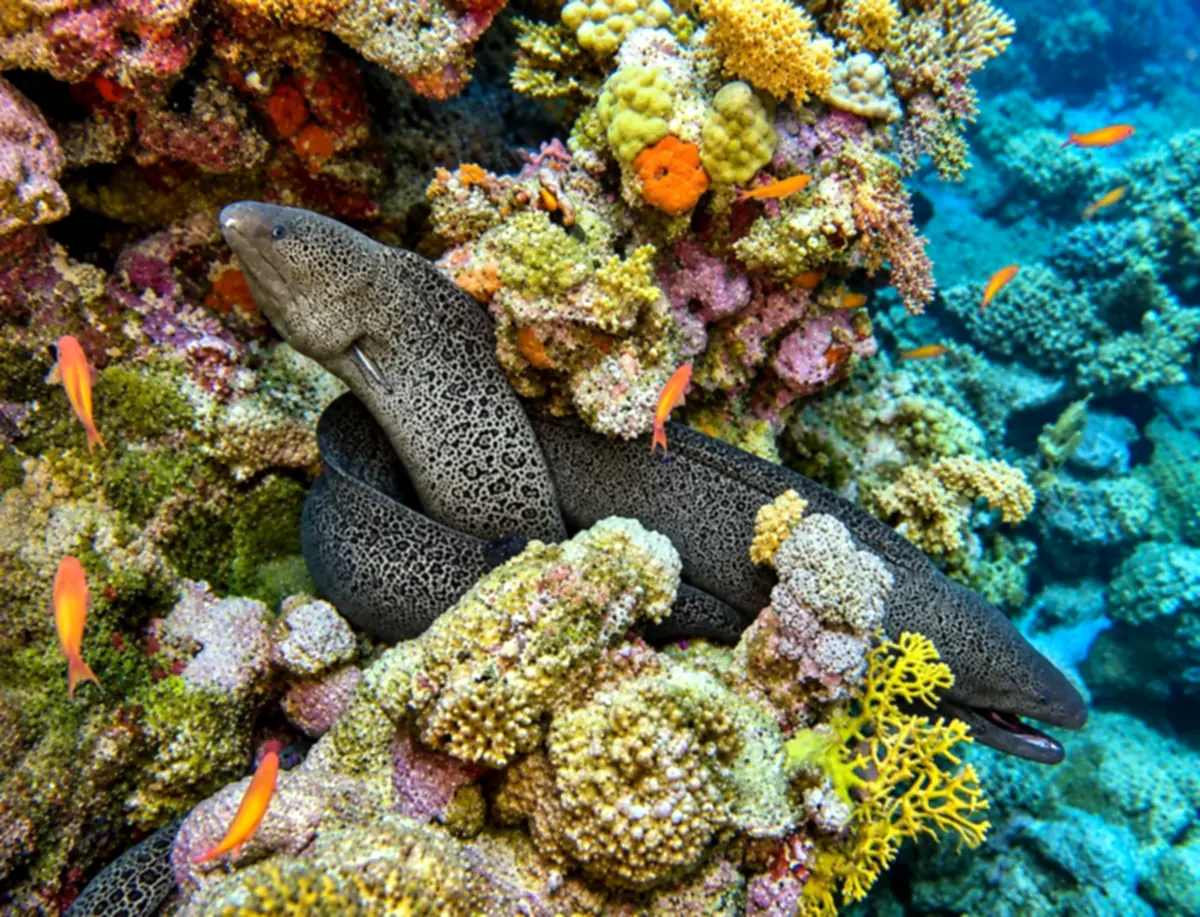
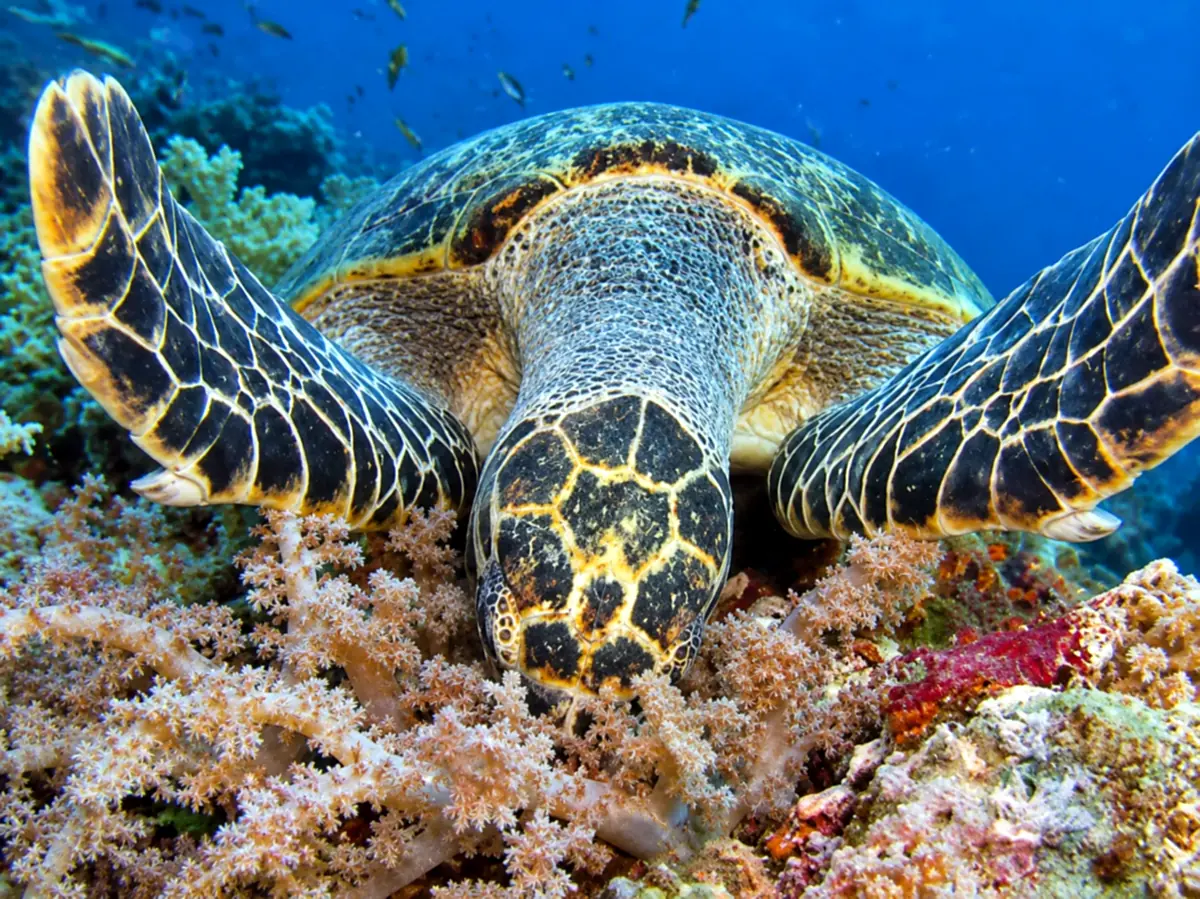
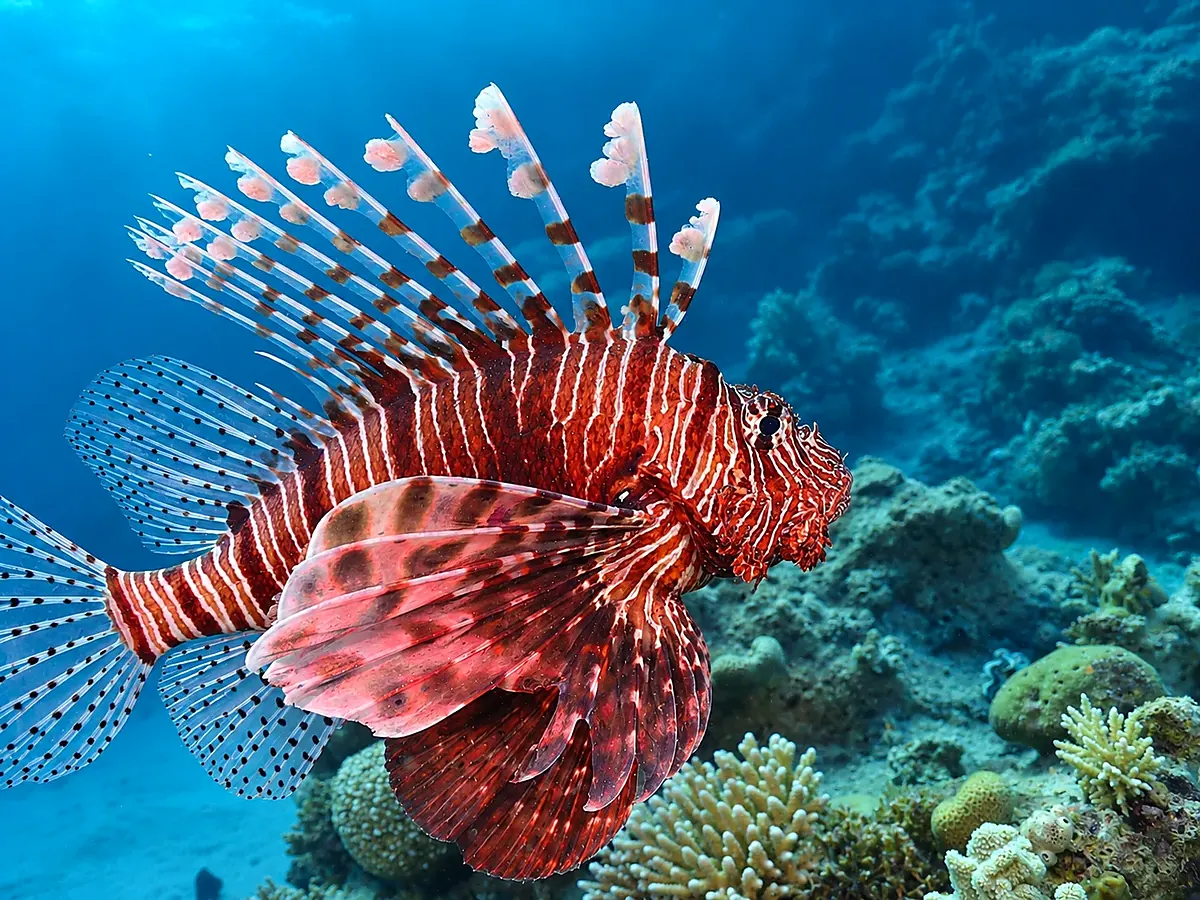
Likewise, moray eels and lionfish hunt among the blocks, sea turtles visit the reef, and stingrays may hide in the small cave.
Corals and macro
Finally, hard and soft corals cover the walls, and many small invertebrates live between the coral rocks.
Is Abu Galawa Kebir suitable for beginners?
Yes, on the right route. Generally, conditions are simple and currents are rare, so Open Water divers can enjoy guided dives around the mooring and the coral garden, while more experienced divers can plan longer routes across the sand.
In addition, the routes reward good navigation. For example, the PADI Underwater Navigator course helps you hold a bearing across the sand, and Peak Performance Buoyancy keeps you clear of the corals.
Before you dive Abu Galawa Kebir
Firstly, take your compass bearing before you leave the boat and agree on the route. Secondly, never enter the cave or the passages without training and a clear way out.
Above all, follow our diving safety standards and the rules of HEPCA. Likewise, dive insurance such as DAN Europe is essential this far from the coast.
How do you get to Abu Galawa Kebir?
In practice, we reach the reef by liveaboard. With us, it is a stop on our Daedalus and Fury Shoals route, and it can also be part of the Deep South St. John’s route when conditions allow. As usual, guests board on Saturday after 15:00, and check-out is between 09:00 and 10:00 the next Saturday.
Because the moorings are safe, boats often spend the night here. Consequently, the coral garden, the wreck and a night dive fit into one day at the reef.
Plan your Fury Shoals dive trip
- Daedalus and Fury Shoals route — Daedalus, the Fury Shoals reefs and the south.
- Deep South St. John’s liveaboard — the far south near the Sudanese border.
- What divers need on board — the packing checklist for a Red Sea safari.
- redsealiveaboard.net — Red Sea safari schedules and availability.
- All eight boats in our fleet can sail these routes: Sea Fox, Simba, Sea Treasure, Star Jet, Bismarck, C Echo II, C U and Ramadan 3.
Photo gallery from the Fury Shoals
Other routes from Red Sea Diving
Generally, for a first liveaboard, the Hurghada wreck liveaboard keeps to the classic wrecks. On the other hand, the BDE liveaboard runs Brothers, Daedalus and Elphinstone, while the Elba Reef liveaboard reaches the far south. Meanwhile, the Red Sea liveaboard guide compares all eight routes.
Abu Galawa Kebir: frequently asked questions
Where is Abu Galawa Kebir?
In fact, it is in the western Fury Shoals, off Hamata in the southern Red Sea, about 13 km from the coast, at roughly 24°13′41″N, 35°34′25″E.
Is the Tien Hsing wreck at Abu Galawa Kebir?
Yes. The tug wreck usually identified as the Tien Hsing rests against one of the smaller reefs near the moorings, and we describe it in a separate dive guide.
How deep is the diving at Abu Galawa Kebir?
Usually, between about 5 and 25 m. The sandy seabed lies at about 20 m, while the cave and the passages of the smaller reef are at 3–5 m.
Can you night dive at Abu Galawa Kebir?
Yes. The reef has safe overnight moorings near the wreck, so it is an ideal night dive site, and the wreck can be visited in the dark.
How do you get to Abu Galawa Kebir?
With us, by liveaboard on the Daedalus and Fury Shoals route or, when conditions allow, the Deep South route.
Fury Shoals · Liveaboard · Coral garden and night dives
Dive Abu Galawa Kebir with us
Simply tell us your dates, the number of divers, your certification level and your number of logged dives. Afterward, our team checks which southern departure fits your group before you commit to anything.


