

Dive site guide · Dangerous Reef · St. John’s Reef System, southern Red Sea
Dangerous Reef Dive Site Coral gardens, short caverns and night dives at the south end of St. John’s
Dangerous Reef is one of the best-known dive sites in the St. John’s reef system of the southern Egyptian Red Sea. Despite its name, it offers sheltered diving in suitable conditions, with coral gardens, a sandy plateau, short passages and deeper outer walls between 5 and 30 meters.
Dangerous Reef in short
In short, Dangerous Reef is a 410-meter reef at the southern end of St. John’s, about 30 km from the Egyptian mainland. Typically, dives stay between 5 and 30 meters around coral gardens, a sandy plateau, short caverns at 7 to 10 meters and deeper outer walls. Because the moorings are sheltered, it suits beginners to intermediate divers in suitable conditions, and it is a popular night dive, reached only by liveaboard on the Deep South St. John’s route. Above all, expect anthias, angelfish, groupers, moray eels, lionfish and bluespotted stingrays, plus turtles, barracuda and reef sharks at times.
What is Dangerous Reef?
Geographically, Dangerous Reef is a long coral reef that marks the southernmost point of the St. John’s reef system. Despite its name, it is no more dangerous than other reefs, and the name is said to come from sharks that used to rest in the caves on its south side.
Because the reef is about 410 meters long, it gives good shelter from wind and waves. Consequently, boats often stay here overnight, which also means the site can be busy underwater.
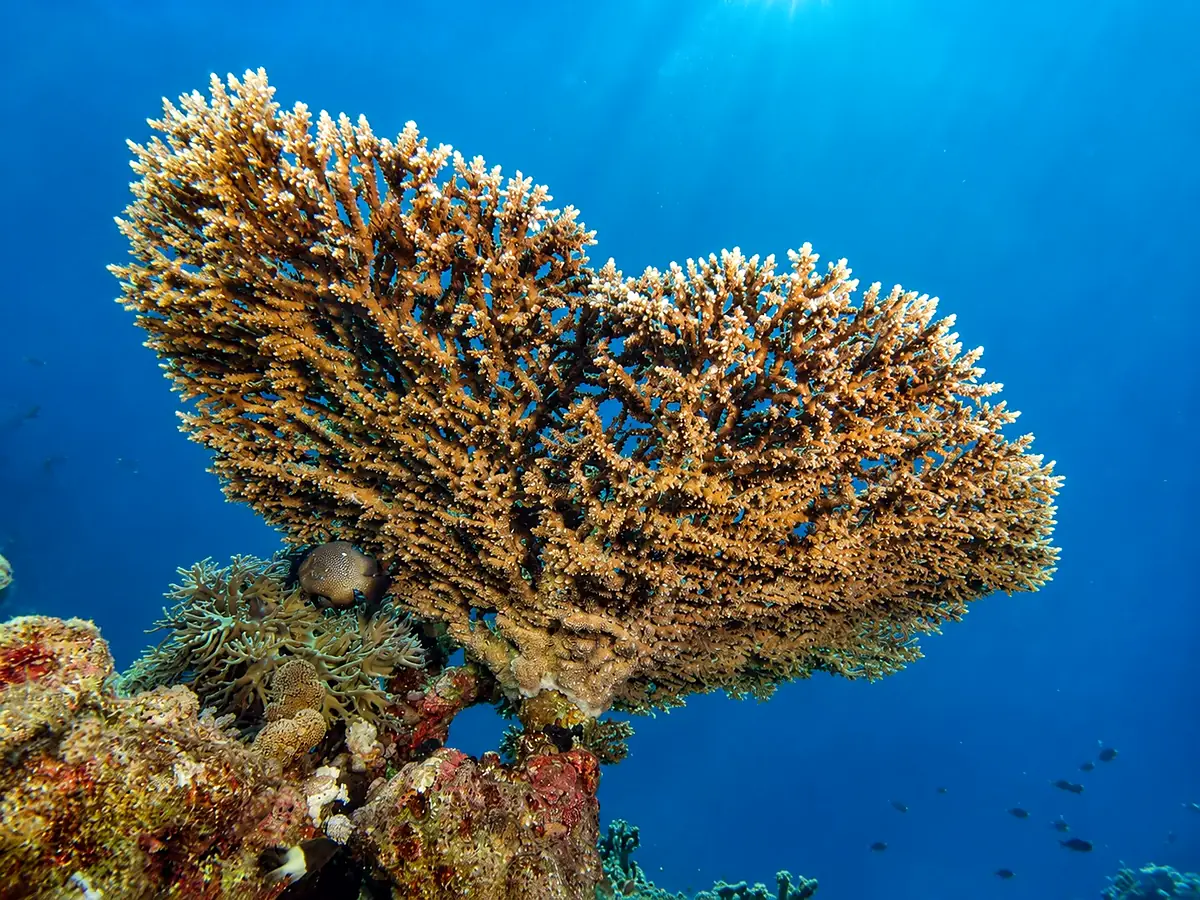
Moreover, the reef combines several environments in one place. In fact, coral gardens, isolated coral blocks, sandy patches and steep outer walls all sit within a short swim of each other.
Dangerous Reef at a glance
Topography
Above all, coral gardens, short caverns and a sandy plateau, with steep outer walls on both sides.
Marine life
Similarly, reef fish fill the coral, stingrays rest on the sand, and turtles and reef sharks pass at times.
Conditions
However, the exposed edges can carry stronger current, so the route always follows the conditions on the day.
Where is the reef located?
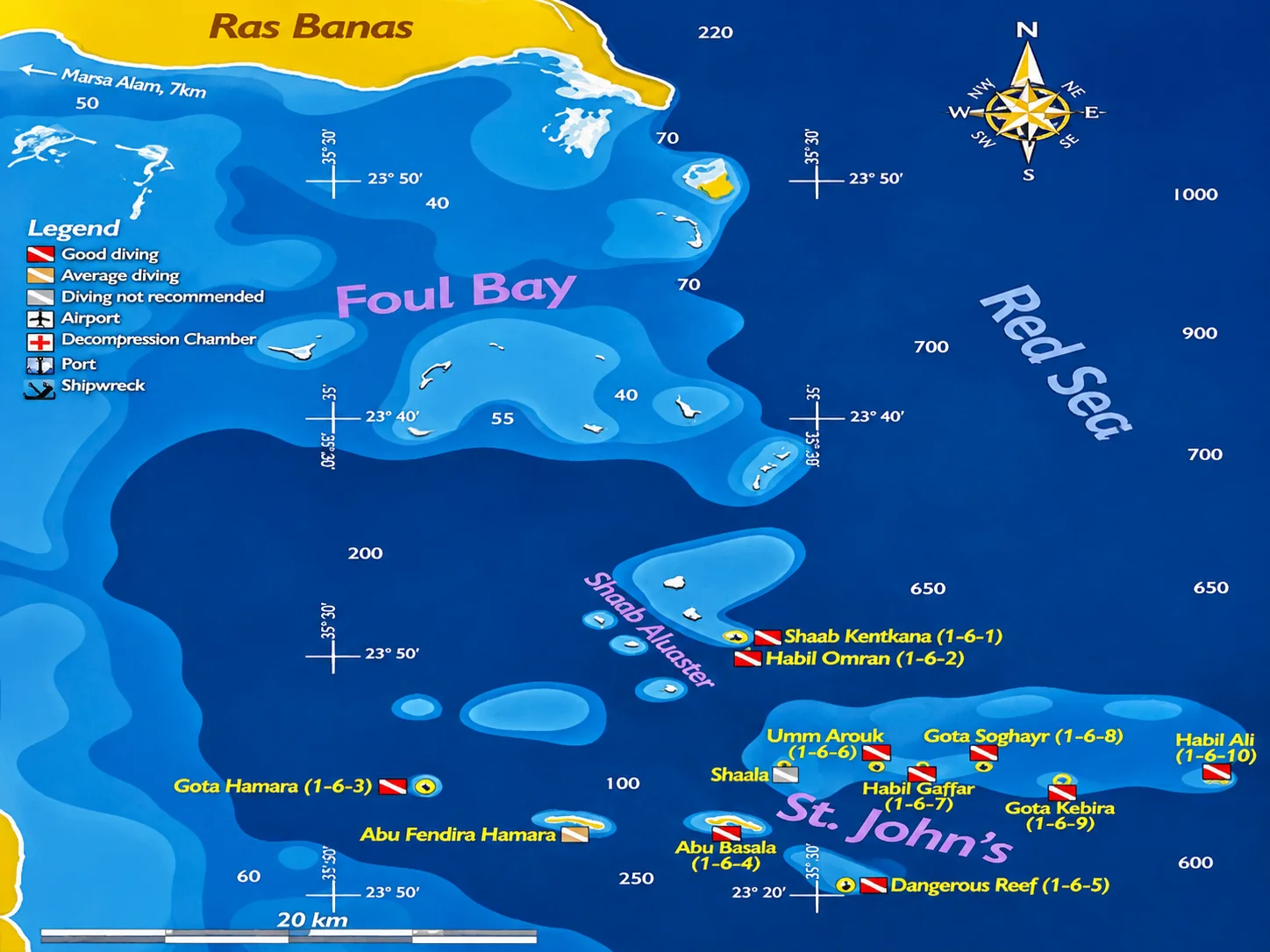
Dangerous Reef lies at the southern end of the St. John’s reef system, close to the Sudanese border and about 30 km from the mainland. Accordingly, the only practical way to dive it is from a liveaboard on the Deep South St. John’s or Elba Reef routes.
In addition, the other St. John’s reefs lie to the north, so Dangerous Reef is often the overnight mooring between days on Umm Arouk, the Gotas and the Habilis.
How do you dive Dangerous Reef?
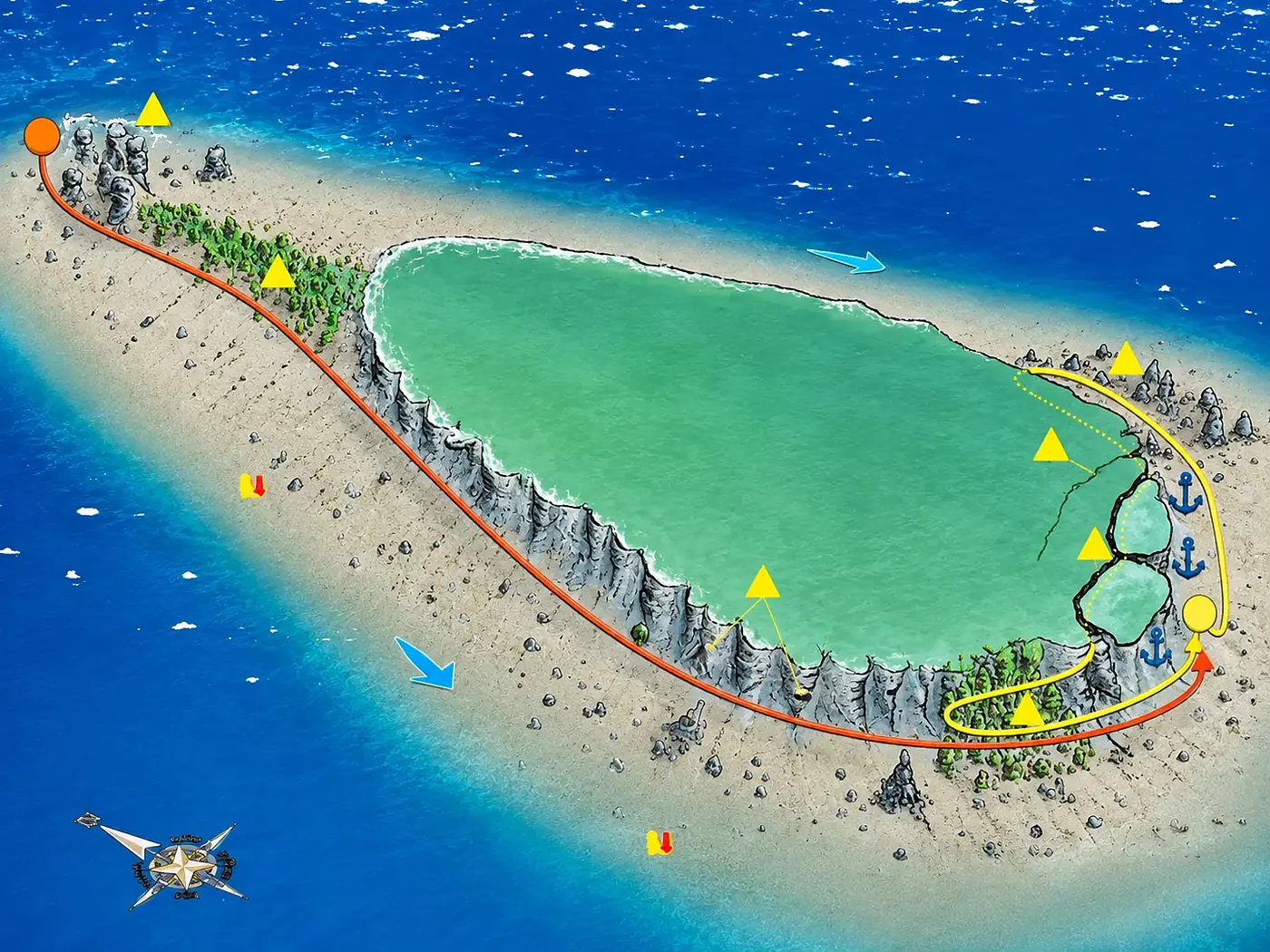
A typical Dangerous Reef day dive explores the coral garden and the sandy plateau before continuing along the reef edge. Ideally, choose the sunlit side, since the east and west walls are equally rich in coral.
From the caverns to the coral garden
7–10 m
The southern caverns. First of all, below the moorings on the south side, short caverns lie at 7 to 10 meters. However, they do not reach far into the reef and lead back out in a semicircle. Even so, any overhead area needs the right training and the guide’s approval.
10–20 m
The southern garden. Just west of the caverns, a small but beautiful coral garden grows along the wall and suits photographers. Meanwhile, to the east, large coral rocks on the sand hide many smaller creatures.
North tip
The northern coral garden. Finally, at the north tip, a coral garden reaches into the sea with coral towers at its end. Additionally, along the sides, the walls meet the sloping sand at around 20 meters, lined with overhangs and openings.
What marine life lives at Dangerous Reef?
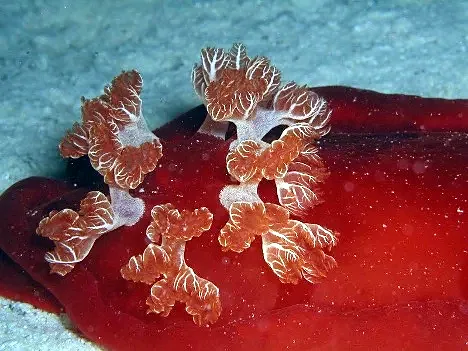
Overall, Dangerous Reef combines busy reef life with sand dwellers and occasional visitors from the blue. Of course, wild animals are never guaranteed, so treat the list below as possibilities rather than promises.
Reef fish
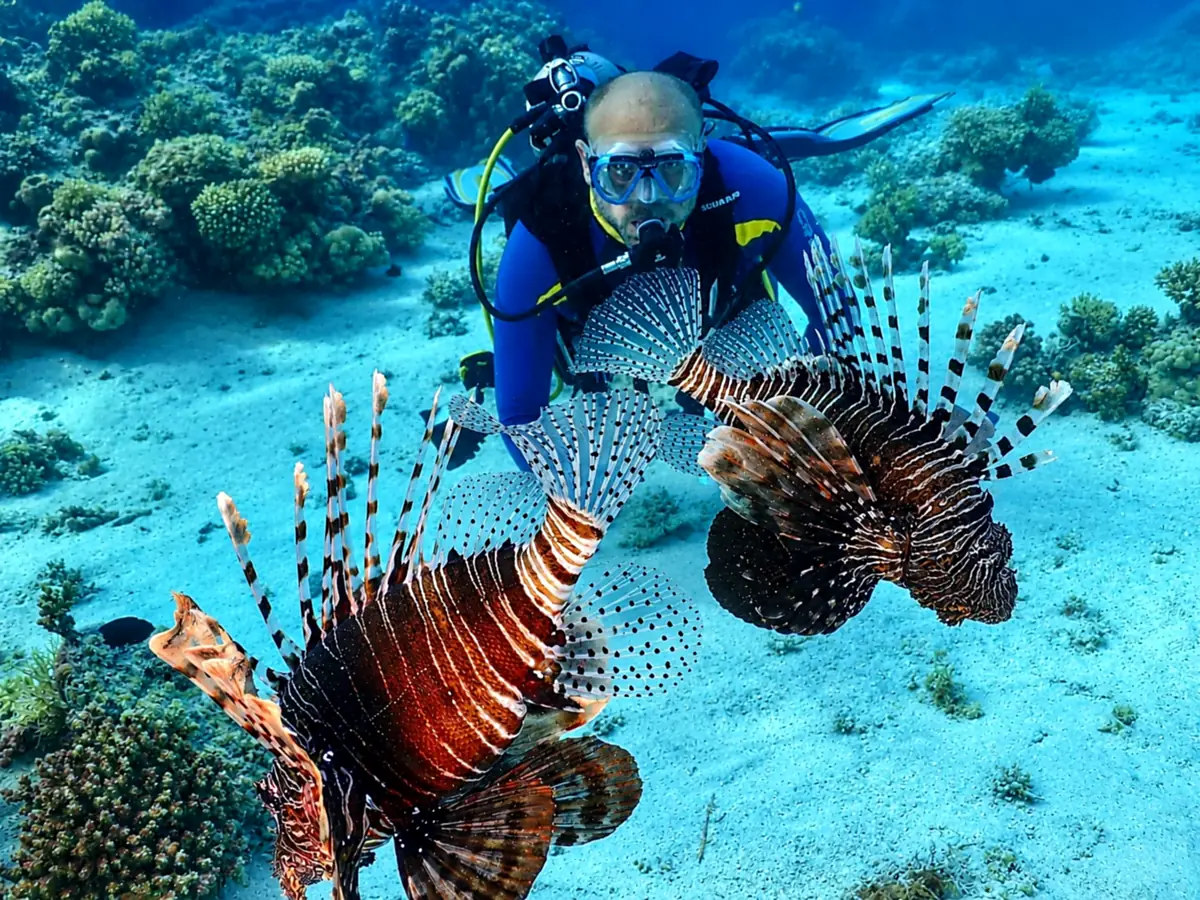
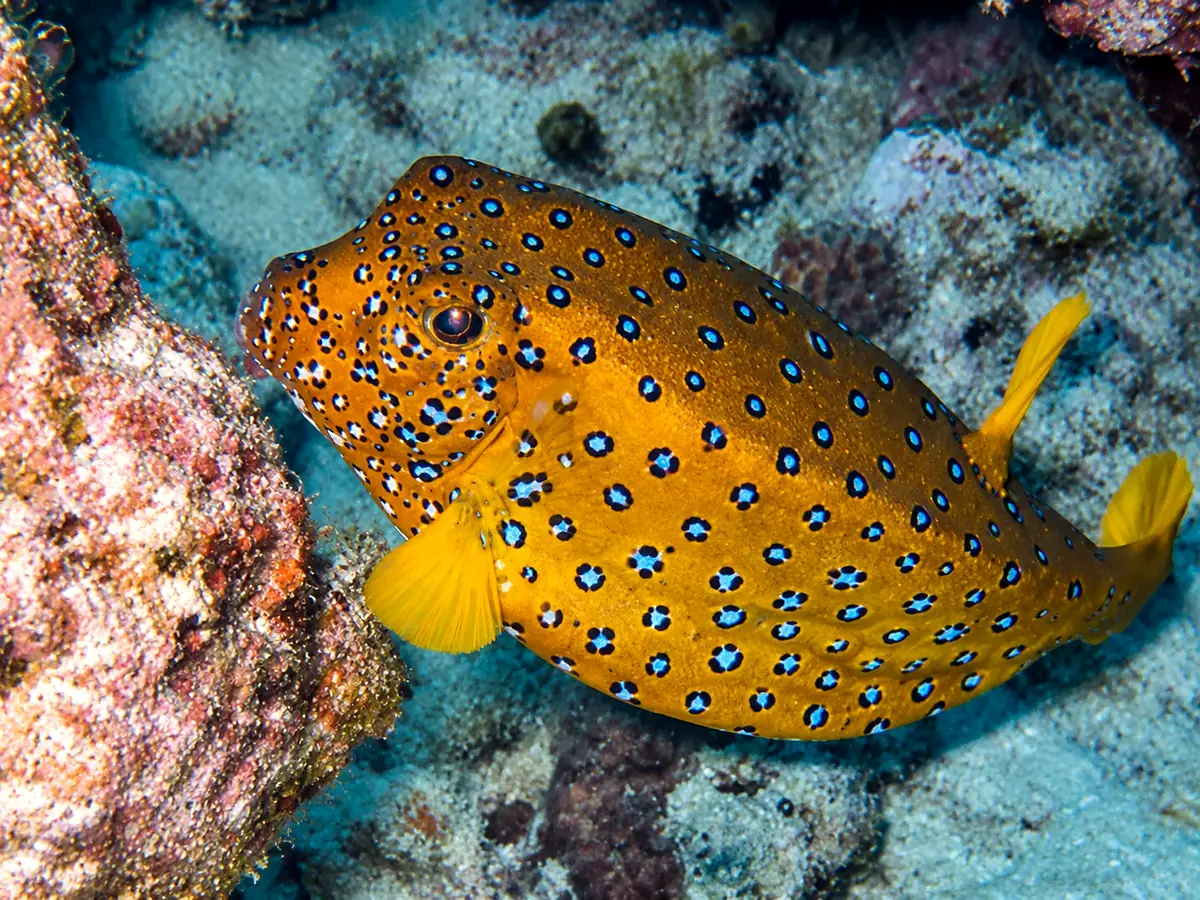
Typically, anthias, butterflyfish, angelfish and parrotfish cover the coral, while groupers, moray eels and lionfish hunt nearby.
On the sand
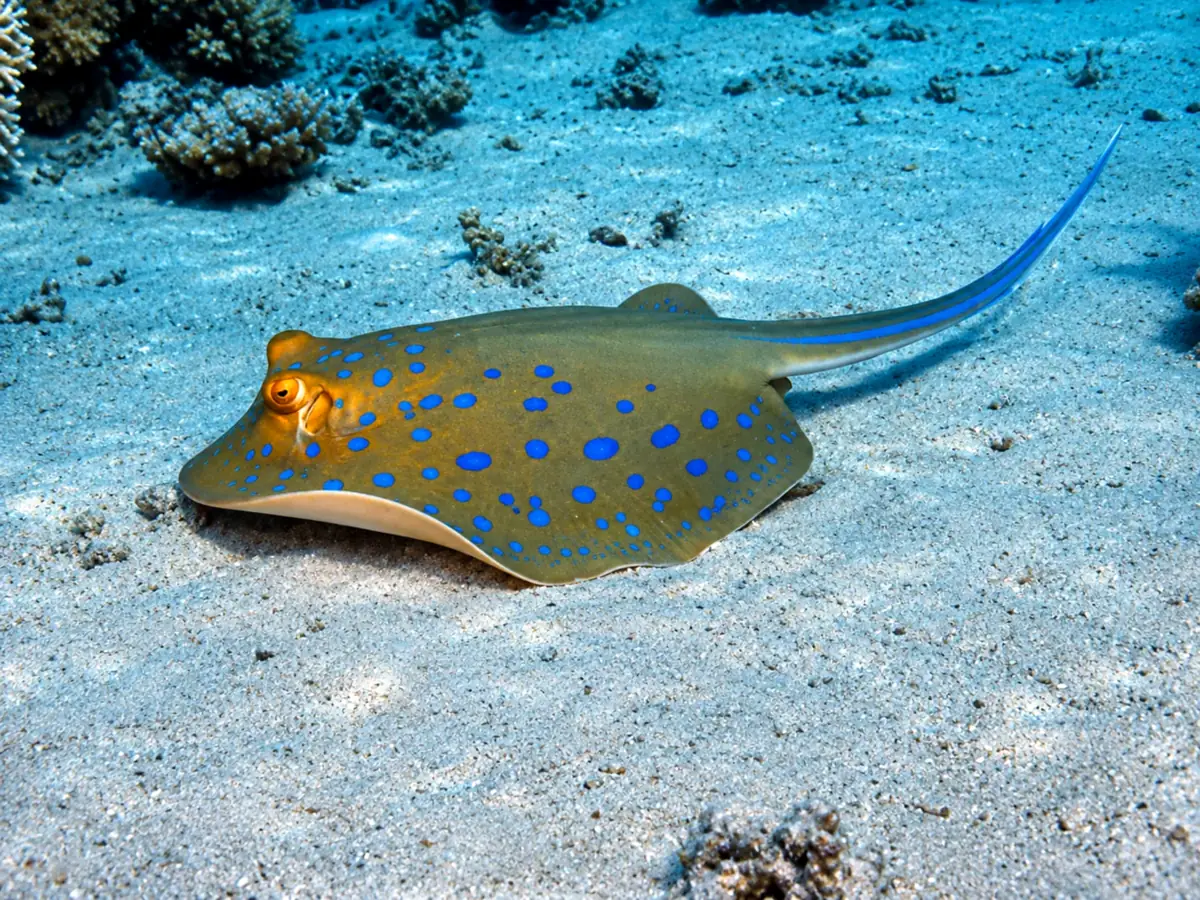
Meanwhile, bluespotted stingrays rest on the sandy plateau, and the coral rocks on the sand shelter many small creatures.
Occasional visitors
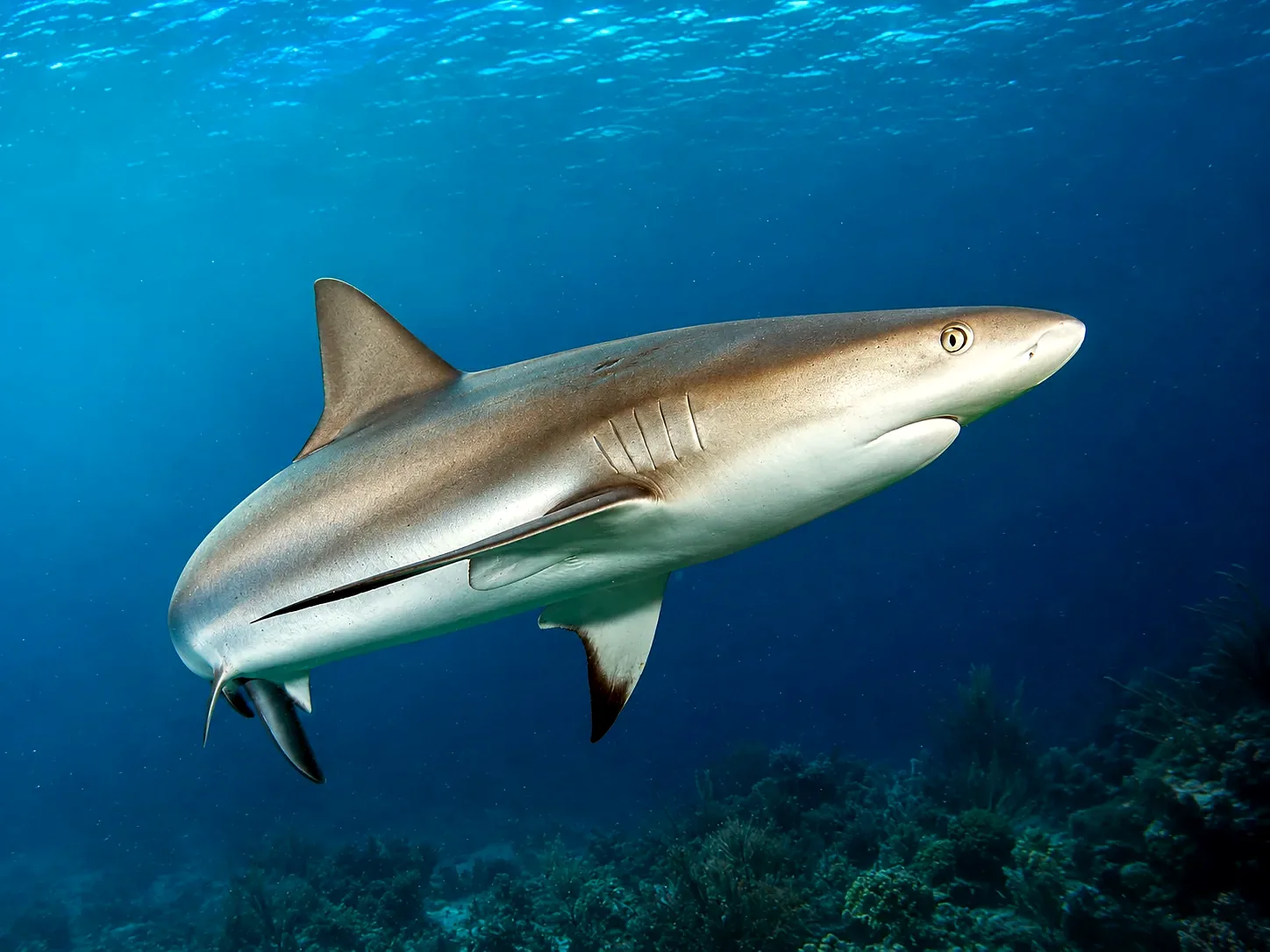
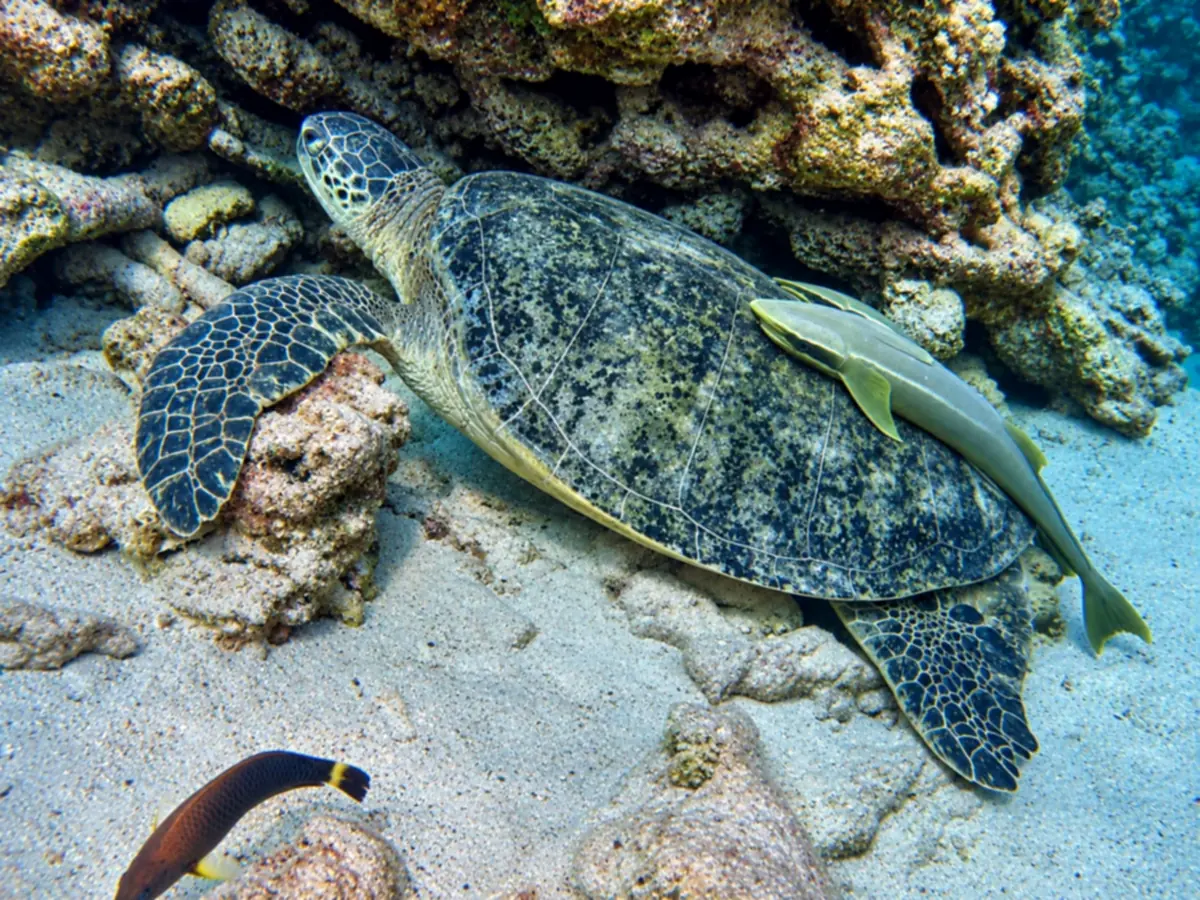
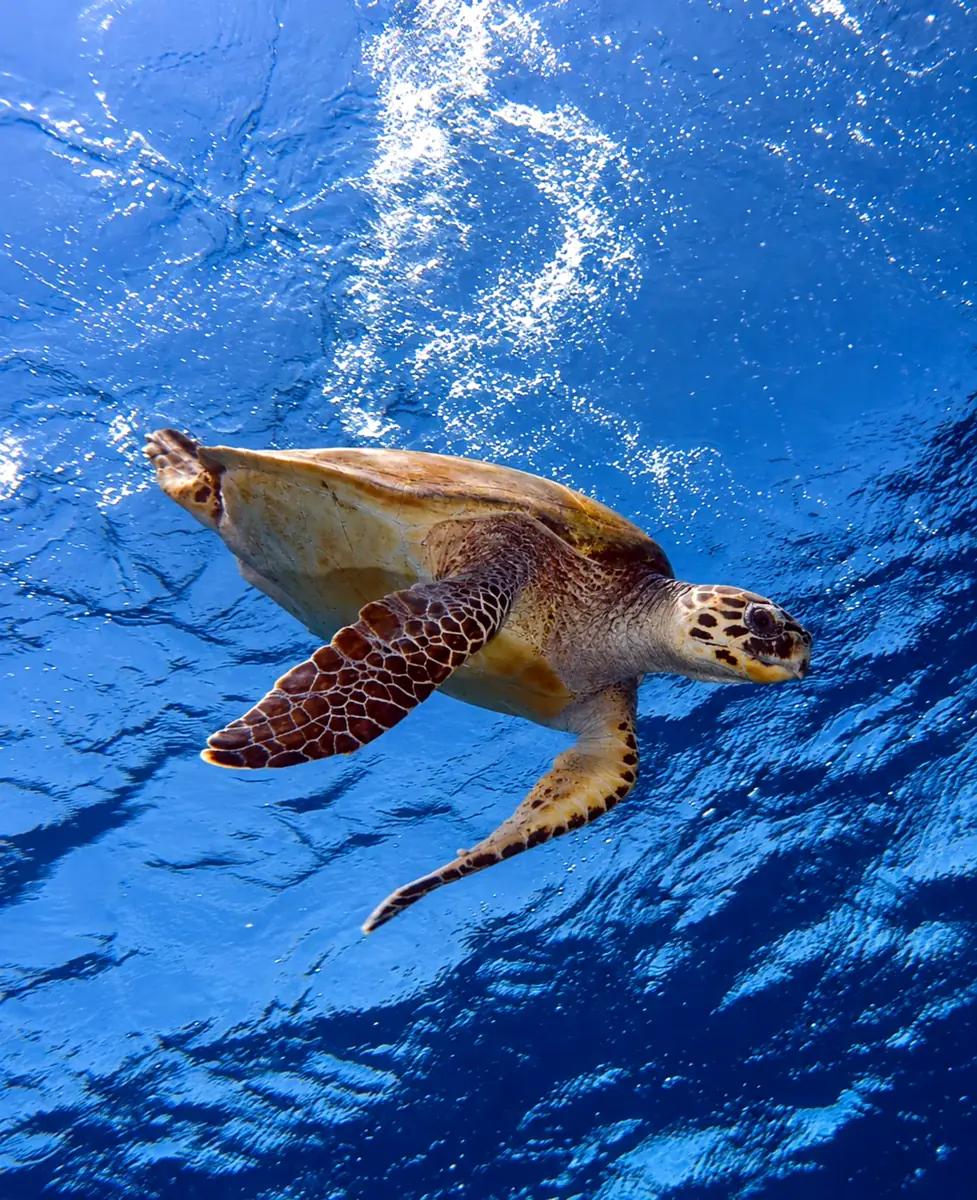
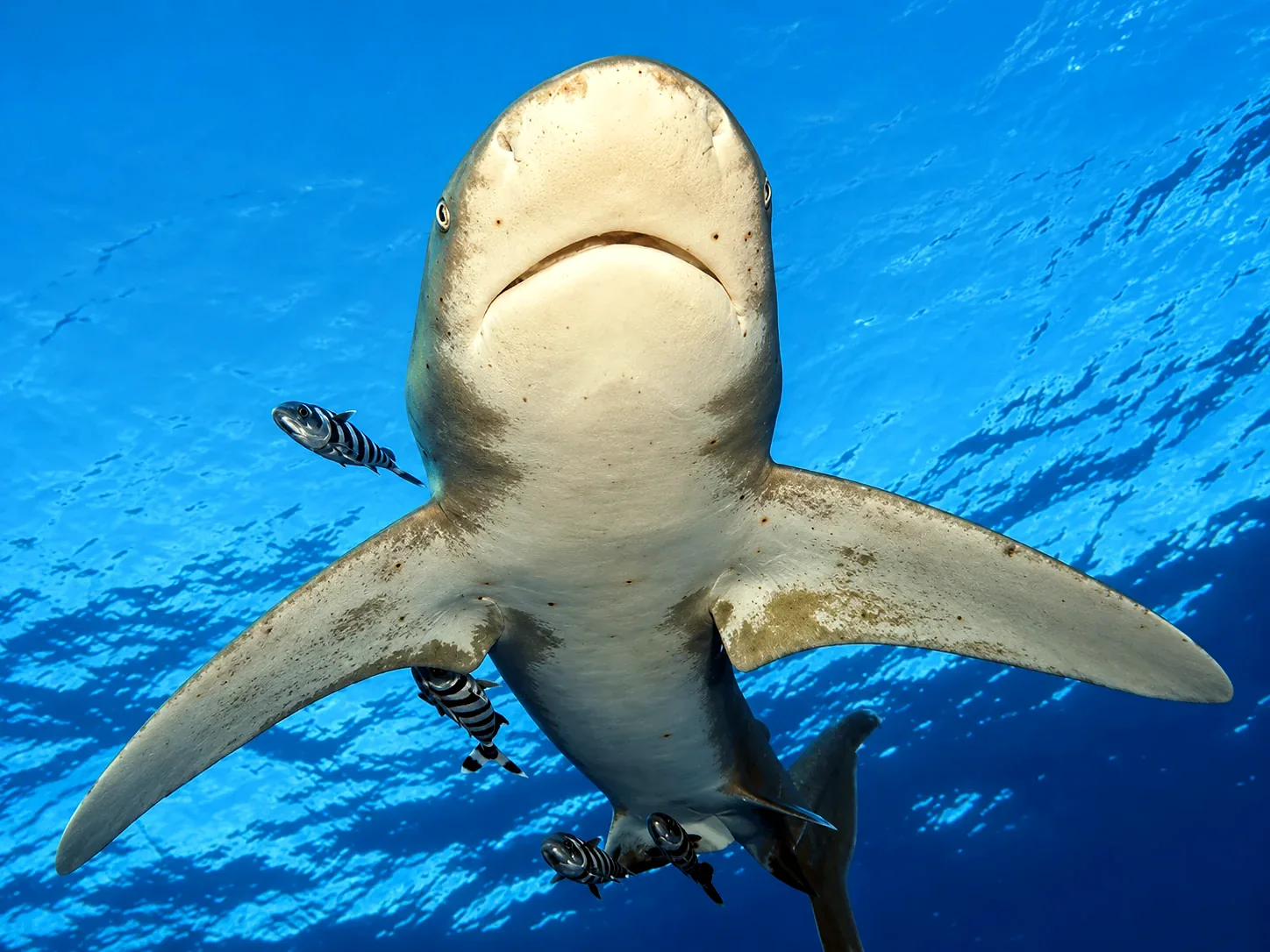
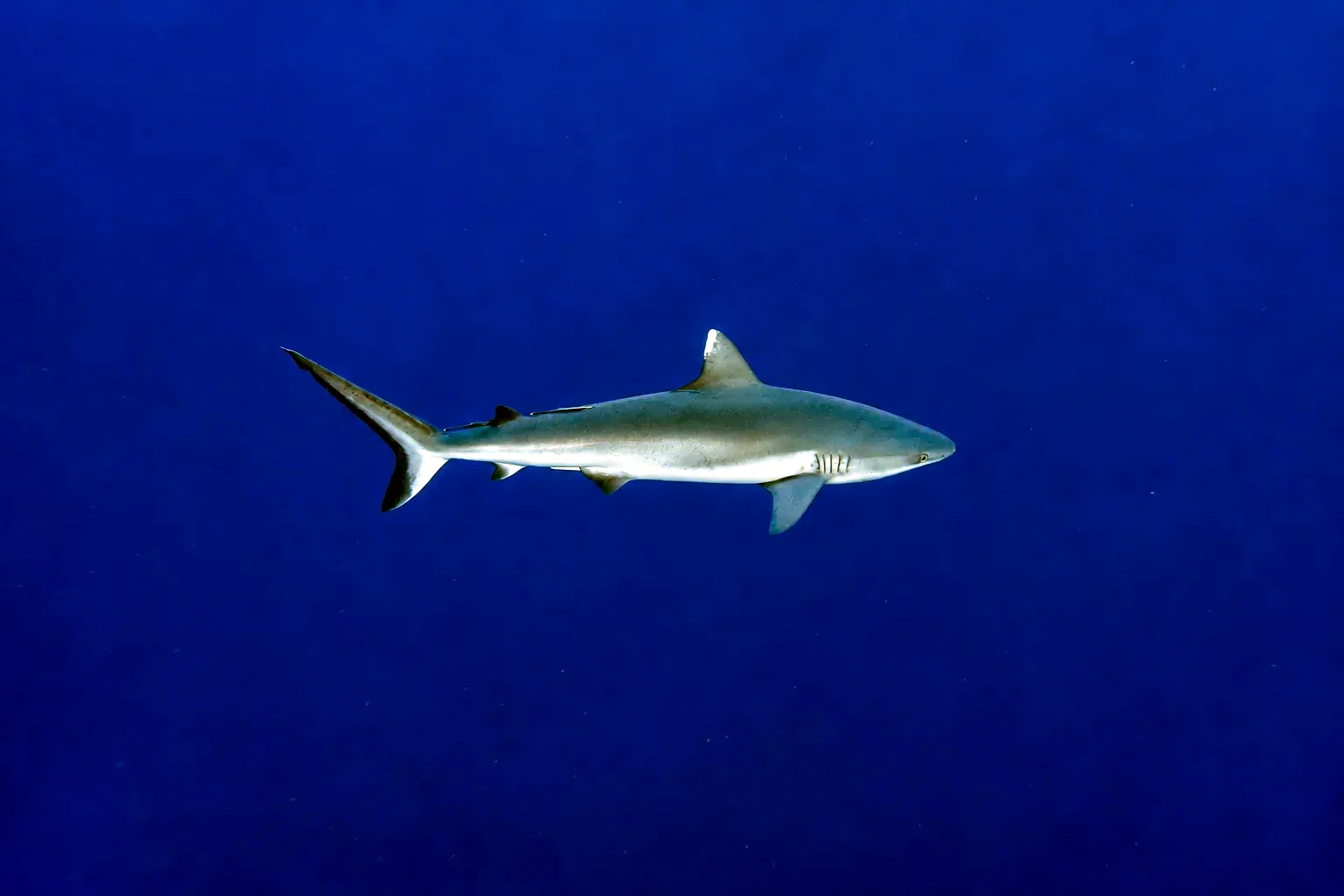
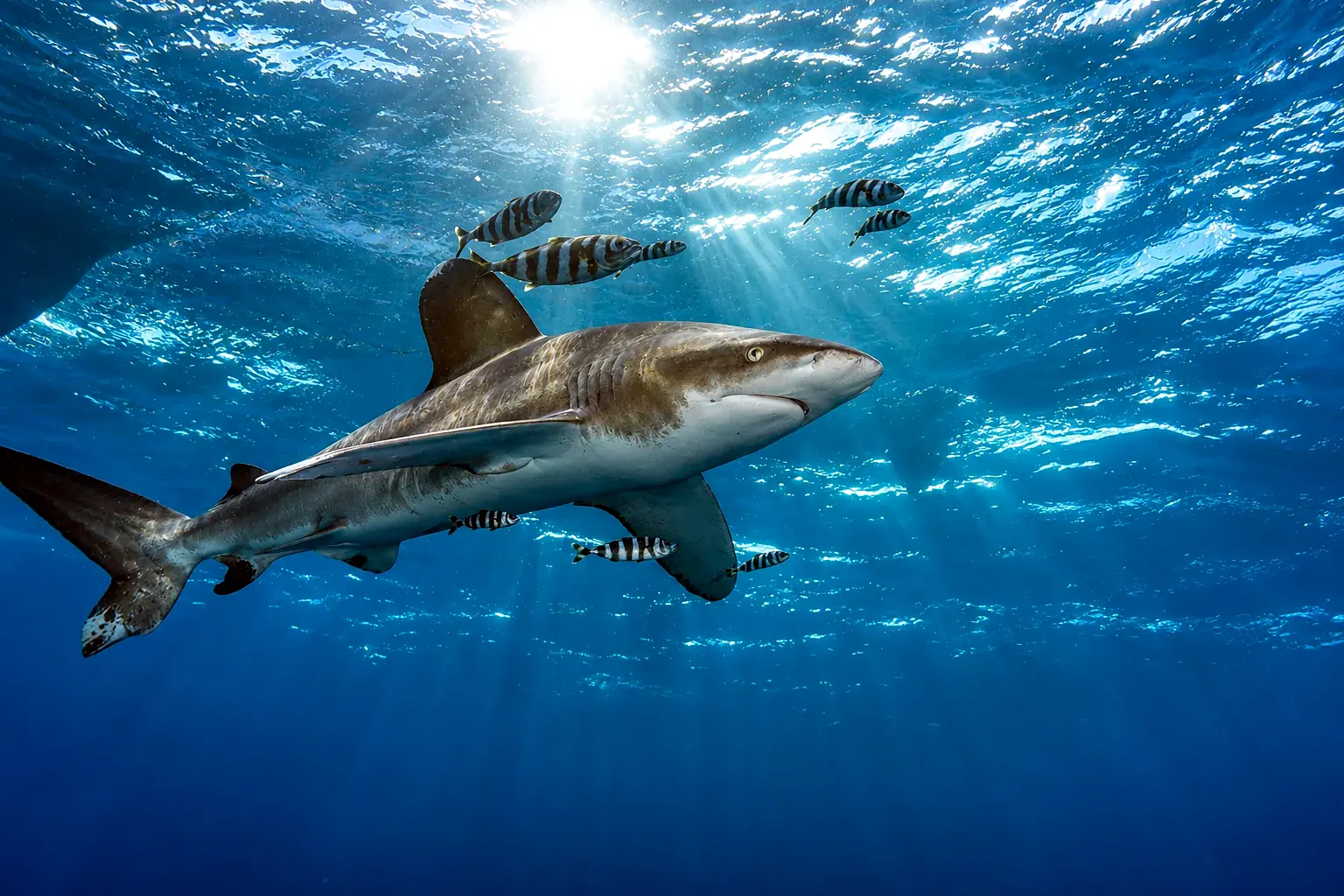
Now and then, turtles, barracuda and reef sharks are encountered, especially along the outer walls.
Is Dangerous Reef suitable for beginners?
Yes, in suitable conditions. The sheltered areas around the moorings suit beginners to intermediate divers, while the exposed edges may need more experience. In practice, Open Water divers can enjoy the garden with a guide, and Advanced Open Water divers can follow the outer walls.
Moreover, Dangerous Reef is a classic night dive. Therefore, the PADI Night Diver course and Peak Performance Buoyancy both pay off here, especially near the caverns and the delicate coral.
Before you dive Dangerous Reef
Firstly, enter overhead areas only with the right training, equipment and the guide’s approval. Secondly, on night dives, keep your torch pointed down and stay with your buddy, since many groups share the reef.
Above all, follow the guide’s briefing and our diving safety standards. The southern reefs are protected by HEPCA, and remote sites like this one make dive insurance such as DAN Europe essential.
How do you get there?
In practice, Dangerous Reef is reached only by liveaboard, usually on a seven-night Deep South St. John’s safari. Boats board on Saturday after 15:00, and check-out is between 09:00 and 10:00 the following Saturday.
Besides Dangerous Reef, the same week normally includes other St. John’s reefs. Since the moorings are sheltered, many boats spend the night here and plan a night dive.
Plan your Dangerous Reef dive
- Deep South St. John’s liveaboard — the week that includes Dangerous Reef.
- Umm Arouk — the forest of coral towers in the center of St. John’s.
- What divers need on board — the packing checklist for a Red Sea safari.
- redsealiveaboard.net — Red Sea safari schedules and availability.
- All eight boats in our fleet can sail to St. John’s: Sea Fox, Simba, Sea Treasure, Star Jet, Bismarck, C Echo II, C U and Ramadan 3.
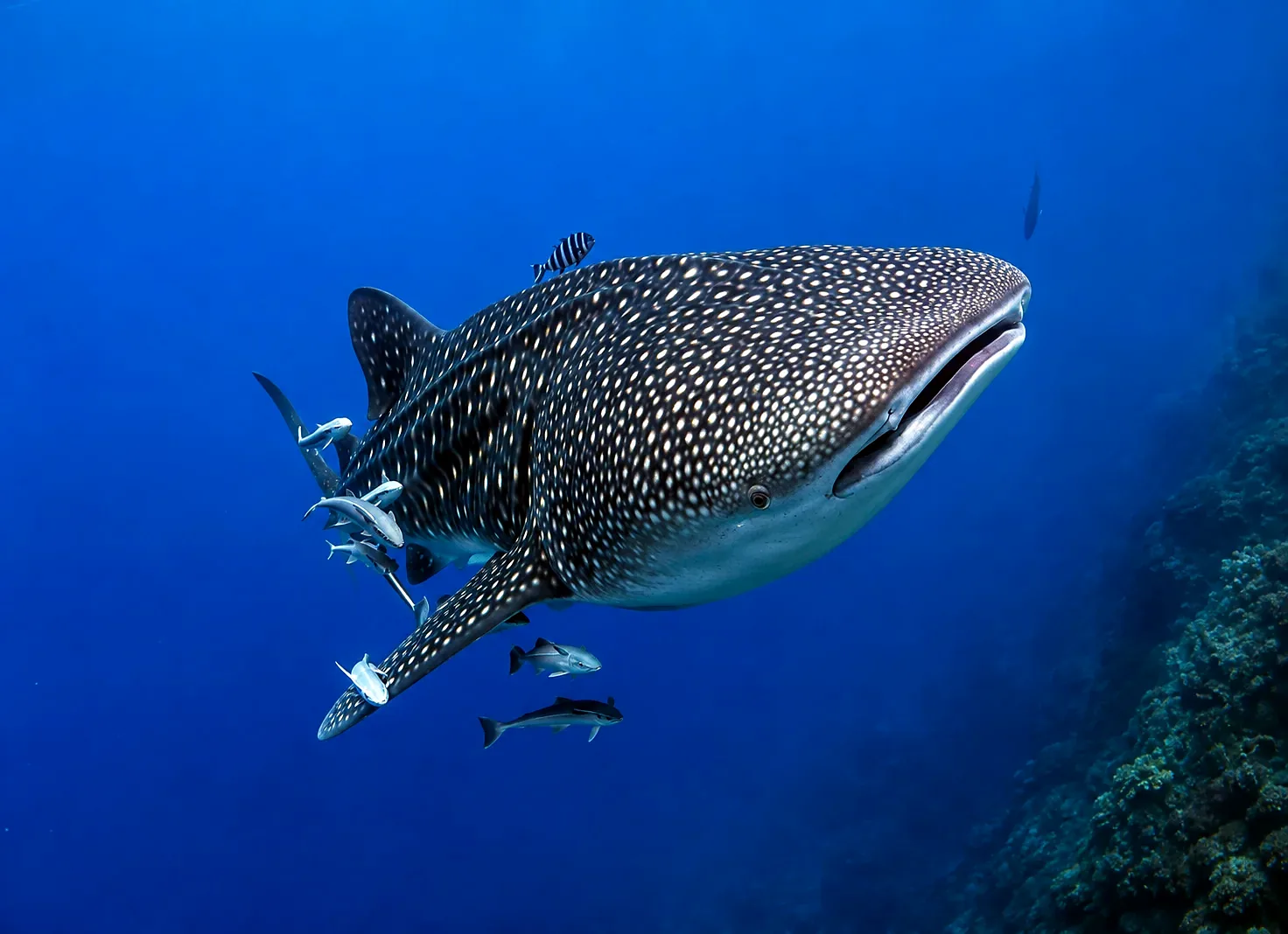
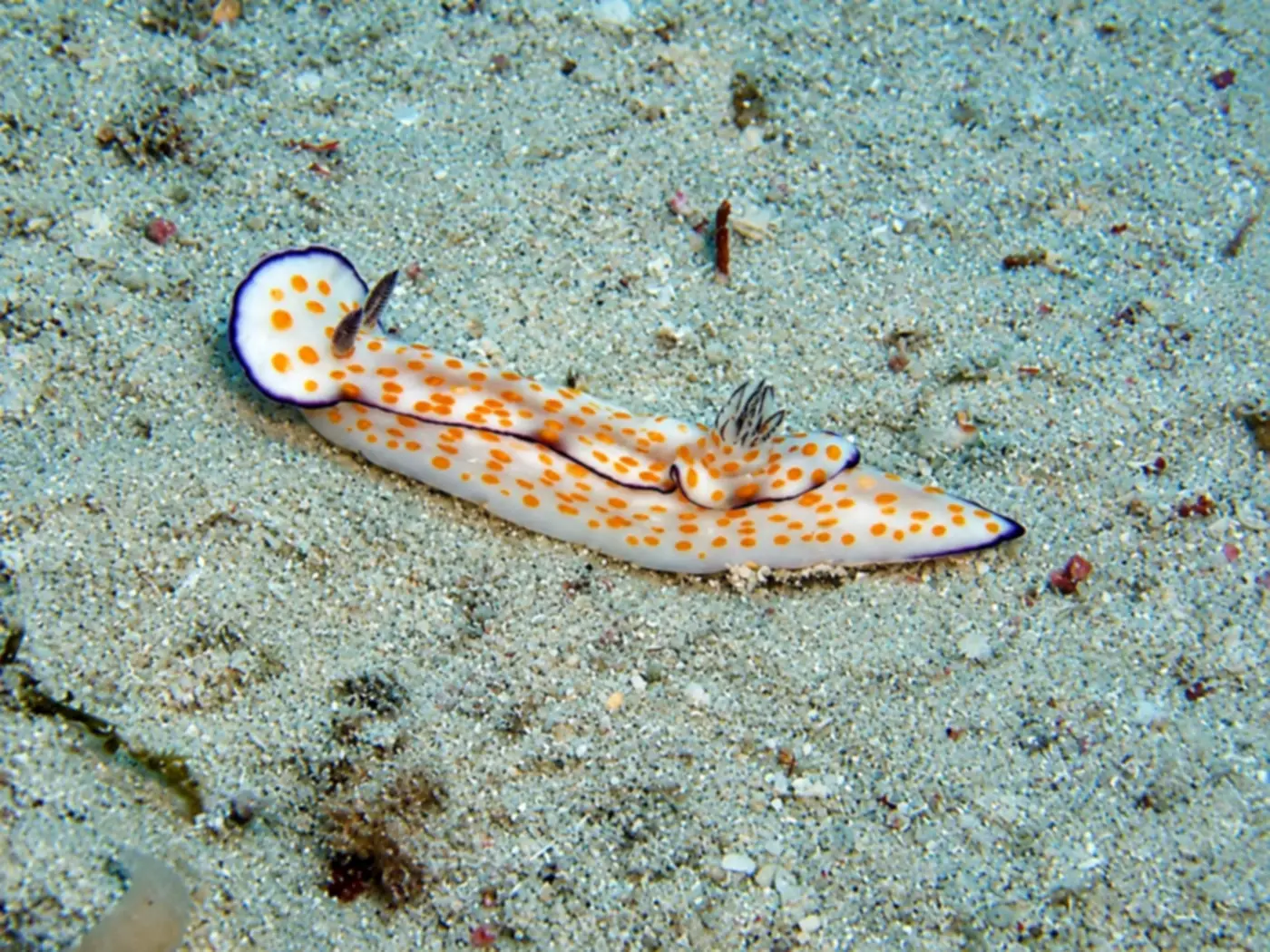
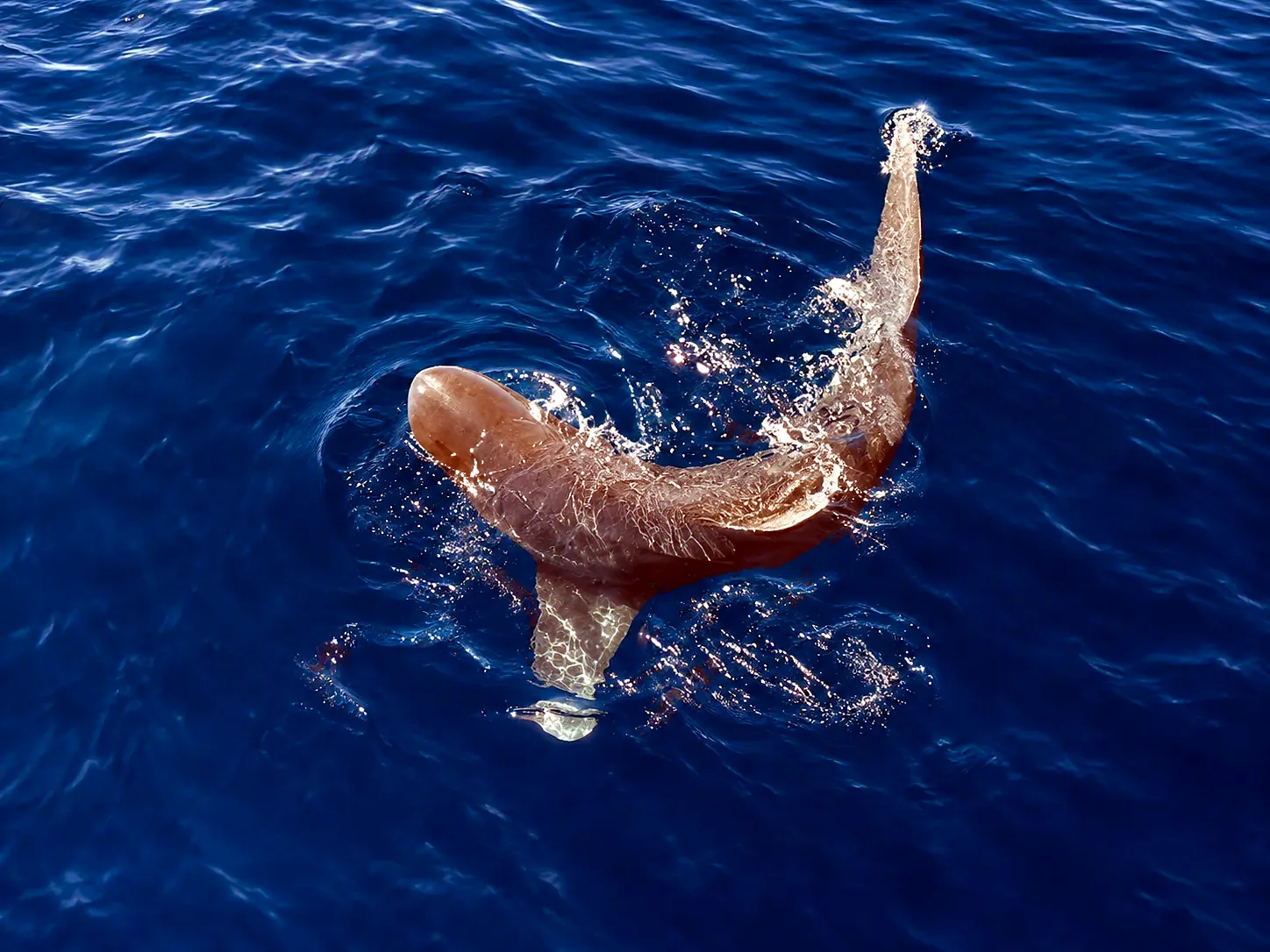
Photo gallery from the southern reefs
Other routes from Red Sea Diving
Generally, for a first liveaboard, the North Red Sea liveaboard keeps to the classic wrecks. On the other hand, the BDE liveaboard runs Brothers, Daedalus and Elphinstone, while Daedalus and Fury Shoals and the Elba Reef liveaboard also reach the far south. Meanwhile, the Red Sea liveaboard guide compares all eight routes.
Dangerous Reef: frequently asked questions
Where is Dangerous Reef?
Dangerous Reef lies at the southern end of the St. John’s reef system in the southern Egyptian Red Sea, at 23°20′19″N, 35°51′16″E. Specifically, it is about 30 km from the mainland.
Why is it called Dangerous Reef?
Historically, the name is said to come from sharks that used to rest in the caves on the south side. In reality, Dangerous Reef is no more dangerous than other reefs.
How deep is Dangerous Reef?
Most dives stay between 5 and 30 meters. Meanwhile, the walls meet the sloping sand at around 20 meters, and the short caverns lie at 7 to 10 meters.
Is Dangerous Reef suitable for beginners?
Yes, in suitable conditions. The sheltered areas suit beginners to intermediate divers, although the exposed edges may need more experience.
Can you night dive at Dangerous Reef?
Yes, when local rules and the dive operator allow it. Since the moorings are sheltered, it is one of the most popular night dives in St. John’s.
Can you dive the caverns at Dangerous Reef?
Yes, with care. The caverns are short and lead back out in a semicircle, but any overhead area still needs the right training, equipment and the guide’s approval.
How do you get to Dangerous Reef?
Only by liveaboard, usually on a seven-night Deep South St. John’s safari. Moreover, all eight boats in the Red Sea Diving fleet can run this route.
St. John’s · Deep South liveaboard · Beginner to intermediate
Dive Dangerous Reef with us
Simply tell us your dates, the number of divers and your certification level. Afterward, our team checks which Deep South St. John’s week fits before you commit to anything.


