

Dive site guide · Habili Ali · St. John’s Reef System, southern Red Sea
Habili Ali Dive Site A submerged pinnacle with deep walls, sea fans and sharks in St. John’s
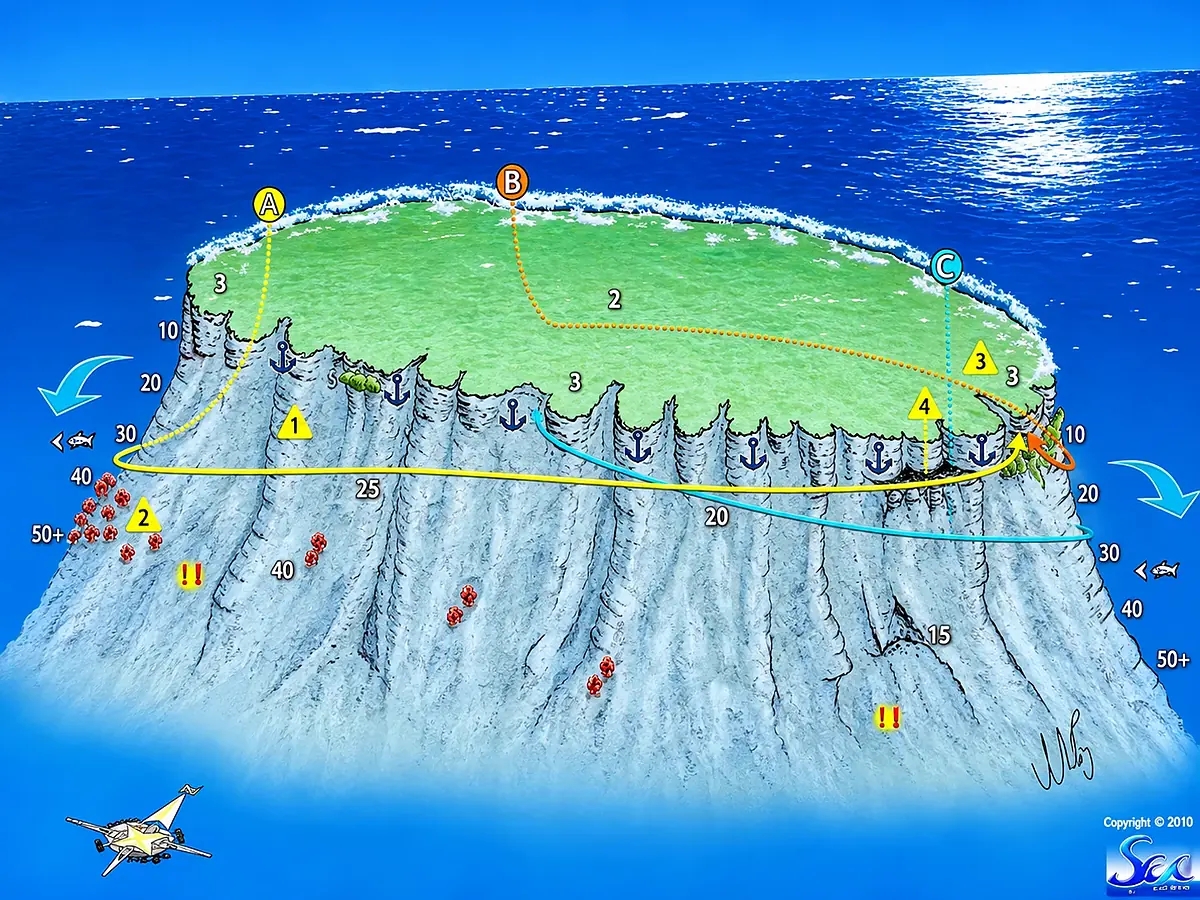
Habili Ali is a submerged pinnacle in the St. John’s reef system, deep in the southern Egyptian Red Sea. Its top sits about 3 to 7 meters below the surface, while steep walls drop into deep water around it, so the dive combines sea fans, strong current and the chance of sharks.
Habili Ali in short
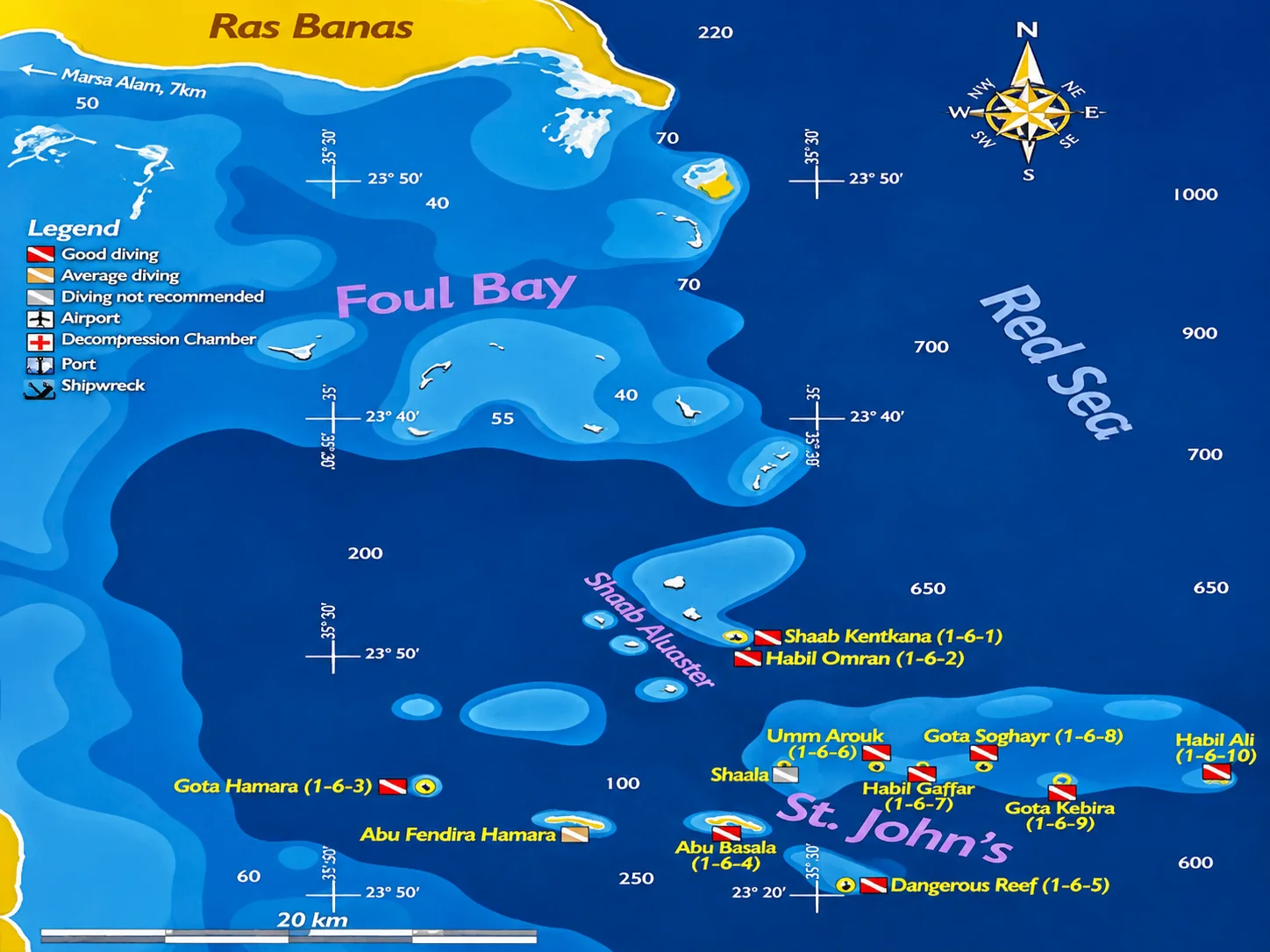
In short, Habili Ali is the easternmost reef of St. John’s, a submerged pinnacle about 44 km off the southern Egyptian coast. The top of the reef lies roughly 3 to 7 meters deep, and the walls fall to a seabed near 200 m, so most dives stay between 10 and 40 meters within certification limits. Because the current is often strong, it is an advanced dive, reached only by liveaboard on the Deep South St. John’s route. Expect sea fans, anthias and groupers, plus grey reef sharks, barracuda and, occasionally, hammerheads.
What is Habili Ali?
Indeed, Habili Ali is one of the most impressive submerged reefs in the St. John’s system. Specifically, in Egypt a habili is a reef whose top stays below sea level, and this one rises from deep water as a compact coral block with steep sides.
Because nothing breaks the surface, Habili Ali gives boats almost no shelter from wind and swell. Consequently, the site is visited in calm weather, and the captain decides on the day whether the mooring is safe.
Moreover, the reef measures roughly 270 m long and 80 m wide. Furthermore, it lies about 12.5 km east of Umm Arouk and 32 km southwest of Zabargad Island, at the outer edge of St. John’s, where the reefs give way to open sea.
Habili Ali at a glance
Topography
Above all, a shallow reef top surrounded by walls that drop far beyond recreational depth, with ledges and overhangs on the way down.
Marine life
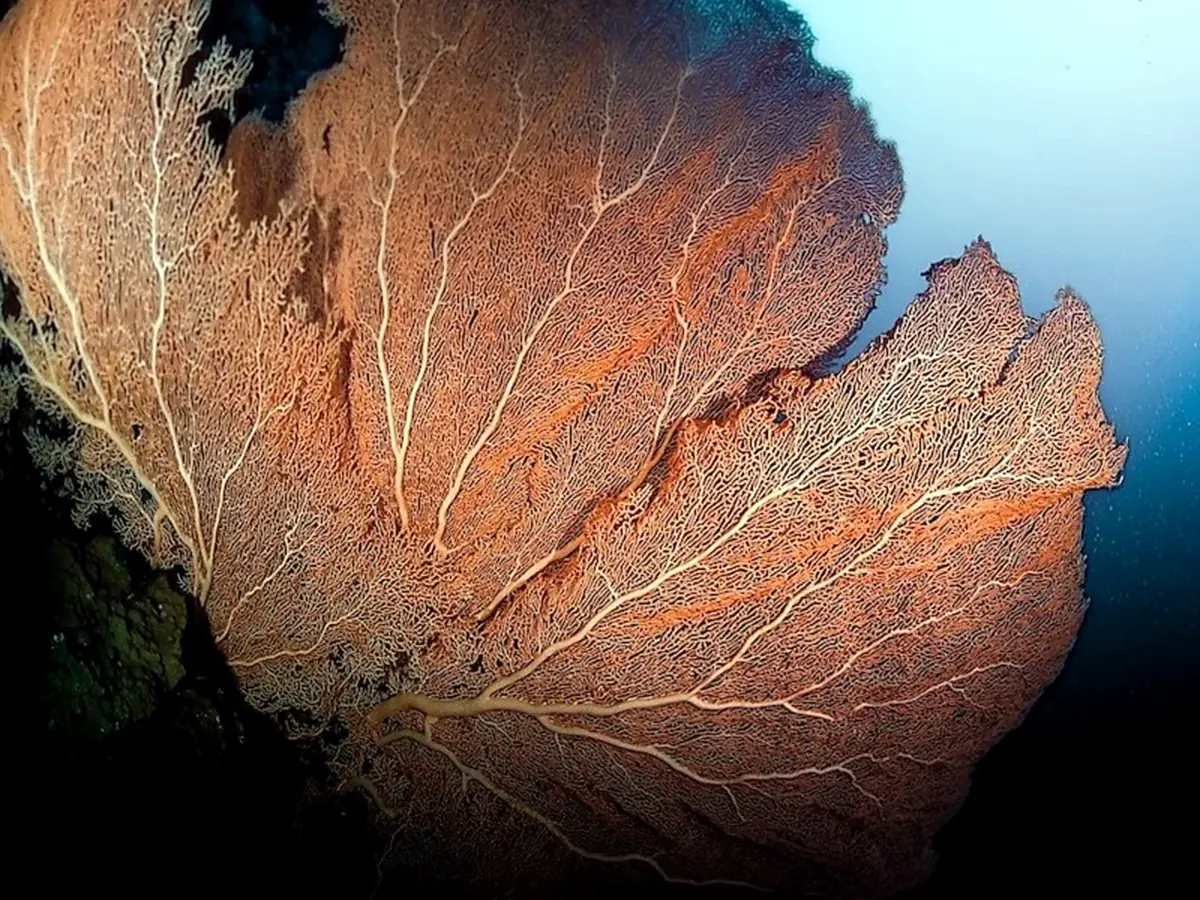
Similarly, the current feeds large gorgonians and draws pelagic fish, so reef life and open-water visitors share the same dive.
Conditions
However, exposed corners can carry real current. Therefore, depth, gas and the ascent need careful planning on every dive.
Where is the reef located?
Habili Ali sits at the eastern edge of the St. John’s reef system, close to the Sudanese border and far from any harbor. Accordingly, the only practical way to dive it is from a liveaboard on the Deep South St. John’s or Elba Reef routes.
In addition, several other St. John’s reefs are usually dived in the same days, so one week can mix pinnacles, caves and coral gardens.
How do you dive Habili Ali?
A typical Habili Ali dive starts on the wall and then rises slowly toward the shallow reef top. Nevertheless, the current decides the direction, so the guides choose the starting side and the exit point at the briefing.
From the deep walls to the reef top
40 m and deeper
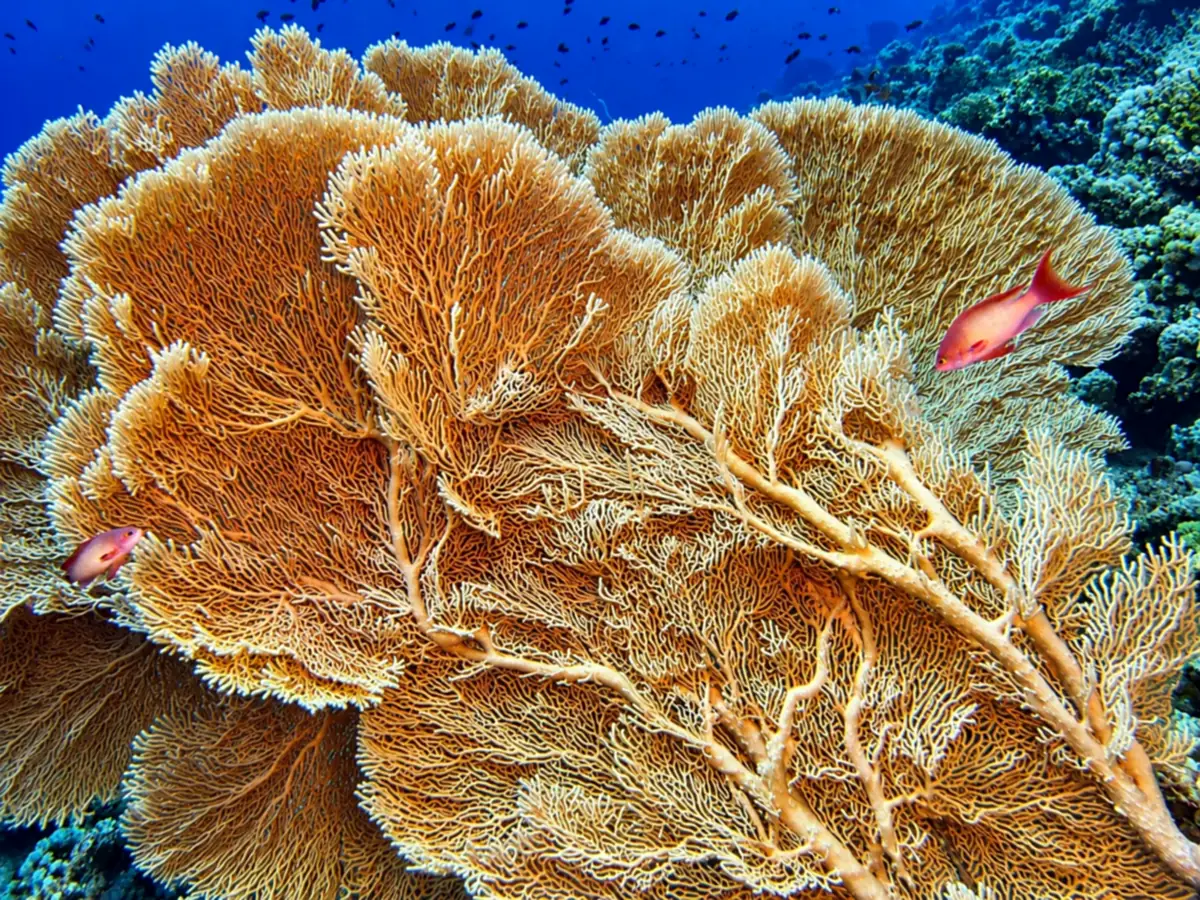
Sea fans on the deep wall. First, from around 40 meters down, large gorgonian sea fans grow at intervals along the wall, some several meters across. Even so, recreational divers see them from above, within their own certification limits.
13–30 m
Ledges and overhangs. Then, higher up, coral-covered ledges break the wall, and on the eastern side small overhangs sit at about 13 meters. Meanwhile, the blue side of the dive is where sharks and pelagic fish are most likely to pass.
3–10 m
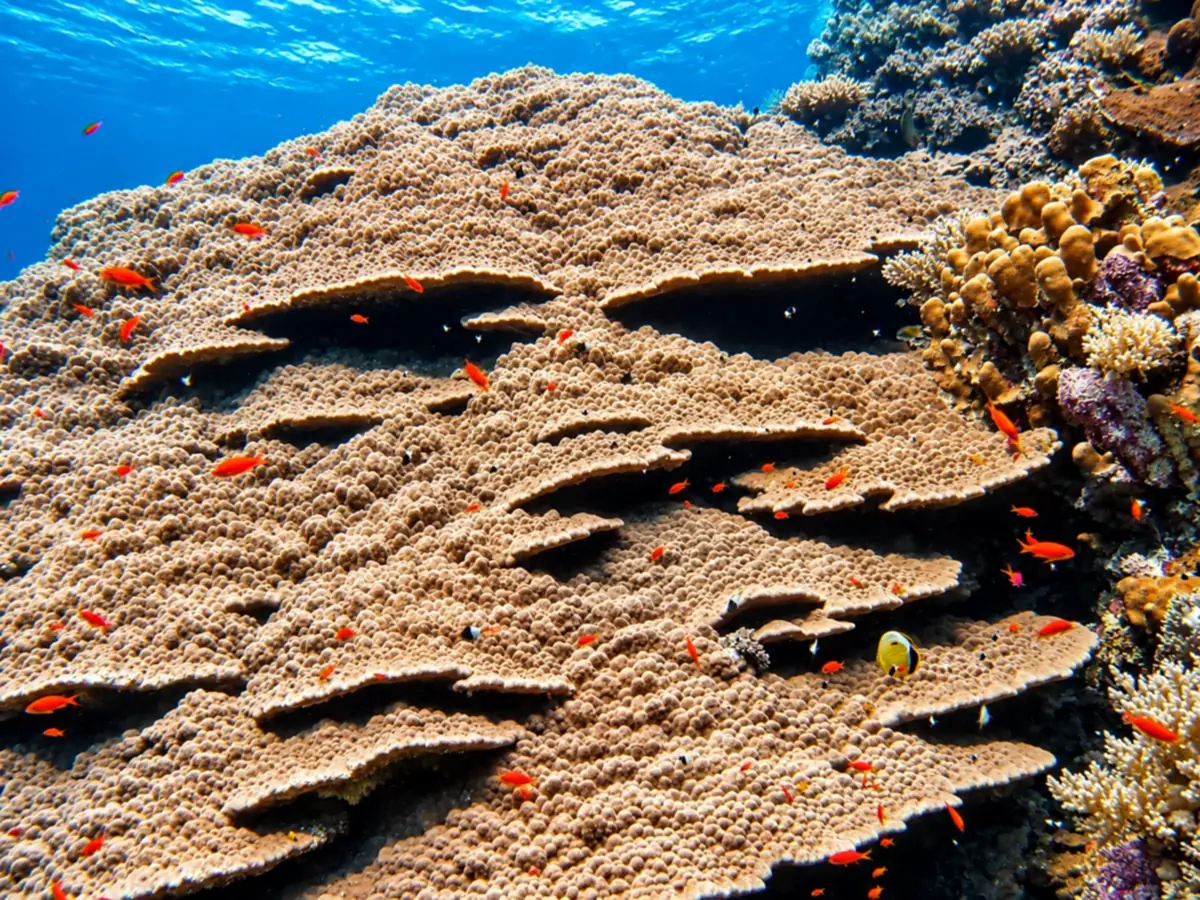
The shallow plateau. Finally, the reef top lies at roughly 3 to 7 meters, with coral flats reaching about 10 meters in places. As a result, the end of the dive and the safety stop take place in bright, colorful water full of anthias.
What marine life lives at Habili Ali?
Habili Ali mixes reef fish with open-water visitors, because the strong current carries food along the walls. Of course, wild animals are never guaranteed, so treat the list below as possibilities rather than promises.
Sharks
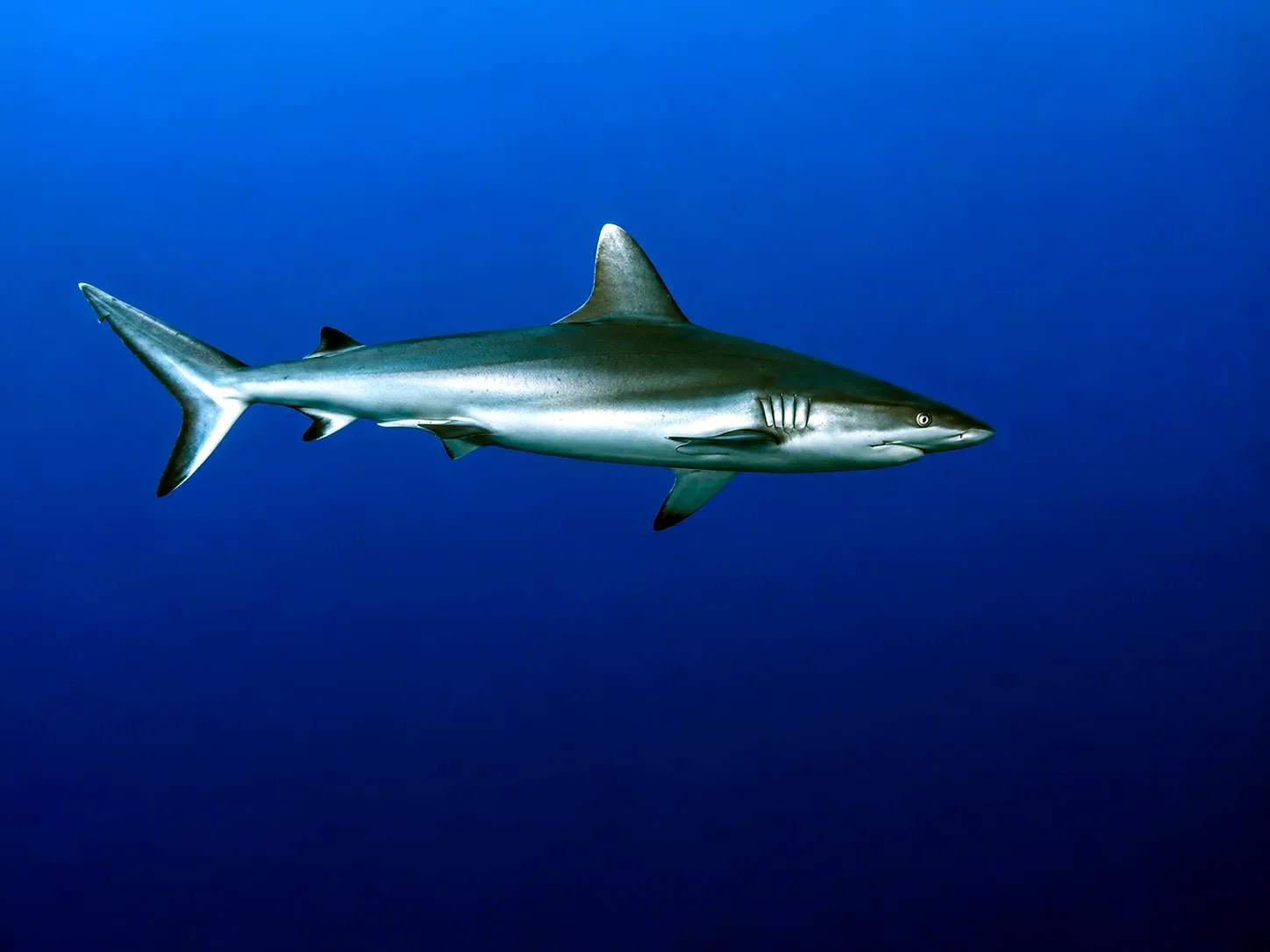
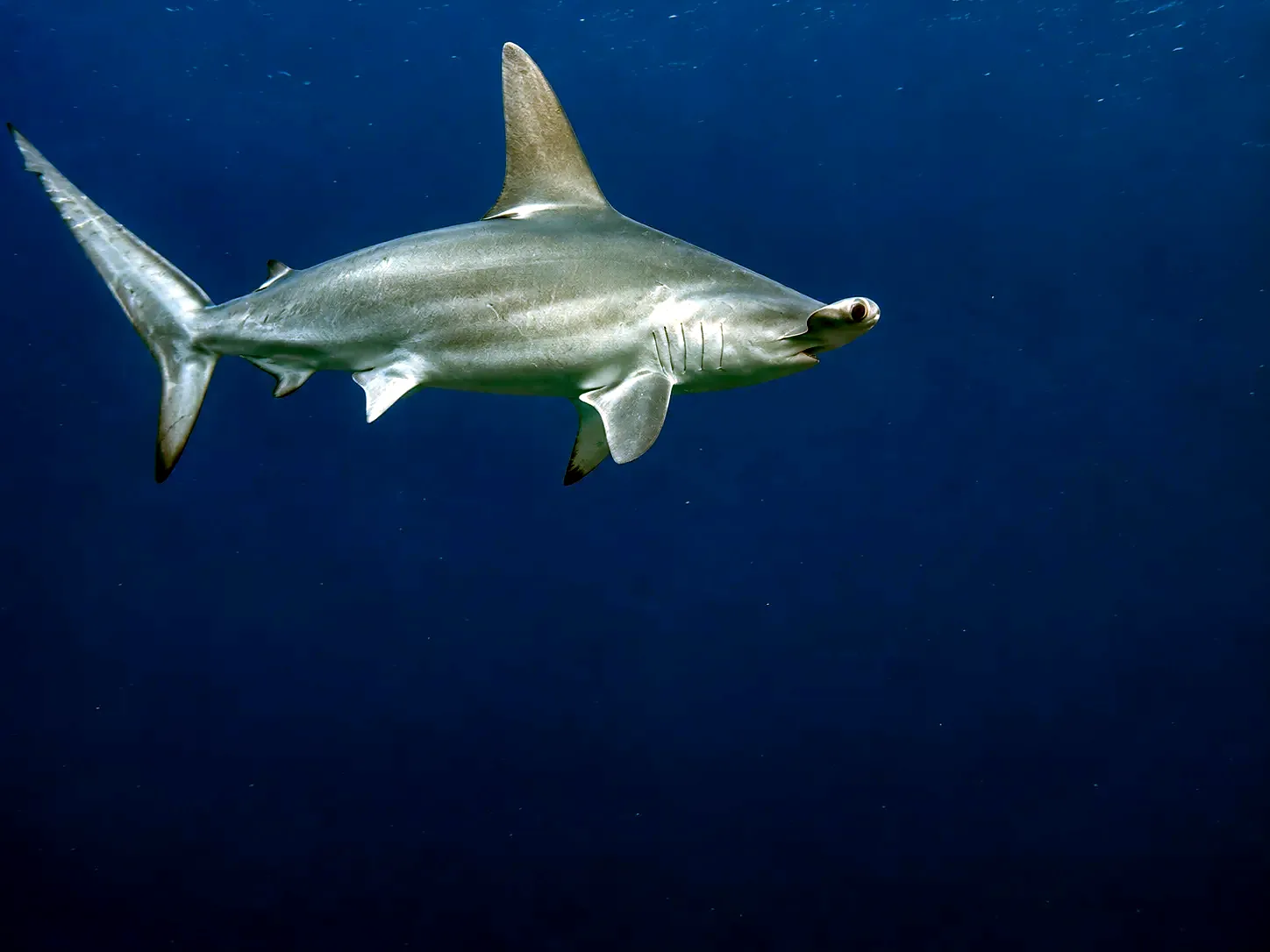
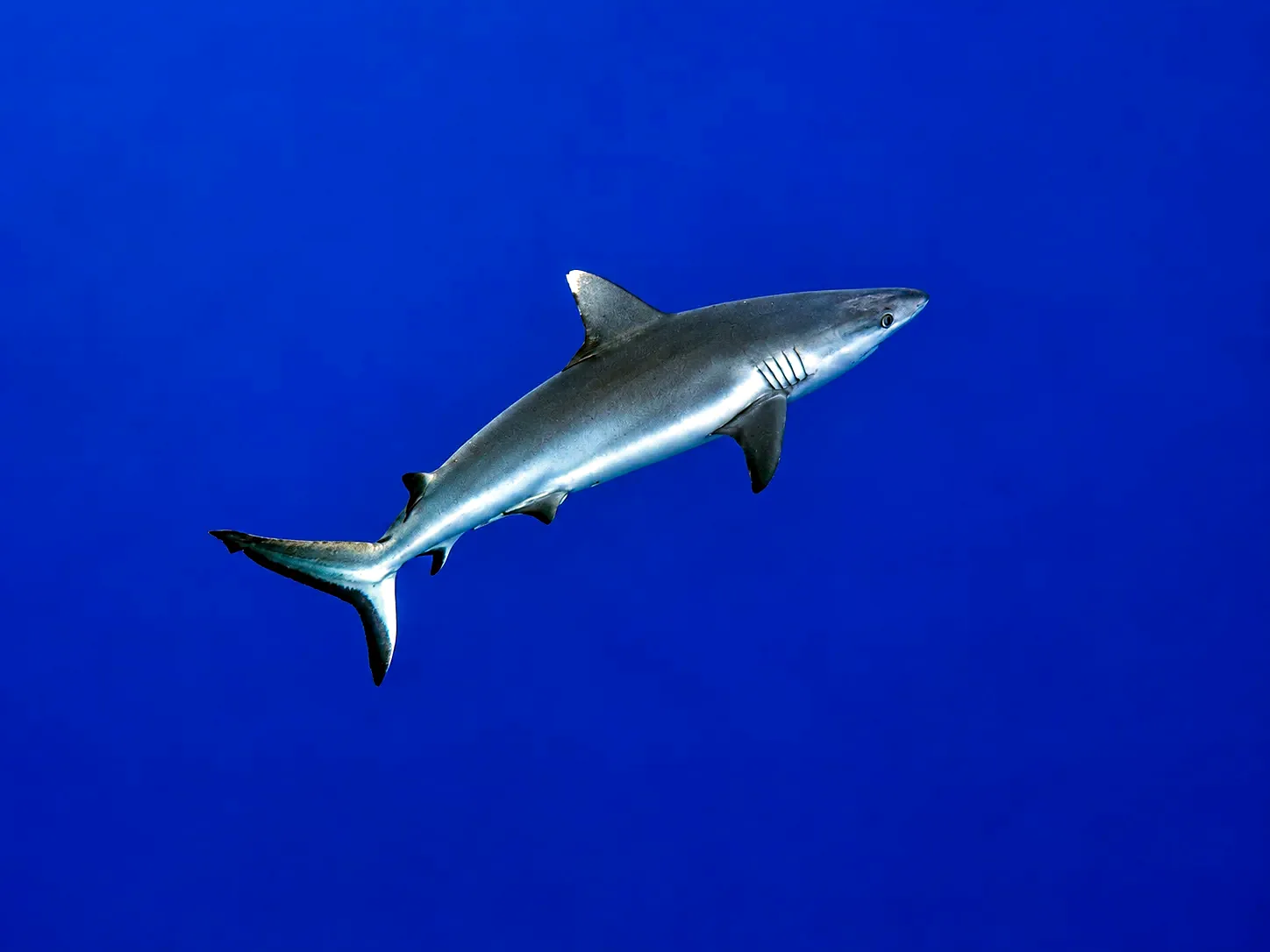
Grey reef sharks may patrol the walls, while hammerhead sharks are occasional visitors in the deeper water off the reef. Early-morning dives, when the reef is quiet, give the best chance.
Pelagic fish
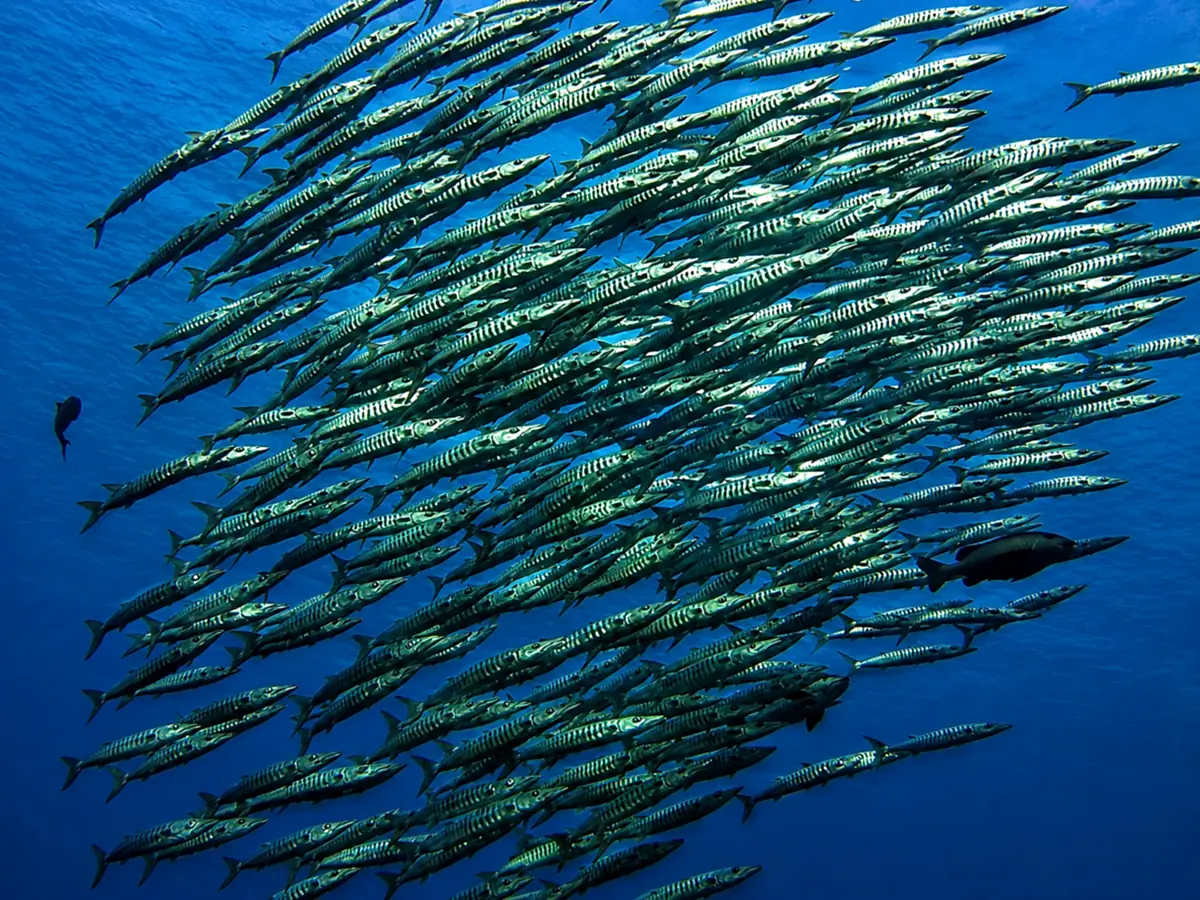
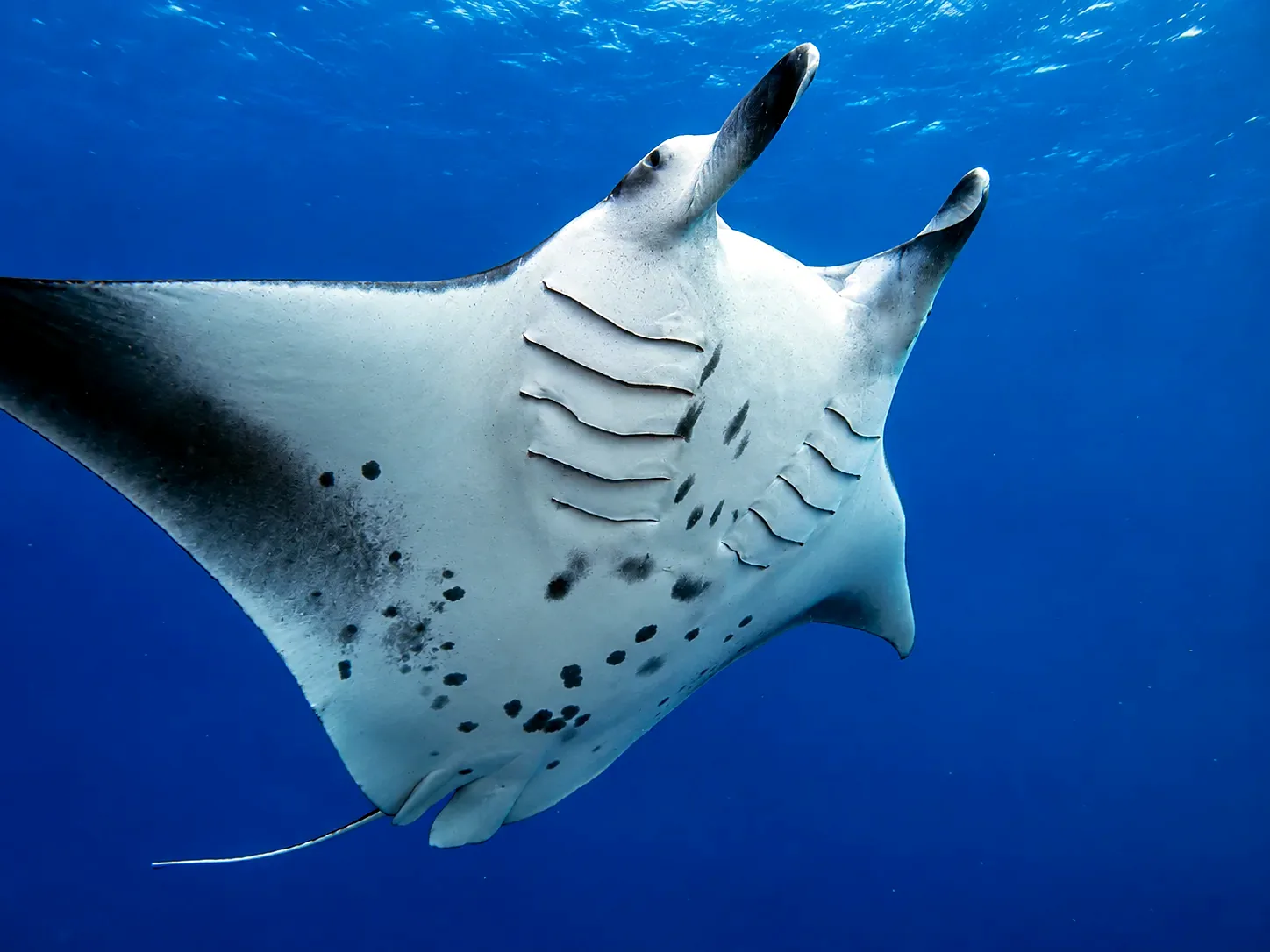
Likewise, barracuda, tuna and trevallies hunt along the edges of the pinnacle, and manta rays have been reported here on rare occasions.
Reef fish
Meanwhile, closer to the coral, clouds of anthias, butterflyfish and groupers fill the reef, and a Napoleon wrasse often follows divers along the wall.
Is Habili Ali suitable for beginners?
No. Habili Ali is an advanced dive, because the exposed corners carry strong current and the walls drop far deeper than recreational limits. In practice, divers should hold at least Advanced Open Water or an equivalent, with recent experience of drift diving and negative entries.
Moreover, depth discipline matters on a wall with no visible bottom. Training such as the PADI Deep Diver course and Enriched Air Nitrox helps, since Nitrox extends bottom time in the 20 to 30 meter range.
Before you dive Habili Ali
Firstly, watch your depth and gas closely, and plan the ascent before you reach the reef top. Secondly, carry a surface marker buoy, because the current can move the group away from the boat.
Above all, follow the guide’s briefing and our diving safety standards. The southern reefs are protected by HEPCA, and remote sites like this one make dive insurance such as DAN Europe essential.
How do you get there?
In practice, Habili Ali is reached only by liveaboard, usually on a seven-night Deep South St. John’s safari. Boats board on Saturday after 15:00, and check-out is between 09:00 and 10:00 the following Saturday.
Besides Habili Ali, the same week normally includes other St. John’s reefs, and the moorings along the southern side make it a favorite first dive of the day. Consequently, many groups dive it early in the morning, before other boats arrive.
Plan your Habili Ali dive
- Deep South St. John’s liveaboard — the week that includes Habili Ali.
- Liveaboard dive techniques — negative entries, SMB deployment and exits in current.
- What divers need on board — the packing checklist for a Red Sea safari.
- redsealiveaboard.net — Red Sea safari schedules and availability.
- All eight boats in our fleet can sail to St. John’s: Sea Fox, Simba, Sea Treasure, Star Jet, Bismarck, C Echo II, C U and Ramadan 3.
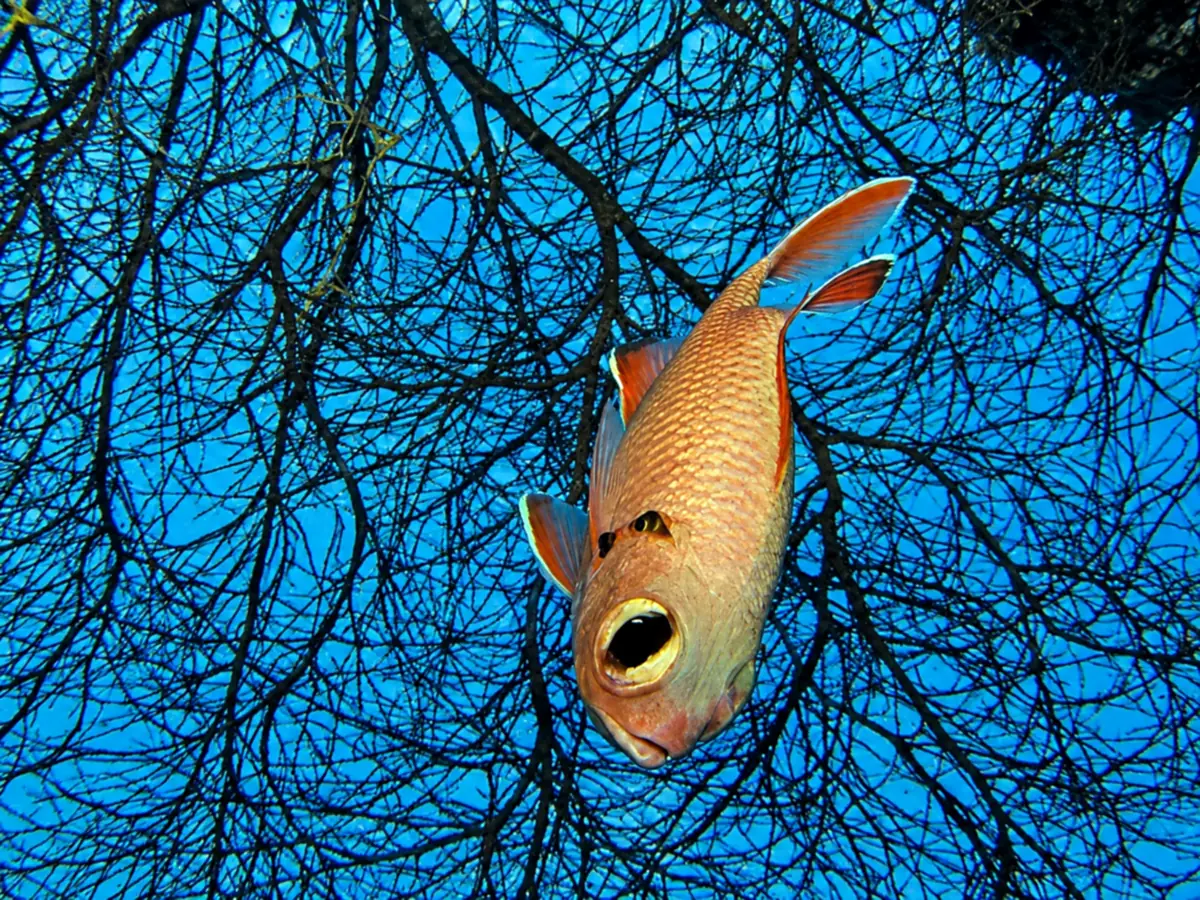
Photo gallery from the southern reefs
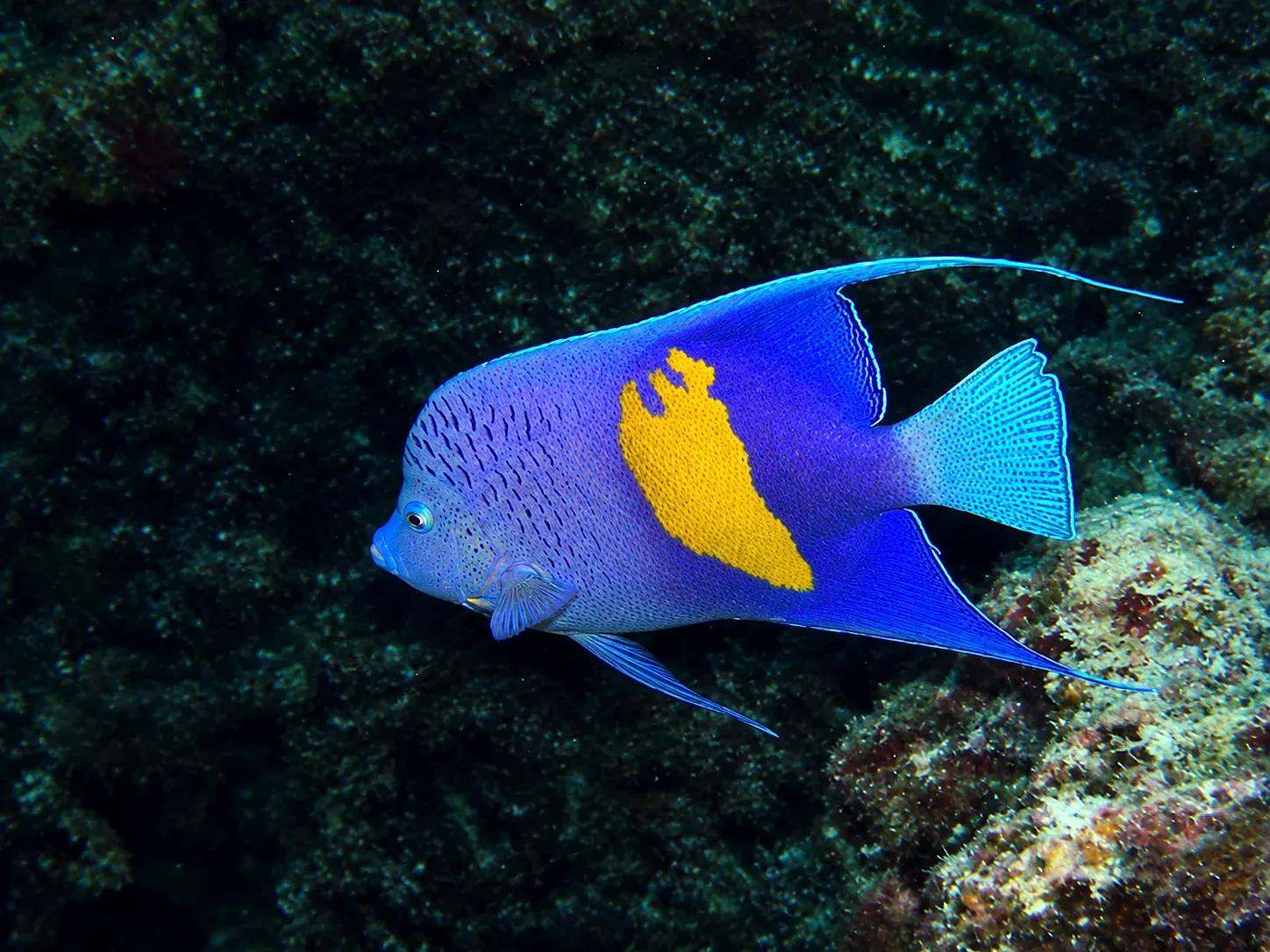
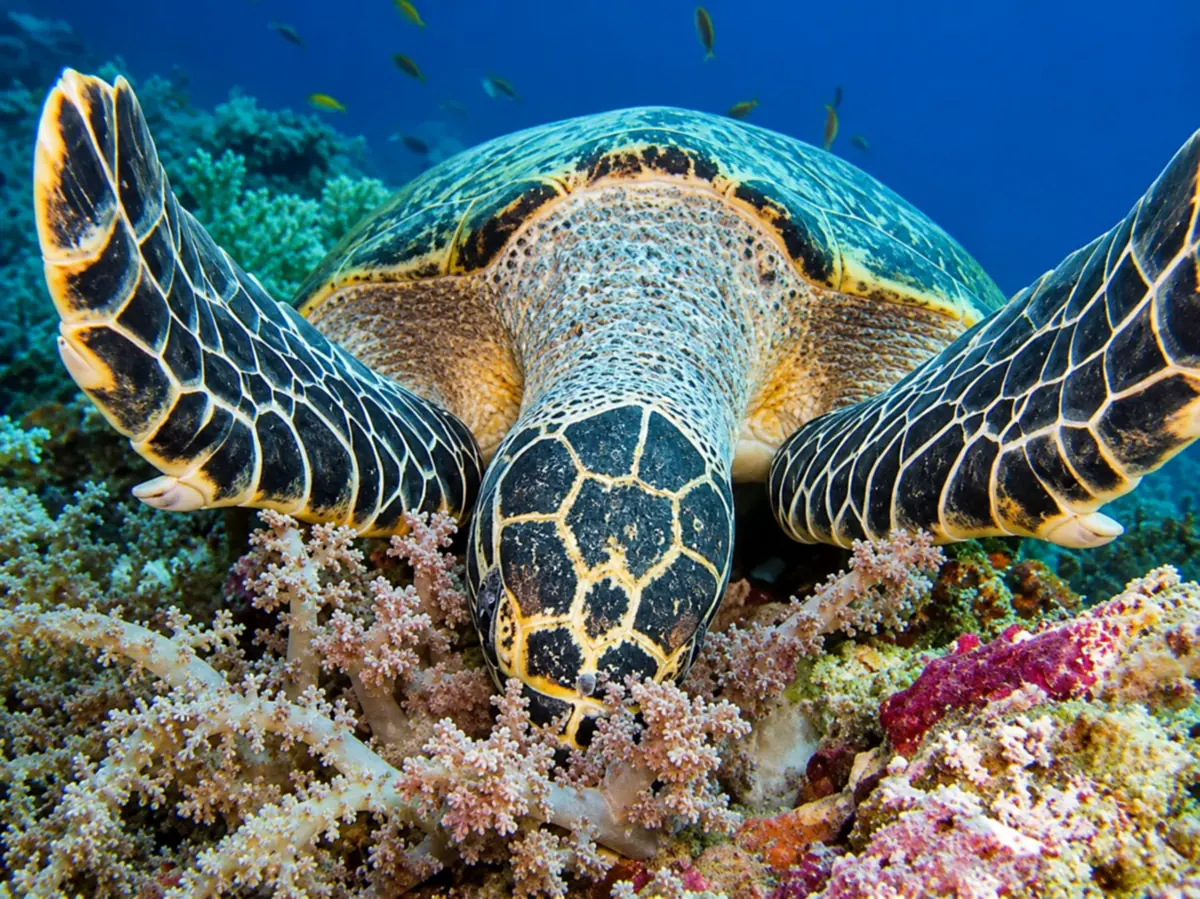
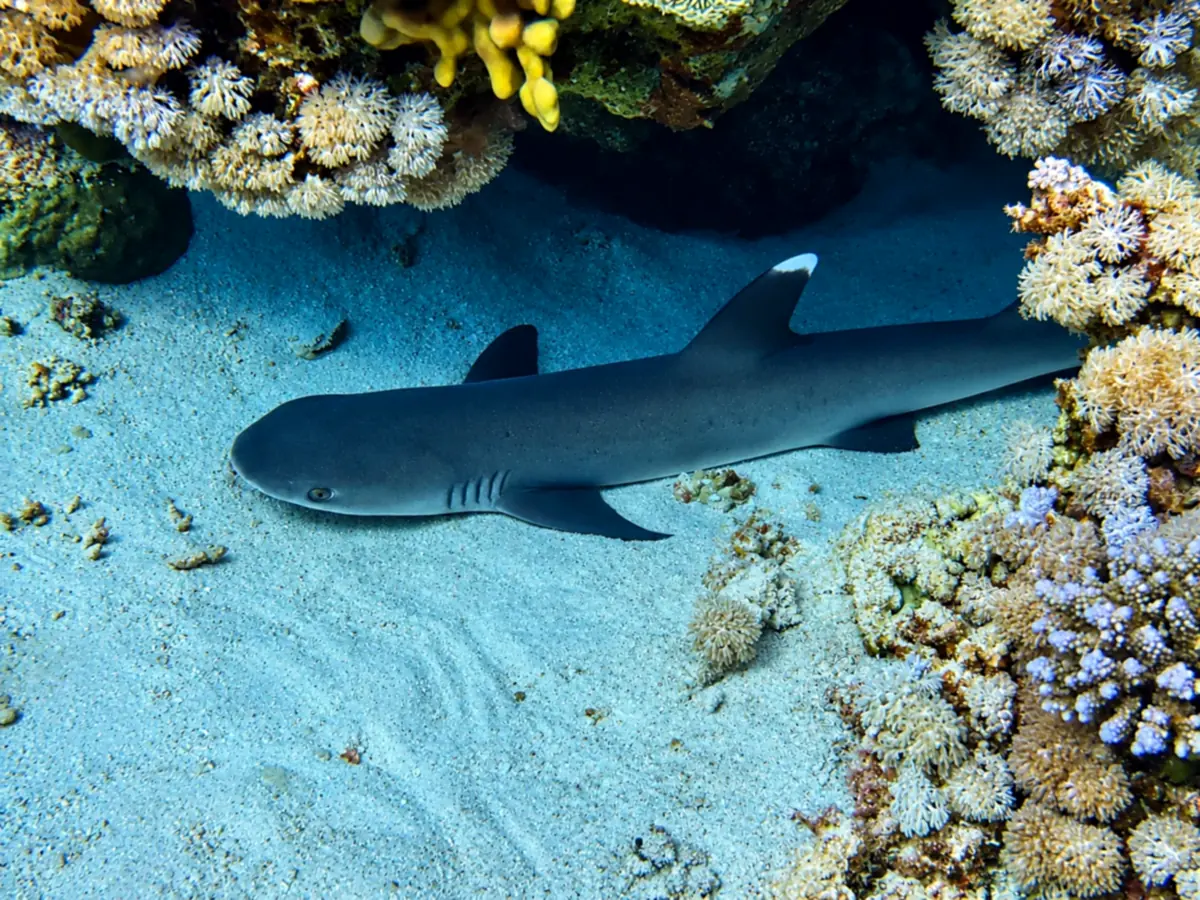
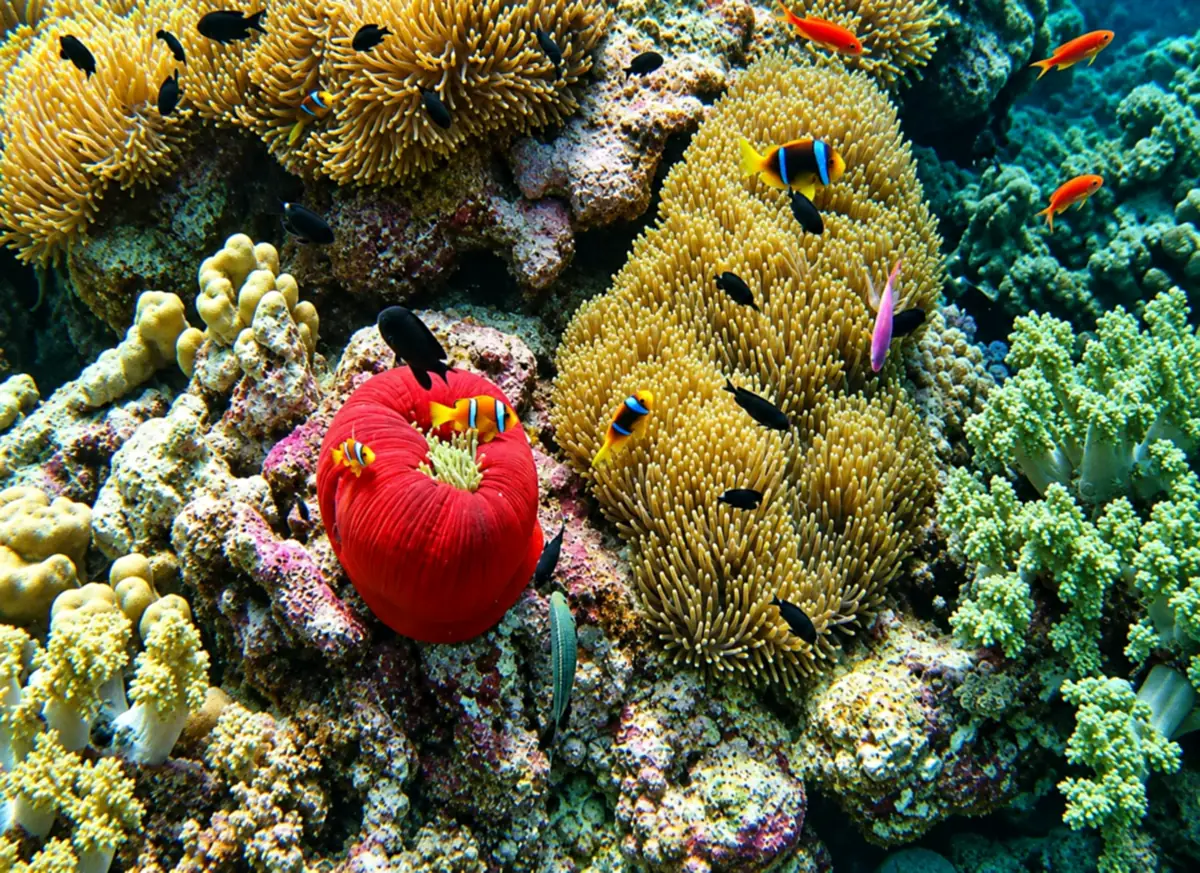
Other routes from Red Sea Diving
Generally, for a first liveaboard, the North Red Sea liveaboard keeps to the classic wrecks. On the other hand, the BDE liveaboard runs Brothers, Daedalus and Elphinstone, while Daedalus and Fury Shoals and the Elba Reef liveaboard also reach the far south. Meanwhile, the Red Sea liveaboard guide compares all eight routes.
Habili Ali: frequently asked questions
Where is Habili Ali?
Habili Ali is the easternmost reef of the St. John’s system in the southern Egyptian Red Sea, at 23°24′56″N, 35°59′16″E. Specifically, it lies about 44 km off the coast, 12.5 km east of Umm Arouk and 32 km southwest of Zabargad Island.
How deep is Habili Ali?
The top of the reef sits about 3 to 7 meters below the surface, while the walls drop to a seabed near 200 meters. Therefore, most recreational dives stay between 10 and 40 meters, within each diver’s certification limits.
What does habili mean?
Generally, in the Red Sea a habili is a reef whose top stays below sea level. Because nothing breaks the surface, these reefs offer boats very little shelter from wind and waves.
Can you see sharks at Habili Ali?
Yes, often. For example, grey reef sharks may patrol the walls, and hammerhead sharks are occasional visitors in the deeper water. However, wild animals can never be guaranteed.
Is Habili Ali suitable for beginners?
No. Because of the strong current, the exposed position and the depth of the walls, Habili Ali suits advanced divers with experience of drift diving and negative entries.
How do you get to Habili Ali?
Only by liveaboard, usually on a seven-night Deep South St. John’s safari from Hurghada or Port Ghalib. Moreover, all eight boats in the Red Sea Diving fleet can run this route.
When is the best time to dive Habili Ali?
Calm weather is essential, since the reef gives little shelter. In addition, early-morning dives are popular, when the reef is quiet and the chance of sharks is higher.
St. John’s · Deep South liveaboard · Advanced divers
Dive Habili Ali with us
Simply tell us your dates, the number of divers and your certification level. Afterward, our team checks which Deep South St. John’s week fits and whether Habili Ali suits your logbook before you commit to anything.


