

Dive guide to Shaab Abu Fendera East · Abu Fendera · far southern Red Sea
Shaab Abu Fendera East Dive Site The eastern wall of Abu Fendera, cut by cracks and vertical canyons
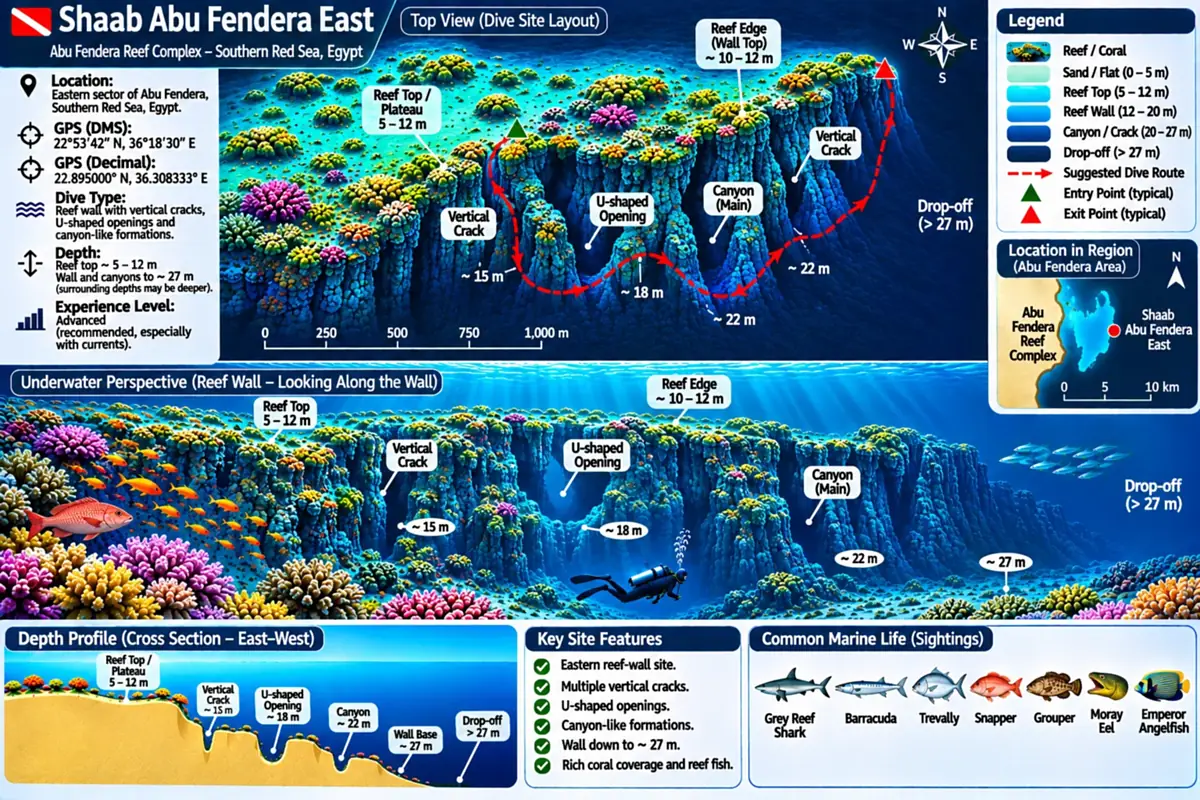
Shaab Abu Fendera East is the eastern sector of the Abu Fendera reef system, in the far south of the Egyptian Red Sea. Its northern wall is split by U-shaped cracks and vertical canyons that run from near the surface to about 27 meters, so light, depth and coral change at every turn.

Shaab Abu Fendera East in short
In short, Shaab Abu Fendera East is the eastern dive site of the Abu Fendera reef system, listed by the CDWS at 22°53′42″N, 36°18′30″E. Its main feature is a northern wall with several U-shaped cracks and vertical canyons, reported to reach about 27 meters, while the maximum surrounding depth is not established. Morays, groupers, snappers, trevally and barracuda are likely, and pelagics may pass offshore. It suits experienced divers and is reached only by liveaboard, as part of a visit to Abu Fendera Main Reef.
What is Shaab Abu Fendera East?
Essentially, it is the eastern end of a reef line about 6 km long. Where the western sectors are known for coral blocks and channels, the east side offers a wall dive with real vertical relief.
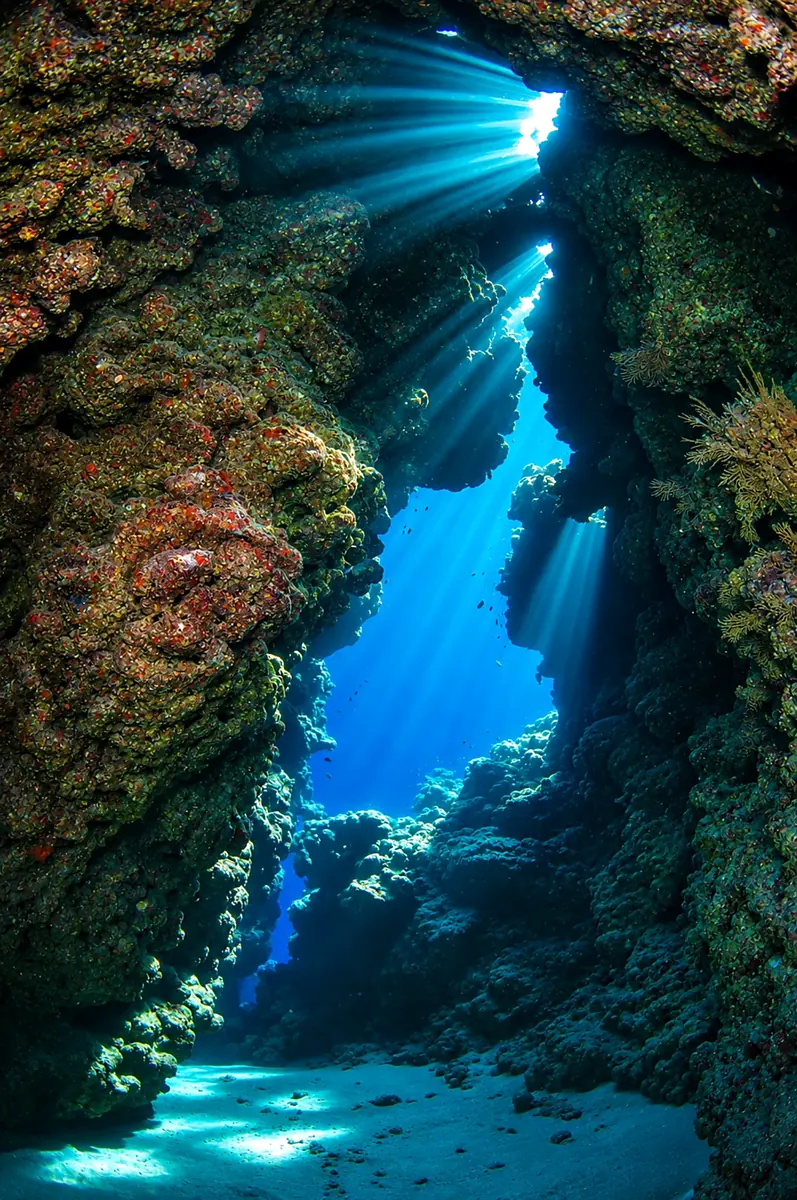
Moreover, a published dive description singles out the northern wall. Several U-shaped cracks and canyons cut into it from near the surface towards the seabed, creating shaded corridors and bright openings.
However, the CDWS coordinate is a reference point for the site, not a verified entry position or route. Therefore, the guide decides where to enter and which cracks to visit in the briefing.
Shaab Abu Fendera East at a glance
Topography
Above all, a reef wall with U-shaped cracks and vertical canyons, plus drop-offs off the corners.
Marine life
Similarly, morays and groupers use the cracks, while trevally and barracuda patrol outside.
Conditions
Meanwhile, the water can move near the openings, so depth control matters on this wall.
What are the canyons of Shaab Abu Fendera East?
In fact, the canyons are the reason to dive here. Still, they are known mainly from one published description, so treat the details below as a guide rather than a survey.
The north wall
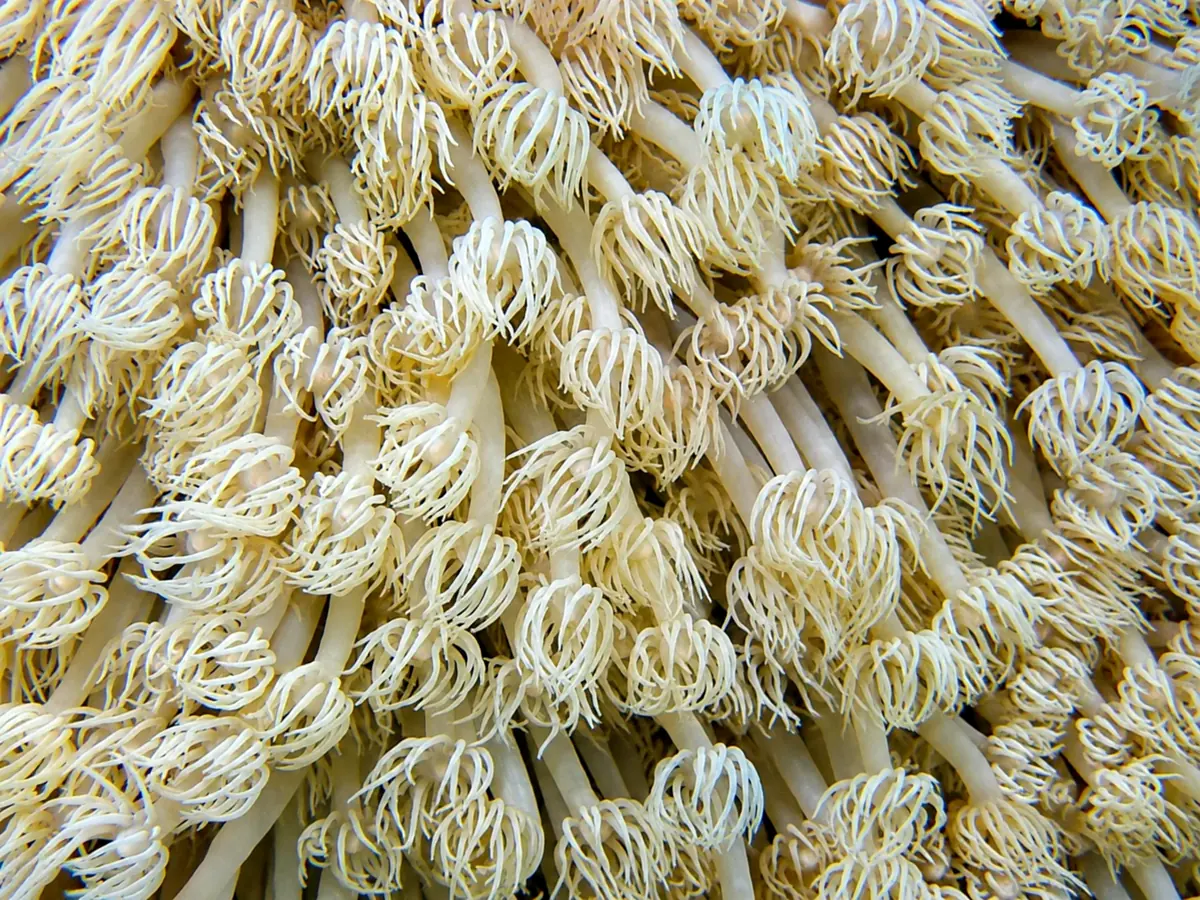
The backbone. Firstly, the northern wall drops from the reef top towards the seabed, with hard and soft corals on its face.
The U-shaped cracks
The highlight. Then, several U-shaped cracks cut into the wall from near the surface, so sunlight falls into shaded corridors.
The corners
The edge. Finally, the reef corners face open water, where currents meet the wall and pelagics may pass.

Where is Shaab Abu Fendera East?
Geographically, the site lies at the eastern end of the Abu Fendera reef system, south of St. John’s and close to the Sudanese border, inside the Elba protected area. According to the CDWS positions, it is about 1.1 km east of Fasma Abu Fendera and roughly 3 km east of Habili Abu Fendera.
In practice, boats often moor in the sheltered lagoon of the reef and reach the east wall by zodiac. For the whole reef line, see our Abu Fendera Main Reef guide.
How do you dive Shaab Abu Fendera East?
To begin with, the guide checks the current on the corners. Then the zodiac drops the group on the north wall, the divers explore the cracks at the planned depth and finish on the shallow reef top.
Wall, cracks and reef top
The descent
The start. Firstly, the group descends along the wall and sets its depth before reaching the first crack.
The cracks
The main part. Then, divers look into the U-shaped cracks one at a time, staying in open water and keeping clear of the coral.
The reef top
The finish. Finally, the group rises onto the shallow reef for a long safety stop before the pick-up.
What marine life lives at Shaab Abu Fendera East?
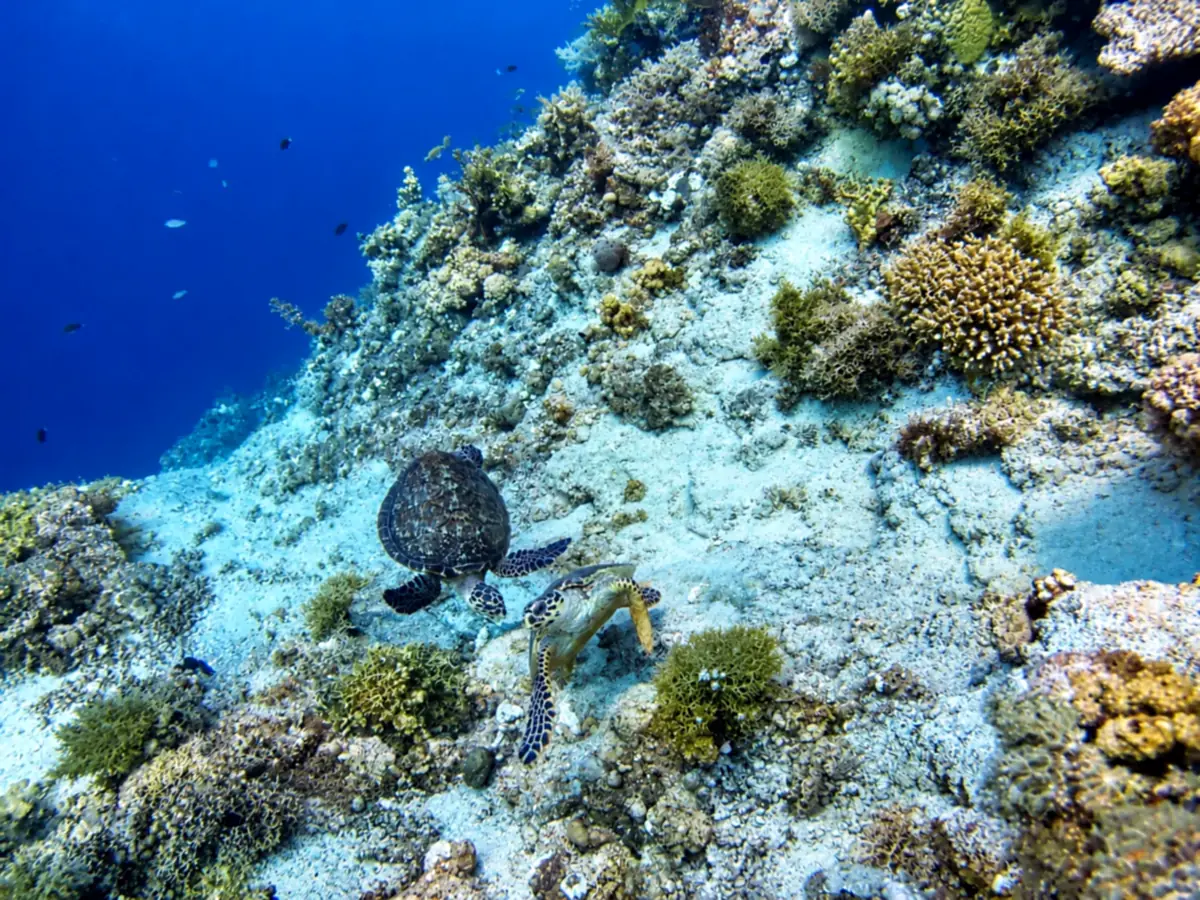
Admittedly, specific species records for this sector are limited. Even so, the Abu Fendera reefs are known for healthy corals and big reef fish, so the list below gives a fair idea of what to expect.
Crack dwellers
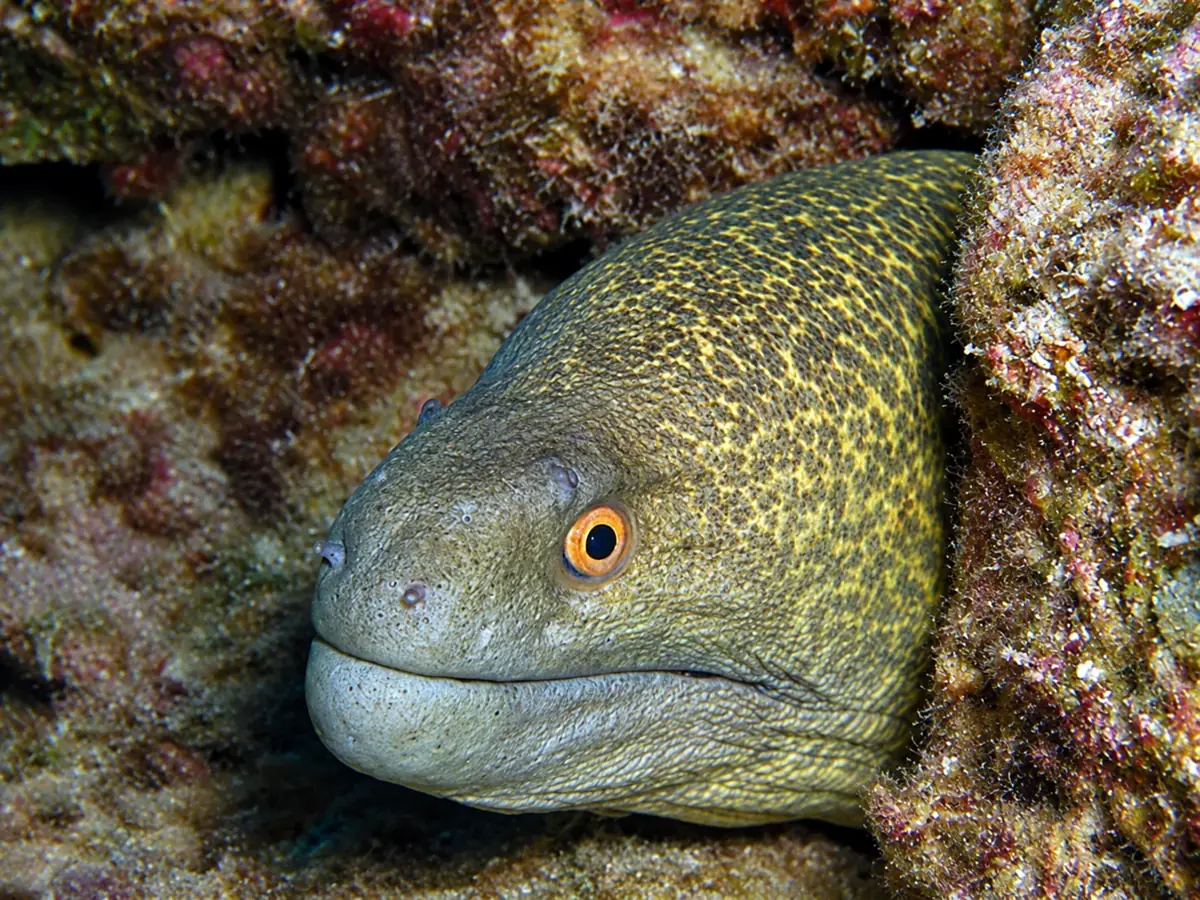
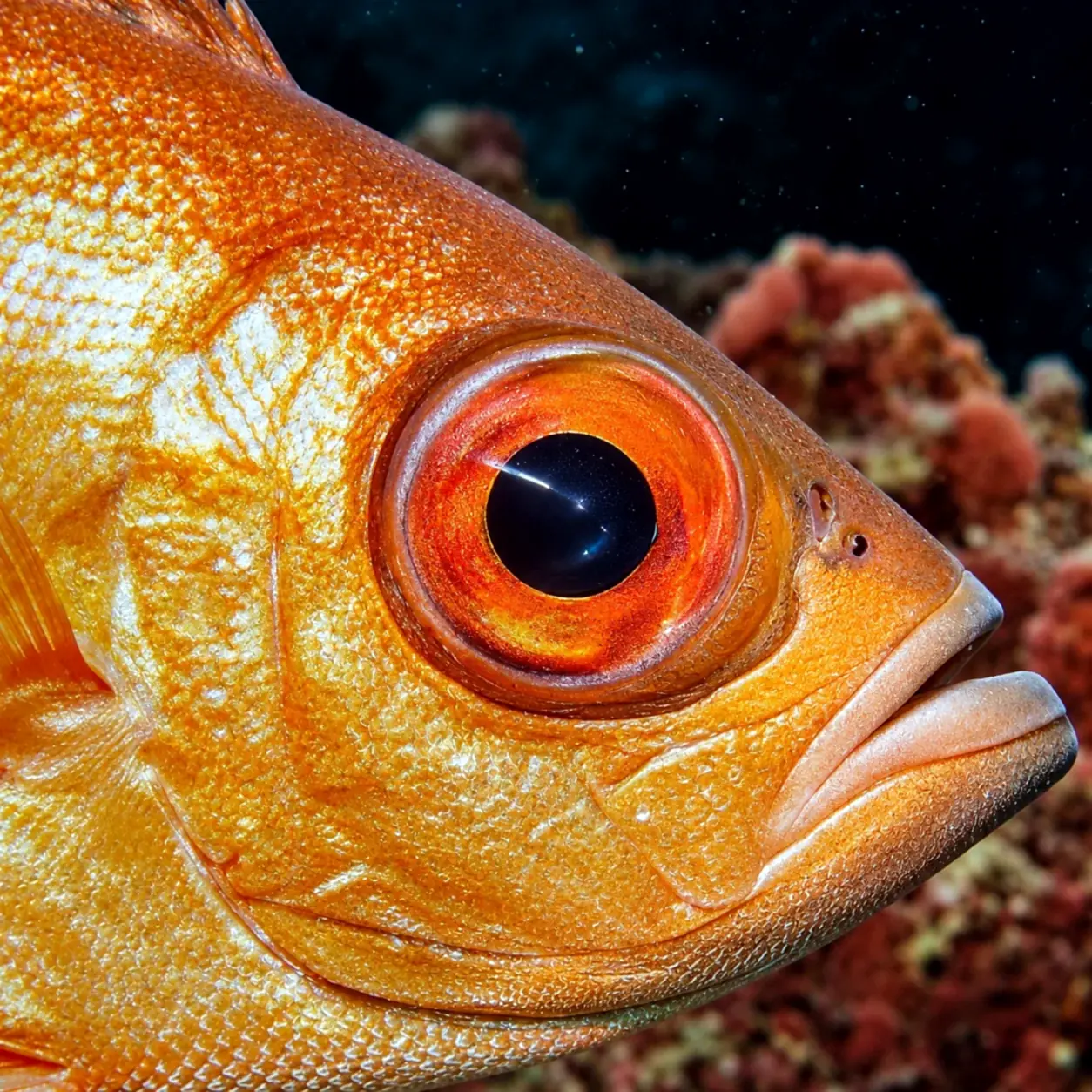
Typically, moray eels and groupers hide in the cracks, together with soldierfish and bigeyes in the shade.
Reef giants
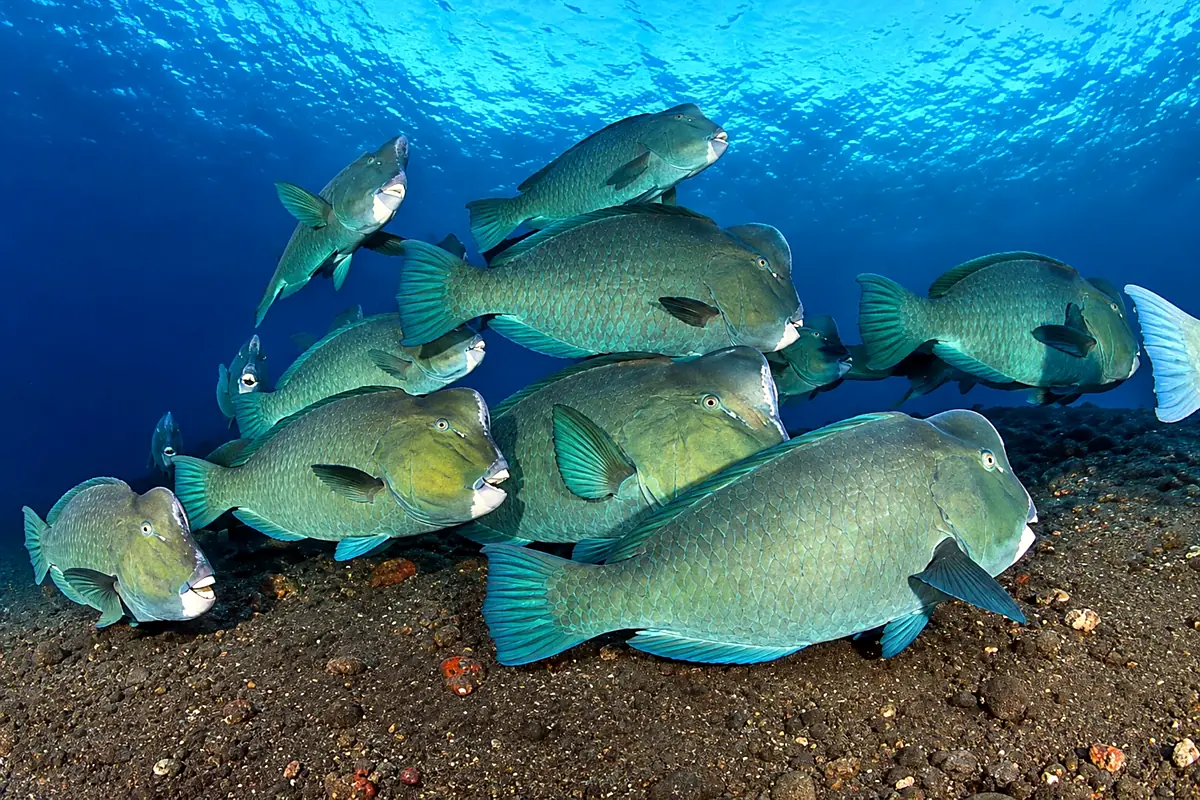
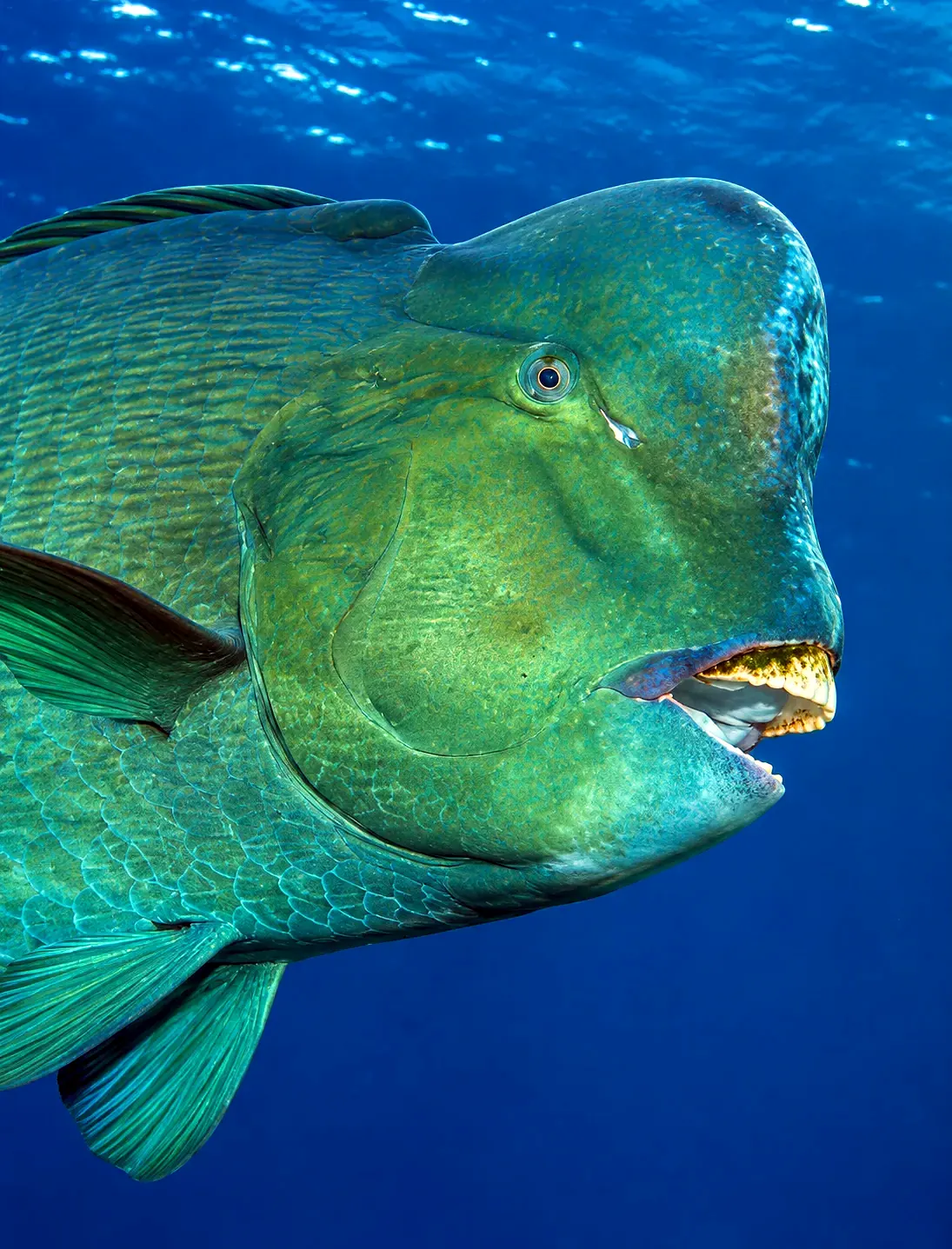
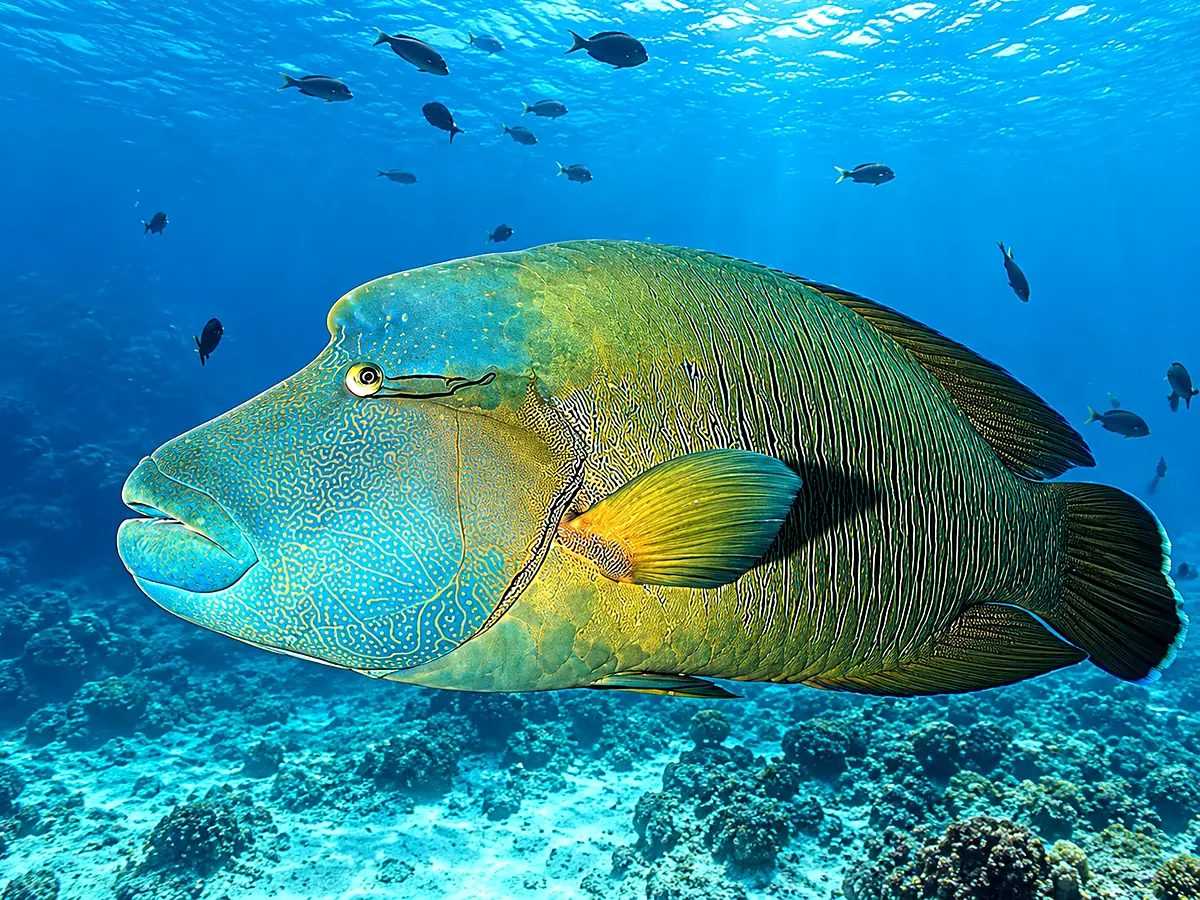
Likewise, bumphead parrotfish and Napoleon wrasse, the signature fish of Abu Fendera, may visit the wall.
Open-water visitors
Finally, trevally and barracuda hunt along the corners, and reef sharks are reported in the area.

Is Shaab Abu Fendera East suitable for beginners?
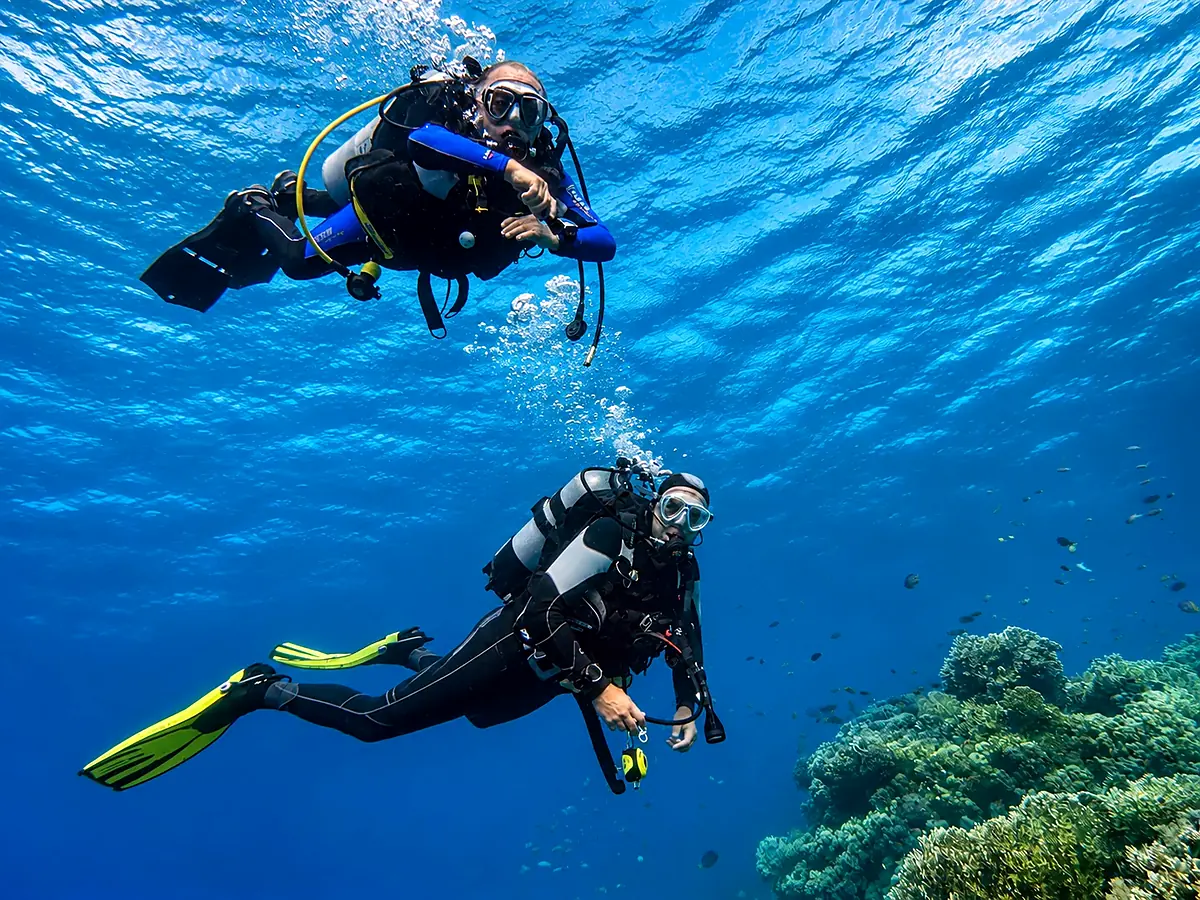
Not really. After all, the vertical terrain, the changing depth and the water movement near the openings call for experienced divers, so we recommend at least Advanced Open Water, especially when there is current.
Moreover, buoyancy is the key skill in the cracks. For example, Peak Performance Buoyancy helps you hover without touching the walls, and liveaboard dive techniques covers zodiac entries and exits.
Before you dive Shaab Abu Fendera East
Firstly, agree on a maximum depth, because the cracks make it easy to drift deeper. Secondly, stay in open water and never enter an overhead space without the right training.
Above all, follow our diving safety standards. The southern reefs are protected by HEPCA, and a remote site like this makes dive insurance such as DAN Europe essential.

How do you get to Shaab Abu Fendera East?
In practice, it is reached only by liveaboard, on the Elba Reef route that passes Abu Fendera between Elba and St. John’s. Guests board on Saturday after 15:00, and check-out is between 09:00 and 10:00 the next Saturday on the seven-night trip.
However, a one-week trip leaves time for only a few dives at Abu Fendera, so 10 and 15 day departures suit divers who want the east wall as well as the channels. On the same trip, most boats also dive the St. John’s dive sites, such as Habili Ali.
Plan your Shaab Abu Fendera East dive
- Abu Fendera Main Reef — the whole reef line and its sectors.
- Elba Reef liveaboard — the route that passes Abu Fendera.
- What divers need on board — the packing checklist for a Red Sea safari.
- redsealiveaboard.net — Red Sea safari schedules and availability.
- All eight boats in our fleet can sail this route: Sea Fox, Simba, Sea Treasure, Star Jet, Bismarck, C Echo II, C U and Ramadan 3.
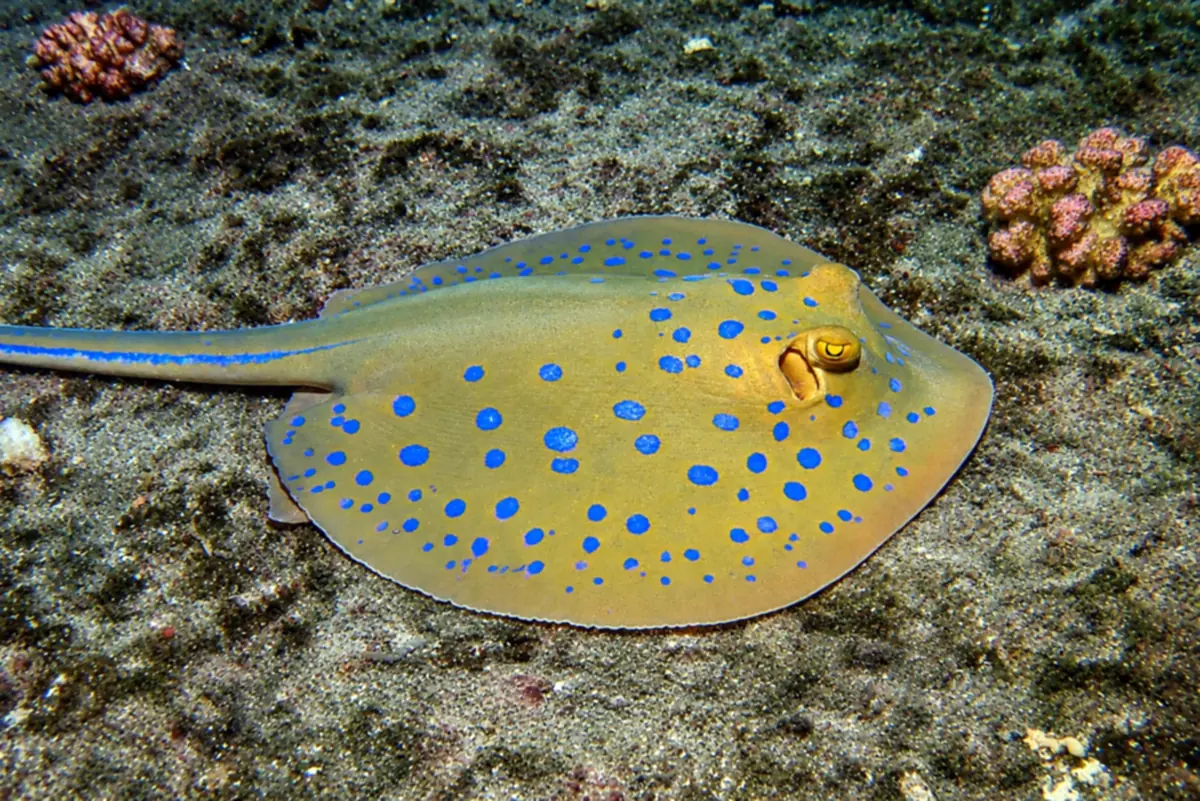
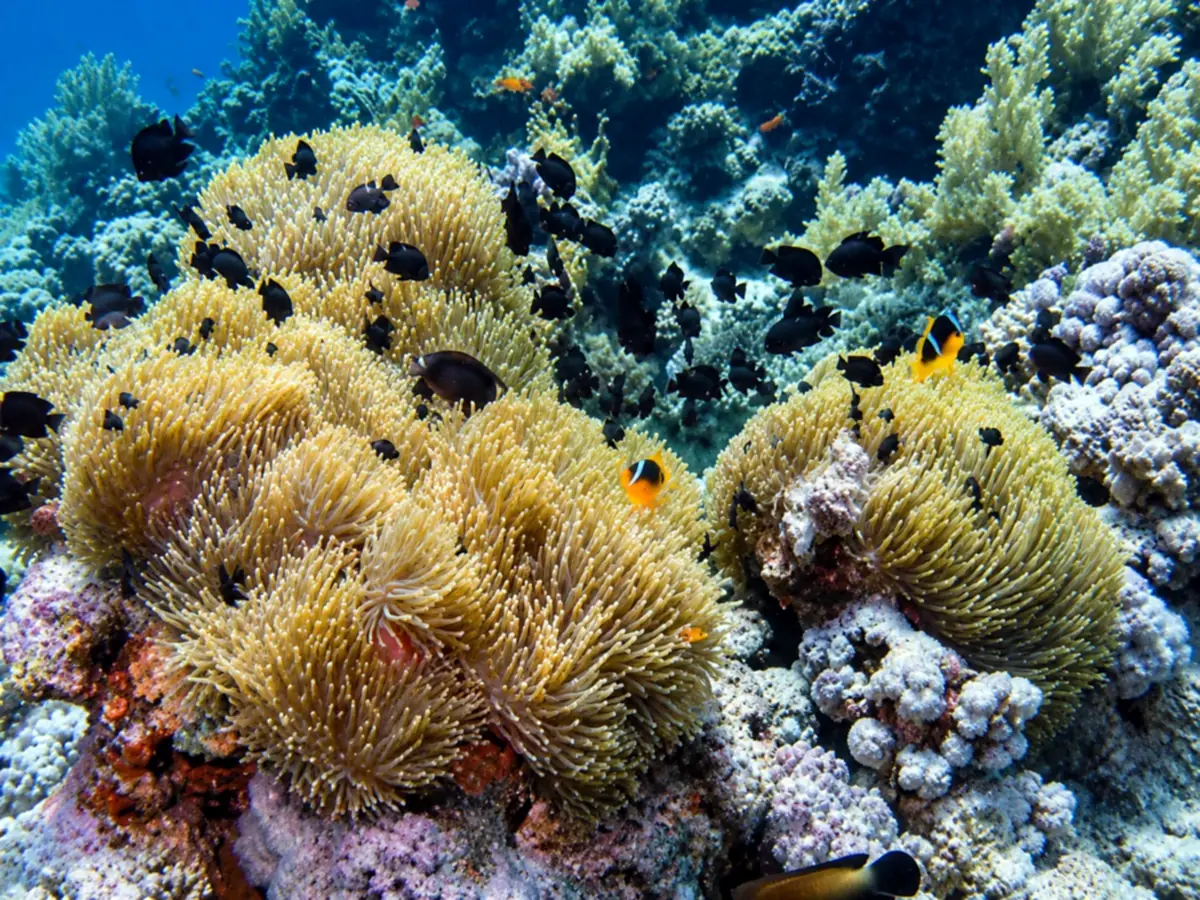
Photo gallery from the far southern reefs

Other routes from Red Sea Diving
Generally, for a first liveaboard, the North Red Sea liveaboard keeps to the classic wrecks. On the other hand, the BDE liveaboard runs Brothers, Daedalus and Elphinstone, while Daedalus and Fury Shoals and the Deep South St. John’s route also reach the south. Meanwhile, the Red Sea liveaboard guide compares all eight routes.
Shaab Abu Fendera East: frequently asked questions
Where is Shaab Abu Fendera East?
Simply put, it is the eastern sector of the Abu Fendera reef system in the far southern Red Sea. The CDWS lists it at 22°53′42″N, 36°18′30″E, which is a reference point rather than a verified entry.
How deep is Shaab Abu Fendera East?
So far, a published description reports vertical formations to about 27 meters. However, the maximum surrounding depth is not established, so the guide sets the limit on the day.
What are the canyons at Shaab Abu Fendera East?
Specifically, the northern wall has several U-shaped cracks and vertical canyons running from near the surface towards the seabed, with changing light and coral cover.
Is Shaab Abu Fendera East suitable for beginners?
Not really. The vertical terrain and possible current make it a site for experienced divers, ideally with Advanced Open Water or more.
How do you get to Shaab Abu Fendera East?
Only by liveaboard, for example on the Elba Reef route, with 7, 10 or 15 day departures. Naturally, longer trips leave time for more Abu Fendera sectors.
Abu Fendera · Far south liveaboard · Experienced divers
Dive the canyons of Abu Fendera
Simply tell us your dates, the number of divers and your certification level. Afterward, our team checks which far south departure fits your group before you commit to anything.


