

Dive site guide · Shaab Kentkana · Shaab Aluaster group, southern Red Sea
Shaab Kentkana Dive Site Quiet coral gardens, shallow walls and caverns just north of St. John’s
Shaab Kentkana is the easternmost reef of the Shaab Aluaster group, about 32 km off the southern Egyptian coast and 11 km north of St. John’s. Because few liveaboards stop here, divers often have its coral gardens, shallow walls and caverns to themselves between 3 and 20 meters.
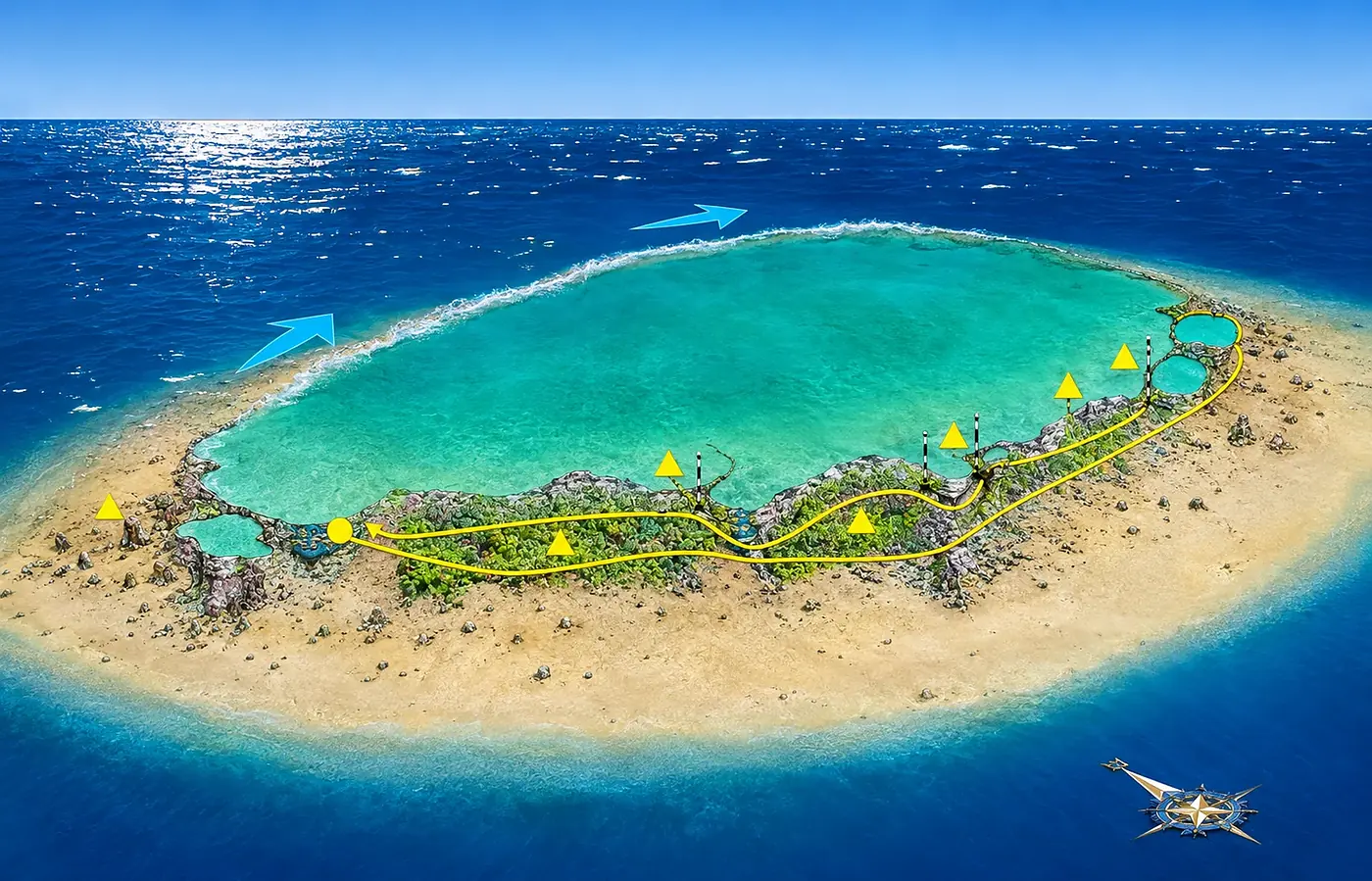
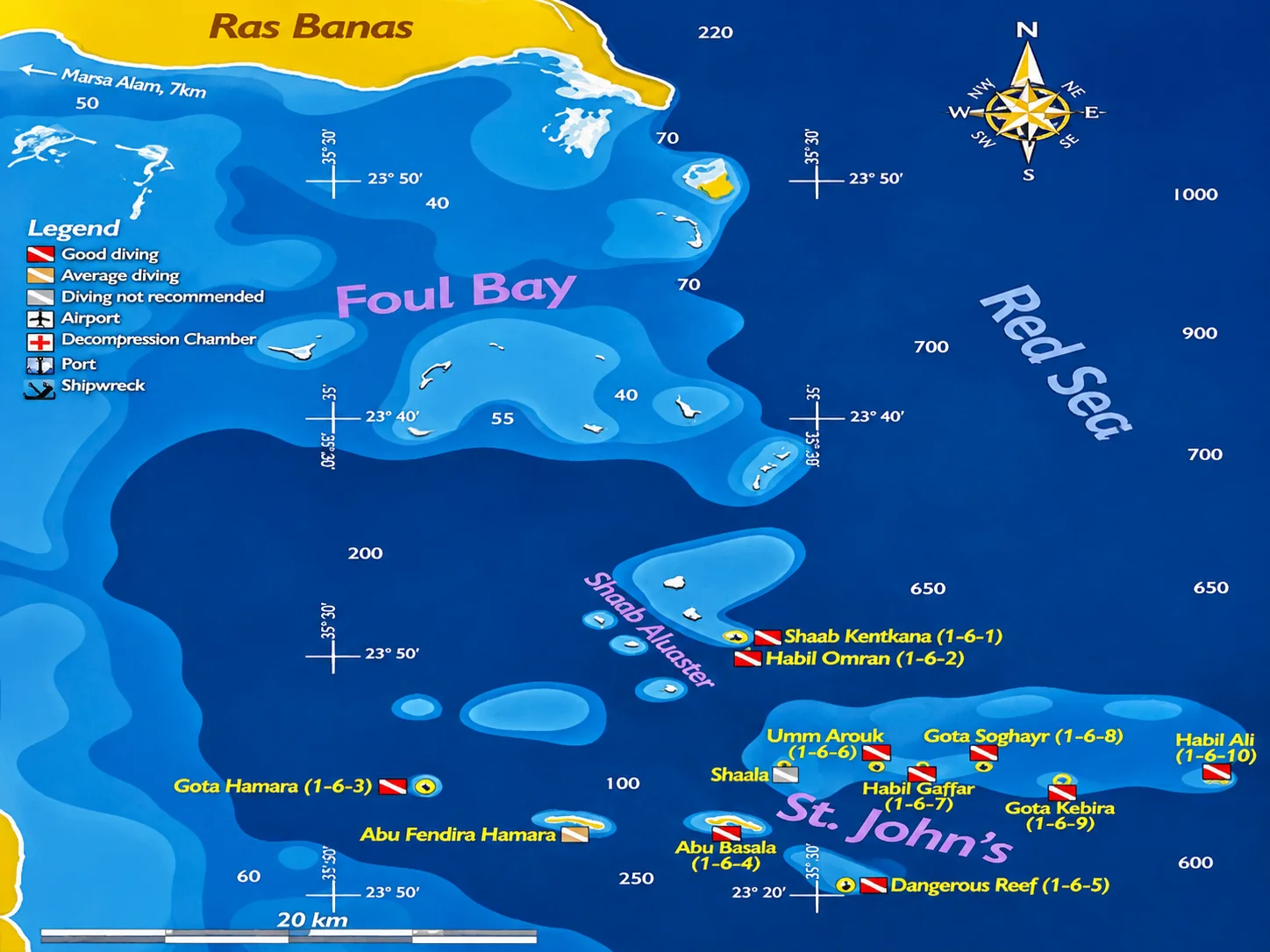
Shaab Kentkana in short
In short, Shaab Kentkana is a 270-meter reef at the eastern end of the Shaab Aluaster group, about 32 km offshore and 11 km north of the St. John’s reef system. Typically, dives stay between 3 and 18 meters, with the southwest wall reaching about 20 meters before a gently sloping seabed. Because the visibility is almost always good and strong currents are rare, it suits beginners to intermediate divers, while the narrow caverns need proper training. It is reached only by liveaboard, usually on the Deep South St. John’s route. Above all, expect quiet coral gardens, reef fish and, in the larger recesses, young whitetip reef sharks.
What is Shaab Kentkana?
Essentially, Shaab Kentkana is the easternmost reef of the Shaab Aluaster group. Although it does not belong to the St. John’s reef system, it lies so close that liveaboards often include it in the same week.
Because the reef is remote, it is visited mostly by fishermen, and a lost net still hangs at its western tip. Consequently, liveaboards seldom come by, so divers here often explore it alone.
Moreover, the shallow depth, good visibility and rare strong currents make the diving easy. However, the weather decides whether boats can stay overnight, since the reef’s orientation limits shelter.
Shaab Kentkana at a glance
Topography
Above all, a shallow reef with coral gardens on the southwest wall and caverns to the south and east.
Marine life
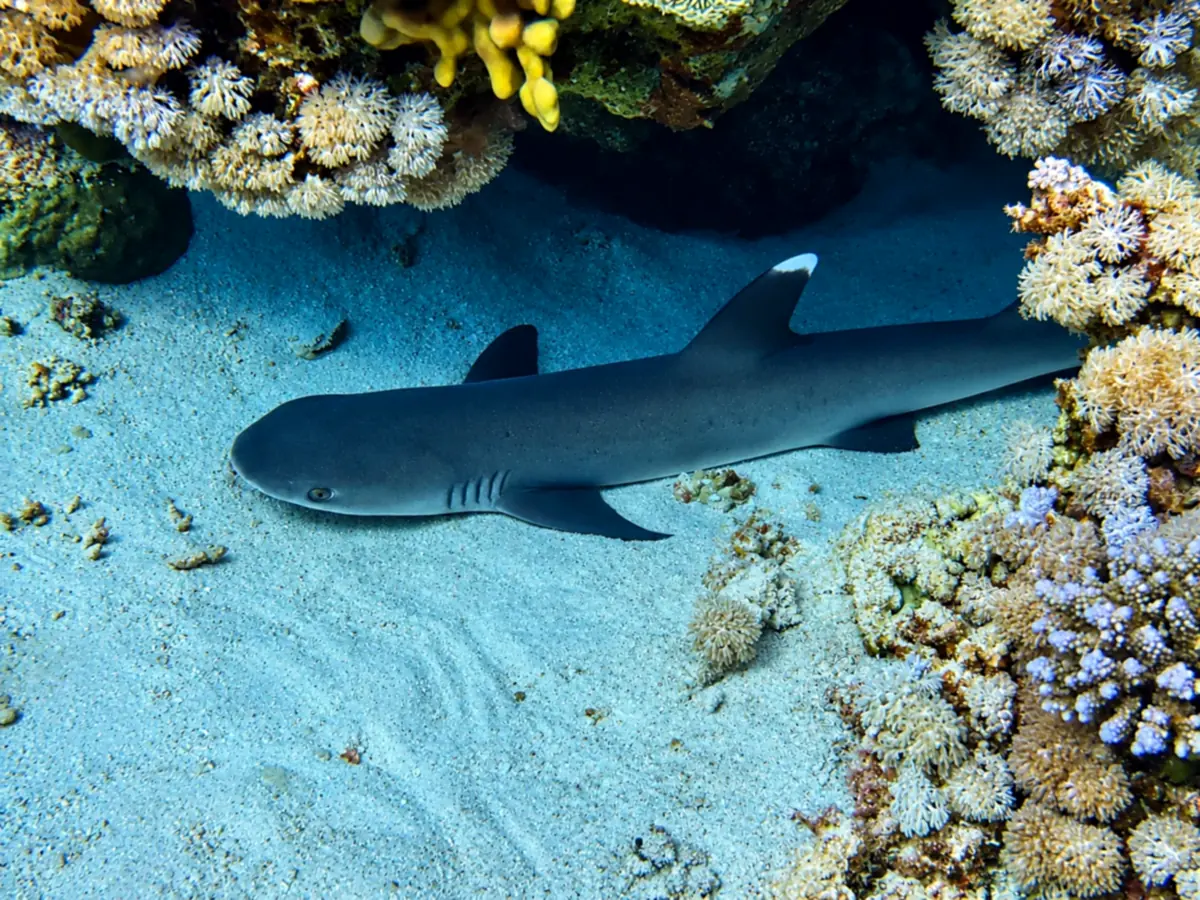
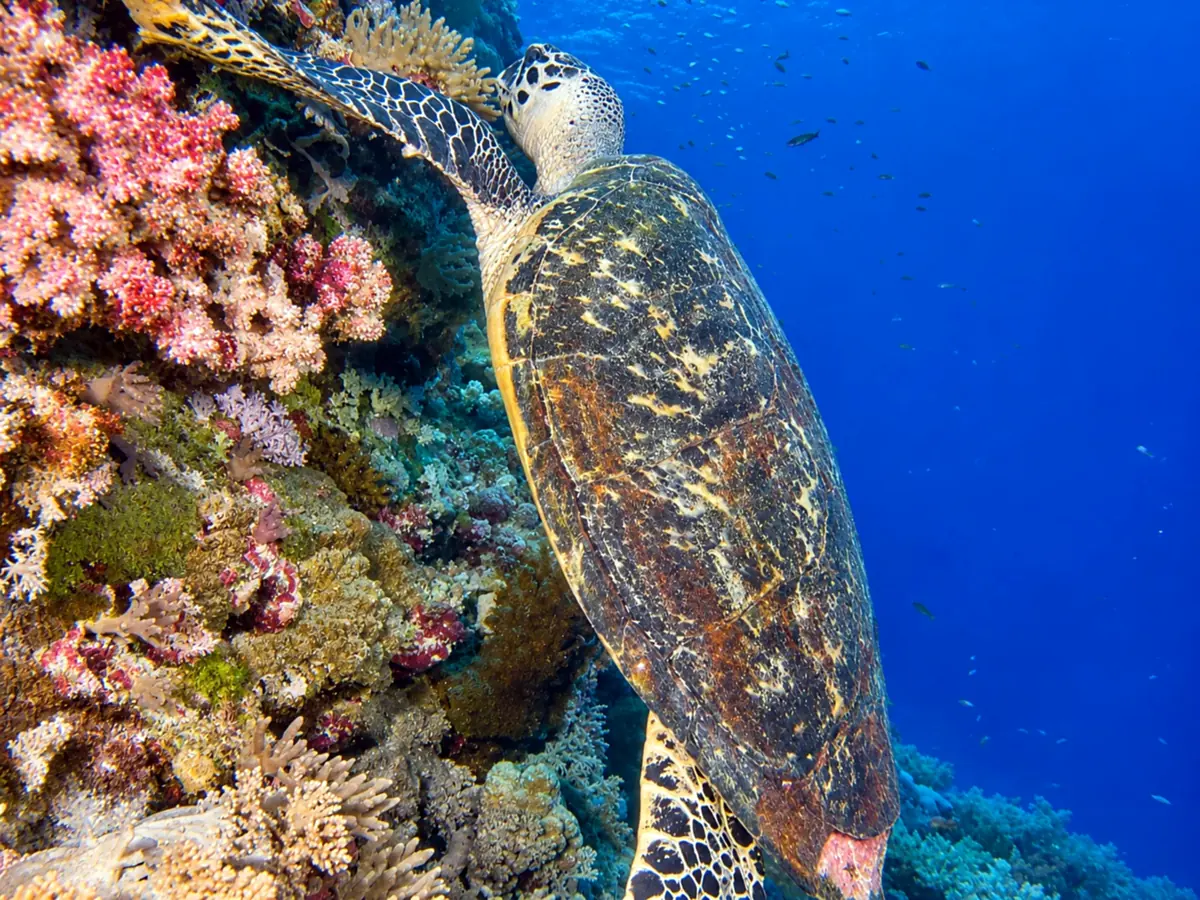
Similarly, reef fish crowd the gardens, and young whitetip reef sharks may rest in the larger recesses.
Conditions
However, some cave passages become very narrow, so only trained divers should enter them.
Where is the reef located?
Shaab Kentkana lies at the eastern end of the Shaab Aluaster group, about 32 km from the mainland and 11 km north of the St. John’s reef system. Accordingly, the only practical way to dive it is from a liveaboard on the Deep South St. John’s or Elba Reef routes.
In addition, Habili Omran lies just 1.6 km to the south, so the two reefs are often dived on the same day on the way into or out of St. John’s.
How do you dive Shaab Kentkana?
Usually, a Shaab Kentkana dive enters near the middle of the reef and then explores the southwest wall and its coral gardens. Afterward, divers return toward the planned exit, while the south and east offer extra caverns on a second dive.
From the coral gardens to the caverns
Southwest wall
The coral gardens. Firstly, the southwest wall drops to about 20 meters before meeting a gently sloping seabed. In addition, several beautiful coral gardens grow at intervals, waiting to be explored.
Behind the corals
The narrow caves. Then, small caves hide behind the coral gardens. However, their passages become very narrow in places, so only experienced, trained divers should enter them with care.
South and east
The open caverns. Finally, the south and the eastern tip hold less demanding niches and caverns. Unlike the caves, they are spacious and do not branch out, and young whitetip reef sharks may shelter inside.
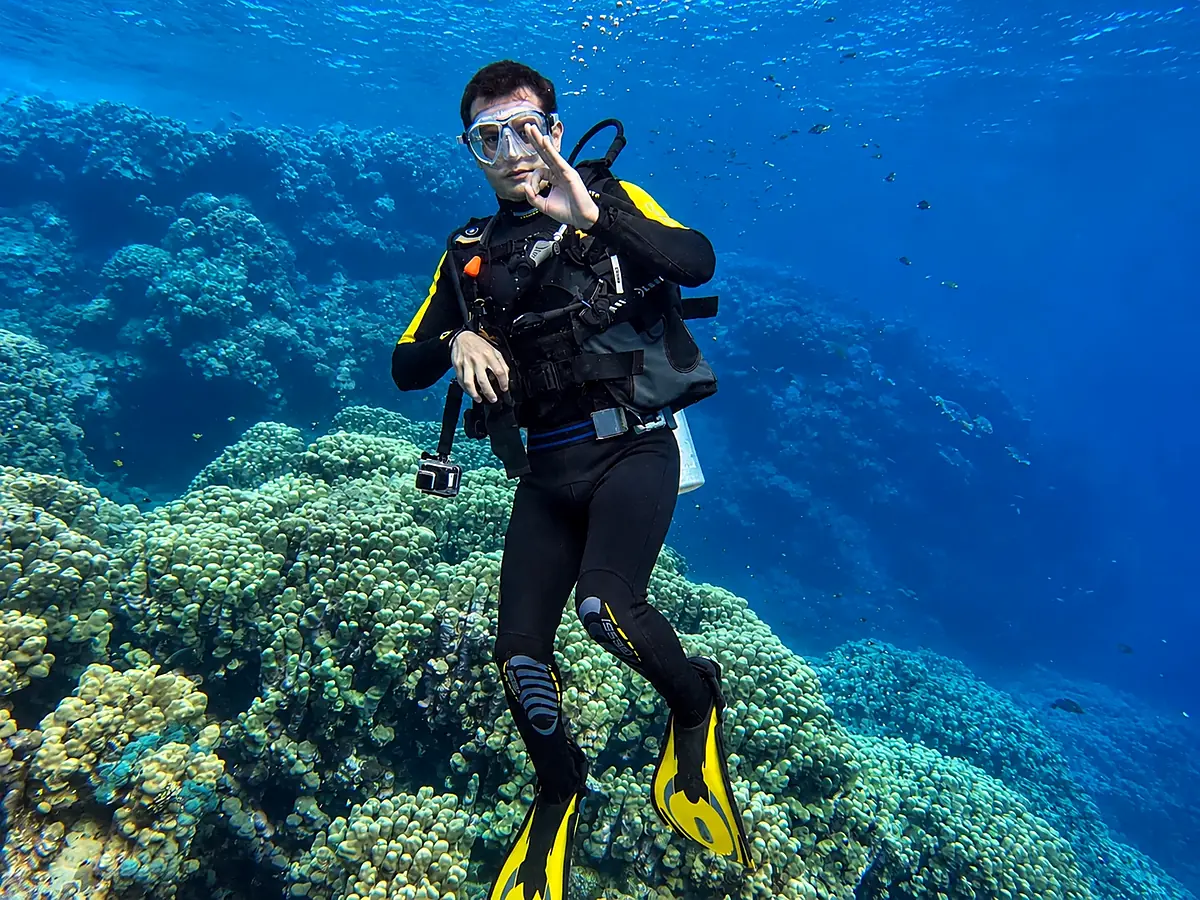
What marine life lives at Shaab Kentkana?
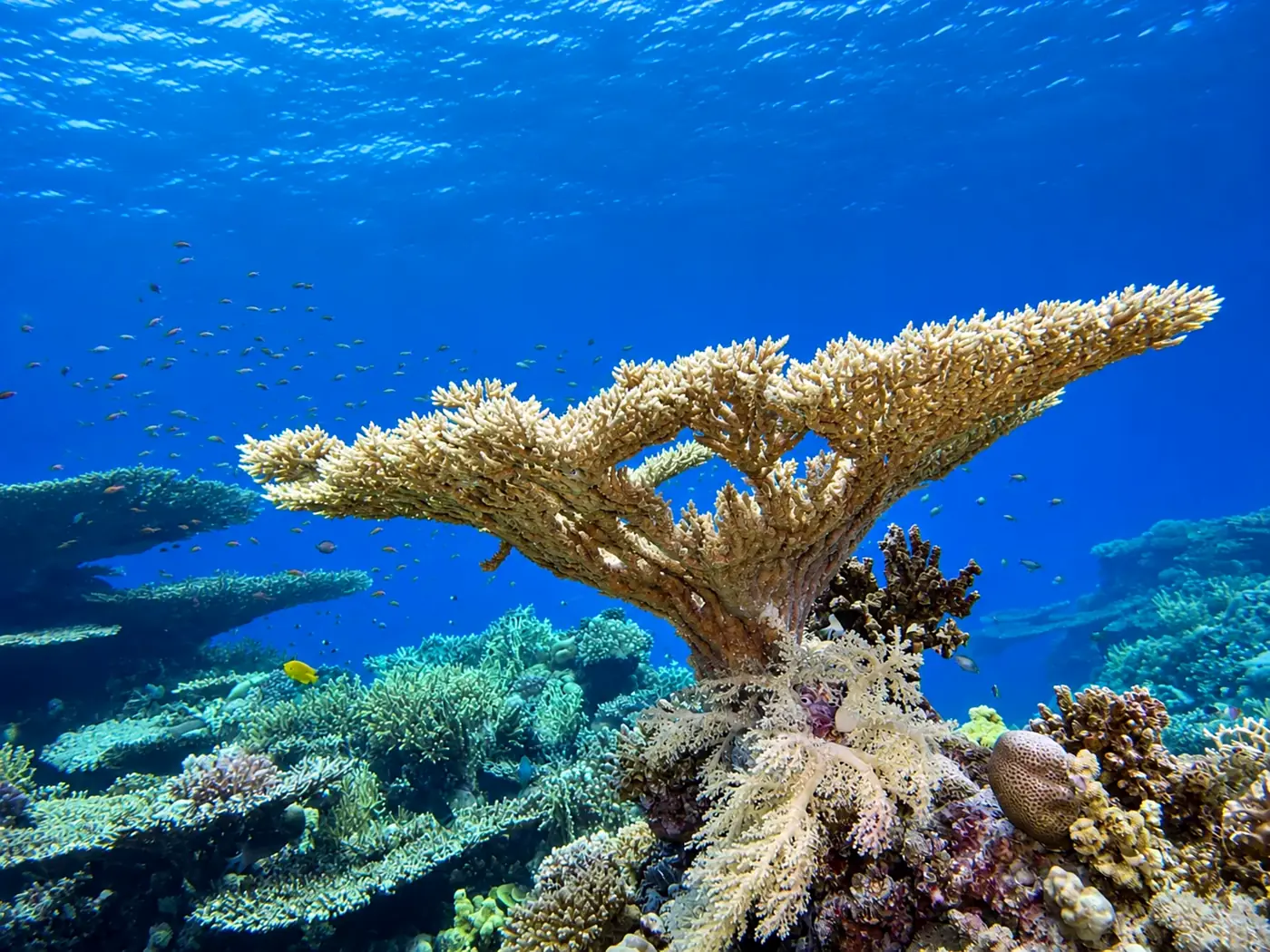
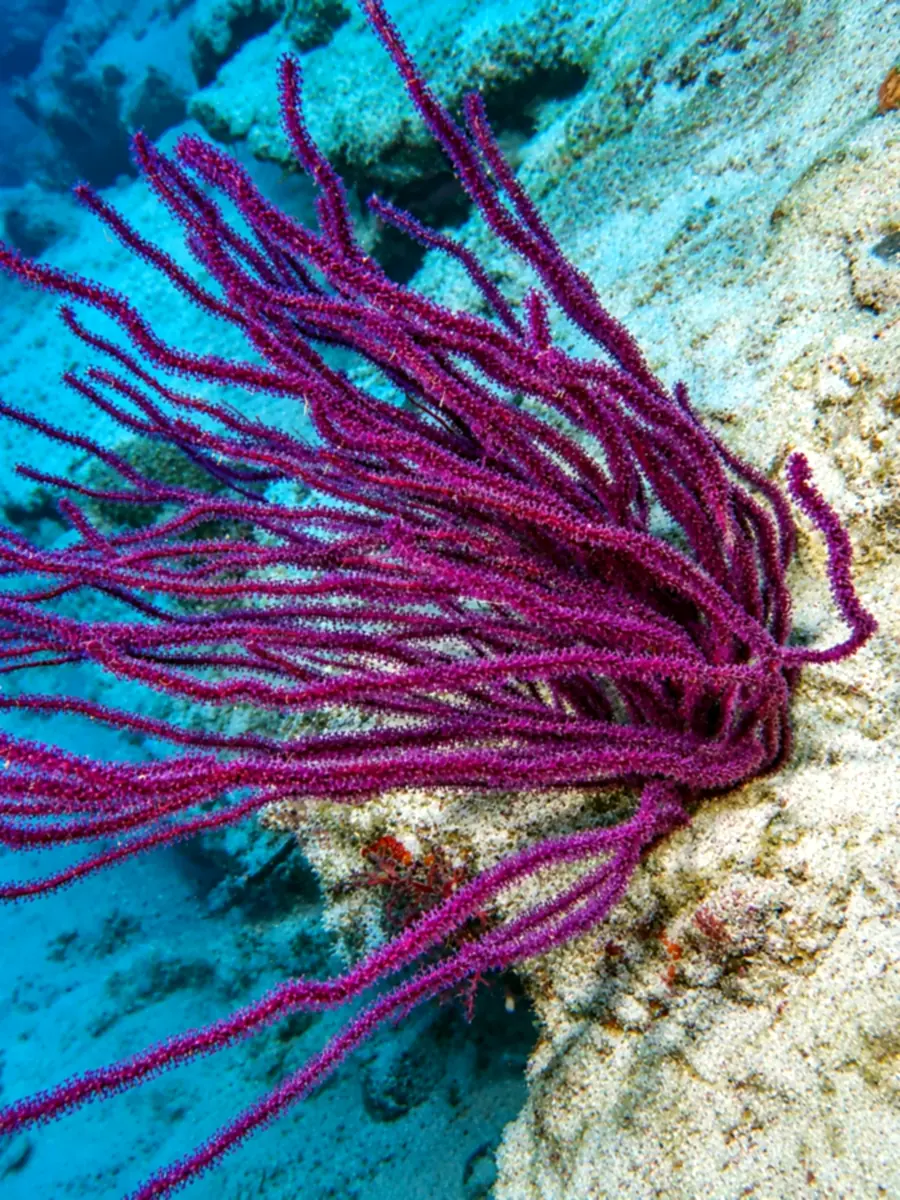
Shaab Kentkana’s coral gardens support a wide variety of reef fish and invertebrates. Of course, wild animals are never guaranteed, so treat the list below as possibilities rather than promises.
Reef fish
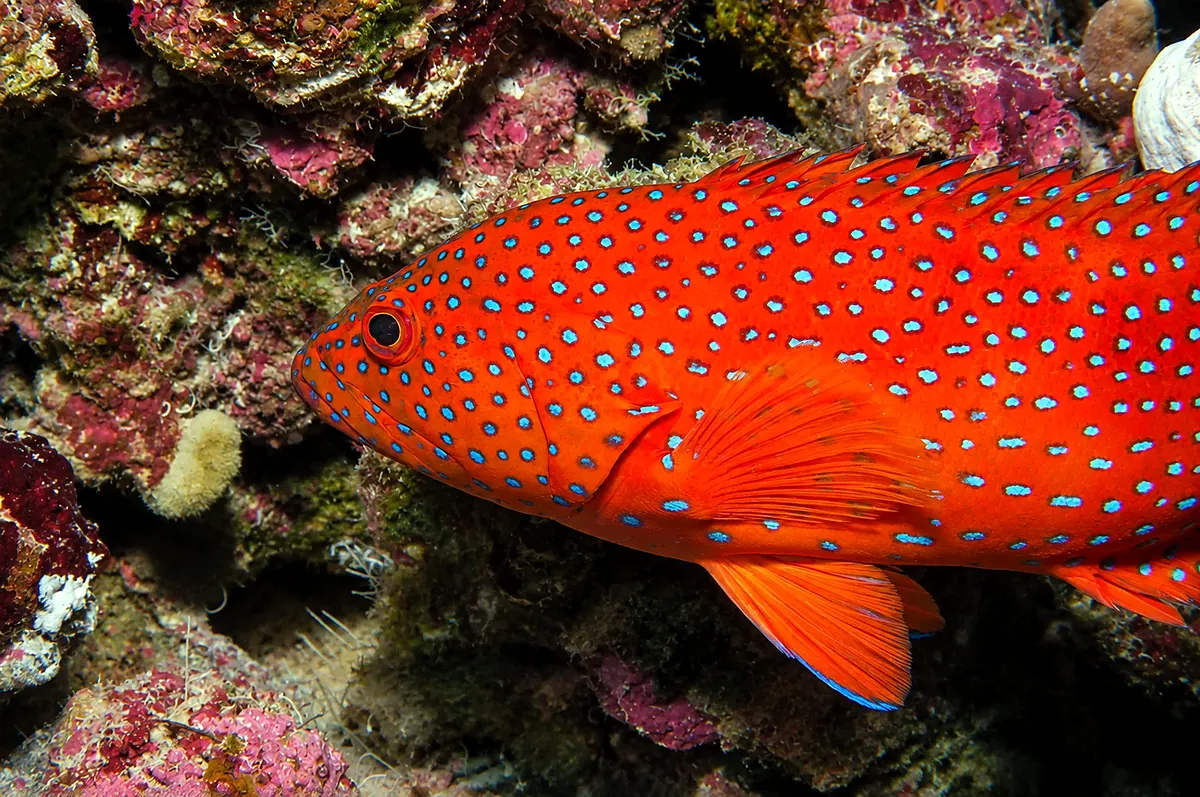
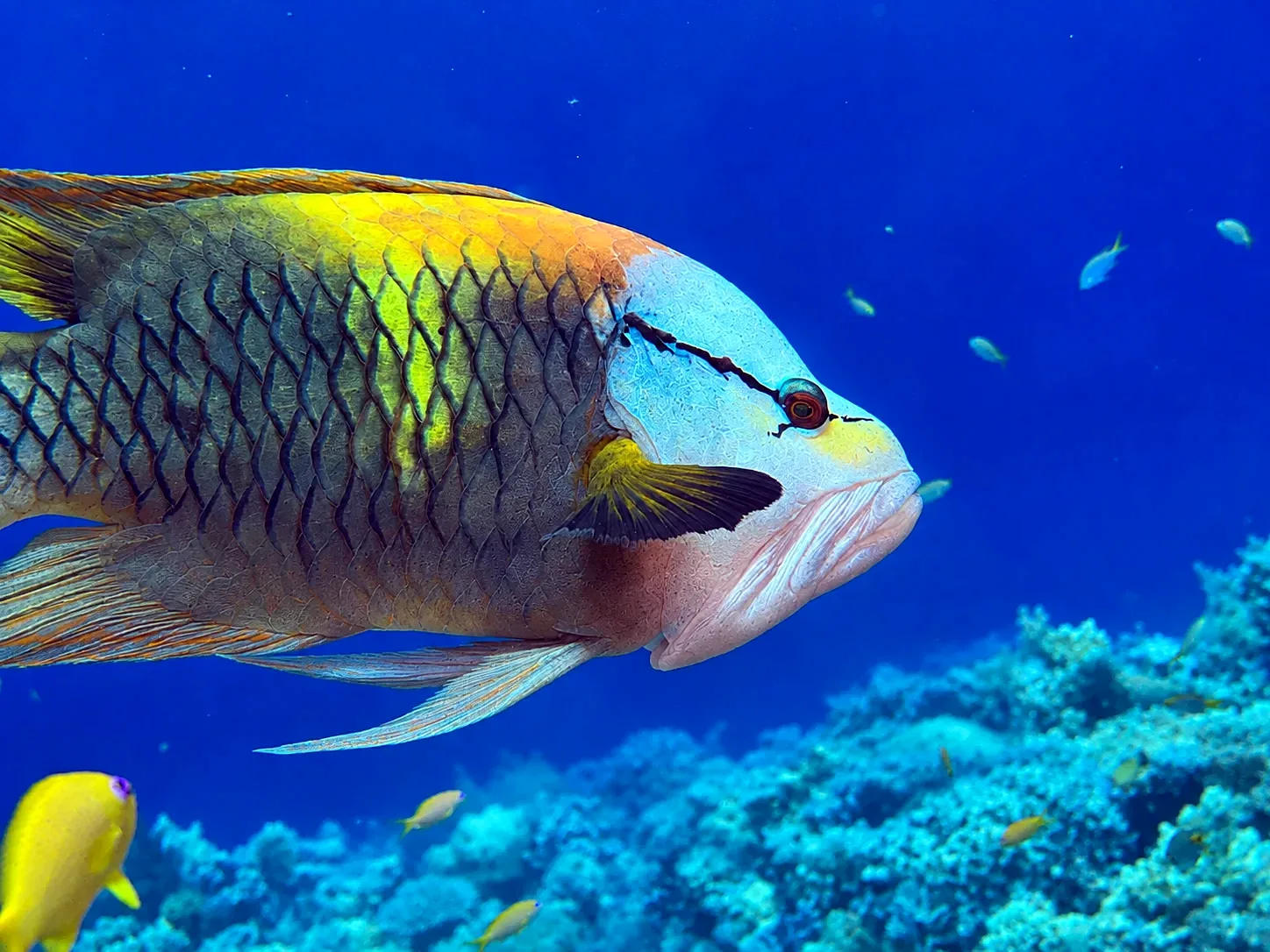
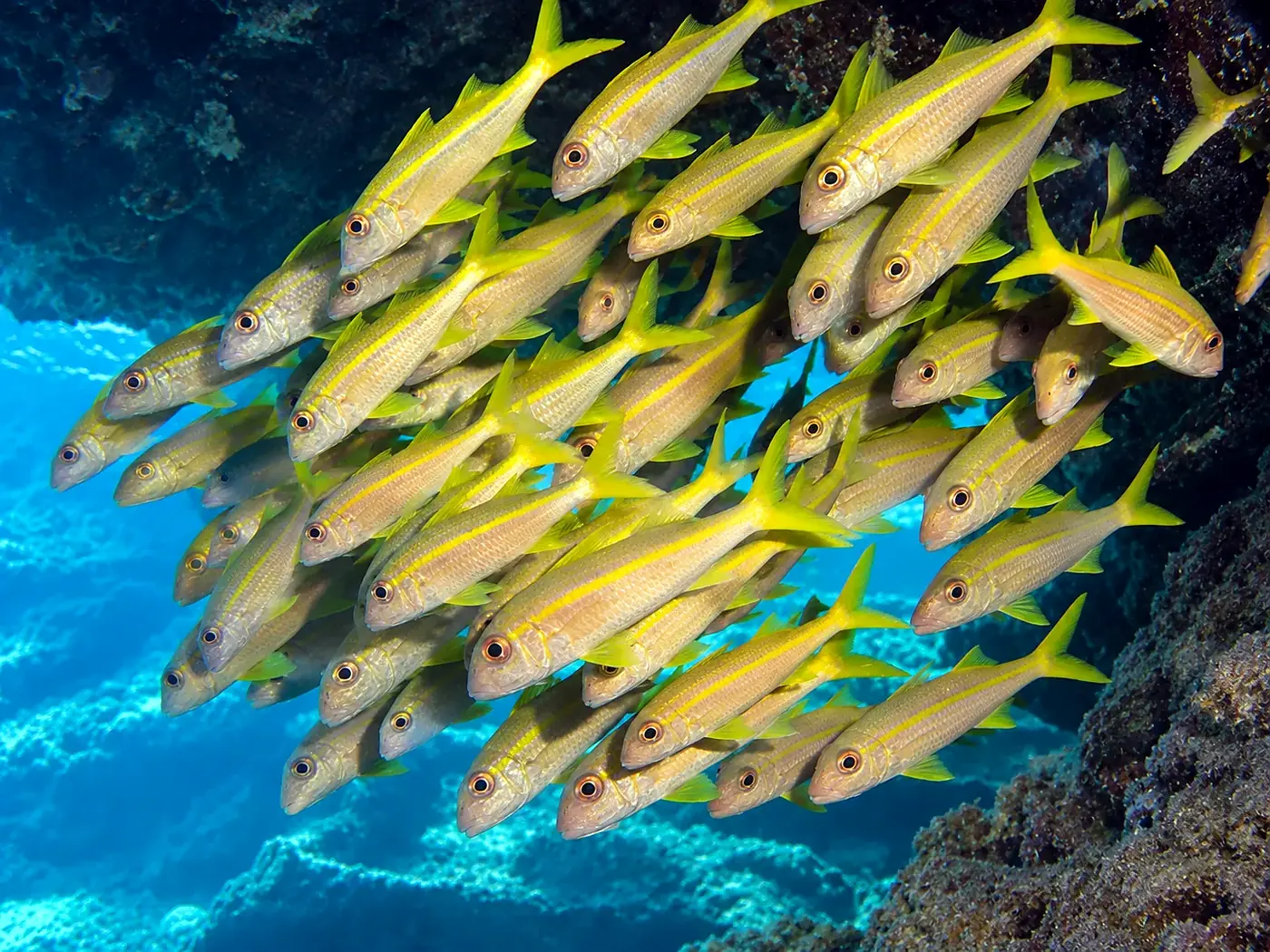
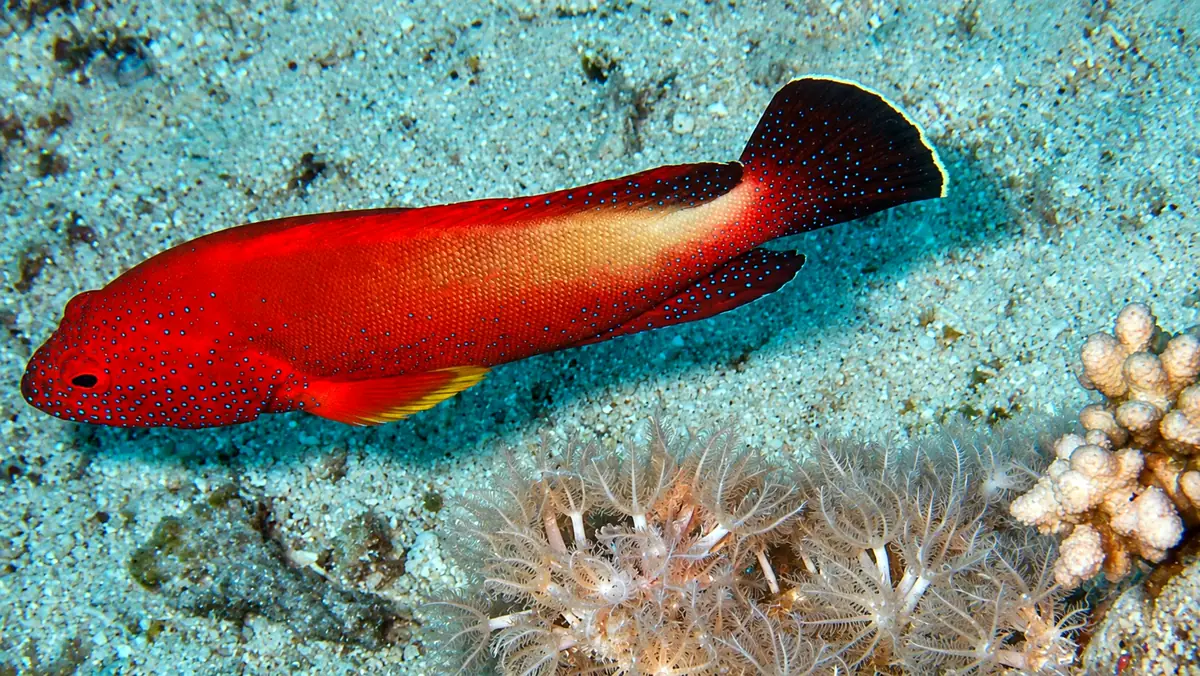
Typically, small fish gather around the coral formations, while groupers and larger reef species patrol the walls.
In the recesses
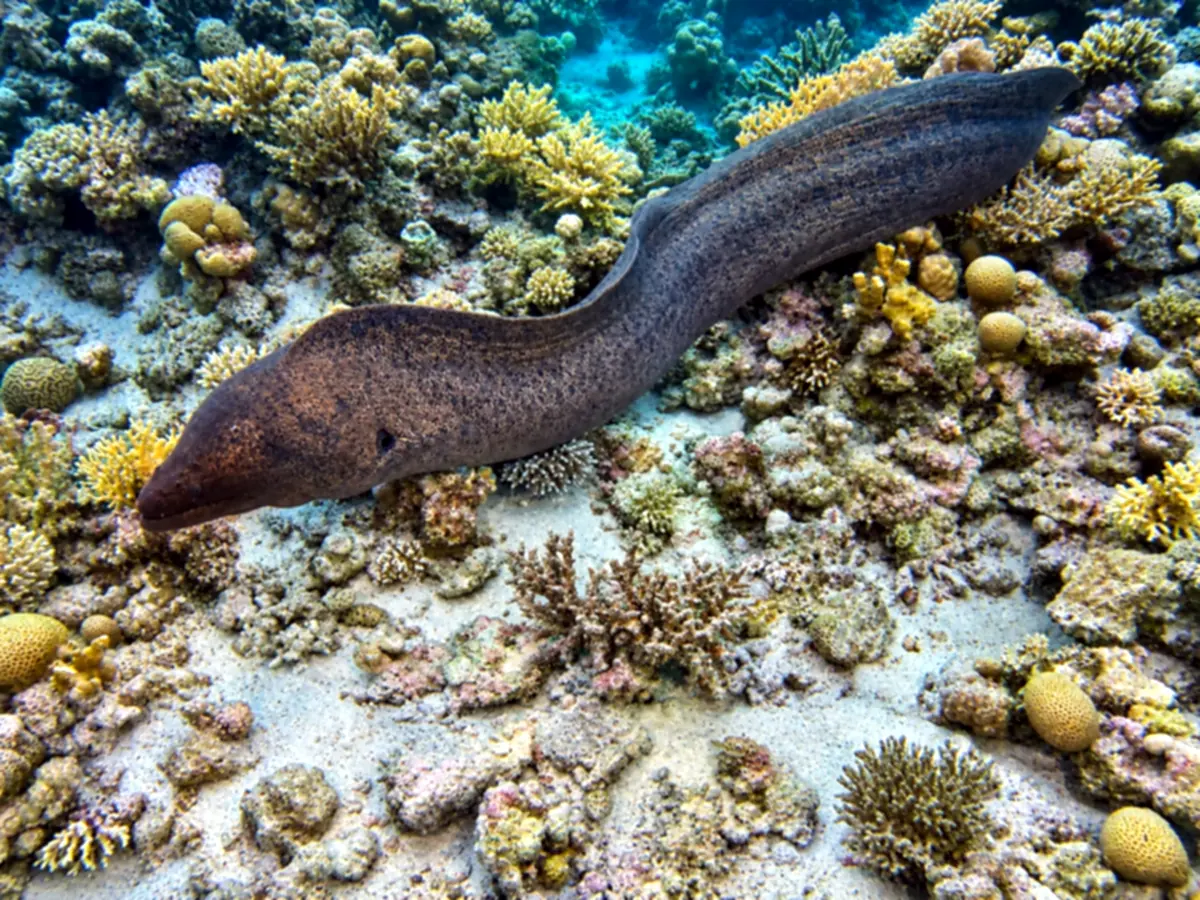
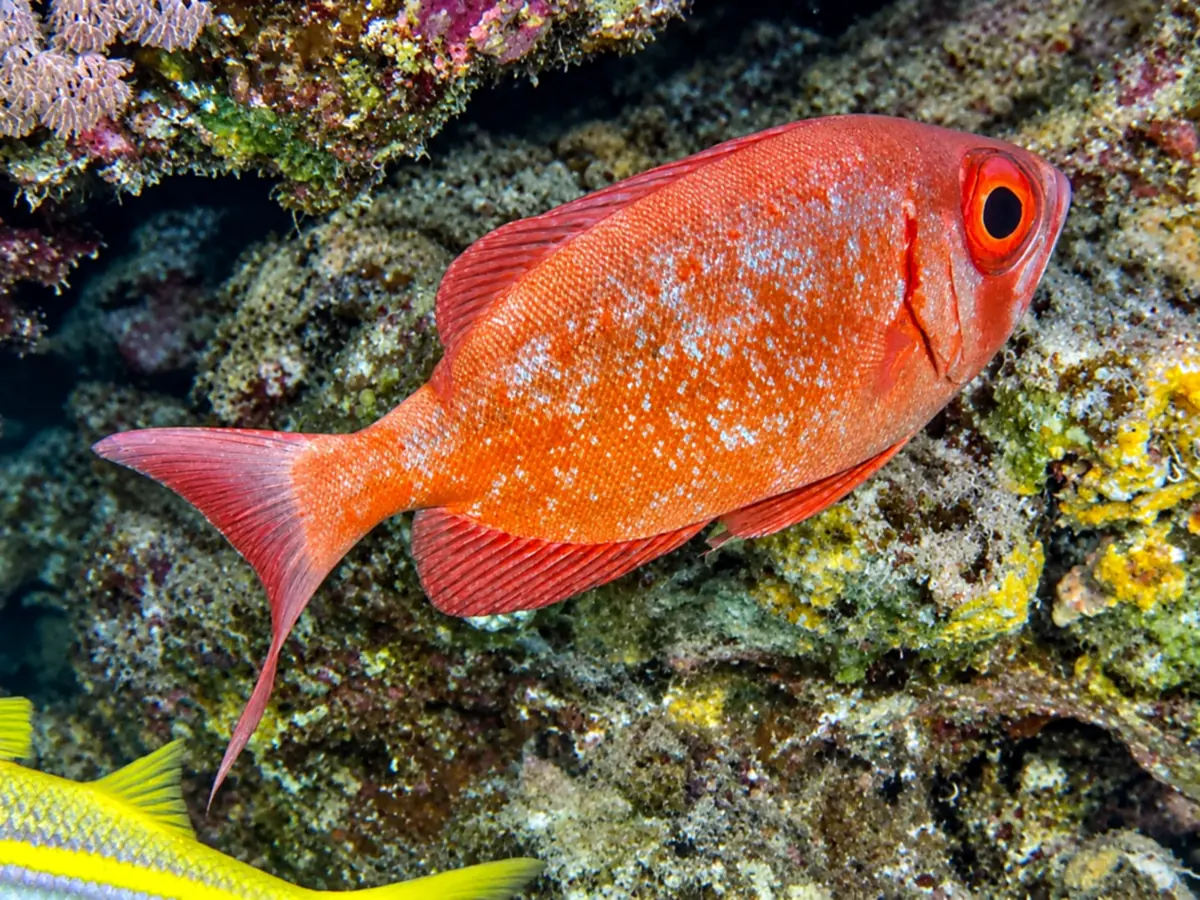
Especially inside the larger recesses, young whitetip reef sharks have been seen resting. Meanwhile, moray eels and bigeye shelter in the crevices.
Invertebrates
Finally, the coral gardens host many invertebrates, and the few night dives here reveal a remarkable underwater scene.
Is Shaab Kentkana suitable for beginners?
Yes, in suitable conditions. The open-water routes are shallow, the visibility is good and strong currents are rare, so Open Water divers enjoy it with a guide, while Advanced Open Water divers can explore further.
Moreover, the narrow cave passages need more than certification. Therefore, overhead areas are only for trained divers, and Peak Performance Buoyancy helps near the delicate coral gardens.
Before you dive Shaab Kentkana
Firstly, never enter the narrow caves without the right training, equipment and the guide’s approval. Secondly, the GPS is a reef reference position, not a mooring, so always follow the captain.
Above all, follow the guide’s briefing and our diving safety standards. The southern reefs are protected by HEPCA, and remote sites like this one make dive insurance such as DAN Europe essential.
How do you get there?
In practice, Shaab Kentkana is reached only by liveaboard, usually on a seven-night Deep South St. John’s safari. Boats board on Saturday after 15:00, and check-out is between 09:00 and 10:00 the following Saturday.
Besides Shaab Kentkana, the same week normally includes the St. John’s reefs to the south. Since the weather decides whether boats can stay overnight, night dives here are limited but memorable.
Plan your Shaab Kentkana dive
- Deep South St. John’s liveaboard — the week that includes Shaab Kentkana.
- Habili Omran — four coral towers just 1.6 km to the south.
- What divers need on board — the packing checklist for a Red Sea safari.
- redsealiveaboard.net — Red Sea safari schedules and availability.
- All eight boats in our fleet can sail to St. John’s: Sea Fox, Simba, Sea Treasure, Star Jet, Bismarck, C Echo II, C U and Ramadan 3.
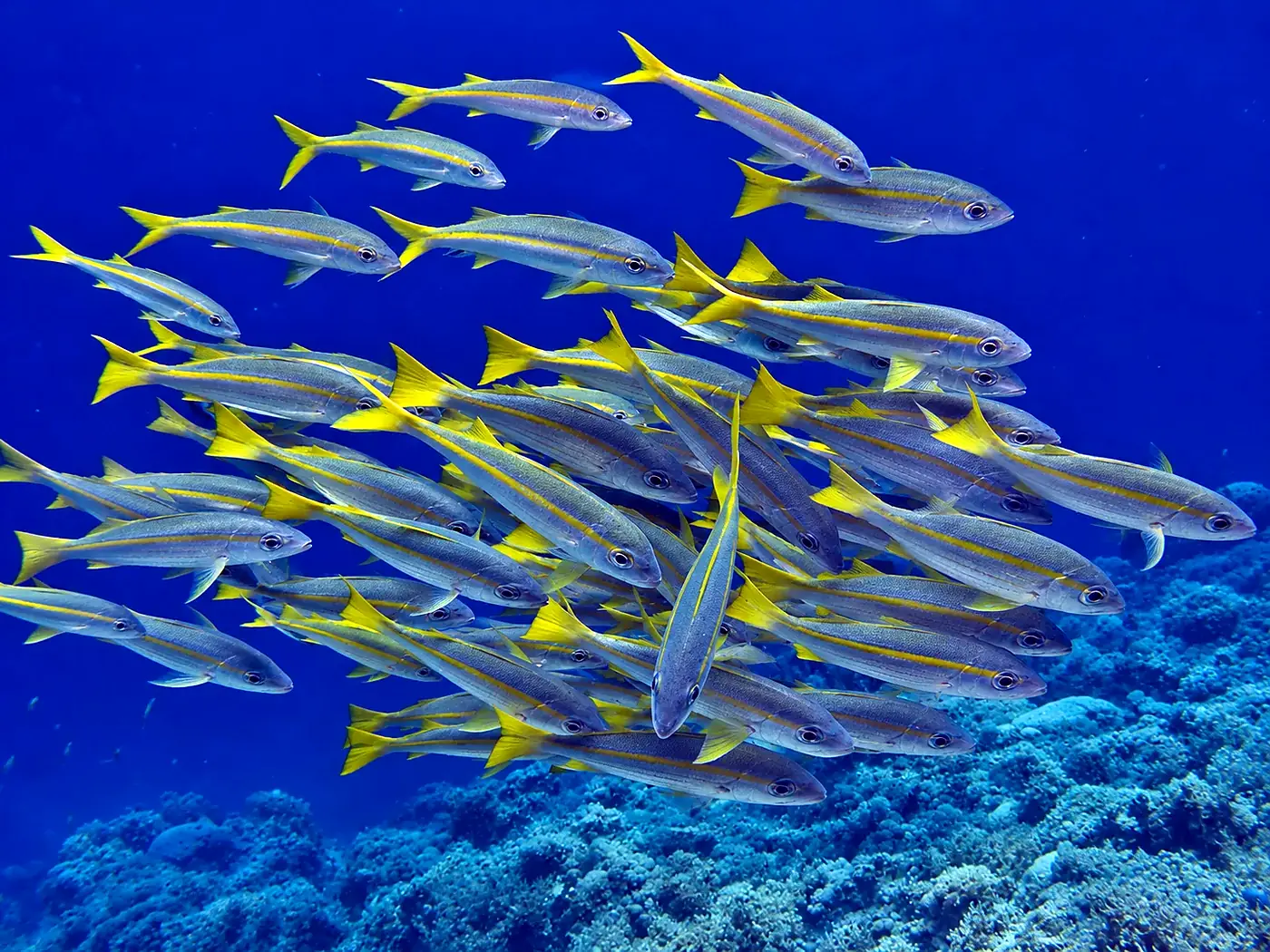
Photo gallery from the southern reefs
Other routes from Red Sea Diving
Generally, for a first liveaboard, the North Red Sea liveaboard keeps to the classic wrecks. On the other hand, the BDE liveaboard runs Brothers, Daedalus and Elphinstone, while Daedalus and Fury Shoals and the Elba Reef liveaboard also reach the far south. Meanwhile, the Red Sea liveaboard guide compares all eight routes.
Shaab Kentkana: frequently asked questions
Where is Shaab Kentkana?
Shaab Kentkana is the easternmost reef of the Shaab Aluaster group in the southern Egyptian Red Sea, at 23°30′58.98″N, 35°48′51.00″E. Specifically, it lies about 32 km offshore and 11 km north of St. John’s.
Is Shaab Kentkana part of St. John’s?
No. It belongs to the Shaab Aluaster group, but because it lies so close, liveaboards often include it in a St. John’s itinerary.
How deep is Shaab Kentkana?
Most dives stay between 3 and 18 meters. However, the southwest wall reaches about 20 meters before meeting a gently sloping seabed.
Is Shaab Kentkana suitable for beginners?
Yes, in suitable conditions. The open-water routes are shallow with good visibility and mild currents, while the narrow caves are for trained divers only.
Can you see sharks at Shaab Kentkana?
Sometimes. Young whitetip reef sharks have been reported resting in the larger recesses. Nevertheless, wild animals can never be guaranteed.
Can you night dive at Shaab Kentkana?
Only when the weather allows boats to stay overnight. As a result, night dives are limited, but they offer a remarkable view of the reef.
How do you get to Shaab Kentkana?
Only by liveaboard, usually on a seven-night Deep South St. John’s safari. Moreover, all eight boats in the Red Sea Diving fleet can run this route.
Shaab Aluaster · Deep South liveaboard · Beginner to intermediate
Dive Shaab Kentkana with us
Simply tell us your dates, the number of divers and your certification level. Afterward, our team checks which Deep South St. John’s week fits before you commit to anything.


