

Dive site guide · Gota Hamera · St. John’s Reef System, southern Red Sea
Gota Hamera Dive Site A quiet crescent reef with a coral garden on the western edge of St. John’s
Gota Hamera, also written Gota Hamara, is a crescent-shaped reef on the western edge of the St. John’s reef system in the southern Egyptian Red Sea. Because it lies off the usual routes, it is rarely crowded, and its sheltered inner bay offers easy diving at around 10 meters.
Gota Hamera in short
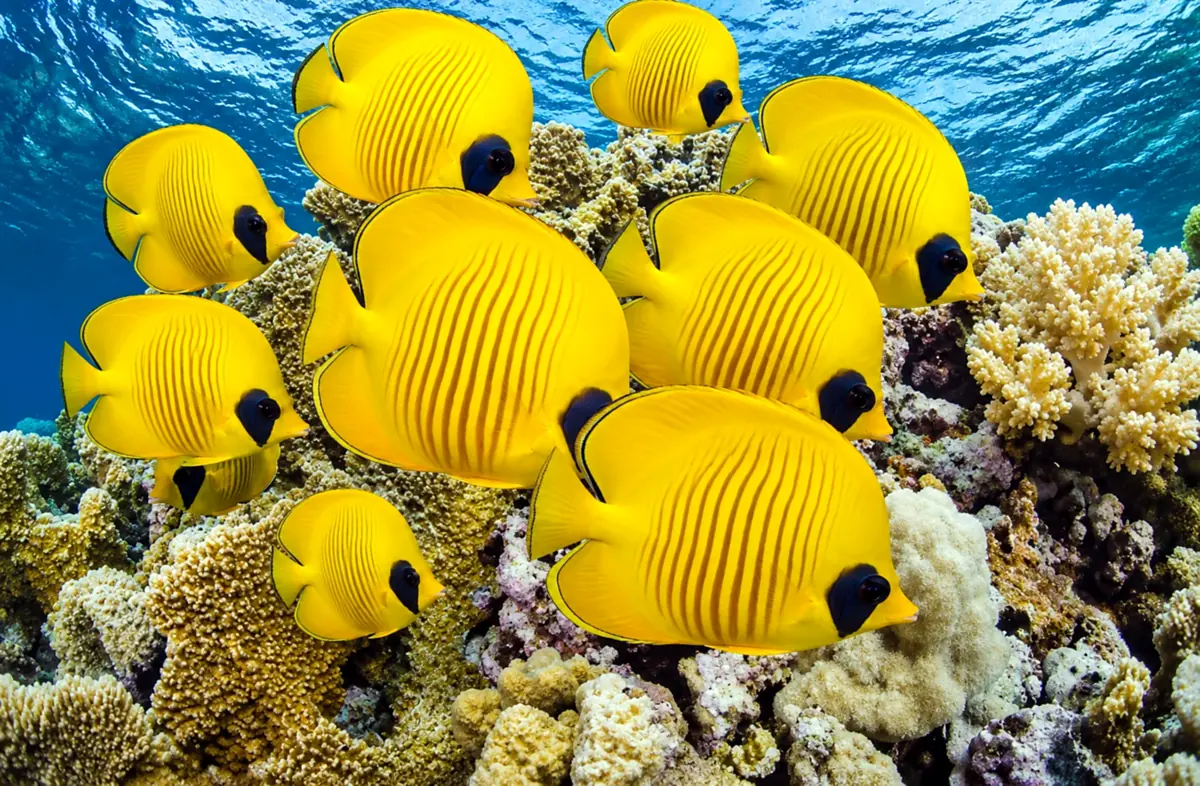
In short, Gota Hamera is a 410-meter crescent reef on the western edge of St. John’s, about 15 km off the Egyptian coast and roughly 50 minutes by boat from Umm Arouk. Typically, the best diving is in the sheltered bay on the southwest side, at an average depth of 10 meters, plus a large coral garden at the southern tip down to about 16 meters. Because the bay is calm and shallow, it suits most divers, and it is an excellent night dive, reached only by liveaboard on the Deep South St. John’s route. Above all, expect fusiliers, butterflyfish and groupers by day, and octopuses and crustaceans after dark.
What is Gota Hamera?
Essentially, Gota Hamera is a crescent-shaped coral reef on the western edge of the St. John’s system, and its name is also written Gota Hamara. At its longest, it measures about 410 meters.
Because it lies off the usual routes, few boats come here. Consequently, divers can often enjoy the reef almost alone, even though the south side gives enough shelter for an overnight mooring.
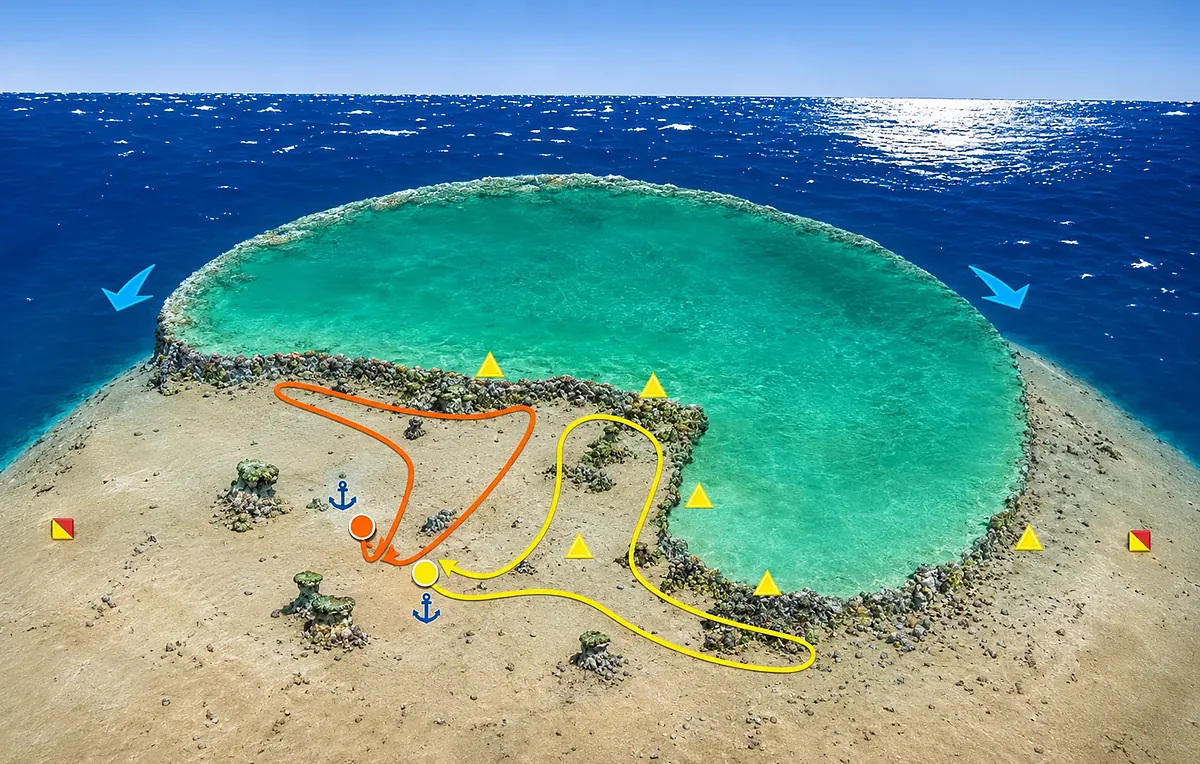
Moreover, coral towers rise from the sand around the bay. As a result, mooring takes some care, but the same towers make the shallows rich in life.
Gota Hamera at a glance
Topography
Above all, a curved reef around a shallow sandy bay, with a coral garden at the southern tip.
Marine life
Similarly, fusiliers fill the coral garden by day, while the walls come alive after dark.
Conditions
However, stirred-up sand can reduce visibility in the bay, so good buoyancy helps everyone.
Where is the reef located?
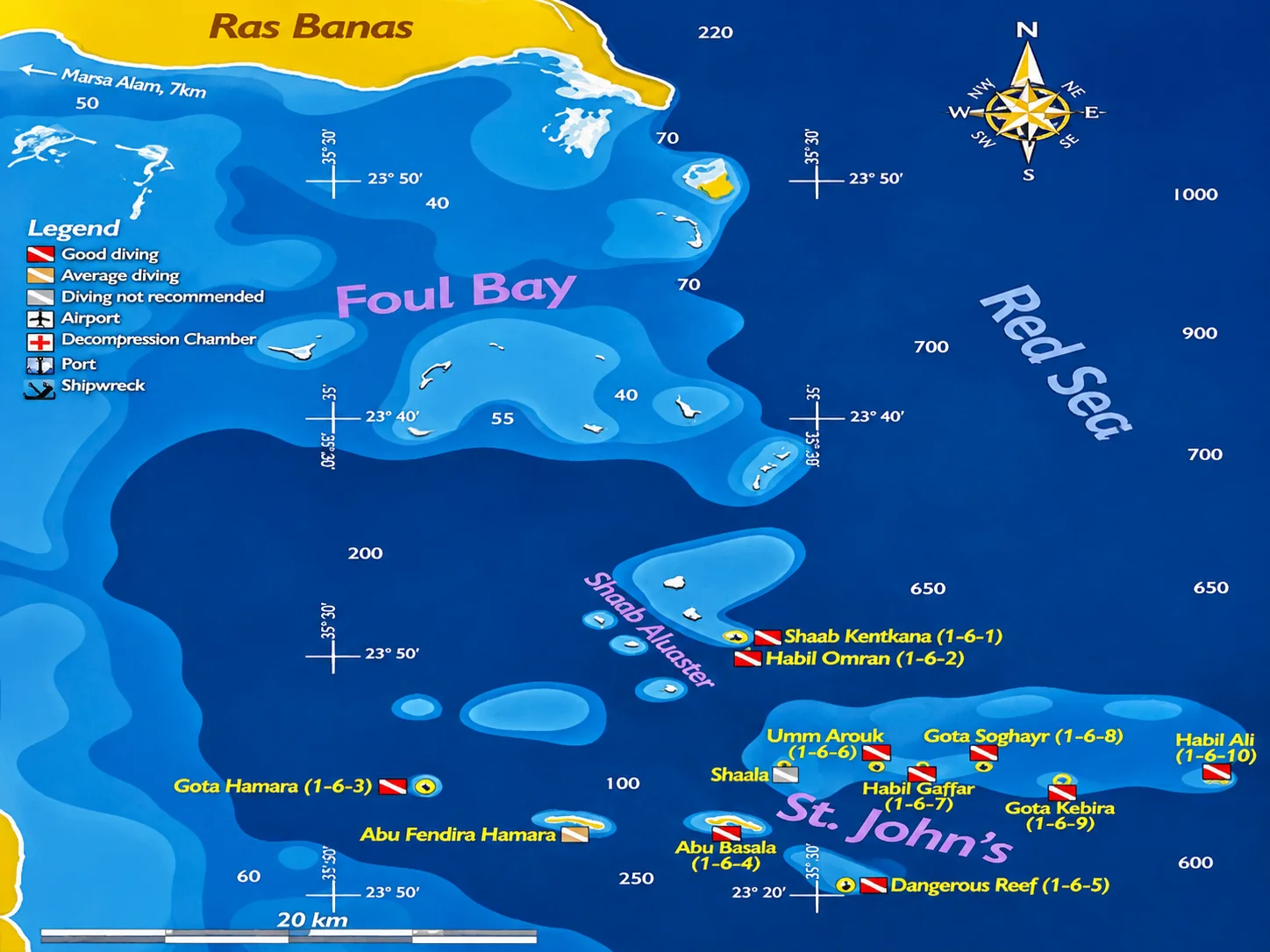
Gota Hamera lies on the western edge of the St. John’s reef system, about 15 km from the Egyptian coast and close to the Sudanese border. Accordingly, the only practical way to dive it is from a liveaboard on the Deep South St. John’s or Elba Reef routes.
In addition, its closest neighbor is Habili Omran, while Umm Arouk in the center of St. John’s is about 20 km away, or roughly 50 minutes by boat, so Gota Hamera is usually a single dive or overnight stop on the way in or out.
How do you dive Gota Hamera?
A typical Gota Hamera dive stays inside the sheltered bay on the southwest side and then follows the reef to the coral garden at the southern tip. Although divers could go deeper along the outer walls, the bay is the more rewarding choice.
From the outer slope to the coral garden
30 m and deeper
The outer slope. Firstly, a sandy slope surrounds the reef and drops past 100 meters, but corals and fish are scarce out there. However, rumors of hammerheads to the north and east have not been confirmed.
About 10 m
The southwest bay. Then, the bay averages about 10 meters and offers easy, relaxed diving. Meanwhile, the inner wall to the north is lined with small recesses, too small to enter but full of life.
Down to 16 m
The southern coral garden. Finally, a large coral garden full of fusiliers runs from the reef flat to about 16 meters. Therefore, the shallows here are ideal for photography among the coral formations.
What marine life lives at Gota Hamera?
Overall, Gota Hamera is quiet by day and busy by night, when many animals leave the recesses of the walls. Of course, wild animals are never guaranteed, so treat the list below as possibilities rather than promises.
Coral garden fish
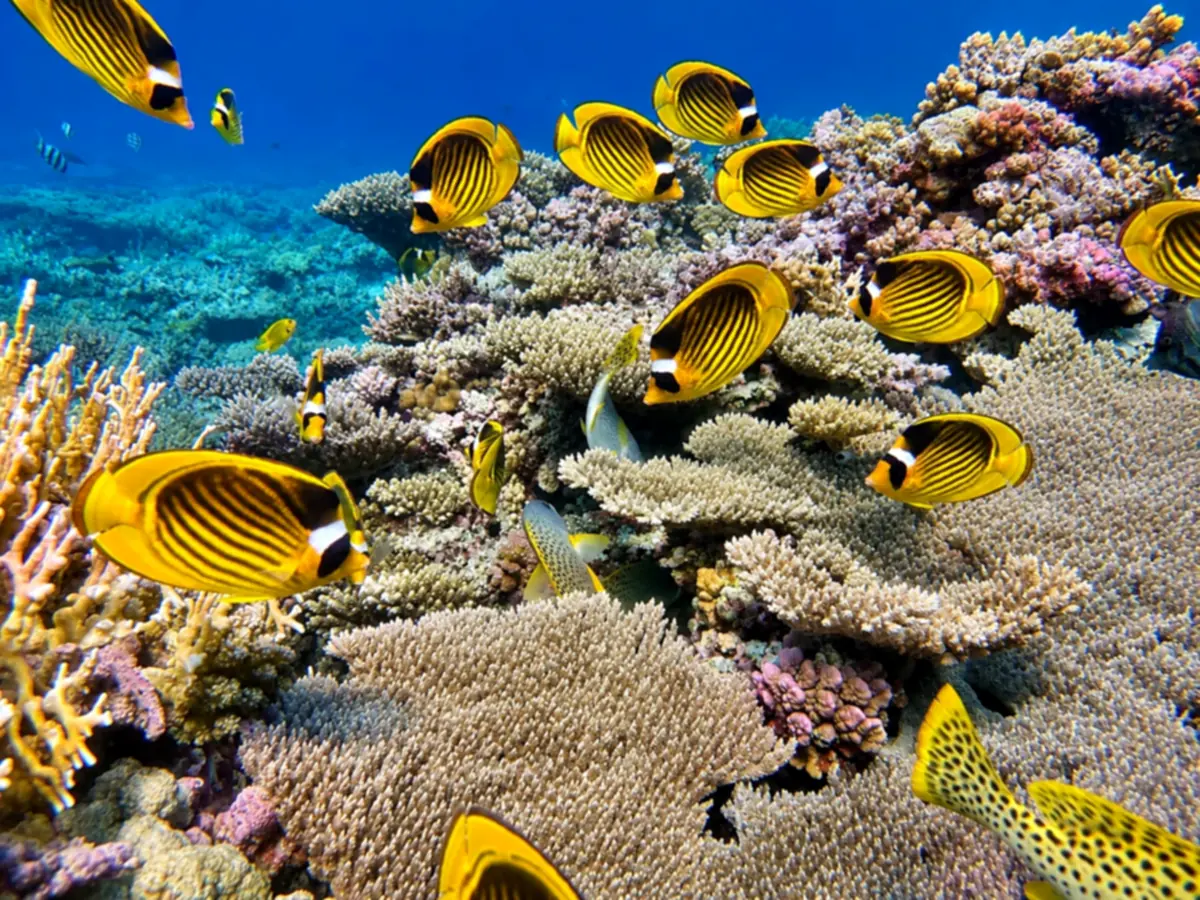
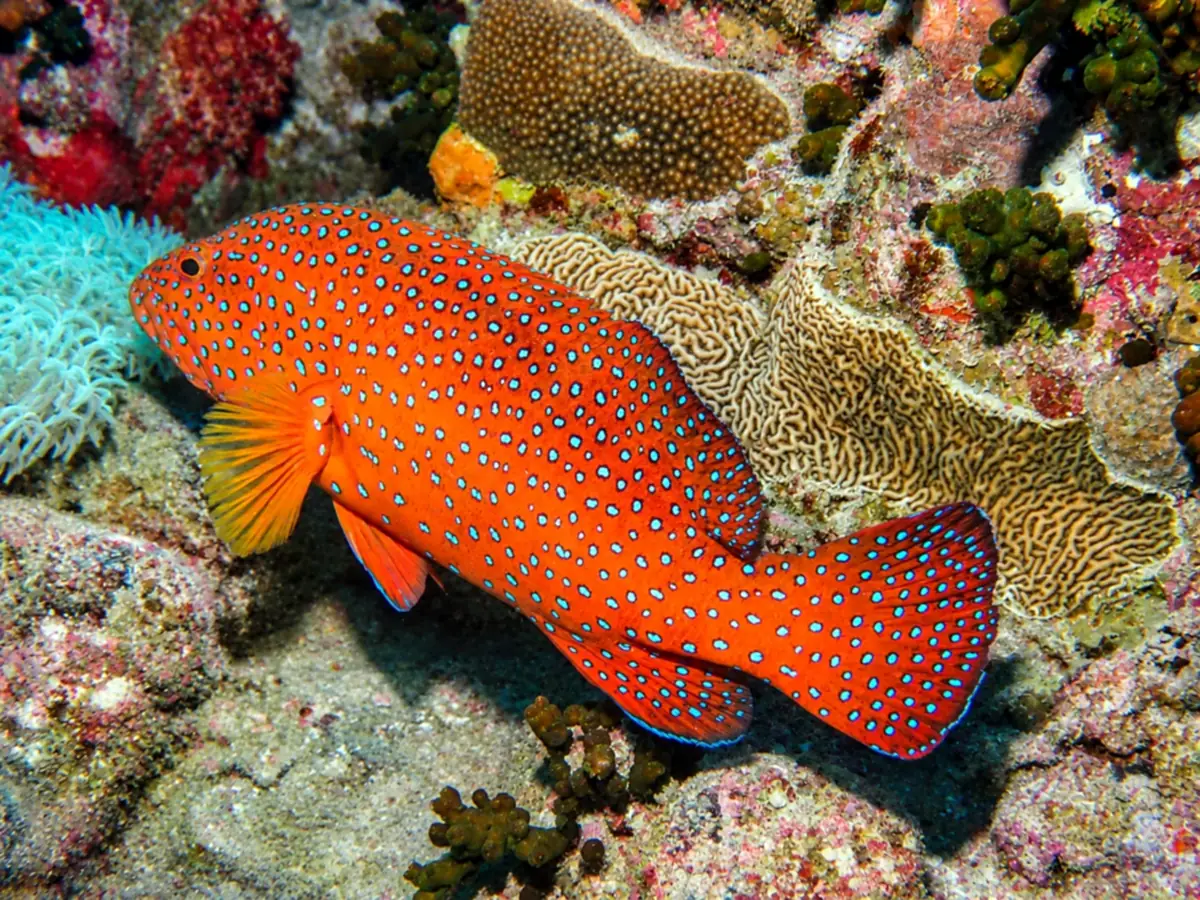
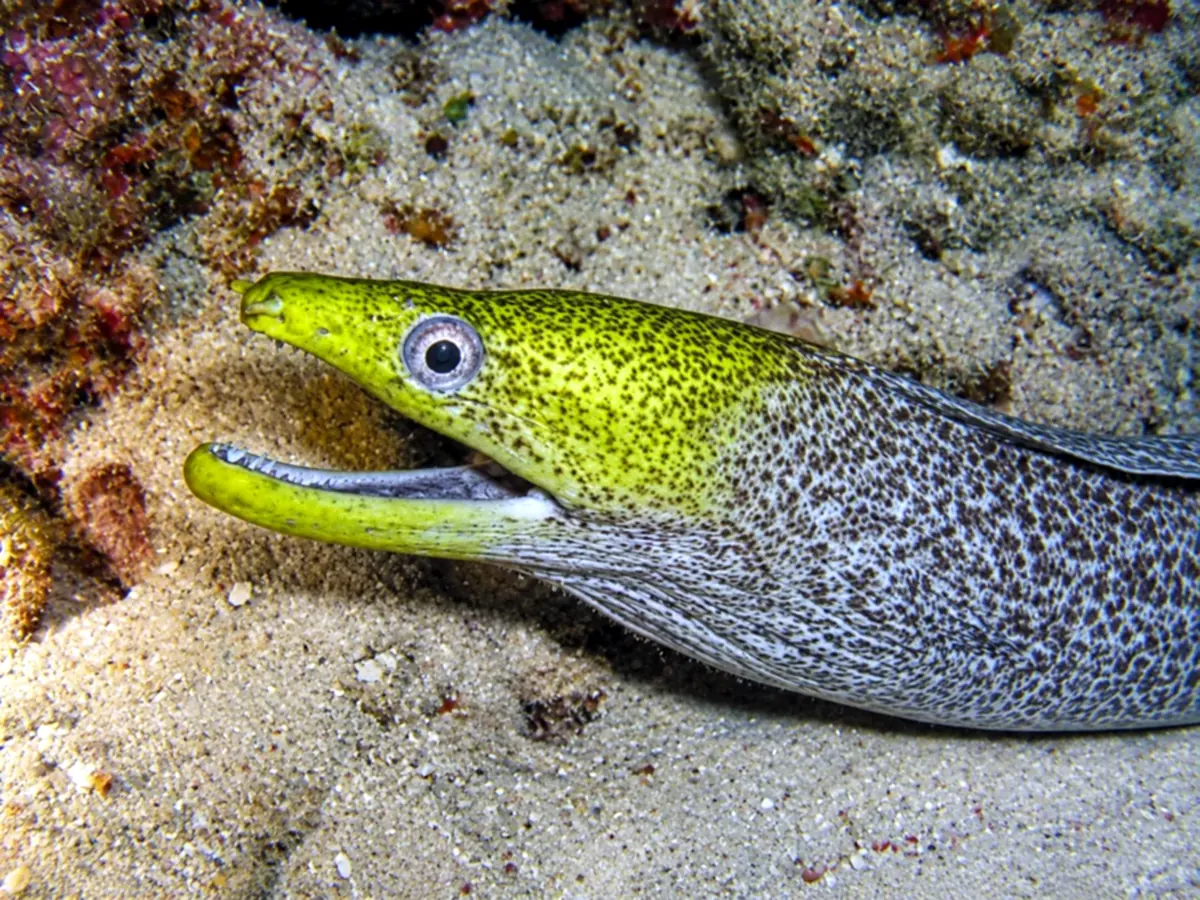
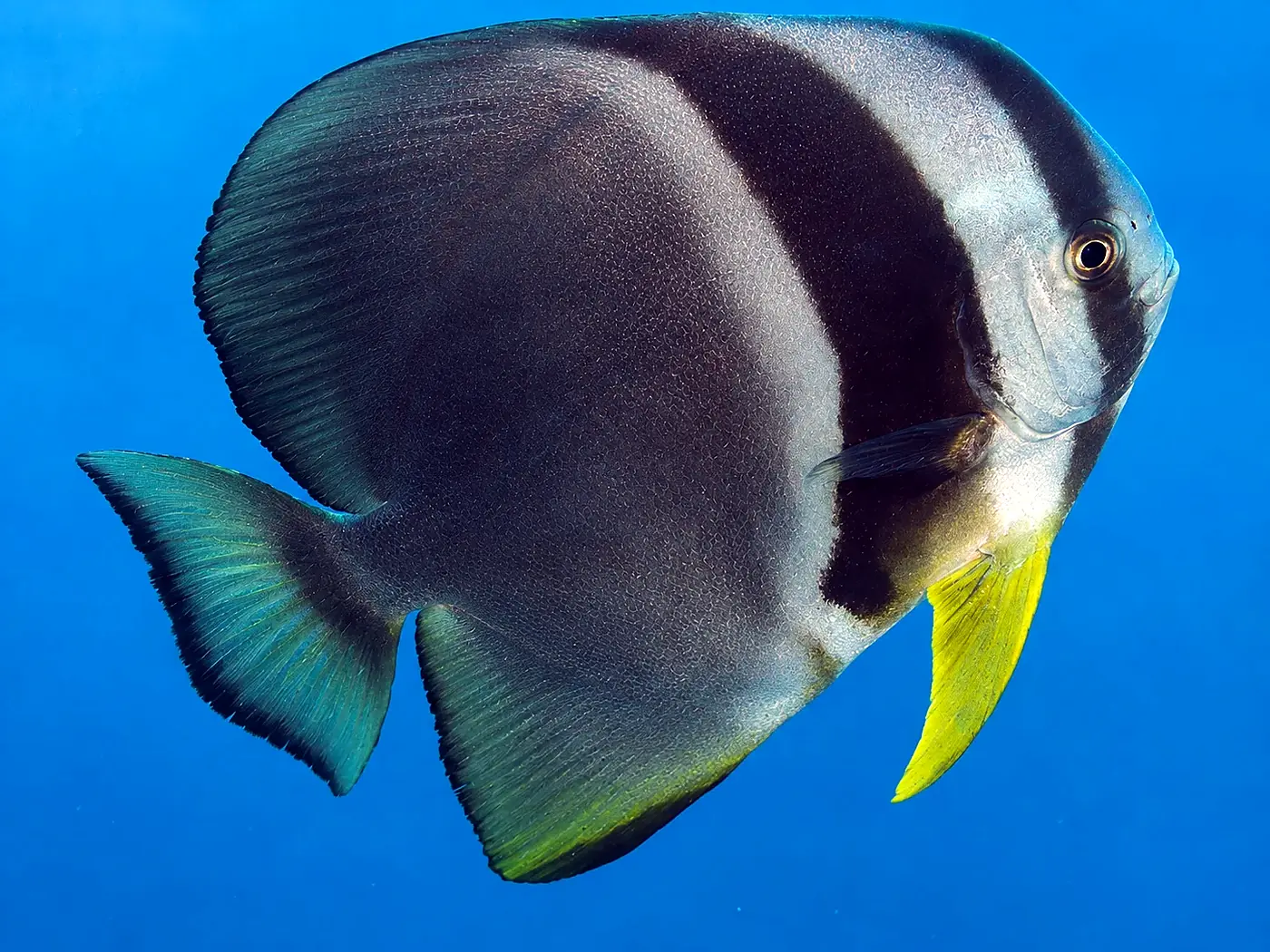
Typically, fusiliers and butterflyfish fill the southern garden, while groupers and moray eels hide among the coral formations.
Sand dwellers
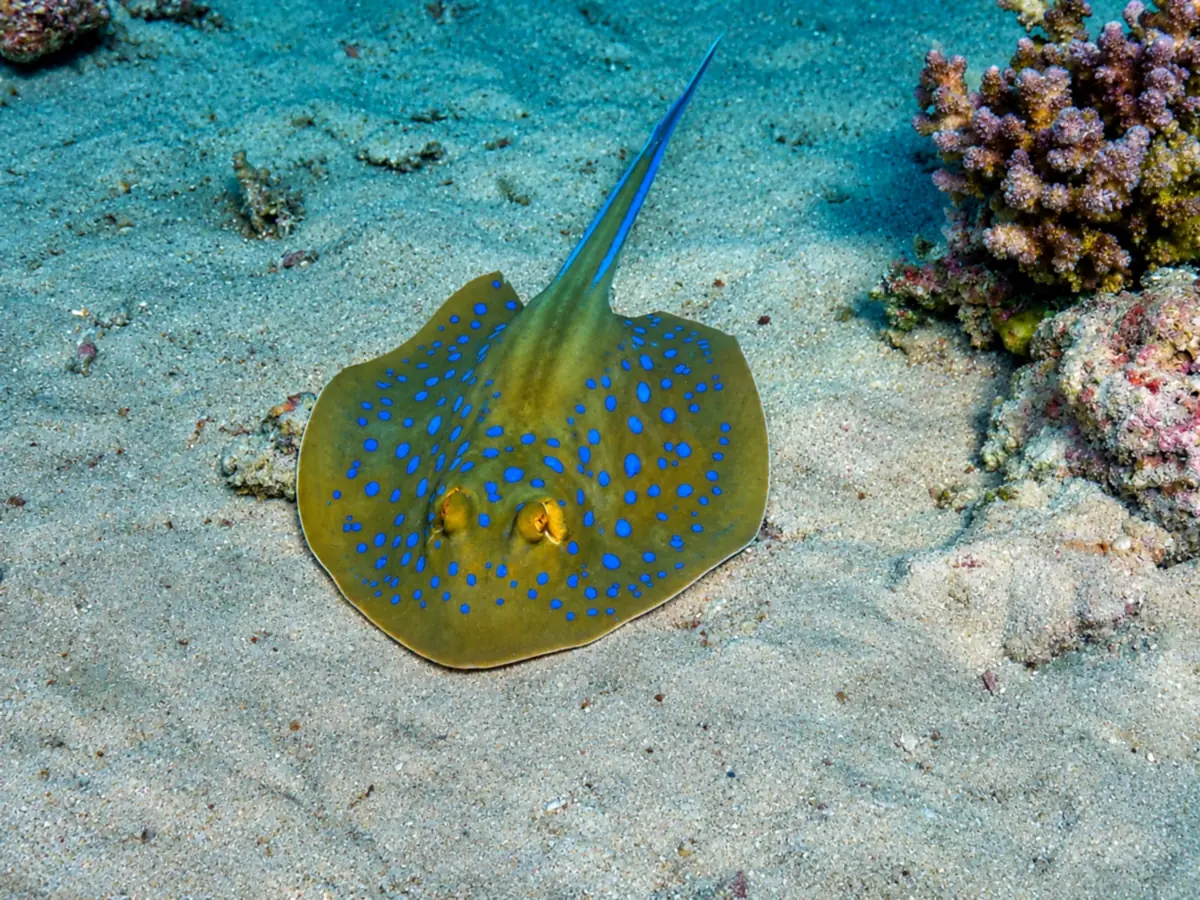
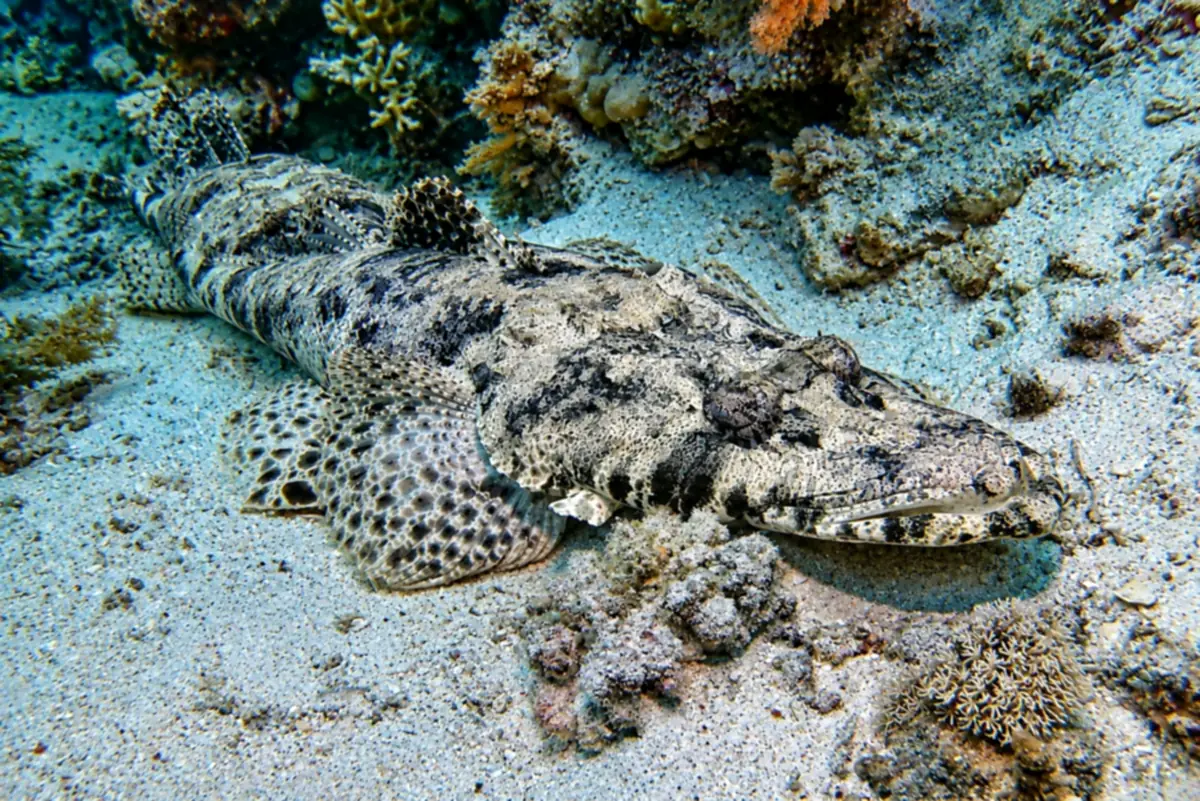
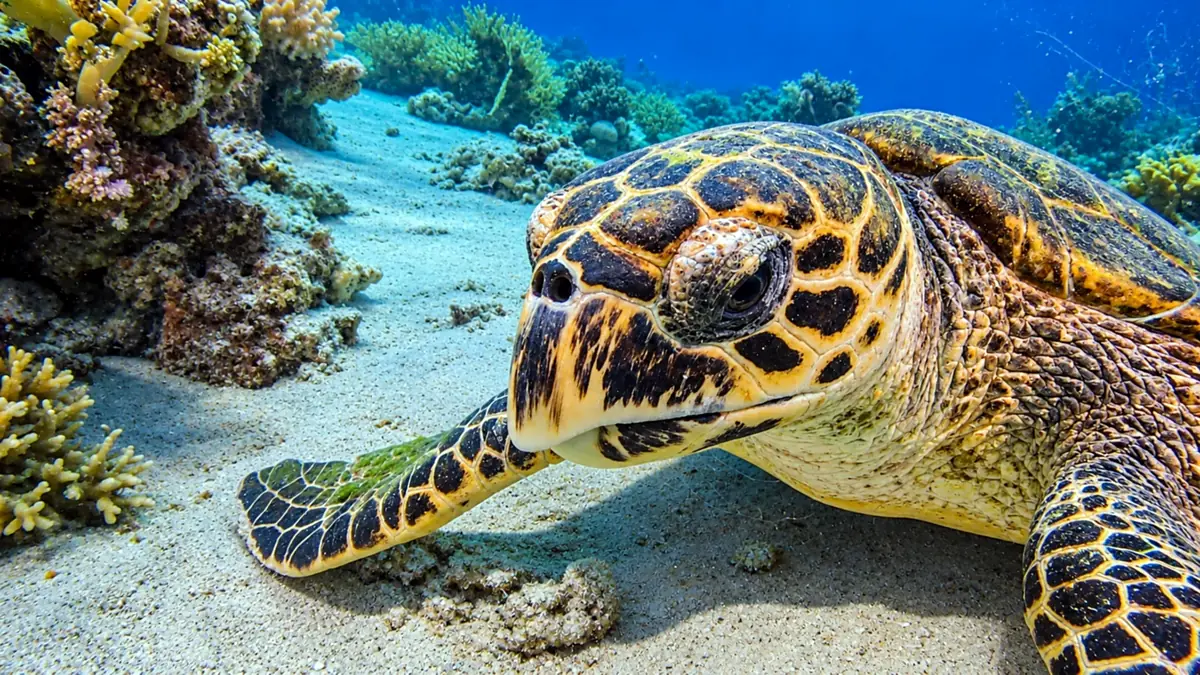
Meanwhile, on the sandy floor of the bay, look for stingrays, camouflaged bottom dwellers and the occasional resting turtle.
Night life
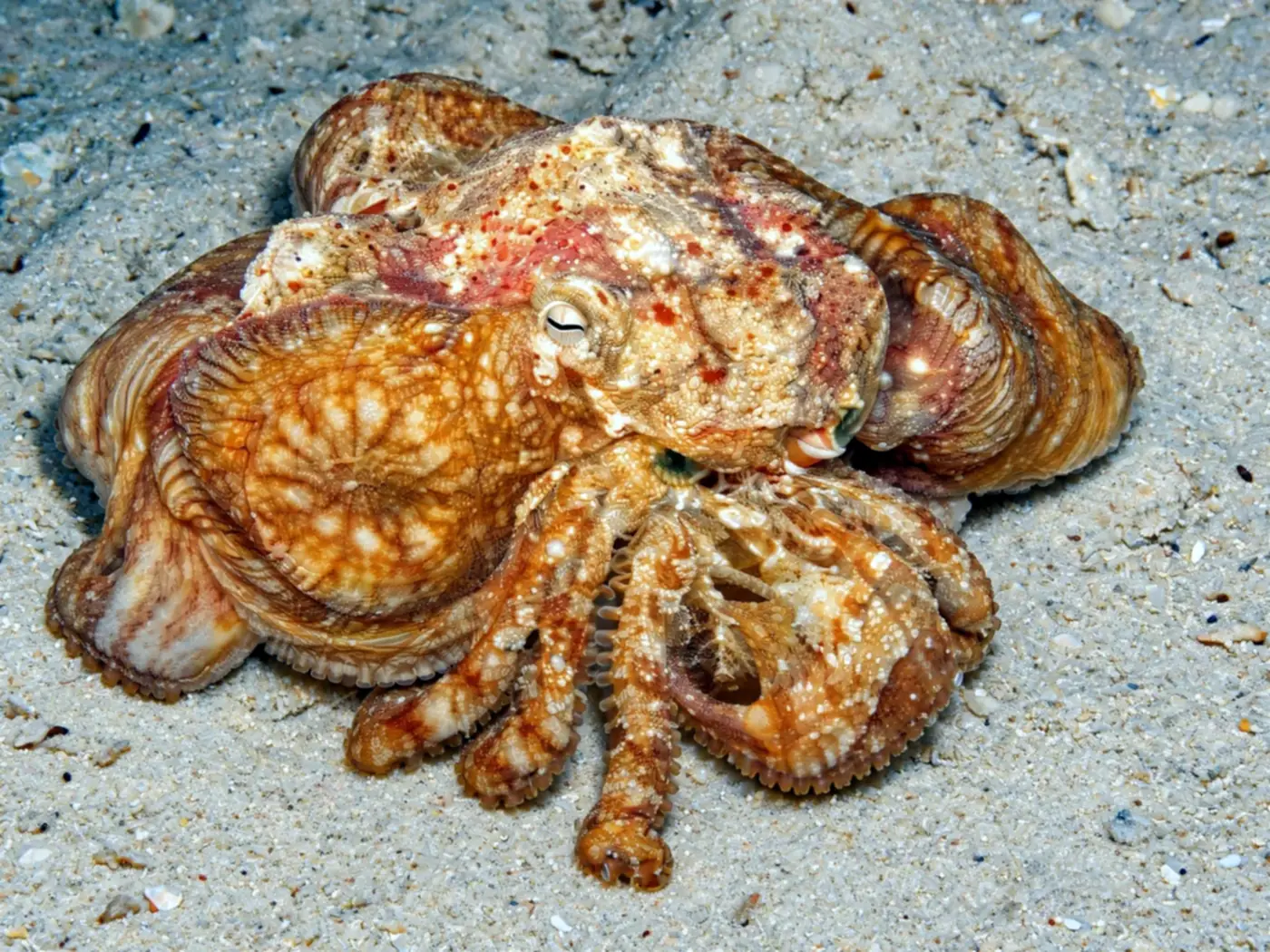
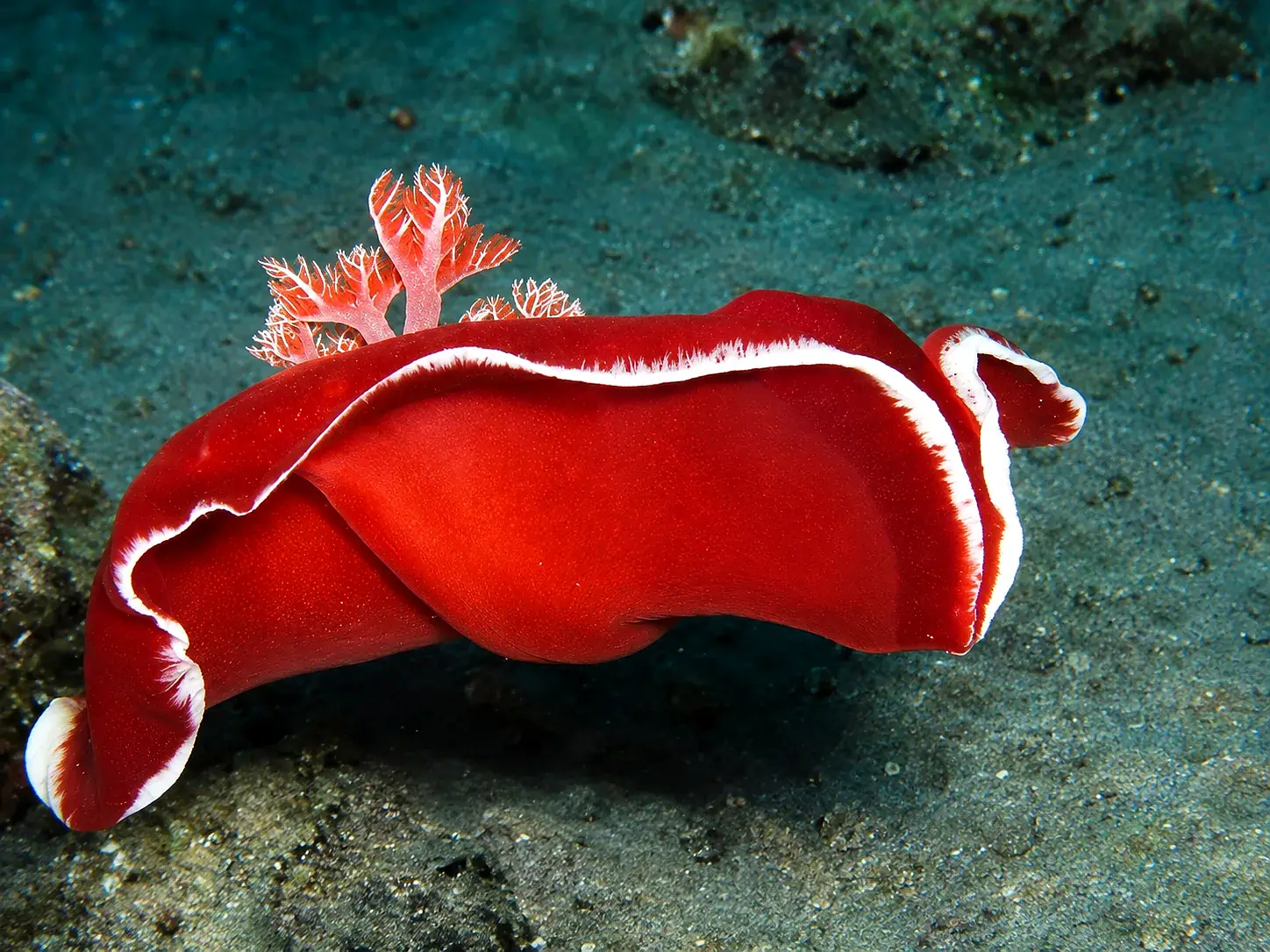
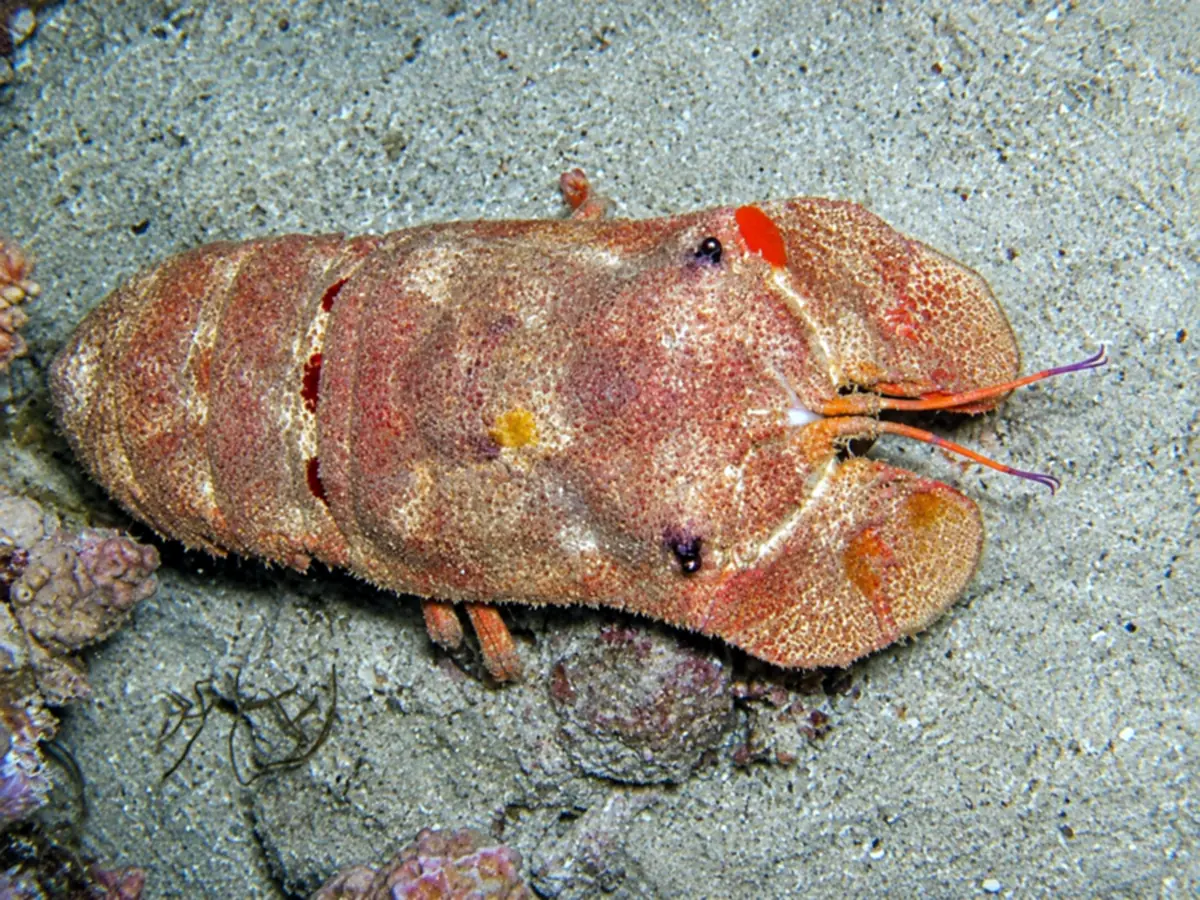
Then, after dark, the walls come alive, and octopuses, lobsters and nudibranchs such as the Spanish dancer leave their hiding places.
Is Gota Hamera suitable for beginners?
Yes, in the bay. The sheltered southwest bay is shallow and easy, so Open Water divers enjoy it with a guide, while the outer walls beyond 30 meters suit Advanced Open Water divers only.
Moreover, Gota Hamera is an excellent night dive. Therefore, the PADI Night Diver course and Peak Performance Buoyancy both pay off here, since good buoyancy keeps the sand from clouding the water.
Before you dive Gota Hamera
Firstly, keep your fins off the sand, because stirred-up sediment quickly reduces visibility in the bay. Secondly, stay clear of the coral towers around the moorings.
Above all, follow the guide’s briefing and our diving safety standards. The southern reefs are protected by HEPCA, and remote sites like this one make dive insurance such as DAN Europe essential.
How do you get there?
In practice, Gota Hamera is reached only by liveaboard, usually on a seven-night Deep South St. John’s safari. Boats board on Saturday after 15:00, and check-out is between 09:00 and 10:00 the following Saturday.
Besides Gota Hamera, the same week normally includes the central St. John’s reefs. Since the south side is sheltered, some boats spend a quiet night here away from the busier moorings.
Plan your Gota Hamera dive
- Deep South St. John’s liveaboard — the week that includes Gota Hamera.
- Umm Arouk — the forest of coral towers in the center of St. John’s.
- What divers need on board — the packing checklist for a Red Sea safari.
- redsealiveaboard.net — Red Sea safari schedules and availability.
- All eight boats in our fleet can sail to St. John’s: Sea Fox, Simba, Sea Treasure, Star Jet, Bismarck, C Echo II, C U and Ramadan 3.
Photo gallery from the southern reefs
Other routes from Red Sea Diving
Generally, for a first liveaboard, the North Red Sea liveaboard keeps to the classic wrecks. On the other hand, the BDE liveaboard runs Brothers, Daedalus and Elphinstone, while Daedalus and Fury Shoals and the Elba Reef liveaboard also reach the far south. Meanwhile, the Red Sea liveaboard guide compares all eight routes.
Gota Hamera: frequently asked questions
Where is Gota Hamera?
Gota Hamera lies on the western edge of the St. John’s reef system in the southern Egyptian Red Sea. Specifically, it is about 15 km from the coast and 20 km from Umm Arouk.
Is Gota Hamera the same as Gota Hamara?
Yes. In fact, Gota Hamera and Gota Hamara are two spellings of the same reef on the western edge of St. John’s.
How deep is Gota Hamera?
The sheltered bay averages about 10 meters, and the coral garden reaches about 16 meters. However, the outer sandy slope drops past 100 meters.
Is Gota Hamera suitable for beginners?
Yes, in the bay. The southwest bay is shallow and easy, while the outer walls beyond 30 meters are for more experienced divers.
Can you night dive at Gota Hamera?
Yes. Indeed, Gota Hamera is an excellent night dive, with octopuses, lobsters and nudibranchs on the walls after dark.
Are there hammerheads at Gota Hamera?
Not confirmed. Although there are rumors of hammerheads to the north and east, the sightings have not been verified.
How do you get to Gota Hamera?
Only by liveaboard, usually on a seven-night Deep South St. John’s safari. Moreover, all eight boats in the Red Sea Diving fleet can run this route.
St. John’s · Deep South liveaboard · Easy bay and night dives
Dive Gota Hamera with us
Simply tell us your dates, the number of divers and your certification level. Afterward, our team checks which Deep South St. John’s week fits before you commit to anything.


