

Dive guide to Marsa Nakari · South of Marsa Alam
Marsa Nakari Dive Site A sheltered shore bay with an anemone city and a cleaning station
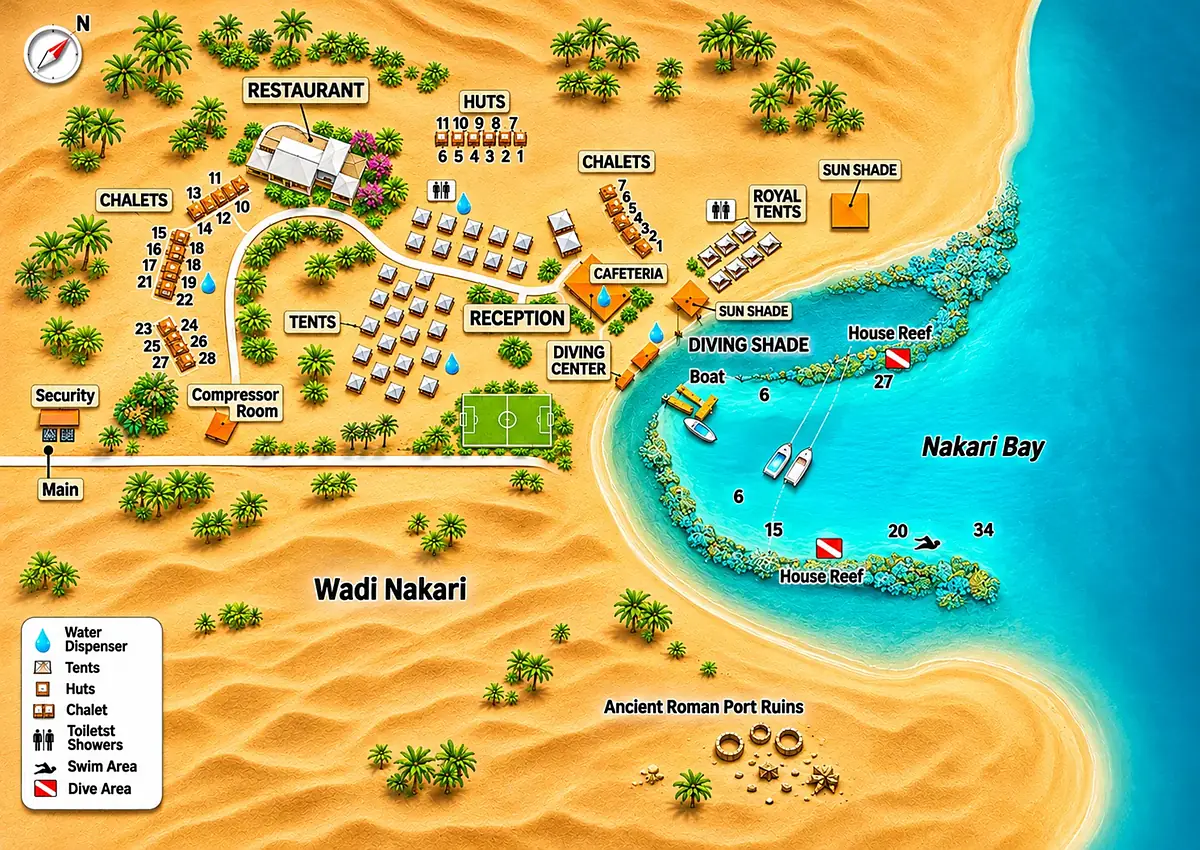
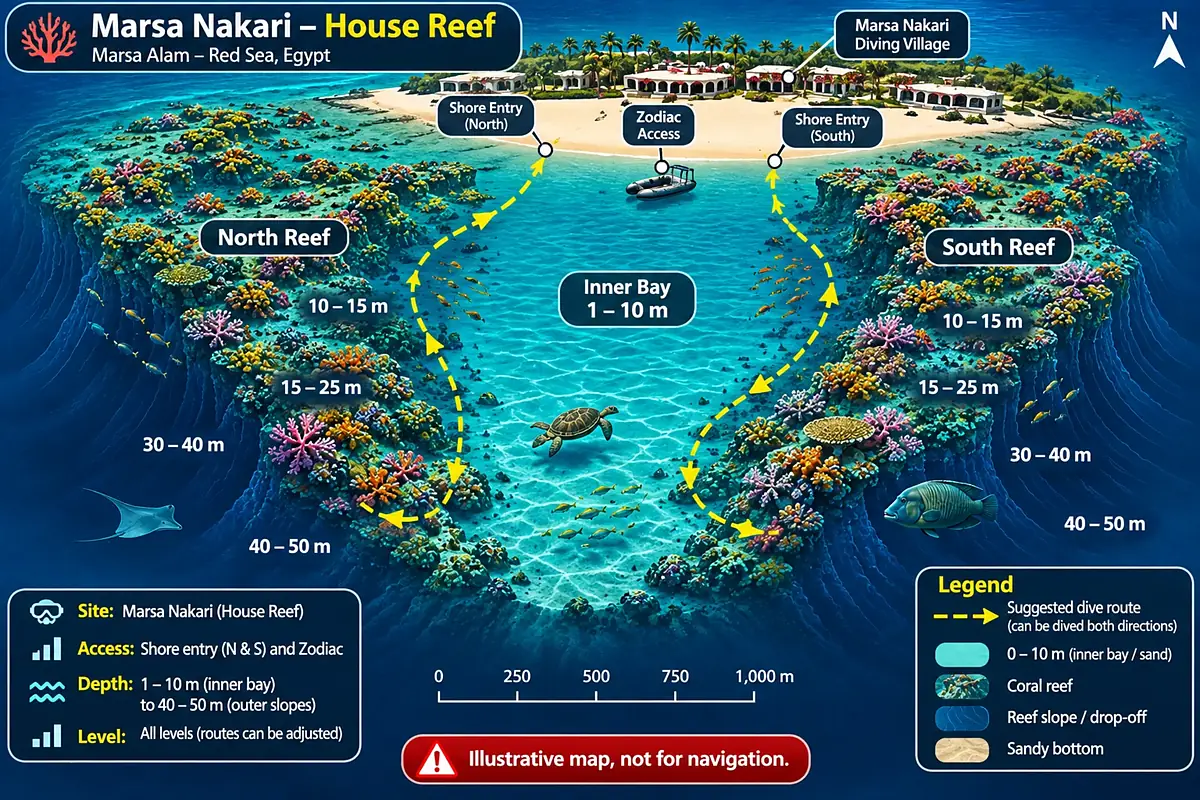
Marsa Nakari is a sheltered natural bay about 18 km south of Marsa Alam town, with a house reef rich in coral and fish. You walk in from the beach and choose the north or the south reef. On the north side, an anemone city at about 12 m is home to many clownfish, while a cleaning station sits in the middle of the bay.
Marsa Nakari in short
In short, Marsa Nakari is a sheltered bay about 18 km south of Marsa Alam town, with a house reef you reach straight from the beach. Above all, the north side holds an anemone city at about 12 m with many clownfish. In addition, a cleaning station sits in the middle of the bay, and the sand hides shrimp and nudibranchs. Overall, it suits all levels and is ideal for many shore dives in a row.
What is Marsa Nakari like?
Above all, this is a marsa: a natural bay cut into the coast. Inside, the bay is quiet, with sand, seagrass and coral patches, while coral formations line both sides.
At the mouth, the reef splits to the north and to the south. As a result, you choose a direction each time, and both make good dives.
Meanwhile, the shallow parts of the reef and the bay are some of the most interesting areas. For this reason, many divers spend half the dive in the shallows.
The bay at a glance
The north reef
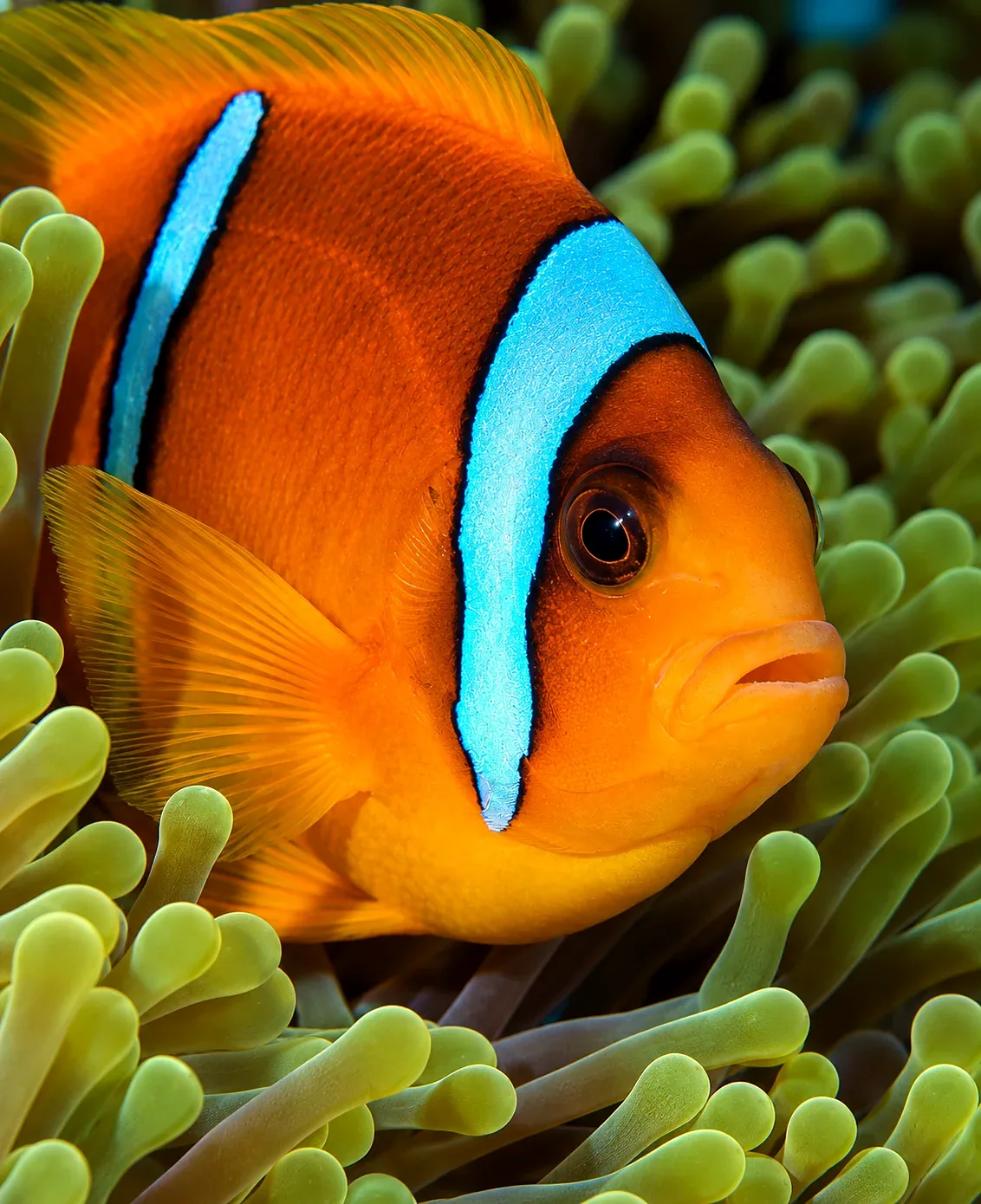
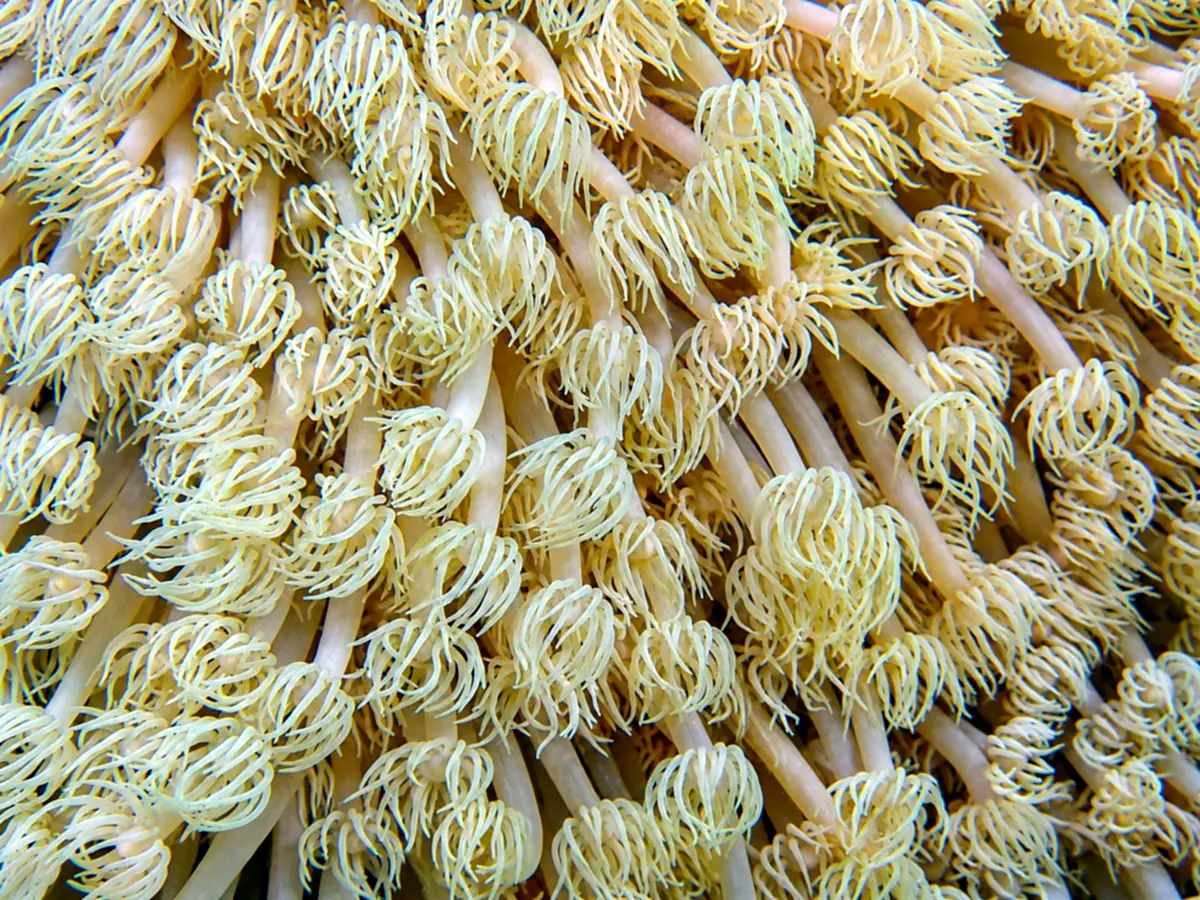
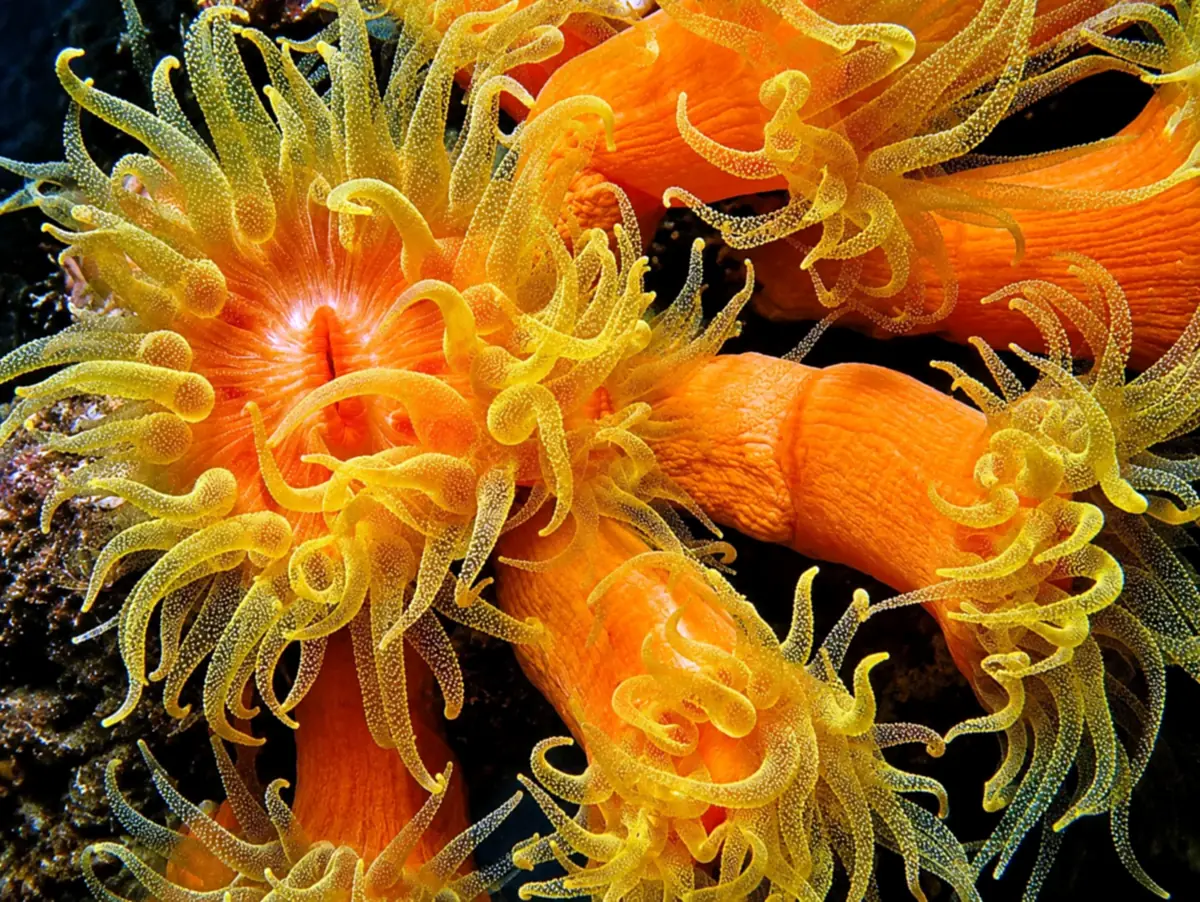
First, clownfish in their anemones.
The bay
Next, the cleaning station in the middle.
The south reef
Finally, coral slopes for another dive.
What is under the water at Marsa Nakari?
Generally, the site has three parts. First, the north reef holds the anemone city. Then, the bay itself has sand, seagrass and the cleaning station. Finally, the south reef offers coral slopes and gardens.
The north reef
The anemones. Here, for example, many anemones and their clownfish cover the reef at about 12 m.
The bay
The middle. In contrast, the middle of the bay is sand and seagrass, with the cleaning station.
The south reef
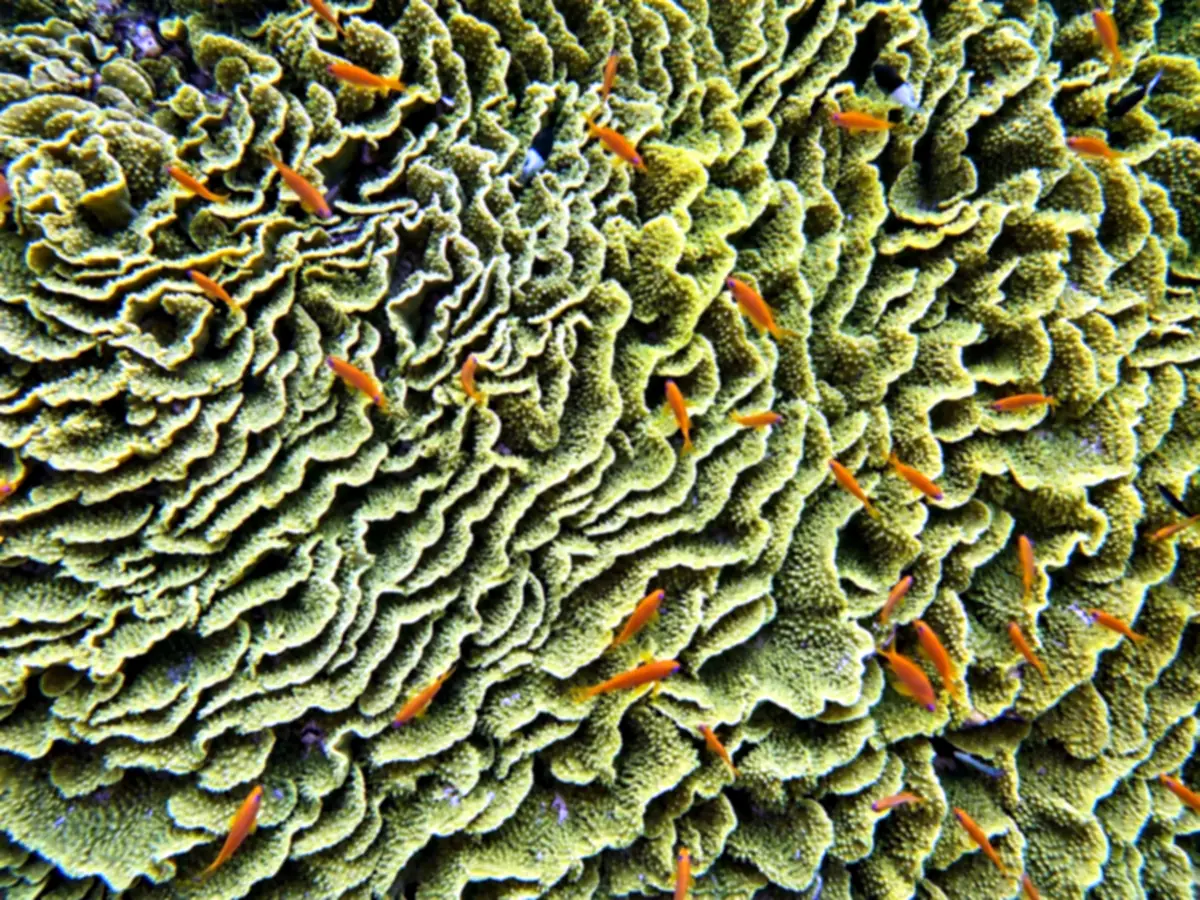
The south. Meanwhile, the south side has coral slopes, gardens and plenty of shelters for fish.
Where is Marsa Nakari?
Specifically, the bay lies on the coast about 18 km south of Marsa Alam town. A dive camp sits on the beach, so the reef is a short walk from the rooms.
However, it is not the same site as its neighbours. The Shaab Nakari reef lies offshore, while Habili Nakari is a submerged reef reached by boat. Finally, for the other reefs, see the Marsa Alam dive sites guide.
How do you dive Marsa Nakari?
Usually, a dive crosses the sandy bay and then follows the reef to one side. Before your first dive, the dive centre gives you an orientation dive, and the north and south entry points are clearly marked.
Route A: the north reef and the anemone city
The entry
The start. First, you walk in from the beach and swim across the sand toward the north reef.
The anemones
The main dive. Then, you follow the reef to the anemone city at about 12 m.
The return
The finish. Afterward, you stop at the cleaning station in the middle of the bay on the way back.
Route B: the south reef
The plan
The start. Instead, take the south entry for a different dive on the same reef.
The slopes
The main dive. Next, you follow the coral slopes with the reef on one shoulder.
The sand
The finish. Finally, search the sand and seagrass for small life on the way in.
What marine life lives at Marsa Nakari?
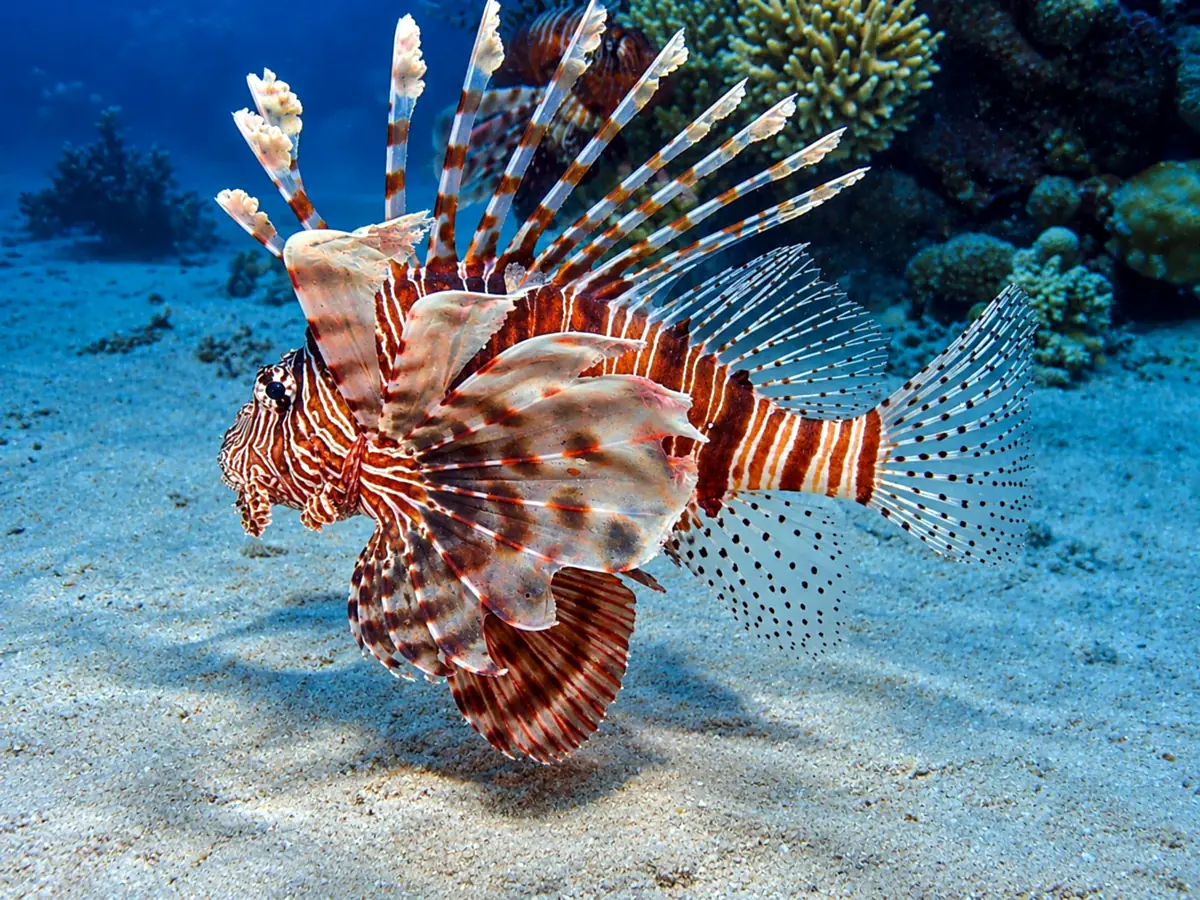
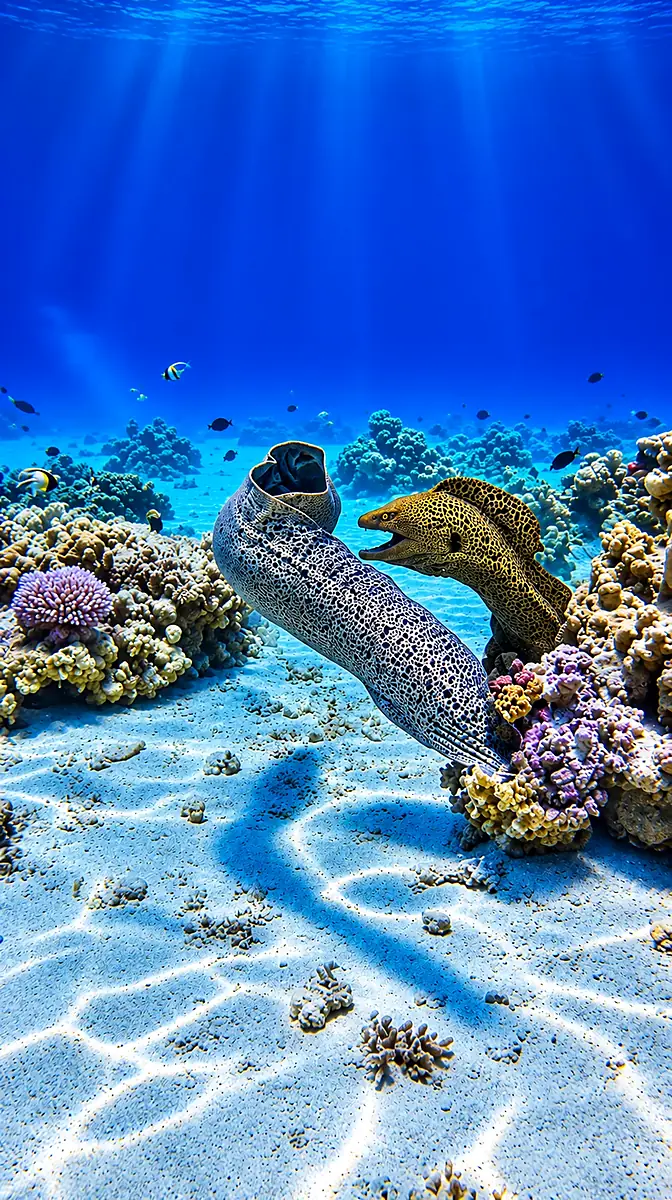
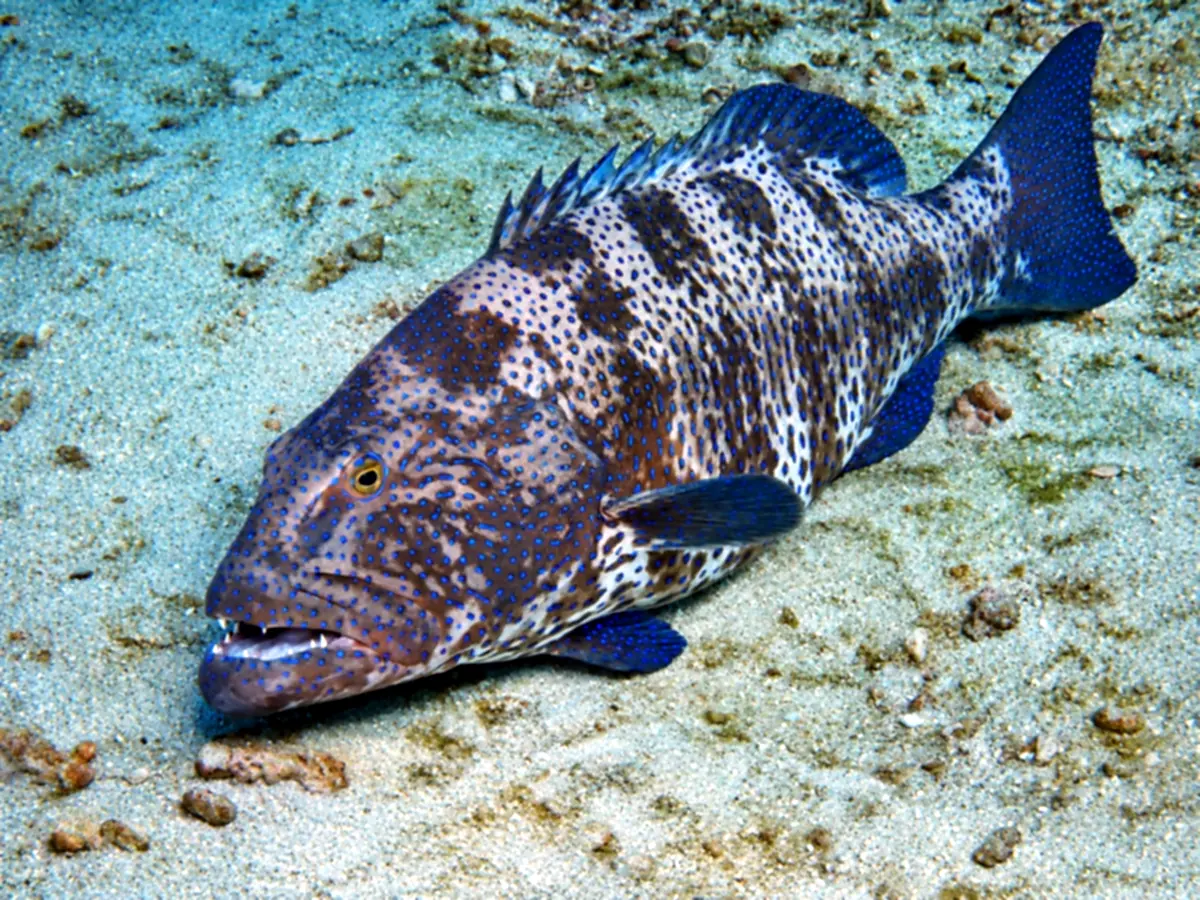
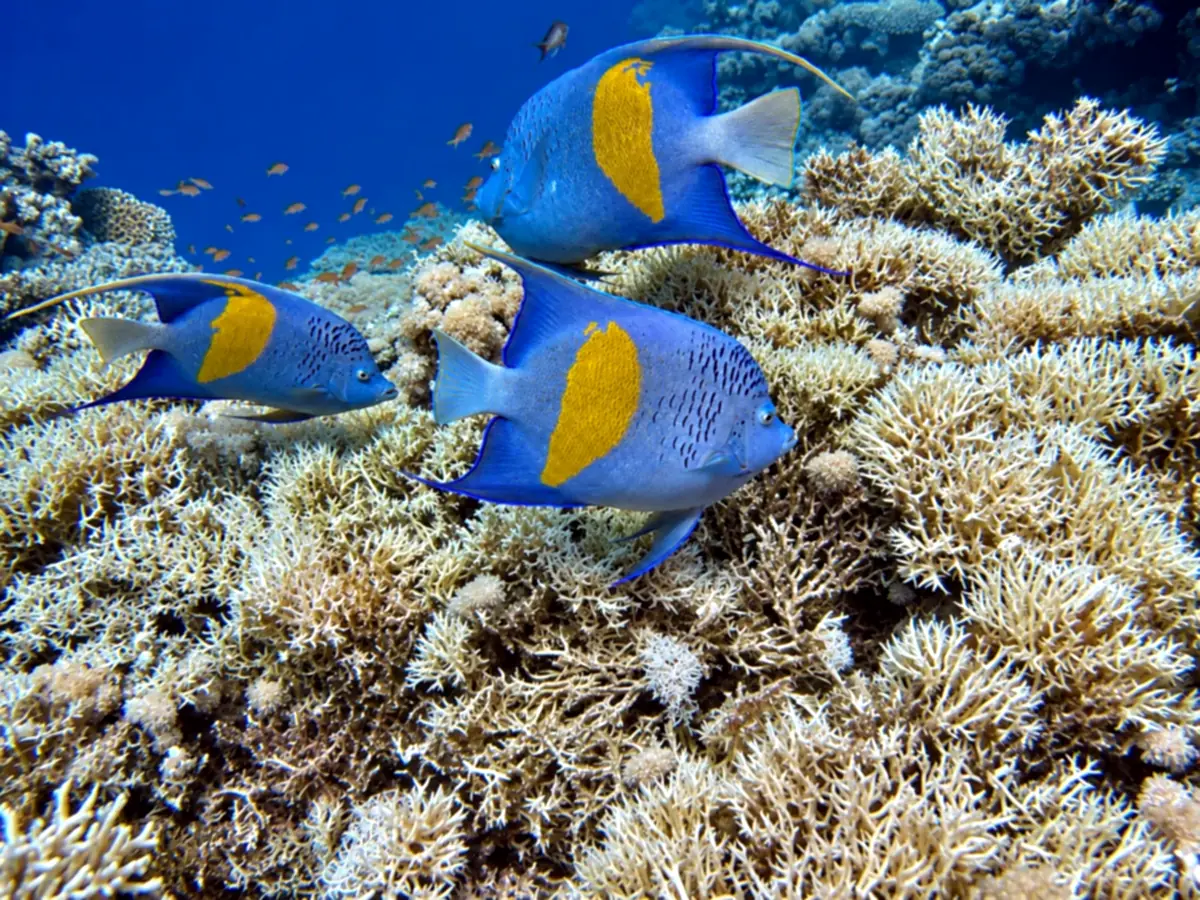
Overall, the reef holds a good mix of Red Sea life. Butterflyfish, angelfish, parrotfish, groupers and moray eels live along the reef, although no sighting is ever certain.
On the reef
Typically, clownfish guard the anemones, while angelfish and parrotfish swim along the corals.
On the sand
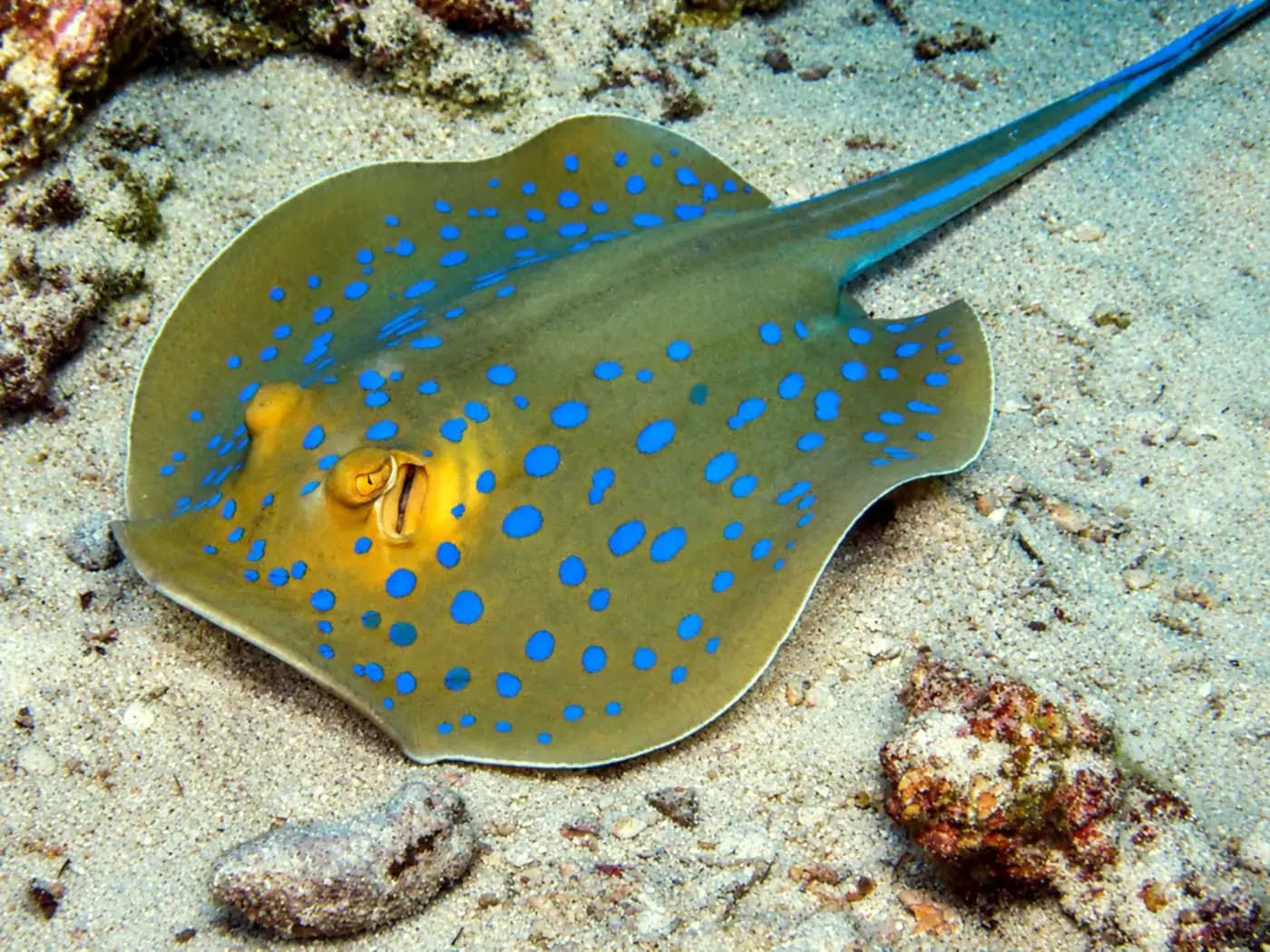
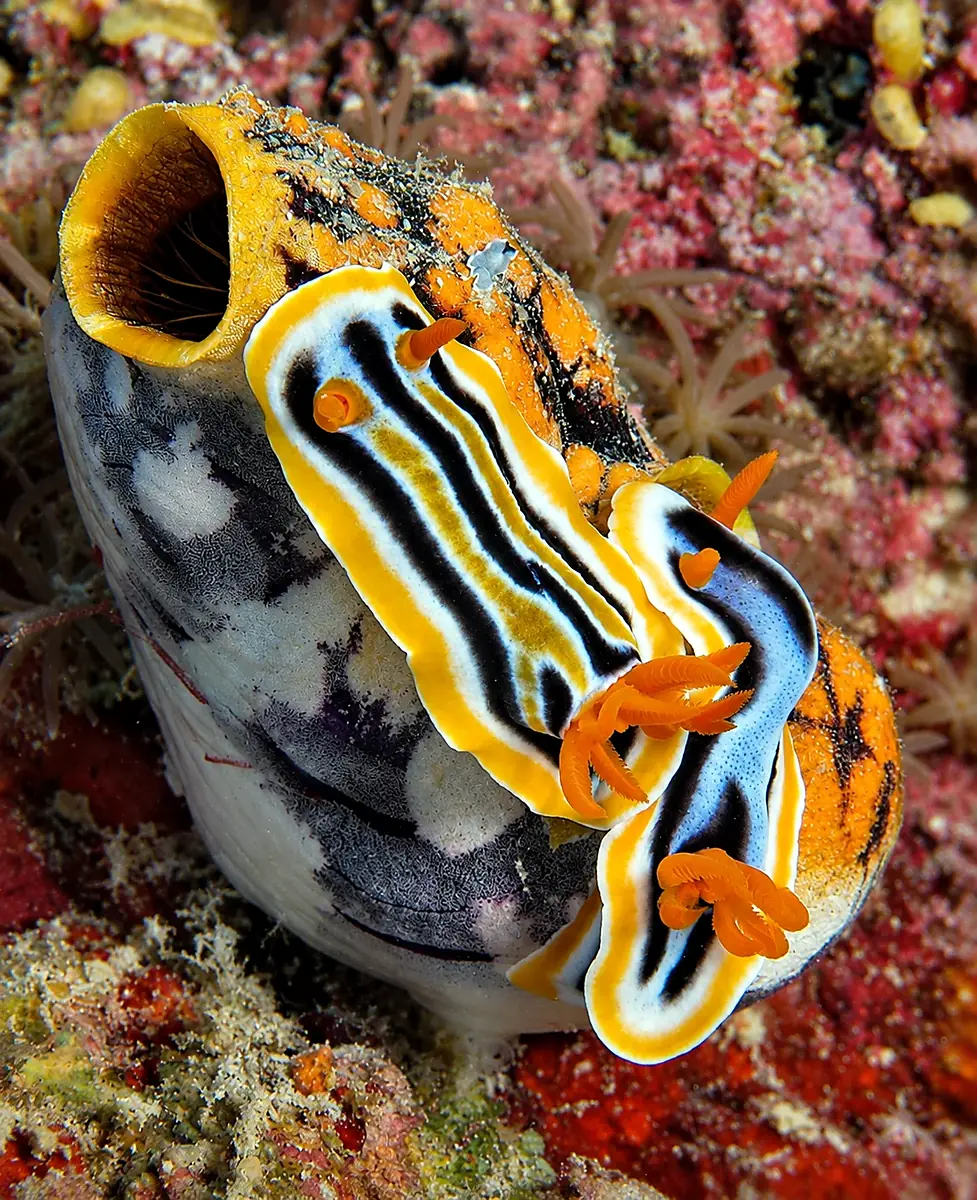
Likewise, blue-spotted stingrays rest on the sand, and shrimp and nudibranchs hide nearby.
In the blue
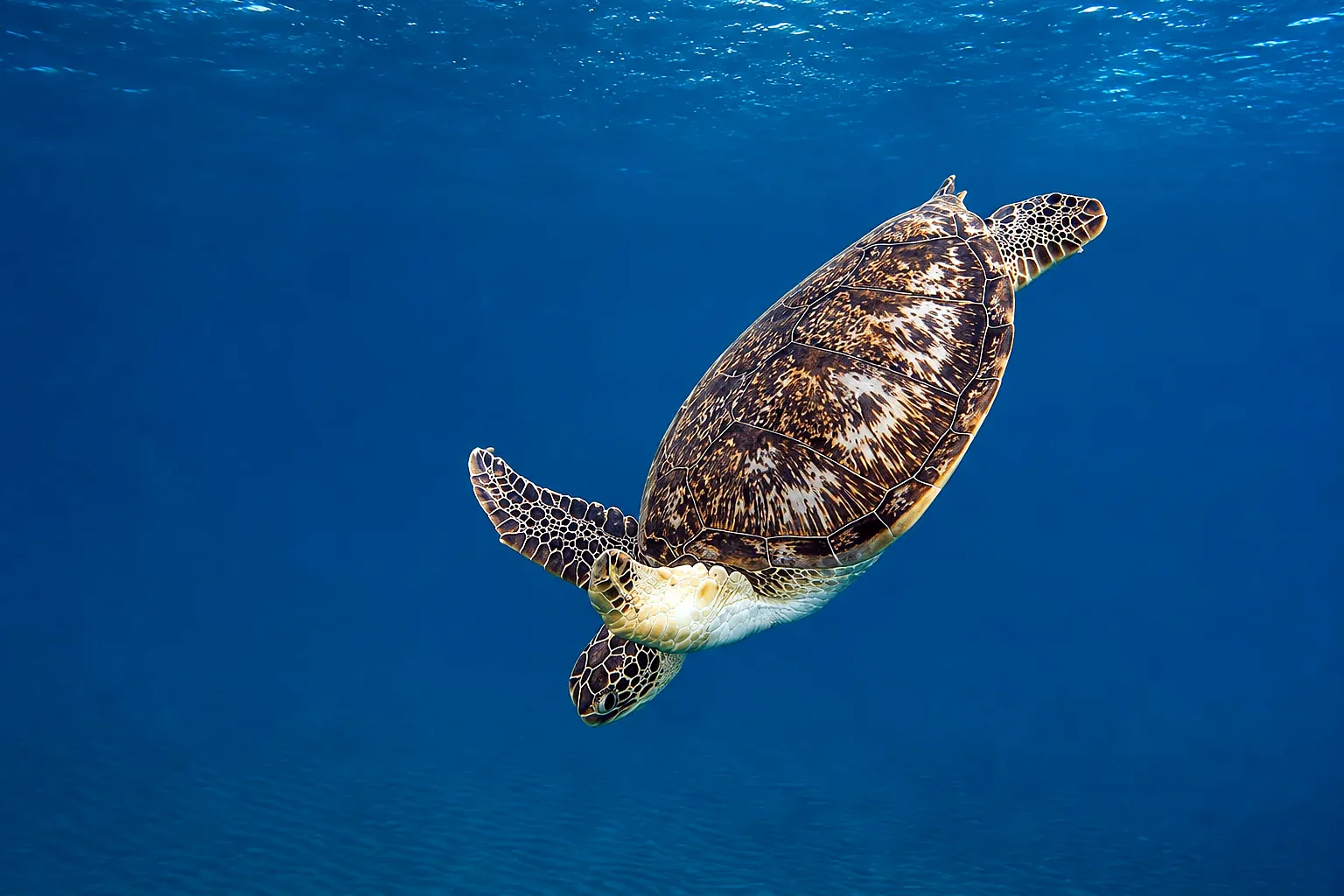
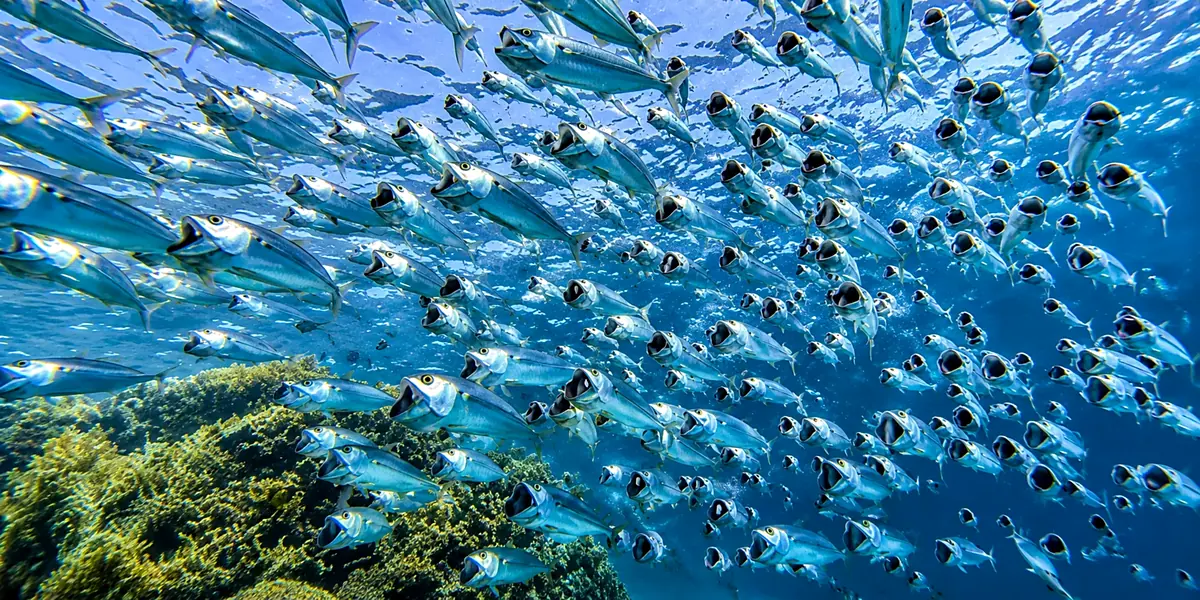
Meanwhile, sea turtles are seen now and then, together with schools of reef fish.
Is Marsa Nakari suitable for beginners?
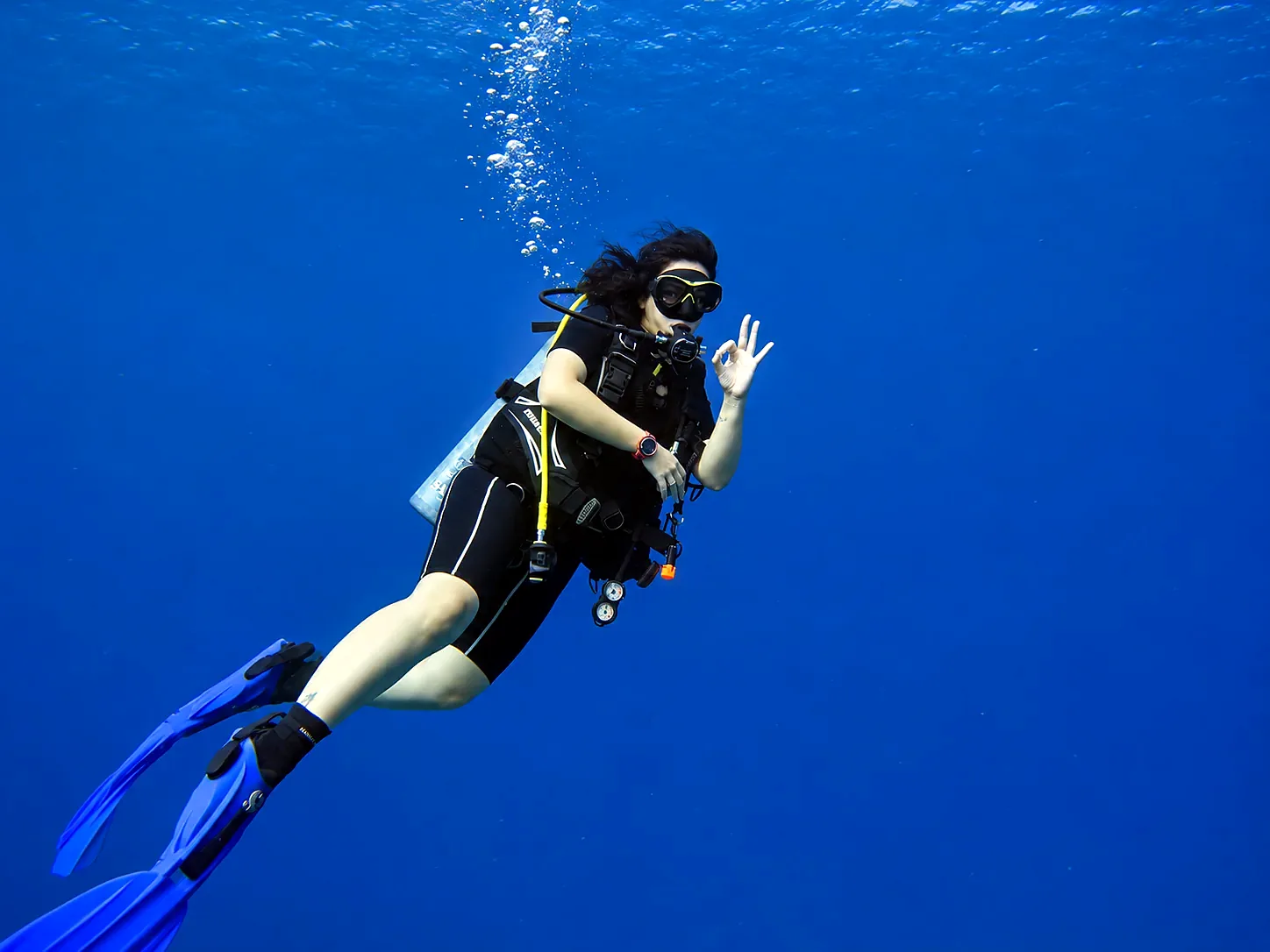
Yes. The bay is calm and sheltered, so Open Water divers and snorkelers enjoy it. After the orientation dive, certified divers can also explore the reef on their own during the day.
However, navigation can be tricky, so newer divers should stay with a guide. For better control over the coral, the Peak Performance Buoyancy course helps. For example, the Night Diver course suits the reef after sunset.
Before you dive here
Firstly, take a compass, because navigation in the bay can be tricky. Secondly, watch for current in the channels, and keep good buoyancy over the coral and seagrass.
Above all, follow our diving safety standards and the rules of HEPCA. We strongly recommend dive insurance such as DAN Europe.


How do you get to Marsa Nakari?
In practice, divers drive to the beach and walk in, so no boat is needed. Liveaboards on the southern routes can also visit the Marsa Alam reefs, such as our BDE liveaboard and the Daedalus and Fury Shoals route.
Generally, you can combine it with the offshore reefs nearby. Consequently, you can pair it with Shaab Samadai, Elphinstone and the other Marsa Alam reefs.
Plan your dive trip
- BDE liveaboard — Brothers, Daedalus and Elphinstone.
- Daedalus and Fury Shoals liveaboard — Daedalus Reef and the southern reefs.
- What divers need on board — the packing checklist for a Red Sea safari.
- redsealiveaboard.net — Red Sea safari schedules and availability.
- All eight boats in our fleet can sail these routes: Sea Fox, Simba, Sea Treasure, Star Jet, Bismarck, C Echo II, C U and Ramadan 3.
Photo gallery from Marsa Nakari
Other routes from Red Sea Diving
Generally, for a first liveaboard, the North Red Sea liveaboard keeps to the classic wrecks. On the other hand, the Deep South St. John’s liveaboard reaches the far south, while the Elba Reef liveaboard goes further still. Meanwhile, the Red Sea liveaboard guide compares all eight routes.
Marsa Nakari: frequently asked questions
Where is Marsa Nakari?
In fact, it is a sheltered bay on the coast about 18 km south of Marsa Alam town.
Do I need a boat to dive Marsa Nakari?
No. It is a shore dive, so you enter the water straight from the beach.
What is special about Marsa Nakari?
Above all, an anemone city with clownfish at about 12 m on the north side and a cleaning station in the middle of the bay.
Is Marsa Nakari good for beginners?
Yes. The bay is calm and suits all levels, but navigation can be tricky, so newer divers should stay with a guide.
Is there current at Marsa Nakari?
Usually, the bay is calm, although there may be some current in the channels at times.
Marsa Alam · Liveaboard · Coastal reefs
Dive Marsa Nakari with us
Simply tell us your dates, the number of divers, your certification level and your number of logged dives. Afterward, our team checks which departure fits your group before you commit to anything.


