

Dive guide to Marsa Hermez · Abu Dabbab coast, Marsa Alam
Marsa Hermez Dive Site Hermes Bay: seagrass, coral walls and visits from the dugong
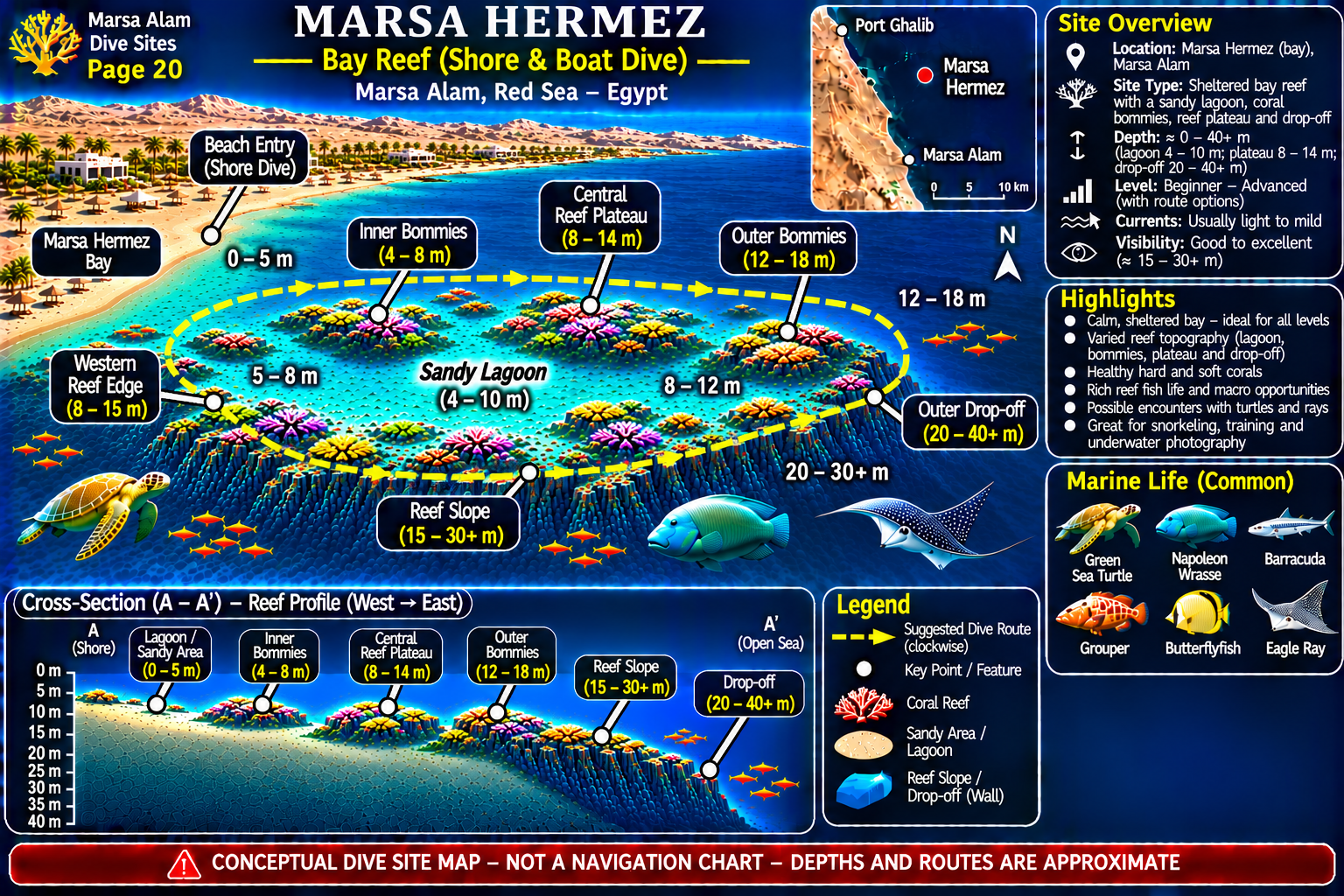
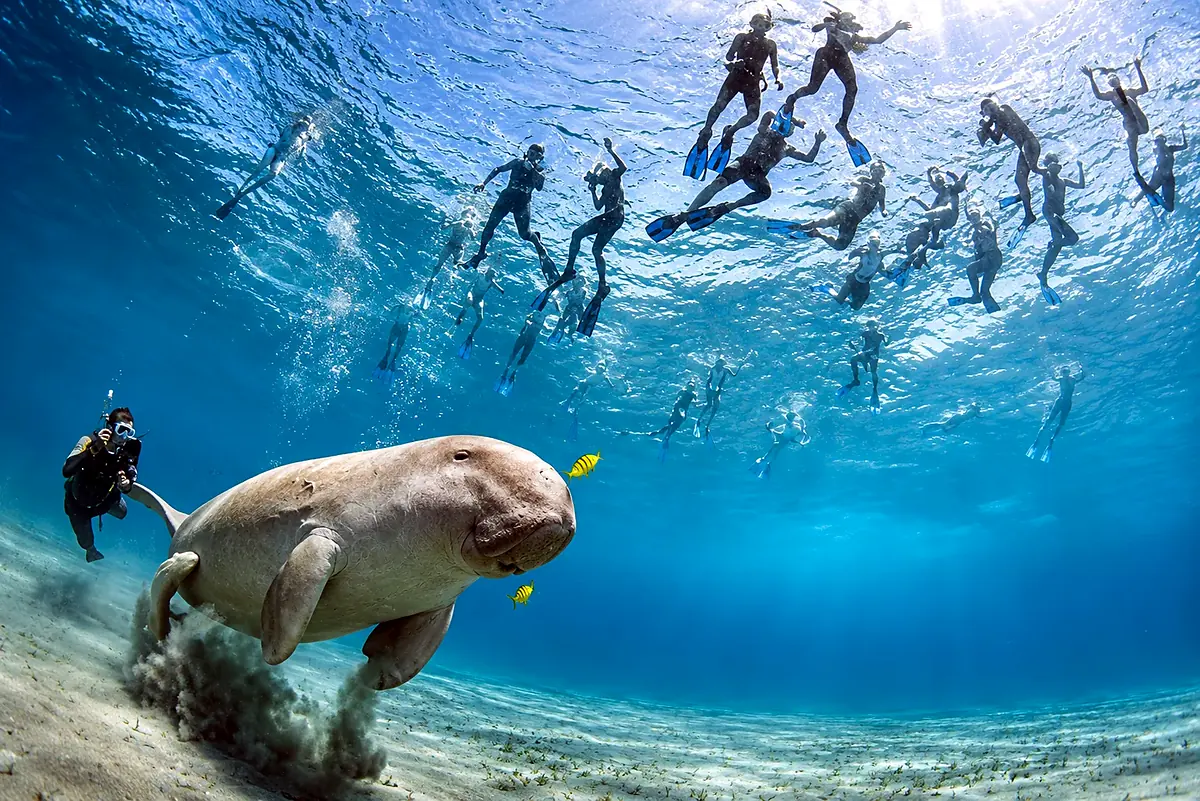
Marsa Hermez, also written Marsa Hermes or Hermes Bay, is a sheltered bay near Abu Dabbab in the Marsa Alam area. Along a reef nearly 900 m long, seagrass meadows give way to single coral blocks and coral walls. Above all, the rare dugong often stops by to feed, so divers and snorkelers both come here hoping to meet it.
Marsa Hermez in short
In short, Marsa Hermez is a sheltered bay near Abu Dabbab in the Marsa Alam area, about 35 km south of Marsa Alam Airport. Its reef runs for nearly 900 m, with seagrass meadows, single coral blocks and coral walls from about 5 m to over 40 m. In addition, the dugong often visits the seagrass. Overall, the current is low, the bay is protected from wind and waves, and the site suits divers of every level as well as snorkelers.
What is Marsa Hermez like?
Above all, this is a calm and sheltered bay. The reef protects it from the wind and the waves, so the water inside stays quiet on most days.
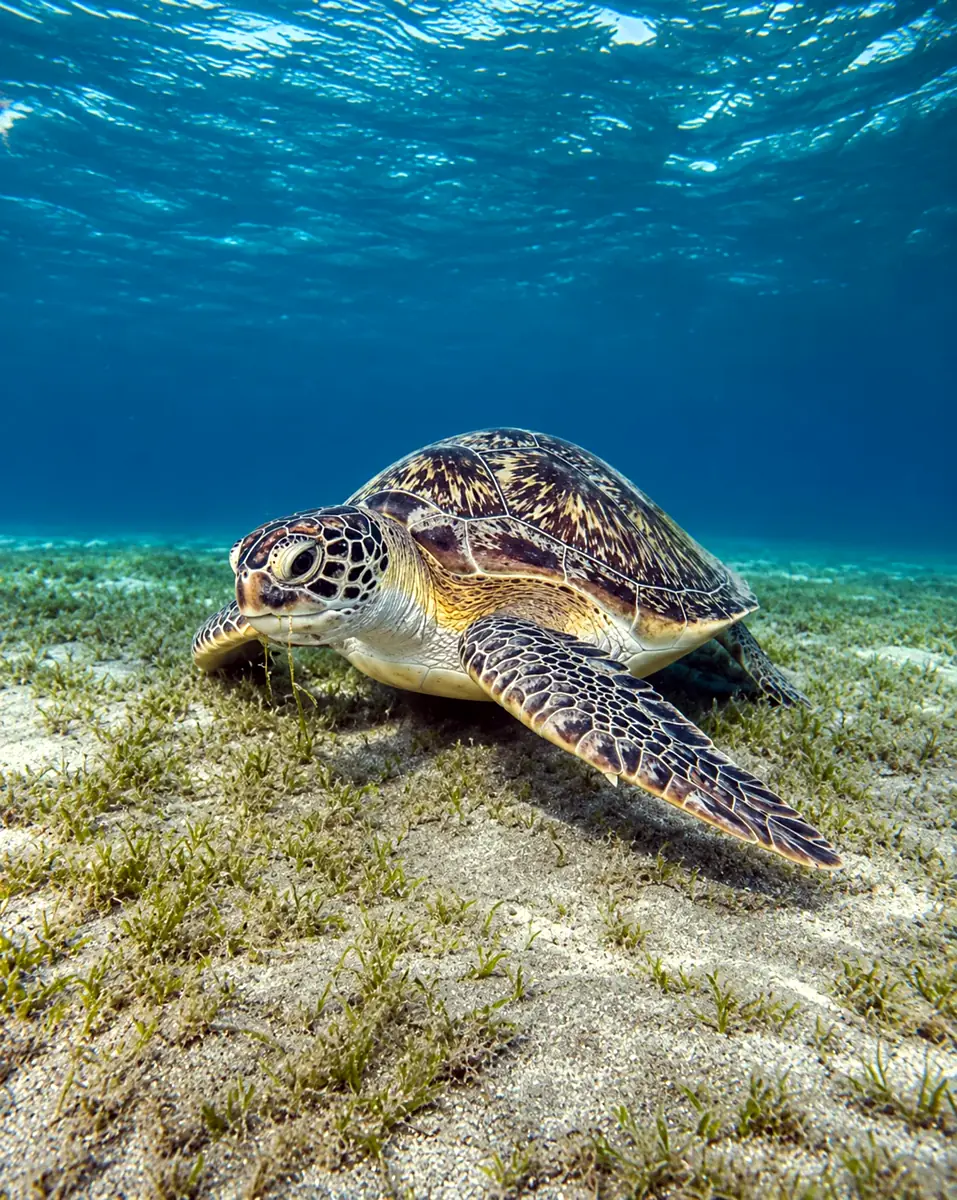
Meanwhile, seagrass spreads over the sand in the shallows. As a result, the dugong comes here often to feed, and green turtles graze on the same meadows.
Further out, the reef changes. In fact, single coral blocks lead to coral walls that drop beyond 40 m, so the deeper dive lies outside the bay.
Marsa Hermez at a glance
The seagrass
First, shallow meadows where the dugong and turtles feed.
The coral blocks
Next, coral blocks standing alone on the sand.
The coral walls
Finally, coral walls that drop beyond 40 m outside the bay.
What is under the water at Marsa Hermez?
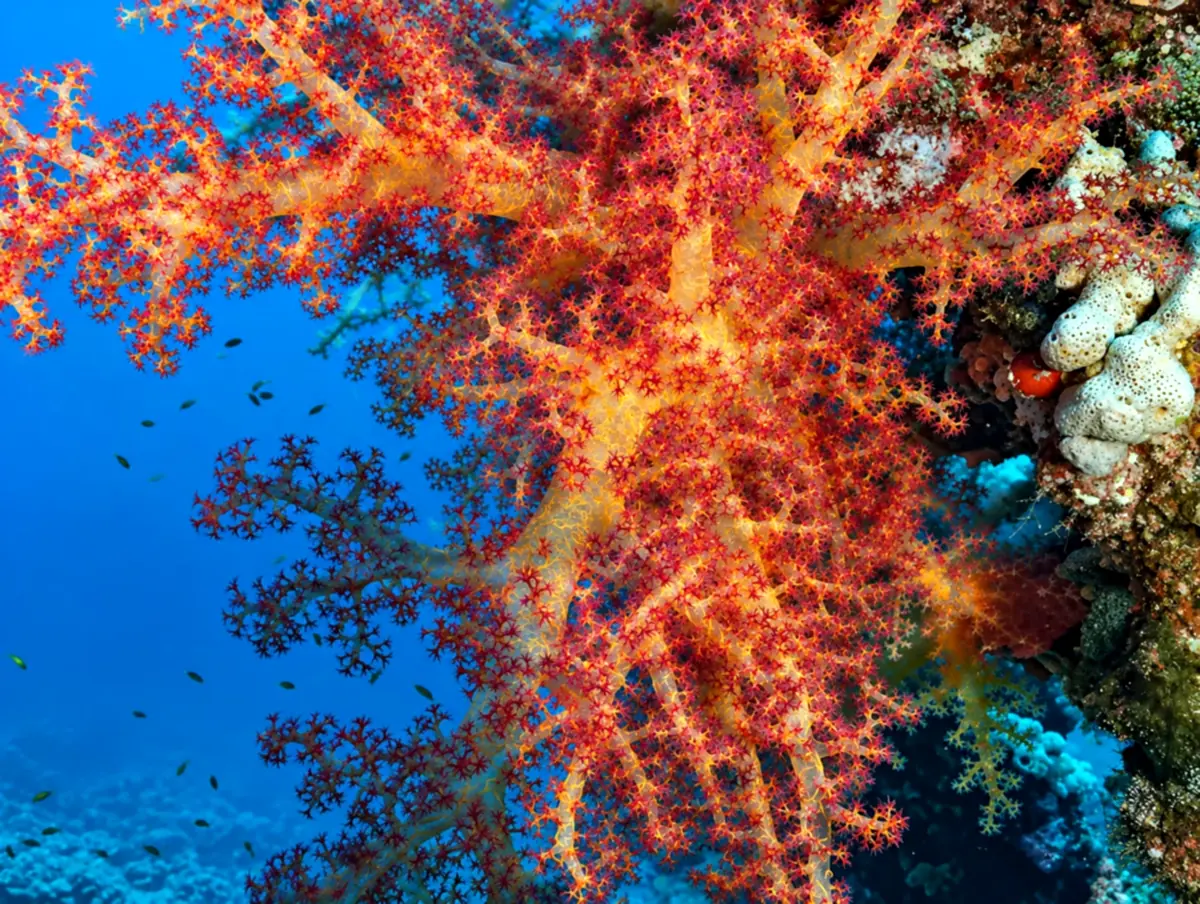
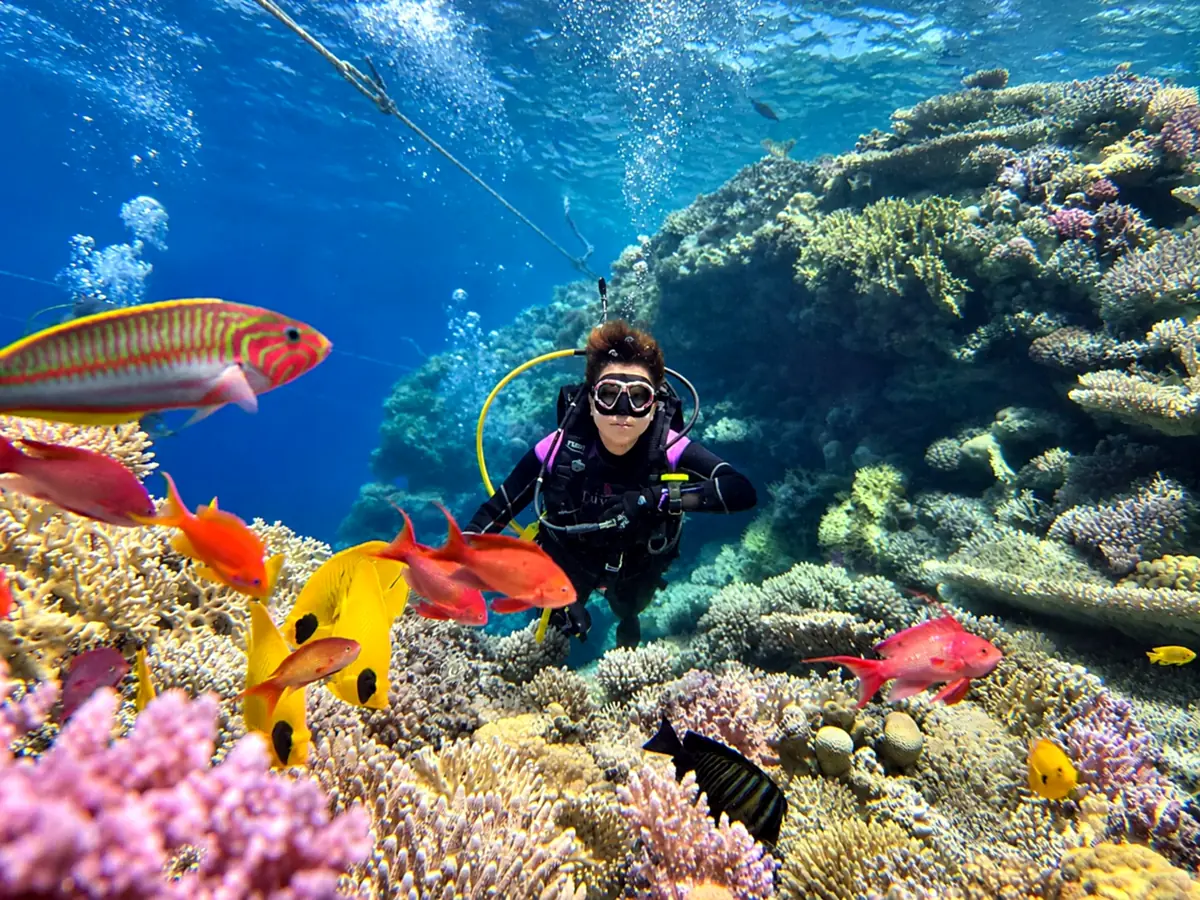
Generally, the bay has three zones along its reef. First, seagrass covers the shallow sand. Then, single coral blocks rise from the bottom. Finally, coral walls drop away on the outside.
The seagrass meadows
The meadows. Here, the dugong grazes on the seagrass, and green turtles feed beside it.
The coral blocks
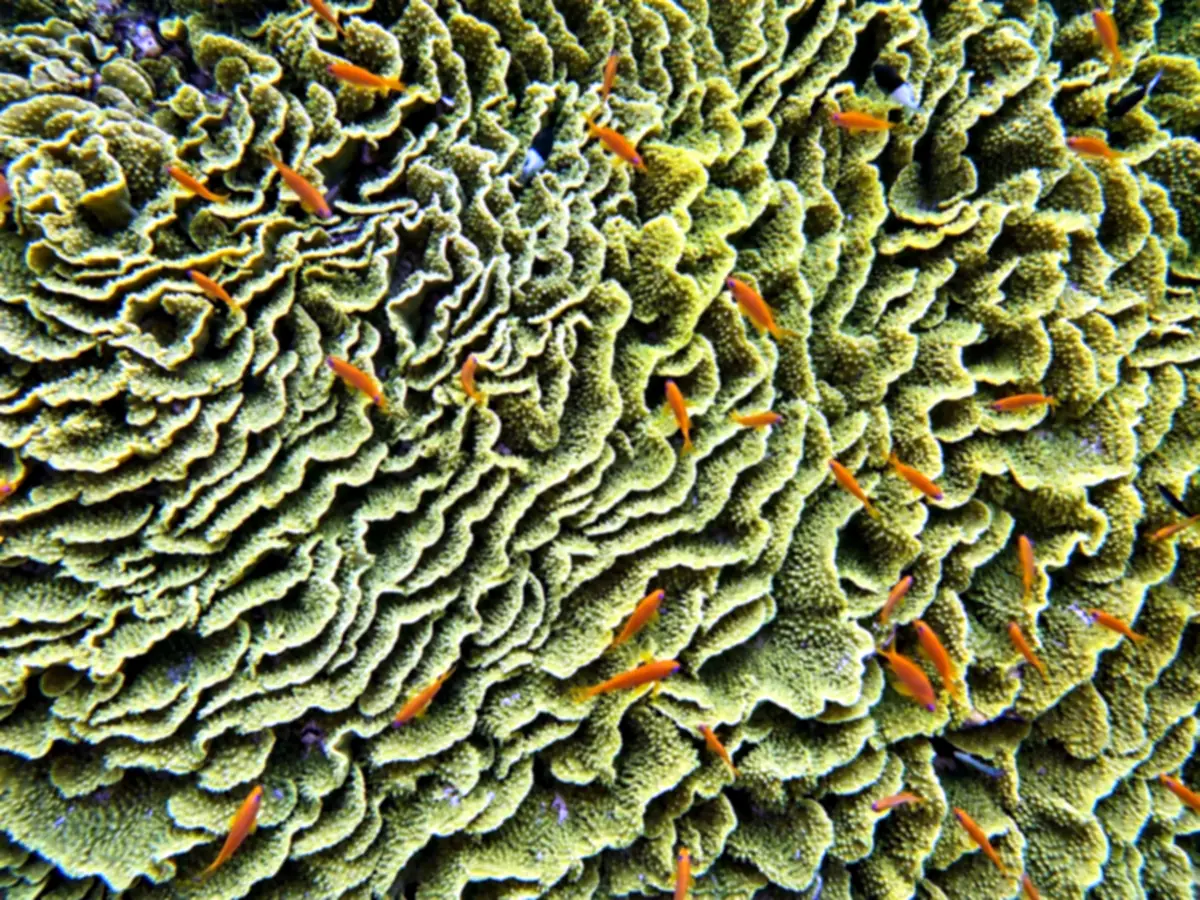
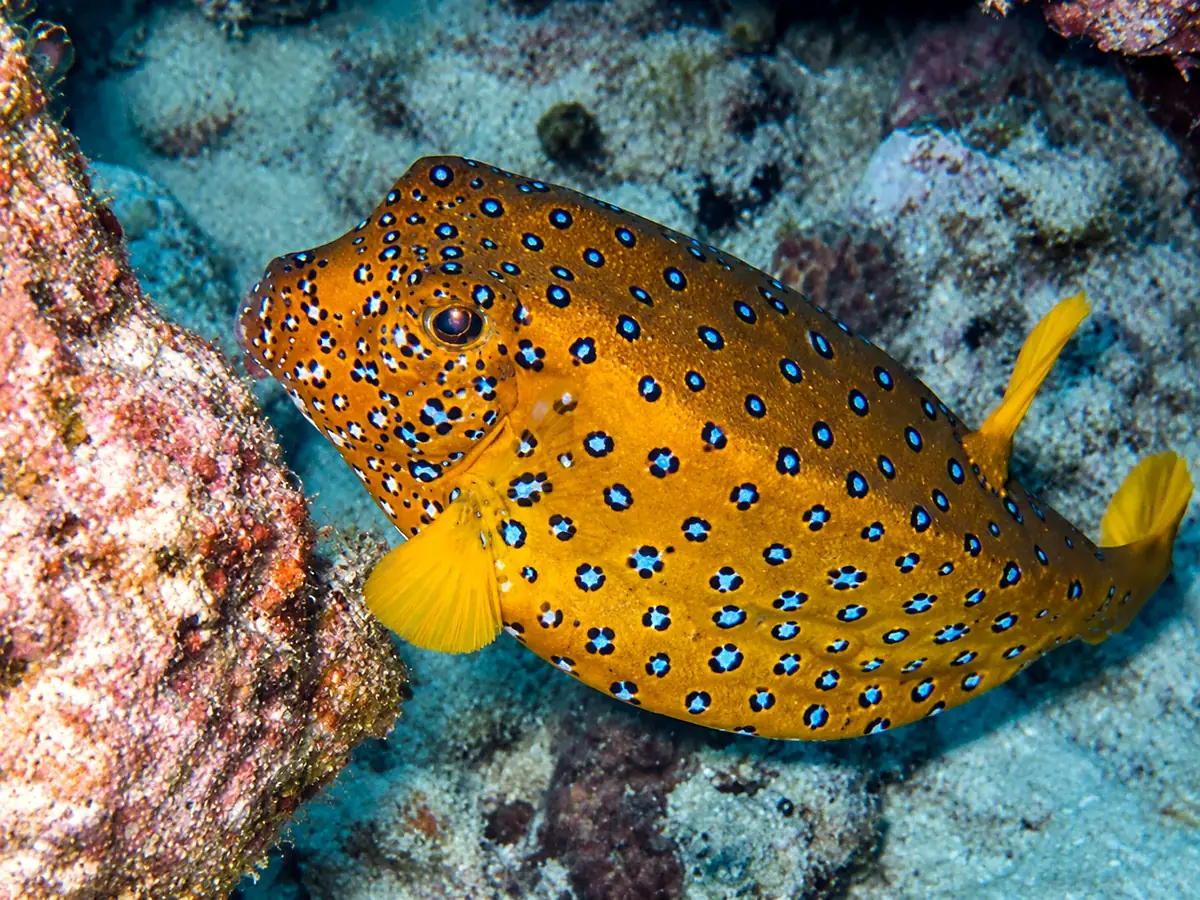
The blocks. In contrast, single coral blocks stand on the sand, each one busy with reef fish.
The coral walls
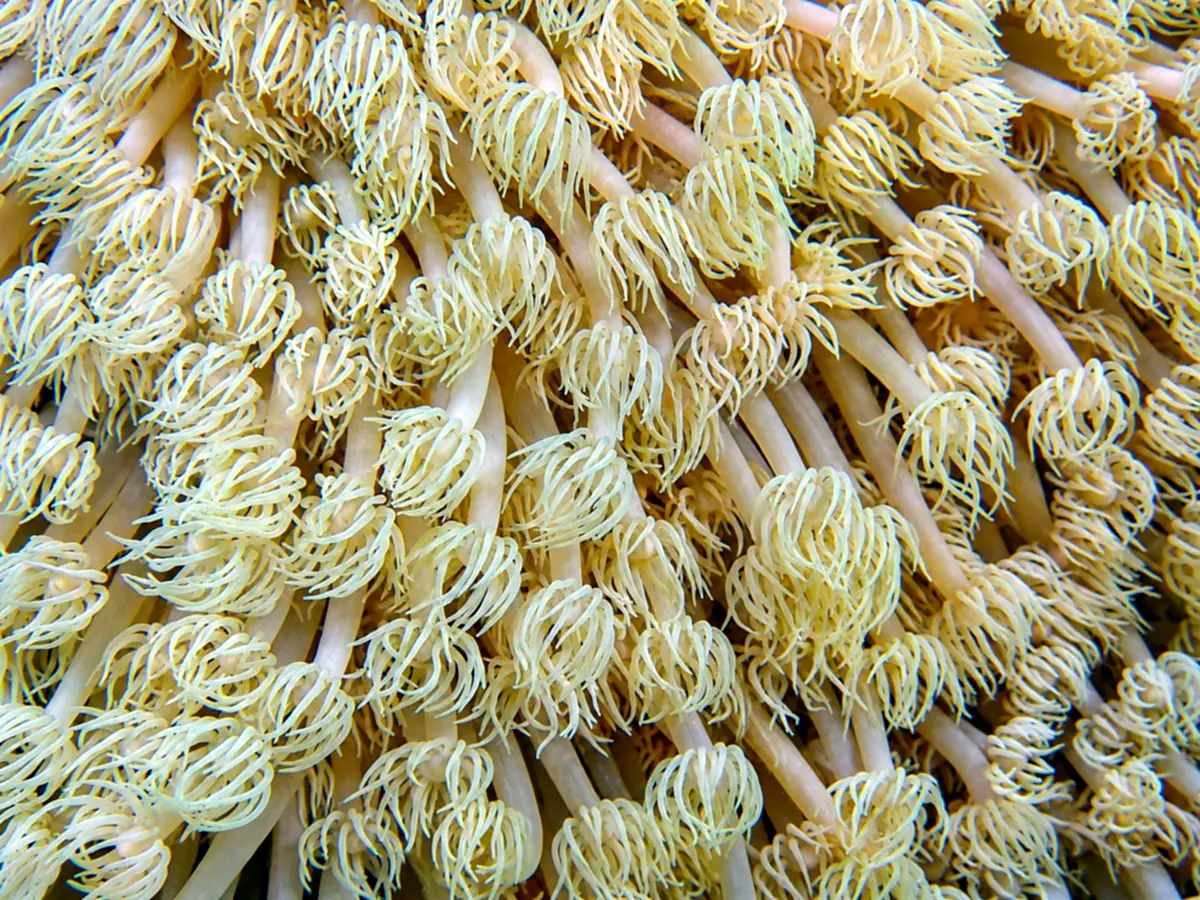
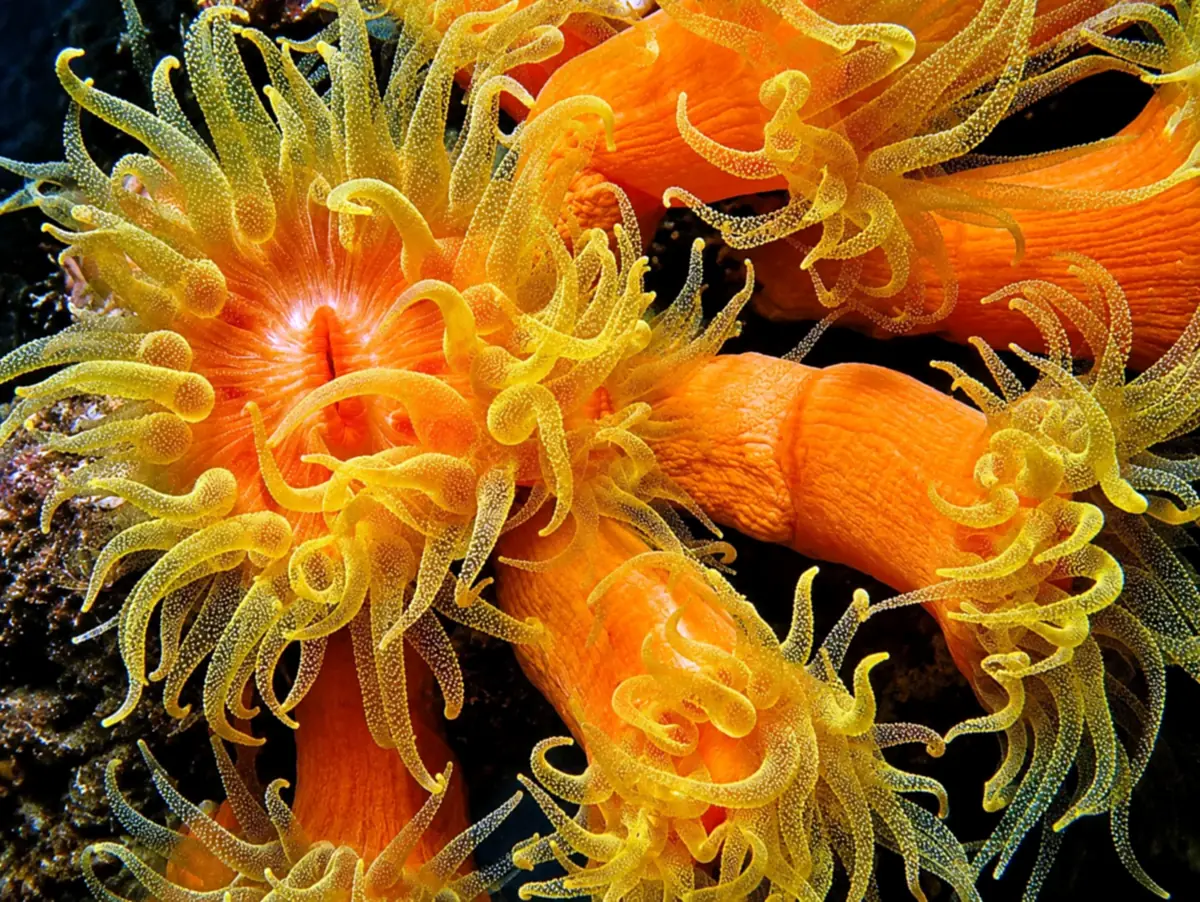
The walls. Meanwhile, the walls outside the bay offer the deeper dive, with a wide variety of corals and fish.
Where is Marsa Hermez?
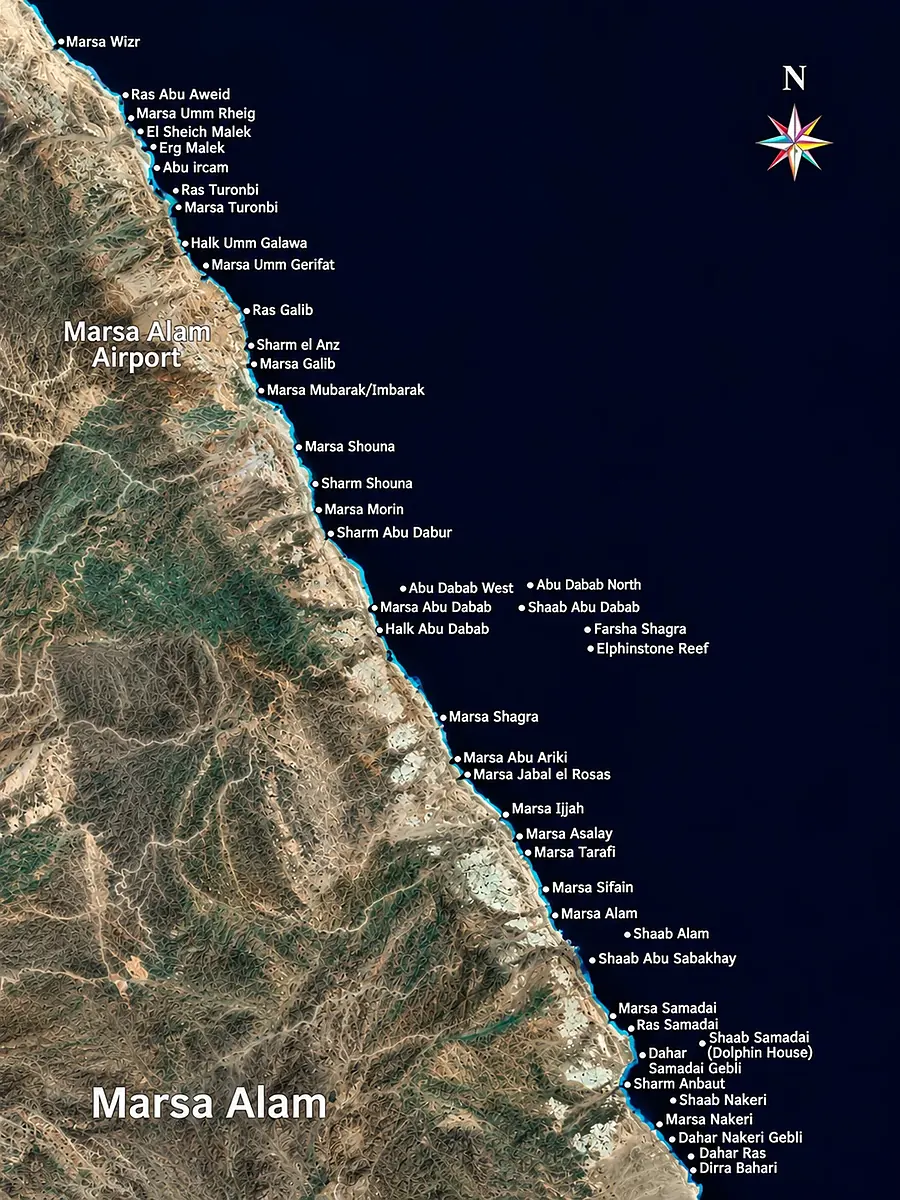
Specifically, the bay lies on the coast near Abu Dabbab, in the central part of the Marsa Alam diving area, about 35 km south of Marsa Alam Airport. In fact, Abu Dabbab Bay is only about five minutes away by speedboat.
However, no verified GPS position for the dive site has been published yet, so we do not give one here. Finally, for the nearby reefs, see the Marsa Alam dive sites guide, together with Marsa Shouna and Marsa Mubarak further north.
How do you dive Marsa Hermez?
Usually, the guide chooses between a shallow dive in the bay and a deeper dive outside it. In both cases, the current is low, so the dives stay calm.
Route A: the shallow bay
The entry
The start. First, you enter from the speedboat inside the sheltered bay.
The seagrass
The main dive. Then, you drift slowly over the meadows and scan them for the dugong and for turtles.
The blocks
The finish. Afterward, you finish among the coral blocks before your safety stop.
Route B: the outer walls
The descent
The start. Instead, you drop in outside the bay beside the coral wall.
The wall
The main dive. Next, you follow the wall at the depth your guide sets, since it keeps dropping beyond 40 m.
The return
The finish. Finally, you rise along the reef and end in the shallows of the bay.
Can you see the dugong at Marsa Hermez?
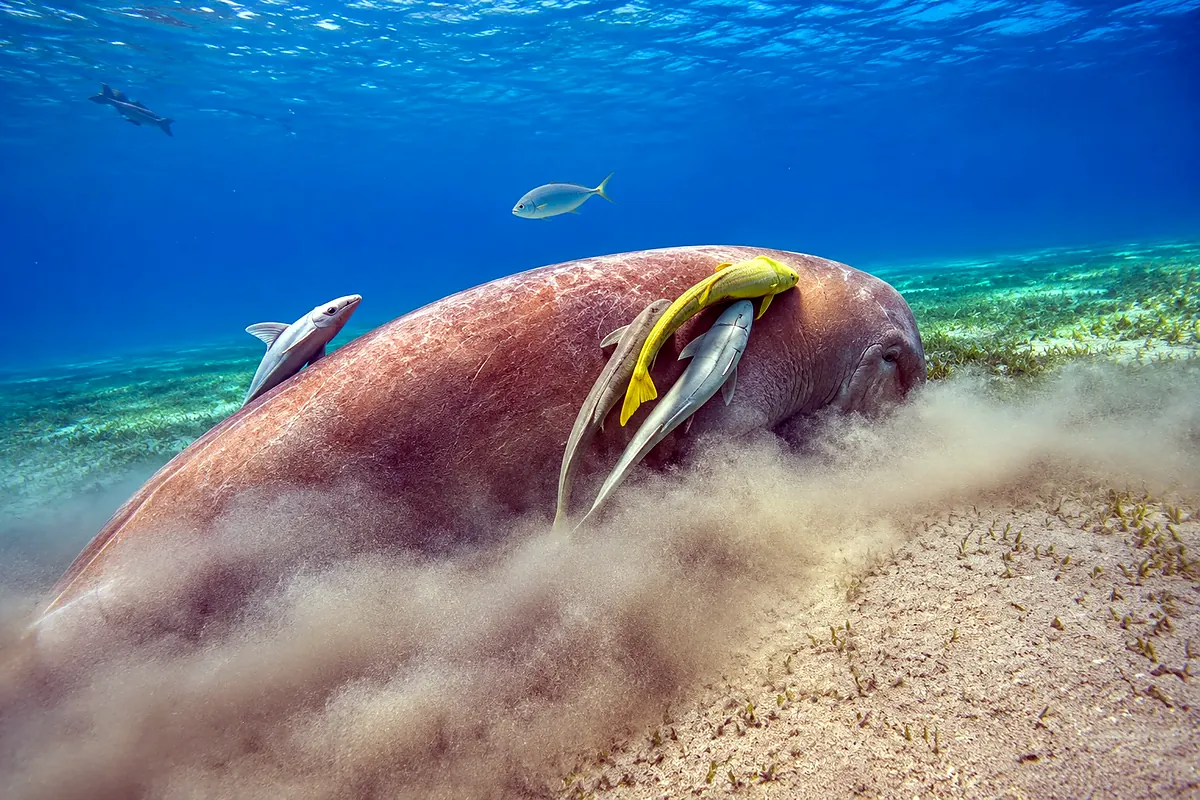
Often, yes. The dugong is rare, yet it stops by this bay often to feed on the seagrass. Still, no sighting is ever certain, so treat every encounter as a gift.
On the seagrass
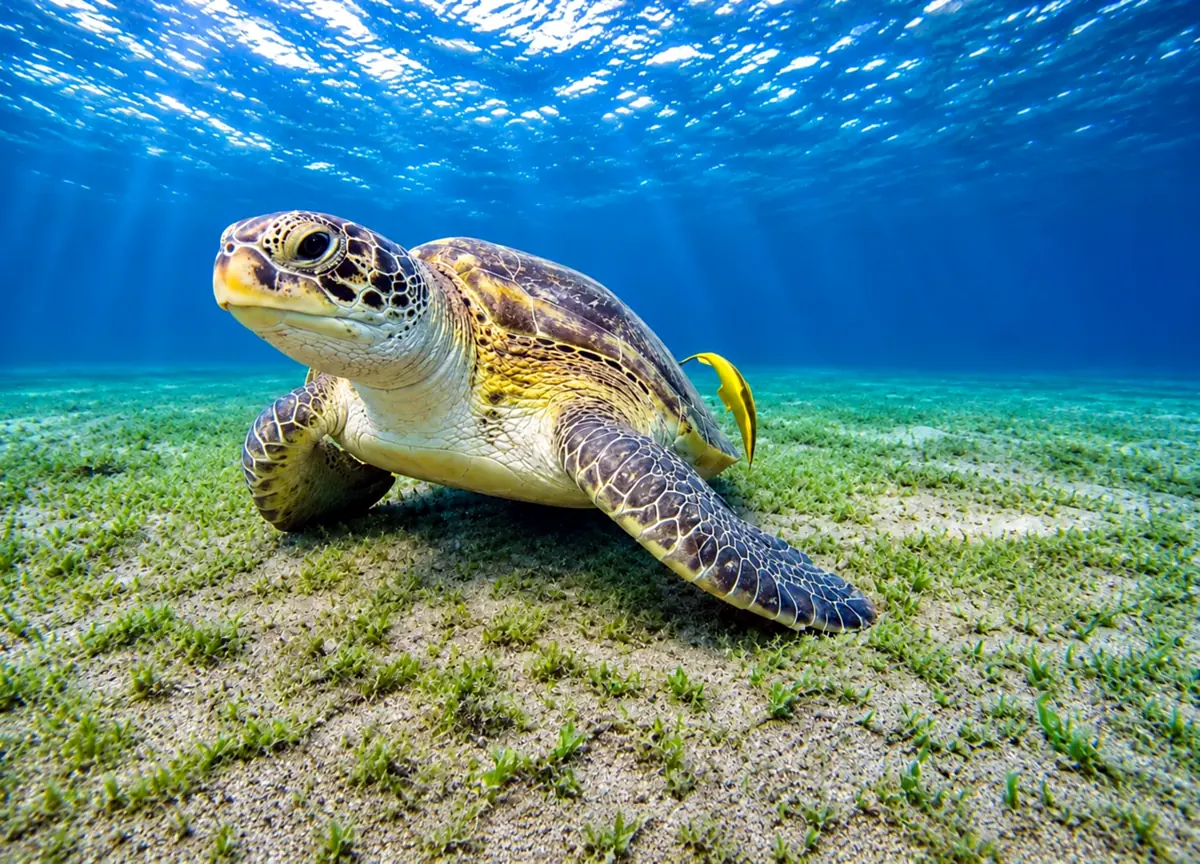
Typically, the dugong grazes on the meadows, and green turtles feed in the same places.
On the blocks
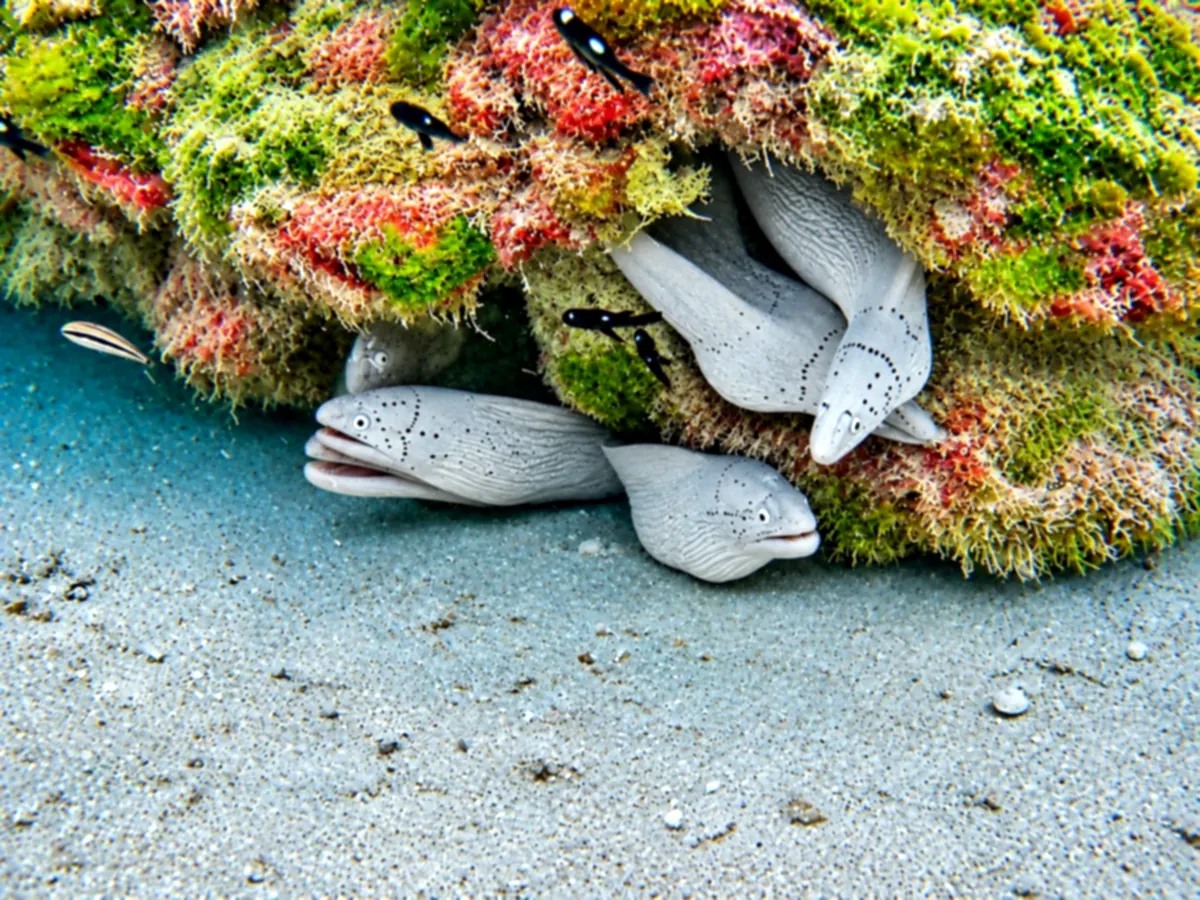
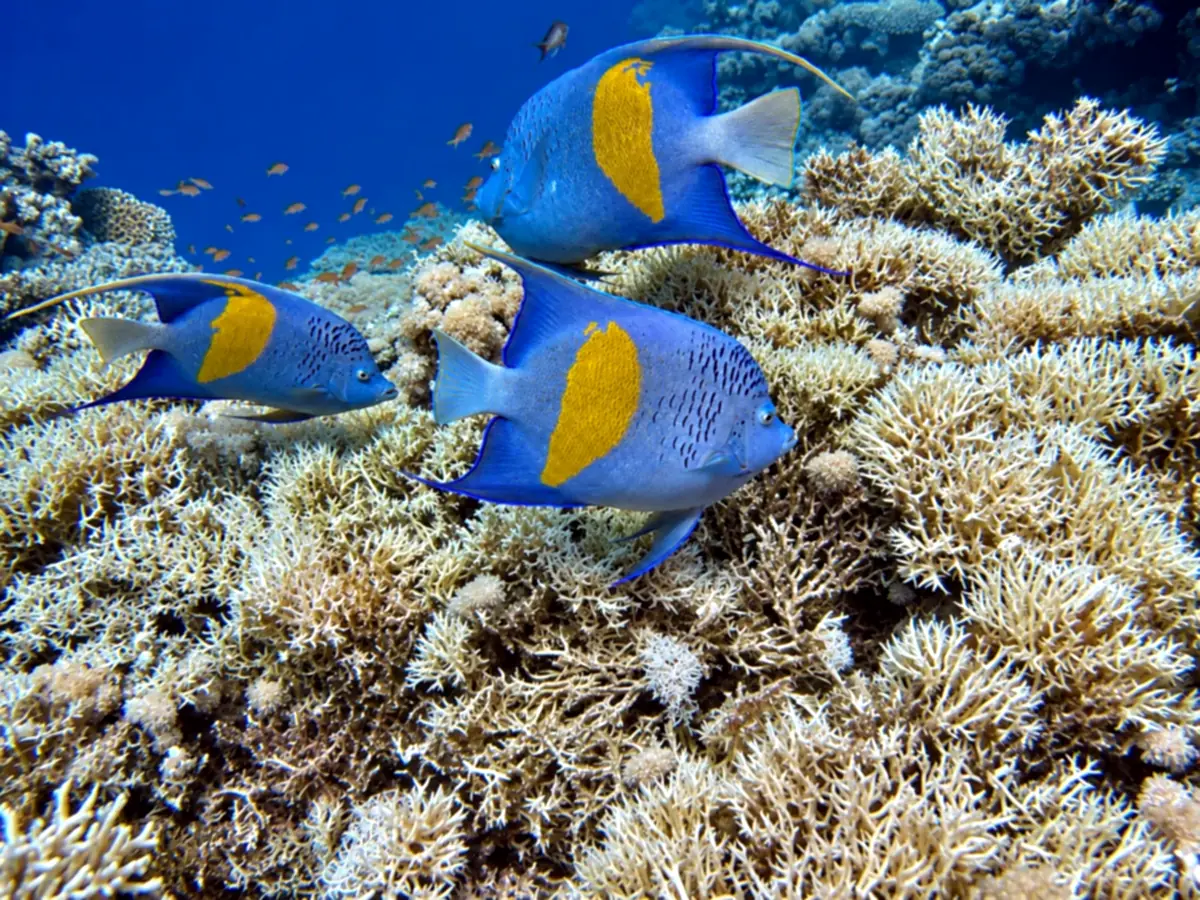
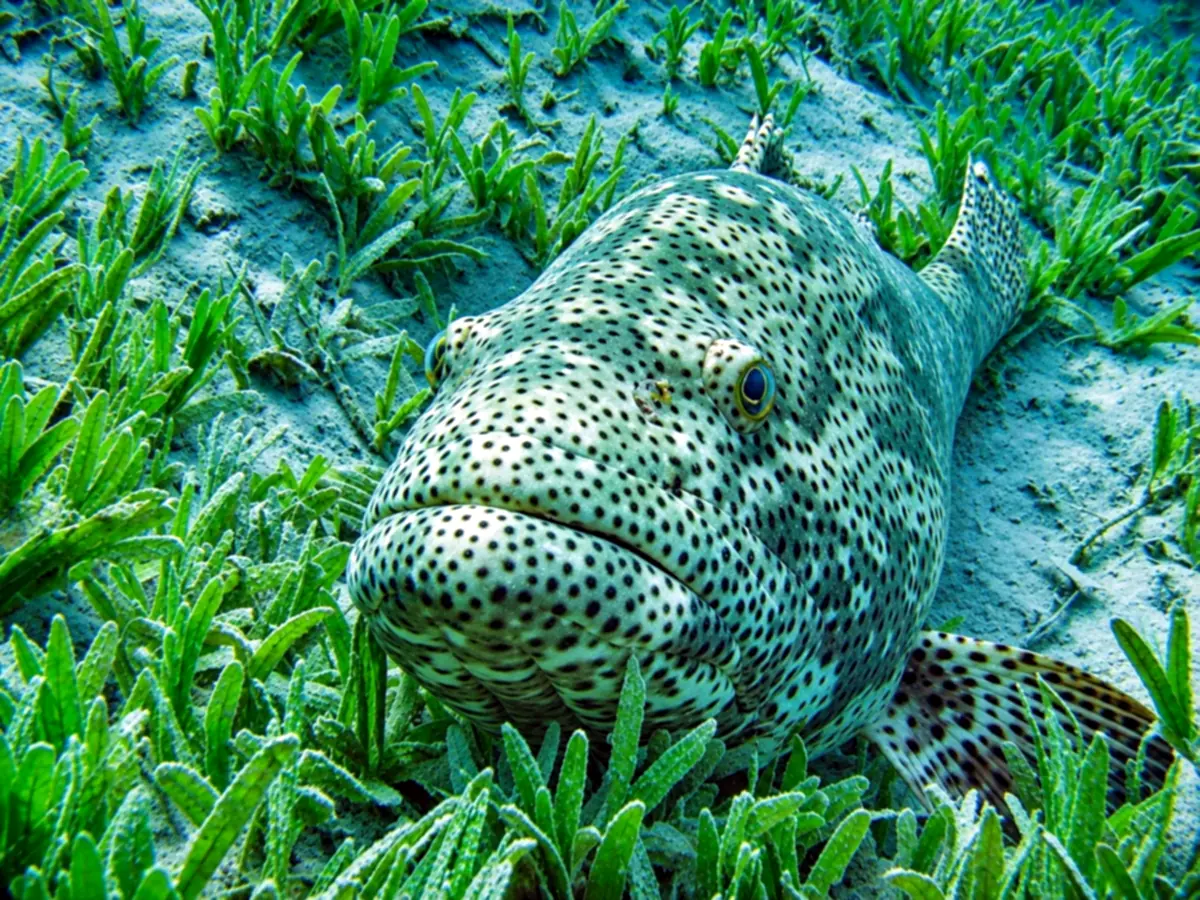
Likewise, the coral blocks shelter angelfish, butterflyfish, grouper and moray eels.
On the sand
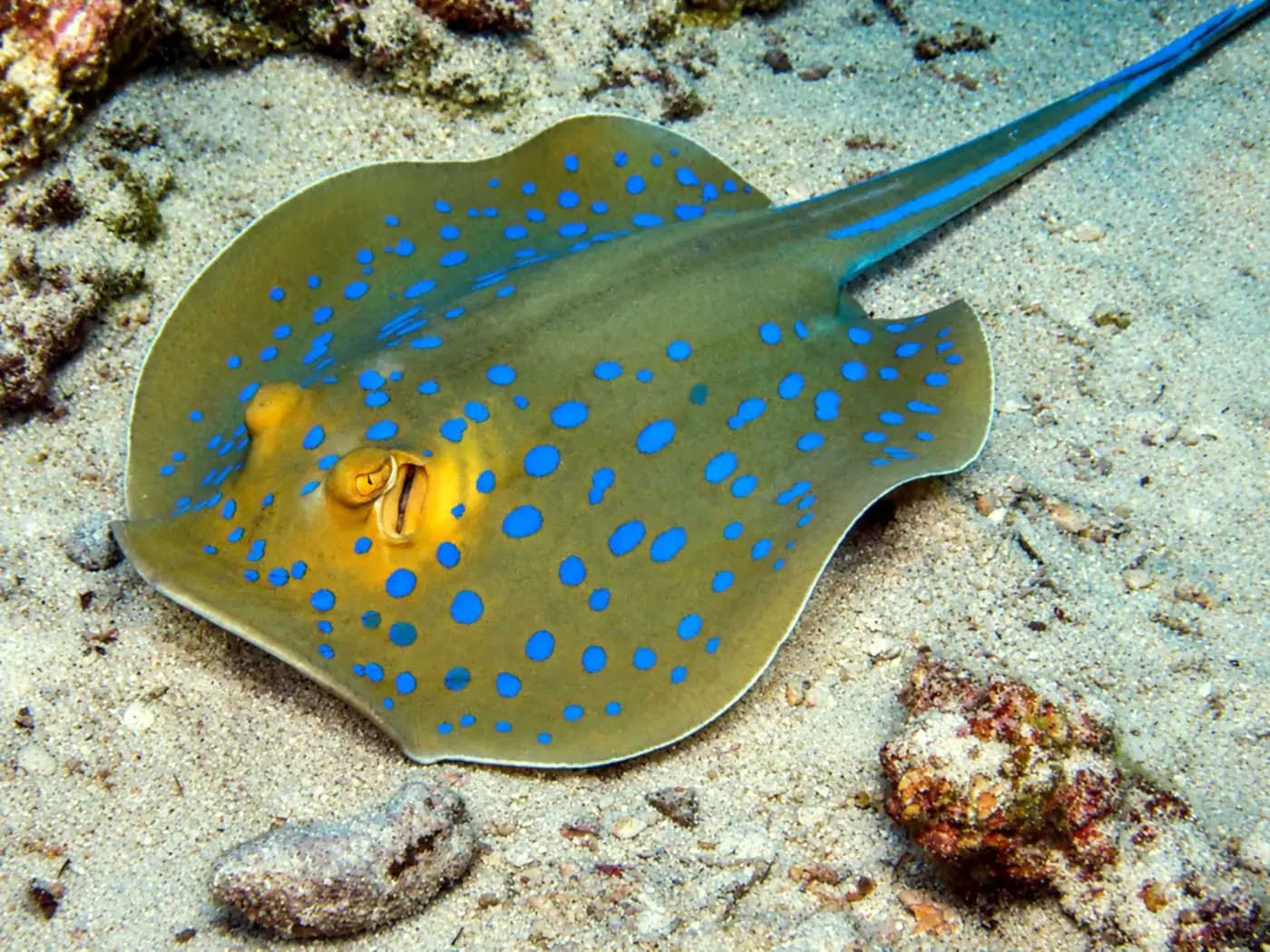
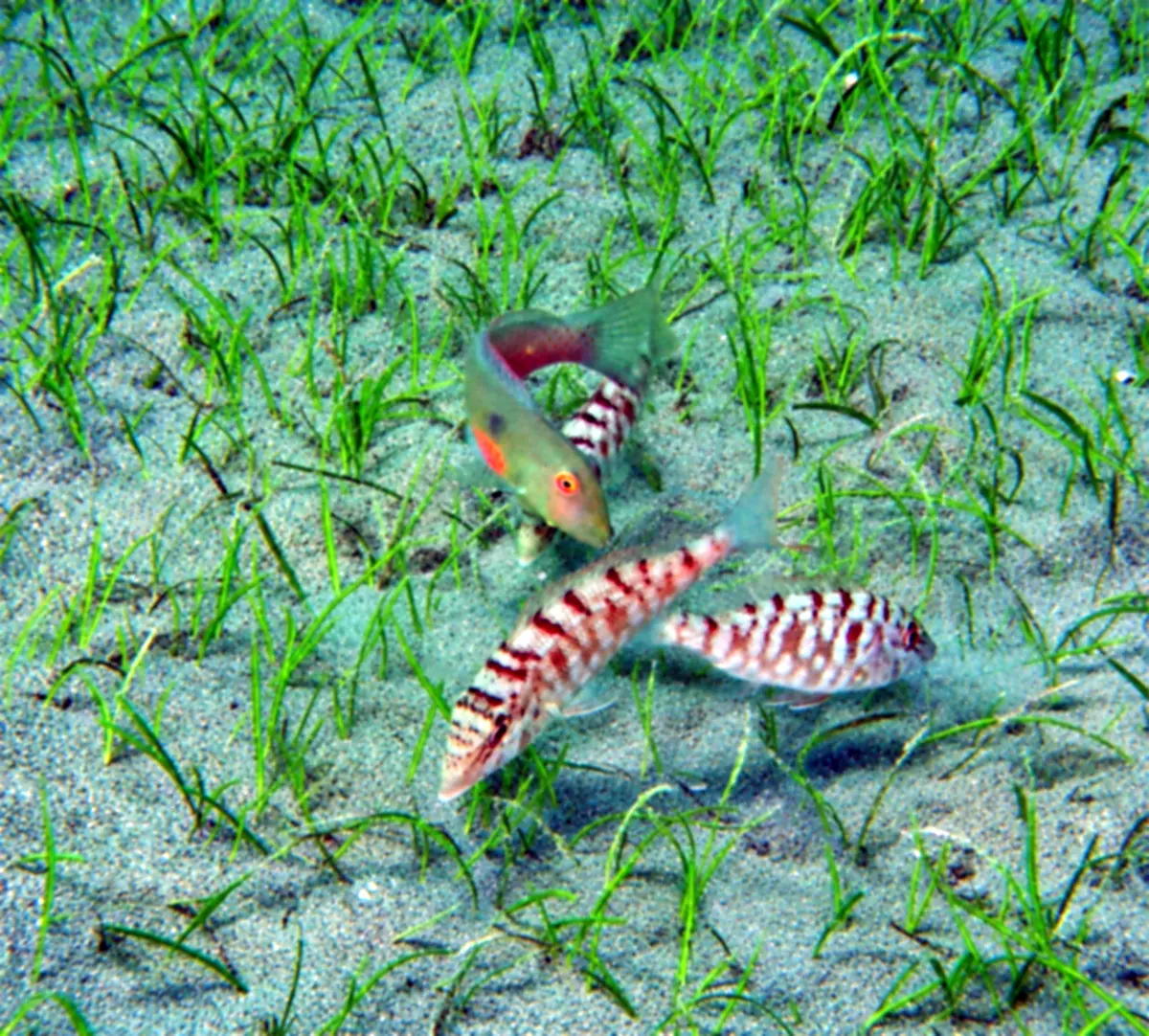
Meanwhile, rays rest on the sand, and goatfish dig for food between the blocks.
Is Marsa Hermez suitable for beginners?
Yes. The bay is sheltered and the current is low, so Open Water divers and snorkelers enjoy it with a guide.
However, the outer walls drop beyond 40 m, so watch your depth there. For deeper dives, take Advanced Open Water. For example, our liveaboard dive techniques guide explains boat entries and buoyancy.
Before you dive here
Firstly, never chase, touch or feed the dugong or the turtles, and keep a calm distance. Secondly, stay off the seagrass, because it is the dugong’s food.
Above all, follow our diving safety standards and the rules of HEPCA. We strongly recommend dive insurance such as DAN Europe.
How do you get to Marsa Hermez?
In practice, the bay is reached by speedboat, often combined with Abu Dabbab on the same trip. Liveaboards on the southern routes can also visit the Marsa Alam reefs, such as our BDE liveaboard and the Daedalus and Fury Shoals route. Guests board on Saturday after 15:00, and check-out is between 09:00 and 10:00 the next Saturday.
Generally, boats combine several reefs on the same day. Consequently, you can pair it with Marsa Shouna, Elphinstone and the other Marsa Alam reefs.
Plan your Marsa Hermez dive trip
- BDE liveaboard — Brothers, Daedalus and Elphinstone.
- Daedalus and Fury Shoals liveaboard — Daedalus Reef and the southern reefs.
- What divers need on board — the packing checklist for a Red Sea safari.
- redsealiveaboard.net — Red Sea safari schedules and availability.
- All eight boats in our fleet can sail these routes: Sea Fox, Simba, Sea Treasure, Star Jet, Bismarck, C Echo II, C U and Ramadan 3.
Photo gallery from Marsa Hermez
Other routes from Red Sea Diving
Generally, for a first liveaboard, the North Red Sea liveaboard keeps to the classic wrecks. On the other hand, the Deep South St. John’s liveaboard reaches the far south, while the Elba Reef liveaboard goes further still. Meanwhile, the Red Sea liveaboard guide compares all eight routes.
Marsa Hermez: frequently asked questions
Where is Marsa Hermez?
In fact, it is a sheltered bay near Abu Dabbab in the Marsa Alam area, about 35 km south of Marsa Alam Airport.
Can you see dugongs at Marsa Hermez?
Often. The rare dugong stops by the bay often to feed on the seagrass, although no sighting is ever certain.
How deep is Marsa Hermez?
Inside the bay the dive stays shallow, while the coral walls outside run from about 5 m to over 40 m.
Is Marsa Hermez good for snorkeling?
Yes. The bay is sheltered from wind and waves, and the current is low, so it suits snorkelers as well as divers.
How do you get to Marsa Hermez?
By speedboat, often together with Abu Dabbab, or on a liveaboard visiting the Marsa Alam reefs. Moreover, all eight boats in the Red Sea Diving fleet can run these routes.
Marsa Alam · Liveaboard · Coastal reefs
Dive Marsa Hermez with us
Simply tell us your dates, the number of divers, your certification level and your number of logged dives. Afterward, our team checks which departure fits your group before you commit to anything.


