

Dive guide to Abu Dabab 6 · Abu Dabab reefs, Marsa Alam
Abu Dabab 6 Dive Site One big reef carved by the waves, ringed by pinnacles and sandy channels
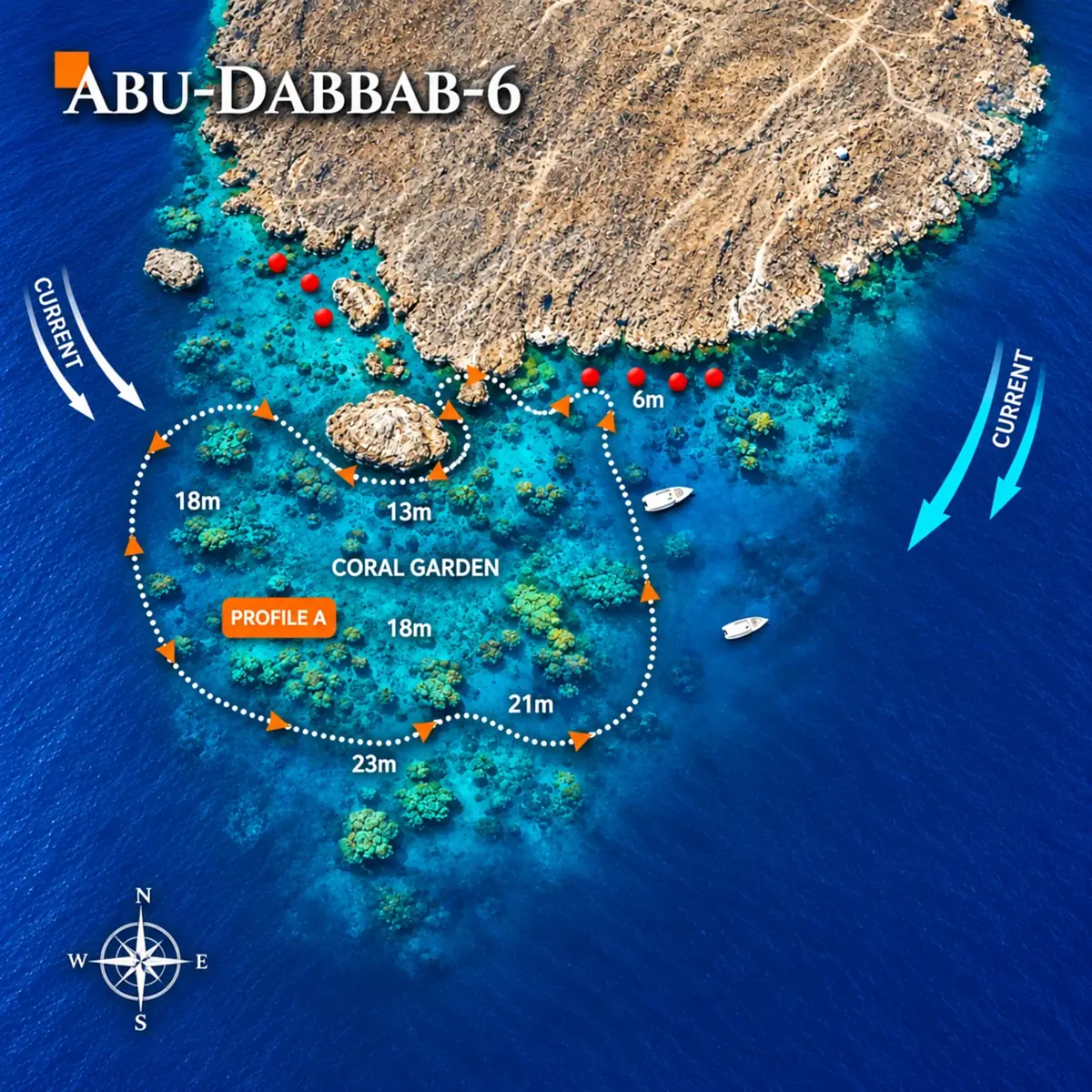
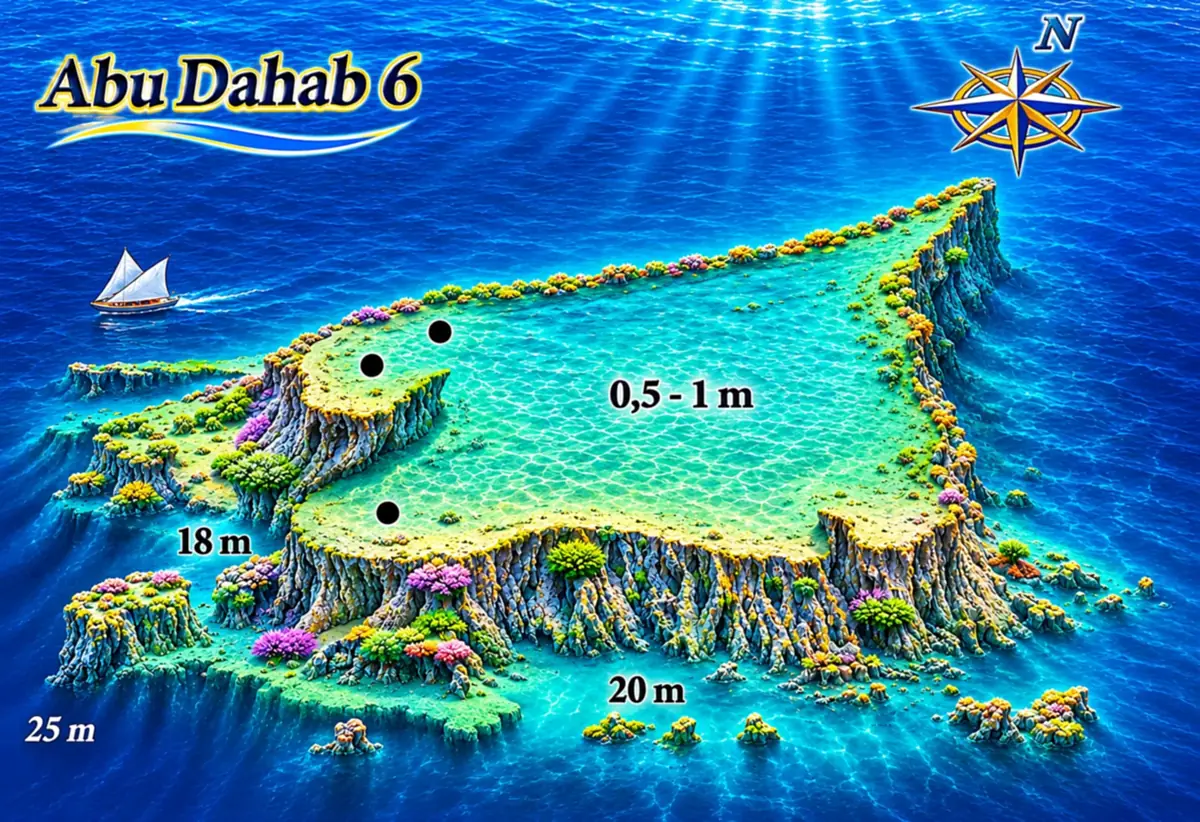
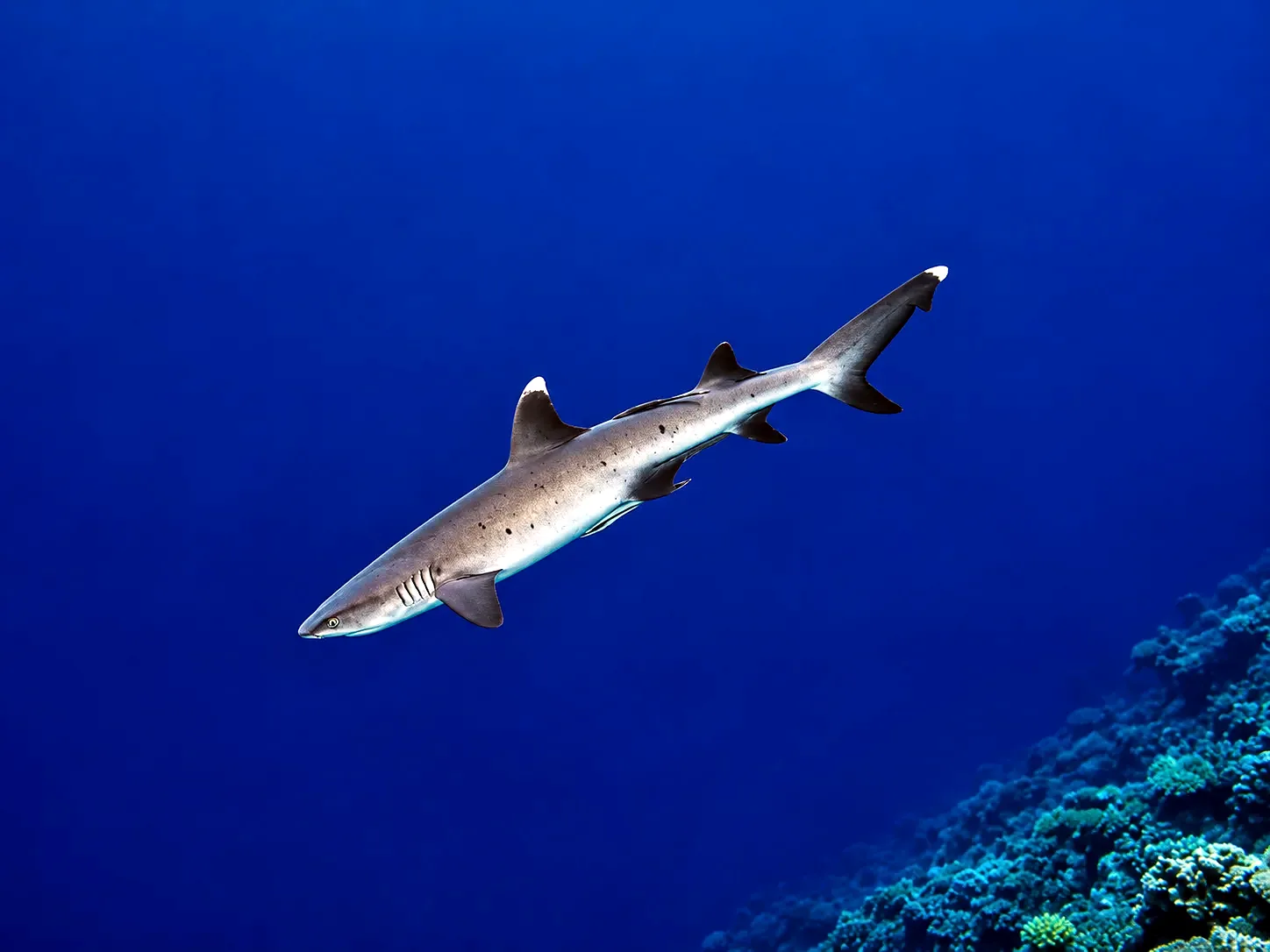
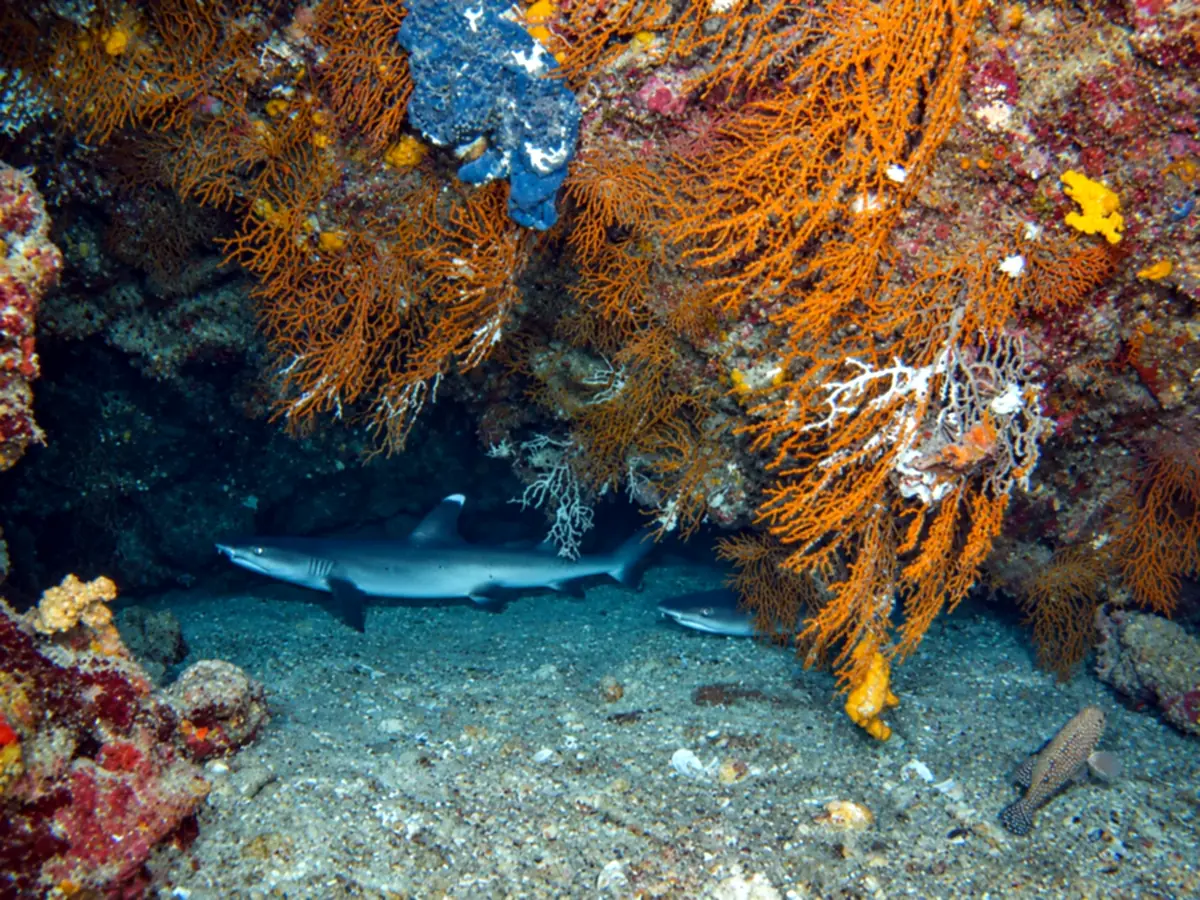
Abu Dabab 6, also called Shaab Abu Dabab 6, is one large coral reef off Abu Dabab, north of Marsa Alam. Over time, the waves have shaped its walls into unusual forms, and small pinnacles stand all around it. Because few groups dive here, the reef is often quiet, and whitetip reef sharks sometimes patrol the sand.
Abu Dabab 6 in short
In short, Abu Dabab 6 is one large coral reef off Abu Dabab, north of Marsa Alam, shaped by the waves into unusual forms and ringed by small pinnacles. Above all, its walls give the site its character, while sandy channels separate the coral ridges around it. In addition, few groups dive here, so the reef is often quiet. Overall, it suits every level in calm conditions, and divers reach it by zodiac.
What is Abu Dabab 6 like?
Above all, the shapes of the reef make this dive. Over the years, the waves have cut its walls into strange forms that change as you swim along.
Meanwhile, small pinnacles stand around the main reef. In fact, sandy channels run between the coral ridges, which makes a natural maze to explore.
Out here, the reef also stays quiet. Since few groups come, you often share it only with the fish and the odd whitetip reef shark.
The reef at a glance
The walls
First, reef walls cut into unusual shapes by the waves.
The pinnacles
Next, small pinnacles that ring the main reef.
The channels
Finally, sandy channels between the coral ridges.
What is under the water at Abu Dabab 6?
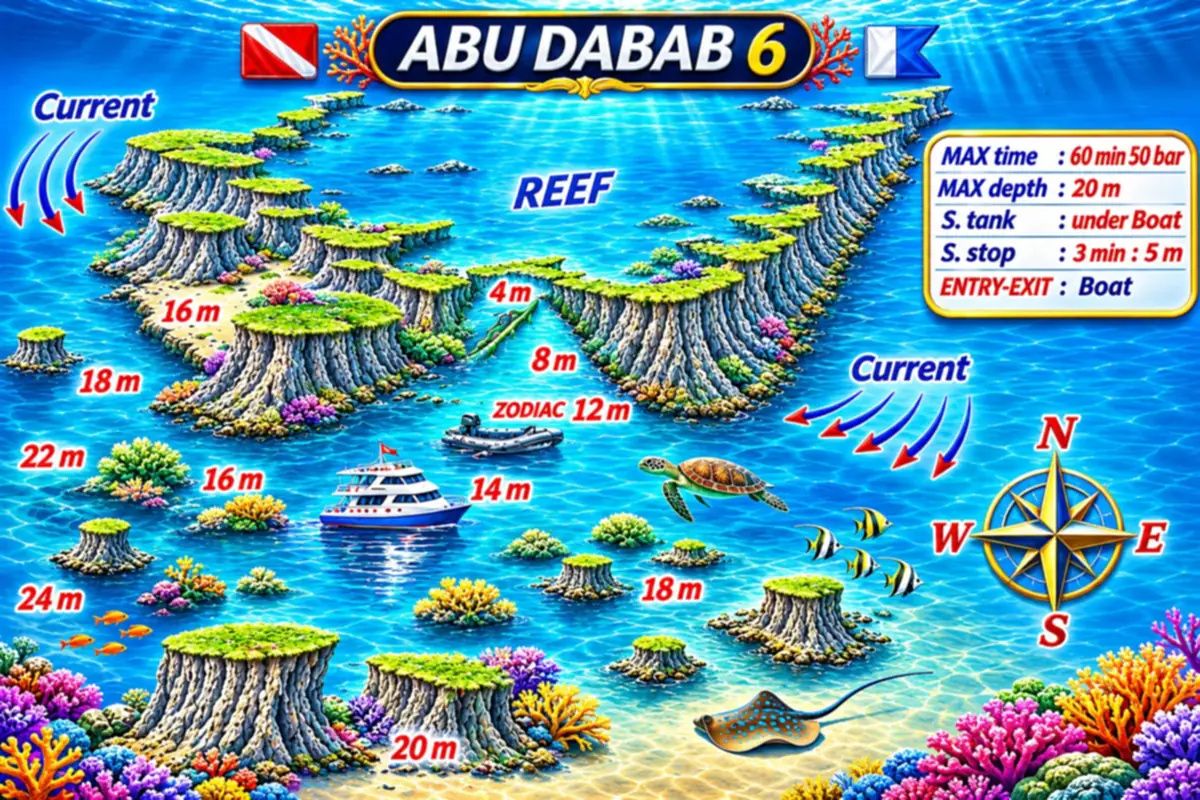
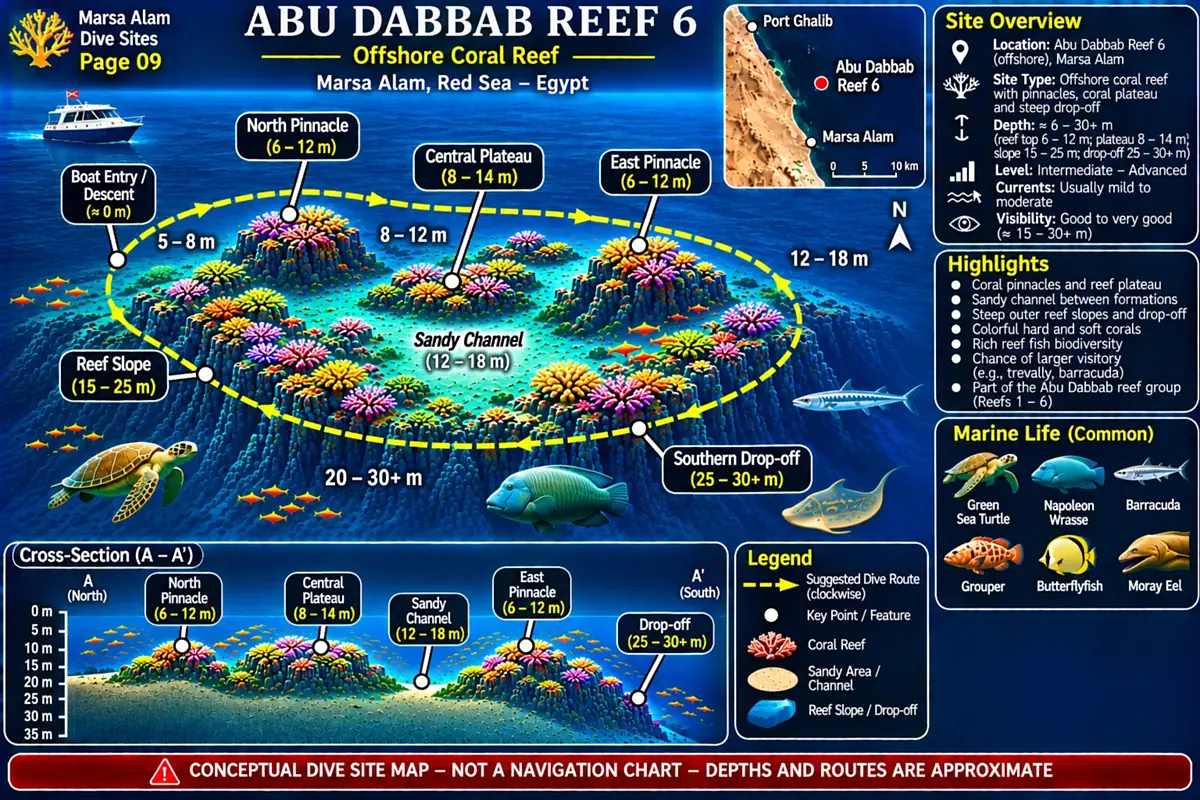
Generally, the site has three parts. First, the main reef forms the center. Then, small pinnacles stand around it. Finally, sandy channels run between the coral ridges.
The main reef
The reef. Here, for example, the waves have shaped the walls into ledges, cuts and odd forms.
The pinnacles
The pinnacles. In contrast, the pinnacles stand alone on the sand, each one busy with reef fish.
The sandy channels
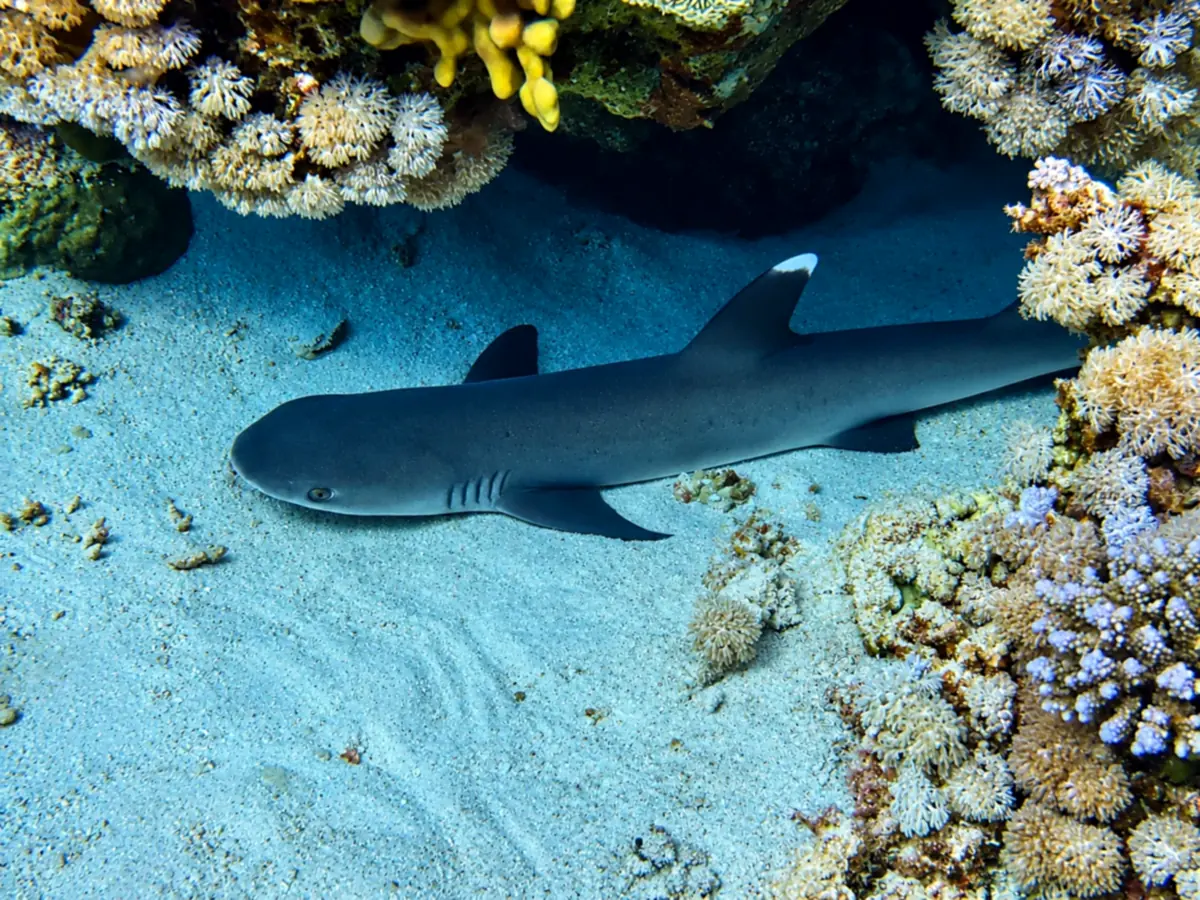
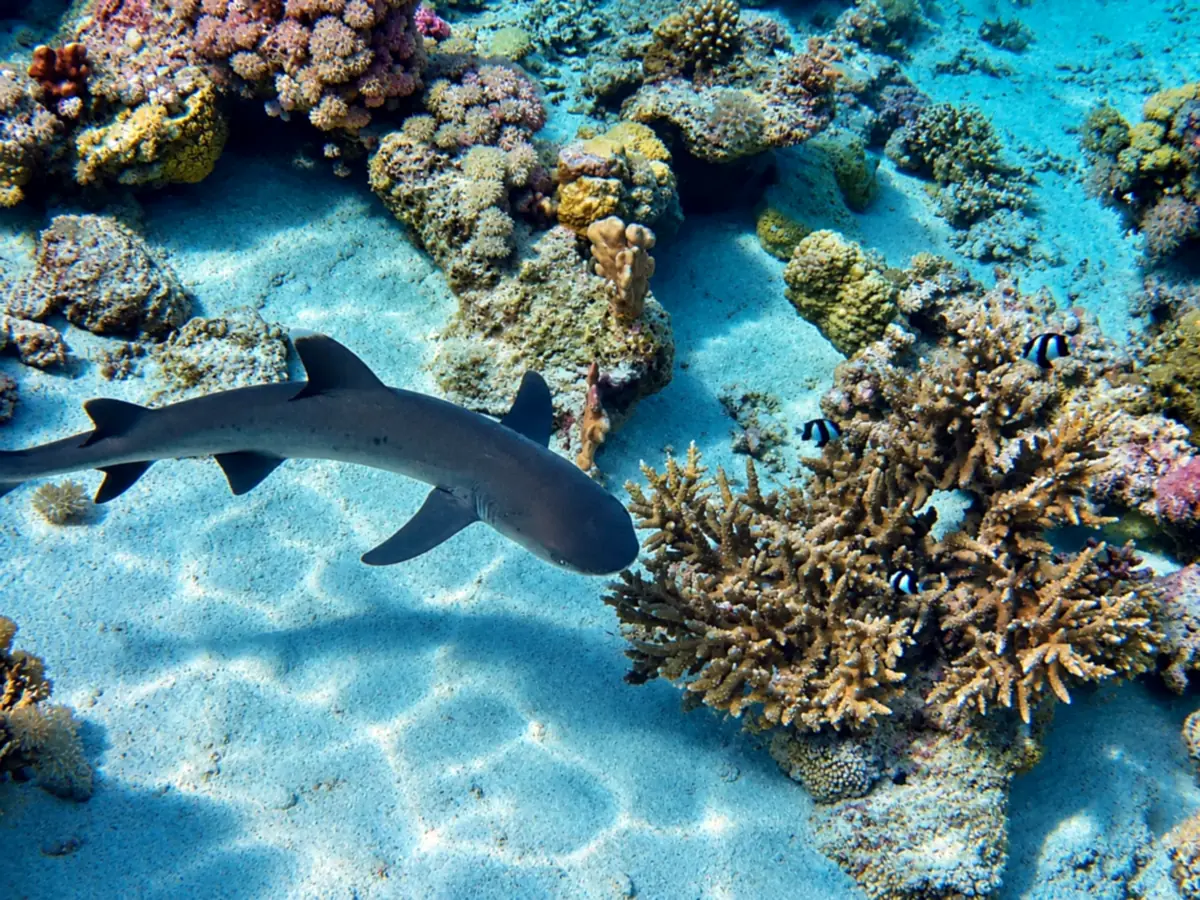
The channels. Meanwhile, the channels between the coral ridges hold goatfish, octopus and resting sharks.
Where is Abu Dabab 6?
Specifically, the reef lies offshore off Abu Dabab, north of Marsa Alam town, among the numbered Abu Dabab reefs. However, no verified GPS position for the dive site has been published, so we do not give one here.
Instead, the bay itself is a different site, a shore dive over seagrass. Finally, for the nearby reefs, see the Marsa Alam dive sites guide, together with Abu Dabab 5 and Abu Dabab 4.
How do you dive Abu Dabab 6?
Usually, the dive follows the walls of the main reef first and then visits the pinnacles around it. Since one side is exposed, the guide picks the side by the swell.
Route A: the sheltered wall
The drop
The start. First, the zodiac drops you on the sheltered side of the reef.
The wall
The main dive. Then, you follow the wall and its strange, wave-cut forms.
The return
The finish. Afterward, you rise along the reef for your safety stop.
Route B: pinnacles and channels
The pinnacles
The start. Instead, you start among the small pinnacles around the reef.
The channels
The main dive. Next, you follow the sandy channels between the ridges and look for resting sharks.
The reef top
The finish. Finally, you end on the shallow top of the main reef.
What marine life lives at Abu Dabab 6?
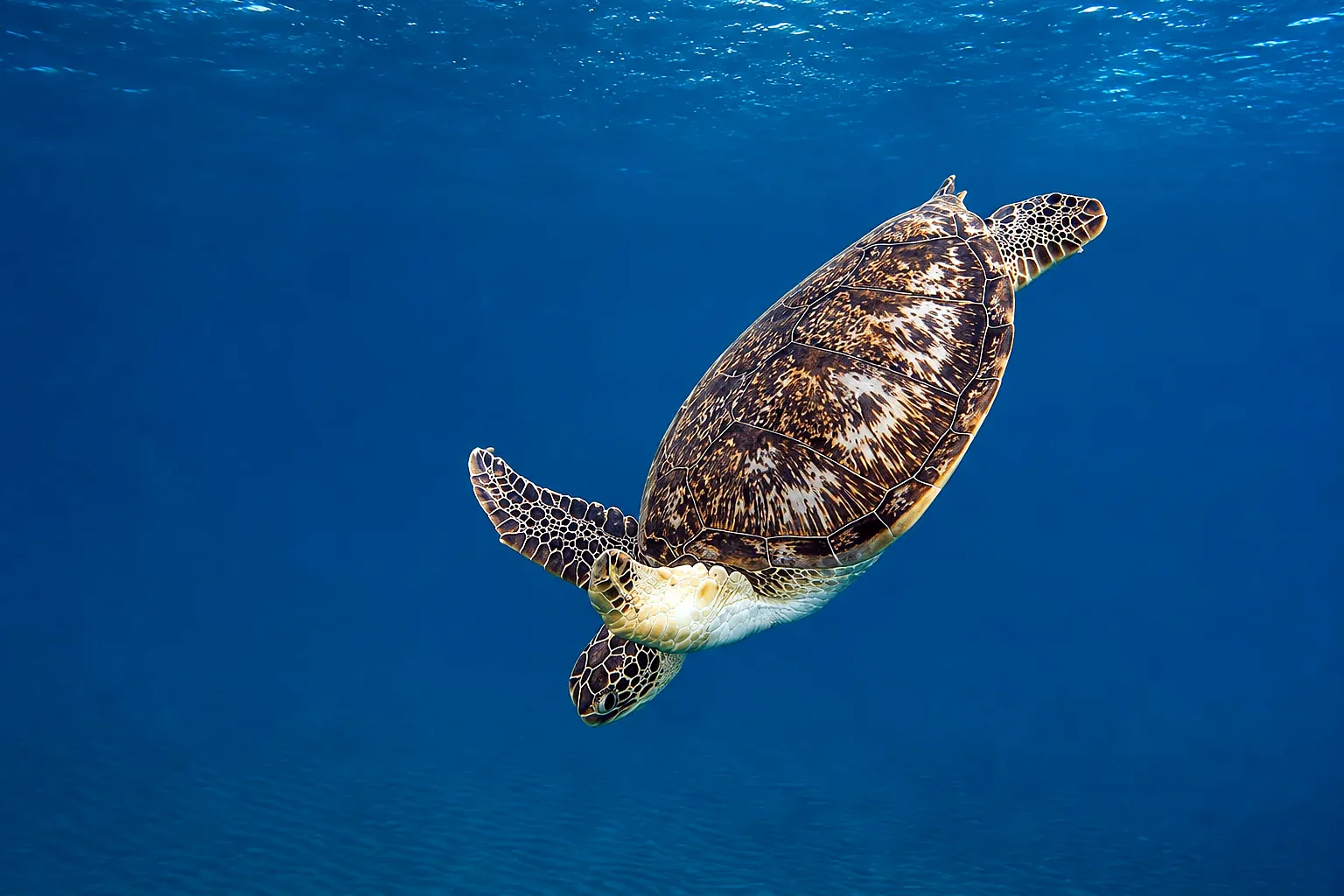
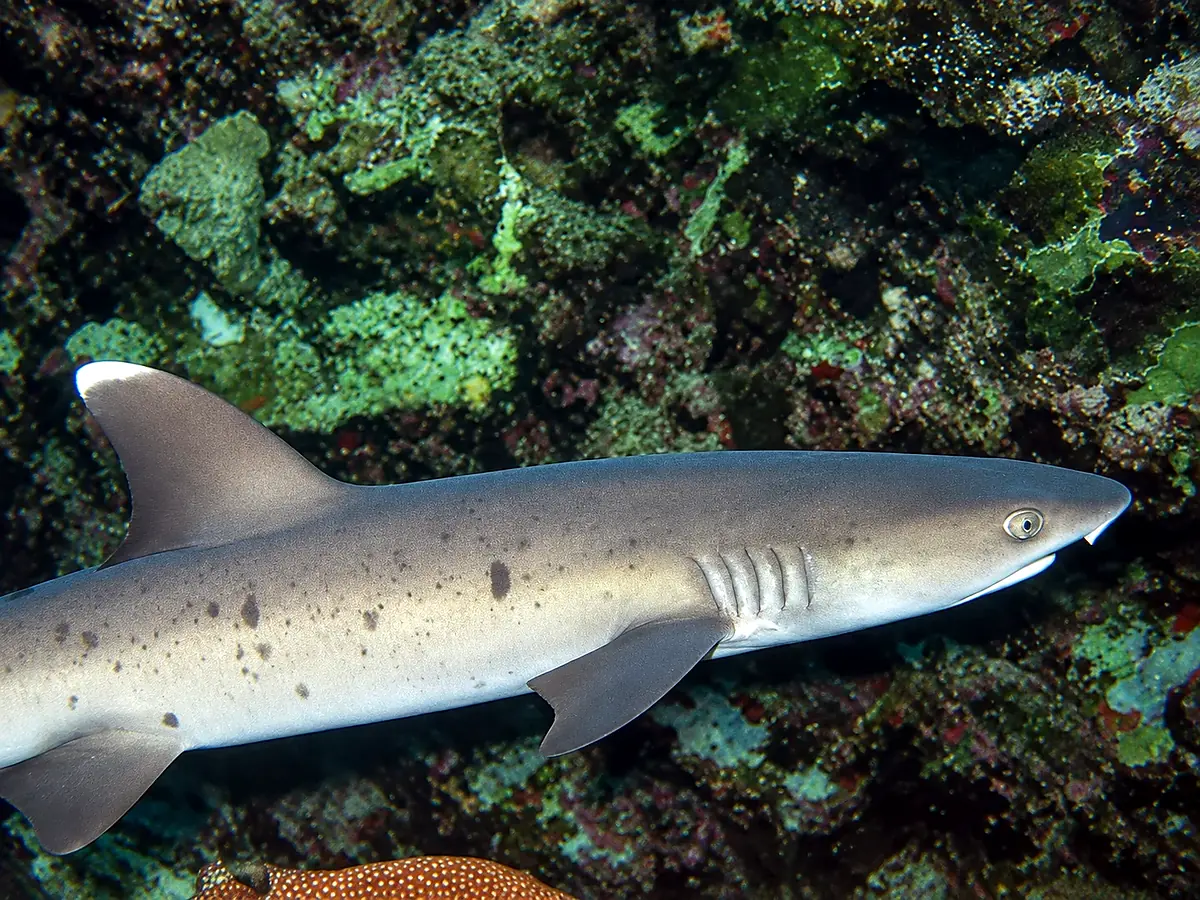
Overall, the reef fish on the walls and pinnacles are the main show. Around them, divers report whitetip reef sharks, turtles and napoleon wrasse, although no sighting is ever certain.
On the walls
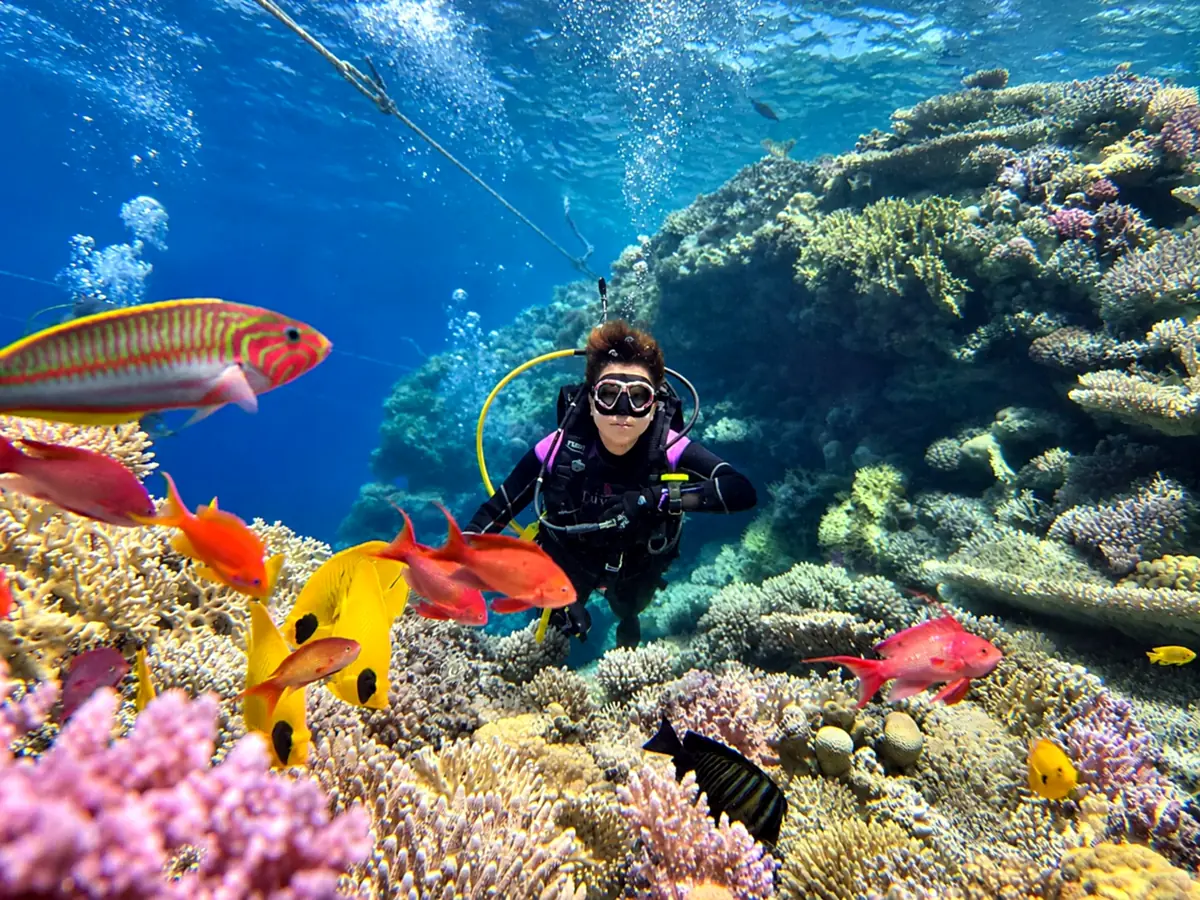
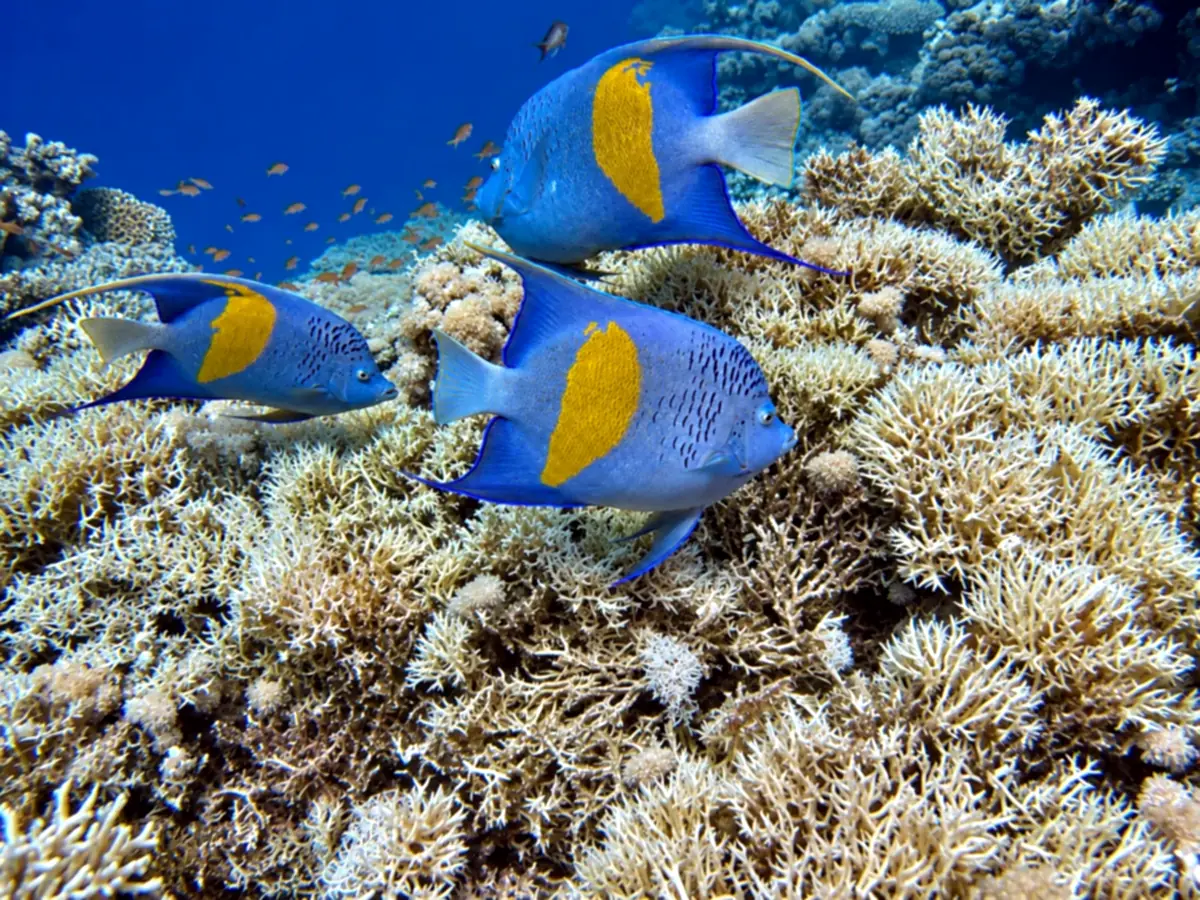
Typically, anthias, butterflyfish, sweetlips and napoleon wrasse swim along the walls.
In the channels
Likewise, whitetip reef sharks rest on the sand, while goatfish and octopus hunt nearby.
In the corals
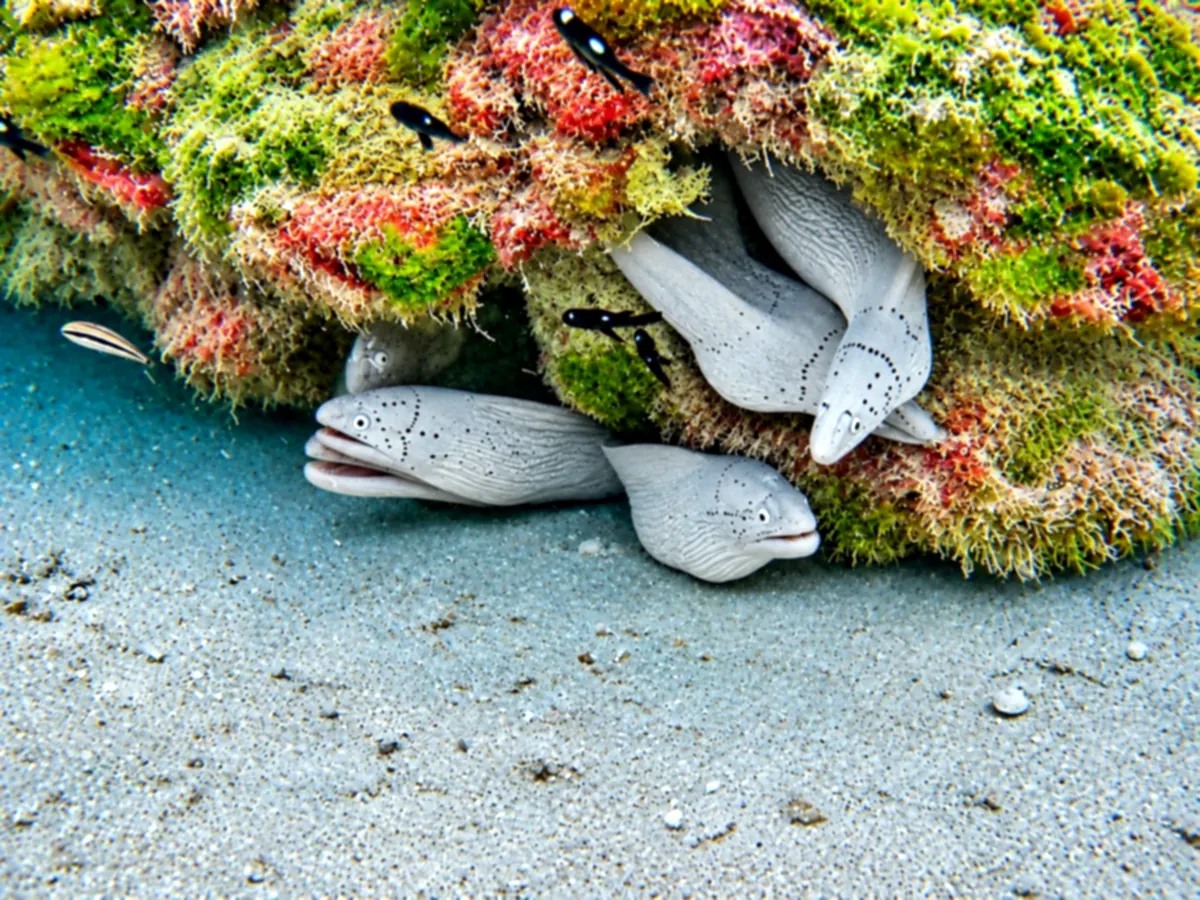
Meanwhile, moray eels and lionfish hide in the cracks, and turtles sometimes pass.
Is Abu Dabab 6 suitable for beginners?
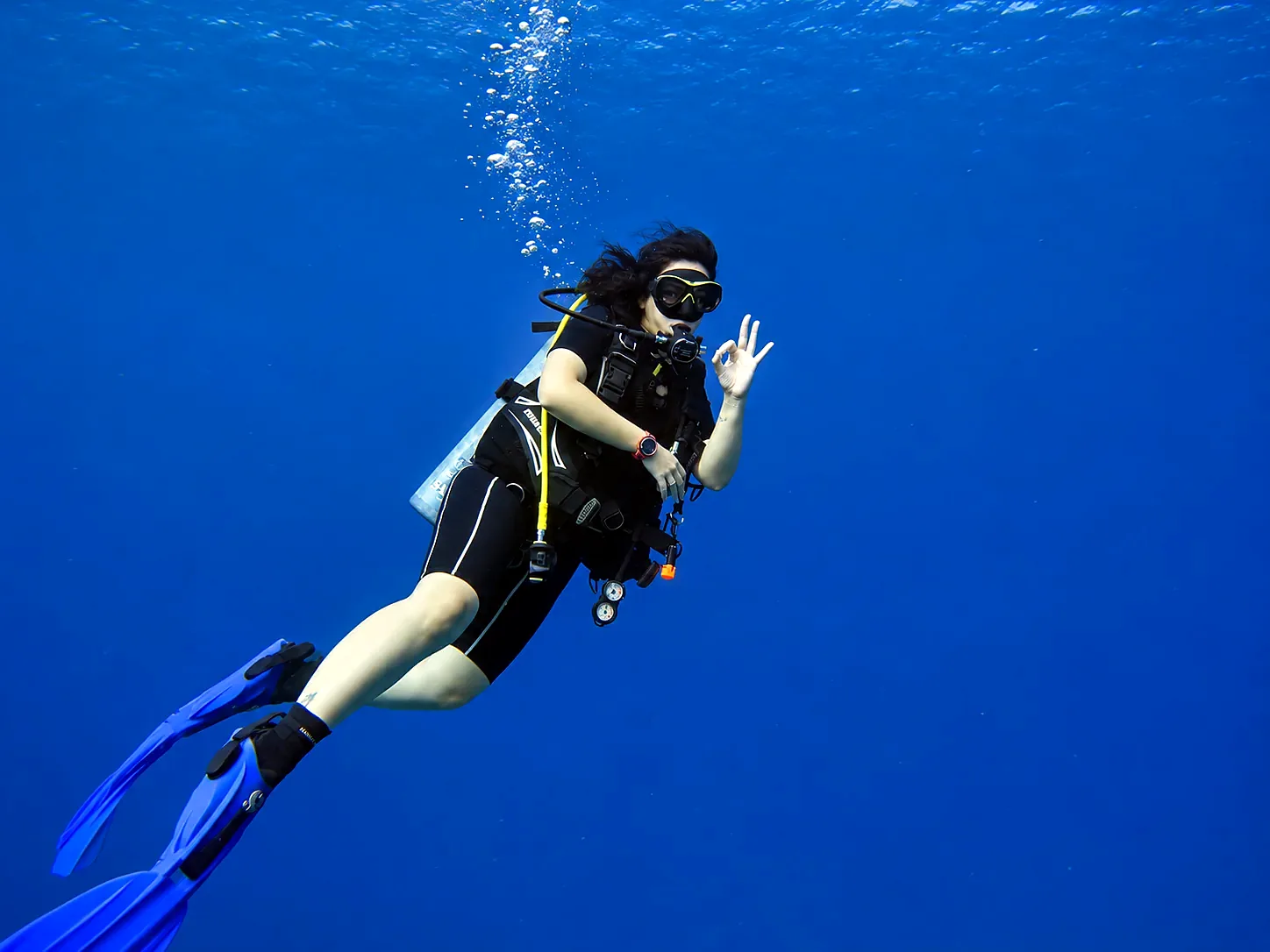
Yes, in calm conditions. The reef is easy to follow, so Open Water divers enjoy it with a guide.
However, the exposed side can have swell, so always follow the guide’s choice of side. For better control in moving water, the Peak Performance Buoyancy course helps. For example, our liveaboard dive techniques guide also explains zodiac entries.
Before you dive here
Firstly, follow the guide’s choice of side when there is swell. Secondly, never touch the corals, and give resting sharks space.
Above all, follow our diving safety standards and the rules of HEPCA. We strongly recommend dive insurance such as DAN Europe.
How do you get to Abu Dabab 6?
In practice, divers reach the reef by zodiac from the Marsa Alam coast or from a boat moored nearby. Liveaboards on the southern routes can also stop at the Marsa Alam reefs, such as our BDE liveaboard and the Daedalus and Fury Shoals route. Guests board on Saturday after 15:00, and check-out is between 09:00 and 10:00 the next Saturday.
Generally, boats combine several reefs on the same day. Consequently, you can pair it with Abu Dabab 5, Elphinstone and the other Marsa Alam reefs.
Plan your dive trip
- BDE liveaboard — Brothers, Daedalus and Elphinstone.
- Daedalus and Fury Shoals liveaboard — Daedalus Reef and the southern reefs.
- What divers need on board — the packing checklist for a Red Sea safari.
- redsealiveaboard.net — Red Sea safari schedules and availability.
- All eight boats in our fleet can sail these routes: Sea Fox, Simba, Sea Treasure, Star Jet, Bismarck, C Echo II, C U and Ramadan 3.
Photo gallery from Abu Dabab 6
Other routes from Red Sea Diving
Generally, for a first liveaboard, the North Red Sea liveaboard keeps to the classic wrecks. On the other hand, the Deep South St. John’s liveaboard reaches the far south, while the Elba Reef liveaboard goes further still. Meanwhile, the Red Sea liveaboard guide compares all eight routes.
Abu Dabab 6: frequently asked questions
Where is Abu Dabab 6?
In fact, it is an offshore reef off Abu Dabab, north of Marsa Alam, among the numbered Abu Dabab reefs.
What makes Abu Dabab 6 special?
Mainly, its walls: the waves have shaped the big reef into unusual forms, and small pinnacles and sandy channels surround it.
Can you see sharks at Abu Dabab 6?
Sometimes. Whitetip reef sharks often rest in the sandy channels, although no sighting is ever certain.
Is Abu Dabab 6 good for beginners?
Yes, in calm conditions. The exposed side can have swell, so follow the guide’s choice of side.
How do you get to Abu Dabab 6?
Usually by zodiac from the Marsa Alam coast or from a nearby boat, or on a liveaboard. Moreover, all eight boats in the Red Sea Diving fleet can run the Marsa Alam routes.
Marsa Alam · Liveaboard · Coastal reefs
Dive Abu Dabab 6 with us
Simply tell us your dates, the number of divers, your certification level and your number of logged dives. Afterward, our team checks which departure fits your group before you commit to anything.


