
Dive guide to Marsa Egla · North of Marsa Alam
Marsa Egla Dive Site An easy beach dive over sand, seagrass and two coral reefs
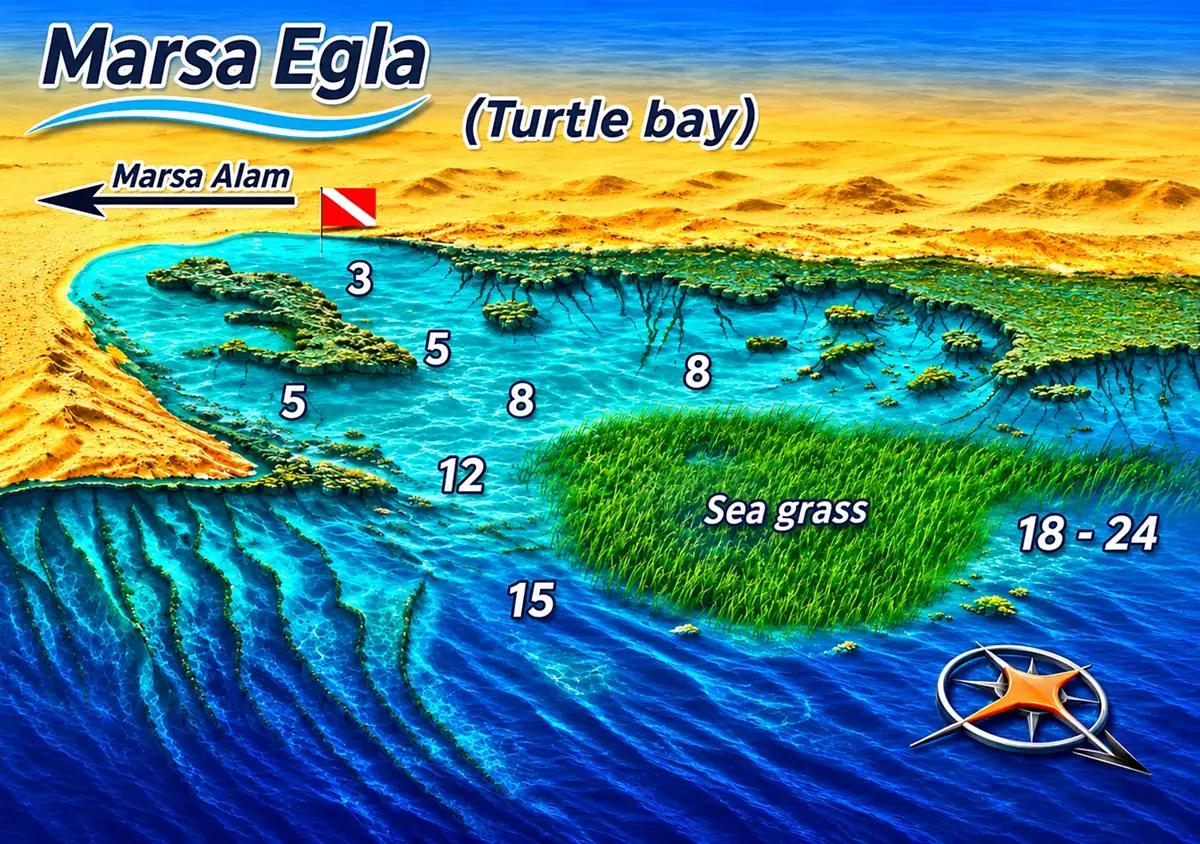
Marsa Egla, also written Marsa Eglah, is a wide natural bay about 10 km north of Marsa Alam. Its center is sand and seagrass, where green turtles graze, while coral reefs run along the north and south sides. You walk in straight from the beach, and the bay stays sheltered, so it is one of the easiest shore dives on this coast.
Marsa Egla in short
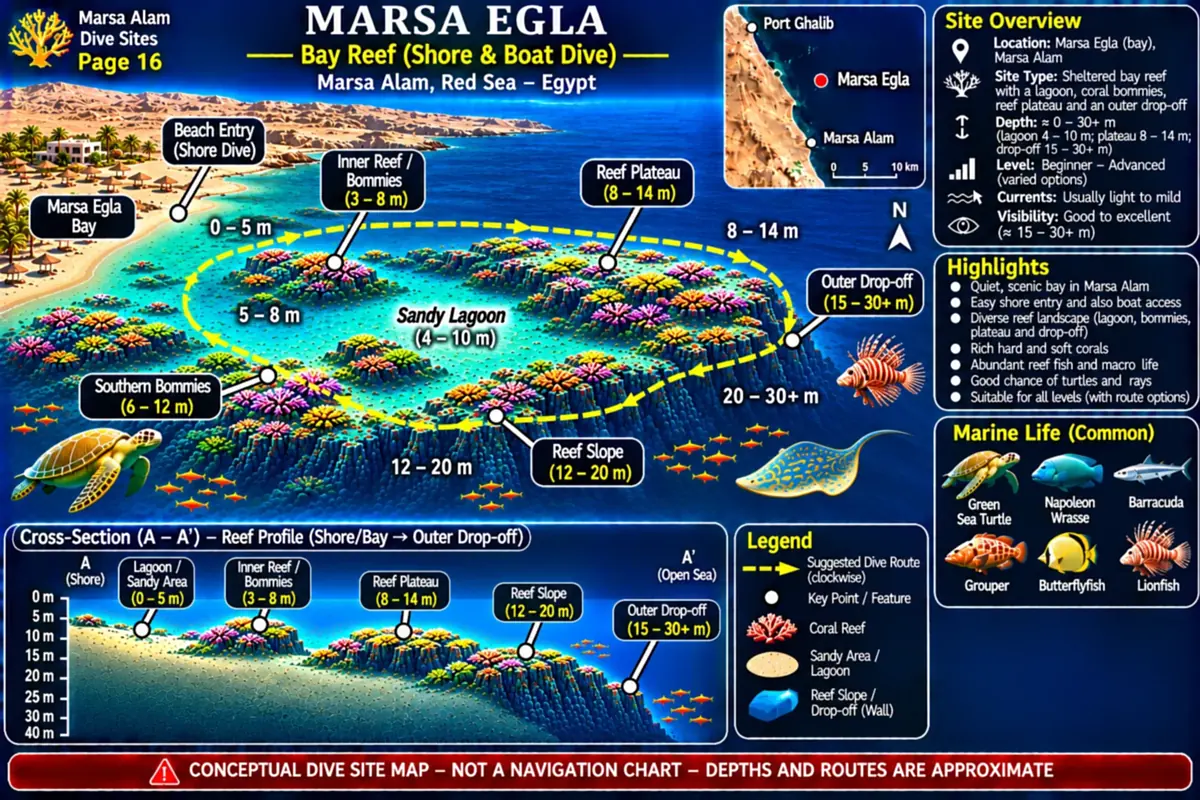
In short, Marsa Egla is a wide natural bay about 10 km north of Marsa Alam, with a sandy bottom, seagrass in the center and coral reefs along both sides. Above all, divers enter straight from the beach, the current is weak or absent, and depths reach about 25 m. In addition, green turtles graze on the seagrass, and on rare days a dugong appears. Overall, it is one of the easiest shore dives on the coast and suits every level as well as snorkelers.
What is Marsa Egla like?
Above all, this is a calm and easy bay. The bottom slopes gently from the beach toward the reefs, so you reach them easily even when the sea outside is rough.
Meanwhile, the bay joins three habitats in one dive. In fact, sand, seagrass and coral all lie within a short swim of each other.
Each side of the bay also has its own character. As a rule, the north reef holds big schools of small fish, while the south reef draws larger reef fish.
The bay at a glance
The sand
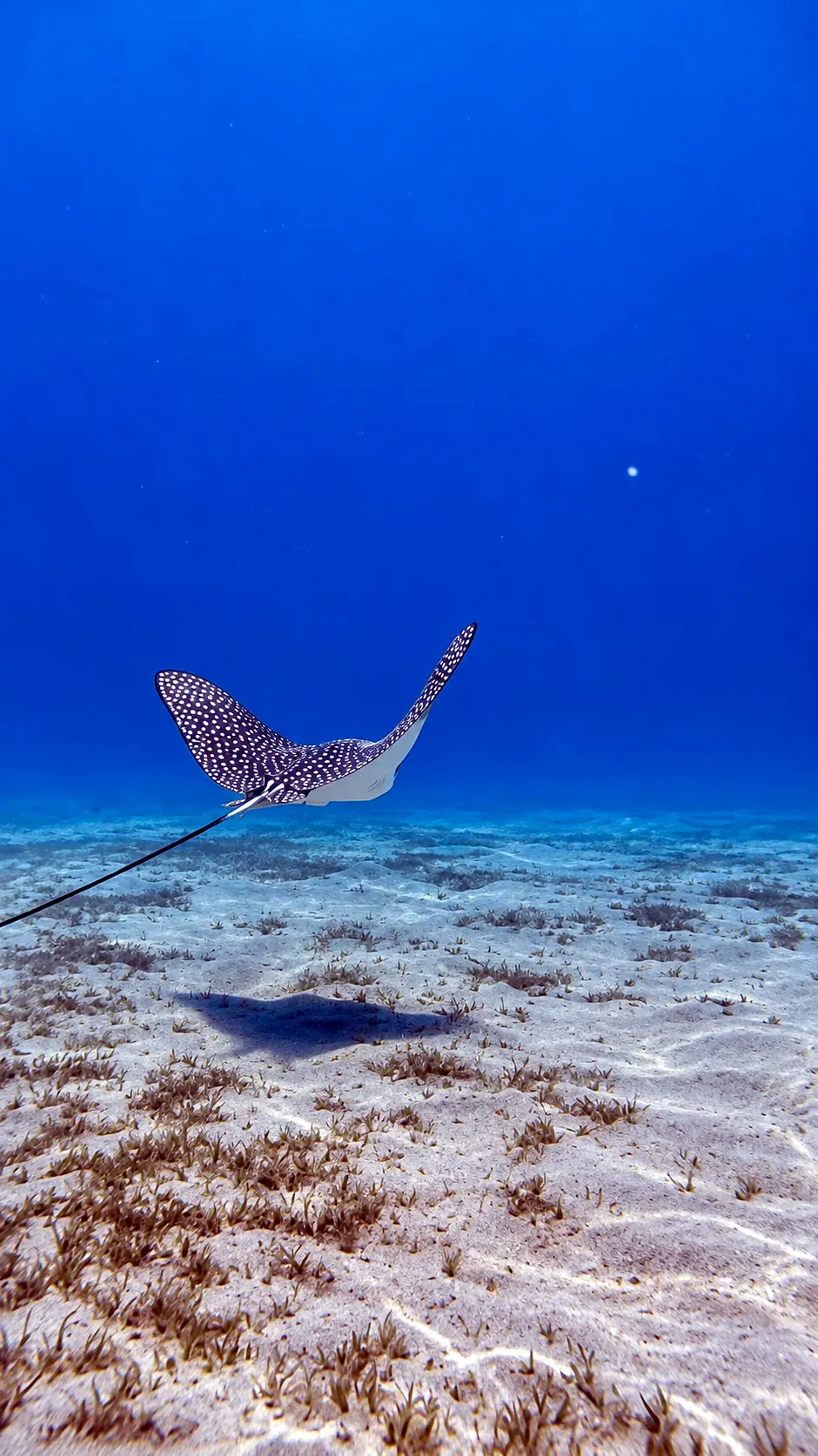
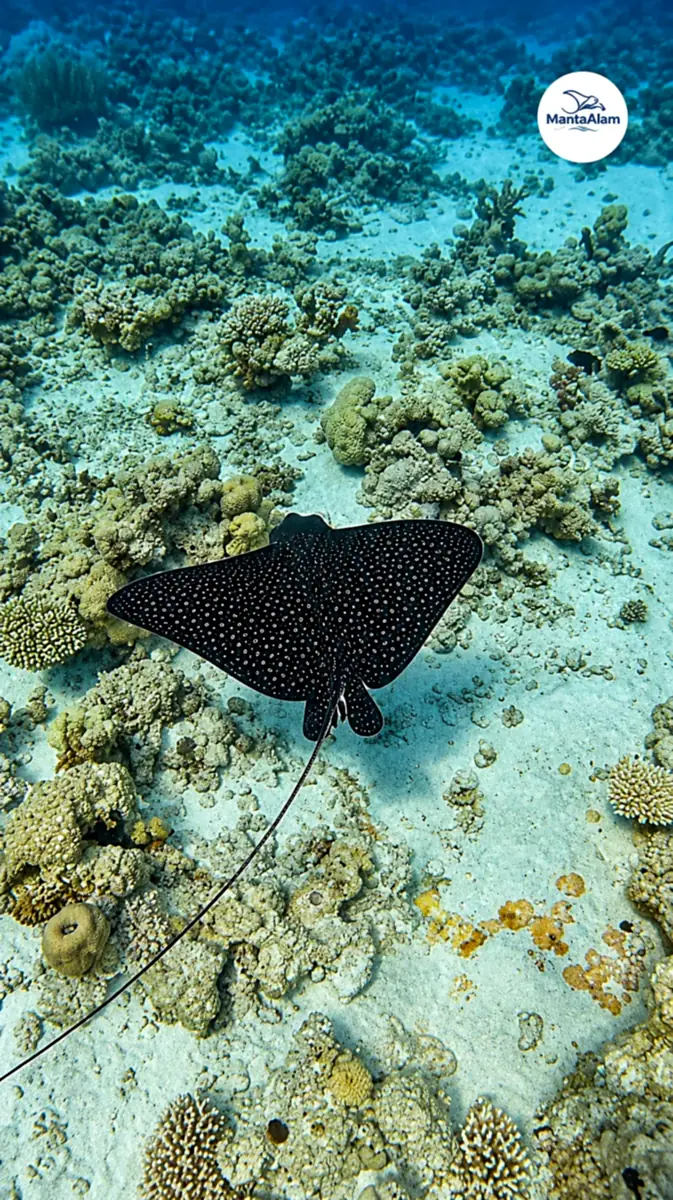
First, a sandy bottom where rays rest and small life hides.
The seagrass
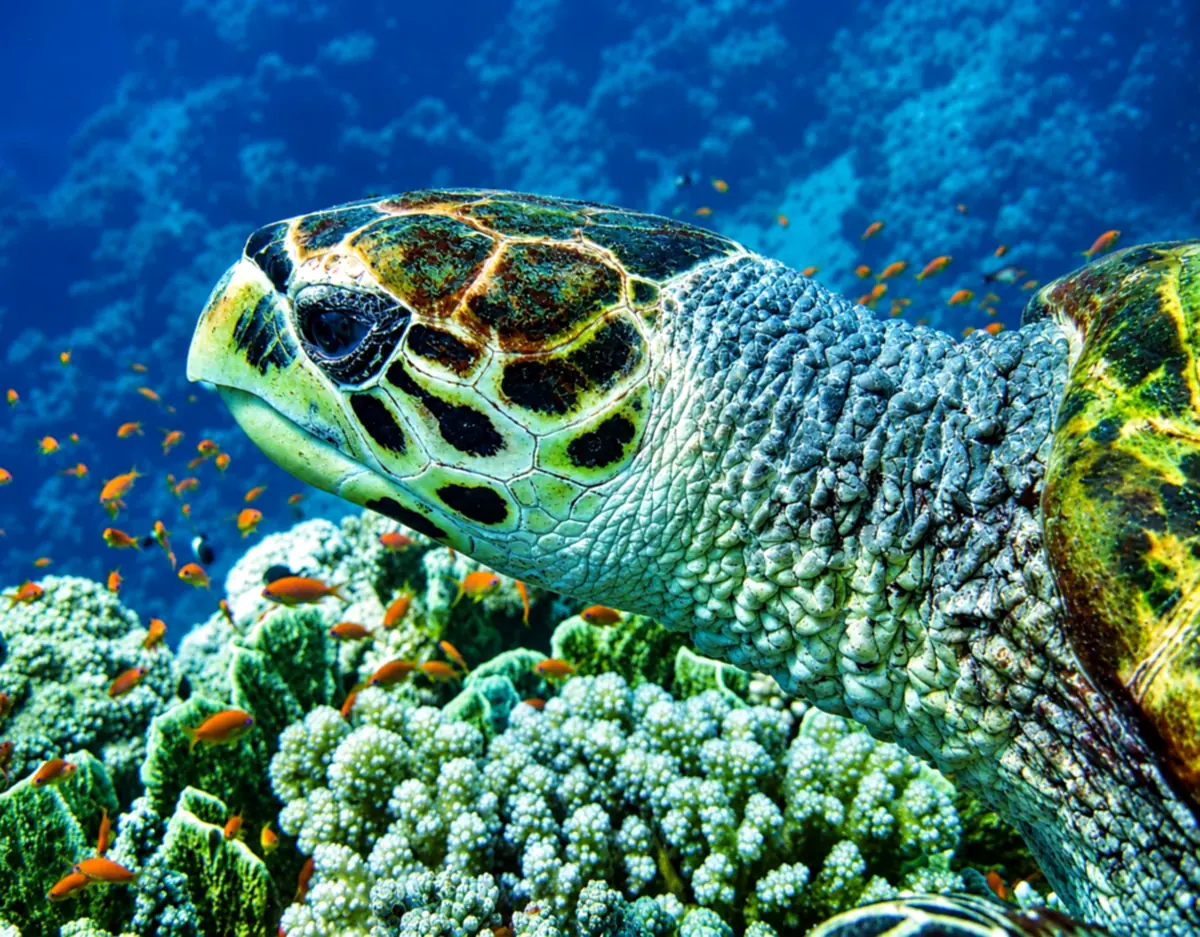
Next, the meadows in the center, where turtles graze.
The reefs
Finally, coral reefs along both sides of the bay.
What is under the water at Marsa Egla?
Generally, the bay has three habitats. First, sand covers the bottom near the beach. Then, seagrass fills the center. Finally, coral reefs line the north and south sides.
The north reef
The north side. Here, for example, big schools of small fish gather along the coral edge.
The seagrass
The meadows. In contrast, the center is a quiet meadow where turtles graze and rays rest.
The south reef
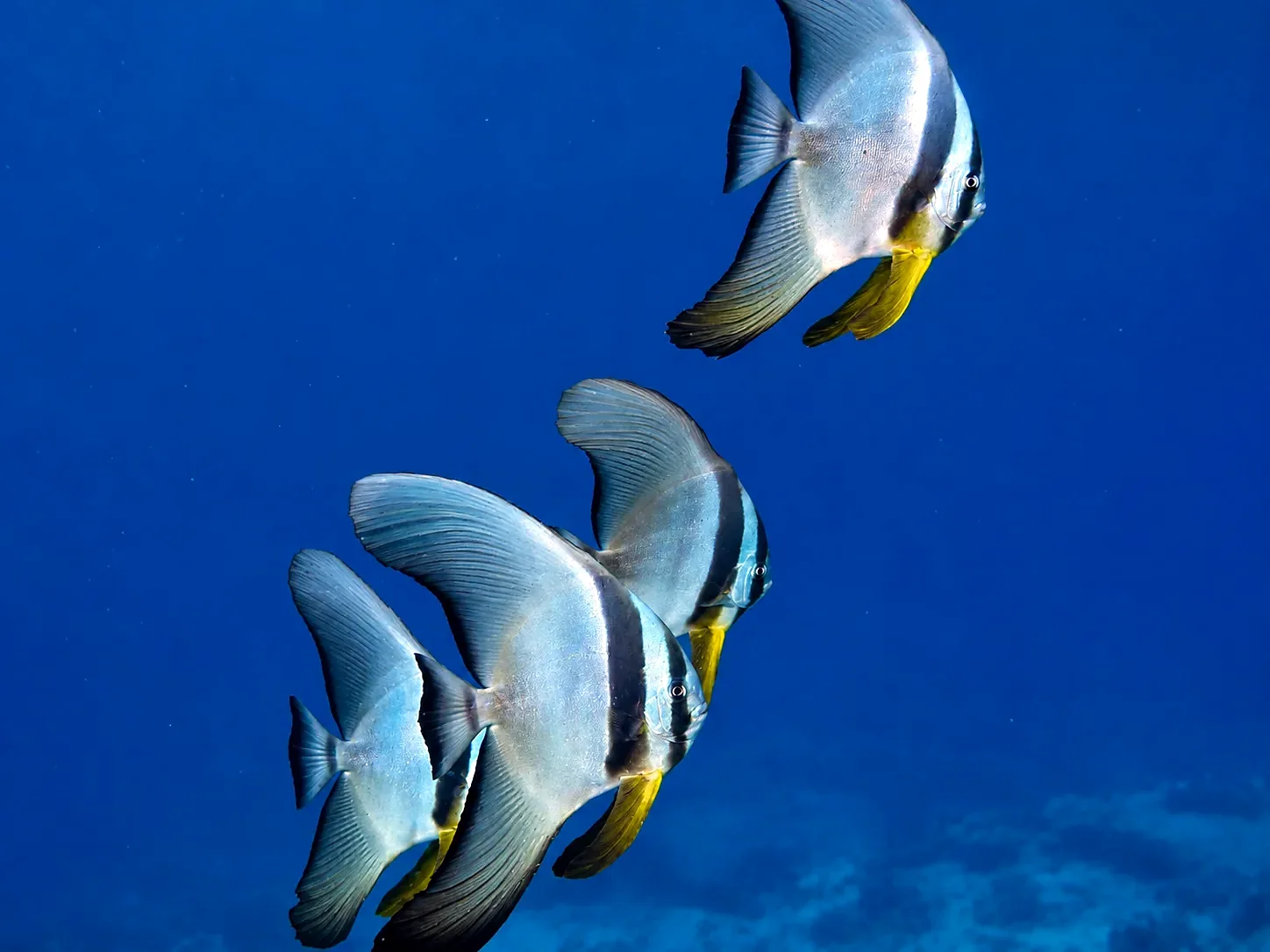
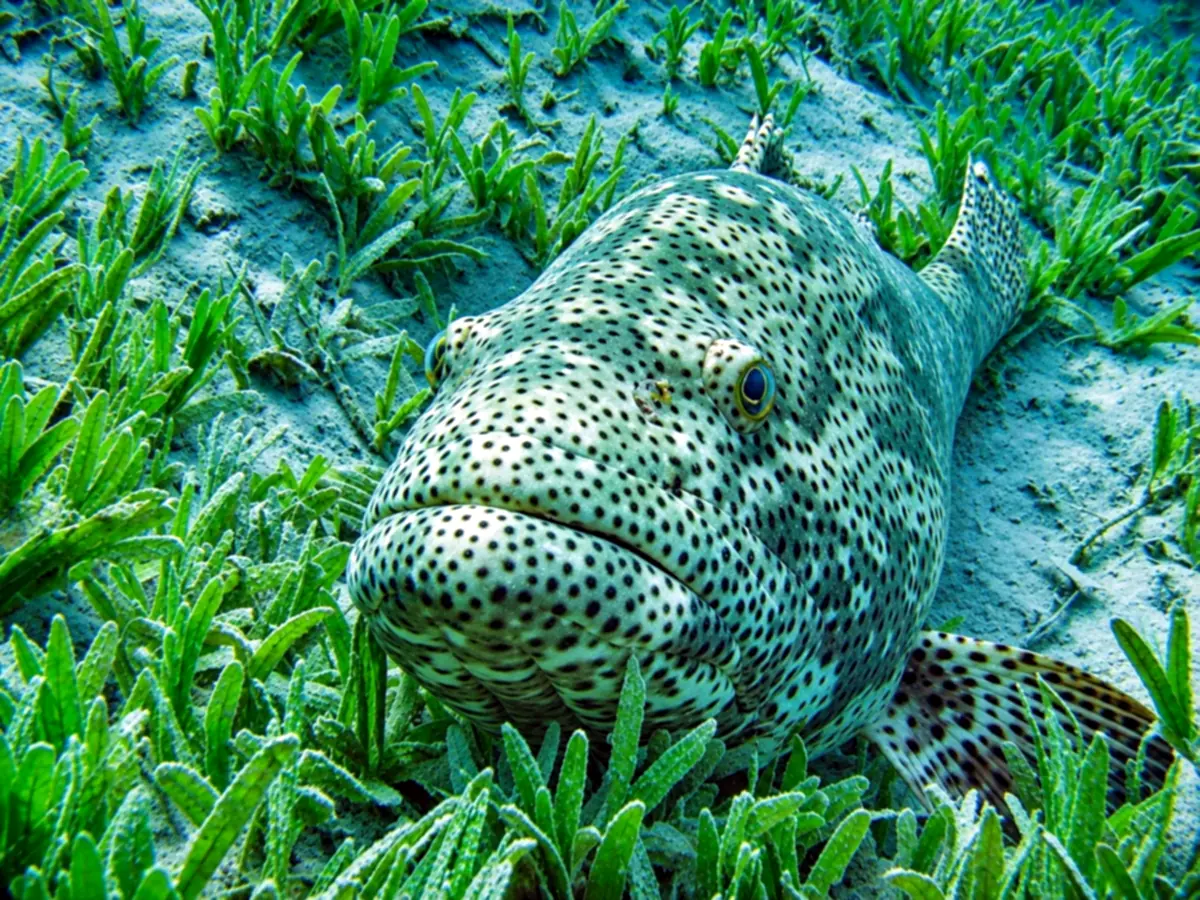
The south side. Meanwhile, the south reef holds batfish, sweetlips, snappers and groupers, although visibility can be lower here.
Where is Marsa Egla?
Specifically, the bay lies on the coast about 10 km north of Marsa Alam town, between Abu Dabab and Marsa Alam. However, no verified GPS position for the dive entry has been published, so we do not give one here.
Nearby, Marsa Shagra lies to the north and Marsa Assalaya close by, while Shaab Marsa Alam sits offshore. Finally, for the other reefs, see the Marsa Alam dive sites guide, together with Marsa Abu Dabab and Abu Dabab 1.
How do you dive Marsa Egla?
Usually, you walk in from the beach and choose one side of the bay. In both cases, the current is weak, so the dive stays slow and relaxed.
Route A: the north reef
The entry
The start. First, you walk in through the shallows and head for the north side.
The reef
The main dive. Then, you follow the coral edge among the schools of small fish.
The seagrass
The finish. Afterward, you cross the seagrass on the way back and look for turtles.
Route B: the south reef
The meadow
The start. Instead, you swim out over the meadow toward the south side.
The reef
The main dive. Next, you follow the south reef, where moray eels, triggerfish and groupers live.
The return
The finish. Finally, you return over the sand to the beach.
What marine life lives at Marsa Egla?
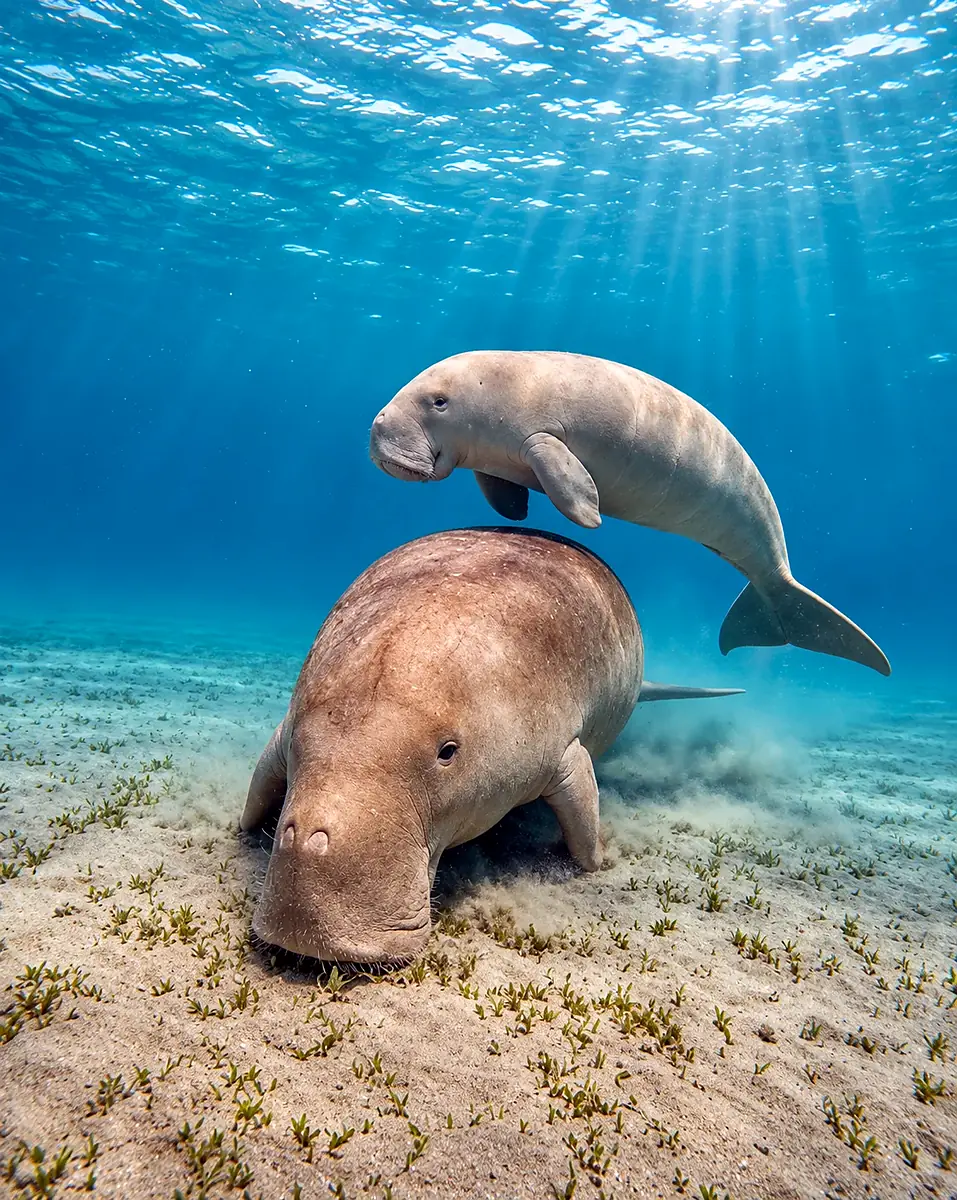
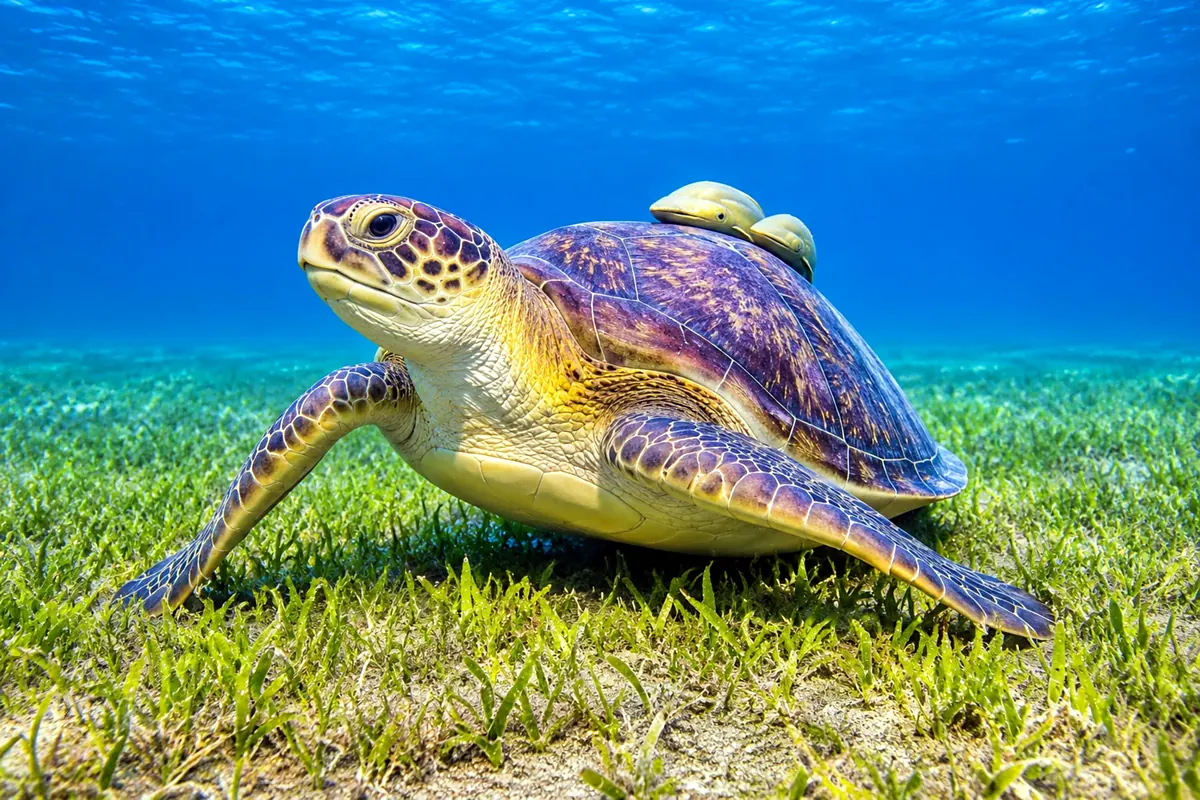
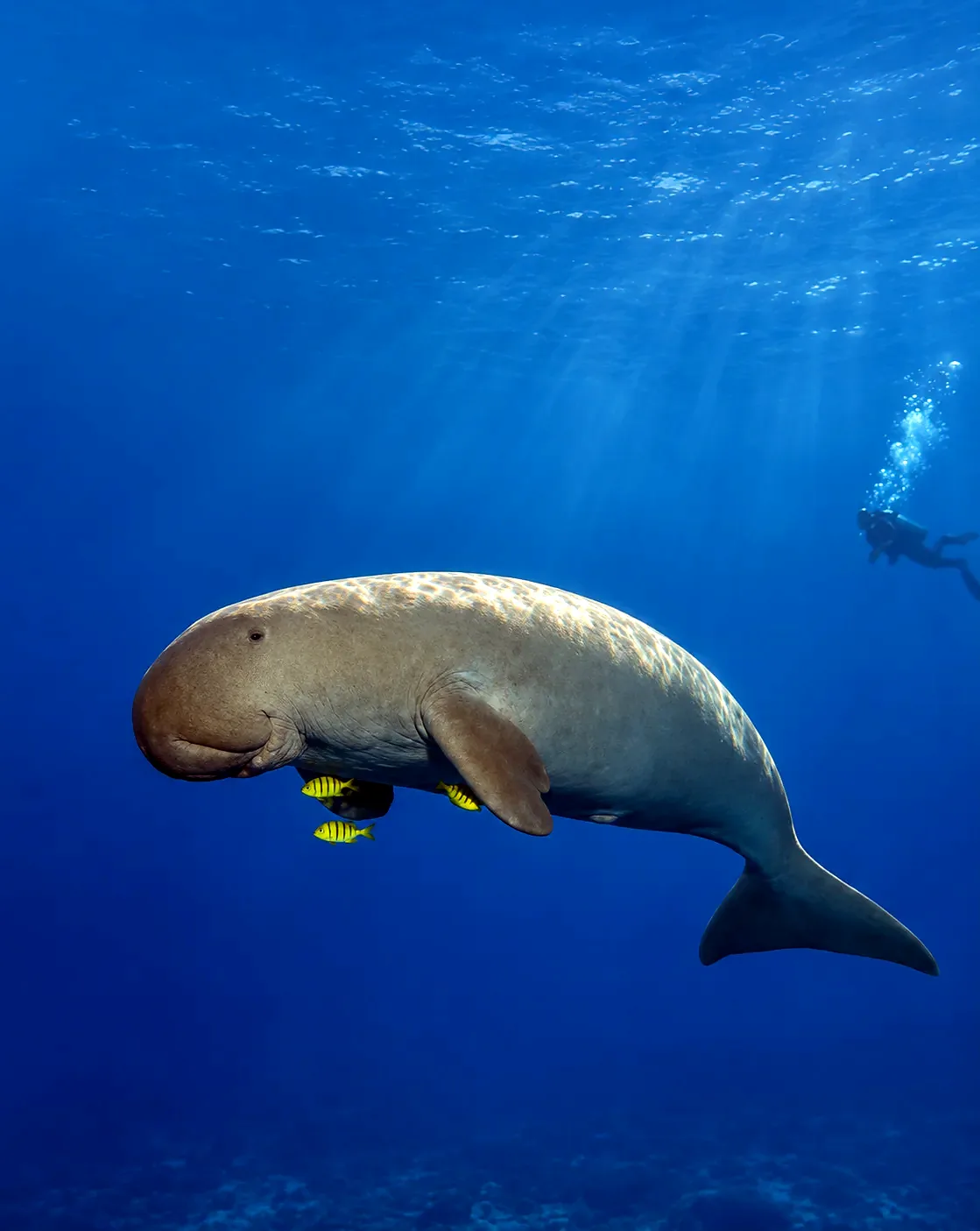
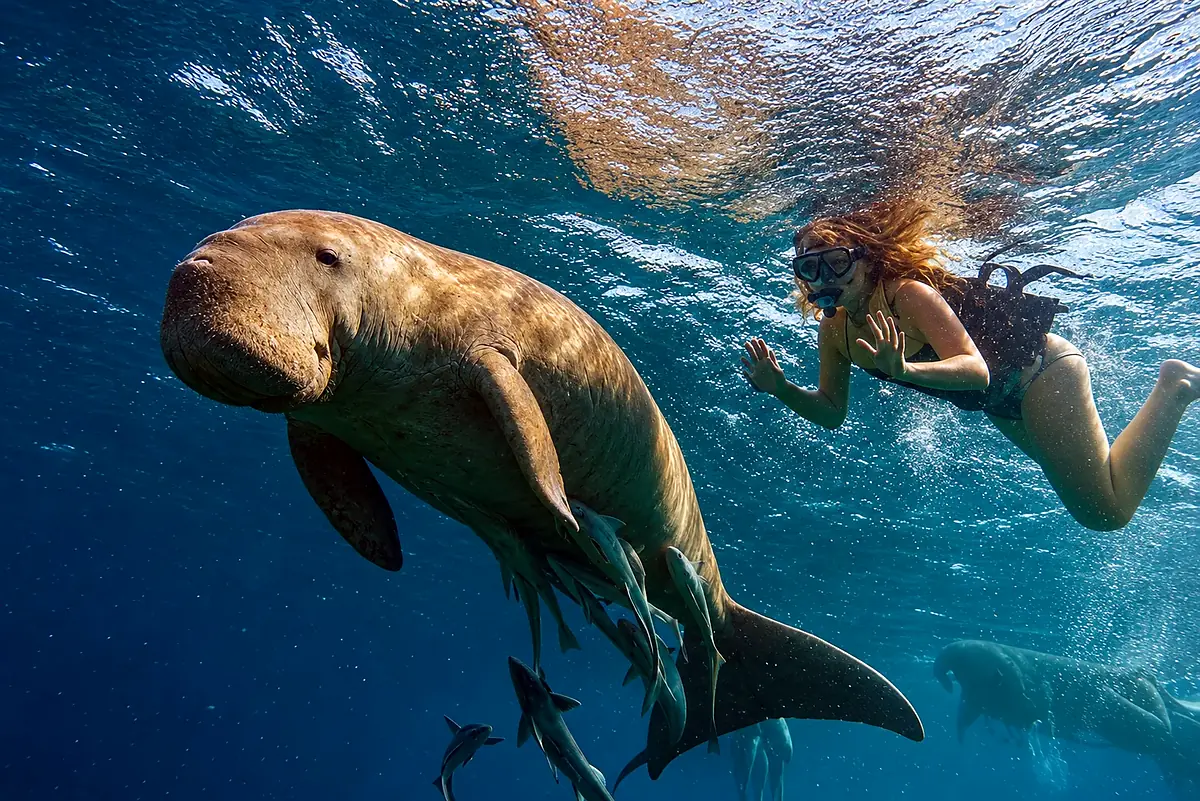
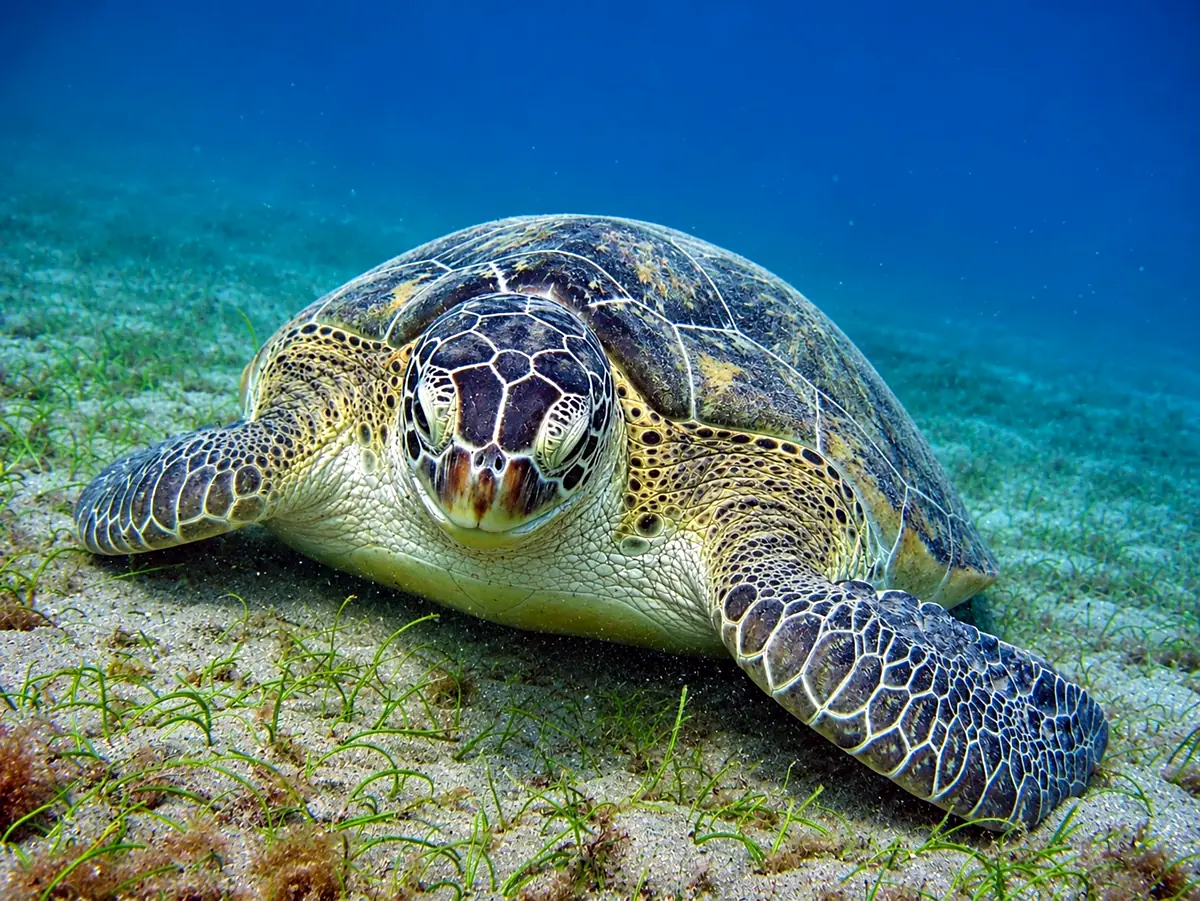
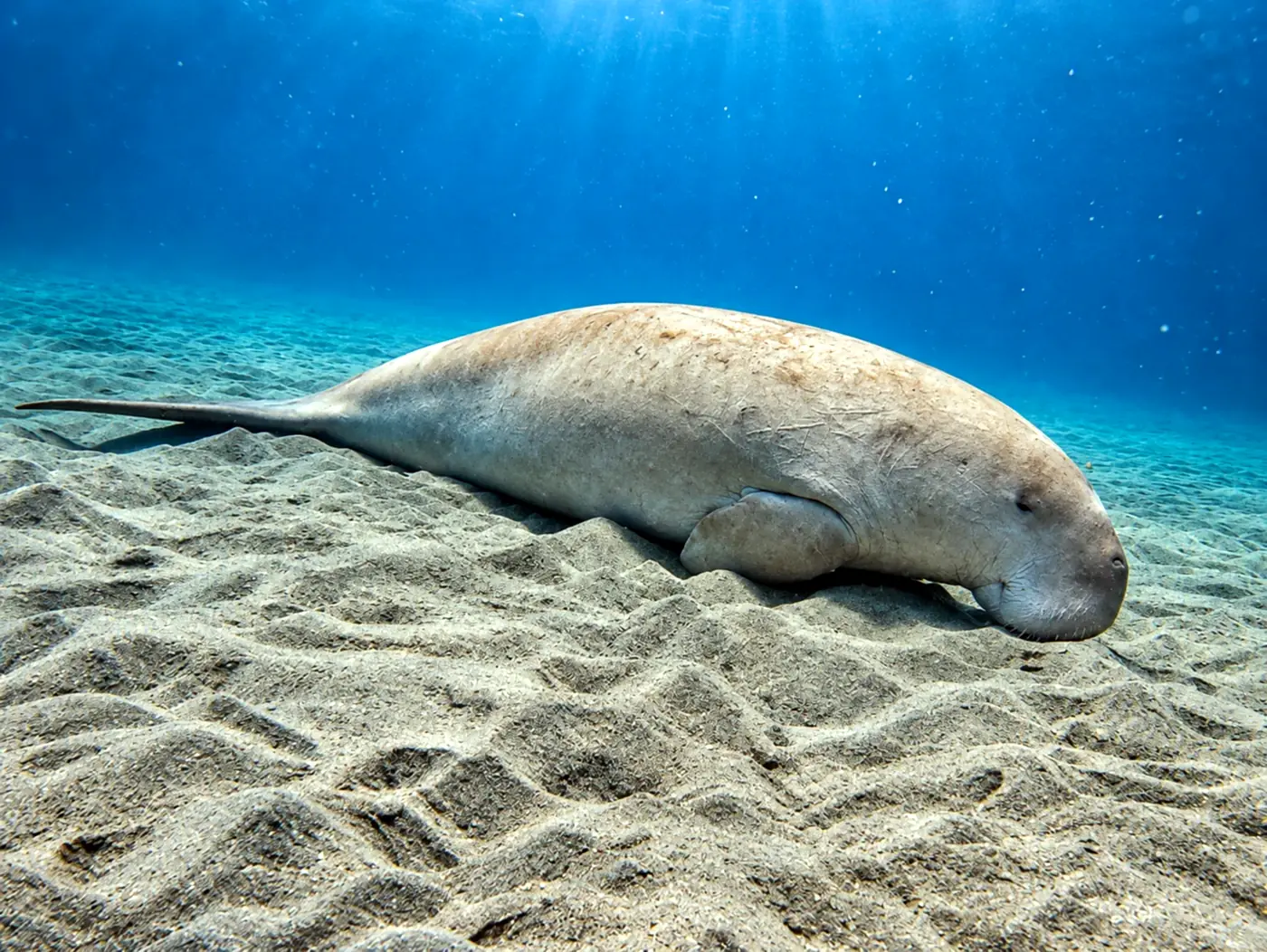
Overall, the bay brings three habitats into one dive. Above all, green turtles graze on the seagrass, and on the south side a dugong appears with luck, although no sighting is ever certain.
On the seagrass
Typically, green turtles feed on the meadows, and a dugong sometimes grazes on the south side.
On the sand
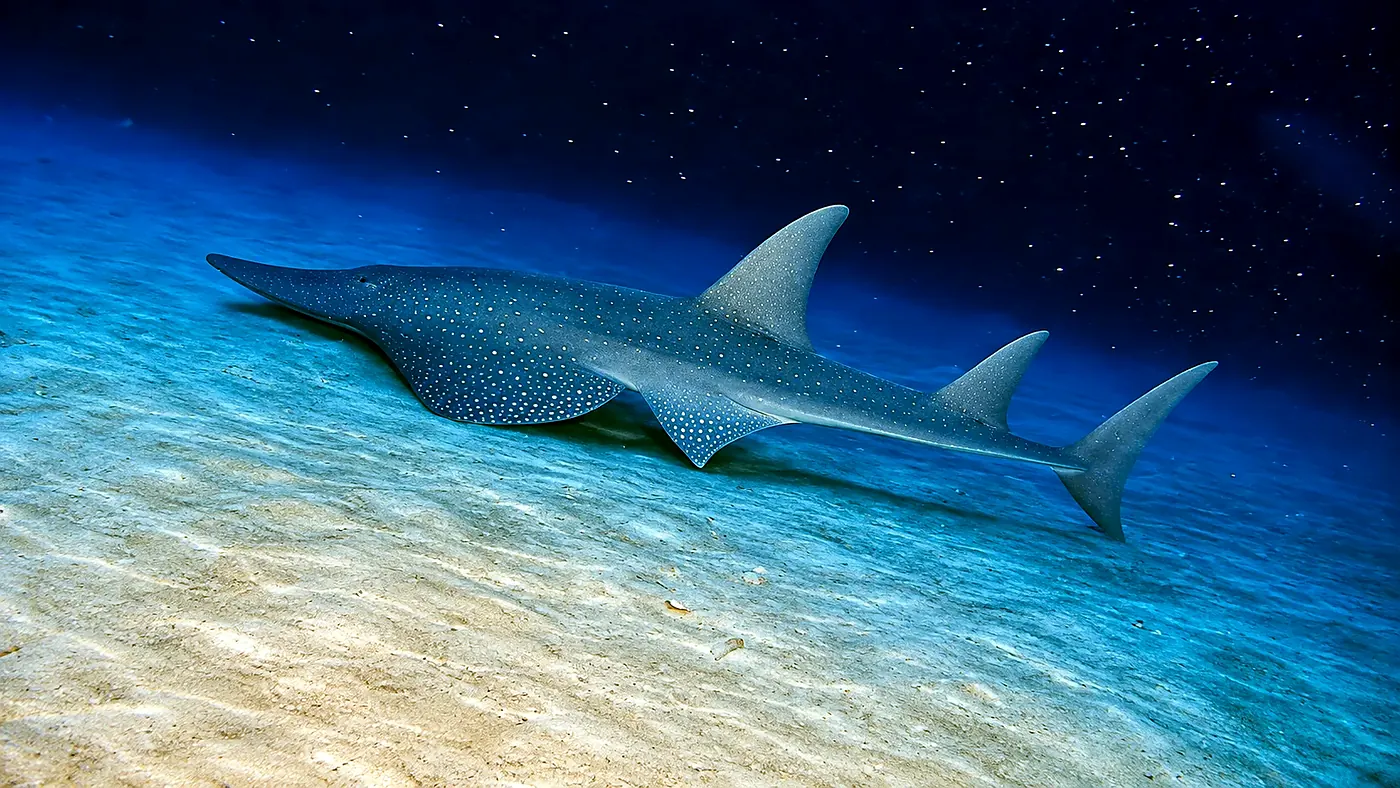
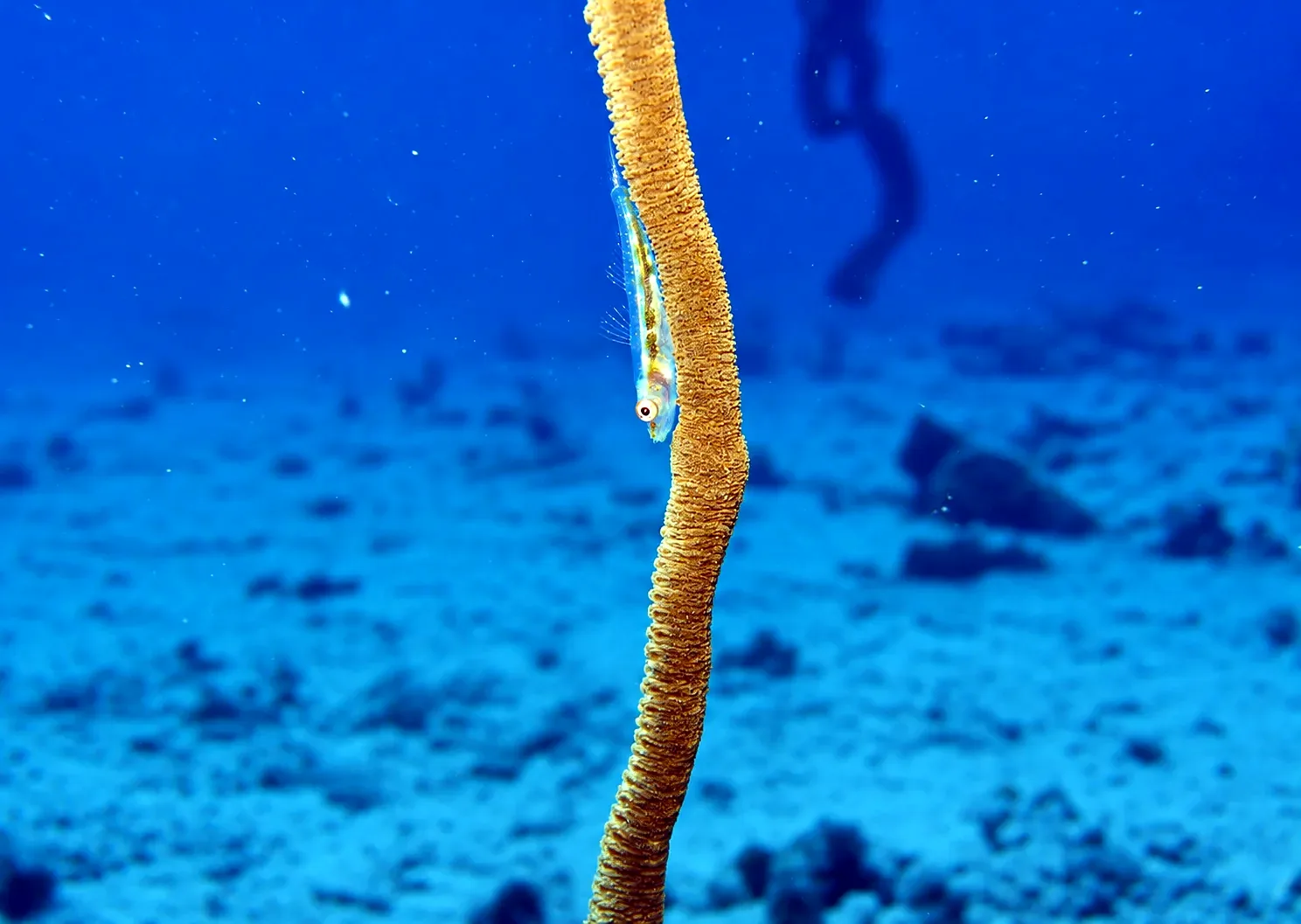
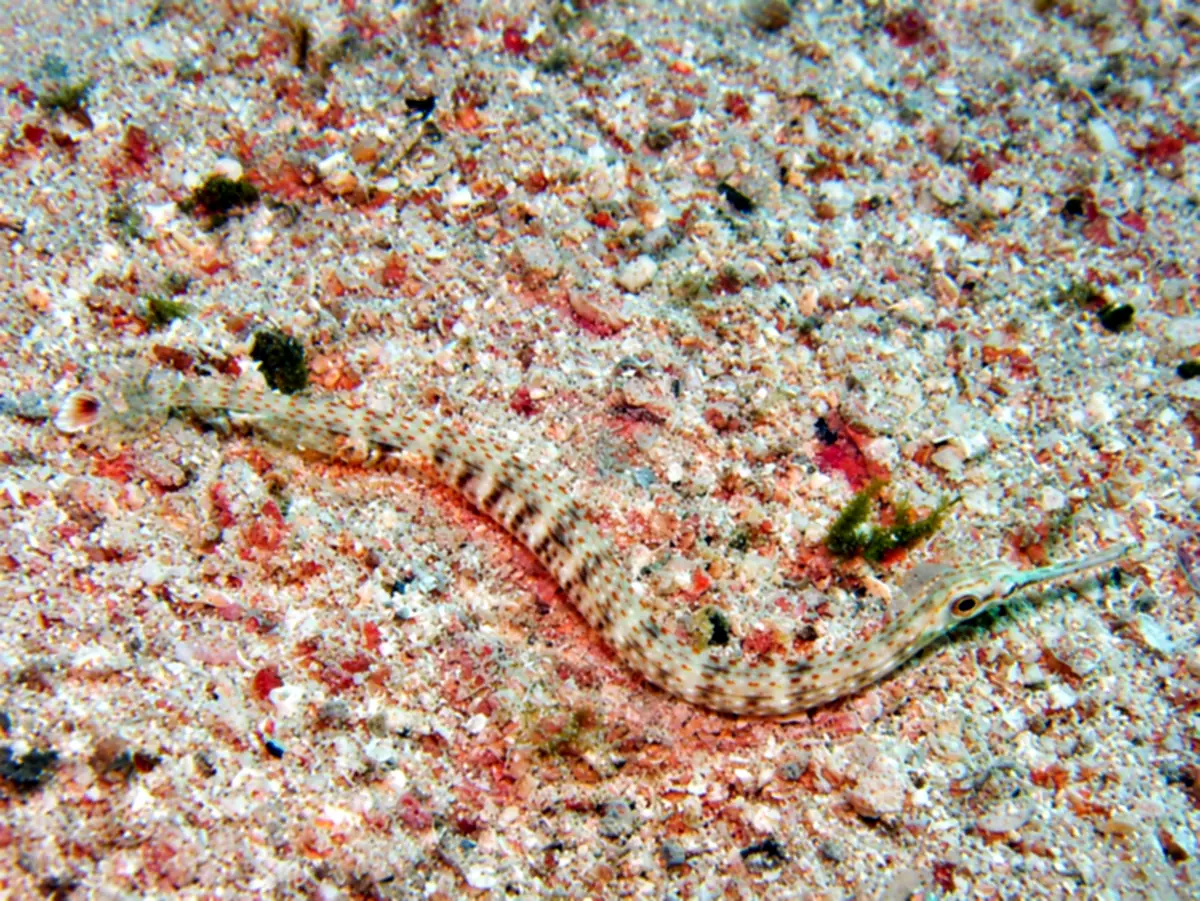
Likewise, rays and guitarfish rest on the sand, while pipefish hide among the grass and rubble.
On the reefs
Meanwhile, batfish, sweetlips, snappers, moray eels and triggerfish live on the south reef.
Is Marsa Egla suitable for beginners?
Yes. The entry is smooth, the bay is sheltered and the current is weak, so it suits check-out dives, Open Water divers and snorkelers.
However, visibility can drop on the south side. For deeper reefs elsewhere, take Advanced Open Water. For example, our liveaboard dive techniques guide also explains buoyancy and entries.
Before you dive here
Firstly, never chase or touch a turtle or dugong; keep your distance and let it move freely. Secondly, stay off the seagrass to protect it.
Above all, follow our diving safety standards and the rules of HEPCA. We strongly recommend dive insurance such as DAN Europe.
How do you get to Marsa Egla?
In practice, divers drive to the beach and walk in, so no boat is needed. Liveaboards on the southern routes can also visit the Marsa Alam reefs, such as our BDE liveaboard and the Daedalus and Fury Shoals route. Guests board on Saturday after 15:00, and check-out is between 09:00 and 10:00 the next Saturday.
Generally, you can combine it with other sites on the same coast. Consequently, you can pair it with Marsa Abu Dabab, Elphinstone and the other Marsa Alam reefs.
Plan your dive trip
- BDE liveaboard — Brothers, Daedalus and Elphinstone.
- Daedalus and Fury Shoals liveaboard — Daedalus Reef and the southern reefs.
- What divers need on board — the packing checklist for a Red Sea safari.
- redsealiveaboard.net — Red Sea safari schedules and availability.
- All eight boats in our fleet can sail these routes: Sea Fox, Simba, Sea Treasure, Star Jet, Bismarck, C Echo II, C U and Ramadan 3.
Photo gallery from Marsa Egla
Other routes from Red Sea Diving
Generally, for a first liveaboard, the North Red Sea liveaboard keeps to the classic wrecks. On the other hand, the Deep South St. John’s liveaboard reaches the far south, while the Elba Reef liveaboard goes further still. Meanwhile, the Red Sea liveaboard guide compares all eight routes.
Marsa Egla: frequently asked questions
Where is Marsa Egla?
In fact, it is a natural bay about 10 km north of Marsa Alam town, between Abu Dabab and Marsa Alam.
How do you enter the water at Marsa Egla?
Straight from the beach, through shallow water with a smooth sandy bottom, so no boat is needed.
How deep is Marsa Egla?
Overall, the depth is moderate, with a maximum of about 25 m along the reefs.
Can you see turtles and dugongs at Marsa Egla?
Turtles often graze on the seagrass. A dugong appears only rarely, mostly on the south side, and no sighting is ever certain.
Is Marsa Egla good for beginners?
Yes. In general, the bay is sheltered with little current, so it suits check-out dives, beginners and snorkelers.
Marsa Alam · Liveaboard · Coastal reefs
Dive Marsa Egla with us
Simply tell us your dates, the number of divers, your certification level and your number of logged dives. Afterward, our team checks which departure fits your group before you commit to anything.


