
Guide to the Wadi El Gemal dive sites · Marsa Alam to Hamata, southern Red Sea
Wadi El Gemal Dive Sites Offshore reefs, island moorings and deep plateaus in a protected national park
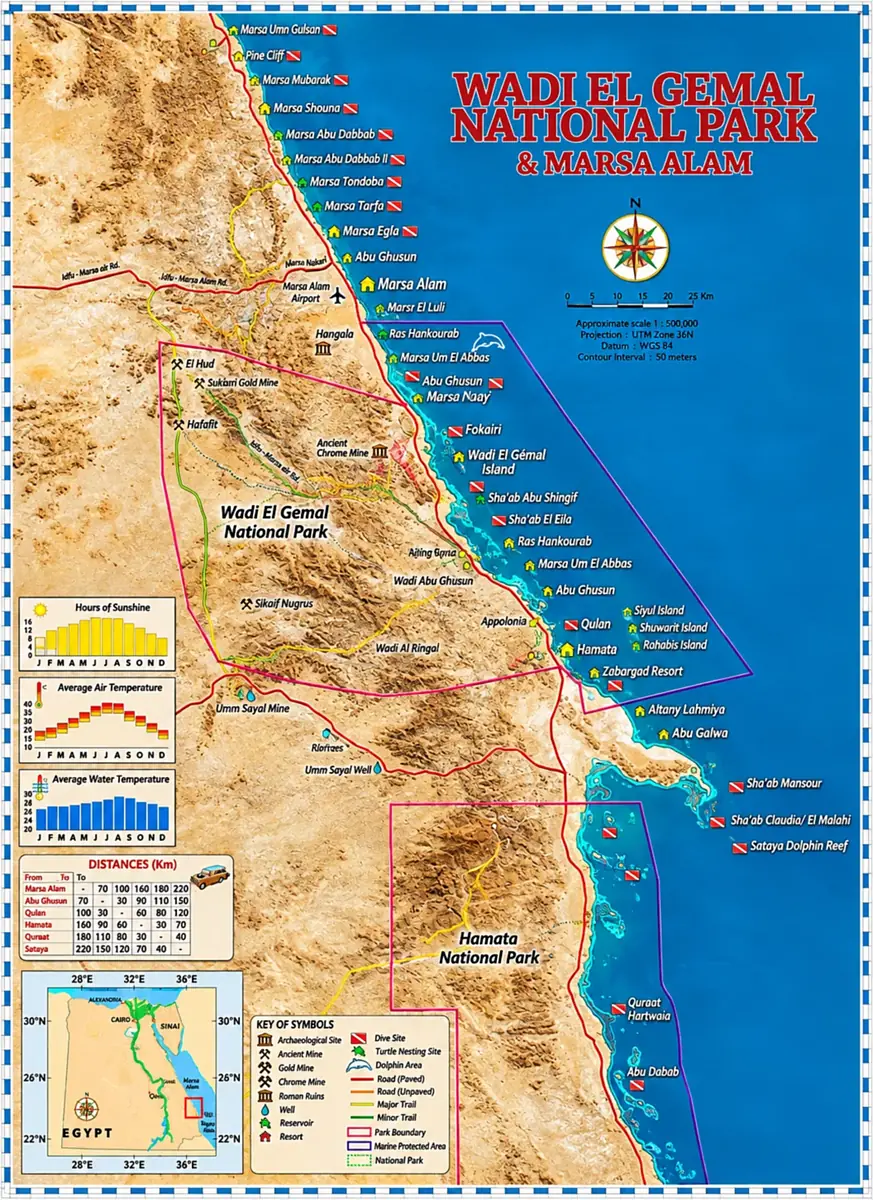
The Wadi El Gemal dive sites are the reefs of the Wadi El Gemal National Park, south of Marsa Alam, from Shaab Sharm in the north to the Hamata Islands in the south. In addition, they range from sheltered island moorings and easy shore dives to steep offshore walls and deep plateaus, with healthy corals, few crowds and schools of fish.
Which Wadi El Gemal dive sites can you dive?
Overall, the sites below fall into three groups: the exposed offshore reefs, the sheltered reefs around Wadi Gemal Island, and the shore sites and far south. In addition, each card links to a full guide with depth, marine life, level and access.
Offshore reefs: walls, habilis and deep plateaus
First, the exposed offshore reefs, from Shaab Sharm in the north to the deep plateaus east of the island, mostly for advanced divers.

Shaab Sharm · 700 m reef, two plateaus
First, a 700 m offshore reef with steep walls and plateaus at 15–35 m, for advanced divers.
Visit Shaab Sharm
Gota El Sharm · Coral block by Shaab Sharm
Next, a separate coral block beside Shaab Sharm, often dived on the same day.
Visit Gota El Sharm
Habili Radir · Pinnacle of the Ghadir group
Meanwhile, a submerged pinnacle with a shallow top, steep flanks, groupers and Napoleon wrasse.
Visit Habili Radir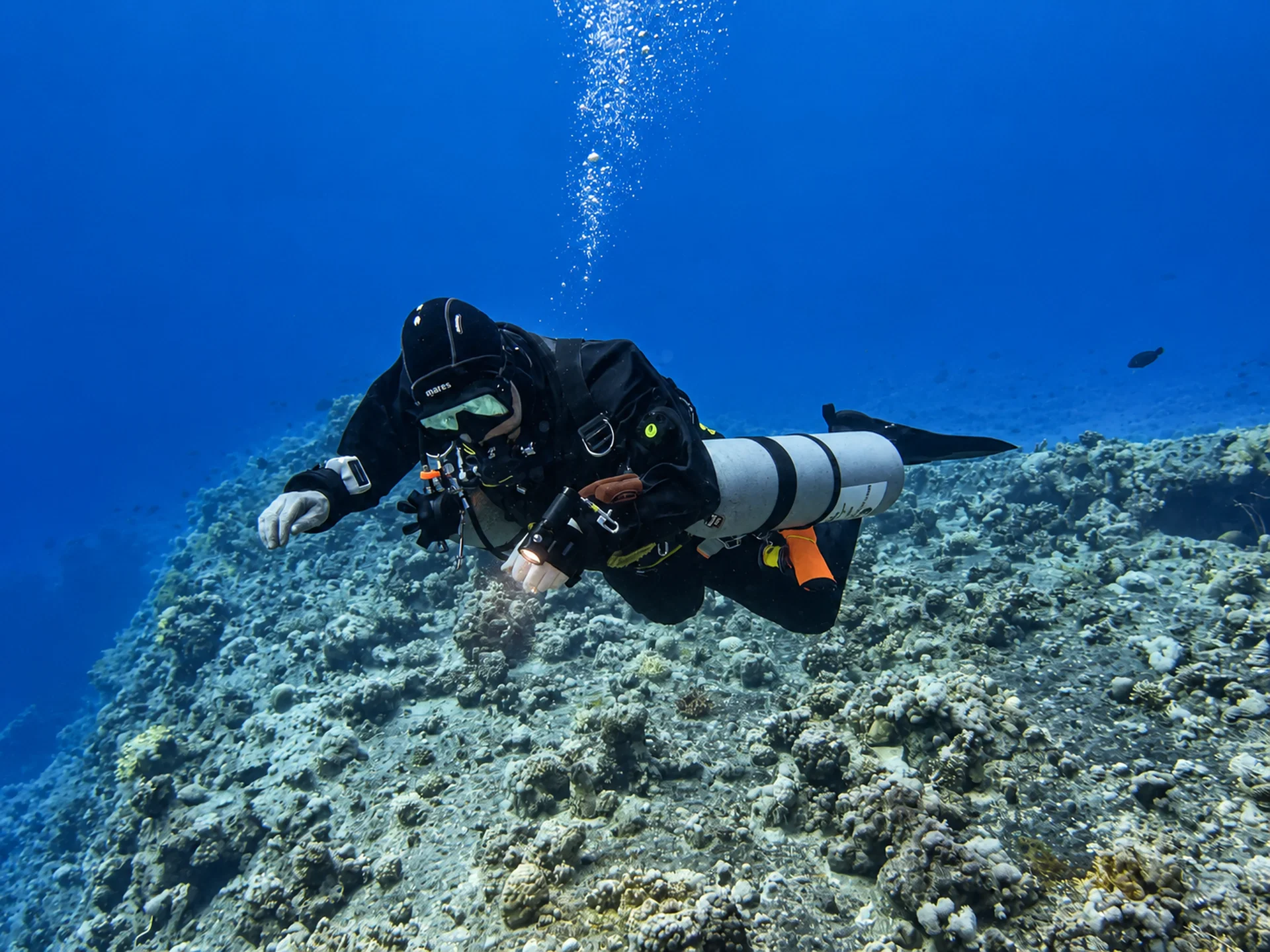
Habili Dahara · Lonely 70 m habili
Then, a small habili alone in open water, with anthias on the top and rays on the sand.
Visit Habili Dahara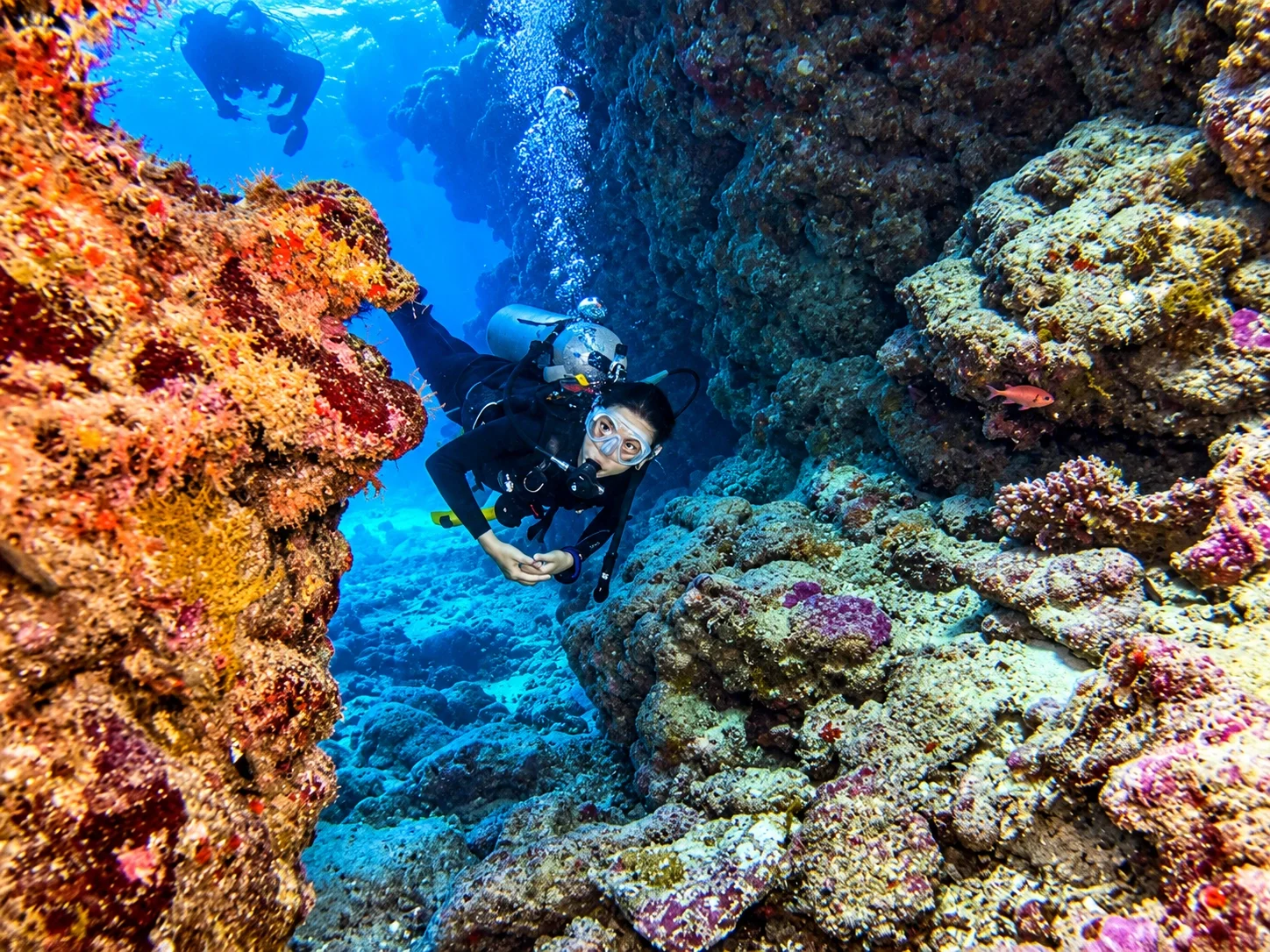
Habili Wadi Gimal · Deep pillars, 50+ dives
Also, a deep underwater mountain with coral pillars from 17 m on a 26–30 m plateau.
Visit Habili Wadi Gimal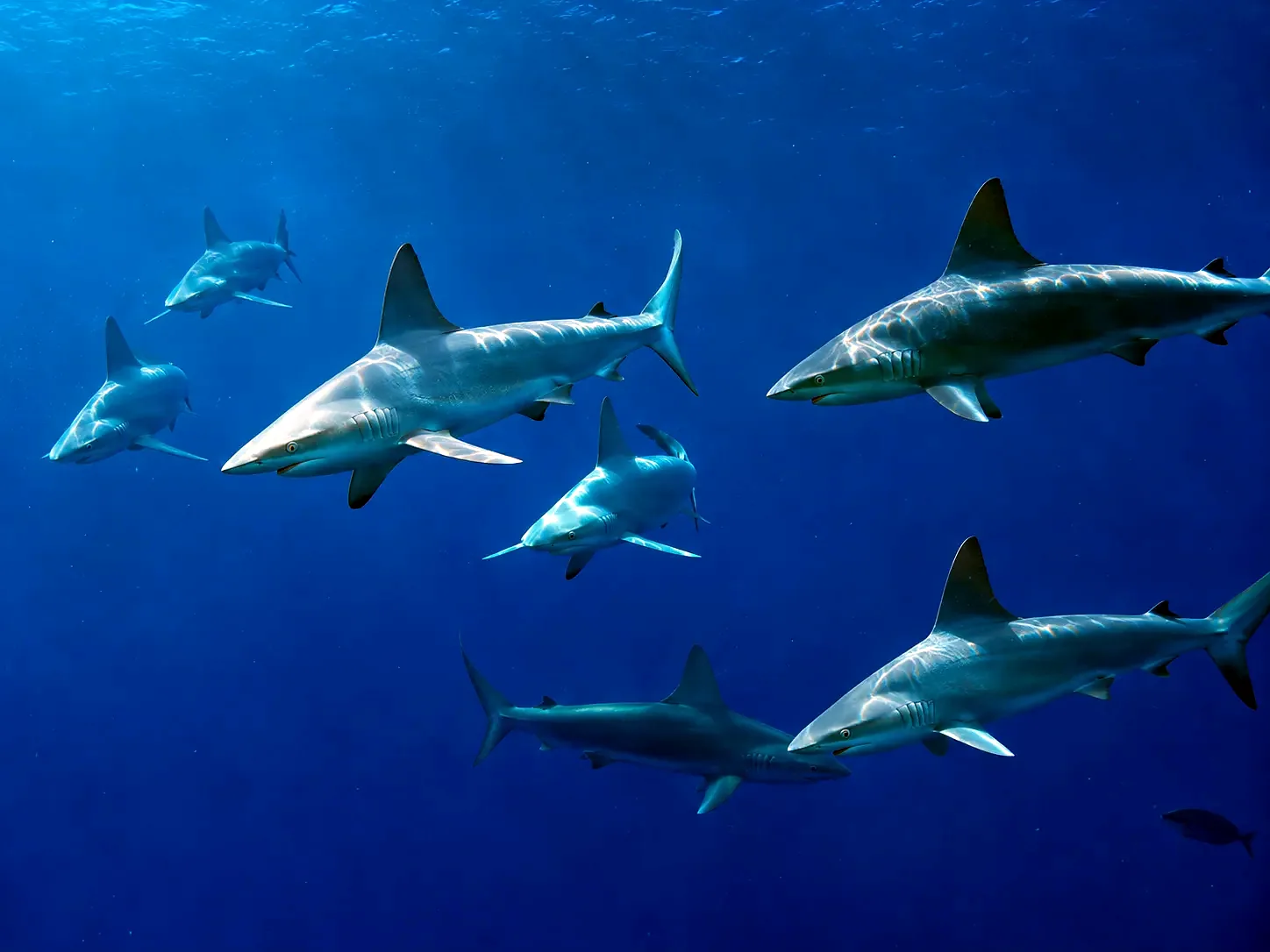
Farsha Wadi Gimal · Deep plateau and sharks
Finally, a hidden plateau at 30 m with soft coral towers and grey reef sharks on the south side.
Visit Farsha Wadi GimalSheltered reefs around Wadi Gemal Island
Next, the calmer reefs of the Ghadir group and around the island, where boats moor and most levels can dive.
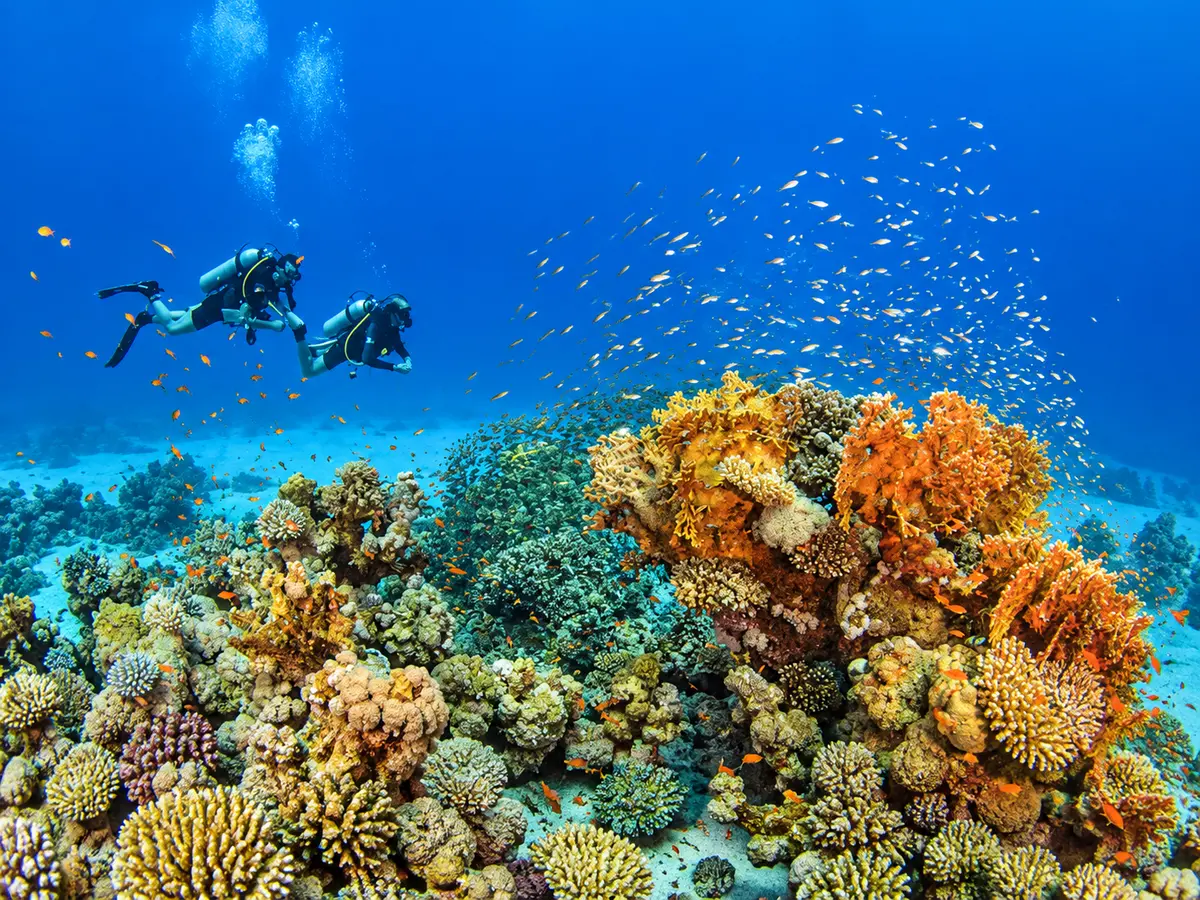
Shaab Ghadir · Coral garden and garden eels
First, an egg-shaped reef with a coral garden down the west wall and garden eels by the erg.
Visit Shaab Ghadir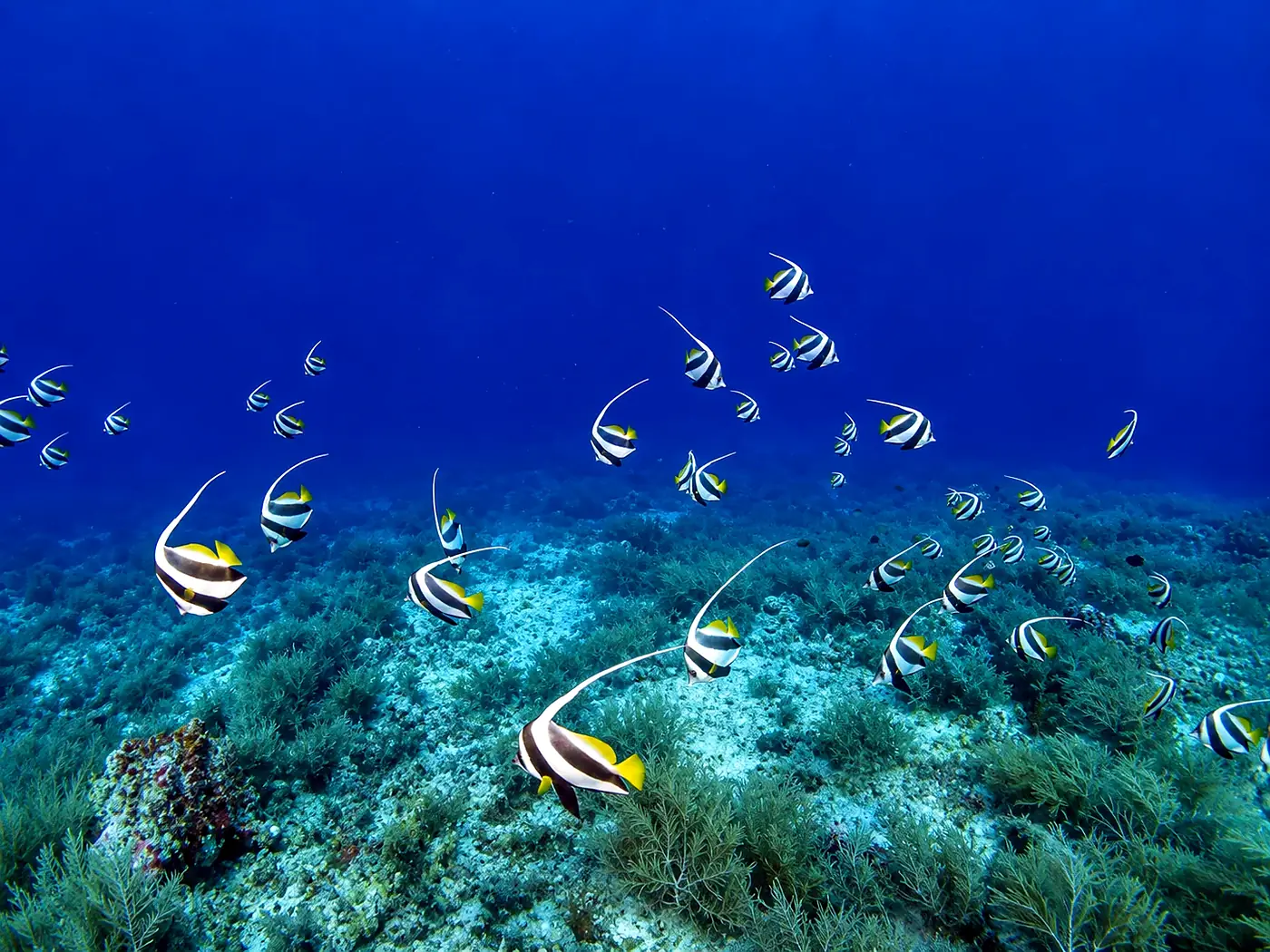
Wadi Gemal Island · The island reef complex
Next, the namesake island of the park, with reefs, seagrass and mangroves around it.
Visit Wadi Gemal Island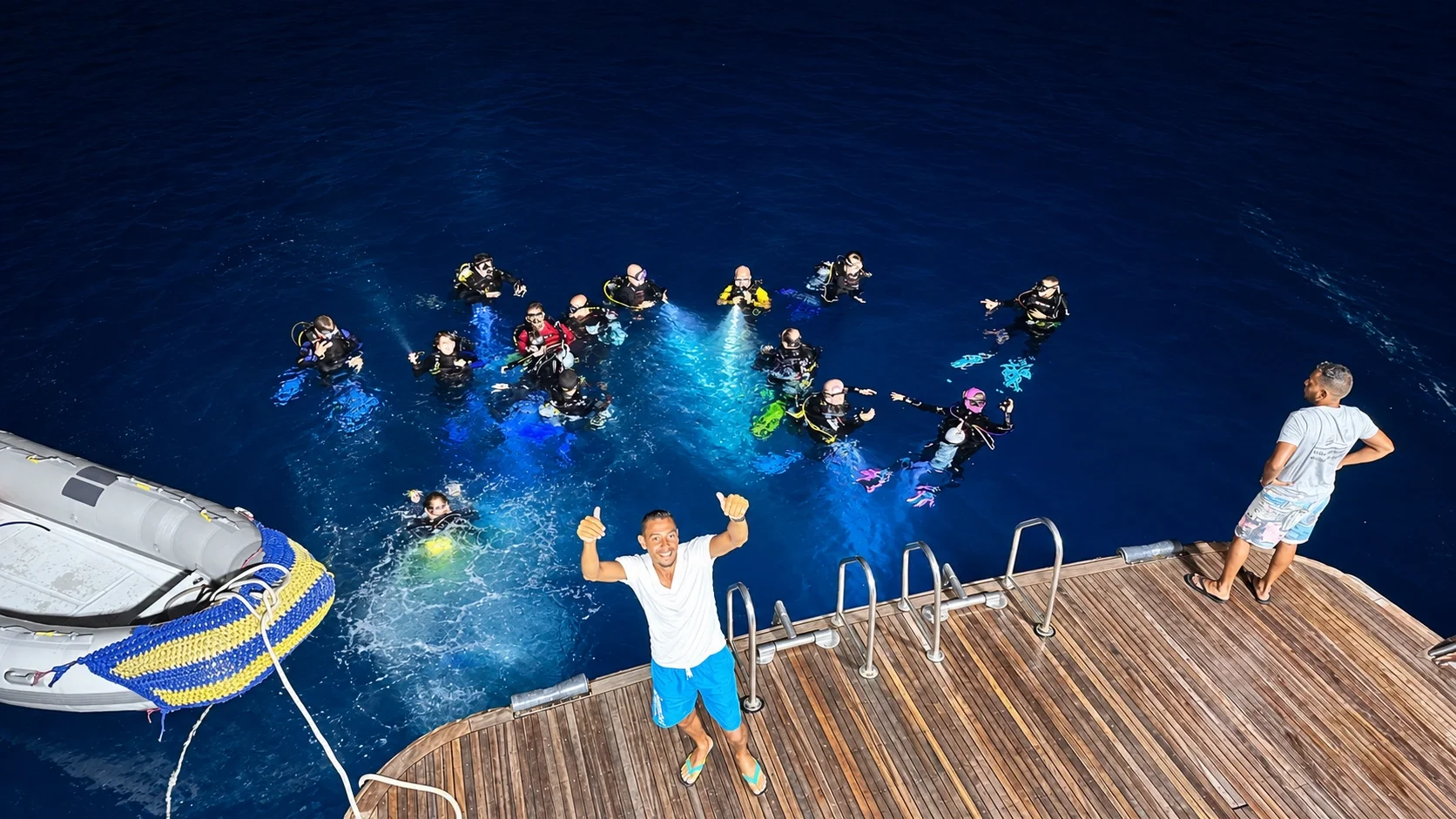
Shaab Dahara · Night dives and Shereen wreck
Meanwhile, a 3.5 km sheltered reef with overnight moorings and the Shereen wreck at 4–7 m.
Visit Shaab Dahara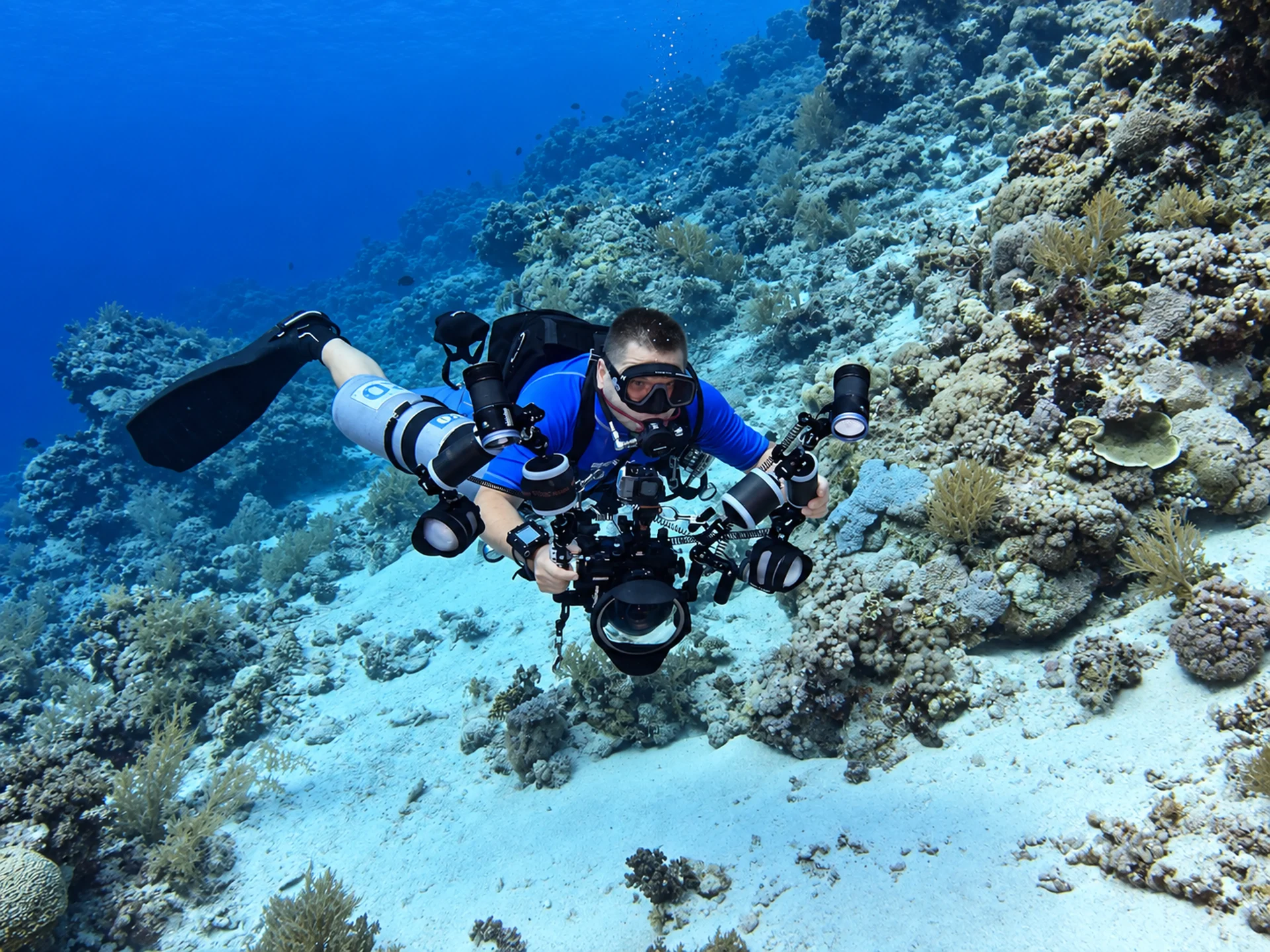
Shalaniat · Coral habili, easy nights
Then, a 250 m reef with a coral-covered habili and easy night dives below the moorings.
Visit Shalaniat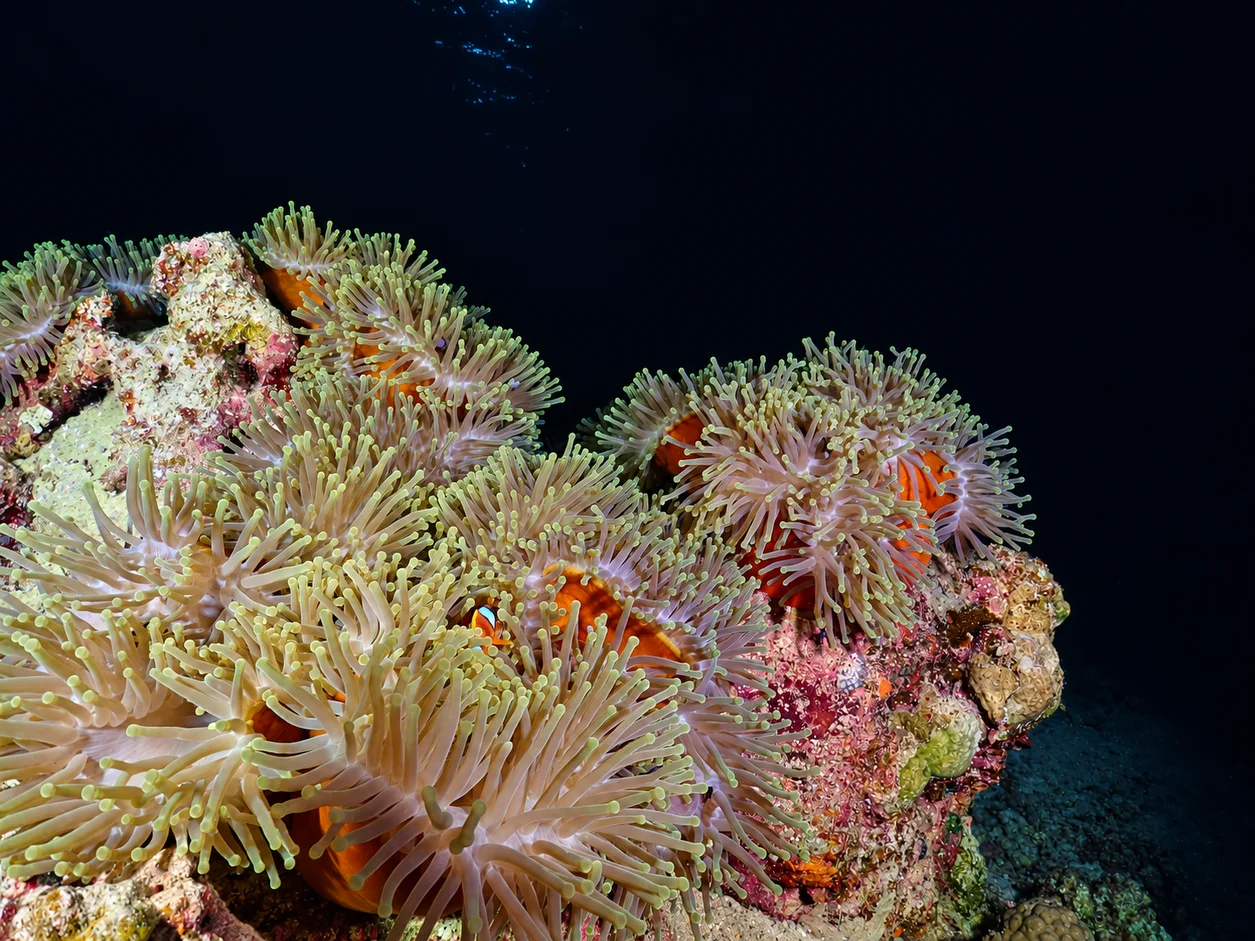
Wadi Gimal North · Shallow coral blocks
Also, a shallow field of small coral blocks off the island, at about 14 m at most.
Visit Wadi Gimal North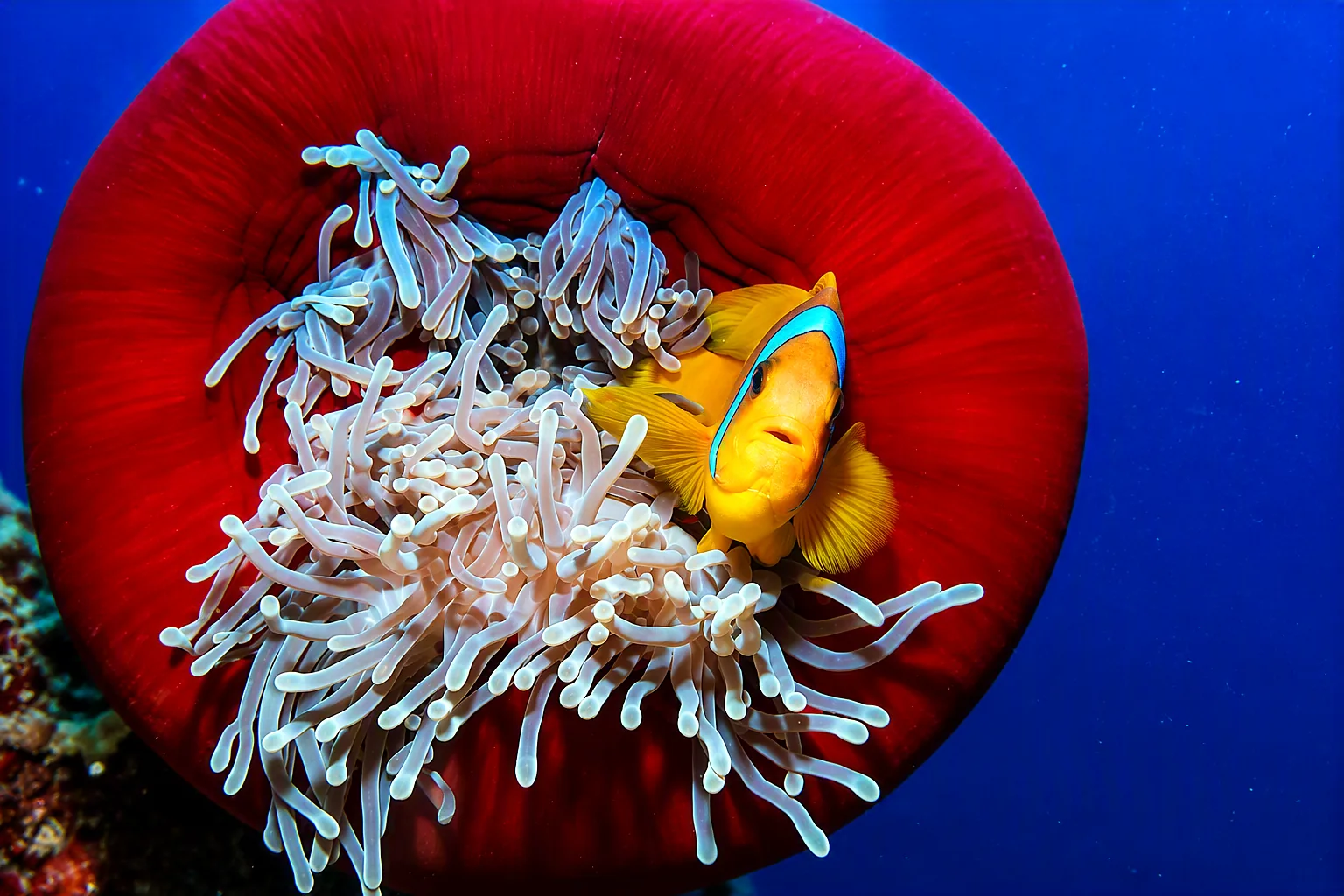
Gota Wadi Gimal · Coral block by the island
Finally, a separately named coral block among the island reefs, planned by the guide on the day.
Visit Gota Wadi GimalShore sites and the far south
Finally, the shore dives of Abu Ghusun and Ras Hankorab, and Siyal Island in the Hamata group.
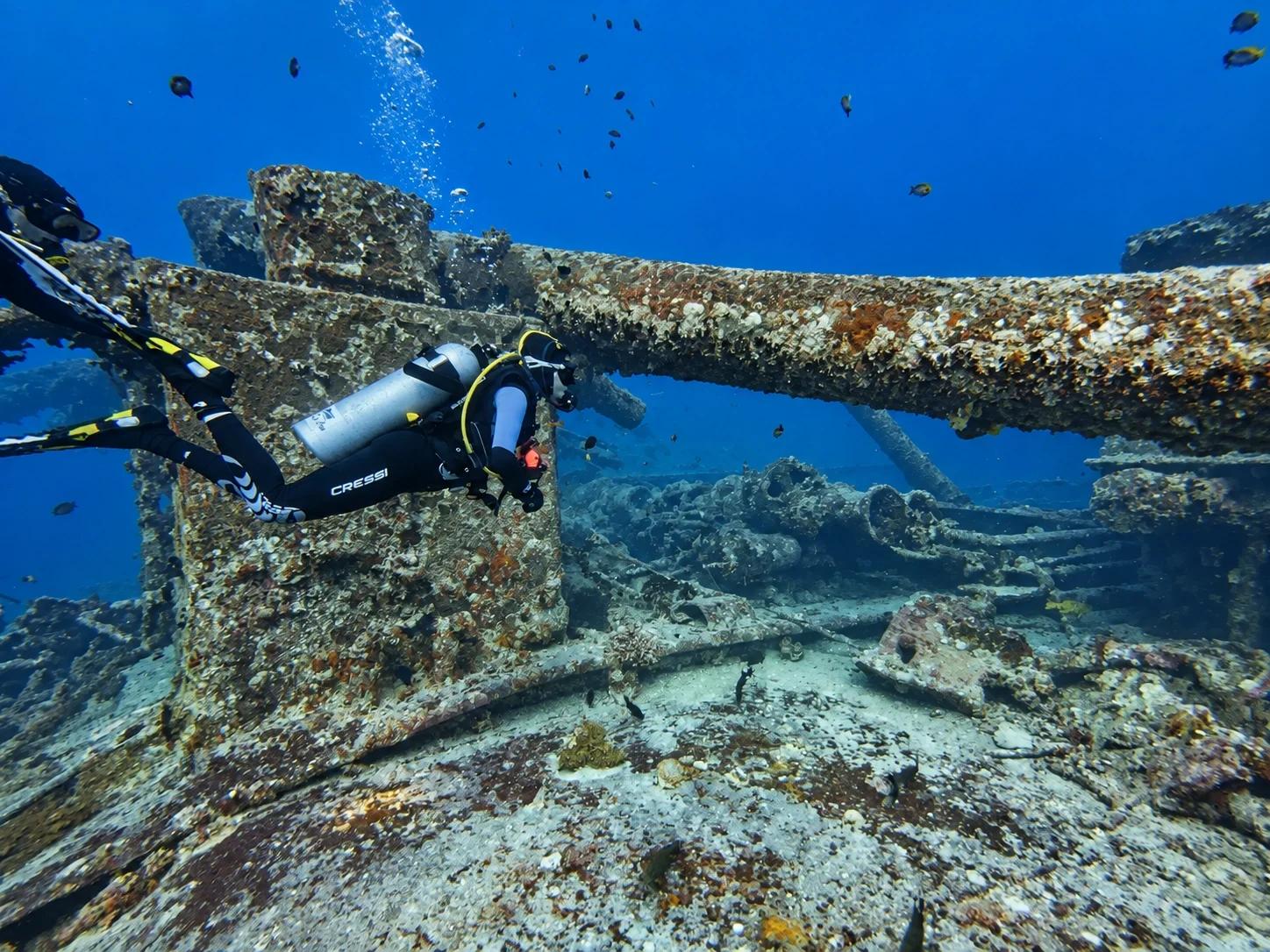
Hamada Wreck · 1993 cargo wreck, shore dive
First, a 65 m cargo ship on its side at 5–18 m off Abu Ghusun, reached from the shore.
Visit Hamada Wreck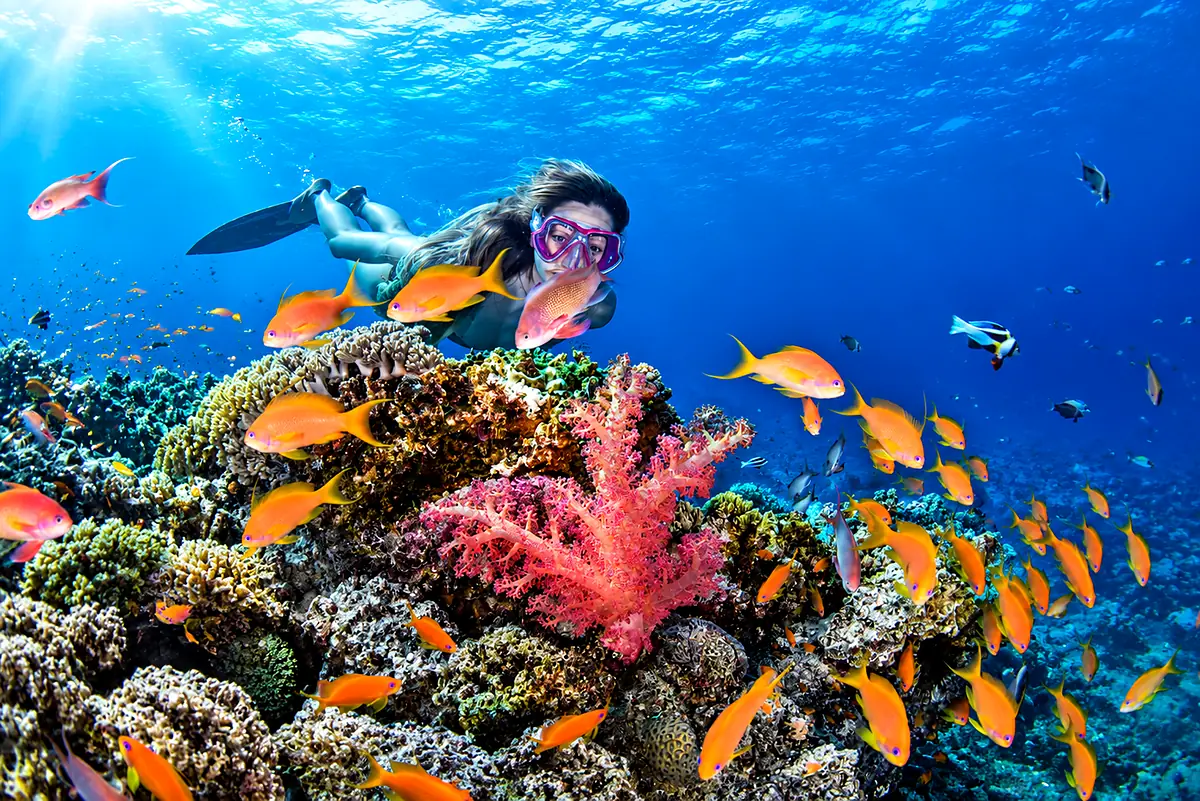
Ras Hankorab · Lagoon and drop-off
Then, a white-sand lagoon for snorkeling, with coral blocks and a drop-off with big fish nearby.
Visit Ras Hankorab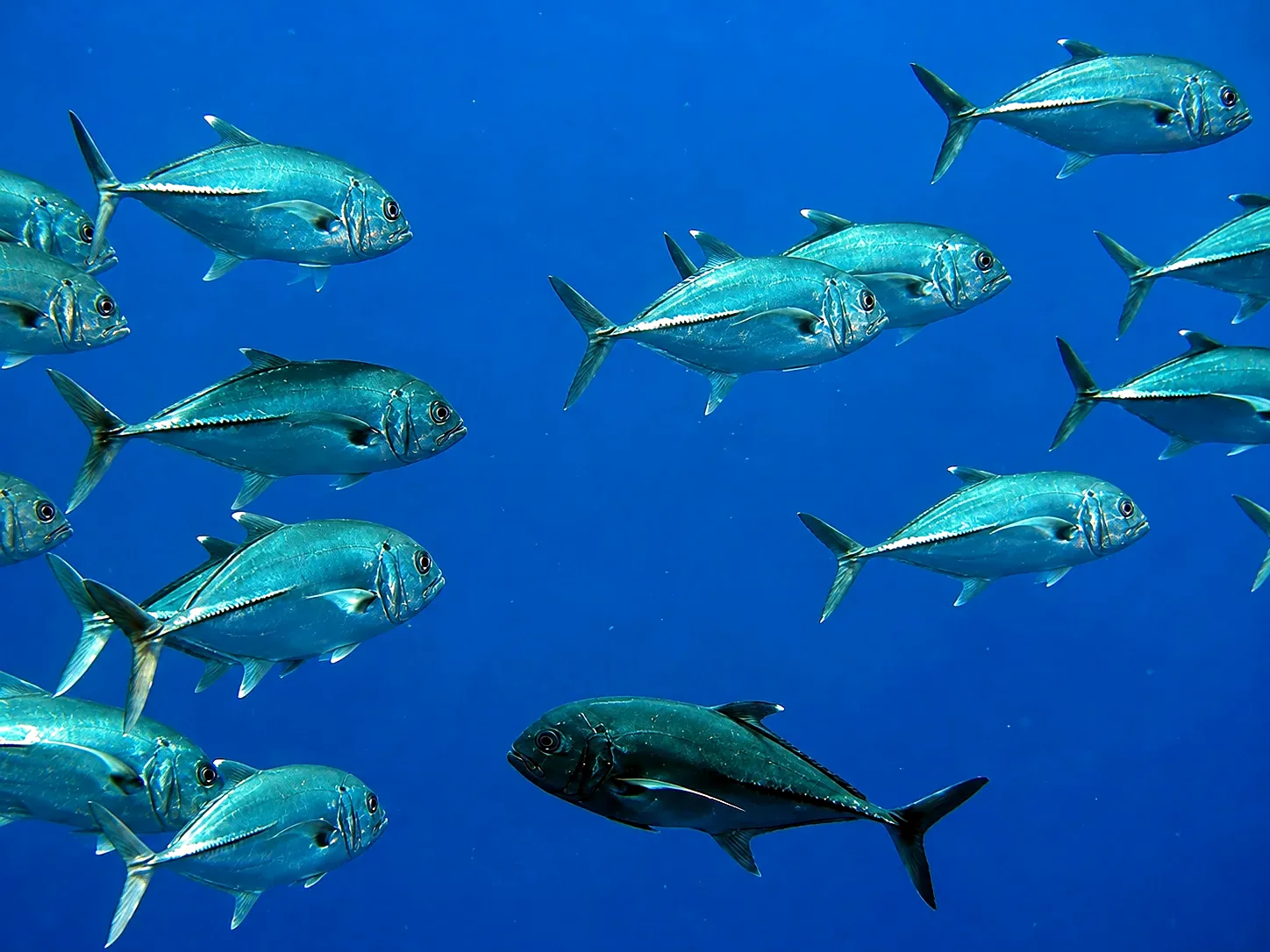
Siyal Island · Largest Hamata island
Finally, the largest of the Hamata Islands, with coral gardens and reef slopes to about 30 m.
Visit Siyal IslandThe Wadi El Gemal dive sites in short
In short, the Wadi El Gemal dive sites are the reefs of the Wadi El Gemal National Park, set up in 2003 along about 60 km of coast south of Marsa Alam. They include offshore reefs such as Shaab Sharm and the Radir/Ghadir group, the sheltered moorings of Shaab Dahara and Shalaniat around Wadi Gemal Island, deep sites such as Habili Wadi Gimal and Farsha Wadi Gimal, the Hamada Wreck and Ras Hankorab from the shore, and Siyal Island in the Hamata group. Depths run from about 3 m to 40 m, so there are dives for every level.
What is diving at Wadi El Gemal like?
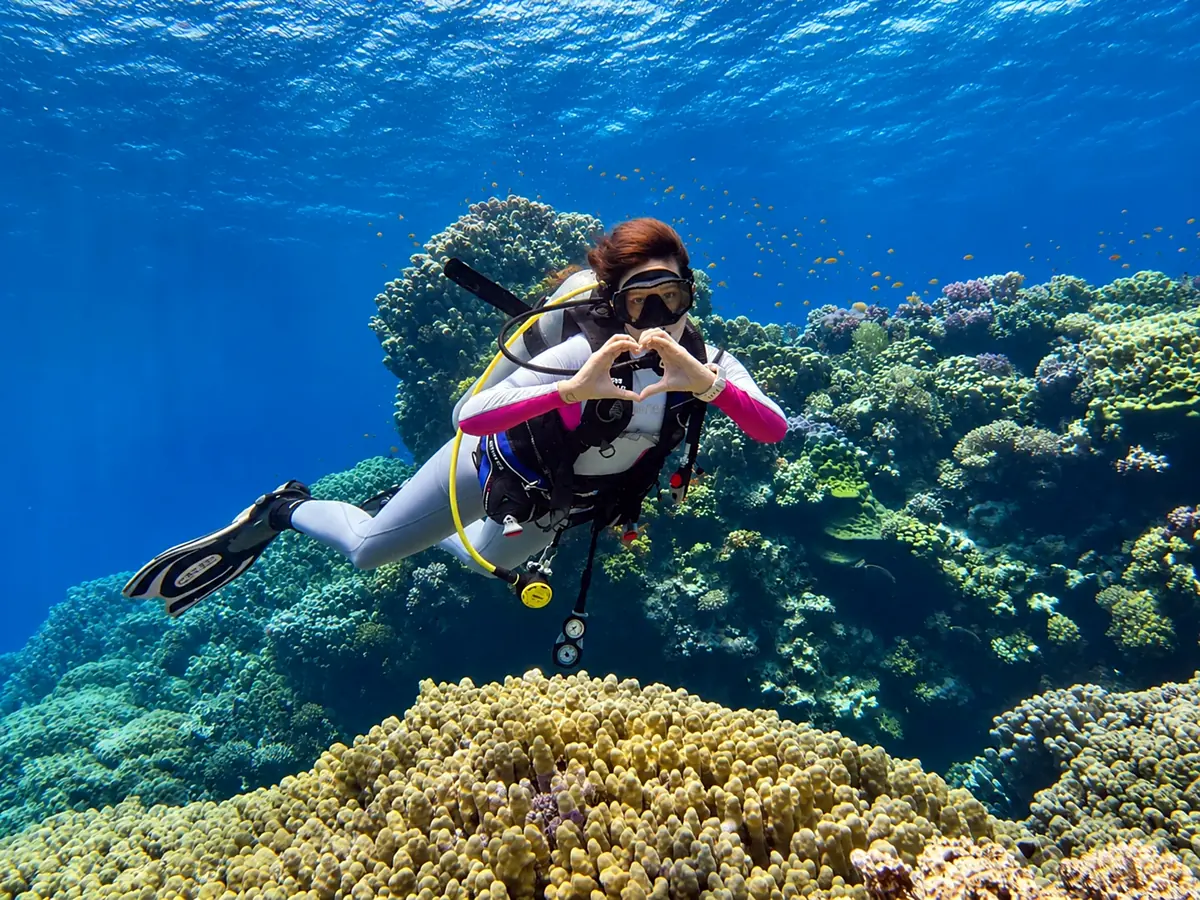
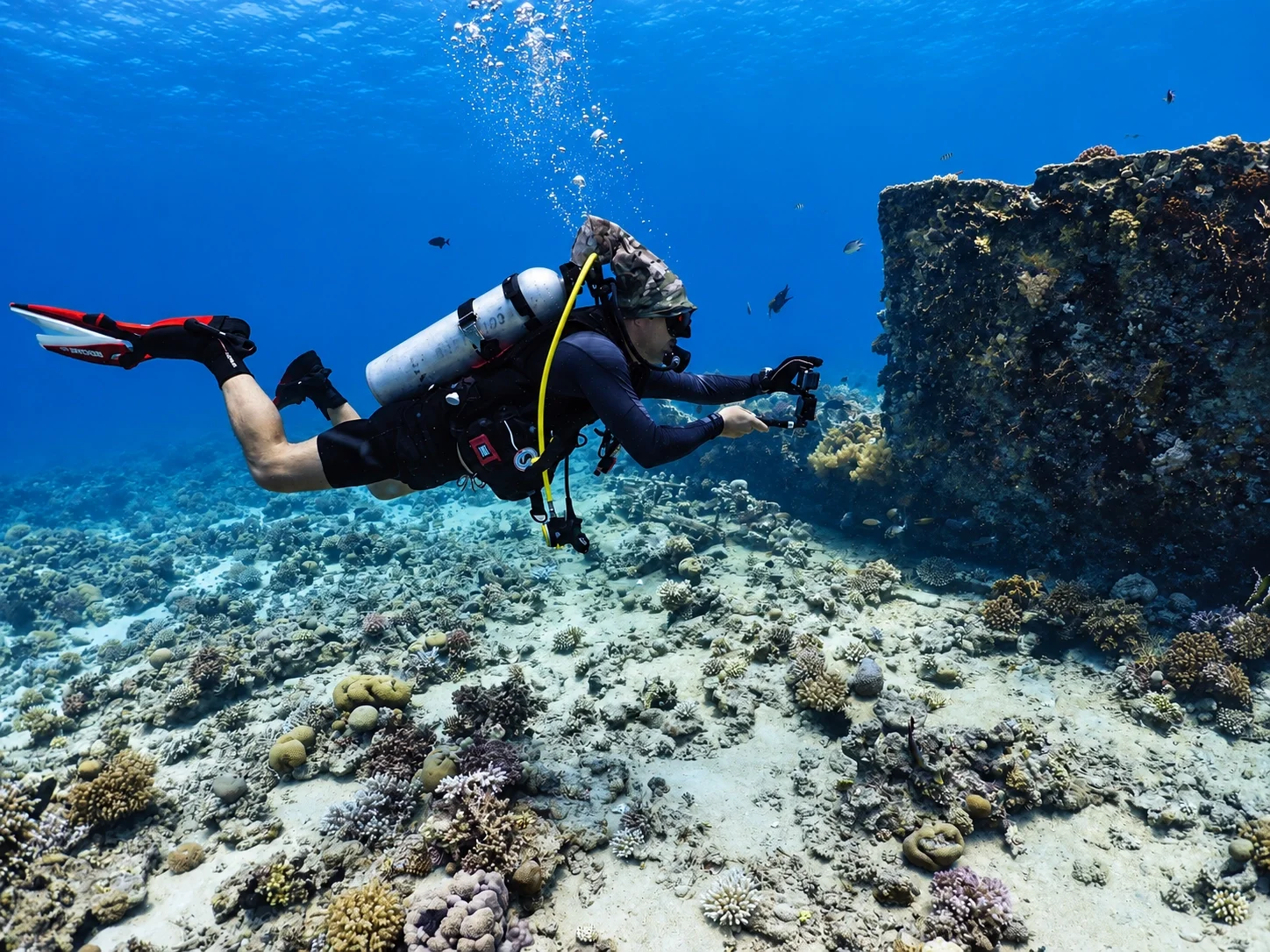
Above all, the park keeps it wild. The whole coast lies inside a national park, so the reefs stay healthy and the boats stay few.
Moreover, the area has something for every diver. For example, island moorings give easy night dives, while offshore reefs and deep plateaus bring current, walls and big fish.
However, many offshore sites give boats little shelter. For this reason, the captain chooses the reefs each day according to wind and waves.
Wadi El Gemal at a glance
Offshore reefs
First, steep offshore reefs and deep plateaus that draw fish from the blue.
Island moorings
Next, sheltered reefs by Wadi Gemal Island where liveaboards stay overnight.
Shore sites
Finally, the Hamada Wreck and the lagoon of Ras Hankorab, reached from the beach.
Where are the Wadi El Gemal dive sites?
Geographically, the national park covers the coast south of Marsa Alam. Shaab Sharm and the Radir/Ghadir reefs lie in the north, while Wadi Gemal Island sits in the middle with its ring of reefs.
Further south, Abu Ghusun and Ras Hankorab lie on the coast, and the Hamata Islands close the park to the south. Beyond them, the Hamata dive sites and Fury Shoals continue the reefs, while Elphinstone lies to the north.
What marine life lives at the Wadi El Gemal dive sites?
Overall, protection keeps the reefs rich in life. Still, wild animals are never guaranteed, so treat the list below as possibilities rather than promises.
Turtles and sharks
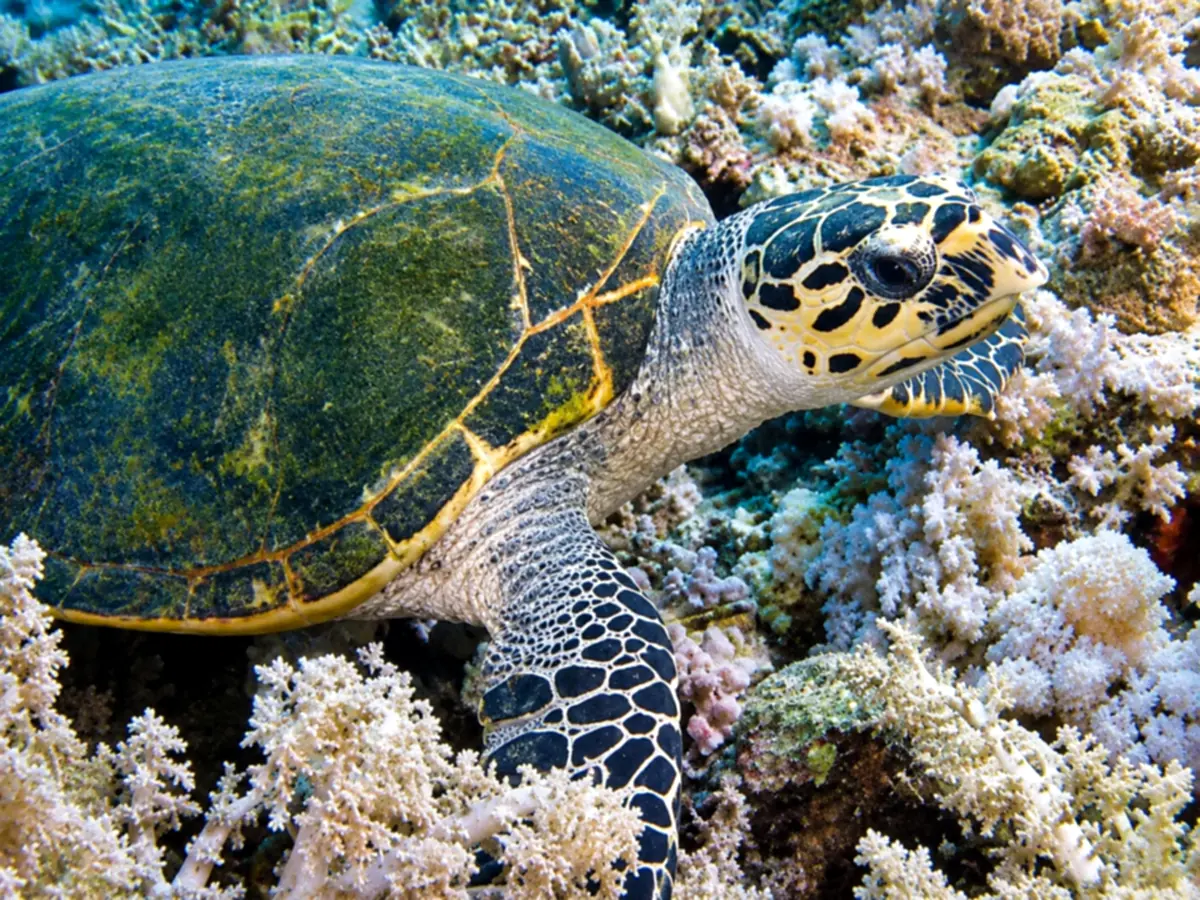
Typically, hawksbill turtles feed on the corals, while grey reef sharks patrol the deep offshore sites.
Fish schools
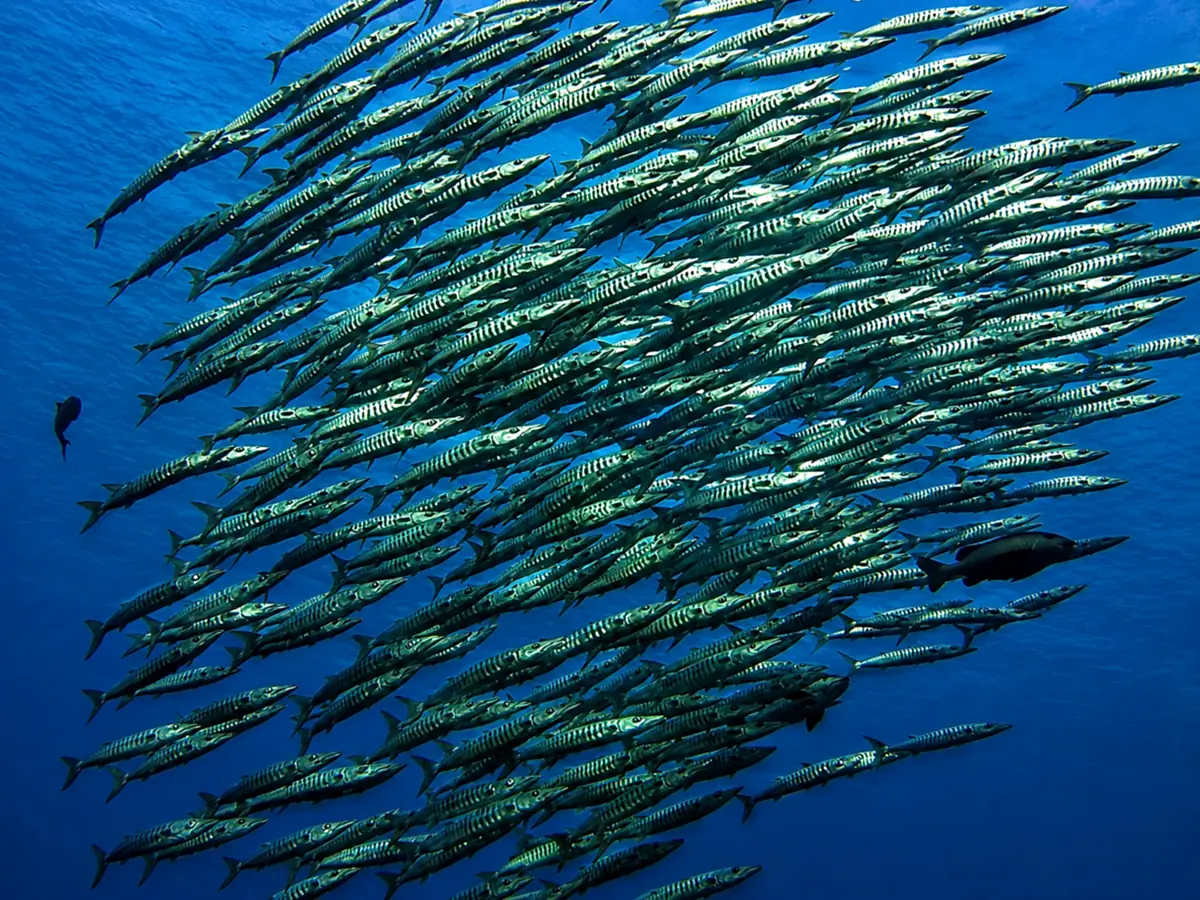
Meanwhile, barracuda, jacks, snappers and fusiliers gather off the plateaus and walls.
Small life
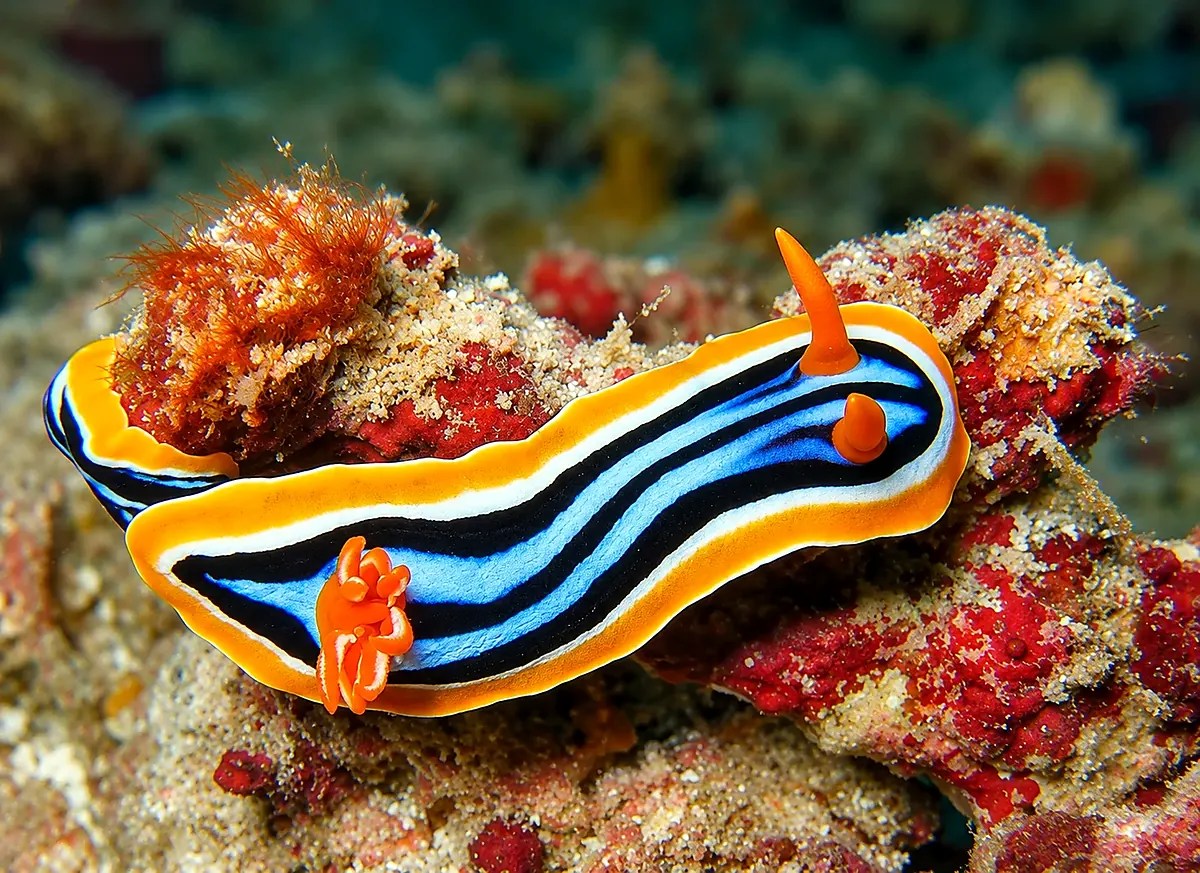
Finally, nudibranchs, garden eels, morays and stingrays live on the sand and the coral.
Are the Wadi El Gemal dive sites suitable for beginners?
Many of them, yes. Sheltered sites such as Shalaniat, Shaab Dahara, Wadi Gimal North, the Hamada Wreck and the lagoon at Ras Hankorab suit Open Water divers with a guide.
However, Shaab Sharm, Habili Wadi Gimal and Farsha Wadi Gimal are deep and exposed. Therefore, they call for Advanced Open Water, current experience and, at some sites, at least 50 logged dives.
Before you dive the park reefs
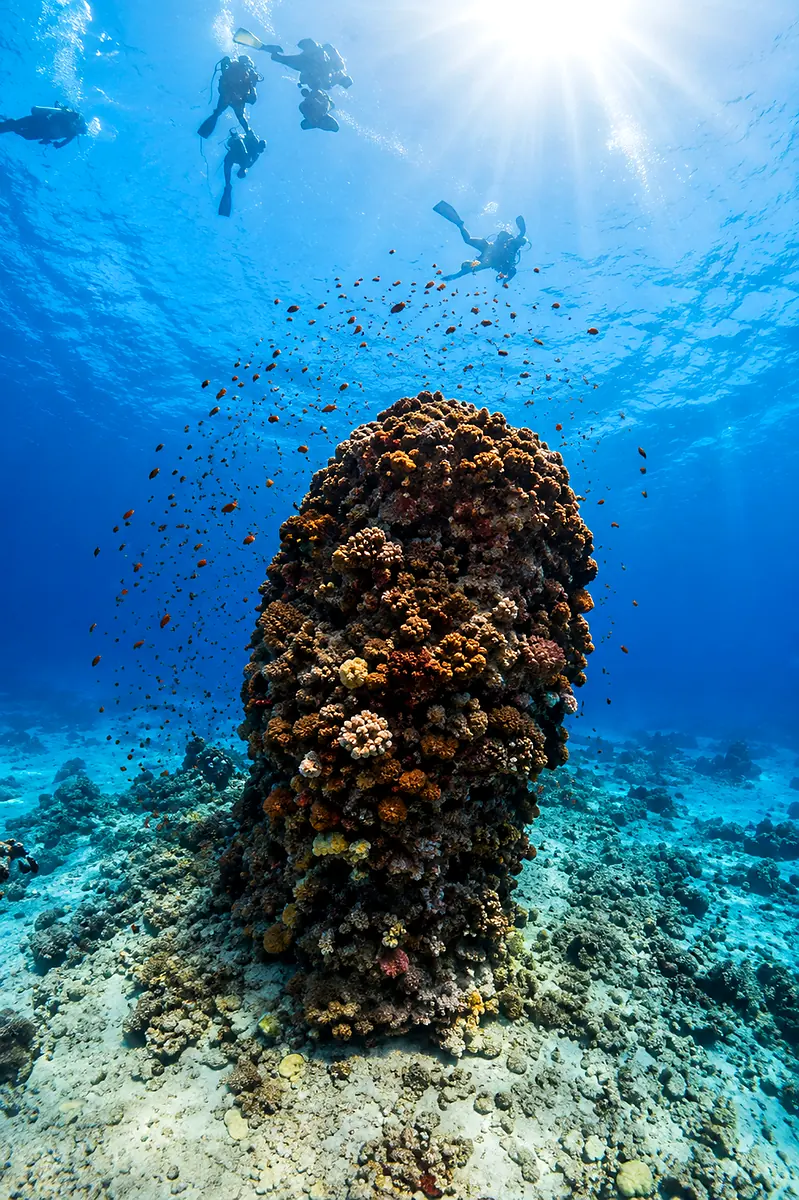
Firstly, bring your logbook and listen to every briefing. Secondly, practice negative entries and SMB deployment, as described in our liveaboard dive techniques guide.
Above all, follow our diving safety standards and the rules of HEPCA. We strongly recommend dive insurance such as DAN Europe in the remote south.
Hamata, Fury Shoals and courses
However, Wadi El Gemal is only one part of the deep south. In fact, the Hamata dive sites and Fury Shoals lie just to the south, while the Deep South St. John’s liveaboard continues toward the Sudanese border.
In addition, we teach PADI courses, BSAC courses and CMAS courses in Hurghada, so you can gain the experience for the offshore reefs before you sail.
How do you get to the Wadi El Gemal dive sites?
In practice, day boats leave from the coast south of Marsa Alam, while divers reach the Hamada Wreck and Ras Hankorab from the shore. With us, the park reefs are stops on our Daedalus and Fury Shoals route and on the Deep South St. John’s route. Guests board on Saturday after 15:00, and check-out is between 09:00 and 10:00 the following Saturday.
Plan your Wadi El Gemal dive trip
- Daedalus and Fury Shoals liveaboard — Daedalus Reef and the southern reefs.
- Deep South St. John’s liveaboard — the far south near the Sudanese border.
- What divers need on board — the packing checklist for a Red Sea safari.
- redsealiveaboard.net — Red Sea safari schedules and availability.
- All eight boats in our fleet can sail these routes: Sea Fox, Simba, Sea Treasure, Star Jet, Bismarck, C Echo II, C U and Ramadan 3.
Other routes from Red Sea Diving
Generally, for a first liveaboard, the North Red Sea liveaboard keeps to the classic wrecks. On the other hand, the BDE liveaboard runs Brothers, Daedalus and Elphinstone. Meanwhile, the Red Sea liveaboard guide compares all eight routes.
Wadi El Gemal dive sites: frequently asked questions
What are the Wadi El Gemal dive sites?
In fact, they are the reefs of the Wadi El Gemal National Park south of Marsa Alam, from Shaab Sharm in the north to Siyal Island in the Hamata group.
What do shaab, habili, gota and farsha mean?
In short, a shaab is a large reef reaching the surface, a habili stays just below it, a gota is a single coral block and a farsha starts deep below the surface.
Are the Wadi El Gemal dive sites good for beginners?
Many sheltered sites are, with a guide. However, the deep offshore reefs need Advanced Open Water and some current experience.
Is there a wreck at Wadi El Gemal?
Yes. The Hamada Wreck lies on its side at 5–18 m off Abu Ghusun, and the broken Shereen wreck lies at Shaab Dahara.
How do you get to the Wadi El Gemal dive sites?
By day boat or from the shore south of Marsa Alam, or on our southern liveaboard routes. Moreover, all eight boats in the Red Sea Diving fleet can run these routes.
Wadi El Gemal · Liveaboard · Reefs, islands and a wreck
Dive the national park with us
Simply tell us your dates, the number of divers, your certification level and your number of logged dives. Afterward, our team checks which southern departure fits your group before you commit to anything.


