

Dive guide to Ras Hankorab · Wadi El Gemal National Park, southern Red Sea
Ras Hankorab Dive Site A coastal reef with a white-sand lagoon and a drop-off close to shore
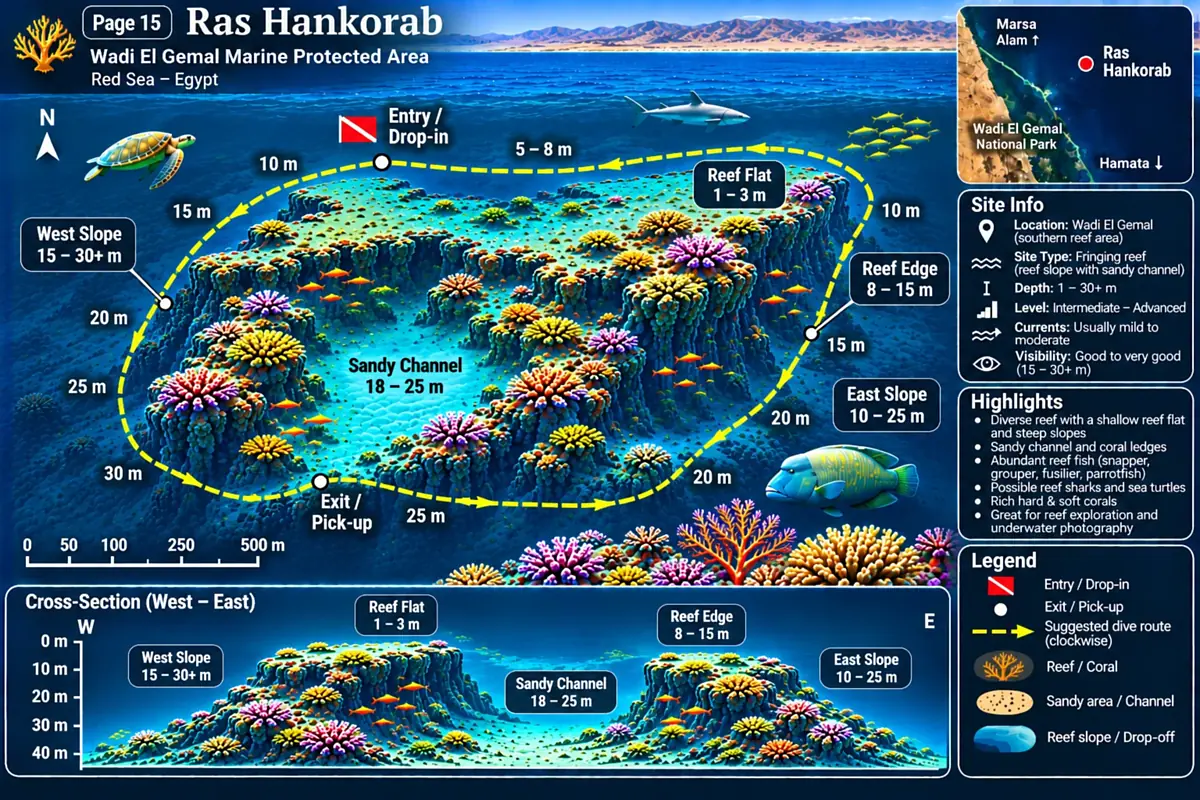
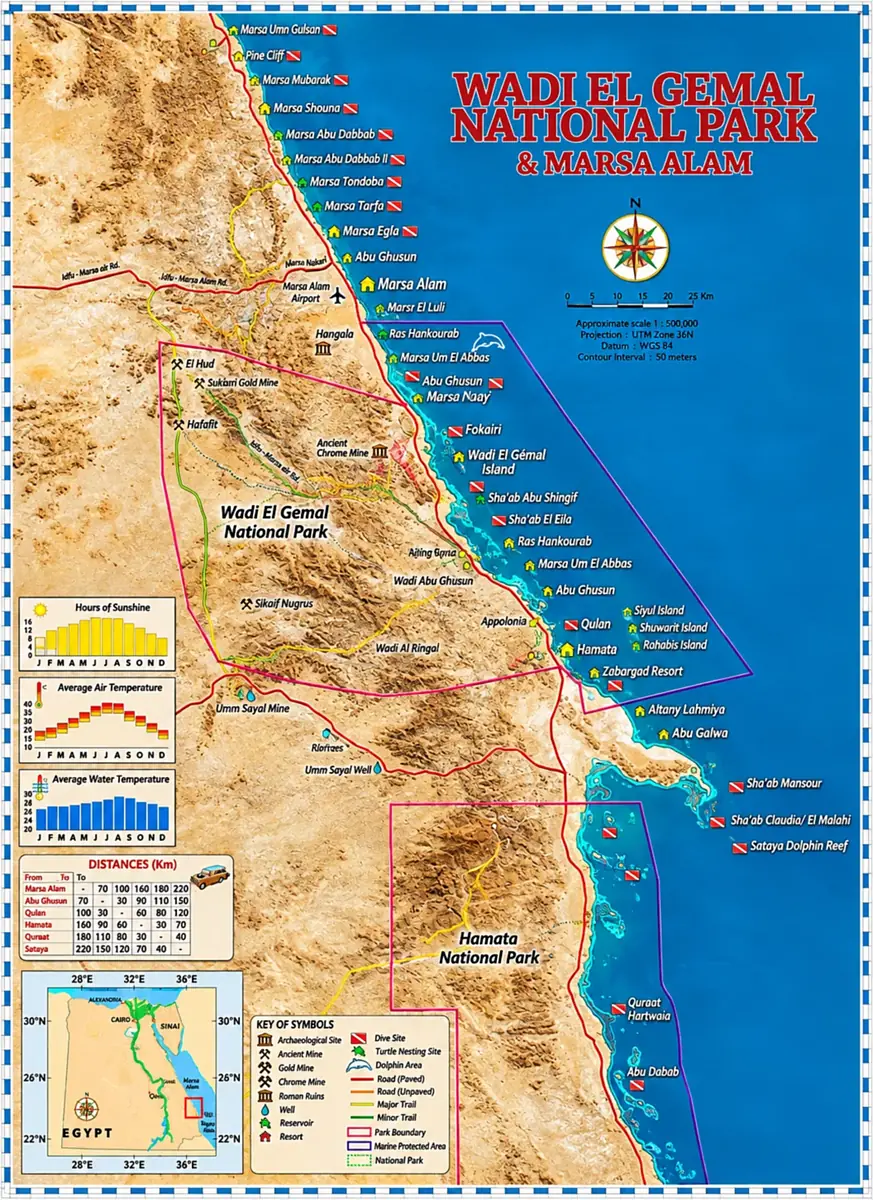
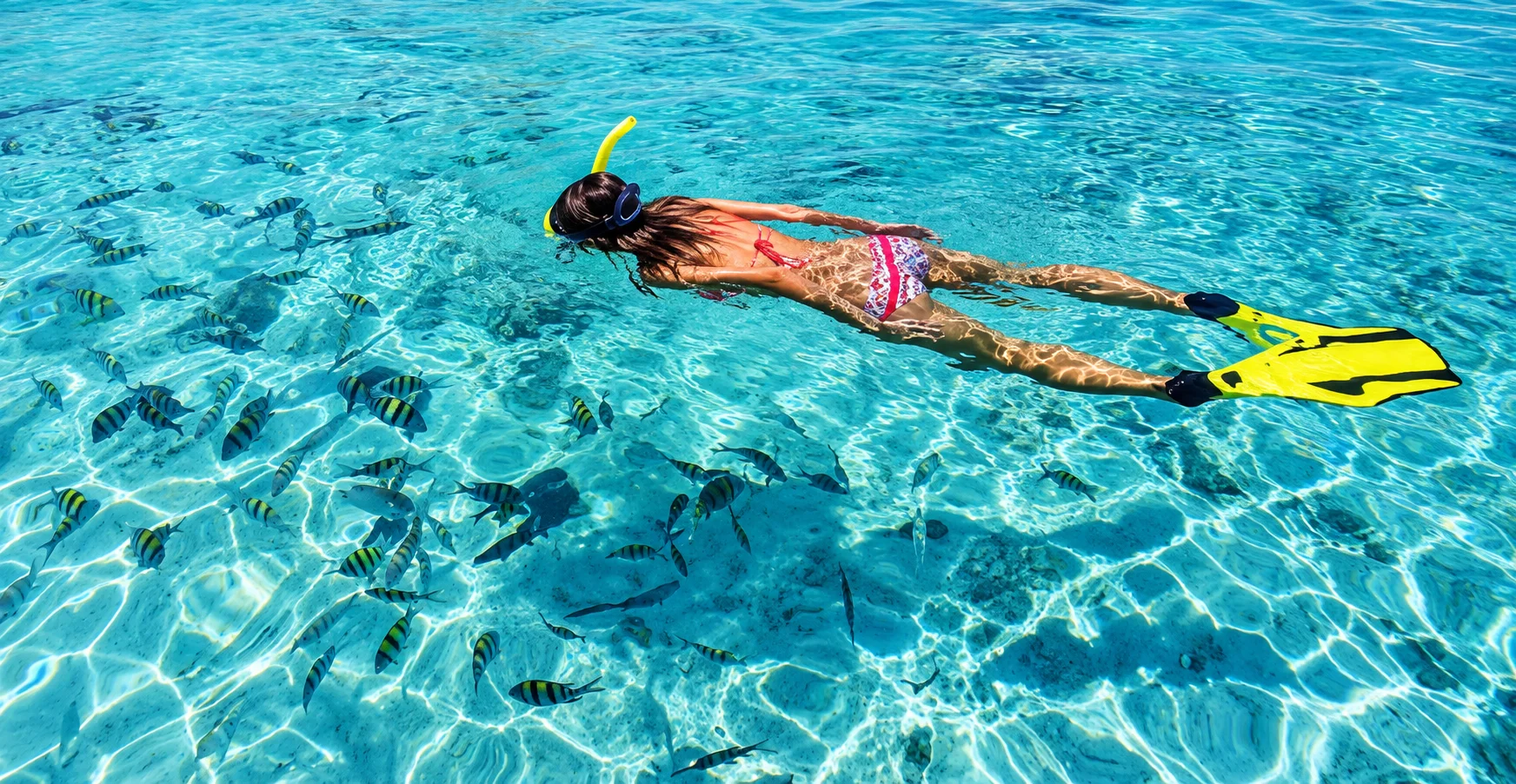
Ras Hankorab, also spelled Ras Honkorab and often linked with nearby Sharm El Luli, is a coastal reef inside the Wadi El Gemal National Park, about 60 km south of Marsa Alam. A long fringing reef holds in a turquoise lagoon of white sand, while a drop-off lies close by. As a result, it offers easy snorkeling inside and, in good weather, bigger fish on the outer edge.
Ras Hankorab in short
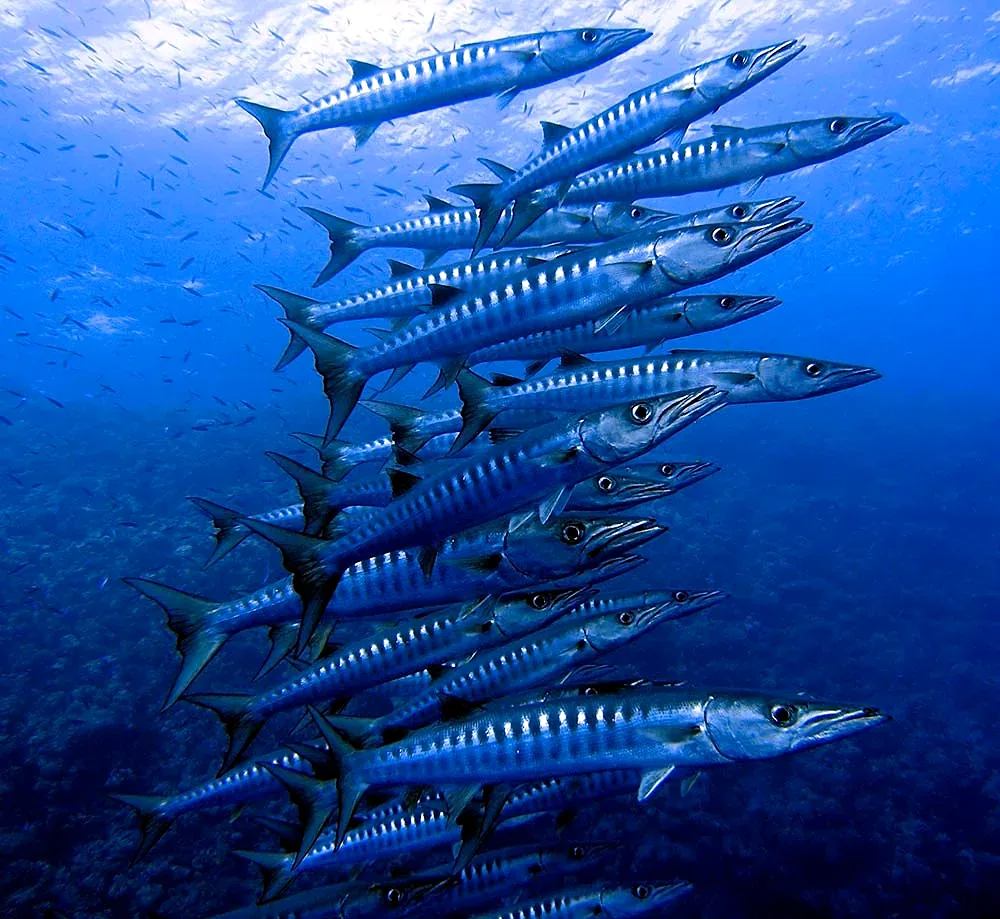
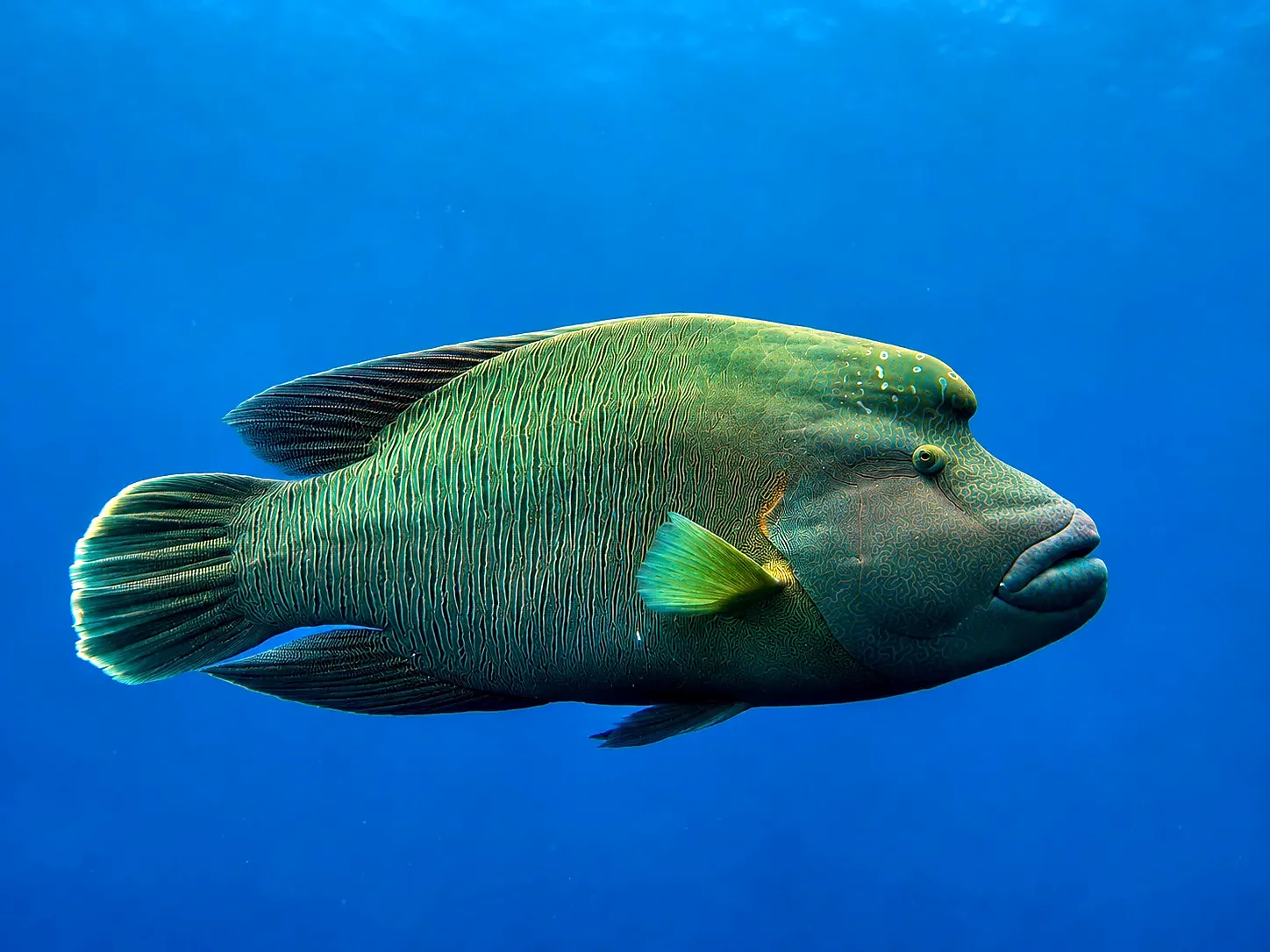
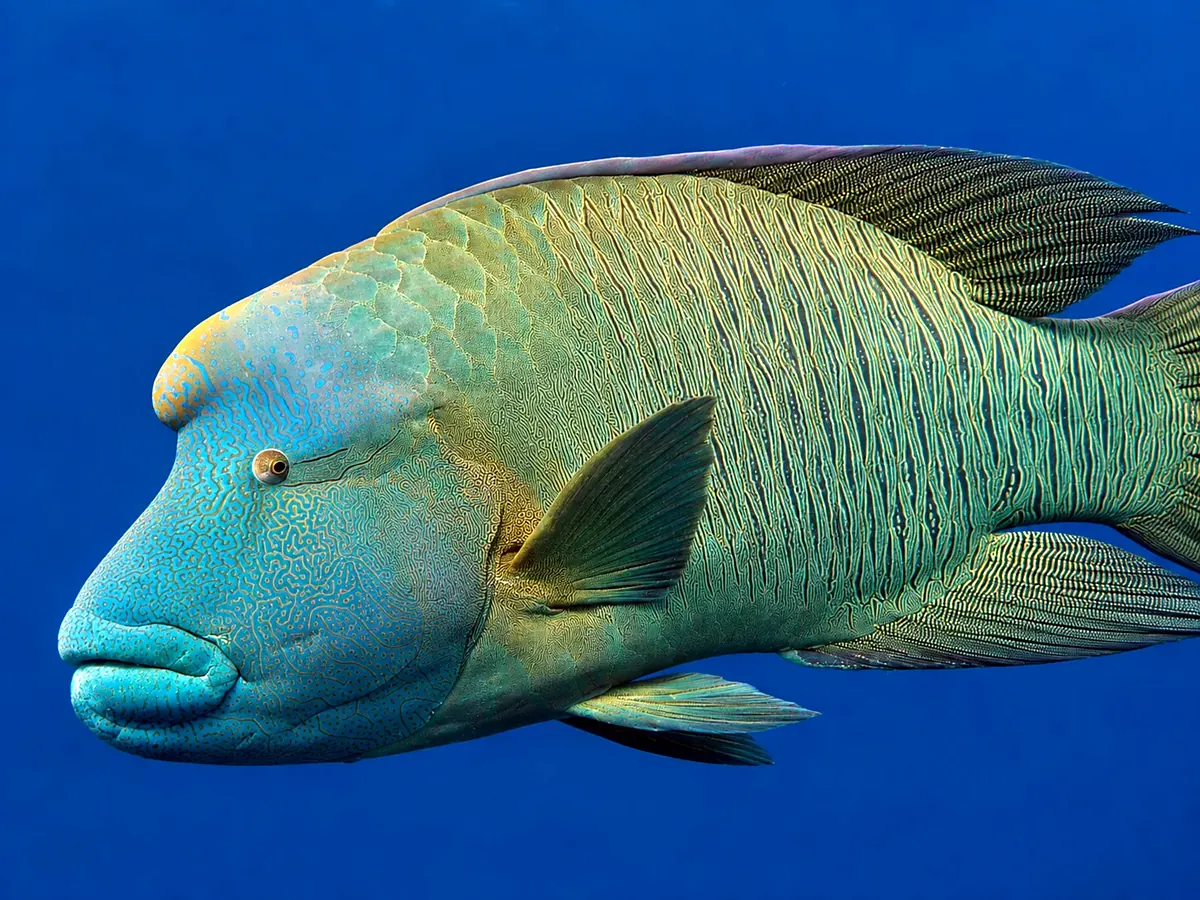
In short, Ras Hankorab is a coastal reef inside the Wadi El Gemal National Park, about 60 km south of Marsa Alam, beside the white-sand bay often called Sharm El Luli. A long fringing reef shelters a shallow turquoise lagoon, which makes easy snorkeling and beginner diving from the shore. Outside, local operators describe a wide sandy area with coral blocks covered in soft xenia corals, and a drop-off close by where eagle rays, barracuda and Napoleon wrasse often appear. However, the outer reef needs good weather. Still, no source publishes exact dive-entry positions.
What is Ras Hankorab like?
Above all, it is a beach and a reef in one. Inside, a calm lagoon of white sand lies behind a long fringing reef, so you can simply walk in.
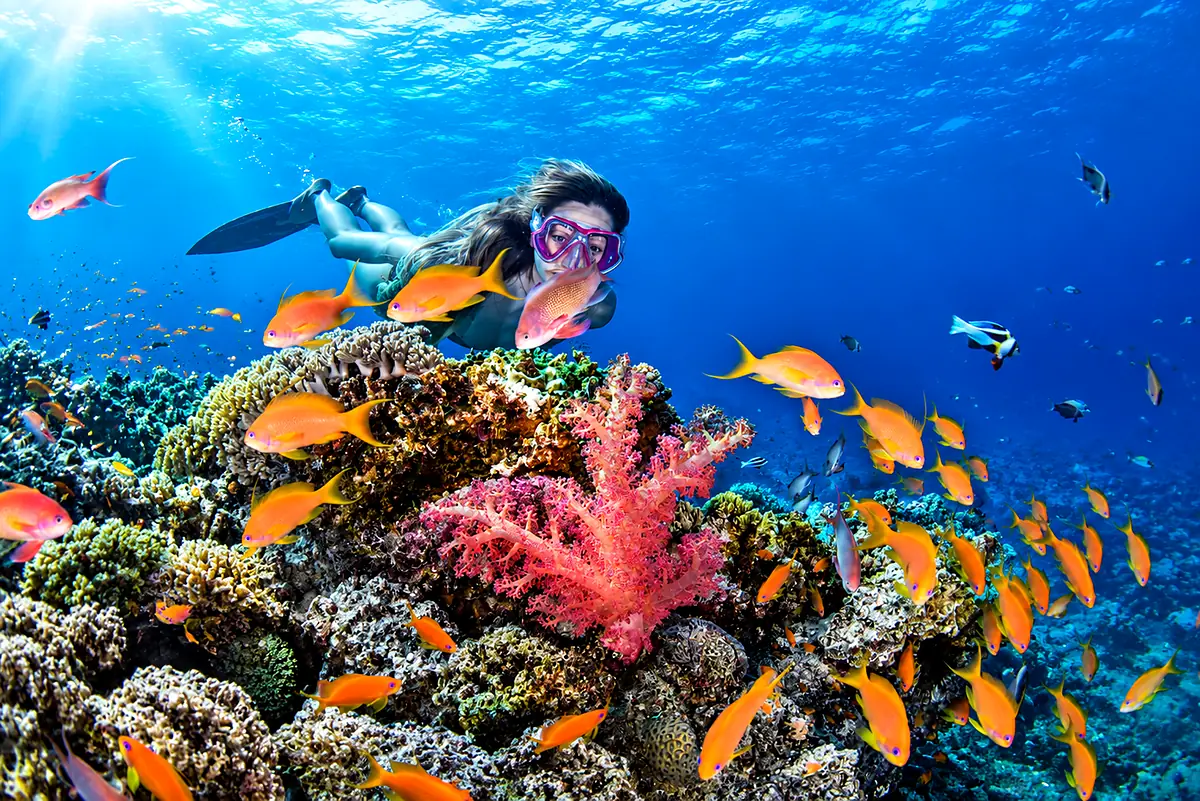
Outside, by contrast, the reef opens onto a wide sandy area dotted with coral blocks. Soft xenia corals cover many of them and pulse with the waves.
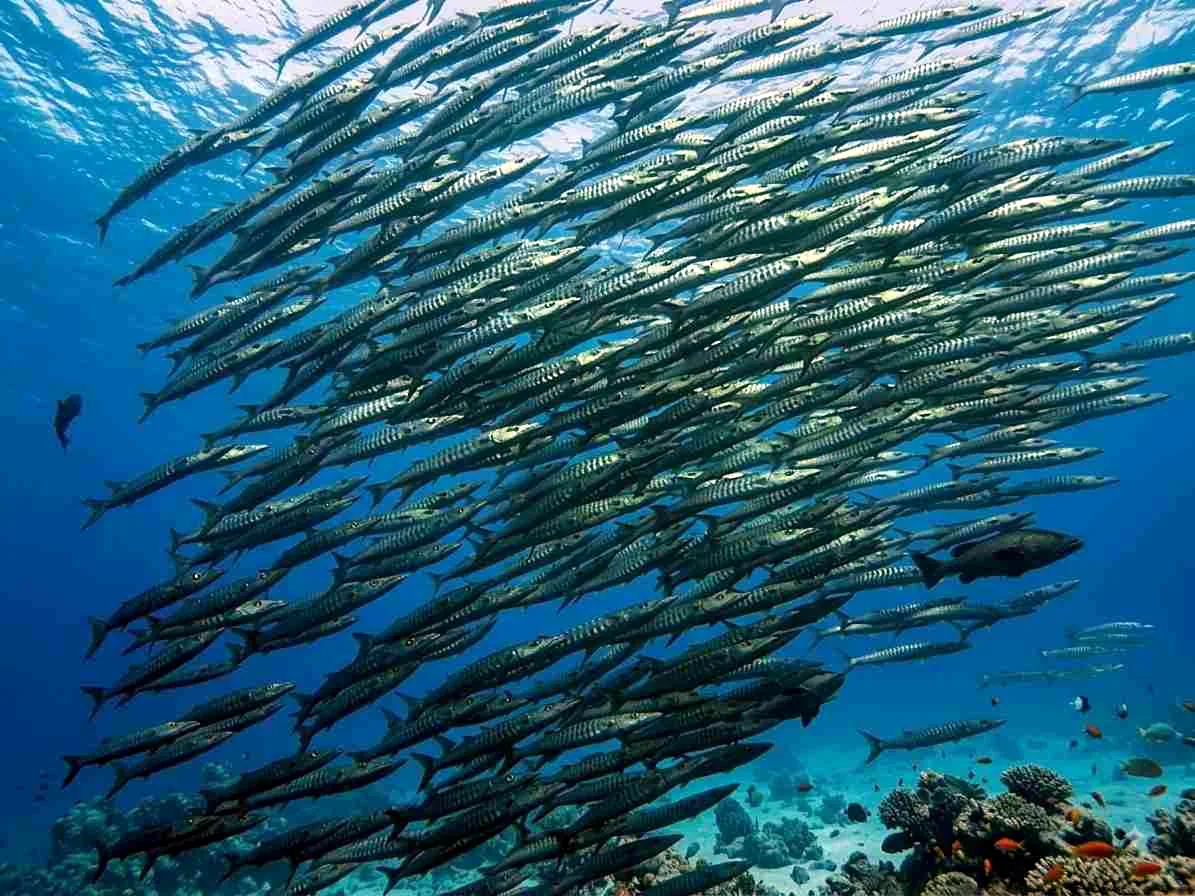
Close by, the reef falls away into a drop-off. As a result, schools of fish and bigger hunters come close to the shore to feed.
Ras Hankorab at a glance
The lagoon
First, a calm turquoise lagoon behind the fringing reef.
The blocks
Next, coral blocks on a wide sandy area outside the reef.
The drop-off
Finally, a drop-off close to shore where bigger fish feed.
What are the main areas of Ras Hankorab?
Generally, the site divides into three areas. Each one suits a different kind of diver, so the guide matches the area to the group and the sea.
The lagoon
For everyone. Here, the long fringing reef shelters a shallow lagoon of white sand, ideal for snorkelers and first dives.
The sand and blocks
The main dive. In contrast, the outer side spreads into sand with coral blocks, many covered in swaying xenia.
The drop-off
The edge. Meanwhile, the nearby drop-off draws schools of fish and larger hunters from deeper water.

Where is Ras Hankorab?
Specifically, it lies on the coast of the Wadi El Gemal National Park, about 60 km south of Marsa Alam and roughly an hour’s drive from the town. In fact, Sharm El Luli and Ras Hankorab are two separate spots on the map, though very close to each other.
However, no source publishes exact dive-entry positions, so we do not give coordinates here. Nearby, the Hamada Wreck lies further south at Abu Ghusun, and Wadi Gemal Island lies offshore to the north. For the wider region, see the Wadi El Gemal dive sites guide.
How do you dive Ras Hankorab?
Usually, the dive starts from the beach or from a small boat. Since nobody publishes a fixed route, the guide plans it by the weather and the group.
How the guide plans the dive
The entry
The start. First, you walk in from the gently sloping beach, or a boat drops you outside the reef.
The blocks
The main dive. Then, you explore the coral blocks on the sand, looking out toward the drop-off for passing fish.
The return
The finish. Finally, you come back along the reef to the entry and do your safety stop in the shallows.
In addition, a small boat can run you about 3 minutes from Ras Hankorab to the habili just off its eastern side. Either way, check the weather first, since waves make the outer reef hard work.
What marine life lives at Ras Hankorab?
Overall, the drop-off close to shore brings unusual visitors to a coastal reef. Above all, keep an eye on the blue while you explore the blocks.
Big fish
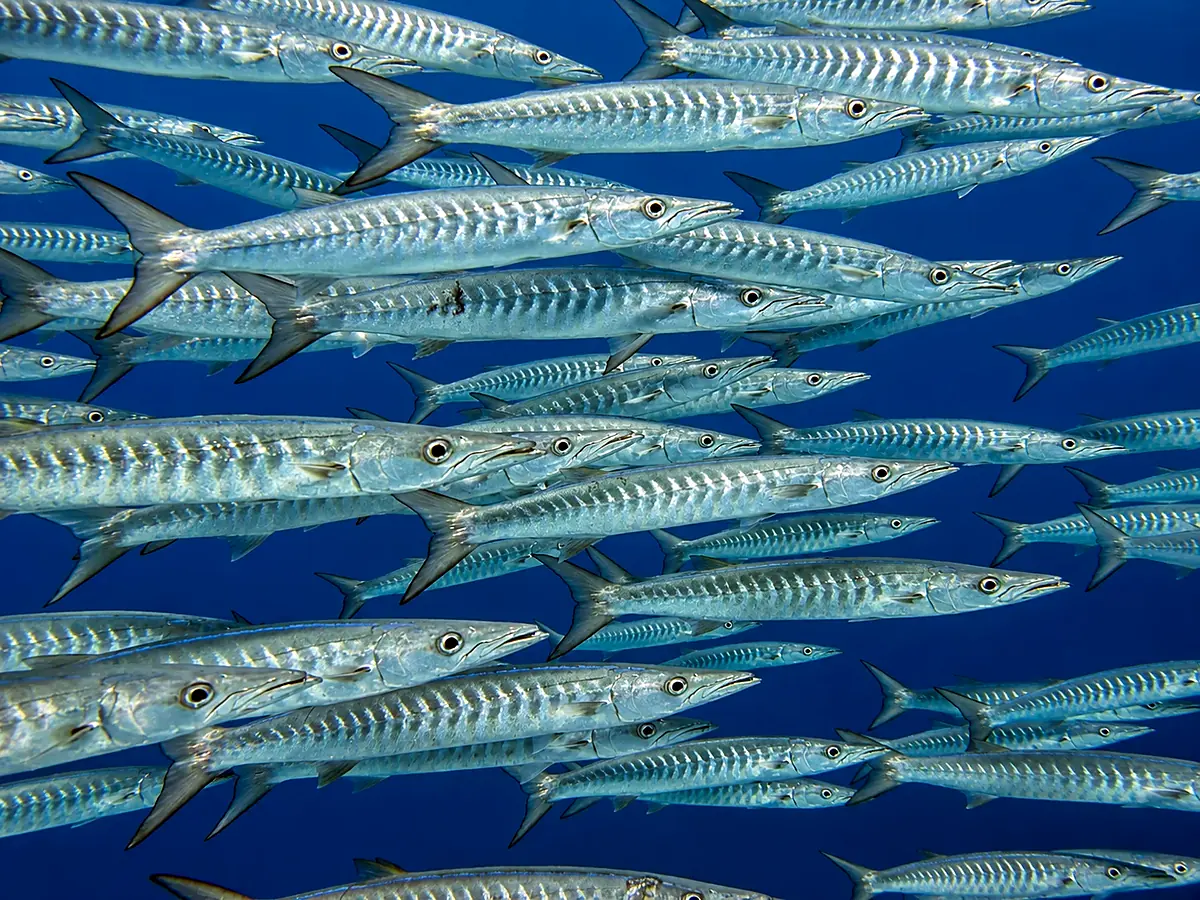
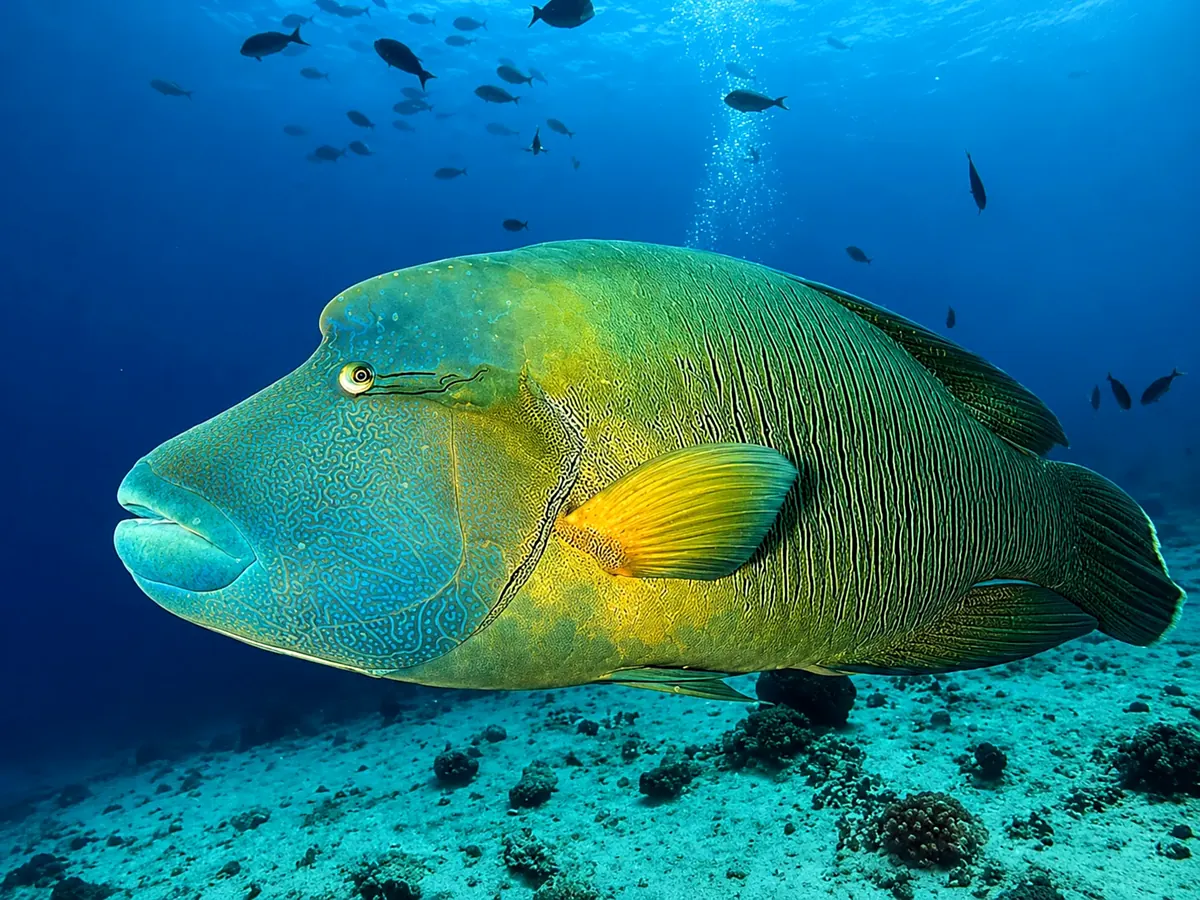
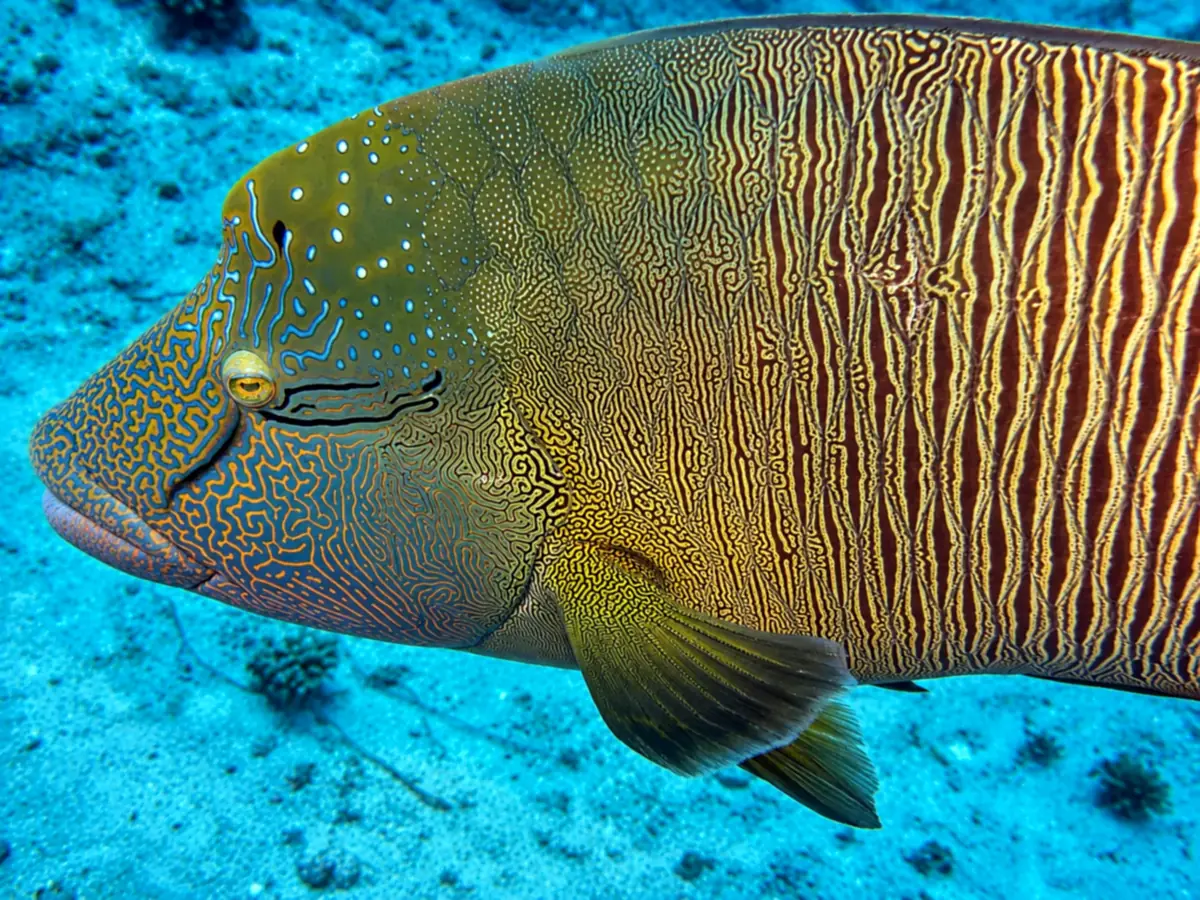
Typically, eagle rays, barracuda and Napoleon wrasse are often seen here, along with sharks at times.
On the blocks
Likewise, butterflyfish, angelfish and damselfish live on the coral blocks.
In the lagoon
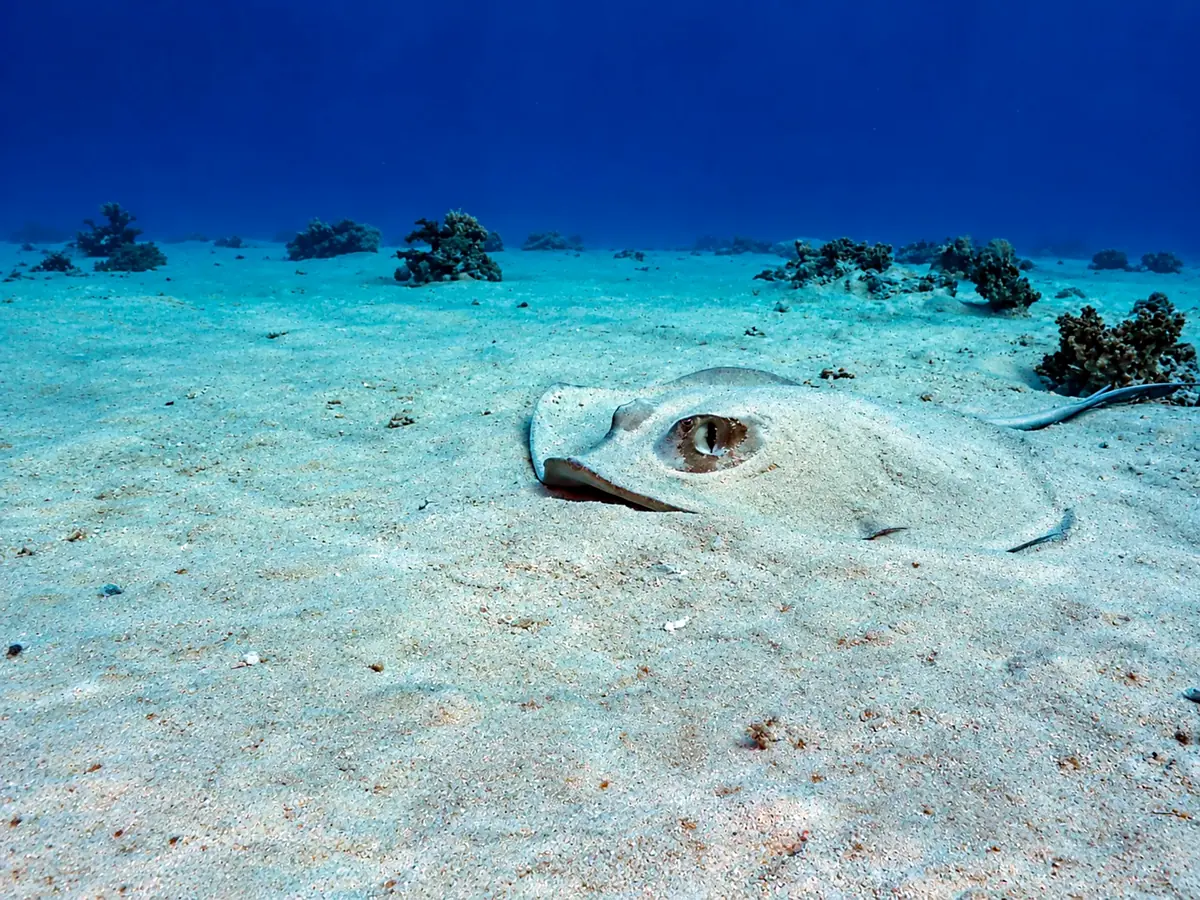
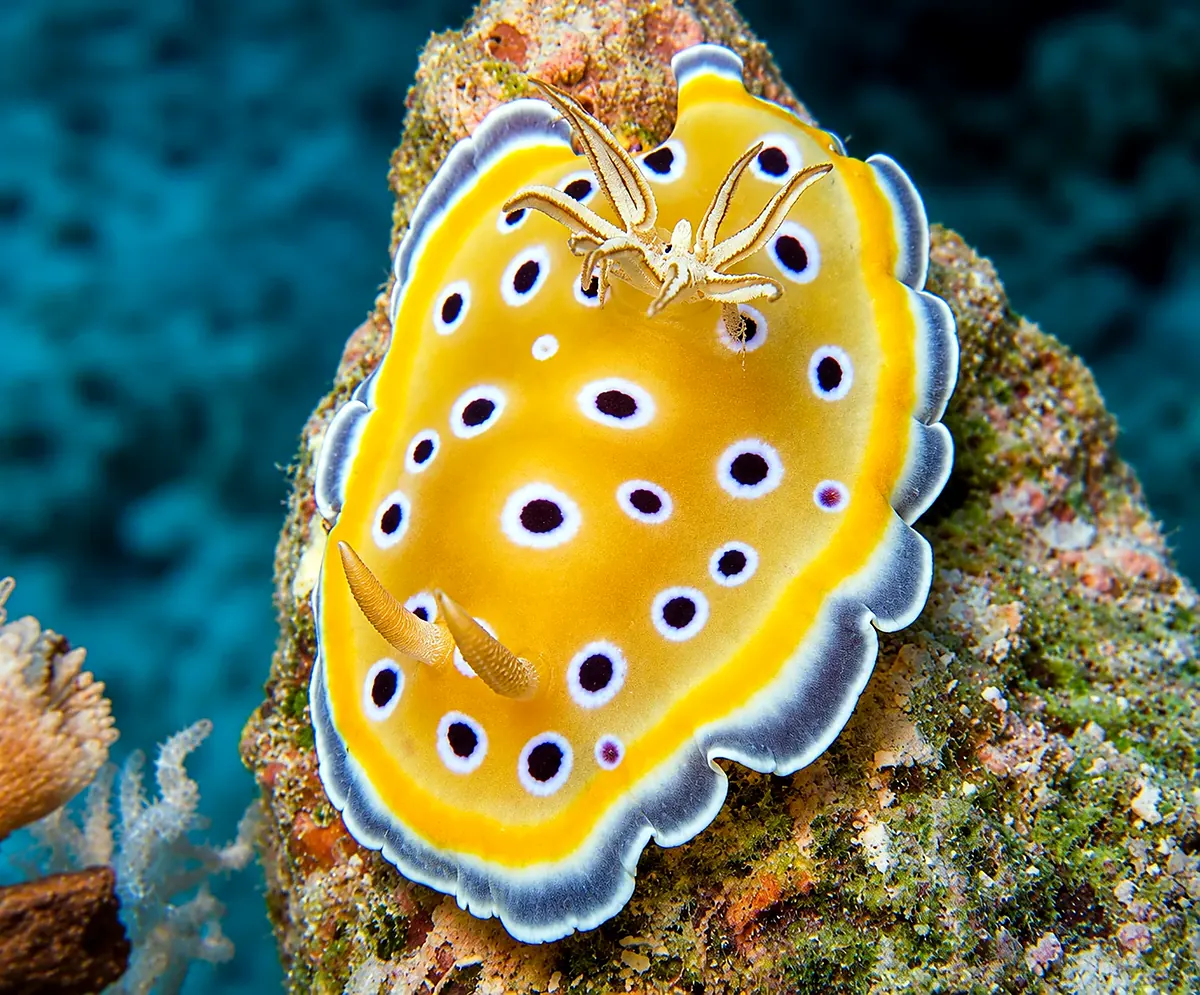
Meanwhile, the sand of the lagoon hides rays and small creatures.
Is Ras Hankorab suitable for beginners?
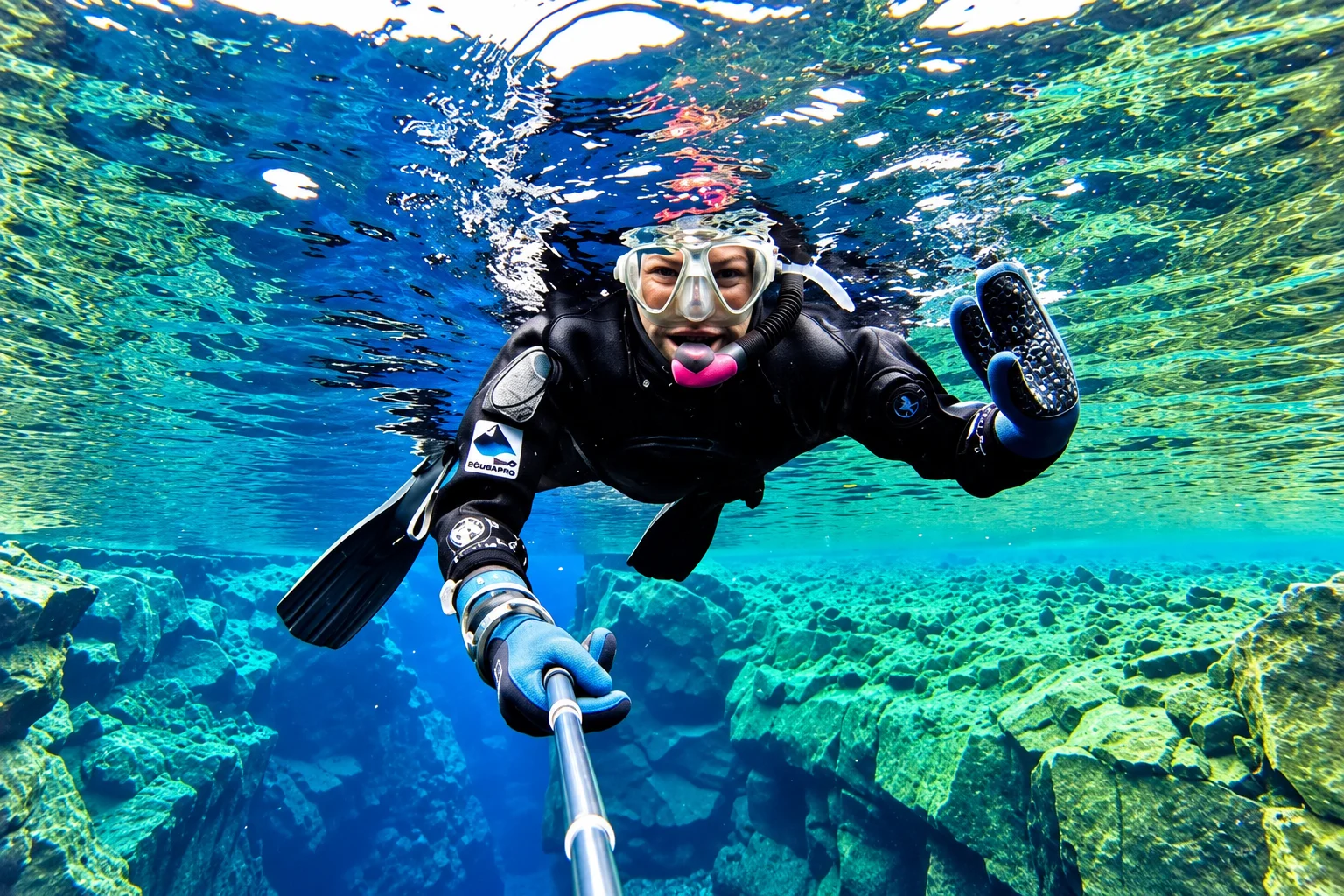
Yes, inside the lagoon. The water is shallow and calm, so it suits snorkelers and Open Water divers with a guide.
However, the outer reef and drop-off need good weather and more experience, for instance Advanced Open Water. For example, our liveaboard dive techniques guide explains boat entries and pick-ups.
Before you dive Ras Hankorab
Firstly, use reef-safe sun cream and never stand on the coral. Secondly, take all your rubbish home, since the beach is under heavy pressure.
Above all, follow our diving safety standards and the rules of HEPCA. We strongly recommend dive insurance such as DAN Europe in the remote south.
How do you get to Ras Hankorab?
In practice, most visitors drive down from Marsa Alam or the Wadi El Gemal hotels, then snorkel or dive from the beach. Since it is a coastal site, liveaboards rarely stop here. Instead, our Daedalus and Fury Shoals route and the Deep South St. John’s route cover the offshore reefs nearby.
Generally, it pairs well with other shore sites. Consequently, you can combine it with the Hamada Wreck to the south and boat dives around Wadi Gemal Island.
Plan your Ras Hankorab dive trip
- Daedalus and Fury Shoals liveaboard — Daedalus Reef and the southern reefs.
- Deep South St. John’s liveaboard — the far south near the Sudanese border.
- What divers need on board — the packing checklist for a Red Sea safari.
- redsealiveaboard.net — Red Sea safari schedules and availability.
- All eight boats in our fleet sail the southern routes: Sea Fox, Simba, Sea Treasure, Star Jet, Bismarck, C Echo II, C U and Ramadan 3.
Photo gallery from Ras Hankorab

Other routes from Red Sea Diving
Generally, for a first liveaboard, the North Red Sea liveaboard keeps to the classic wrecks. On the other hand, the BDE liveaboard runs Brothers, Daedalus and Elphinstone, while the Elba Reef liveaboard reaches the far south. Meanwhile, the Red Sea liveaboard guide compares all eight routes.
Ras Hankorab: frequently asked questions
Where is Ras Hankorab?
In fact, it lies on the coast of the Wadi El Gemal National Park, about 60 km south of Marsa Alam.
Is Ras Hankorab the same as Sharm El Luli?
Not quite. Many people use the two names for the same beach, but they are two separate spots very close to each other.
Can you snorkel at Ras Hankorab?
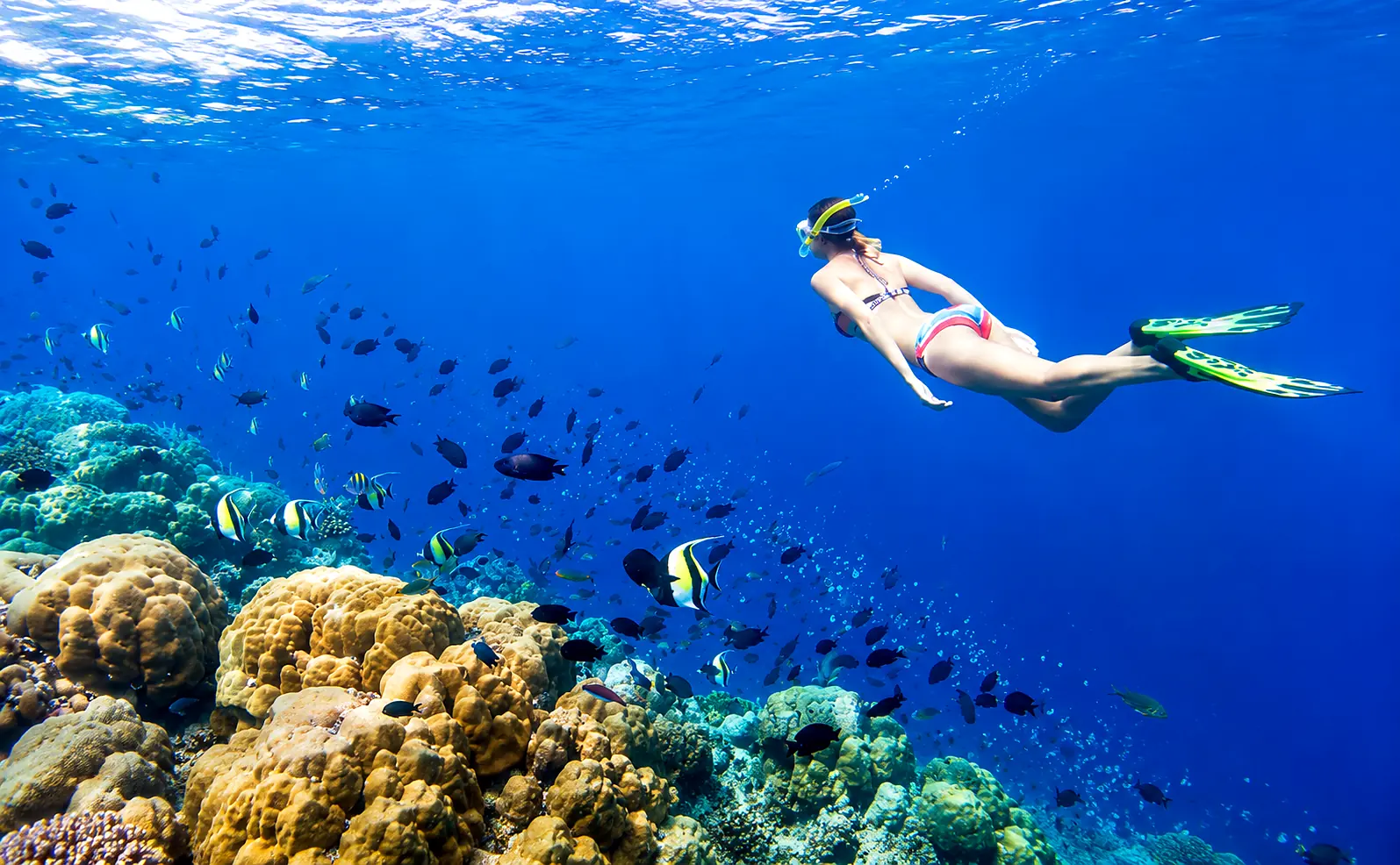
Yes. The shallow lagoon behind the fringing reef is ideal for snorkeling straight from the beach.
What can you see at Ras Hankorab?
Typically, xenia-covered coral blocks and reef fish, with eagle rays, barracuda and Napoleon wrasse off the drop-off.
How do you get to Ras Hankorab?
By road from Marsa Alam, about an hour’s drive. Moreover, all eight boats in the Red Sea Diving fleet cover the offshore reefs of the south.
Wadi El Gemal · Shore diving · Snorkeling
Dive Ras Hankorab with us
Simply tell us your dates, the number of divers, your certification level and your number of logged dives. Afterward, our team checks which southern trip fits your group before you commit to anything.


