
Island dive guide · Wadi El Gemal National Park, southern Red Sea
Wadi Gemal Island Diving The island reef complex at the heart of Wadi El Gemal National Park
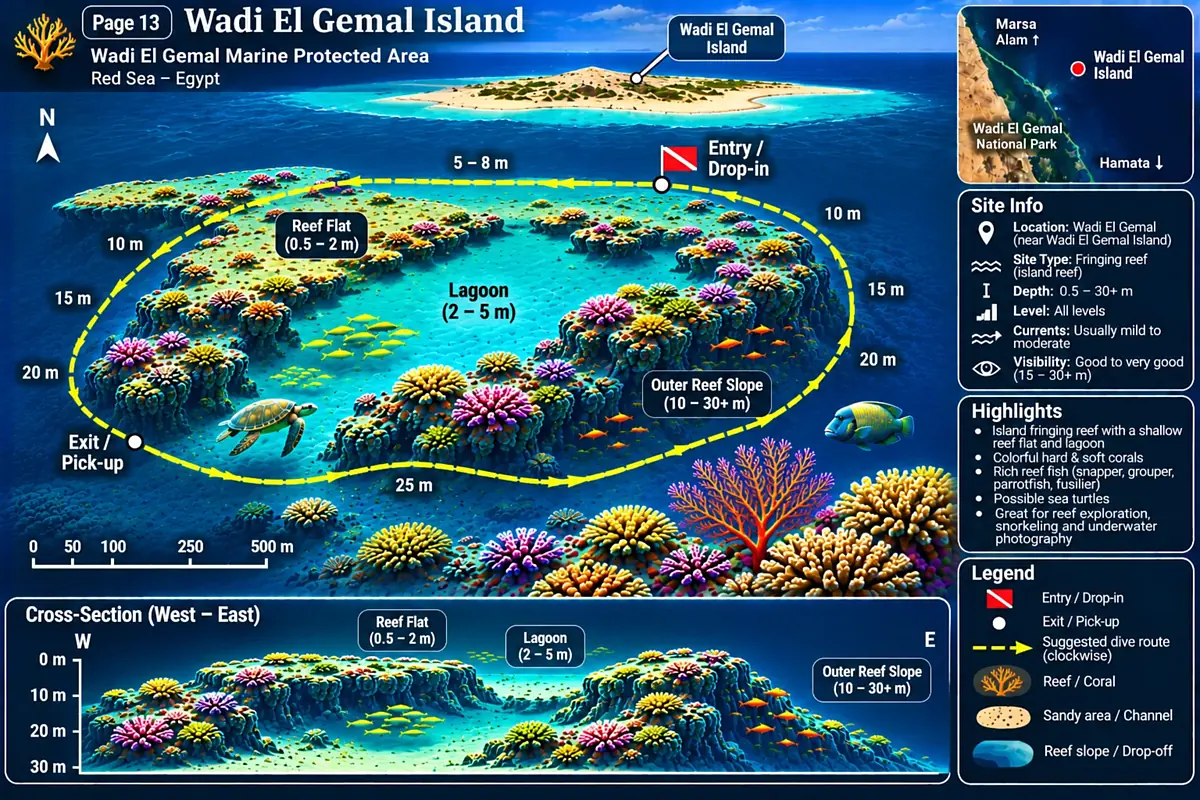
Wadi Gemal Island, also called Wadi El Gemal or Wadi Gimal Island, is the namesake island of the Wadi El Gemal National Park, south of Marsa Alam. Coral reefs, seagrass and mangroves surround it, and a whole cluster of dive sites lies around it. Rather than one dive, it is a reef complex, so each sector has its own guide.
Wadi Gemal Island in short
In short, Wadi Gemal Island is the namesake island of the Wadi El Gemal National Park, a protected area set up in 2003 south of Marsa Alam, at about 24°40′07″N, 35°09′34″E. Indeed, it covers roughly 5 km², and coral reefs, seagrass beds and mangroves surround it. Besides, BirdLife International lists it as an Important Bird Area, and turtles and dugongs feed nearby. Underwater, it is a reef complex rather than a single dive: Shalaniat, Shaab Dahara, the north reef and several coral blocks lie around it. The level depends on the sector you dive.
What is Wadi Gemal Island like?
Above all, it is a protected island. It is one of five islands in the Wadi El Gemal National Park, and the park takes its name from it.
Around it, moreover, coral reefs, seagrass beds and mangroves form a rich mix of habitats. As a result, the island draws seabirds, turtles and, at times, dugongs.
Underwater, however, each side of the island faces different wind and current. For this reason, guides treat it as a group of separate dive sites, each with its own plan.
The island at a glance
The reefs
First, coral reefs ring the island and its neighboring blocks.
The seagrass
Next, seagrass beds feed turtles and, at times, dugongs.
The birds
Finally, seabirds and falcons nest on the island itself.
Which dive sites lie around Wadi Gemal Island?
Generally, the dive sites fall into three groups. Each group suits a different level, so the guide picks one by the weather and the divers on board.
The sheltered reefs
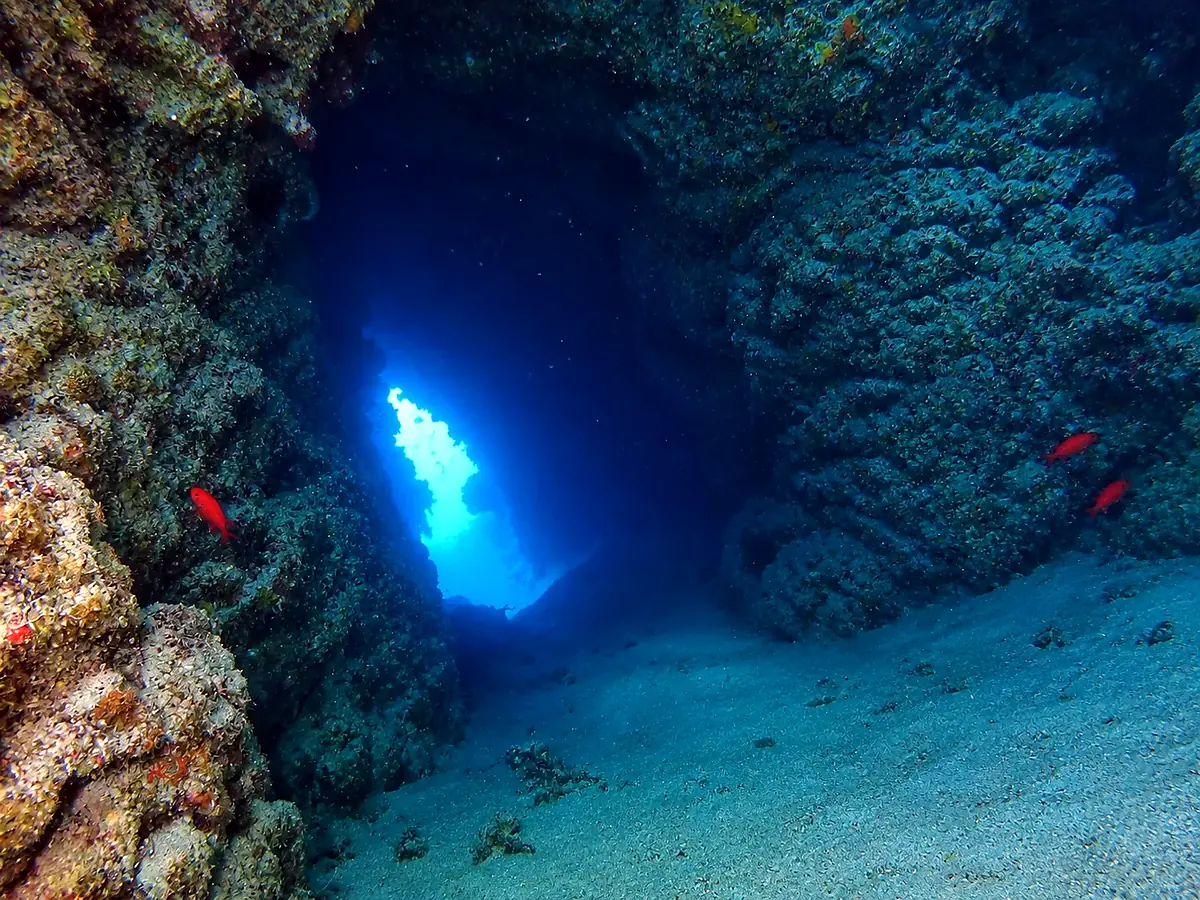
West and north. Here, Shalaniat and Shaab Dahara shelter boats overnight and make easy night dives.
The shallow blocks
Close in. In contrast, the north reef and the island gota offer shallow, colorful dives among coral blocks.
The offshore habili
Further out. Meanwhile, the offshore habili rises from deep water to the east, for experienced divers only.
Where is Wadi Gemal Island?
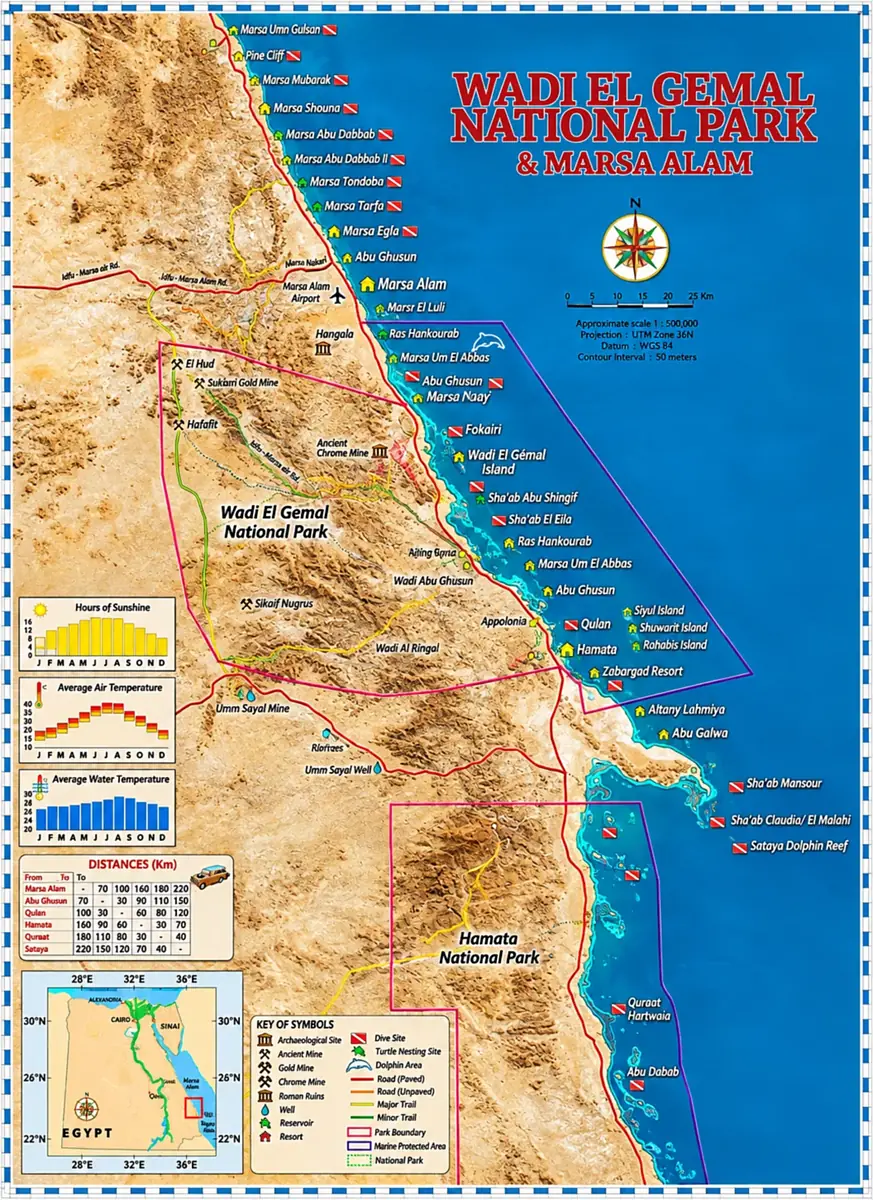
Specifically, the island lies off the Wadi El Gemal coast, south of Marsa Alam, at the entrance to the national park. In particular, its approximate position is 24°40′07″N, 35°09′34″E, which is about 24.6687°N, 35.1593°E.
In addition, the Shalaniat reef group lies about 2 km to the west, while Shaab Dahara stretches to the north. For the wider region, see the Wadi El Gemal dive sites guide and the Hamata dive sites further south.
How do you dive Wadi Gemal Island?
Usually, you do not dive the island as one site. Instead, the boat picks one of the sectors around it, and the guide plans the dive for that reef.
How the guide chooses a sector
The weather
The first check. Firstly, the crew checks the wind, since it decides which side of the island stays calm.
The group
The second check. Then, the guide matches the sector to the group, from shallow blocks to the deep habili.
The plan
The briefing. Finally, each sector gets its own briefing, with its own depth, route and pick-up.
Above all, respect the protected area. In practice, that means no touching, no feeding and no collecting, and staying clear of the shore where birds nest.
What marine life lives around Wadi Gemal Island?
Overall, the mix of reef, seagrass and mangrove supports a wide range of life. Above all, the shallow habitats make the island an important feeding area.
In the seagrass
Typically, turtles graze the seagrass, and dugongs visit at times.
On the reefs
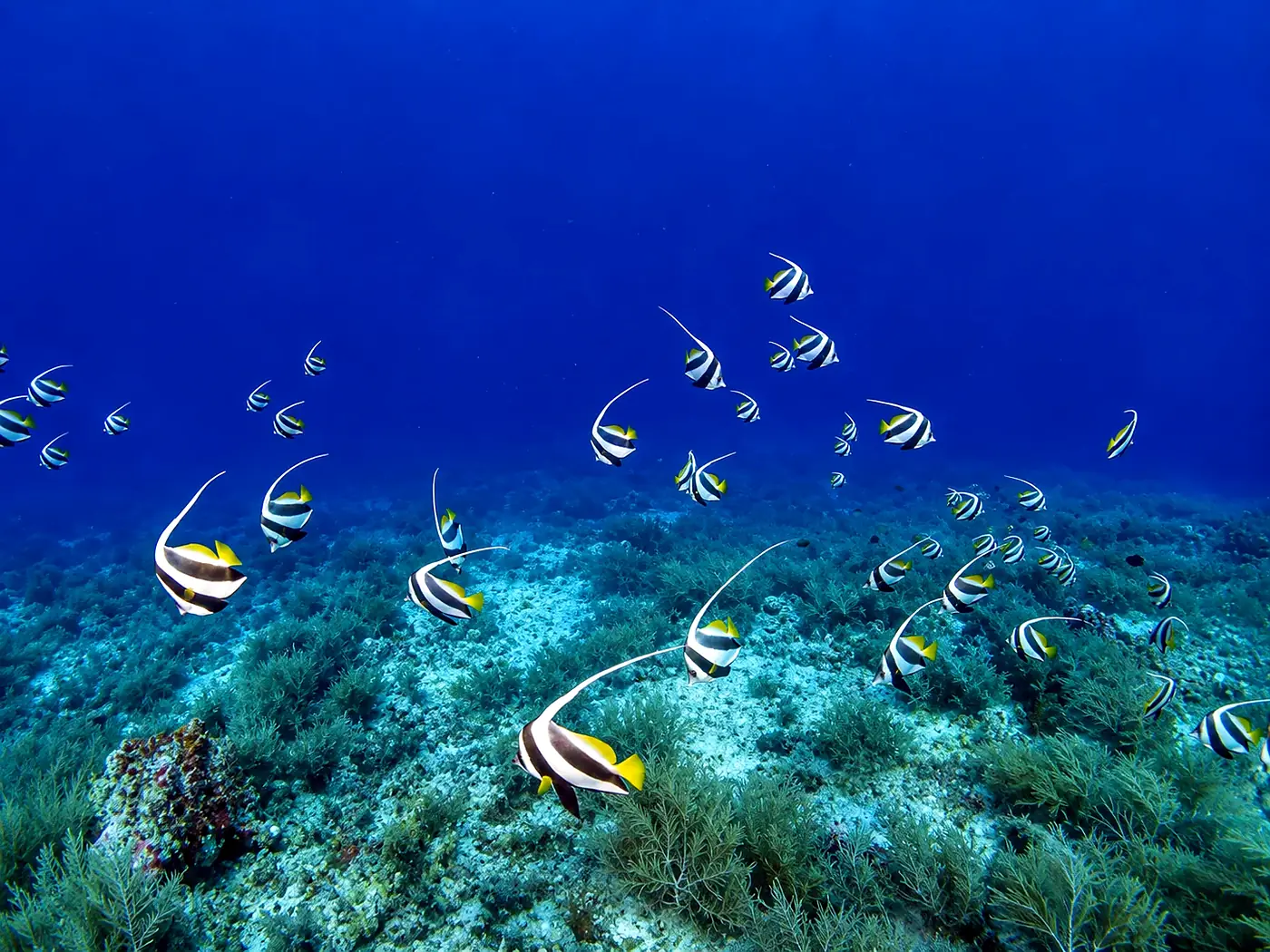
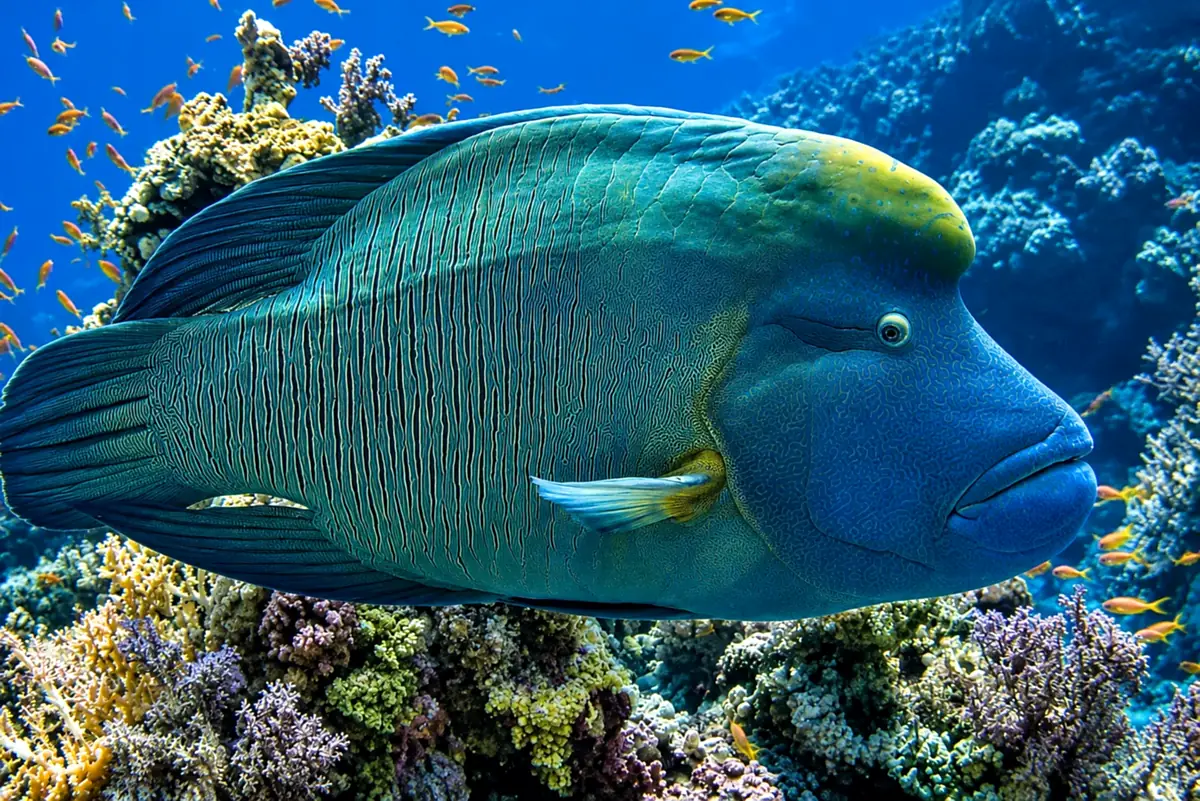
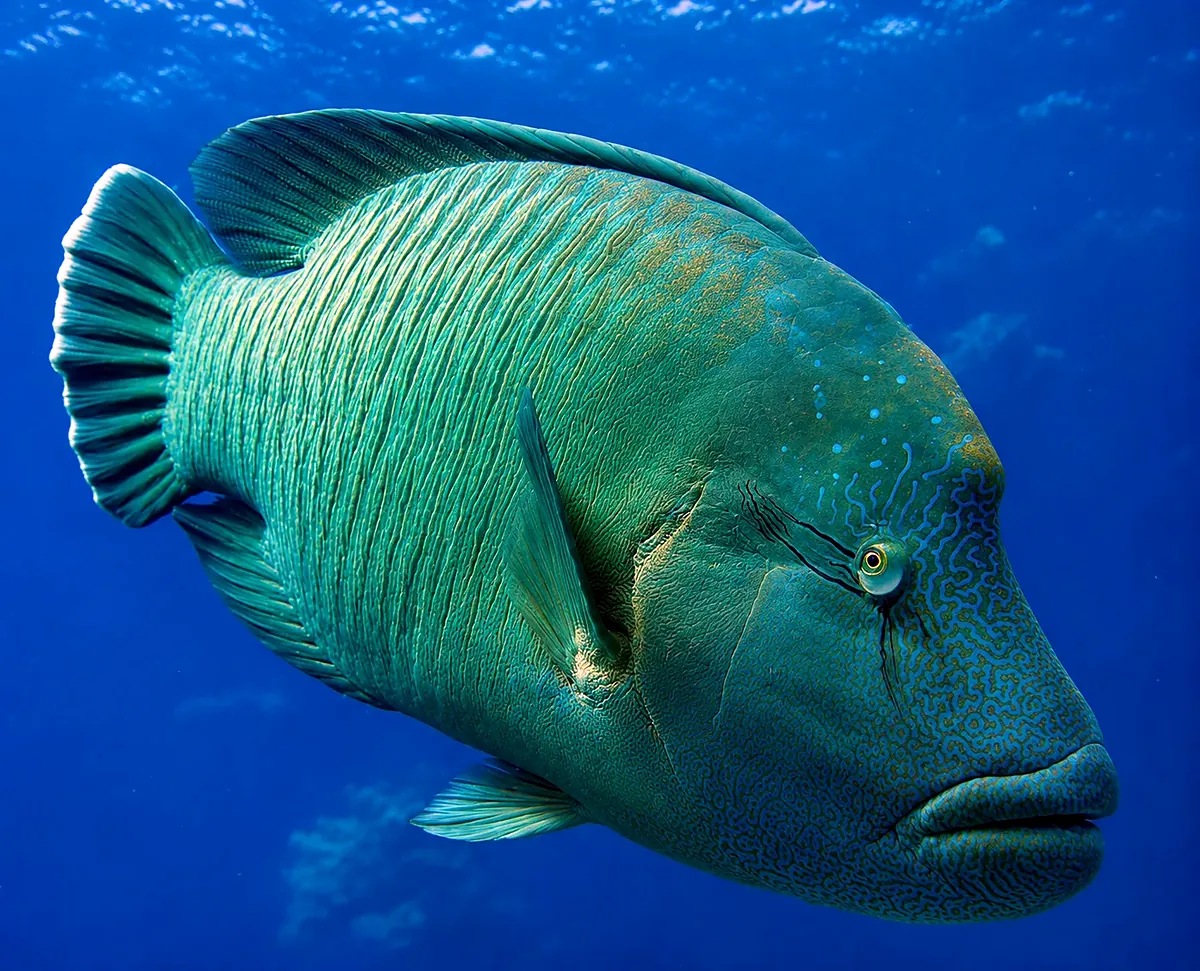
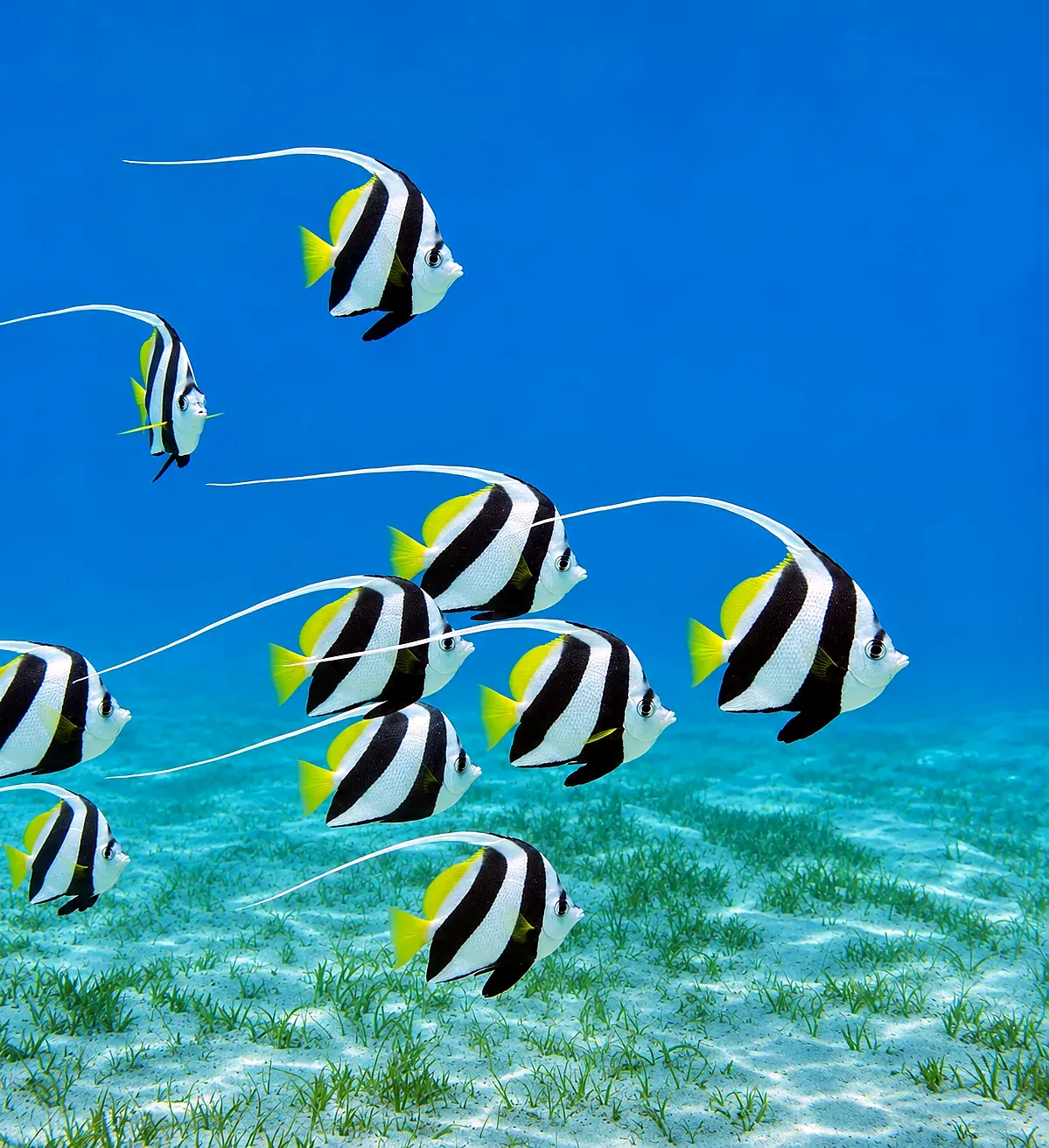
Likewise, groupers, butterflyfish, anthias and morays live on the coral.
In the open water
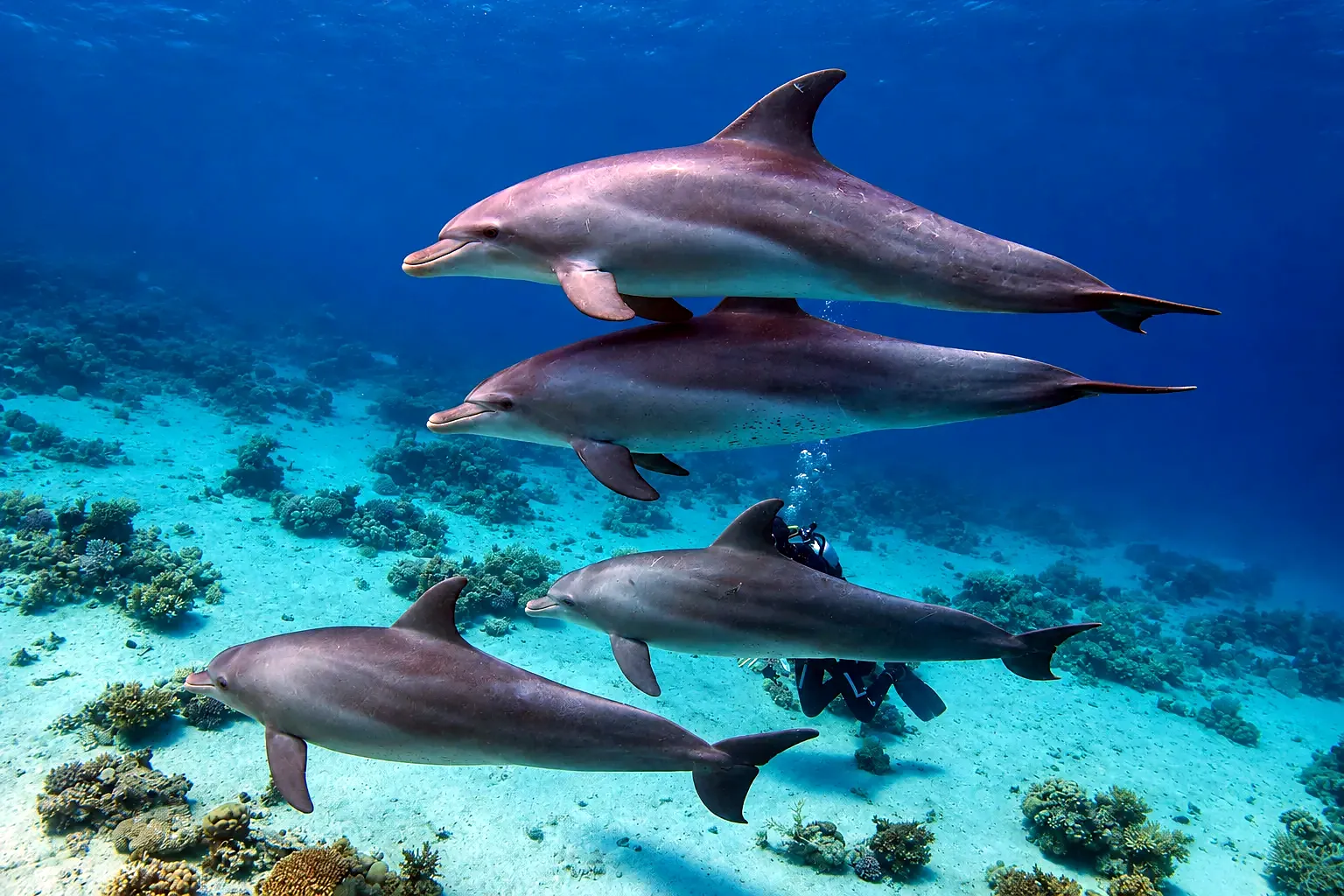
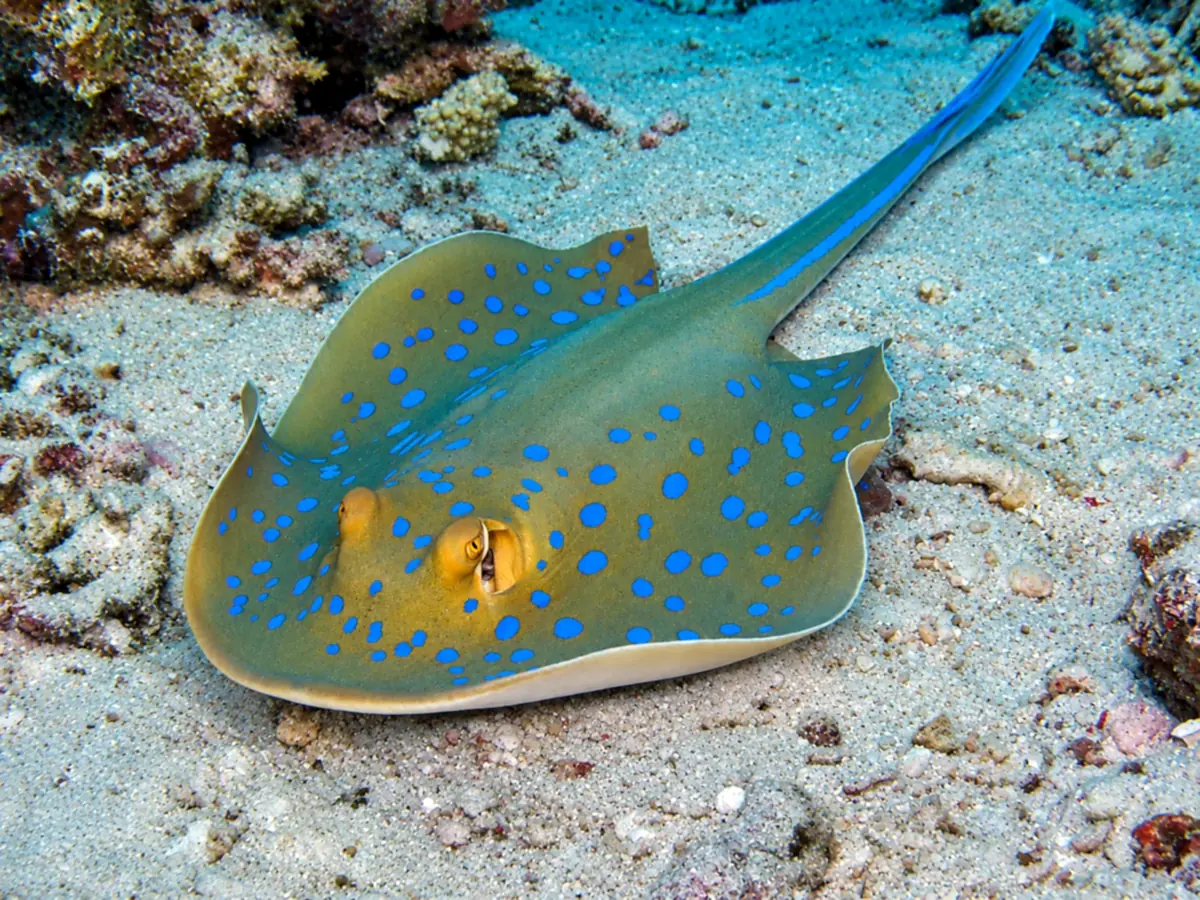
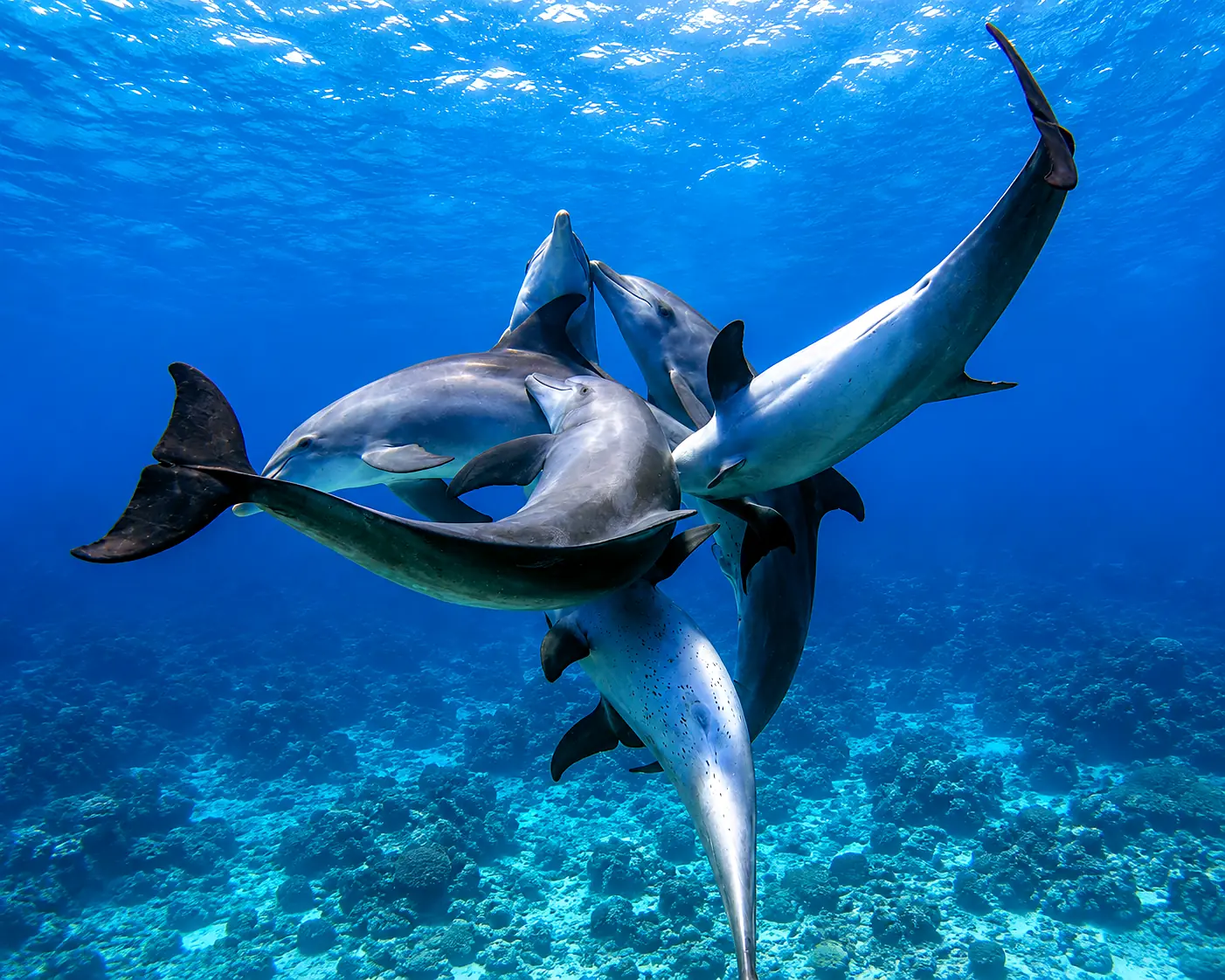
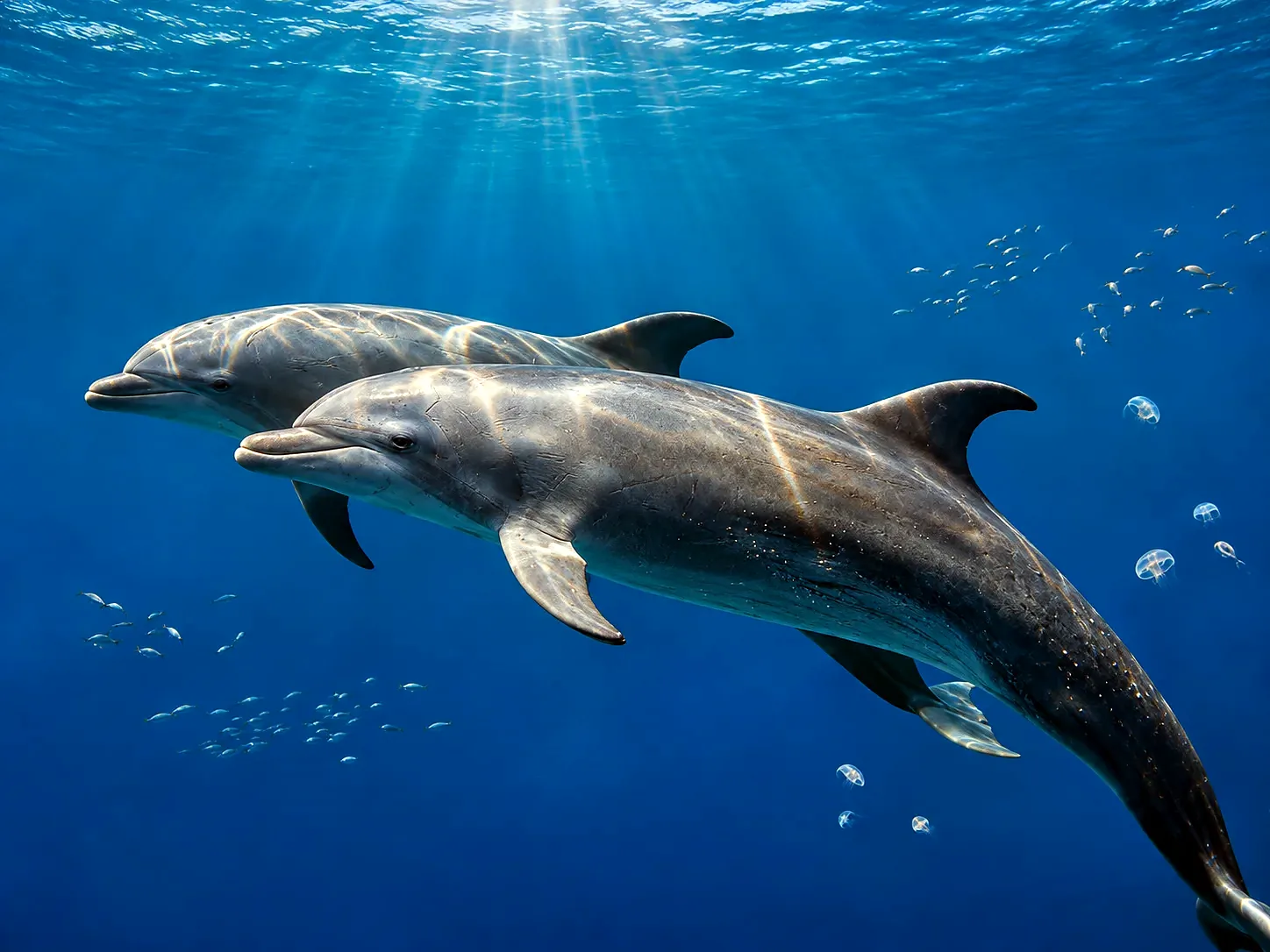
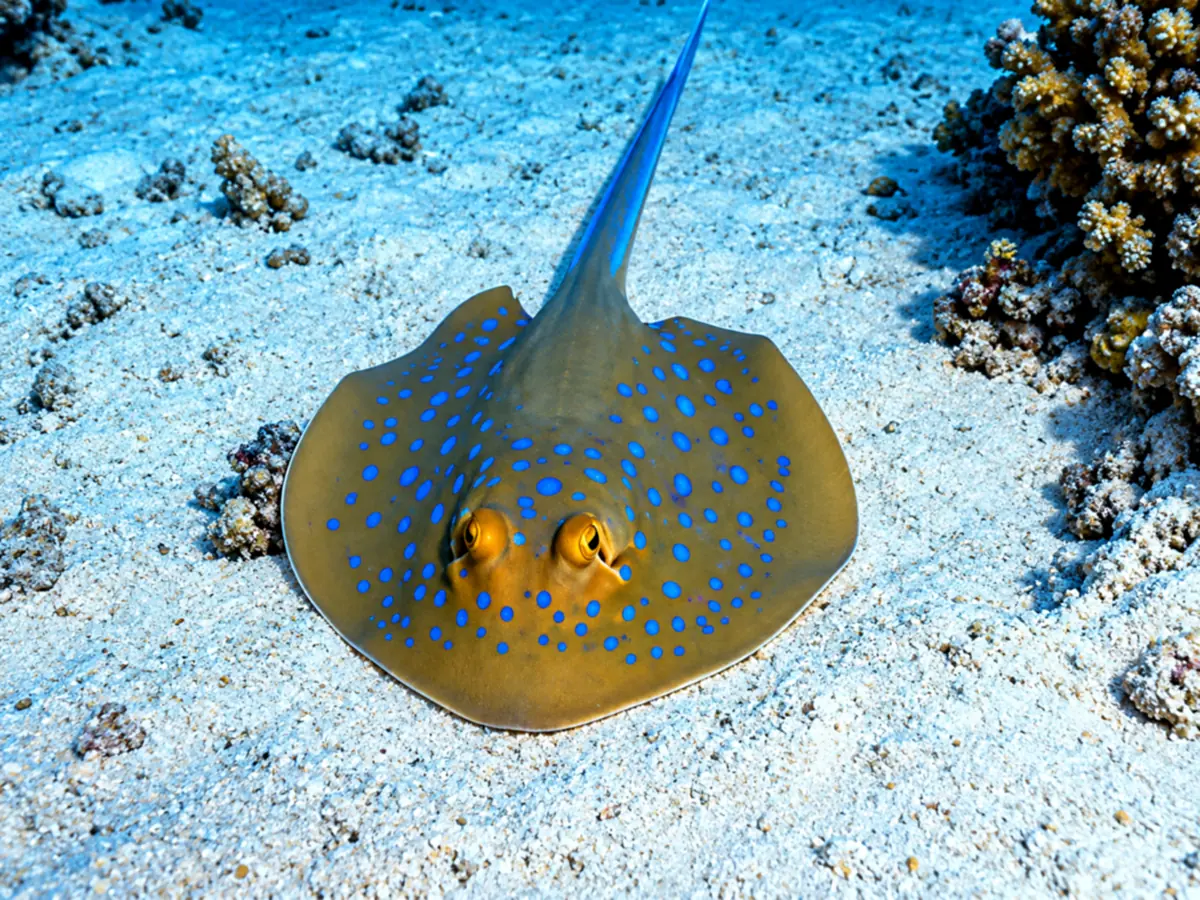
Meanwhile, dolphins and rays pass through the channels around the island.
Is Wadi Gemal Island suitable for beginners?
Yes, for most sectors. The sheltered reefs and shallow blocks around the island suit Open Water divers with a guide.
However, the offshore habili to the east is deep and exposed, so it needs Advanced Open Water and at least 50 logged dives. For example, our liveaboard dive techniques guide explains boat entries and night dives.
Before you dive the island reefs
Firstly, ask which sector the boat is heading to. Secondly, follow the national park rules and keep away from nesting birds.
Above all, follow our diving safety standards and the rules of HEPCA. We strongly recommend dive insurance such as DAN Europe in the remote south.
How do you get to Wadi Gemal Island?
In practice, day boats reach the island from the Wadi El Gemal coast, and liveaboards moor at the sheltered reefs nearby. With us, the southern reefs can be part of our Daedalus and Fury Shoals route and the Deep South St. John’s route. Guests board on Saturday after 15:00, and check-out is between 09:00 and 10:00 the next Saturday.
Generally, boats combine several reefs on the same day. Consequently, you can pair the island reefs with Shaab Sharm to the north and the Hamata reefs to the south.
Plan your island dive trip
- Daedalus and Fury Shoals liveaboard — Daedalus Reef and the southern reefs.
- Deep South St. John’s liveaboard — the far south near the Sudanese border.
- What divers need on board — the packing checklist for a Red Sea safari.
- redsealiveaboard.net — Red Sea safari schedules and availability.
- All eight boats in our fleet can sail these routes: Sea Fox, Simba, Sea Treasure, Star Jet, Bismarck, C Echo II, C U and Ramadan 3.
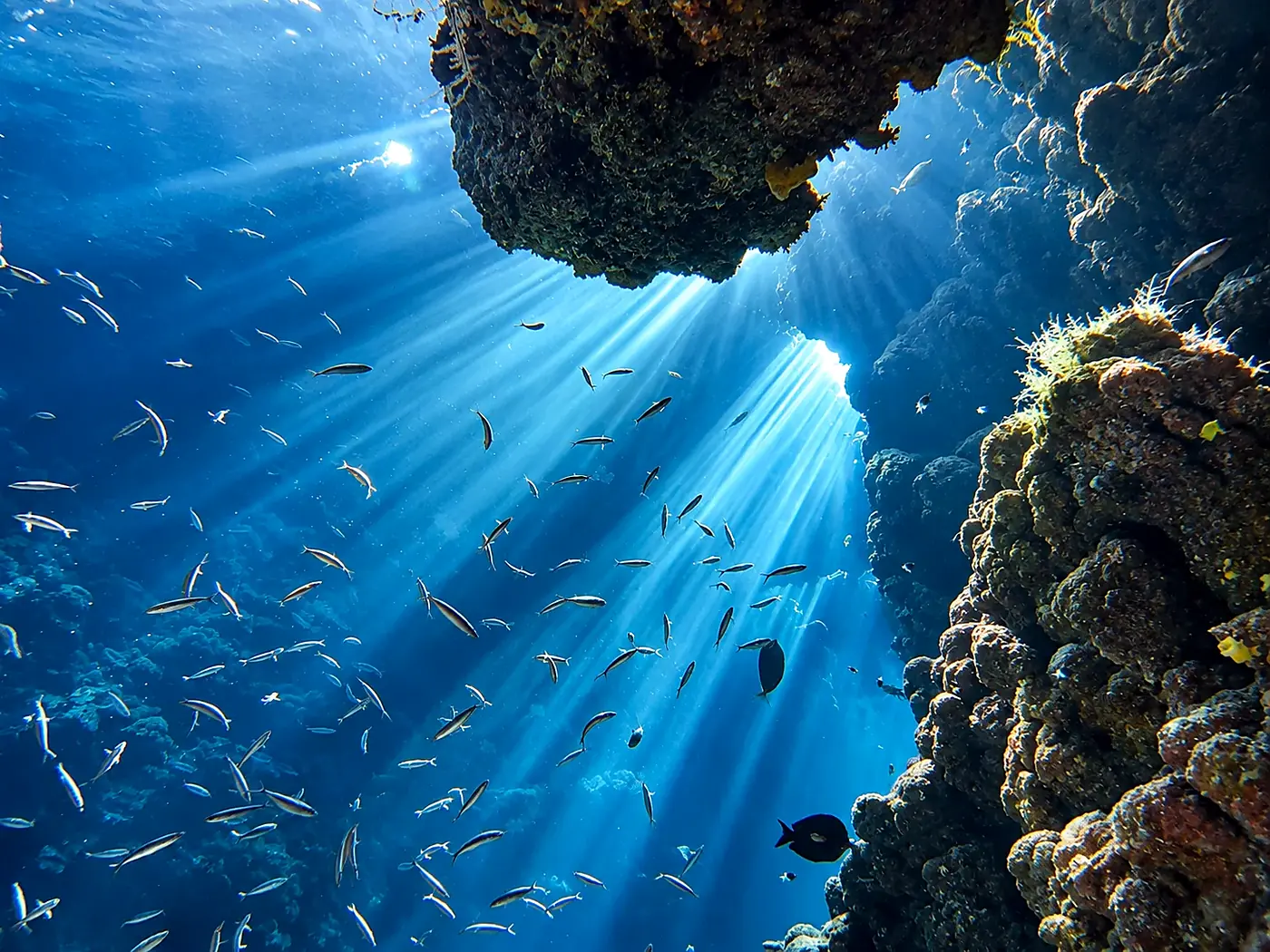
Photo gallery from the island reefs

Other routes from Red Sea Diving
Generally, for a first liveaboard, the North Red Sea liveaboard keeps to the classic wrecks. On the other hand, the BDE liveaboard runs Brothers, Daedalus and Elphinstone, while the Elba Reef liveaboard reaches the far south. Meanwhile, the Red Sea liveaboard guide compares all eight routes.
Wadi Gemal Island: frequently asked questions
Where is Wadi Gemal Island?
In fact, it lies off the Wadi El Gemal coast south of Marsa Alam, at about 24°40′07″N, 35°09′34″E.
Is Wadi Gemal Island one dive site?
No. It is a reef complex with several dive sites around it, including Shalaniat, Shaab Dahara, the north reef and an offshore habili.
Is Wadi Gemal Island protected?
Yes. It lies inside the Wadi El Gemal National Park, set up in 2003, and BirdLife International lists it as an Important Bird Area.
What can you see around Wadi Gemal Island?
Typically, corals and reef fish, with turtles and, at times, dugongs in the seagrass and dolphins in the open water.
How do you get to Wadi Gemal Island?
By day boat from the Wadi El Gemal coast or on a southern liveaboard. Moreover, all eight boats in the Red Sea Diving fleet can run these routes.
Wadi El Gemal · Liveaboard · Island reefs
Dive the island reefs with us
Simply tell us your dates, the number of divers, your certification level and your number of logged dives. Afterward, our team checks which southern departure fits your group before you commit to anything.


