

Dive guide to Shalaniat · Wadi El Gemal, southern Red Sea
Shalaniat Dive Site A sheltered 250 m reef and coral habili by Wadi Gemal Island
Shalaniat, also spelled Shalanyat or Ashalaniat, is a small reef in a group lying 2 km west of Wadi Gemal Island and 4 km off the mainland. Wadi Gemal Island and the long Dahara reef shelter it from wind and waves, so liveaboards often moor here overnight. The best diving is at a coral-covered habili just north of the main reef.
Shalaniat in short
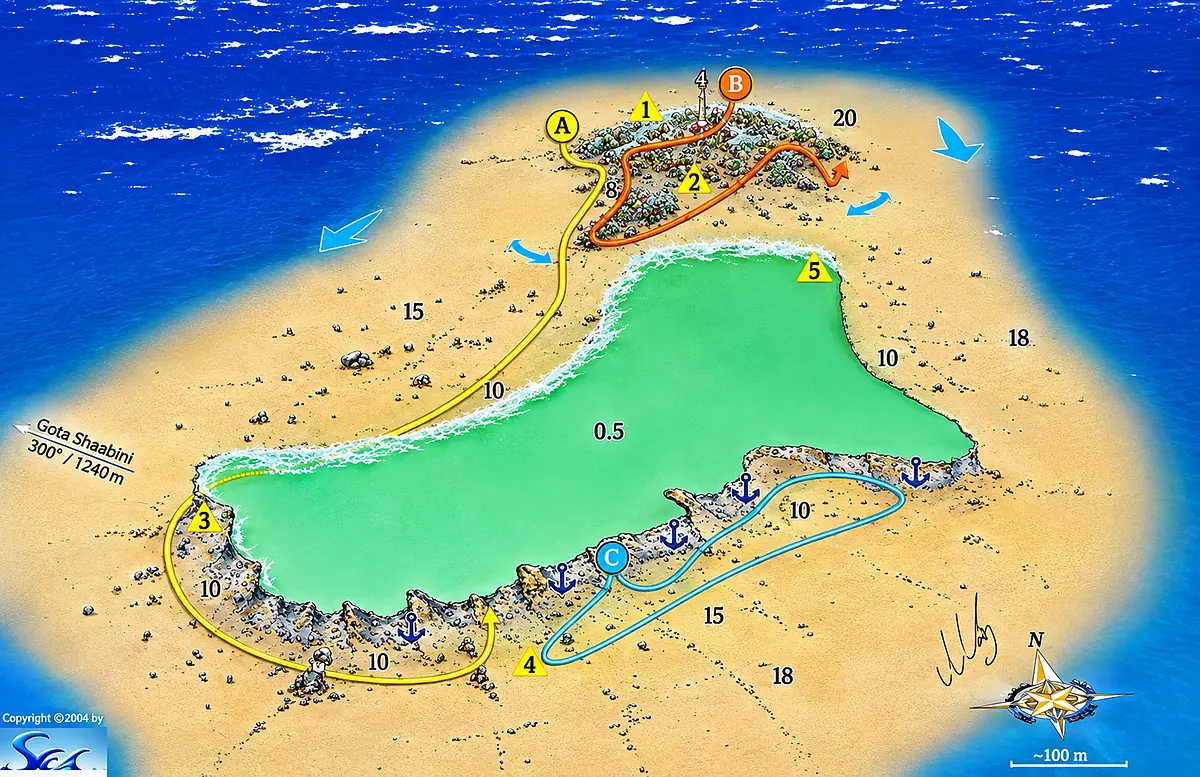
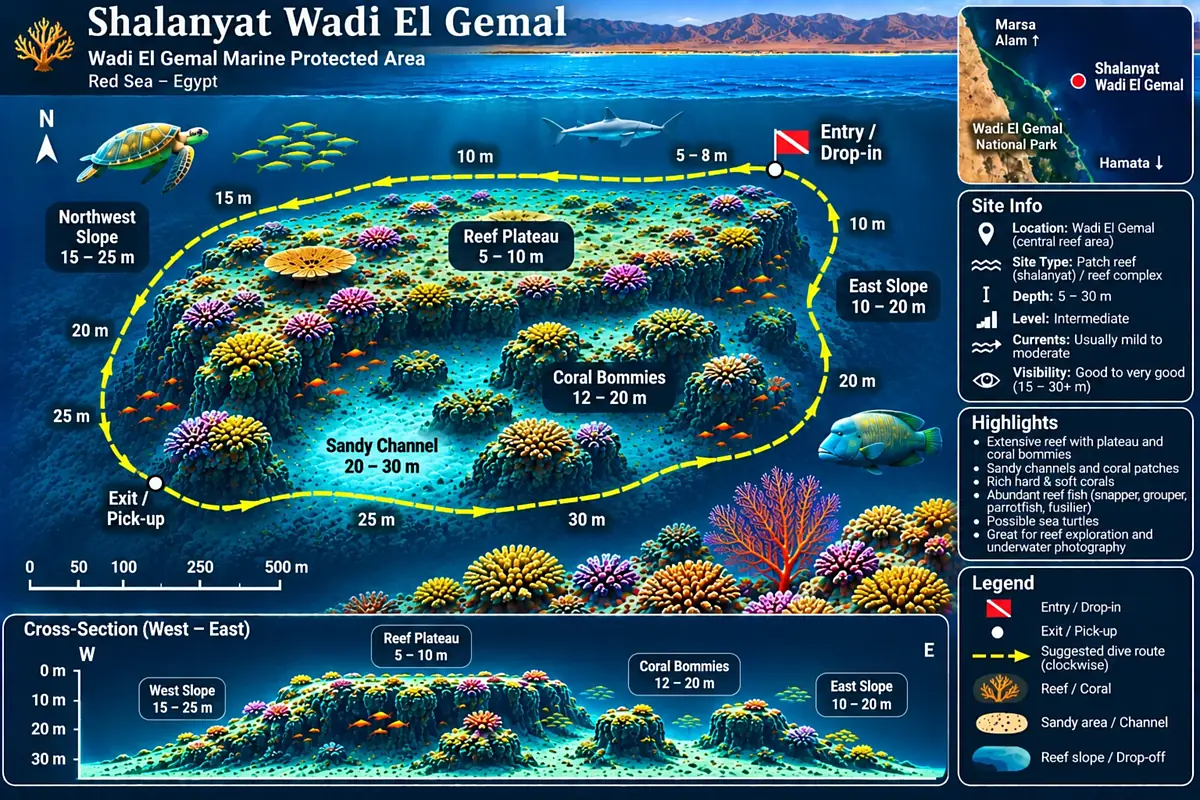
In short, Shalaniat is a 250 m reef in the Wadi El Gemal area of the southern Egyptian Red Sea, 2 km west of Wadi Gemal Island and 4 km off the mainland, at about 24°40.22′N, 35°08.85′E. Its fairly bare walls drop to about 10 m, onto a seabed of coral rocks. About 70 m to the north, a small habili of large rocks, thick with coral, rises to 4 m below the surface. Since the island and Dahara shelter it, boats often stay here overnight, and the south side makes a good night dive. In general, the conditions suit beginners.
What is Shalaniat like?
Above all, it is a sheltered reef. Wadi Gemal Island and the nearby Dahara reef break the wind and the waves, so it makes a calm overnight stop.
Although fewer boats come here than to Dahara, a couple usually moor at the same time. As a result, expect some RIB traffic around the moorings.
The currents are mostly weak, yet they can change direction several times in one dive. Moreover, they stir up sand from the wide seabed, which can limit the visibility.
Shalaniat at a glance
The habili
First, a coral-covered habili 70 m north of the reef gives the best dive.
The main reef
Next, sparse walls drop to a seabed dotted with coral rocks.
The south side
Finally, the south side hides a surprising amount of small life.
What are the main areas of Shalaniat?
Generally, the site divides into three parts. Each suits a different dive, so the guide picks the area by the time of day.
Northern habili
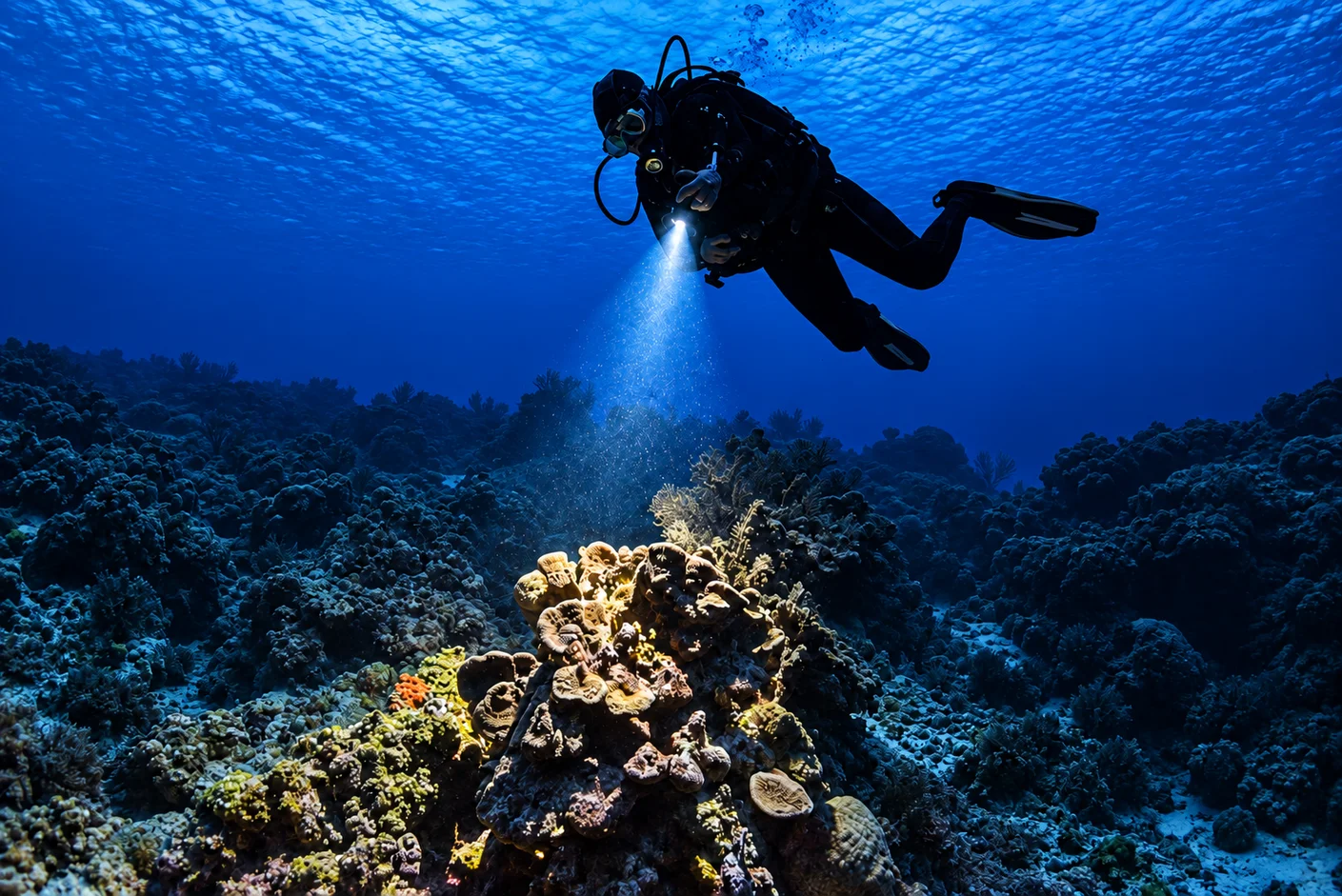
The highlight. Here, several large rocks form a small habili, densely covered with corals and reaching 4 m below the surface. Together, they make a small labyrinth.
Main reef walls
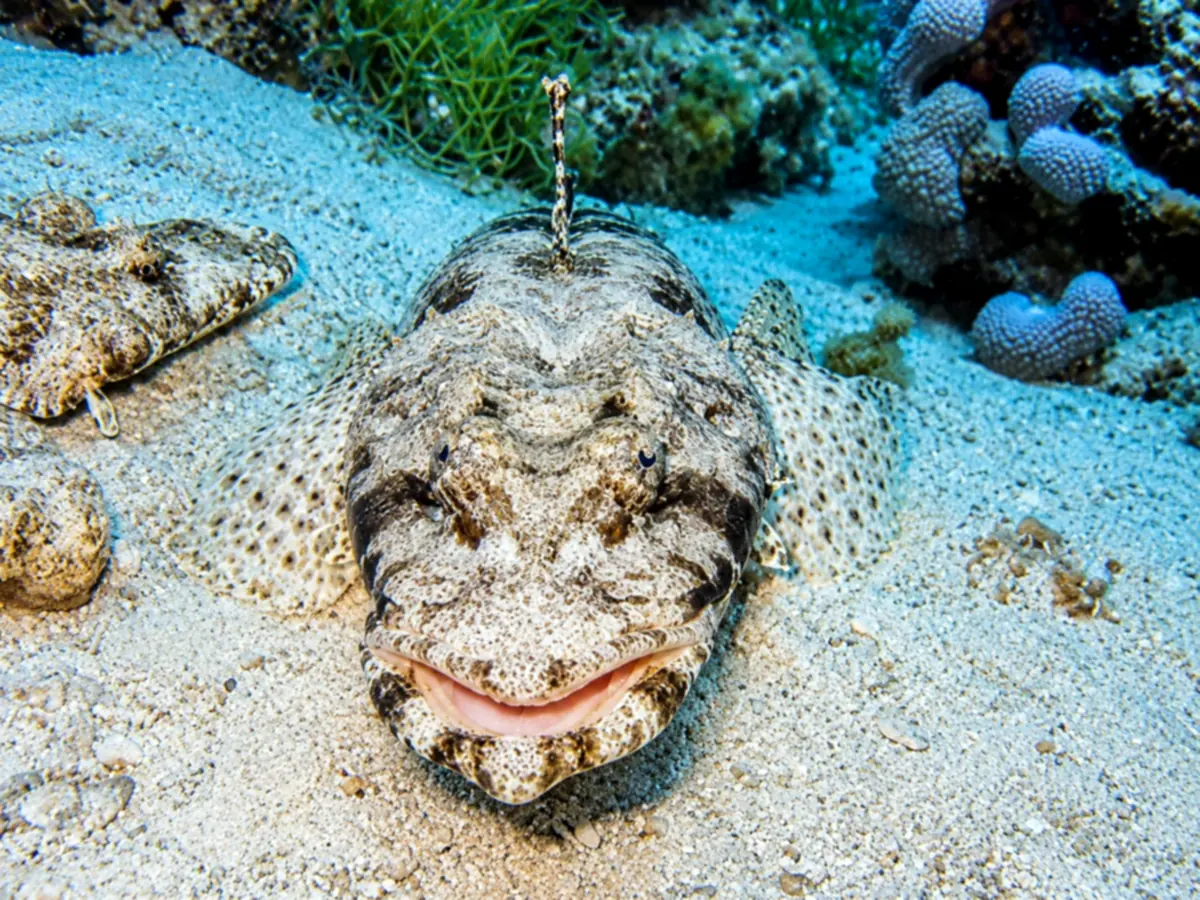
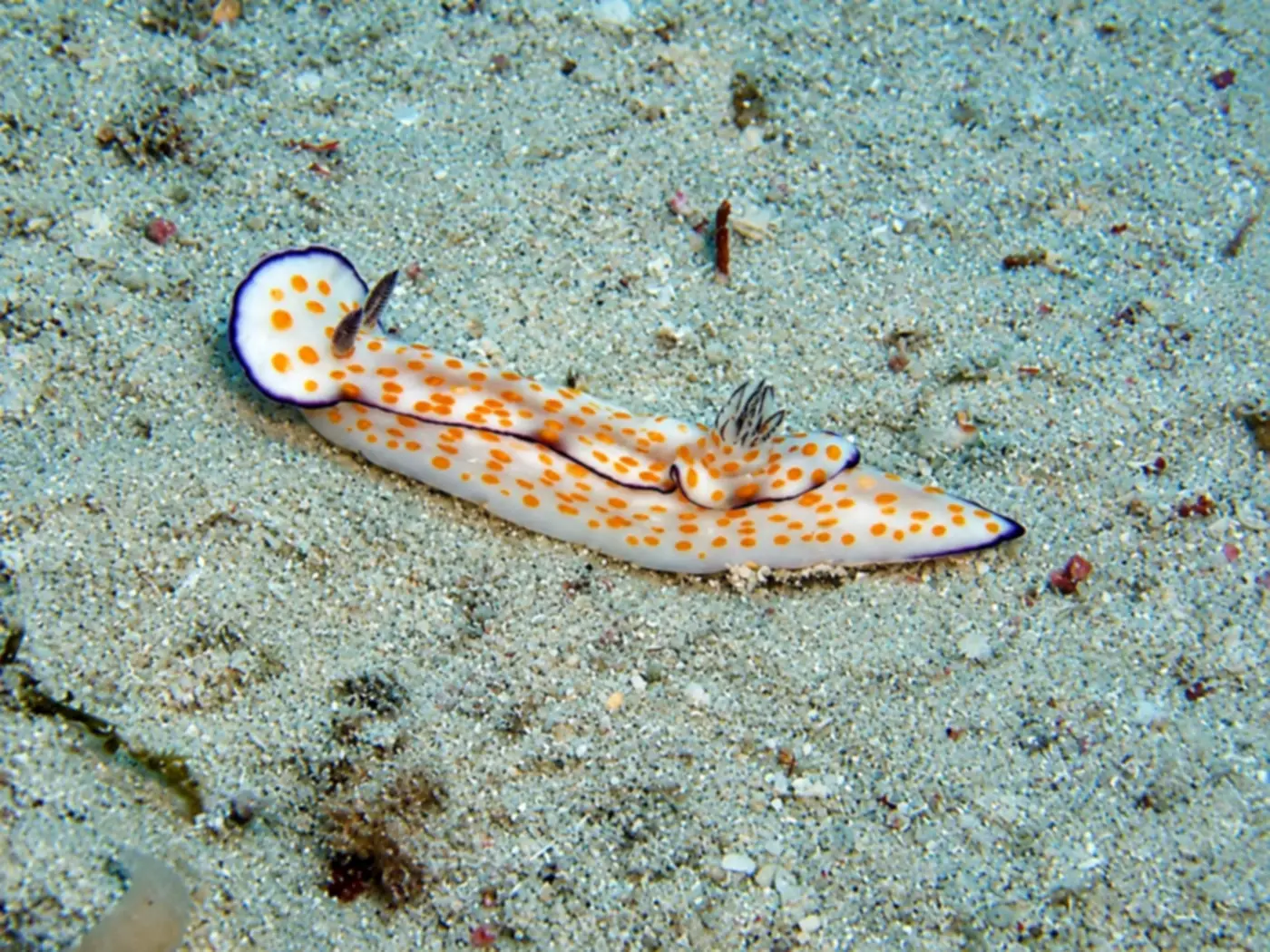
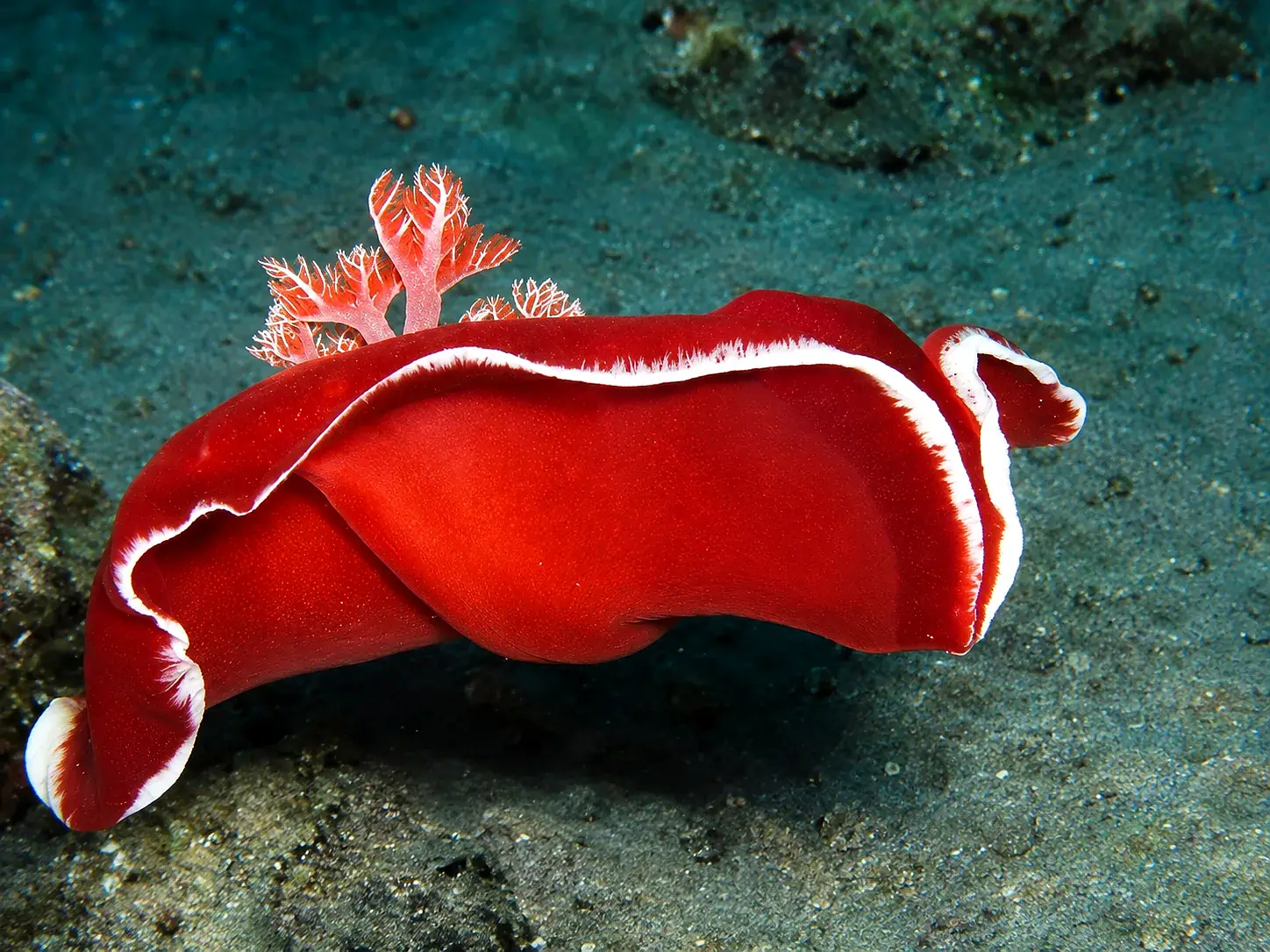
The reef. In contrast, the main walls are sparsely covered and drop to about 10 m, onto coral rocks with sea slugs and stonefish.
South side
The night side. Meanwhile, the south side looks barren, yet it holds a surprising number of small creatures, especially at night.
Where is Shalaniat?
Specifically, the reef lies 2 km west of Wadi Gemal Island and 4 km off the mainland, close to Shaab Dahara. Our dive guide gives its position as 24°40.217′N, 35°08.850′E, which is about 24.6703°N, 35.1475°E. Likewise, CDWS lists “Shalanyat Wady el Gemal” about 1.5 km to the west, within the same reef group.
However, this is a reference position, not a dive entry point. For the nearby reefs, see the Wadi El Gemal dive sites guide and the Hamata dive sites further south.
How do you dive Shalaniat?
Usually, guides choose between three routes. In every case, however, take a compass bearing before you dive, because the seabed offers few landmarks.
Route A: northern habili to the mooring
The drop
About 50 minutes. First, the RIB drops you north of the reef. Before you descend, take the compass bearing to the main reef.
The habili
The highlight. Then, you sink over the coral garden to the seabed at about 15 m and head south past the habili, then across the sand to the main reef.
The reef
The finish. Finally, you follow the main reef back to the mooring with it on your left shoulder. Alternatively, take a bearing to the eastern tip and return along the east side.
Above all, hold your bearing on the sand. Otherwise, the changing current can push you off course without you noticing.
Route B and Route C
Route B
30–50 minutes. Instead, the RIB drops you right above the habili. Since sand surrounds it, you cannot drift away, so you simply explore the coral garden and finish on top.
Route C
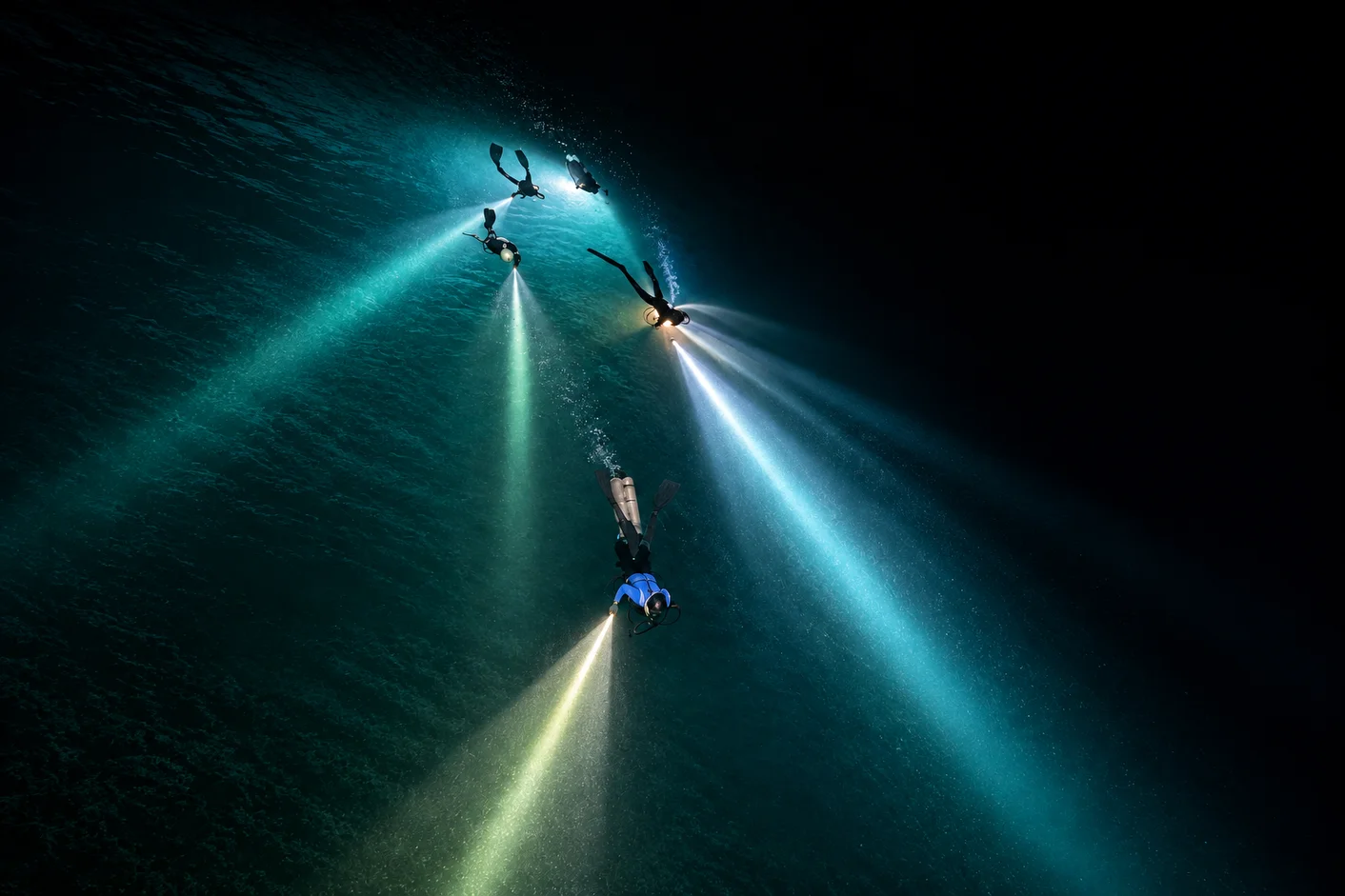
30–50 minutes. By contrast, you descend straight from the boat and explore the area below the moorings. In fact, this is the usual night dive.
Surfacing
For every route. Lastly, look up and listen before you surface, since RIBs come and go between the moored boats.
What marine life lives at Shalaniat?
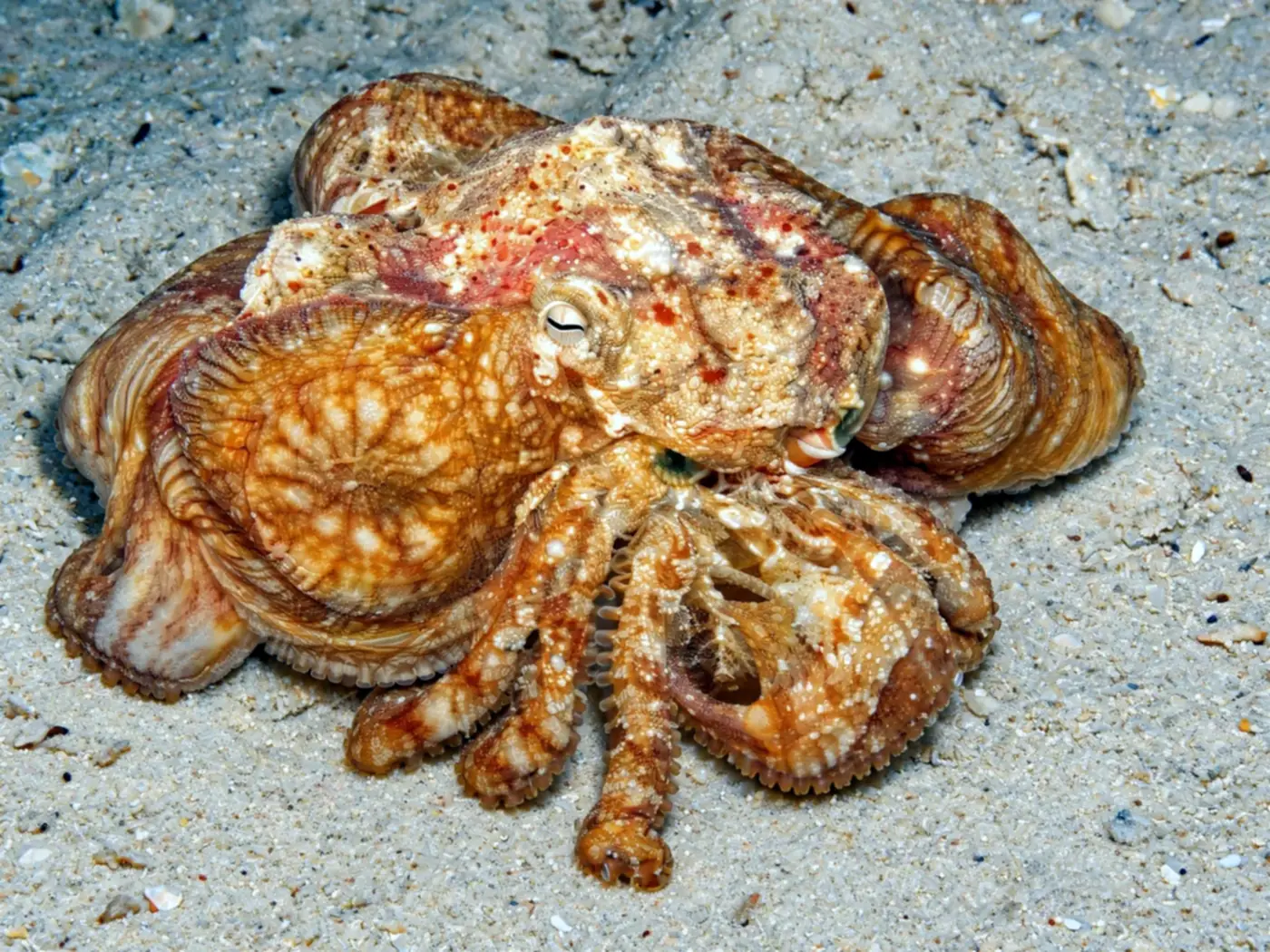
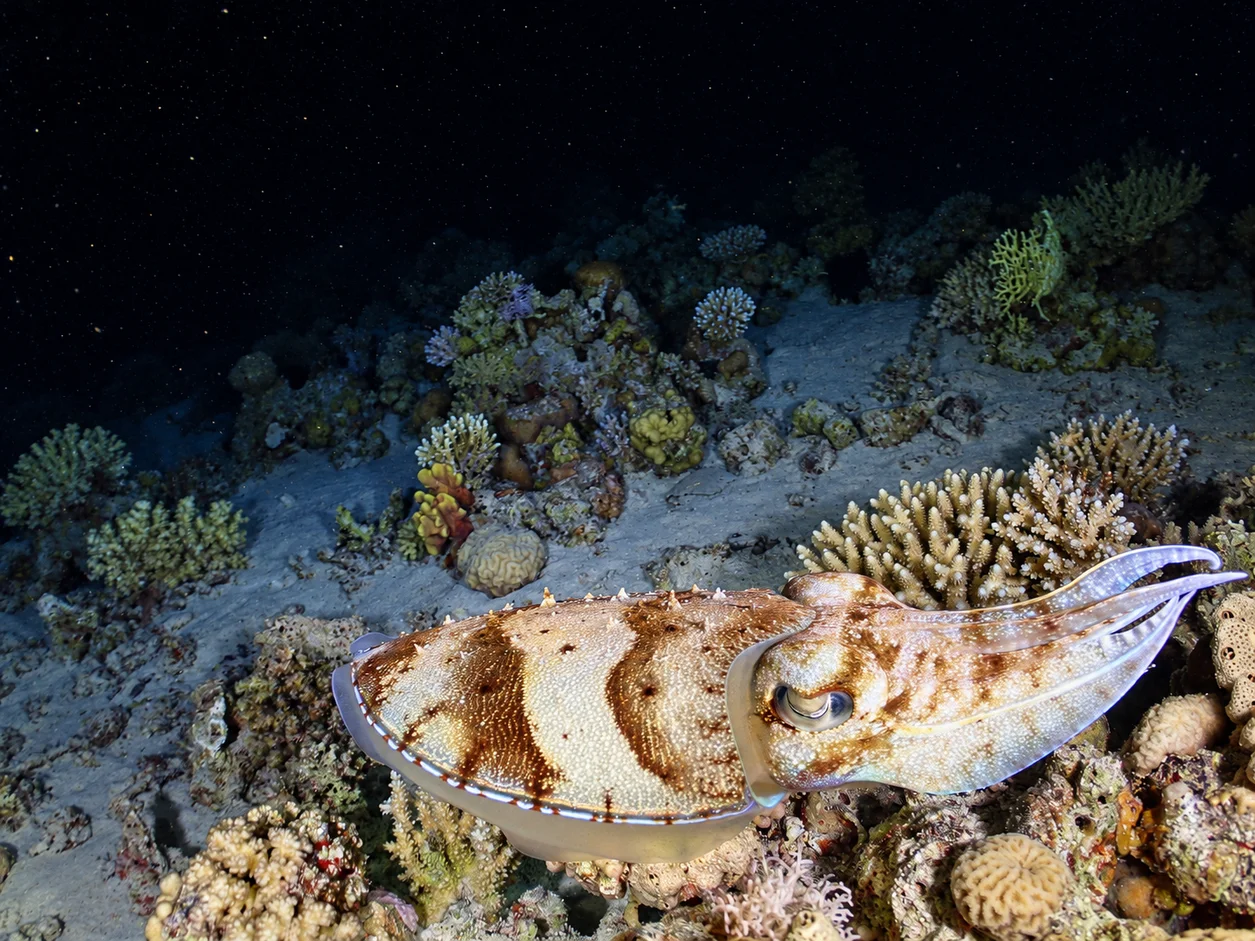
Overall, the corals grow best on the northern habili. Still, the sand and the coral rocks hide plenty of small life, especially at night.
On the habili
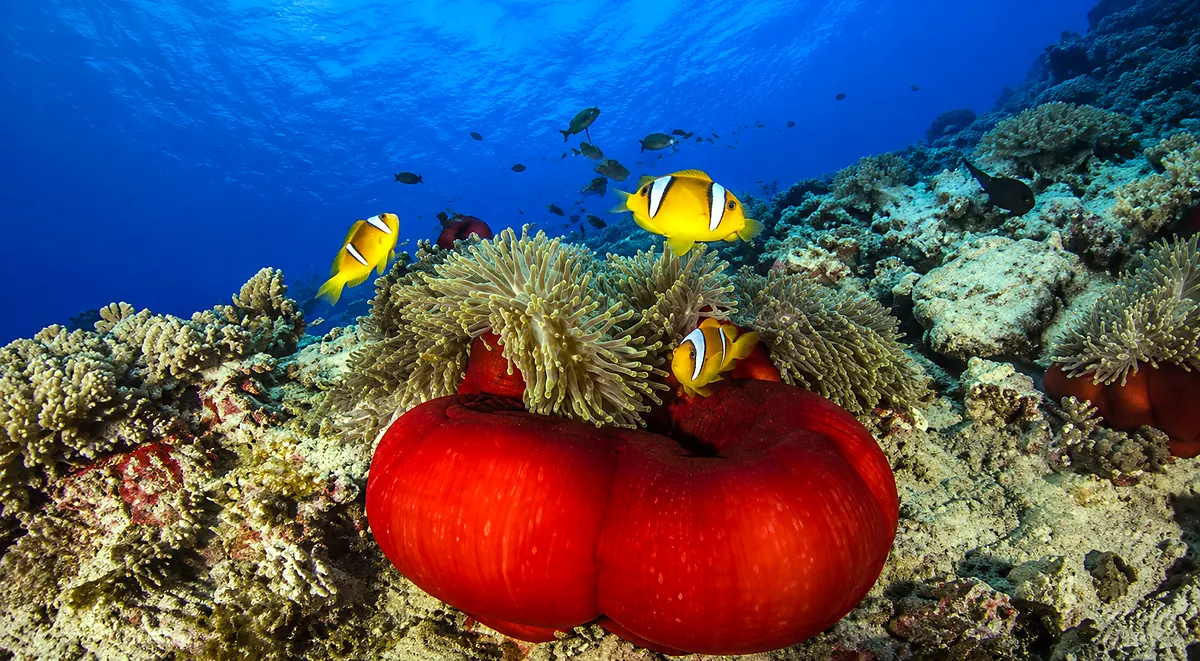
Typically, dense corals on the habili draw reef fish of all kinds.
On the seabed
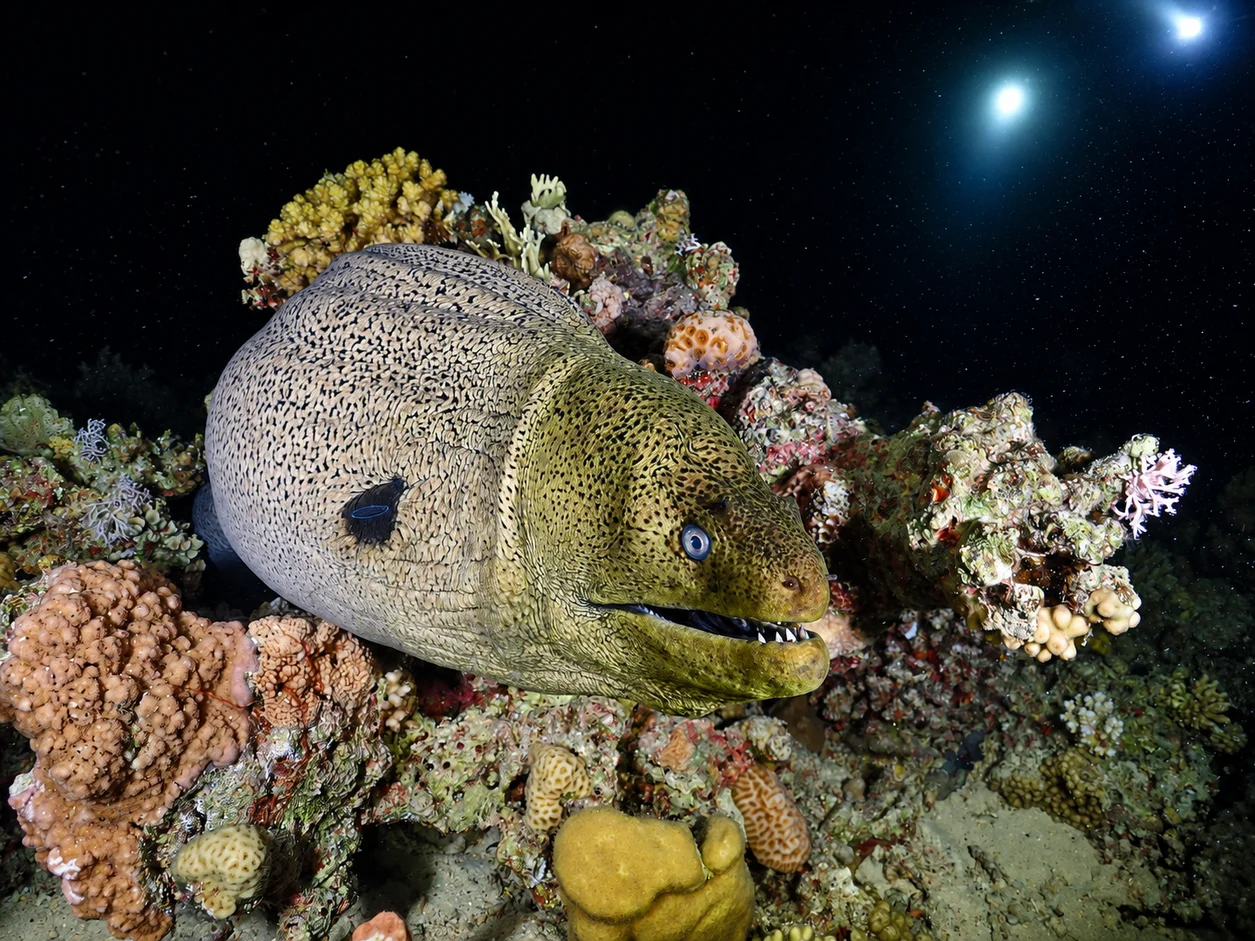
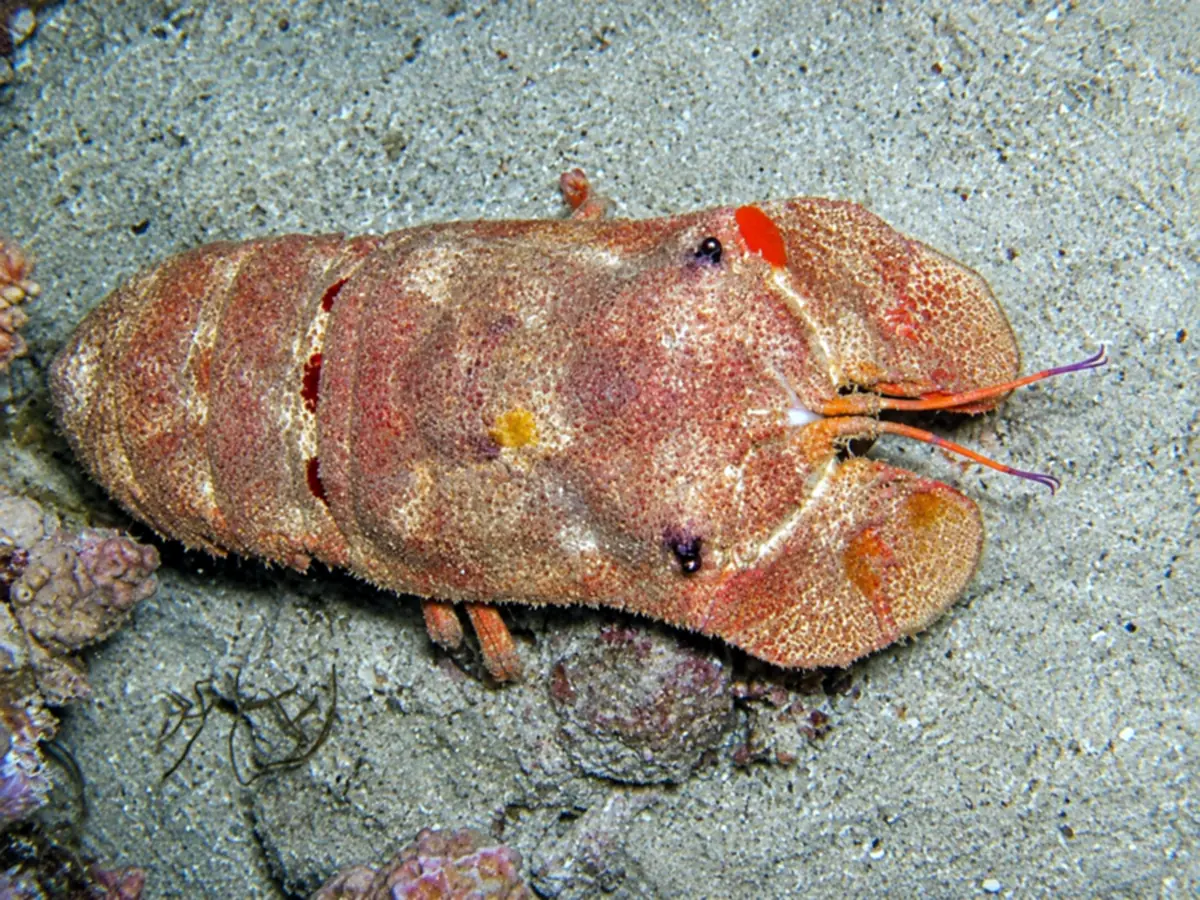
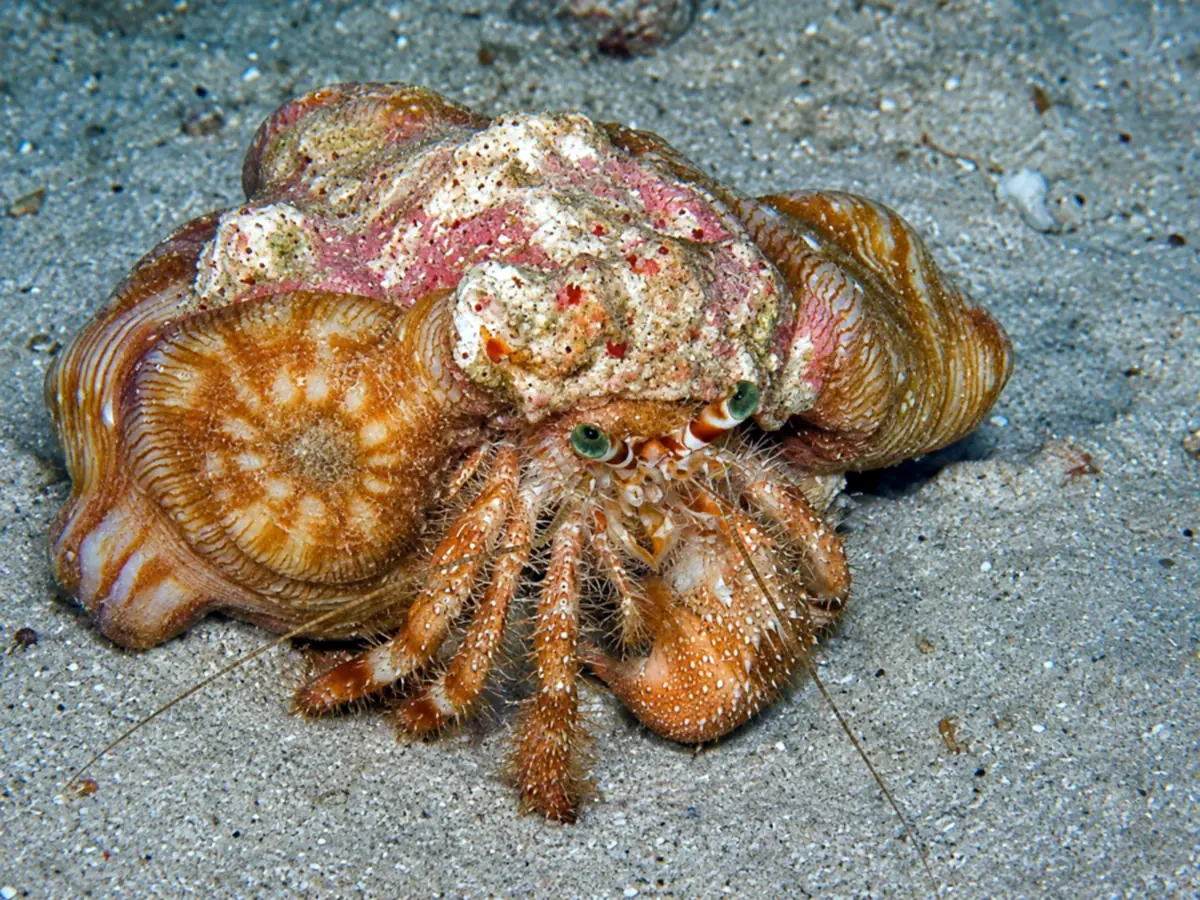
Likewise, sea slugs and stonefish live among the coral rocks on the sand.
At night
Meanwhile, the south side comes alive at night with small creatures.
Is Shalaniat suitable for beginners?
Yes. Our dive guide rates the conditions as generally good for beginners, so Open Water divers can dive it with a guide.
However, the current can shift during the dive, and the sand can cloud the water. Therefore, practice compass work first, for instance on an Advanced Open Water course. For example, our liveaboard dive techniques guide explains RIB drops and night dives.
Before you dive Shalaniat
Firstly, take your compass bearing from the RIB. Secondly, carry a torch at night, and watch for RIB traffic when you surface.
Above all, follow our diving safety standards and the rules of HEPCA. We strongly recommend dive insurance such as DAN Europe in the remote south.
How do you get to Shalaniat?
In practice, most divers reach it on a liveaboard as an overnight stop. With us, the southern reefs can be part of our Daedalus and Fury Shoals route and the Deep South St. John’s route. Guests board on Saturday after 15:00, and check-out is between 09:00 and 10:00 the next Saturday.
Generally, boats combine several reefs on the same day. Consequently, you can pair it with Shaab Dahara, Habili Dahara and the Hamata reefs to the south.
Plan your Shalaniat dive trip
- Daedalus and Fury Shoals liveaboard — Daedalus Reef and the southern reefs.
- Deep South St. John’s liveaboard — the far south near the Sudanese border.
- What divers need on board — the packing checklist for a Red Sea safari.
- redsealiveaboard.net — Red Sea safari schedules and availability.
- All eight boats in our fleet can sail these routes: Sea Fox, Simba, Sea Treasure, Star Jet, Bismarck, C Echo II, C U and Ramadan 3.
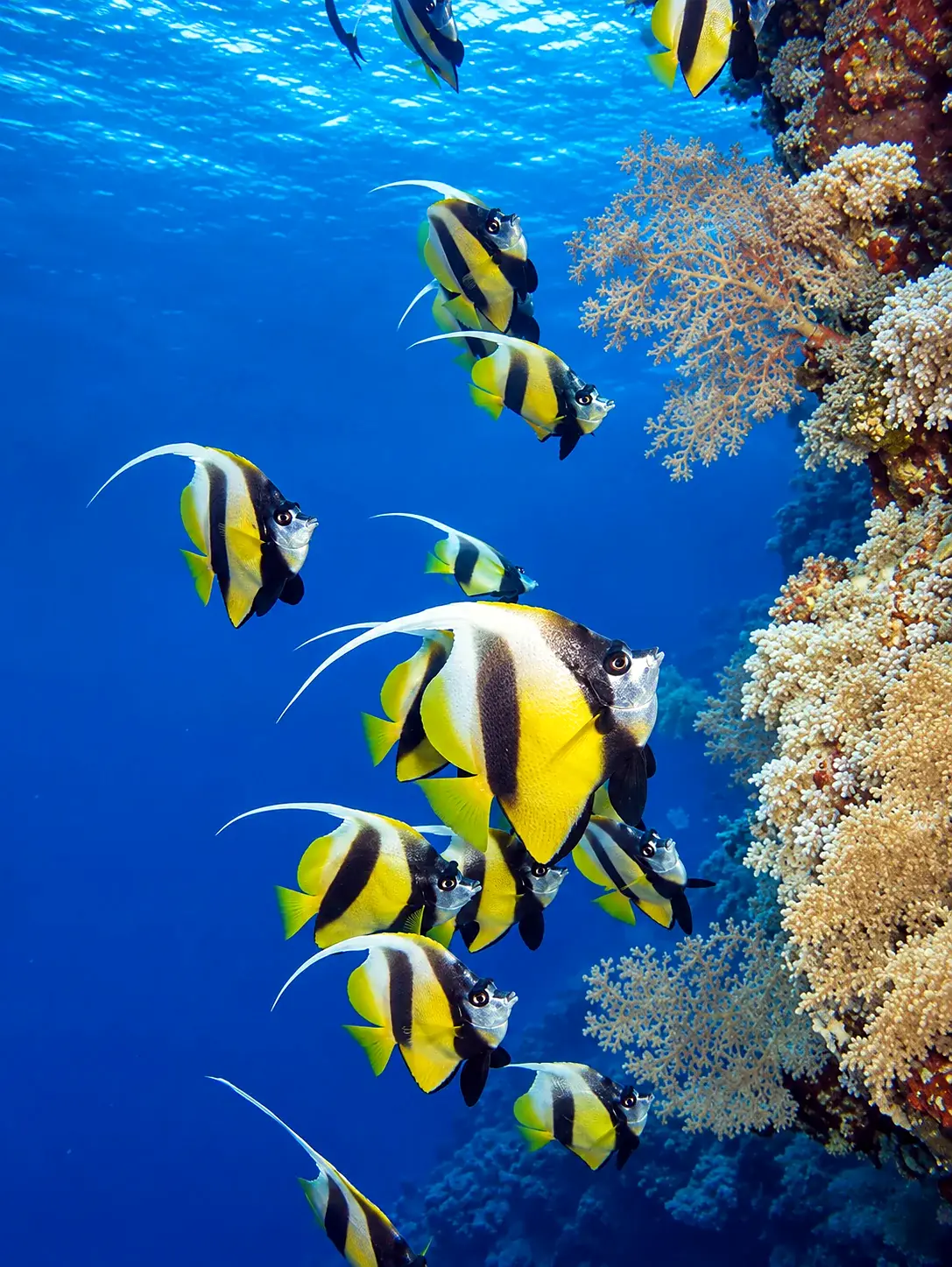
Photo gallery from Shalaniat
Other routes from Red Sea Diving
Generally, for a first liveaboard, the North Red Sea liveaboard keeps to the classic wrecks. On the other hand, the BDE liveaboard runs Brothers, Daedalus and Elphinstone, while the Elba Reef liveaboard reaches the far south. Meanwhile, the Red Sea liveaboard guide compares all eight routes.
Shalaniat: frequently asked questions
Where is Shalaniat?
In fact, it lies 2 km west of Wadi Gemal Island and 4 km off the mainland, at about 24°40.22′N, 35°08.85′E.
How deep is Shalaniat?
The walls drop to about 10 m, the seabed by the habili lies at about 15 m, and the habili top reaches 4 m.
Can you night dive at Shalaniat?
Yes. Boats often moor here overnight, and the area below the moorings on the south side is a good night dive.
What is the best dive at Shalaniat?
The coral garden on the habili, about 70 m north of the main reef, gives the best diving.
How do you get to Shalaniat?
Usually on a southern liveaboard, often as the overnight stop. Moreover, all eight boats in the Red Sea Diving fleet can run these routes.
Wadi El Gemal · Liveaboard · Night dives
Dive Shalaniat with us
Simply tell us your dates, the number of divers, your certification level and your number of logged dives. Afterward, our team checks which southern departure fits your group before you commit to anything.


