
Guide to the Hamata dive sites · Wadi Lahami, Fury Shoals, Ras Banas
Hamata Dive Sites Quiet coral reefs, habilis and pinnacles in Egypt’s deep south
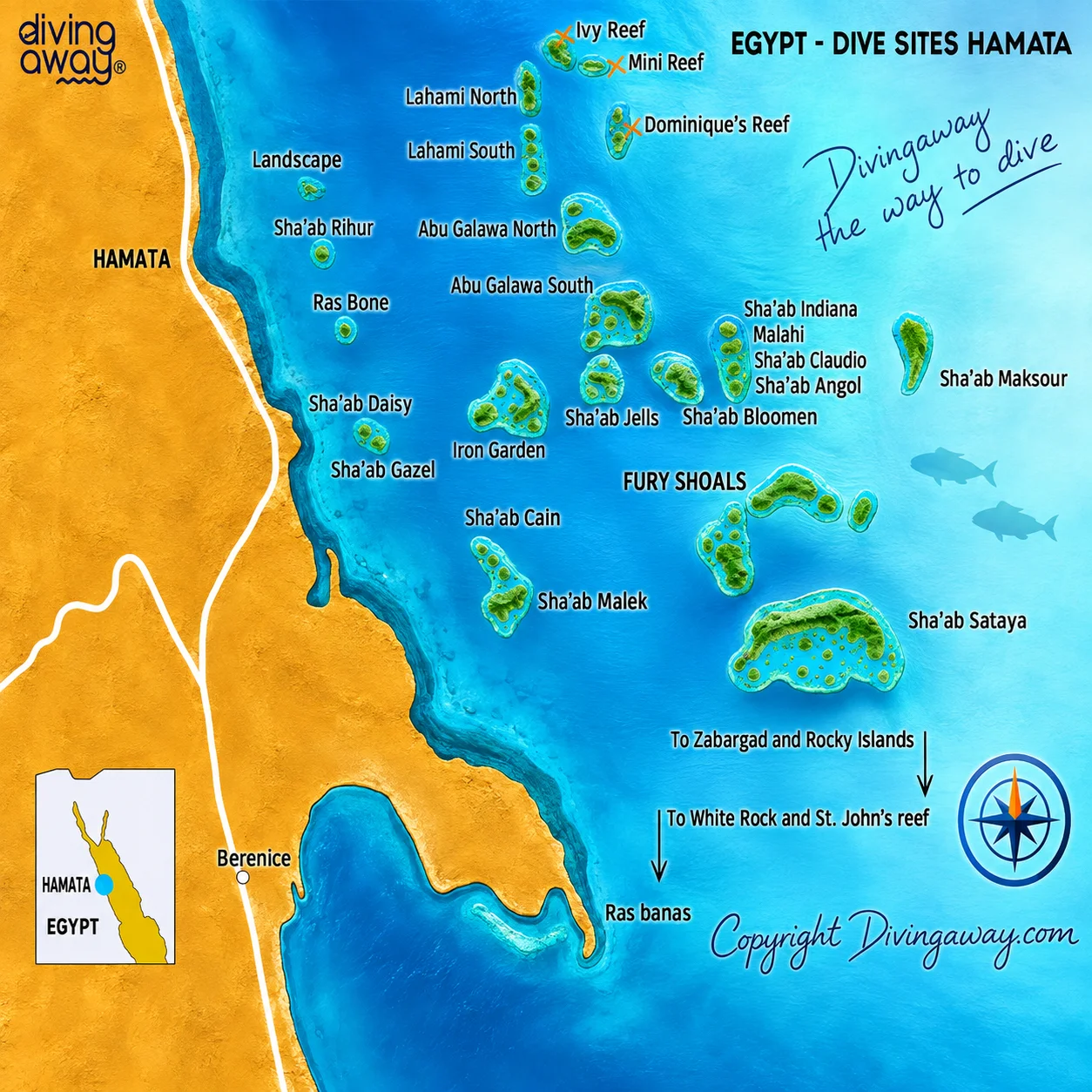
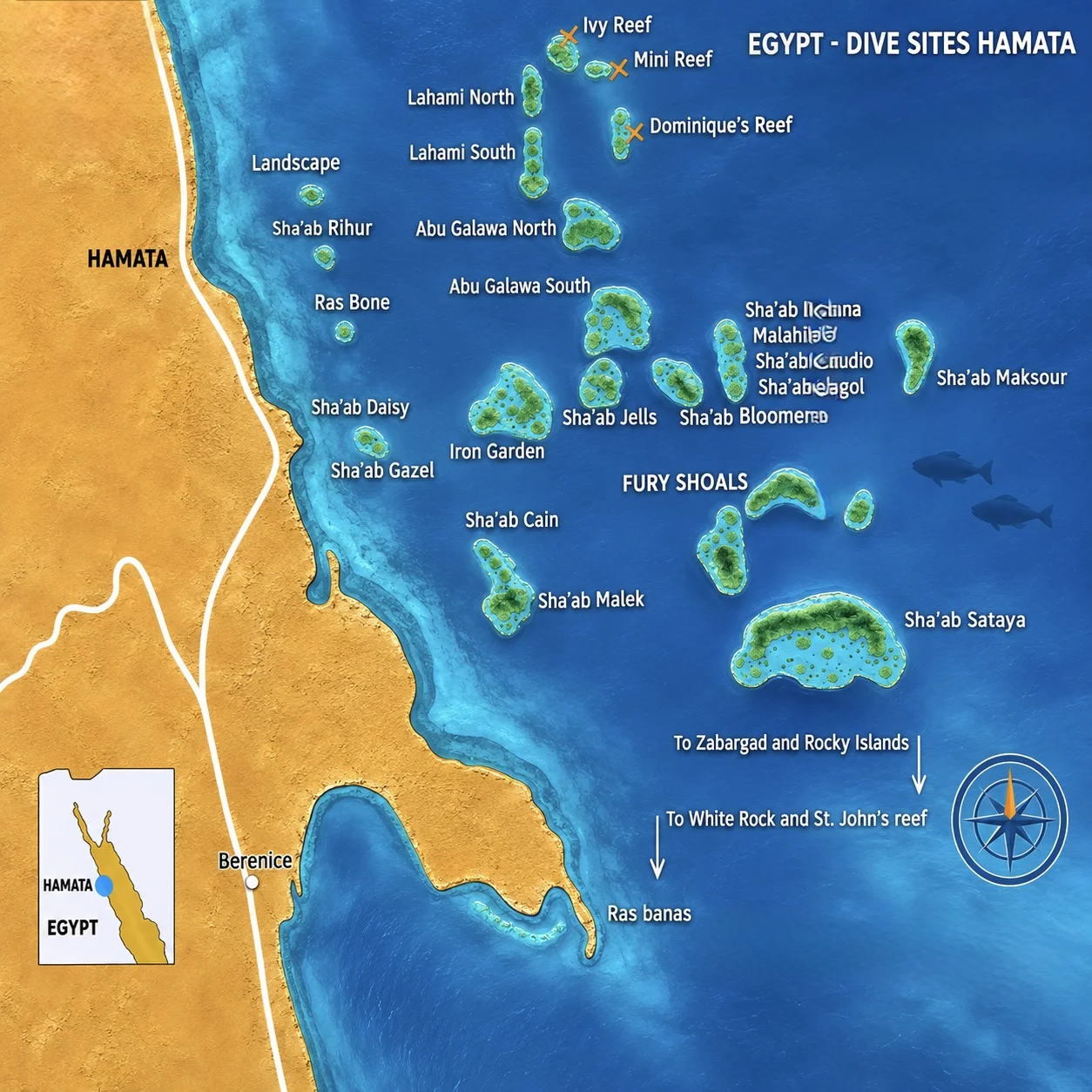
The Hamata dive sites are the coral reefs off the small harbor of Hamata and the coast of Wadi Lahami, from the edge of Fury Shoals down to the Ras Banas peninsula. In addition, they range from sheltered coastal reefs to habilis, pinnacles and the three Abu Diab reefs, with few boats, healthy corals and hawksbill turtles, whitetip reef sharks and big schools of fish.
Which Hamata dive sites can you dive?
Overall, the sites below are grouped into the reefs nearer the coast and the habilis and pinnacles further out. In addition, each card links to a full guide with depth, marine life, level and access.
Hamata 1: coastal and Wadi Lahami reefs
First, the reefs nearer the coast, from sheltered shaabs to the first habilis on the way to Fury Shoals.
Shaab Hamam · Pinnacles and arch
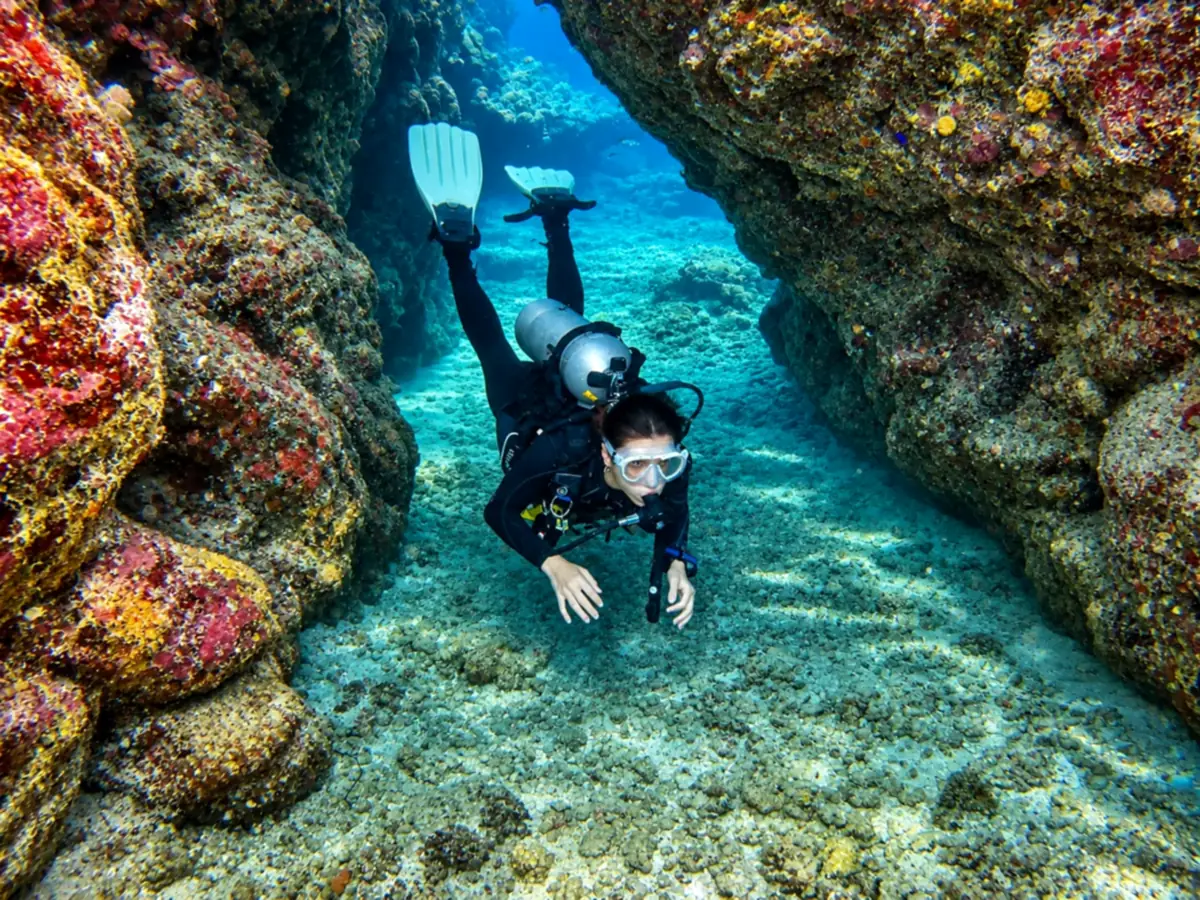
For example, a row of coral pinnacles, a canyon and an old arch framed by black coral, on an offshore reef at 5–30 m.
Visit Shaab Hamam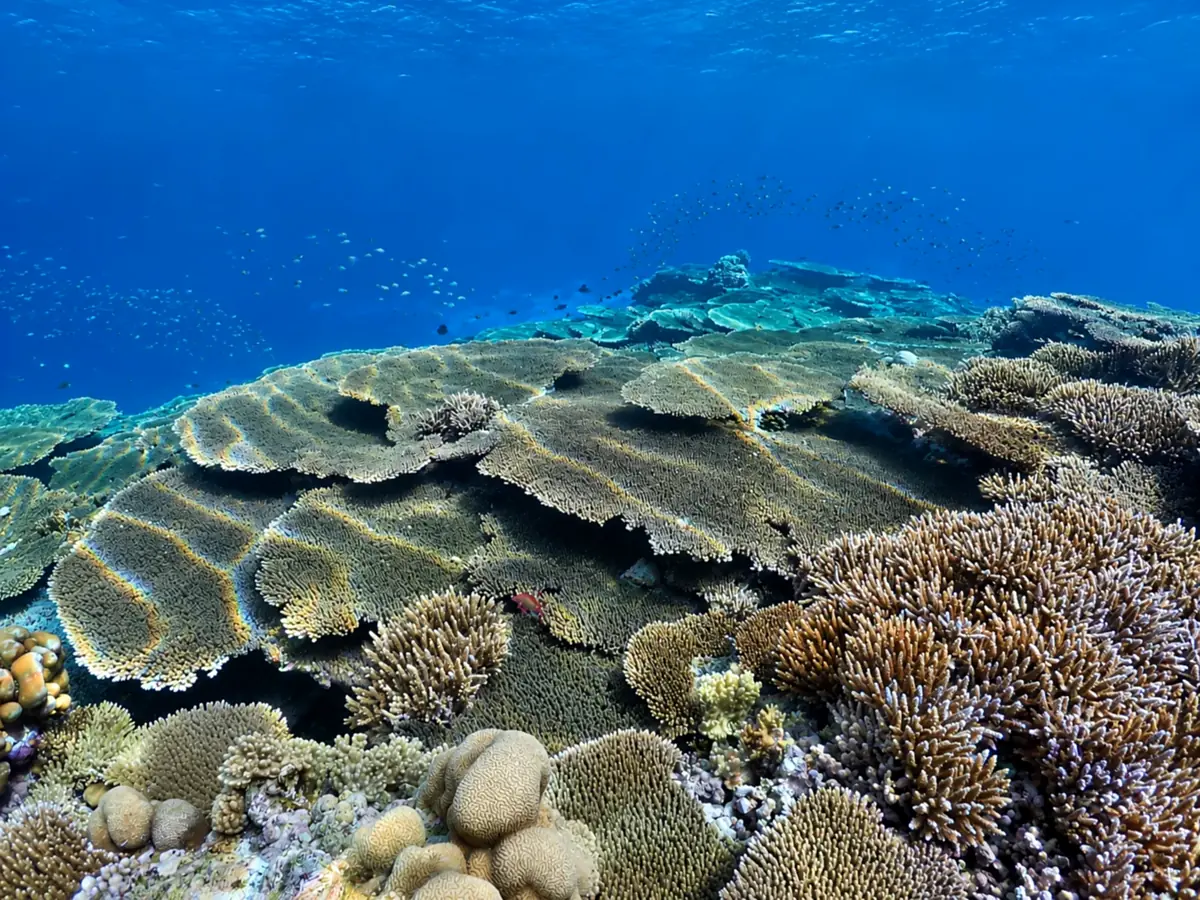
Shaab Osama · Quiet coral reef
Meanwhile, a quiet reef in the Hamata network with hard and soft corals and few visiting boats.
Visit Shaab Osama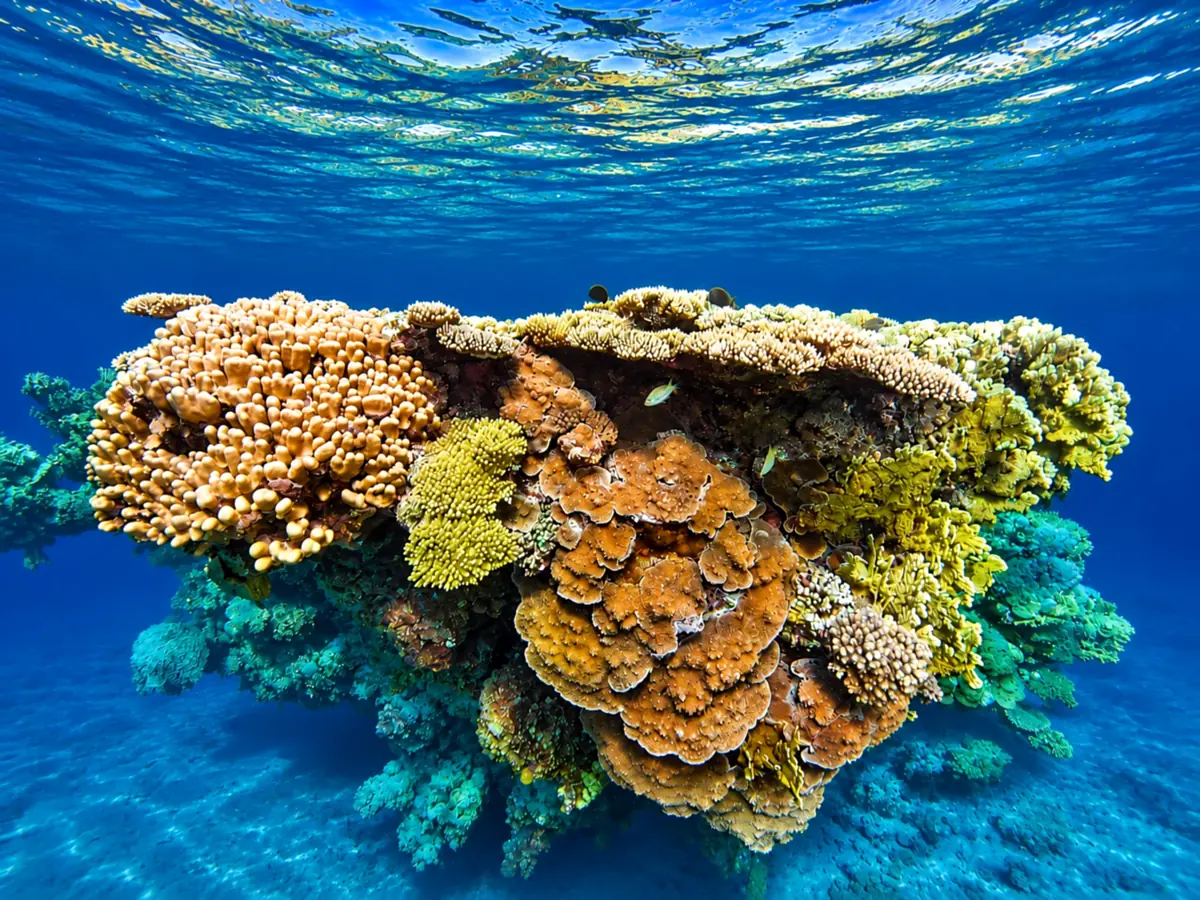
Gota El Bohar · Isolated coral block
In contrast, a single coral block among the El Bohar reefs in the north of Fury Shoals.
Visit Gota El Bohar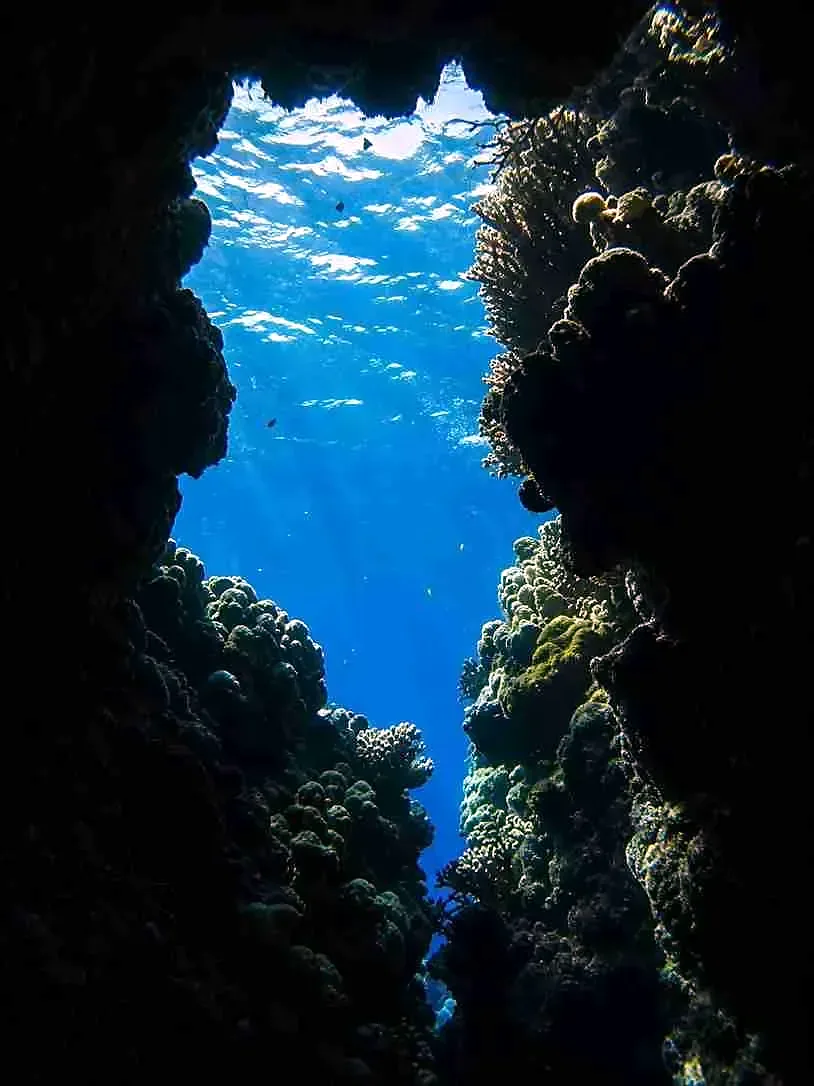
Shaab Said · North and south reefs
Next, the first reef on the way to Fury Shoals, with a canyon, a steep east side to 40 m and a coral garden.
Visit Shaab Said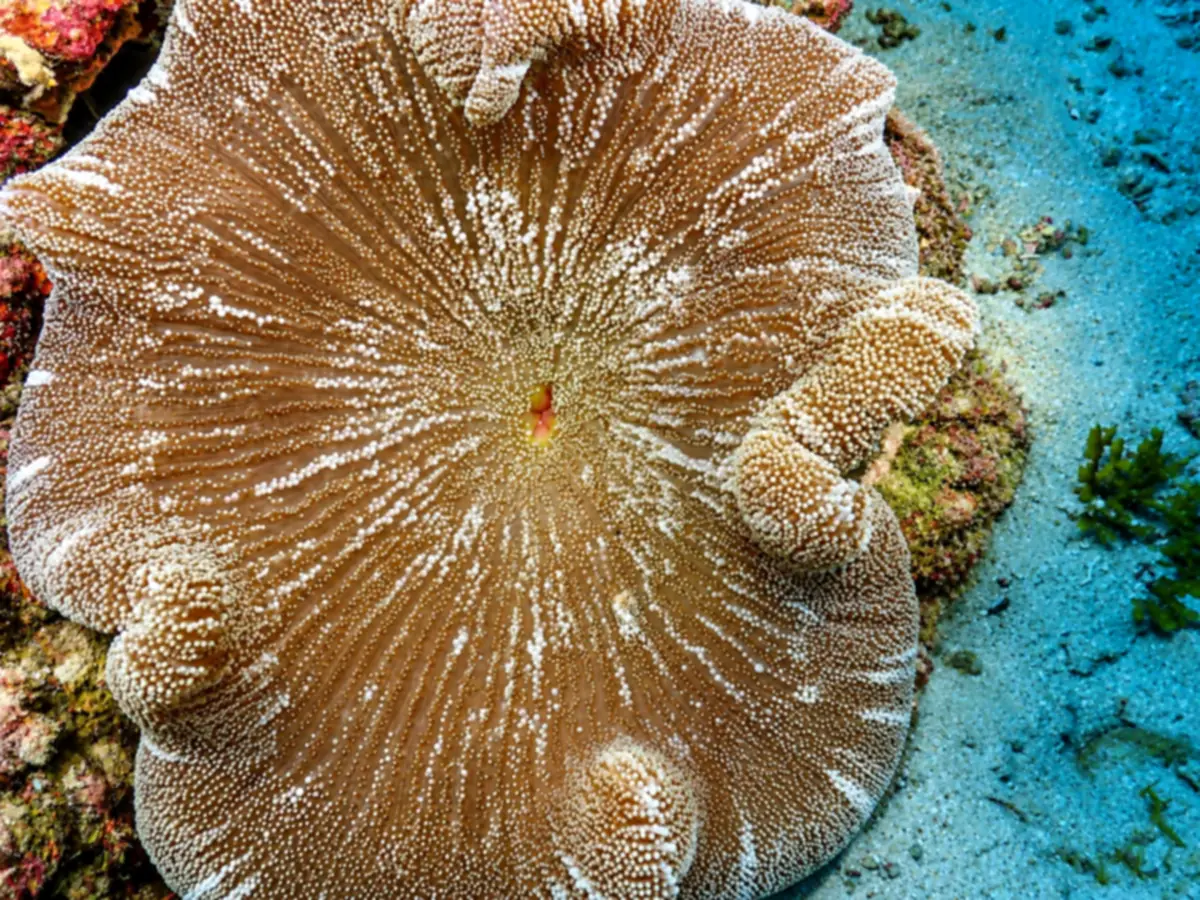
Shaab Lahami · Wadi Lahami reef
Then, a coral reef off the quiet Wadi Lahami coast, separate from the Torfa house reef.
Visit Shaab Lahami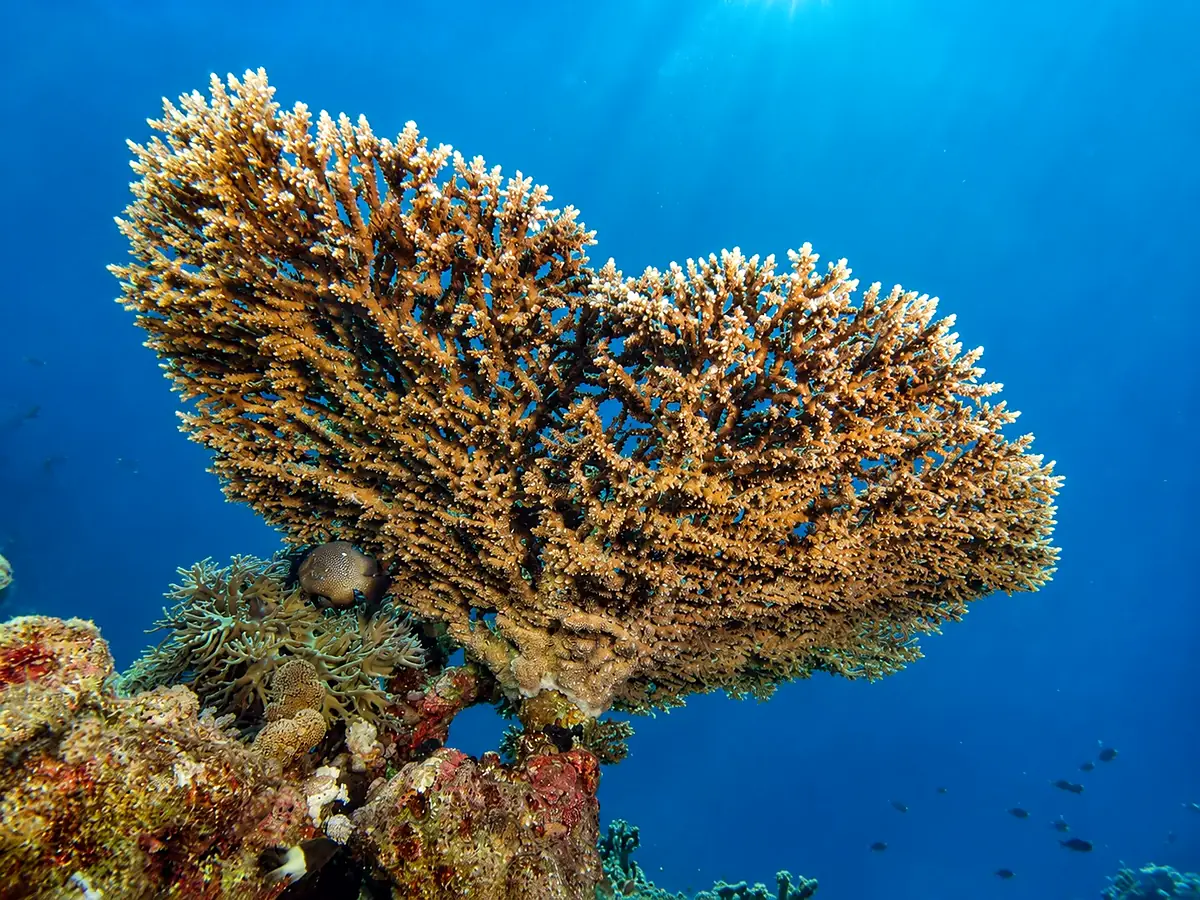
Habili Penaut · Submerged reef
Finally, an offshore habili reached by speedboat, for divers with at least 25 logged dives.
Visit Habili PenautHamata 2: habilis, pinnacles and Abu Diab
Further out, submerged reefs and coral towers lead south to the three Abu Diab reefs near Ras Banas.
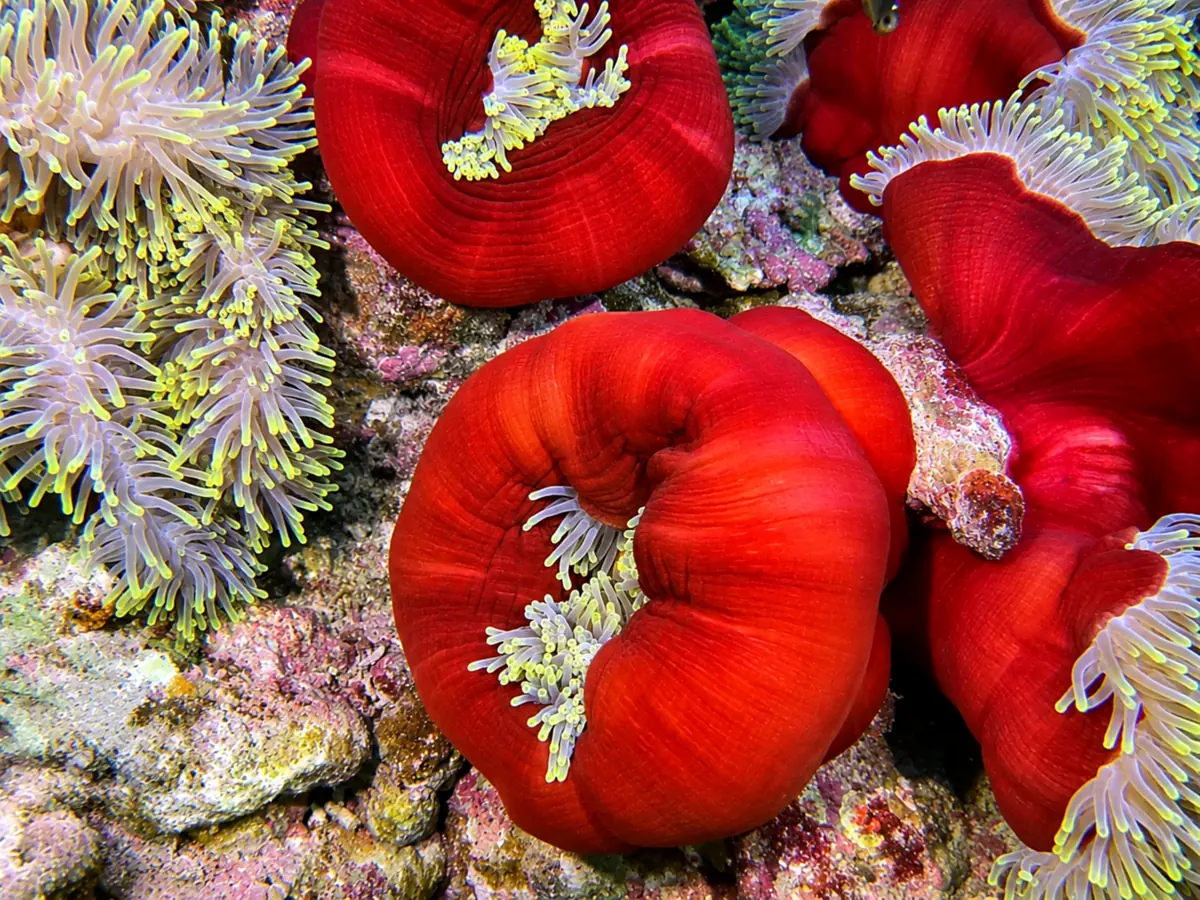
Habili Sama · Anemone City, 2–17 m
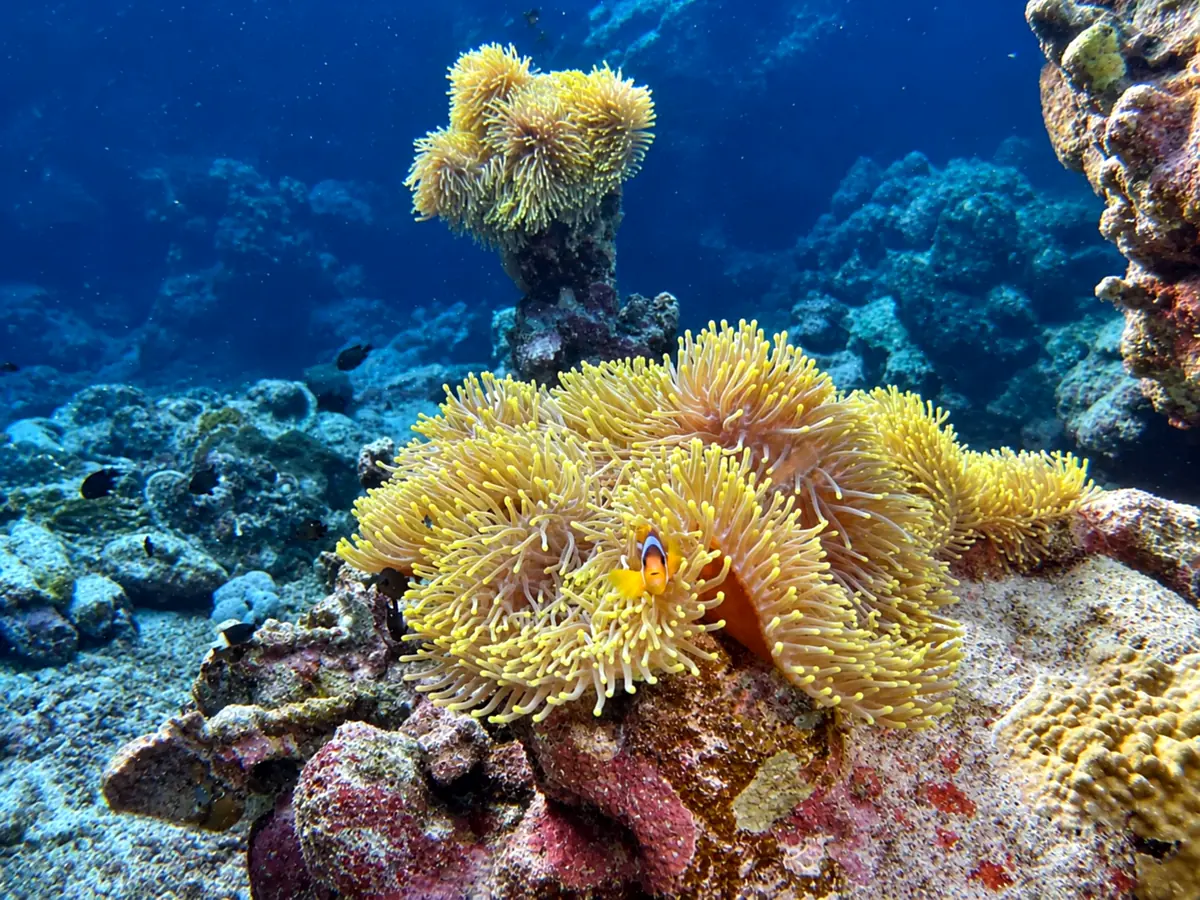
First, two small reefs with a channel covered in sea anemones from 2 m down to the sand.
Visit Habili Sama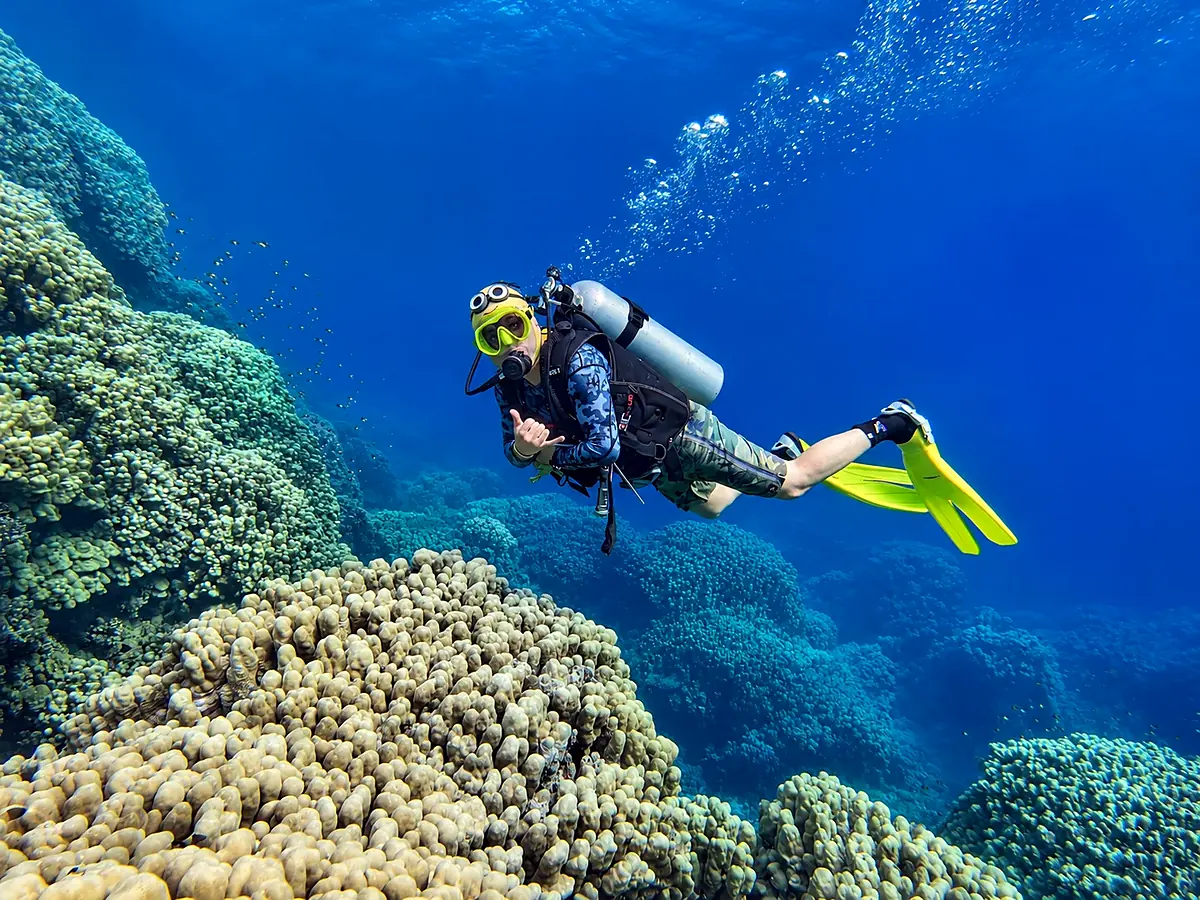
Shaab Camelia · Coral blocks and caves
Meanwhile, the small partner of Farewell Reef offers coral blocks, small caves and two pinnacles.
Visit Shaab Camelia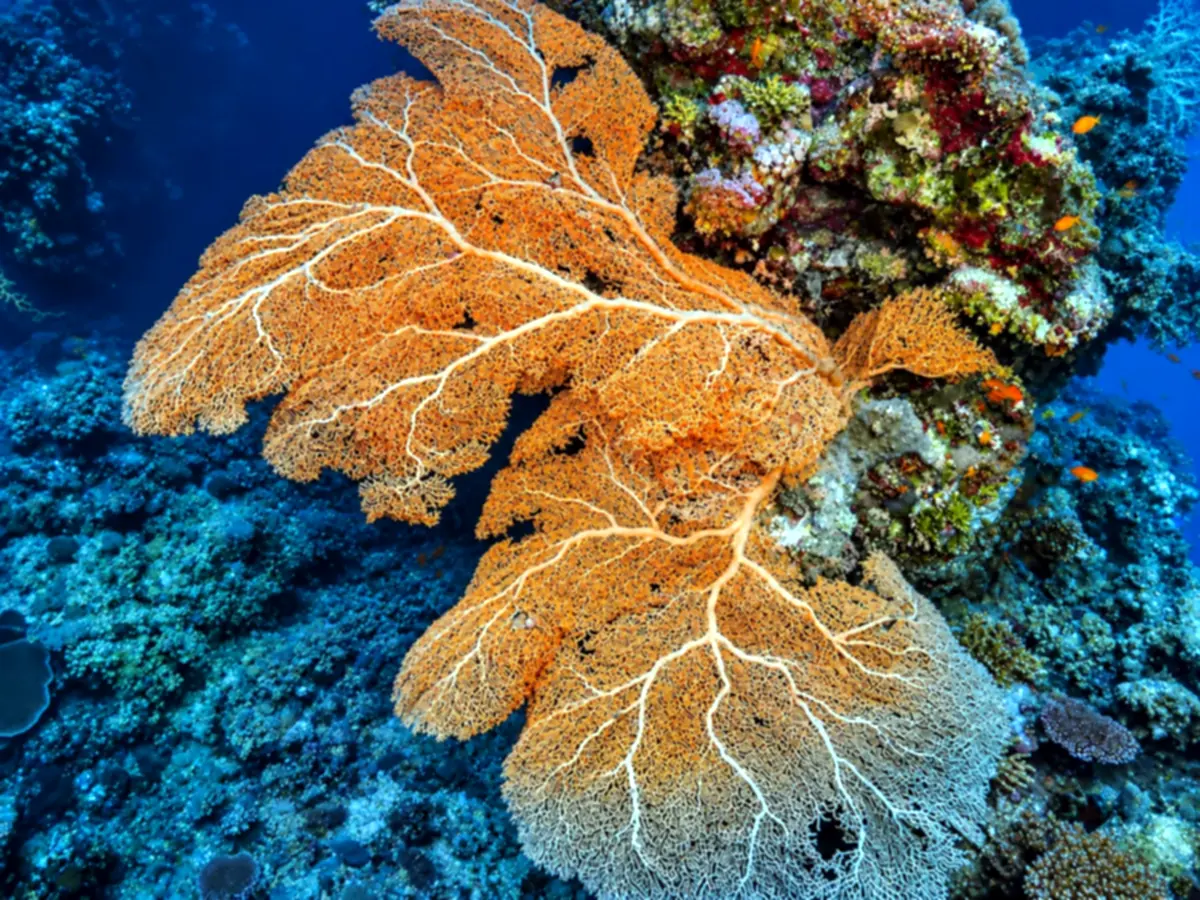
Erg Coconut · Twin pinnacles, 5–35 m
Next, two towers rising from 35 m to 5 m, with barracuda, tuna and whitetip reef sharks.
Visit Erg Coconut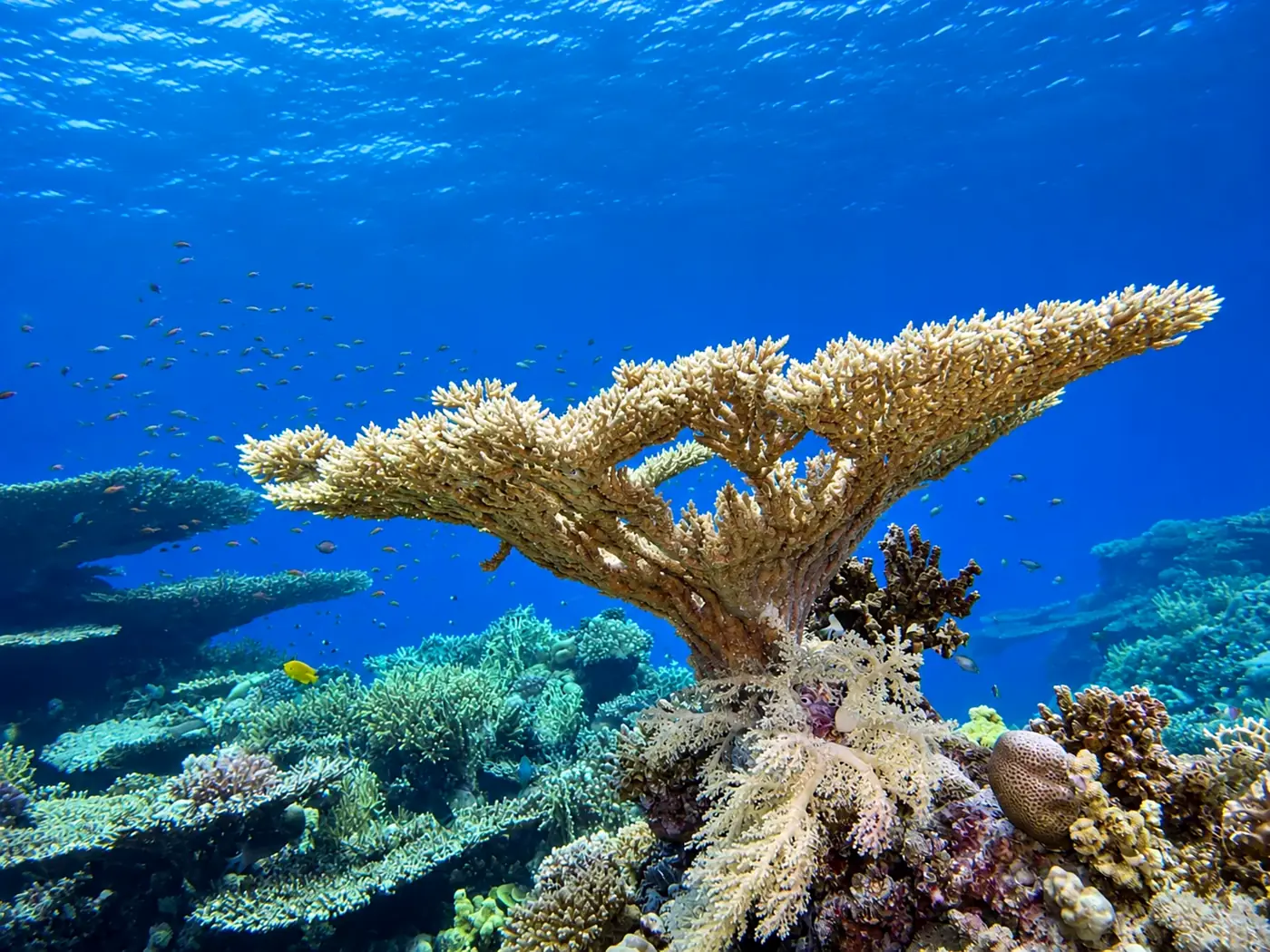
Habili Abu Diab · 380 m of coral towers
Similarly, a row of coral towers rising from 20 m to just below the surface, for calm days only.
Visit Habili Abu Diab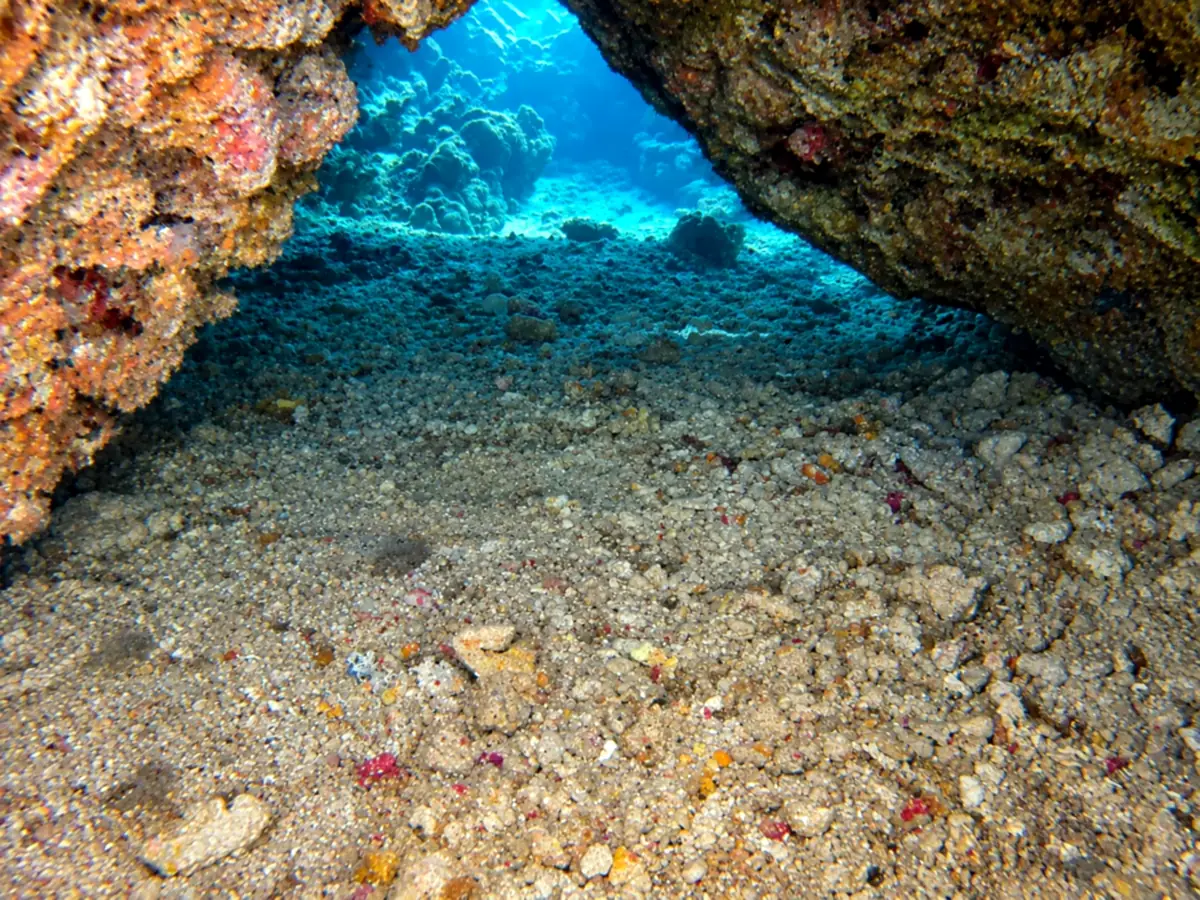
Gota Abu Diab · Caverns and coral gardens
Then, a 250 m reef north of Ras Banas with shallow caverns, coral gardens and easy diving.
Visit Gota Abu Diab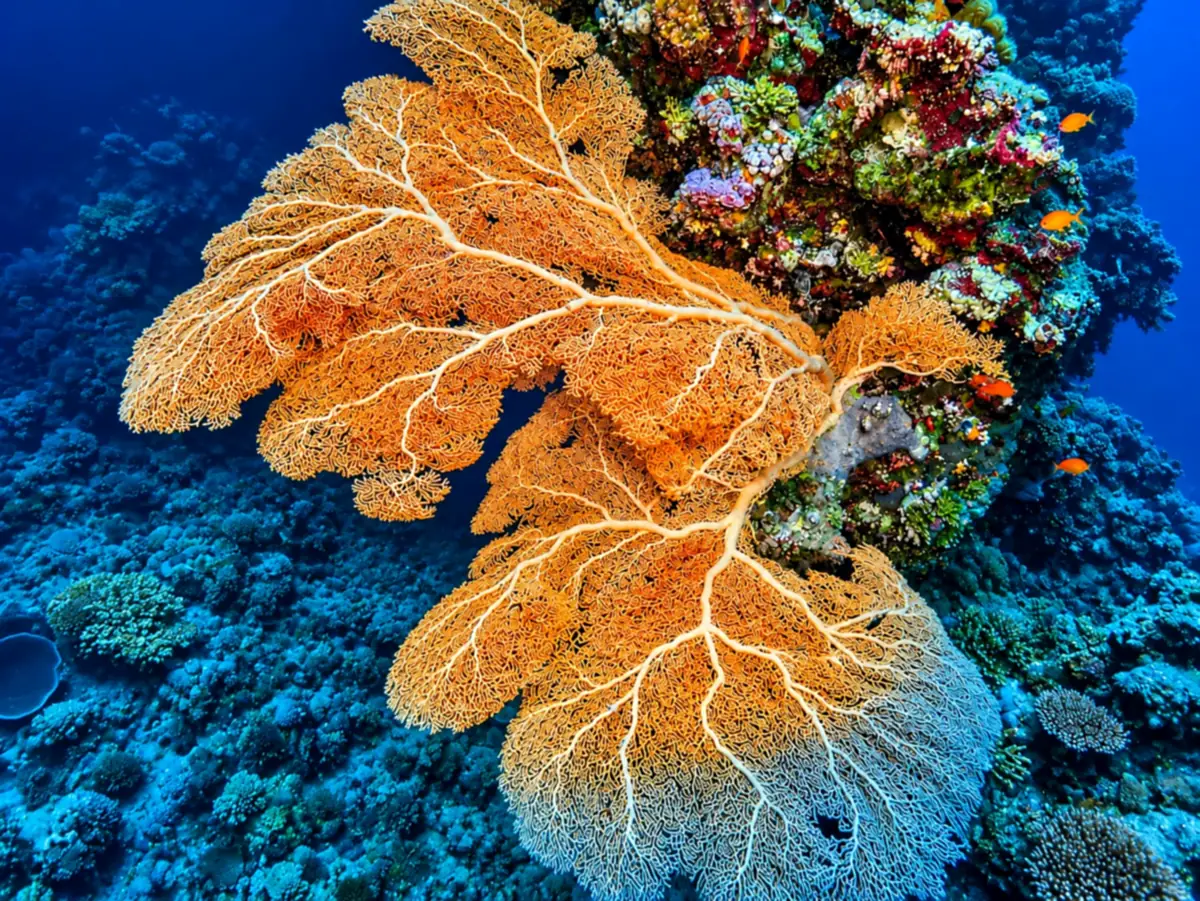
Erg Abu Diab · Steep walls, Erg Sataya
Finally, a steep 130 m reef near Ras Banas with walls dropping to 10 m and a recovering reef.
Visit Erg Abu DiabThe Hamata dive sites in short
In short, the Hamata dive sites are the reefs off Hamata and Wadi Lahami in the far south of the Egyptian Red Sea, between Fury Shoals to the east and the Ras Banas peninsula to the south. They include coastal reefs such as Shaab Said and Shaab Lahami, habilis such as Habili Sama, known as Anemone City, pinnacles such as Erg Coconut, and the three Abu Diab reefs near Ras Banas. Most dives stay between about 2 and 30 m. In practice, day boats from Hamata and Wadi Lahami reach many of them, and they are stops on our southern liveaboard routes.
What is diving at Hamata like?
Above all, it is quiet. Hamata lies far south of Marsa Alam, so the reefs here see far fewer boats than the classic northern sites.
Moreover, the local reef names describe their shapes. For example, a shaab is a large reef that reaches the surface, a habili is a young reef that stays just below it, a gota is a single coral block and an erg is a coral tower.
However, many habilis and offshore pinnacles give boats little shelter. For this reason, the captain chooses the reefs each day according to wind and waves.
Hamata dive sites at a glance
Coral reefs
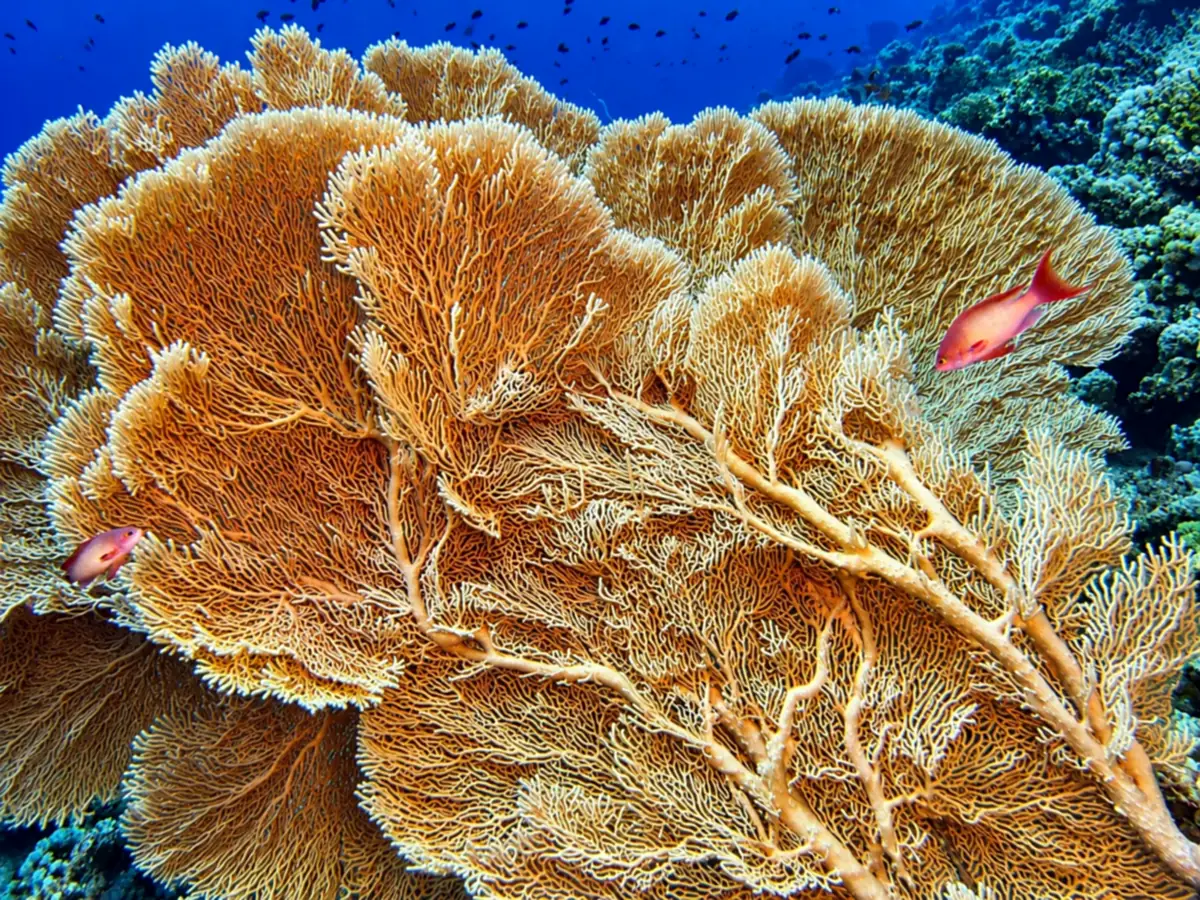
First, healthy hard and soft coral gardens, many of them shallow and sheltered.
Habilis and pinnacles
Next, submerged reefs and towers that draw fish from the blue.
Marine life
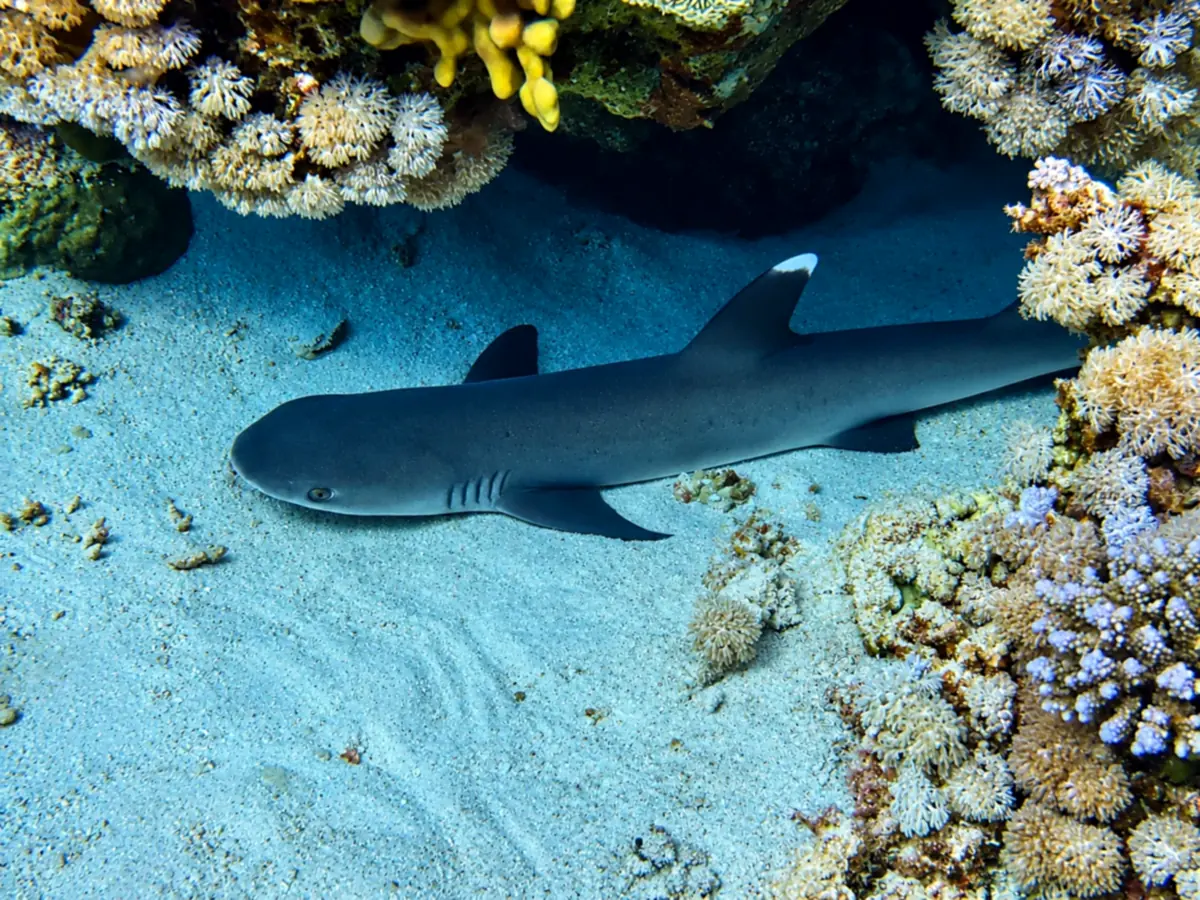
Finally, hawksbill turtles, whitetip reef sharks, Napoleon wrasse and big schools of fish.
Where are the Hamata dive sites?
Geographically, Hamata lies on the coast of the deep south, well south of Marsa Alam. Wadi Lahami lies a little further south, while the Ras Banas peninsula closes the area to the south.
Offshore, the reefs of Fury Shoals begin to the east, and further south lie the St. John’s dive sites. Meanwhile, closer to Ras Banas, the three Abu Diab reefs sit just south of Fury Shoals.
What marine life lives at the Hamata dive sites?
Overall, the remote location keeps the reefs rich in life. Still, wild animals are never guaranteed, so treat the list below as possibilities rather than promises.
Turtles and sharks
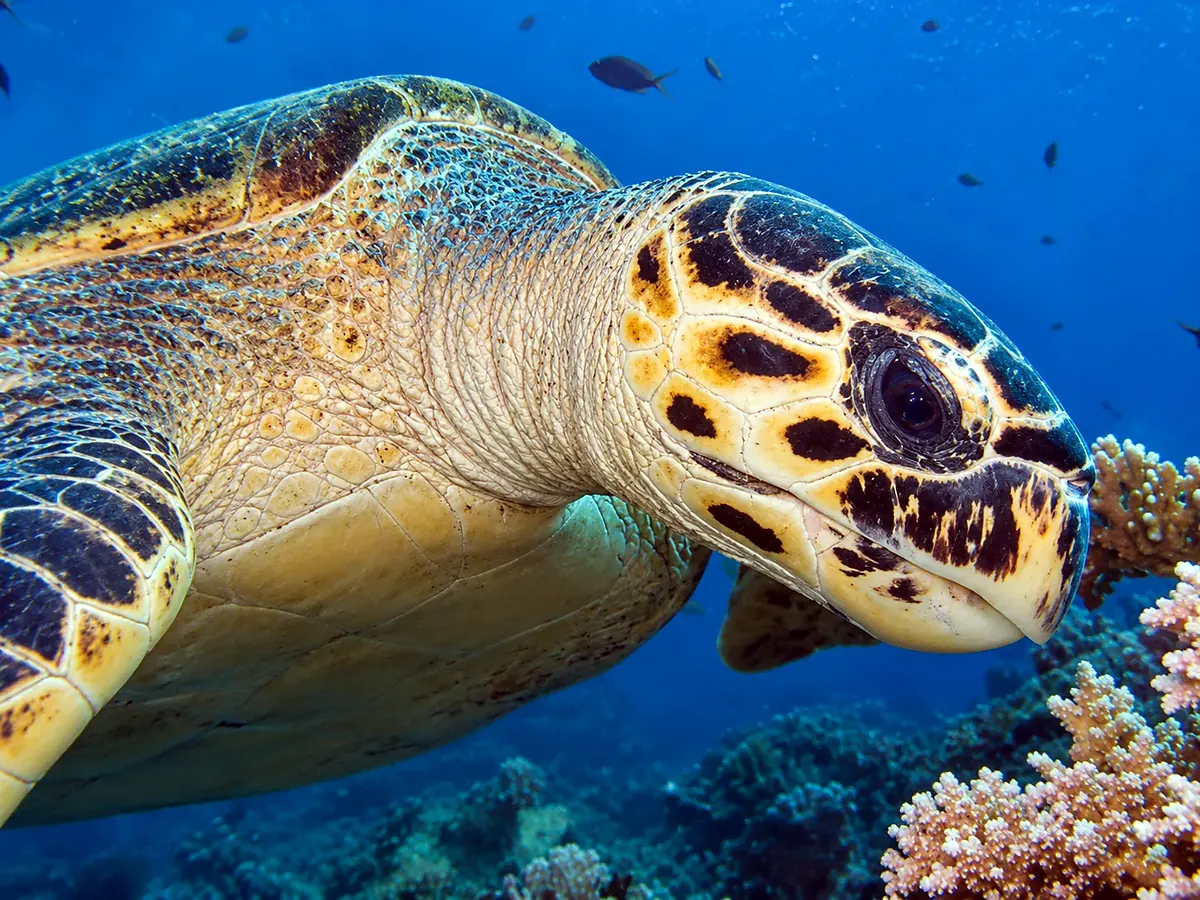
Typically, hawksbill turtles feed on the corals, while whitetip reef sharks rest on the sand.
Fish schools
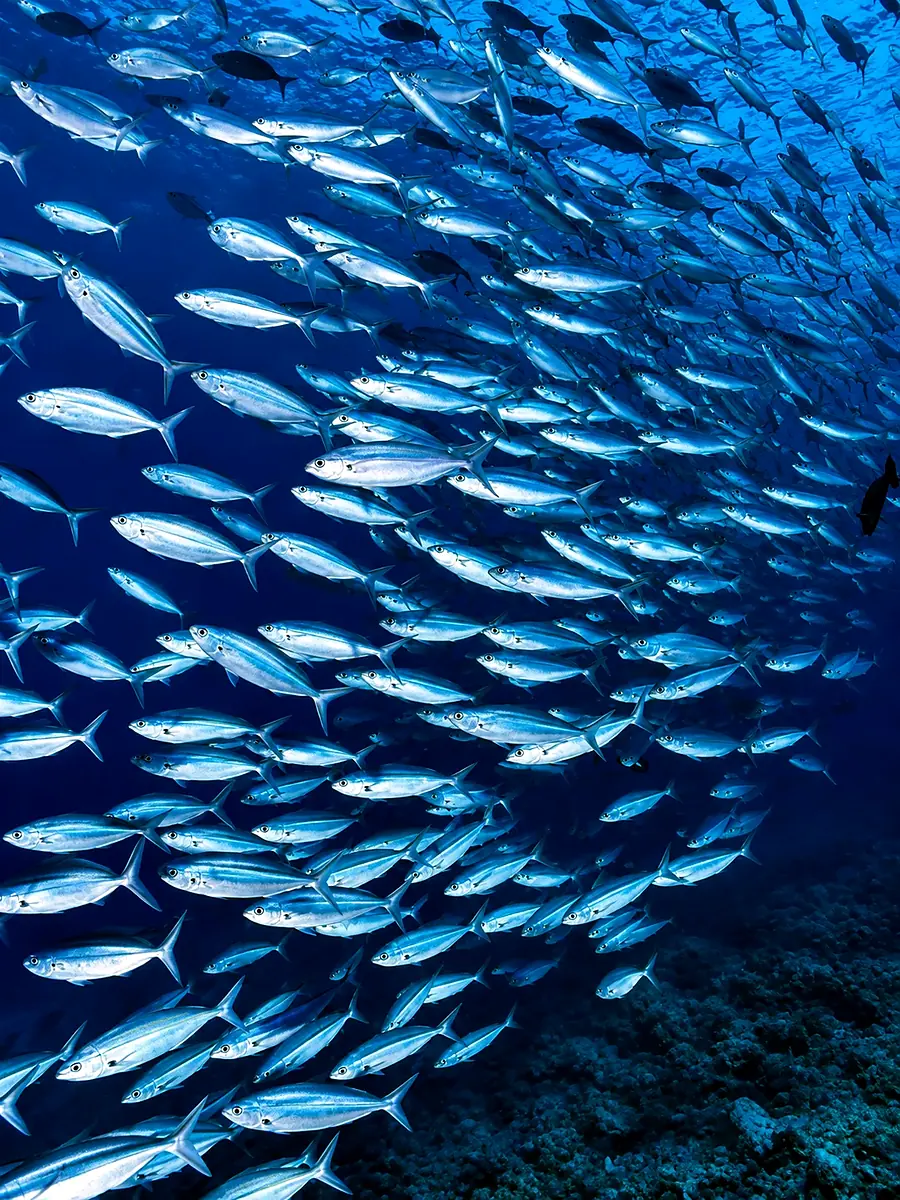
Meanwhile, barracuda, trevally, snappers and fusiliers gather around the offshore pinnacles.
Reef life
Finally, anemonefish, Napoleon wrasse, groupers and countless reef fish live on the corals.
Are the Hamata dive sites suitable for beginners?
Many of them, yes. Sheltered reefs such as Gota Abu Diab and the shallow parts of Shaab Said suit Open Water divers with a guide.
However, the offshore habilis and pinnacles, such as Erg Coconut, Habili Penaut and Erg Abu Diab, call for Advanced Open Water and some current experience, and local operators may ask for at least 25 logged dives.
Before you dive the Hamata reefs
Firstly, bring your logbook and listen to every briefing. Secondly, practise negative entries and SMB deployment, as described in our liveaboard dive techniques guide.
Above all, follow our diving safety standards and the rules of HEPCA. We strongly recommend dive insurance such as DAN Europe in the remote south.
Fury Shoals, St. John’s and courses
However, the Hamata reefs are only one part of the deep south. In fact, the Fury Shoals dive sites lie right next door, while the Deep South St. John’s liveaboard continues towards the Sudanese border.
In addition, we teach PADI courses, BSAC courses and CMAS courses in Hurghada, so you can gain the experience for the offshore reefs before you sail.
How do you get to the Hamata dive sites?
In practice, day boats, RIBs and speedboats leave from Hamata and Wadi Lahami for the nearer reefs. With us, the Hamata reefs are stops on our Daedalus and Fury Shoals route and on the Deep South St. John’s route. Guests board on Saturday after 15:00, and check-out is between 09:00 and 10:00 the following Saturday.
Plan your Hamata dive trip
- Daedalus and Fury Shoals liveaboard — Daedalus Reef and the southern reefs.
- Deep South St. John’s liveaboard — the far south near the Sudanese border.
- What divers need on board — the packing checklist for a Red Sea safari.
- redsealiveaboard.net — Red Sea safari schedules and availability.
- All eight boats in our fleet can sail these routes: Sea Fox, Simba, Sea Treasure, Star Jet, Bismarck, C Echo II, C U and Ramadan 3.
Other routes from Red Sea Diving
Generally, for a first liveaboard, the North Red Sea liveaboard keeps to the classic wrecks. On the other hand, the BDE liveaboard runs Brothers, Daedalus and Elphinstone. Meanwhile, the Red Sea liveaboard guide compares all eight routes.
Hamata dive sites: frequently asked questions
What are the Hamata dive sites?
In fact, they are the reefs off Hamata and Wadi Lahami in the far south of the Egyptian Red Sea, from coastal reefs and habilis to offshore pinnacles and the three Abu Diab reefs near Ras Banas.
What do shaab, habili, gota and erg mean?
In short, a shaab is a large reef reaching the surface, a habili stays just below it, a gota is a single coral block and an erg is a coral tower.
Are the Hamata dive sites good for beginners?
Many sheltered reefs are, with a guide. However, the offshore habilis and pinnacles need Advanced Open Water and some current experience.
What is Anemone City?
In fact, it is the nickname of Habili Sama, where the channel between two small reefs is covered in sea anemones from about 2 m to the sand.
How do you get to the Hamata dive sites?
By day boat, RIB or speedboat from Hamata and Wadi Lahami, or on our southern liveaboard routes. Moreover, all eight boats in the Red Sea Diving fleet can run these routes.
Hamata · Liveaboard · Reefs, habilis and pinnacles
Dive the deep south with us
Simply tell us your dates, the number of divers, your certification level and your number of logged dives. Afterward, our team checks which southern departure fits your group before you commit to anything.


