

Dive guide to Gota El Bohar · Hamata, southern Red Sea
Gota El Bohar Dive Site An isolated coral block in the north of the Hamata reefs
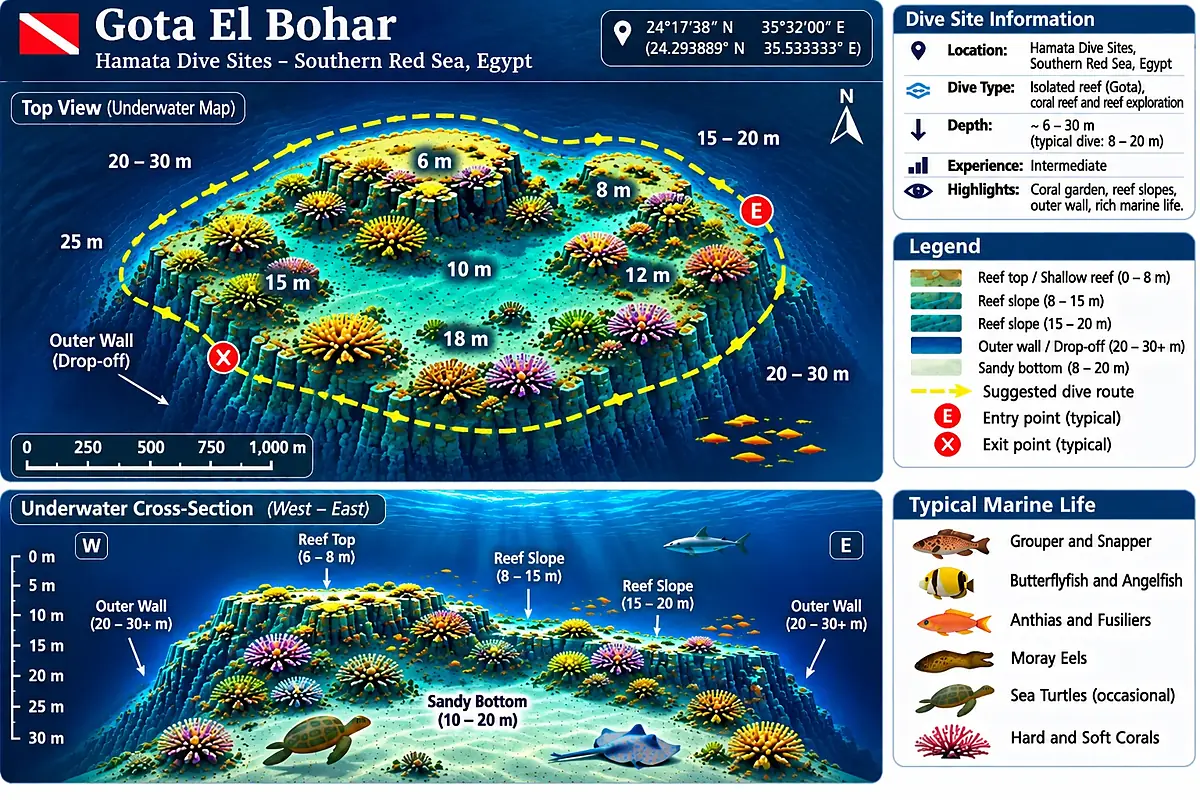
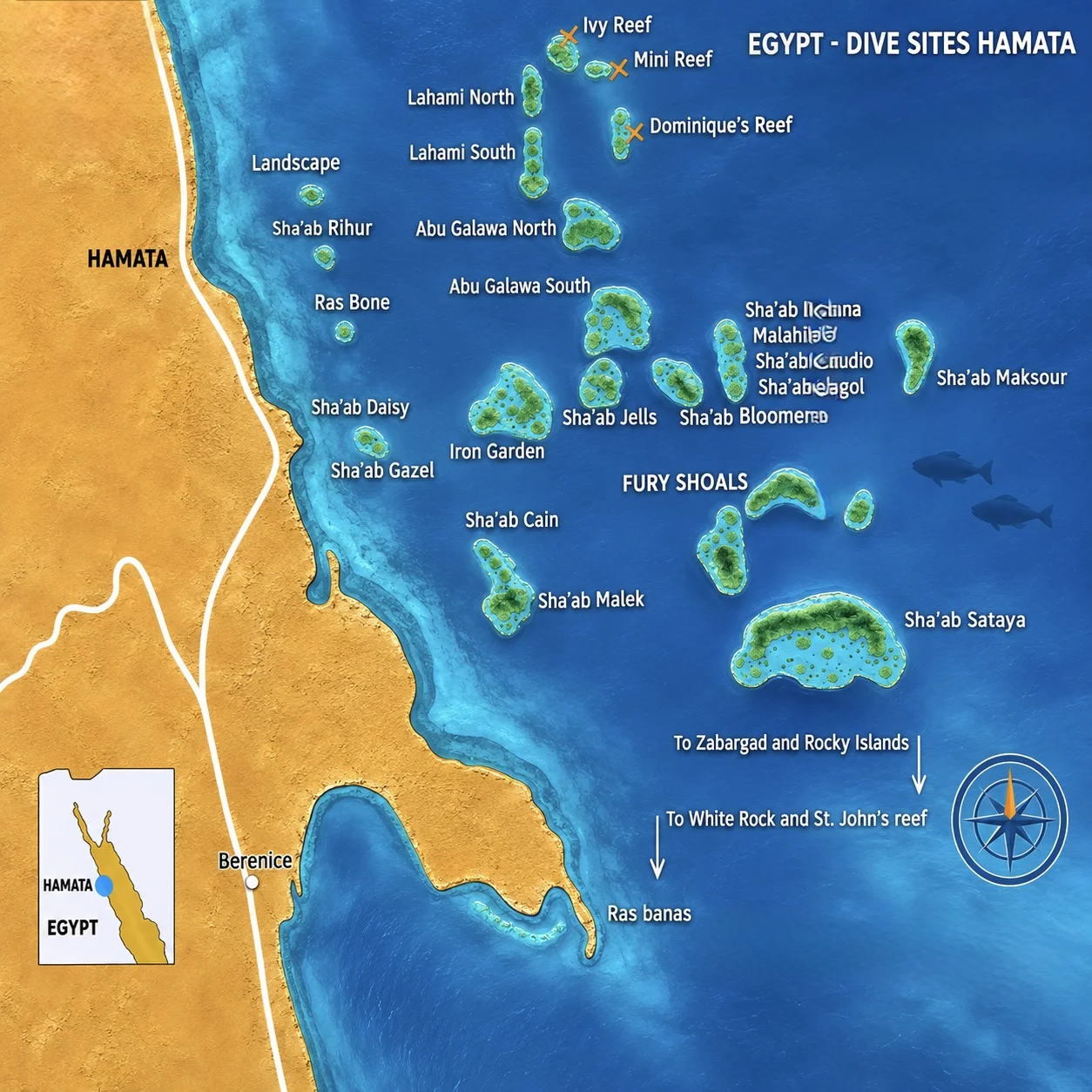
Gota El Bohar, also written Gota El Bouhar, is an isolated coral formation in the Hamata diving area of the southern Egyptian Red Sea. In the Red Sea, a gota is a single coral block or pinnacle, and this one lies among the El Bohar reefs in the north of the Fury Shoals complex.
Gota El Bohar in short
In short, Gota El Bohar (also Gota El Bouhar or Gota El Bahar) is an isolated coral formation in the Hamata area of the southern Egyptian Red Sea, at about 24°17′38″N, 35°32′00″E. Egypt’s diving chamber CDWS lists it as its own site, close to the El Bohar reefs in the north of Fury Shoals. However, no source gives its summit depth and exact shape, so the guide sets the depth and route on the day. Boats reach it from Hamata, and so do our southern liveaboard routes.
What is Gota El Bohar like?
Above all, it is a gota. In Red Sea diving, the word describes a single coral block or pinnacle that stands on its own, away from the main reef.
Because such blocks are small, a diver can usually circle one in a single dive. As a result, the coral and the fish are concentrated in a small area.
Nearby lie the El Bohar reefs, including El Bohar Soraya. Even so, we keep Gota El Bohar as a separate site, since the names may refer to different formations.
Gota El Bohar at a glance
The block
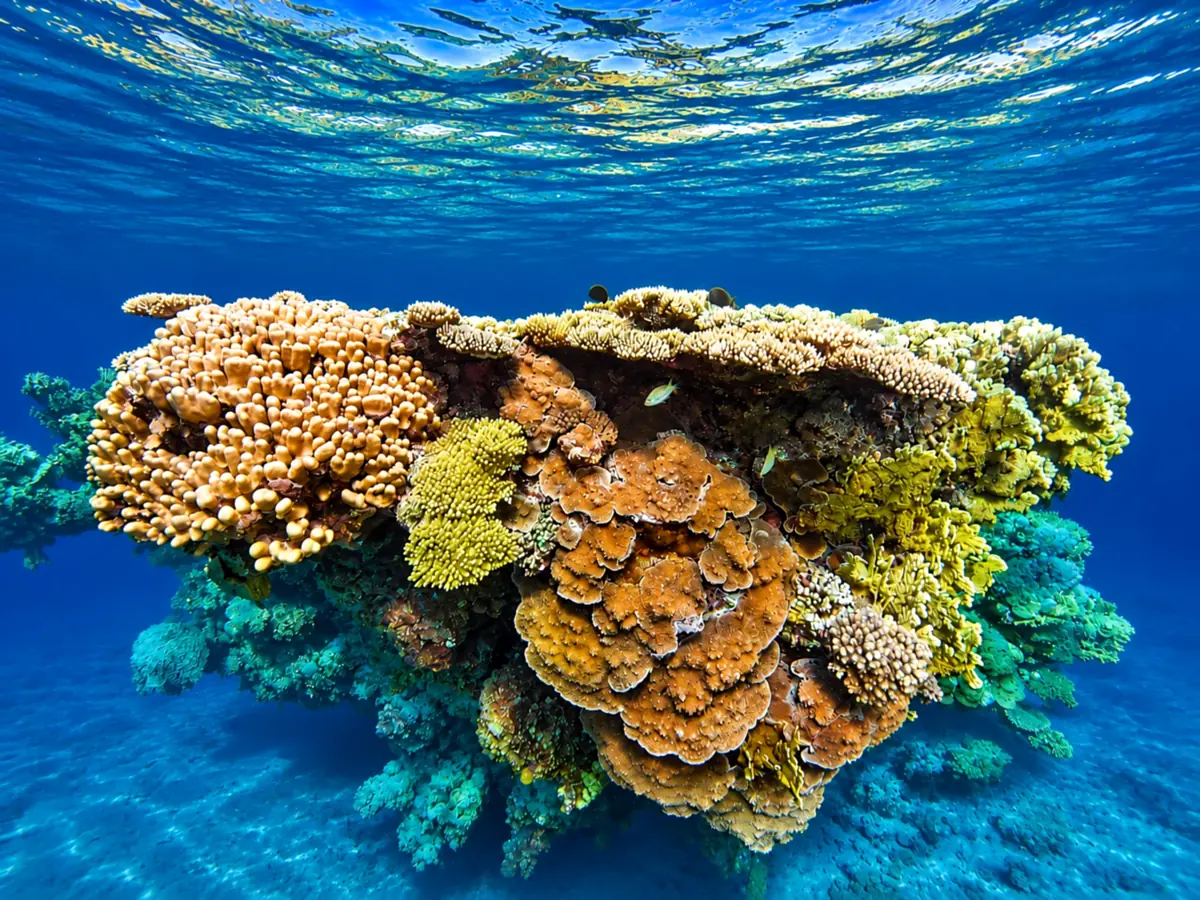
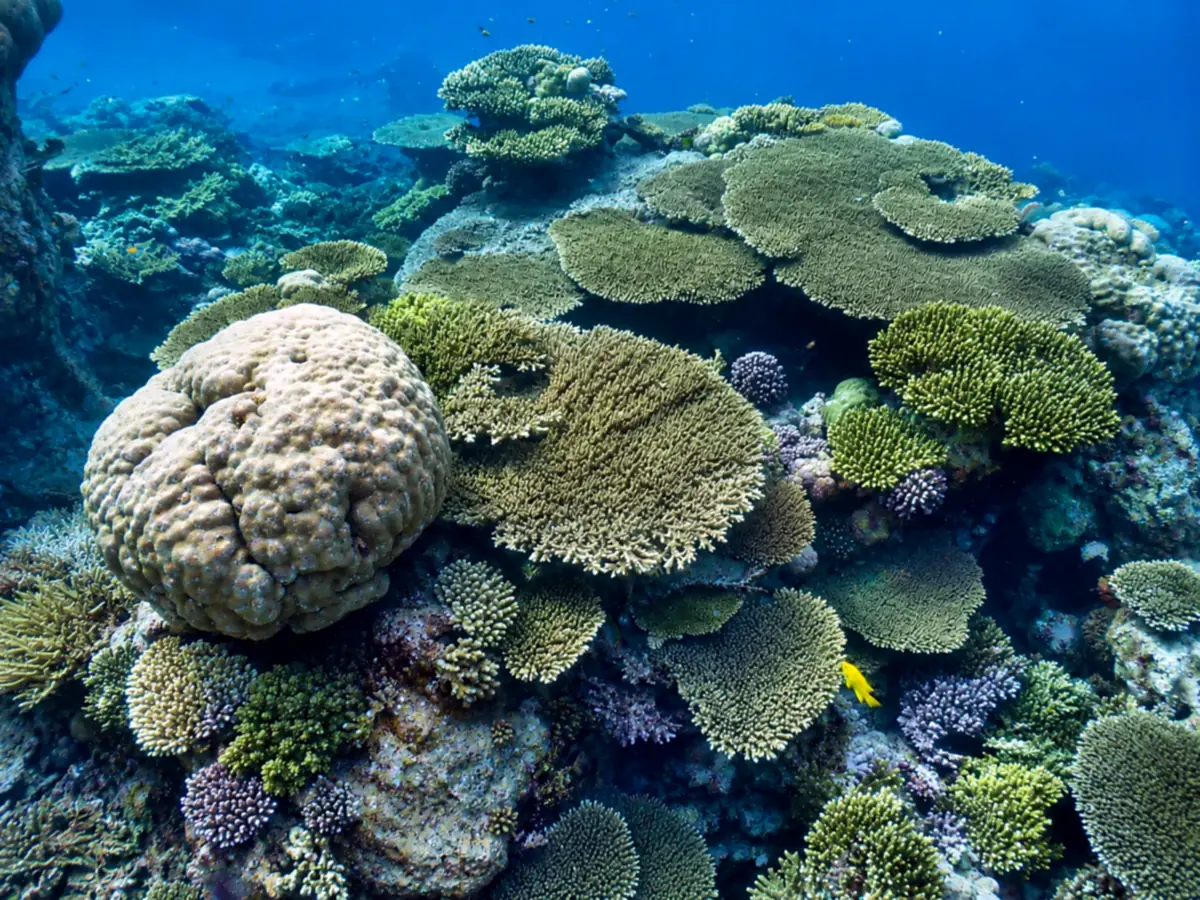
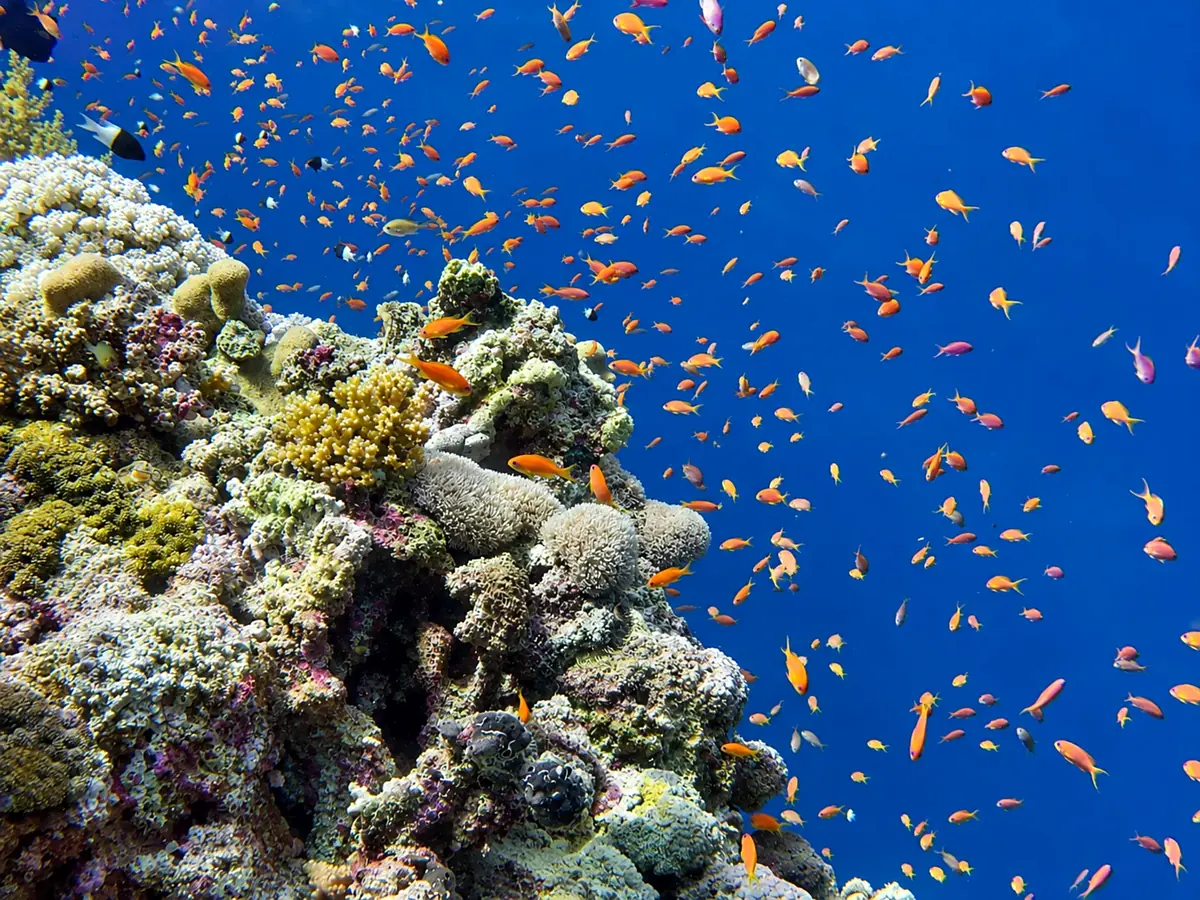
First, a single coral block rises on its own, covered in hard and soft corals.
Reef fish
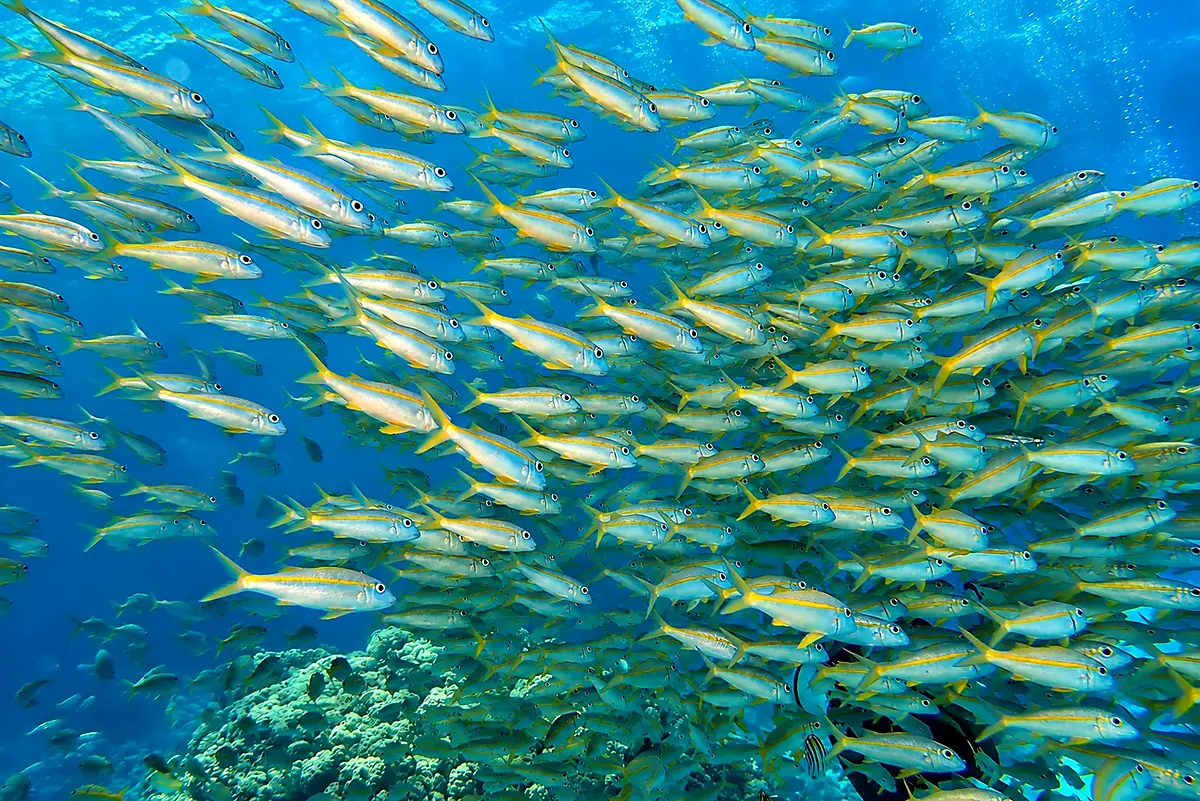
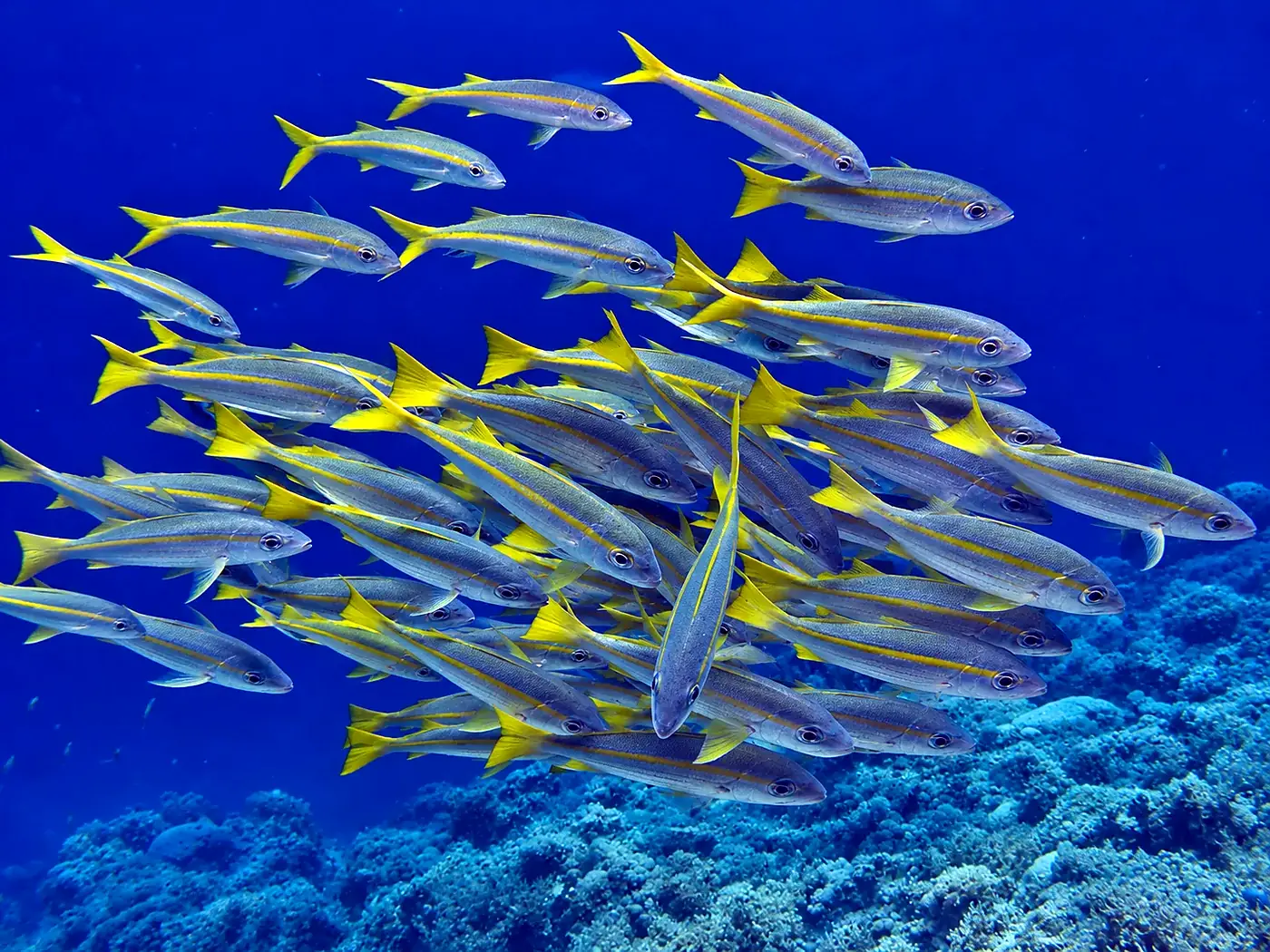
Next, groupers, snappers, anthias and fusiliers gather around the block.
Quiet
Finally, it sees fewer boats than the big names nearby, which keeps it calm.
What can you expect around Gota El Bohar?
Generally, a dive on a gota means circling the block. Typically, you work slowly round the sides, then spiral up to the top for the safety stop.
The sides
The main dive. Here, corals cover the sides of the block, with fish all around.
The top
The color. In contrast, the top of the block is bright, ideal for the end of the dive.
The blue
The outside. Meanwhile, the open water around the block is where bigger fish may pass.
Where is Gota El Bohar?
Specifically, the coral block lies offshore in the Hamata area, south of Marsa Alam, in the north of the Fury Shoals reefs. For reference, its published position is about 24°17′38″N, 35°32′00″E, which is about 24.2939°N, 35.5333°E.
However, this is a reference position, not a dive entry point. For the nearby reefs, see the Hamata dive sites guide and the Fury Shoals guide.
How do you dive Gota El Bohar?
To begin with, no guide publishes a fixed route for this coral block. Instead, the guide checks wind, waves and current, then chooses where to start and how deep to go.
How the guide plans the dive
The check
Before the dive. Firstly, the crew looks at the surface and the current before choosing the entry.
The plan
The briefing. Then, the guide sets the maximum depth, the direction and the turn point.
The finish
The end. Finally, you spiral up to the top of the block, then return to the boat or a RIB.
Above all, keep good buoyancy close to the corals. After all, a small coral block stays healthy only if every diver keeps their fins clear.
What marine life lives at Gota El Bohar?
So far, no source gives a species list for this coral block alone. Still, the wider Hamata area has rich reef life, so the following are typical of the region rather than confirmed sightings.
Sharks and big fish
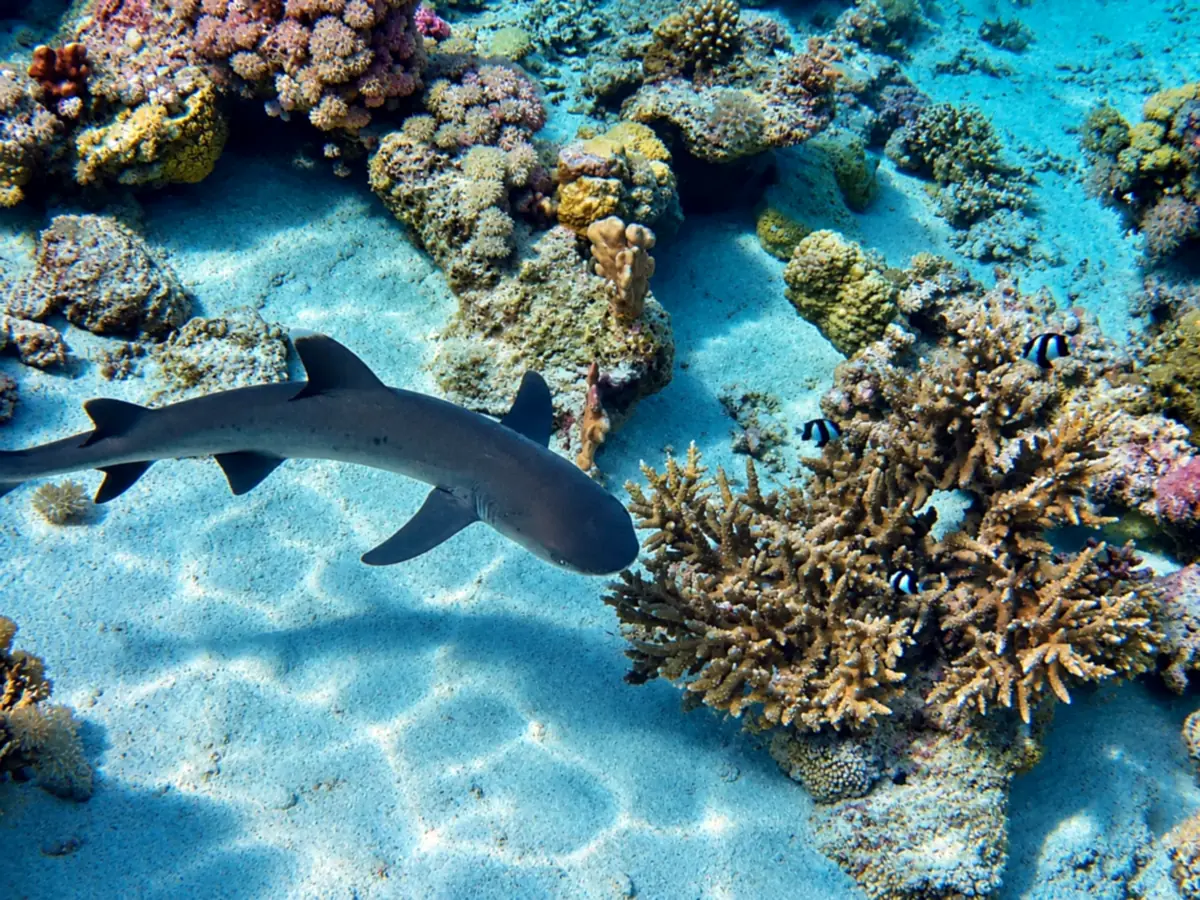
Occasionally, whitetip reef sharks rest under ledges on the southern reefs, although sightings are never guaranteed.
Turtles
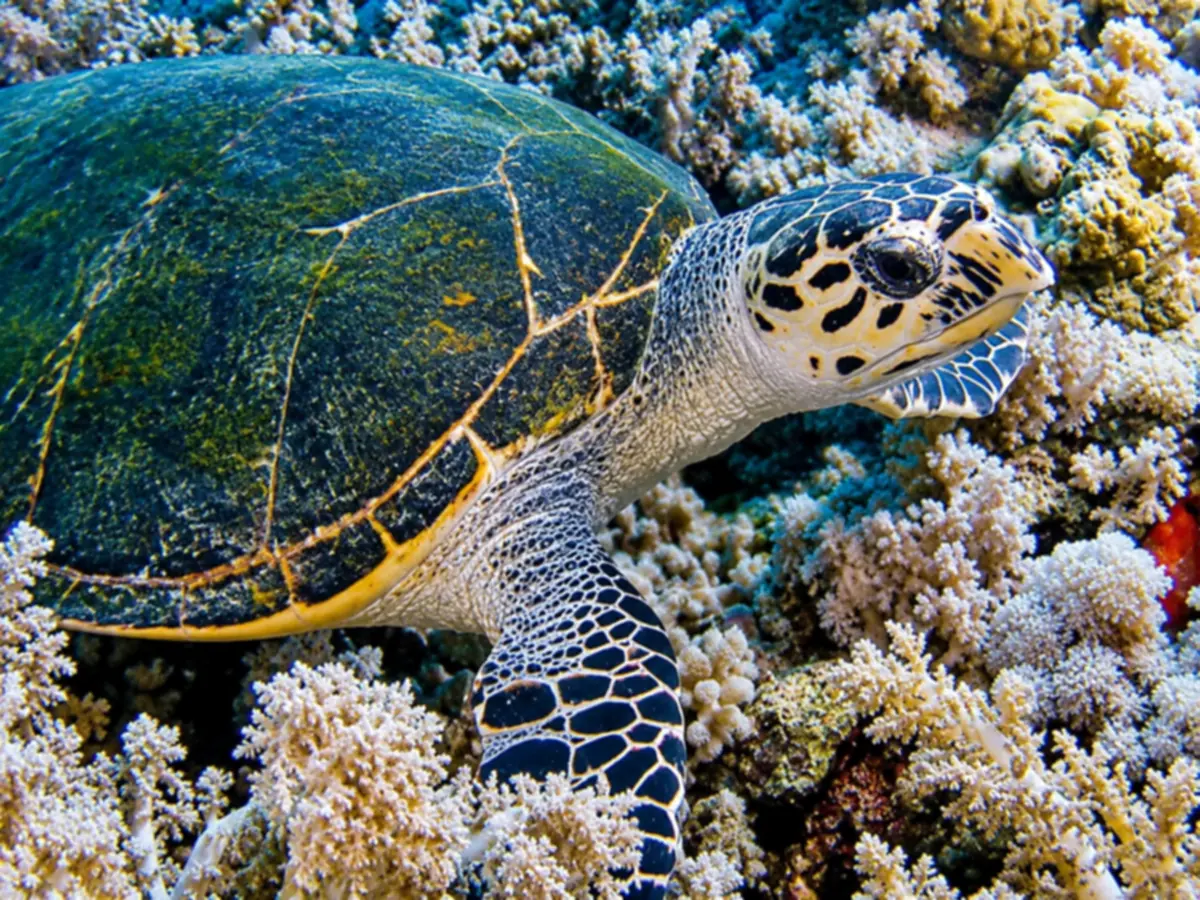
Likewise, hawksbill turtles feed among the corals on many reefs off Hamata.
Reef life
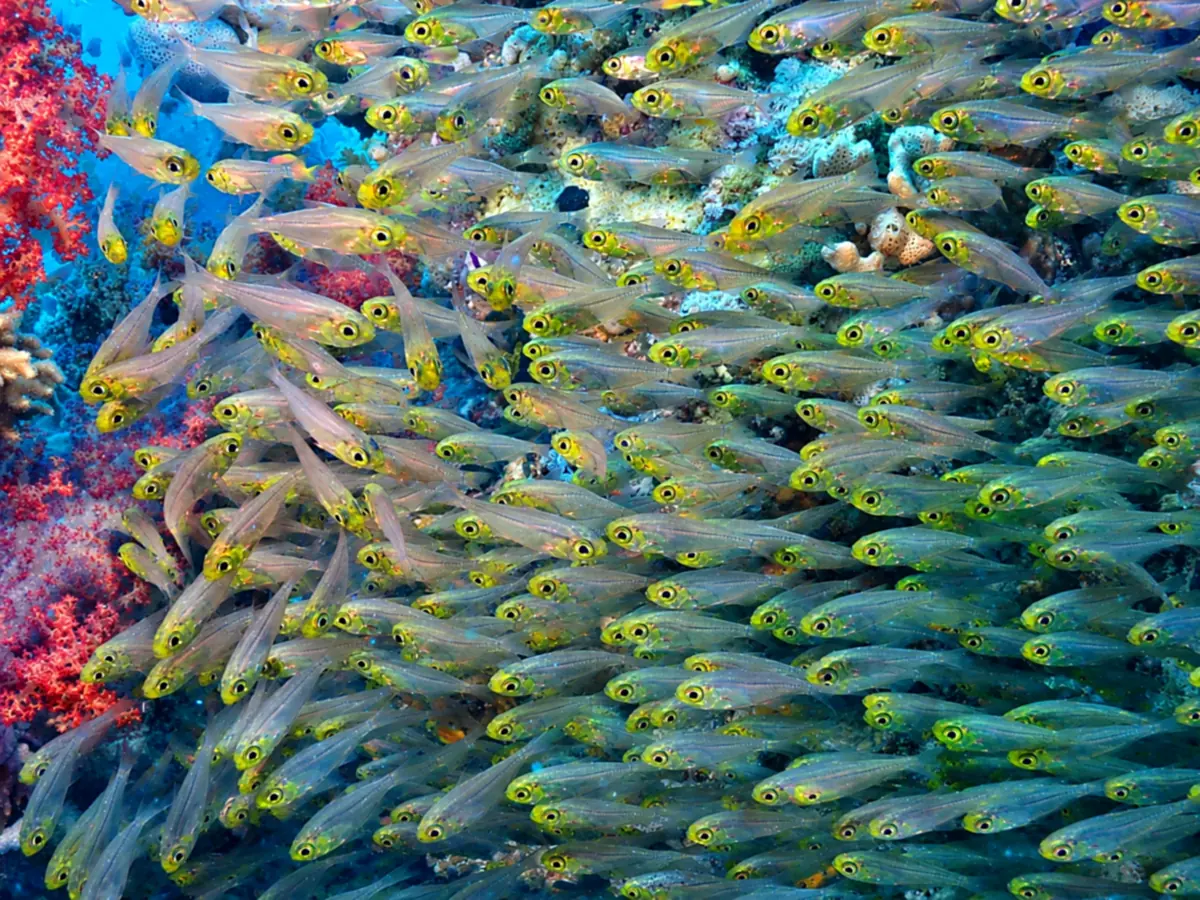
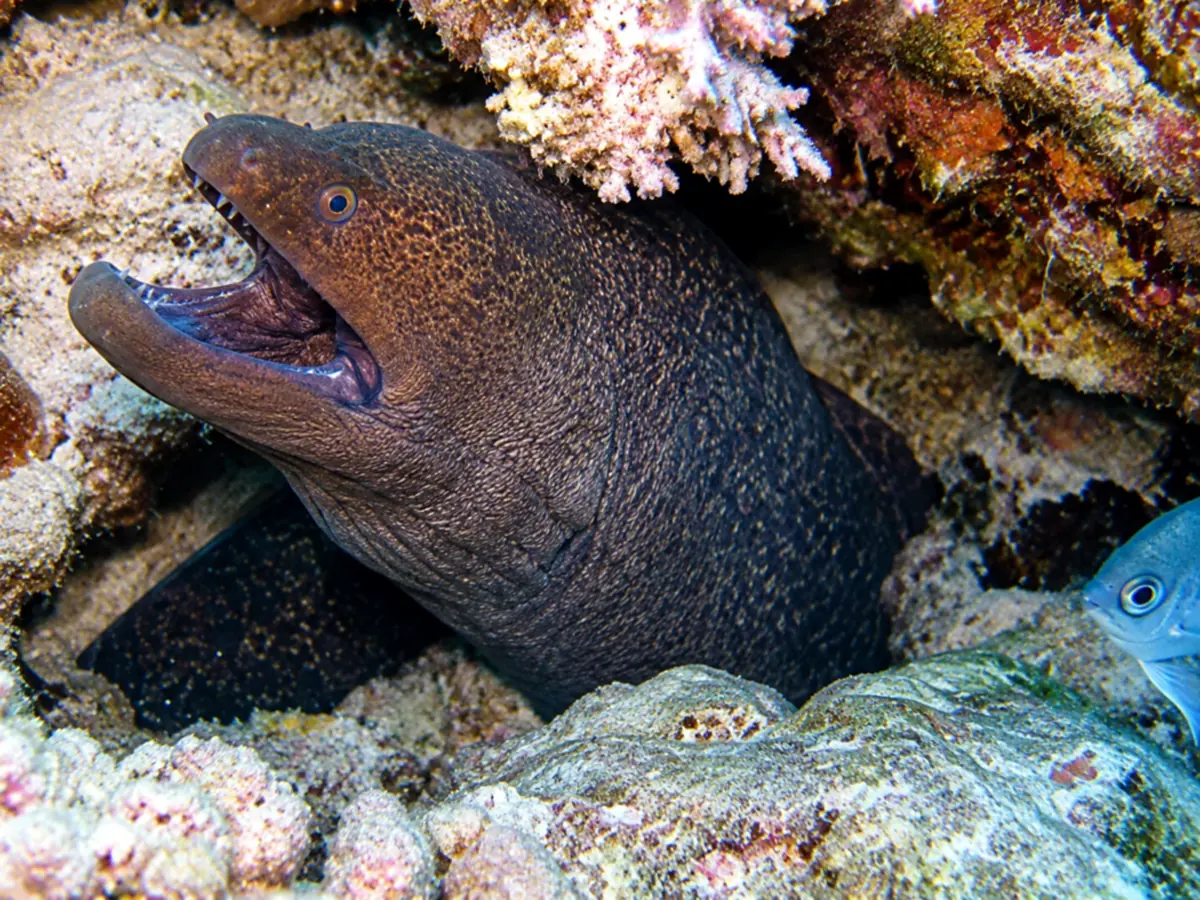
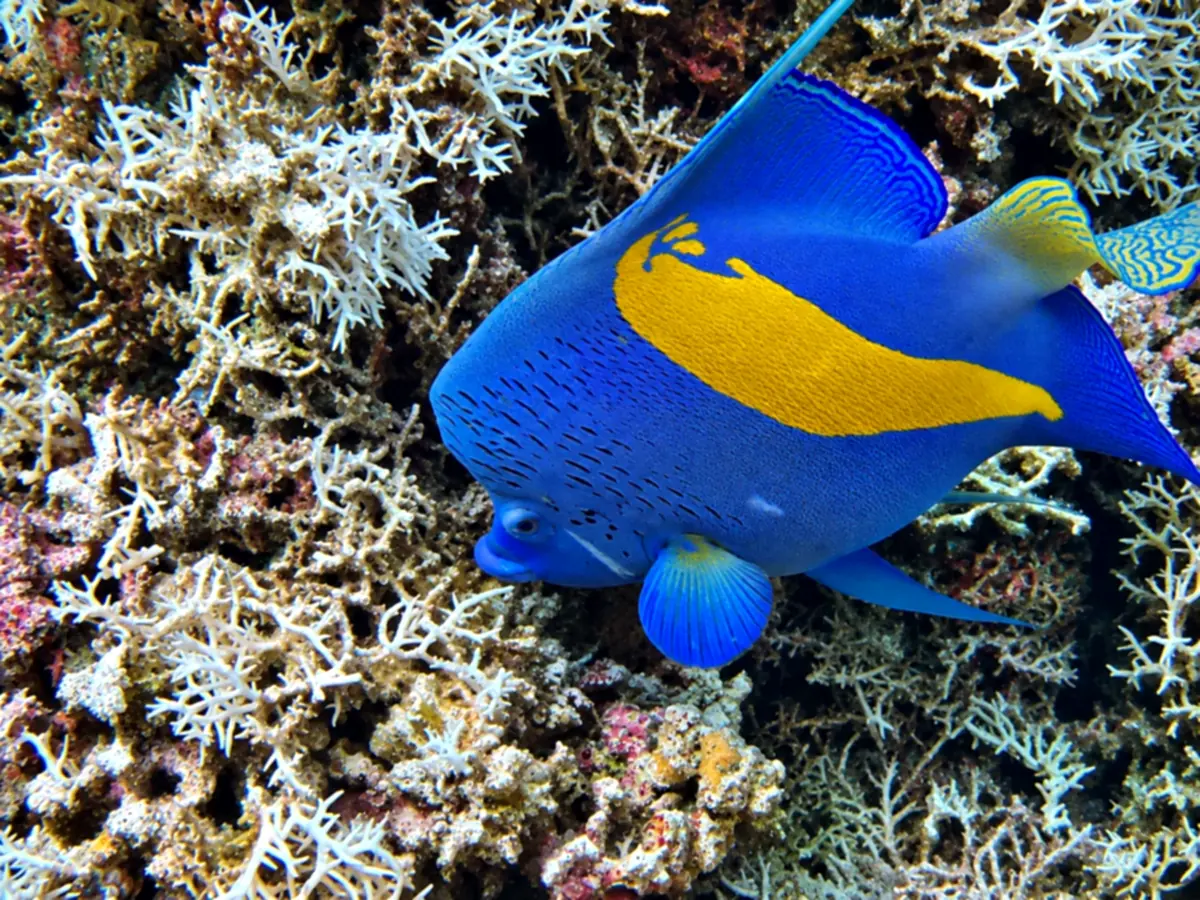
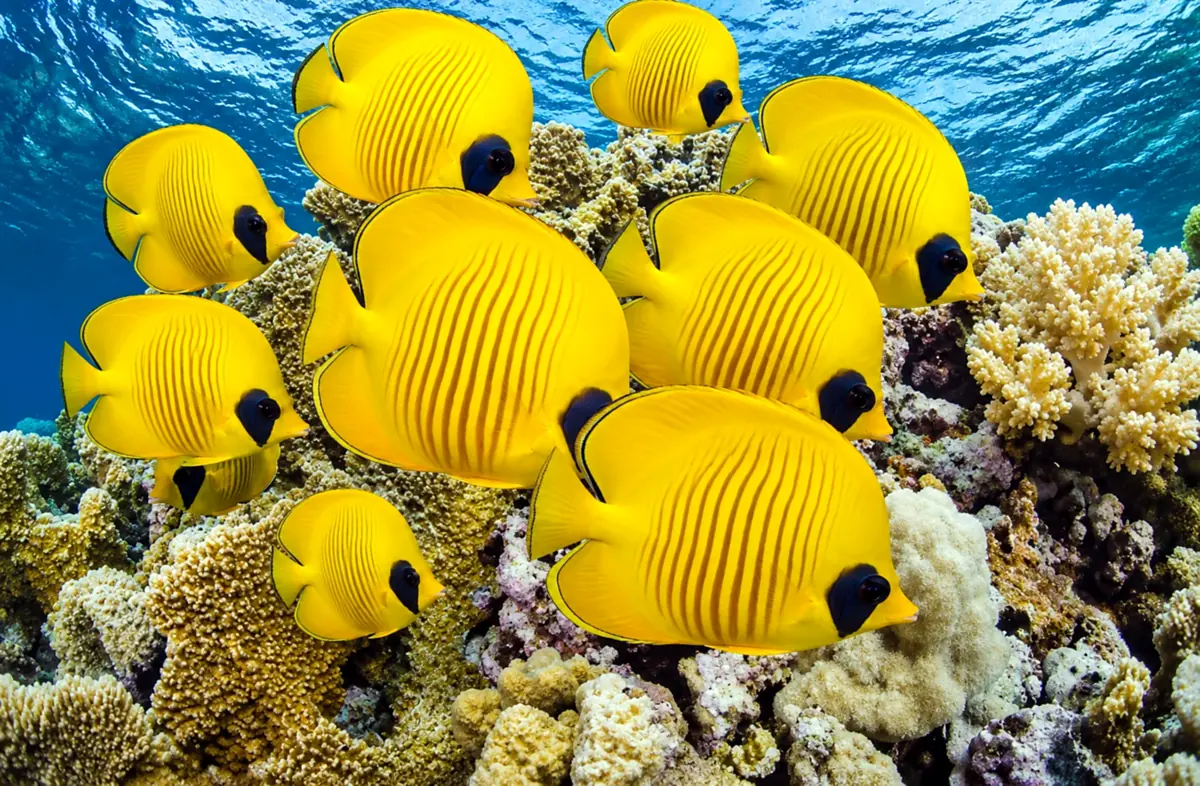
Finally, groupers, snappers, morays, butterflyfish and angelfish live on most Hamata reefs.
Is Gota El Bohar suitable for beginners?
In fact, it depends on the day. Because no source gives the site profile, the dive operator sets the required level after checking depth and conditions.
In general, sheltered reef dives off Hamata suit Open Water divers with a guide, whereas exposed sides suit divers with Advanced Open Water. For example, our liveaboard dive techniques guide explains boat entries and RIB pick-ups.
Before you dive Gota El Bohar
Firstly, listen to the briefing, stay with your guide and carry a surface marker buoy. Secondly, watch your depth and air.
Above all, follow our diving safety standards and the rules of HEPCA. Dive insurance such as DAN Europe is strongly recommended in the remote south.
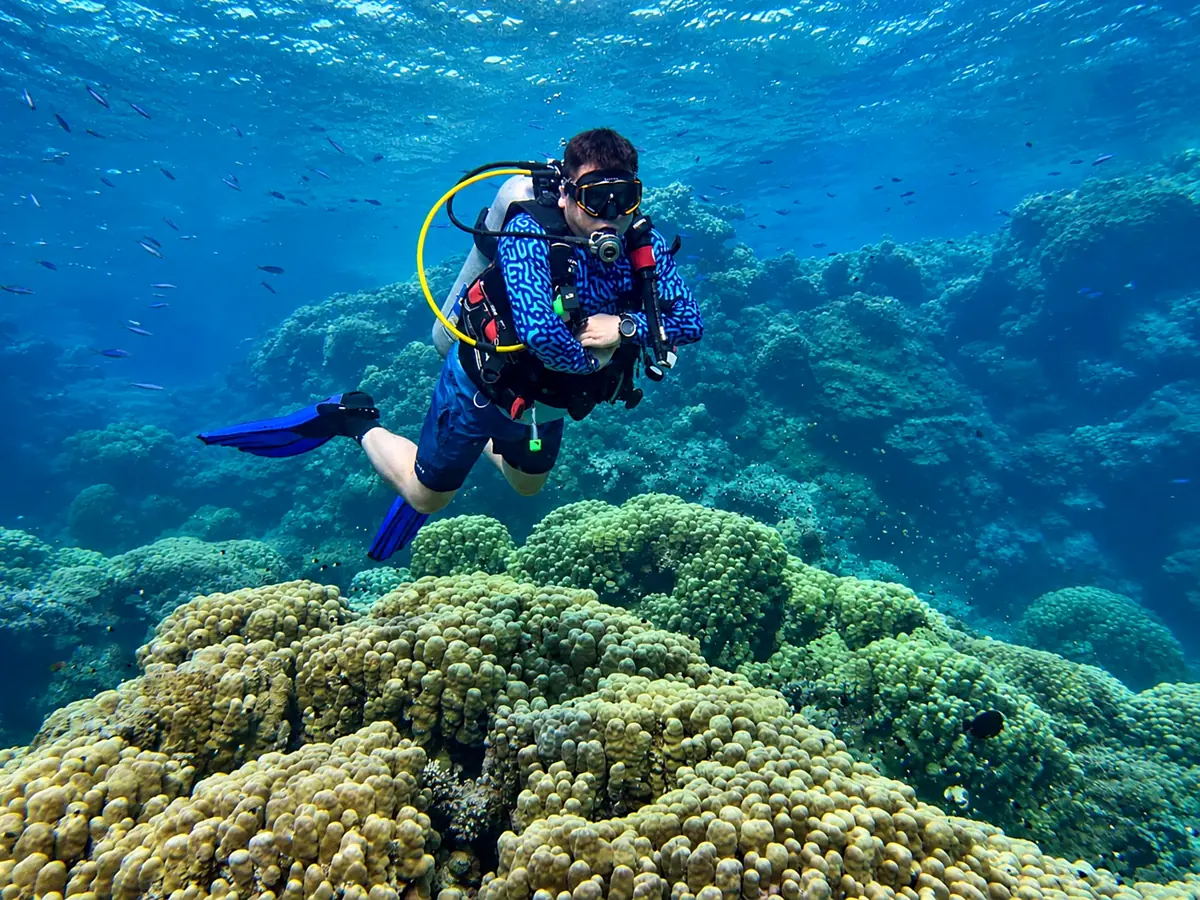
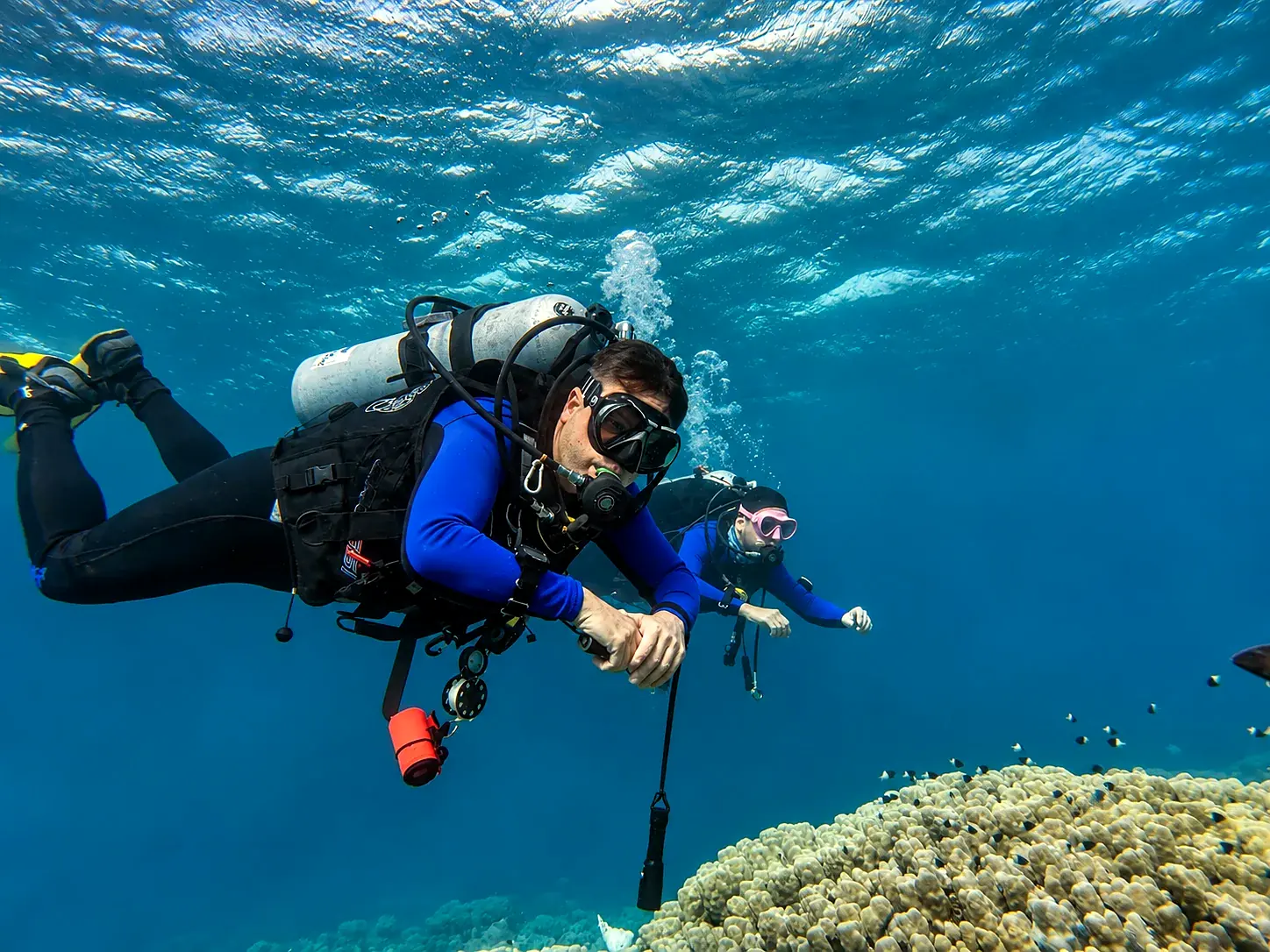
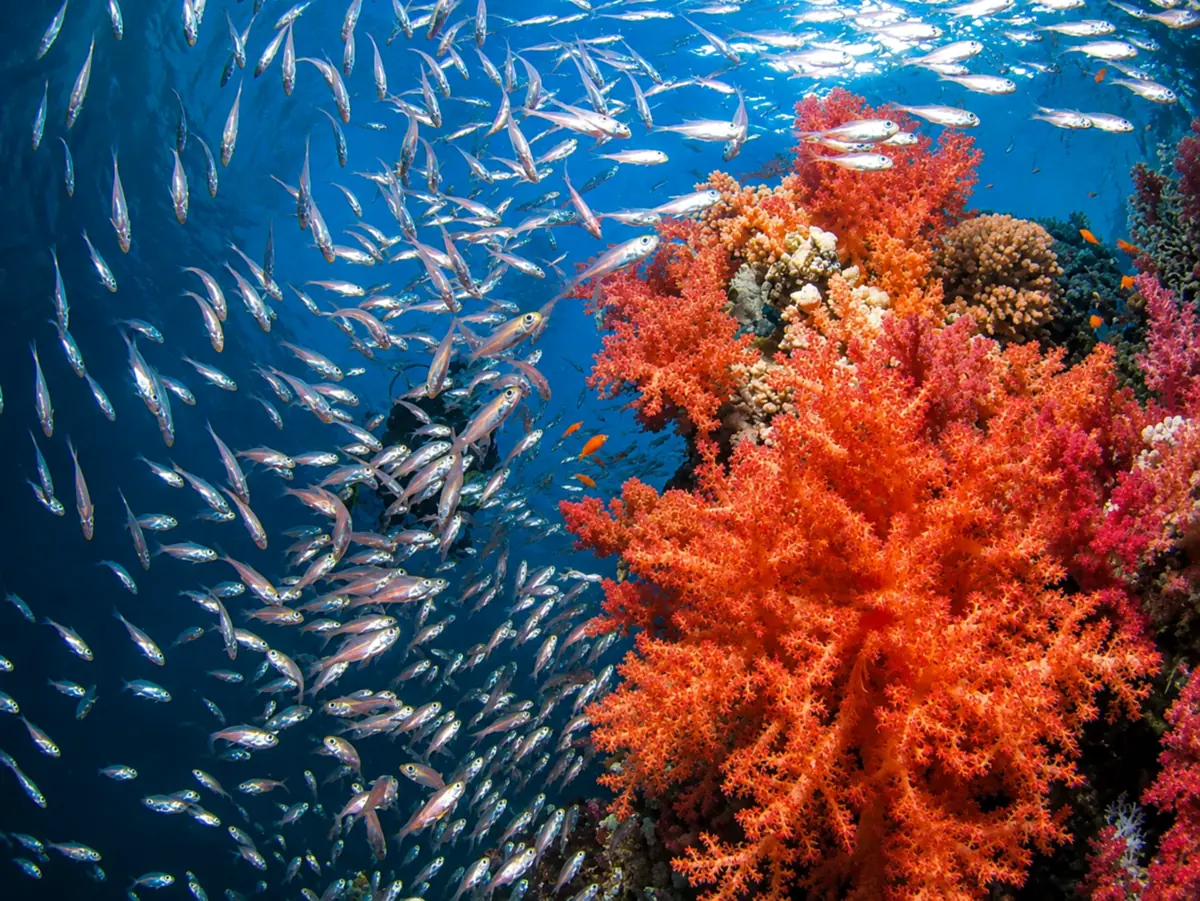
How do you get to Gota El Bohar?
In practice, boats reach the coral block from Hamata, and CDWS lists it among the Fury Shoals sites. With us, it can be a stop on our Daedalus and Fury Shoals route and on the Deep South St. John’s route. Guests board on Saturday after 15:00, and check-out is between 09:00 and 10:00 the next Saturday.
Usually, boats combine it with other Hamata reefs on the same day. Consequently, you can pair it with Shaab Hamam, Shaab Osama and the reefs of Fury Shoals.
Plan your Gota El Bohar dive trip
- Daedalus and Fury Shoals liveaboard — Daedalus Reef and the southern reefs.
- Deep South St. John’s liveaboard — the far south near the Sudanese border.
- What divers need on board — the packing checklist for a Red Sea safari.
- redsealiveaboard.net — Red Sea safari schedules and availability.
- All eight boats in our fleet can sail these routes: Sea Fox, Simba, Sea Treasure, Star Jet, Bismarck, C Echo II, C U and Ramadan 3.
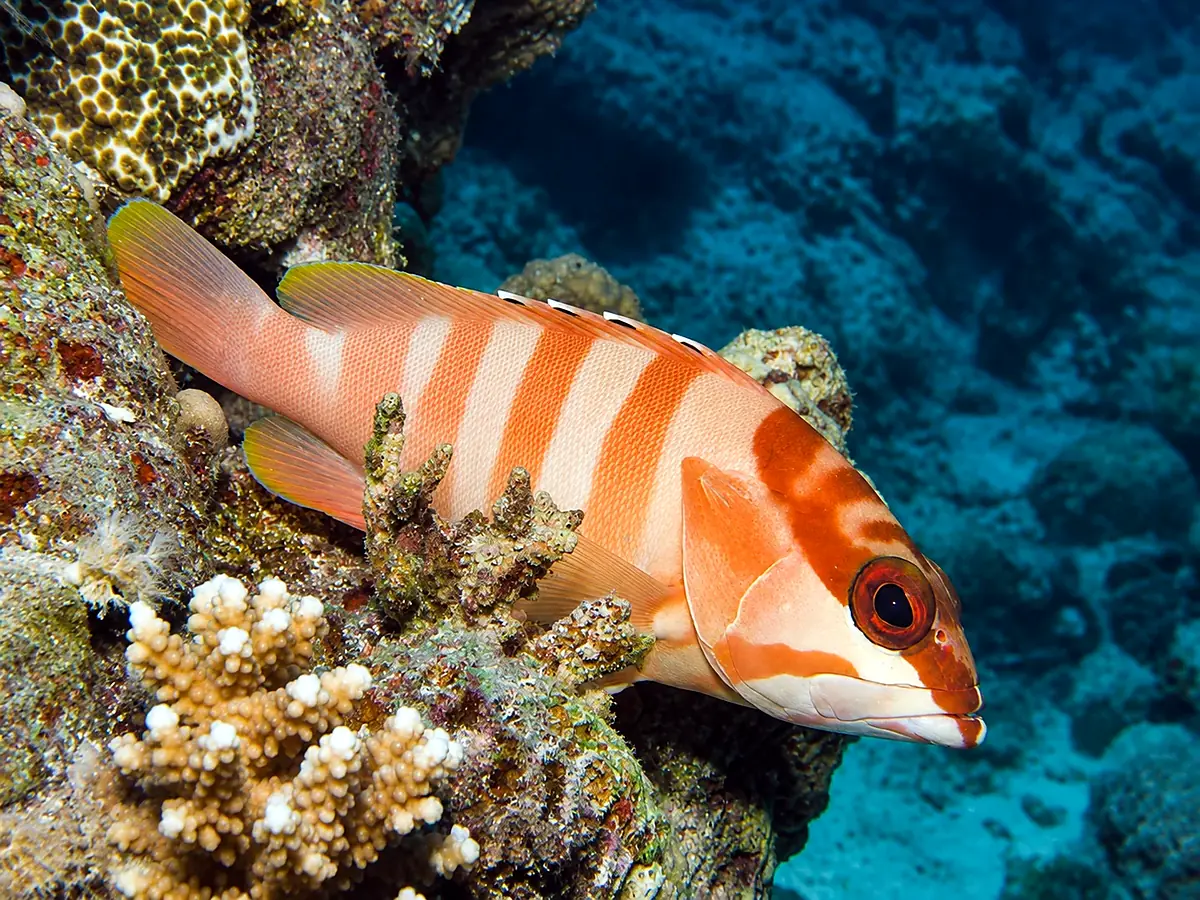
Photo gallery from the Hamata reefs
Other routes from Red Sea Diving
Generally, for a first liveaboard, the North Red Sea liveaboard keeps to the classic wrecks. On the other hand, the BDE liveaboard runs Brothers, Daedalus and Elphinstone, while the Elba Reef liveaboard reaches the far south. Meanwhile, the Red Sea liveaboard guide compares all eight routes.
Gota El Bohar: frequently asked questions
Where is Gota El Bohar?
In fact, it is an isolated coral block in the Hamata area of the southern Egyptian Red Sea, at about 24°17′38″N, 35°32′00″E.
What does gota mean?
In Red Sea diving, a gota is a single coral block or pinnacle that stands apart from the main reef.
Is Gota El Bohar the same as El Bohar Kebir or El Bohar Soraya?
Not necessarily. They lie in the same northern part of Fury Shoals, but the names may refer to different formations, so we list Gota El Bohar separately.
How deep is the diving at Gota El Bohar?
No source gives a verified depth profile, so the guide gives the maximum depth in the briefing on the day.
How do you get to Gota El Bohar?
By boat from Hamata, or on our southern liveaboard routes. Moreover, all eight boats in the Red Sea Diving fleet can run these routes.
Hamata · Liveaboard · Coral blocks
Dive Gota El Bohar with us
Simply tell us your dates, the number of divers, your certification level and your number of logged dives. Afterward, our team checks which southern departure fits your group before you commit to anything.


