
Dive guide to Gota Abu Diab · Wadi Lahami, Hamata
Gota Abu Diab Dive Site A 250 m reef with shallow caverns and coral gardens near Ras Banas
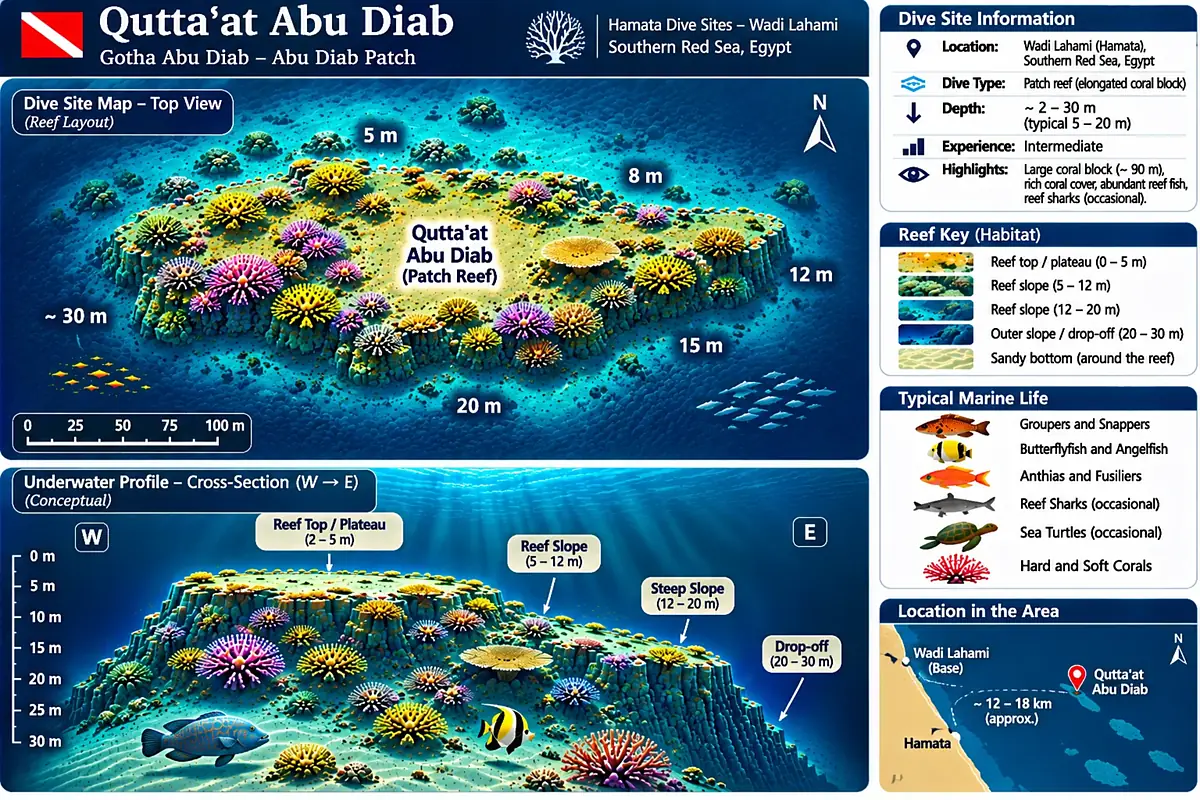
Gota Abu Diab, also written Gotha Abu Diab, is a reef about 250 m long, 4 km north of the Ras Banas peninsula in the southern Egyptian Red Sea. It rises from about 20 m of water, with a small system of shallow caverns at its southern tip, coral gardens along its western and northern walls and easy diving conditions on most days.
Gota Abu Diab in short
In short, Gota Abu Diab (also Gotha Abu Diab) is a reef about 250 m long, 4 km north of the Ras Banas peninsula, at about 24°02.683′N, 35°41.550′E. It rises from a sandy seabed at about 20 m. At its southern tip lies a small system of caves and caverns at 5–8 m, and coral gardens line its southwestern and northern walls. Currents are usually weak to moderate, so diving is easy, and the reef is big enough for boats to moor overnight. Few boats stop here, since liveaboards from the south usually sail on to Fury Shoals, 13 km further north.
What is Gota Abu Diab like?
Above all, it is a quiet reef. Although it is big enough for an overnight mooring, few boats stop, because liveaboards from the south usually head straight on to Fury Shoals.
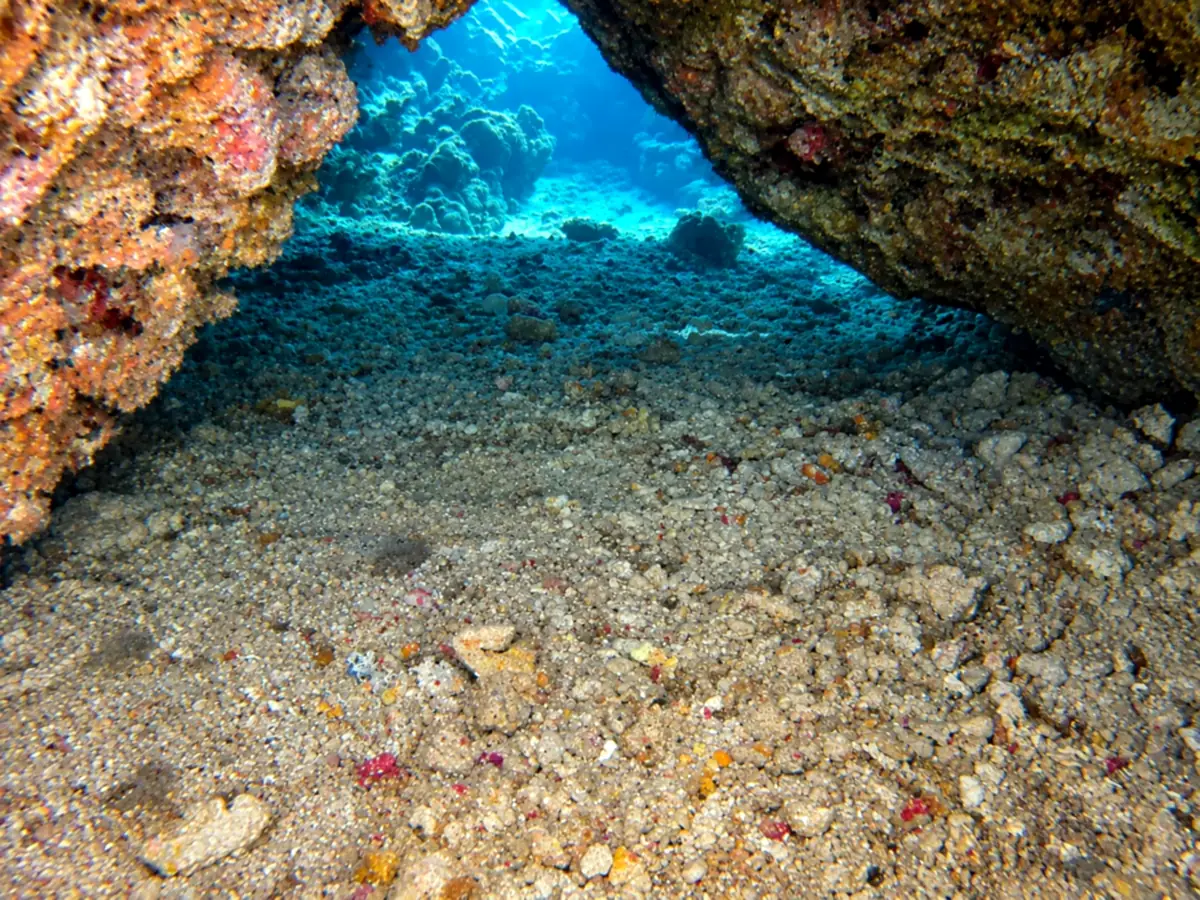
In particular, at the southern tip, a small system of caves and caverns sits at 5–8 m and is easy to explore. Meanwhile, along the southwestern and northern walls, large boulder corals form wide coral gardens.
Unfortunately, some parts of the walls show damage, probably from fishing. All around the reef, moreover, sand at about 20 m is scattered with coral rocks.
Gota Abu Diab at a glance
Caverns
First, a small cavern system at the southern tip, bright and easy to explore.
Coral gardens
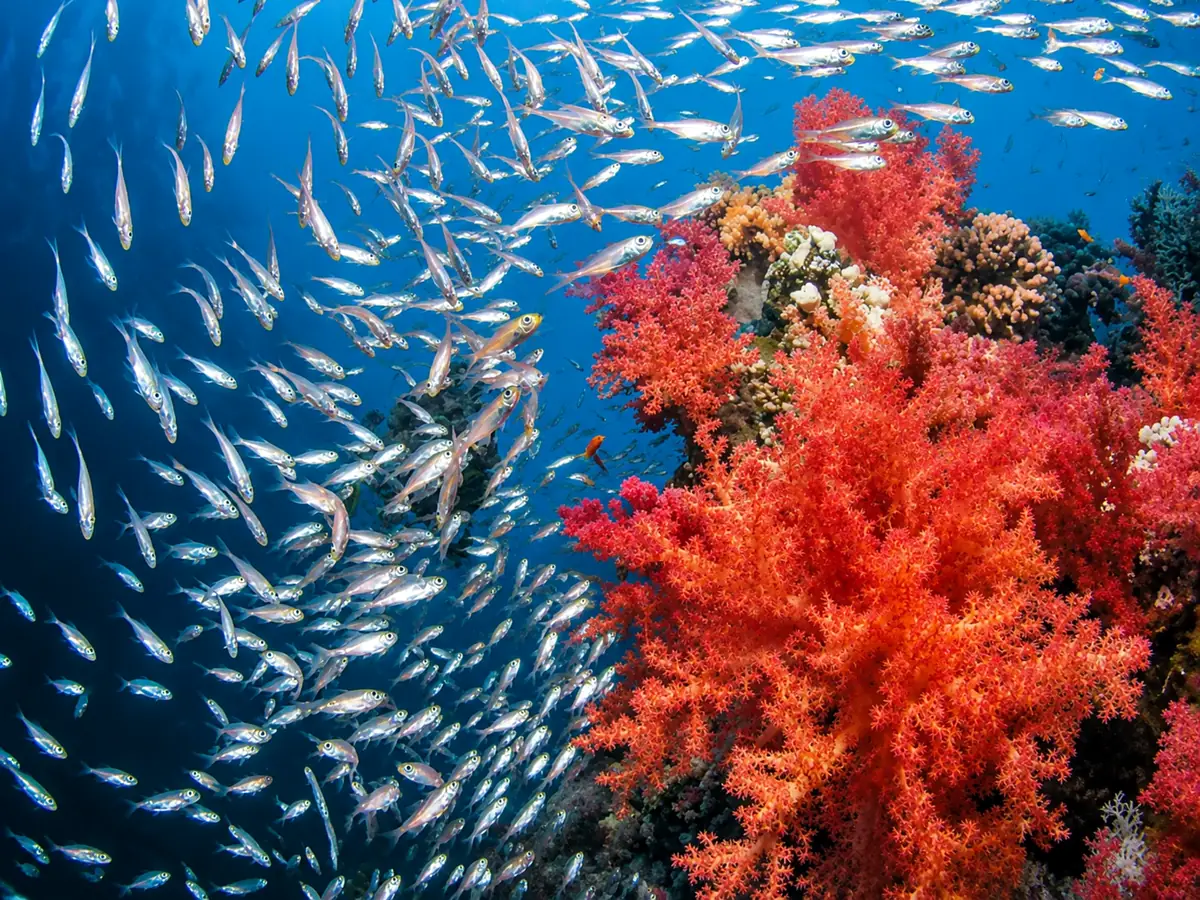
Next, wide gardens of large boulder corals along the southwestern and northern walls.
Small life
Finally, a close look at the corals reveals shrimps, sea slugs and pipefish.
How does Gota Abu Diab differ from the other Abu Diab sites?
Generally, three dive sites in the area share the name Abu Diab. In particular, the word in front of the name tells you a different reef shape.
Gota Abu Diab
The long reef. Firstly, this page: a reef about 250 m long near Ras Banas, with caverns and coral gardens.
Habili Abu Diab
The mushrooms. Then, the Habili pinnacle chain is a chain of mushroom-shaped pinnacles on a sandy plateau.
Erg Abu Diab
The tower. Finally, the Erg, also called Erg Sataya, is a steep 130 m reef 5.8 km to the west.
Where is Gota Abu Diab?
Specifically, the reef lies 4 km north of the Ras Banas peninsula, and the Fury Shoals start 13 km further north. In addition, our dive guide gives its position as about 24°02.683′N, 35°41.550′E, which is about 24.0447°N, 35.6925°E.
However, this is a reference position, not a dive entry point. For the nearby reefs, see the Hamata dive sites guide and the Fury Shoals guide.
How do you dive Gota Abu Diab?
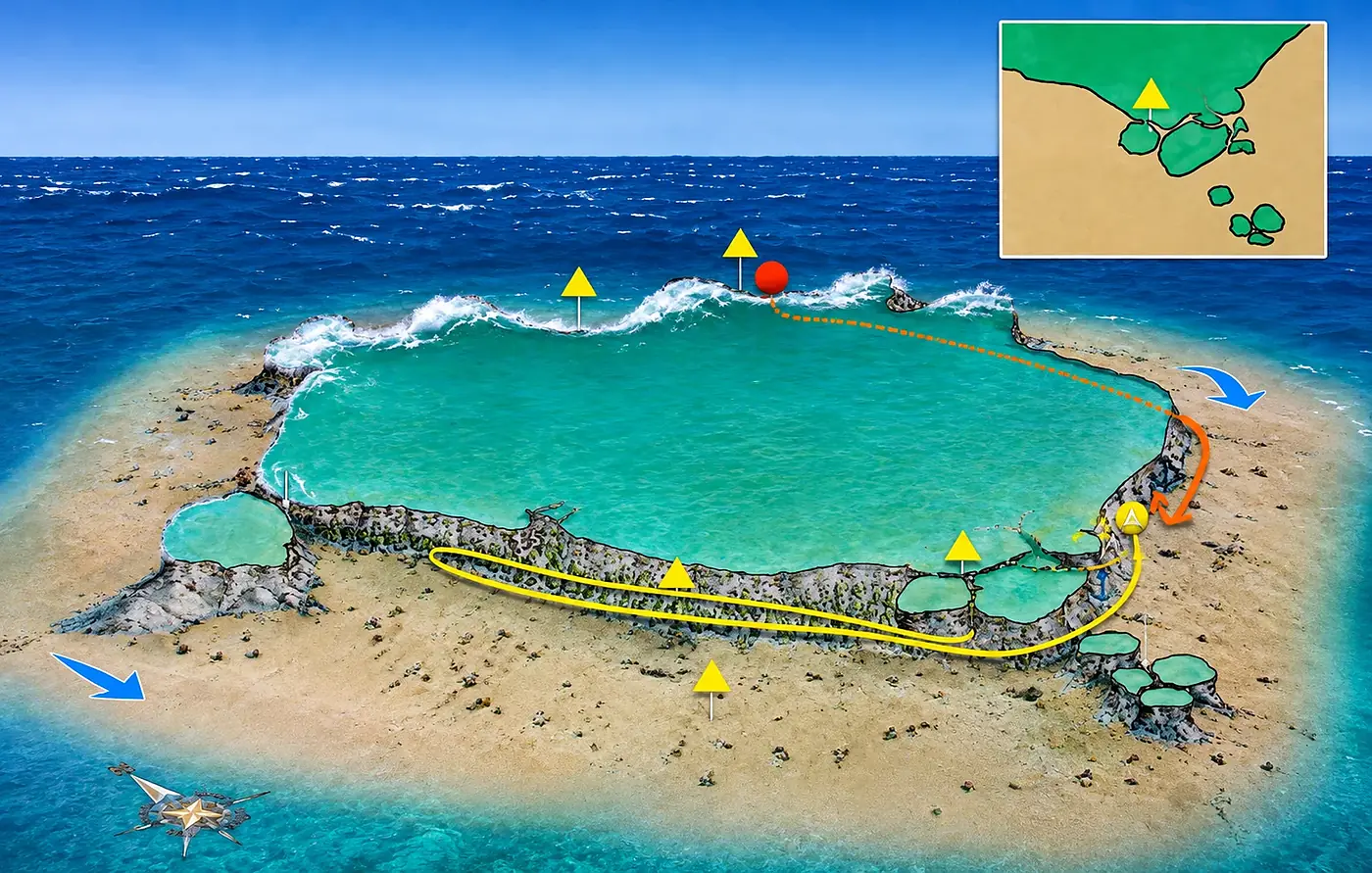
To begin with, the reef is too big to circle in one dive, especially when the current runs. For this reason, guides focus on the two best parts: the caverns in the south and the coral garden on the western wall.
Two classic dive routes
Route A
The caverns. Firstly, you start from the boat at the southern mooring and swim through the caverns, whose entrance lies at about 6 m. Before the dive, look at the reef flat from the boat, so you do not swim into the second, eastern passage, which is a dead end. Then turn north with the reef on your right shoulder along the coral garden, and after half your dive time swim back with the reef on your left.
Route B
The current option. Choose this route when the current is strong. In this case, a RIB drops you on the northern side, and you dive back to the boat with the reef on your right shoulder, past coral gardens in the bays of the northern wall.
If the current turns
The way home. Finally, if you find yourself swimming against the current, you can reach the mooring along the western side with the reef on your left shoulder.
Because enough light always comes through the reef flat, it is hard to get lost in the caverns. Even so, never enter any overhead space beyond your training, and always follow the briefing.
Night diving
Thanks to the calm conditions on the southwestern side, night dives are also possible. If your boat moors near the southern tip, you can even dive into the caverns at night, but explore them by day first.
What marine life lives at Gota Abu Diab?
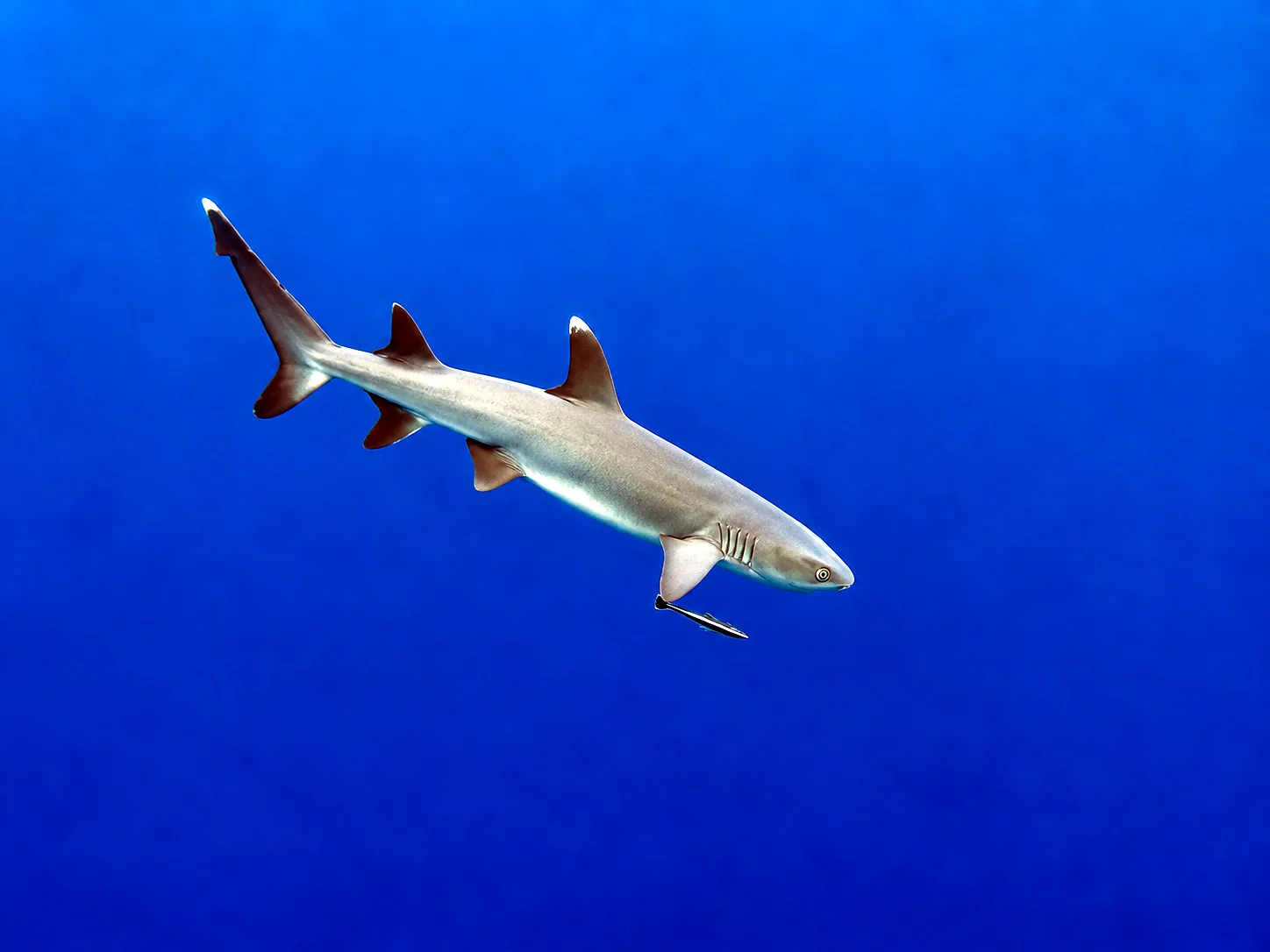
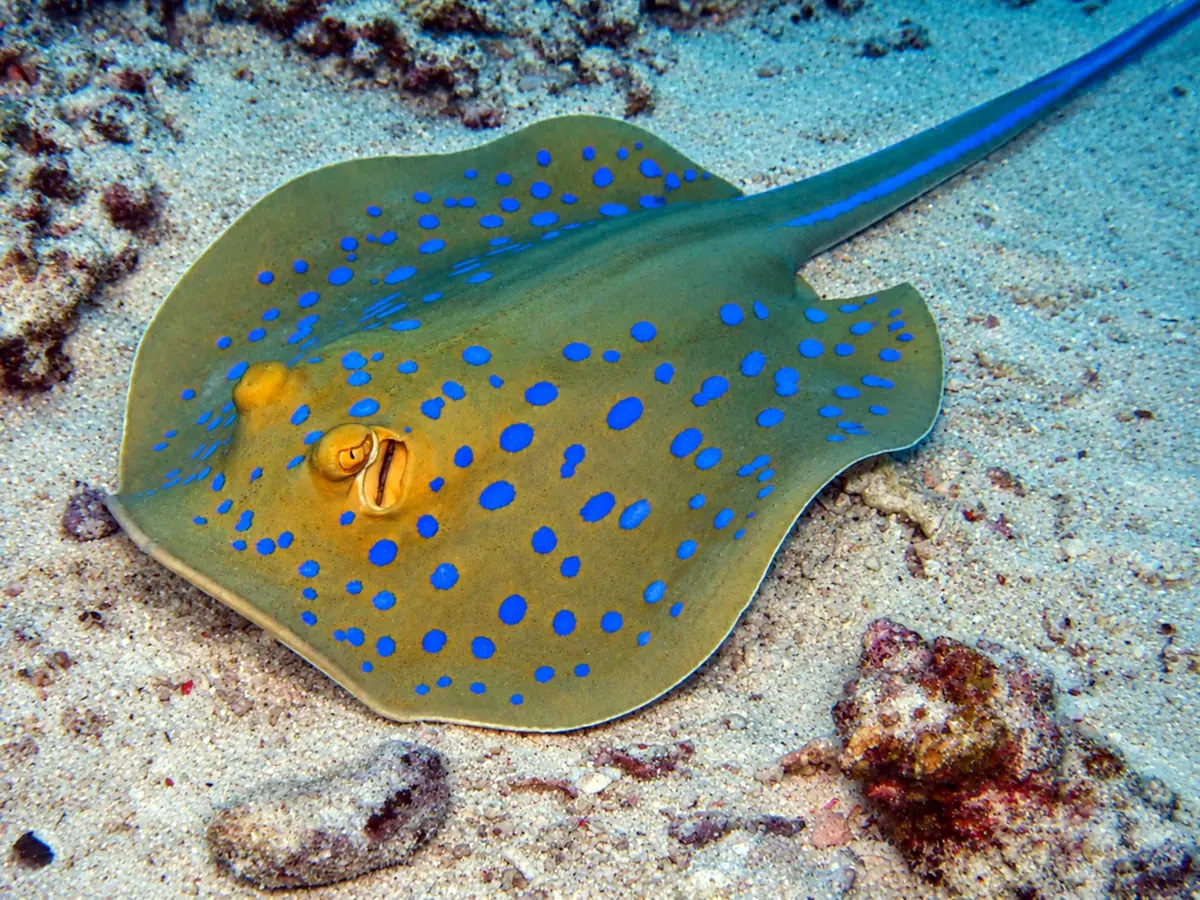
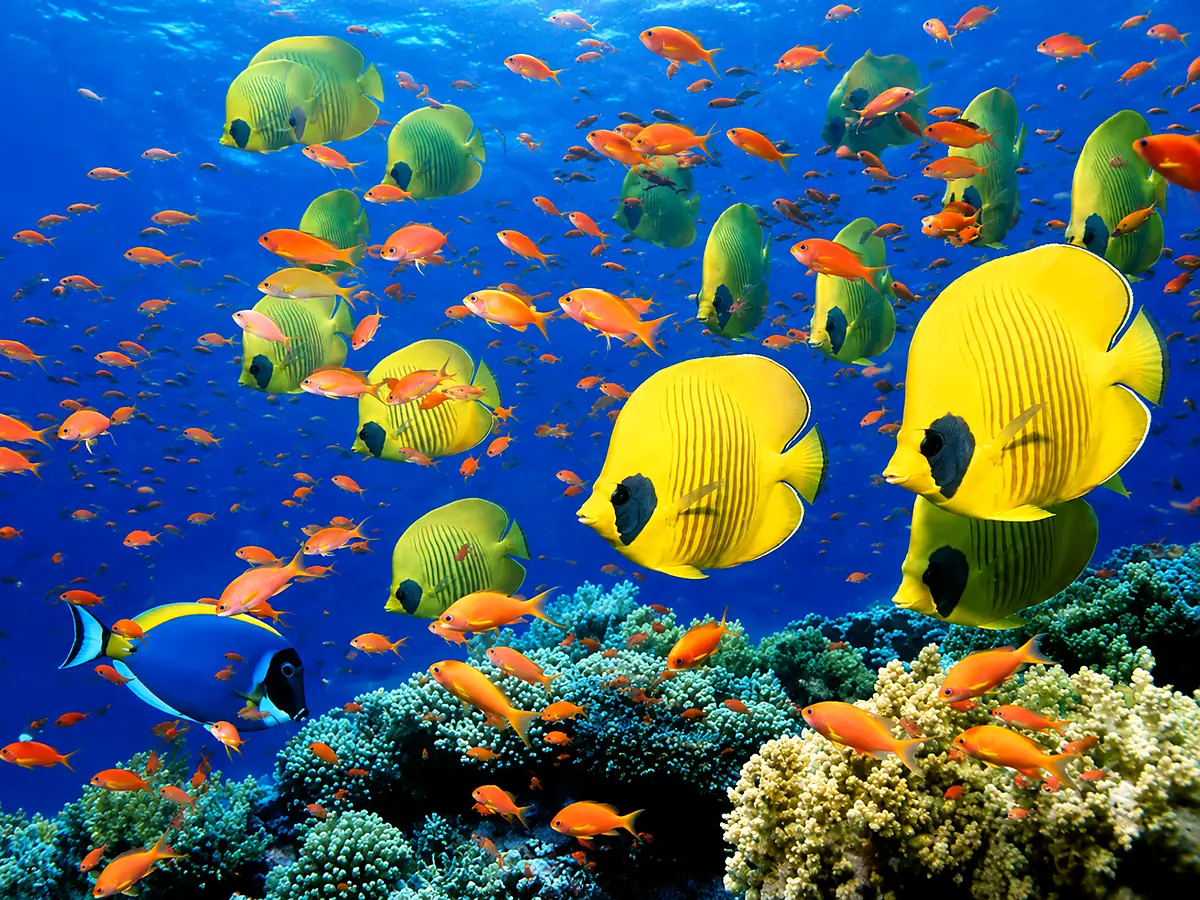
On closer inspection, the boulder corals reveal shrimps, sea slugs and pipefish, alongside moray eels and bluespotted stingrays. In addition, the local dive center reports large schools of fish and occasional passing reef sharks, although sightings are never guaranteed.
Fish schools
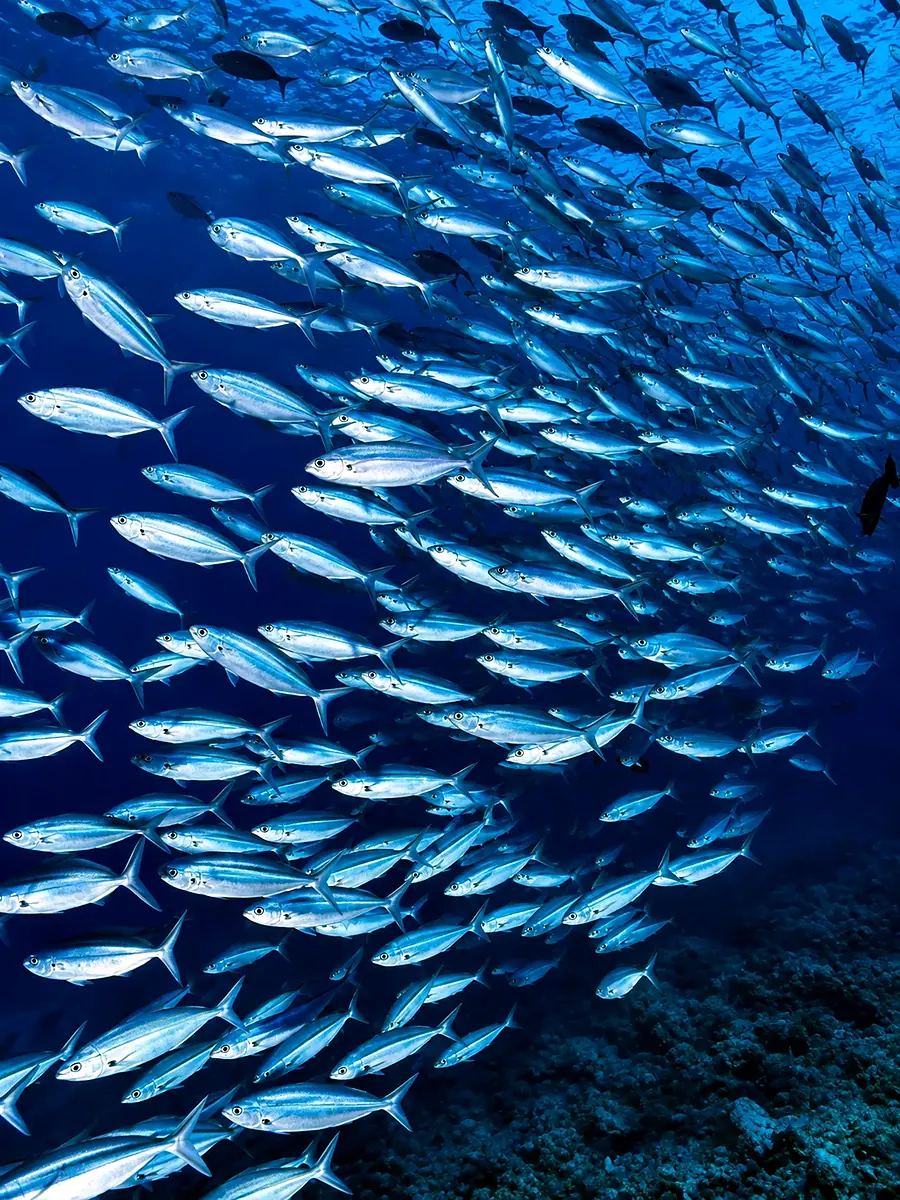
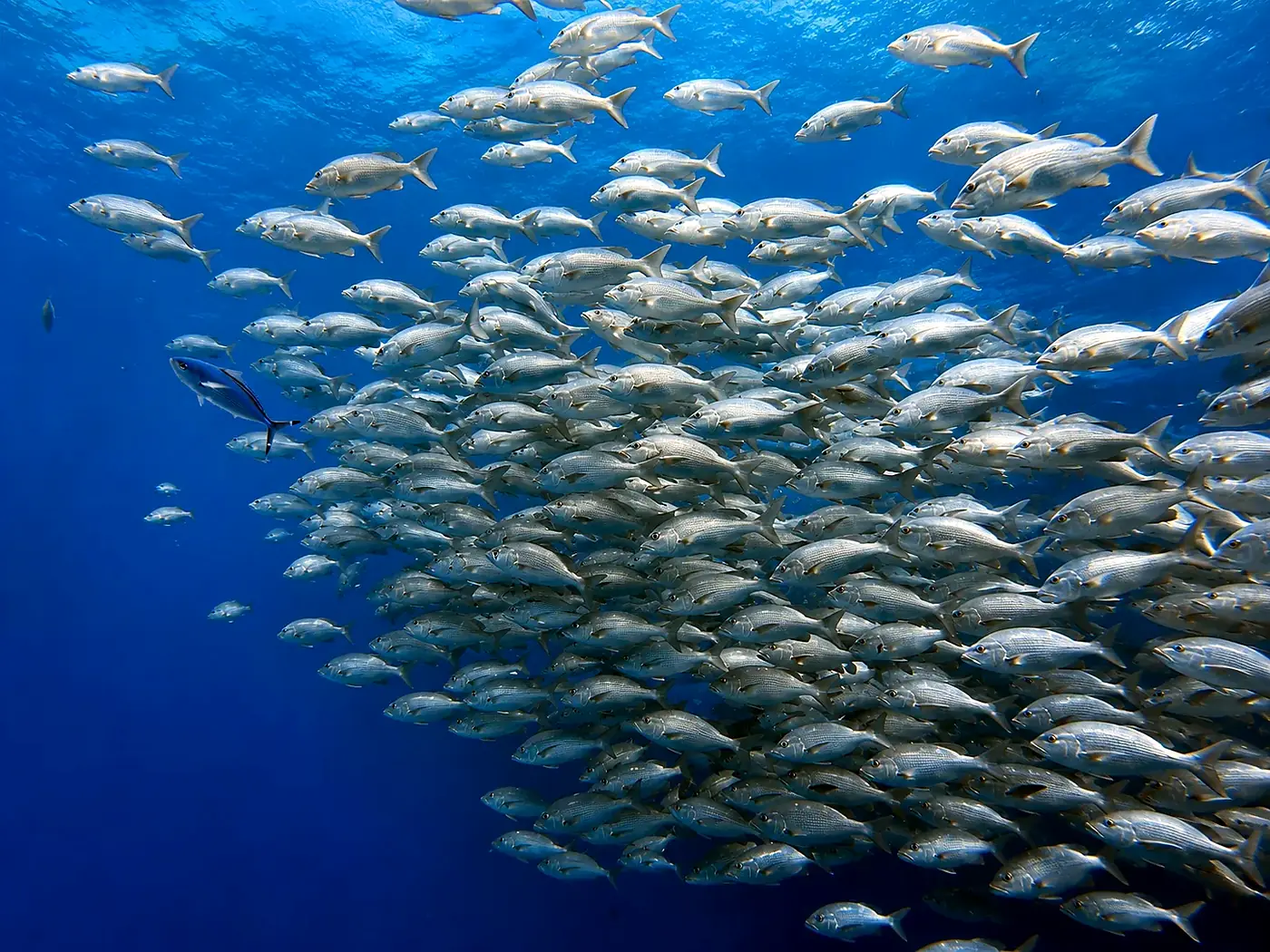
Typically, fusiliers, anthias, snappers and trevally form schools around the reef.
Sharks and turtles
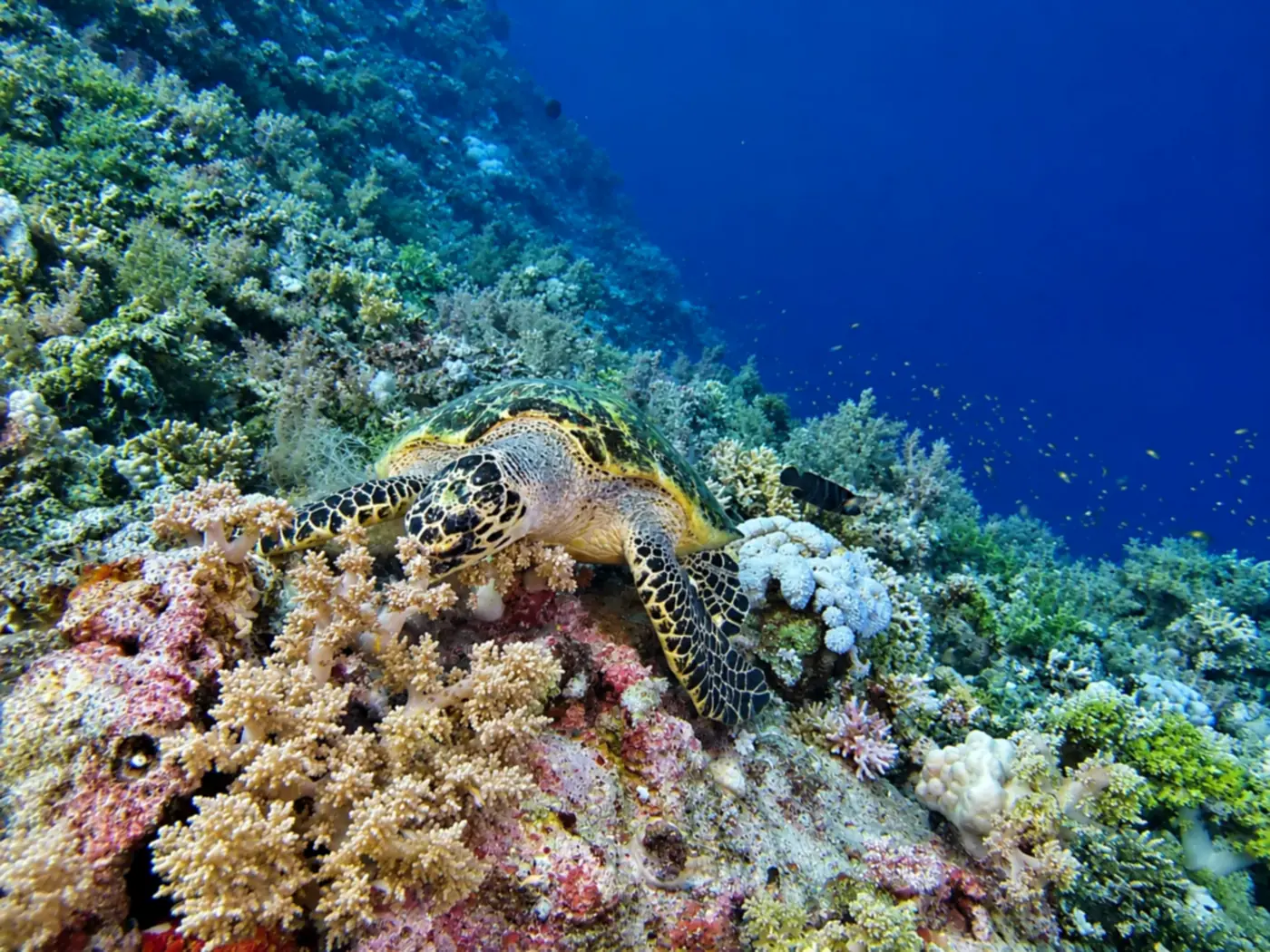
Likewise, reef sharks pass at times, and hawksbill turtles feed on many southern reefs.
Small life
Finally, shrimps, sea slugs, pipefish, morays and bluespotted stingrays live on and around the corals.
Is Gota Abu Diab suitable for beginners?
Yes, in most conditions. The diving is easy, since the currents are usually weak to moderate and the reef blocks them. However, over the wide sand, stirred-up sediment can reduce the visibility.
In general, the coral garden suits Open Water divers with a guide. For the caverns, however, good buoyancy matters, and the Peak Performance Buoyancy course helps. For night dives, see the PADI Night Diver course.
Before you dive Gota Abu Diab
Firstly, listen to the briefing, stay with your guide and carry a surface marker buoy. Secondly, check the cavern entrances from the boat before you dive.
Above all, follow our diving safety standards and the rules of HEPCA. We strongly recommend dive insurance such as DAN Europe in the remote south.

How do you get to Gota Abu Diab?
In practice, local centers run full-day boat trips from Wadi Lahami to the southern reefs, including Abu Diab, and liveaboards can moor here overnight. With us, the Hamata reefs can be a stop on our Daedalus and Fury Shoals route and on the Deep South St. John’s route. Guests board on Saturday after 15:00, and check-out is between 09:00 and 10:00 the next Saturday.
Generally, boats combine several reefs on the same day. Consequently, you can pair it with the Erg, the Habili pinnacles, Erg Coconut and the reefs of Fury Shoals.
Plan your Gota Abu Diab dive trip
- Daedalus and Fury Shoals liveaboard — Daedalus Reef and the southern reefs.
- Deep South St. John’s liveaboard — the far south near the Sudanese border.
- What divers need on board — the packing checklist for a Red Sea safari.
- redsealiveaboard.net — Red Sea safari schedules and availability.
- All eight boats in our fleet can sail these routes: Sea Fox, Simba, Sea Treasure, Star Jet, Bismarck, C Echo II, C U and Ramadan 3.
Photo gallery from the Hamata reefs
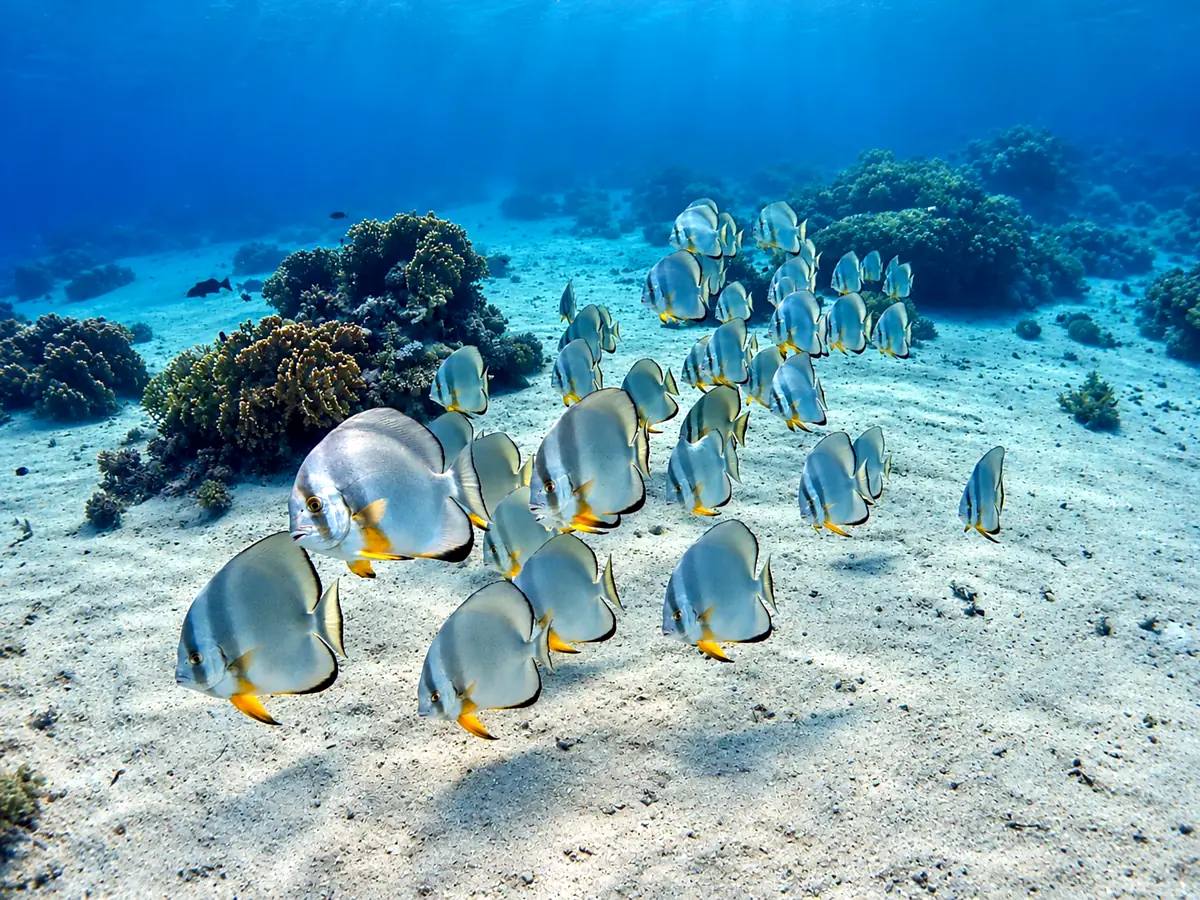
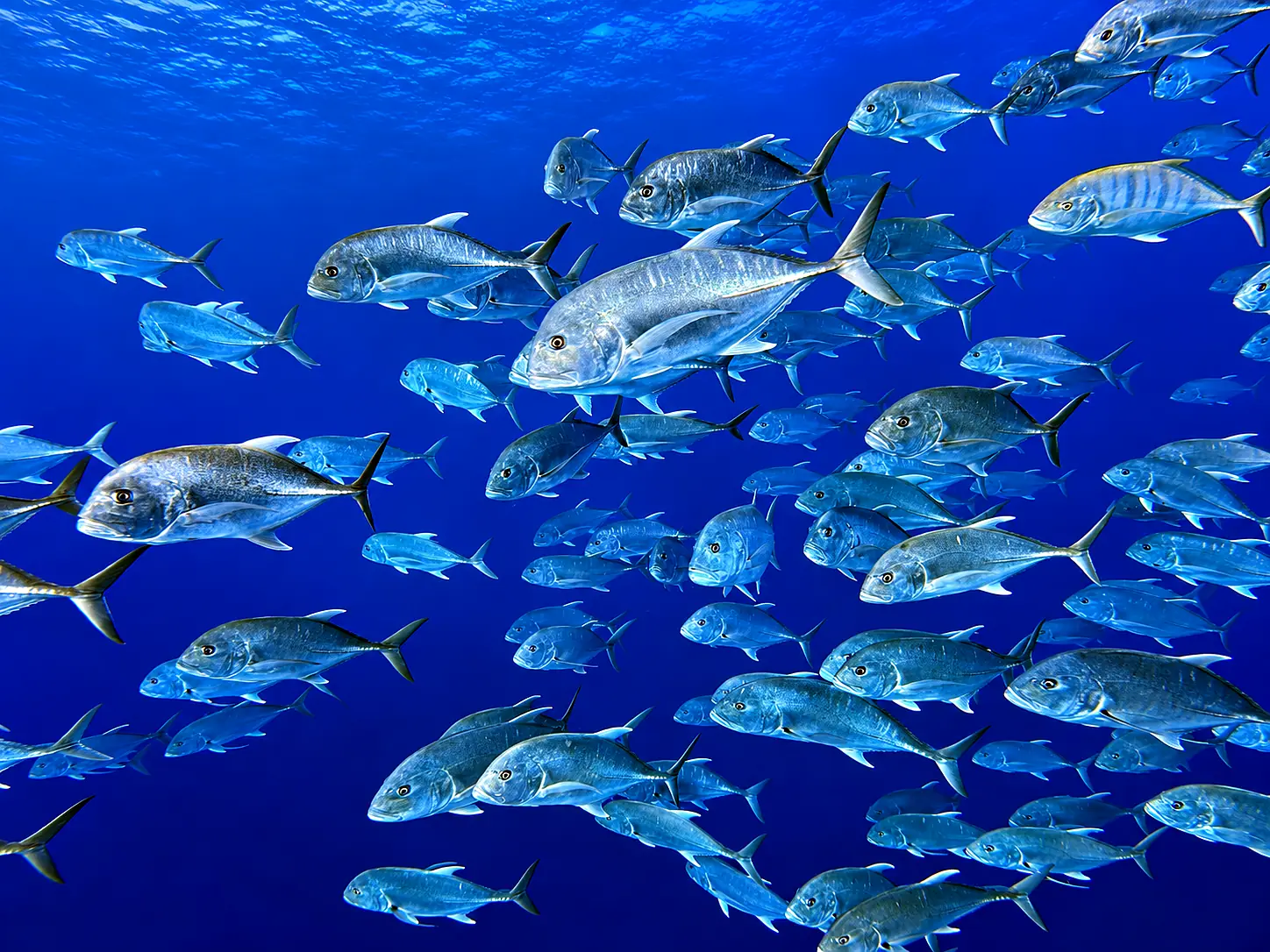
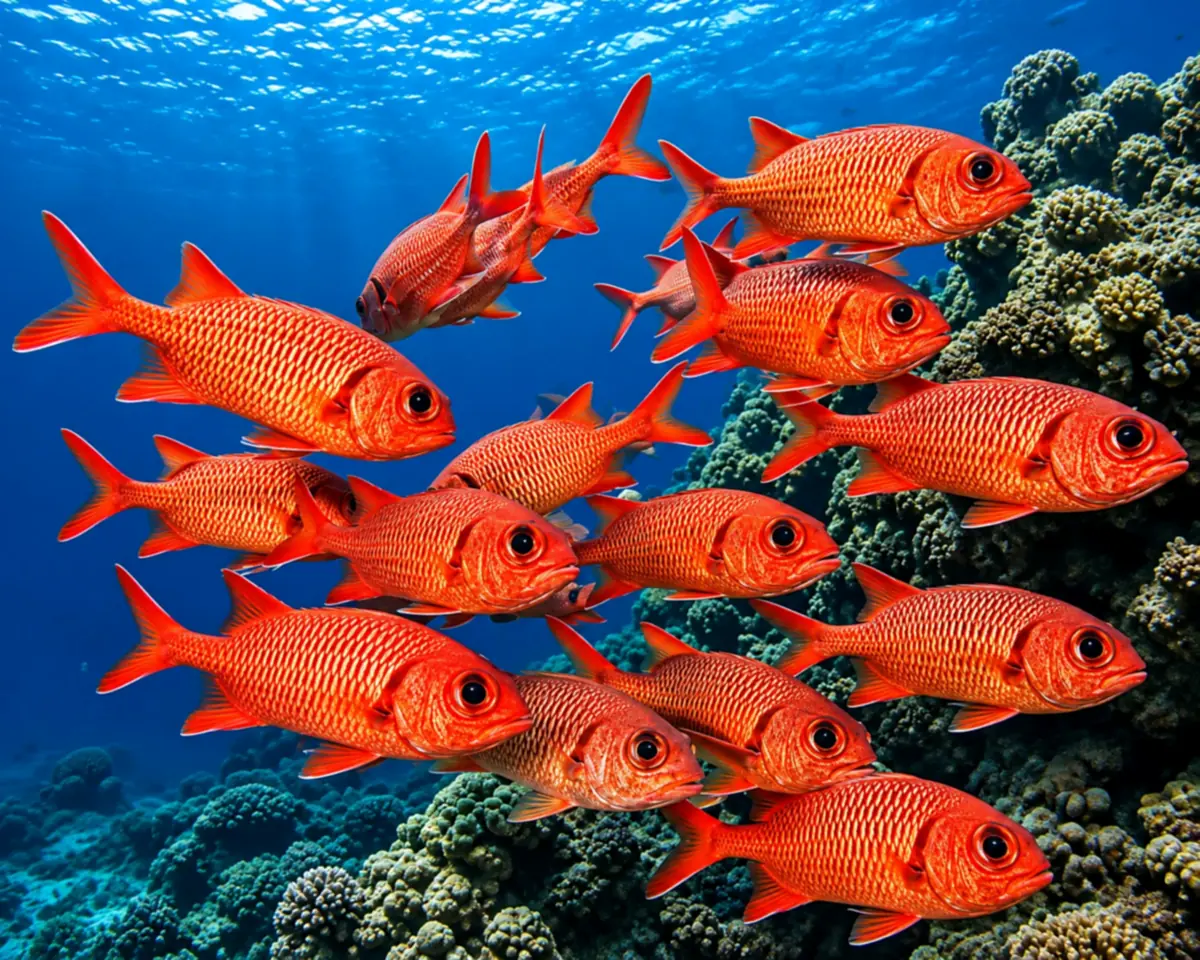
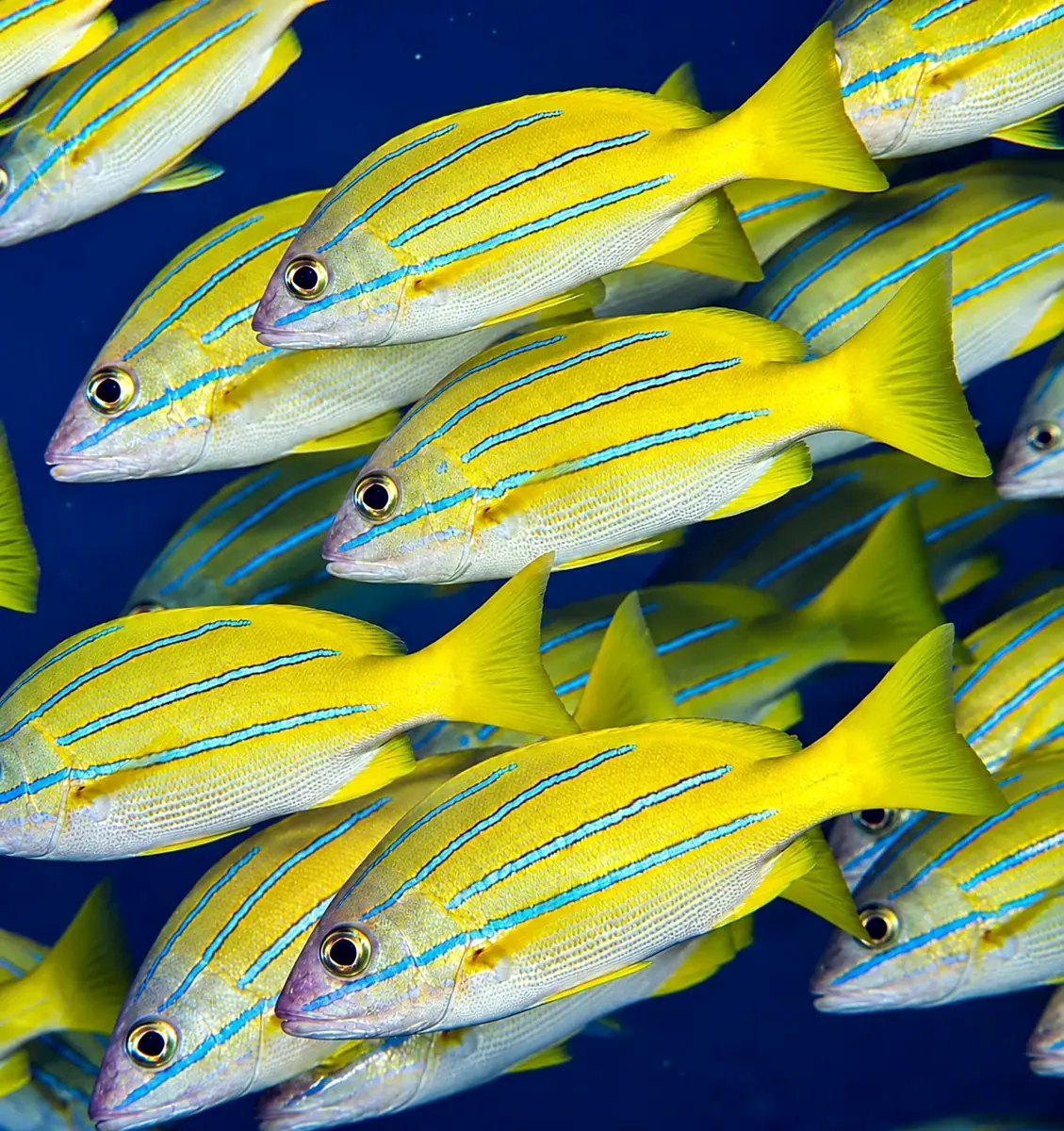
Other routes from Red Sea Diving
Generally, for a first liveaboard, the North Red Sea liveaboard keeps to the classic wrecks. On the other hand, the BDE liveaboard runs Brothers, Daedalus and Elphinstone, while the Elba Reef liveaboard reaches the far south. Meanwhile, the Red Sea liveaboard guide compares all eight routes.
Gota Abu Diab: frequently asked questions
Where is Gota Abu Diab?
In fact, it lies 4 km north of the Ras Banas peninsula, at about 24°02.683′N, 35°41.550′E, with the Fury Shoals 13 km further north.
How big and how deep is Gota Abu Diab?
Overall, the reef is about 250 m long and rises from a sandy seabed at about 20 m, with caverns at 5–8 m at its southern tip.
Can you dive the caverns at Gota Abu Diab?
Yes, with a guide. The entrance lies at about 6 m and light comes through the reef flat, but the second, eastern passage is a dead end, so check it from the boat first.
Is Gota Abu Diab the same as Erg Abu Diab or Habili Abu Diab?
No. Gota Abu Diab is a long reef with caverns near Ras Banas, Habili Abu Diab is a chain of shallow pinnacles, and Erg Abu Diab is a steep reef rising from deep water.
How do you get to Gota Abu Diab?
By boat from Wadi Lahami or Hamata, or on our southern liveaboard routes. Moreover, all eight boats in the Red Sea Diving fleet can run these routes.
Ras Banas · Liveaboard · Caverns and coral gardens
Dive Gota Abu Diab with us
Simply tell us your dates, the number of divers, your certification level and your number of logged dives. Afterward, our team checks which southern departure fits your group before you commit to anything.


