

Guide to the Tobia Arbaa dive site · Soma Bay, Safaga
Tobia Arbaa Dive Site The Seven Pillars: coral pinnacles, soft corals and glassfish
Tobia Arbaa, known as the Seven Pillars, is one of the best-loved dives in Safaga. Coral pillars covered in soft corals and glassfish rise from a sandy seabed at about 12 m, just behind the Abu Soma headland. As a result, it is diveable in almost any weather, and it suits every level, snorkelers, night dives and photographers.
Tobia Arbaa in short
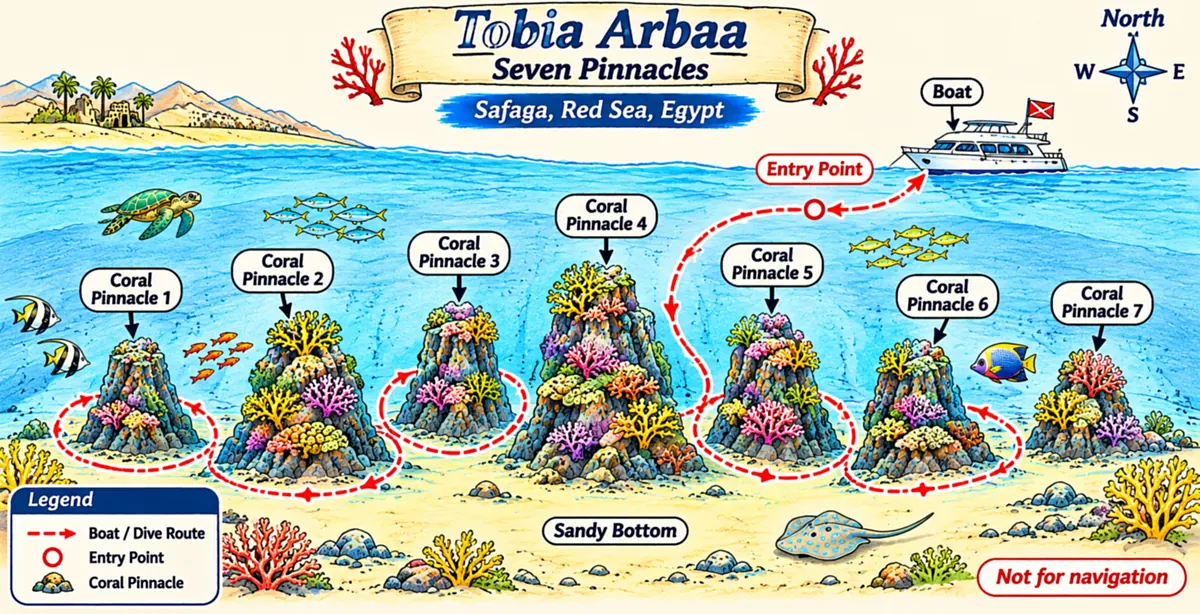
In short, Tobia Arbaa is a group of coral pillars on a flat sandy floor near Soma Bay, at about 26°50′12″N, 33°59′29″E (CDWS). Above all, the pillars are covered in soft corals and gorgonians and wrapped in glassfish. In addition, the sand lies at about 12 m, with a slope to about 30 m where the boats moor. Overall, it is shallow, calm and sheltered, so it suits every level, snorkelers and night dives.
Why is Tobia Arbaa called the Seven Pillars?
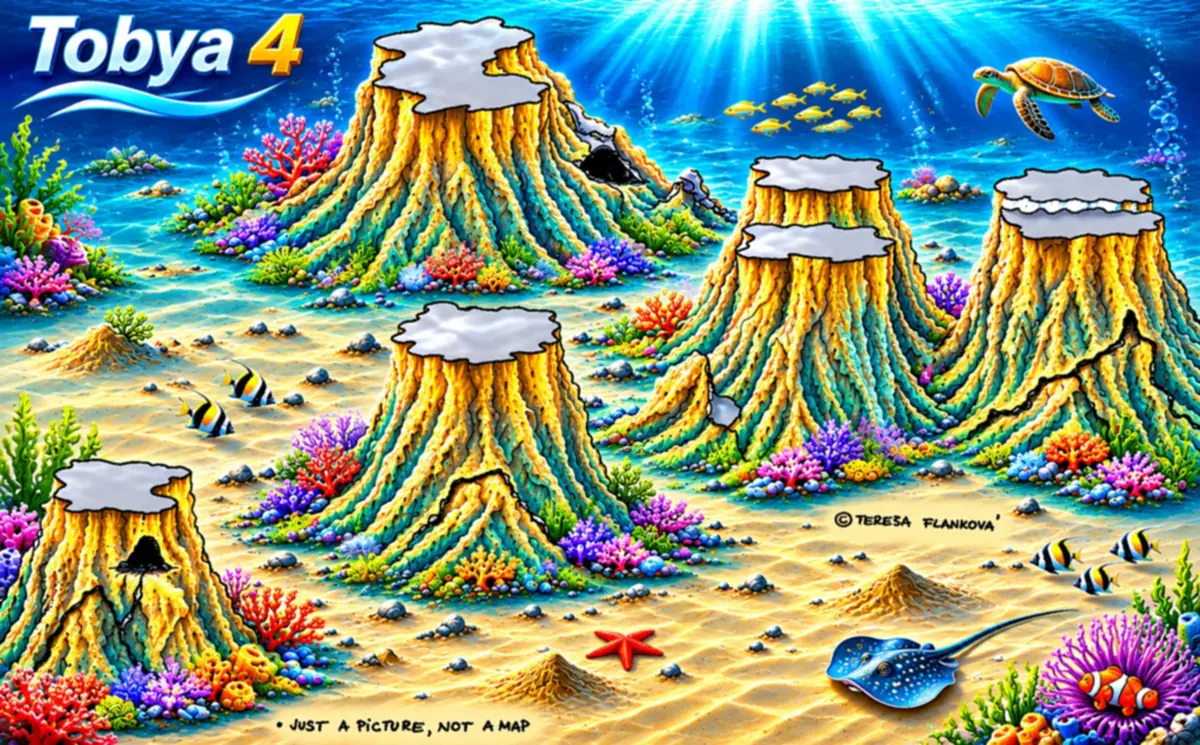
Above all, there are five main pillars on the sand. However, two of them are split at the top, so divers count seven, and the name Seven Pillars stuck.
Meanwhile, each pillar has its own character. Soft corals, gorgonians, cracks and small caves give shelter to all kinds of fish.
Also, the site sits behind the headland of Abu Soma. For this reason, it is diveable in effectively any conditions.
The pillars at a glance
The pillars
Firstly, five pillars, two of them split.
The sand
Also, a flat sandy floor between them.
The slope
Finally, a slope where the boats moor.
What is under the water at the site?
Generally, the site has three parts. Firstly, the slope under the boat, from about 30 m up to the sand. Then, the flat sandy floor. Finally, the pillars themselves, all within sight of one another.
The pillars
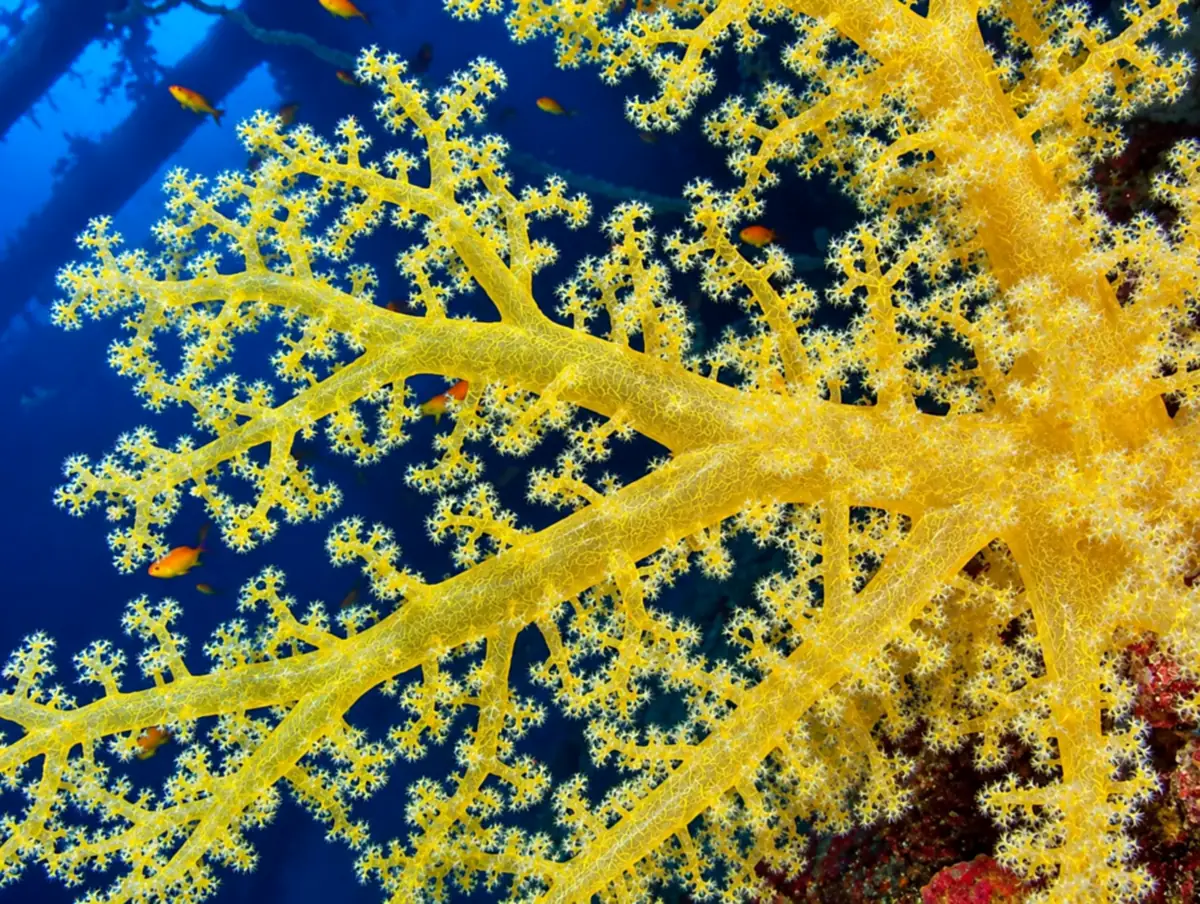
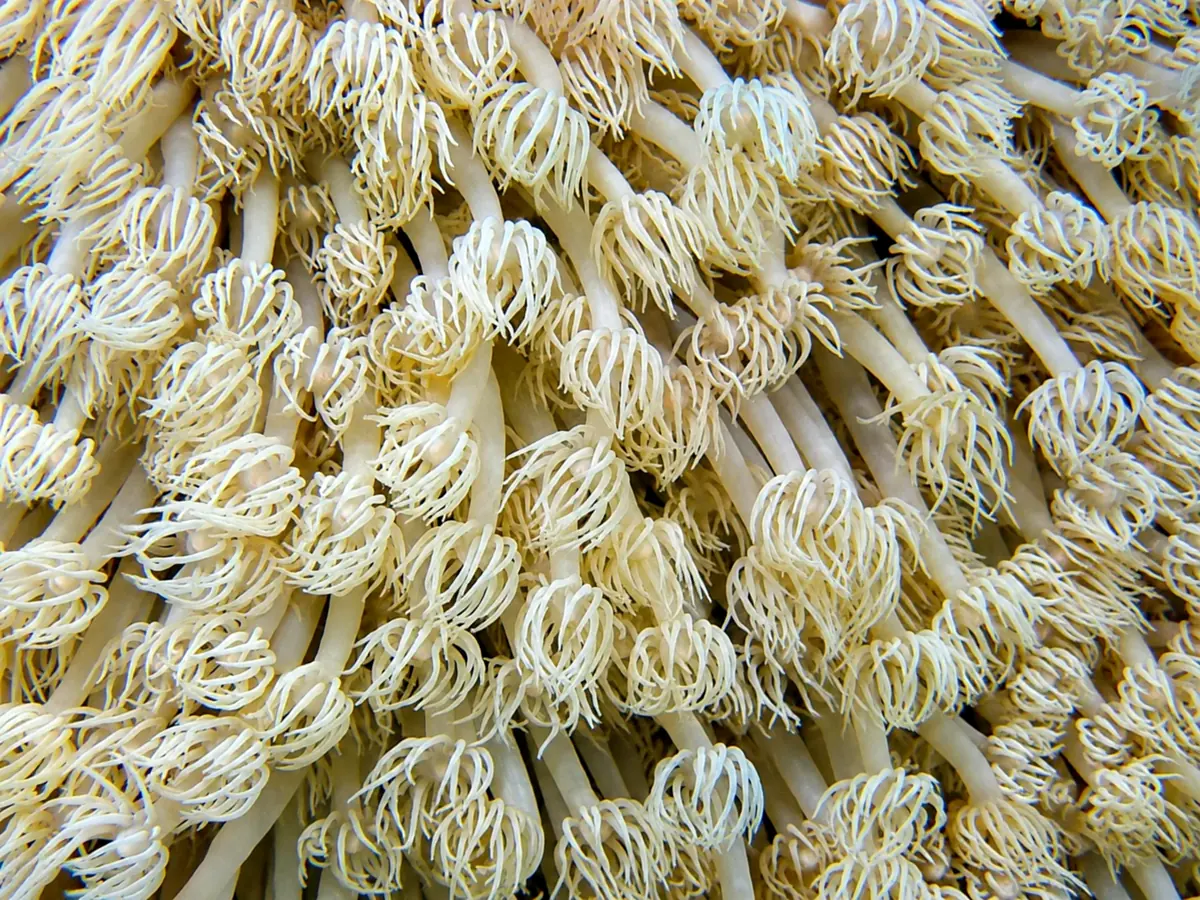
The highlight. Here, for example, soft coral overhangs are veiled in anthias and glassfish.
The cracks
The details. In contrast, cracks and small caves in the pillars shelter moray eels and lionfish.
The sand
The floor. Meanwhile, the flat sand makes navigation between the pillars easy.
Where is Tobia Arbaa?
Specifically, the pillars lie behind the Abu Soma headland, about 15 minutes by boat from Soma Bay and about 30 minutes from Safaga. Because the headland shelters them, boats can visit in almost any weather.
In addition, more Safaga sites lie close by. For example, Ras Abu Soma is just around the headland, while Tobia Kebir and Tobia Soraya are nearby pinnacle sites. For the whole area, see the Safaga dive sites guide.
How do you dive Tobia Arbaa?
Usually, the dive circles the pillars one by one. With hardly any current and a flat bottom, you can improvise the route, since all the pillars are within sight of one another.
Route A: one pinnacle at a time
The descent
The start. Firstly, you descend from the boat onto the slope and reach the sand.
The pillars
The main dive. Then, you swim slowly around each pillar, then cross the sand to the next one.
The return
The finish. Afterward, you return to the slope and make your safety stop under the boat.
Route B: a night dive
The plan
The start. Instead, dive the pillars after dark, when the reef changes completely.
The cracks
The main dive. Also, look into the cracks for moray eels, octopus and sleeping fish.
The end
The finish. Finally, keep the pillars in sight and end the dive on the slope.
What marine life lives around the pinnacles?
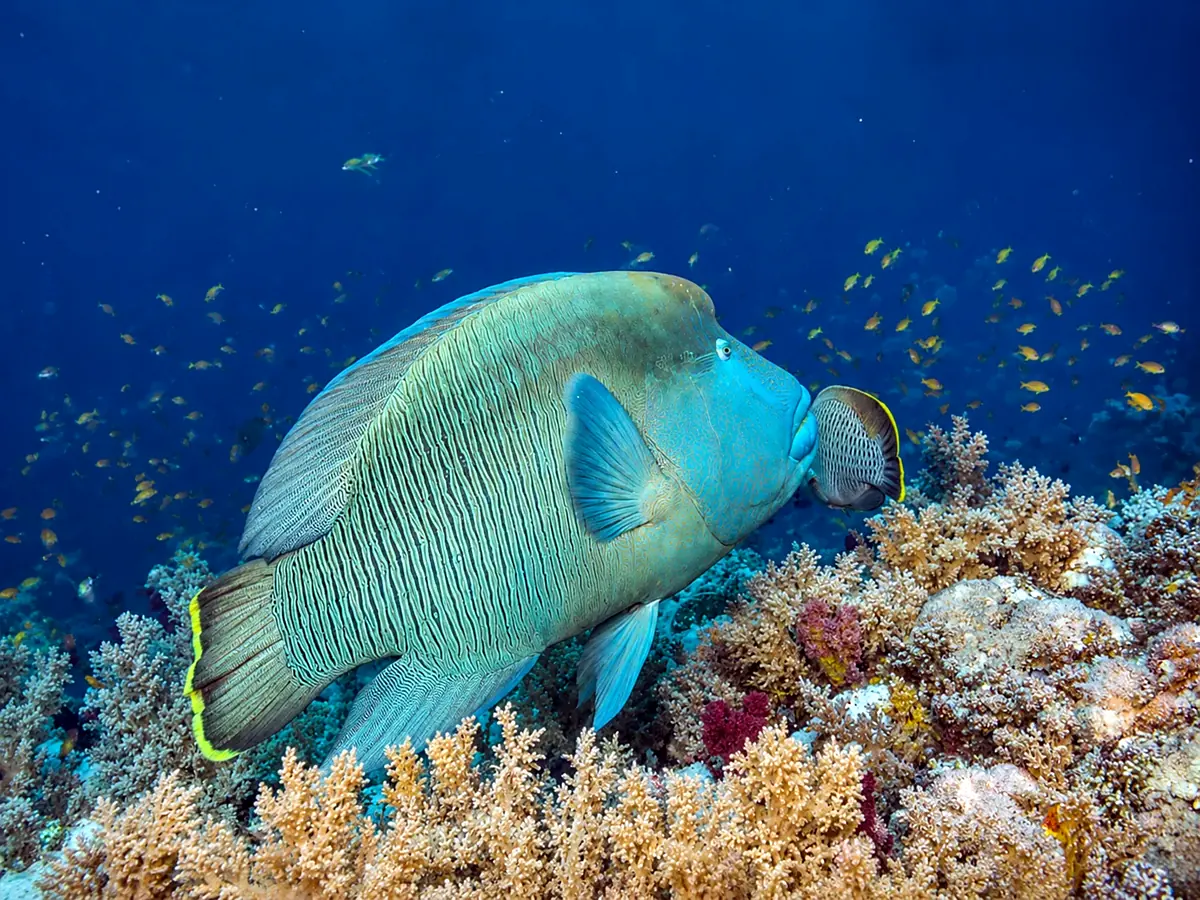
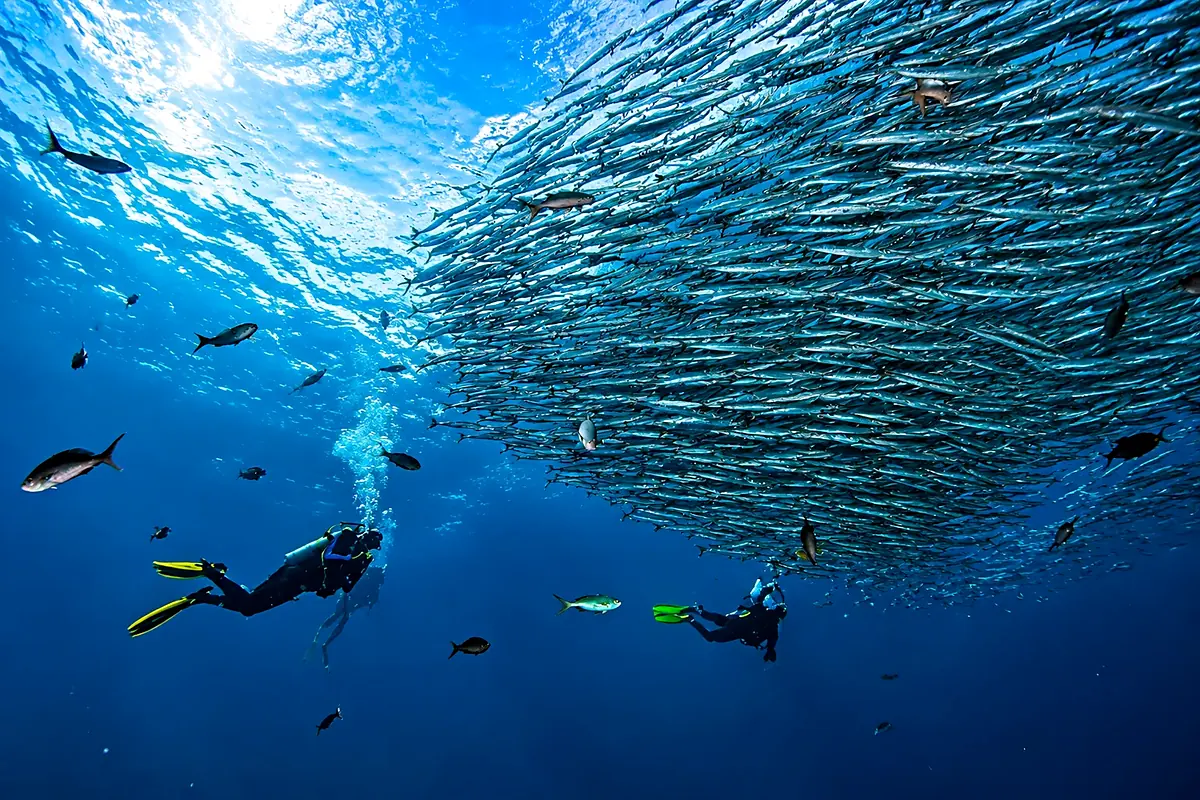
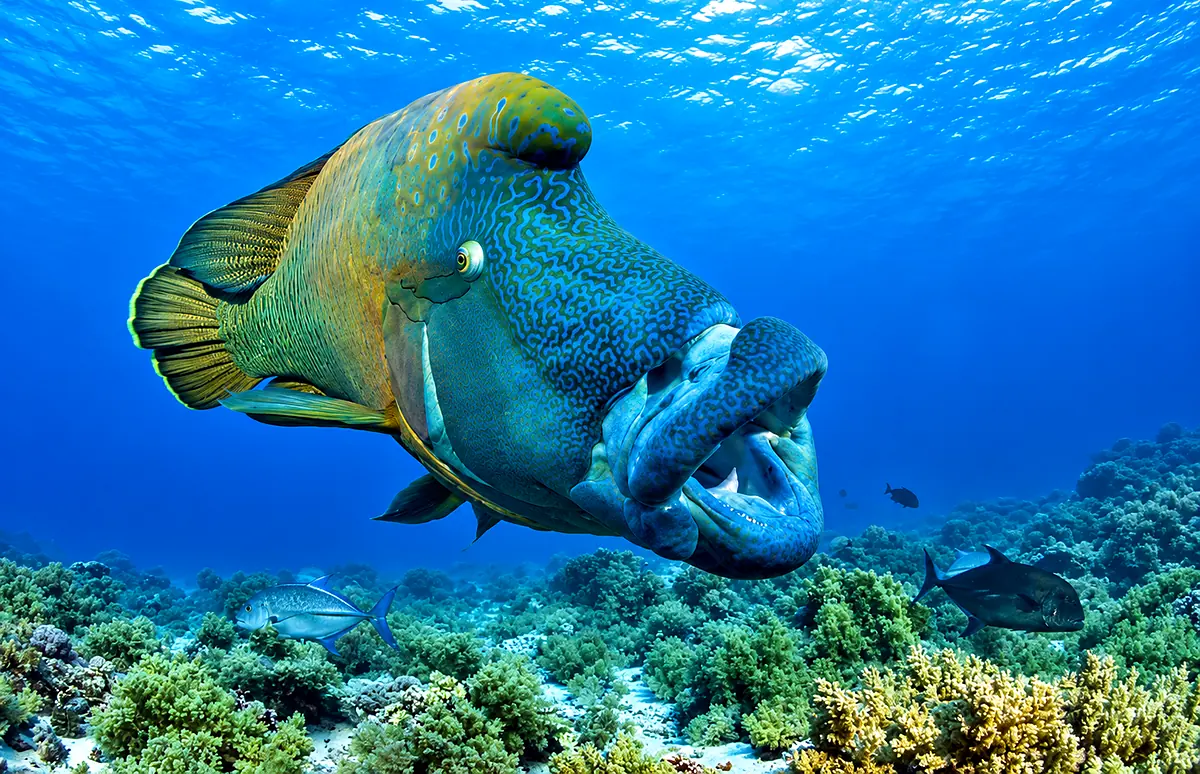
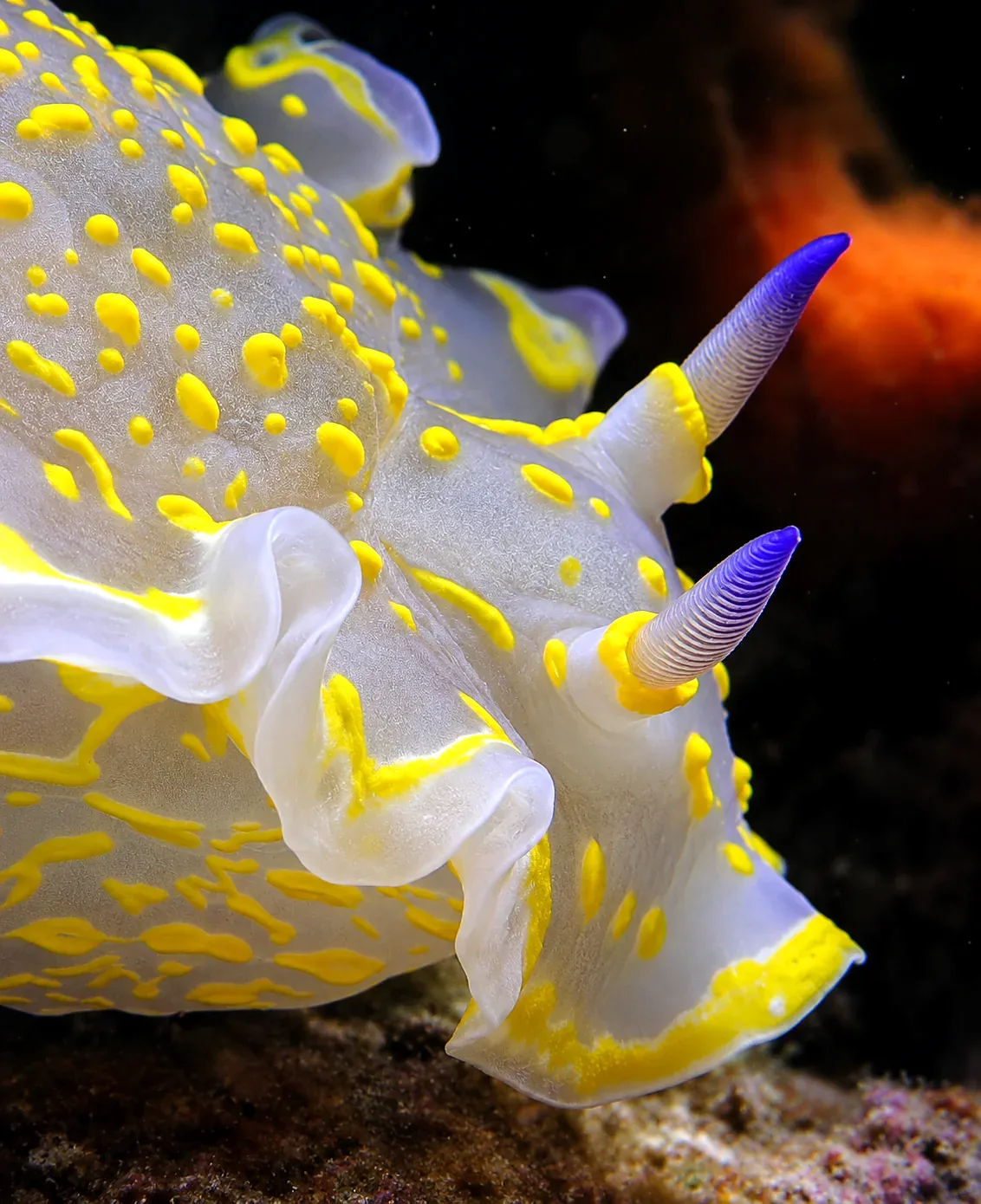
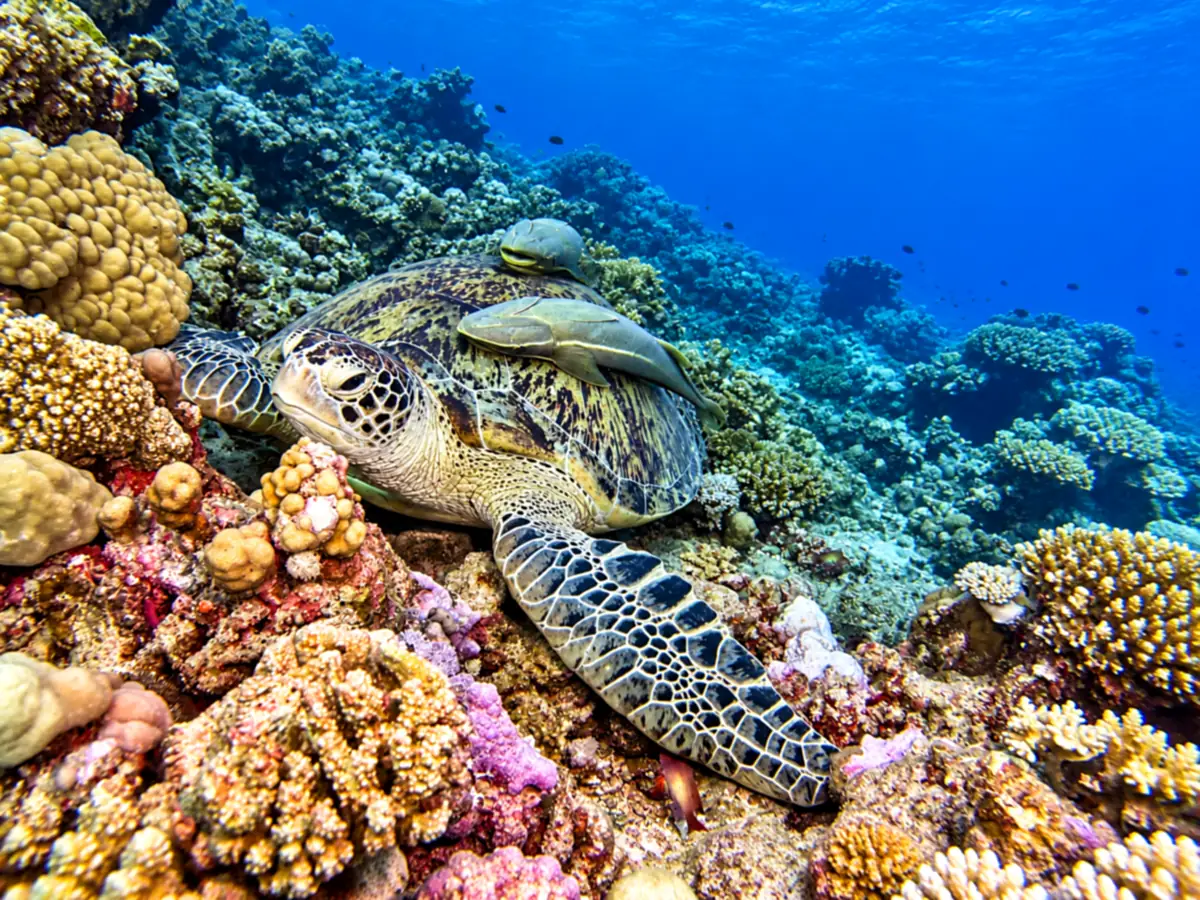
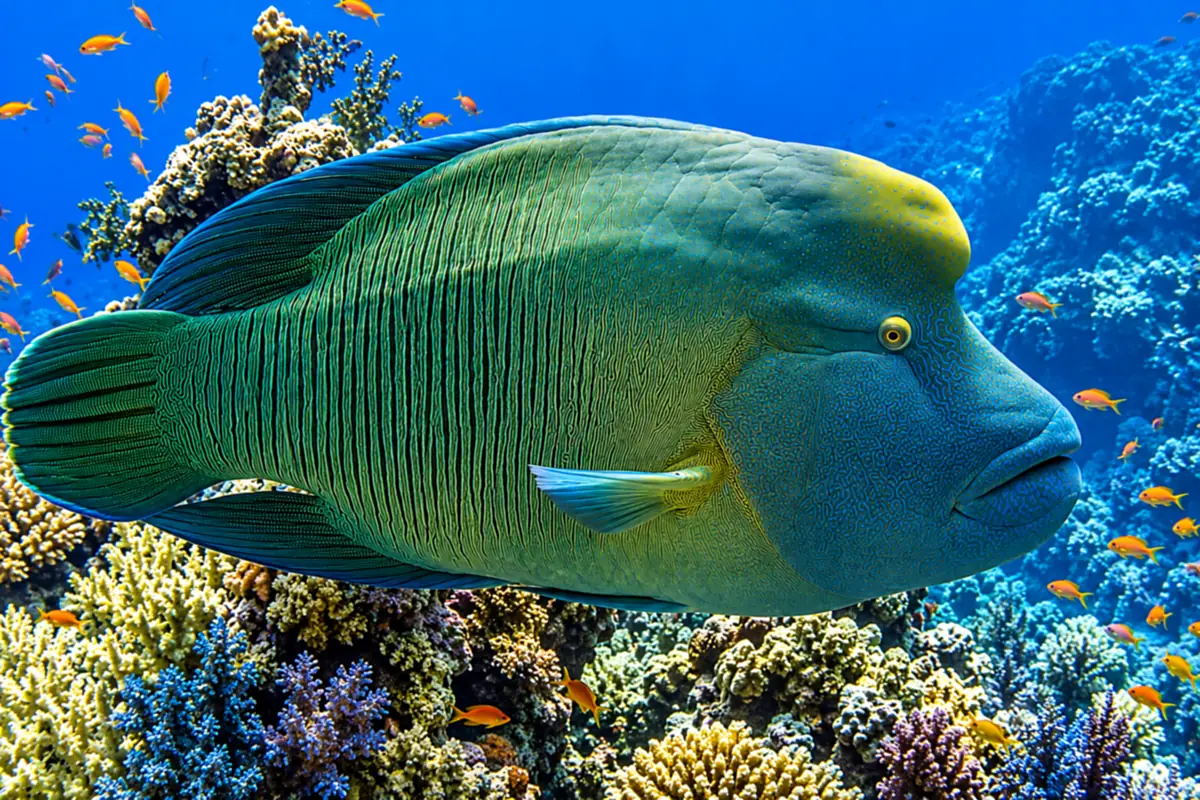
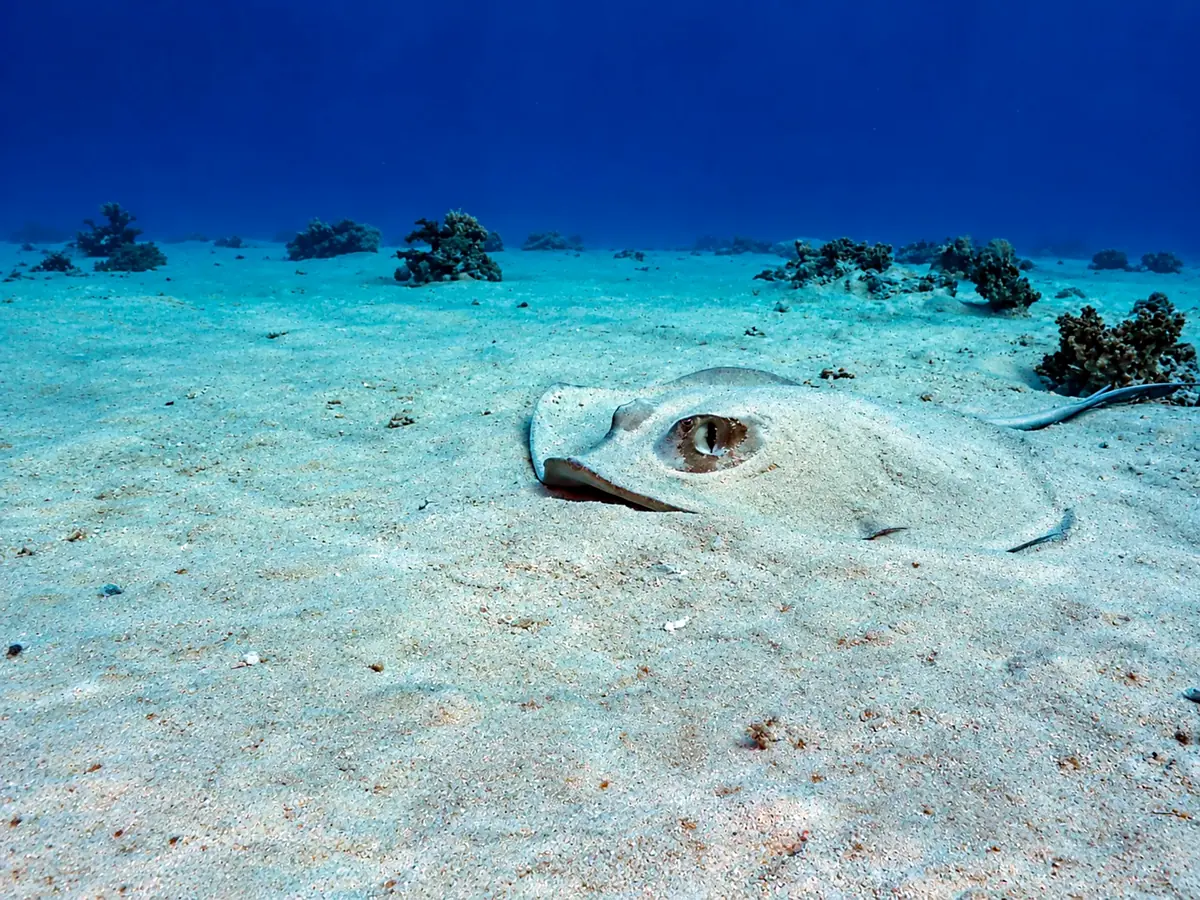
Overall, this is one of the best sites in Safaga for photographers. Glassfish, anthias, giant pufferfish, octopus, moray eels, lionfish, sergeant majors and nudibranchs live here, although no sighting is ever certain.
On the sand
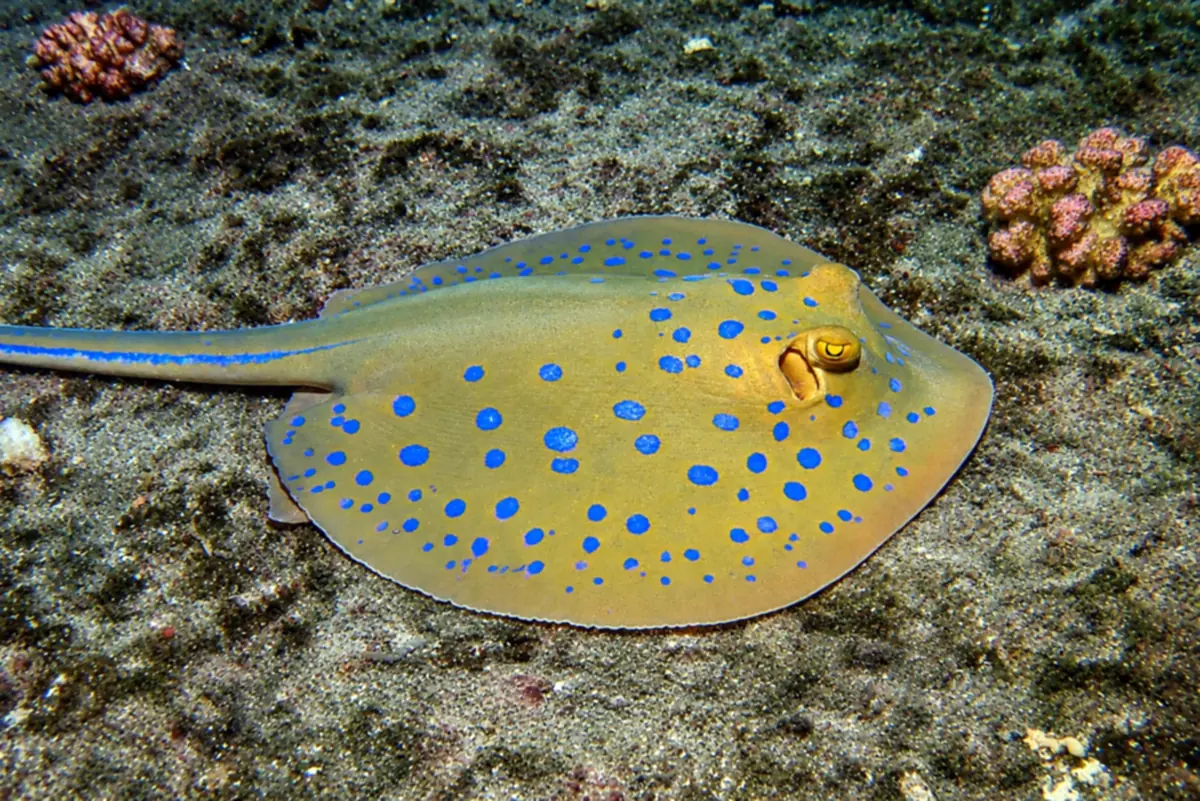
Generally, blue-spotted stingrays rest on the sand, and octopus hide nearby.
On the pillars
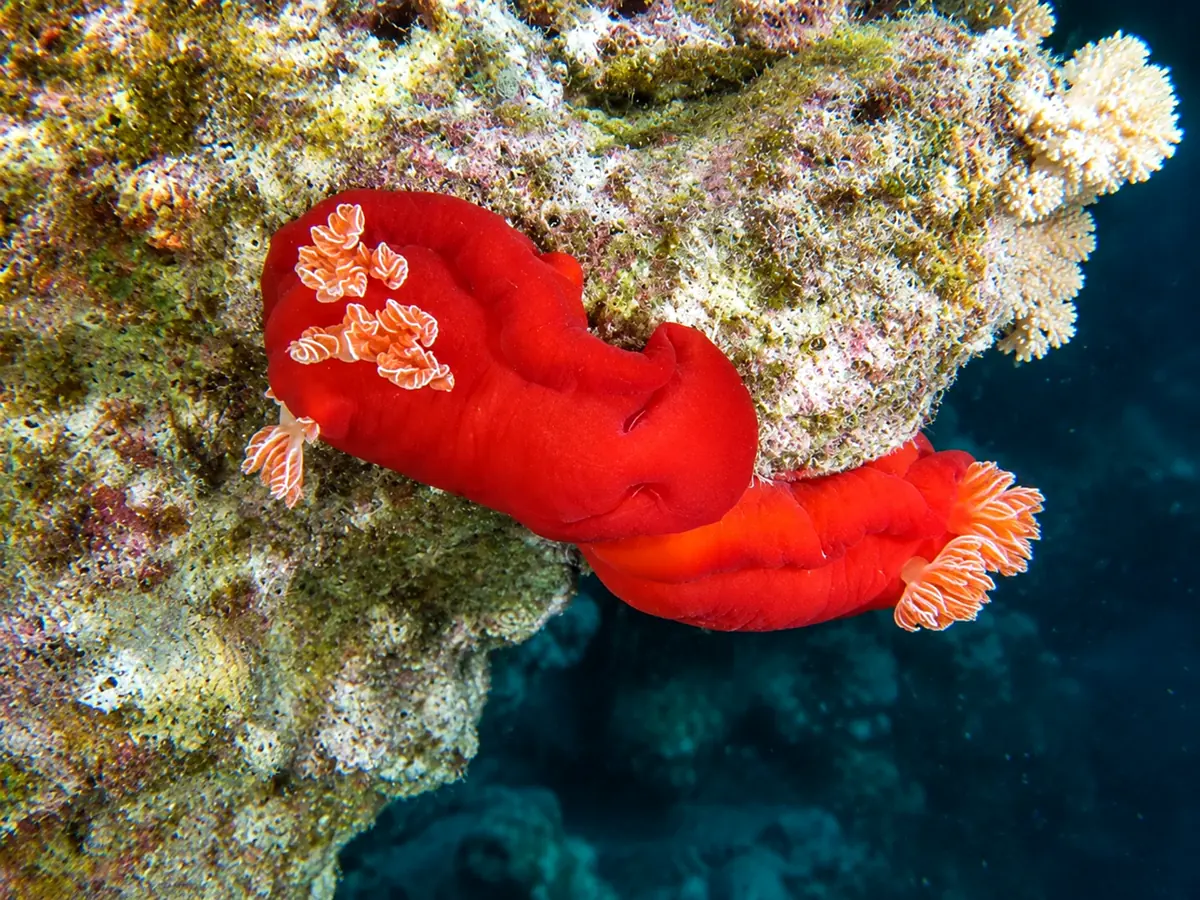
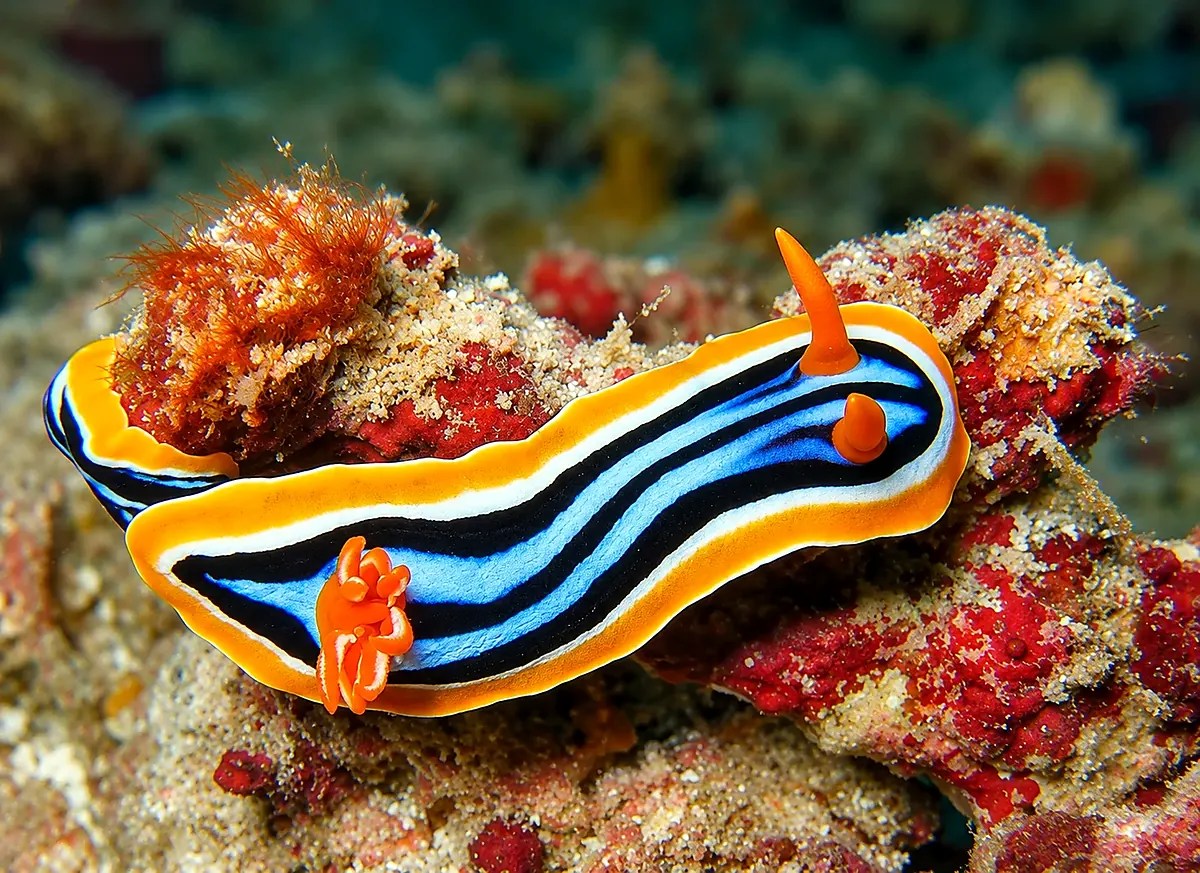
Likewise, nudibranchs model for the macro lens, while glassfish fill the overhangs.
Around the pillars
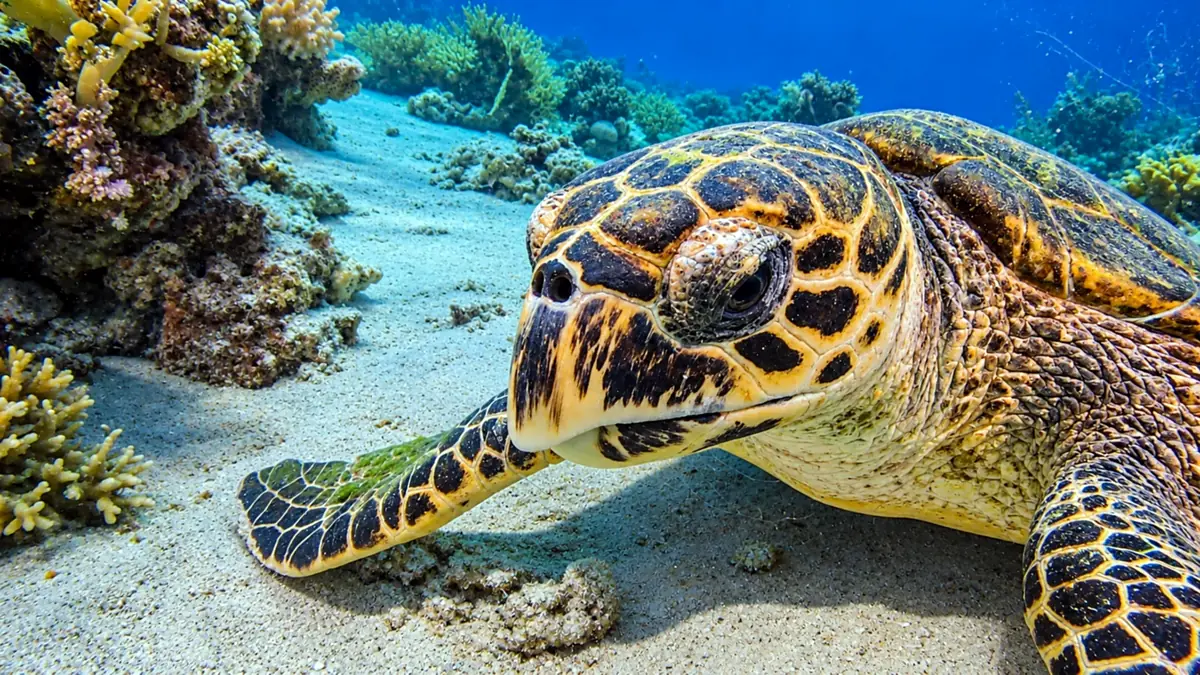
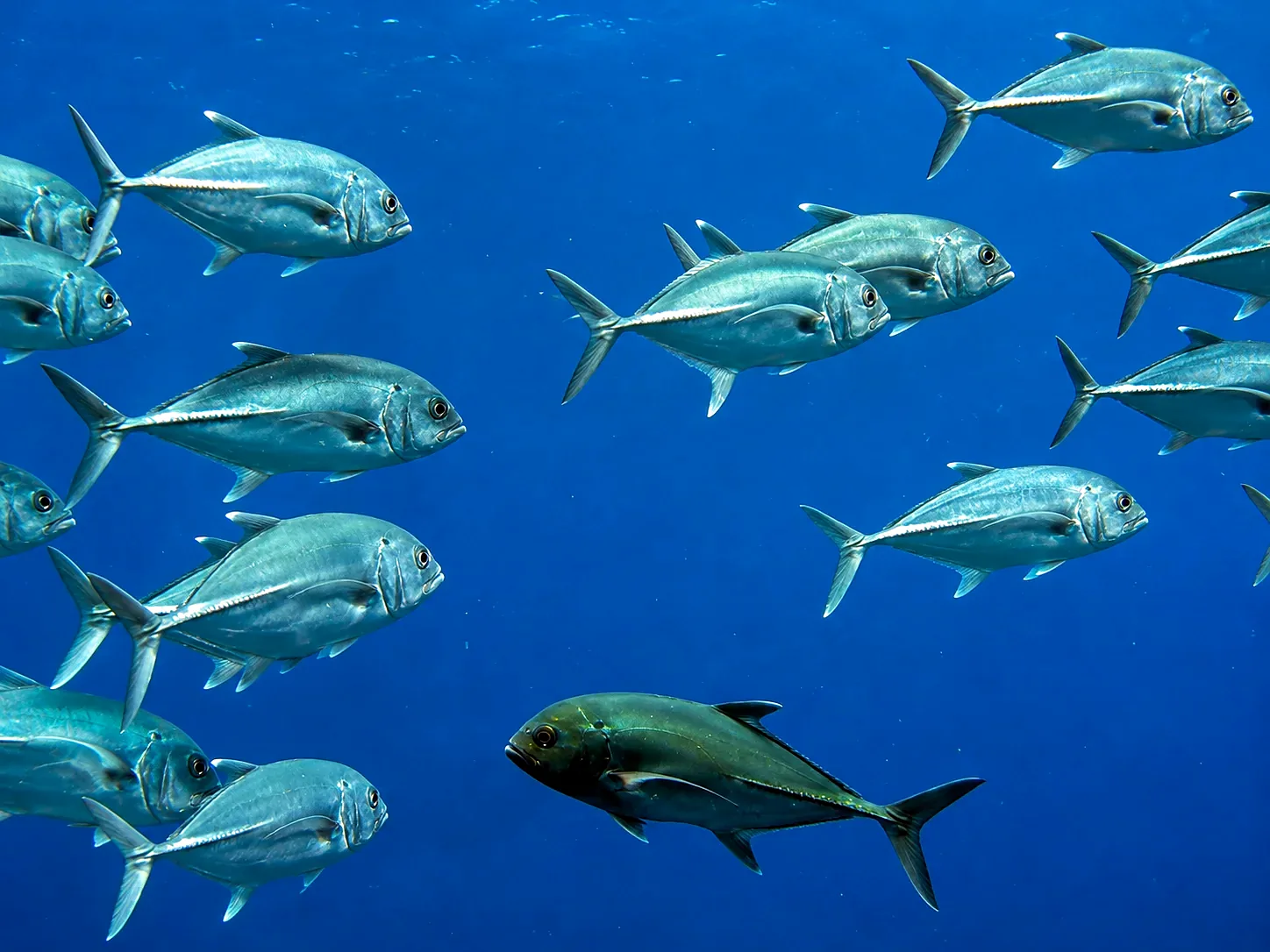
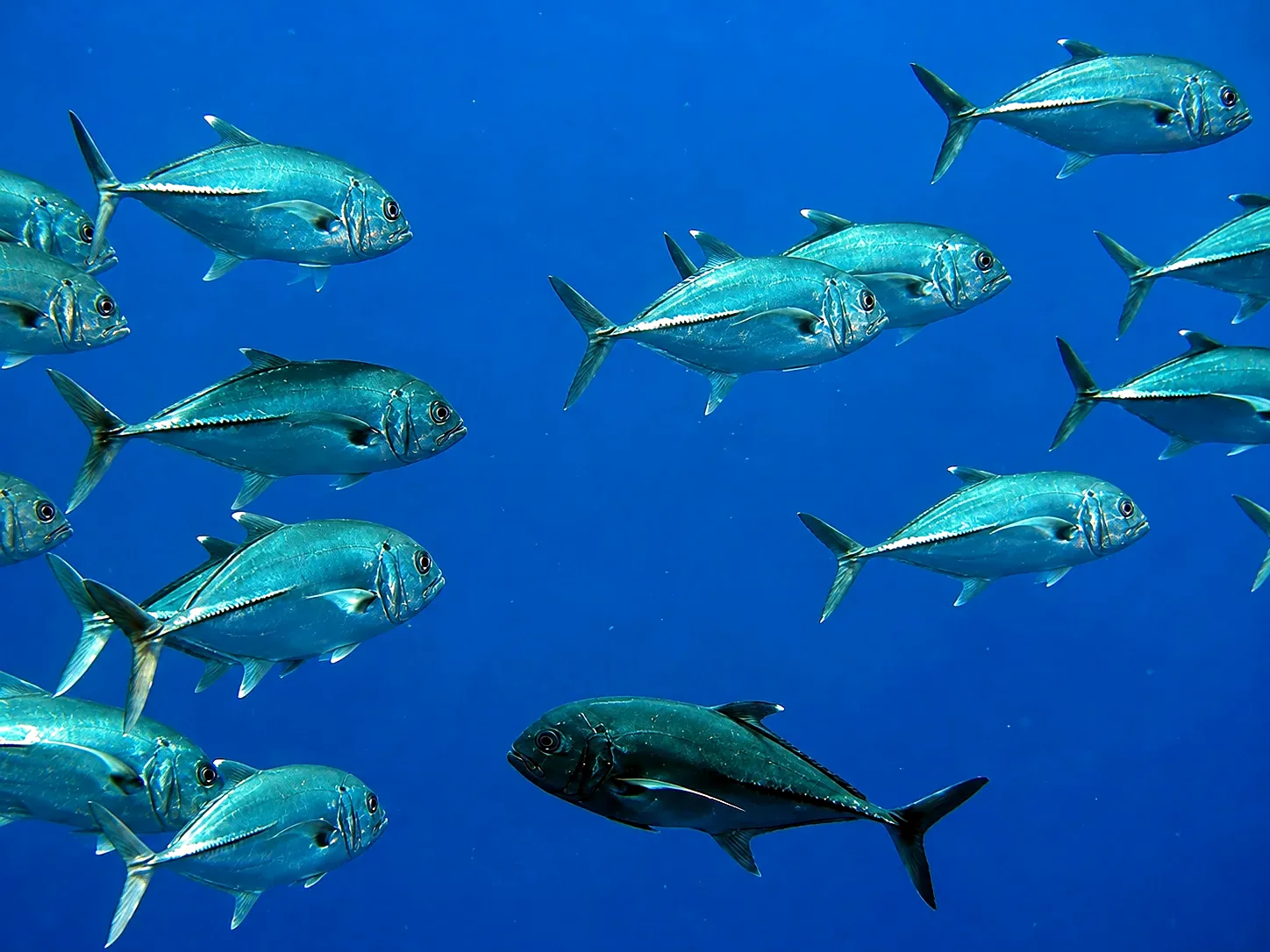
Meanwhile, a turtle is often here, and jacks and lionfish hunt schools of silversides.
Is Tobia Arbaa suitable for beginners?
Yes. The site is shallow and calm, so Open Water divers, students and snorkelers enjoy it, and it is a popular night dive.
However, the pillars invite up-and-down “yo-yo” diving, so watch your profile. For better control, the Peak Performance Buoyancy course helps, and the Night Diver course suits the dive after dark.
Before you dive here
Firstly, keep good buoyancy above the sand to protect the visibility. Secondly, avoid yo-yo diving between the pillars, and take your time around each one.
Above all, follow our diving safety standards and the rules of HEPCA. We strongly recommend dive insurance such as DAN Europe.
How do you get there?
In practice, divers reach the pillars by boat, about 15 minutes from Soma Bay or 30 minutes from Safaga, by speedboat or daily boat. Since the site is sheltered, it is diveable in almost any weather.
Generally, you can combine it with Ras Abu Soma on the same day. Consequently, you can also pair it with Panorama Reef and the rest of the Safaga dive sites.
Plan your dive trip
- Diving in Hurghada — daily diving from Hurghada.
- PADI courses — from first dives to professional levels.
- What divers need on board — the packing checklist for a Red Sea safari.
- redsealiveaboard.net — Red Sea safari schedules and availability.
- Our eight liveaboards: Sea Fox, Simba, Sea Treasure, Star Jet, Bismarck, C Echo II, C U and Ramadan 3.
Photo gallery from the reef
Other routes from Red Sea Diving
Generally, for a first liveaboard, the North Red Sea liveaboard keeps to the classic wrecks. On the other hand, the BDE liveaboard heads south to the Brothers, while the Deep South St. John’s liveaboard goes further still. Meanwhile, the Red Sea liveaboard guide compares all eight routes.
Tobia Arbaa: frequently asked questions
Why is Tobia Arbaa called the Seven Pillars?
Indeed, it has five main coral pillars, but two of them are split, so divers count seven.
How deep is Tobia Arbaa?
Usually, the sandy floor lies at about 12 m, and the slope under the boats goes to about 30 m.
Is Tobia Arbaa good for beginners?
Yes. It is shallow and calm, with little or no current, so it suits every level and snorkelers.
What can you see at Tobia Arbaa?
Above all, soft corals, glassfish, giant pufferfish, octopus, blue-spotted stingrays, moray eels, lionfish and nudibranchs.
Can you dive Tobia Arbaa at night?
Yes. In fact, it is a popular night dive, because it is shallow, calm and easy to navigate.
Safaga · Soma Bay · The Seven Pillars
Dive Tobia Arbaa with us
Simply tell us your dates, the number of divers, your certification level and your number of logged dives. Afterward, our team checks which departure fits your group before you commit to anything.


