

Guide to the Sharm El Naga dive site · North of Safaga
Sharm El Naga Dive Site A calm bay like a natural pool, with a colourful house reef
Sharm El Naga is a sheltered bay north of Safaga, and the house reef of the resort on its beach. The water is calm and almost free of current, so it looks like a large swimming pool. As a result, it is one of the best places on the coast for first dives, courses and snorkeling, while the deeper reef keeps experienced divers busy.
Sharm El Naga in short
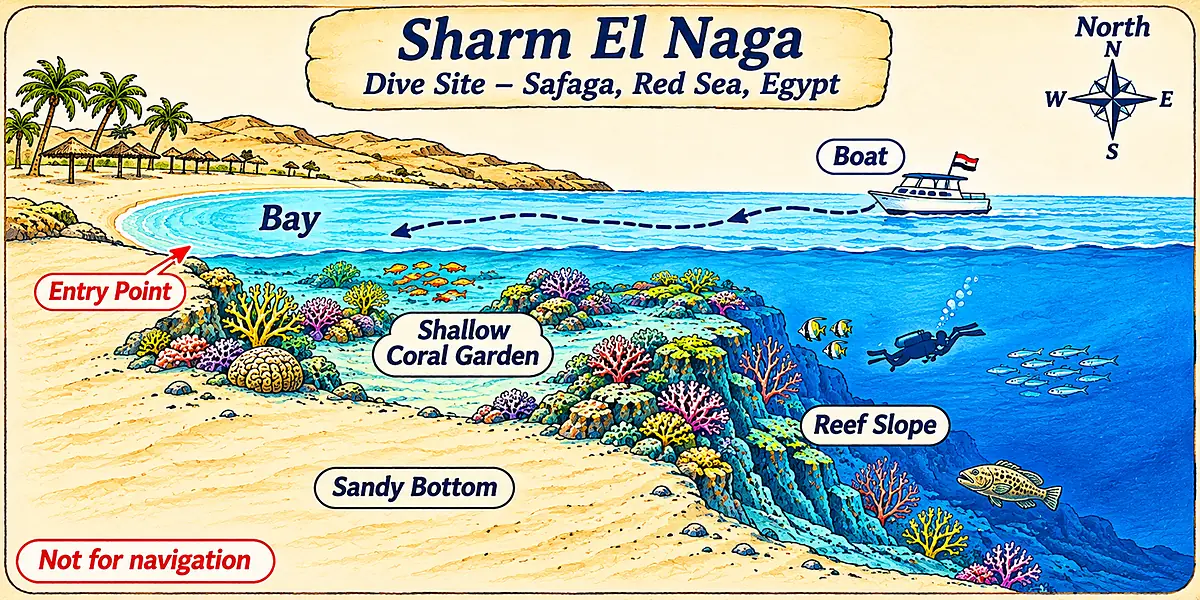
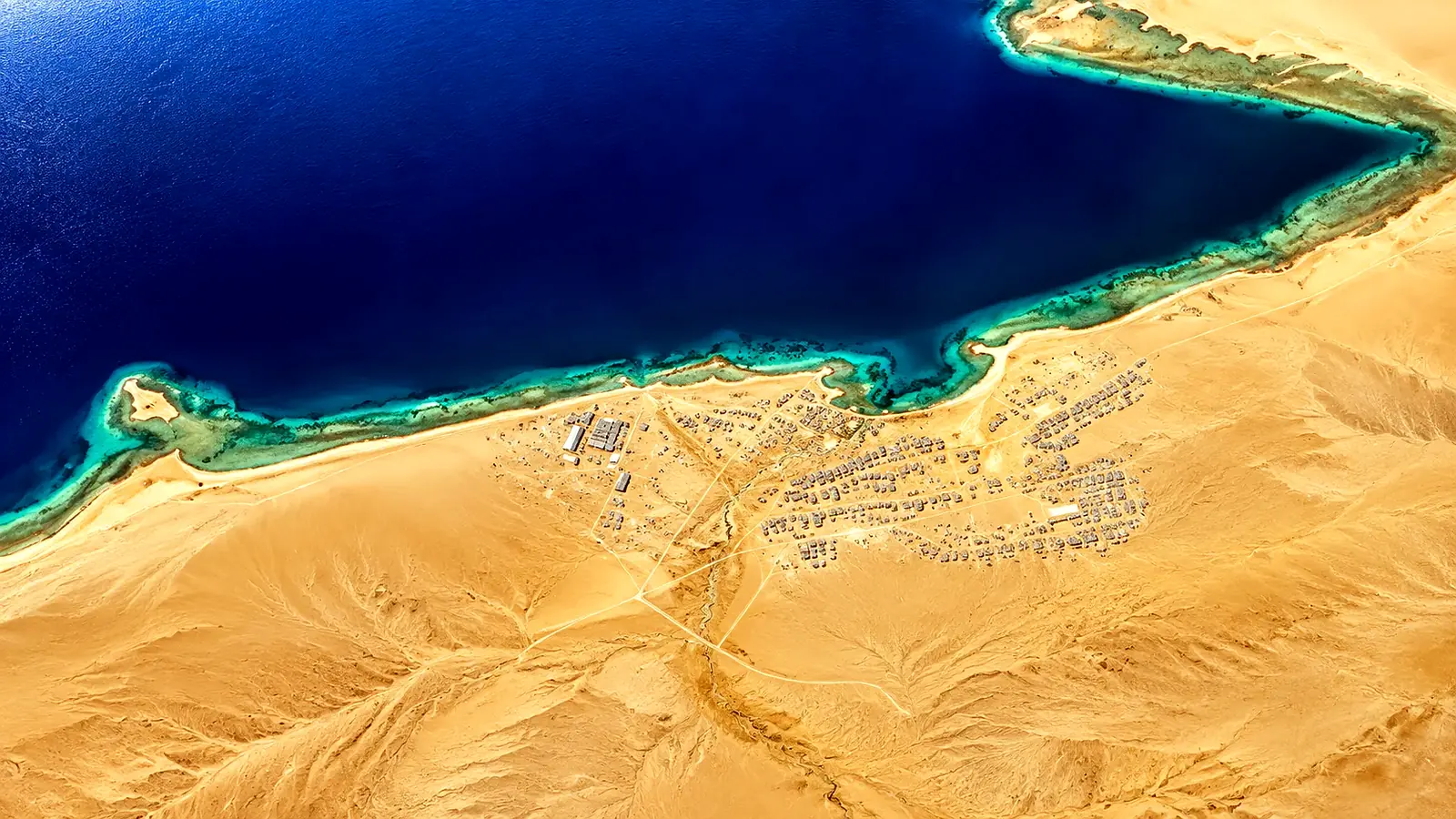
In short, Sharm El Naga is a sandy bay north of Safaga with a fringing coral reef on both sides. Above all, the water is calm and nearly without current, so it suits beginners, courses and snorkelers. In addition, the reef starts only a few metres from the beach, and zodiacs can drop you further out in the bay. Overall, shallow coral gardens lead down to deeper reef slopes for experienced divers.
What is Sharm El Naga like?
Above all, it is a sharm: a deep, sheltered bay cut into the coast. Inside, the water stays calm in most weather.
Meanwhile, a fringing reef lines the bay with shallow coral gardens. Further out, reef slopes and deeper coral formations add more to explore.
Also, the reef is healthy and full of colour. For this reason, it is a favourite for courses and for long, relaxed dives.
The bay at a glance
The shallows
Firstly, gardens just off the beach.
The slopes
Also, reef slopes leading deeper.
The bay
Finally, a calm bay for courses.
What is under the water at Sharm El Naga?
Generally, the bay has three zones. Firstly, the shallow coral gardens near the beach. Then, the reef slopes along the sides. Finally, the deeper coral formations further out.
The gardens
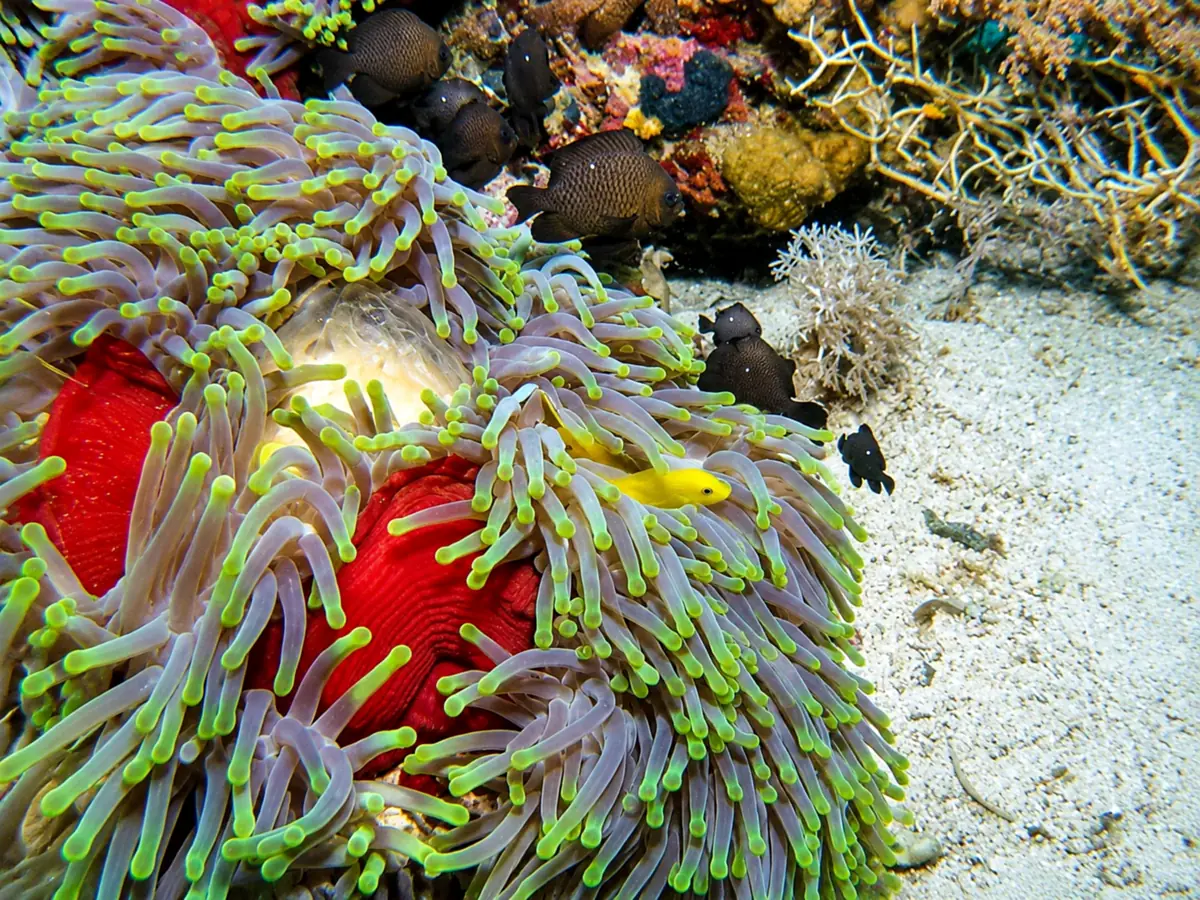
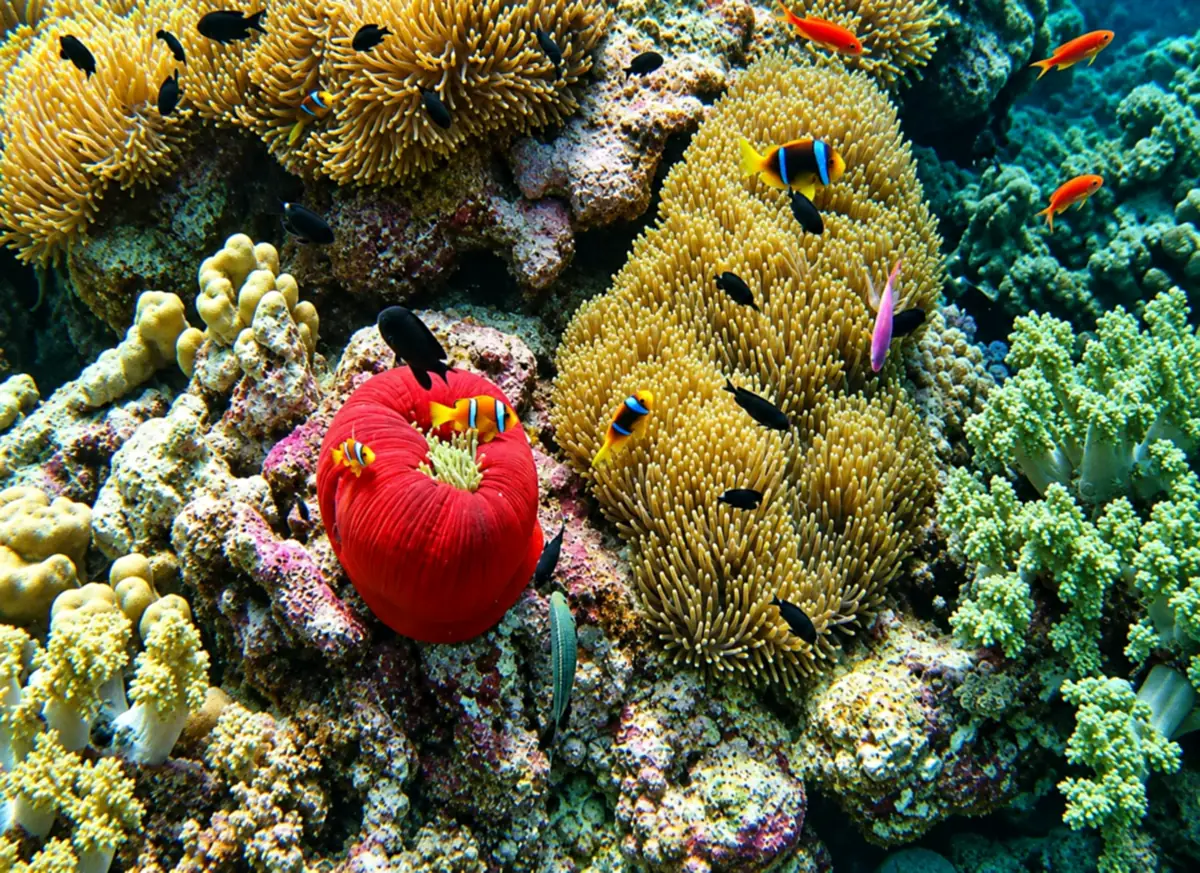
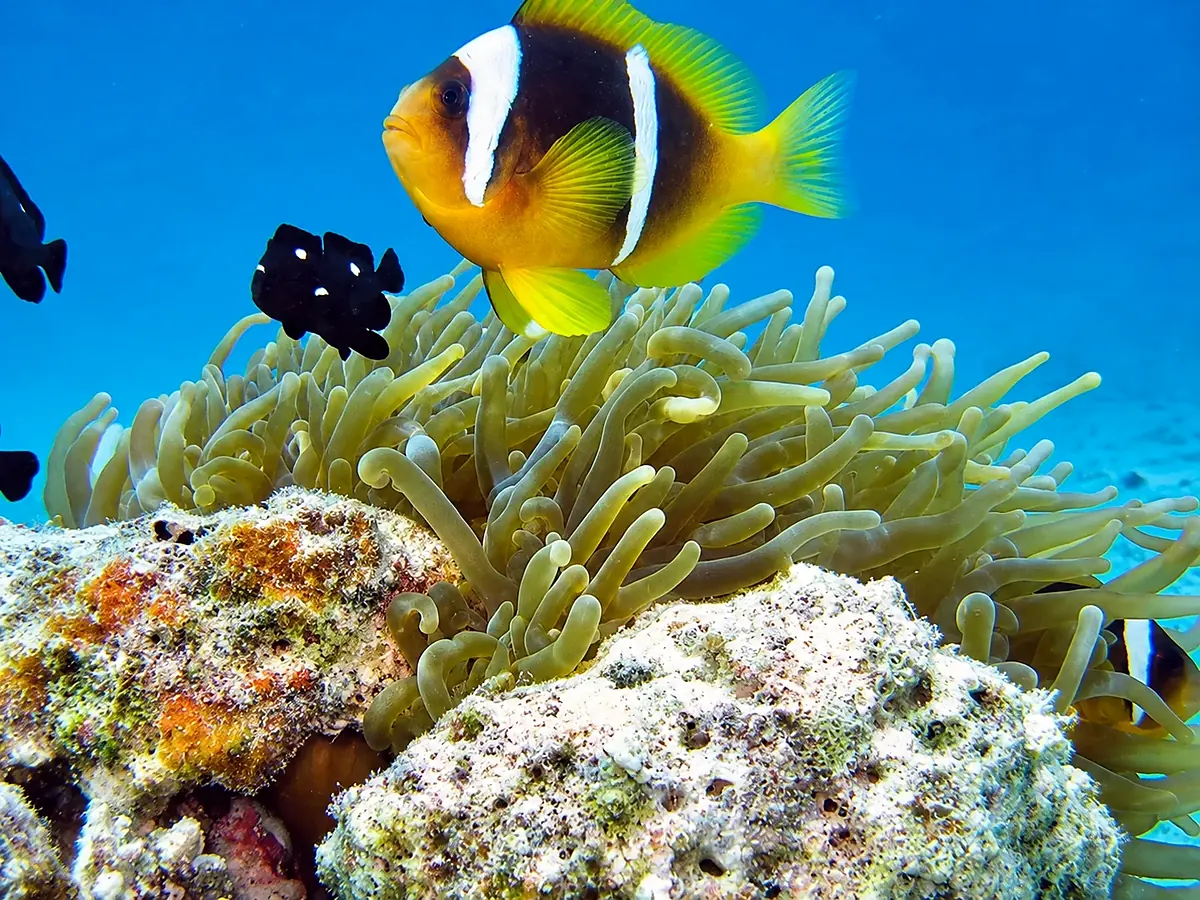
The start. Here, for example, shallow gardens shelter clownfish and many small creatures.
The slopes
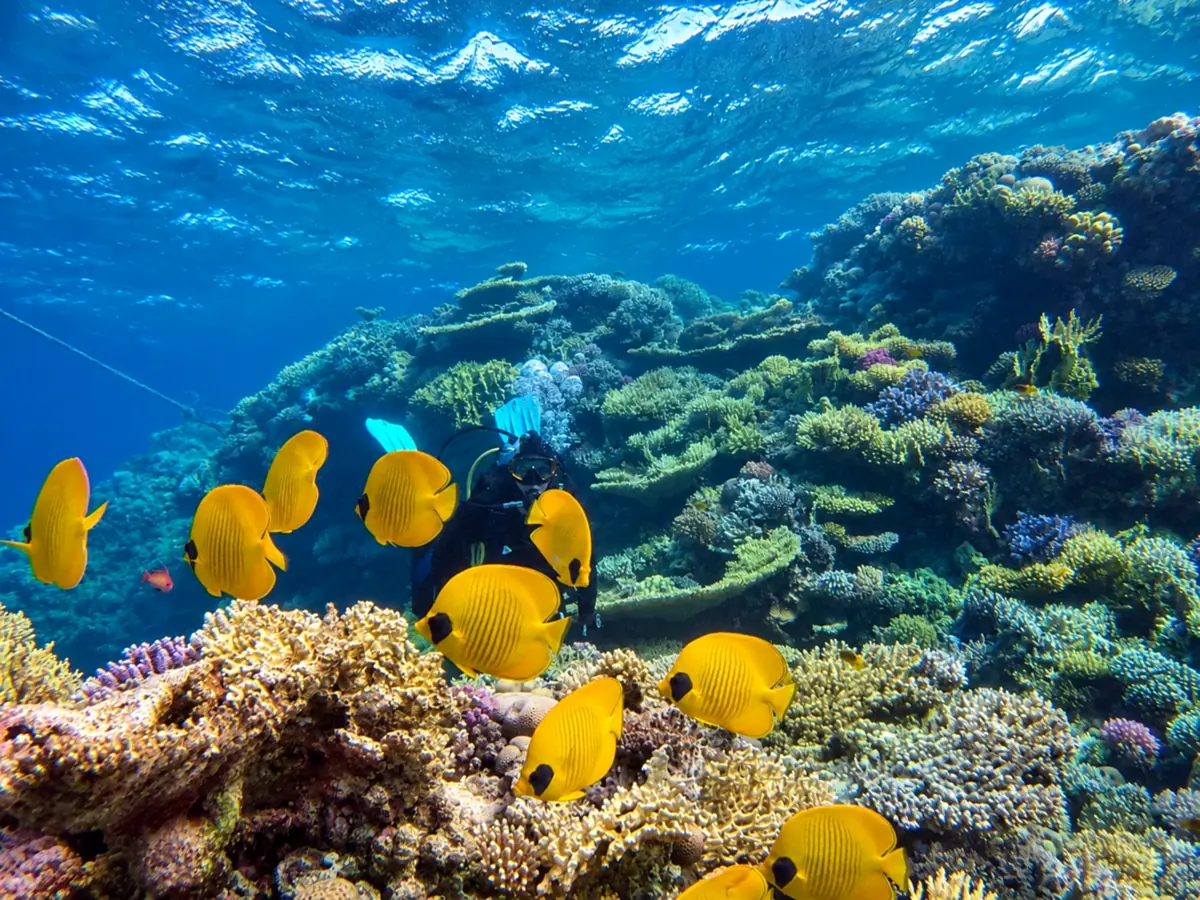
The middle. In contrast, the slopes are covered in hard and soft corals.
The deep reef
The edge. Meanwhile, deeper formations give experienced divers more to explore.
Where is Sharm El Naga?
Specifically, the bay lies on the coast north of Safaga, with a resort and dive centre on its beach. Zodiacs from the bay also reach other reefs in the area.
In addition, the offshore reefs of Safaga lie further out. For example, Panorama Reef and Abu Kifan are boat dives, while the Salem Express wreck lies south of the port. For the whole area, see the Safaga dive sites guide.
How do you dive Sharm El Naga?
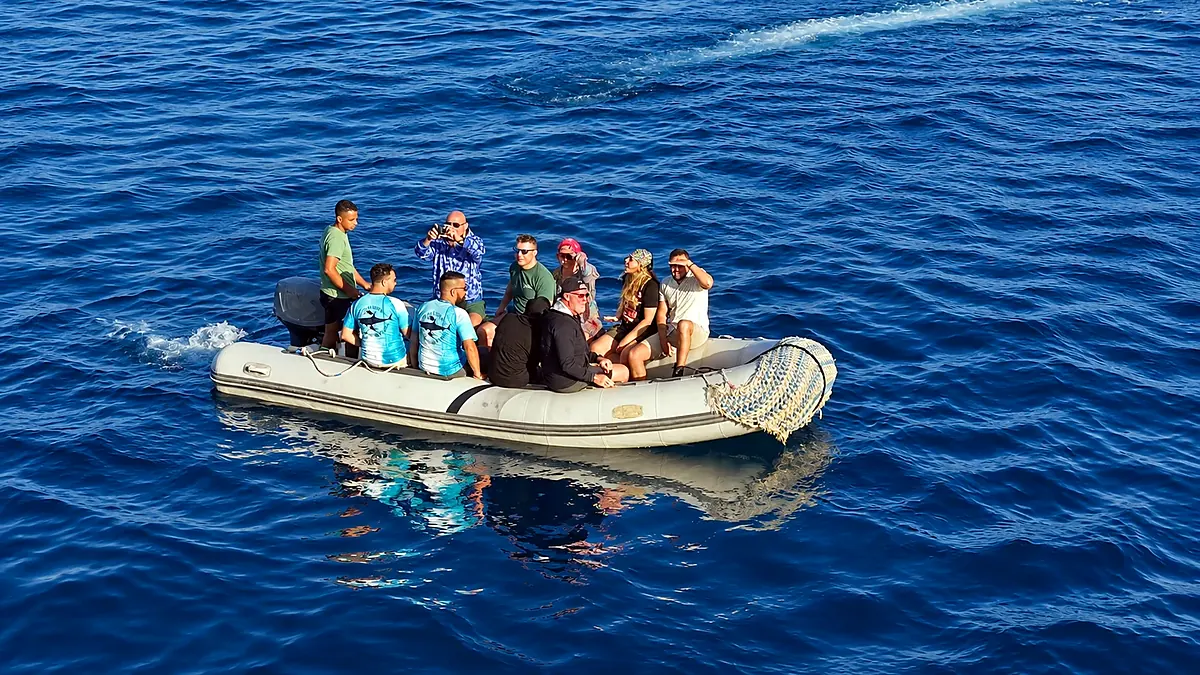
Usually, divers walk in from the beach, although a zodiac can also drop you further into the bay. Before you go in, your guide plans the side and the depth.
Route A: from the beach
The entry
The start. Firstly, you walk in from the beach and reach the reef within a few metres.
The gardens
The main dive. Then, you follow the coral gardens along one side of the bay.
The return
The finish. Afterward, you return in the shallows and make your safety stop near the beach.
Route B: a zodiac drop in the bay
The plan
The start. Instead, a zodiac drops you further out in the bay.
The slopes
The main dive. Also, you explore the deeper slopes and coral formations.
The swim back
The finish. Finally, swim back along the reef and end the dive near the beach.
What marine life lives at Sharm El Naga?
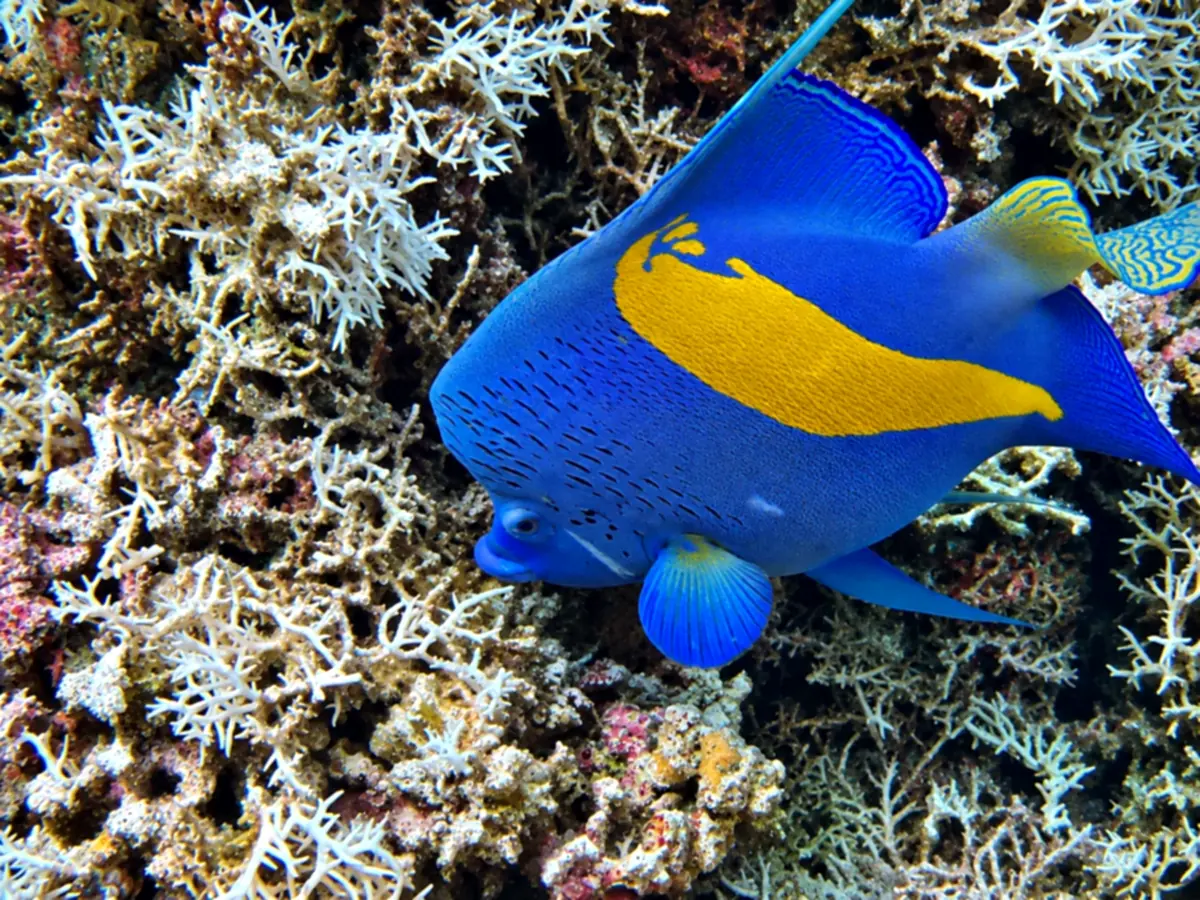
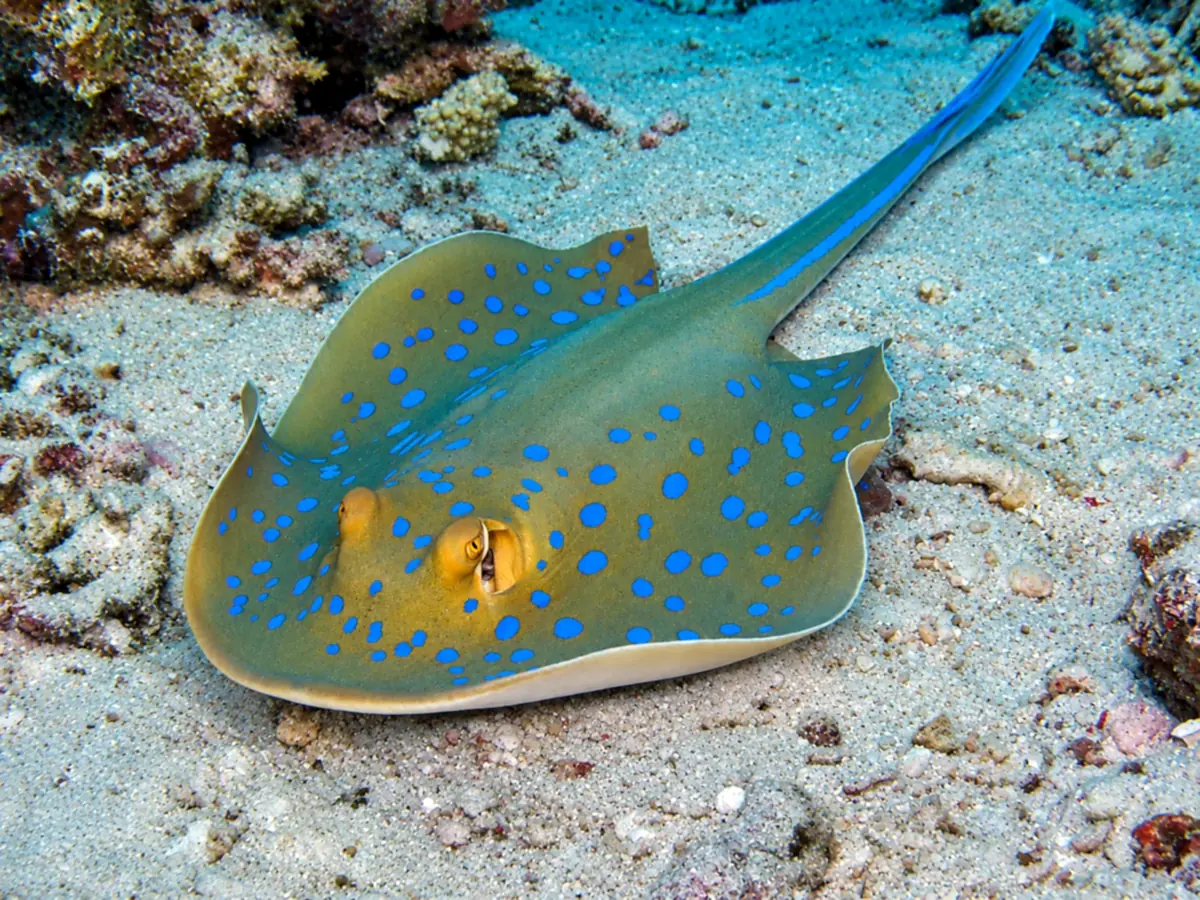
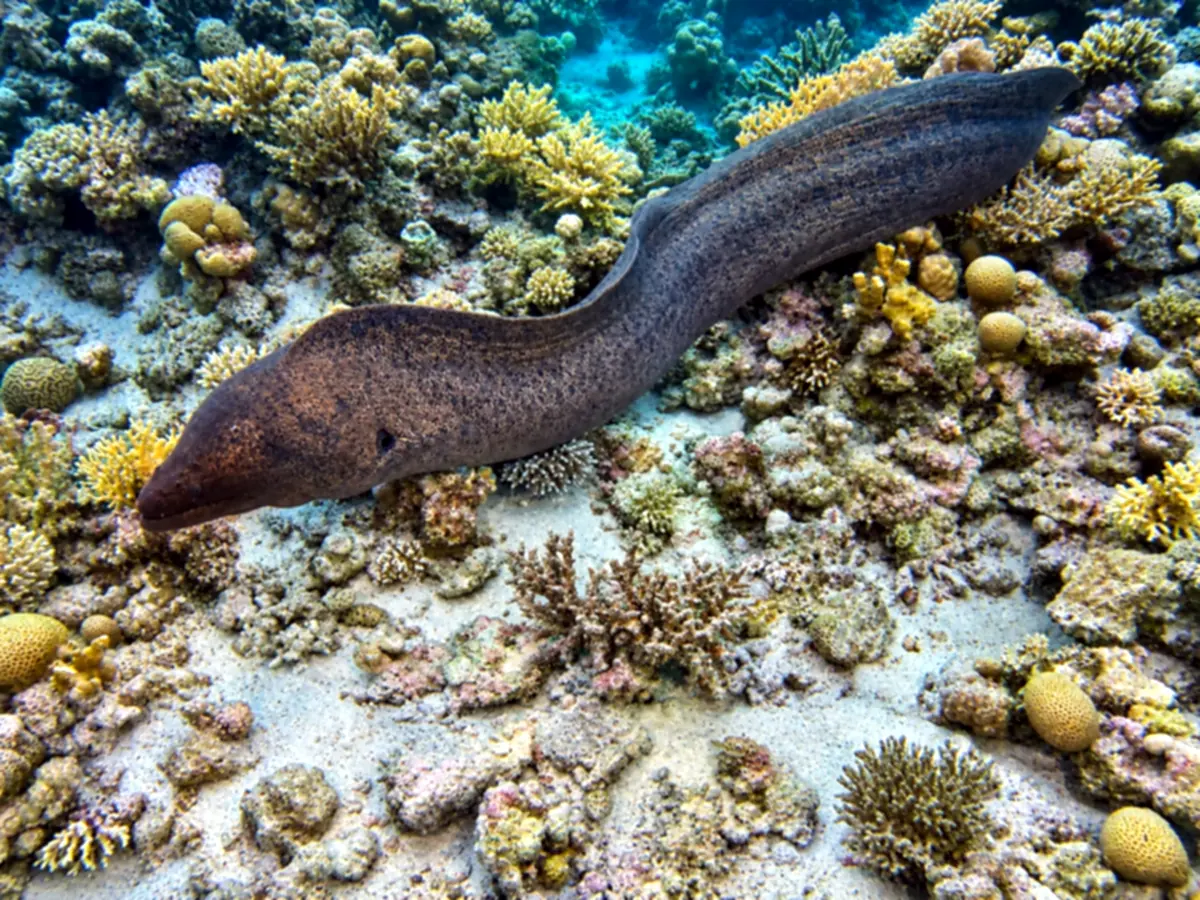
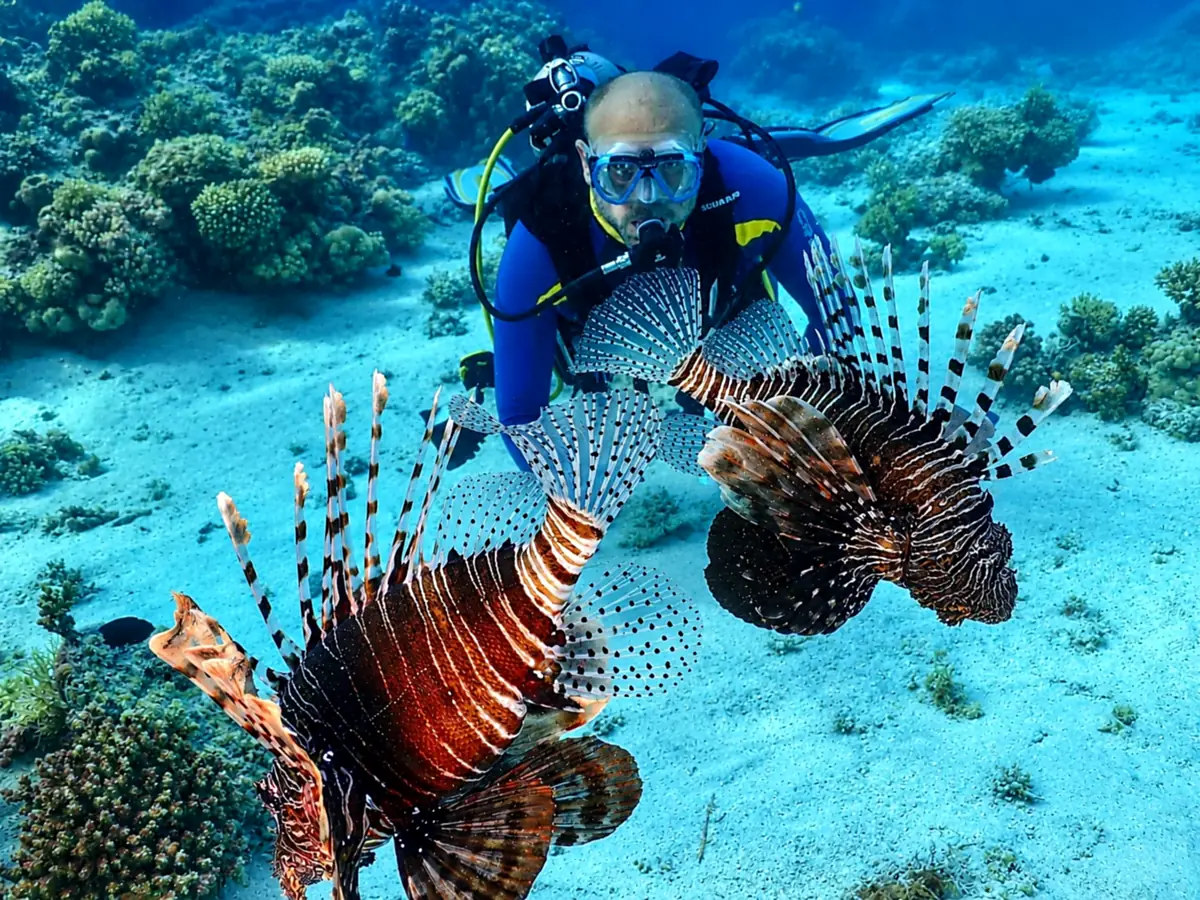
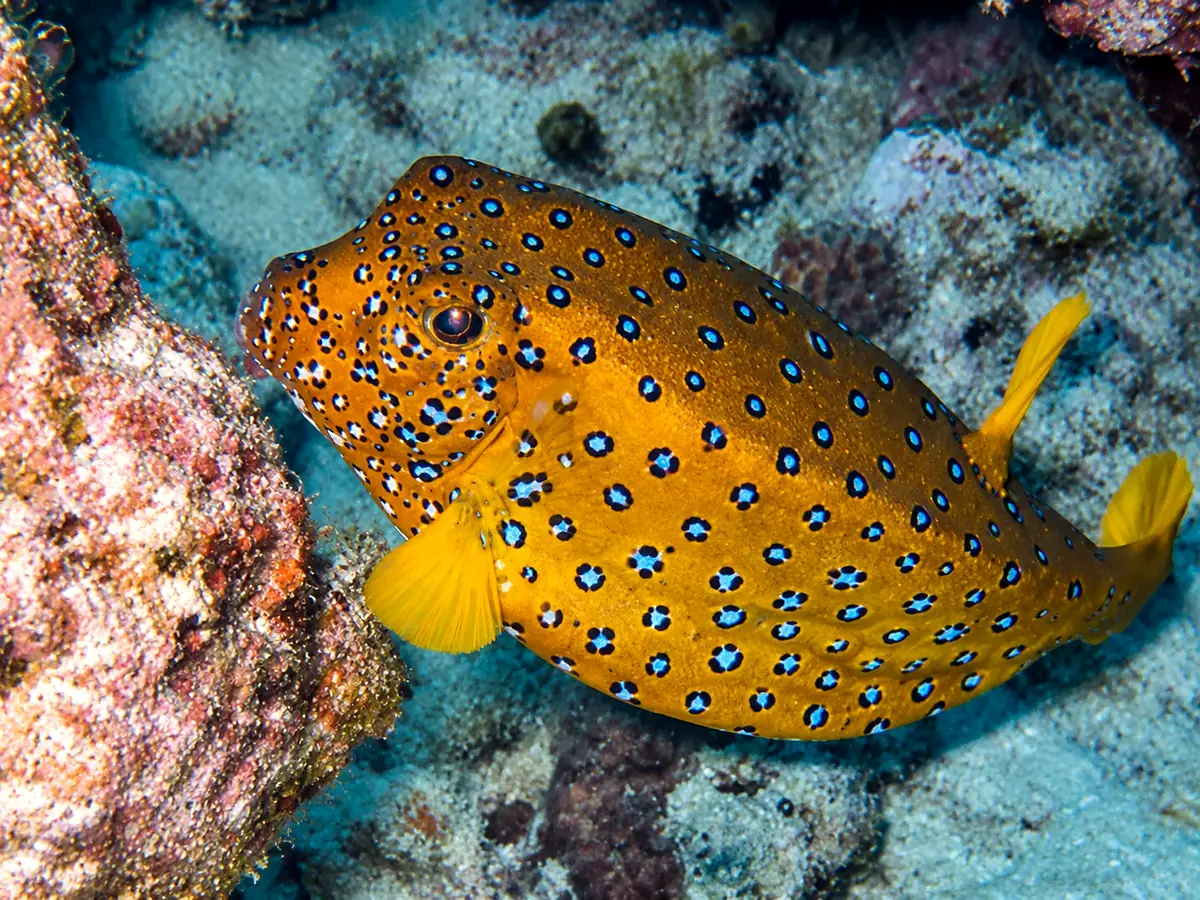
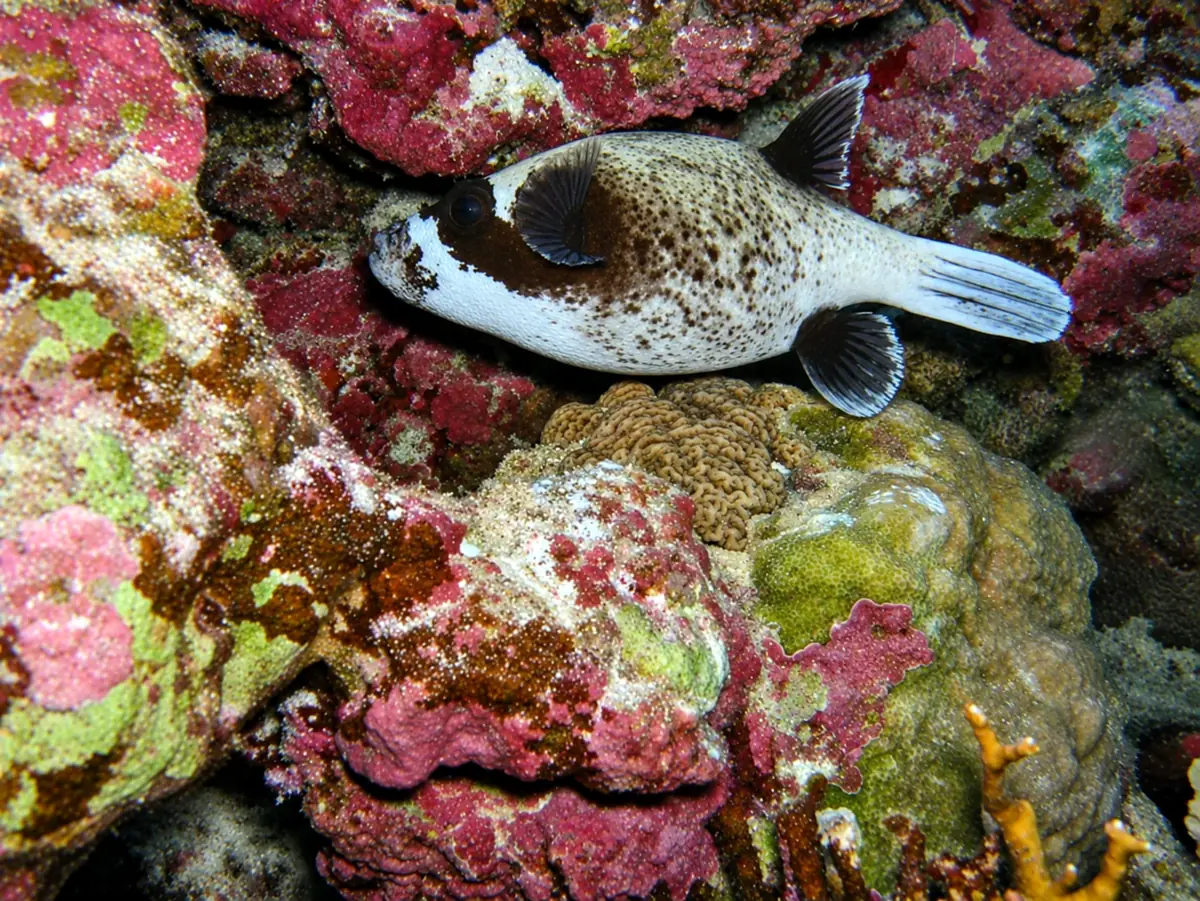
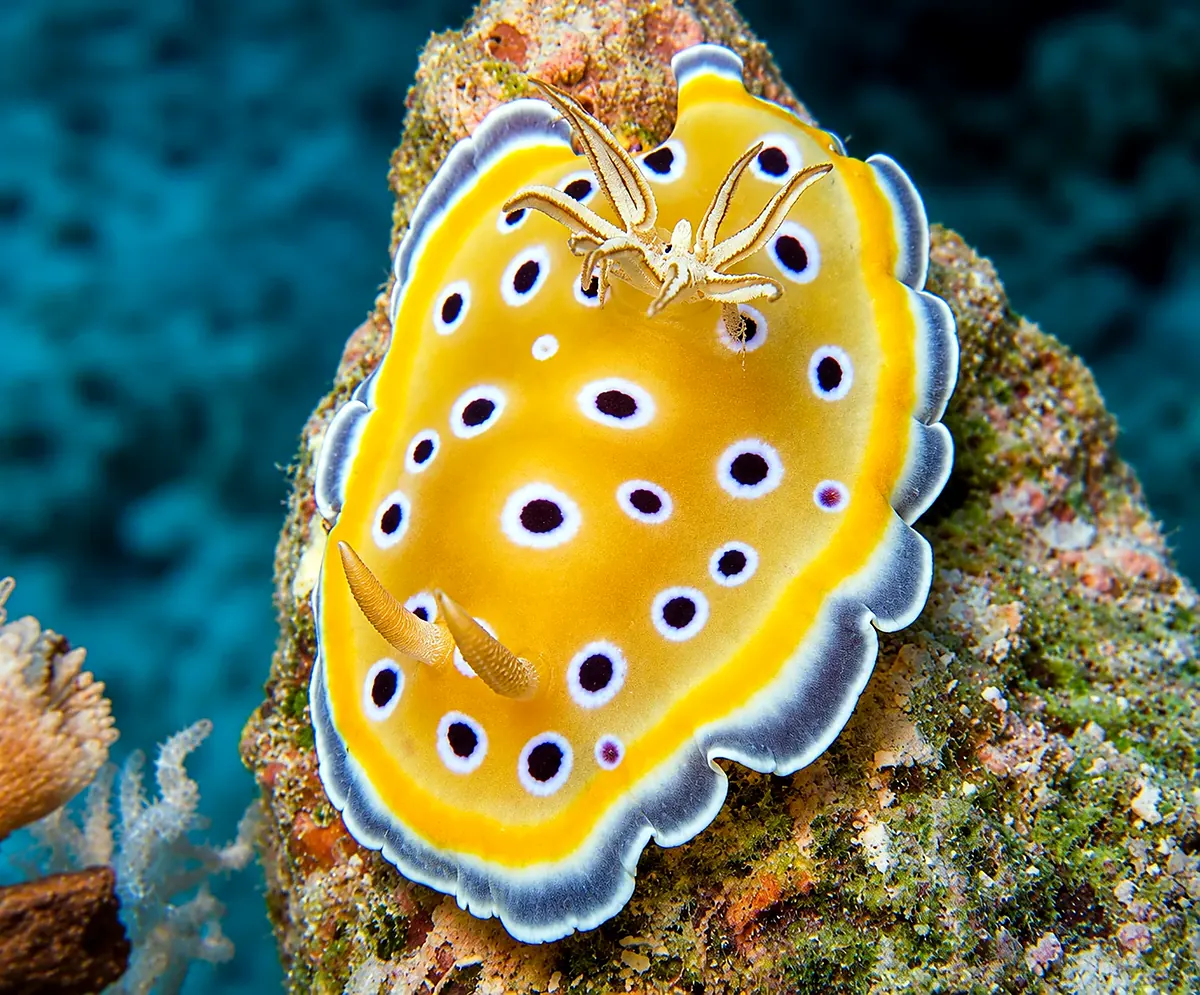
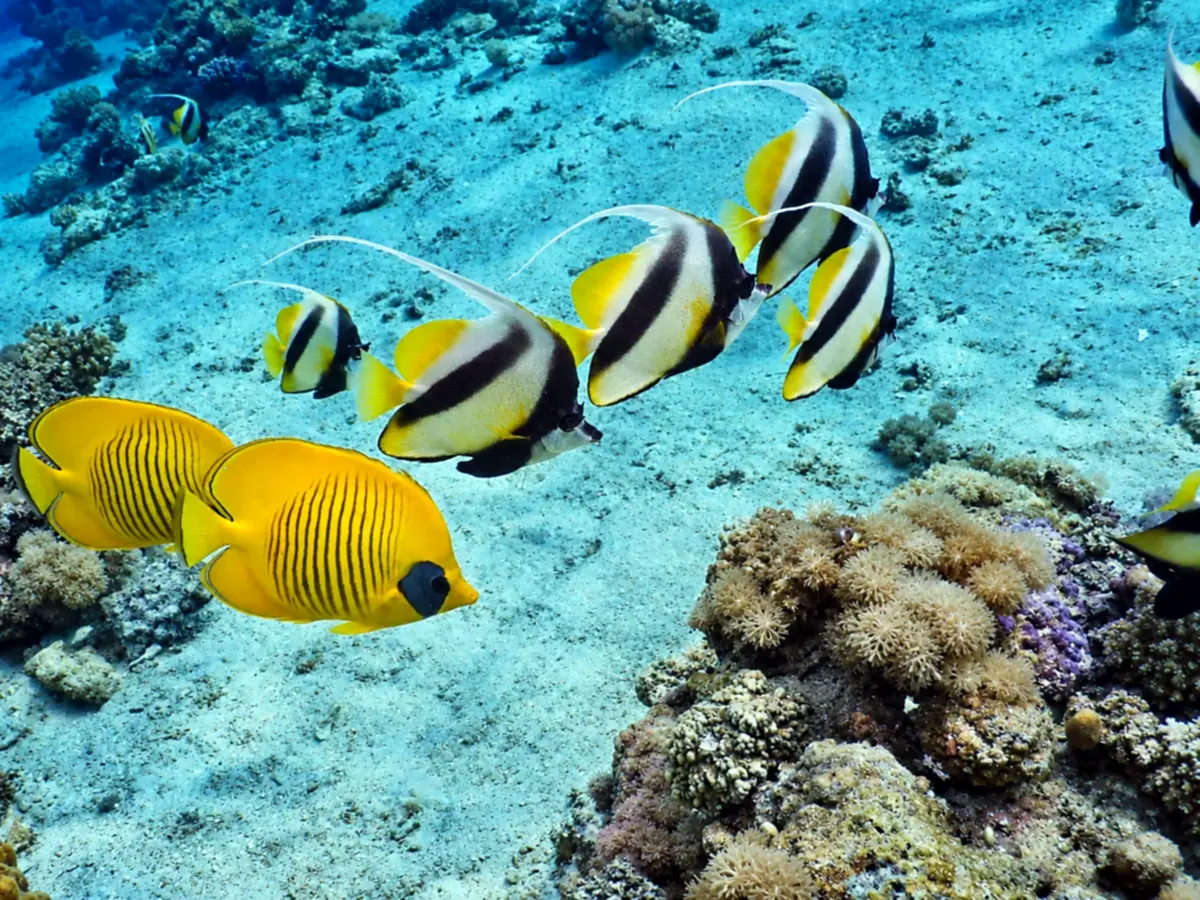
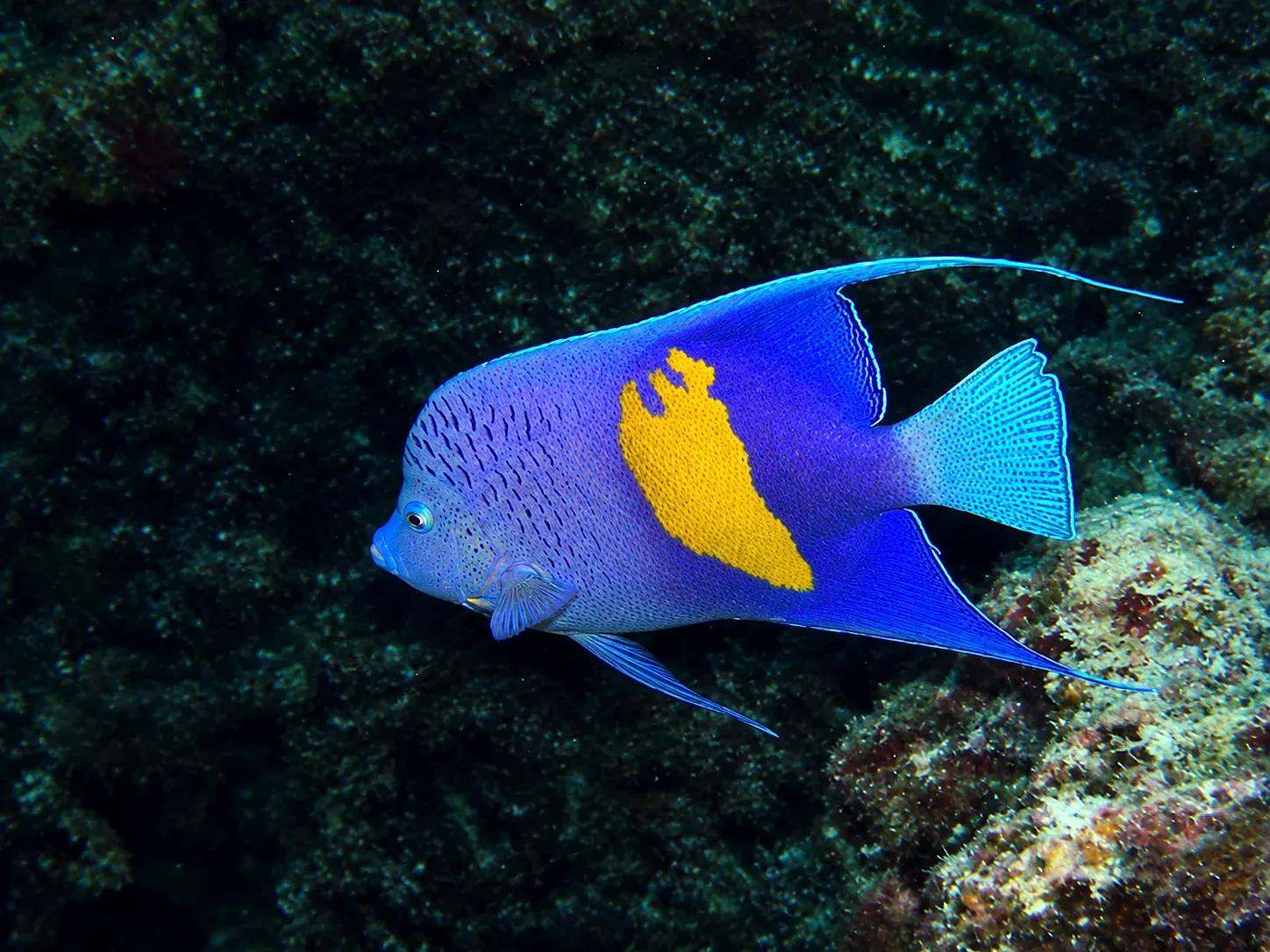
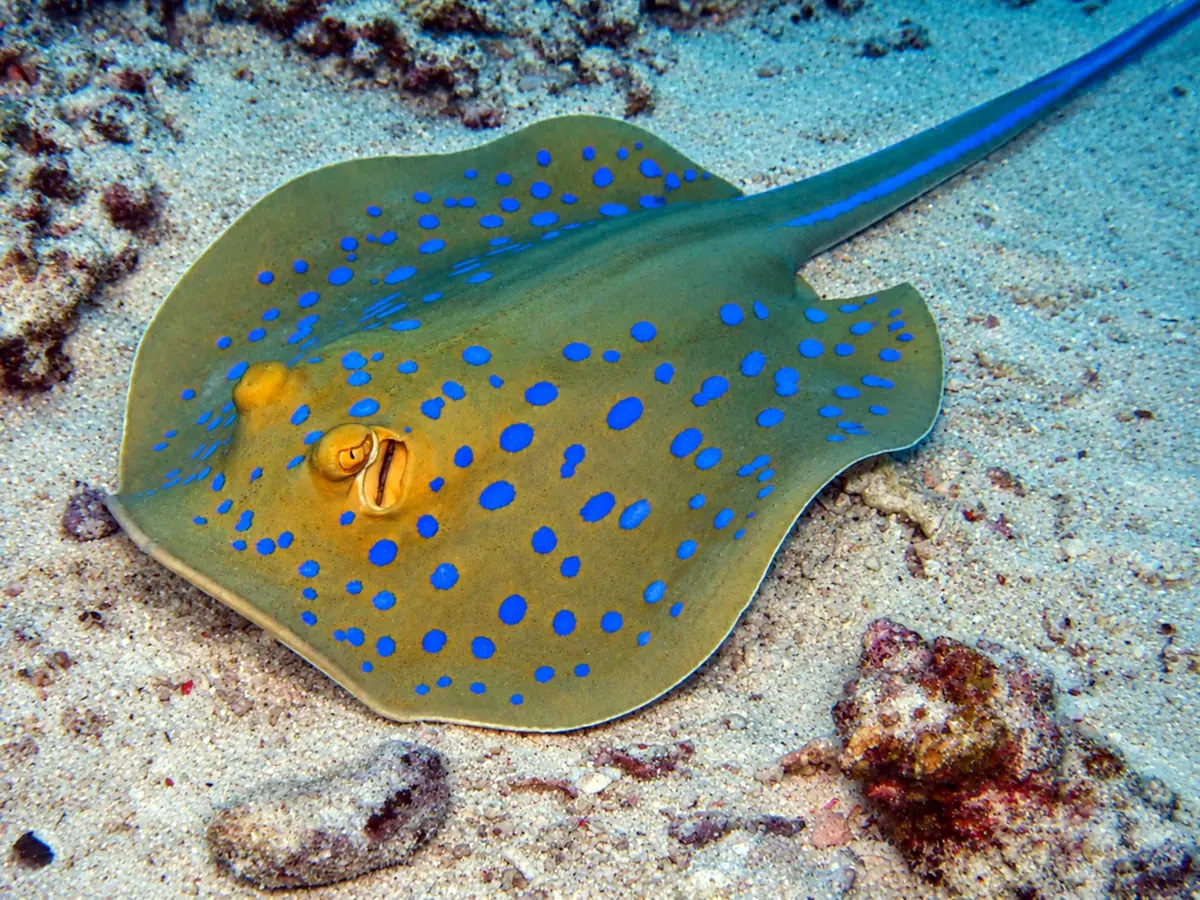
Overall, the healthy reef holds a colourful mix of Red Sea life. Butterflyfish, angelfish, parrotfish, clownfish, moray eels, lionfish and blue-spotted stingrays live here, although no sighting is ever certain.
On the sand
Generally, blue-spotted stingrays rest on the sand between the corals.
In the corals
Likewise, moray eels and lionfish hide among the coral formations.
In the gardens
Meanwhile, angelfish and parrotfish swim through the shallow gardens.
Is Sharm El Naga suitable for beginners?
Yes, very much so. The calm bay is ideal for Discover Scuba dives and Open Water courses, and snorkelers enjoy the shallow gardens.
In addition, experienced divers can head for the deeper sections. For better control over the corals, the Peak Performance Buoyancy course helps.
Before you dive here
Firstly, never touch or stand on the coral in the shallows. Secondly, do not make contact with the marine life.
Above all, follow our diving safety standards and the rules of HEPCA. We strongly recommend dive insurance such as DAN Europe.
How do you get to Sharm El Naga?
In practice, divers reach the bay by road, either staying at the resort or on a day trip from Safaga or Hurghada. From the beach, you simply walk in, so no boat is needed.
Generally, you can combine it with boat dives on the offshore reefs. Consequently, you can pair it with Panorama Reef, Abu Kifan and the rest of the Safaga dive sites.
Plan your dive trip
- Diving in Hurghada — daily diving from Hurghada.
- PADI courses — from first dives to professional levels.
- What divers need on board — the packing checklist for a Red Sea safari.
- redsealiveaboard.net — Red Sea safari schedules and availability.
- Our eight liveaboards: Sea Fox, Simba, Sea Treasure, Star Jet, Bismarck, C Echo II, C U and Ramadan 3.
Photo gallery from Sharm El Naga
Other routes from Red Sea Diving
Generally, for a first liveaboard, the North Red Sea liveaboard keeps to the classic wrecks. On the other hand, the BDE liveaboard heads south to the Brothers, while the Deep South St. John’s liveaboard goes further still. Meanwhile, the Red Sea liveaboard guide compares all eight routes.
Sharm El Naga: frequently asked questions
Where is Sharm El Naga?
In fact, it is a sheltered bay on the coast north of Safaga, with a resort and dive centre on its beach.
Is there current at Sharm El Naga?
Usually not. The bay is calm and almost free of current, like a large swimming pool.
Is Sharm El Naga good for beginners?
Yes. It is one of the best places for first dives, courses and snorkeling.
Do I need a boat to dive Sharm El Naga?
No. You walk in from the beach, although a zodiac can also drop you further out in the bay.
What can I see at Sharm El Naga?
Above all, colourful coral gardens with clownfish, angelfish, butterflyfish, moray eels and blue-spotted stingrays.
Safaga · Shore diving · Calm bay
Dive Sharm El Naga with us
Simply tell us your dates, the number of divers, your certification level and your number of logged dives. Afterward, our team checks which departure fits your group before you commit to anything.


