

Guide to the Ras Umm Hesiwa dive site · North of Soma Bay
Ras Umm Hesiwa Dive Site A plateau of table corals, a ridge and a sheer drop
Ras Umm Hesiwa, also written Ras Um Hesiwa, is a headland reef about 5 km north of Ras Abu Soma, around 50 minutes by boat from Safaga. A sloping plateau at 15–20 m, covered in large table corals, leads to a ridge that runs north and ends in a sheer drop. Because the site is exposed, it needs a calm day and suits divers with some experience.
Ras Umm Hesiwa in short
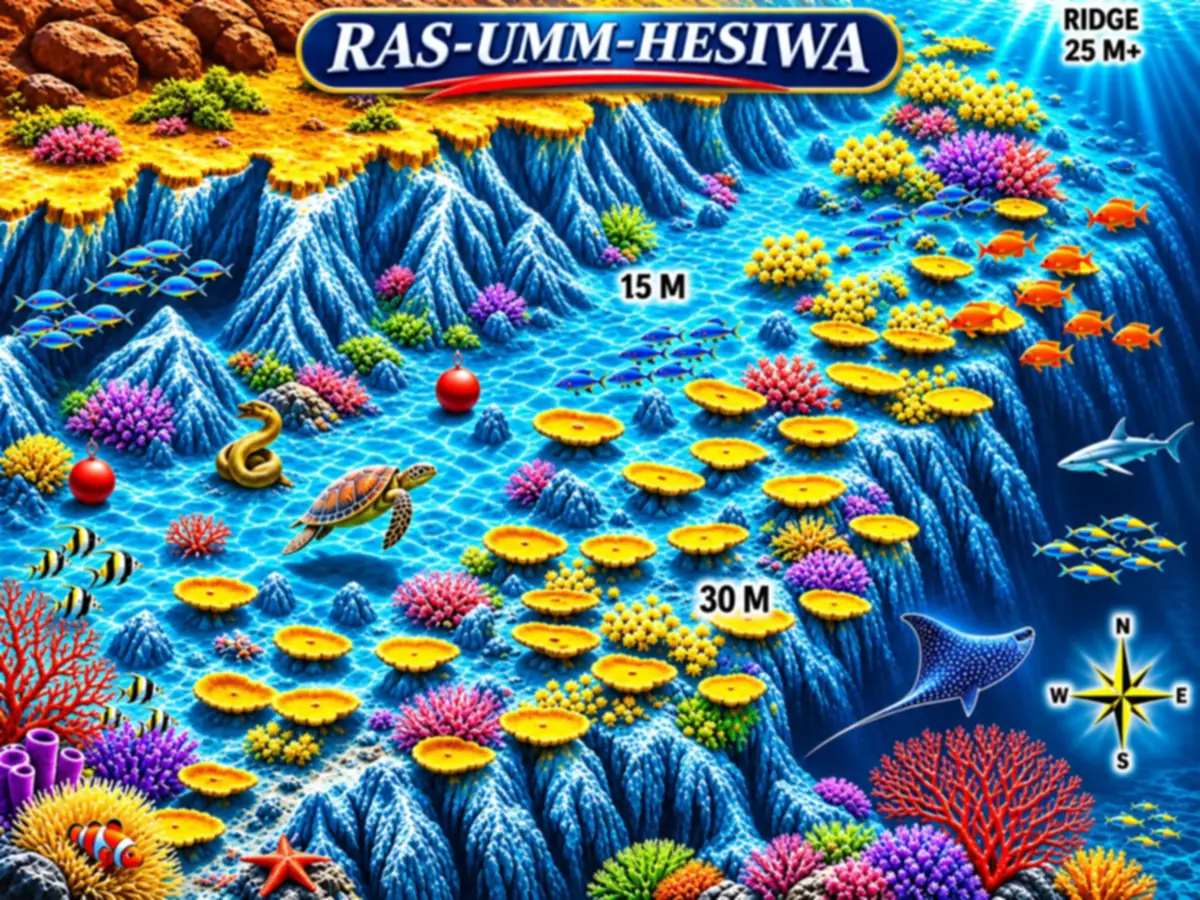
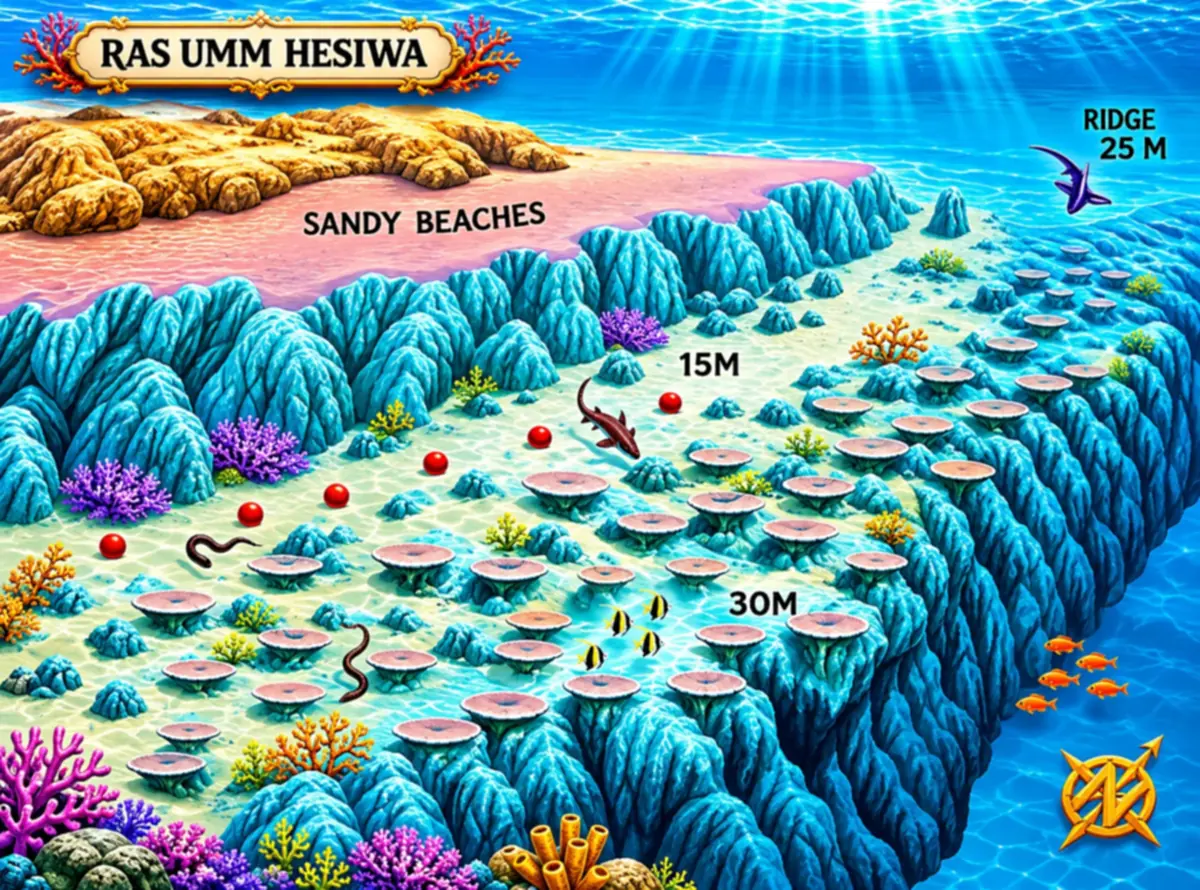
In short, Ras Umm Hesiwa is a headland reef about 5 km north of Ras Abu Soma, around 50 minutes by boat from Safaga. Above all, a sloping plateau at 15–20 m carries large table corals, and from its north end a ridge runs toward the open sea from about 25 m and ends in a sheer drop. Overall, depths run from about 15 m to over 40 m. However, the site is exposed to weather and current, so it is dived on calm days only, by divers with some experience.
What is Ras Umm Hesiwa like?
Firstly, “ras” means headland in Arabic. This headland lies north of Ras Abu Soma, on the way toward Sharm El Naga.
Meanwhile, its reef forms a sloping plateau that drops into deep water. From the north of the plateau, a ridge extends toward the open sea and ends in a sheer drop.
As a result, the point creates upwellings that draw schooling fish and their predators. That is why the site is known for its pelagic encounters.
The reef at a glance
The plateau
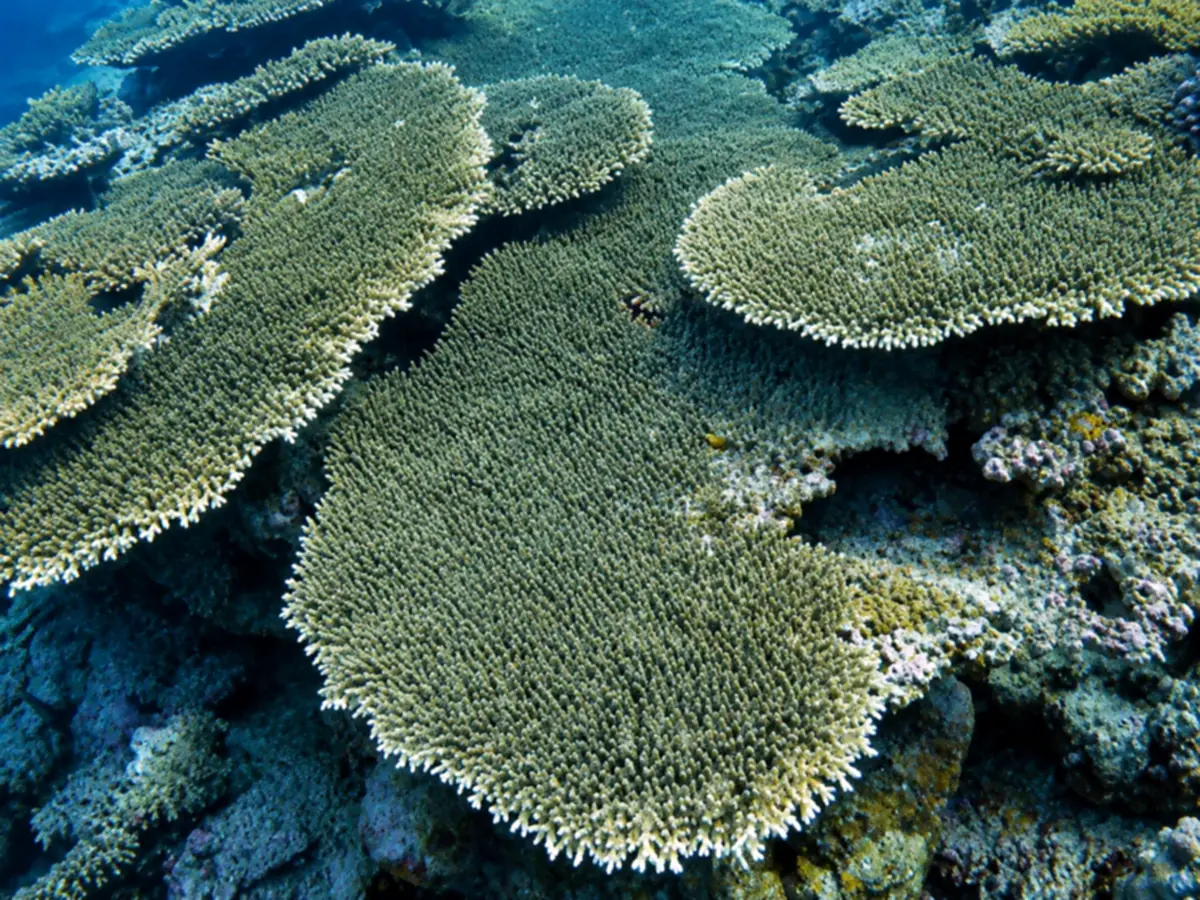
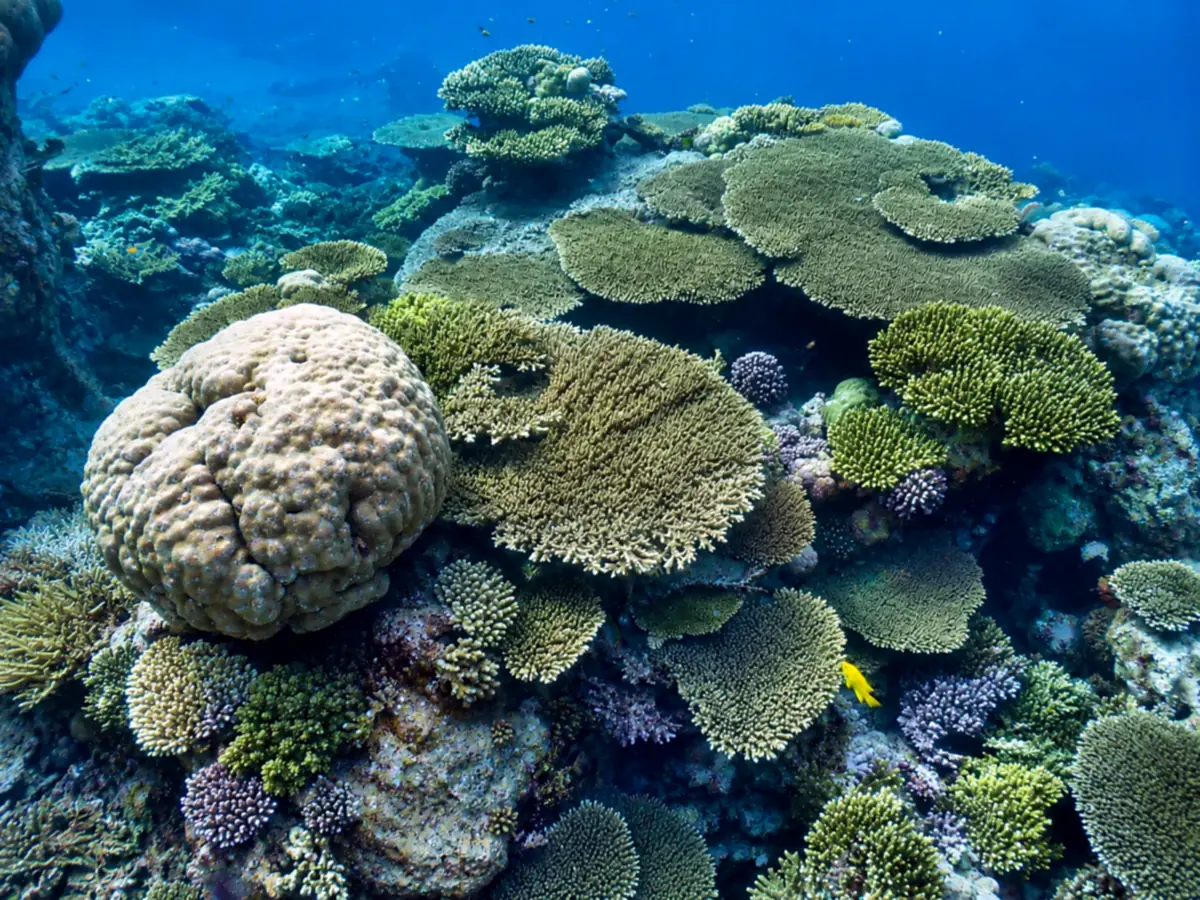
Firstly, a field of large table corals.
The ridge
Also, a ridge that runs north.
The drop
Finally, a sheer drop into the blue.
What is under the water here?
Generally, the site has three parts. Firstly, the sloping plateau with its table corals. Then, the ridge running north. Finally, the drop at the end of the ridge.
The plateau
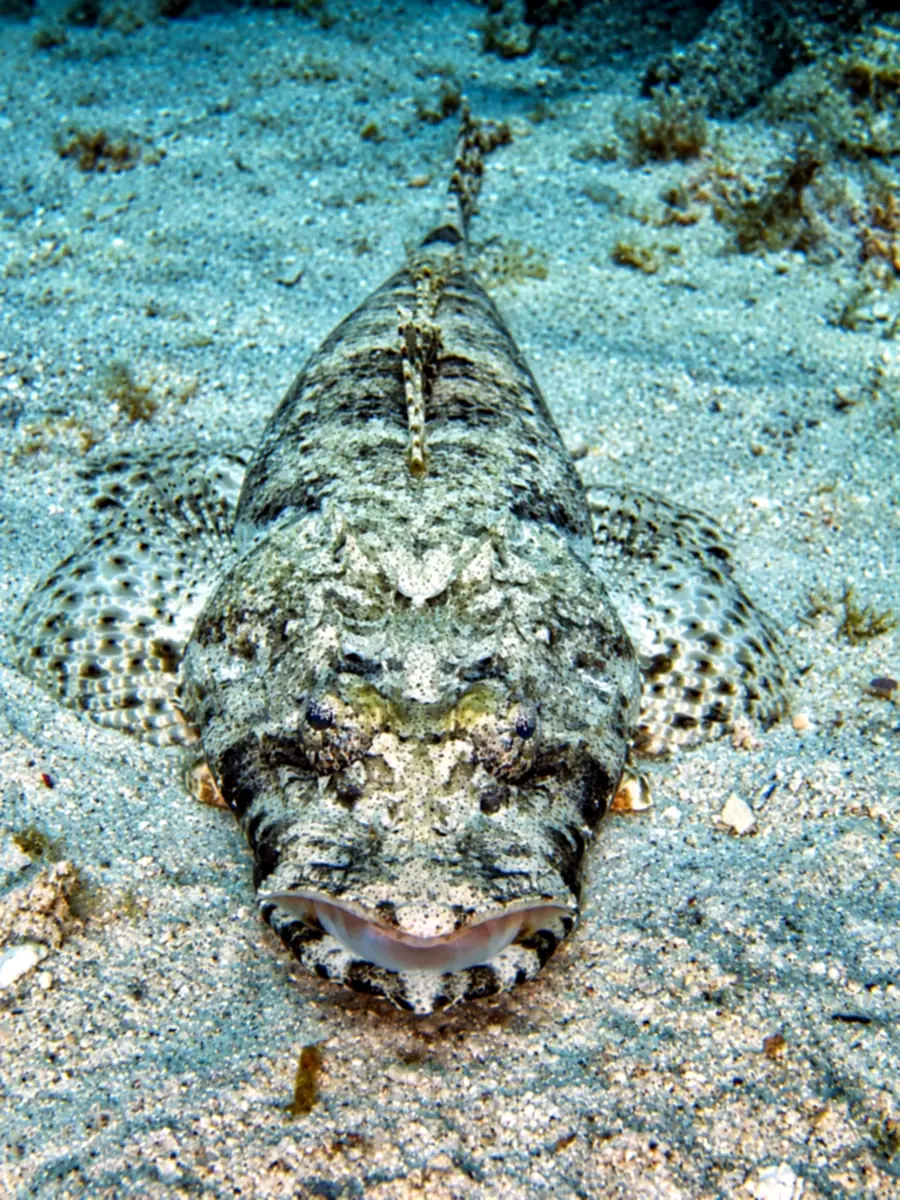
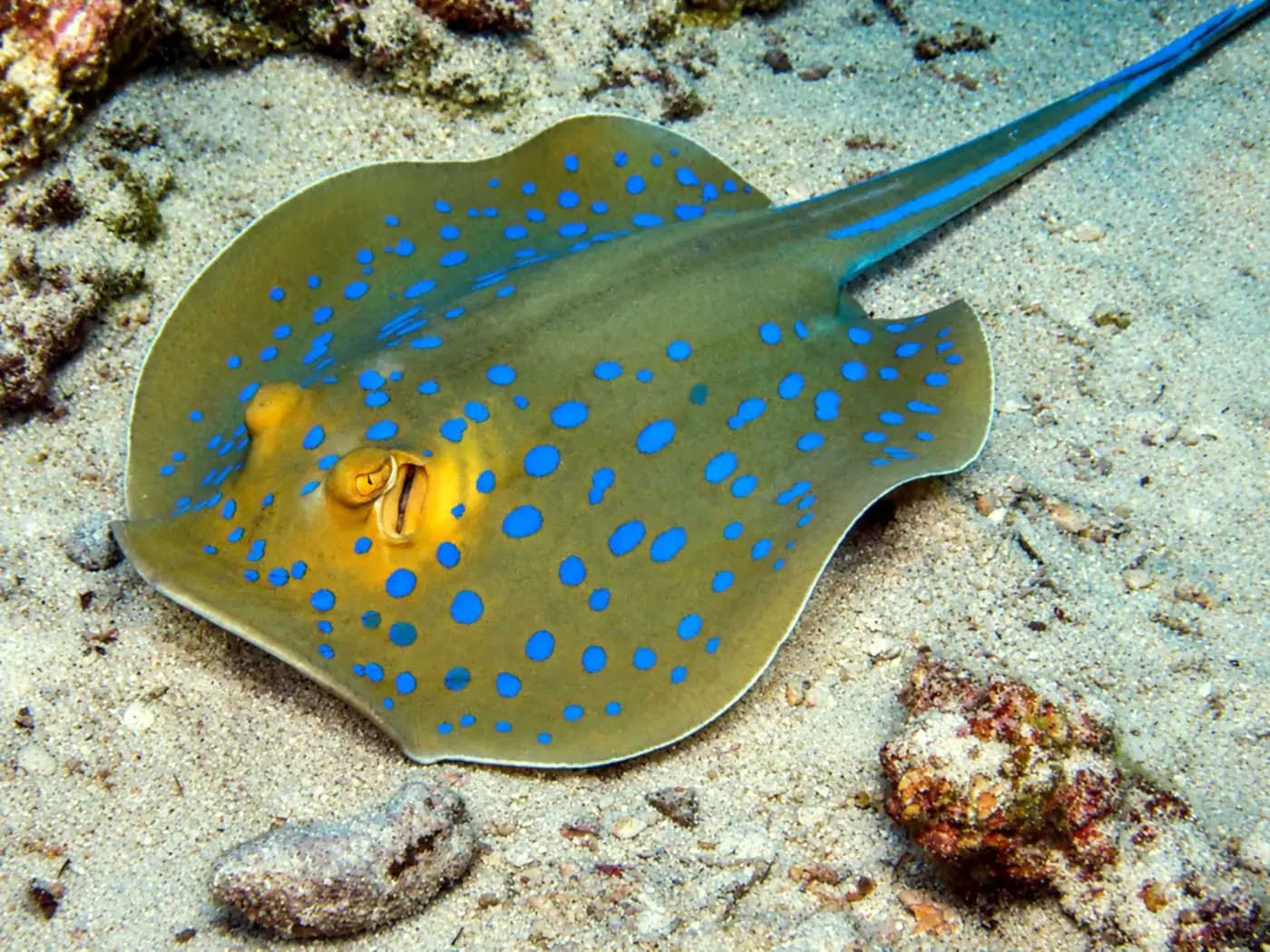
The main attraction. Here, for example, large table corals cover the slope, and rays and crocodilefish rest on the sand beneath them.
The ridge
The deeper part. In contrast, the ridge starts at about 25 m and runs toward the open sea, where the current can be strong.
The drop
The end. Meanwhile, the ridge ends in a sheer drop, where larger fish arrive from the open water.
Where is Ras Umm Hesiwa?
Specifically, the headland lies about 5 km north of Ras Abu Soma, on the way toward Sharm El Naga. It takes around 50 minutes by boat from Safaga.
In addition, more sites lie close by. For example, Ras Abu Soma and Abu Soma Garden lie to the south, while Shaab Saiman and Sharm El Naga lie toward the north-west. For the whole area, see the Safaga dive sites guide.
How do you dive Ras Umm Hesiwa?
Usually, the dive starts on the plateau, the main attraction. Afterward, experienced divers can visit the ridge, but only when the current allows.
Route A: the table coral plateau
The entry
The start. Firstly, you descend onto the plateau at 15–20 m.
The table corals
The main dive. Then, you glide over the table corals and look for rays and crocodilefish on the sand.
The return
The finish. Finally, you end the dive in the shallows on top of the reef.
Route B: the ridge and the drop
The plan
The start. Instead, on a calm day, experienced divers follow the plateau north to the ridge.
The ridge
The main dive. Also, you follow the ridge from about 25 m while you watch the current and your pressure gauge.
The drop
The finish. Afterward, you look out into the blue, then return over the plateau to the shallows.
What marine life lives on this reef?
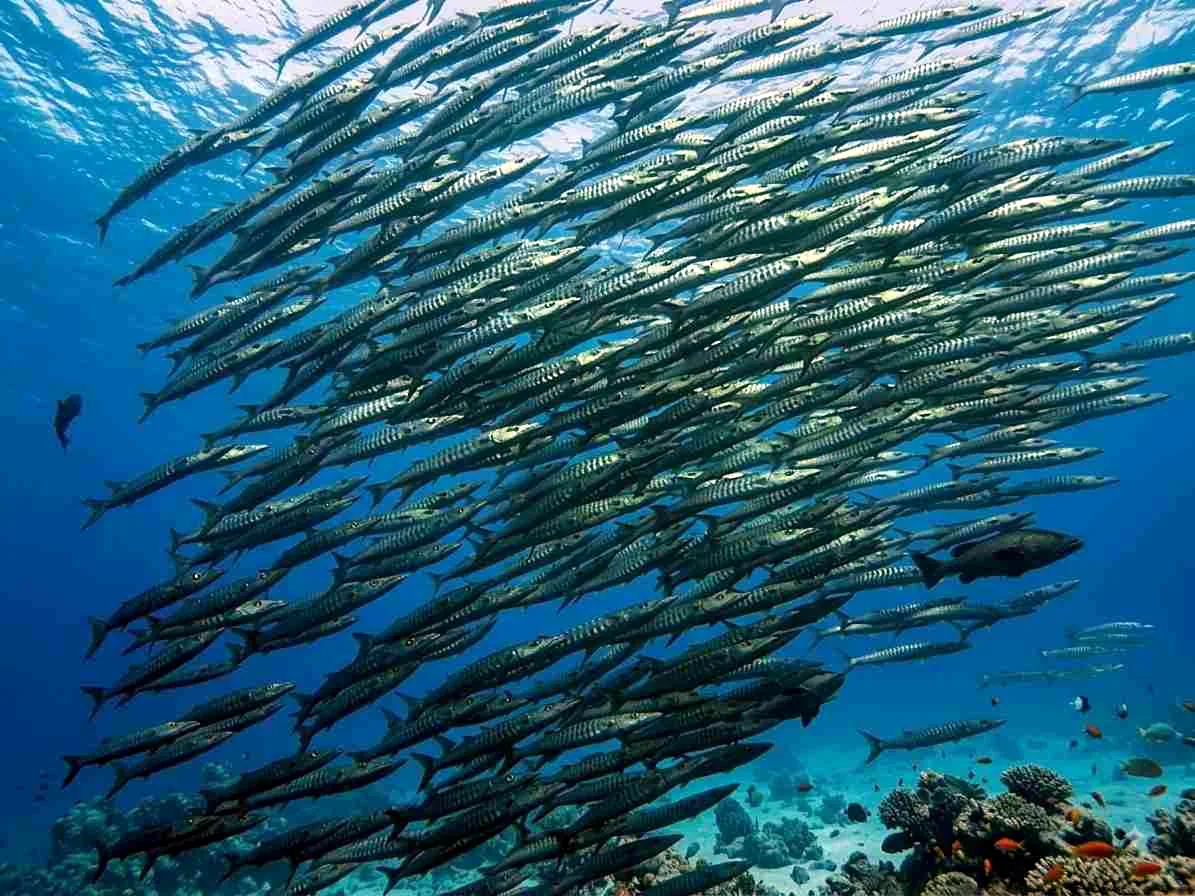
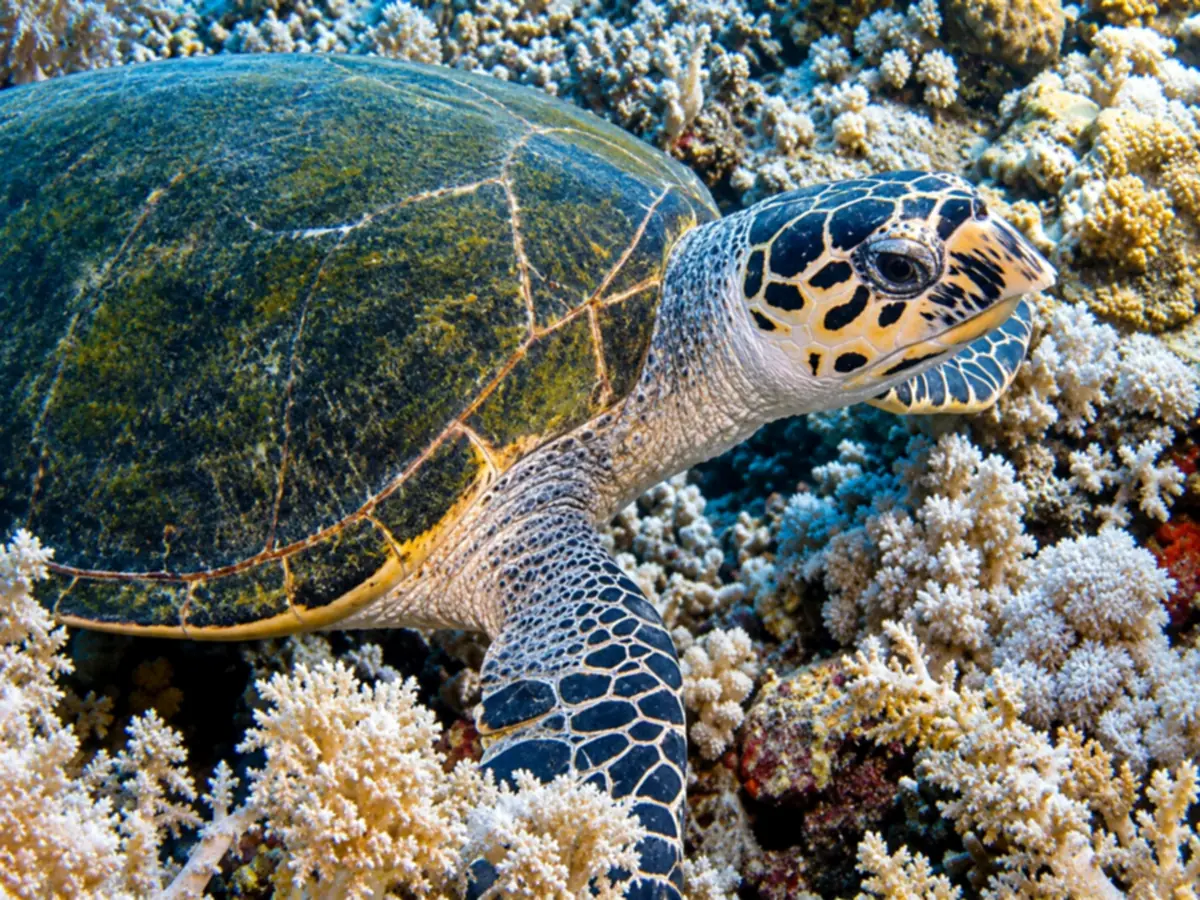
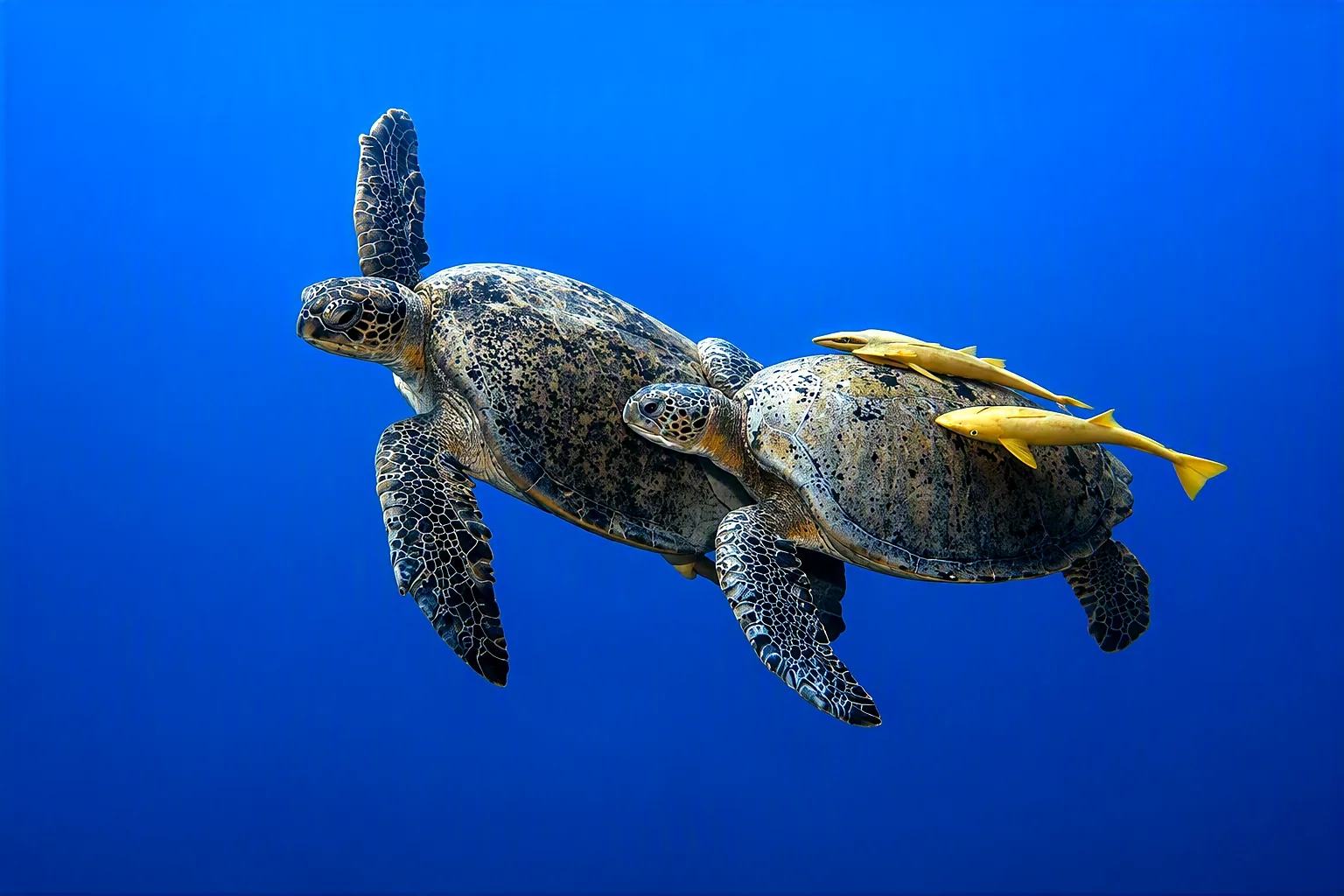
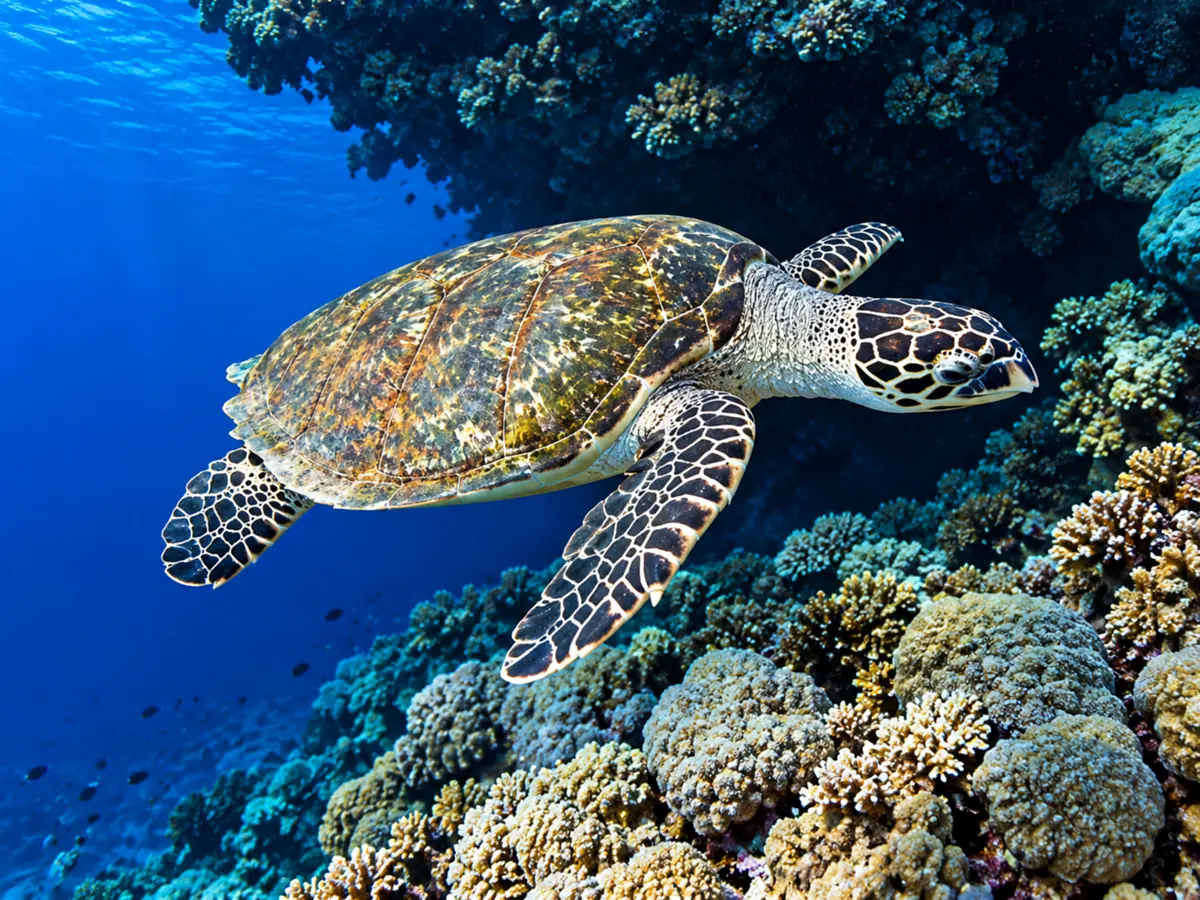
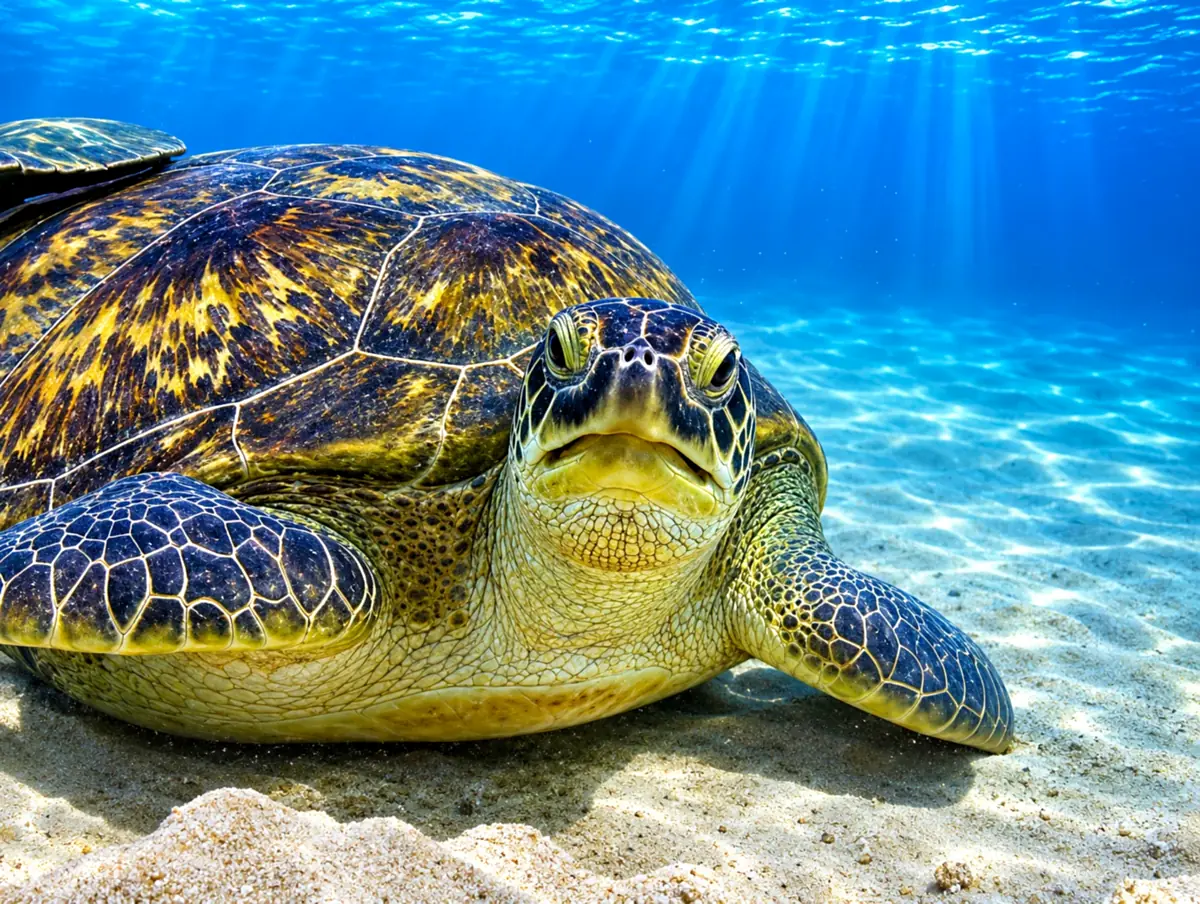
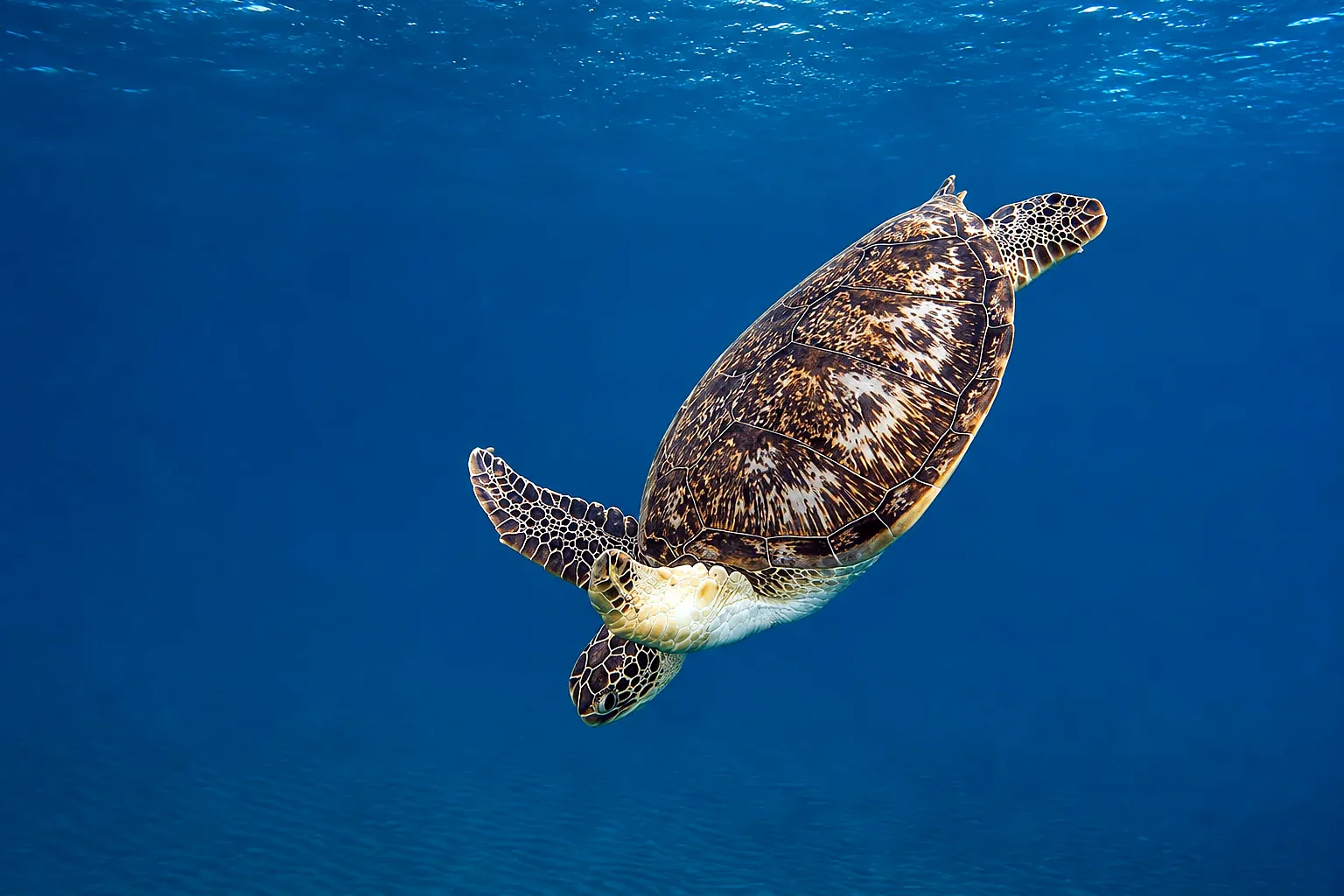
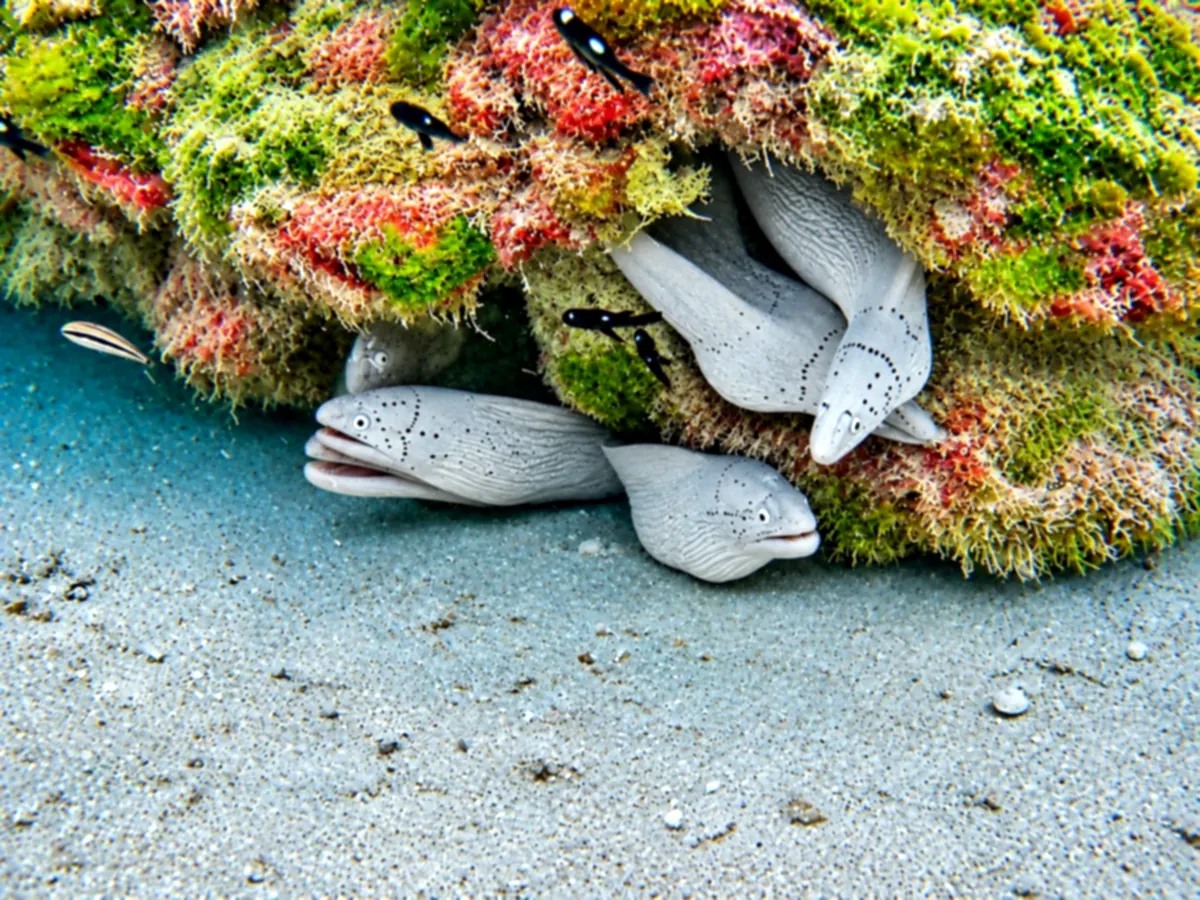
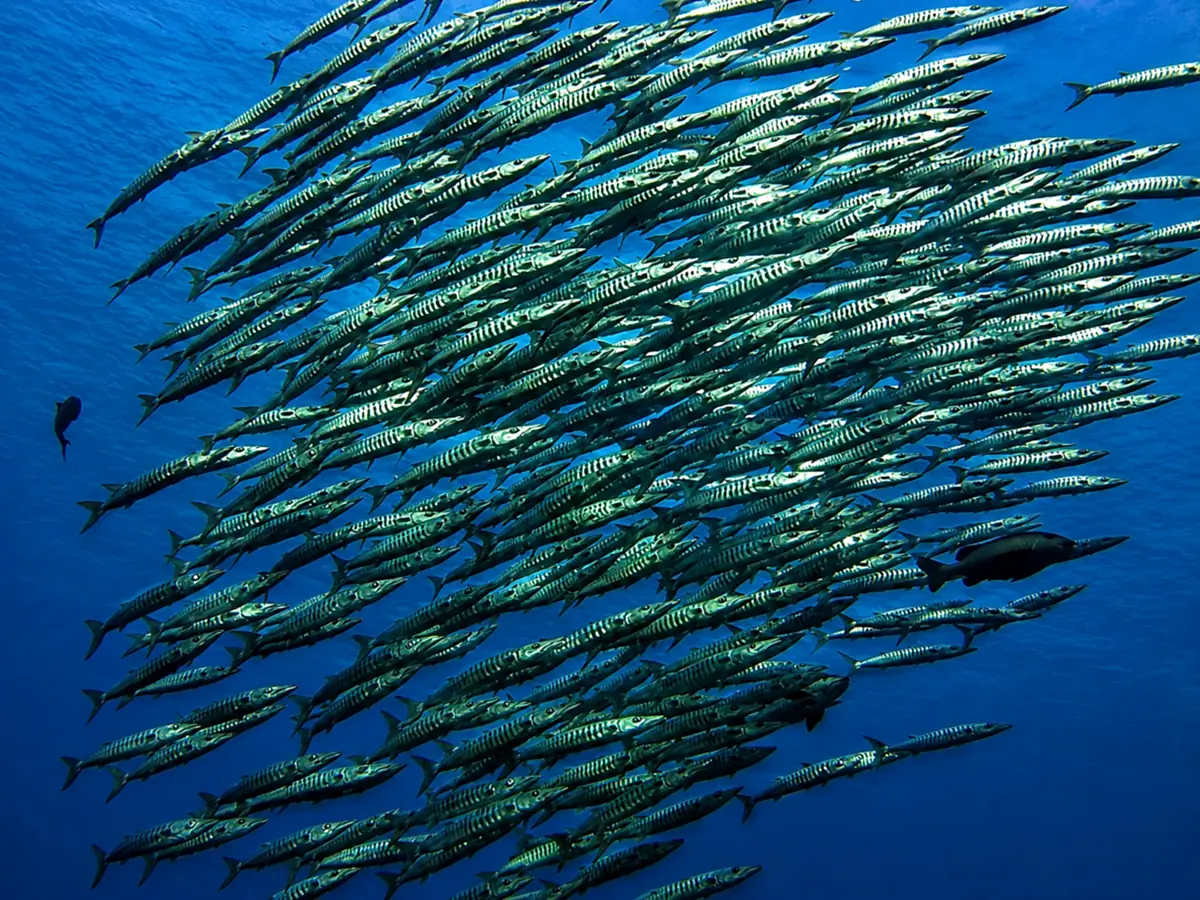
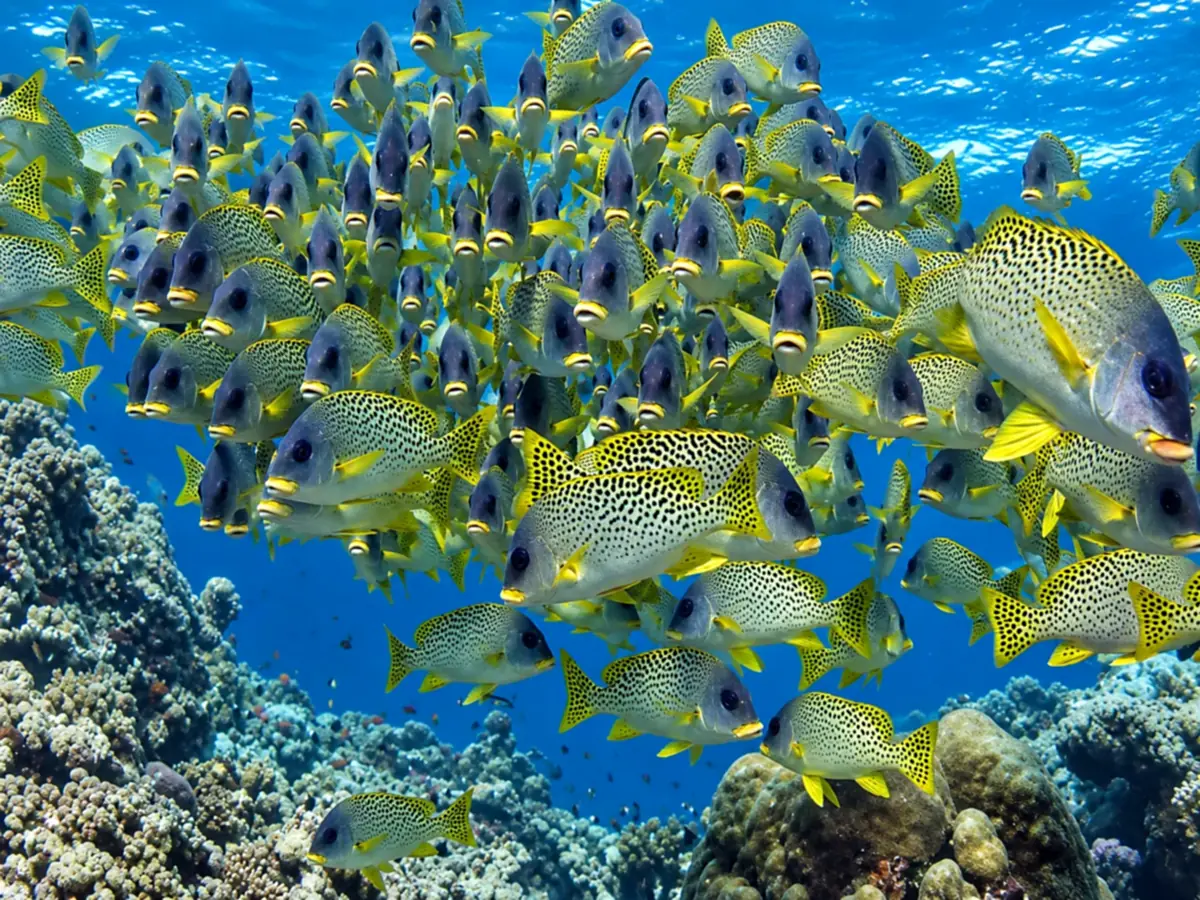
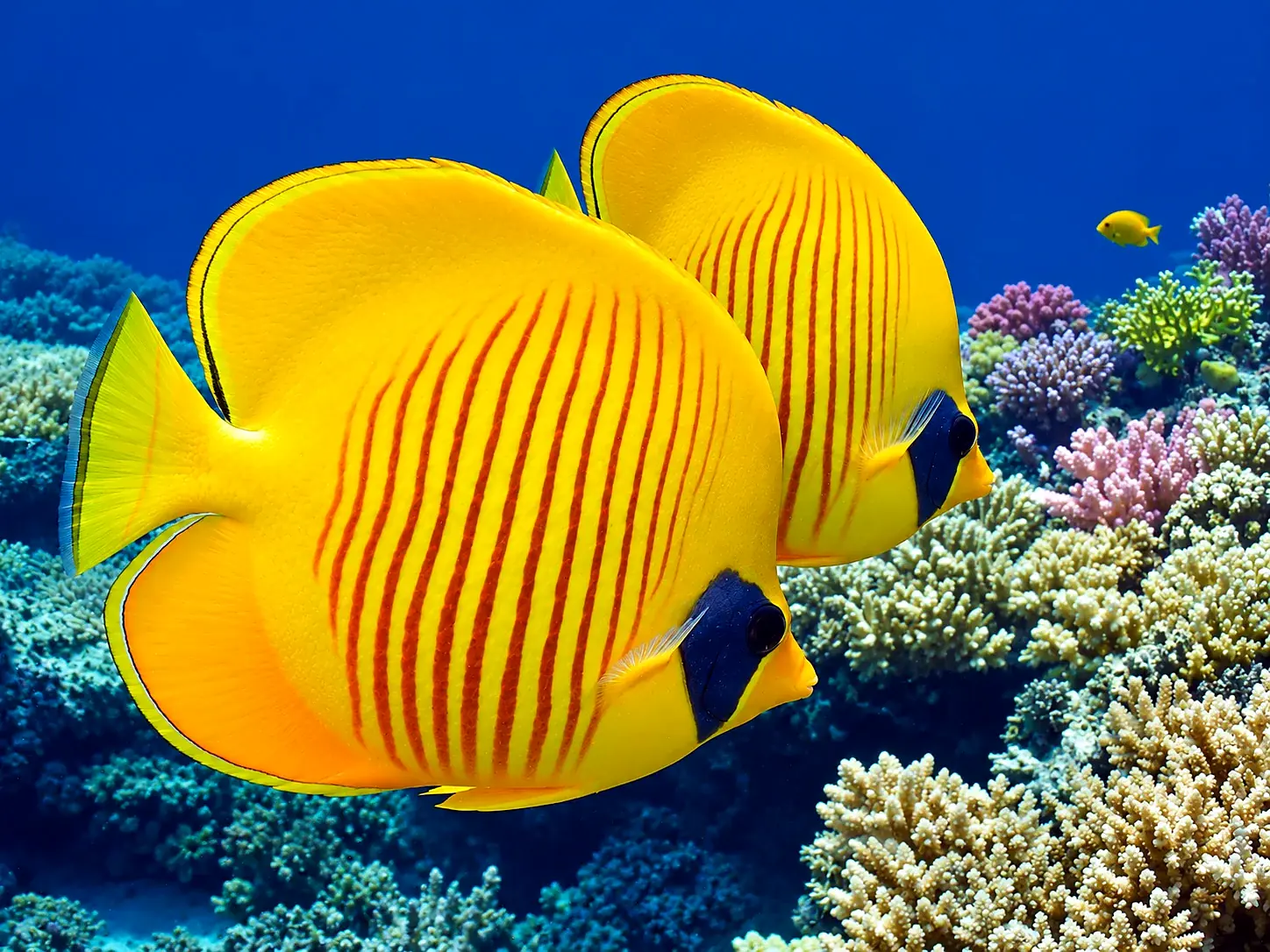
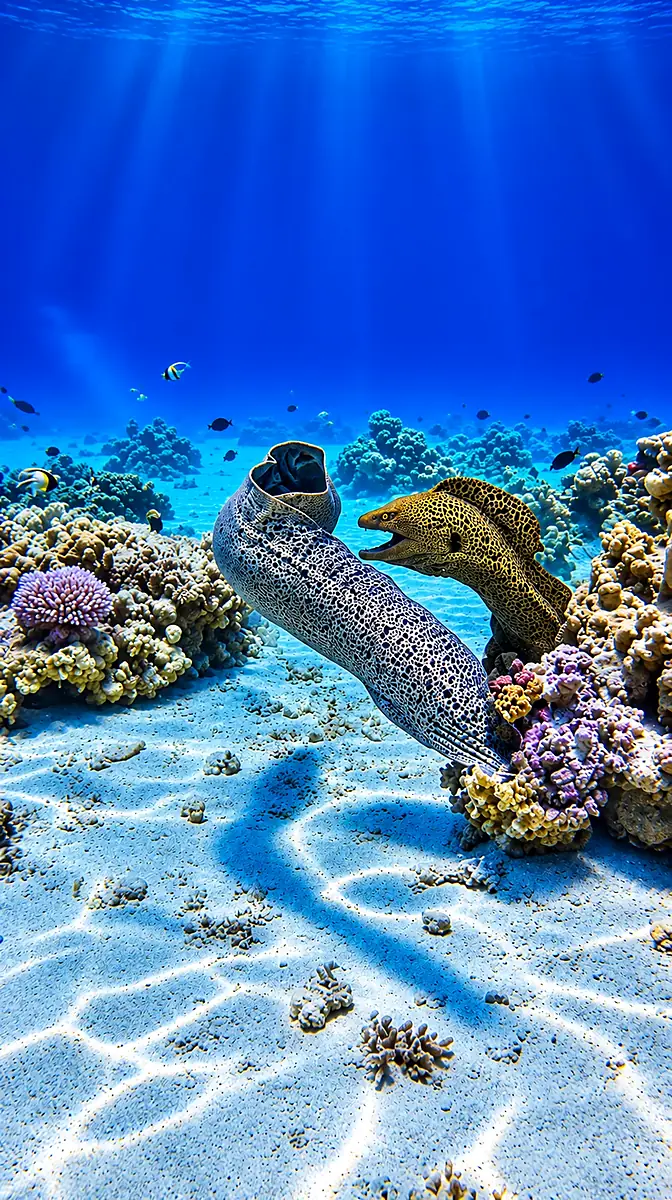
Overall, the headland draws both reef fish and open-water visitors. Rays, crocodilefish, whitetip reef sharks, bannerfish, butterflyfish, barracuda, turtles, moray eels and sweetlips live here, and thresher sharks have been reported, although no sighting is ever certain.
On the sand
Generally, rays and crocodilefish rest under the table corals, and whitetip reef sharks sometimes lie on the sand.
Along the wall
Likewise, bannerfish and butterflyfish hold in the calm water behind the bends of the wall, while turtles and moray eels stay near the reef.
In the blue
Meanwhile, schools of barracuda patrol the ridge, and thresher sharks have been reported there.
Is Ras Umm Hesiwa suitable for beginners?
Not really. The site is best for divers with some experience, especially on the ridge. However, less experienced divers can enjoy the plateau and the shallower main reef with a guide.
For the ridge, the Advanced Open Water course helps, while the Digital Underwater Photography course suits the table corals, which make this one of the best wide-angle sites near Safaga.
Before you dive here
Firstly, dive it only on a calm day. Secondly, watch the current and your air on the ridge. Also, stay off the table corals; they are large but fragile.
Above all, follow our diving safety standards and the rules of HEPCA. We strongly recommend dive insurance such as DAN Europe.
How do you get there?
In practice, divers reach the headland by boat in about 50 minutes from Safaga, or a little less from Soma Bay. Because it is exposed, it is less visited, and boats choose it only when the sea is calm.
Generally, you can pair it with Ras Abu Soma on the way back. Consequently, it fits well into a day on the Safaga dive sites.
Plan your dive trip
- Diving in Hurghada — daily diving from Hurghada.
- PADI courses — from first dives to professional levels.
- What divers need on board — the packing checklist for a Red Sea safari.
- redsealiveaboard.net — Red Sea safari schedules and availability.
- Our eight liveaboards: Sea Fox, Simba, Sea Treasure, Star Jet, Bismarck, C Echo II, C U and Ramadan 3.
Photo gallery from the headland
Other routes from Red Sea Diving
Generally, for a first liveaboard, the North Red Sea liveaboard keeps to the classic wrecks. On the other hand, the BDE liveaboard heads south to the Brothers, while the Deep South St. John’s liveaboard goes further still. Meanwhile, the Red Sea liveaboard guide compares all eight routes.
Ras Umm Hesiwa: frequently asked questions
Where is Ras Umm Hesiwa?
In fact, it is a headland reef about 5 km north of Ras Abu Soma, around 50 minutes by boat from Safaga.
How deep is Ras Umm Hesiwa?
Usually, it runs from about 15 m on the plateau to over 40 m at the drop.
Is Ras Umm Hesiwa good for beginners?
Generally, it is best for divers with some experience. Less experienced divers should stay on the shallower main reef with a guide.
What can you see at Ras Umm Hesiwa?
Above all, large table corals, rays, crocodilefish, sometimes whitetip reef sharks, bannerfish, butterflyfish and schools of barracuda.
When can you dive Ras Umm Hesiwa?
Because it is exposed to weather and current, it is dived on calm days only.
Safaga · Soma Bay · Table corals and drop-off
Dive Ras Umm Hesiwa with us
Simply tell us your dates, the number of divers, your certification level and your number of logged dives. Afterward, our team checks which departure fits your group before you commit to anything.


