
Course organization
Preparing a suitable training area, arranging equipment, scheduling lessons and handling participant paperwork without losing an afternoon to it.

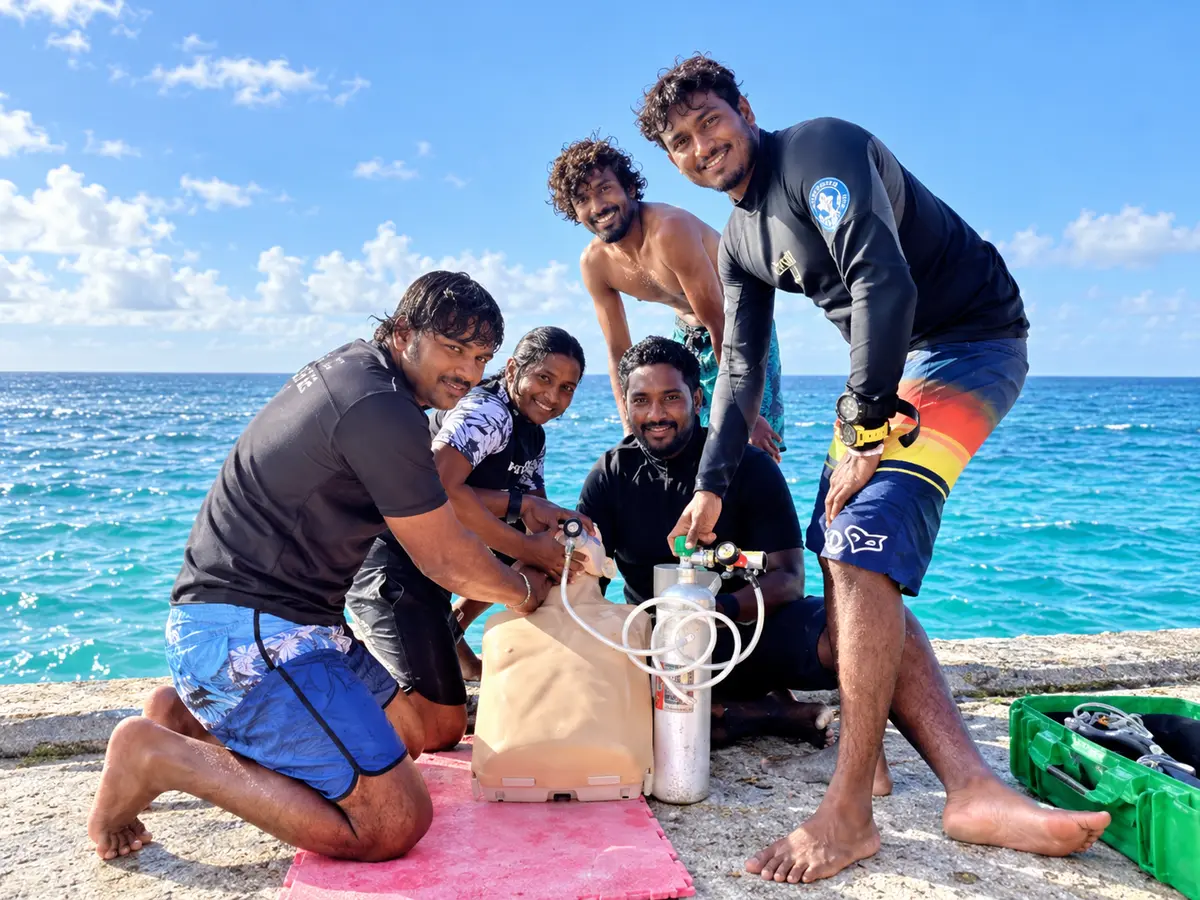
PADI EFR Instructor Course · Go Pro · Hurghada
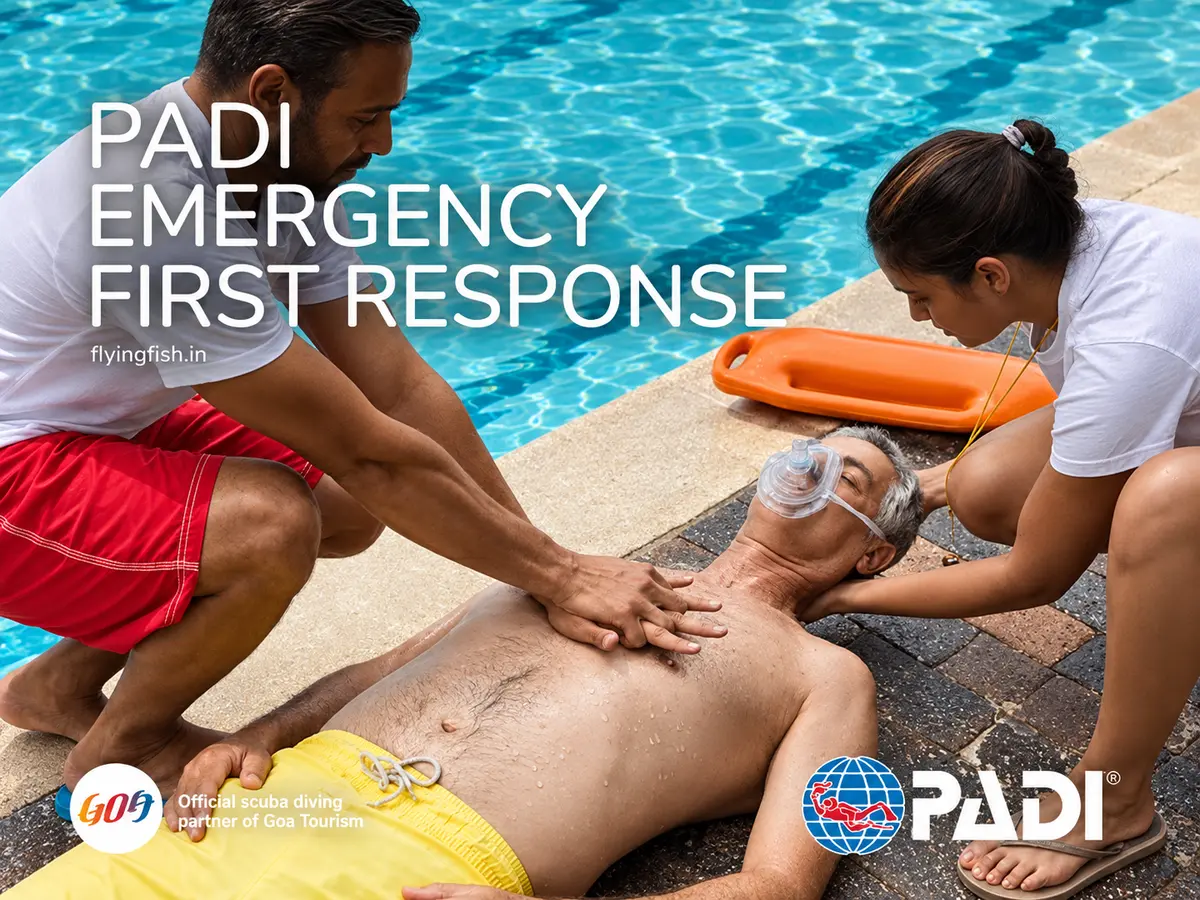
Learn to teach CPR, first aid and emergency care. Two days of presentation practice, candidate coaching, skills evaluation and scenario management with a qualified Emergency First Response Instructor Trainer. No diving certification is required, and the rating is mandatory on the road to becoming a PADI Instructor.
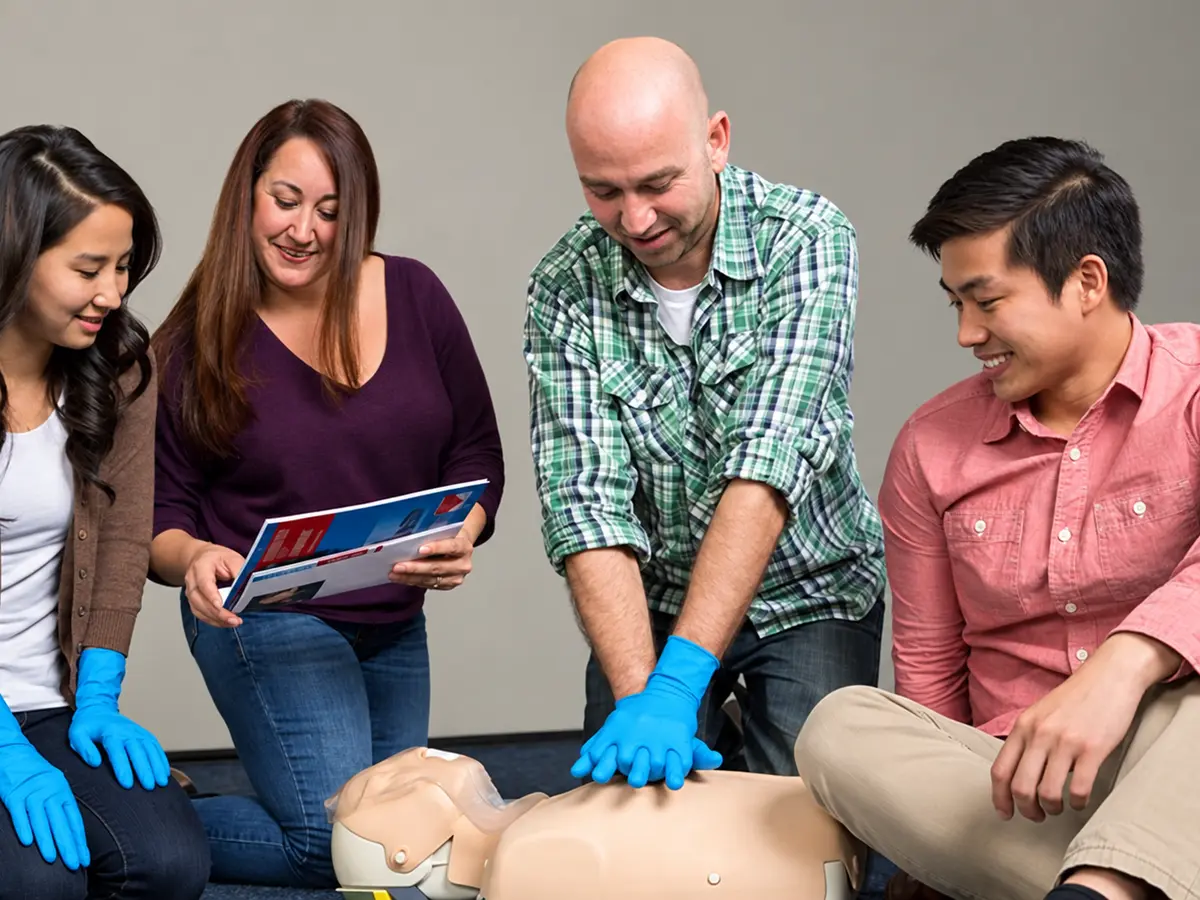
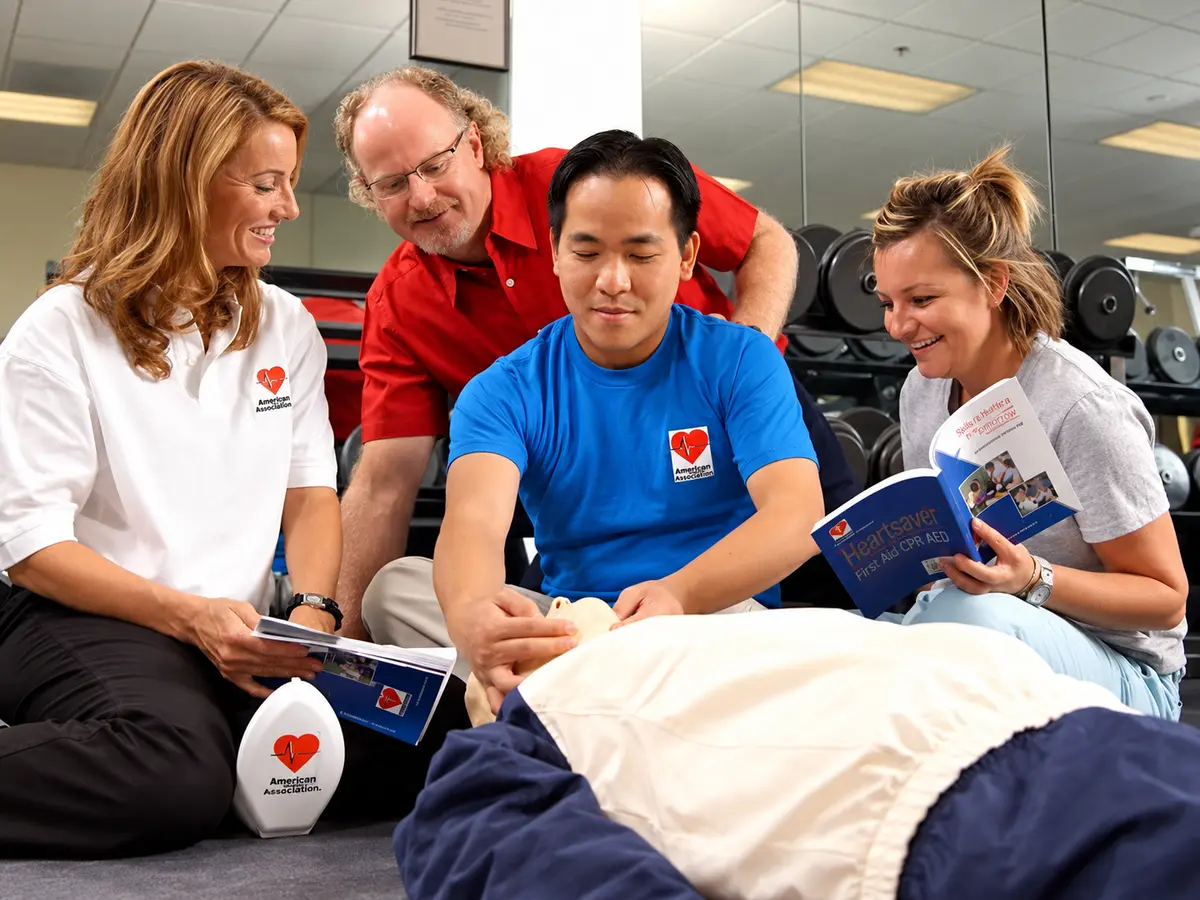
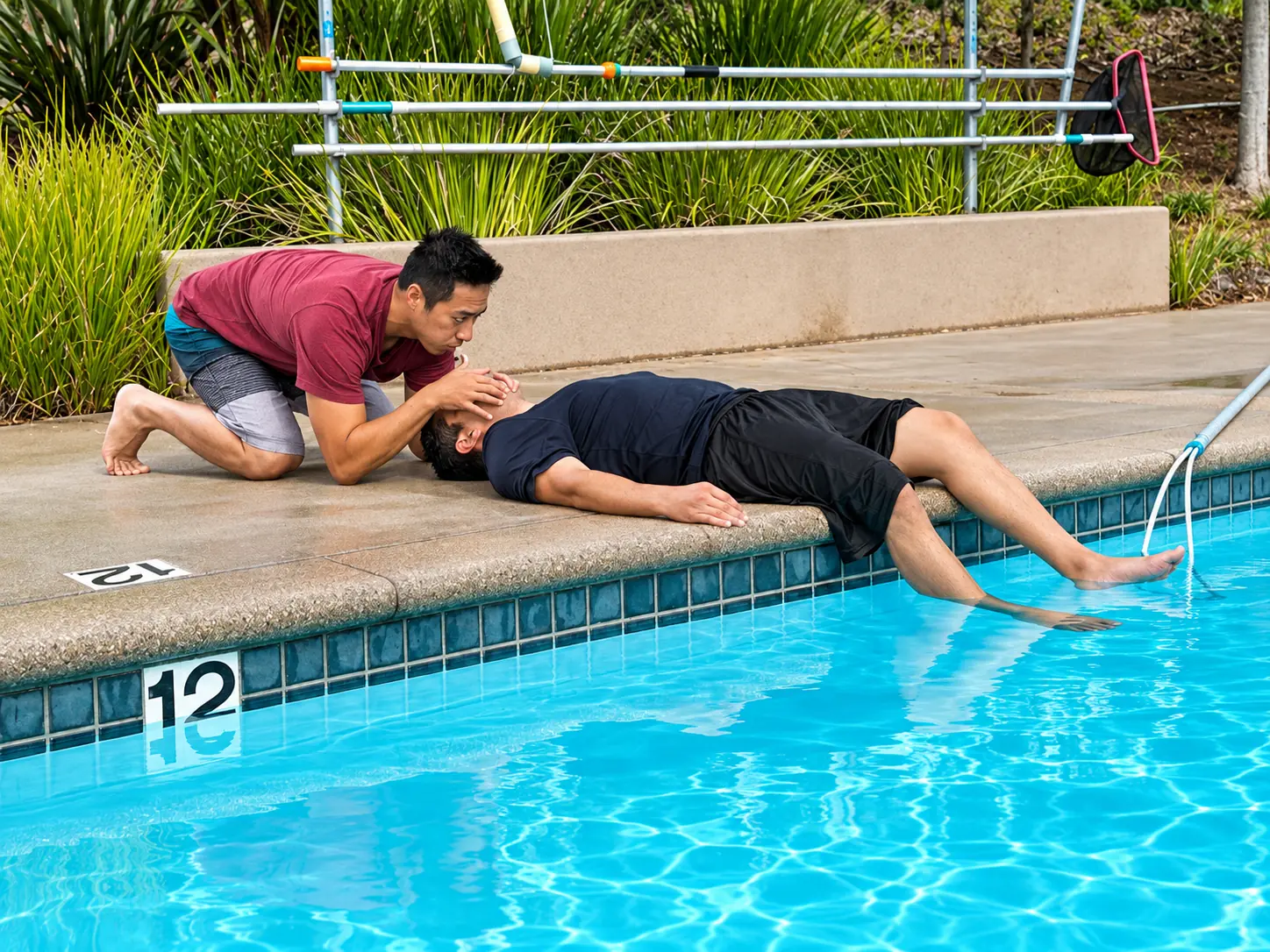
The PADI EFR Instructor Course is the Emergency First Response rating that qualifies you to teach CPR, first aid and emergency care to other people. In Hurghada it starts from €450 per candidate and normally takes two days, roughly eight to fourteen training hours. Candidates must be at least eighteen and hold qualifying CPR and first aid training completed within the previous twenty-four months, although a scuba diving certification is not required at any stage. Red Sea Diving runs the program in Hurghada with a qualified Emergency First Response Instructor Trainer.
Moreover, the instructor application fee and the required digital materials are quoted separately, because both change by region and by year. Therefore we send a written breakdown before you commit to anything. The program follows the standards published by Emergency First Response.
PADI EFR Instructor Course in Hurghada at a glance
| Course | Emergency First Response Instructor, the EFR teaching rating |
|---|---|
| Price | From €450 per candidate, training only |
| Duration | Two days, roughly 8 to 14 training hours |
| Minimum age | 18 years |
| Diving required | None, and divers and non-divers train together |
| Prerequisites | Current CPR and first aid training within the previous 24 months |
| Self-study | EFR Instructor digital learning, completed before day one |
| Assessment | Instructor exam, teaching presentations and scenario workshops |
| Rating awarded | Emergency First Response Instructor |
| Required for | PADI Open Water Scuba Instructor certification |
| Location | Hurghada, Red Sea Governorate, Egypt |
| Language | English, with other languages on request |
| Booking | Training, materials and application fee quoted as separate lines |
| Operator | Red Sea Diving, a PADI dive operator in Hurghada since 2000 |
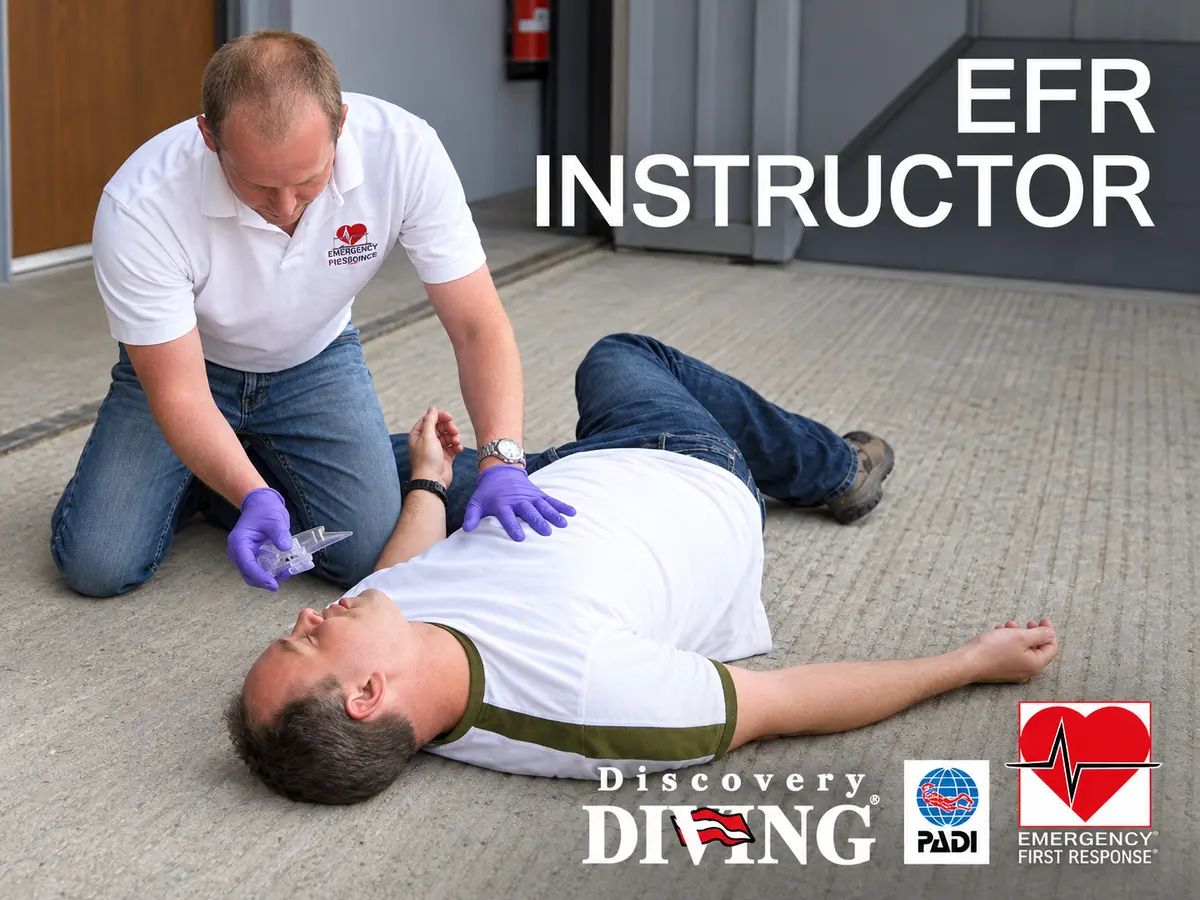
Participant training taught you to perform emergency care. By contrast, instructor training teaches you to hand that ability to somebody else. Consequently most of the work is not medical at all, it is instructional: building a room where people feel safe practicing something frightening, explaining procedures plainly, demonstrating skills properly and evaluating performance fairly.
Furthermore, the rating reaches well past diving. Once it is active you can teach qualifying Emergency First Response programs to the public, to company staff, to families, to sports professionals and to diving students alike.
One point deserves to be clear: this is a teaching credential, not a medical one. It authorizes you to deliver EFR programs to the published standards, and nothing beyond them.
Preparing a suitable training area, arranging equipment, scheduling lessons and handling participant paperwork without losing an afternoon to it.
Clear methods for explaining and demonstrating CPR, first aid and emergency procedures to people who have never seen them before.
Supporting students while they practice, then correcting performance problems without knocking their confidence sideways.
Assessing understanding, confidence and genuine mastery rather than whether somebody simply went through the motions.
Building and running realistic emergencies that let students combine several skills under mild, controlled pressure.
Speaking to a room, managing pace and timing, and handling the questions that arrive halfway through a demonstration.
Certification procedures, record keeping and the documentation that keeps your teaching status clean and current.
Reading a struggling candidate early, adjusting the session and knowing when a skill needs revisiting rather than signing off.
Presenting EFR training to divers, non-divers, companies, schools and boat crews, which is how the rating earns its keep.
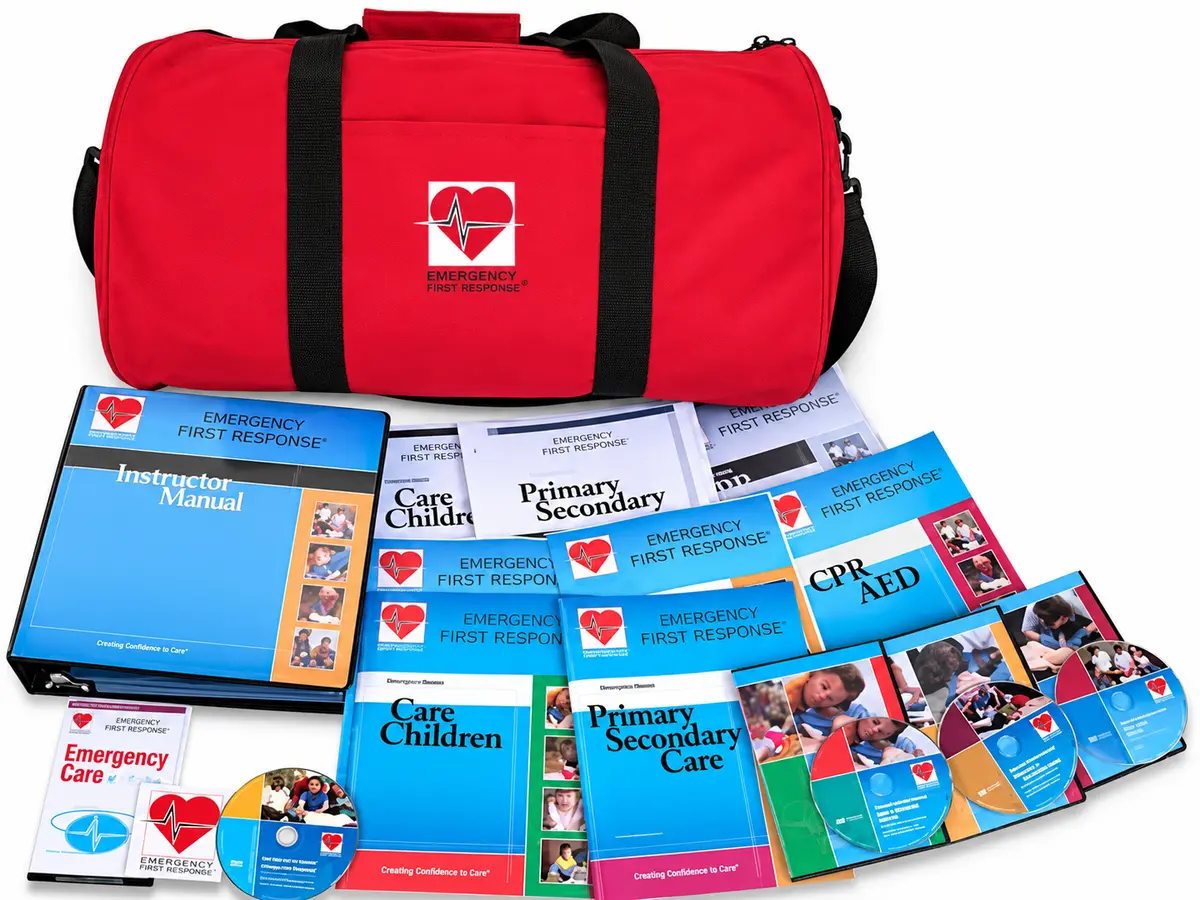
First, complete the assigned digital learning and review the current Primary Care and Secondary Care participant materials.
Next, orientation, emergency care principles, the EFR educational philosophy, course organization and instructor responsibilities.
Then teaching and presentation practice, a full CPR and first aid skills review, the knowledge reviews and the instructor examination.
Afterward, skills demonstration practice, participant coaching and performance evaluation in front of the Instructor Trainer.
Finally, scenario-based teaching, problem management, paperwork and certification procedures, then the assessment and application preparation.
However, the schedule bends around class size, candidate experience and whether participant-level CPR and first aid training needs refreshing beforehand. Consequently we confirm the exact timetable once we see your current certification dates.
Doctors, nurses, paramedics and other current medical professionals may qualify through their professional credentials, although eligibility has to be confirmed by the Instructor Trainer before booking. Moreover, if your first aid certificate has expired, the participant-level Emergency First Response course can be refreshed immediately beforehand, and we schedule both together.
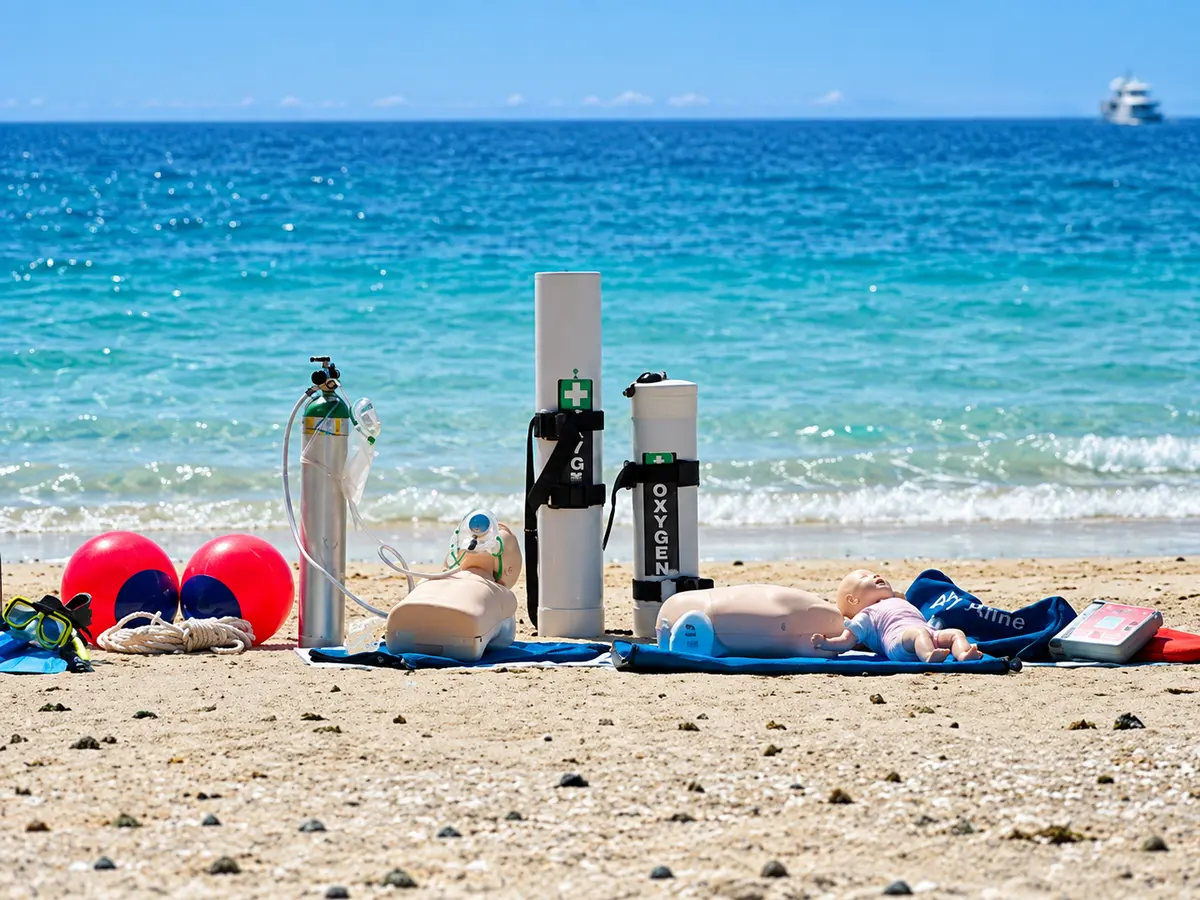
Therefore your written quotation shows training, required materials and the current application fee as three separate lines. Application fees change by region and year, so a single all-in number would be out of date by the time you arrived.
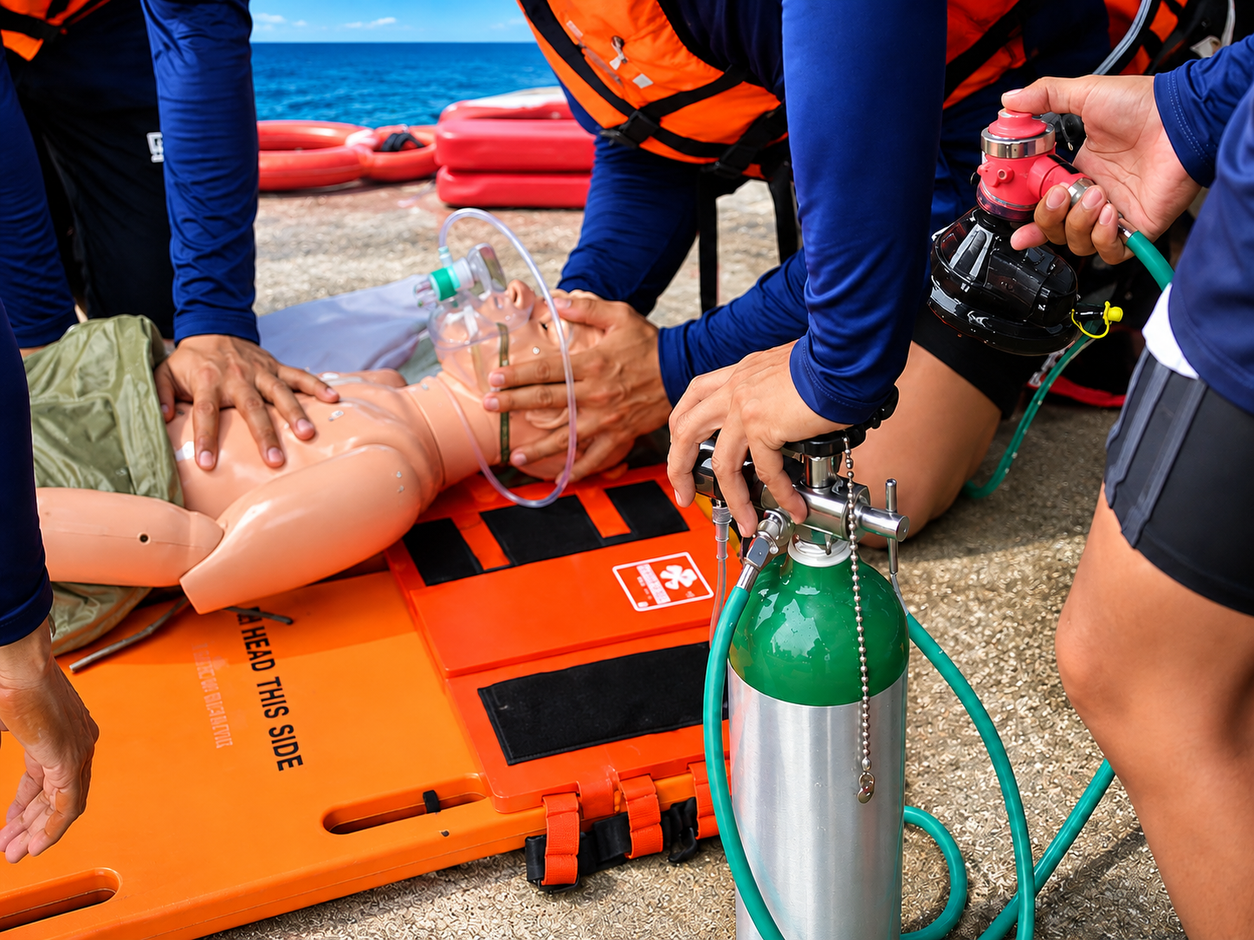
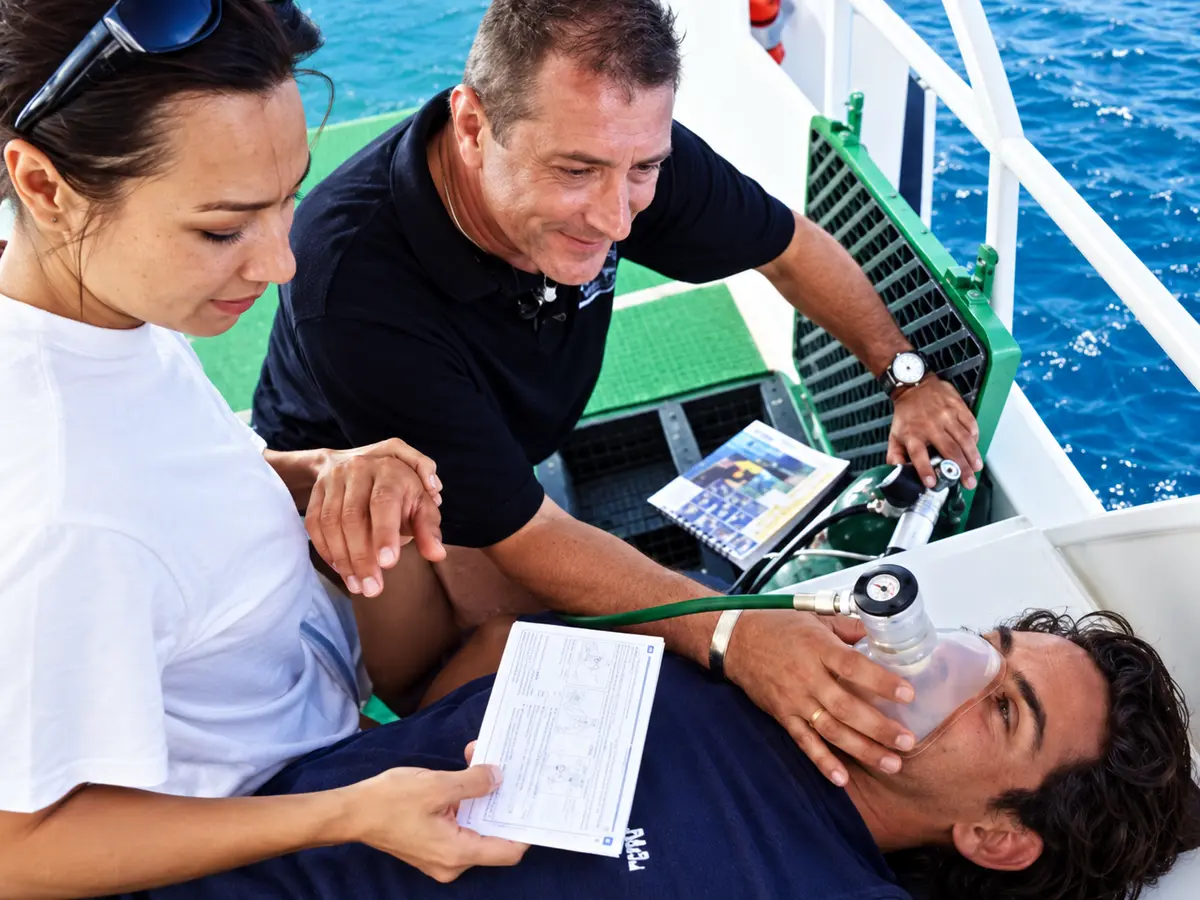
Hurghada runs on emergency readiness every single day. Consequently you train inside a working dive operation where action plans, oxygen kits and briefings are routine rather than theory, and that context sticks with candidates far longer than a classroom does.
Moreover, the timing works. Most candidates here are already heading toward the PADI IDC in Hurghada, so the two programs slot together in one trip instead of two. Doing EFR Instructor first is usually the better plan, since it removes one job from an already heavy fortnight of exam preparation.
Furthermore, we run daily diving alongside the course, and our diving safety page sets out the procedures you will be teaching from.
Gallery
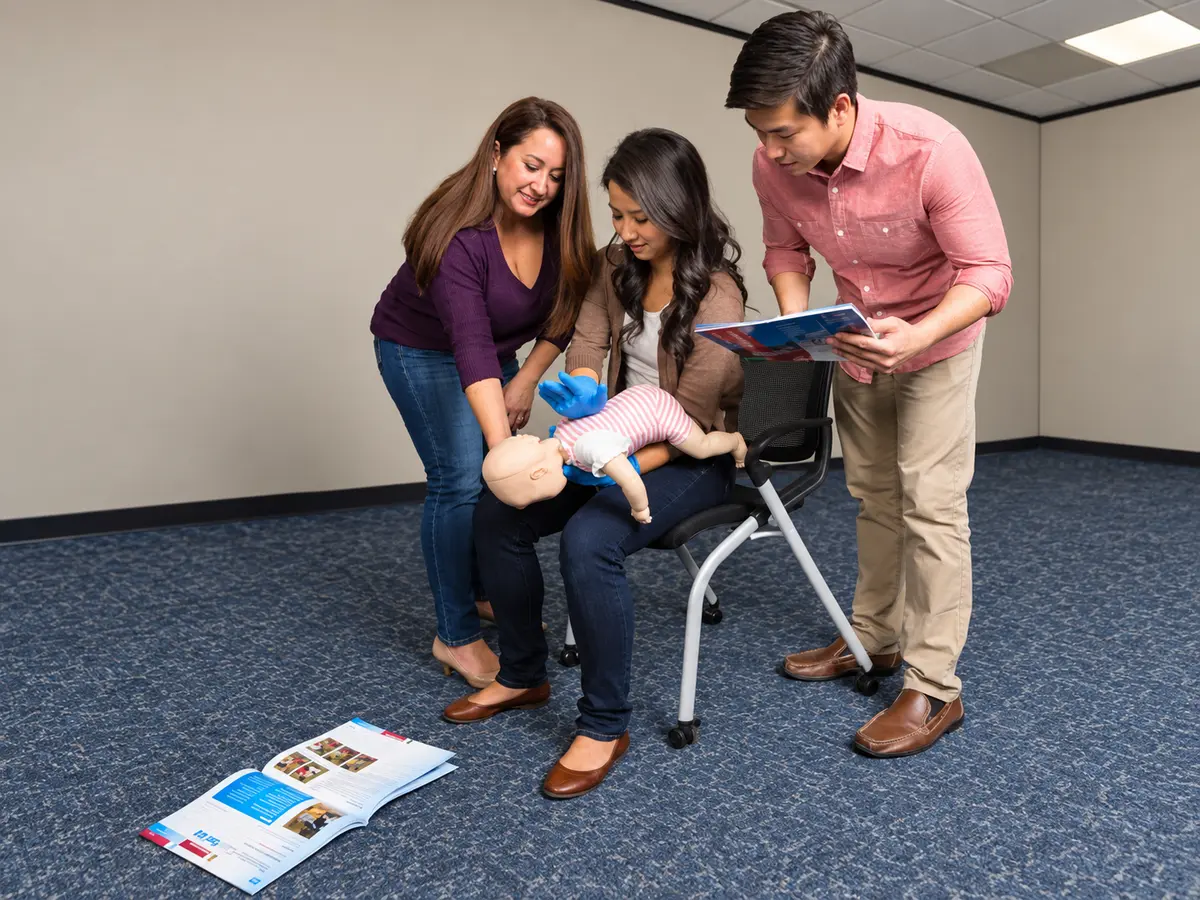
Primary Care and Secondary Care training for anyone. You learn to perform CPR and first aid yourself, and it is a prerequisite for Rescue Diver and Divemaster. It does not let you teach.
By contrast, a teaching rating. You learn to deliver, coach, evaluate and certify EFR programs for divers and non-divers, and you need it before your PADI Open Water Scuba Instructor rating is issued.
The professional route runs: Advanced Open Water → Rescue Diver → Divemaster → EFR Instructor → IDC → Open Water Scuba Instructor. Afterward come the MSDT specialty instructor ratings.
Why us
Above all, emergency equipment, documented action plans and briefings are how we operate daily, not a module we teach once a year.
Indeed, more than two decades of diving and liveaboard operations out of Hurghada, on every Egyptian route.
Furthermore, your course runs with a qualified Emergency First Response Instructor Trainer present, rather than supervised from a distance.
Moreover, you learn through hands-on CPR, first aid and scenario practice, because nobody ever learned to teach compressions from a slide.
In addition, you get a written breakdown of training, materials and application fees before you commit to anything.
Likewise, the rating lets you teach emergency care well beyond diving, which keeps it useful whatever happens to your diving career.
Questions
Training starts from €450 per candidate. However, required digital materials, participant-level training and the EFR Instructor application fee are quoted separately.
Roughly eight to fourteen training hours, usually completed over two days. Nevertheless, the self-study has to be finished before day one begins.
Not unless your written quotation specifically says so. Application fees change by region and by year, therefore we quote the current figure separately.
Not unless confirmed in your quotation. In every case we tell you which current digital products are required before you begin.
No. Indeed, Emergency First Response training is designed for divers and non-divers alike, and no diving certification is required.
You must be at least eighteen and hold qualifying CPR and first aid training completed within the previous twenty-four months.
You need to refresh the participant-level CPR and first aid training first. Fortunately that can normally be arranged immediately before the Instructor course.
Yes. Doctors, nurses, paramedics and other qualifying medical professionals may be eligible on their current credentials, although the Instructor Trainer confirms this before booking.
You can begin instructor training without it. However, you need the EFR Instructor rating before your PADI Open Water Scuba Instructor rating is issued.
Yes. Emergency First Response courses can be taught to divers and non-divers alike, which is exactly what makes the rating useful outside diving.
You can once the appropriate instructor training, materials and application are included in your rating. Therefore ask about it when you request your quotation.
Your rating becomes valid after you complete the course successfully, meet all requirements and your application has been processed and approved.
Send us your full name, your age, your current CPR and first aid certification with its completion date, your preferred dates, whether you are also joining a PADI IDC and whether you need participant-level EFR training first. We confirm your eligibility and send a written quotation. For liveaboard diving in Egypt see also redsealiveaboard.net, and read the current fitness guidance from Divers Alert Network.
Rated 4.9 out of 5 from 132 reviews on Google.
Prefer to talk? Message us on WhatsApp or call +20 105 005 6542. We answer 24 hours a day, seven days a week.
Red Sea Diving, Madares Street, Hurghada 1, Hurghada 84511, Red Sea Governorate, Egypt. Diving and PADI training here since 2000.
This page was last reviewed by the Red Sea Diving instructor team in September 2026.
Premium Red Sea diving in Egypt. Liveaboard trips with experienced crews, comfortable vessels and 20+ years of experience.