

Guide to the Middle Reef dive site · Safaga offshore reefs
Middle Reef Dive Site, Safaga A mushroom-shaped reef, a coral wall and a drift over the gardens
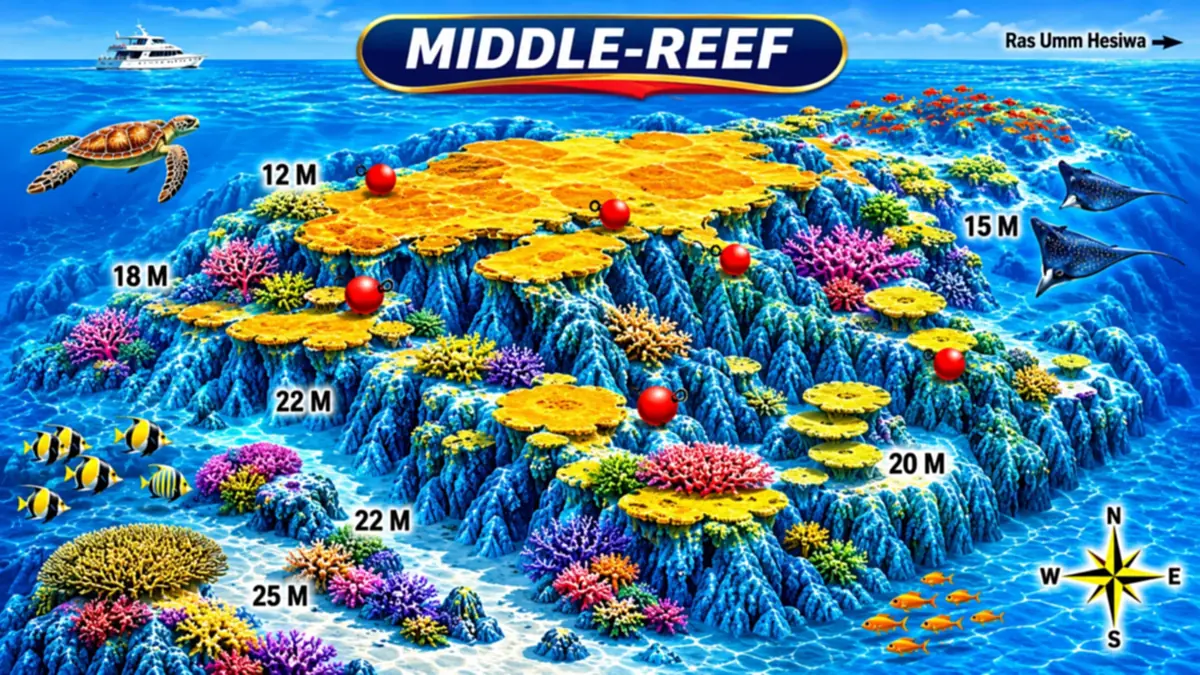
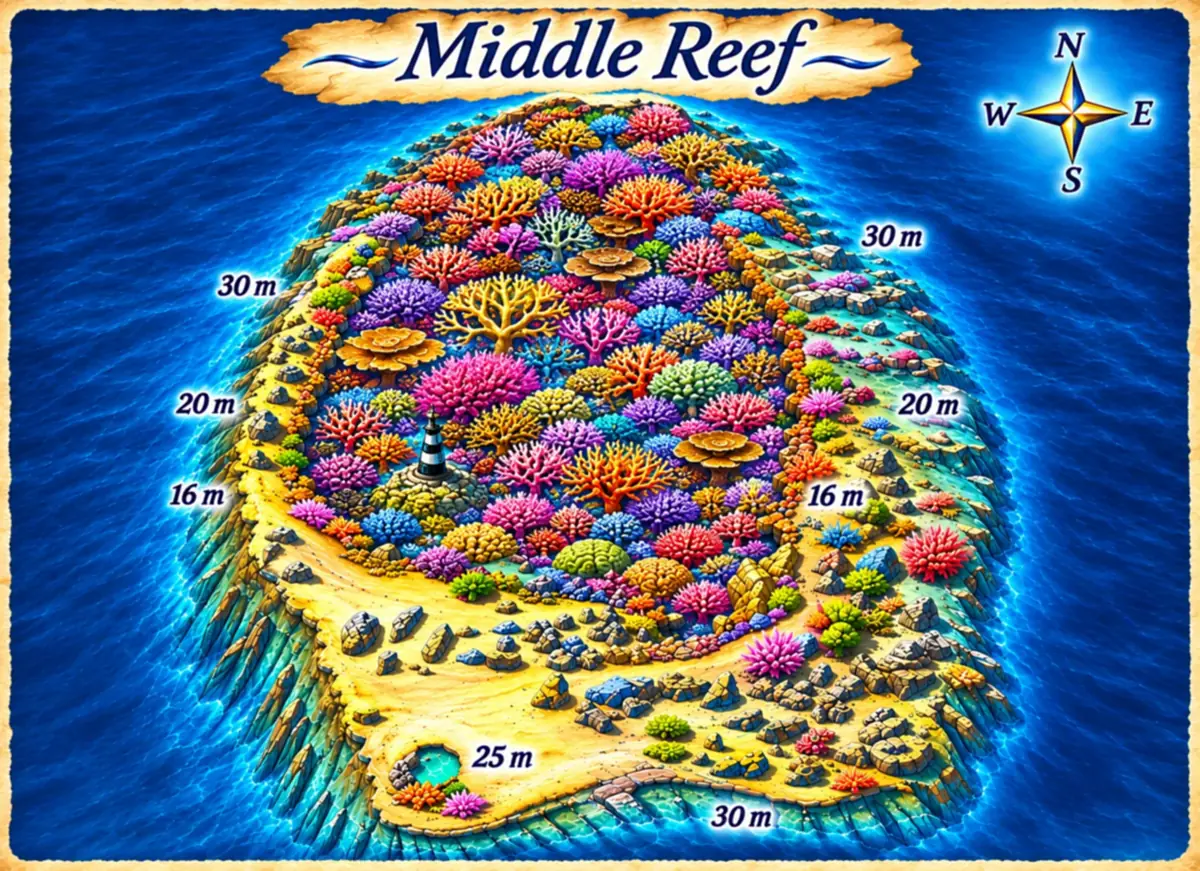
Middle Reef lies, as its name says, between Panorama Reef and Abu Kifan, east of Safaga Island. Shaped like a huge mushroom, it has a drop-off with beautiful coral on its north side, while the south side slopes to about 30 m before falling almost vertically into the depths. Overall, Middle Reef in Safaga is known for one-way drift dives, coral gardens, turtles and sometimes reef sharks.
Middle Reef Safaga in short
In short, Middle Reef is an offshore reef of Safaga between Panorama Reef and Abu Kifan, at about 26°42′18″N, 34°05′59″E (CDWS), some 75–90 minutes by boat from Safaga. Above all, its north side is a drop-off with beautiful coral, while the south side slopes to about 30 m and then falls almost vertically. In addition, many coral blocks form a labyrinth around the reef. Overall, depths run from about 5 m to over 40 m, and the site is known for drift dives, turtles, jacks and sometimes reef sharks.
What is Middle Reef in Safaga like?
Firstly, Middle Reef belongs to the outer reef system of Safaga, east of Safaga Island. Some boats call it Hal Hal.
Meanwhile, the reef has the shape of a huge mushroom. Around it, many coral blocks form a kind of labyrinth.
Also, the water is often calm, so it is a good snorkeling site on good days. However, the current can range from limited to strong.
The reef at a glance
The wall
Firstly, a coral wall for the drift.
The labyrinth
Also, a maze of coral blocks.
The south slope
Finally, a slope that falls into the deep.
What is under the water here?
Generally, the reef has three parts. Firstly, the drop-off on the north side. Then, the coral gardens and the labyrinth of blocks. Finally, the south slope and its wall.
The north wall
The drift. Here, for example, the coral wall drops steeply, and the blue beside it is worth watching.
The labyrinth
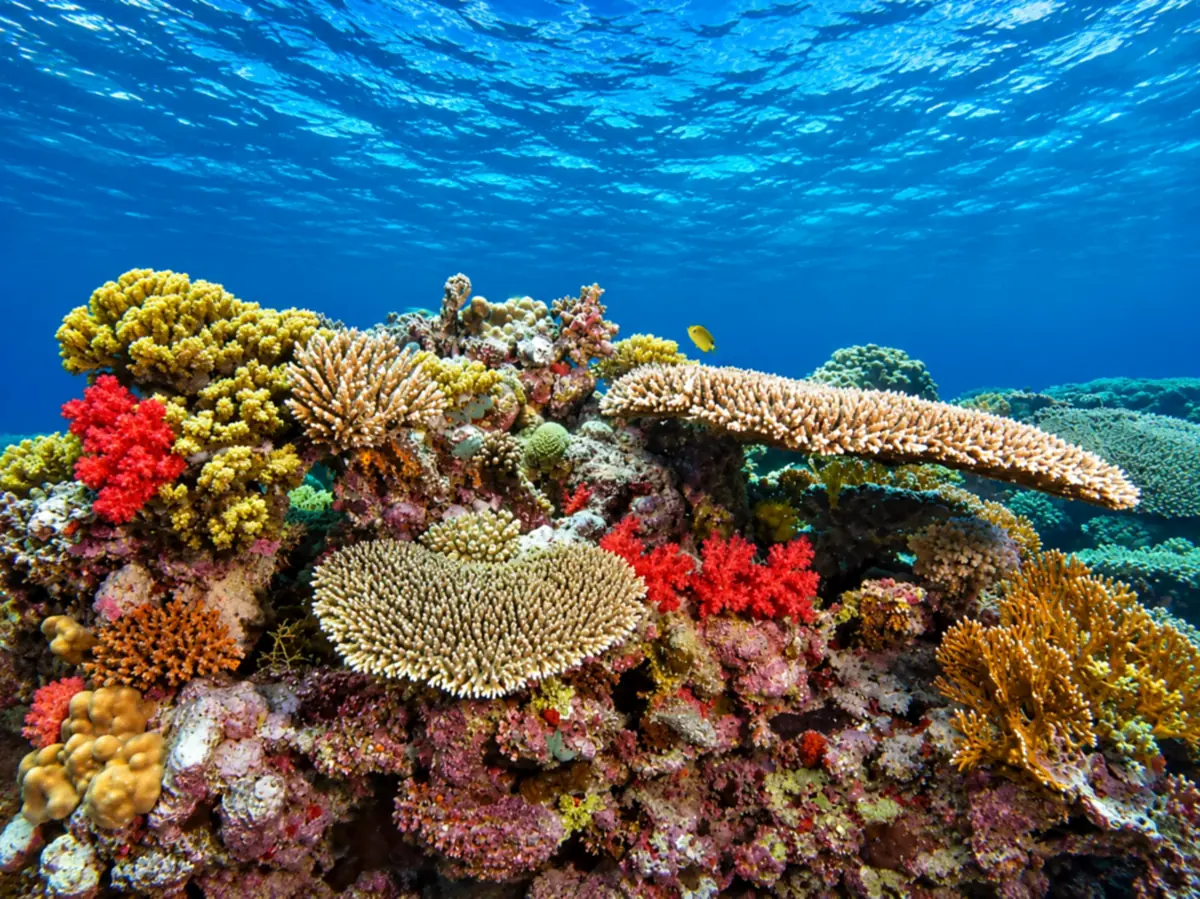
The gardens. In contrast, the shallow side is a maze of blocks, pinnacles and coral gardens.
The south slope
The deep side. Meanwhile, the south side slopes slowly to about 30 m and then falls almost vertically.
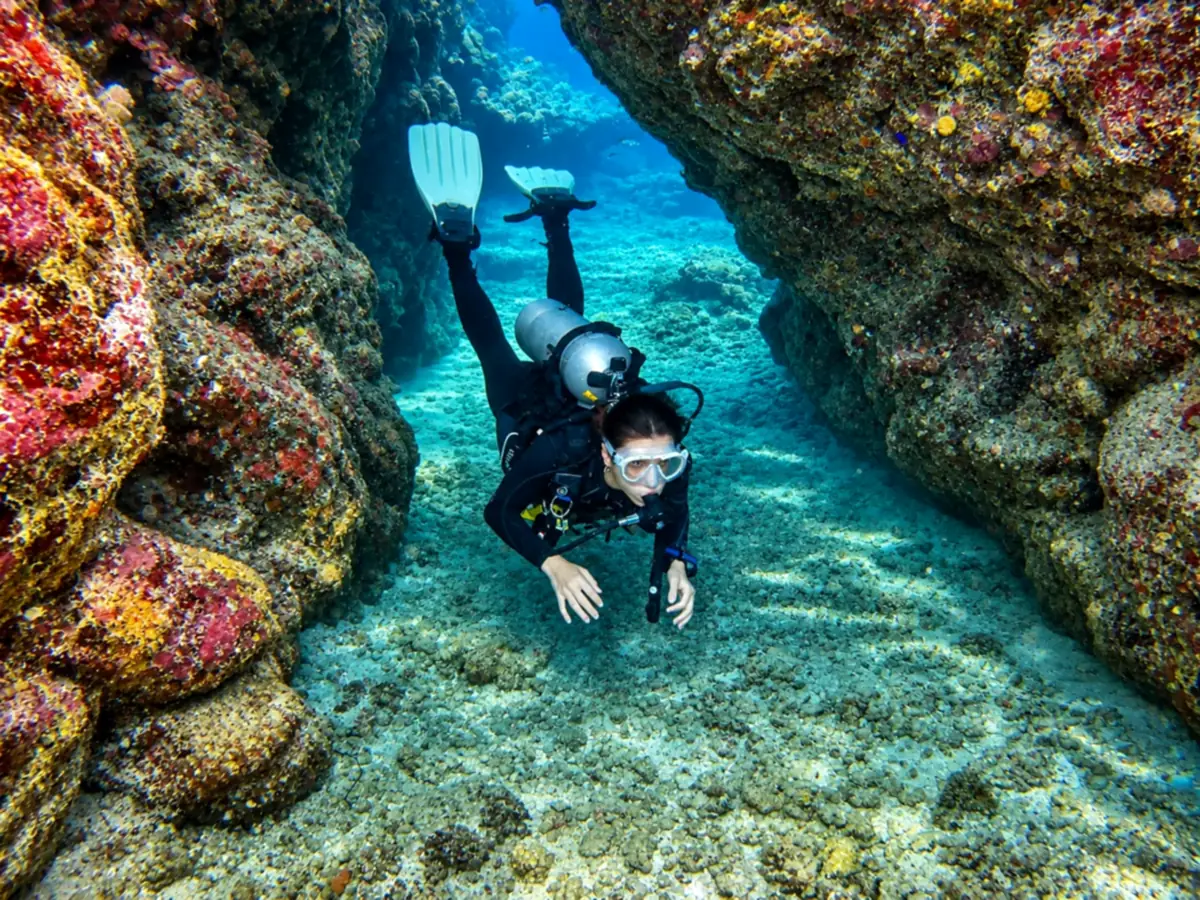
Where is Middle Reef in Safaga?
Specifically, the reef lies between Panorama Reef and Abu Kifan, east of Safaga Island, at about 26°42′18″N, 34°05′59″E. It takes about 75–90 minutes by boat from Safaga.
In addition, more offshore sites lie close by. For example, Panorama Reef lies to the north, Abu Kifan to the south and the Salem Express wreck to the south-west. For the whole area, see the Safaga dive sites guide.
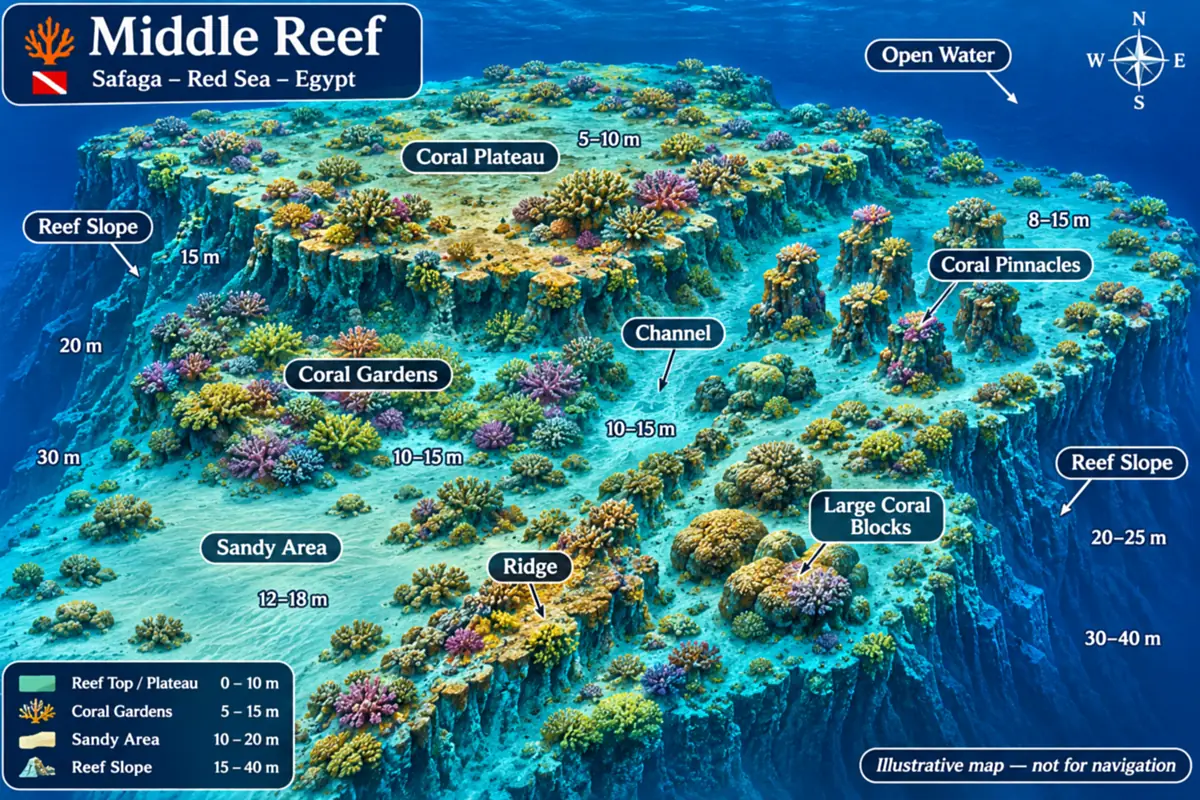
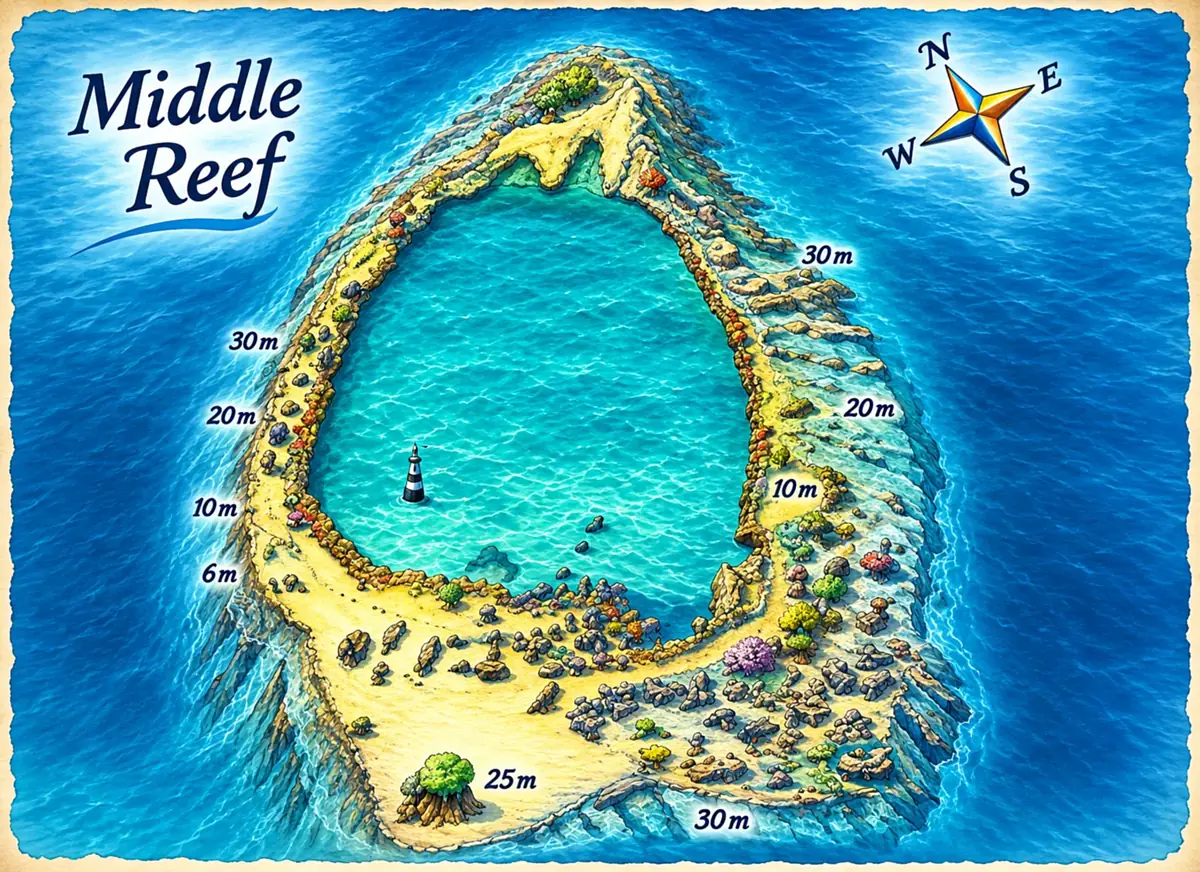
How do you dive Middle Reef Safaga?
Usually, a dive here is a one-way drift. Since the current changes, dives are mostly made on the west and east sides.
Route A: the drift along the wall
The entry
The start. Firstly, you enter from the boat on the up-current side and descend beside the wall.
The wall
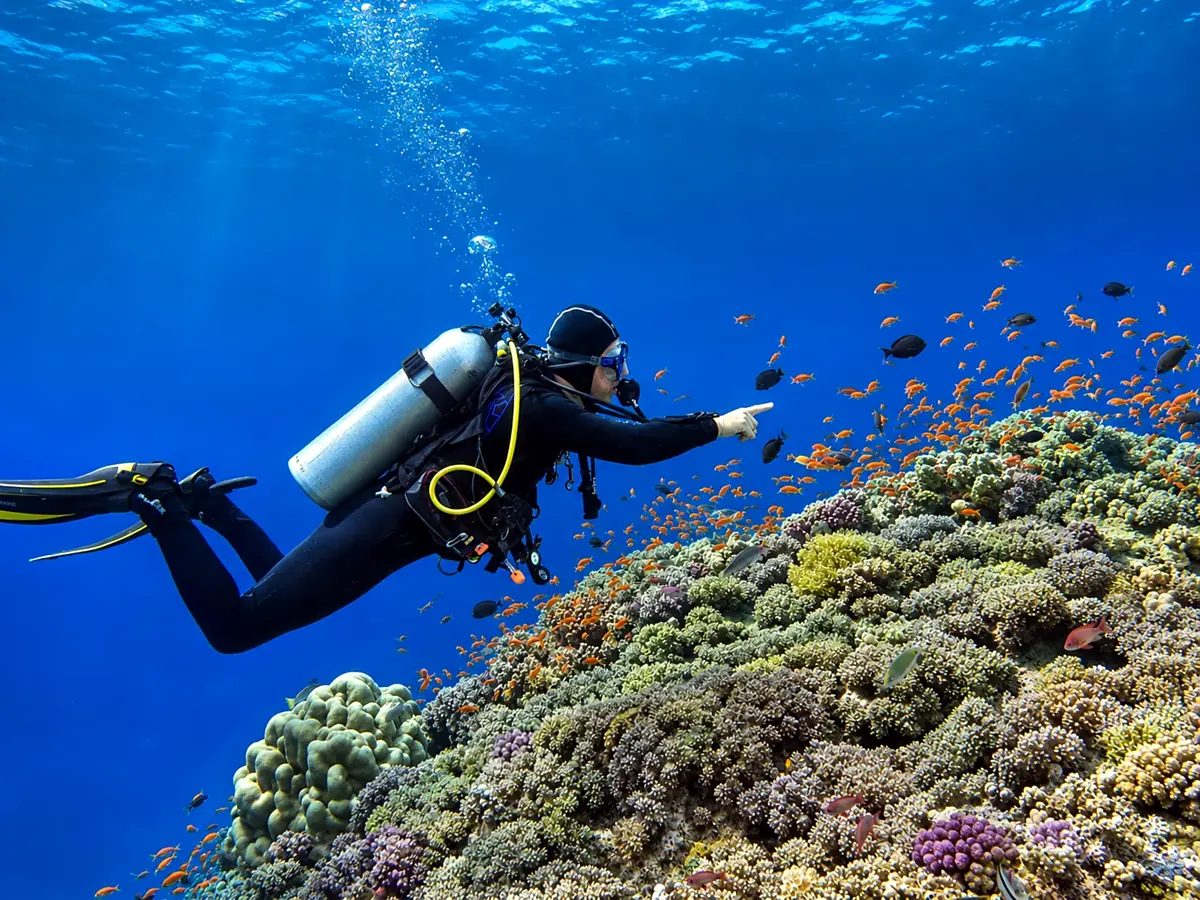
The main dive. Then, you fly past the coral wall while you watch the blue for turtles and reef sharks.
The gardens
The finish. Afterward, you rise over the coral gardens and the blocks, then make your safety stop.
Route B: the labyrinth of blocks
The plan
The start. Instead, on a calm day, you stay in the shallow part of the reef.
The blocks
The main dive. Also, you wind between the coral blocks at 5–15 m.
The return
The finish. Finally, you return to the boat over the reef top, where snorkelers can join you.
What marine life lives on the reef?
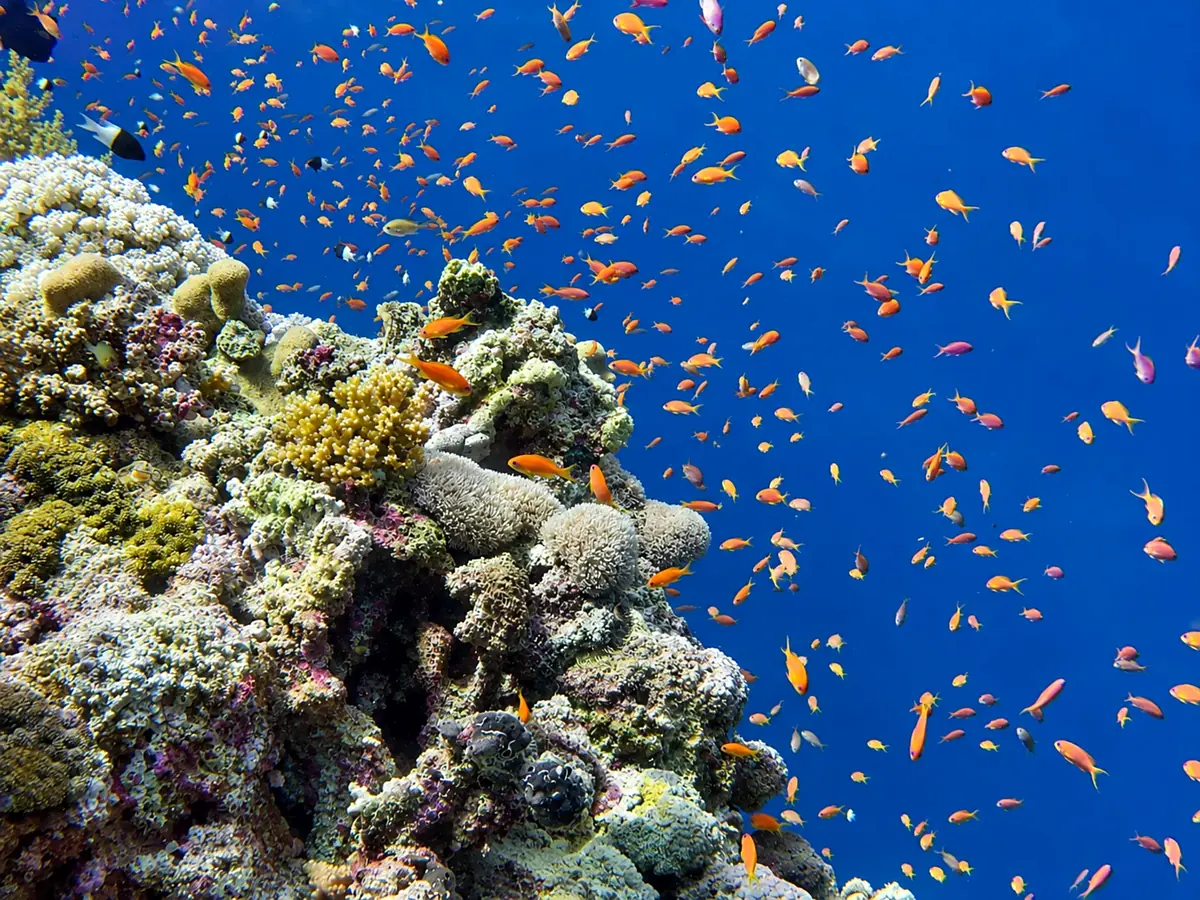
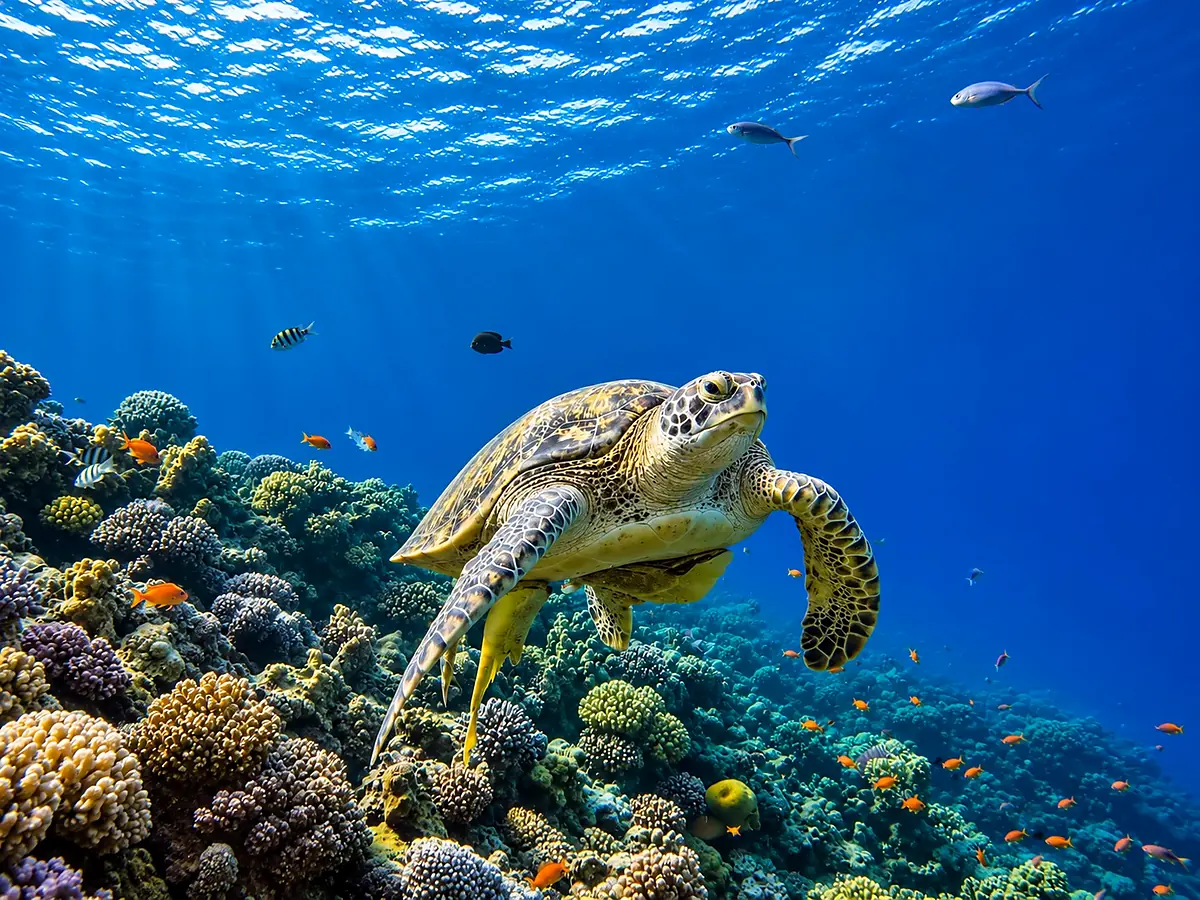
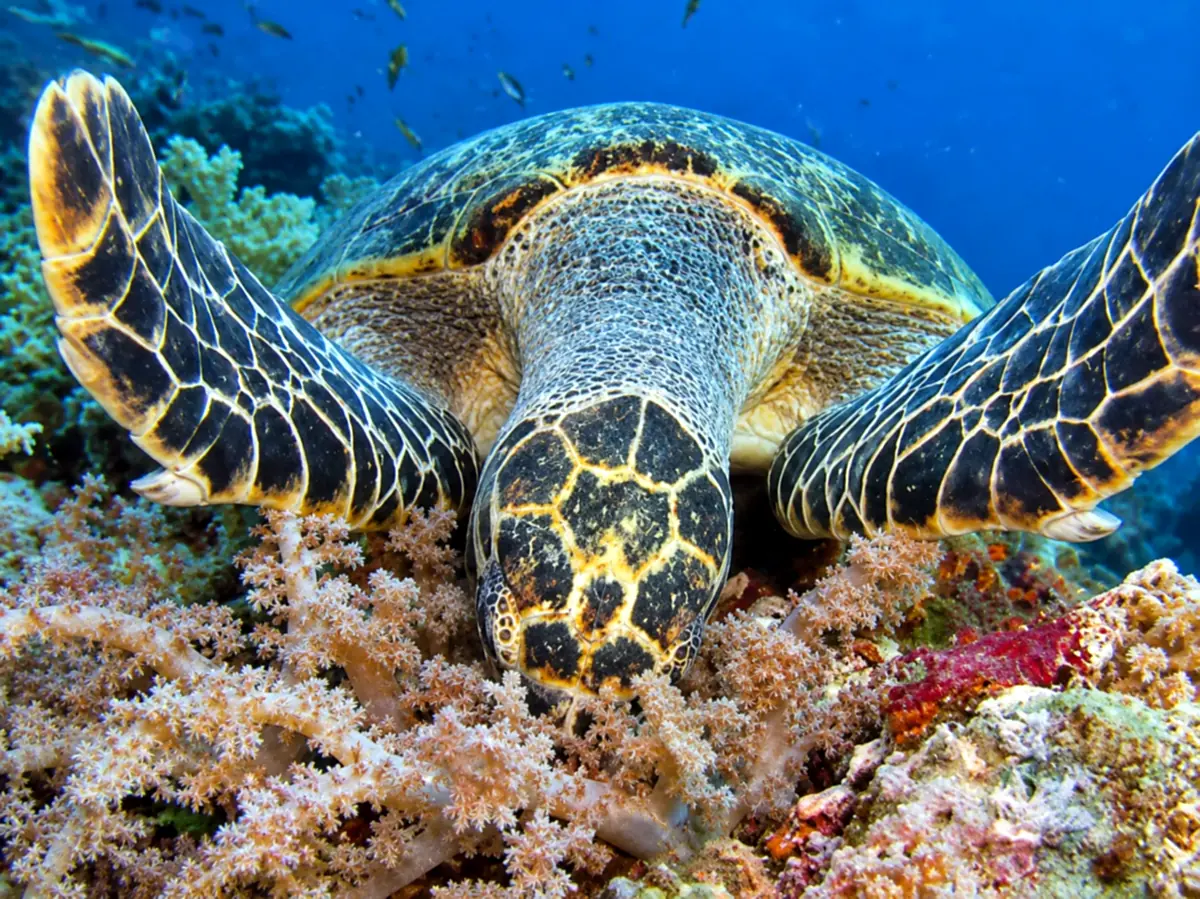
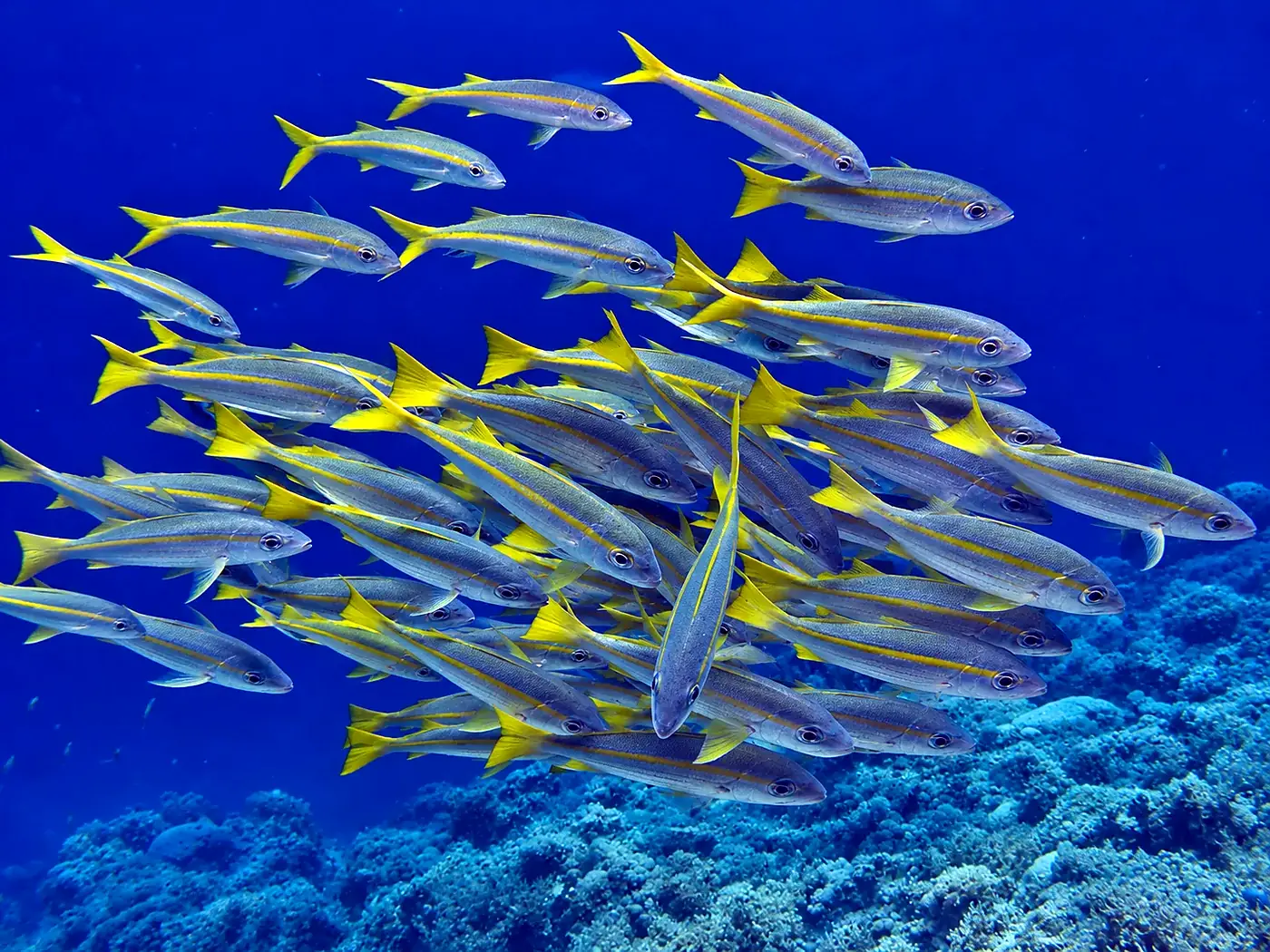
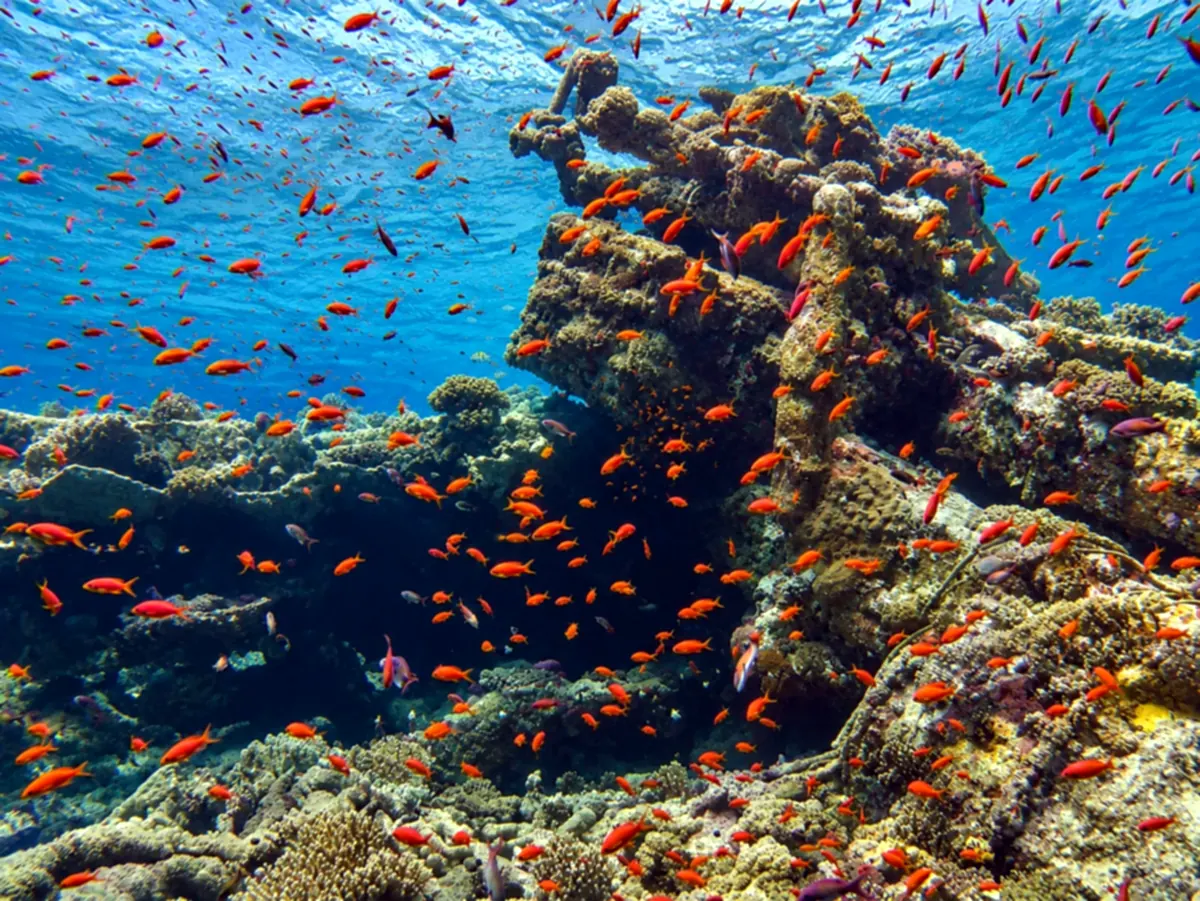
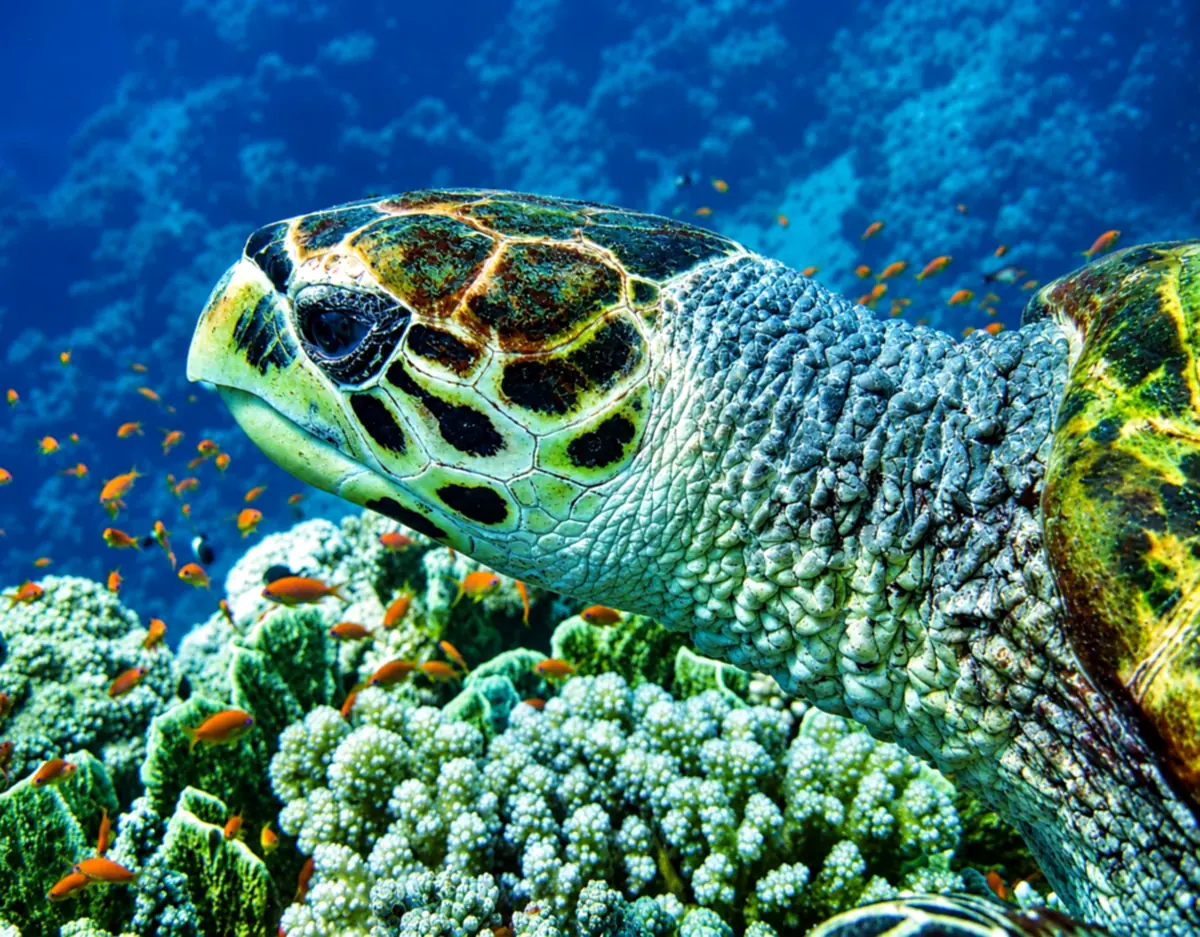
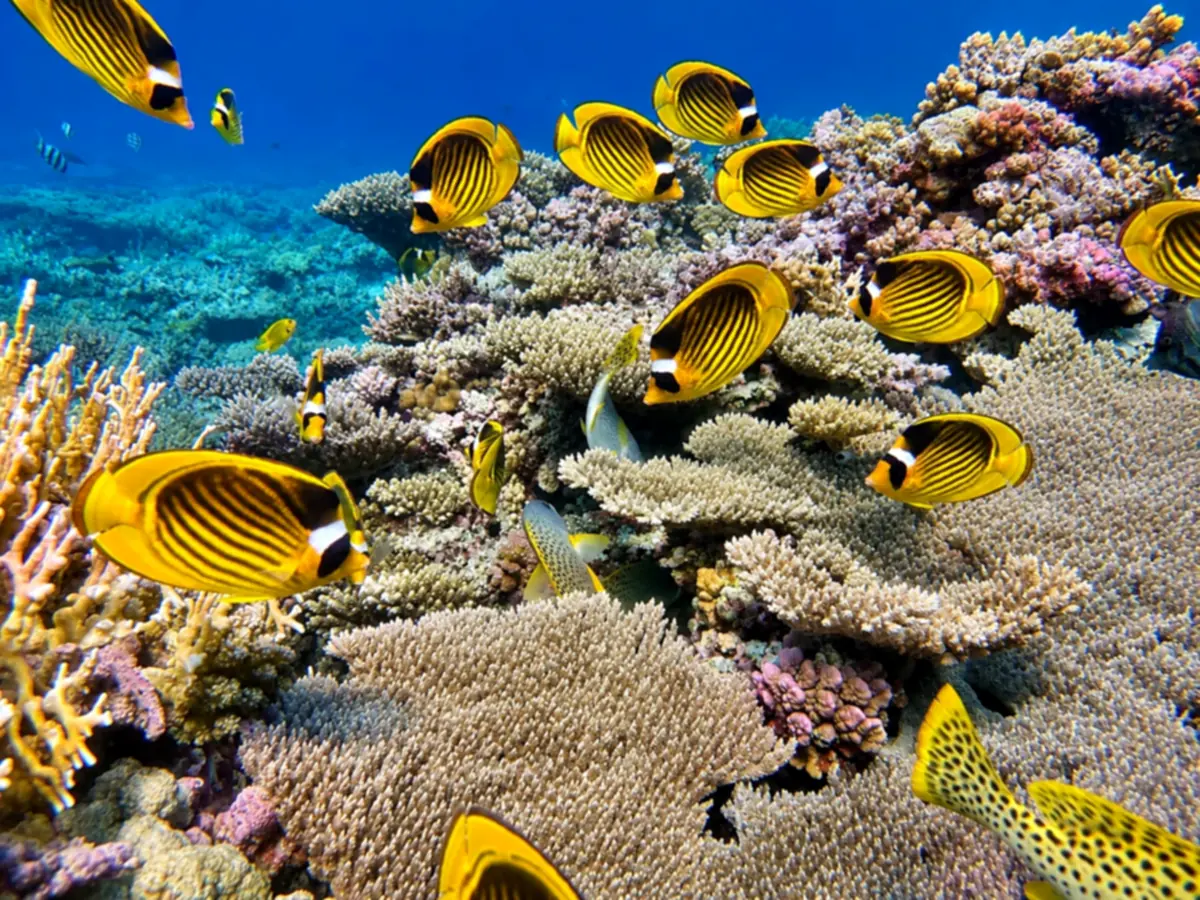
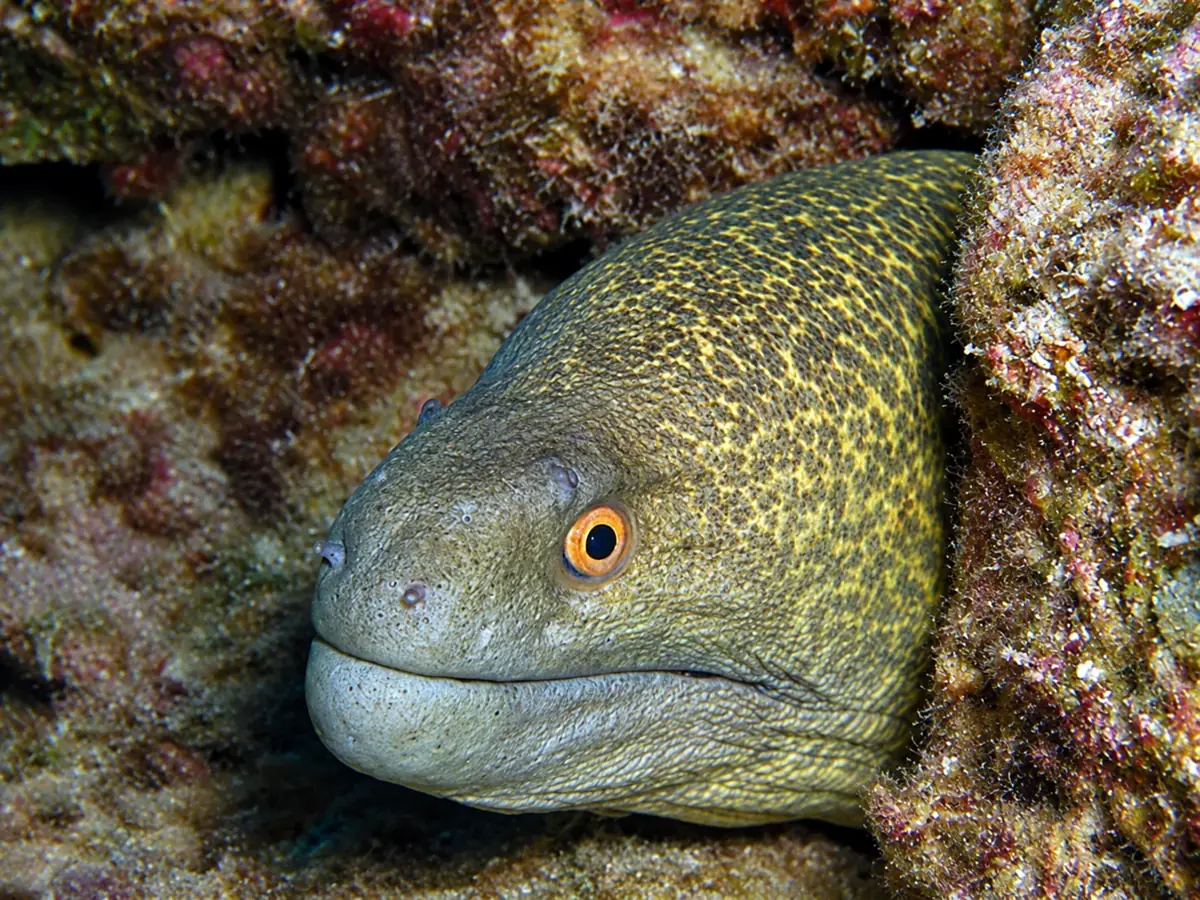
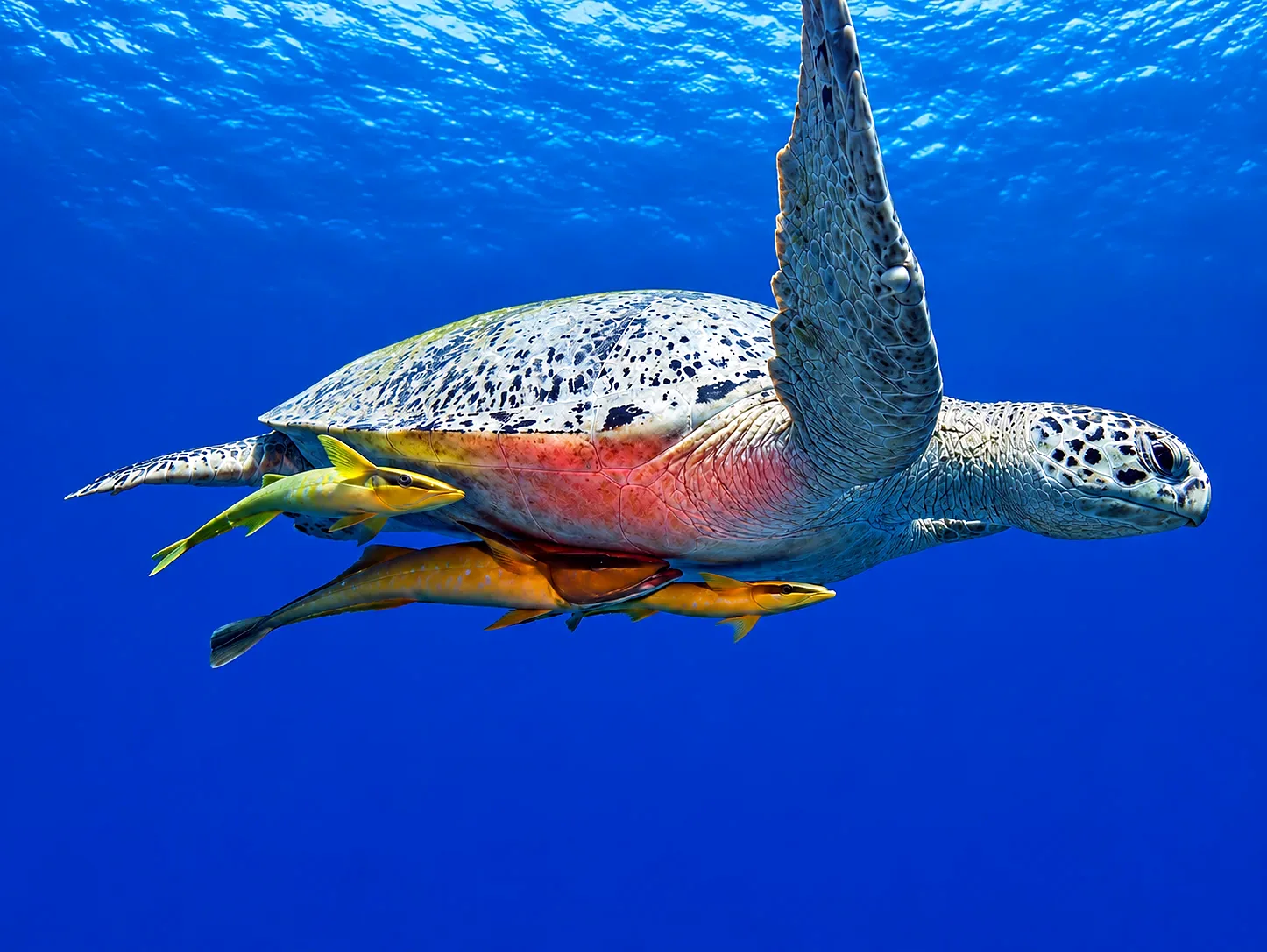
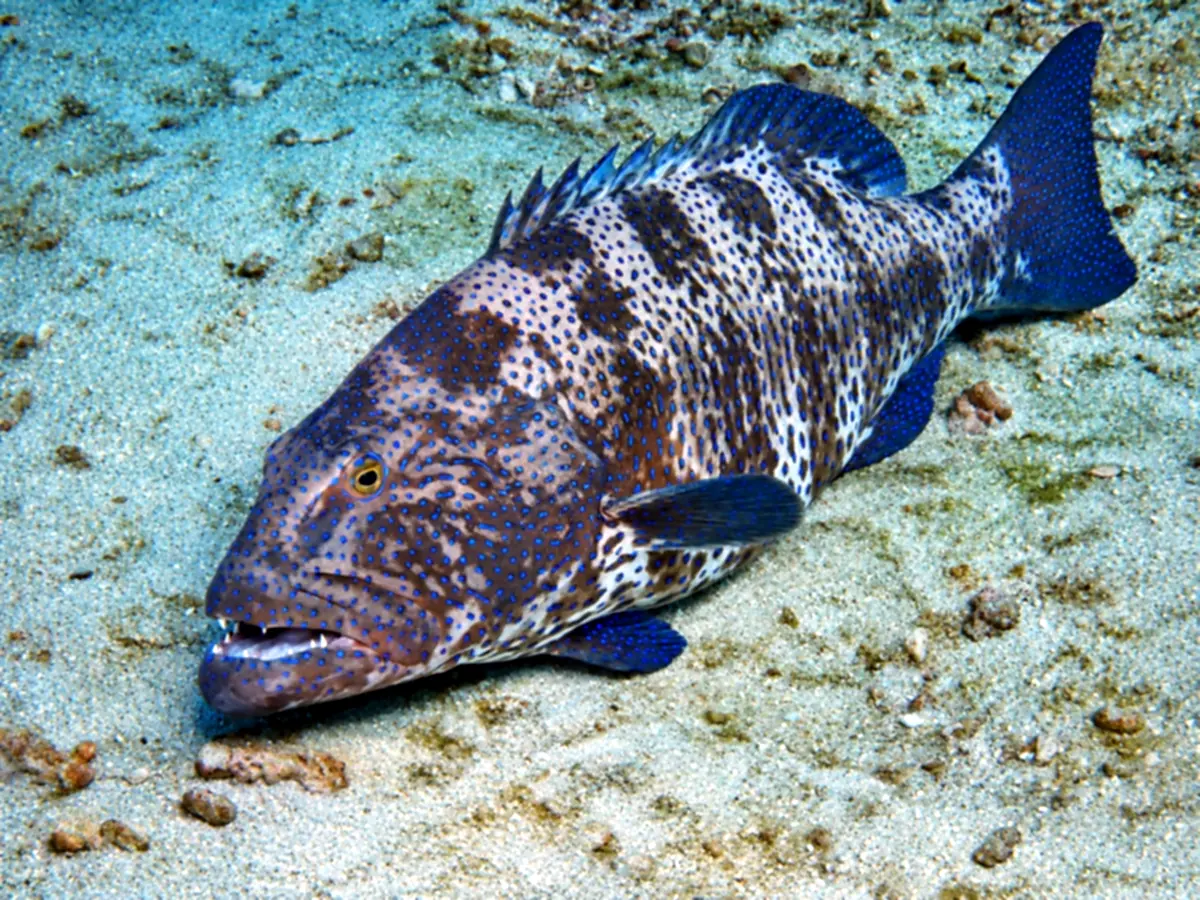
Overall, the reef combines rich coral with open-water visitors. Turtles, jacks, butterflyfish, anthias, snappers, sweetlips, moray eels, groupers, barracuda and sometimes reef sharks live here, although no sighting is ever certain.
Along the wall
Generally, turtles cruise along the wall, and reef sharks sometimes pass in the blue.
In the blue
Likewise, jacks and barracuda hunt off the drop-off.
In the gardens
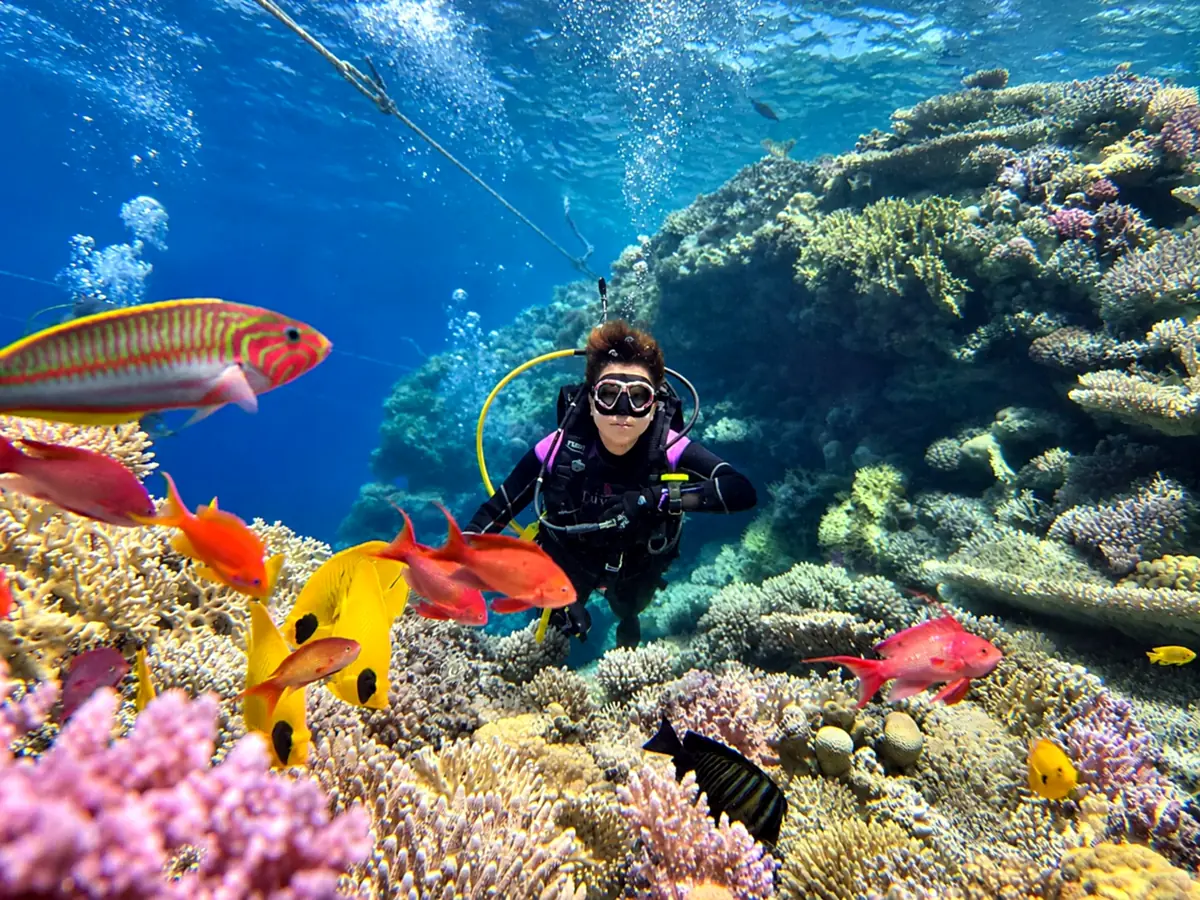
Meanwhile, anthias, butterflyfish, snappers and sweetlips fill the coral gardens, with morays and groupers among the blocks.
Is Middle Reef in Safaga suitable for beginners?
Yes, on the shallow gardens. Open Water divers enjoy the labyrinth with a guide. However, the drift, the deep wall and the caves are for experienced divers.
For those, the Advanced Open Water course helps, while the Digital Underwater Photography course suits the coral gardens.
Before you dive here
Firstly, follow the guide’s drift plan and stay with the group. Secondly, watch your depth on the south wall, where the slope drops away. Also, never enter caves or overhangs without the right training.
Above all, follow our diving safety standards and the rules of HEPCA. We strongly recommend dive insurance such as DAN Europe.

How do you get there?
In practice, divers reach the reef by boat in about 75–90 minutes from Safaga, so it is usually a full-day trip. Because it is far from the coast, it is less crowded than the inner reefs.
Generally, you can combine it with Panorama Reef or Abu Kifan on the same day. Consequently, liveaboards on the Safaga route often add it as well.
Plan your dive trip
- Diving in Hurghada — daily diving from Hurghada.
- PADI courses — from first dives to professional levels.
- What divers need on board — the packing checklist for a Red Sea safari.
- redsealiveaboard.net — Red Sea safari schedules and availability.
- Our eight liveaboards: Sea Fox, Simba, Sea Treasure, Star Jet, Bismarck, C Echo II, C U and Ramadan 3.
Photo gallery from the reef
Other routes from Red Sea Diving
Generally, for a first liveaboard, the North Red Sea liveaboard keeps to the classic wrecks. On the other hand, the BDE liveaboard heads south to the Brothers, while the Deep South St. John’s liveaboard goes further still. Meanwhile, the Red Sea liveaboard guide compares all eight routes.
Middle Reef Safaga: frequently asked questions
Where is Middle Reef?
In fact, it lies between Panorama Reef and Abu Kifan, east of Safaga Island, about 75–90 minutes by boat from Safaga.
How deep is Middle Reef?
Usually, it ranges from about 5 m to over 40 m; the south side slopes to about 30 m before dropping almost vertically.
Is Middle Reef good for drift diving?
Yes. It is known for one-way drift dives along the coral wall, ending over the coral gardens.
What can you see at Middle Reef?
Above all, coral gardens, turtles, jacks and sometimes reef sharks.
Safaga · Offshore reef · Drift diving
Dive Middle Reef with us
Simply tell us your dates, the number of divers, your certification level and your number of logged dives. Afterward, our team checks which departure fits your group before you commit to anything.


