

Dive guide to Habili Debia · Elba expedition area · far southern Red Sea
Habili Debia Dive Site A submerged coral reef in the Elba area, known for Napoleon wrasse and turtles
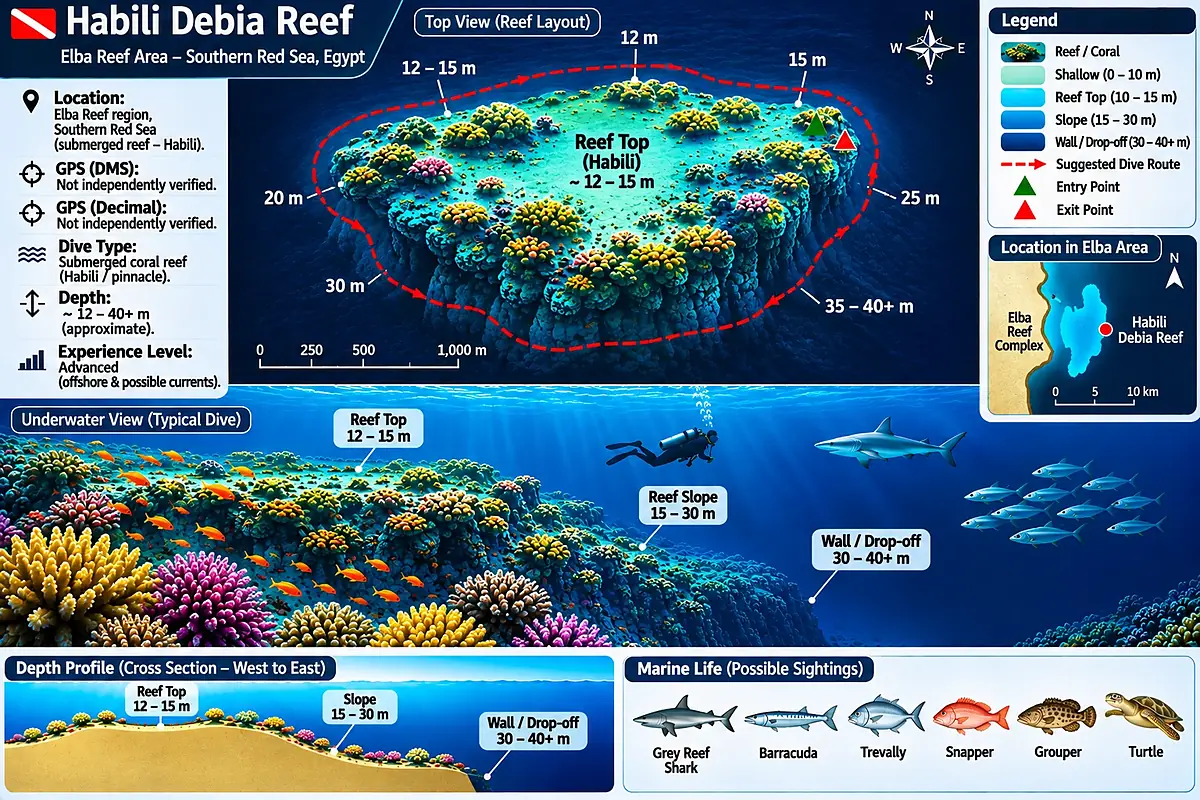
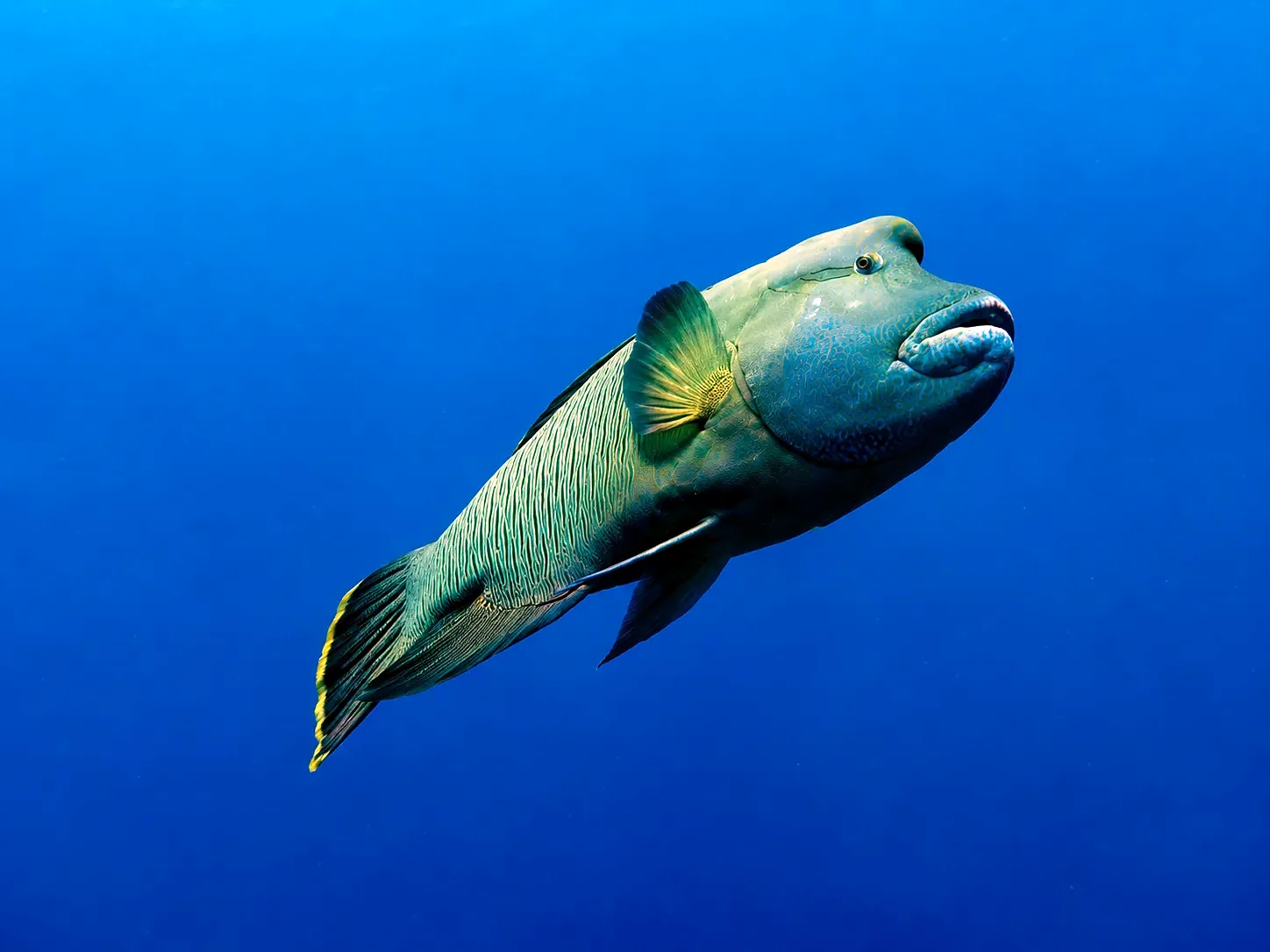
Habili Debia, also written Habili Dibia, is a submerged coral reef in the Elba expedition area of the far southern Red Sea. As a habili, its top stays below the surface, and liveaboard logs describe Napoleon wrasse, turtles, moray eels and a huge humphead parrotfish on the reef.

Habili Debia in short
In short, Habili Debia is a submerged coral reef, or habili, in the Elba expedition area of the far southern Red Sea. Its top does not break the surface, and its exact depths and position are not yet verified. Liveaboard logs report Napoleon wrasse, turtles, moray eels and a large humphead parrotfish here, and it is often dived on the same day as Habili Shalal and the seaplane wreck, or as the last Elba dive before St. John’s. It suits experienced offshore divers and is reached only on the Elba Reef liveaboard.
What is Habili Debia?
Essentially, it is a habili, the Red Sea divers’ word for a reef or pinnacle that rises from the depths but stays below the surface. Unlike surface-breaking reefs such as Elba Reef, a habili can be hard to spot from a boat.
Moreover, published expedition programmes include it in the Elba region, and one public dive database lists it inside the Elba protected area, about 21 km from Sha’ab Ohroob. However, neither its summit depth nor its exact position is confirmed.
Therefore, the captain needs an accurate position to find the reef, and the guide confirms the depth plan once the boat is on site.
Habili Debia at a glance
Topography
Above all, a reef top below the surface, with slopes that fall away to deeper water around it.
Marine life
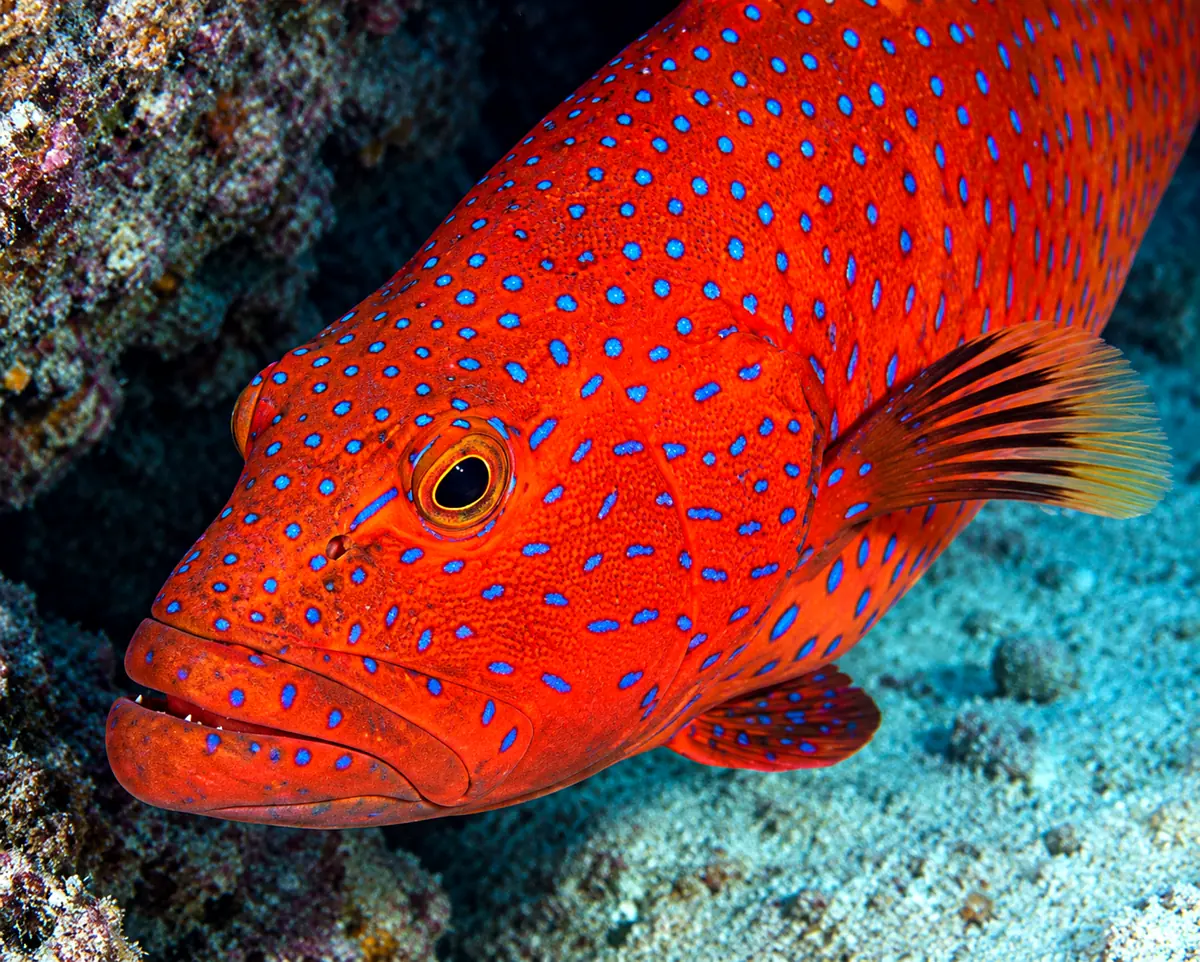
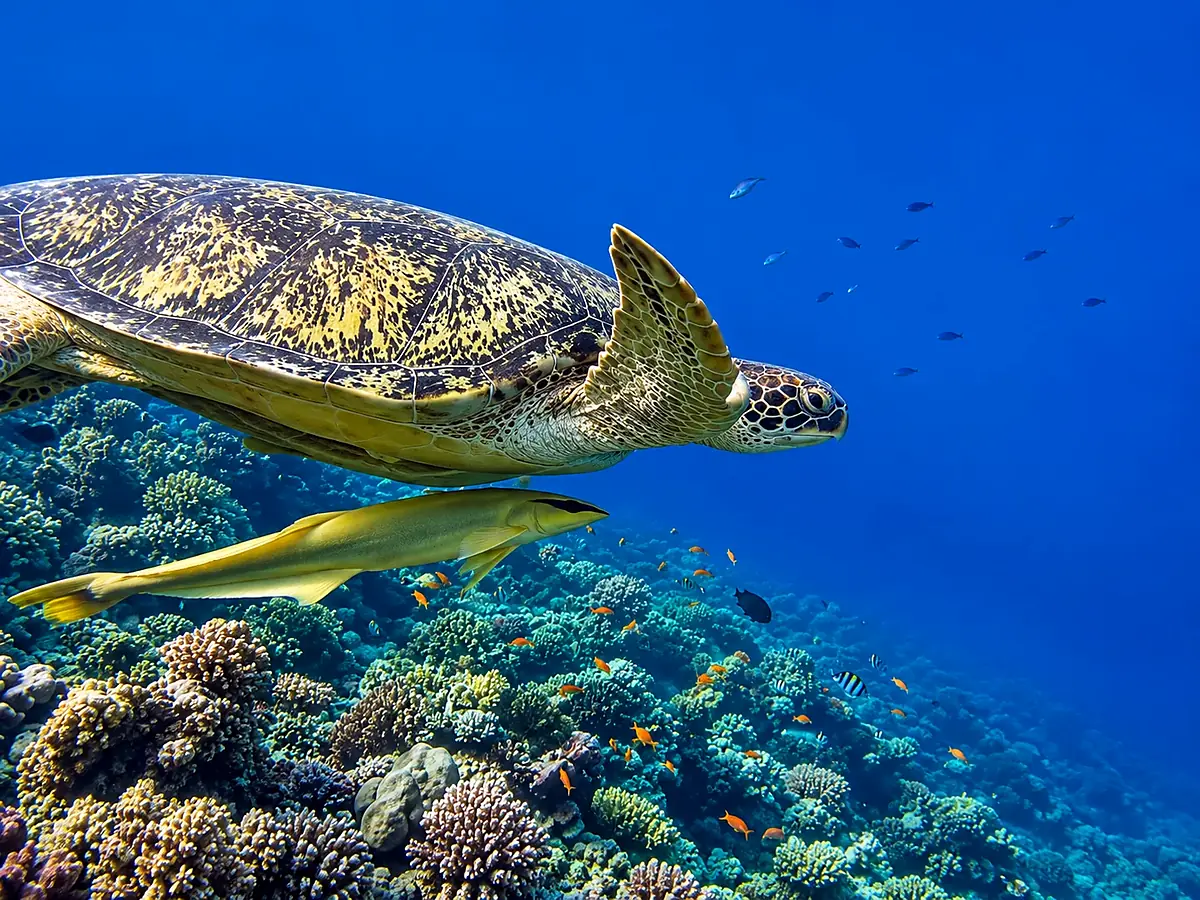
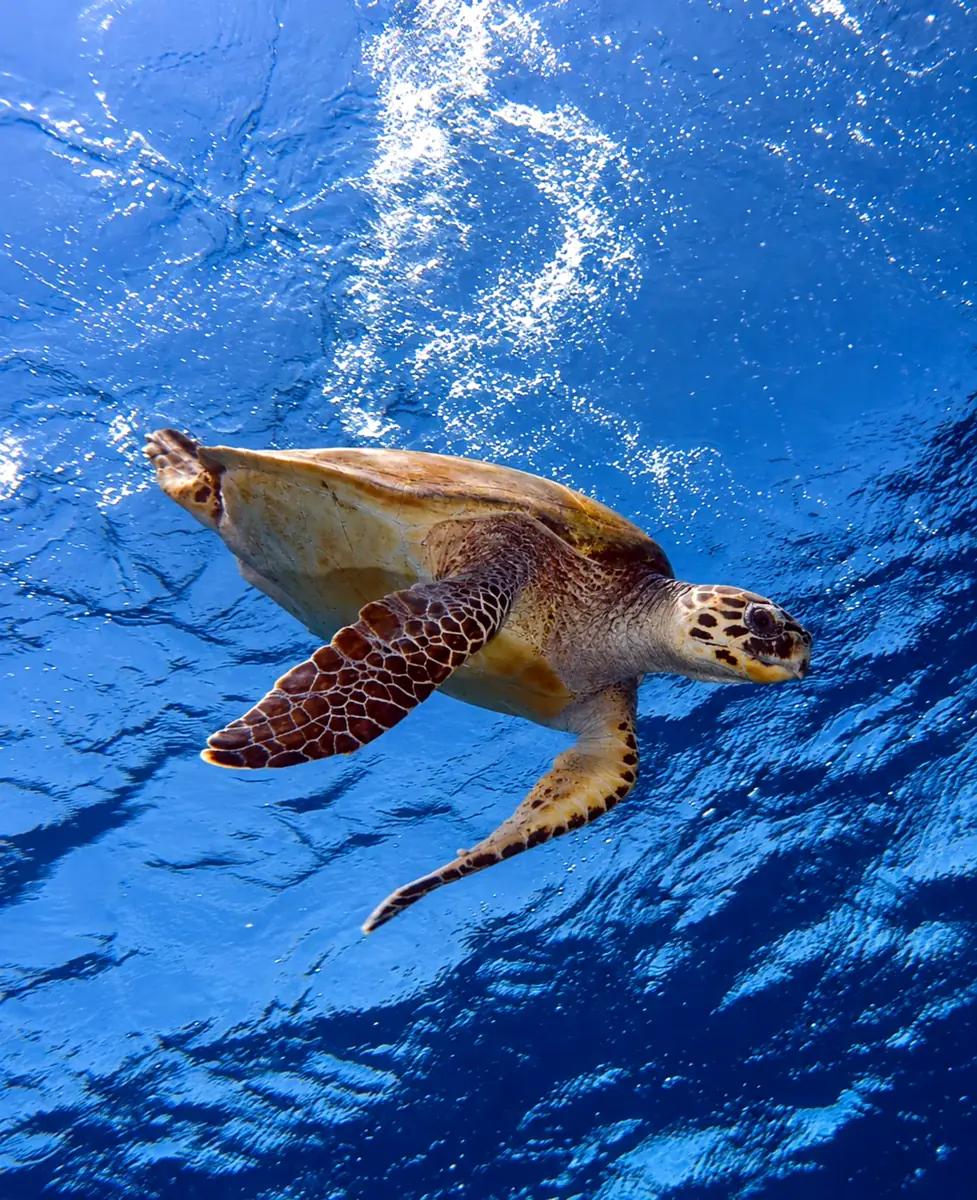
Similarly, logs mention Napoleon wrasse, turtles, morays and a humphead parrotfish on the reef.
Conditions
However, submerged reefs can have changing currents and are difficult to find without exact navigation.
Why is Habili Debia called a habili?
In Red Sea diving, “habili” describes a submerged reef, usually a pinnacle, whose top lies below the waterline. As a result, these reefs often attract fish from the open sea, while the top gives divers a natural focus for the dive.
The reef top
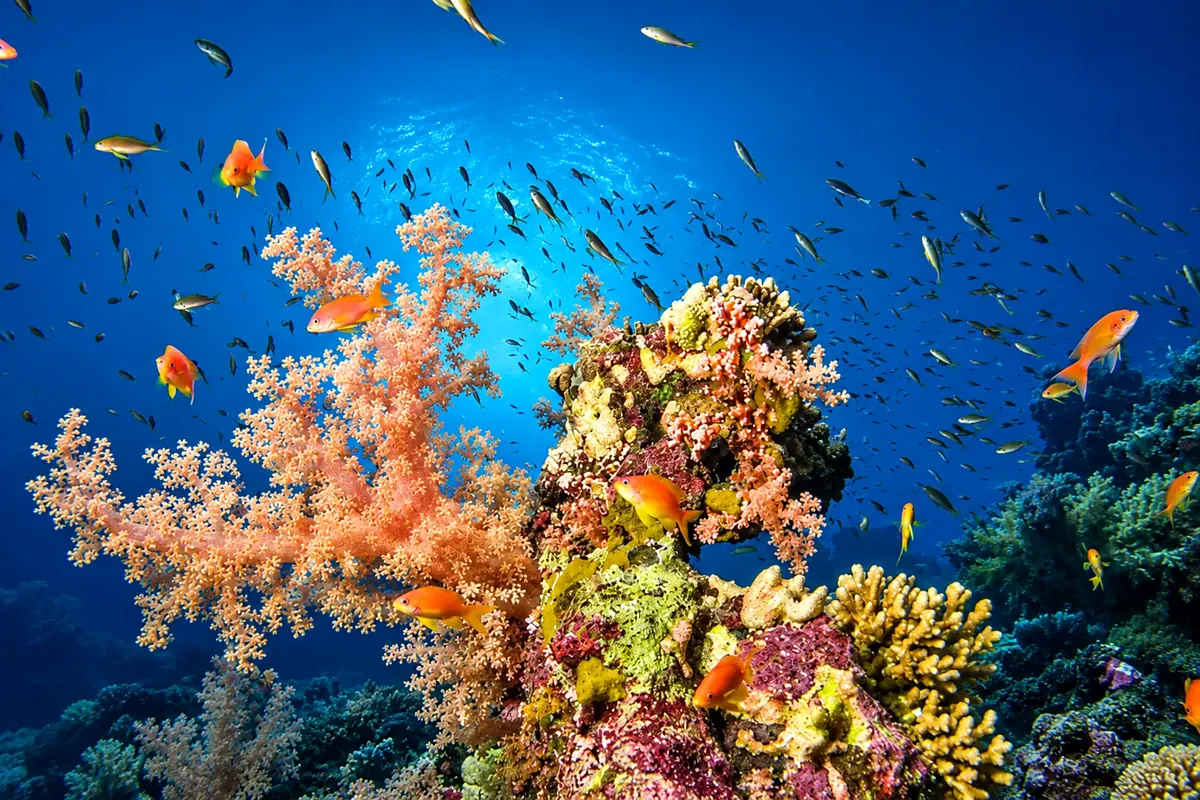
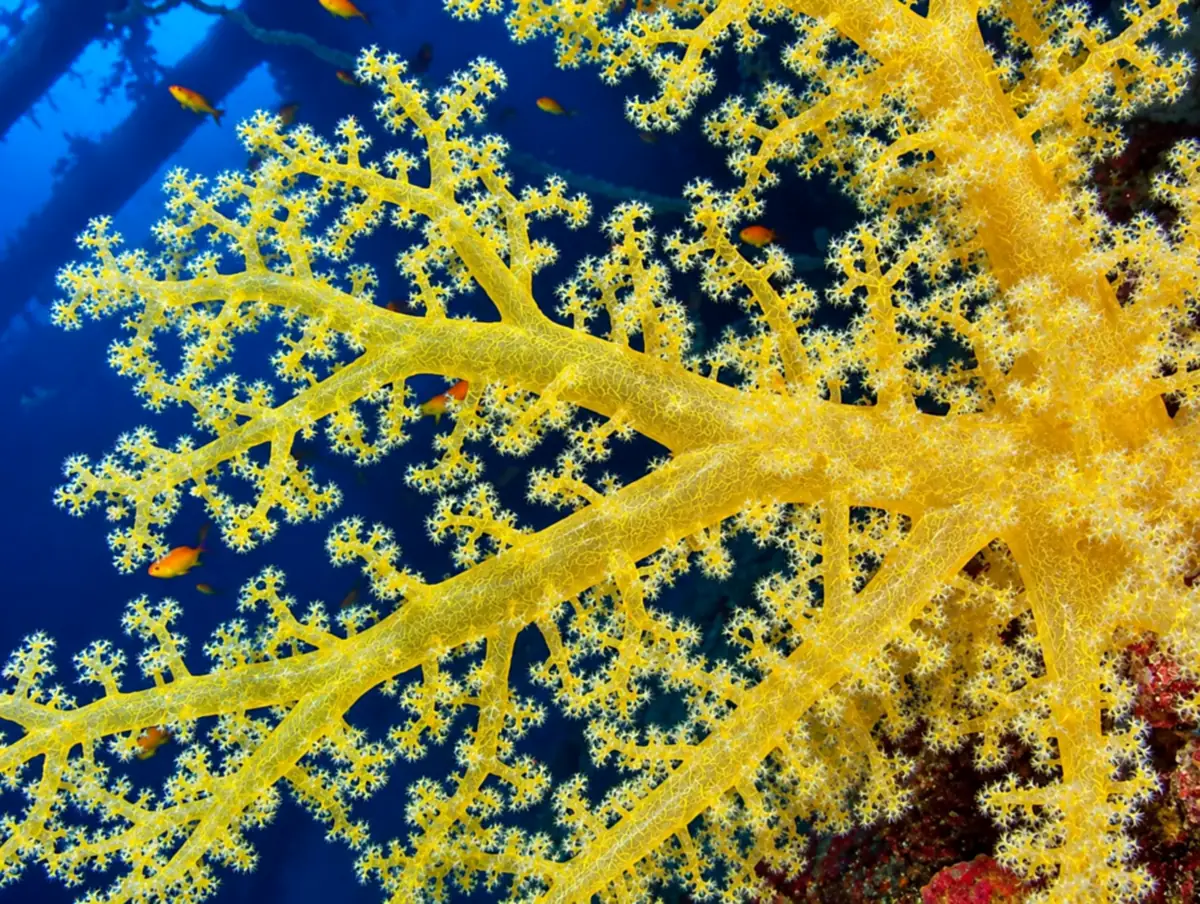
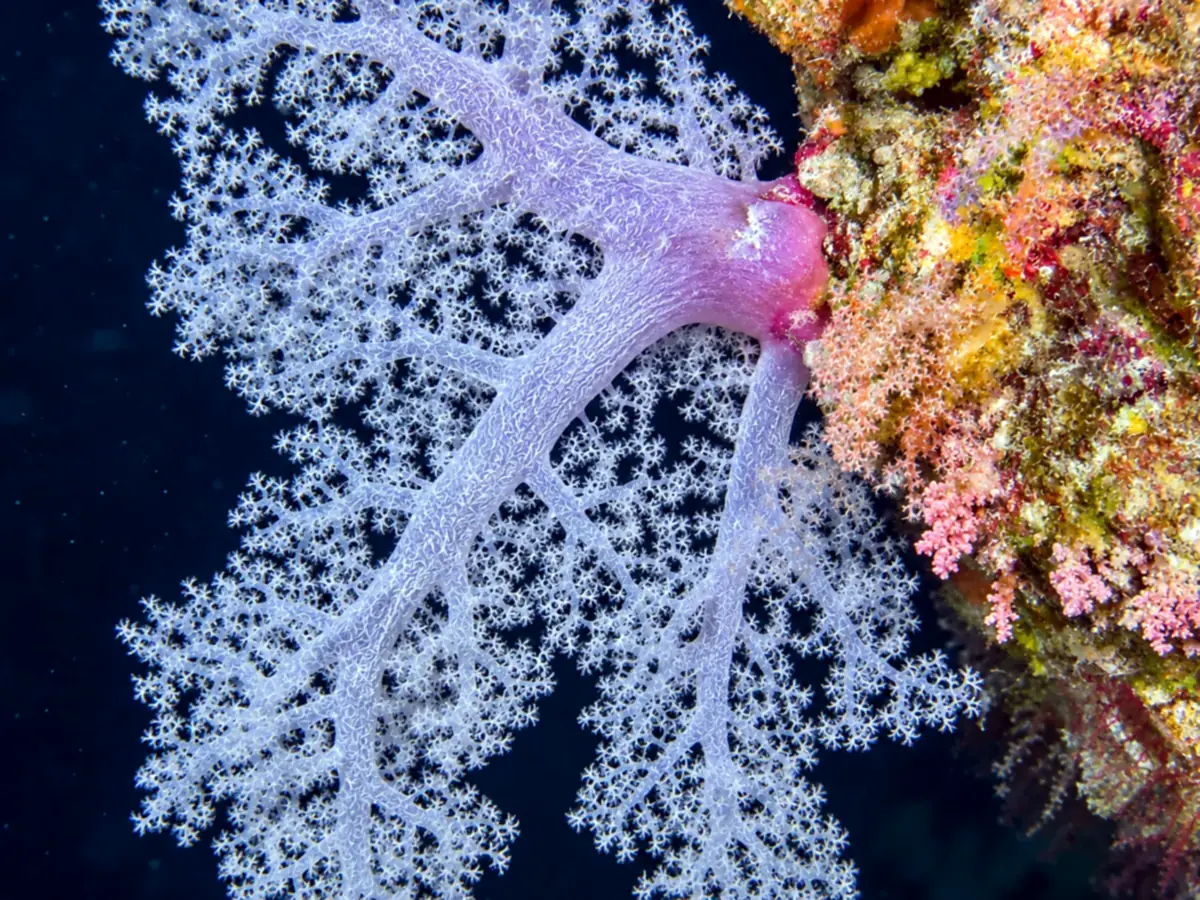
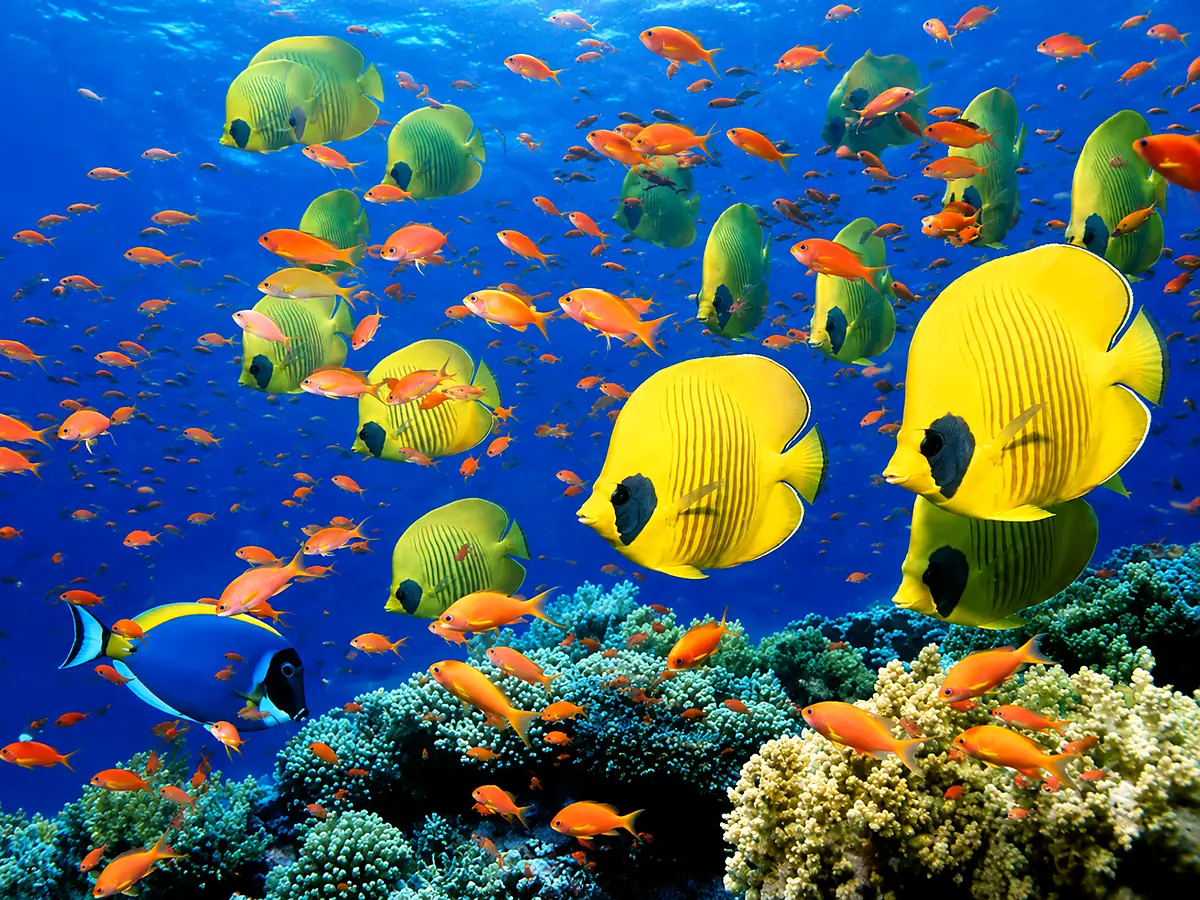
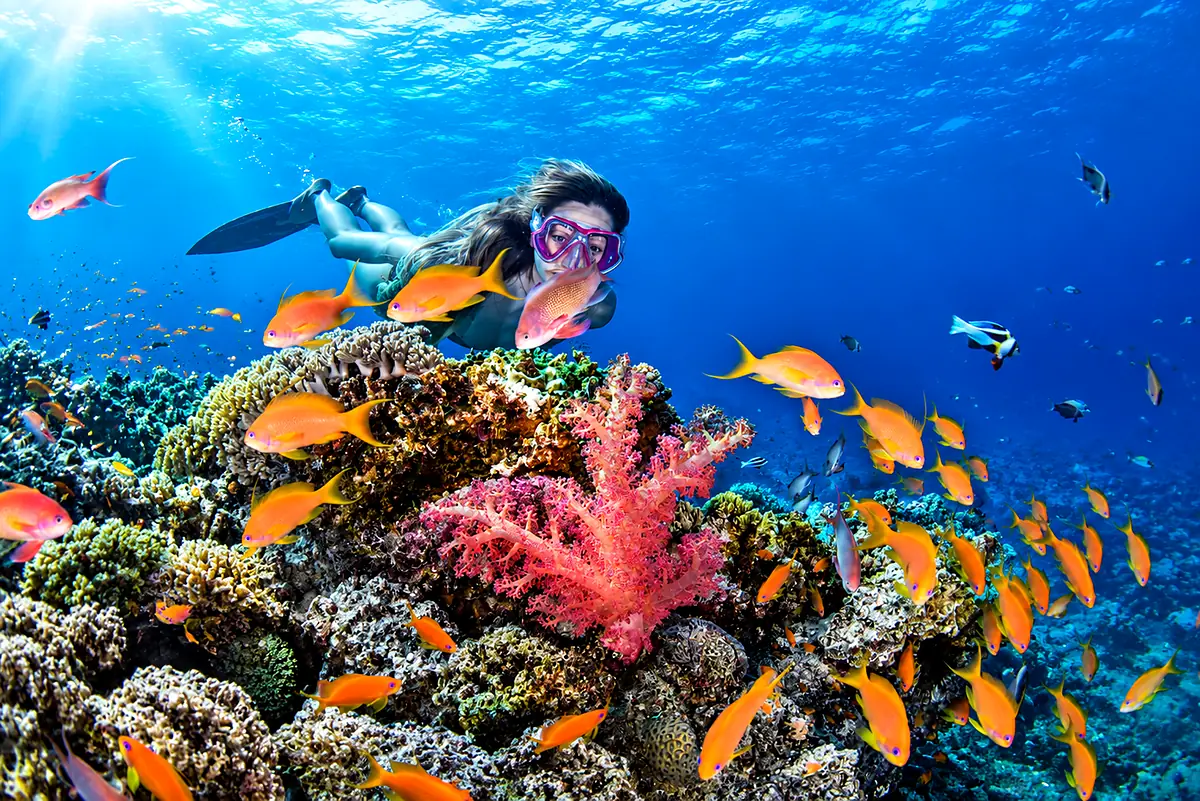
The summit. Firstly, the top of the reef stays underwater, so it often carries soft corals and anthias where the light is strongest.
The slopes
The sides. Then, the slopes around the top give shelter to groupers, morays and turtles resting between dives.
Other habilis
The family. Finally, other habilis nearby include Habili Shalal in the Elba area and Habili Ali and Habili Gaffar in St. John’s.
Where is Habili Debia?
The reef lies in the Elba expedition area of the far southern Red Sea, near the maritime border with Sudan. In practice, boats often dive it on the same day as Habili Shalal, the Albatross seaplane and Ohrob Reef, or as the afternoon dive before sailing north to St. John’s.
However, its GPS position is not verified, so the captain relies on local knowledge. For the other reefs and wrecks of the area, see the Elba dive sites guide.
How do you dive Habili Debia?
Typically, the zodiac drops the group up-current of the submerged reef, so the divers descend straight onto the top. From there, the dive circles the reef at the planned depth and ends back on the top for the safety stop.
Descent, circuit and ascent
Descent
Finding the reef. Firstly, a quick descent helps the group reach the top before the current carries it past.
Circuit
Around the habili. Then, the group follows the slope around the reef, keeping it on one shoulder and watching the blue for big fish.
Ascent
The finish. Finally, the group returns to the top for the safety stop and sends up a surface marker buoy before leaving the reef.
What marine life lives at Habili Debia?
Site-specific records are still few, so wildlife here needs further confirmation. Even so, trip logs from the Elba route give a clear picture of the reef’s best-known residents.
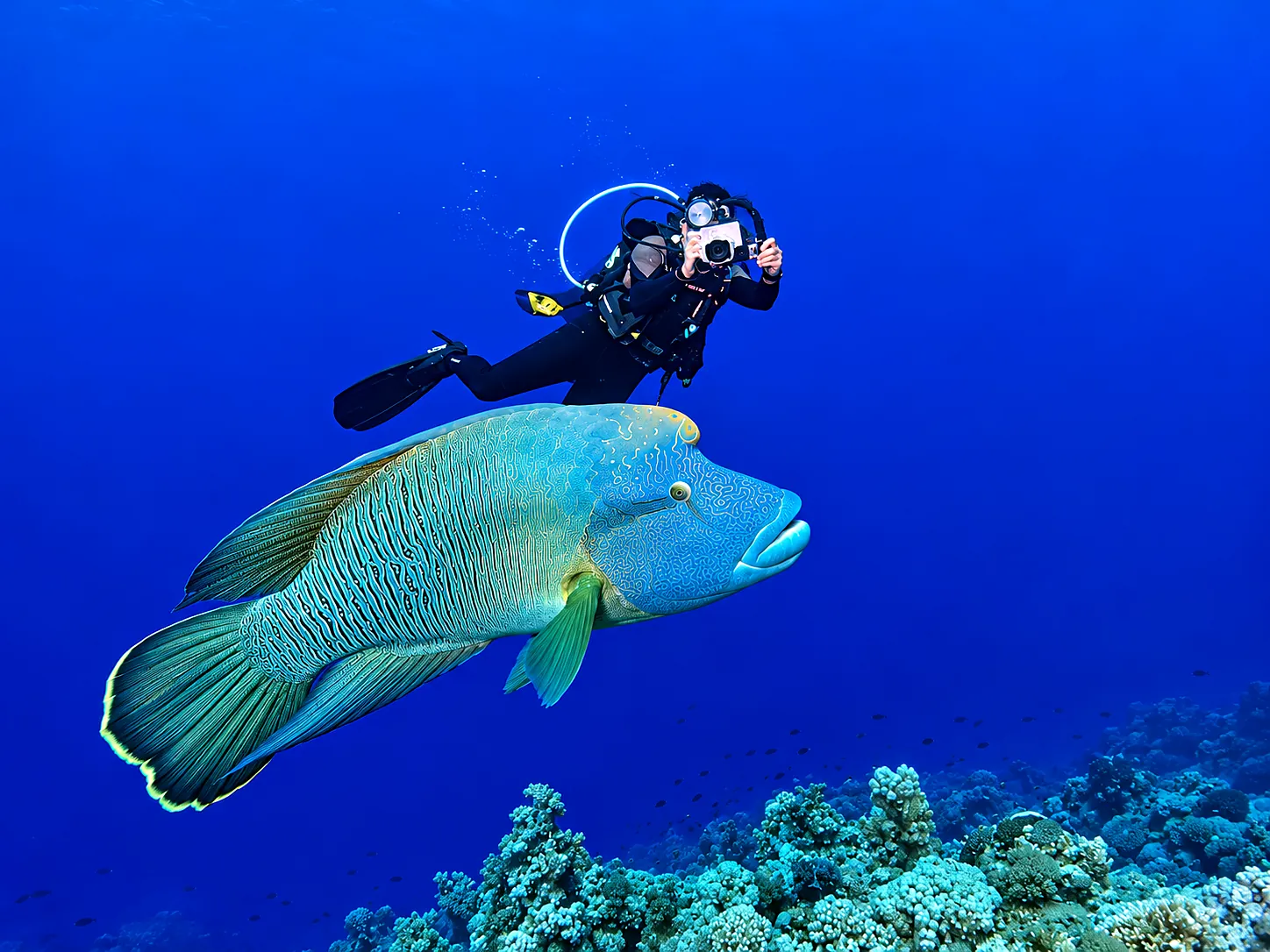
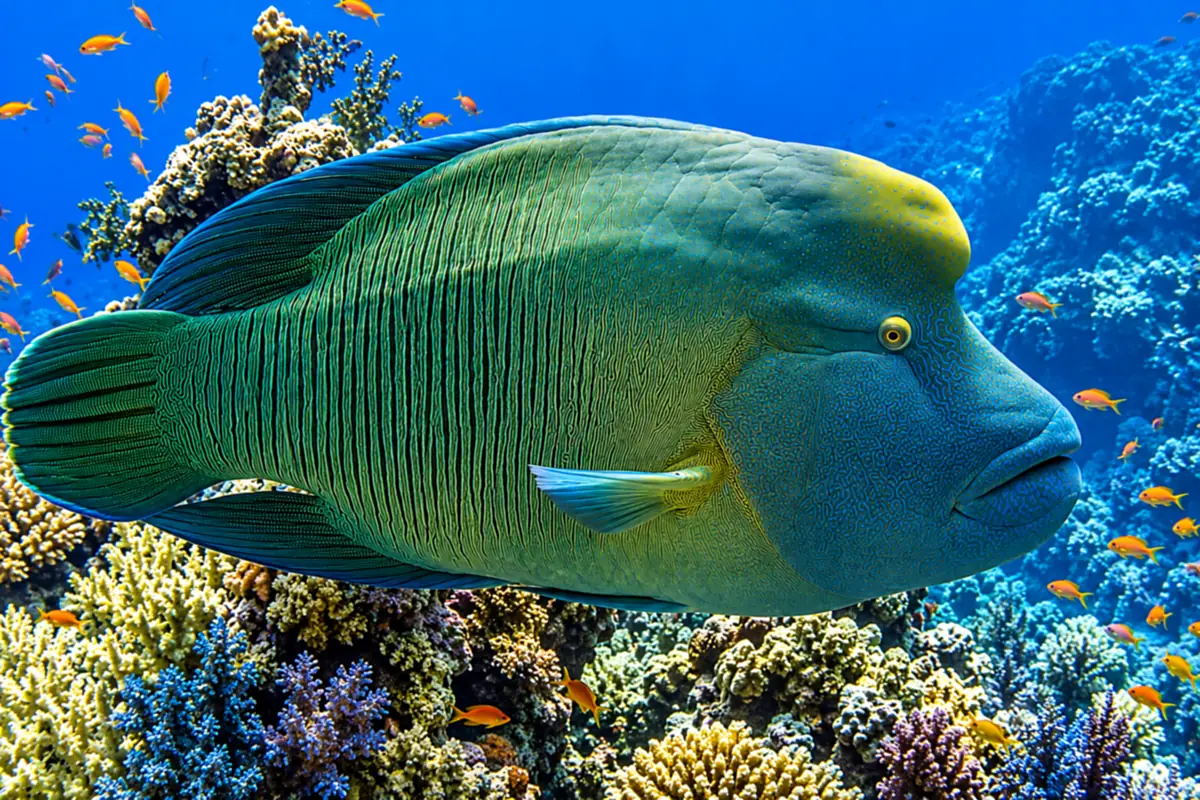
Napoleon wrasse
Typically, Napoleon wrasse patrol the reef, and they often come close to look at divers.
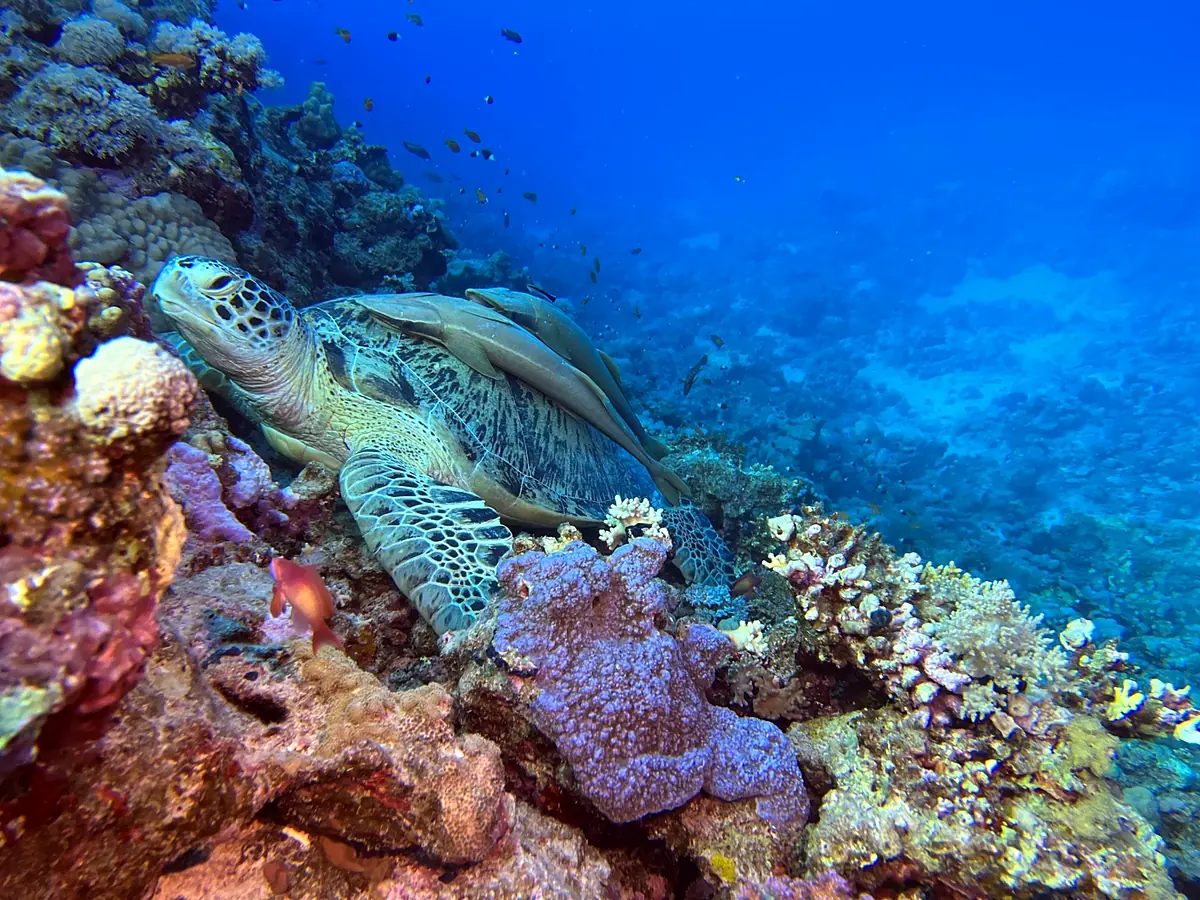
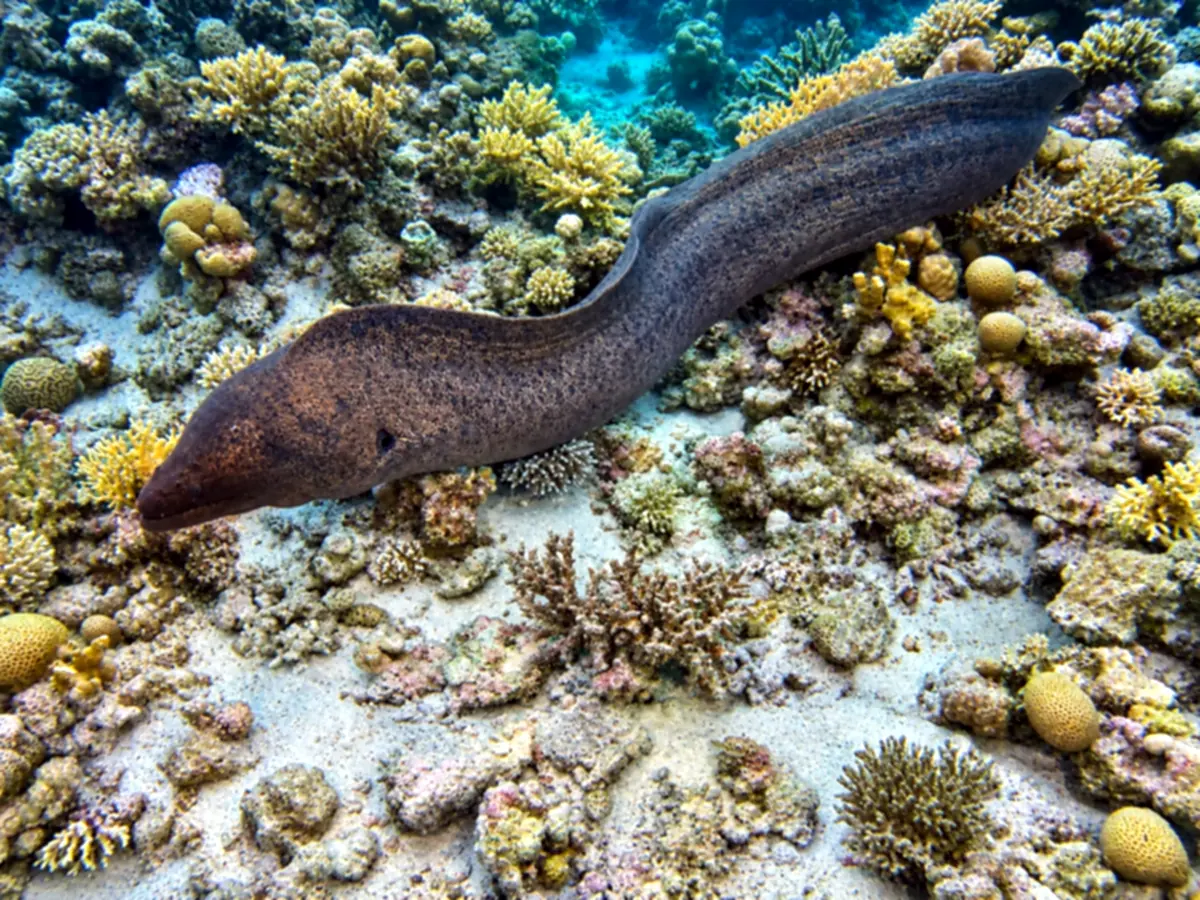
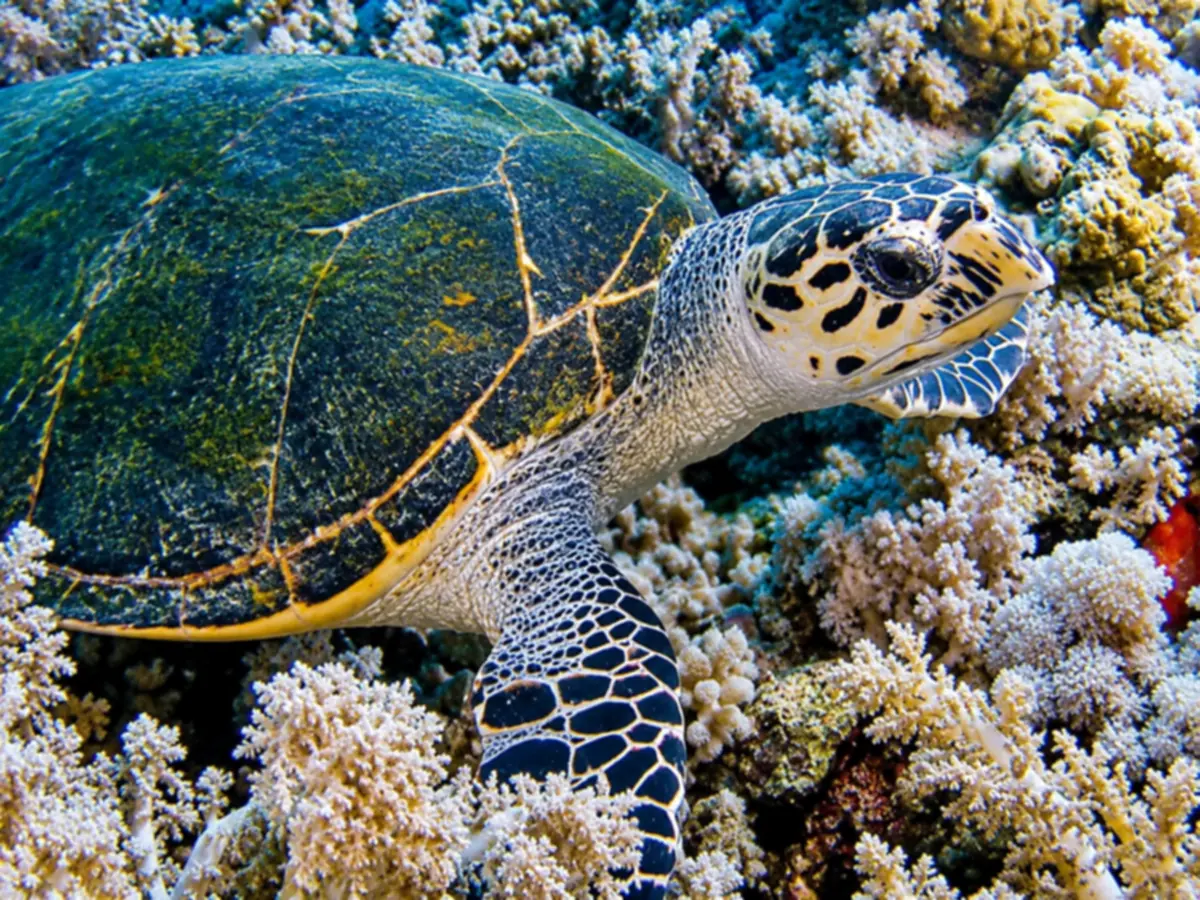
Turtles and morays
Likewise, turtles rest on the slopes, while moray eels watch from cracks in the coral.
Humphead parrotfish
Finally, one log describes a massive humphead parrotfish patrolling the reef, a rare sight in the Red Sea.
Is Habili Debia suitable for beginners?
Not without experience. Although one database rates it as an easy site, a submerged offshore reef can have strong currents, so the Elba route expects experienced divers with at least Advanced Open Water or an equivalent.
Moreover, negative entries and quick descents are common on habilis. For example, liveaboard dive techniques explains these entries, and Peak Performance Buoyancy helps you hold position in the current.
Before you dive Habili Debia
Firstly, follow the descent plan exactly, because missing the reef top means drifting in open water. Secondly, carry a surface marker buoy and deploy it before you surface.
Above all, follow our diving safety standards. The southern reefs are protected by HEPCA, and a remote site like this makes dive insurance such as DAN Europe essential.
How do you get there?
In practice, Habili Debia is reached only by liveaboard, on the Elba Reef route, during the days spent around Elba. Guests board on Saturday after 15:00, and check-out is between 09:00 and 10:00 the next Saturday on the seven-night trip, while 10 and 15 day departures leave more time for the habilis.
After Habili Debia, many boats sail overnight to the St. John’s dive sites, such as Gota Kebira and Umm Arouk. As a result, the trip moves from one family of habilis to another.
Plan your Habili Debia dive
- Elba Reef liveaboard — the route that reaches the Elba habilis.
- What divers need on board — the packing checklist for a Red Sea safari.
- Ohrob Reef — often dived on the same day.
- redsealiveaboard.net — Red Sea safari schedules and availability.
- All eight boats in our fleet can sail this route: Sea Fox, Simba, Sea Treasure, Star Jet, Bismarck, C Echo II, C U and Ramadan 3.
Photo gallery from the southern habilis
Other routes from Red Sea Diving
Generally, for a first liveaboard, the North Red Sea liveaboard keeps to the classic wrecks. On the other hand, the BDE liveaboard runs Brothers, Daedalus and Elphinstone, while Daedalus and Fury Shoals and the Deep South St. John’s route also reach the south. Meanwhile, the Red Sea liveaboard guide compares all eight routes.
Habili Debia: frequently asked questions
Where is Habili Debia?
Habili Debia lies in the Elba expedition area of the far southern Red Sea, near the Sudanese border. However, its GPS position is not independently verified.
What does habili mean?
In Red Sea diving, a habili is a submerged reef or pinnacle whose top does not break the surface. Therefore, Habili Debia is different from surface-breaking reefs such as Elba Reef.
What can you see at Habili Debia?
Trip logs report Napoleon wrasse, turtles, moray eels and a large humphead parrotfish. In addition, groupers, snappers and reef fish are expected.
How deep is Habili Debia?
The reef-top depth and the surrounding depths are not verified. Instead, the guide sets the plan after checking the reef on site.
How do you get to Habili Debia?
Only by liveaboard, on the Elba Reef route, with 7, 10 or 15 day departures. Moreover, all eight boats in the Red Sea Diving fleet can run this route.
Elba region · Submerged reef · Experienced divers
Dive Habili Debia with us
Simply tell us your dates, the number of divers and your certification level. Afterward, our team checks which Elba Reef departure fits your group before you commit to anything.


