
Deep South St. John’s liveaboard · Egypt’s far southern reefs
Deep South St. John’sLiveaboard
The Deep South St. John’s liveaboard runs to the last reefs before the Sudanese border. Consequently it delivers what the busier north cannot: pristine coral, offshore pinnacles rising out of deep water, cathedral caves lit from above, and dive sites where yours is often the only boat on the mooring.
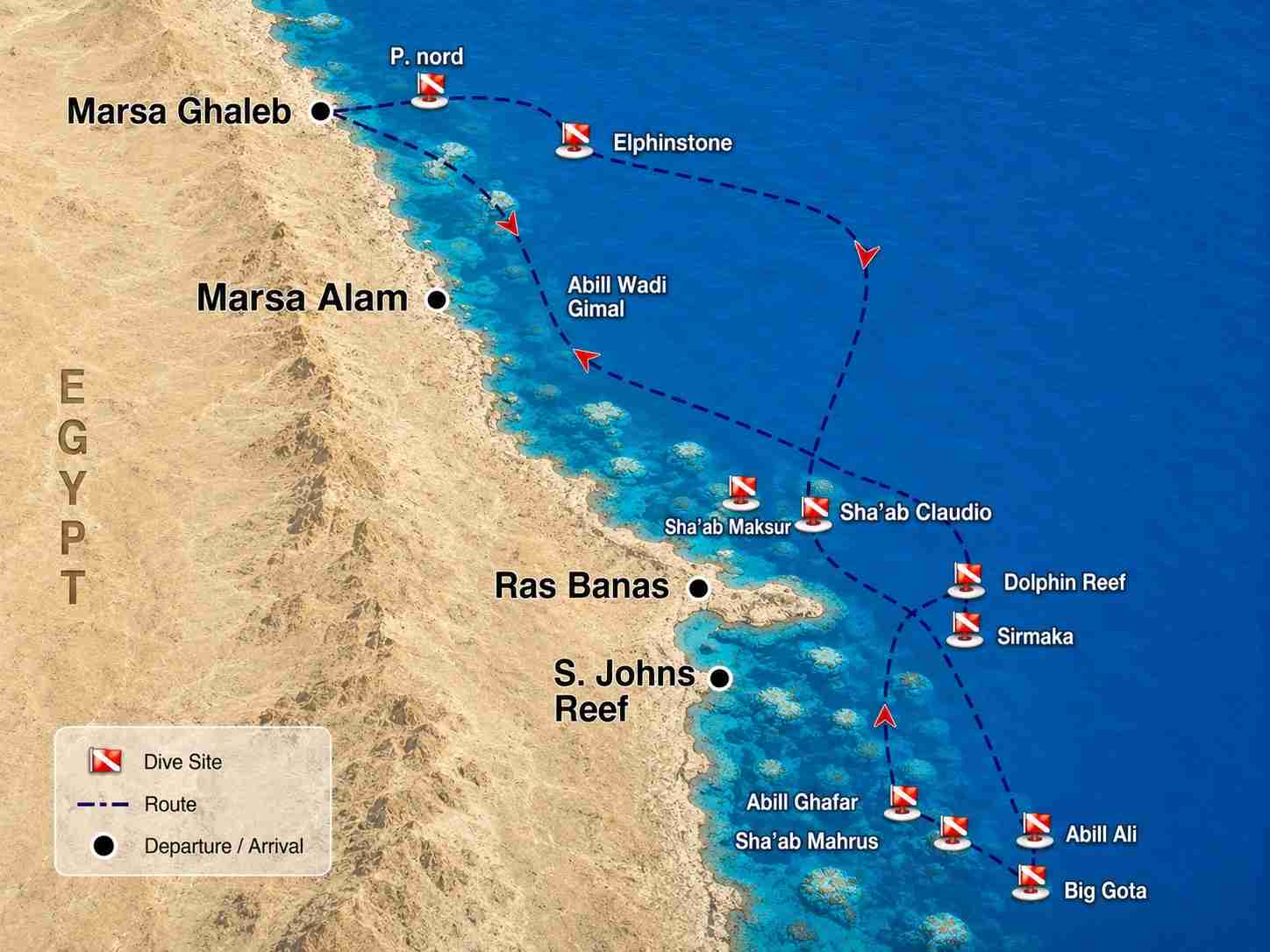
Deep South St. John’s liveaboard: the wild end of the Egyptian Red Sea
The Deep South St. John’s liveaboard is one of the most spectacular diving adventures Egypt offers. Located in the far south of the country, the St. John’s region is famous for its remoteness, its pristine coral, dramatic drop-offs, caves, tunnels, pinnacles and rich marine life.
Crucially, St. John’s is not a single reef. Instead it is a huge system of remote reefs spread across the Deep South, and that scale is exactly what creates the variety. One dive may follow a vertical wall disappearing into deep blue water. The next may lead through coral towers, caves and tunnels, whereas a third opens into a vast garden of hard coral over white sand.
Along the way the route also passes through Fury Shoals and the offshore reefs off Marsa Alam. As a result, a single week covers three distinct diving regions rather than one.
The St. John’s dive safari at a glance
Best for, and what makes the Deep South St. John’s liveaboard special
Who a St. John’s dive safari suits best
- Advanced Open Water divers
- Intermediate and experienced divers
- Underwater photographers
- Coral reef lovers
- Divers who enjoy caves and swim-throughs
- Shark and pelagic-life enthusiasts
- Divers looking for remote dive sites
On the other hand, this is a long way from a jetty. Therefore anyone who has not dived in open current before should say so at the first briefing, because the guides will plan the offshore days around the group they actually have.
St. John’s dive safari highlights
Notably, “less crowded” is not marketing language down here. Several St. John’s reefs hold only one or two boats at a time, and some cannot be moored at all in anything but calm weather.
Three regions in one week
Firstly it helps to understand the geography, because the route covers roughly 300 kilometres of coast. In other words, the boat is genuinely travelling, not circling.
Marsa Alam offshore
To begin with, the week opens on the reefs off Marsa Alam: a sheltered check dive, the coral gardens of Abu Dabab, and then the exposed walls and plateaus of Elphinstone and Shaab Sharm as the boat works south.
Fury Shoals
Next comes the Fury Shoals system, where the diving turns shallow and sheltered. Here you find the dolphins of Sataya, the caverns of Claudia and the coral labyrinths of Malahi. For the full picture of this area, see our Daedalus & Fury Shoals route.
St. John’s reefs
Finally the boat reaches the heart of the trip. The St. John’s reefs consist of around ten bank reefs spread some 29 kilometres east to west, and they carry the pinnacles, walls and cave systems the Deep South is known for.
Dive sites on a Deep South St. John’s liveaboard
In practice a Deep South St. John’s liveaboard draws its six diving days from the seventeen sites below. However, the exact selection and order always depend on the departure port, the weather, the currents, navigation requirements and local regulations.
St. John’s dive safari: heading south from Marsa Alam
Marsa El Shouna – check dive
Firstly, the protected conditions here make Marsa El Shouna an ideal opening dive. Divers use it to check equipment, weighting and buoyancy before the boat heads for the remote reefs, and meanwhile the coral formations and reef life make it enjoyable in its own right.
Life on boardAbu Dabab 2
To begin with, Abu Dabab 2 offers coral formations, sandy patches and colourful reef life. Consequently it provides an easy contrast to the deeper offshore sites that follow later in the week, and it suits photographers working close to the reef.
Abu Dabab 3
Similarly, Abu Dabab 3 carries healthy hard coral and dense reef fish over sand. Boats include it either on the way south or during the return north, depending on how the sailing schedule falls.
Elphinstone Reef
Elphinstone is one of the legendary offshore reefs of the Egyptian Red Sea, with coral-covered walls and a plateau at each end surrounded by deep blue water. Because it sits fully exposed to open-sea current, it regularly attracts large schools of fish and passing pelagics.
ElphinstoneShaab Sharm
Meanwhile, Shaab Sharm is an impressive offshore reef of dramatic walls and plateaus surrounded by deep water. Moreover, current here concentrates schooling fish along the eastern plateau, which makes it an exciting stop on the journey south.
Through Fury Shoals
Shaab Maksour
Notably, Shaab Maksour is the most adventurous dive in the Fury Shoals system: a long offshore reef with dramatic walls and a plateau at each end. Accordingly, barracuda, tuna and giant trevally patrol the current line here.
Fury ShoalsSataya – Dolphin Reef
Sataya’s enormous horseshoe reef encloses a sheltered lagoon of clear turquoise water, and it is famous above all for its spinner dolphins. Encounters follow local rules protecting the pod’s resting hours, and the protected lagoon offers a complete change of pace from the offshore walls.
SatayaClaudia Reef
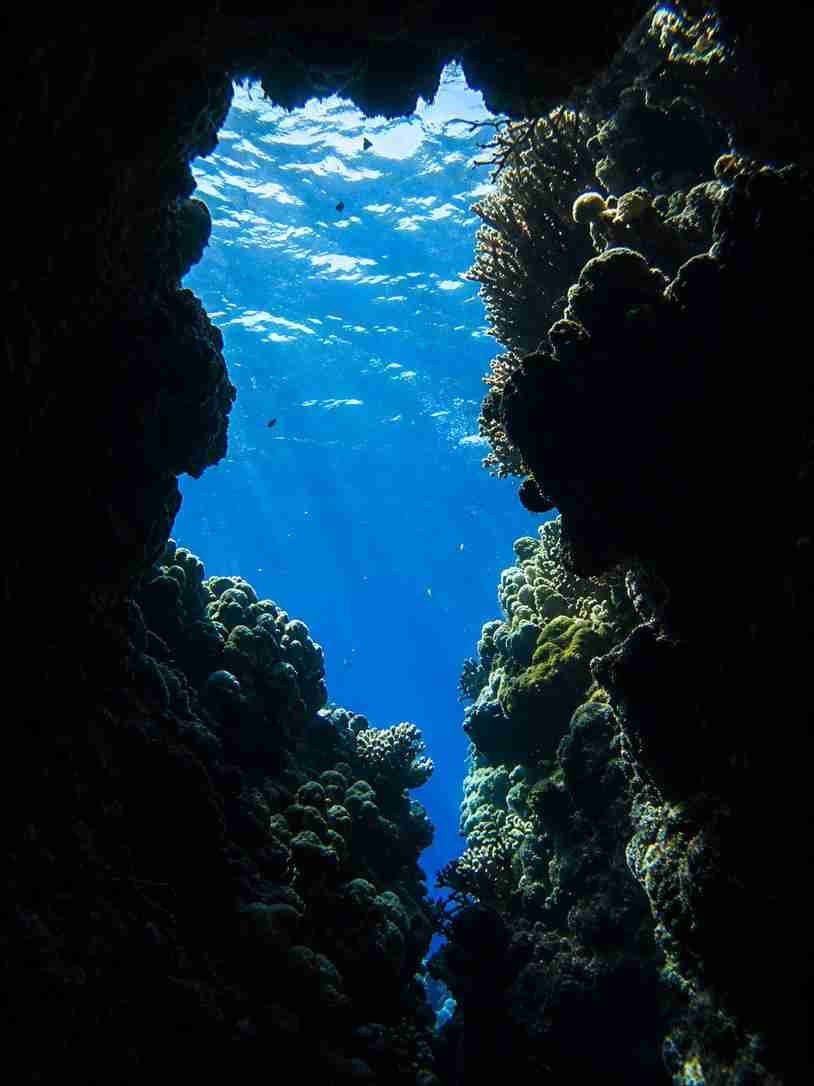
Similarly, Claudia, also written Shaab Claudio, is famous for its underwater passages, coral tunnels and swim-throughs. Sunlight entering through openings in the reef roof creates the light shafts that make it one of the most photographed sites in the south.
Fury ShoalsMalahi Reef
Furthermore, Malahi earns its nickname, the Playground Reef, through a maze-like landscape of coral towers, narrow passages, sandy channels and small caves. Consequently it rewards slow, curious diving rather than distance covered.
Abu Galawa Soraya
Abu Galawa Soraya offers relaxed diving among sheltered coral gardens, and in addition the area is known for its small wreck and dense reef life. As a result it suits macro photography and long, easy bottom times.
The St. John’s reefs
Dangerous Reef
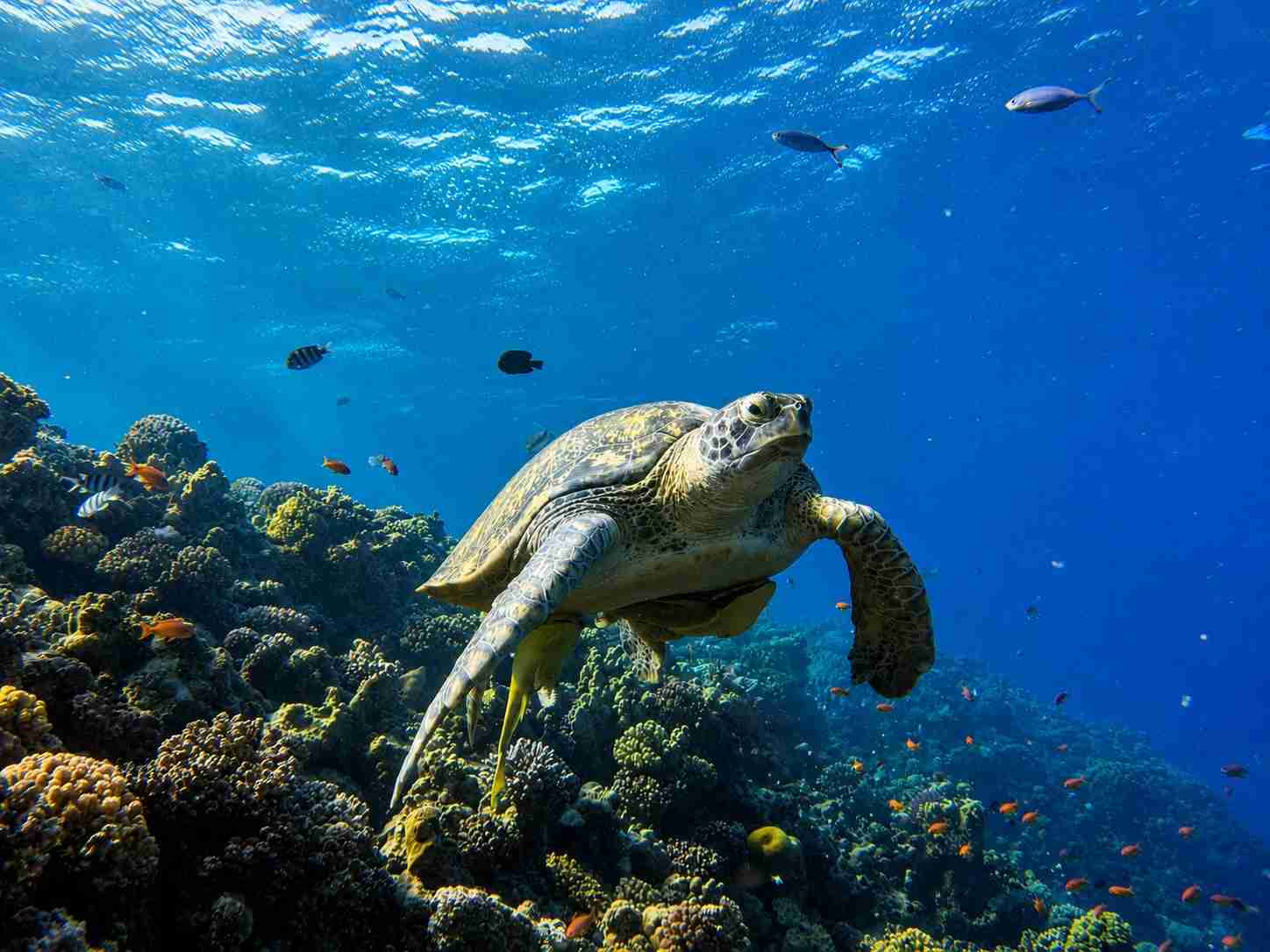
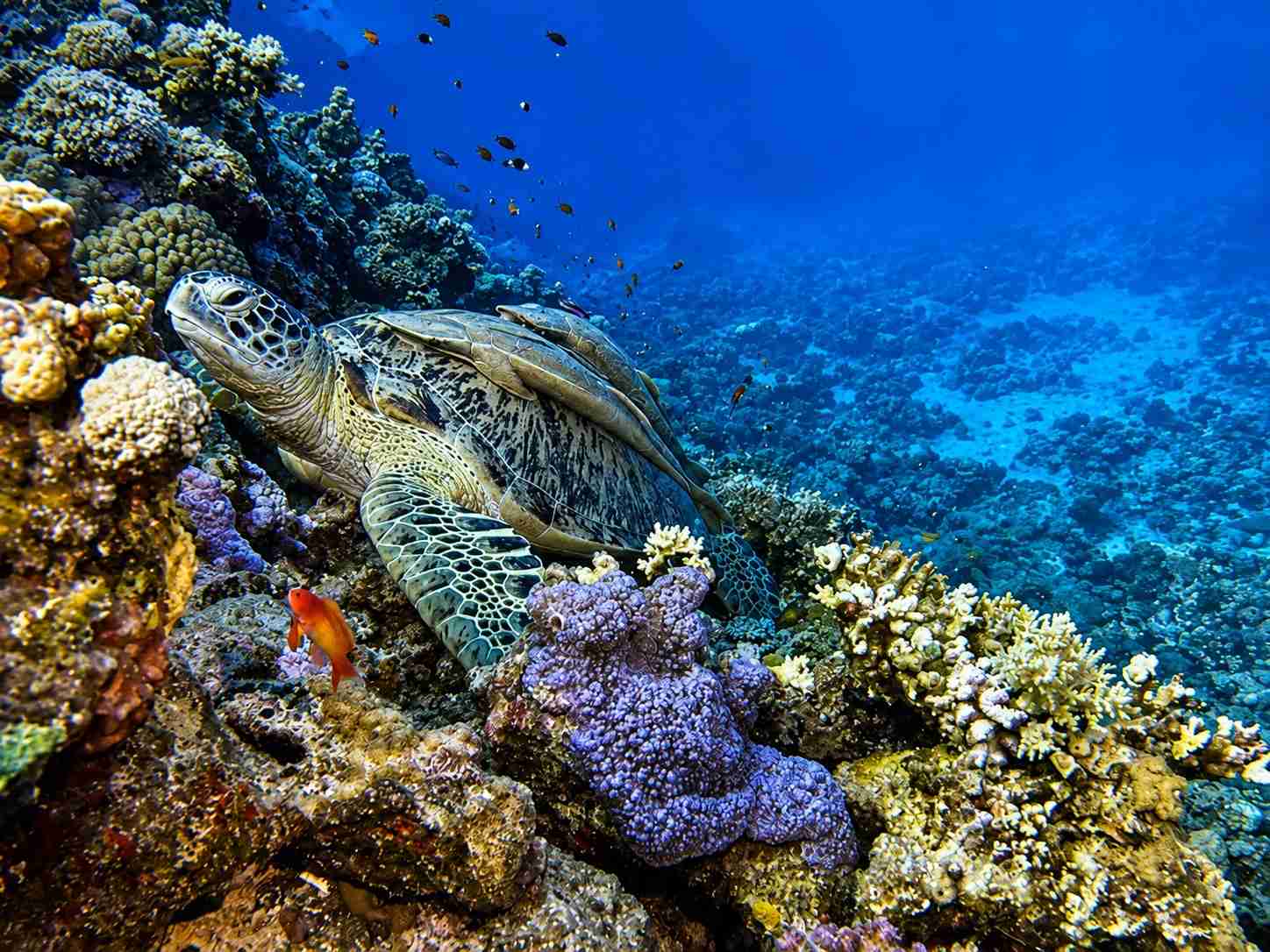
Despite the dramatic name, Dangerous Reef offers beautiful coral formations and varied scenery rather than difficulty. Divers explore coral gardens, reef passages and shallows rich in colourful fish, and turtles are common here.
Gota Kebir – Big Gota
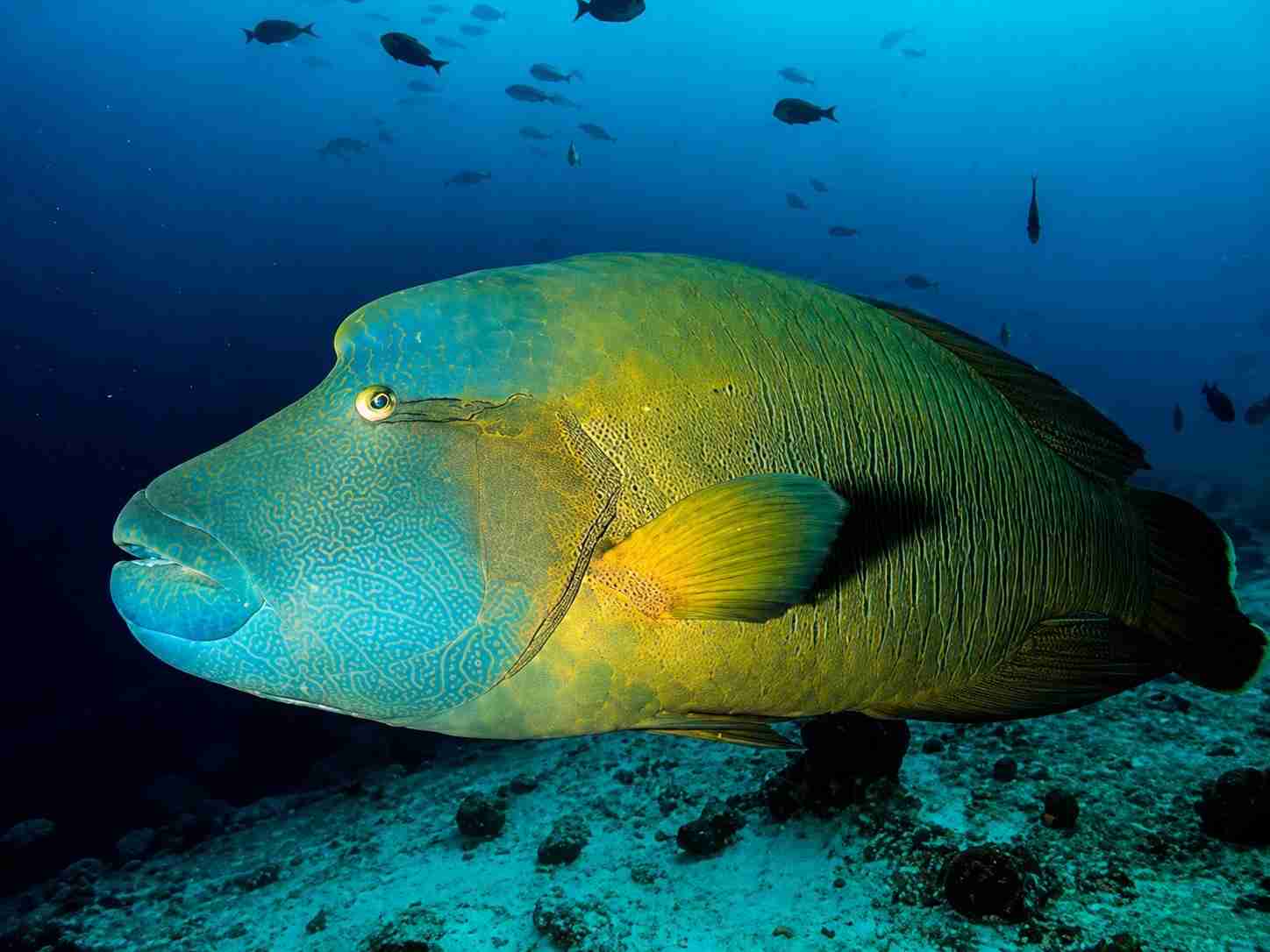
Firstly, Gota Kebir, meaning Big Gota, is the largest of the St. John’s reefs and one of the best known. Steep coral-covered walls fall away on every side, whereas the shallows carry Napoleon wrasse, turtles and dense schools of snapper.
Gota KebiraGota Soraya – Small Gota
By contrast, Gota Soraya, meaning Small Gota, sits surrounded by deep water and is known for colourful coral walls and outstanding visibility. Therefore it is one of the finest wall dives of the week for photography.
Habili Ali
Above all, Habili Ali is the easternmost of the St. John’s reefs and marks the boundary with the open sea. It rises from very deep water into dramatic drop-offs, and because current runs strong here the coral growth is lush and big fish are regular.
Habili AliHabili Gaffar
Likewise, Habili Gaffar is a small offshore pinnacle surrounded by deep water. Its exposed position creates exciting conditions, and consequently barracuda, tuna and giant trevally work the blue while soft coral covers the walls.
Umm Arouk
Indeed, Umm Arouk means mother of coral towers, and the name fits: pinnacles rise from the sandy bottom in an extensive stony forest. Diving between them feels like exploring woodland, and moreover the shallow depth makes it ideal for a night dive.
Umm AroukUmm Khararim – Cave Reef
Above all, Umm Khararim, known simply as Cave Reef, is the signature dive of the Deep South. A network of shallow passages and tunnels runs through the reef, and sunlight entering from above produces dramatic beams that make this one of the most memorable dives in Egypt.
Paradise Reef
Paradise Reef closes the circle with pristine coral gardens and colourful reef life in easy conditions. Above all it is a photographer’s dive, and it works well as a final stop before the boat turns north.
How the Deep South St. John’s liveaboard week is structured
Departure port depends on the vessel and the season. Sailing from Hamata shortens the run to St. John’s considerably, whereas Port Ghalib and Marsa Alam departures spend more of the first two days heading south. Either way, the week opens with a check dive on a sheltered reef so the crew can see how everyone handles their equipment before conditions get serious.
Boarding your St. John’s dive safari
Boarding. On arrival, guests are welcomed on board from 15:00 for check-in, cabin allocation, certification checks, paperwork and equipment set-up, followed by the welcome briefing and dinner. Normally the vessel stays in the marina overnight.
Check dive and passage south. Initially the first dive is made at Marsa El Shouna or a similar sheltered reef. Afterwards the boat works south, diving Abu Dabab and Elphinstone as the sailing schedule allows.
The Deep South St. John’s liveaboard reaches the far south
Shaab Sharm and Fury Shoals. Then the offshore walls of Shaab Sharm, followed by the first of the Fury Shoals reefs and a sheltered night dive where regulations allow it.
Fury Shoals and Sataya. Meanwhile the diving turns shallow: the caverns of Claudia, the labyrinths of Malahi, and the lagoon at Sataya with its resident spinner dolphins.
St. John’s. Subsequently the boat reaches the southern reefs. Habili Ali and Habili Gaffar are dived early for the best chance of current and big fish.
Caves and pinnacles. Similarly full: Umm Khararim for the light shafts, Umm Arouk for the coral forest, and Gota Kebir or Gota Soraya for the walls.
Final dives of the St. John’s dive safari
Northbound and final dives. Usually the boat works back north through Fury Shoals, taking the last dives of the trip before the run to port and the final evening on board.
Check-out. Finally, breakfast on board, then check-out between 09:00 and 10:00. Naturally, transfers depend on the trip package.
Night diving is restricted in the marine parks. Some reefs on this route allow it and others do not, and therefore the guides confirm each night dive on the day rather than in advance. Several St. John’s reefs, including Gota Kebira, cannot be night dived at all.
The published itinerary is a plan, not a guarantee. Accordingly the captain and dive team may change the sequence or use alternative sites whenever safety, weather, sea conditions, official permissions or marine park regulations require it.
Who the Deep South St. John’s liveaboard is for
St. John’s dive safari certification and equipment
Divers joining this itinerary should be comfortable across a wide range of conditions, because the week genuinely swings between the two extremes. Experience with the following is recommended:
- Drift diving and wall diving
- Blue-water diving away from the reef
- Moderate to strong currents
- Deep reef profiles
- Negative entries when required
- DSMB deployment from depth without assistance
- Swim-throughs and overhead sections, with a torch
Some offshore sites can be demanding depending on current and sea state, whereas many of the protected reefs stay genuinely relaxed. Consequently the route balances adventure against comfortable reef exploration better than most southern itineraries.
A DSMB is strongly recommended and may be required depending on the dive site and local regulations.
Marine park fees apply across the southern reefs and are normally collected on board alongside the usual port and environmental charges. In addition, every diver must stay within the limits of their certification, training and experience and follow the dive team’s briefings.
Marine life on the Deep South St. John’s liveaboard
The combination of Fury Shoals and the remote St. John’s reefs produces an impressive range of Red Sea marine life. Admittedly encounters can never be guaranteed, yet these reefs see far fewer divers than the north and the wildlife behaves accordingly.
Sharks and pelagics
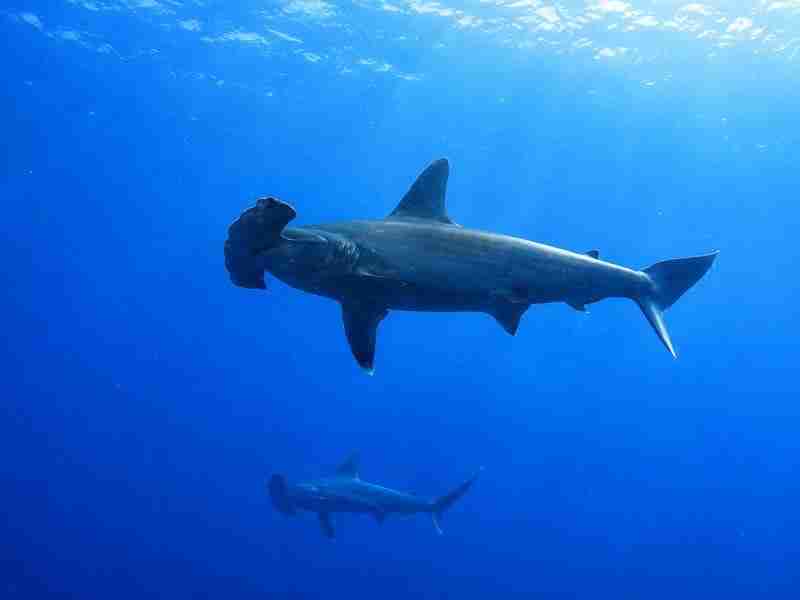
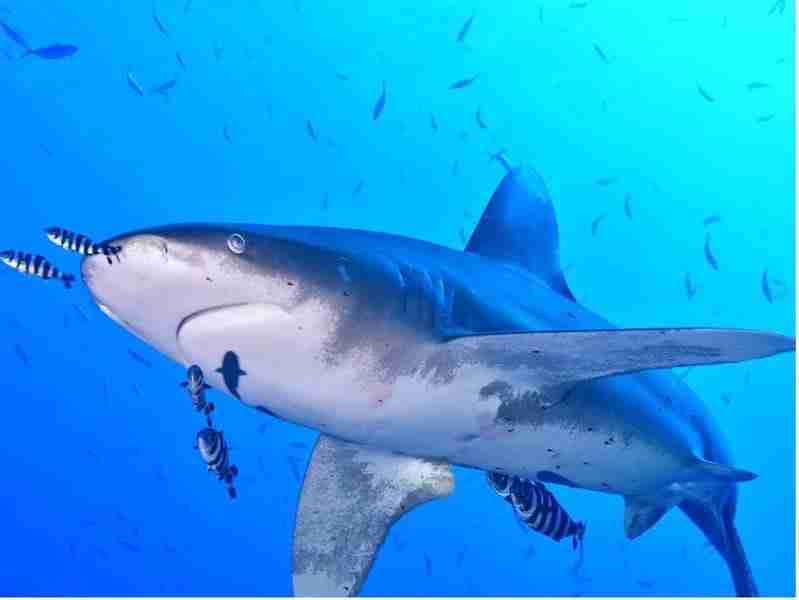
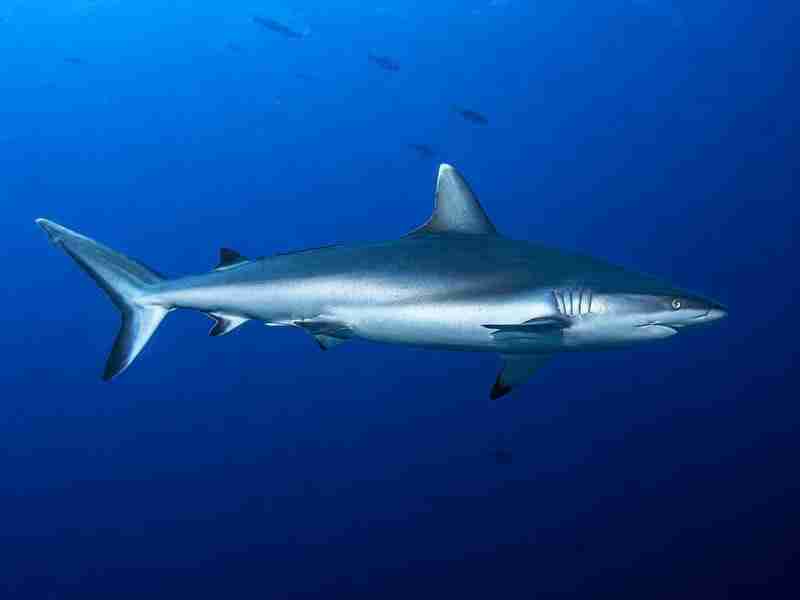
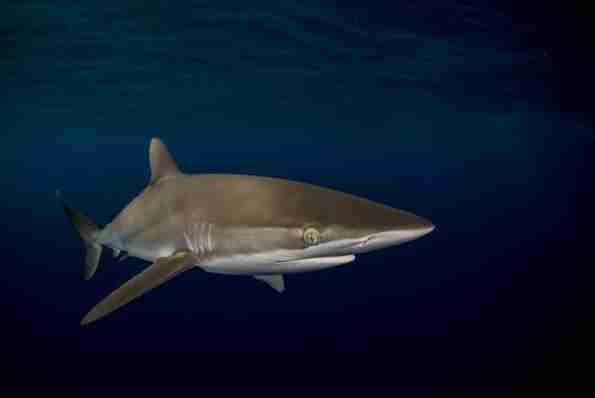
Firstly, grey reef sharks are regular on the offshore habilis, and in addition hammerheads pass through in season. Meanwhile barracuda, tuna, giant trevally and eagle rays work the current lines along the deeper walls.
Dolphins and turtles
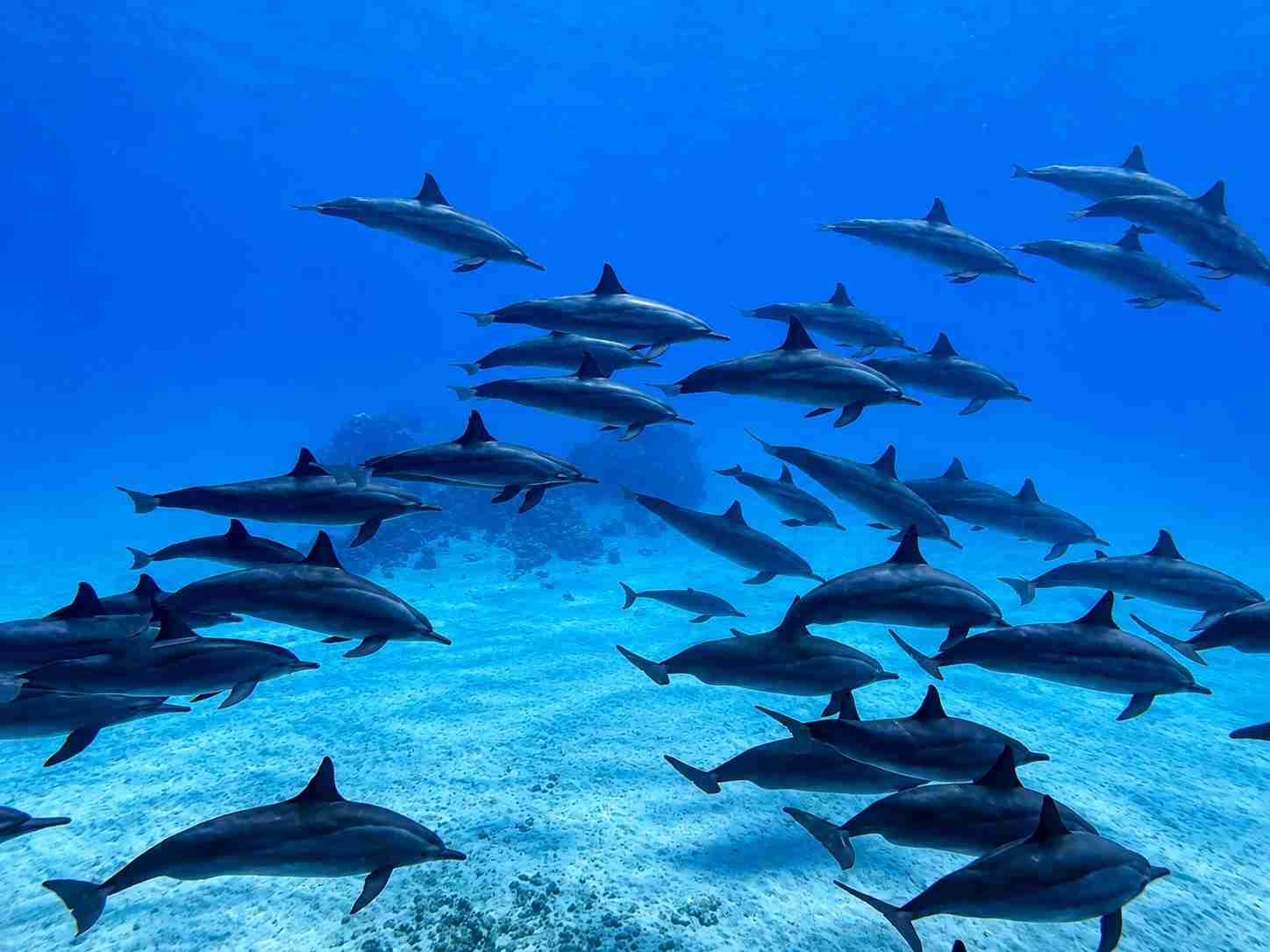
Meanwhile, spinner dolphins rest inside the Sataya lagoon throughout the year, and similarly green turtles are common across the shallow coral gardens of the far south, particularly around Dangerous Reef.
Reef life
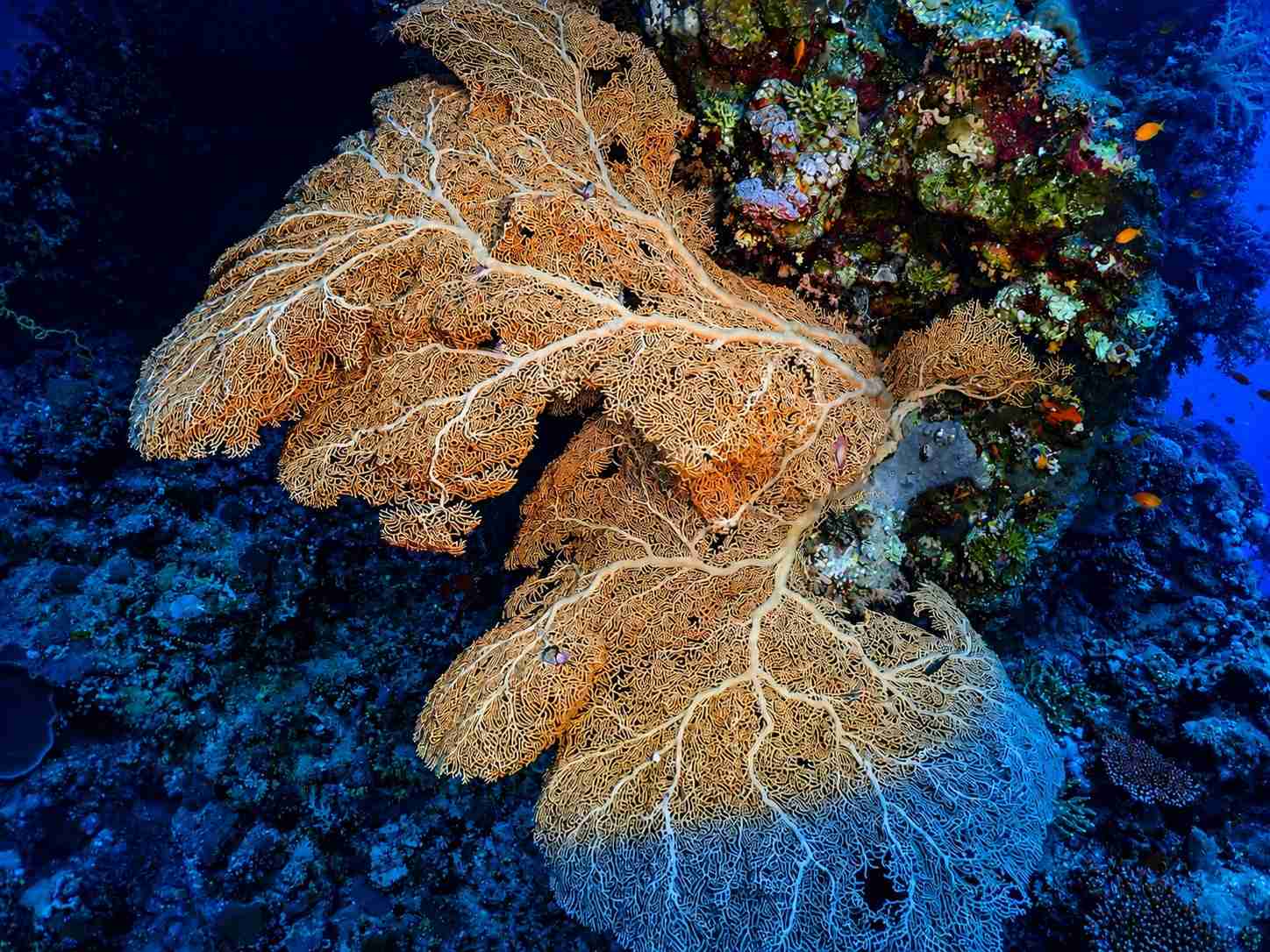
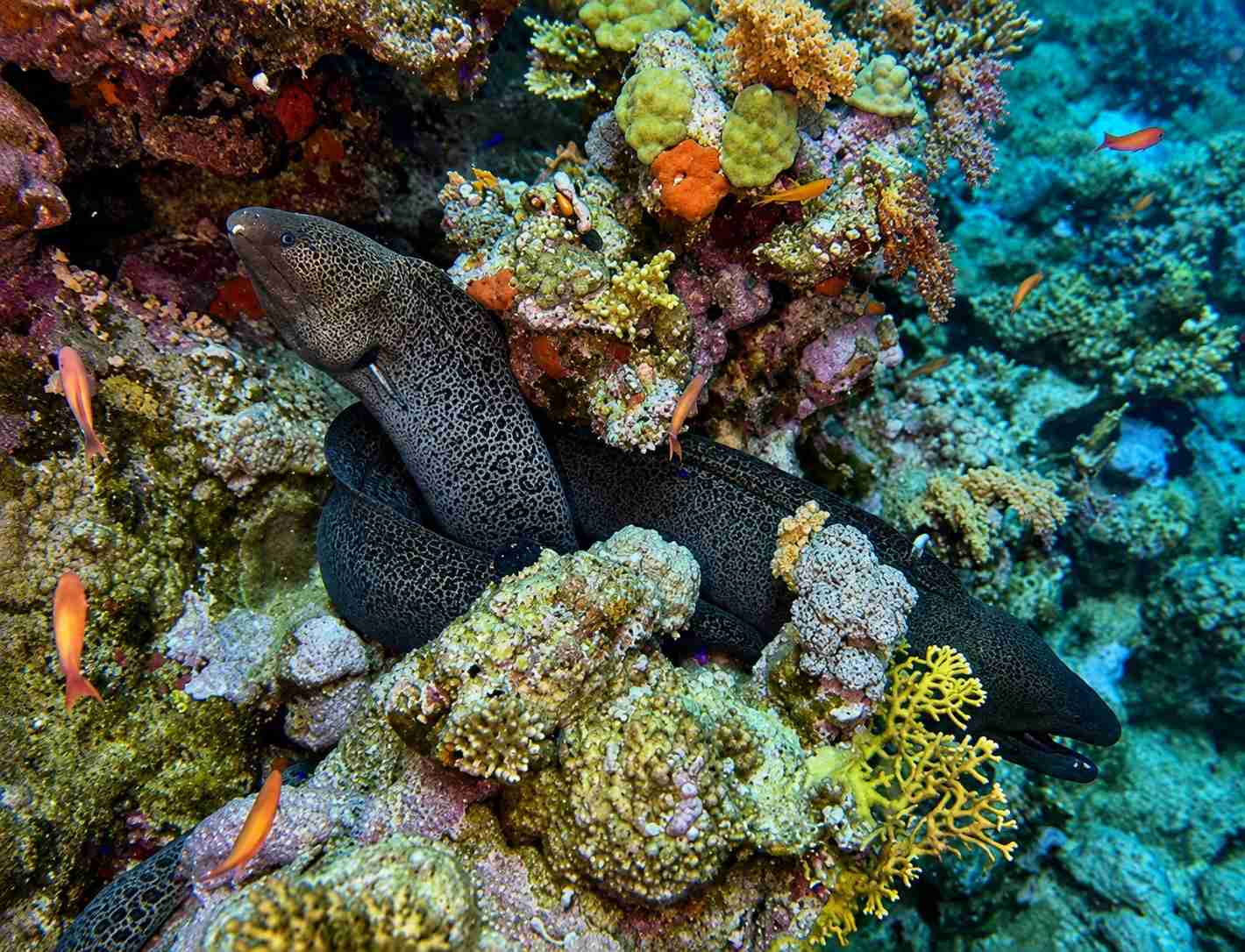
Besides the headline species, expect Napoleon wrasse, groupers, moray eels and clouds of anthias over the hard coral, alongside butterflyfish, angelfish and the soft corals and gorgonians that decorate the deeper walls.

Which boats sail the Deep South St. John’s liveaboard
Altogether, several vessels in our fleet run southern safaris, departing from Port Ghalib, Marsa Alam or Hamata depending on the season and the date. Certainly all of them are equipped for a week this far from port: zodiac tenders, nitrox on board and crews who know these reefs.
Sea Fox
Runs the southern circuit through the season, reaching St. John’s when the weather window allows.
Sea FoxSimba
A long-standing vessel on the southern routes, and moreover she sails from both the northern and southern ports.
SimbaSea Treasure
Sails the Deep South through the season, and furthermore zodiac diving and nitrox are available on board.
Sea TreasureStar Jet
Another vessel on the same circuit, and therefore, if your preferred dates are already full elsewhere, she is usually the next option to check.
Star JetBismarck
Runs the same southern itinerary, and in addition her departures are scheduled around the settled weather windows.
BismarckC Echo
Our own vessel, and consequently she is crewed by the team that has been diving these southern reefs for more than twenty years.
C EchoWeather, and honest expectations
When the wind decides the St. John’s dive safari
Fortunately, diving in the far south is possible all year round, and water temperatures stay comfortable later into the season than they do further north. Nevertheless the calmest conditions come in spring and autumn, which is when the exposed habilis are most reliably divable.
That word “exposed” matters. Several St. John’s reefs end just below the surface and offer almost no shelter from wind and waves, and therefore they can only be approached in calm weather. If the sea will not allow it, the captain dives the sheltered reefs instead and reshapes the week around them.
Any operator who promises every named reef regardless of conditions is promising something no captain controls. Consequently we would rather set that expectation before you book than explain it to you at sea.
More routes and southern dive sites
- Daedalus & Fury Shoals — the offshore reef paired with the southern coral gardens.
- BDE Liveaboard — Brothers, Daedalus and Elphinstone in one offshore week.
- St. John’s reefs — the region explained, reef by reef.
- Zabargad Island — the volcanic island and the Khanka wreck.
- Fury Shoals — the whole southern reef complex.
- Elphinstone — the plateaus and walls in detail.
- What divers need on board — the packing list for a remote week.
- redsealiveaboard.net — Red Sea safari schedules and availability.
- Contact Red Sea Diving — for the departure that suits your dates.
Deep South St. John’s liveaboard: frequently asked questions
How long is the trip?
Seven nights on board with six diving days. Specifically, boarding is on Saturday from 15:00, and check-out is the following Saturday between 09:00 and 10:00.
Where do these trips depart from?
Departures run from Port Ghalib, Marsa Alam and Hamata, depending on the vessel and the scheduled itinerary. Sailing from Hamata shortens the run to St. John’s, while Port Ghalib and Marsa Alam departures spend more of the first days heading south.
How many dives are there in a week?
Generally a week delivers somewhere between 17 and 20 dives across six diving days. However, the first and final days often carry fewer dives because of sailing and port schedules.
Where exactly is St. John’s?
The St. John’s reefs lie near the border with Sudan, at the far southern end of the Egyptian Red Sea. In other words, they sit as far from a jetty as Egyptian diving gets. They consist of around ten bank reefs spread roughly 29 kilometres from east to west, and they can only be reached by liveaboard.
Is night diving included?
Sometimes. Admittedly, night diving is restricted across the southern marine parks, and several St. John’s reefs cannot be night dived at all. Where regulations and shelter allow it, the guides will run one, but they confirm it on the day rather than in advance.
St. John’s dive safari: experience and weather
What experience do I need?
Generally, Advanced Open Water or equivalent is the sensible baseline, together with drift and wall diving experience and the ability to deploy your own DSMB from depth. The sheltered reefs suit less experienced divers well, whereas the exposed offshore habilis genuinely require current experience.
What is the best time of year?
Fortunately, the far south can be dived all year round, and the water stays comfortable later in the season than it does in the north. Spring and autumn bring the calmest seas, and consequently they offer the best chance of reaching the exposed offshore reefs.
What happens if the weather is bad?
If the sea will not allow a safe approach to the exposed reefs, the captain dives the sheltered sites of Fury Shoals and the inner St. John’s reefs instead. Ultimately safety decides the plan, not the brochure.
Seven nights, six diving days
Book your adventure
Tell us your dates and we will check availability on the Deep South St. John’s liveaboard. Our team will help you choose the right vessel, departure port and itinerary, and will talk the offshore days through with you before you commit to anything.
Inquiry