
Guide to the Red Sea Marine Park dive sites · Brothers, Daedalus, Zabargad, Rocky
Marine Park Dive Sites Offshore islands and reefs with sharks, sheer walls and historic wrecks
The Red Sea Marine Park dive sites are remote islands and reefs far off the Egyptian coast, protected since 1983. They include the Brothers Islands with the Numidia and Aida wrecks, Daedalus Reef, Zabargad Island and Rocky Island, and they offer some of the best shark diving in the world, reached only by liveaboard.
Which Marine Park dive sites can you dive?
Overall, the sites below are grouped by the two classic tours, Marine Park 1 and Marine Park 2. In addition, each card links to a full guide with depth, marine life, level and access.
Marine Park 1: the Brothers Islands
First, the two islands in the middle of the sea combine sheer walls, oceanic sharks and two famous wrecks, all reached only by liveaboard.
Big Brother · Walls and two wrecks
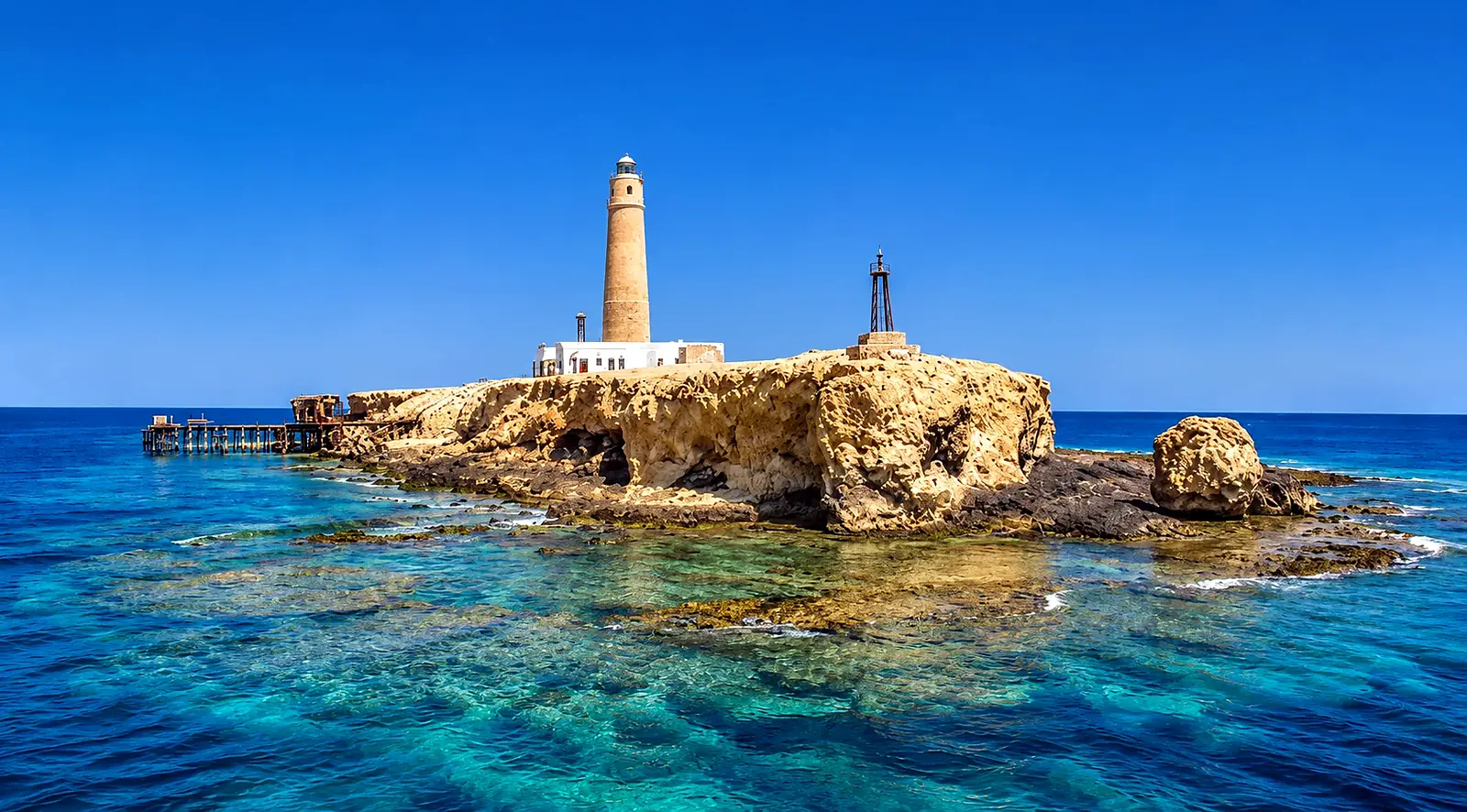
The larger island, with its 1883 lighthouse, coral walls and sharks at both tips, about 61 km off El Quseir.
Visit Big Brother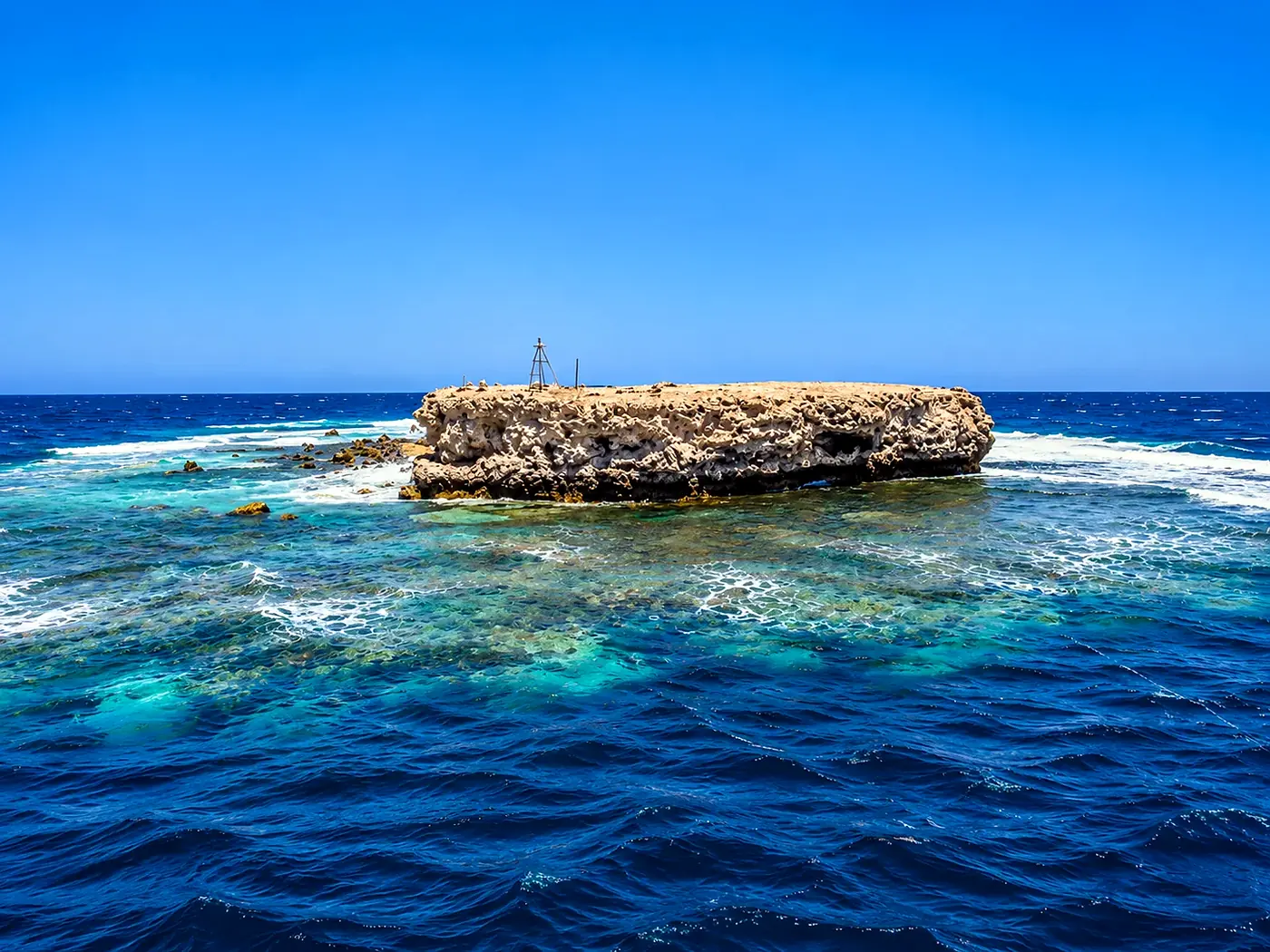
Little Brother · Shark plateau at 40 m
Meanwhile, the smaller island offers sea fan walls and a north plateau famous for grey reef sharks and threshers.
Visit Little Brother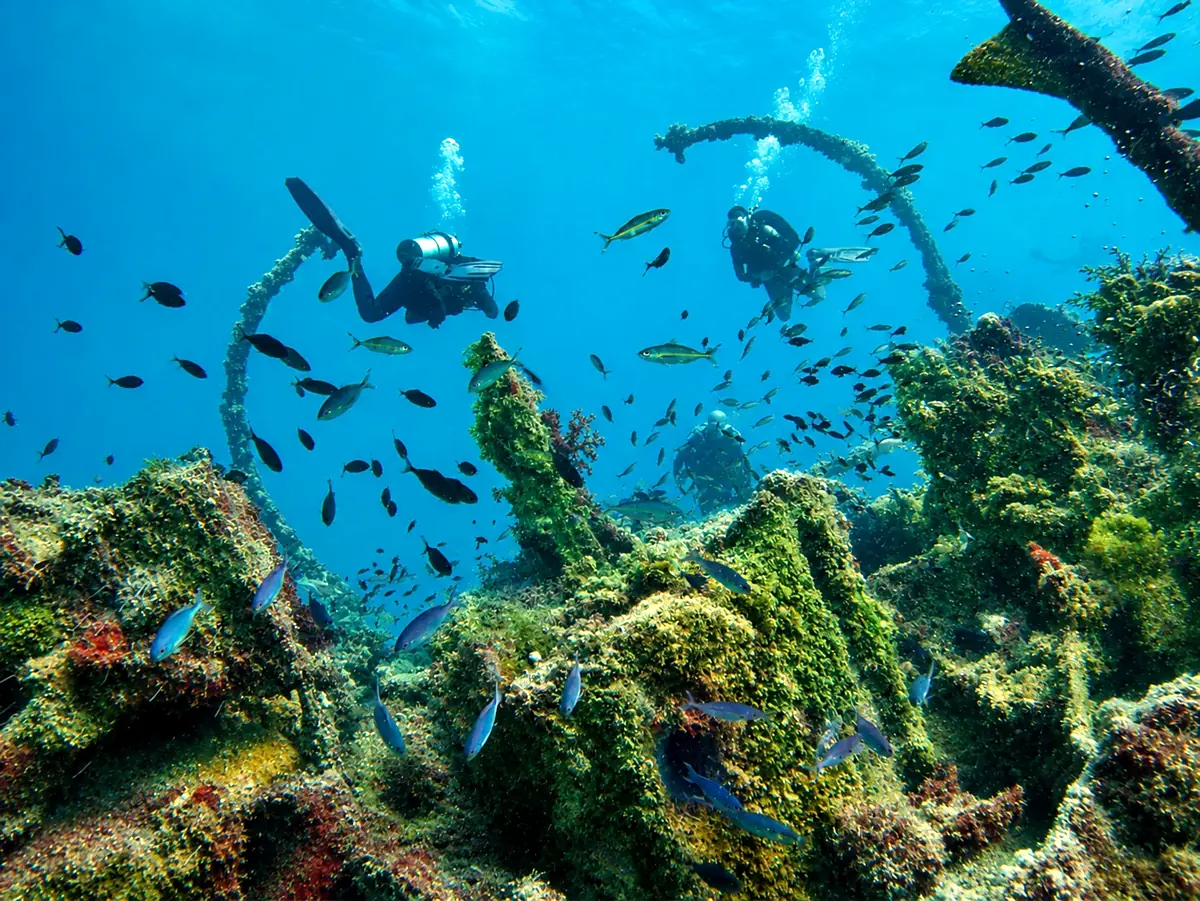
Numidia Wreck · 8–80 m, 1901
Also called the Railway Wreck, this 138 m British steamship lies steeply down the northern tip of Big Brother.
Visit Numidia Wreck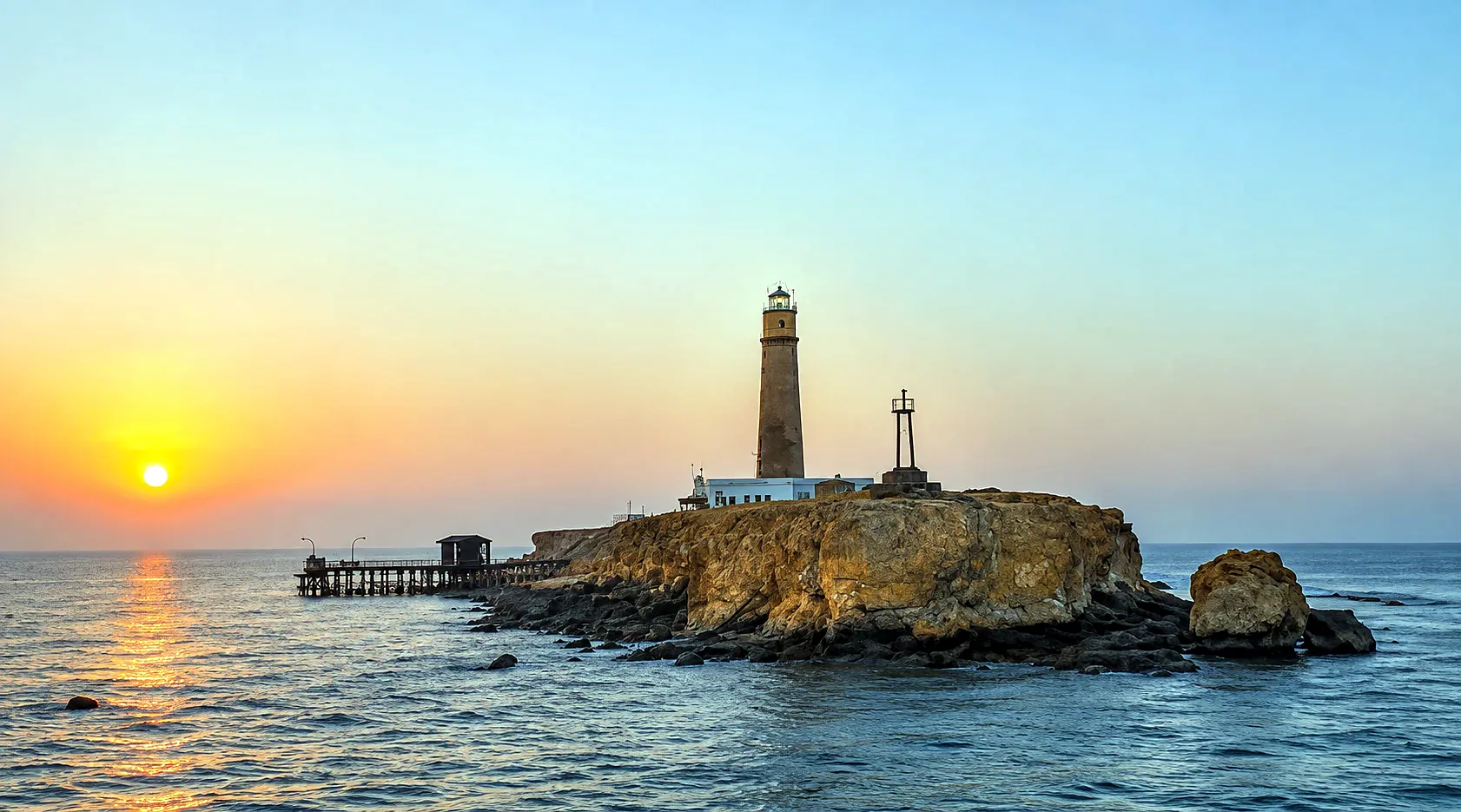
Aida Wreck · 33–65 m, 1957
Then, the lighthouse supply ship lost in 1957 rests deep on the west wall of Big Brother.
Visit Aida WreckMarine Park 2: Daedalus, Zabargad and Rocky
Further south, a lone reef with a lighthouse and two islands near the Sudanese border complete the offshore parks.
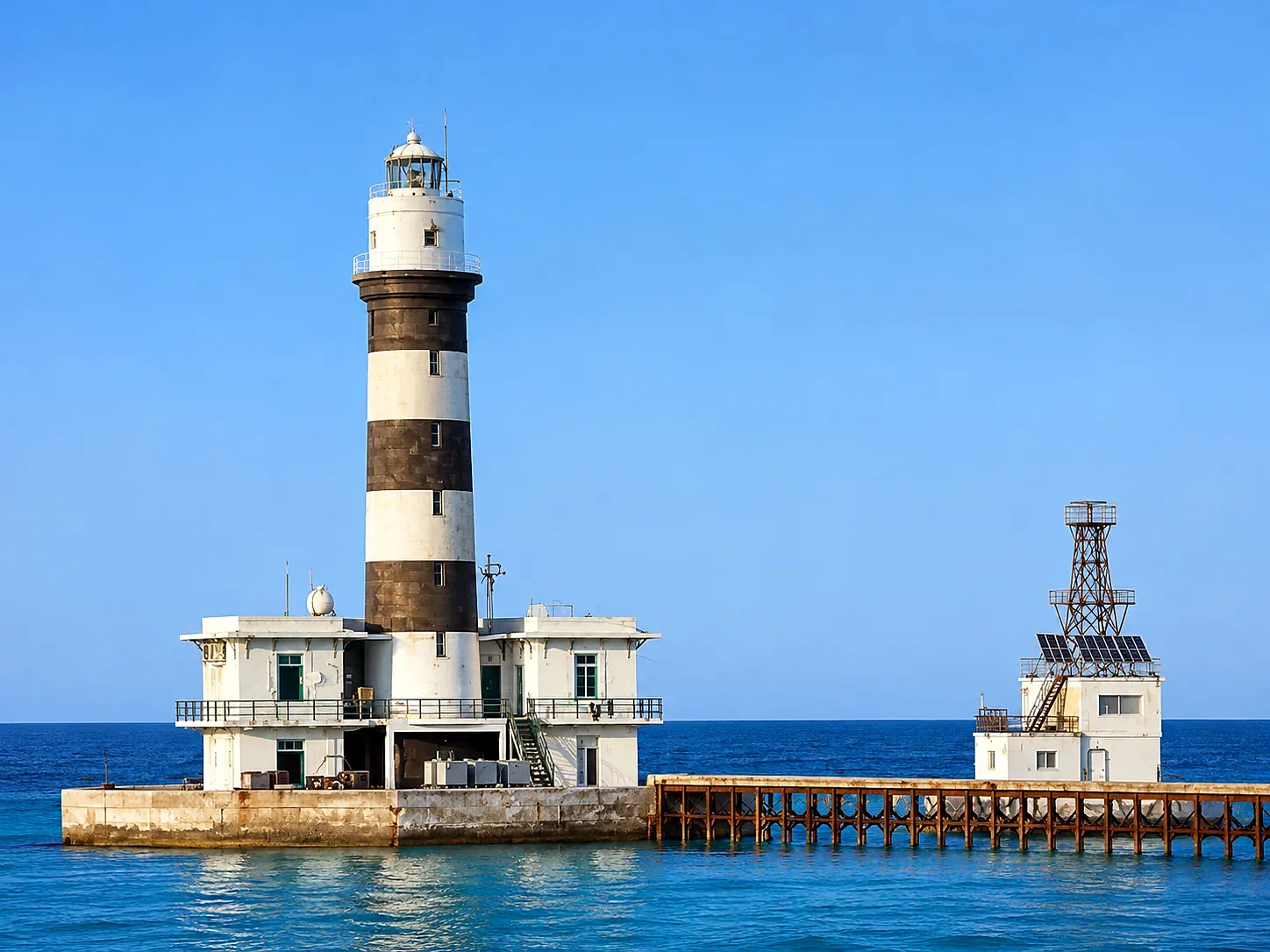
Daedalus Reef · Hammerheads at 40 m
Also called Abu Kizan, it is famous for hammerheads at the north tip and oceanic whitetips under the boats.
Visit Daedalus Reef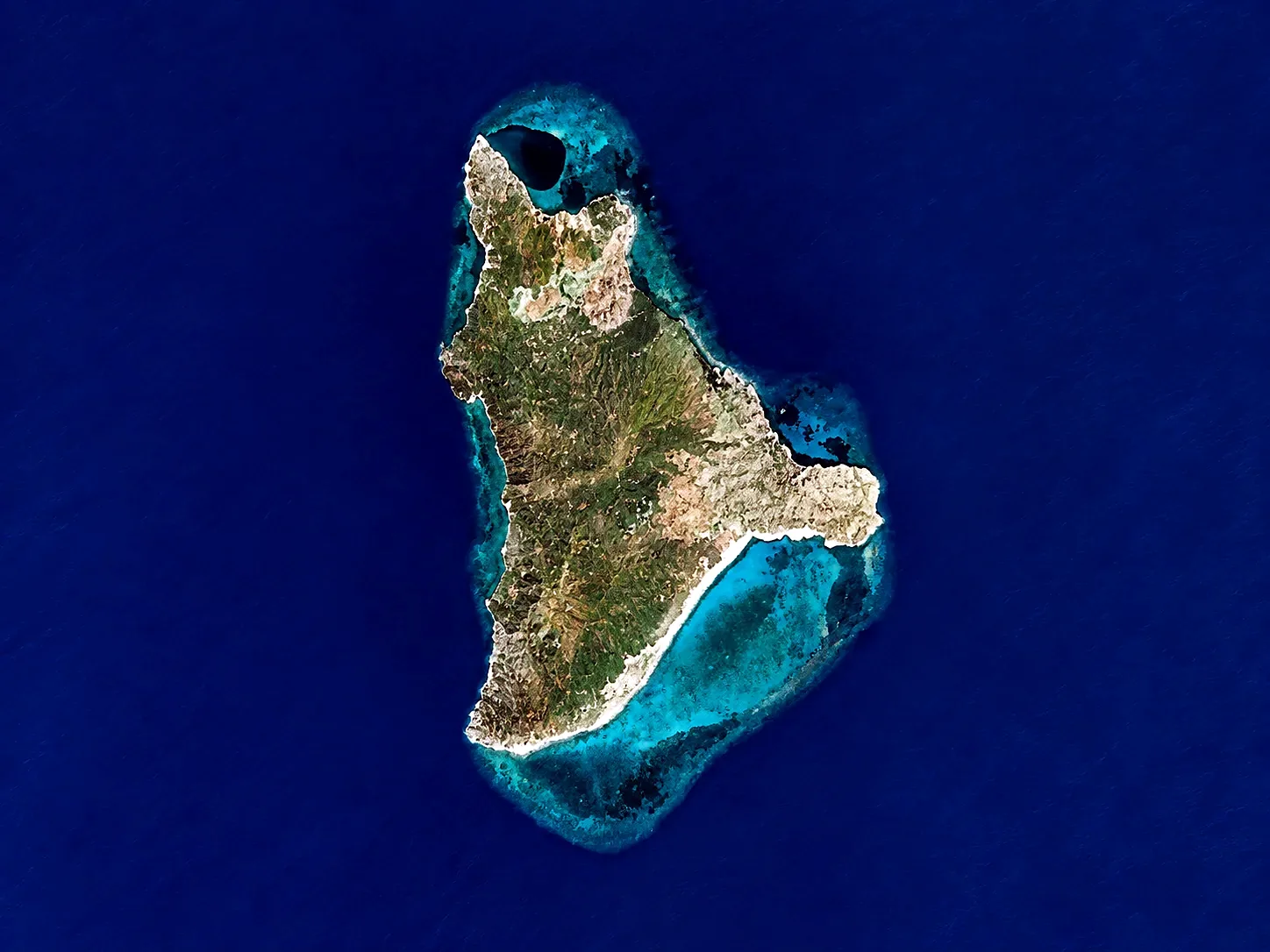
Zabargad Island · Turtle Bay, 5–30 m
Next, the peridot island offers sheltered Turtle Bay, coral walls with small canyons and safe overnight moorings.
Visit Zabargad Island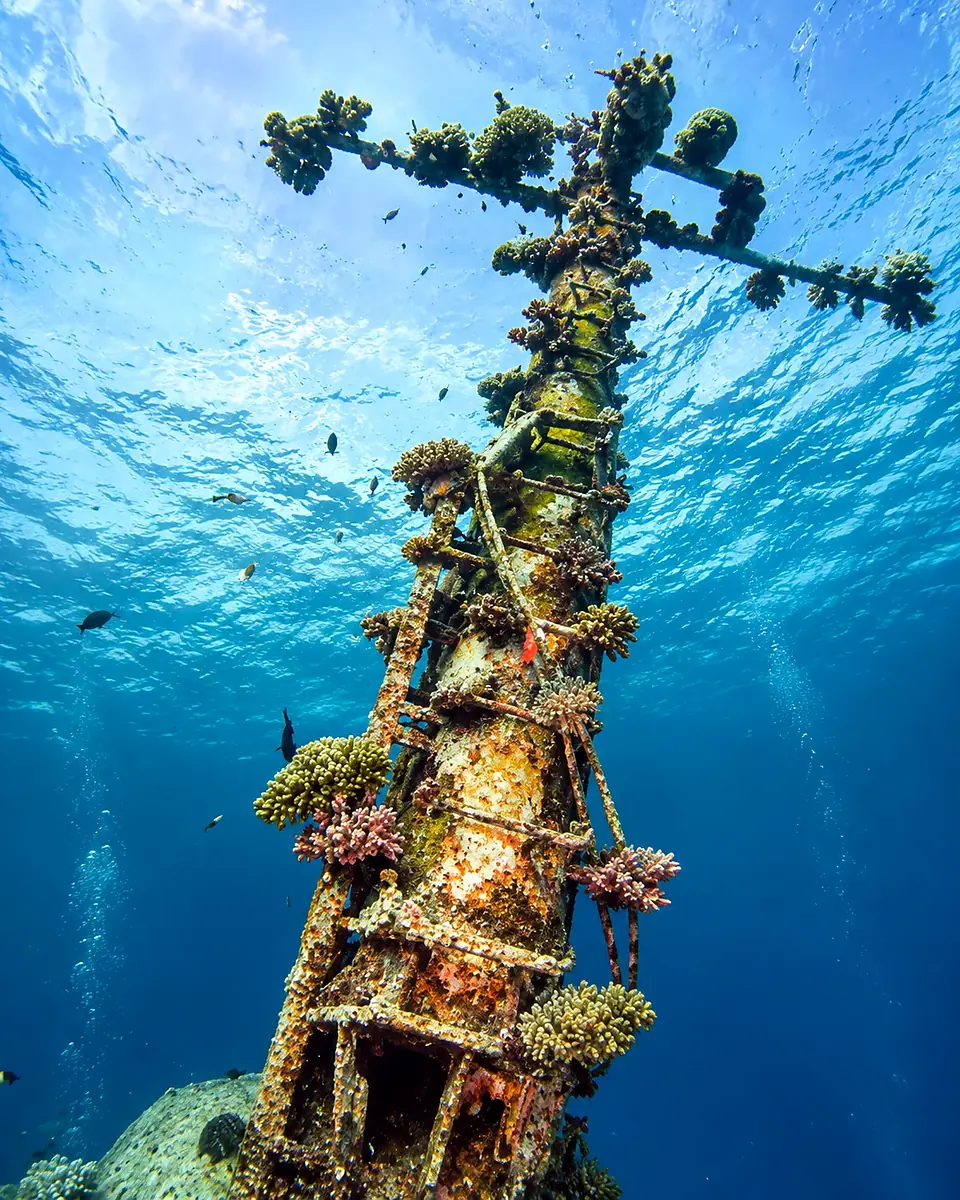
Russian Wreck · 2–24 m, Soviet ship
Meanwhile, a mysterious 70 m Soviet-built ship rests in a bay on the east side of Zabargad, its mast almost at the surface.
Visit Russian Wreck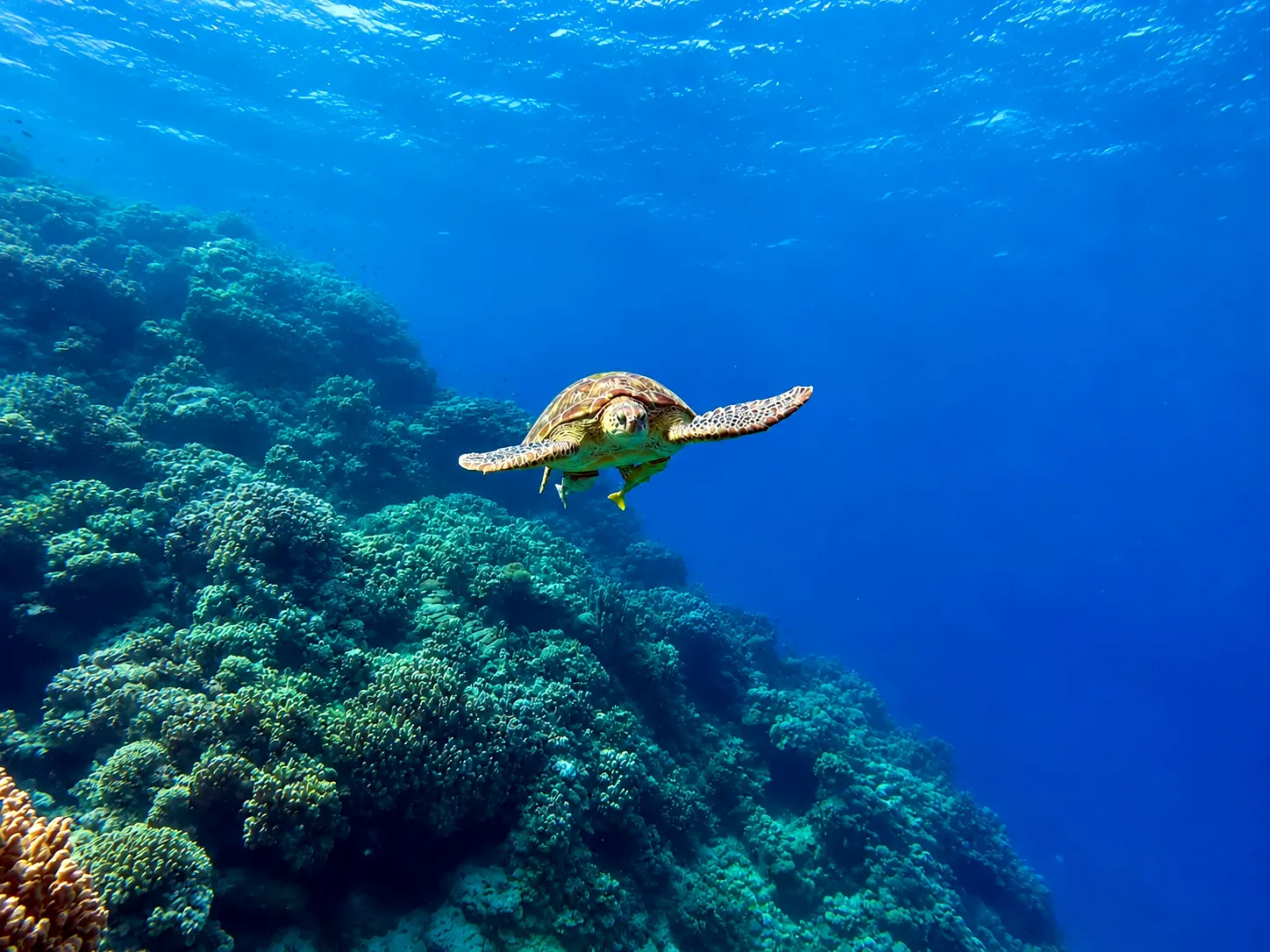
Rocky Island · Walls to 600 m
Finally, the small island 5 km from Zabargad offers steep walls, strong currents and sharks at the eastern tip.
Visit Rocky IslandThe Marine Park dive sites in short
In short, the Red Sea Marine Park dive sites are offshore islands and reefs that the Egyptian government declared marine reserves in 1983. Marine Park 1 is the Brothers Islands, about 60 km off the coast, with walls rising from more than 800 m and the Numidia and Aida wrecks. Marine Park 2 covers Daedalus Reef, Zabargad Island and Rocky Island further south. Because the distances are large, no week can cover all of them, so liveaboards usually choose one park, for example on our BDE liveaboard.
What are the Red Sea marine parks?
Essentially, in 1983 Egypt protected selected areas with strict rules. Some lie on or near the coast, such as Ras Mohammed and the reefs of Wadi Gimal, while others are the offshore islands and reefs described here.
Historically, the lighthouses tell their story. On Big Brother, the British finished a 24 m lighthouse in June 1883, built from stone quarried on the island itself, and Daedalus has its own lighthouse run by the Egyptian military.
However, the remote location brings hard conditions. The wind constantly drives the sea, entries and exits can be difficult, and on some days the islands cannot be approached at all.
Red Sea marine parks at a glance
Sharks
Above all, the parks are known for oceanic whitetips, hammerheads, threshers and grey reef sharks.
Wrecks
Similarly, three wrecks add history, from a 1901 steamship to a Soviet-era vessel.
Walls
Meanwhile, the walls drop hundreds of metres, covered in soft corals and sea fans.
Where are the Marine Park dive sites?
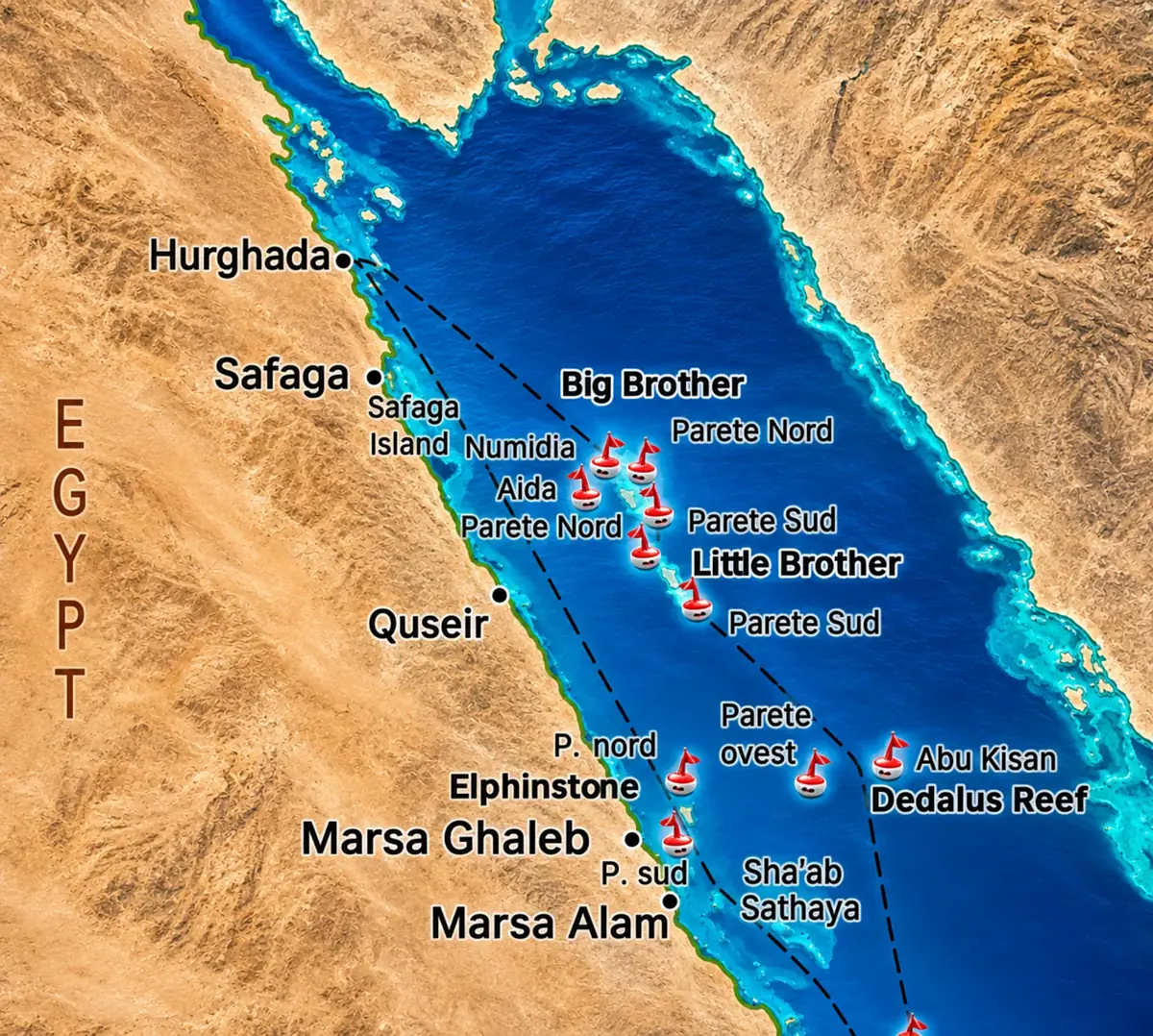
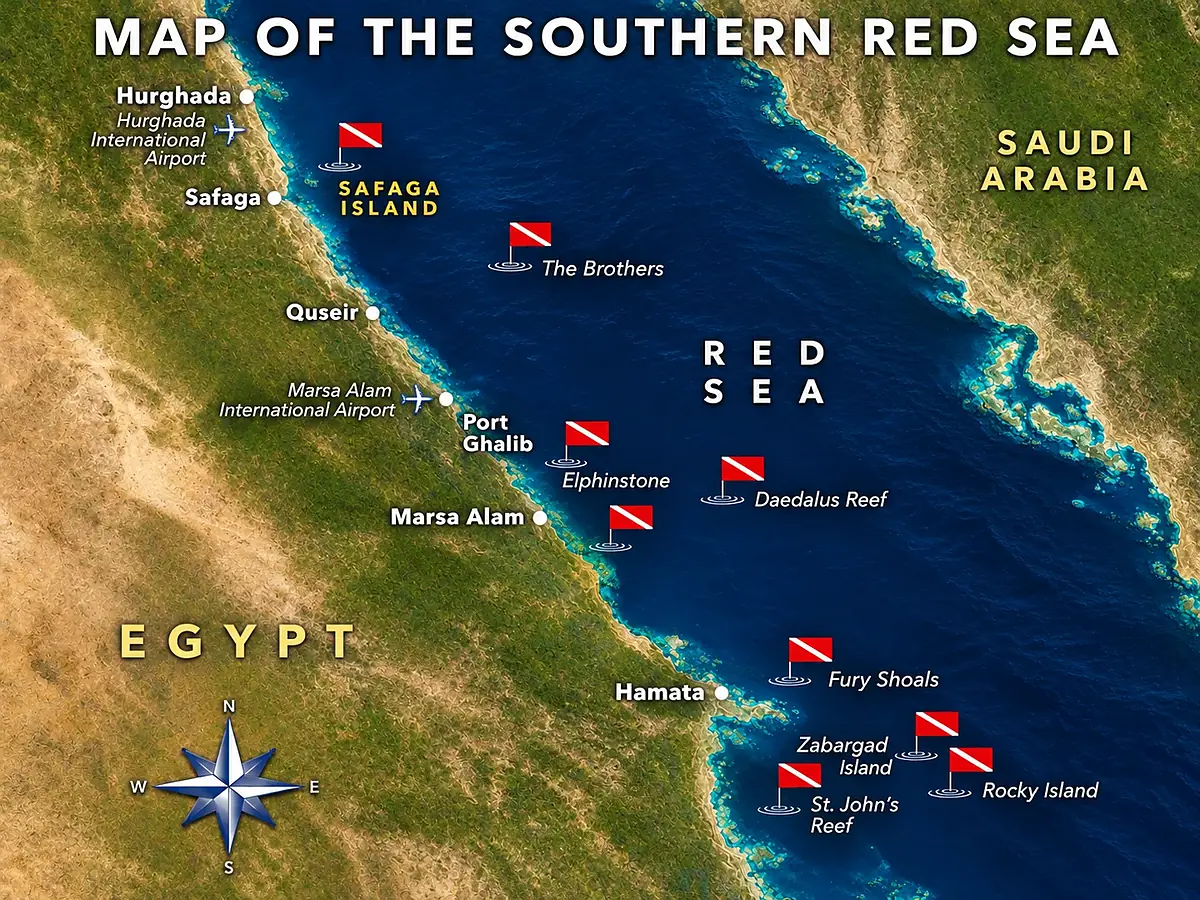
Geographically, the Brothers Islands lie about 60 km east of the coast near El Quseir. Daedalus Reef sits 184 km further south and 82 km offshore, while Zabargad lies another 151 km south, with Rocky Island just beside it near the Sudanese border.
Because of these distances, the tours are split into Marine Park 1, the Brothers, and Marine Park 2, Daedalus, Zabargad and Rocky. Many itineraries also stop at Elphinstone Reef off Marsa Alam, and the far south continues to the St. John’s dive sites.
What marine life lives in the Red Sea marine parks?
Overall, the open-sea currents make the parks the best place in Egypt for big animals. Still, wild animals are never guaranteed, so treat the list below as possibilities rather than promises.
Sharks
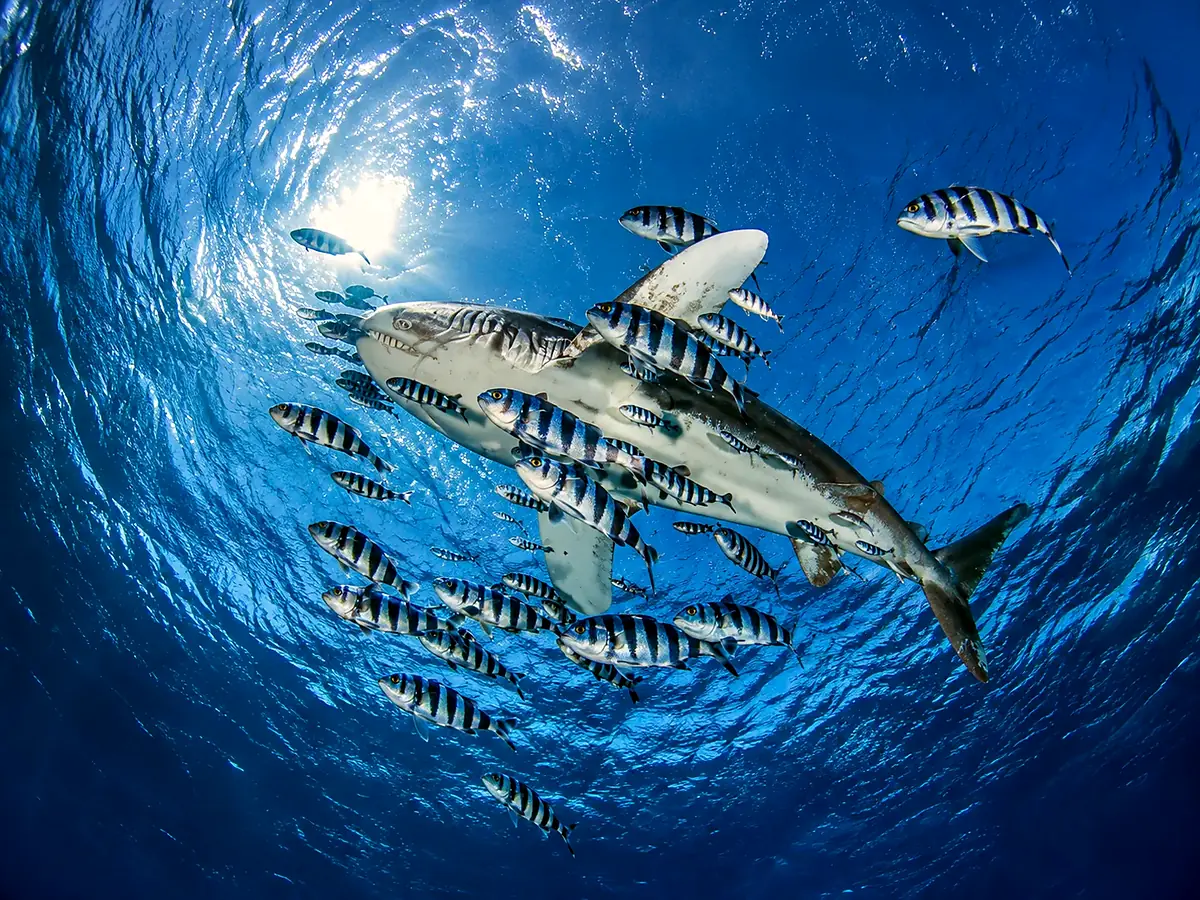
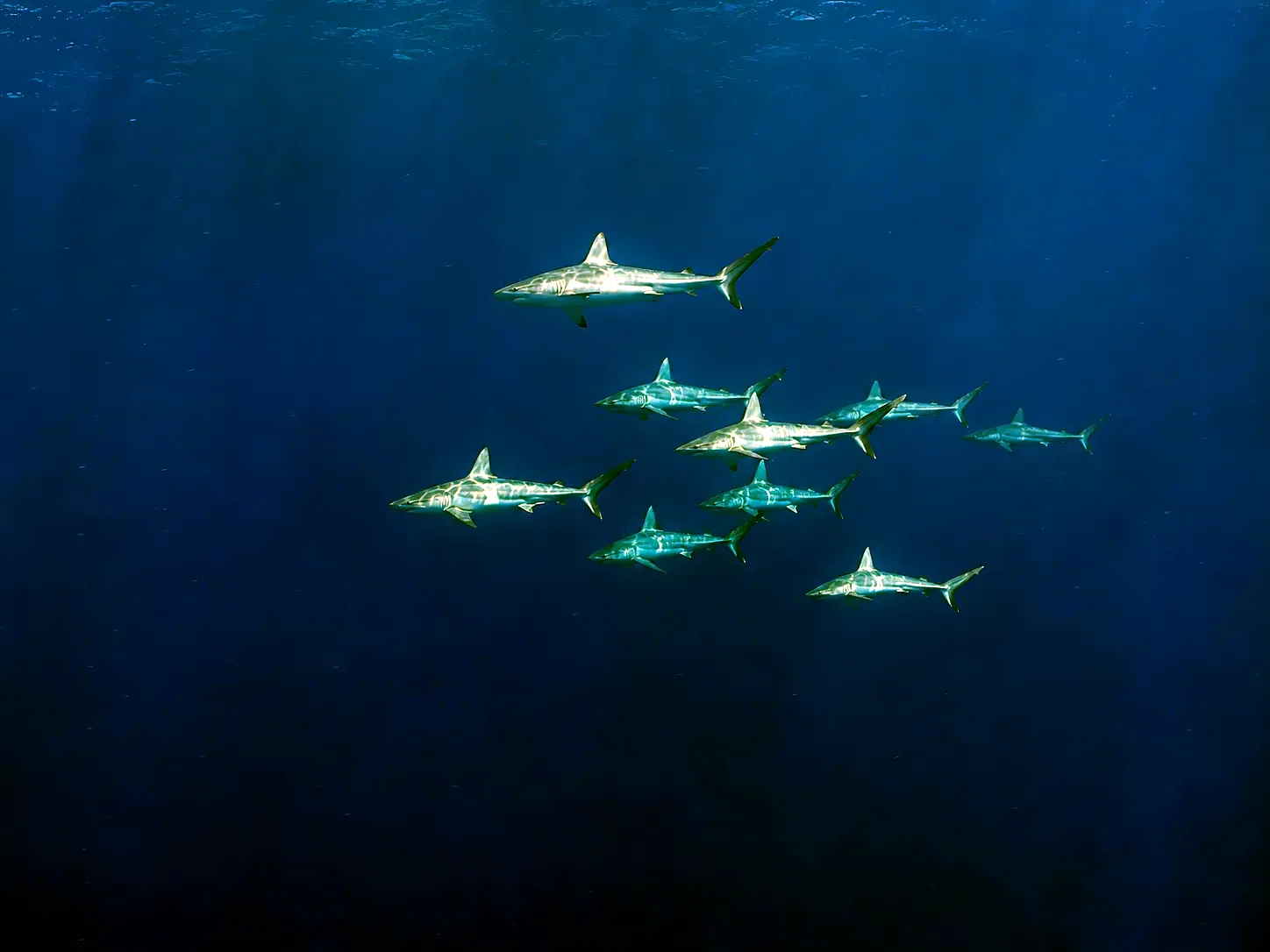
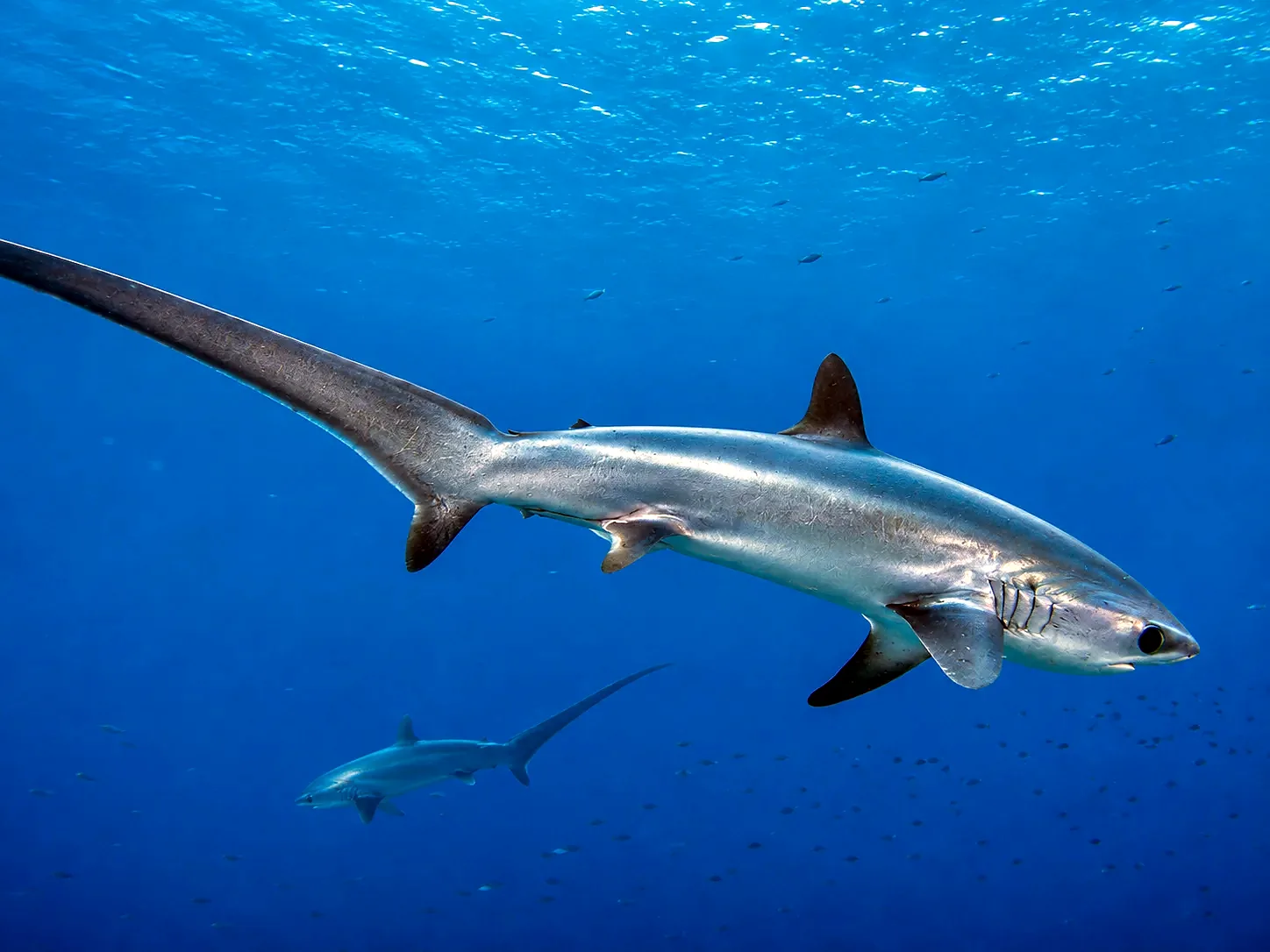
Typically, oceanic whitetips, scalloped hammerheads, threshers and grey reef sharks patrol the walls and plateaus.
Pelagics
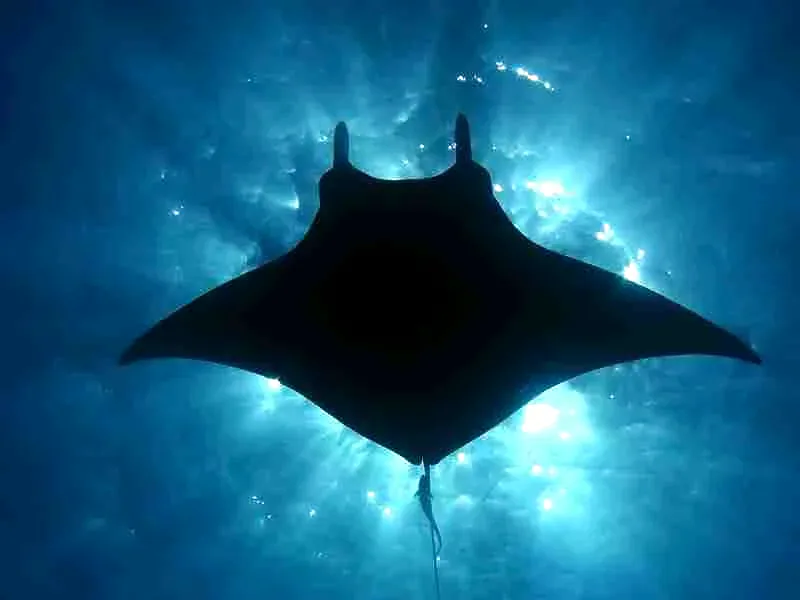
Meanwhile, manta rays, barracuda, tuna, trevally and snappers cruise in the blue around the islands.
Reef life
Finally, Napoleon wrasse, anthias and dense soft corals and sea fans cover the walls.
Are the Marine Park dive sites suitable for beginners?
No. By Egyptian rules, divers need at least 50 logged dives, and night dives are not allowed at the offshore islands. In practice, Advanced Open Water and recent drift-diving experience are the minimum, and PADI Deep Diver training helps on the plateaus.
Moreover, weather can change the plan. Sometimes the islands cannot be dived at all, so the captain may switch to sheltered sites, and the sheltered Turtle Bay at Zabargad is the gentlest dive of the parks.
Before you book a Marine Park tour
Firstly, check that you meet the 50-dive rule and bring your logbook. Secondly, practise negative entries and SMB deployment, as described in our liveaboard dive techniques guide.
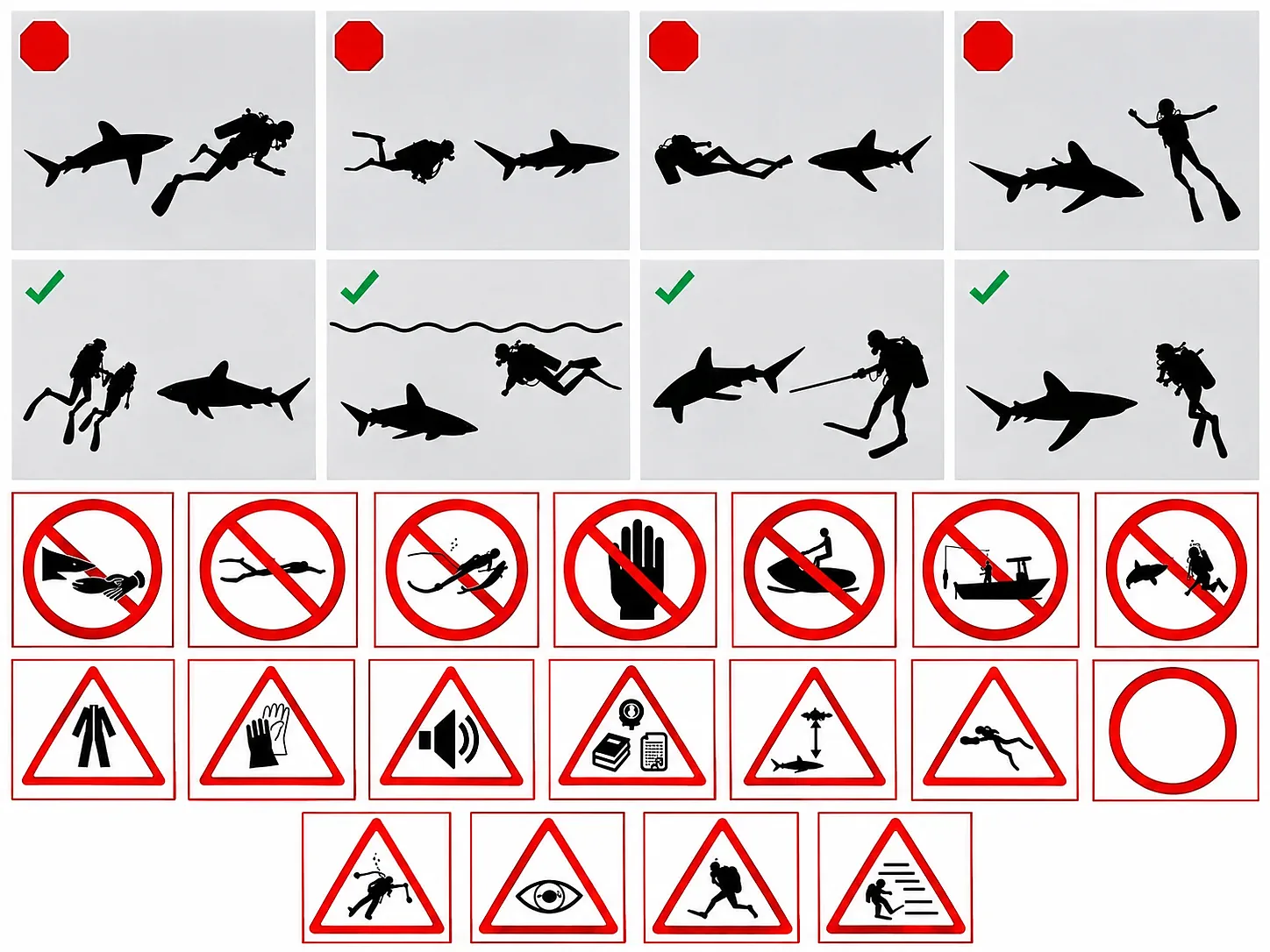
Above all, follow our diving safety standards and the rules of HEPCA. Dive insurance such as DAN Europe is essential this far offshore.

St. John’s, daily diving and courses
However, the parks are only one part of a Red Sea trip. In fact, the Deep South St. John’s liveaboard often visits Zabargad and Rocky, while the Elba Reef liveaboard continues to the border.
Similarly, if you have only a few days, our daily boats leave from Hurghada and Sharm El Sheikh. For instance, daily diving in Hurghada covers the Giftun reefs, whereas daily diving in Sharm El Sheikh reaches Ras Mohammed and Tiran.
In addition, we teach PADI courses, BSAC courses and CMAS courses in Hurghada, so you can reach the 50-dive level before you sail.
How do you get to the Marine Park dive sites?
In practice, the parks are reached only by liveaboard. For Marine Park 1, choose the BDE liveaboard or our northern wrecks route; for Marine Park 2, choose Daedalus and Fury Shoals. Boats board on Saturday after 15:00, and check-out is between 09:00 and 10:00 the following Saturday.
Plan your offshore dive trip
- BDE liveaboard — Brothers, Daedalus and Elphinstone in one week.
- Daedalus and Fury Shoals — Daedalus with the southern reefs.
- What divers need on board — the packing checklist for a Red Sea safari.
- redsealiveaboard.net — Red Sea safari schedules and availability.
- All eight boats in our fleet can sail these routes: Sea Fox, Simba, Sea Treasure, Star Jet, Bismarck, C Echo II, C U and Ramadan 3.
Other routes from Red Sea Diving
Generally, for a first liveaboard, the North Red Sea liveaboard keeps to the classic wrecks. On the other hand, the North and Dahab route adds Tiran and the Blue Hole. Meanwhile, the Red Sea liveaboard guide compares all eight routes.
Marine Park dive sites: frequently asked questions
What are the Red Sea Marine Park dive sites?
They are offshore reserves protected since 1983: the Brothers Islands with the Numidia and Aida wrecks, Daedalus Reef, Zabargad Island with its Russian Wreck, and Rocky Island.
What is the difference between Marine Park 1 and Marine Park 2?
In short, Marine Park 1 is the Brothers Islands, while Marine Park 2 is Daedalus, Zabargad and Rocky. The distances are too large to dive both parks in one week.
How many logged dives do you need for the marine parks?
Divers need at least 50 logged dives, plus experience with drift diving and strong currents. In addition, night dives are not allowed at the offshore islands.
When can you see sharks in the marine parks?
Oceanic whitetips are most common from about September to December, while hammerheads are more often seen in the warmer months. However, sightings are never guaranteed.
How do you get to the Marine Park dive sites?
Only by liveaboard, mainly on the BDE route and the Daedalus and Fury Shoals route. Moreover, all eight boats in the Red Sea Diving fleet can run these routes.
Red Sea marine parks · Liveaboard · Sharks, walls and wrecks
Dive the offshore parks with us
Simply tell us your dates, the number of divers, your certification level and your number of logged dives. Afterward, our team checks which BDE or southern departure fits your group before you commit to anything.


