

Guide to the El Kaf dive site · South of El Quseir
El Kaf Dive Site A canyon of small caves, coral boulders and a pristine wall
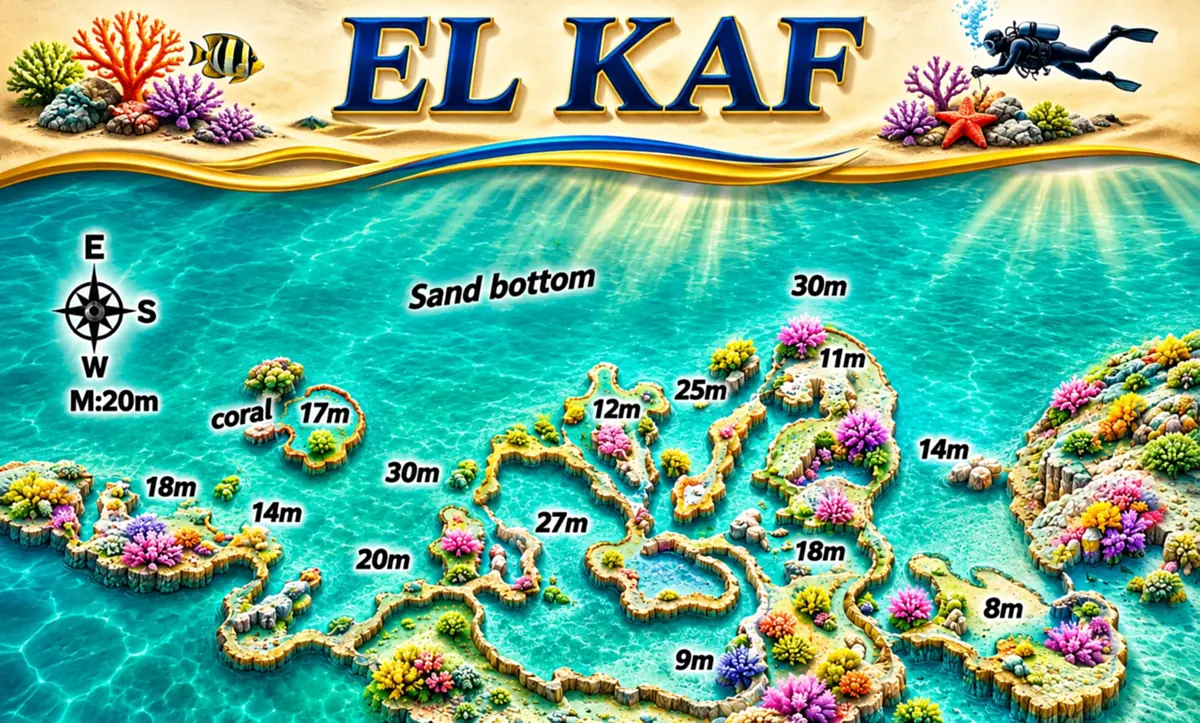
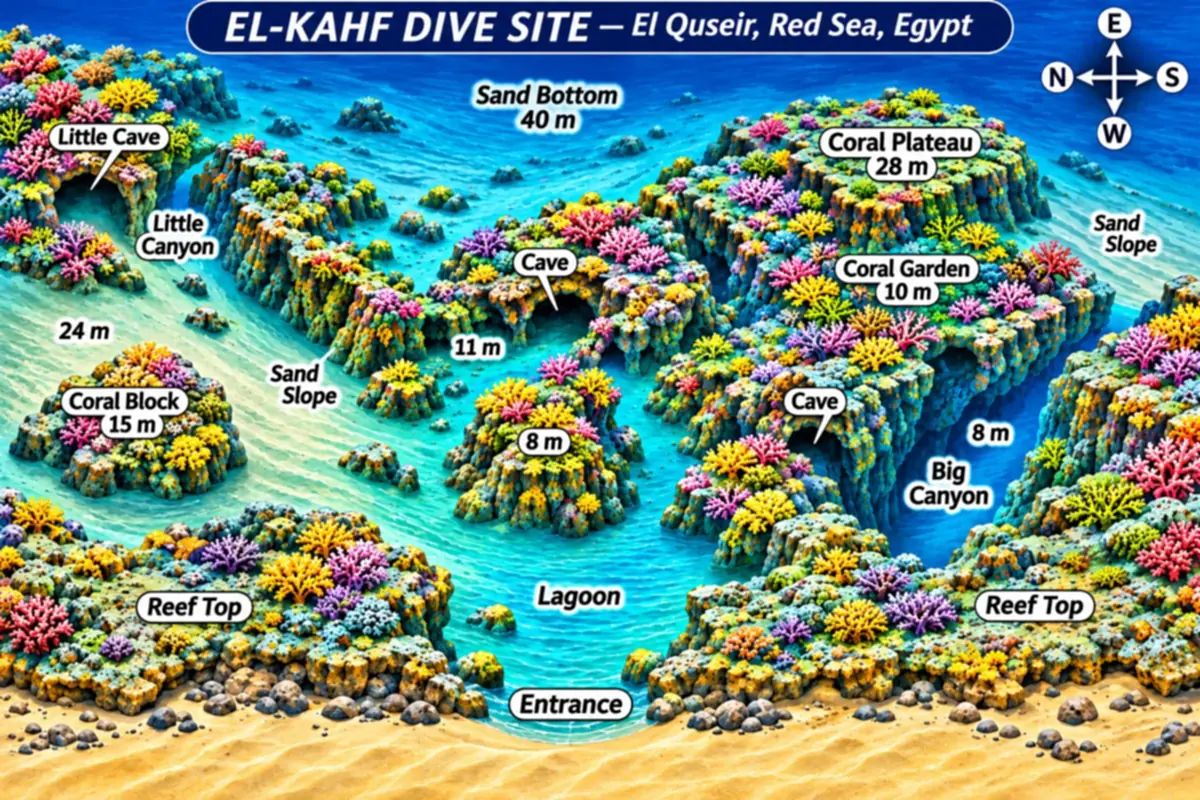
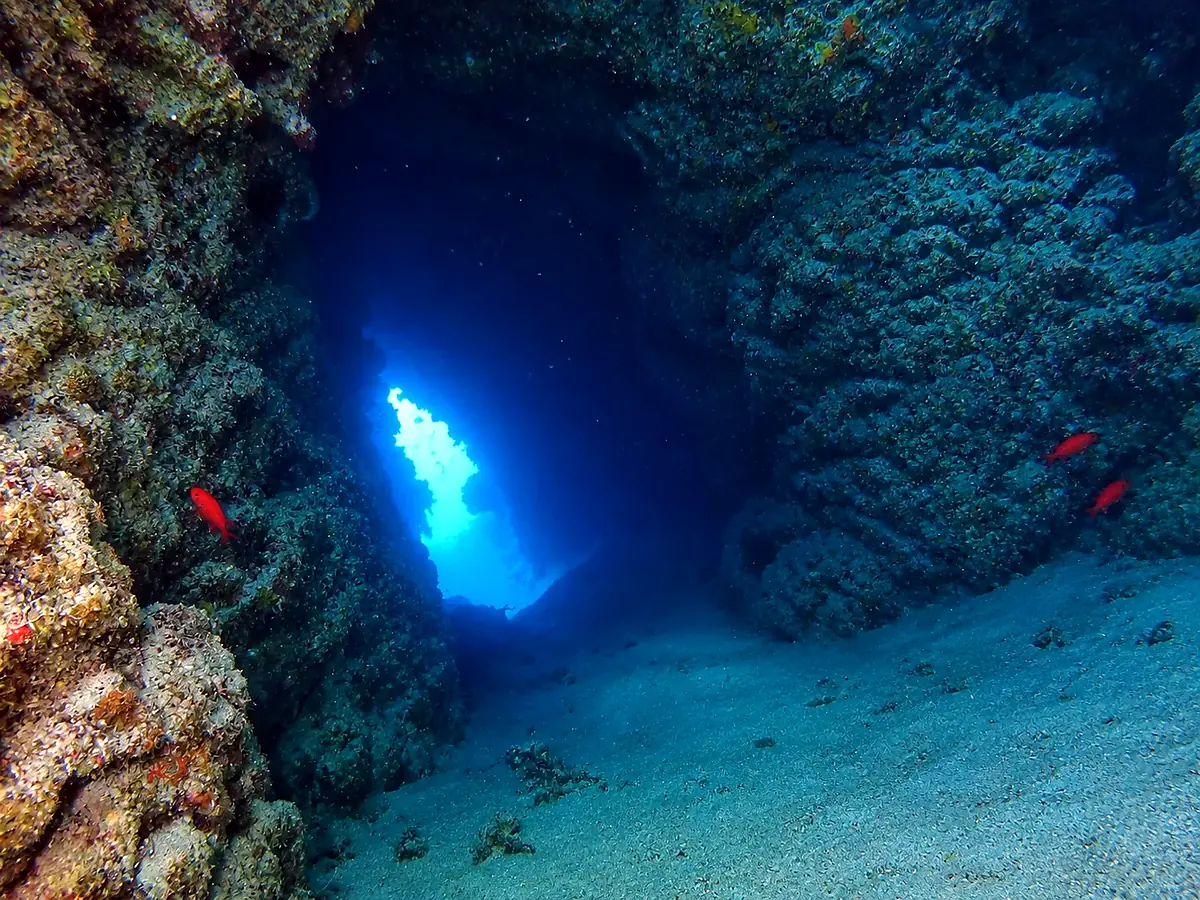
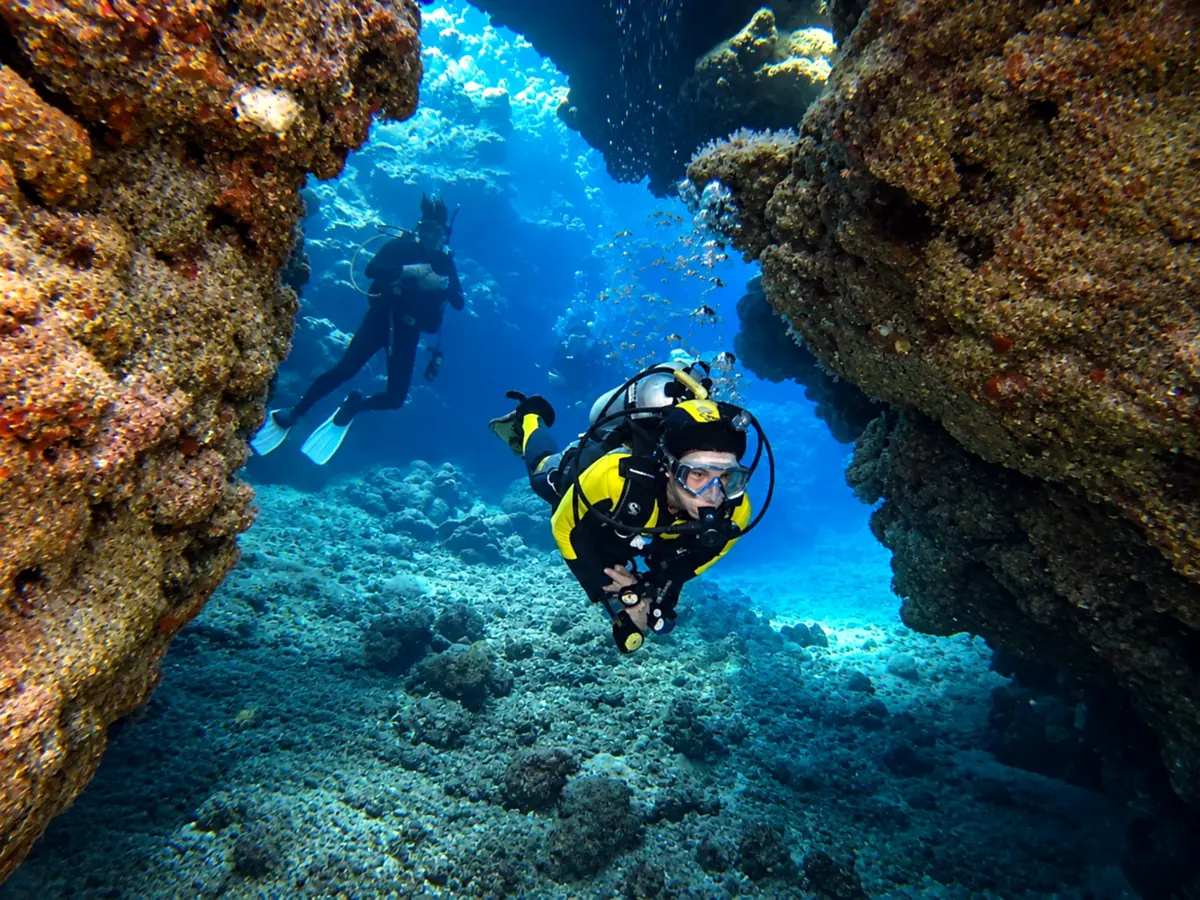
The El Kaf dive site is an easy shore dive about 10 km south of El Quseir town. Here, the reef forms a canyon pitted with small caves and passages, with massive coral boulders, sandy ravines and a pristine coral wall. Overall, depths run from about 18 to 25 m, and the site is rated for novice divers.
The El Kaf dive site in short
In short, the El Kaf dive site is an easy shore dive about 10 km south of El Quseir. Above all, it is a canyon pitted with small caves and passages, with massive coral boulders and sandy ravines. In addition, a pristine coral wall full of marine life runs beside it. Overall, depths run from about 18 to 25 m, and the site is rated for novice divers.
What is El Kaf like?
Above all, it is a section of the long, unbroken fringing reef of the Quseir coast. In Arabic, the name El Kahf means “the cave”.
Here, the reef opens into a canyon with small caves and passages. Meanwhile, huge coral boulders sit between ravines of sand.
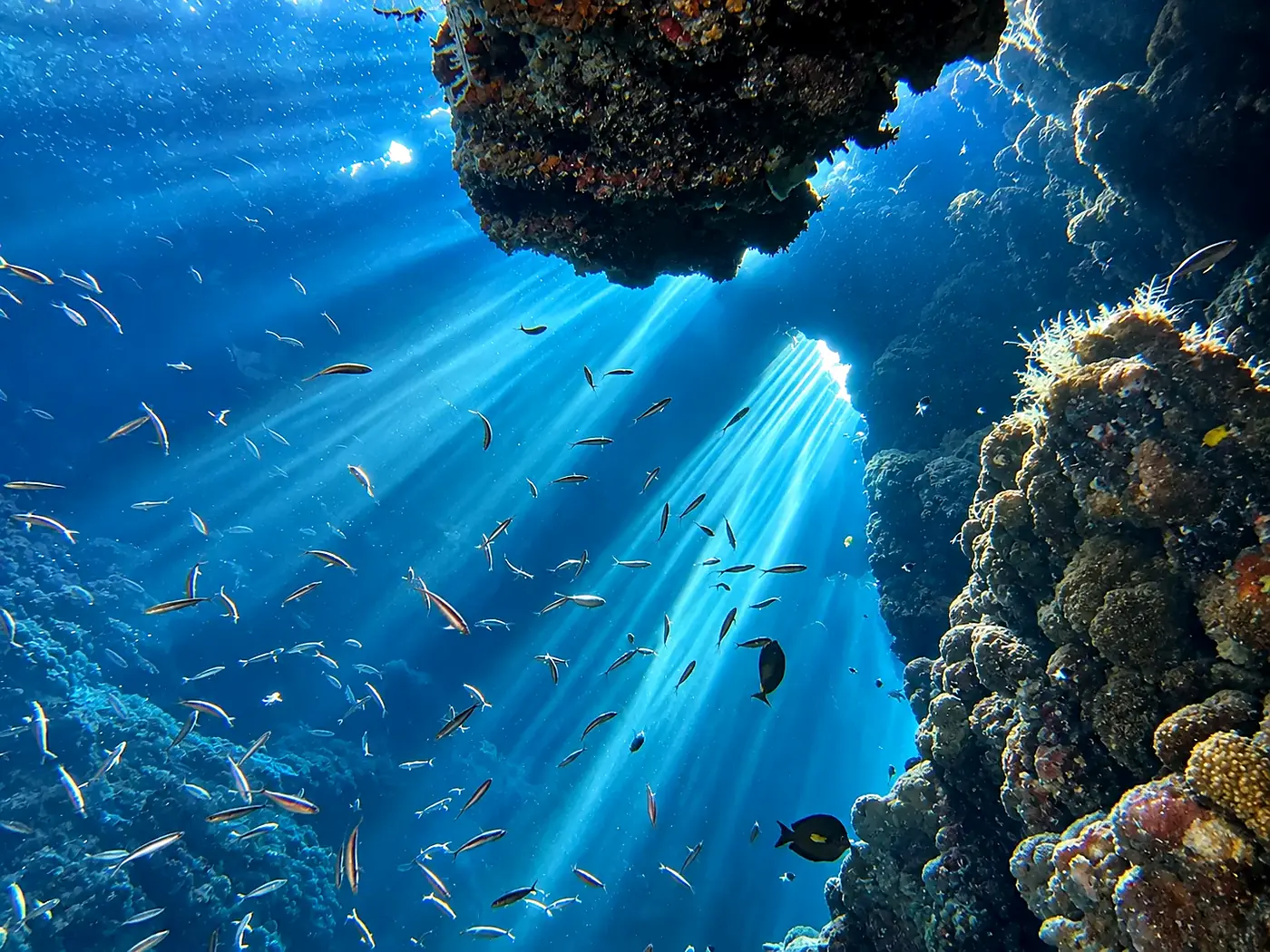
Also, sunlight falls through openings in the reef and lights up the canyon. Besides, the coral wall beside it is in pristine condition.
The site at a glance
The canyon
Firstly, a canyon pitted with caves.
The boulders
Also, huge boulders between ravines of sand.
The wall
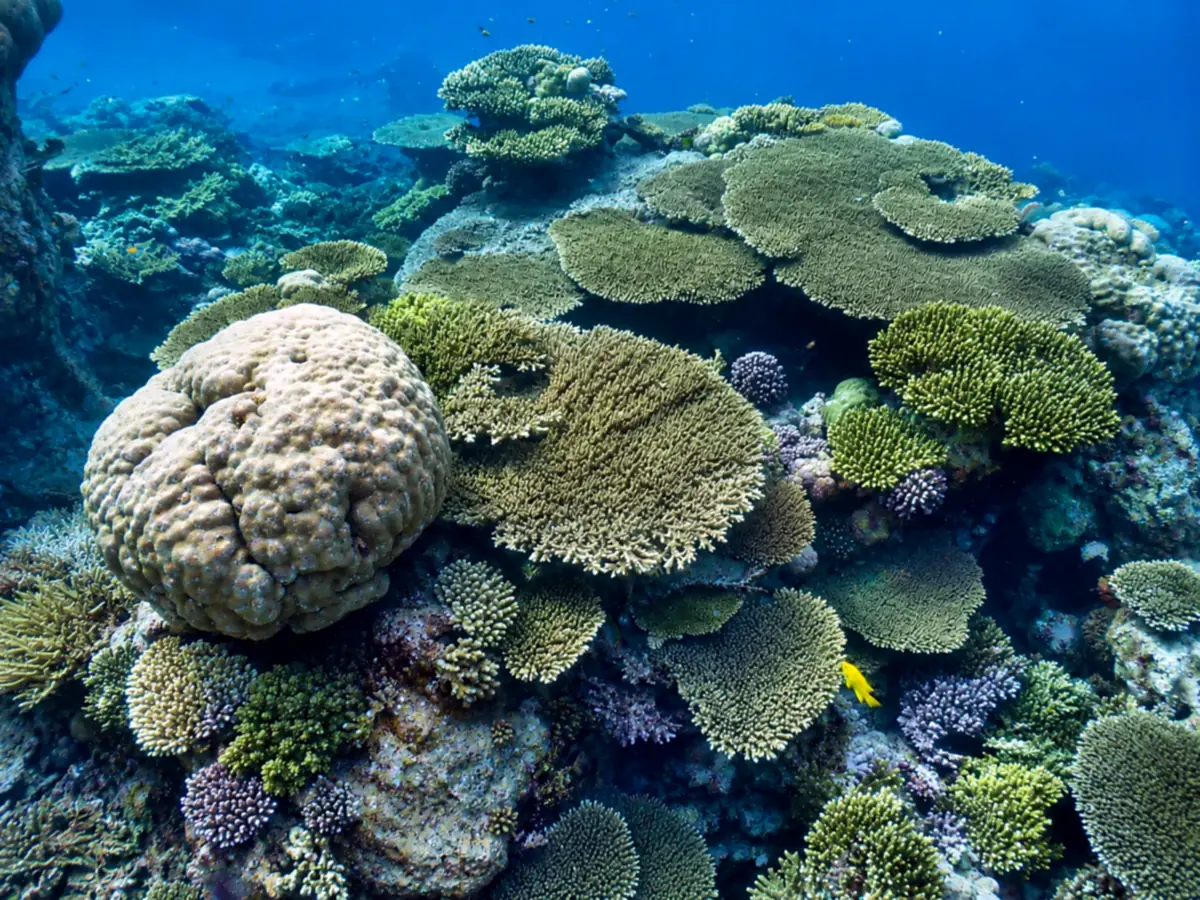
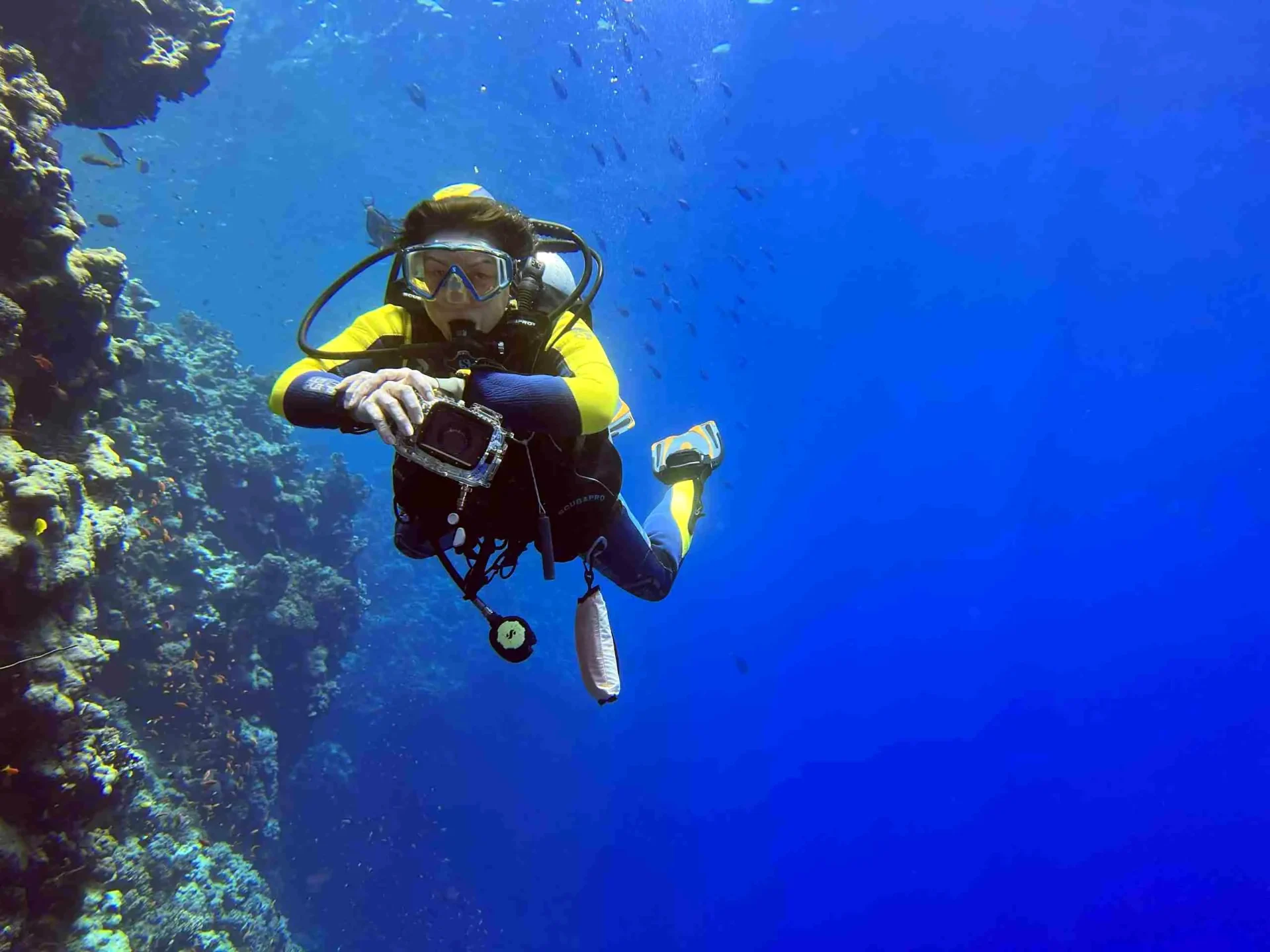
Finally, a coral wall full of life.
What is under the water at the El Kaf dive site?
Generally, the site has three parts. Firstly, the canyon with its small caves and passages. Then, the coral boulders and sandy ravines. Finally, the pristine coral wall.
The canyon
The start. Here, for example, light falls through openings in the reef into the canyon.
The boulders
The middle. In contrast, massive coral boulders rise from ravines of white sand.
The wall
The finish. Meanwhile, the wall holds most of the colour and the fish life.
Where is the El Kaf dive site?
Specifically, the site lies on the coast about 10 km south of El Quseir town, so it is a short drive from town. Then, divers walk in from the shore.
In addition, the coast holds more shore dives. For example, Mangrove Bay and Marsa Wizr lie further south, while El Qadim and Abu Sawatir lie north of town. For the whole coast, see the El Quseir dive sites guide.
How do you dive El Kaf?
Usually, the dive follows the canyon first, then turns along the coral wall. As a result, one dive gives both a canyon landscape and a classic reef wall.
Route A: the canyon and the wall
The entry
The start. Firstly, you enter from the shore and reach the canyon.
The canyon
The main dive. Then, you swim between the boulders and look into the caves with a torch.
The wall
The finish. Afterward, you turn along the wall and end the dive in the shallows.
Route B: the open wall
The plan
The start. Instead, newer divers can stay on the open wall outside the canyon.
The wall
The main dive. Also, you follow the wall and watch the schools of fish.
The return
The finish. Finally, keep the reef in sight and make your safety stop.
What marine life lives at El Kaf?
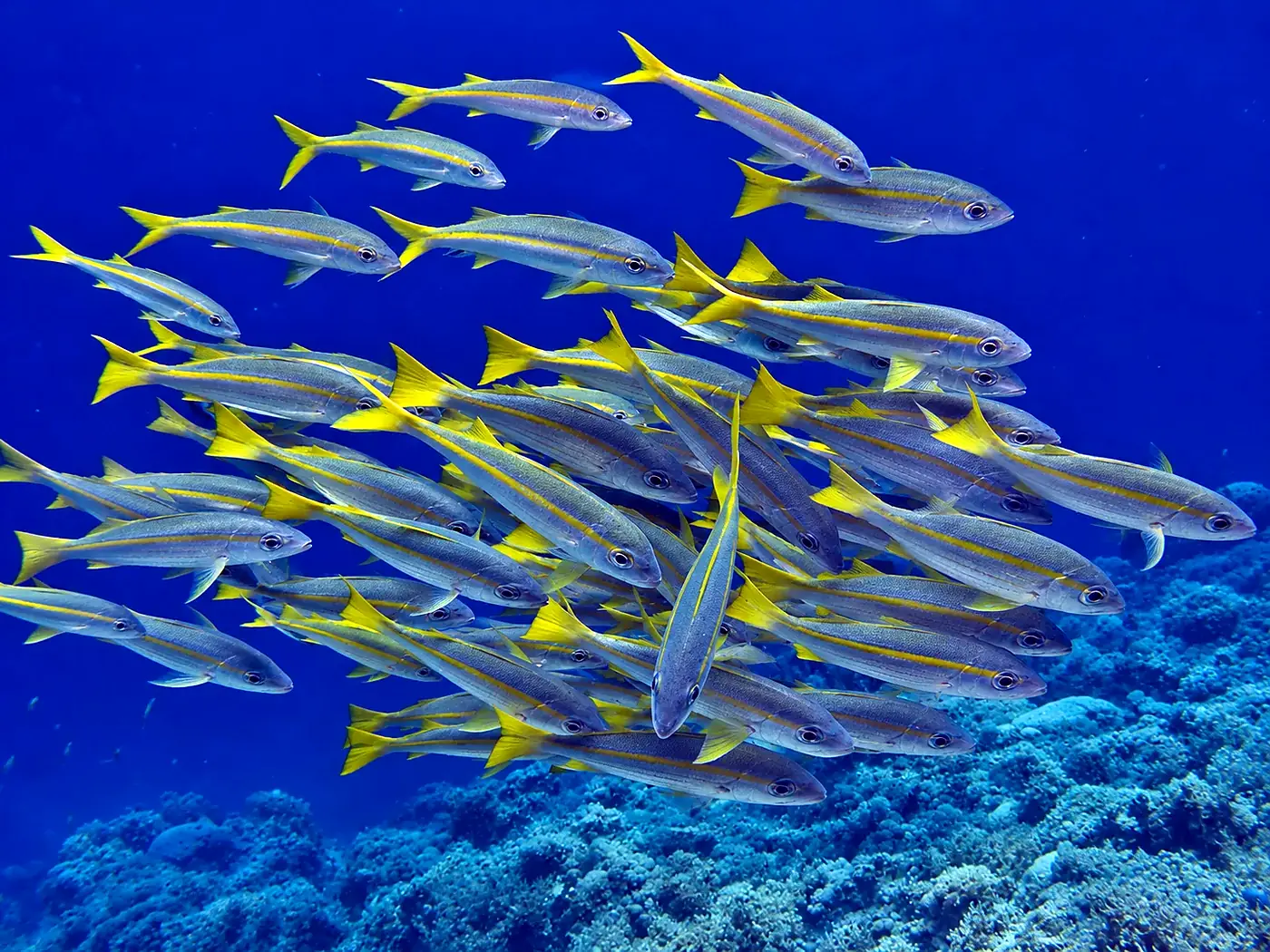
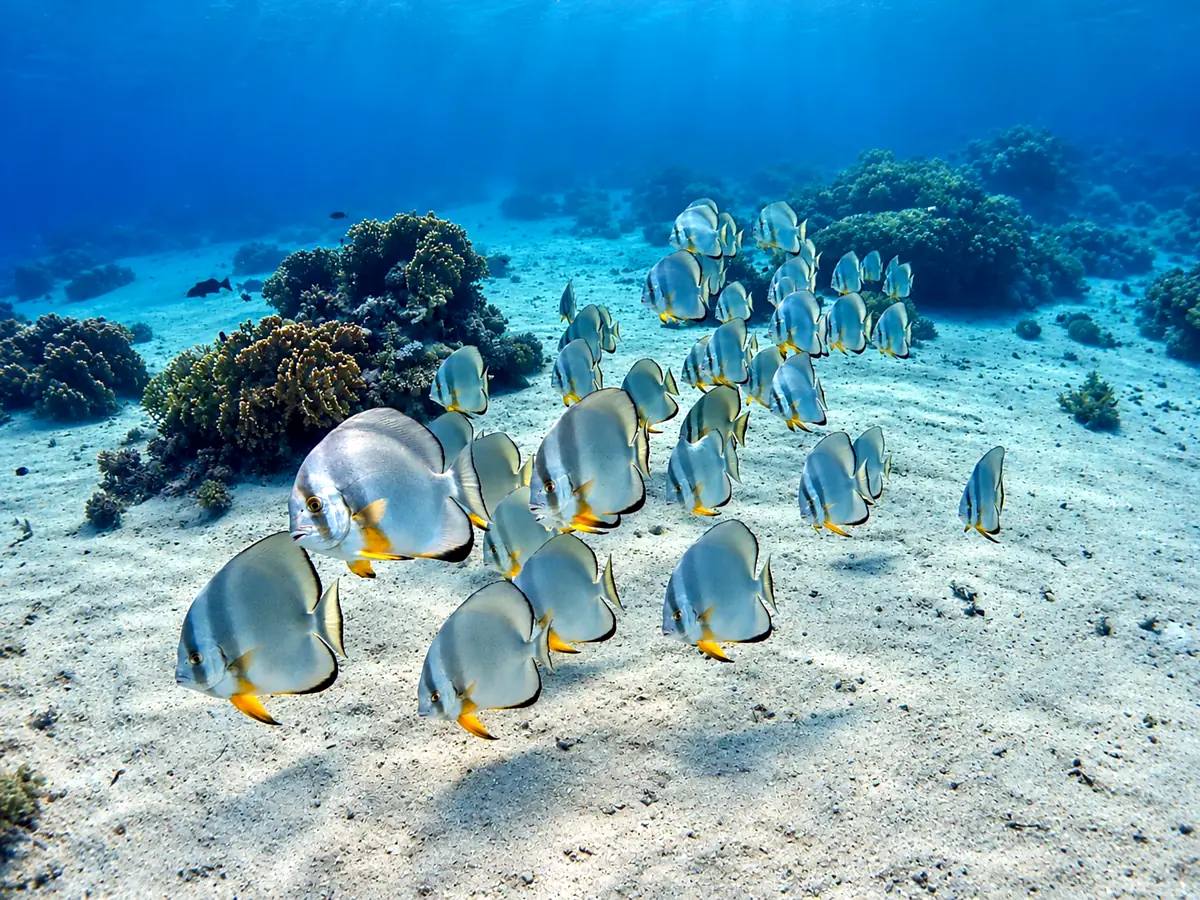
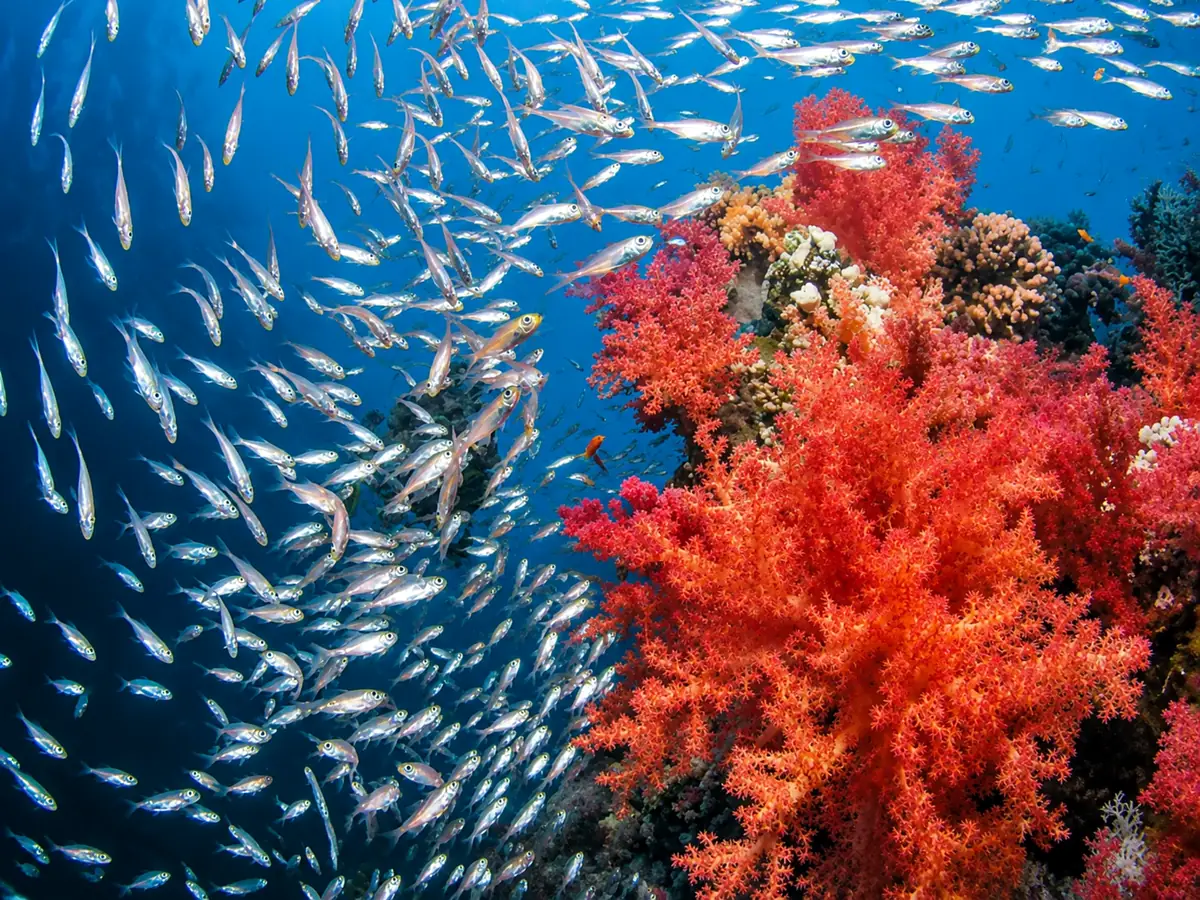
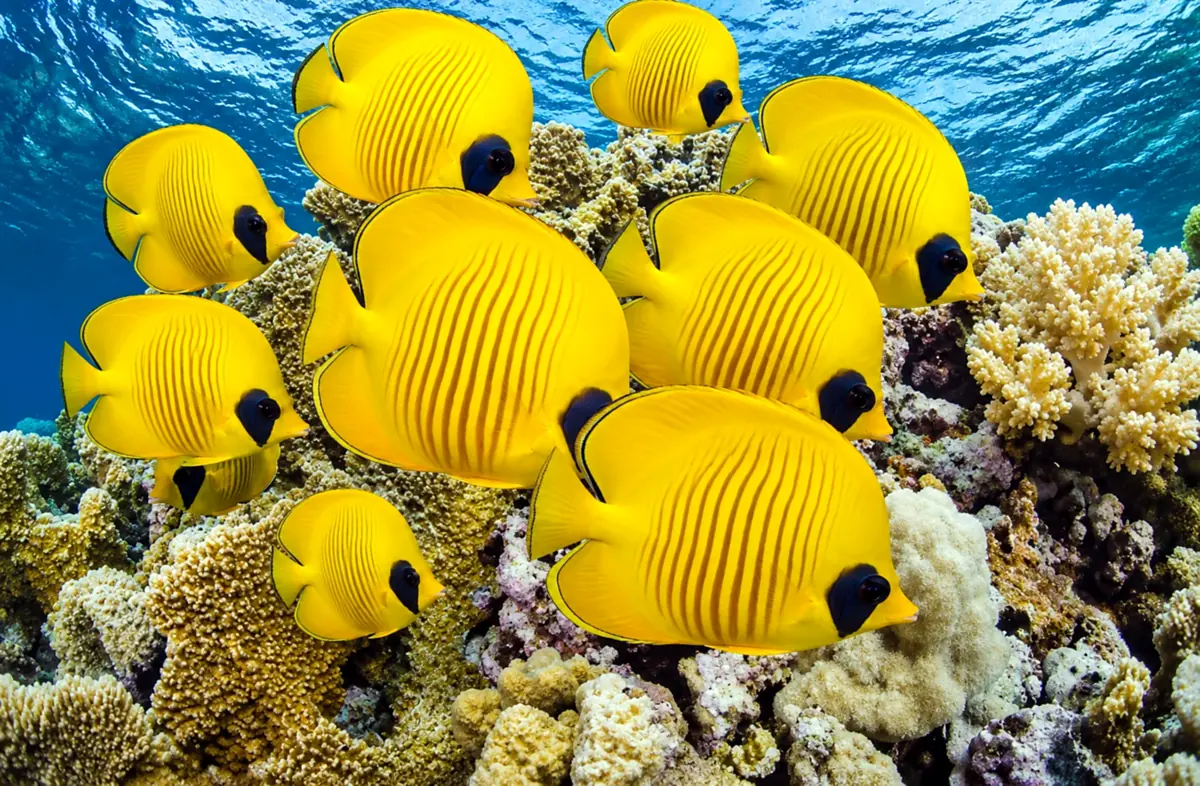
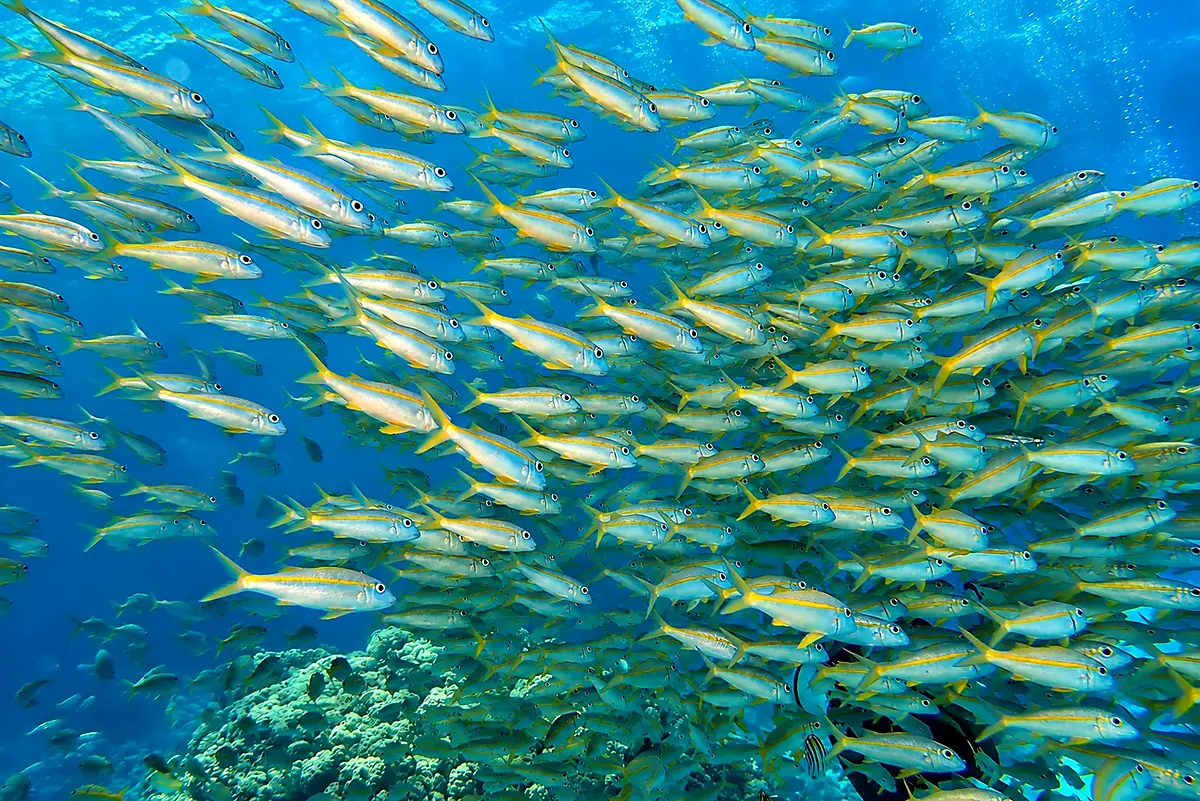
Overall, the wall and the canyon hold a wealth of Red Sea life. Snappers, batfish, fusiliers, glassfish and anthias gather here, although no sighting is ever certain.
Along the wall
Generally, schools of snappers, fusiliers and anthias swim along the wall.
In the caves
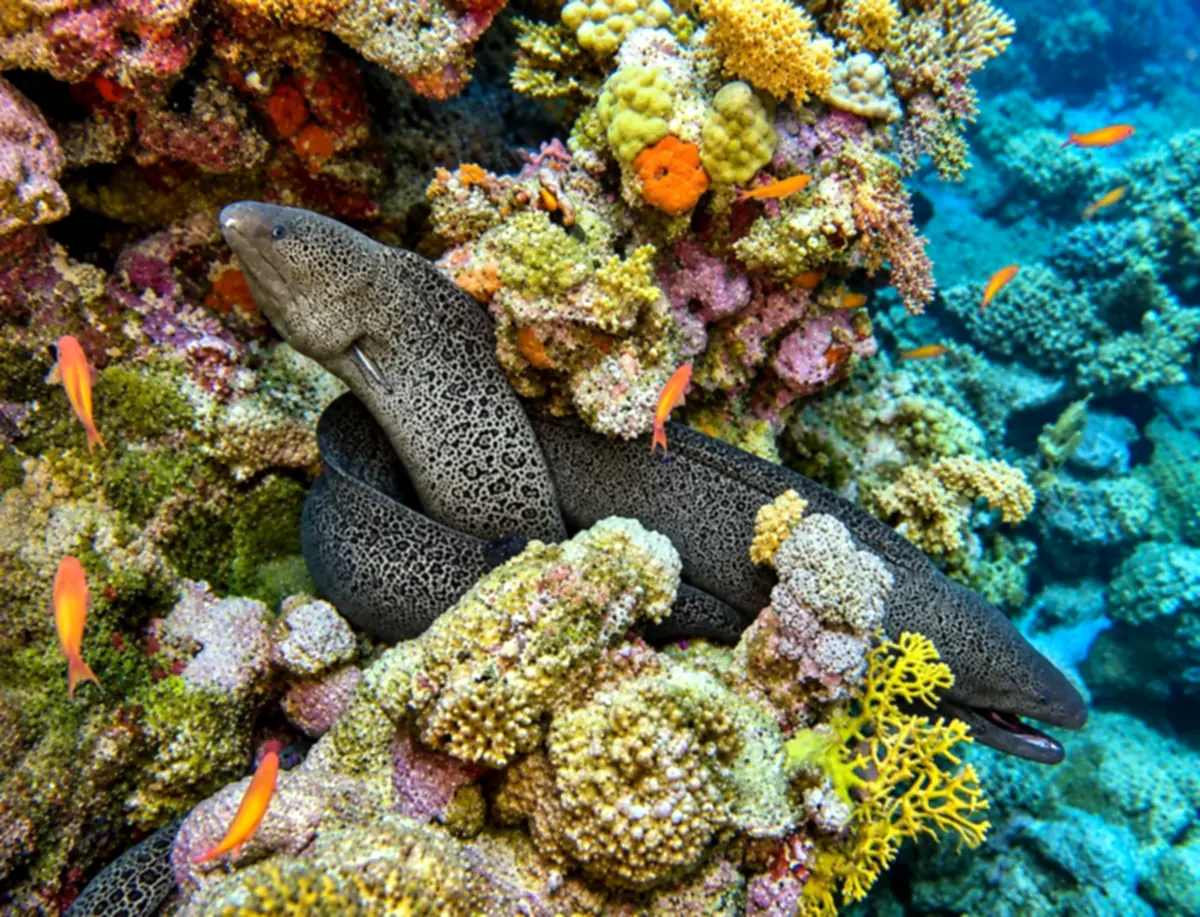
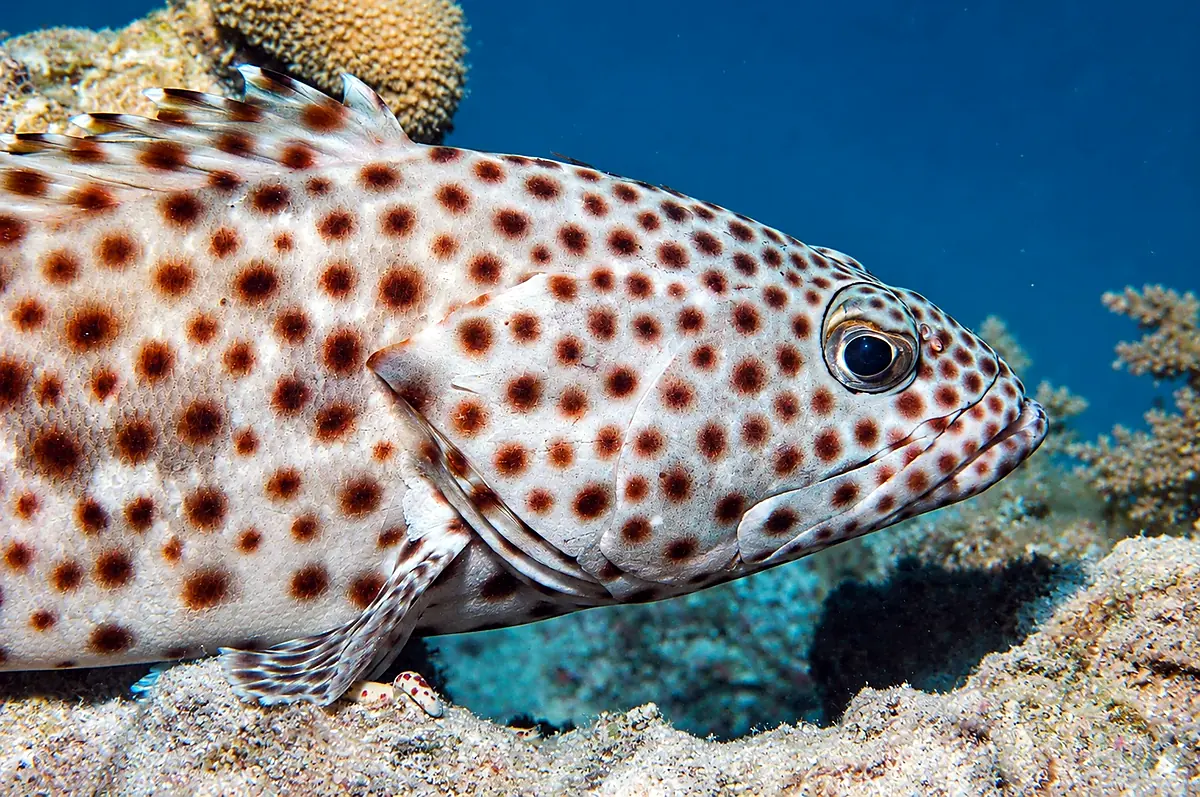
Likewise, glassfish fill the small caves, while moray eels and groupers hide in the cracks.
Around the boulders
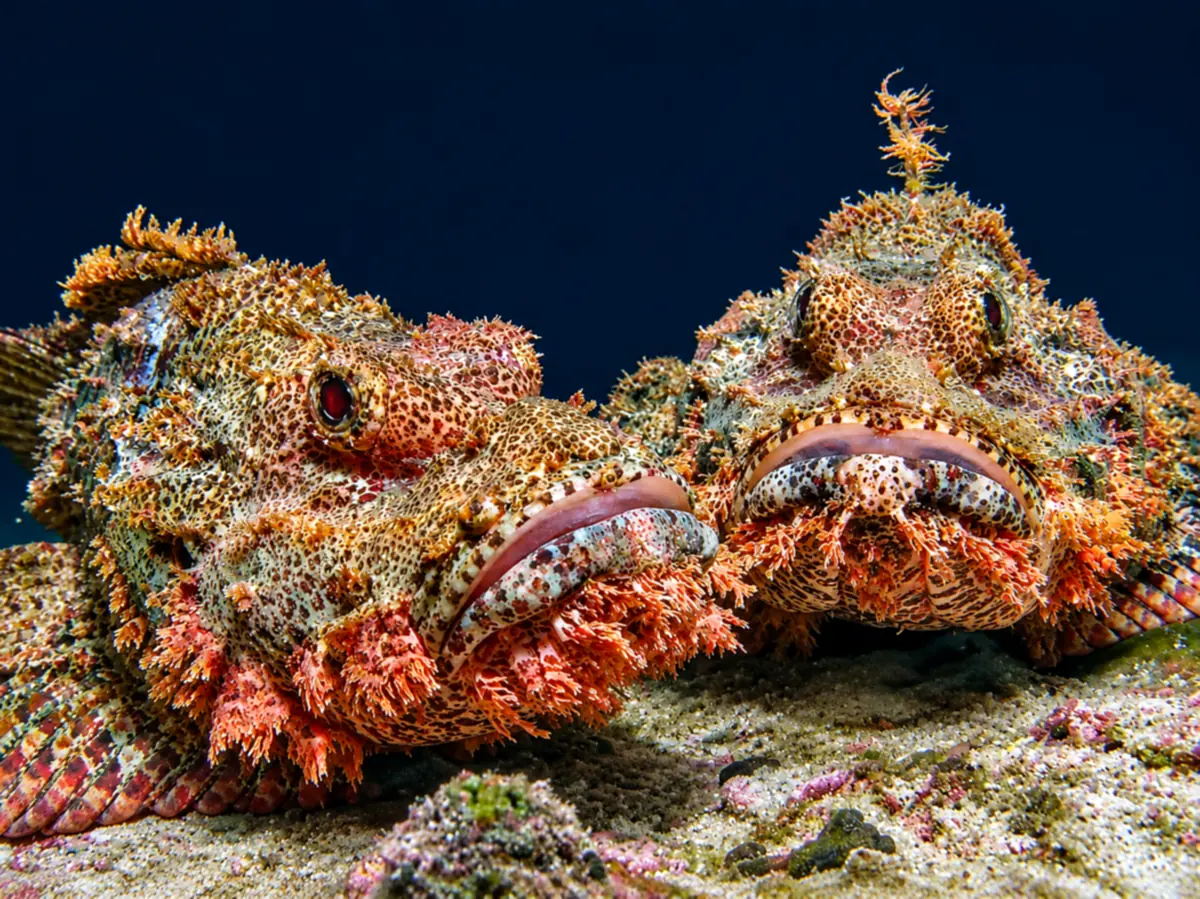
Meanwhile, batfish, lionfish, scorpionfish and trumpetfish move around the boulders.
Is the El Kaf dive site suitable for beginners?
Yes. The site is rated for novice divers, so Open Water divers enjoy it, as long as they stay with the guide in the canyon.
However, entering caves or closed tunnels needs special training, equipment and a guide. For better control in the passages, the Peak Performance Buoyancy course helps, while the Digital Underwater Photography course suits the light in the canyon.
Before you dive here
Firstly, bring a torch to look into the small caves. Secondly, keep good buoyancy in the passages and avoid stirring up the sand.
Above all, follow our diving safety standards and the rules of HEPCA. We strongly recommend dive insurance such as DAN Europe.
How do you get to the El Kaf dive site?
In practice, divers drive about 10 km south from El Quseir and walk in from the shore, so no boat is needed. Further south, our liveaboards on the southern routes visit the Marsa Alam reefs, such as the BDE liveaboard and the Daedalus and Fury Shoals route.
Generally, you can combine it with the other shore sites. Consequently, you can pair it with Mangrove Bay, Marsa Wizr and the other El Quseir reefs.
Plan your dive trip
- BDE liveaboard — Brothers, Daedalus and Elphinstone.
- Daedalus and Fury Shoals liveaboard — Daedalus Reef and the southern reefs.
- What divers need on board — the packing checklist for a Red Sea safari.
- redsealiveaboard.net — Red Sea safari schedules and availability.
- All eight boats in our fleet can sail these routes: Sea Fox, Simba, Sea Treasure, Star Jet, Bismarck, C Echo II, C U and Ramadan 3.
Photo gallery from the El Kaf dive site
Other routes from Red Sea Diving
Generally, for a first liveaboard, the North Red Sea liveaboard keeps to the classic wrecks. On the other hand, the Deep South St. John’s liveaboard reaches the far south, while the Elba Reef liveaboard goes further still. Meanwhile, the Red Sea liveaboard guide compares all eight routes.
El Kaf dive site: frequently asked questions
Where is the El Kaf dive site?
In fact, it is a shore dive site about 10 km south of El Quseir town.
How deep is El Kaf?
Usually, it runs from about 18 to 25 m.
Is El Kaf good for beginners?
Yes. It is rated for novice divers and appeals to all levels, with a guide in the canyon.
What can you see at El Kaf?
Above all, a canyon with small caves and passages, massive coral boulders, sandy ravines and a pristine coral wall full of marine life.
What does El Kaf mean?
In Arabic, El Kahf means “the cave”, after the small caves in the reef.
El Quseir · Shore diving · Coastal reefs
Dive El Kaf with us
Simply tell us your dates, the number of divers, your certification level and your number of logged dives. Afterward, our team checks which departure fits your group before you commit to anything.


