
Deep South, Egypt · Elba Reef Liveaboard
Elba Reef Liveaboard A Deep South Red Sea diving expedition
For divers looking to travel beyond the classic Red Sea routes, the Elba Reef liveaboard offers a journey into Egypt’s remote Deep South. Because it lies far from the busy diving areas of Hurghada and the northern Red Sea, the experience is a completely different one: remote reefs, dramatic walls, pinnacles and dive sites visited by relatively few boats.
An expedition into the Deep South
An Elba Reef liveaboard is designed for adventurous, experienced divers who want to discover one of the most remote diving regions accessible from the Egyptian Red Sea. Consequently the route runs south past the destinations most divers already know, into water that far fewer boats visit.
Overall, the diving here is characterised by impressive reef walls, coral gardens, pinnacles, drop-offs and open-water environments. Because these reefs sit exposed to the open Red Sea, currents bring nutrient-rich water onto them, which supports healthy coral growth and a wide range of marine life. Moreover, visibility can be excellent, which suits both wide-angle photography and encounters with larger species.
In fact, every dive is planned according to the conditions on the day. Current, wind, waves and visibility are considered by the captain and the dive team before anyone enters the water, so the published route is a plan rather than a promise.
The trip in short
Duration: 7, 10 or 15 days, depending on the departure.
Style: expedition liveaboard, remote and low traffic.
Ports: Port Ghalib, Port Hamata or Marsa Alam, depending on the departure.
Best for: advanced open water divers, experienced liveaboard guests, adventure divers, underwater photographers, and divers seeking unexplored reefs.
Highlights: Deep South exploration, remote untouched reefs, shark encounters, crystal-clear visibility, walls and drop-offs.
Choose a 7, 10 or 15 day Elba liveaboard
Elba expeditions are normally operated as 7, 10 or 15 day diving safaris, and the difference between them is not the time spent at Elba itself. Around two to three days are spent diving directly in the Elba Reef area on every departure, because that cluster is the heart of the expedition. The rest of the trip is spent reaching it and returning from it, so the extra days on a longer safari go into the outbound and return legs, where several more named areas can enter the plan.
7 days — Classic Elba expedition
A focused Deep South adventure, combining long-range navigation with diving at selected remote reefs within a standard safari schedule. Therefore it is the shortest way to reach water most divers never see.
10 days — Extended Deep South expedition
More time allows greater flexibility for weather and navigation. In addition, the spare days usually open up a wider variety of remote reefs along the way south and back, when conditions permit.
15 days — Full expedition
The longest option, and the one most likely to reach the extended-route areas further from Elba itself, since it carries the most room to work around the weather rather than racing it.
The route is always a planned itinerary, not a guaranteed sequence of dive sites. Hence safety, sea conditions, weather, navigation requirements and official instructions always take priority over the published plan. Confirm the exact schedule before you book, since the itinerary and the reefs covered both depend on which departure you join.
Elba Reef liveaboard dive sites
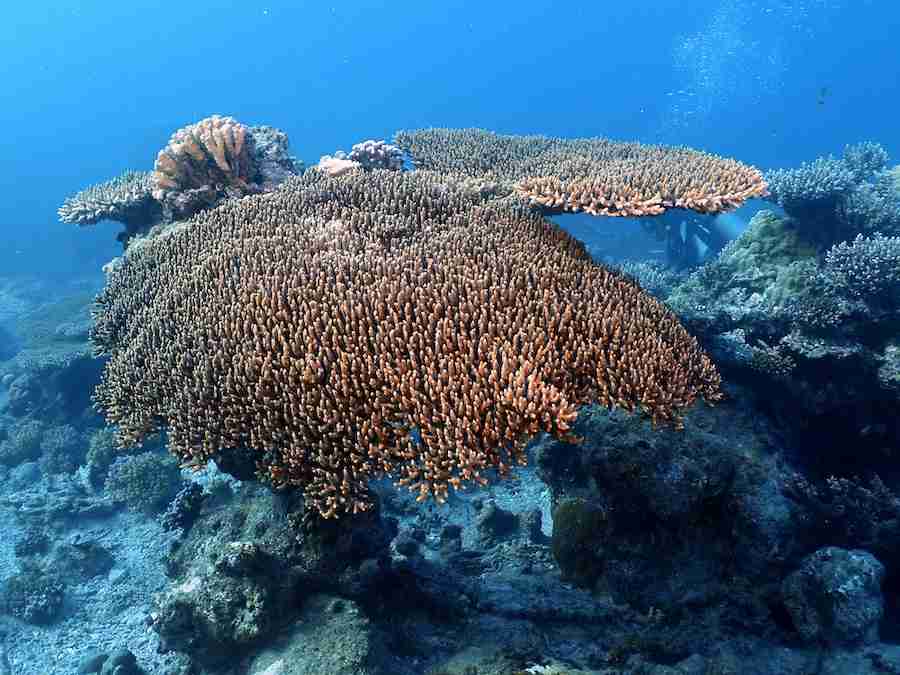
The core expedition focuses on the Elba region itself. Thus exposed walls and blue-water drop-offs around the reef system deliver the classic Deep South experience: current, dramatic topography and pelagic potential, across a cluster of named sites that keep the two to three days here full.
Elba Reef
The main destination, with remote coral formations, steep drop-offs and open-water diving. Besides the topography, grey reef sharks, hammerheads, barracuda and other pelagics may all be encountered here.
Abu Kabrit Reef
A remote Elba-region reef with coral gardens, sandy slopes and drop-offs. Meanwhile currents here can attract barracuda, tuna, rays and, occasionally, larger pelagics passing through.
SS Isola di Levanzo
An Italian passenger and cargo vessel, roughly a hundred and thirteen metres long, that ran aground and sank in 1923 along the southern reef slope. Since then the wreck has become an artificial reef, heavily encrusted with soft corals and black corals and holding schooling fish, barracuda, large groupers and moray eels. In addition, she lies on an incline starting around twenty to twenty-two metres and continuing down past sixty.
The upper wreck is recreational, the stern is not. The incline starting at twenty to twenty-two metres sits within recreational limits. However, past forty metres, where the stern and deepest structure lie, this becomes technical diving, and nobody should follow the incline down on a single recreational tank.
Ohrob Reef — Albatross seaplane
Ohrob Reef is known for the submerged Grumman HU-16 Albatross seaplane resting on it. Indeed, this unusual shallow wreck ranks among the most distinctive dives on the whole expedition.
Ohrob Reef — fishing trawler
A second wreck around Ohrob Reef, alongside the seaplane. The trawler adds another wreck dive to the route when conditions and the itinerary allow it.
Abu Fendira reef system
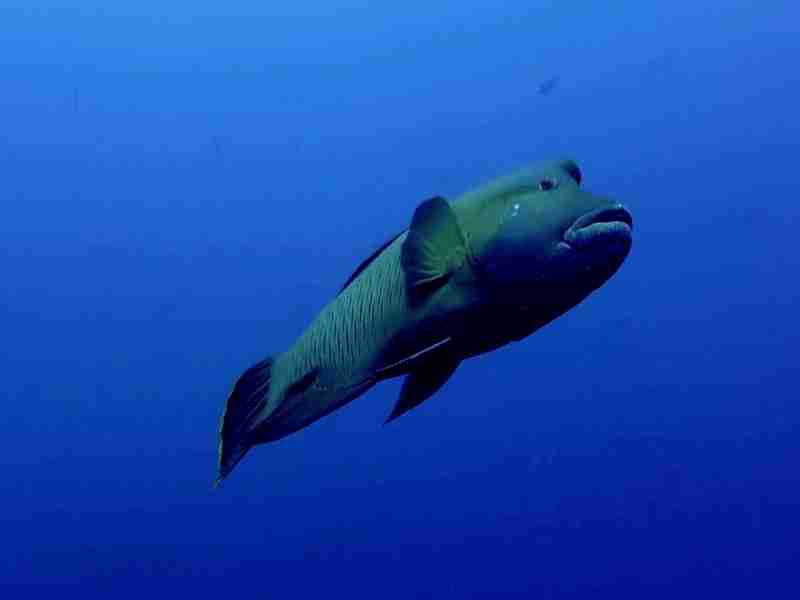
Notably a reef system sitting north of Elba itself, included directly on Elba safaris. Abu Fendira North and South carry dramatic walls, pinnacle structures and rich biodiversity, namely napoleon wrasse, schools of snappers and reef sharks. Abu Fendira Fogani, the third part of the system, is known instead for vibrant shallow coral gardens and exceptional visibility.
Shaab Masha’al
Essentially an isolated outer reef system along the Deep South itinerary. Pristine hard coral formations and eagle rays are the draw. Moreover, its shelter makes it a good choice for night dives or a calmer afternoon between the more demanding sites nearby.
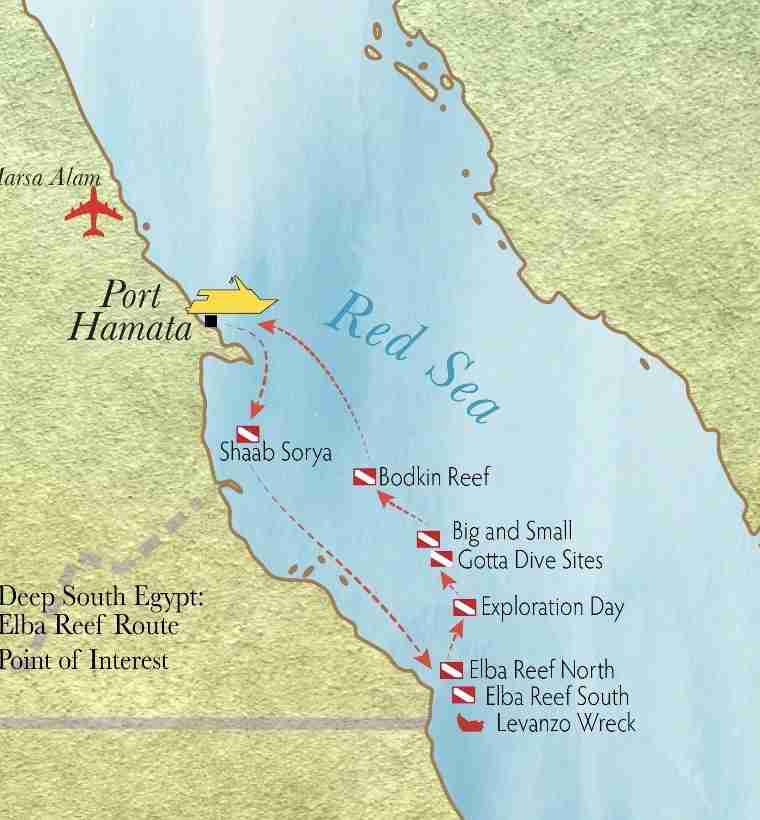
Shaab Sorya and Bodkin Reef are also dived within this cluster. Depth and conditions for both were not confirmed at the time this page was built; send them and I will give each one the same treatment as the sites above.
Extended-route dive areas
Consequently a longer Elba Reef liveaboard itinerary can combine the Elba core with other major Deep South areas when conditions allow. These sit on the way south towards Elba, or on the way back north, and they feature more often on the 10 and 15 day departures than on the 7 day one.
Rocky Island
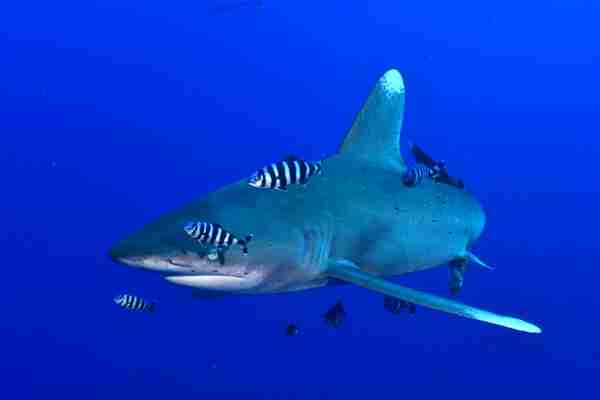
Typically steep walls, strong current, sea fans and pelagic encounters. Grey reef sharks and oceanic whitetips both turn up here, so this suits divers already comfortable in current before they arrive.
Zabargad Island
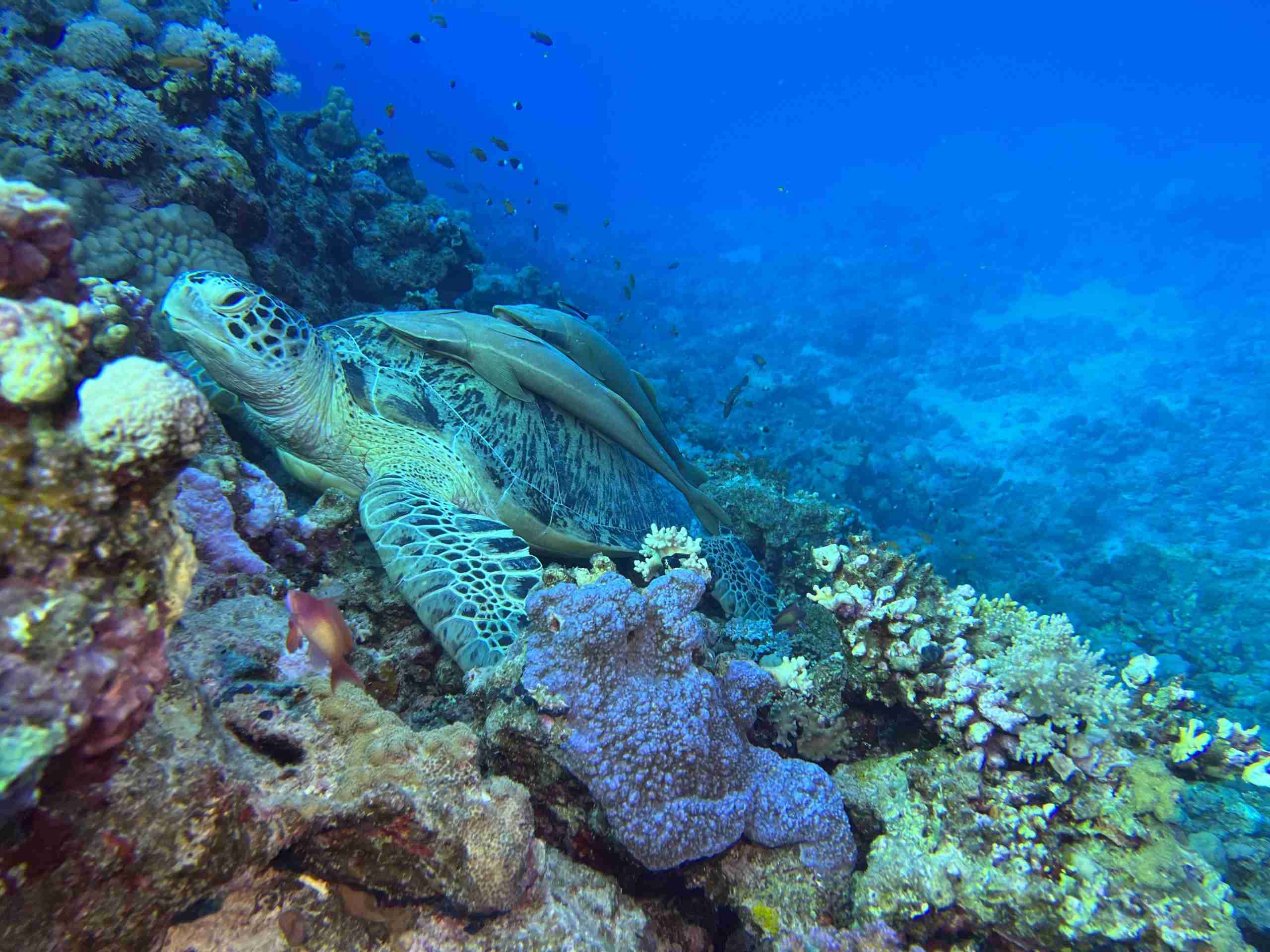
Broadly, coral gardens, drop-offs and varied southern island diving. Turtles and reef fish are the reliable sighting. Likewise, the visibility usually counts among the best on the whole route.
St. John’s
Namely pinnacles, coral gardens, walls and famous swim-through formations. St. John’s tends to reward divers who take their time, rather than divers moving quickly from one landmark to the next.
Sataya Reef
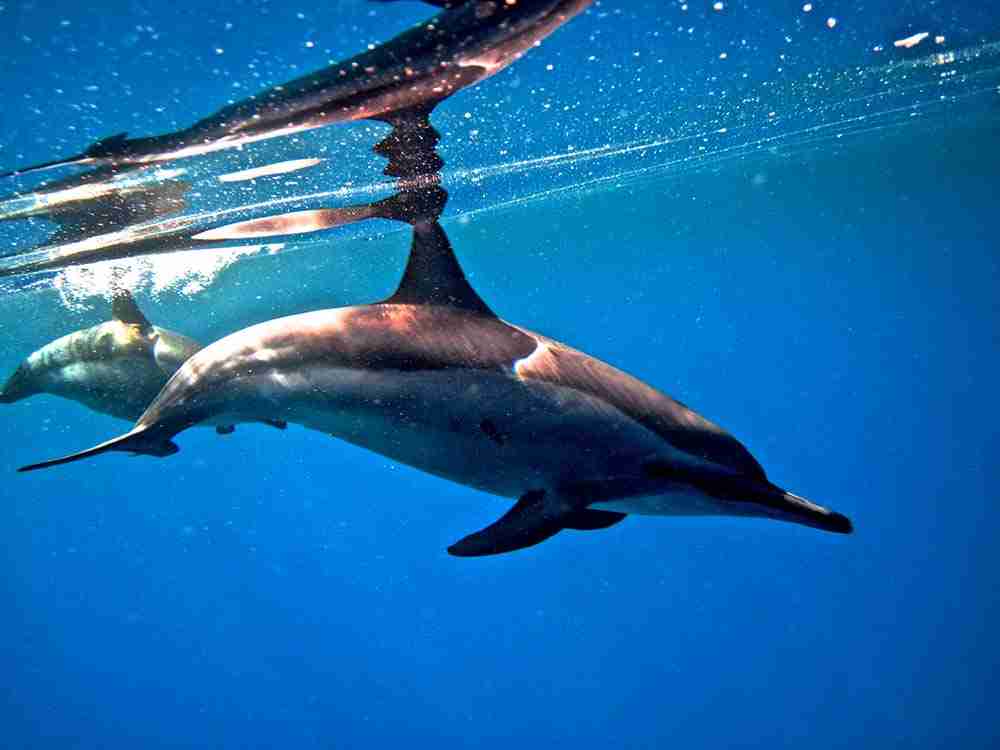
Essentially a large reef system offering both coral diving and spinner-dolphin snorkelling opportunities. As a result, it makes a natural change of pace from the walls and wrecks elsewhere on the route.
Shaab Claudia
Typically shallow coral canyons, swim-throughs and spectacular light effects, particularly around the middle of the day when the sun reaches straight down into the canyons.
Malahi
Essentially a maze of pinnacles, passages and scenic coral formations, well suited to a slow, exploratory dive rather than a fixed route.
Elphinstone
Certainly legendary offshore walls and plateaus with current and pelagic potential. Elphinstone is well known in its own right, so reaching it on this route is a genuine bonus rather than a footnote.
Abu Dabbab area
Typically useful for a check dive or a final dive, with coral gardens and varied marine life. Furthermore its position near the northern end of the route makes it a natural place to end the trip.
Fury Shoals
Notably beautiful coral reefs with tunnels, caves and colourful marine life. Coming near the end of the trip, Fury Shoals reads as gentler than the sites further south, which suits a crew easing back north after several demanding days.
Finally the route runs out of Port Ghalib, Port Hamata or Marsa Alam, and returns to the same port it left from. Which one applies depends on the departure, so confirm it with your dates rather than assuming.
Marine life on the Elba Reef liveaboard route
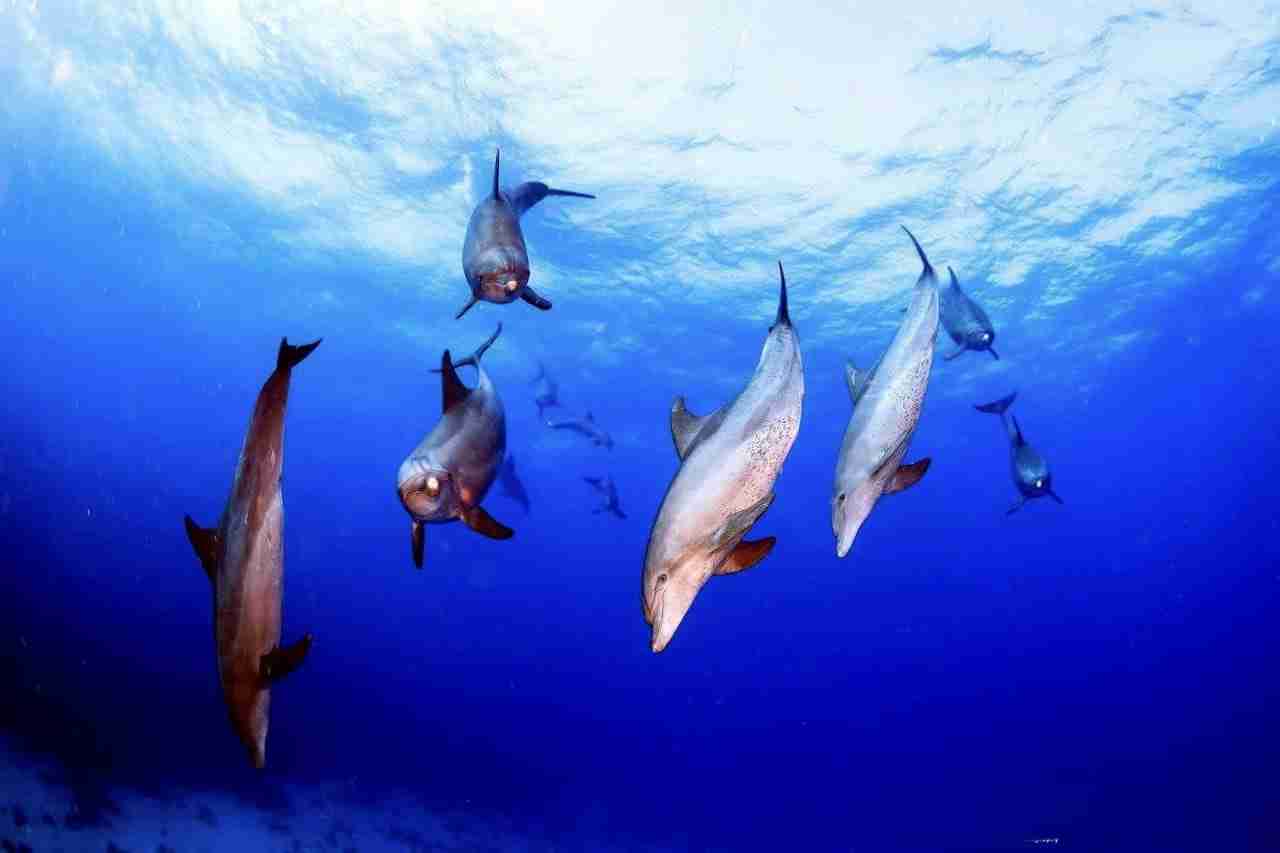
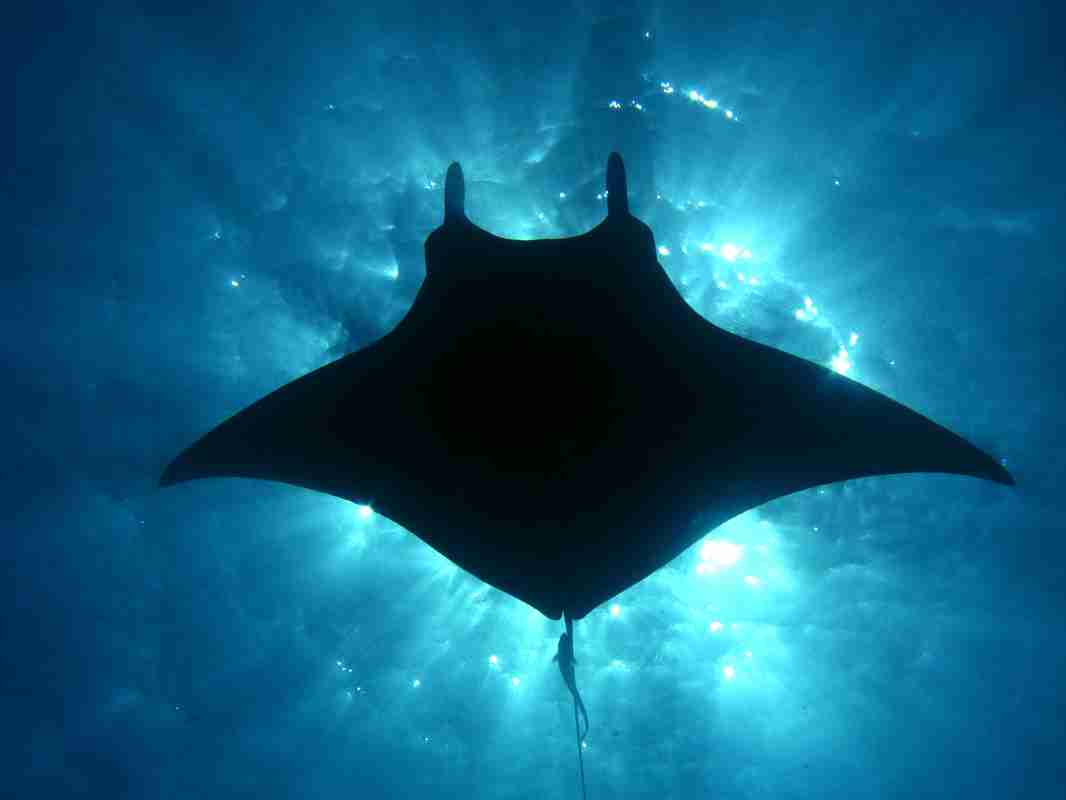
Wildlife encounters can never be guaranteed, but the remote, open-water environment an Elba Reef liveaboard reaches provides excellent opportunities for both reef life and larger pelagic species. Divers may encounter:
Divers should regularly look away from the reef and into the blue, particularly on the exposed walls and offshore systems where this list is drawn from.
A typical day on an Elba Reef liveaboard
How the day unfolds
Diving from zodiacs and tenders
Many remote reefs cannot be approached directly by the liveaboard, so some dives run from zodiacs or tenders. Therefore you should be comfortable entering the water from a tender and climbing back aboard afterwards.
Negative entries are occasionally used when conditions or currents call for an immediate descent after entry. Overall, good buoyancy control and confidence in open water both matter more here than on a typical reef holiday.
Who the Elba Reef liveaboard suits
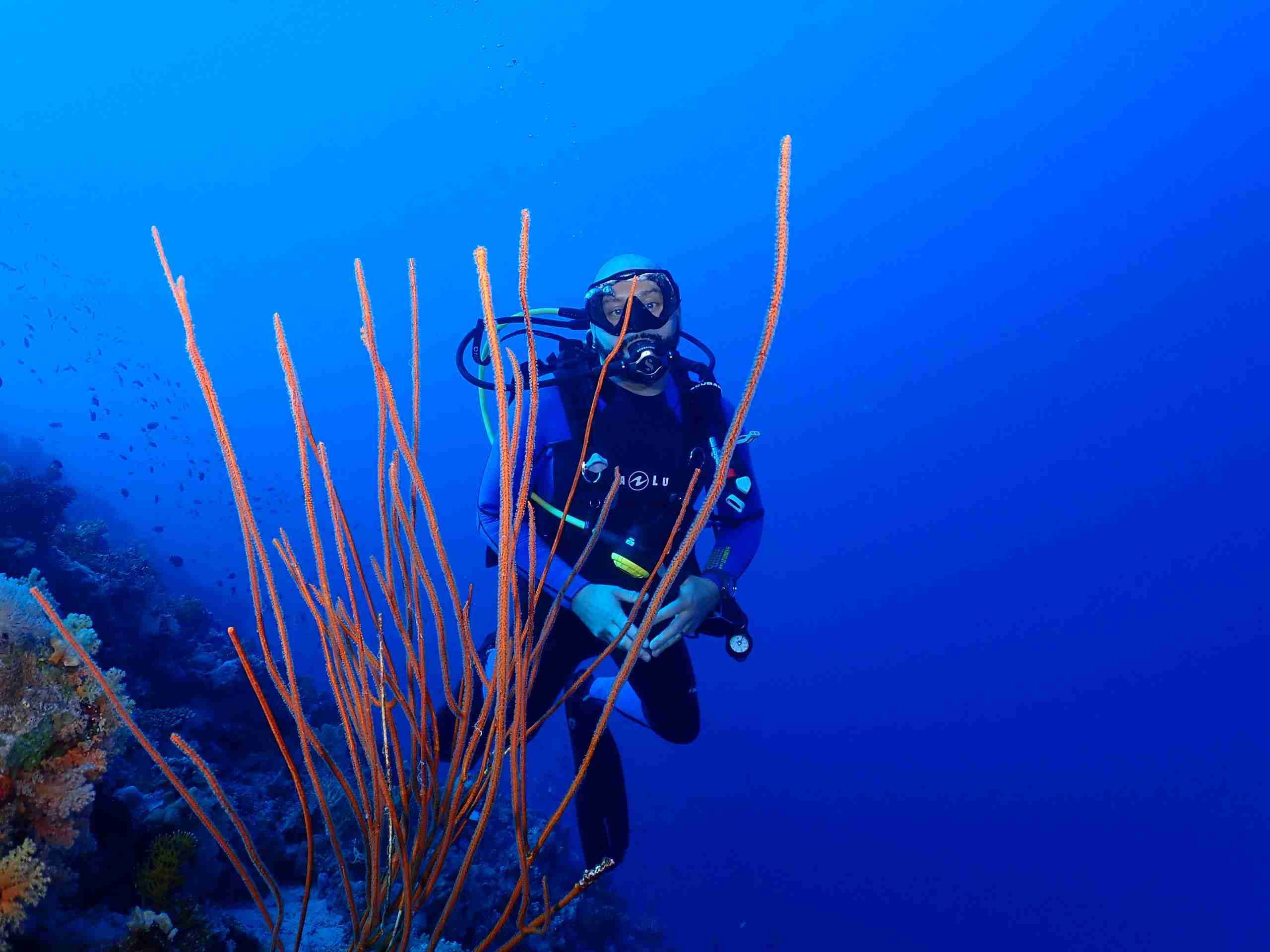
This route is particularly suited to experienced divers who are comfortable in open water and changing conditions. Consequently an Advanced Open Water certification or its equivalent is strongly recommended.
You should be comfortable with
- Drift diving
- Moderate or strong currents
- Zodiac and tender entries
- Open-water exits
- Deep walls and drop-offs
- Negative entries when required
- Multiple dives per day
- Previous liveaboard experience is beneficial, though not required
Best for
- Advanced Open Water divers
- Experienced liveaboard guests
- Adventure divers
- Underwater photographers
- Divers seeking unexplored reefs
Life on board a Deep South Red Sea liveaboard
Between dives, guests relax on board, eat, prepare cameras and equipment, or simply take in the isolation of the southern Red Sea. In other words, full-board liveaboard accommodation means the boat is your diving base for the entire expedition.
However, exact services and inclusions depend on the vessel and the departure. Before booking, ask about accommodation, diving services, transfers, marine park or government fees, nitrox availability, equipment rental and any extras that apply to your date.
Safety on an Elba Reef liveaboard expedition
Remote diving requires careful planning. Above all, weather, wind, waves and current influence both navigation and the diving schedule this far south. Consequently the published itinerary is always a planned route rather than a guaranteed sequence of dive sites.
The captain has the final word. That is, the route may change whenever safety, weather, sea conditions or official requirements call for it. Likewise, every diver is expected to follow the guides’ briefings and to stay within the limits of their own certification and experience.
Why Elba?
For divers ready to go farther south
This is not simply another Red Sea safari route. Instead it is a journey into one of Egypt’s most remote diving regions, and the appeal is the combination: remote reefs, healthy coral, open-water diving, the possibility of pelagic encounters, and the sense of genuine exploration rather than a well-worn circuit.
For divers who have already experienced the classic North, the Brothers Islands, Daedalus, Elphinstone or St. John’s routes, Elba offers a natural next step into a more expedition-style liveaboard experience.
More Red Sea diving
- Big Brother Island — the Numidia, the Aida and the shark walls, further north.
- What is a liveaboard — how life on board actually works.
- Liveaboard dive techniques — negative entries, SMB deployment and exits in swell, which this route asks for directly.
- What divers need on board — the packing checklist for a Red Sea safari.
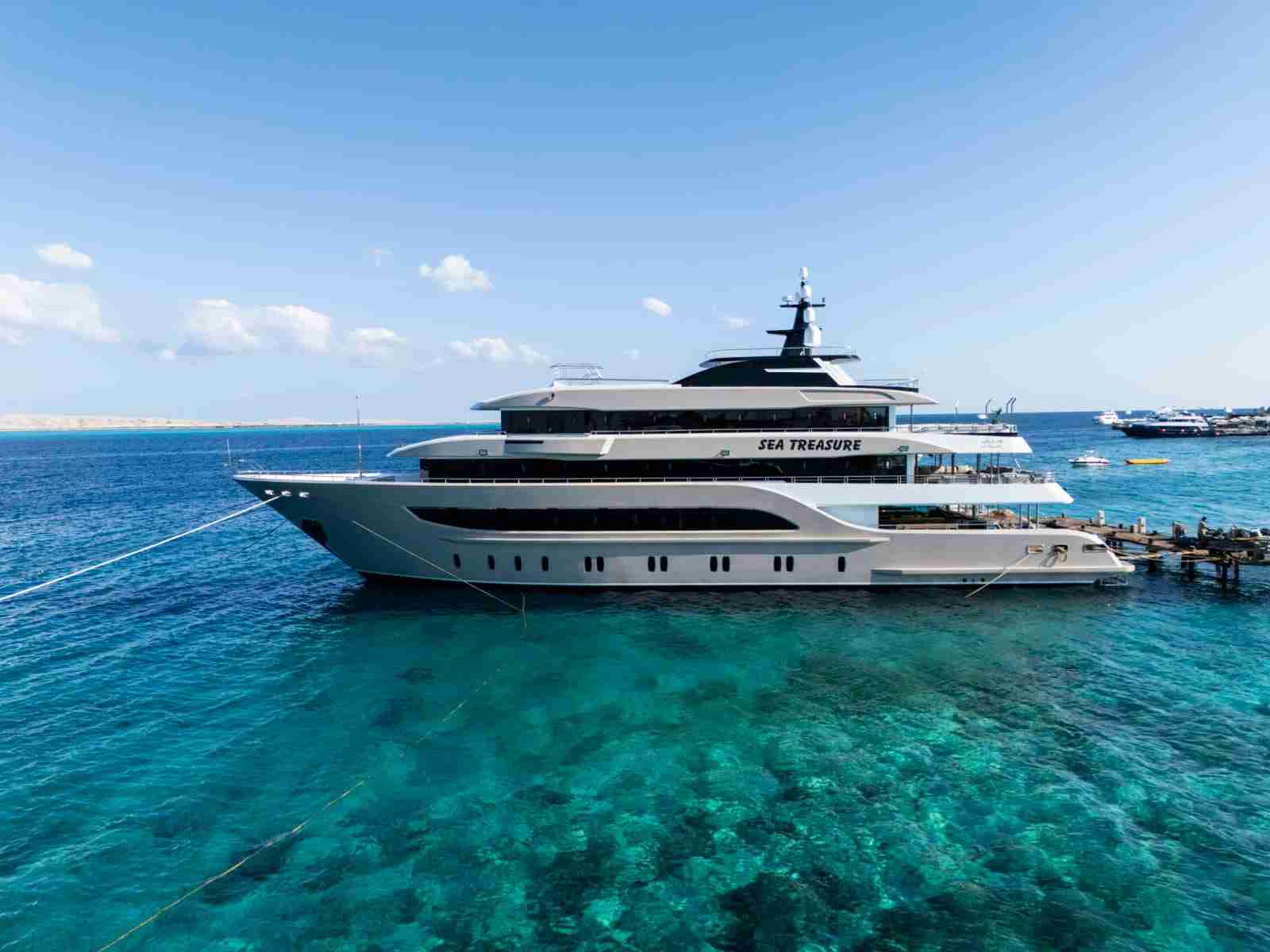
- Confirmed boats running this route so far: Sea Fox, Sea Treasure, My Simba, Bismarck and our other vessels.
- redsealiveaboard.net — Red Sea safari schedules and availability.
Elba Reef Liveaboard: frequently asked questions
How long is the Elba Reef expedition?
Departures run at 7, 10 or 15 days, depending on the schedule. Ask which applies to your dates when you book.
What level do I need for this trip?
Advanced Open Water or its equivalent is strongly recommended. In addition, you should be comfortable with drift diving, strong currents, tender diving and negative entries.
Which sites does the route visit?
Rocky Island and Zabargad Island on the way south, two to three days around Elba itself, namely the north and south plateaus, the Isola di Levanzo wreck, Abu Fendira and Shaab Masha’al, then St. John’s and Fury Shoals on the way back north. However, the exact stops depend on weather and sea conditions on the day.
How many dives per day?
Up to three or four when conditions and navigation allow, though days with longer sailing distances mean fewer dives.
Is wreck diving included?
Usually yes. Indeed the SS Isola di Levanzo, an Italian vessel lost in 1923, lies within the Elba cluster and is normally part of the days spent there, conditions permitting.
How deep is the Levanzo wreck?
The incline starts at twenty to twenty-two metres, which is within recreational limits. In contrast, past forty metres, where the stern lies, the wreck becomes technical diving only.
Will I see sharks?
Grey reef sharks and oceanic whitetips are regularly seen, particularly at Rocky Island, though as with any wildlife nothing is guaranteed.
Do I need previous liveaboard experience?
It is not a strict requirement, but it helps, especially if you choose the longer fifteen-day itinerary.
What are you waiting for?
Book your adventure
Simply tell us which experience you want, then leave the rest to us. If you are unsure whether an Elba Reef liveaboard suits your certification and recent logbook, our team will talk it through with you before you commit to anything.
Inquiry