BDE Liveaboard · Egyptian Red Sea offshore marine parks
BDE Liveaboard
The BDE liveaboard route is the offshore classic of the Egyptian Red Sea: three isolated reefs, a wrecked Victorian steamer, walls of gorgonian fans, and the best chance in Egypt of meeting hammerheads and oceanic whitetips in open blue water.
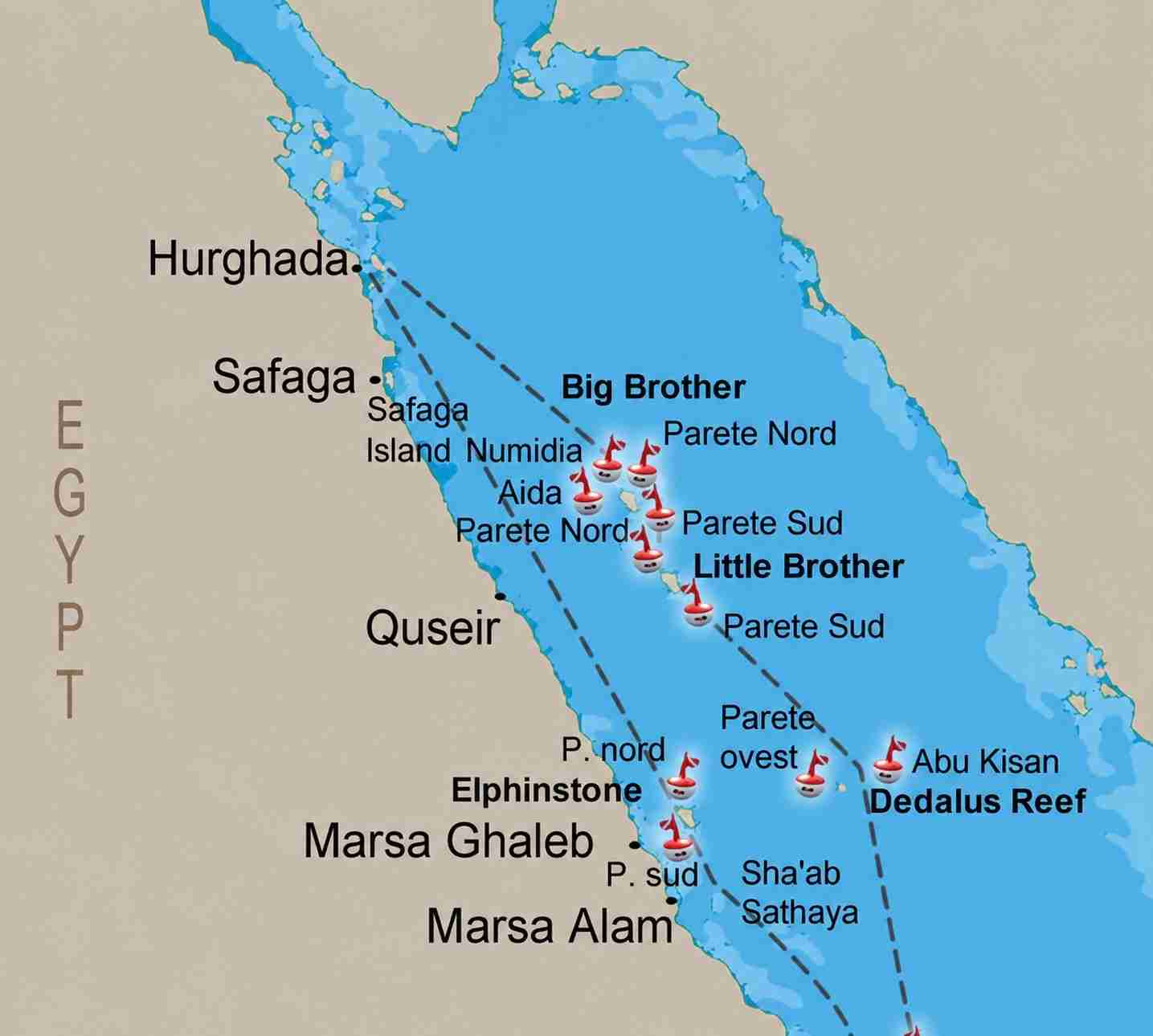
BDE liveaboard: three letters, three offshore reefs
BDE stands for Brothers, Daedalus and Elphinstone. Furthermore, the letters are always given in that order because that is usually the order the boat visits them, working from the far north-east down towards the coast at Marsa Alam. You will also see the same itinerary sold as Brothers, Daedalus & Elphinstone, as The Best of Red Sea, or as Golden Angle. In short, the reefs are identical whichever name appears on the brochure.
This is not a gentle reef holiday. Instead, these are exposed pinnacles rising from very deep water, far from land, with currents that can run hard and change through the day. In exchange, they offer the most concentrated big-animal diving in Egypt.
A single week can put you on a Victorian cargo steamer lying almost vertically down a wall, a garden of enormous sea fans, a school of scalloped hammerheads and an oceanic whitetip circling the safety stop. Indeed, few itineraries anywhere in the world compress that much into six diving days.
The BDE liveaboard at a glance
Best for, and what makes it special
Best for
- Advanced Open Water divers
- Experienced drift divers
- Shark lovers
- Underwater photographers
- Divers seeking adventure
On the other hand, if you are still building your first fifty dives, or you have not dived in open current before, one of the sheltered northern routes will serve you far better than this one.
BDE liveaboard highlights
Admittedly, strong current is listed here as a highlight rather than a warning because on these reefs it is what brings the big animals in. For that reason, the route stays restricted to experienced divers.
Where the BDE liveaboard reefs are
Indeed, all three sit well offshore, and that is exactly why they hold the marine life they do. In other words, nothing on this route is a short hop from a jetty.
Brothers Islands
To begin with, the Brothers, known locally as El Akhawein, lie roughly 67 kilometres off El Quseir. Notably, they are the only true islands on the route: for example two rocky outcrops about a kilometre apart, both ringed by sheer walls that drop straight into the abyss.
Daedalus Reef
Similarly remote, Daedalus, or Abu El Kizan in Arabic, lies around 90 kilometres out from Marsa Alam. Moreover, it is a large oval reef flat carrying a lighthouse and a small manned station, and nothing else in any direction. As a result, the crossing to reach it is the longest open-water leg of the week.
Elphinstone Reef
Finally, Sha’ab Abu Hamra is the closest of the three, roughly 12 kilometres off the coast north of Marsa Alam. Even so, the reef runs about 300 metres from north to south, and therefore it carries a plateau at each end and vertical walls along both flanks.
The dive sites on a BDE liveaboard
In practice, a BDE liveaboard shares six diving days between four distinct diving environments, each with its own character and its own demands.
Big Brother
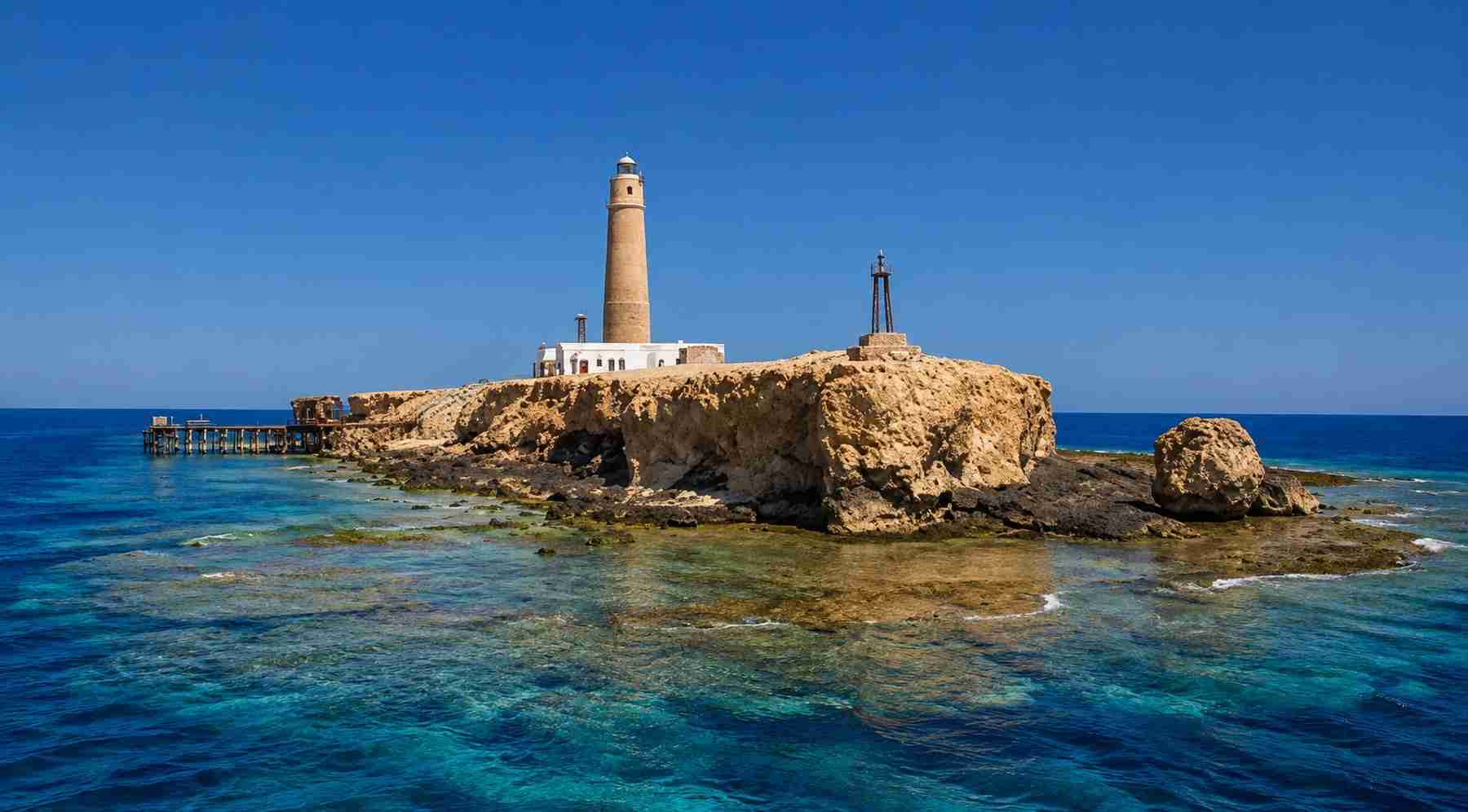
Firstly, the larger of the two islands, easily recognised by the stone lighthouse the British built in 1883 and still manned today. Above all, what makes Big Brother exceptional is that it holds two significant wrecks on the same wall, with grey reef sharks patrolling the current line, in addition big schools of trevally and barracuda, and the occasional thresher cruising past in the early morning.
Big BrotherThe Numidia
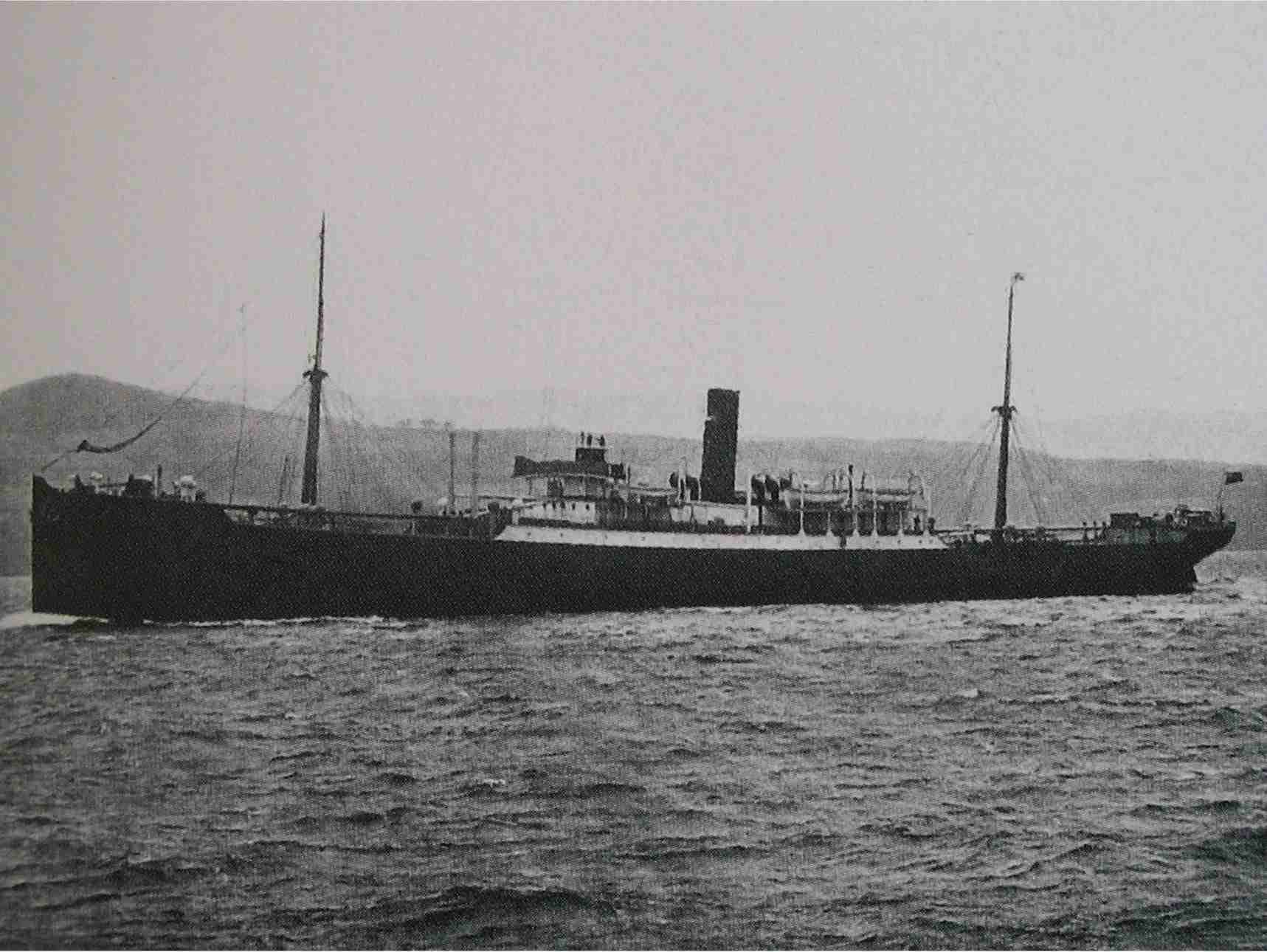
A British cargo steamer that ran onto the northern tip of Big Brother in 1901. Remarkably, she is around 138 metres long and lies almost vertically down the reef slope, her bow section starting at about 10 metres and the hull disappearing well past sport diving limits. Meanwhile, the shallow section is completely encrusted in soft coral and swarming with anthias and glassfish, and as a result it is one of the most photogenic wrecks in the Red Sea even for divers who never go deep.
Wreck detailsThe Aida
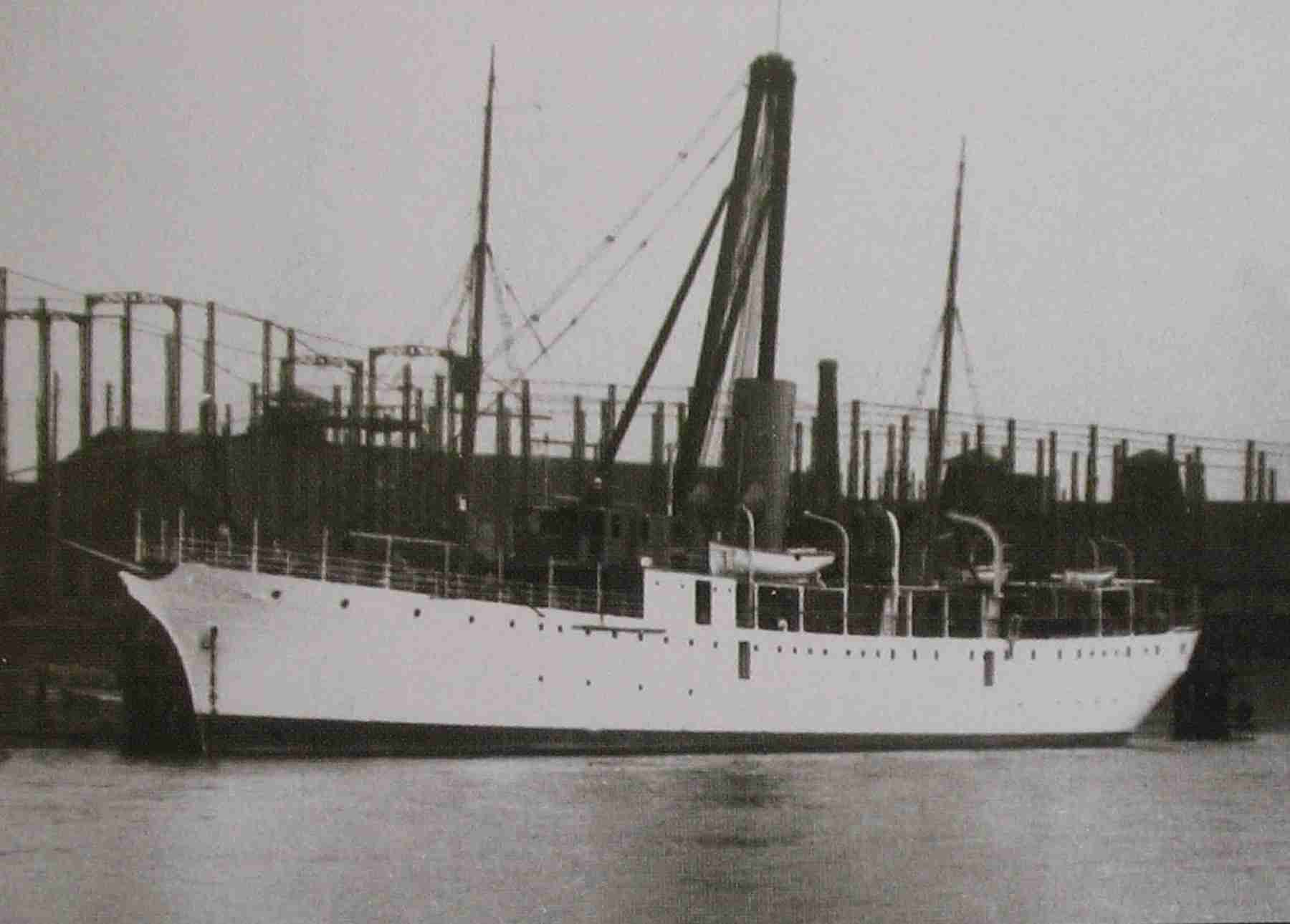
Likewise, an Egyptian supply vessel lost in 1957 while attempting to land supplies for the lighthouse garrison. By contrast, she sits on the north-western wall, further south along the island, with her hull running from roughly 35 metres down to 65 metres. Consequently, that puts her firmly in deep-dive territory and makes conservative gas planning and nitrox a sensible default.
Wreck detailsLittle Brother

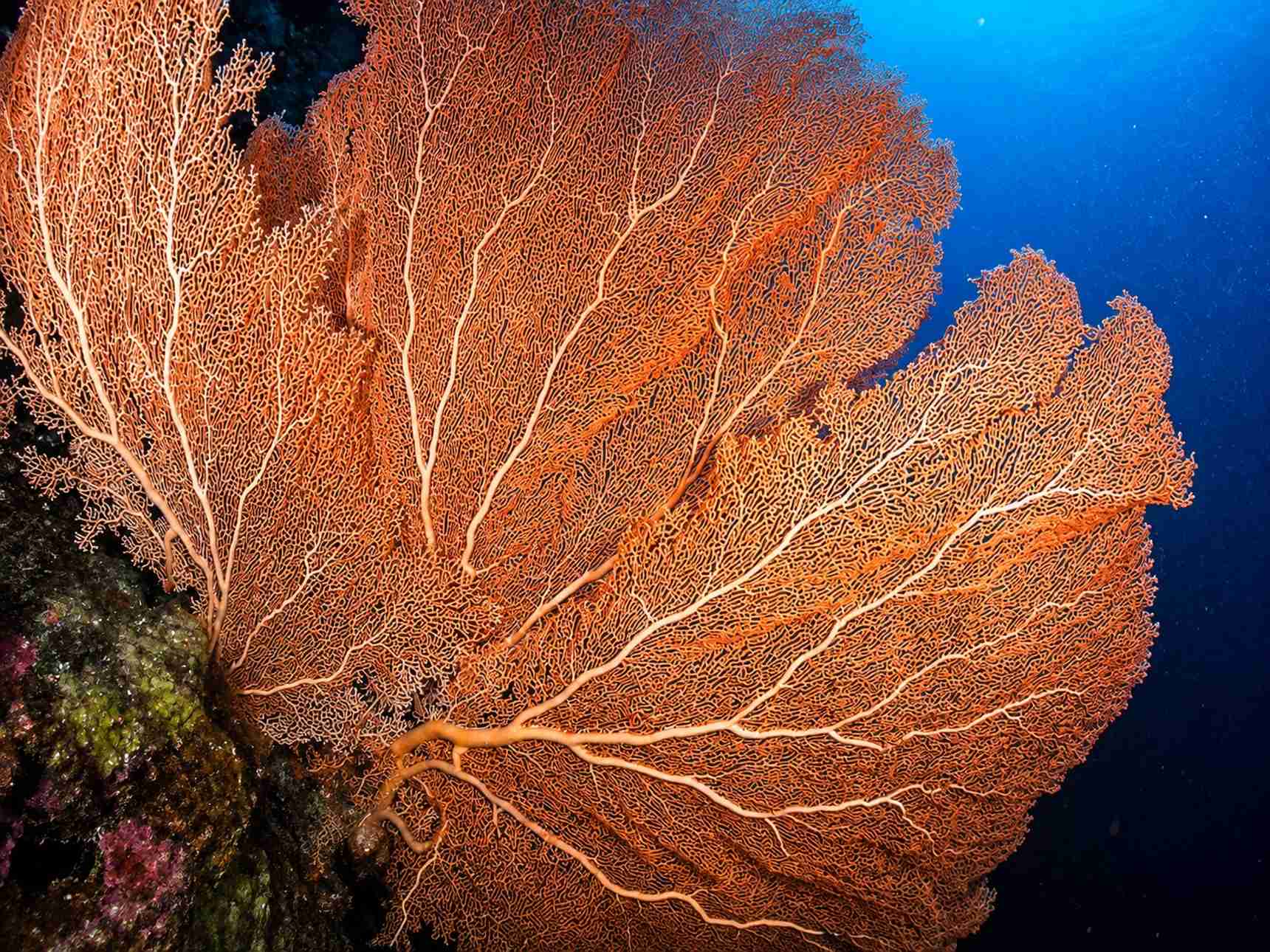
Admittedly, Little Brother has no wrecks and needs none. Because the reef is smaller, the current wraps around it in a way that concentrates life, and its south plateau carries one of the finest gorgonian fan gardens in Egypt, in other words layers of enormous sea fans stacked down the slope in the blue. Besides the fans, this is the most reliable place on the route for thresher sharks, which come in to be cleaned at the plateau, usually early in the morning.
Little BrotherDaedalus Reef
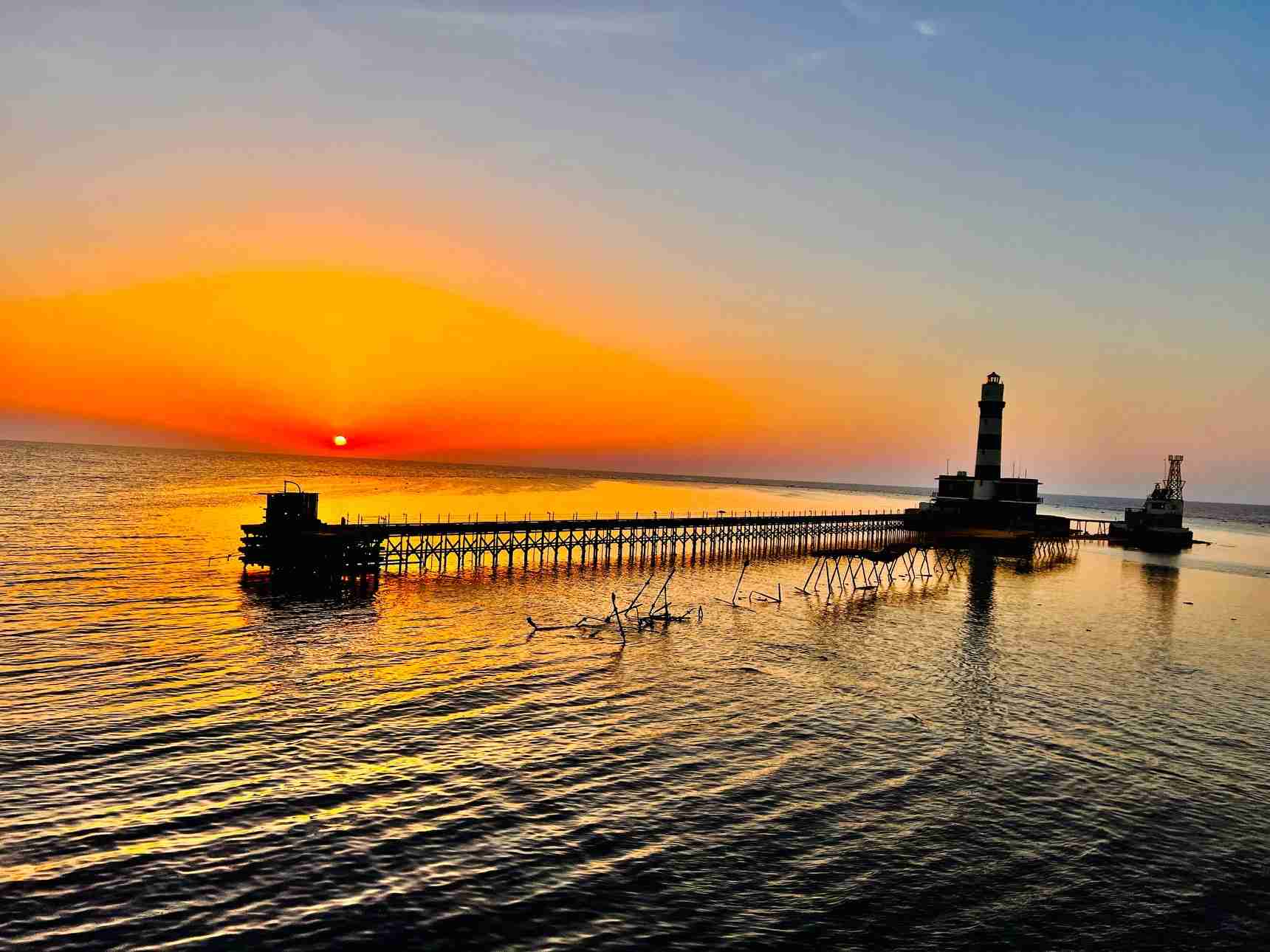
Above all, the north plateau is the classic hammerhead site of the Egyptian Red Sea: divers drop early, swim out along the reef and hold at depth in the blue waiting for schooling scalloped hammerheads to appear. Meanwhile, away from the plateau, the south-east side holds the famous anemone city, for instance a vast carpet of anemones and clownfish across the shallow shoulder of the reef, whereas the west and south-west walls carry dense gorgonian growth and sheer drop-offs.
Daedalus ReefElphinstone Reef
Usually saved for the last diving day, because its proximity to Marsa Alam makes it a natural final stop before the boat runs back to port. Here the north plateau slopes gently and attracts hammerheads and grey reef sharks, while the south plateau drops steeply and is the more demanding of the two, and moreover the deeper section runs well past recreational limits. Naturally, the walls between them are covered in soft coral and swept by current.
ElphinstoneHow the BDE liveaboard week is structured
Departure port depends on the season and the vessel. Trips leaving from Hurghada face a longer overnight crossing south before the diving begins, while departures from Port Ghalib or Marsa Alam shorten the run to Elphinstone and Daedalus considerably and leave more of the week for diving. Either way, the boat will first run a check dive on a sheltered local reef before heading offshore, so the crew can see how everyone handles their gear and weighting before conditions get serious.
BDE liveaboard: boarding and the crossing
Boarding. On arrival, guests are welcomed on board from 15:00 for check-in, cabin allocation, certification checks, paperwork and equipment set-up, followed by the welcome briefing and dinner. The vessel normally stays in the marina overnight.
Check dive and crossing. Initially, the first dive is made on a sheltered reef to confirm weighting, buoyancy and equipment. Afterwards the boat begins the offshore passage, with further dives depending on departure port and sailing time.
The BDE liveaboard offshore days
Brothers Islands. Then a full day at Big Brother and Little Brother, typically covering the Numidia, the Aida and the walls, with the south plateau of Little Brother dived early for the best thresher chances.
Brothers and passage to Daedalus. First, morning dives at the Brothers; then the boat begins the long open-water crossing south to Abu El Kizan.
Daedalus Reef. Similarly, a full day around the reef: an early drop on the north plateau, then anemone city and the western walls as conditions and current allow.
Passage west and coastal reefs. Subsequently the boat works back towards the coast, with diving on the reefs around Marsa Alam depending on sailing time and sea state.
Final dives and check-out
Elphinstone and final dives. Usually, the plateaus and walls of Elphinstone come first in the morning, then the last dive of the trip before the run back to port and the final evening on board.
Check-out. Finally, breakfast on board, then check-out between 09:00 and 10:00. Naturally, transfers depend on the trip package.
Night diving is not permitted at Brothers or Daedalus. After all, these are protected marine park sites with strict mooring and access rules, and dives are often run as zodiac drops with a pickup in open water.
The published itinerary is a plan, not a guarantee. Therefore the captain and dive team may change the sequence or use alternative sites whenever safety, weather, sea conditions, official permissions or marine park regulations require it.
Who the BDE liveaboard is for
BDE liveaboard certification and equipment
BDE is an advanced itinerary and reputable operators treat it that way. Realistic requirements are:
- Advanced Open Water or equivalent, plus a deep and drift speciality or clear equivalent experience
- A minimum of around 50 logged dives, and above all recent dives in the last year
- Comfort with negative entries, zodiac drops and open-water pickups
- Your own SMB and reel, as well as the ability to deploy it from depth without assistance
- Nitrox certification, strongly recommended rather than optional given repeated deep profiles
- A working dive computer, and a torch for the wreck interiors and dawn dives
Above all, buoyancy discipline matters more here than on almost any other Egyptian route. The walls are steep; therefore it is easy to sink deeper than intended while watching something in the blue.
Marine park fees also apply for Brothers, Daedalus and Elphinstone, and are normally collected on board alongside the usual port and environmental charges.
In addition, every diver must stay within the limits of their certification, training and experience and follow the dive team’s briefings. The captain and guides decide whether conditions are suitable for each planned dive.
Sharks and seasons on the BDE liveaboard
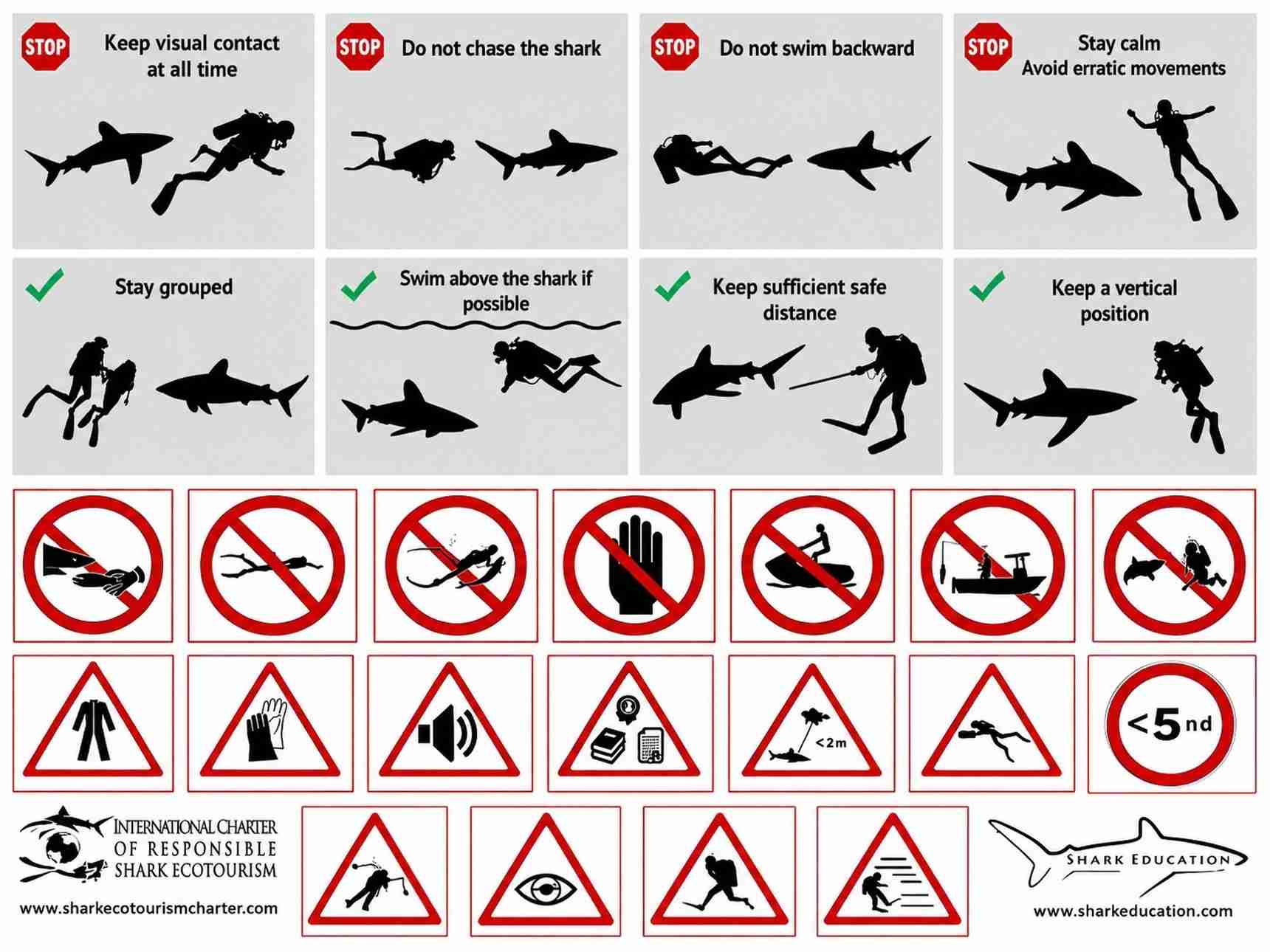
On a BDE liveaboard, timing changes what you are most likely to meet. Admittedly nothing is guaranteed, yet the patterns are consistent enough to plan around.
Hammerheads
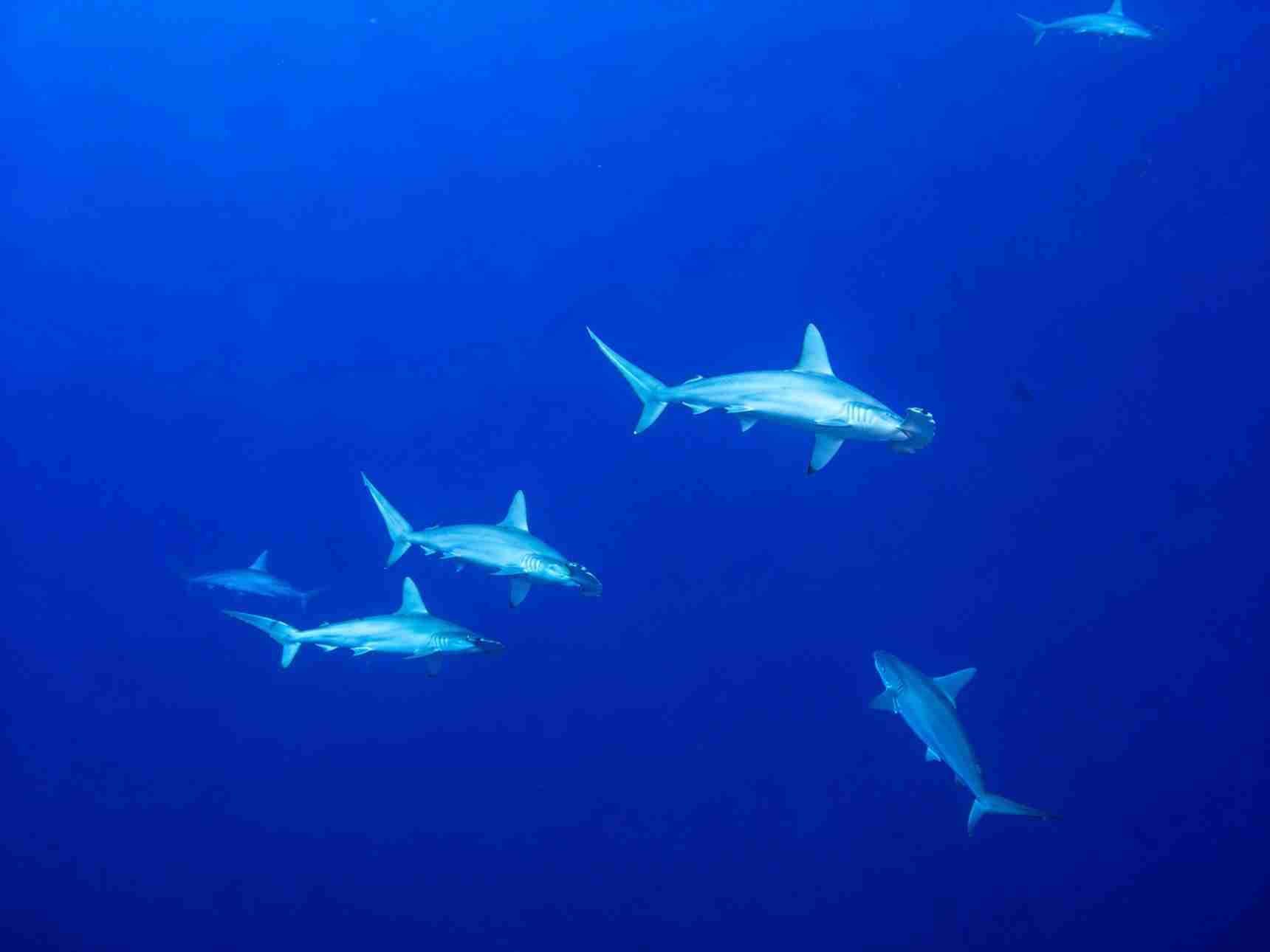
Specifically, peak season for schooling scalloped hammerheads at Daedalus runs roughly from June through August. However, sightings depend heavily on current and time of day, and that is why the north plateau is dived early.
Oceanic whitetips
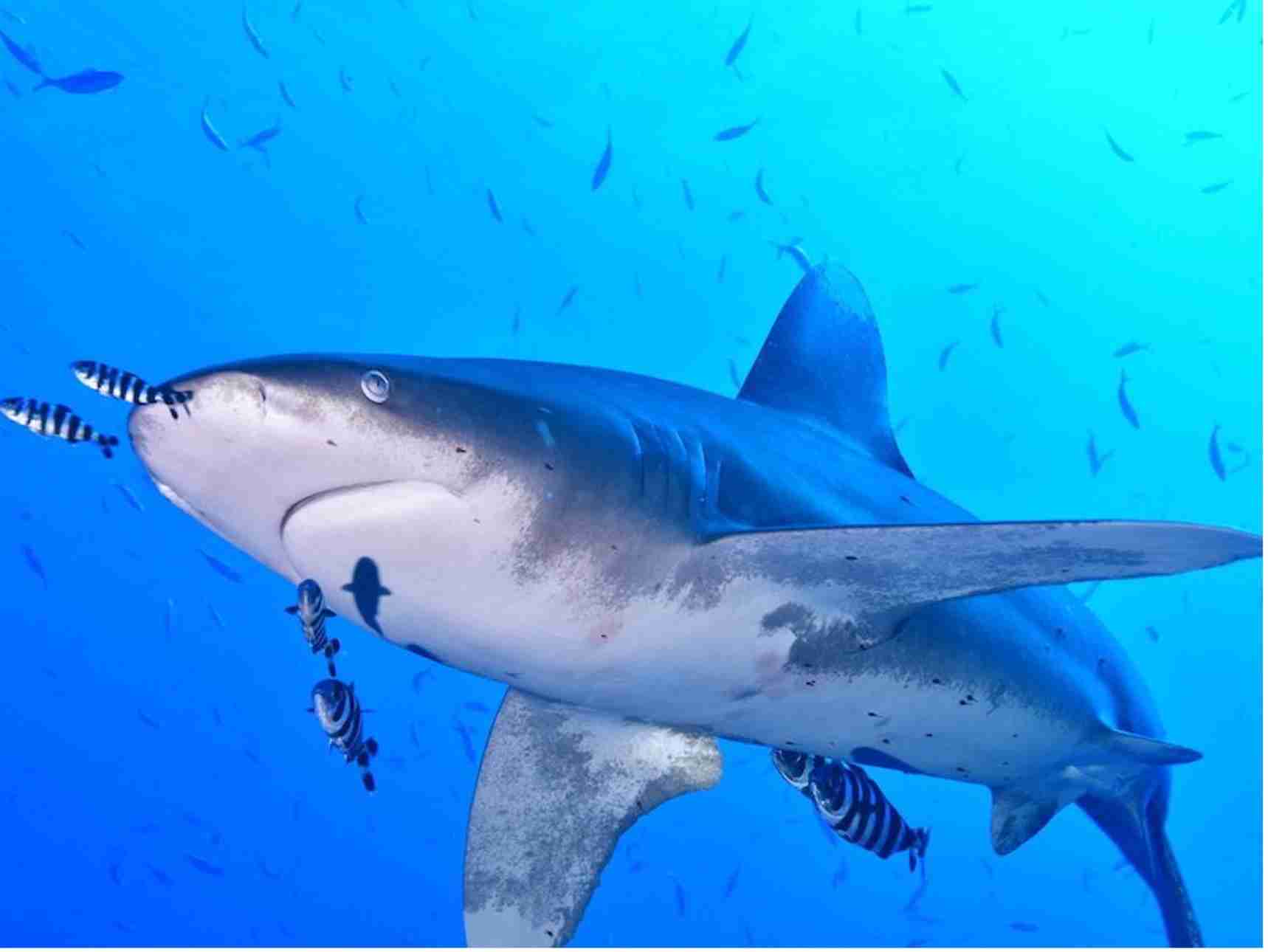
From around October to December, Elphinstone is one of the most dependable places on earth to encounter oceanic whitetips. Typically they hang around the reef and often approach divers directly during safety stops. In the cooler months they also patrol the mooring area at Daedalus.
Threshers and reef sharks
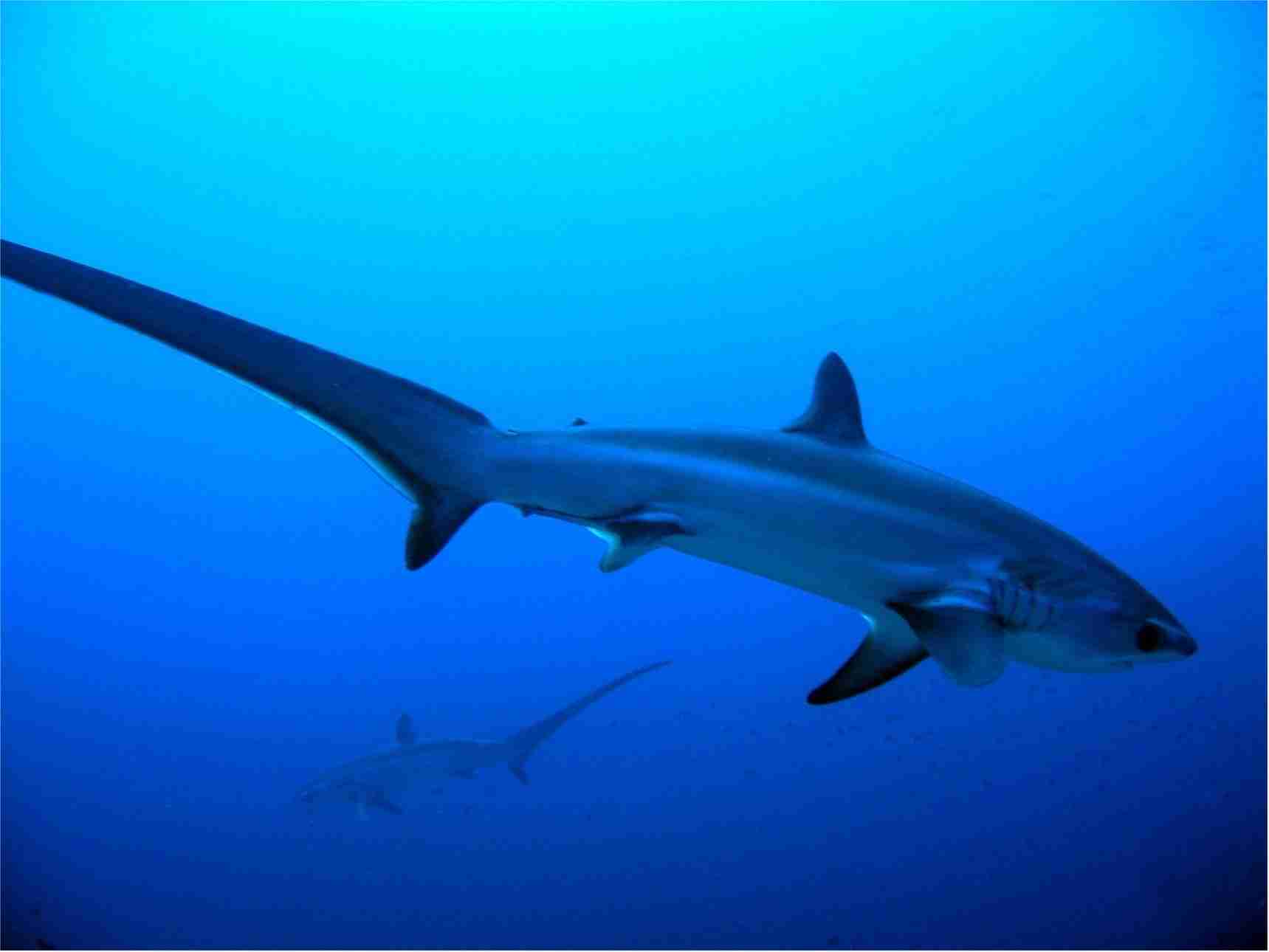
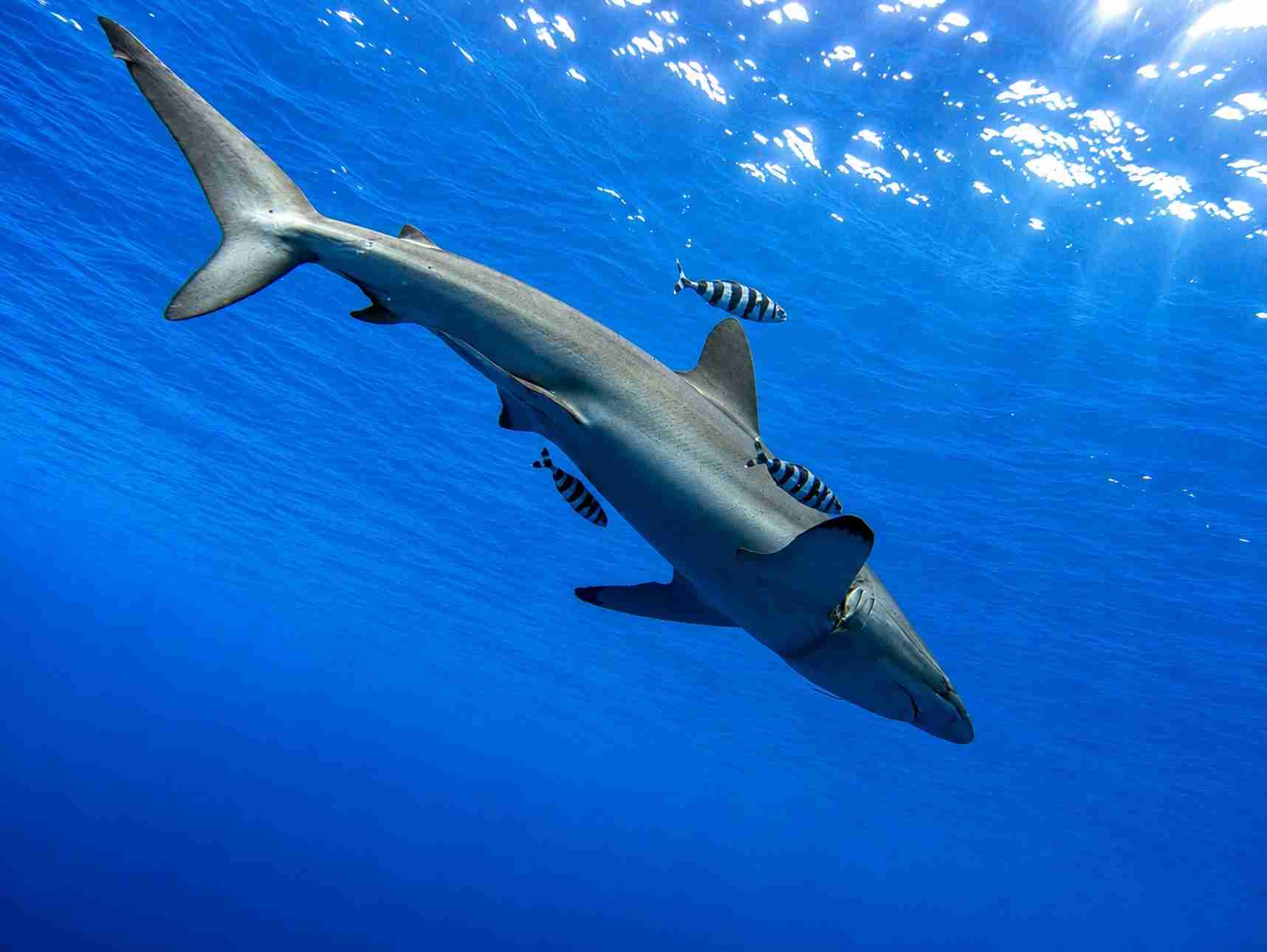
Meanwhile, threshers come in to the cleaning stations at Little Brother’s south plateau, usually at first light. Similarly, grey reef and silvertip sharks are common there year-round, and hammerheads pass through in season.
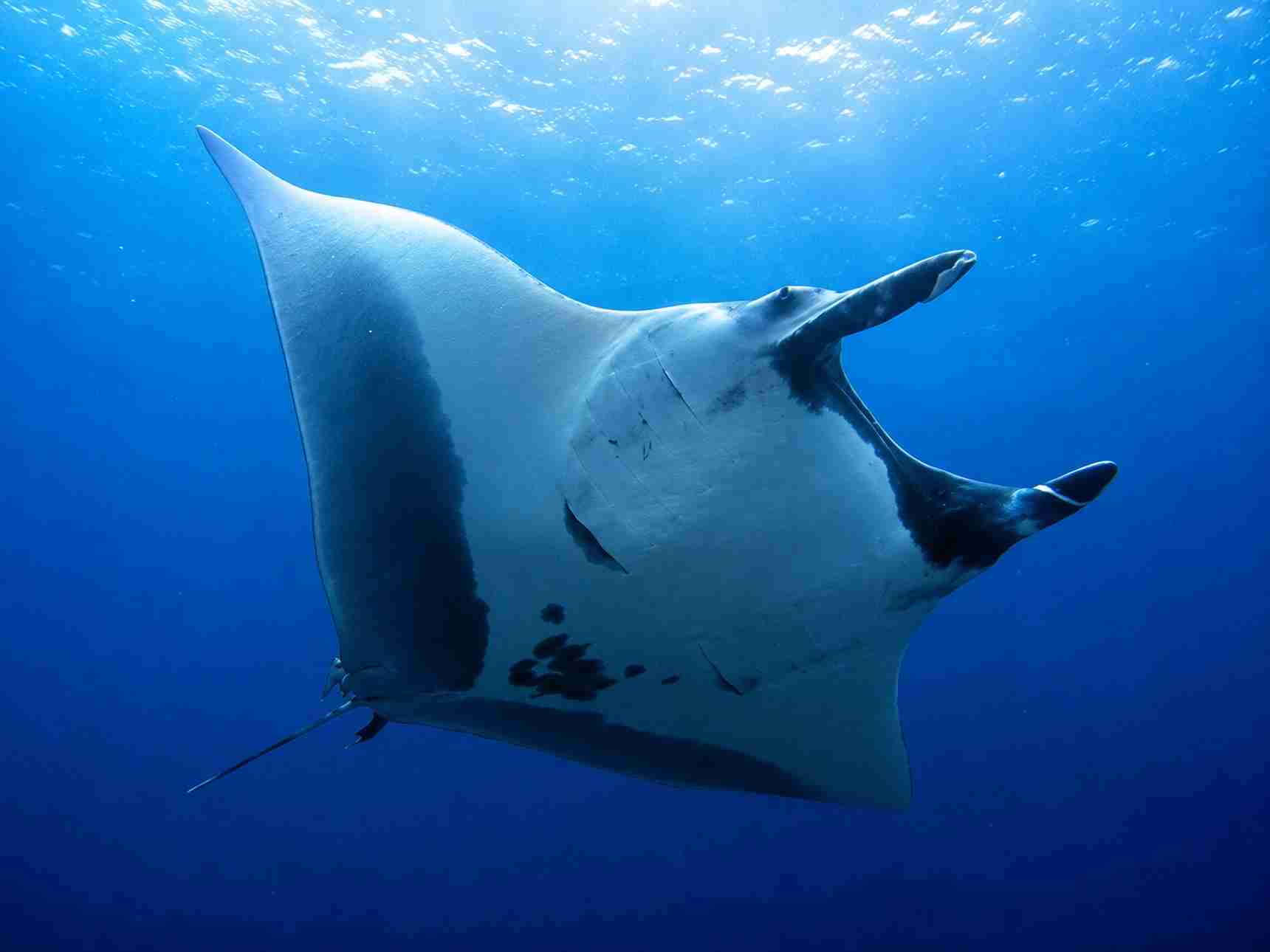
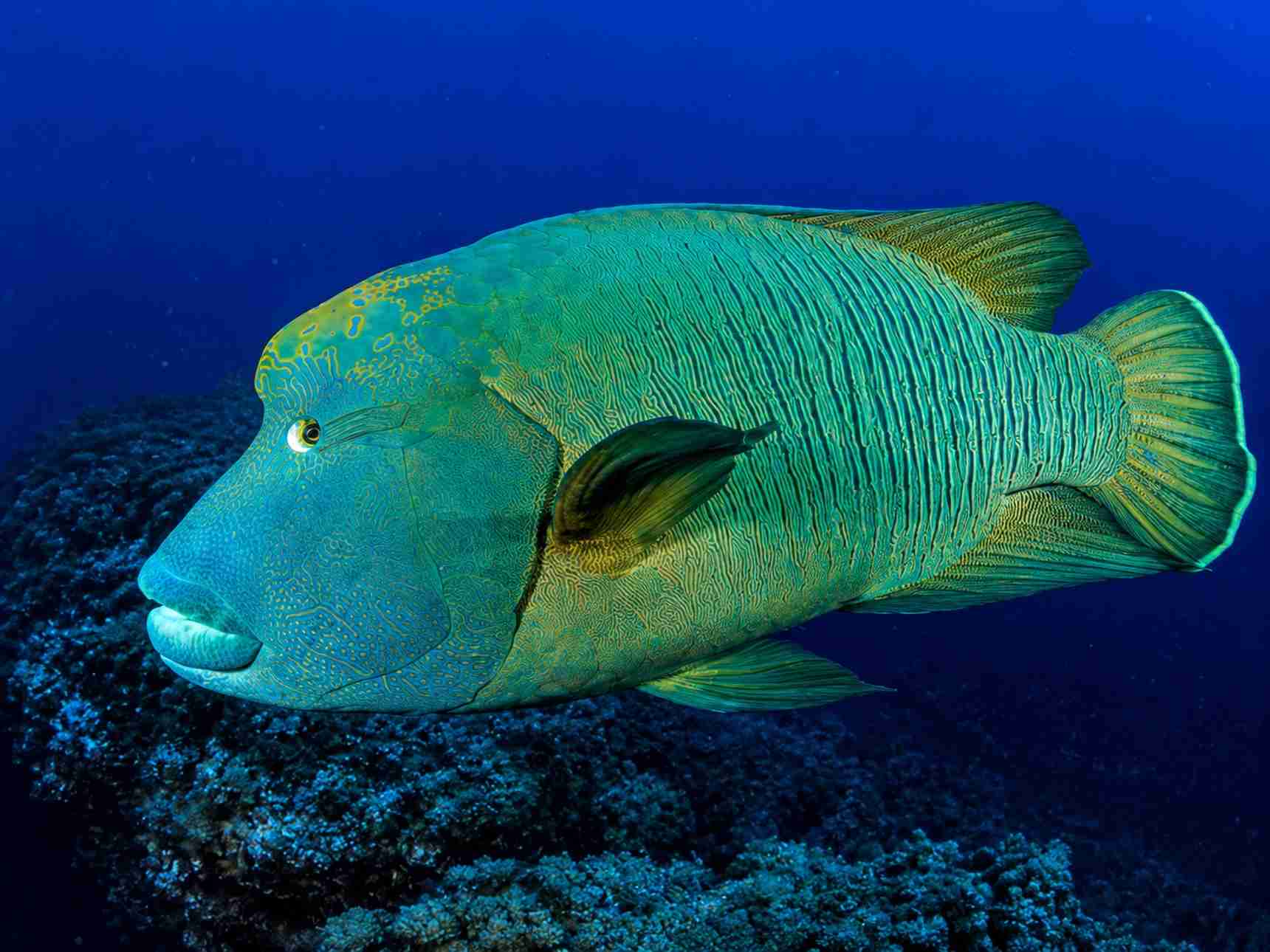
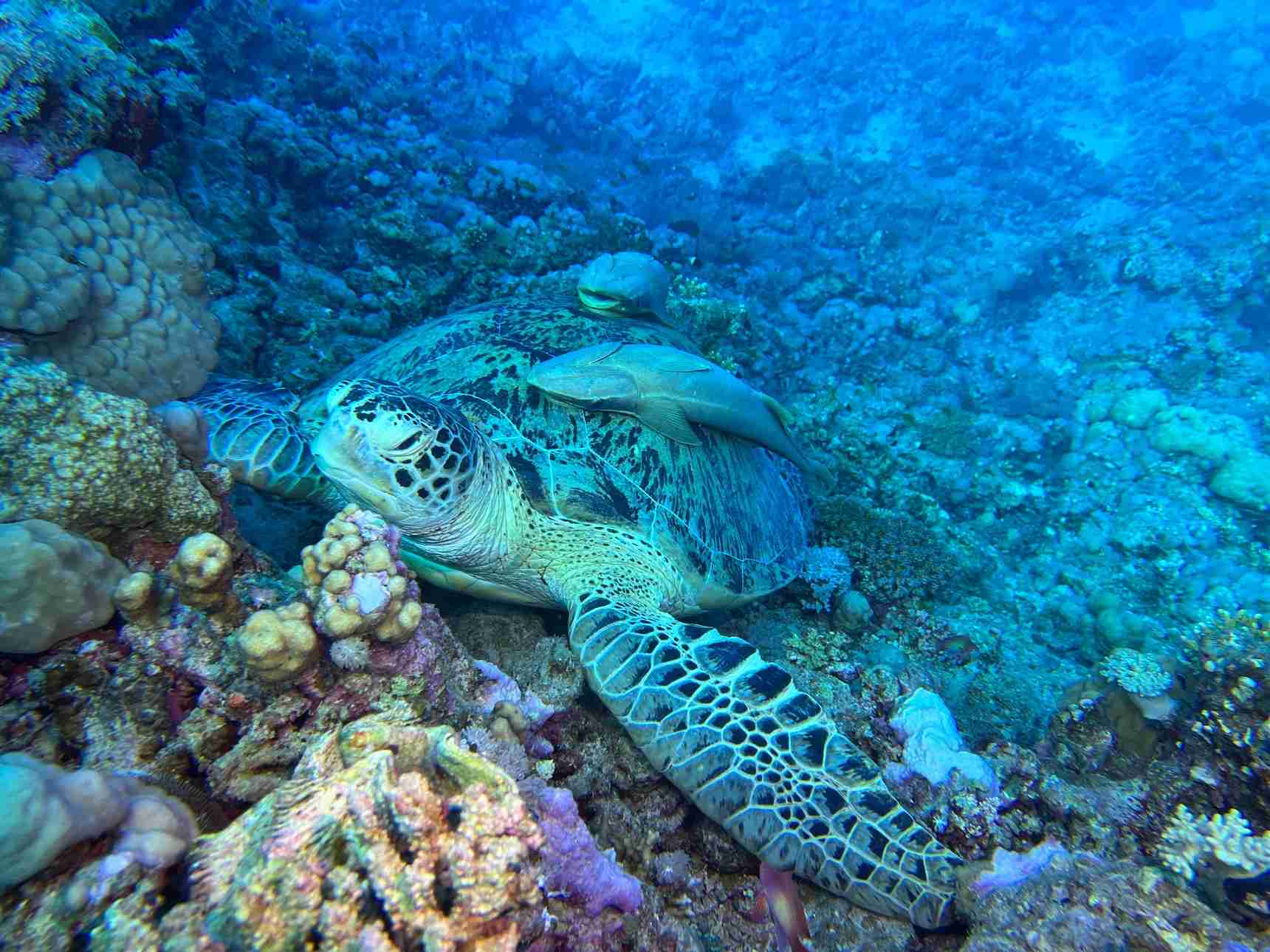
What else you might see. Beyond the sharks, the route regularly delivers tuna, barracuda, giant trevally, Napoleon wrasse, manta rays, turtles and dolphins, along with dense schools of reef fish, moray eels and the soft corals and gorgonian fans that cover these walls.

Which boats run the BDE liveaboard
Altogether, six vessels in our fleet sail the BDE liveaboard, departing from Hurghada, Port Ghalib or Marsa Alam depending on the season and the departure date. Certainly all of them are set up for offshore diving: zodiac tenders, nitrox on board and crews who know these reefs.
Sea Fox
Offshore safaris across the Egyptian Red Sea, running the full Brothers, Daedalus and Elphinstone circuit in season.
Sea FoxSimba
A long-standing vessel on the offshore marine park routes, with departures from both the northern and southern ports.
SimbaSea Treasure
Sails the offshore circuit through the season, and furthermore zodiac diving and nitrox are available on board.
Sea TreasureStar Jet
Another offshore vessel on the same circuit, and therefore, if your preferred dates are already full elsewhere, she is usually the next option to check.
Star JetBismarck
Runs the same offshore itinerary, and in addition her departures are scheduled around the settled weather windows in spring and autumn.
BismarckC Echo
Our own vessel, and consequently she is crewed by the team that has been diving these offshore reefs for more than twenty years.
C EchoWeather, and honest expectations
When the wind decides the plan
The BDE liveaboard visits exposed reefs, so the season is defined by what the wind allows: generally March to December, with the most settled offshore conditions in late spring and autumn. Because of that exposure, crossings can be rough.
A boat that cannot safely reach or moor at Brothers or Daedalus will re-route to sheltered alternatives such as Safaga, Abu Dabbab or the Marsa Alam local reefs. Of course, no responsible captain gambles with an offshore mooring in bad weather, and any operator promising all three reefs regardless of conditions is promising something they do not control.
Sharks are wild animals, currents do what they want, and a week offshore is always a negotiation with the sea. Even so, that uncertainty is precisely what makes a good trip out here unforgettable when it comes together.
More Red Sea safari routes
- North & Brothers Liveaboard — the northern wrecks combined with the Brothers Islands.
- Brother Islands — the two islands in detail, above and below the water.
- Daedalus Reef — the hammerhead station, dived site by site.
- What is a liveaboard — how life on board actually works.
- Liveaboard dive techniques — negative entries, SMB deployment and exits in swell, which this route asks for directly.
- What divers need on board — the packing list for an offshore week.
- redsealiveaboard.net — Red Sea safari schedules and availability.
- Contact Red Sea Diving — for the departure that suits your dates.
BDE liveaboard: frequently asked questions
What does BDE stand for?
BDE stands for Brothers, Daedalus and Elphinstone, the three offshore reef systems the route visits. The letters are given in that order because it is usually the order the boat sails them, from the far north-east down towards Marsa Alam. The same route is also advertised as The Best of Red Sea and as Golden Angle.
Where do these trips depart from?
Departures run from Hurghada, Port Ghalib and Marsa Alam, depending on the season and the vessel. Leaving from Hurghada means a longer overnight crossing south, while Port Ghalib and Marsa Alam shorten the run to Elphinstone and Daedalus and leave more of the week for diving.
Which boats sail this itinerary?
Six vessels run the route: Sea Fox, Simba, Sea Treasure, Star Jet, Bismarck and C Echo. Naturally, which one is available depends on your dates and departure port.
How many dives are there in a week?
Generally a week delivers somewhere between 17 and 20 dives, usually three or four a day across six diving days.
Is night diving allowed at Brothers and Daedalus?
No. Both are protected marine park sites with strict mooring and access rules, and night diving is not permitted. Dives are often run as zodiac drops with a pickup in open water.
Experience, sharks and weather
What experience do I need?
Advanced Open Water or equivalent, ideally with a deep and drift speciality, and around 50 logged dives with recent experience. Furthermore, you should be comfortable with negative entries, zodiac drops and open-water pickups, and able to deploy your own SMB from depth without assistance.
When is the best time to see hammerheads and oceanic whitetips?
Schooling scalloped hammerheads at Daedalus peak roughly from June through August. Meanwhile, oceanic whitetips are most dependable at Elphinstone from around October to December. Neither is ever guaranteed.
What happens if the weather is bad?
If the boat cannot safely reach or moor at Brothers or Daedalus, then the captain will re-route to sheltered alternatives such as Safaga, Abu Dabbab or the Marsa Alam local reefs. Ultimately, safety decides the plan, not the brochure.
Seven nights, six diving days
Book your adventure
Tell us your dates and then we will confirm availability on the BDE liveaboard. If you are unsure whether the offshore days suit your certification and your recent logbook, our team will talk it through with you before you commit to anything.
Inquiry