
Red Sea kite liveaboard • Hurghada • Egypt
Red Sea Kite Liveaboard
Eat. Sleep. Kite. Repeat.
Firstly, forget the crowded beach. Instead, a Red Sea kite liveaboard carries you out to remote islands, turquoise lagoons and sandbanks that no road reaches, and the boat itself becomes both your hotel and your kite base for seven nights.
At a glance
Red Sea Kite Liveaboard: The Ultimate Egyptian Kite Safari
Spend seven nights on your Red Sea kite liveaboard and six full days exploring the north, with up to three kitesurfing sessions a day depending on wind, weather and sea conditions. Meanwhile the vessel moves between spots overnight, so no riding time is ever lost to a minibus.
Naturally, you wake up beside a remote island, check the wind from the deck and start the first session before breakfast. Afterwards you move to another spot, ride again in the afternoon and, whenever conditions allow, finish the day riding into the sunset.
Trip details
Where and how
Why a boat
Why Choose a Red Sea Kite Liveaboard
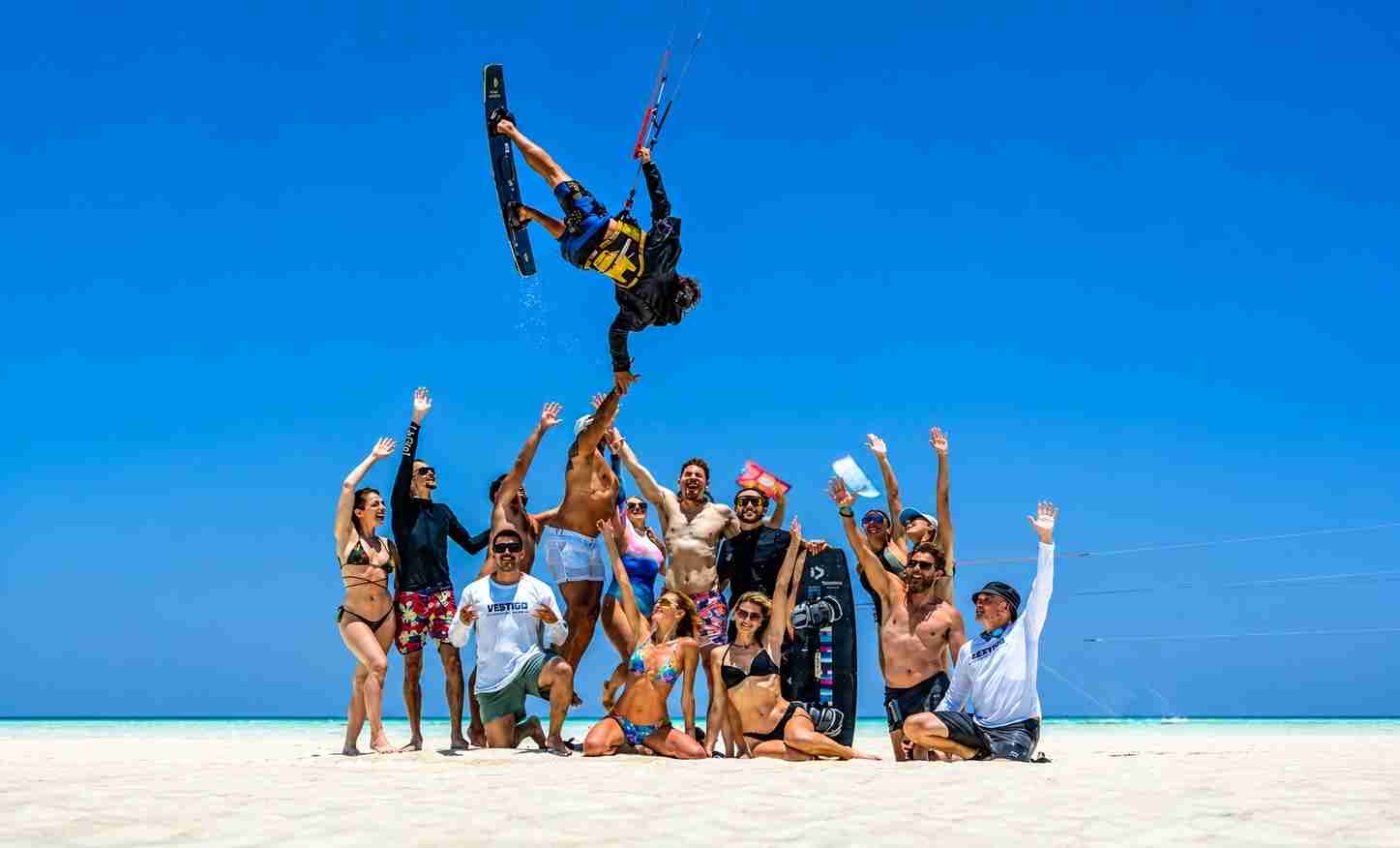
A normal kitesurfing holiday keeps you in one hotel and usually at one main spot, whereas a Red Sea kite liveaboard does not. However, a kite safari works differently: the boat becomes a floating base, and we travel between offshore islands and remote locations, choosing the best available area according to the wind direction on the day.
As a result, riders experience several completely different environments inside a single week. Moreover, when the session finishes, your accommodation is already waiting a few metres offshore.
 Water
Water
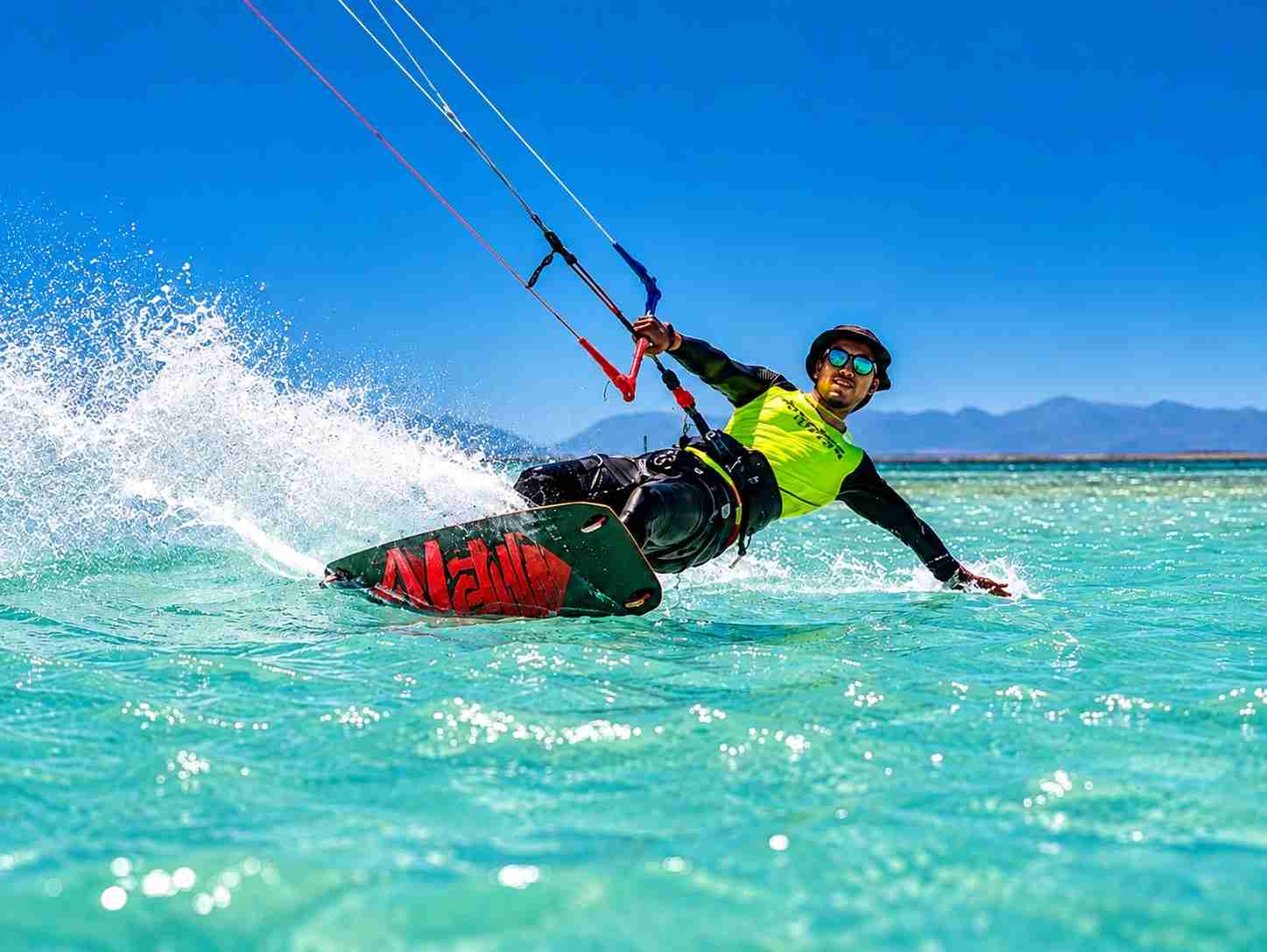
Flat-water lagoons
Above all, shallow turquoise areas and sheltered lagoons suit freestyle and confident freeriding alike.
 Access
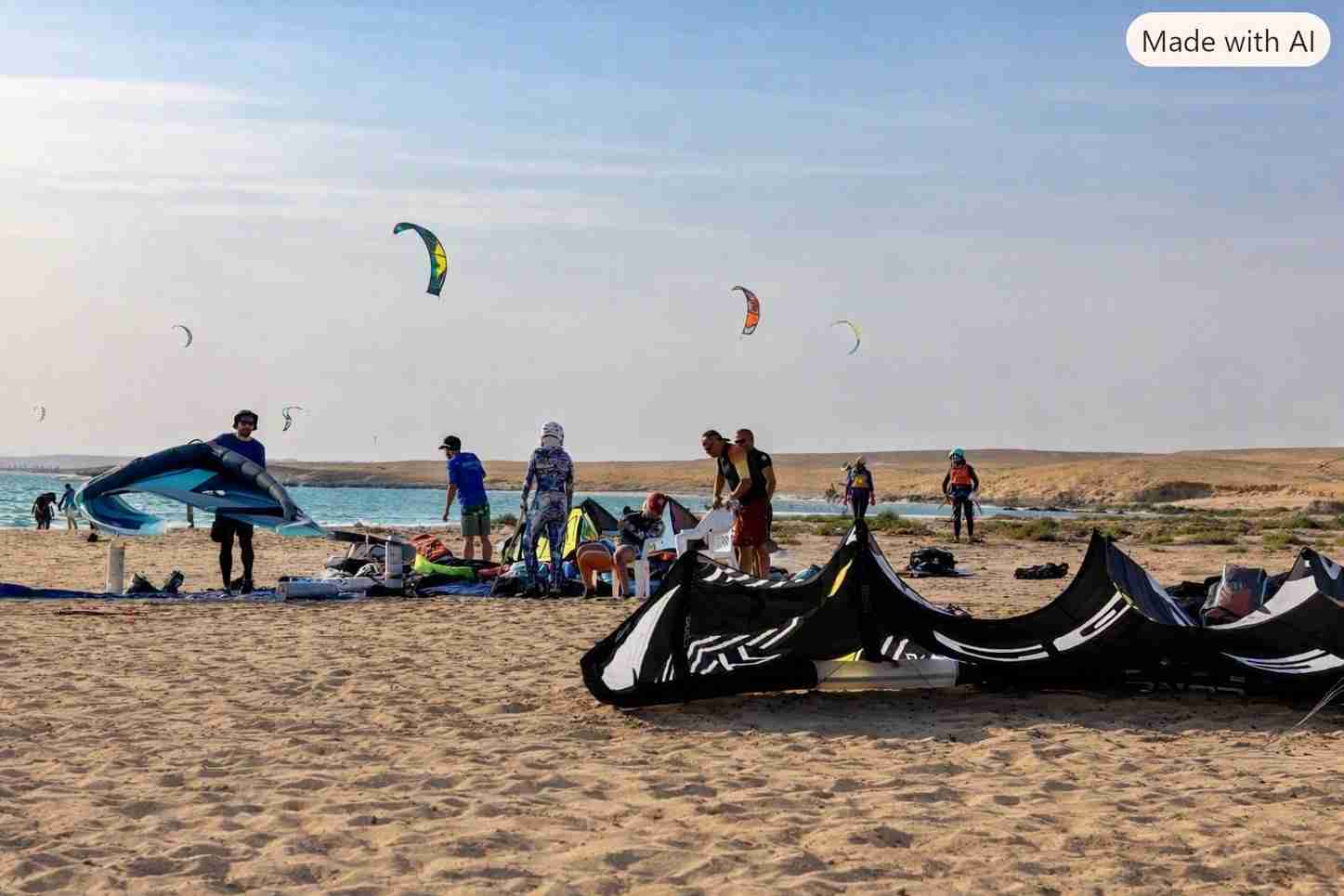
Sandy remote islands
Notably, these sandbanks and beaches sit far offshore. Therefore land-based schools simply cannot reach them at all.
 Riding
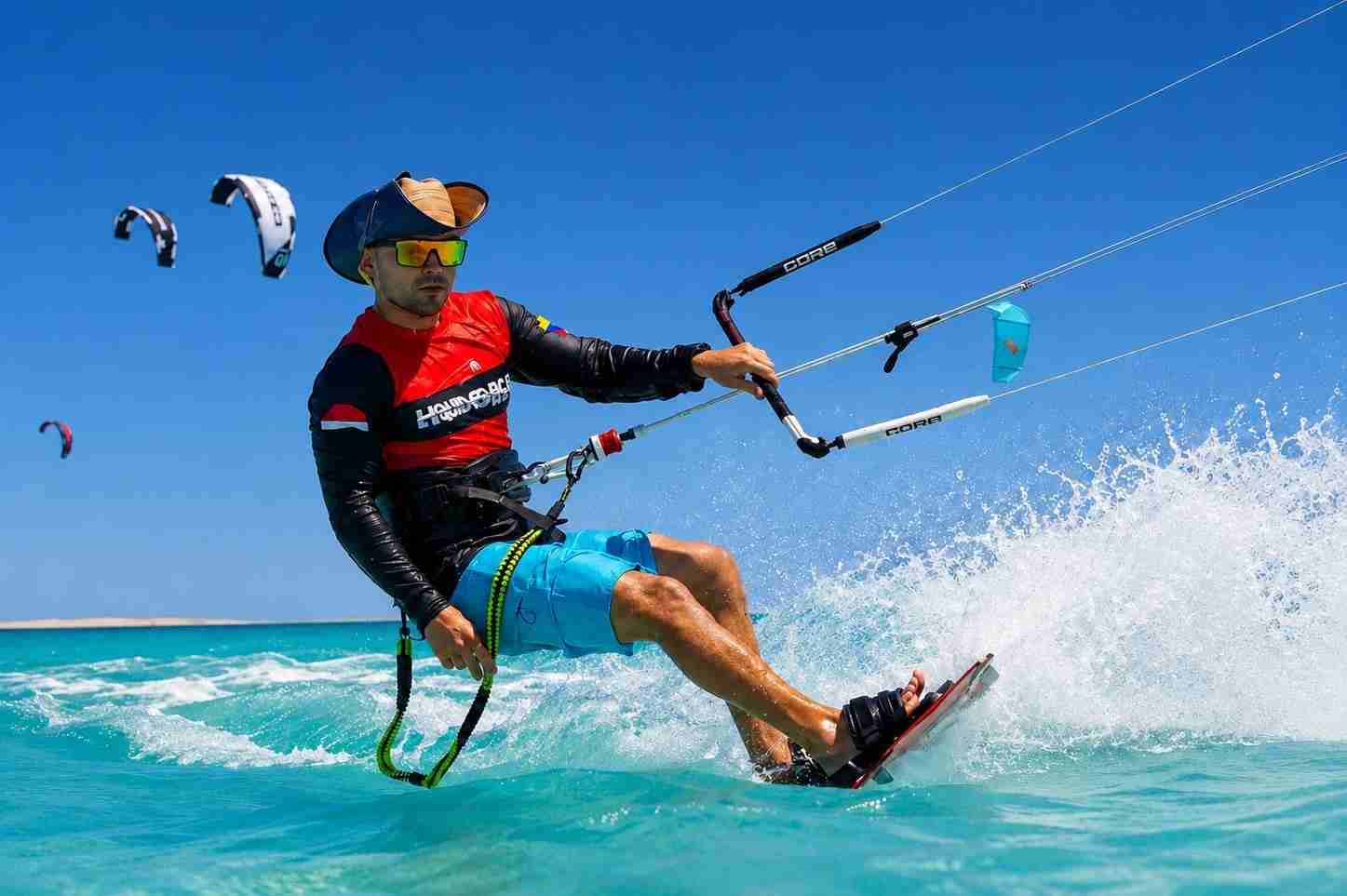
Open water and downwinders
Besides lagoon sessions, experienced riders can travel with the wind while the support team follows behind.
 Timing
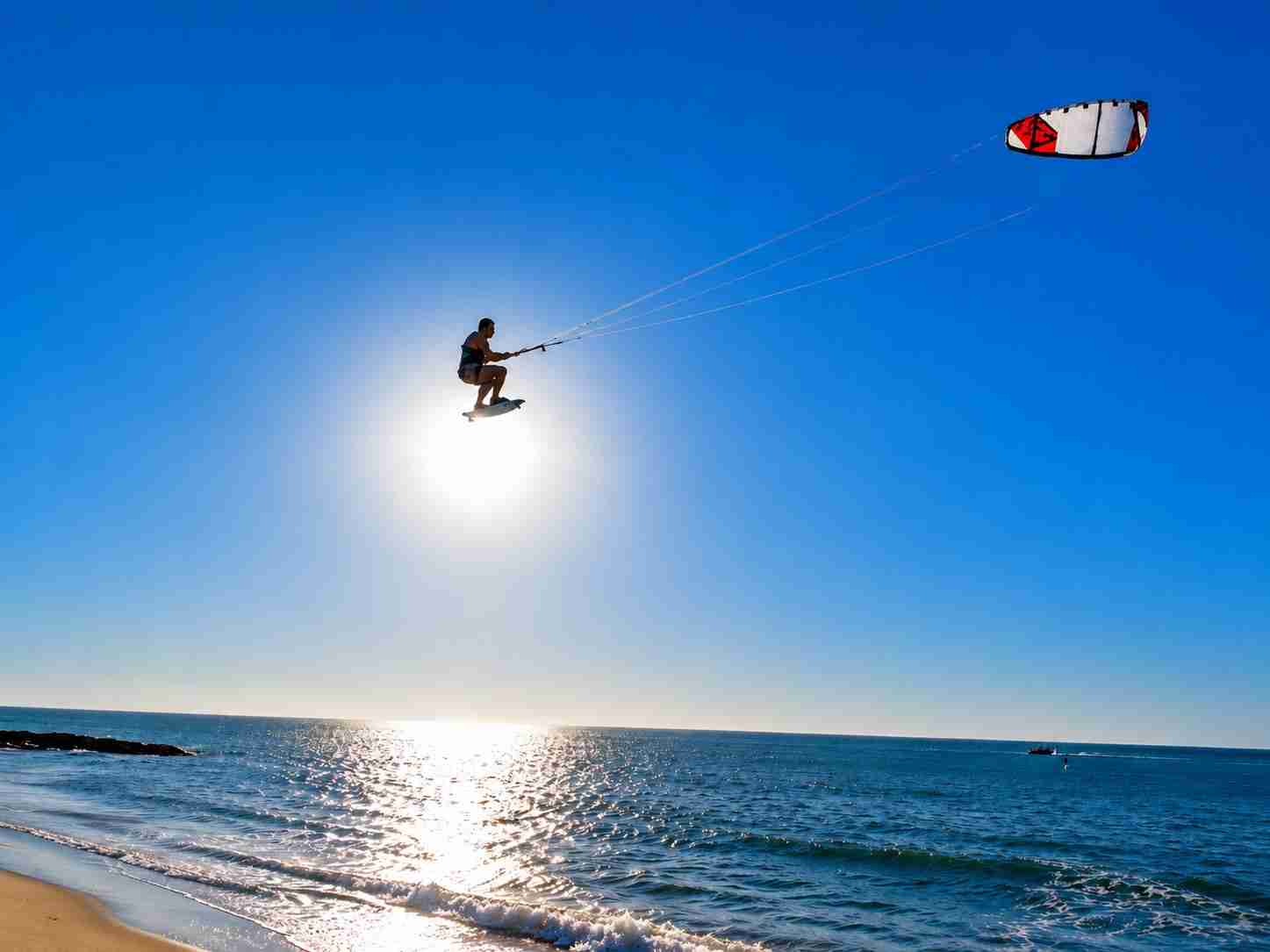
Sunrise and sunset sessions
Because you sleep at the spot, the first and last light of the day both become riding time.
Where we ride
Our Red Sea Kite Liveaboard Safari Area
Firstly, the Red Sea kite liveaboard area around Hurghada holds numerous islands, reefs, lagoons and sandbanks. Nevertheless the exact route stays flexible, because it is selected according to the wind and sea conditions of that particular week.
 Highlight
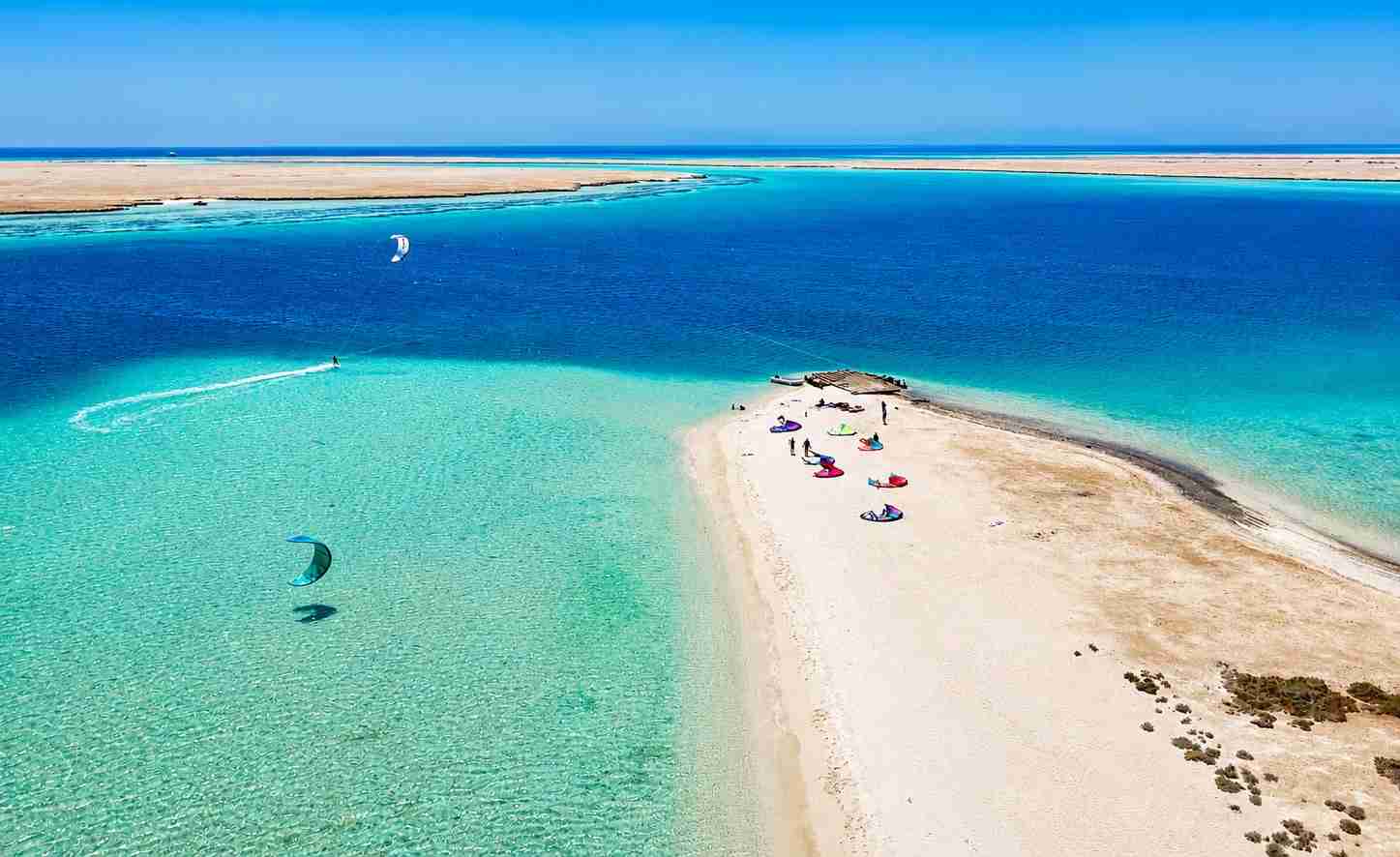
Tawila Island
Above all, Tawila is the most attractive offshore destination of any Red Sea kite liveaboard. Indeed, turquoise water, sandy surroundings and large riding areas give it flat-water potential and spectacular scenery, so it often becomes a major stop.
 North of Hurghada
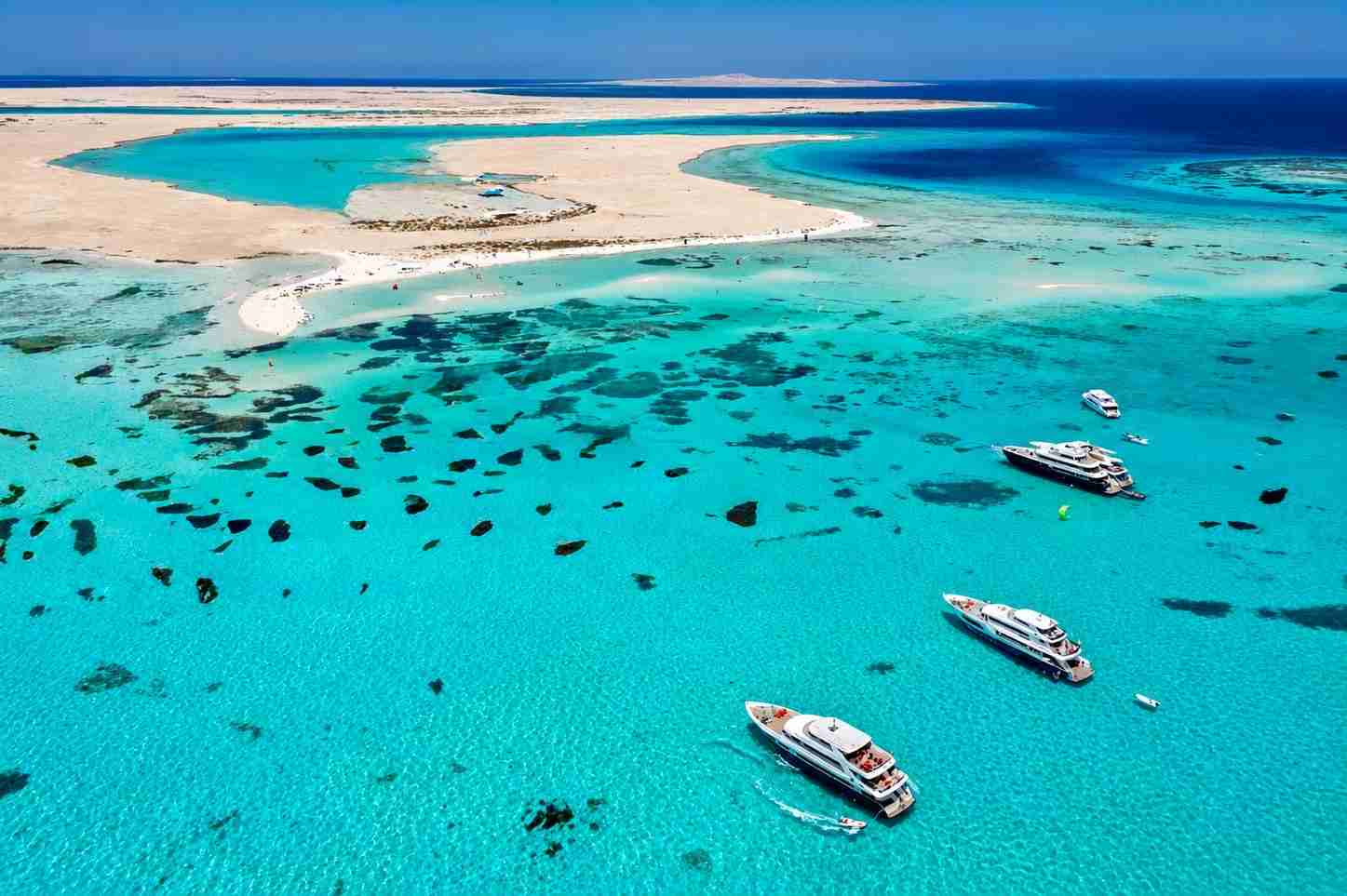
Geisum Islands
Similarly, the Geisum area offers a remote island atmosphere with clear water and sandy stretches. Depending on wind direction, different corners suit different sessions.
 Close to port
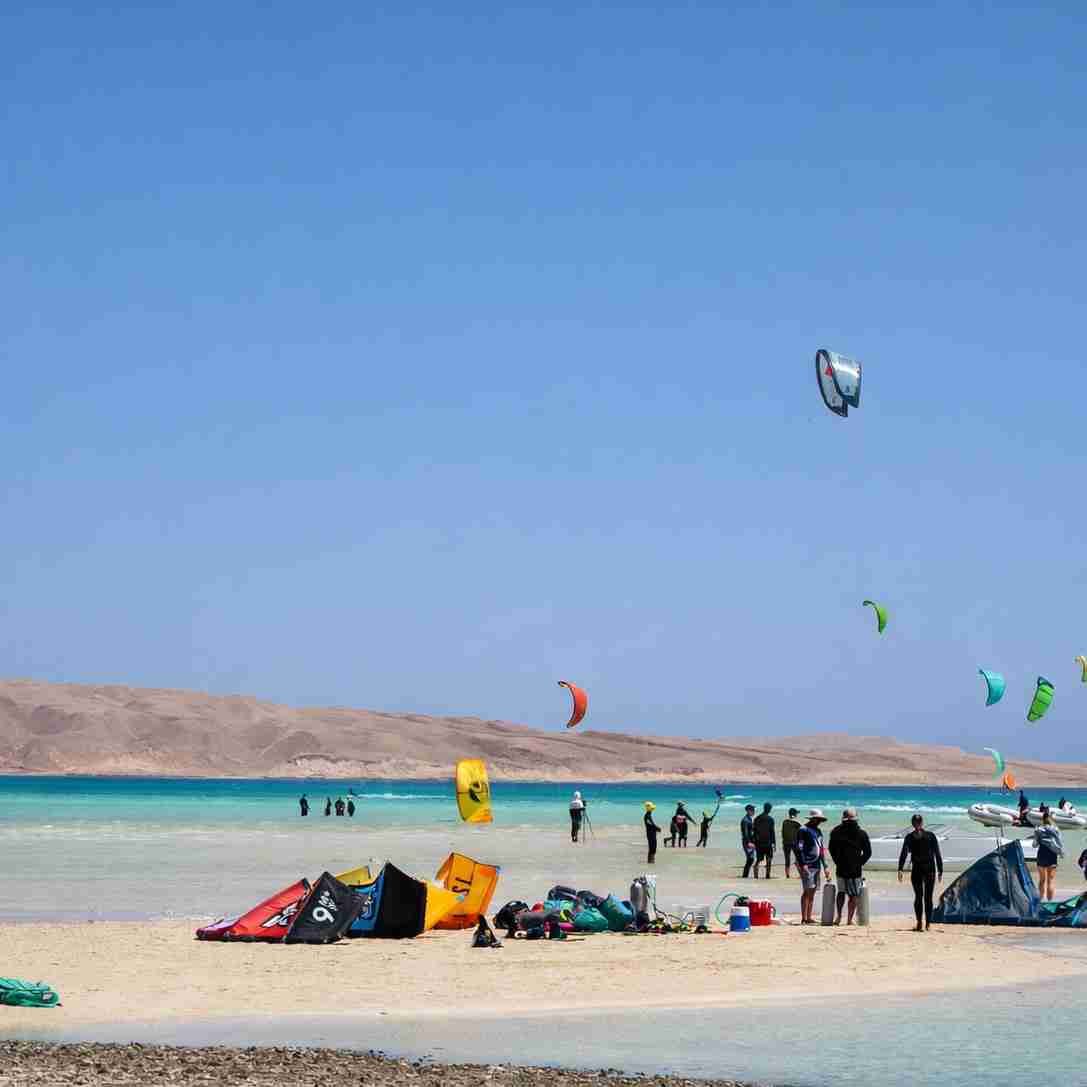
Abu Mungar Island
Notably, Abu Mungar sits relatively close to Hurghada, with beautiful shallow-water surroundings. Consequently it works well as a first or final session of the week.
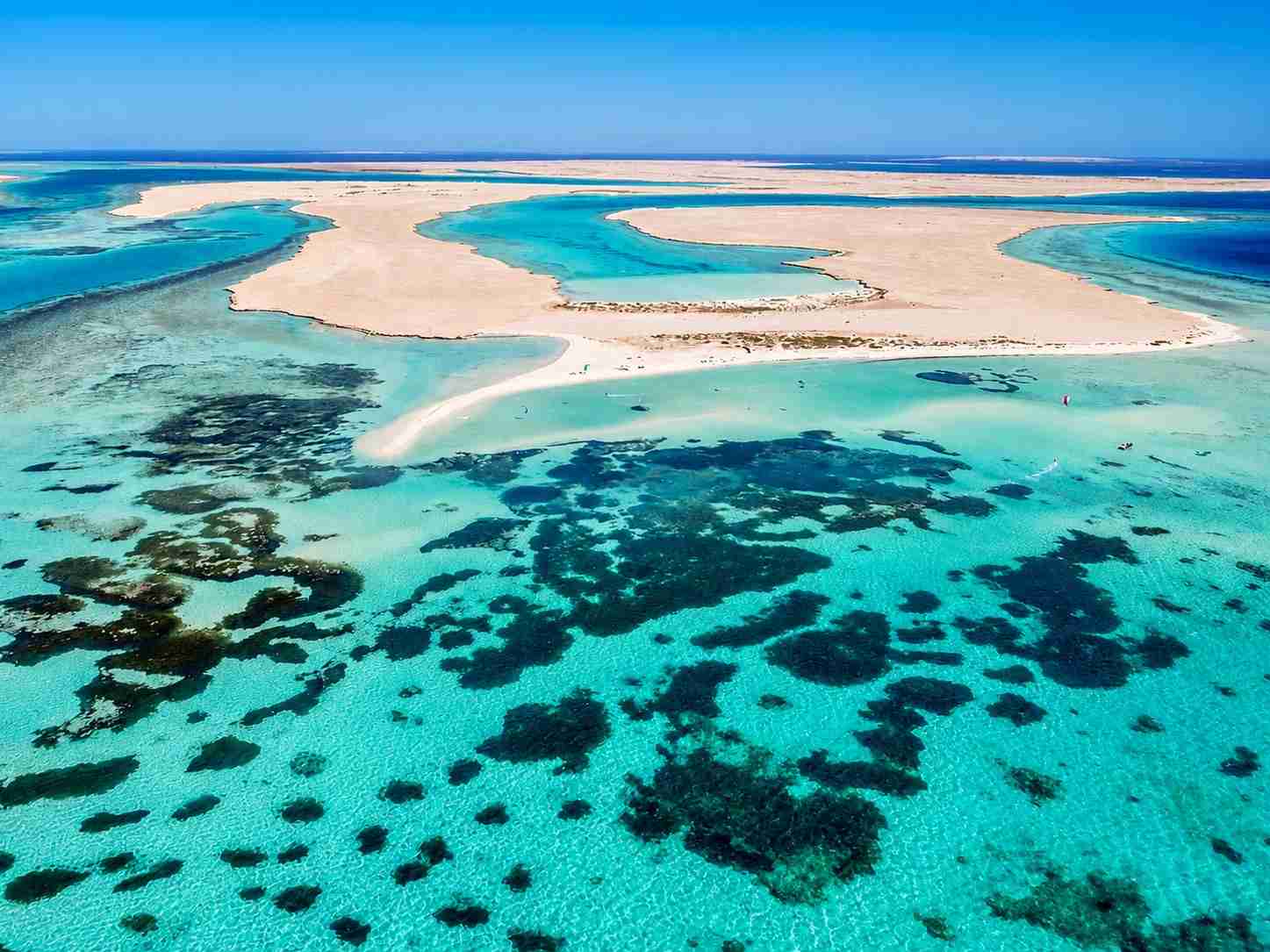 Unnamed
Remote sandbanks & lagoons
Indeed, some of the best moments do not happen at famous locations at all. Meanwhile we can find sheltered sandbanks where conditions turn out excellent, and ultimately that freedom is the whole point of travelling by boat.
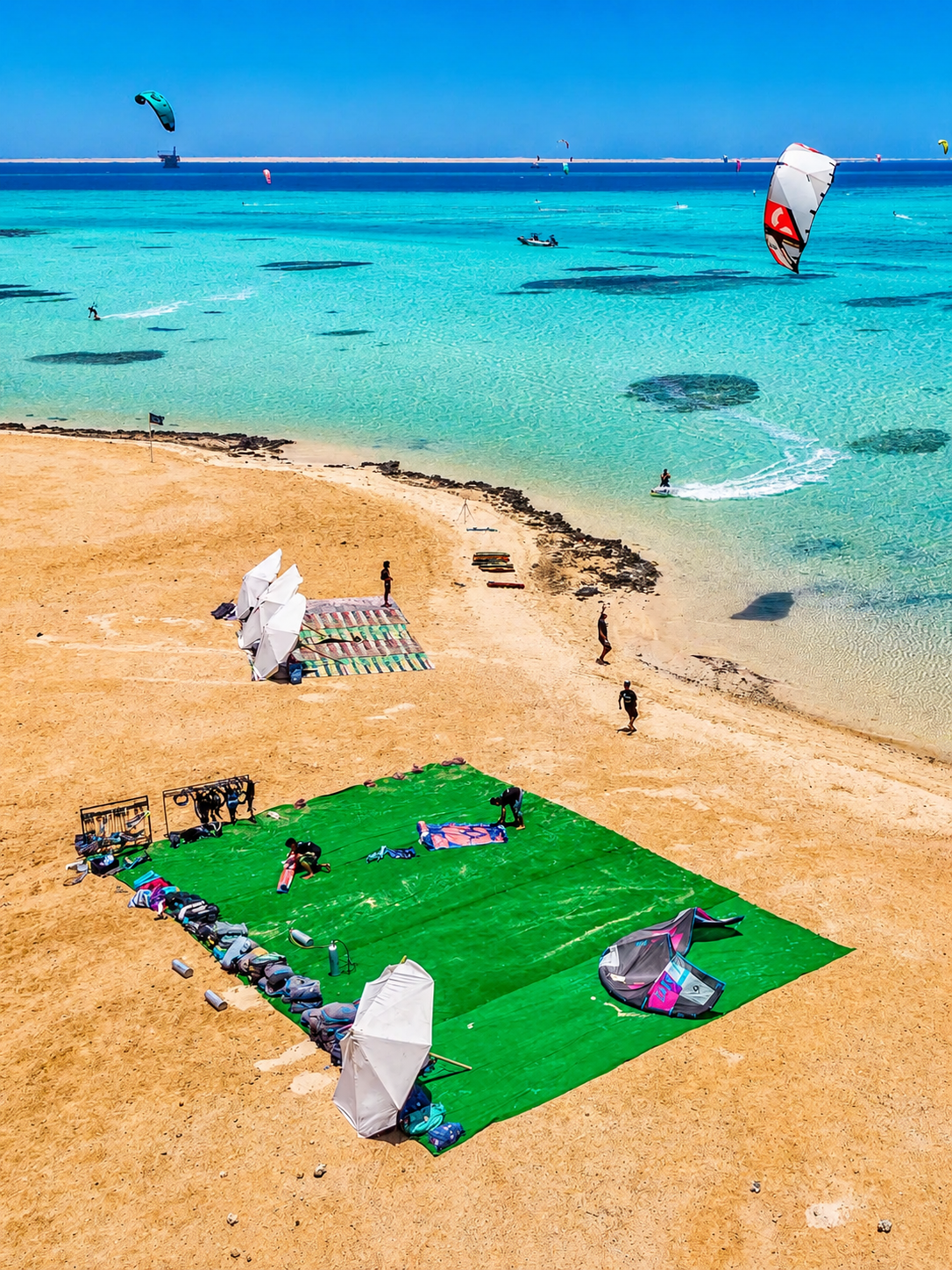 Flat water
Shallow turquoise lagoons
Specifically, the shallow water around these islands stays flat and forgiving. Consequently the same lagoon suits a nervous first waterstart in the morning and a freestyle session in the afternoon.
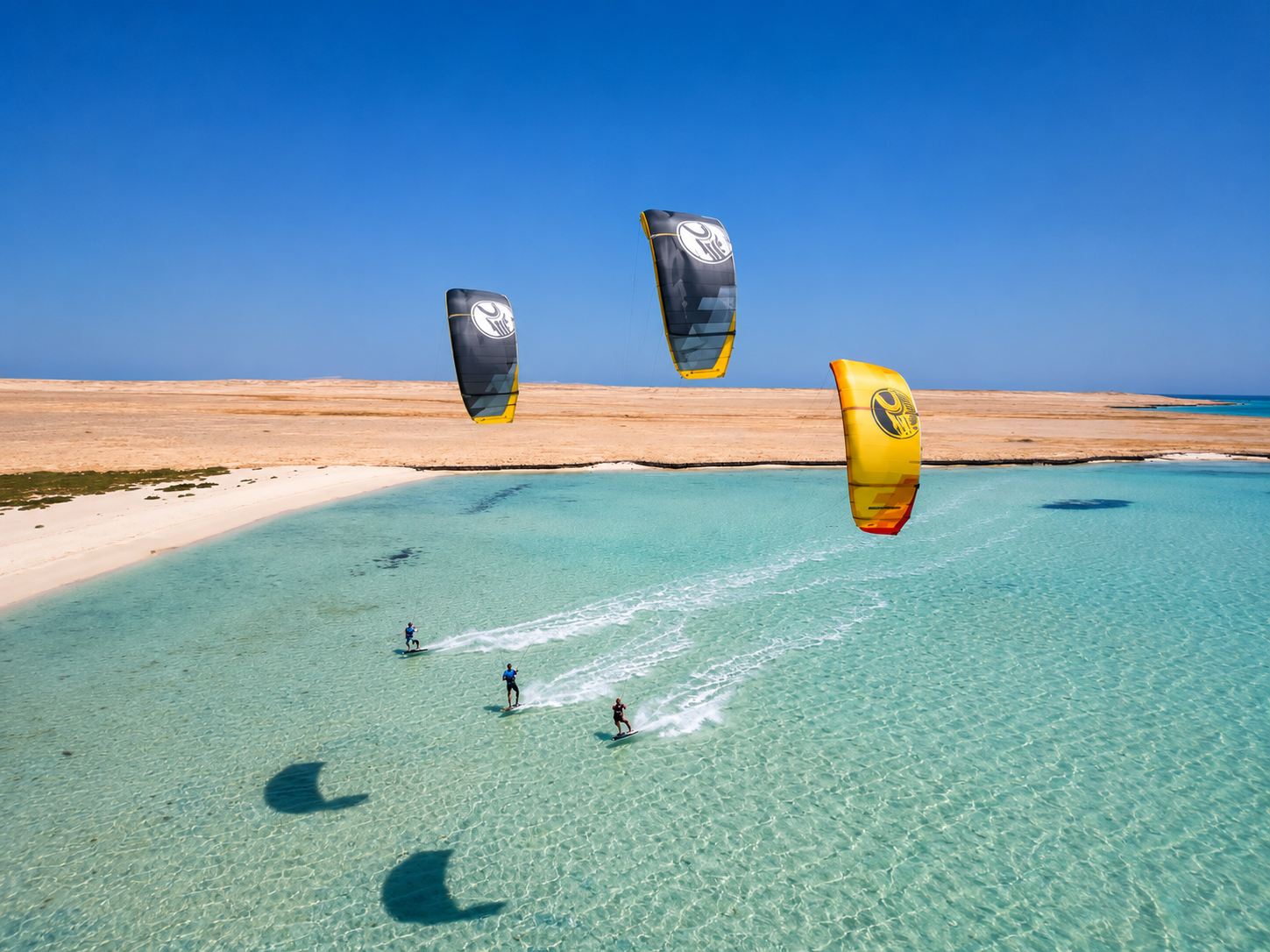 Scenery
Riding against the desert
Meanwhile the backdrop is unlike anywhere else: bare desert mountains behind glassy turquoise water. Indeed, riders regularly say the scenery is what they remember longest.
Wind and season
Why Hurghada Suits a Red Sea Kite Liveaboard
Firstly, Hurghada sits in one of Egypt’s most reliable wind regions. Specifically, the prevailing Red Sea winds here run mainly northerly to northwesterly, and during the warmer months regional patterns combine with thermal effects from the surrounding desert to create long stretches of excellent riding.
Moreover, offshore islands add a second advantage that beaches cannot match: cleaner airflow. Because there are no hotels or buildings upwind, the breeze arrives unbroken, which is precisely why selected offshore locations ride so much better than the mainland.
What the region gives you
- Reliable northerly and northwesterly winds
- Warm Red Sea water
- Long sunny days
- Remote islands and sandbanks
- Large open-water areas
What the boat adds
- Shallow lagoons at selected locations
- Flat-water opportunities
- Fewer riders than busy beach stations
- Multiple kite locations in one week
- A route that follows the forecast
Timing
Best Time for a Red Sea Kite Liveaboard
Admittedly, kitesurfing works through much of the year, yet conditions are not equally reliable every month. Broadly, the main season runs April to October, whereas the strongest overall window sits between May and September.
Balanced and comfortable
Arguably one of our favourite months. Because the summer pattern is establishing itself, temperatures stay warm without peaking, while the water is already comfortable.
Reliable and long
Similarly, excellent wind reliability combines with the longest days of the year. Consequently June is among the strongest choices for a dedicated safari.
Hot and windy
Meanwhile July brings hot summer conditions with a high probability of strong northerlies. Therefore riders should plan hydration as carefully as kite size.
Strong wind month
Likewise August is an excellent strong-wind month. However, expect high daytime temperatures and genuinely powerful afternoon sessions.
Arguably the best
The water stays very warm while the air becomes more comfortable. Meanwhile wind conditions can still be excellent throughout.
Cooler and quieter
Finally, October remains a good option, particularly for riders who prefer cooler air. Nevertheless conditions gradually become less consistent as winter approaches.
Month by month
Hurghada Kite Safari Wind Calendar
Broadly, the table below sets out a general seasonal guide. Above all, treat it as a planning tool rather than a forecast, because actual wind varies day to day and between Hurghada, the offshore islands and different corners of the northern Red Sea.
| Month | Typical wind | Reliability | Rating |
|---|---|---|---|
| January | 12–18 kt | Low to moderate | ★★☆☆☆ |
| February | 13–20 kt | Moderate | ★★☆☆☆ |
| March | 14–22 kt | Moderate | ★★★☆☆ |
| April | 15–24 kt | Good | ★★★★☆ |
| May | 17–25 kt | High | ★★★★★ |
| June | 18–28 kt | Very high | ★★★★★ |
| July | 18–28 kt | Very high | ★★★★★ |
| August | 17–28 kt | Very high | ★★★★★ |
| September | 16–25 kt | Very high | ★★★★★ |
| October | 14–24 kt | Good | ★★★★☆ |
| November | 12–20 kt | Moderate | ★★★☆☆ |
| December | 12–18 kt | Low to moderate | ★★☆☆☆ |
Reading the forecast
Understanding Wind Speed and Direction
Firstly, kite wind is measured in knots, where one knot equals roughly 1.85 km/h. In practice, somewhere between 15 and 25 knots gives most recreational riders an excellent operating range.
| Wind speed | Approx. km/h | General kite conditions |
|---|---|---|
| Below 10 kt | Below 19 | Usually too light for standard kitesurfing |
| 10–14 kt | 19–26 | Light wind, large kite or foil conditions |
| 15–18 kt | 28–33 | Good kite conditions |
| 19–22 kt | 35–41 | Excellent riding conditions |
| 23–25 kt | 43–46 | Strong wind |
| 26–30 kt | 48–56 | Strong conditions, smaller kite |
| 30+ kt | 56+ | Advanced strong-wind conditions |
Nevertheless there is no single perfect wind speed for everyone. Specifically, rider weight, experience, kite size, board type, wind consistency, gust strength, water state, waves and current all shift what counts as comfortable.
Why direction matters as much as strength
Generally, around Hurghada the wind arrives from the north to northwest. Notably, a location that works beautifully in one direction can become unusable when the wind shifts, which is exactly where a liveaboard earns its keep: instead of depending on one fixed beach, we simply move.
Initially, before choosing a spot, the captain and kite team weigh wind direction, strength and gusts against waves, current, reef position, safe launch and landing areas, anchorage, rider experience and general marine conditions. Consequently the route can change mid-week to make the best use of what the sea is actually offering.
The programme
7-Night Red Sea Kite Liveaboard Itinerary
Broadly, the Red Sea kite liveaboard itinerary below represents a typical week. Nevertheless the captain and kite team may change the order of the islands or locations according to wind, weather and sea conditions.
Firstly, welcome on board in Hurghada. Because boarding opens after 15:00, the evening runs through check-in, cabin allocation and the introductions that set up the week.
Afterwards your kite equipment is prepared and stored ready for the morning. Finally, the boat stays overnight in the marina.
Initially the Red Sea kite liveaboard leaves Hurghada and heads toward the first suitable kite spot. Initially, session one lets everyone settle into the conditions while the team reads the group.
Subsequently, after lunch and a rest, session two runs in the afternoon. Finally, when wind and safety allow, a sunset session closes the first day.
Naturally you wake up surrounded by the Red Sea. Therefore the day opens with an early morning session before breakfast, rather than after it.
Meanwhile session two runs at the same location or a nearby spot, and session three takes the afternoon wind. Afterwards dinner follows on board under an open sky.
Mid-week: Tawila and the northern islands
Today brings a full kite day around one of the highlights of the safari. Specifically, three sessions spread across morning, late morning and sunset.
Afterwards the boat stays overnight at a selected safe anchorage.
Subsequently, after checking the forecast, we continue toward another kite area. Consequently the morning session starts on fresh water and a different angle of wind.
Later, session two explores a different section of the island or moves to another suitable spot, while a sunset session closes another full day.
Arguably the most adventurous day of the week. Depending on rider experience and conditions, the kite team may organise several different riding options.
However, any downwind or long-distance activity is organised only when conditions and rider ability genuinely suit it.
Closing the week
Finally, enjoy the last day of the adventure. Because sailing time back to port matters, the team plans the available sessions around the return leg rather than against it.
Afterwards comes equipment cleaning and drying, the run back toward Hurghada and the final dinner on board. Later the boat berths overnight in the marina.
Finally, breakfast on board, then check-out at approximately 09:00 to 10:00. Ultimately that closes the Red Sea kite liveaboard adventure.
On the water
Three Red Sea Kite Liveaboard Sessions a Day
Generally, every Red Sea kite liveaboard programme is built around up to three sessions daily. Consequently six kite days create the possibility of eighteen sessions, although nature always writes the final version.
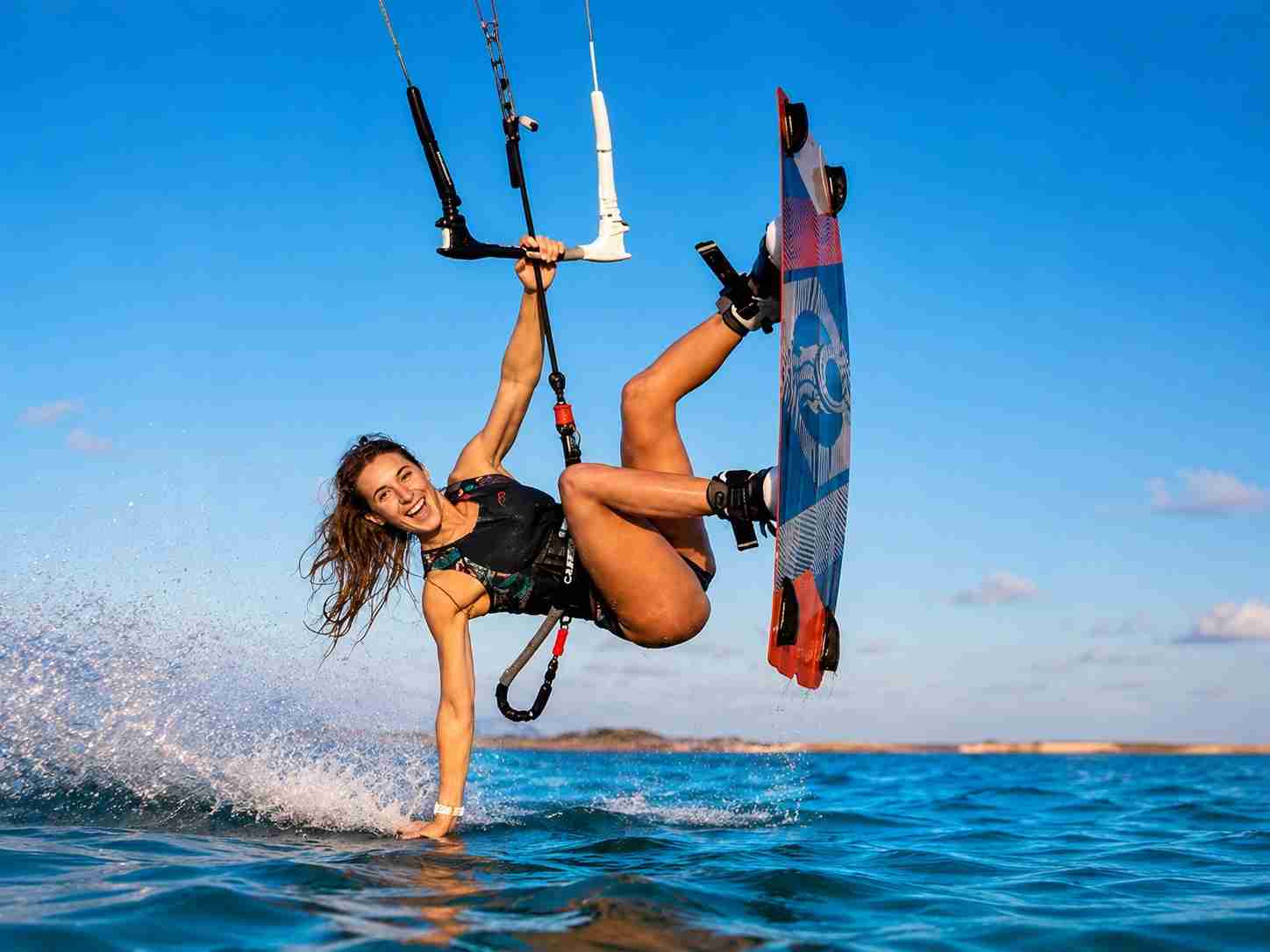
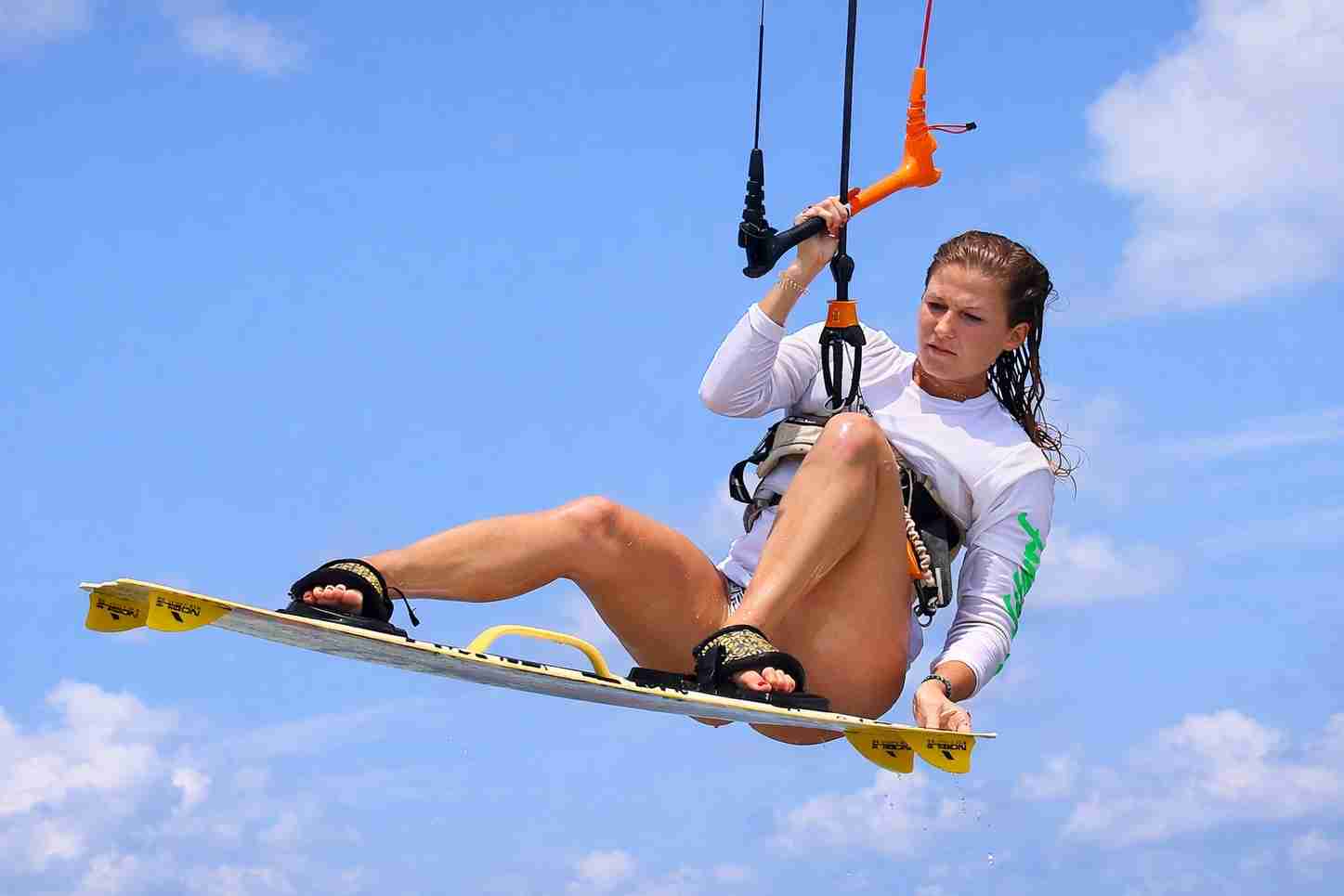 Session 1
Morning / sunrise
Initially, fresh wind and quiet water, because you are already anchored at the spot rather than an hour away.
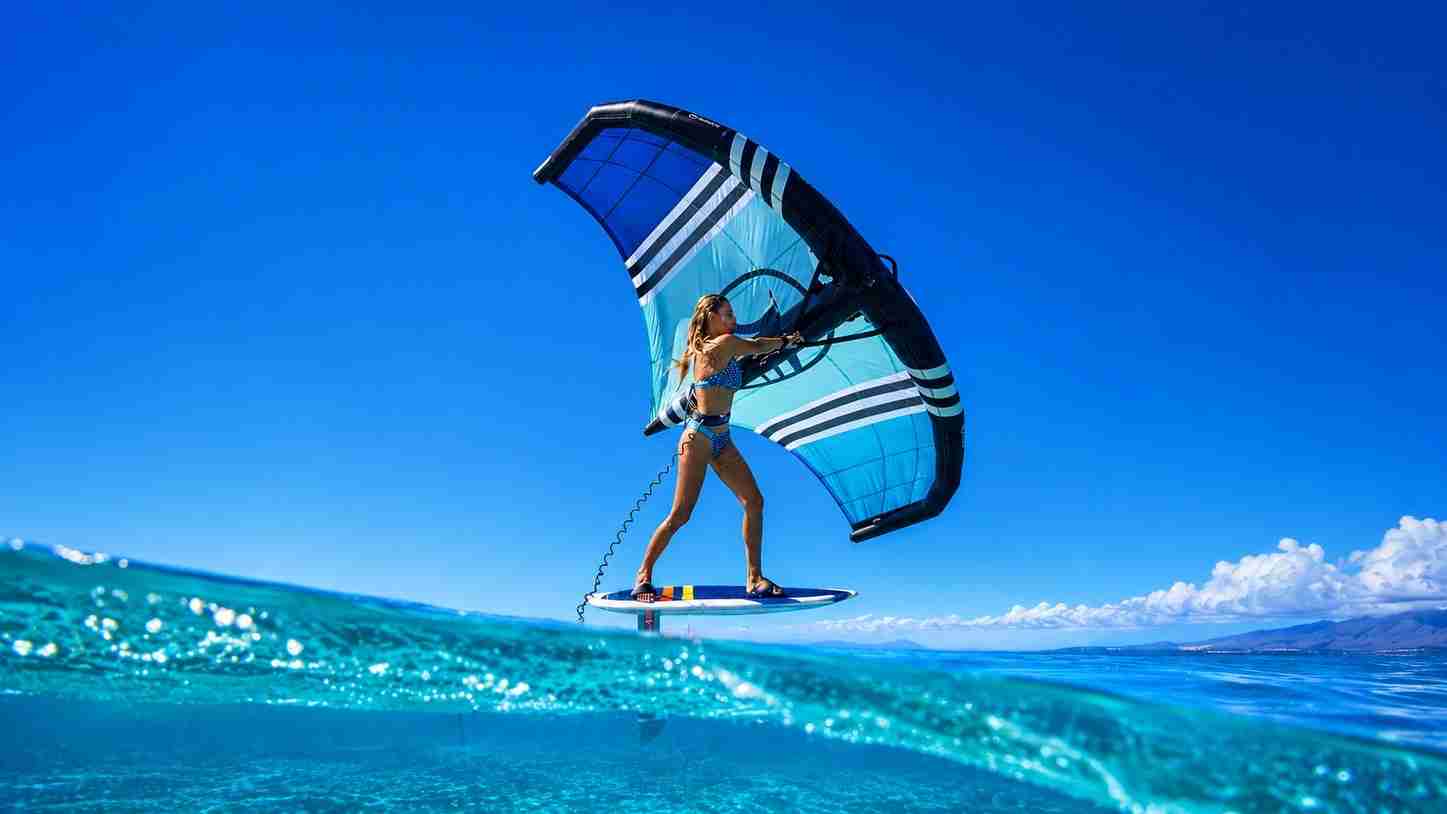
 Session 2
Late morning / afternoon
Afterwards the main riding session of the day follows breakfast or lunch.
 Session 3
Afternoon / sunset
Finally, the last session runs before dinner, whenever wind and safety conditions still allow it.
Example daily schedule
Notably, wind strength shifts through the day, because in the warmer months thermal effects reinforce the prevailing breeze as the desert heats up. Therefore afternoon conditions are sometimes stronger than the early morning, although no fixed rule applies.
| Time | Programme | Typical conditions |
|---|---|---|
| 06:30–09:00 | Morning kite session | Cooler temperatures and comfortable riding |
| 09:00–10:00 | Breakfast and rest | Recovery |
| 10:30–13:00 | Second kite session | Wind may begin strengthening |
| 13:00–15:00 | Lunch and rest | Midday break |
| 15:00–18:00 | Afternoon kite session | Often excellent powered conditions |
| Evening | Dinner and relaxation | Overnight on the liveaboard |
Morning sessions
Early on you get cooler air, gentler sun and quiet islands. Consequently mornings suit long sessions, and they work particularly well for beginners when wind and water allow.
Midday sessions
Meanwhile, as the desert heats up, thermal effects can strengthen the breeze. However, temperatures and UV exposure climb too, so hydration, sunscreen and rest between sessions genuinely matter.
Afternoon sessions
Arguably the most exciting riding of the day in high summer. Specifically, freeride, freestyle, jumping, big air and long-distance riding all suit powered afternoon conditions.
Zodiac kite support
Moreover our zodiac boats work throughout the safari, which is what gives the group real freedom to explore. Depending on the location, they transfer riders to the spot, carry equipment, assist with launching areas, follow the group, recover riders when required and support downwind sessions.
Downwind sessions
Notably, for experienced riders a downwinder can become the highlight of the week. Instead of riding around one location, the group travels with the wind while the support team follows. Nevertheless the possibility depends entirely on wind direction and strength, sea state, distance, rider experience, zodiac availability and maritime conditions. Therefore only riders with sufficient experience may take part.
Life on board
Life on Board Your Red Sea Kite Liveaboard
Meanwhile, between sessions, your Red Sea kite liveaboard is simply home. Relax on the sun deck, eat, review photos, prepare equipment or watch the coastline slide past while the boat repositions for tomorrow.
Facilities on board
Naturally, facilities differ between vessels, although they can include:
- Comfortable cabins with private bathrooms
- Air conditioning
- Restaurant, dining area and indoor salon
- Large sun deck and outdoor relaxation areas
- Fresh-water showers
- Kite equipment storage and charging facilities
- Zodiac boats
- Wi-Fi where network coverage allows
Full board
Because a full day of kitesurfing burns real energy, meals run throughout the safari:
- Breakfast, lunch and dinner
- Snacks between sessions
- Drinking water
- Tea, coffee and soft drinks
Moreover, meal times shift around the sessions wherever possible. In other words, the wind does not wait for lunch, and neither do we.
Level and kit
Who Can Join a Red Sea Kite Liveaboard
Above all, a Red Sea kite liveaboard is recommended for independent riders. Because the sessions happen offshore, self-sufficiency on the water matters more here than it does on a supervised beach.
You should ideally be able to
- Water start independently
- Ride confidently in both directions
- Control your kite safely
- Relaunch your kite
- Maintain control in open water
- Understand right-of-way rules
- Follow the instructions of the kite team
Nevertheless beginners may join selected trips when lessons and instructor support are arranged in advance.
What equipment to bring
Because wind strength changes through the week, bring gear that covers several ranges:
- Two or three kite sizes
- Kiteboard, bar and lines
- Harness and kite leash
- Pump
- Helmet and impact or buoyancy vest
- Spare lines, repair kit and essential spares
Above all, inspect your equipment before departure rather than on the first morning.
Match the month to your level
Best Season by Rider Level
Because the same month feels different depending on what you can already do, the recommendations below split the season by ability rather than by temperature alone.
Beginners
These shoulder periods balance suitable wind, warm water and comfortable temperatures. Moreover selected shallow-water locations create very good learning environments when direction and sea state cooperate.
Intermediate riders
A long window for developing upwind riding, transitions, controlled jumps, freeride technique, board control and longer sessions. Furthermore a safari lets you meet several different water and wind conditions inside one week.
Advanced riders
The main summer period delivers the strongest conditions: strong-wind freeride, freestyle, big air, long-distance and downwind sessions. Nevertheless every advanced activity stays subject to local conditions and safety procedures.
Safety and wind
The Route Follows the Wind
Every Red Sea kite liveaboard day starts with the captain and kite team checking the wind forecast, direction and speed, together with sea and navigation conditions, anchorage, the riding area, rider experience and support boat operations.
The captain holds final authority over navigation and vessel safety. Meanwhile the kite team holds final authority over whether a session can safely take place. Consequently the route may change at any time.
Good wind is not automatically safe wind
Before every session, the team weighs the complete picture rather than a single number on a weather app. Indeed, strong but steady wind is often easier to manage than lighter wind that gusts hard.
The air
- Wind strength
- Wind direction
- Gusts
The water
- Sea state and waves
- Current
- Reef position and water depth
The operation
- Launch and landing areas
- Rider ability and kite size
- Distance from the boat and rescue capability
Groups
Private Kite Liveaboard Charter
For groups, kite schools and clubs, an entire Red Sea kite liveaboard can be chartered privately. As a result the programme adapts to the group’s riding level and objectives, while still respecting weather and safety requirements.
Kite schools
Specifically, run your own coaching week with the boat as a mobile base.
Clubs & friends
Similarly, a group of friends can shape the whole itinerary around its own pace.
Coaches & pros
Likewise, freestyle groups and professional riders gain uninterrupted water time.
Photo & video
Meanwhile, production teams get zodiac access and genuinely remote backdrops.
Before you travel
Live Wind and Weather Forecast
Admittedly, seasonal averages cannot predict a specific week. Therefore check a live forecast before departure and again during the safari, using the dedicated services below rather than a general weather app.
FAQ
Red Sea Kite Liveaboard: Frequently Asked Questions
How many kite sessions will I actually get?
The programme is built around up to three sessions a day across six kite days, which creates the possibility of eighteen. However, we never guarantee that number, because wind, weather, sea state, navigation requirements and safety always determine the final programme.
What level do I need to join?
Generally, independent riders suit this trip best: water start, riding in both directions, safe kite control, relaunching and right-of-way awareness. Nevertheless beginners can join selected departures when lessons and instructor support are arranged in advance.
Route, boat and equipment
Where does the boat depart from?
Firstly, every Red Sea kite liveaboard leaves from Hurghada and returns to the same marina. Meanwhile the week itself runs through the northern Egyptian Red Sea, between islands such as Tawila, Geisum, Abu Mungar and the remote sandbanks beyond them.
Do I need to bring my own equipment?
Yes, because independent riders bring their own kit. Specifically, two or three kite sizes, a board, bar and lines, harness, leash, pump, helmet, impact vest, spare lines and a repair kit. Above all, inspect everything before you travel.
What happens on a day with no wind?
Naturally the boat is already anchored among reefs and islands, so a still day turns into swimming, snorkelling, SUP or island exploration instead. In other words, the week never stops simply because the wind pauses.
Are downwind sessions included?
Specifically, they are organised when conditions allow, and only for riders with sufficient experience. Furthermore they depend on wind direction and strength, sea state, distance and zodiac availability, so no downwinder can be promised in advance.
Can non-kiters join the trip?
Yes. Because the safari anchors around reefs and sandy islands, partners who do not ride still have snorkelling, SUP, swimming and island time throughout the week.
Can we charter the whole boat?
Certainly, and kite schools, clubs, coaching groups and production teams regularly take the full vessel, which lets the programme follow the group’s own objectives rather than a fixed schedule.
Wind and season
When is the best time for a Red Sea kite liveaboard?
Broadly, the main season runs from April to October, whereas May to September gives the strongest combination of reliable wind, warm water and long days. Specifically, May, June and September balance good wind against comfortable temperatures particularly well.
How much wind can I expect?
Broadly, through the peak months the typical range sits between roughly 16 and 28 knots, which suits most recreational riding. However, seasonal averages are a planning guide rather than a forecast, so the actual conditions are always checked before the operating area is chosen.
Which direction does the wind come from?
Generally, around Hurghada it arrives from the north to northwest. Notably, direction matters as much as strength, because a spot that works in one direction can be unusable in another. Consequently the boat simply moves to a location that suits the day.
What time of day is best for riding?
Admittedly there is no fixed rule. In the warmer months thermal effects can strengthen the breeze through the afternoon, yet mornings offer cooler air and quieter islands. Therefore we follow the wind rather than a timetable.
Groups and comparisons
How is the trip different from a beach kite holiday?
A hotel keeps you at one spot, whereas a Red Sea kite liveaboard moves overnight between islands, lagoons and sandbanks. Consequently you ride several different environments in one week, and you sleep beside the spot rather than an hour away from it.
Book Your Kite Safari
Simply tell us your dates, your riding level and whether you are travelling alone or as a group. Afterwards our team will confirm availability, the vessel and the likely area, and will talk the wind season through with you before you commit to anything.
Inquiry