
Northern reefs · Hurghada dive sites
Hurghada Dive Sites Fourteen reefs north of the marina
North of Hurghada the reefs come in three bands. First a handful you can reach in half an hour, then a ring of offshore pinnacles and islands about ninety minutes out, and finally a scattering of exposed reefs almost two hours from El Gouna. Consequently the first question here is never which site is best, but how far the weather will let you go.
How the Hurghada dive sites are laid out
In short, almost everything here follows one pattern: a reef that breaks or nearly breaks the surface, a shelf or plateau around it, and then a drop-off into deep water. Specifically, what changes from site to site is how wide that shelf runs, how sheer the wall is, and whether the moorings sit anywhere sheltered.
Shelter is the real variable. The inshore reefs have protected moorings and dive in almost any weather, whereas the outer ones sit in open sea with nothing to hide behind. Consequently a forecast that barely matters at Fanous can cancel Carless Reef entirely.
Meanwhile the current does the rest of the deciding. Notably, several of these reefs have a split point where the flow divides, and getting on the wrong side of it turns an easy drift into hard work. Therefore checking the direction before anyone enters the water is not a formality here.
This page covers the reefs north of the marina. Meanwhile the islands, straits and sheltered lagoons in the other direction are on the Hurghada east and south dive sites page, which covers fifteen more around Giftun, Abu Ramada and the reefs further south. Consequently, when the north is blown out, that is usually where the day goes.
Reading the day
- First, wind decides how far out the boat can reasonably go
- Then the current decides which end of the reef you start from
- Also, most of these sites are natural drifts rather than mooring dives
- Meanwhile the shallow tops are usually better than the deep shelves
- Consequently a multilevel profile suits almost every site here
- Finally, the far reefs need a settled forecast, not merely a calm morning
Two sites need experience. Namely, Carless Reef and Blind Reef both sit exposed with unpredictable current and no easy shelter. Neither is a place to take a diver who is still working on buoyancy.
Jump to a reef
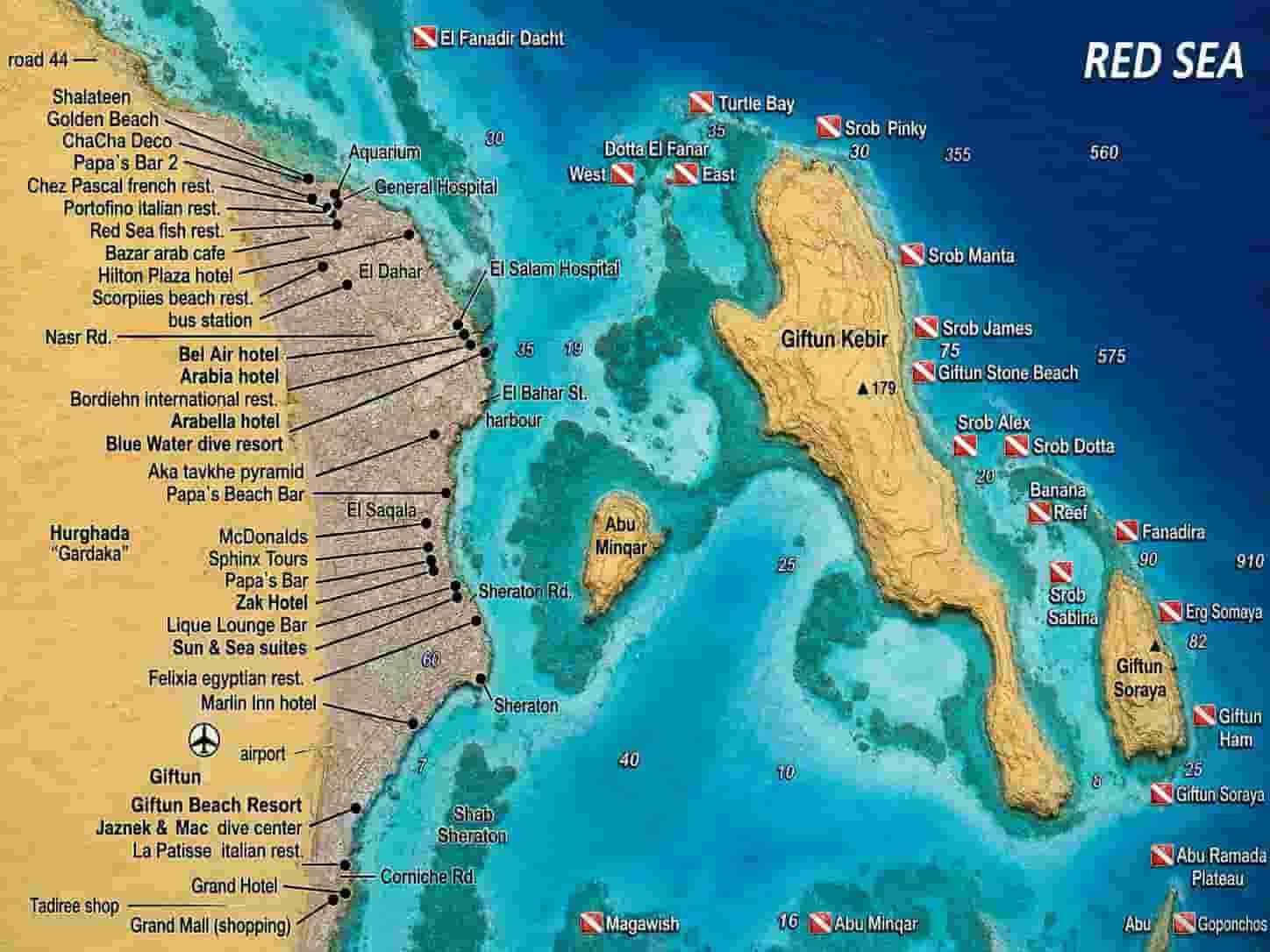
The Hurghada dive sites within an hour of the marina
Altogether, four of the Hurghada dive sites sit close enough for a relaxed morning. Above all, three of them are genuinely all-weather, which makes this group the backbone of the local diving.
Fanous West
27°15.85′ N · 33°52.79′ E · 0–14 m · 30 min
Generally, a flat sandy bottom runs alongside a shallow reef wall, with a narrow channel leading through a coral garden into a nine-metre lagoon. Besides, ergs and pinnacles stand off to the west. Because it is protected in any conditions, this is the site most courses end up on.
Two plans work equally well. Drop in at the north end with the reef on your left shoulder, follow the wall to the pinnacles, spend a few minutes there and then cross the coral garden, navigating back through the channel at safety-stop depth. Alternatively, start from the mooring, head out through the channel, work the garden slowly and turn around the ergs before checking your gas for a short run along the wall.
Watch for
- Besides, triggerfish nesting in August and September, which makes for close encounters
- Also giant morays swimming free across the coral garden
- Then turtles feeding in the garden, and dolphins passing along the wall
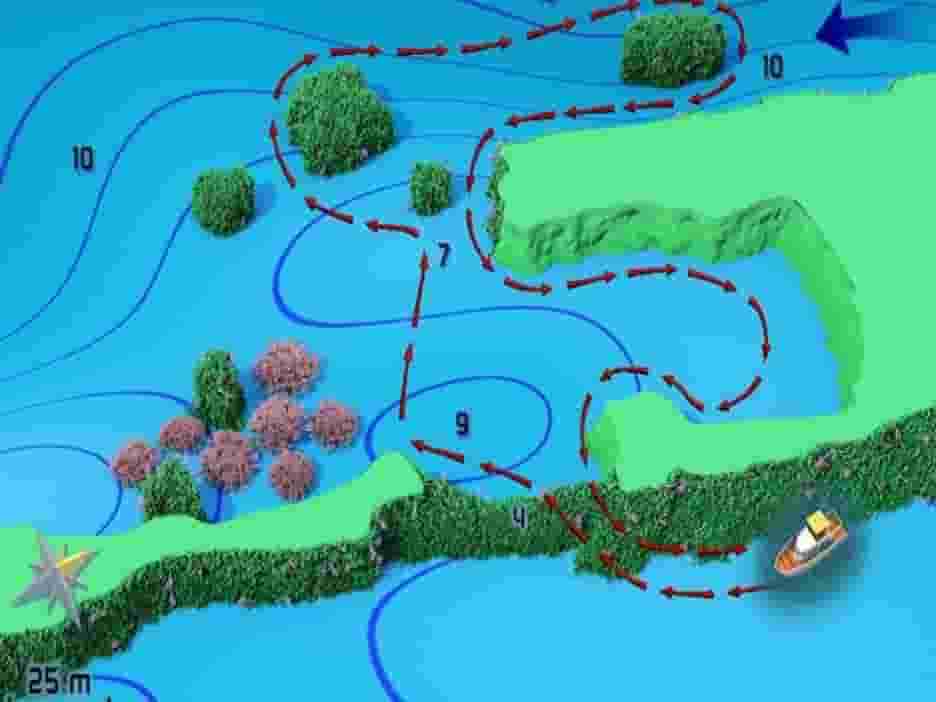
Fanous East
27°16.04′ N · 33°53.27′ E · 8–12 m, drop-off 19–27 m · 30 min
Notably, the beacon on top of the main reef gives the site its name; fanous is Arabic for lantern. Specifically, a shallow wall rises off a sloping sandy bottom scattered with coral blocks, and the shallow section is emphatically the best of it, with schooling fish playing in the surge.
Further, around twenty metres off the northwestern corner, two spectacular pinnacles rise from the floor under a coat of soft coral, split by cracks and cavities. Notably, there is a sloping drop-off to the east as well, but the time is better spent on the pinnacles and the wall than out over the deep.
Watch for
- Moreover, glassfish and silversides in clouds, harried constantly by jackfish and lionfish
- Also crocodilefish and bluespotted rays lying camouflaged on the sand
- Then a pod of dolphins, which turn up here fairly regularly
- In addition, surgeonfish, tangs and unicornfish over the shallows during the safety stop
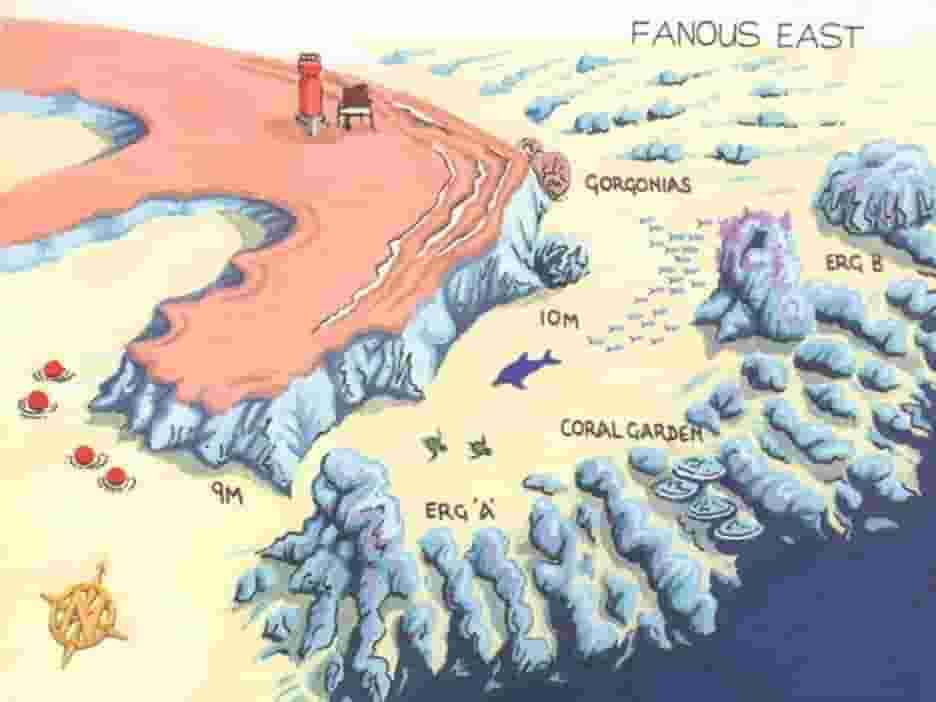
El Fanadir, one of the busiest Hurghada dive sites
27°17.29′ N · 33°50.28′ E · 0–12 m, drop-off 20–25 m · 60 min
Overall, a long sloping wall runs here, with photogenic coral blocks alongside it and a shallow lagoon behind. Moorings sit in the lagoon and along the west side, so conditions rarely stop the dive. Its shape invites a drift along the wall, and in good weather the very north end is workable too.
Meanwhile, beside the wall a wide sloping shelf carries coral blocks over sand and ends around twenty to twenty-five metres at a drop-off into deep water. Nevertheless the wall itself is the attraction, cut with cracks and caves that hold an unusual amount of life. Notably, there is an outstanding coral block at twelve metres with a cleaning station on it, and El Fanadir is one of the most popular night dives on this coast.
Watch for
- Likewise, an almost unbroken trail of cleaning stations along the base of the wall
- Also yellow-edged, yellow-mouth and giant morays, often free swimming
- Then pipefish in quantity, which draws stonefish, scorpionfish and lionfish
- Octopus, common here but very hard to pick out
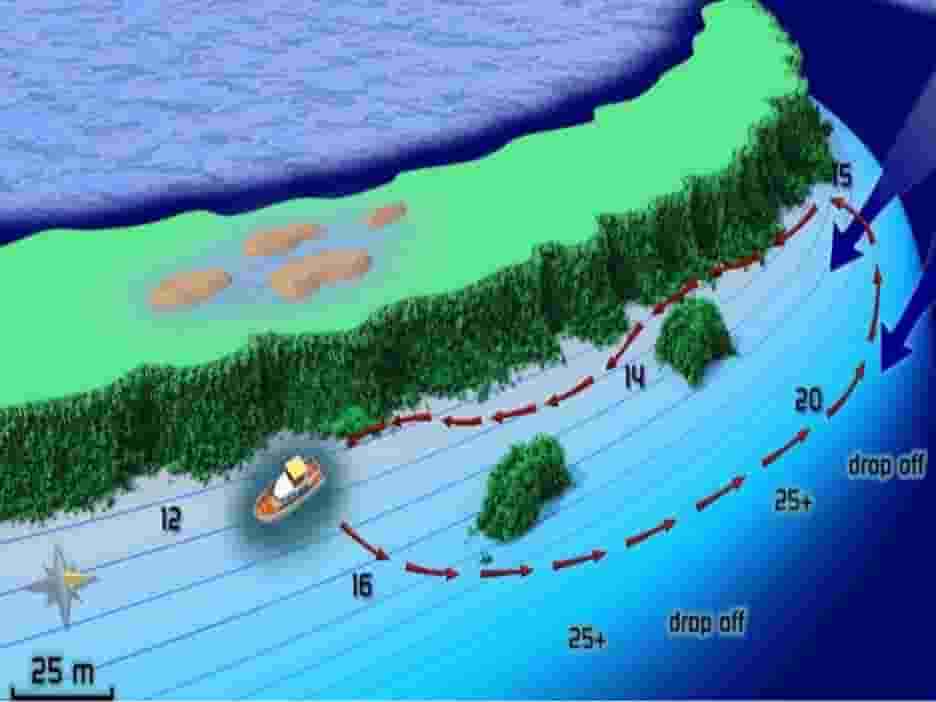
Carless Reef
27°18.80′ N · 33°56.45′ E · 12–17 m, drop-off 20–25 m · 60 min
Carless is the most exposed of the inshore Hurghada dive sites, rising abruptly out of deep water: two large pinnacles ringed by a coral garden plateau that slopes to a drop-off falling straight into the void. Unfortunately it needs genuinely good weather, since it sits in open sea with no protected moorings, and the current can be demanding on top of that.
Two plans work. First, start from the mooring and explore the plateau with its pinnacles and coral garden, or drift from north of the pinnacles down the eastern drop-off and finish around the garden and the smaller southern pinnacle. Above all, do not assume the current runs from the north as many briefings claim; it is unpredictable here and worth checking yourself.
Watch for
- Meanwhile, the moray eels this reef is famous for, unusually tolerant of divers
- Also everything from nudibranchs up to tuna and sharks, fed by the current
- Then hammerheads, which the first group in the water occasionally meets
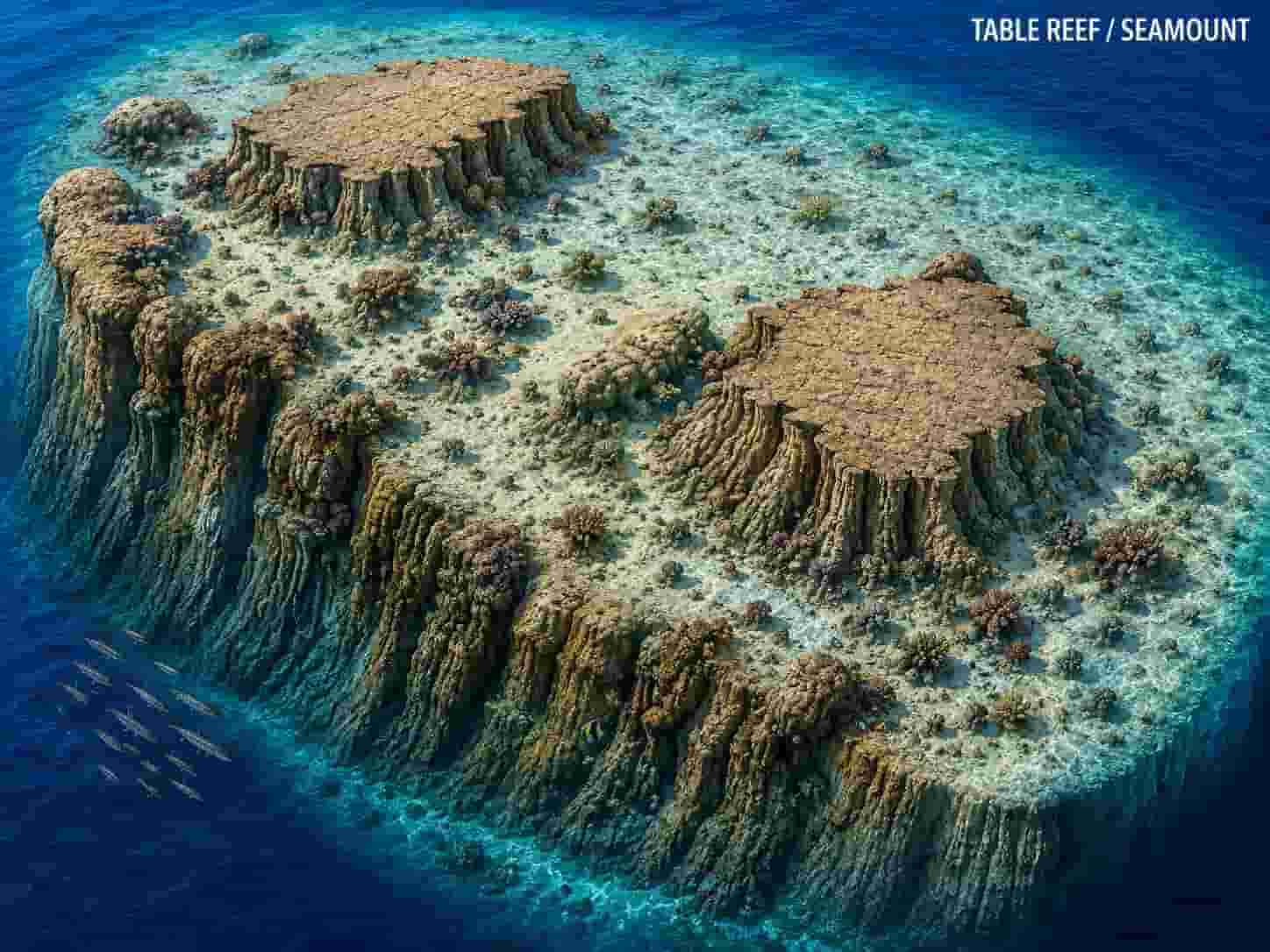
Offshore Hurghada dive sites, ninety minutes out
Overall, Umm Gamaar and Abu Nugar sit far enough out to feel unlike the rest of the Hurghada dive sites. Consequently they reward a settled forecast and an early start.
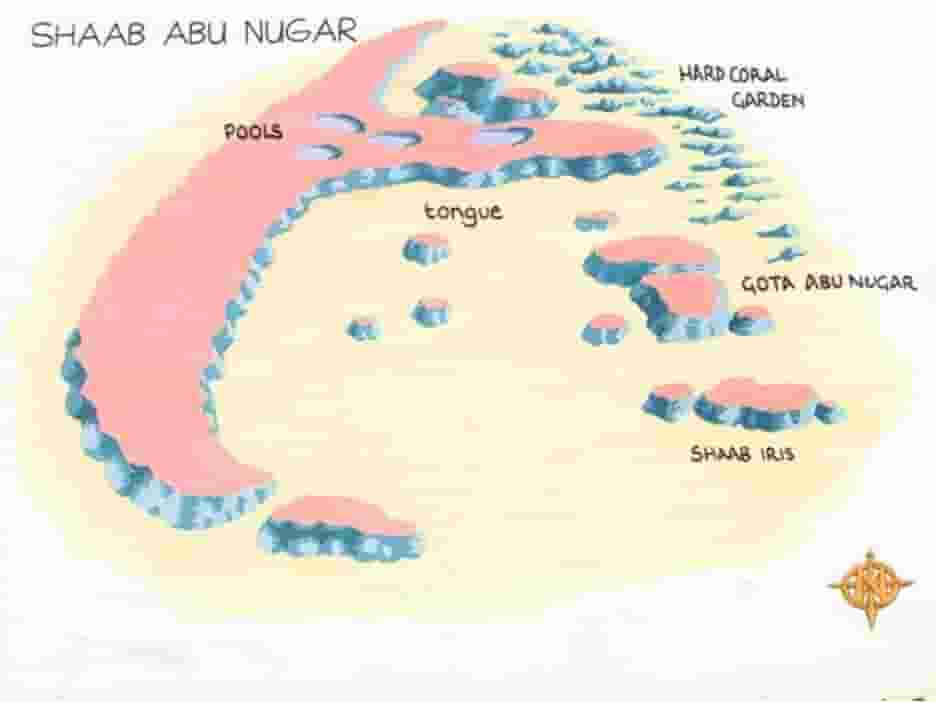
Shaab Abu Nugar
27°20.45′ N · 33°50.20′ E · 0–14 m to a sheer drop-off · 90 min
Certainly, this is a reef system rather than a single site, sitting on sand with scattered pinnacles and coral gardens around it. Nevertheless, crossing can be rough in wind, yet there are several protected moorings once you arrive, which makes it a sound choice for mixed groups and for training.
Three distinct dives
- First, Torfa Abu Nugar to the north, running east to west with a coral garden and large table corals, which makes an excellent drift
- Then Gota Abu Nugar to the east, an oval reef rising to the surface and small enough to circle in a single dive
- Finally Erug Abu Nugar to the south, a tour from pinnacle to pinnacle over flat sand with coral blocks between them
Watch for
- Notably, cleaning stations, where groupers and snappers queue for shrimps and wrasses
- Also nudibranchs and other macro life, since the coral here is in good condition
North Umm Gamaar
27°21.100′ N · 33°54.300′ E · 0–24 m · 90 min
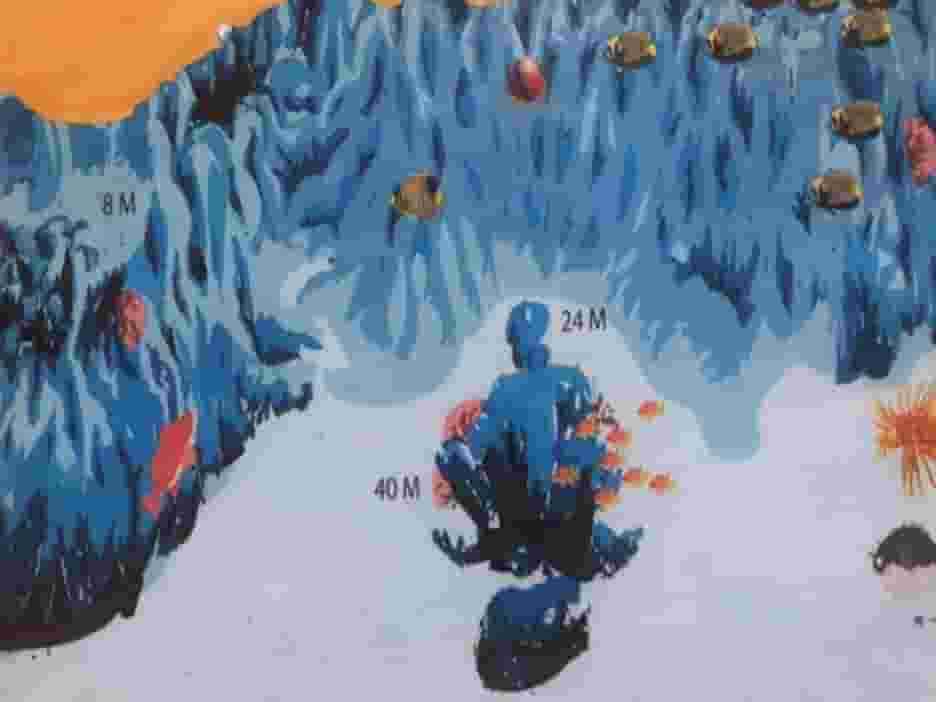
Namely, this is a bend in the Umm Gamaar reef, where a sandy bottom slopes past two big coral blocks into the abyss. Specifically, to the south the bottom gives way to a vertical wall; to the north it becomes a steep slope. Shelter is partial and there is little room for the boat, while the current can be ripping.
Because the two coral blocks are the deepest part, start there. Then work north along the wall to the split point, taking care not to end up in the flow running the wrong way. Finally, turn, come shallower towards the moorings, and if gas and time allow, look at the cave at eight metres before finishing on the top of the reef.
Watch for
- Certainly, big schools of anthias, snappers and sweetlips, which mark the split point
- Also groupers of several kinds, with butterflyfish everywhere
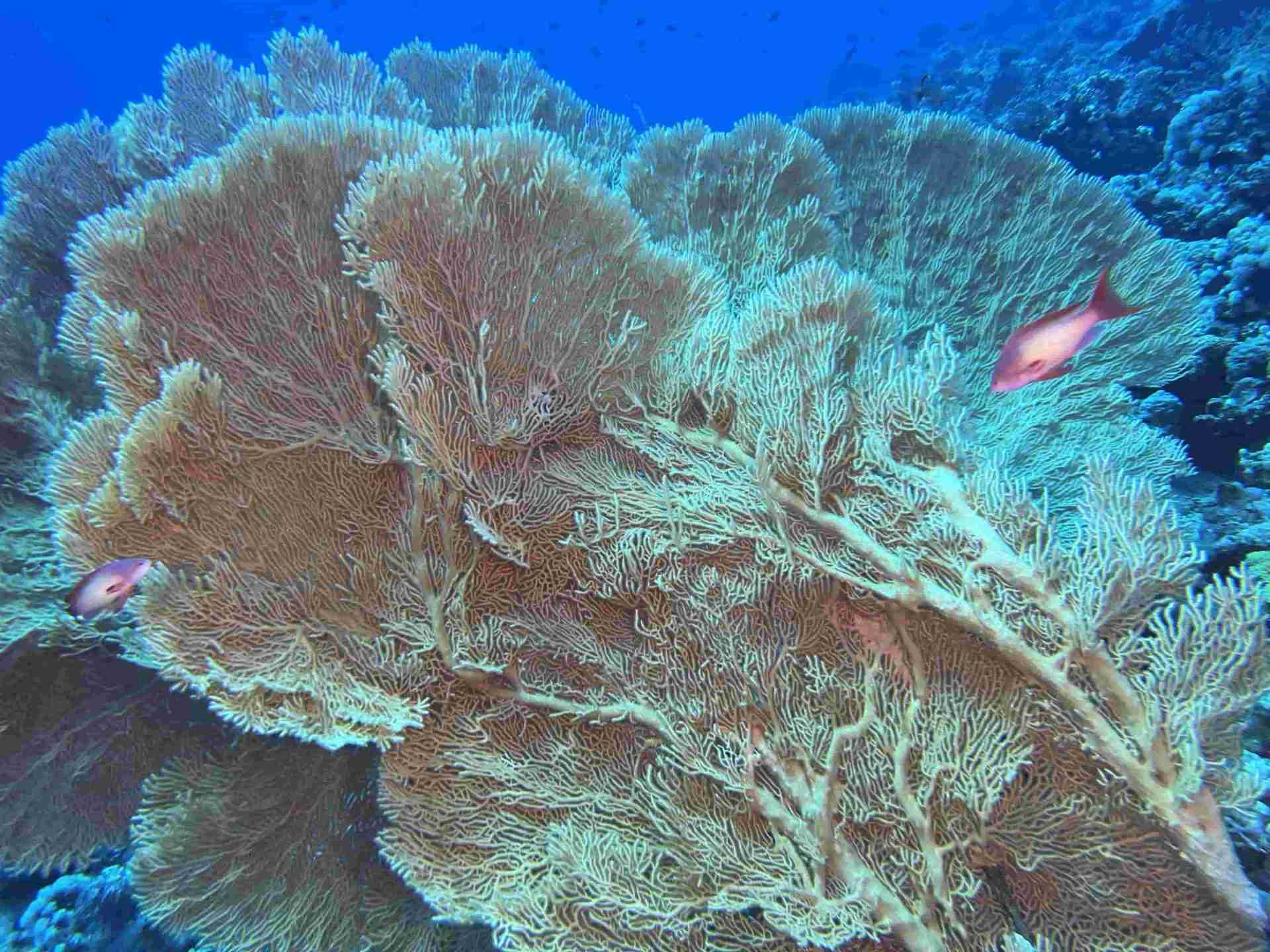
- Then gorgonians and soft coral draping the wall
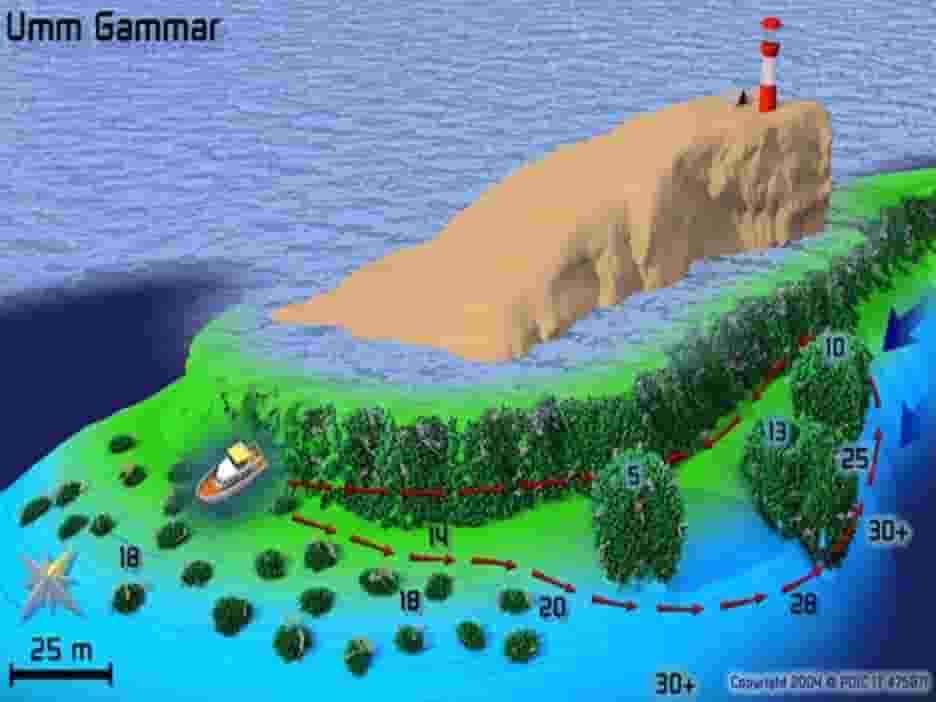
Umm Gamaar, one of the deepest Hurghada dive sites
27°21.26′ N · 33°54.91′ E · 0–20 m plateau, then deep wall · 90 min
Generally, this island, ringed with coral, runs north to south with a plateau at each end and a sheer wall down both flanks. Moorings sit over the southern plateau. Her east side is the dramatic one: a deep wall punctuated by coral formations under soft coral, reaching out into the blue.
Specifically, the first two formations from the south are cut through with cracks that photographers rarely get past quickly, and the next one holds a cavern with a sandy ledge at twenty-nine metres. Meanwhile the southern plateau, sand with coral blocks across it, is less spectacular but often has free-swimming morays, big silver sweetlips and Napoleon wrasse on it.
Watch for
- Similarly, whitetip reef sharks patrolling the wall on the odd occasion
- Also the rare manta, since this is one of the few Hurghada reefs that reports them
- Then glassfish in every cavity, usually with red-tooth triggerfish alongside
- Above all, jackfish and tuna working the fusiliers, and barracuda hanging in mid-water
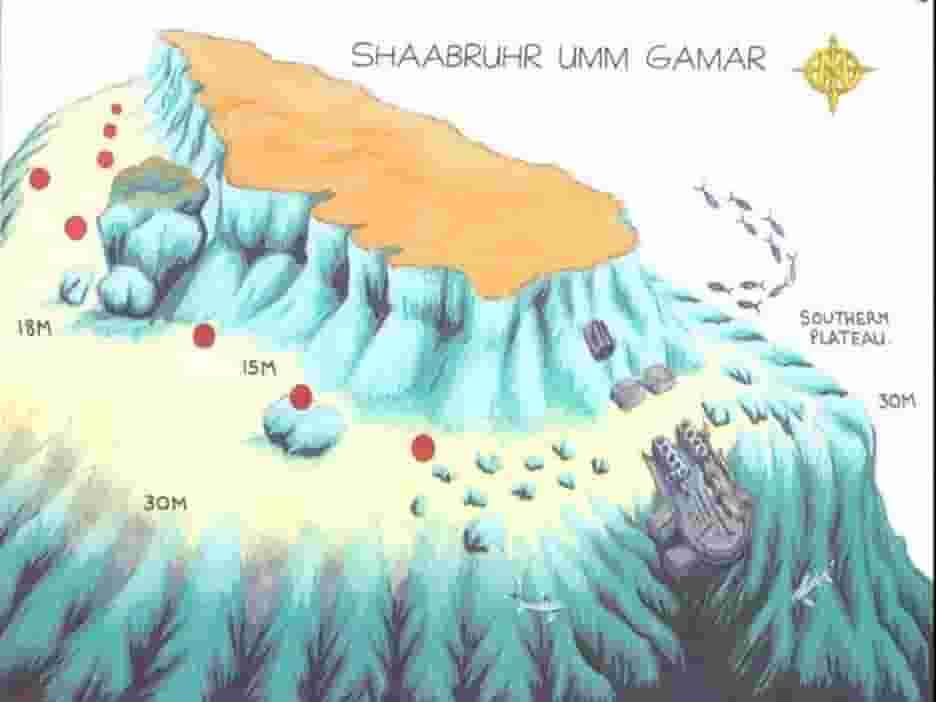
Shabruhr Umm Gamaar
27°21.55′ N · 33°54.55′ E · 15–30 m to a sheer drop-off · 90 min
Altogether, an oval reef sits here, circled by a shelf between fifteen and thirty metres, widening to a sandy flat on the west side and narrowing to a ledge on the east. Similarly, it sits in open sea and takes the weather accordingly.
This exposed reef has claimed at least three ships. Usually, the southern plateau can be dived from the mooring, a sloping half-covered coral garden with small pinnacles, and the remains of an Egyptian army supply vessel lost on her way to Shadwan Island lie there. Meanwhile the east side works as a natural drift from the north along an impressive wall, where the safari boat Colona IV also lies. Unfortunately she sits far too deep for recreational diving.
Watch for
- Of course, grey reef sharks in the afternoon, which few Hurghada sites can offer at all
- Also giant morays, large groupers and Napoleon wrasse
- Then tuna and bigeye trevally hunting through
Off El Gouna: the Abu Galawa reefs
Altogether, two of the Hurghada dive sites are worked from El Gouna rather than from Hurghada itself. Both are gentle dives, and both suit divers who would rather look closely at small things than chase pelagics.
Shaab Abu Galawa
27°18.29′ N · 33°47.58′ E · 0–12 m · 40 min from El Gouna
Usually, the reef comes up out of shallow sand with a coral garden running off the north side. Crossing can be rough, but the moorings themselves are protected. First, head out from the mooring with the reef on your right shoulder and take your time at the north end, where coral blocks and table corals are scattered across the bottom.
Then, coming back along the shallow reef, the wall is perforated with small cracks and holes. Therefore get close and slow down: this is a site for nudibranchs, shrimps and pipefish rather than for distance covered.
Watch for
- Furthermore, bluespotted rays digging the sand for invertebrates
- Also clownfish over anemones moving in the current
- Then unicornfish, surgeonfish and tangs cruising the reef top
- In particular, butterflyfish and angelfish spread right across the reef face
Sakhwat Abu Galawa
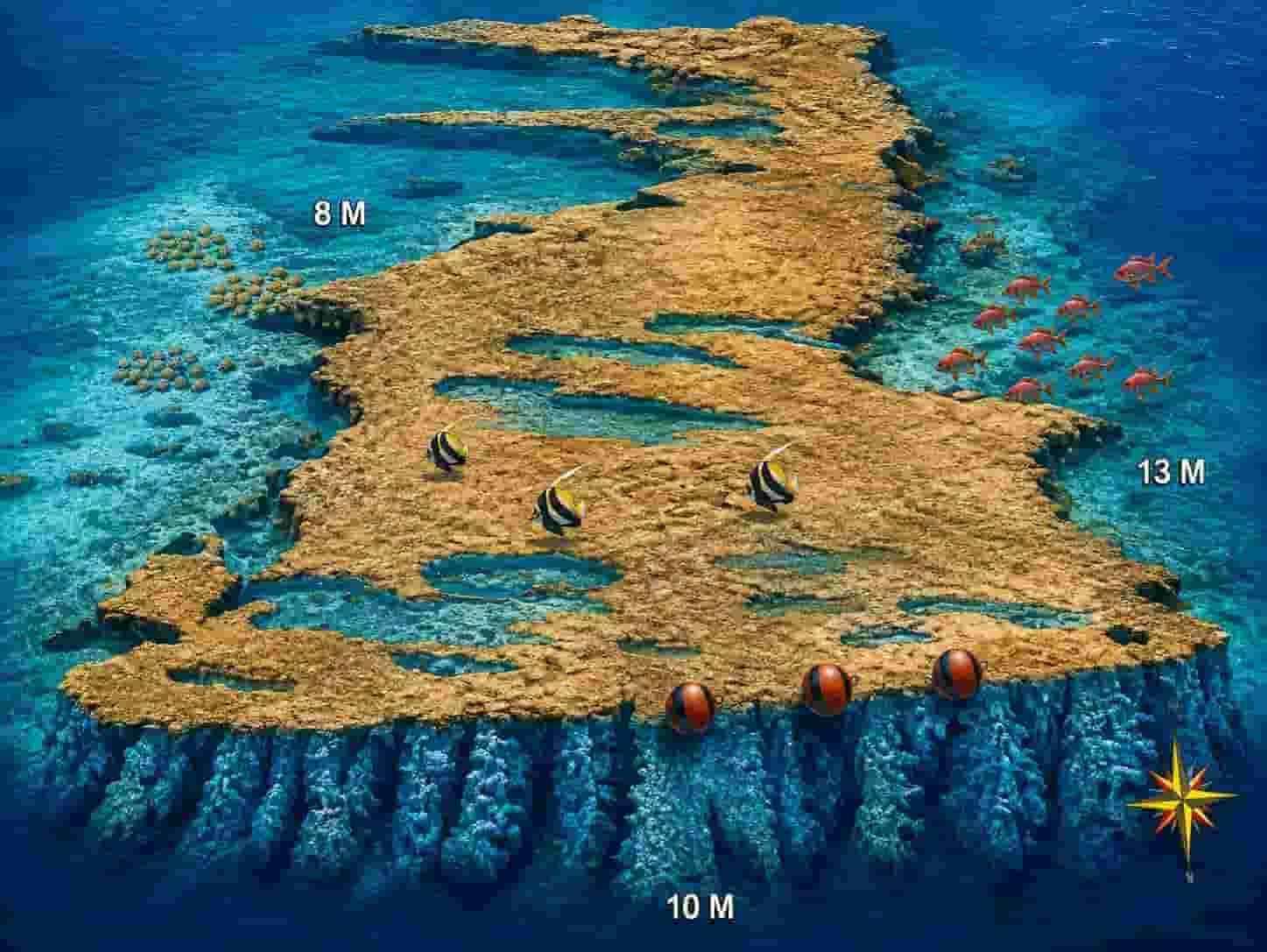
27°19.39′ N · 33°47.44′ E · 4–22 m · 50 min from El Gouna
In short, a plateau of coral gardens shelters a narrow lagoon over shallow sand, and to the north a shallow wall carries a shelf out to a drop-off. The reef sits in open water so the crossing can be bumpy, although the moorings are reasonably sheltered.
First, dive it as a drift. Drop a few hundred metres up the wall with it on your right shoulder; you can wander out over the plateau briefly, but the shallow ground is better. Soon, at the small plateau the reef turns sharply right and eventually swings a full half-circle back to the north, which is the entrance to the lagoon, where the depth comes up quickly to four metres. Finally, save that for the safety stop and spend the rest of your gas on the coral garden.
Watch for
- Gobies and their shrimps, which are everywhere once you start looking
- Also surgeonfish and unicornfish patrolling the top of the reef
- Then turtles in the coral garden, and dolphins passing occasionally
The far northern Hurghada dive sites
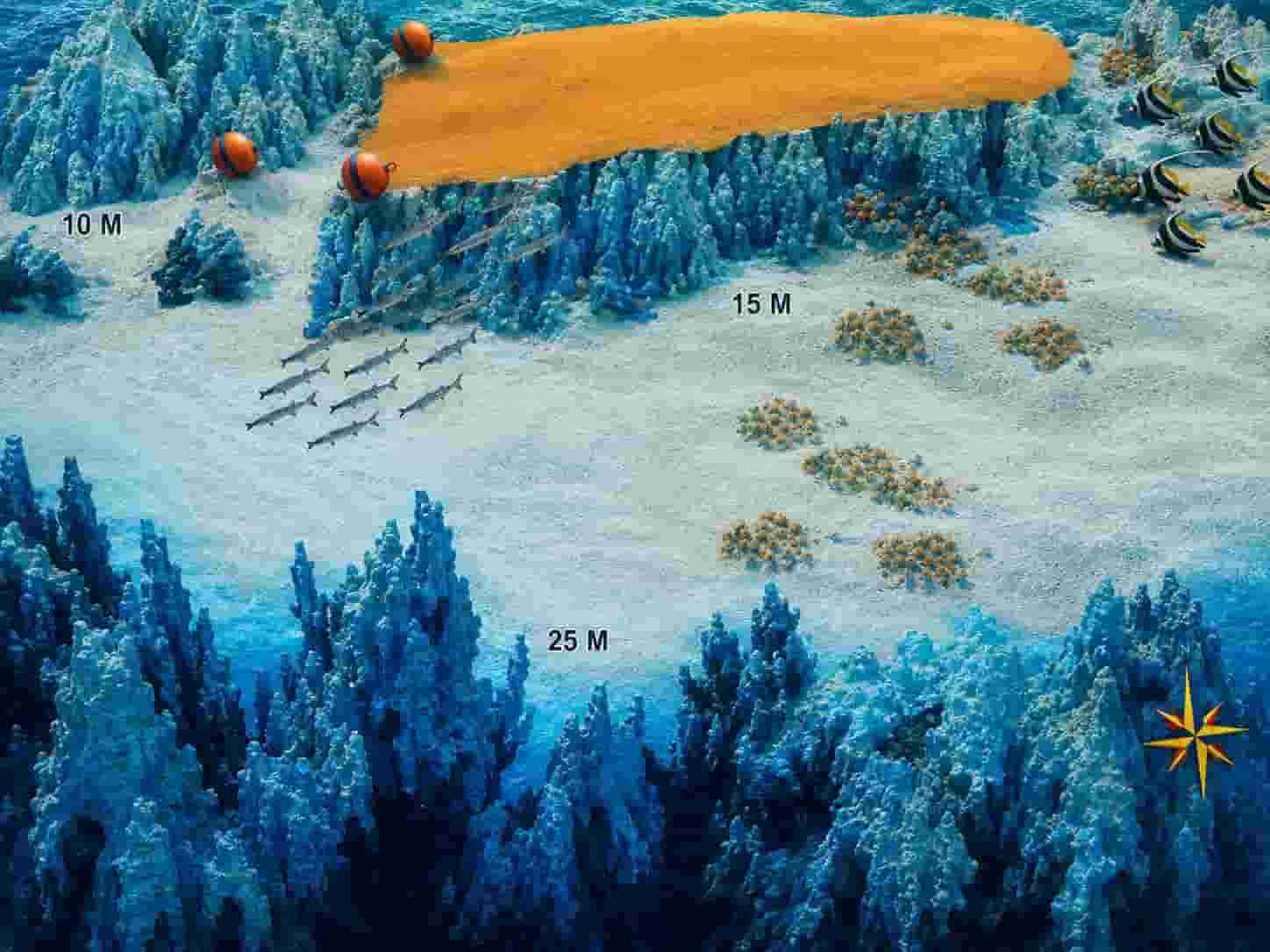
Altogether, four reefs lie roughly a hundred and ten minutes from El Gouna. Every one of them is exposed, all four can produce serious current, and all four are worth the crossing when the forecast holds.
Siyul Al Kabeir
27°33.674′ N · 33°52.725′ E · 0–10 m behind the reef, 31 m on the north plateau · 110 min
Generally, a sheer wall on the north gives way to a plateau running east and south, with shallow pinnacles standing up on the southern side. Moorings behind the reef are protected, yet the crossing is over open sea and the current on the north side can be vicious.
Two options work. First, drift the wall from the north, turn the eastern corner over the plateau, come gradually shallower and finish among the southern pinnacles. Otherwise dive from the mooring: explore the pinnacles first, let the current decide how far round the eastern corner you go, drop down the slope and work steadily back up to the shallows before turning.
Watch for
- Overall, bluespotted rays resting along the bottom of the wall
- Also yellow-mouth, peppered and giant morays, all common here
- Then sweetlips and goatfish in large schools
- Equally, a zebra shark occasionally rests out on the sand
Siyul Al Saghir
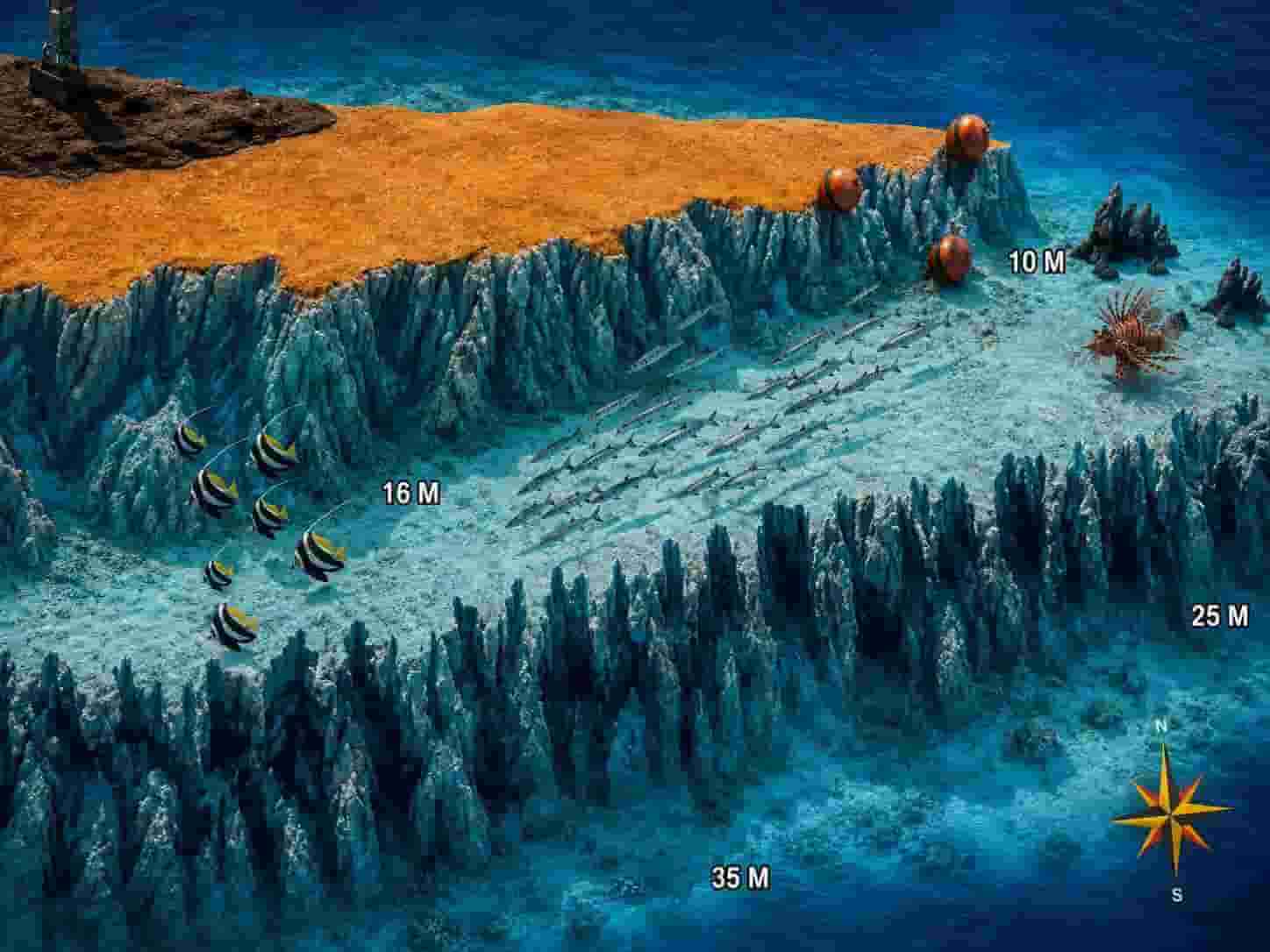
27°32.34′ N · 33°51.55′ E · south 10–12 m, north 15–22 m · 110 min
Notably, a shelf follows the contour of the reef at fifteen metres and slopes to a northern drop-off between eighteen and twenty-two. The east end runs out into a coral garden, while the south side is flat sand at ten to twelve metres. Moorings behind the reef are protected, although the current can be strong on the north.
Dive it as a natural drift. Jump in on the north side with the reef on your right and you will usually have the current behind you coming back. The shelf is worth a look, but the main reef is the better half of the dive. Further, at the east end the coral garden spills out to the northeast, and two large coral blocks stand on the sand about thirty metres off the reef with a great deal going on around them. Then multilevel up and finish in the shallows on the south side.
Watch for
- Besides, schools of snapper, surgeonfish and goatfish along the wall
- Also Napoleon wrasse, groupers and morays, all resident
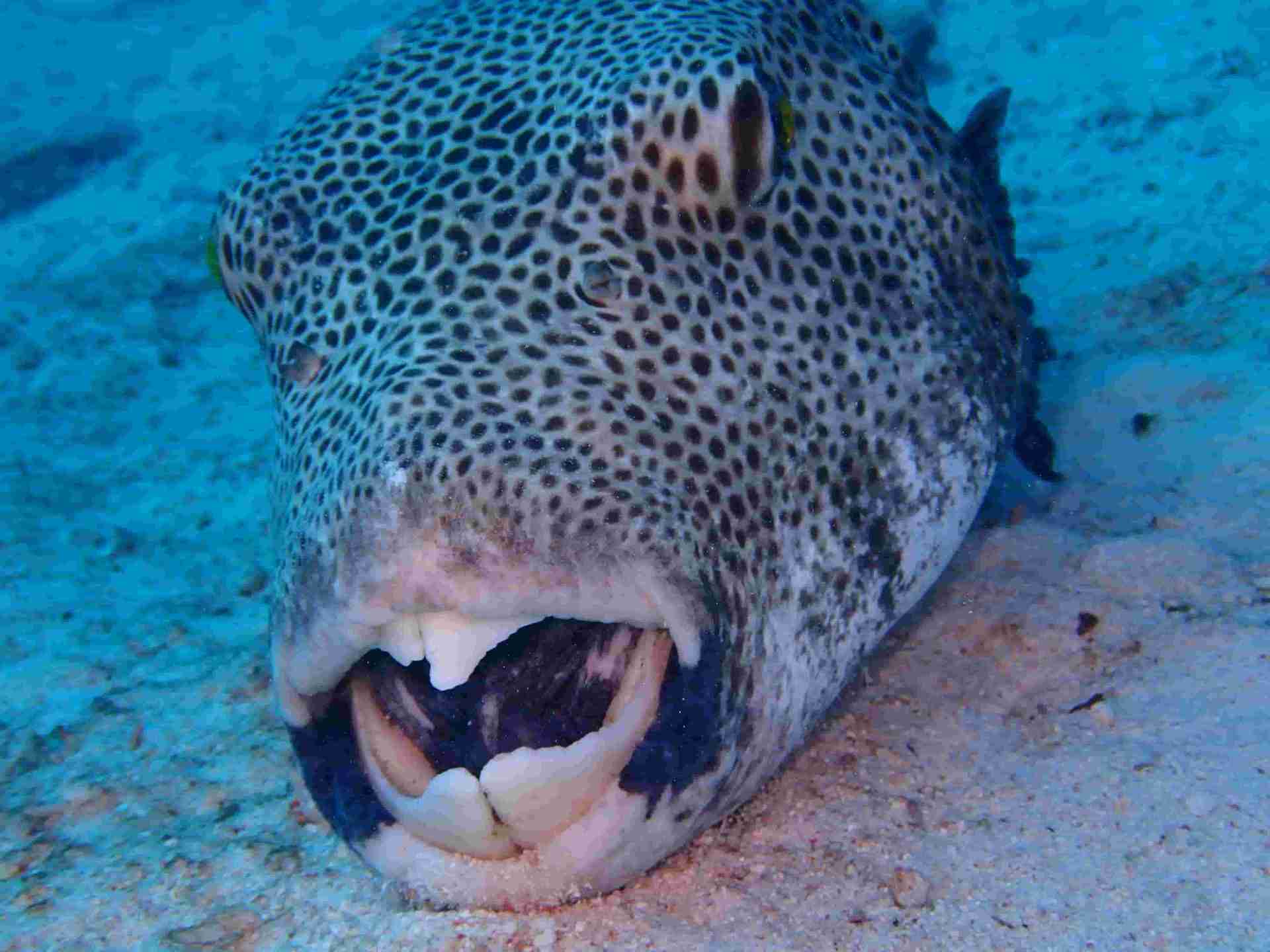
- Then giant pufferfish and bluespotted rays out on the sand
- Scorpionfish and stonefish, so watch where you settle
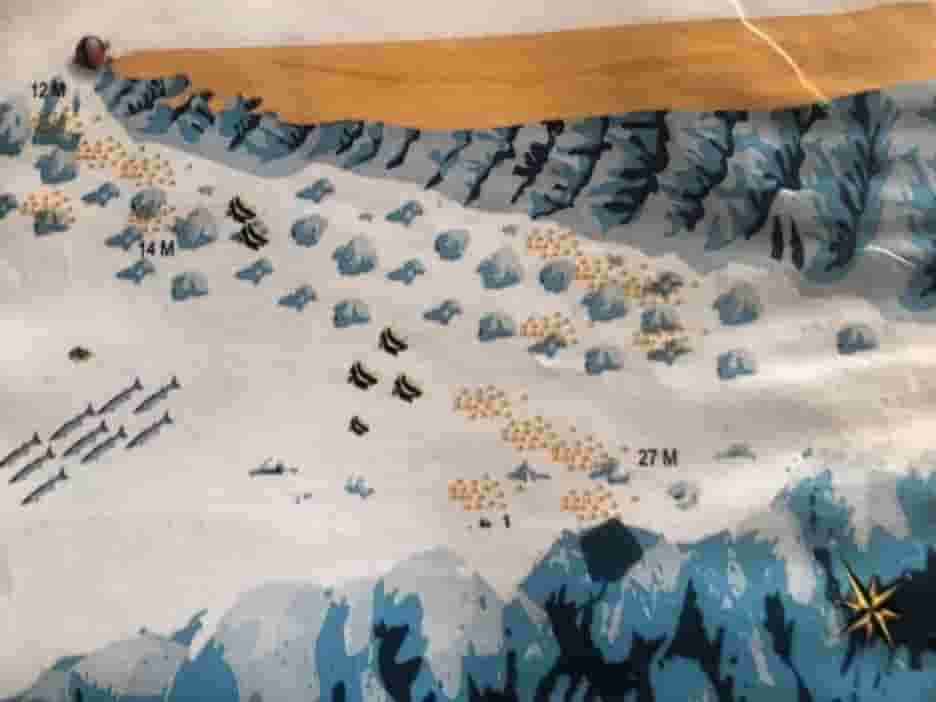
Elgelwa
27°33.26′ N · 33°52.20′ E · 0–10 m reef, garden 12–18 m · 110 min
Overall, an oval reef lies on a north-south axis with the moorings at the southern end, and a vast sloping coral garden runs west of it with a few pinnacles in between. Notably, waves are not the problem here; wind is, and the current can catch people out.
First, from the mooring, head west into the garden, adjust north at the first pinnacle and the next two line up straight ahead. Then, carry on north over the garden, drift slightly east and the main reef appears again. At that point go shallow, because the top of the reef is the best of it. Alternatively drop at the north end, work the garden first and come back onto the sloping main reef, staying shallow for the view.
Watch for
- Moreover, the hard coral itself, which is the reason to come here
- Also goatfish, bannerfish, snapper and sweetlips in schools
- Then pullers, damsels and anthias in among them
- In addition, crocodilefish and bluespotted rays on the sand, scorpionfish on the reef
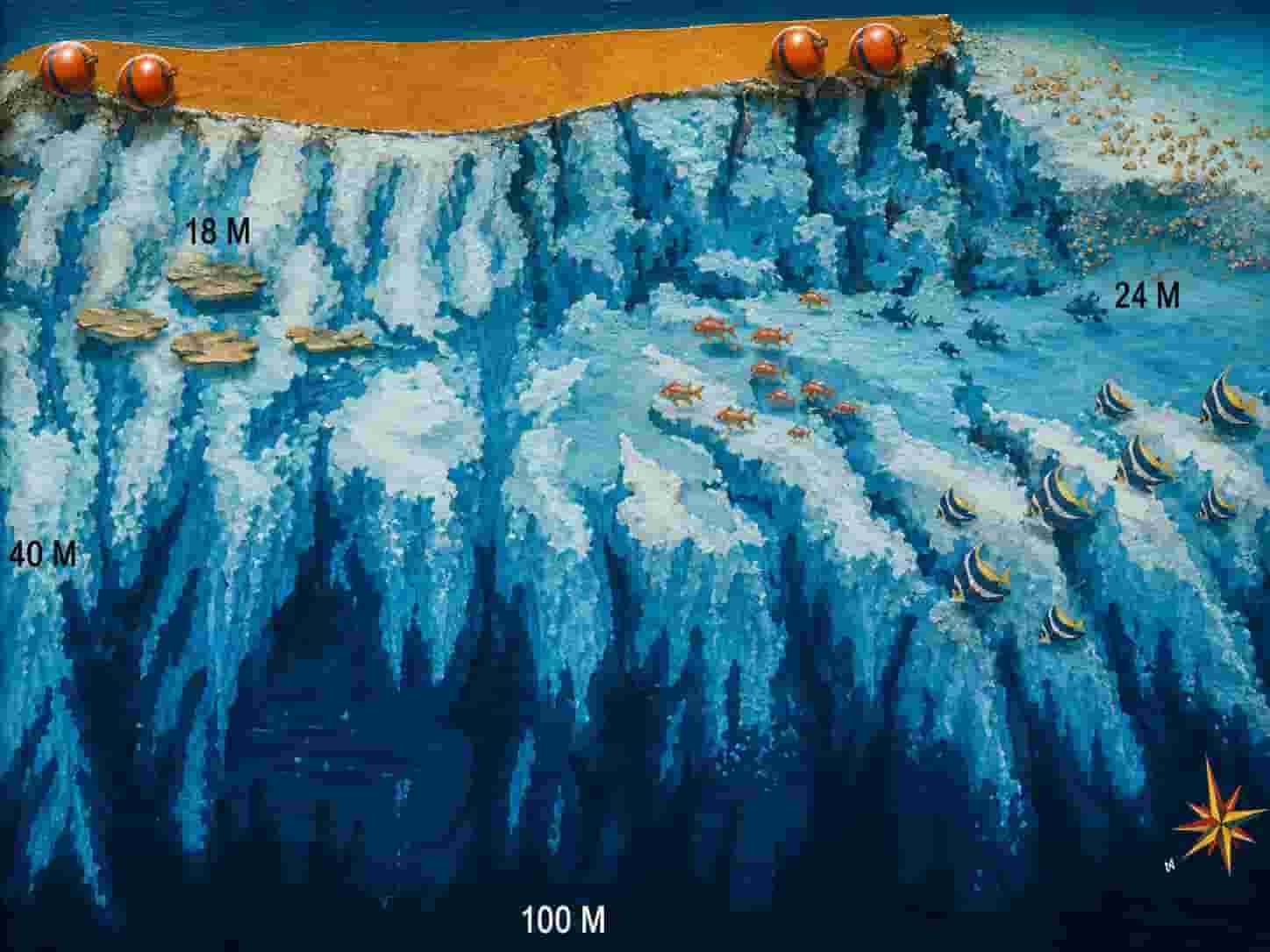
Blind Reef
27°33.15′ N · 33°53.86′ E · steep wall to 35 m and beyond · 110 min
Blind Reef is the outermost of the Hurghada dive sites, a boomerang-shaped reef running east to west, ringed by a steep wall that slopes away into deep water. On the west side a narrow shelf sits between twenty and thirty-five metres. There is very little protection here and the current demands respect, so some experience is required.
First, dive it as a drift, and check the current first to find the split point. Both the east and the west sides give an excellent dive, so take whichever way the water is going. Specifically, coral formations and sand patches break up the wall, and coming round the eastern corner puts you over shallow sand on the south side, where a couple of pretty pinnacles make a good safety stop.
The western corner is equally good. Then, turning south, two coral towers rise off the wall at twenty metres and the cavities in them are worth a look. Meanwhile the south side is covered in fire coral and is at its best shallow.
Watch for
- Likewise, glassfish and silversides sheltering in the small caves from jackfish and tuna
- Also mackerel hunting through, and fusiliers passing in quantity
- Then pufferfish and porcupinefish, both common
- Meanwhile, a free-swimming moray or a turtle, both a reasonable bet
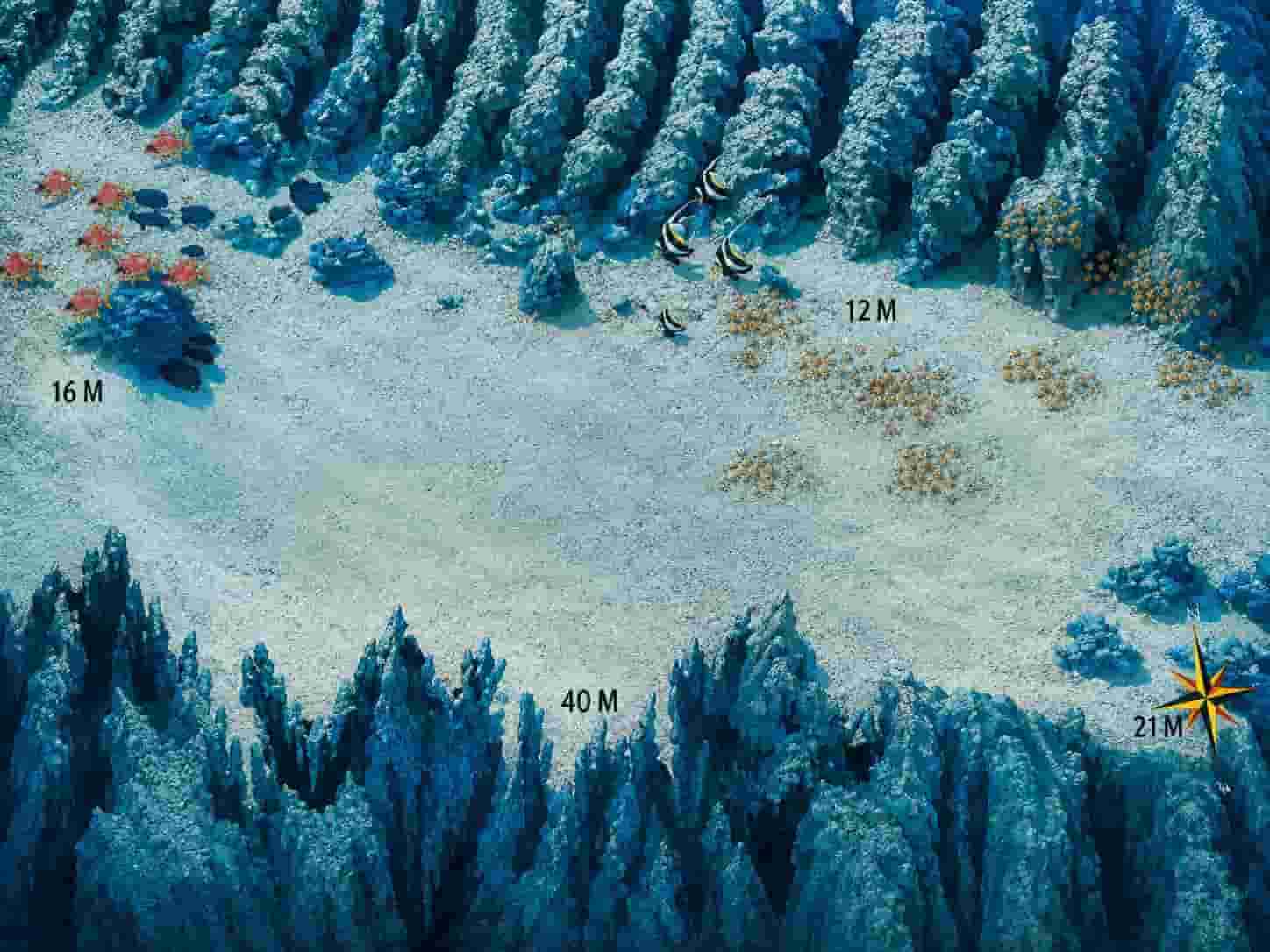
Choosing between the Hurghada dive sites
In short, the table below sorts the fourteen by travel time, since that is what the day actually turns on. The number in the first column matches the index above.
| # | Site | Out | Depth | Level |
|---|---|---|---|---|
| 1 | Fanous West | 30 min | 0–14 m | All levels |
| 2 | Fanous East | 30 min | 8–27 m | All levels |
| 9 | Shaab Abu Galawa | 40 min, El Gouna | 0–12 m | All levels |
| 10 | Sakhwat Abu Galawa | 50 min, El Gouna | 4–22 m | All levels |
| 3 | El Fanadir | 60 min | 0–25 m | All levels |
| 4 | Carless Reef | 60 min | 12–25 m | Advanced |
| 5 | Shaab Abu Nugar | 90 min | 0–14 m | All levels |
| 6 | North Umm Gamaar | 90 min | 0–24 m | Experienced |
| 7 | Umm Gamaar | 90 min | 0–29 m | Experienced |
| 8 | Shabruhr Umm Gamaar | 90 min | 15–30 m | Experienced |
| 11 | Siyul Al Kabeir | 110 min | 0–31 m | Experienced |
| 12 | Siyul Al Saghir | 110 min | 10–22 m | All levels |
| 13 | Elgelwa | 110 min | 0–18 m | All levels |
| 14 | Blind Reef | 110 min | To 35 m | Advanced |
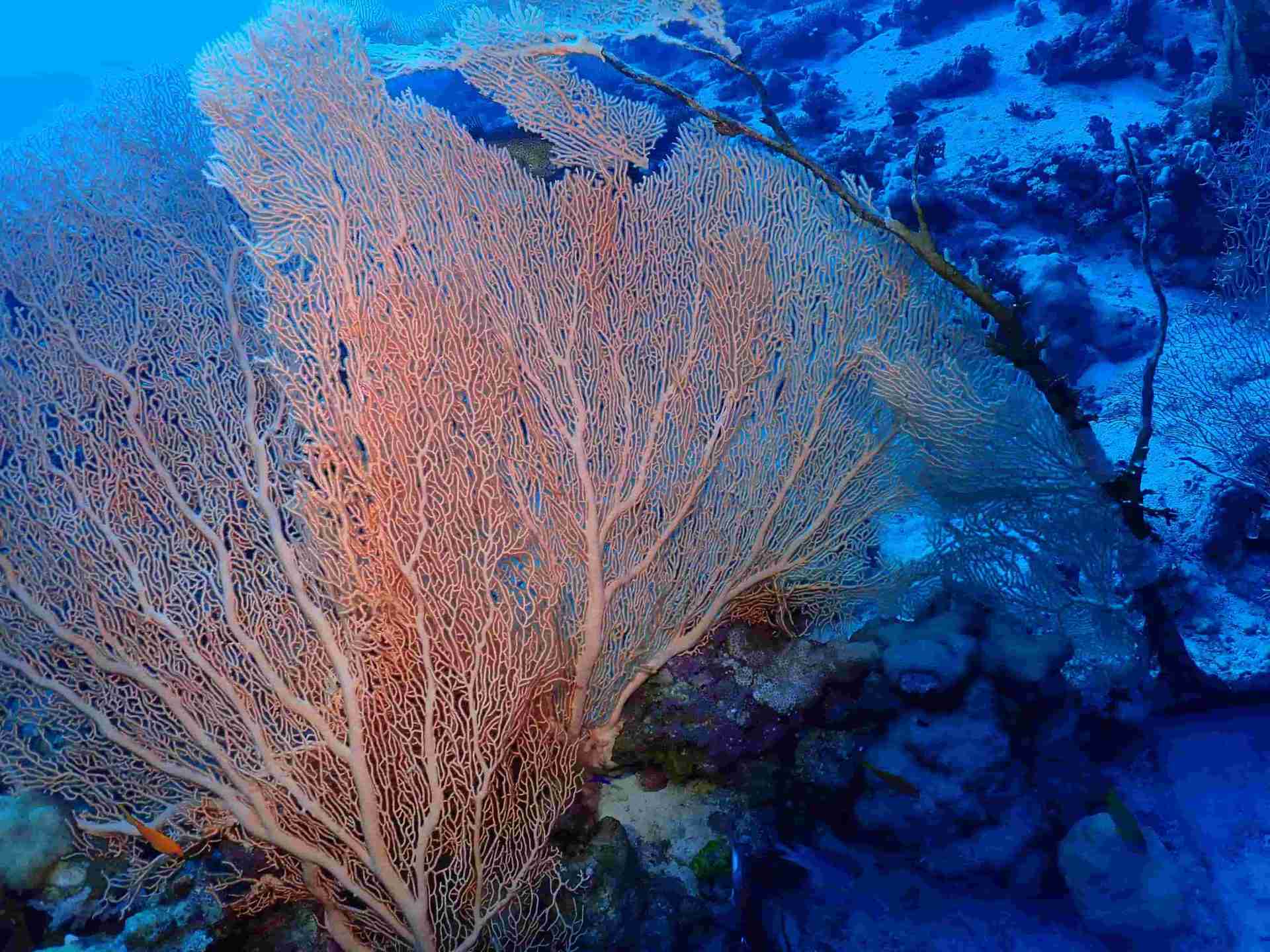
Marine life on the Hurghada dive sites
On the sand
Bluespotted rays almost everywhere, with crocodilefish, gobies and their shrimps alongside them.
Morays
Yellow-edged, yellow-mouth, peppered and giant morays, often free swimming rather than holed up.
Clouds
Glassfish and silversides fill every cavity, harried constantly by jackfish, lionfish and tuna.
Schools
Sweetlips, goatfish, snapper, surgeonfish and fusiliers, in numbers that change the light.
Occasional visitors
Grey reef sharks at Shabruhr, whitetips and rare mantas at Umm Gamaar, zebra sharks at Siyul.
Hazards
Stonefish and scorpionfish are common on several of these reefs, so look before you steady yourself.
Planning a day on the Hurghada dive sites
Practical notes
- First, pick the distance to suit the forecast rather than the other way round
- Then check the current direction before anyone enters the water
- Also find the split point on Blind, North Umm Gamaar and Carless before diving
- Meanwhile plan multilevel profiles, because the shallow tops are the best part
- Notably, carry an SMB on every drift, which is most of the sites here
- Consequently the far reefs need a settled forecast, not just a calm morning
- Finally, watch where you put a hand: stonefish are genuinely common
Two sites are not for everyone. Carless Reef and Blind Reef are exposed, current-swept and have nowhere sheltered to finish. Both are excellent dives for people with the experience, and unpleasant ones for people without it.
Useful links
- Hurghada east and south dive sites — fifteen reefs around Giftun and Abu Ramada.
- Abu Nuhas — four wrecks on one reef, north of Shadwan.
- The Thistlegorm — reachable from Hurghada on a long day.
- The Strait of Gubal — Dunraven, Kingston, Ulysses and the Barge.
- Safety standards and emergency care — briefings, oxygen and chamber contacts.
- Red Sea Liveaboard — safari routes and boats across the Egyptian Red Sea.
- Divers Alert Network (DAN) — insurance and emergency guidance.
Frequently asked questions
Which site suits a first open-water dive?
Fanous West or Fanous East, the closest of the Hurghada dive sites. Both are thirty minutes out, both have protected moorings, and neither needs current management.
What can be dived when it is windy?
Namely, the inshore group: Fanous West, Fanous East and El Fanadir all have sheltered moorings. Carless and Blind should be dropped entirely.
Where is the best chance of a shark?
Specifically, Shabruhr Umm Gamaar in the afternoon for grey reefs, Umm Gamaar for the occasional whitetip, and Siyul Al Kabeir for a resting zebra shark.
Which is the best night dive?
El Fanadir, frankly, and without much argument. It is sixty minutes out, sheltered, and the wall is alive after dark.
Are the far reefs worth the crossing?
Yes, when the forecast holds. Elgelwa in particular has hard coral in a condition you will not find closer in.
Do I need to be an experienced diver?
For most of these, no. Carless Reef, Blind Reef and the deeper Umm Gamaar walls, however, are the exceptions and do need experience.
What are you waiting for?
Book your adventure
Tell us which experience you want to enjoy and leave the rest to us. If you have questions, or you are still choosing between routes, our team will talk it through with you before you commit to anything.
Inquiry