
Sinai, Egypt · Blue Hole Dahab
The Blue Hole A 120-metre sinkhole cut straight into the fringing reef
28°34’21.1″ N · 34°32’14.3″ E · 120 m · 11 km north of Dahab
Blue Hole Dahab is a vertical submarine sinkhole, eleven kilometres north of town, dropping to a dark floor at a hundred and twenty metres. A shallow coral saddle at six metres is the only doorway between the basin and the open Gulf of Aqaba. Recreationally, the magic sits on the outer wall rather than in the hole.
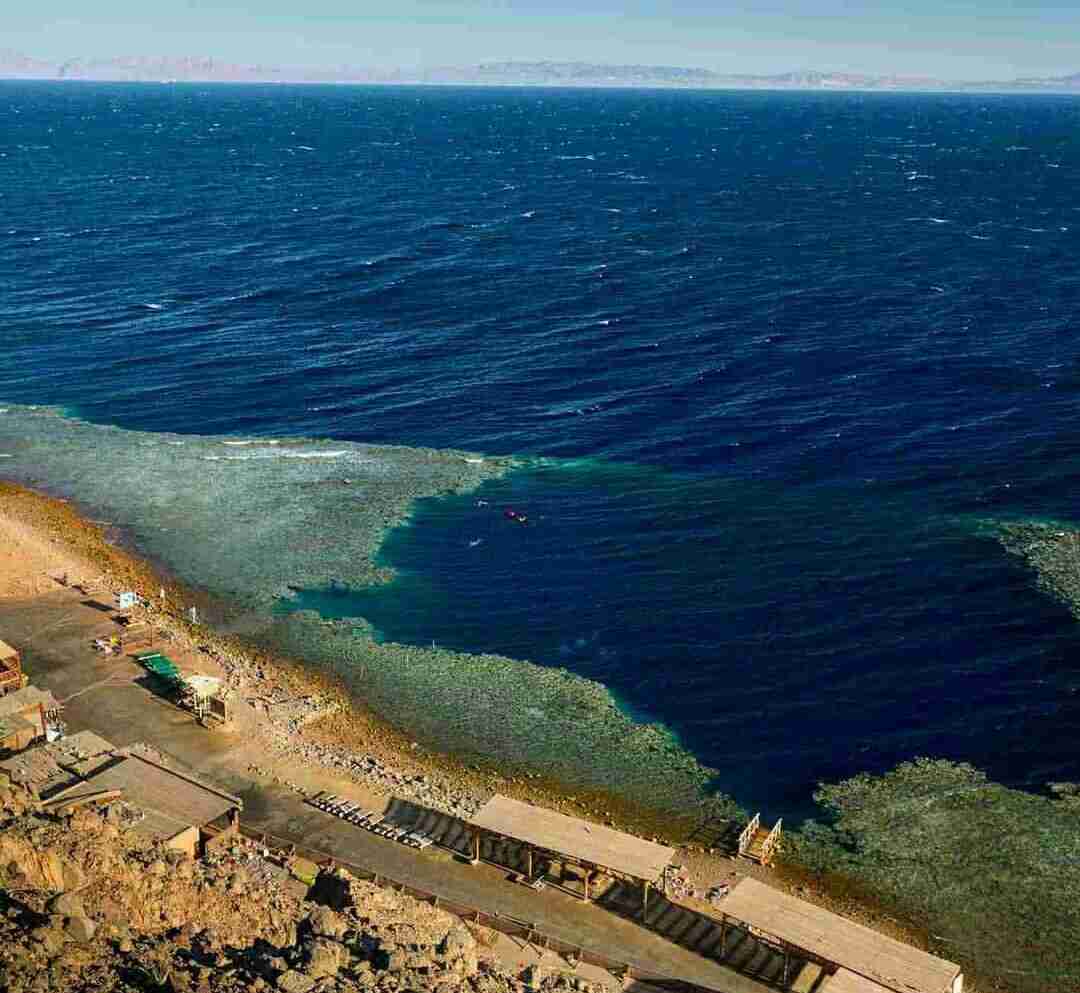
The vertical sinkhole of Sinai
Frankly, few dive sites on earth are as physically striking, or as infamous. Blue Hole Dahab sits on the east coast of the Sinai Peninsula, plunging vertically through the limestone reef flat. Its interior basin ends on a dark, sediment-lined floor at a hundred and twenty metres.
Then there is the shape of it. Namely, around the basin runs a shallow reef ridge, the Saddle, which opens to the outer sea at only six metres. Because the basin is sealed from open-ocean current, the water inside stays glassy and still.
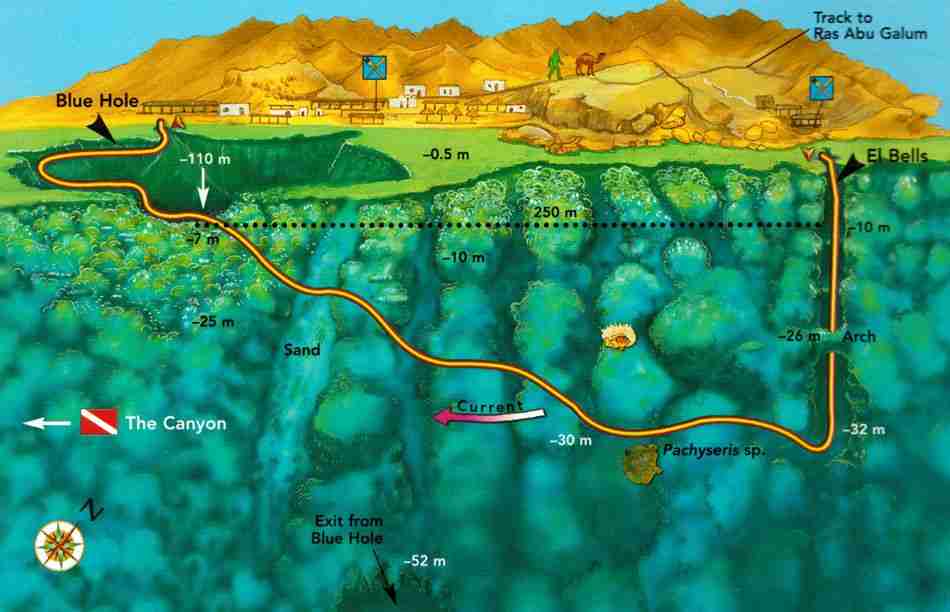
Consequently the site reads differently depending on who is asking. Technical divers and freedivers come for the depth and for the Arch, a twenty-six metre tunnel breaching the outer wall. Meanwhile everyone else comes for the Bells, where a sheer drop-off falls away into blue before the crossing back over the saddle.
What you are diving
- Firstly the basin itself, 150 m across, floor at 120 m
- Then the saddle at 6 m, the only doorway to the open sea
- Also the Bells, a vertical chimney 150 m north, exiting at 28 m
- Meanwhile the outer wall, where the recreational Blue Hole Dahab diving happens
- Besides those, the Arch at 56 m, which is technical diving only
- Finally the memorial wall on shore, which is worth reading first
The honest summary. The recreational dive at Blue Hole Dahab is world class and genuinely safe. The reputation comes entirely from divers going past their qualification into the Arch. Stay on the wall and this is one of the finest shore dives in Egypt.
The basin has no visual reference. Namely, with no bottom in sight until a hundred and twenty metres, there is nothing to tell you how deep you are. Consequently divers drift below their planned depth without noticing, so check the computer constantly rather than trusting your eyes.
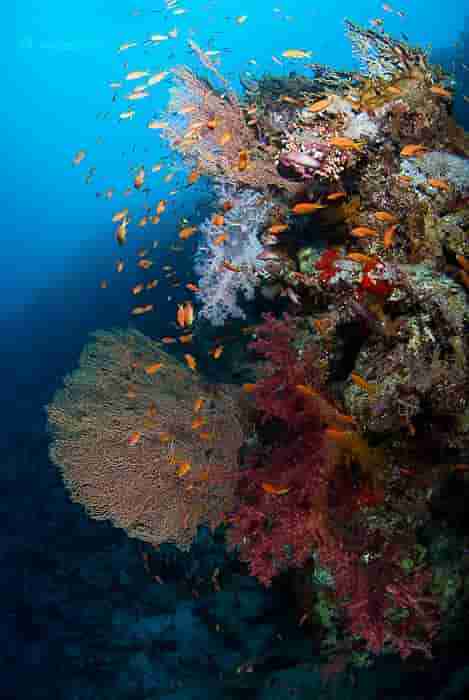
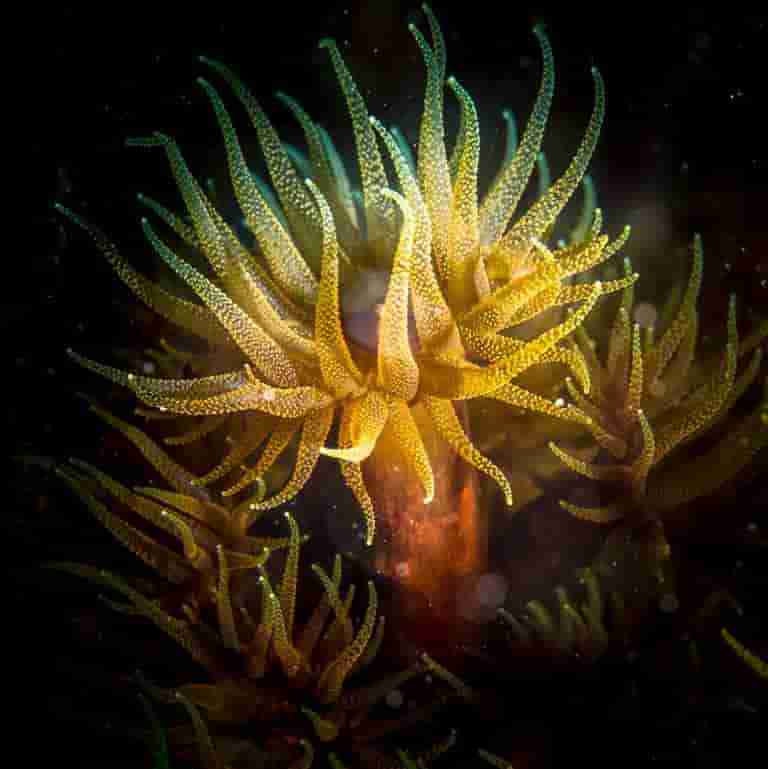
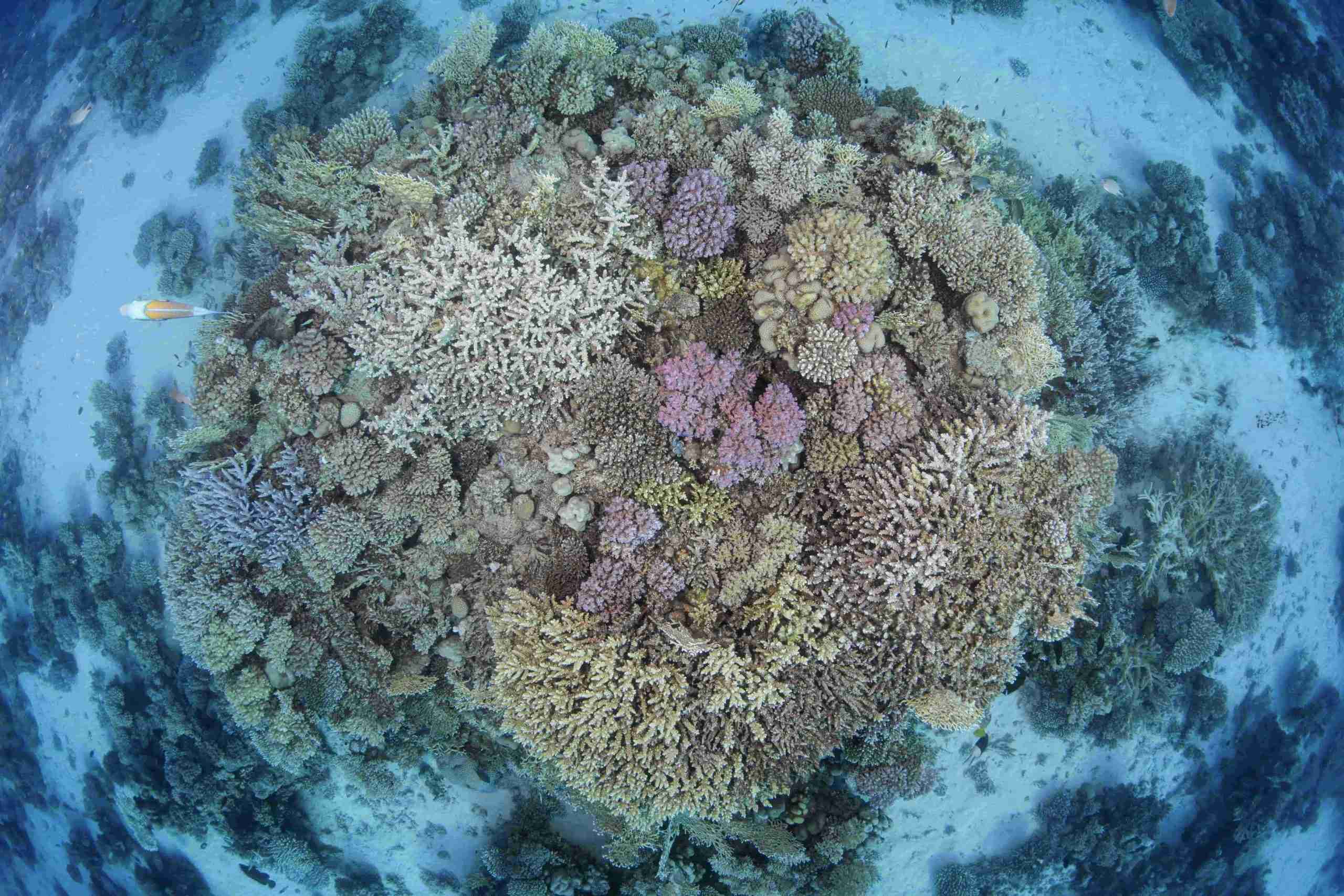
Four routes at Blue Hole Dahab
One site covers everything from a relaxed shallow loop to a full trimix expedition. Therefore the briefing matters more here than almost anywhere else on the coast. Above all, agree the maximum depth on the beach rather than underwater.
Bells to Blue Hole drift
Firstly, this is the definitive recreational profile. Enter single-file at the Bells crack, descend through the chimney and exit onto the wall at twenty-eight metres. Then turn right, keep the wall on your shoulder and drift south. Finish by crossing the six-metre saddle into the basin.
Watch for
- Firstly the chimney itself, which is narrow and sharp with coral
- Then the exit at 28 m, where the wall opens out ahead of you
- Also gas reserves, since the saddle crossing comes at the very end
- Finally freedivers overhead, who ascend fast and leave no bubbles
Control the descent in the chimney. Keep your arms tucked and vent smoothly. Because the rock faces are narrow and coral-covered, a controlled feet-first descent is the only sensible way through.
Inner saddle loop
Meanwhile this is the Blue Hole Dahab route for newer divers and for photography. Enter by the shore steps, swim the inner edge to the saddle, cross to view the drop-off, and return over the ridge to finish in the calm pool.
Watch for
- Firstly the saddle crossing, which is the whole point of the route
- Then the drop-off seen from above, without going anywhere near it
- Also the still water inside, which is what makes this good for a camera
- Finally the crowds, since the entry pool fills through the middle of the day
Shallow coral balcony
Then there is the Blue Hole Dahab route almost nobody asks for and everybody enjoys. Enter via the saddle and head north along the upper lip of the wall. Since it avoids the deep zone entirely, this terrace between twelve and twenty metres rewards long bottom times and macro hunting.
Watch for
- Firstly the terrace itself, between twelve and twenty metres
- Then the coral cover, which is dense enough to demand good trim
- Also the small subjects, which are the reason to come here at all
- Finally the long bottom time, which no other route here gives you
The Arch — technical only
Above all, this one is not a route on a list. Trimix or extended range, no exceptions. Descend the inner wall to fifty-two or fifty-five metres, locate the overhead ceiling, and cross the tunnel into open water while checking blend and run-time.
Never take the Arch on recreational gear. Its ceiling sits at fifty-six metres, well past the forty-metre recreational limit. Attempting it on a single tank or on air is the single cause behind most fatalities here, through narcosis and gas depletion together. Nothing on this page is a plan for it.
Marine life around Blue Hole Dahab
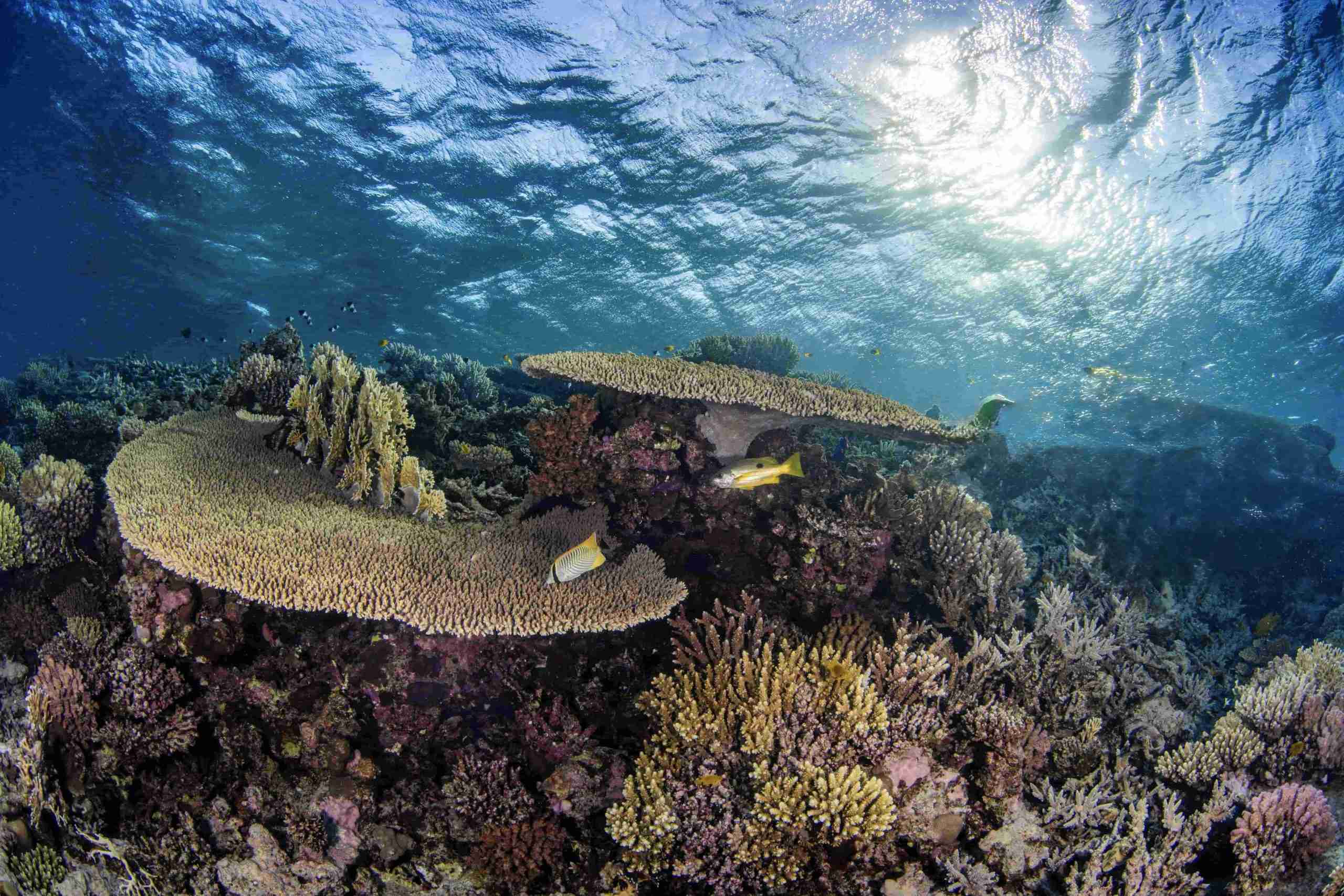
Above all, inside the basin things stay quiet, because there is little for fish to hold onto. Outside, however, the sun-drenched walls and shallow saddle are fed by deep-gulf water, and the coral community is dense.
Eagle rays
Namely crossing the blue off the wall, which is the reason to keep glancing away from the reef.
Barracuda and jacks
Also patrolling the wall, with trevally jacks hunting up in the shallows over the terrace.
Sharks
Meanwhile white-tip reef sharks along the drop-off, and a whale shark on rare days. Frankly luck rather than a plan.
Napoleon wrasse
Certainly near the saddle, and large enough that people mistake them for something else entirely.
The wall residents
Notably morays in the crevices, anemonefish across the terrace, and blue-spotted rays on the sand patches.
Macro subjects
Above all crocodilefish, scorpionfish and lionfish, plus ornate ghost pipefish for patient photographers.
The coral is the structure, not the decoration. Namely porites heads, leather corals and fire corals build the outer wall itself. Therefore buoyancy discipline matters most on the shallow return, when the dive feels over and the reef is closest.
Conditions and access at Blue Hole Dahab
Water
- Firstly visibility of 30 to 50 m, among the best at any Blue Hole Dahab depth
- Then temperature: 21 to 22°C in winter, 25 to 27°C in summer
- Also current: none inside the hole, gentle along the outer wall
- Finally exposure: a 5 mm suit works, and a hood helps in winter
Getting in
- Firstly from shore, using the steps beside the entry pool
- Otherwise dropped by RIB on the reef side from a liveaboard
- Also possible as a day trip from Dahab by road
- Finally the Bells entry, which is a short walk north of the pool
Practical notes
- Firstly book a guide who knows the Bells entry
- Then dive early, since the site is calmest and emptiest in the morning
- Also agree a hard maximum depth on the beach, not underwater
- Meanwhile keep gas reserves for the shallow saddle crossing at the end
- Consequently nitrox suits the 30 m profile well
- Look up for freedivers during the safety stop before you move
- Also plan around the crowds, which peak in the middle of the day
- Finally read the memorial wall before you kit up
Level. Advanced open water for the wall routes, technical certification for anything involving the Arch. There is no middle option here, and the site does not forgive people who invent one.
Planning your dive at Blue Hole Dahab
Generally Blue Hole Dahab works best as one dive in a day rather than the whole day. Above all, the inner saddle loop makes a comfortable first dive, and the Bells drift makes an excellent second one with a guide who knows the entry.
Meanwhile the site is eleven kilometres north of Dahab, so it pairs naturally with the Canyon in the same morning. Consequently most centres run the two together and finish before the wind builds.
Useful links
- Dahab dive sites — the whole coast, north and south, in one guide.
- The Canyon — the deep fissure and its glassfish cave, ten minutes south.
- All Dahab local dive sites — every site along the rest of the coast.
- Dahab shore diving — entries, kit and how a shore day actually runs.
- Safety standards and emergency care — briefings, oxygen and chamber contacts.
- Red Sea Liveaboard — safari routes and boats across the Egyptian Red Sea.
- Divers Alert Network (DAN) — insurance and emergency guidance.
Frequently asked questions
How deep is the Blue Hole?
A hundred and twenty metres to the sediment floor, while the basin itself runs roughly a hundred and fifty metres across.
Is Blue Hole Dahab safe for recreational divers?
Yes, on the wall routes. Every serious incident here involves divers entering the Arch without technical training or gas.
What is the Arch?
A twenty-six metre tunnel through the outer reef wall. Because its ceiling sits at fifty-six metres, it lies far beyond recreational limits.
Which route should a first-timer choose?
The inner saddle loop, at eighteen metres maximum. Afterwards, the Bells drift makes an excellent second dive with a guide.
Is there current at Blue Hole Dahab?
None inside the basin, since it is sealed from the open sea. Along the outer wall a gentle southern drift usually runs.
Can I reach Blue Hole Dahab from a liveaboard?
Yes. Boats drop divers by RIB on the reef side, so the shore crowds are avoided entirely.
What are you waiting for?
Book your adventure
Tell us which experience you want to enjoy and leave the rest to us. If you have questions, or you are still choosing between routes, our team will talk it through with you before you commit to anything.
Inquiry