Gulf of Aqaba · Taba dive sites
Diving Taba Egypt’s northernmost reefs, at the tip of the Gulf of Aqaba
Gulf of Aqaba · 6 dive sites · 3–45 m · 30–60 min
The Taba dive sites sit at the very top of Egypt, where the Gulf of Aqaba narrows towards the Jordanian border. Despite the latitude, the water is warm and the reefs are tropical. Because the bay is sheltered, conditions here suit every level, from a first open water dive to a deep reef for experienced divers.
Why the Taba dive sites are worth the trip
Firstly, Taba is not the most famous name in Egyptian diving, and that is exactly its appeal. There are no crowds on the moorings, yet the reefs carry the same hard and soft corals, the same anthias clouds and the same chance of an eagle ray gliding past. In other words, you get the Red Sea without the queue.
Then there is the geography. Namely, the gulf narrows sharply here, which keeps the reefs close to shore and the water unusually clear, because very little sediment reaches this end of it.
Consequently the area reads differently depending on who is asking. Ask a beginner and it is sheltered shallow water with a castle on top of it. Meanwhile, ask an experienced diver and it is an offshore pinnacle running past forty-five metres.
What you are diving
- Firstly Pharaoh’s Island, 3 to 30 m, sheltered on every side
- Then the Fjord, a near-circular hole from 9 m down to 27
- Also Aquarium, a shallow reef running 9 to 20 m
- Meanwhile Marsa El Mugabila, the densest coral in the area
- Besides those, Ras Amira, the headland reef inshore of Maxwell
- Finally Maxwell itself, 12 m to past 45, for advanced divers only
Sheltered water is the whole point here. The bay blocks most swell and the current is generally light or confined to the surface. Consequently entries stay calm, surface intervals are comfortable, and a beginner and an advanced diver can share the same boat without either being short-changed.
Snorkellers are welcome on almost every trip. Namely, most of the marine life at the Fjord and Pharaoh’s Island stays in the shallows, so a snorkeller sees very nearly what the divers see. Only Maxwell is genuinely a divers-only site.
| Site | Boat time | Depth | Suited to |
|---|---|---|---|
| Pharaoh’s Island | ~30 minutes | 3–30 m | All levels and snorkellers |
| The Fjord | Short transfer | 9–27 m | All levels and snorkellers |
| Aquarium | ~1 hour | 9–20 m | All certified divers |
| Marsa El Mugabila | ~1 hour | Reef to about 20 m | All levels |
| Ras Amira | ~50 minutes | Reef slope | Intermediate |
| Maxwell | Beyond Ras Amira | 12–45 m | Advanced only |
Boat times are measured from the Hilton jetty in Taba, which is the departure point for nearly all of the Taba dive sites. Naturally, the schedule shifts with wind and with how many groups share the day.
The six Taba dive sites
Generally the day is built around one shallow site and one deeper one, since almost everything here sits within an hour of the jetty. Above all, decide early whether Maxwell is on the plan, because it changes both the certification requirement and the timing.
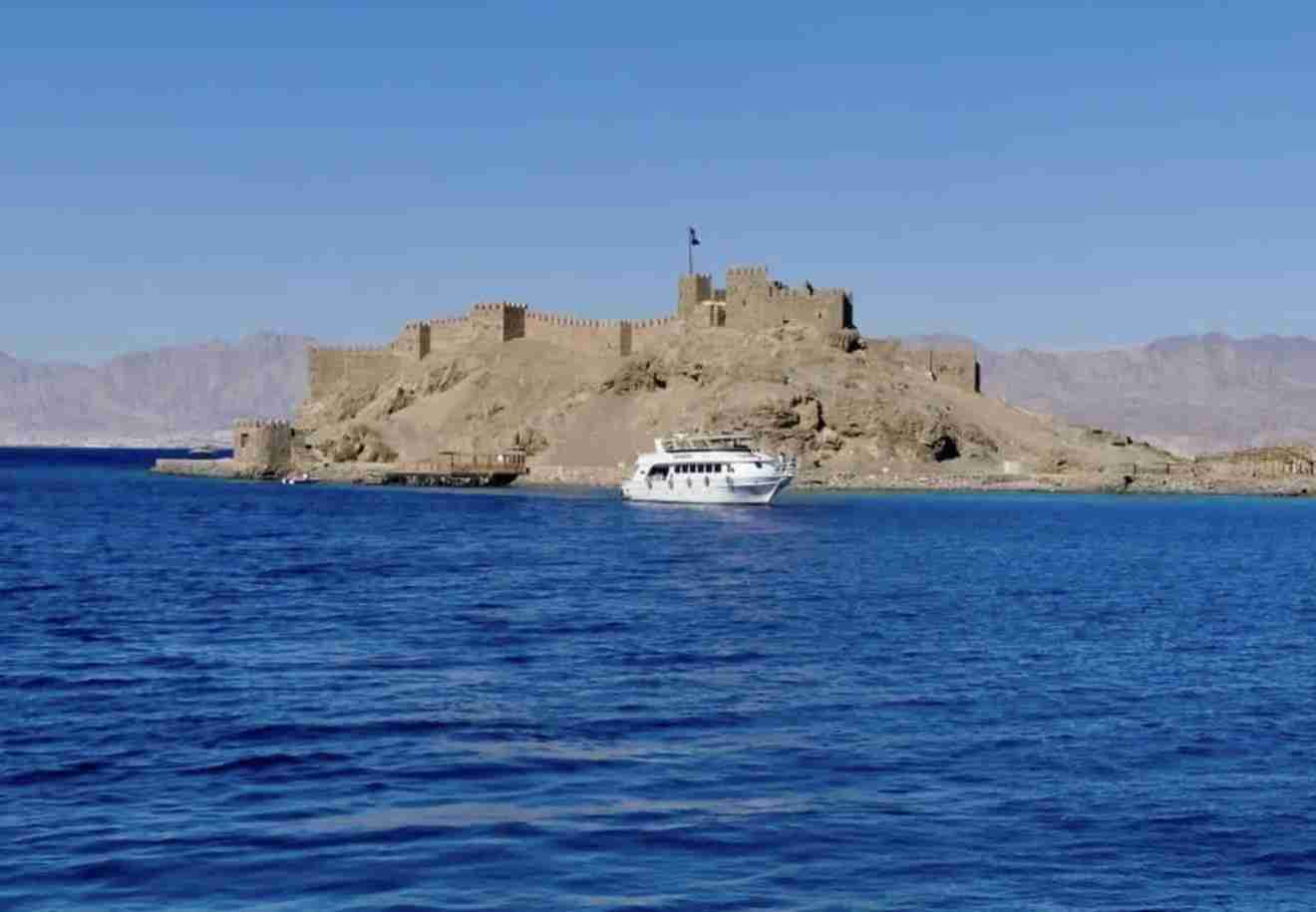
Pharaoh’s Island
Firstly, this small island, also called Coral Island, lies roughly 250 metres off the Sinai coast, about half an hour from the jetty. A twelfth-century Crusader castle crowns it, later held under Salah El Din and restored by the Council of Egyptian Antiquities. From the walls you can see Saudi Arabia, Jordan and Israel at once.
Then, underwater, the island is completely sheltered from waves and current. Therefore it works for every level, including snorkellers, and two separate dives are possible, from three metres down to thirty. Notably, the topography is the draw: pinnacles rise around the island, often ringed by schools of long-nose emperor.
Watch for
- Firstly glass fish and flying fish around the pinnacles
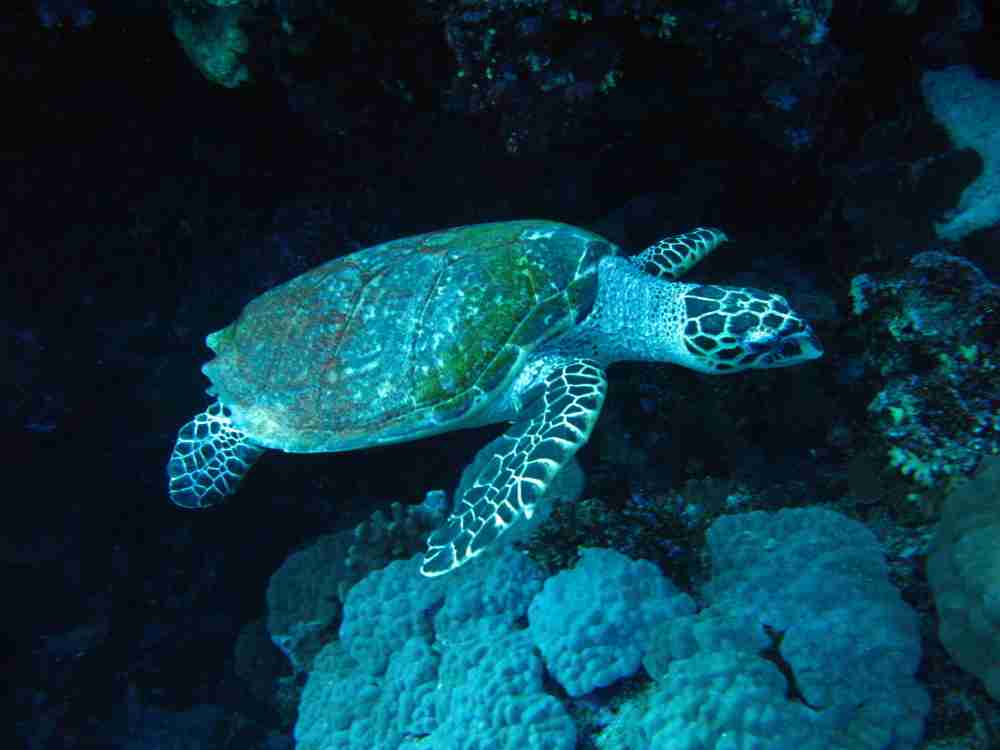
- Then turtles and eagle rays, and grouper along the edges
- Also crocodile fish, frog fish and nudibranchs for the macro divers
- Finally the wide table corals, which are the biggest structures here
Bring the family. The castle and the views give non-divers a full morning above water while the group dives below. Note that Pharaoh’s Island charges a separate site fee for the castle.
The Fjord
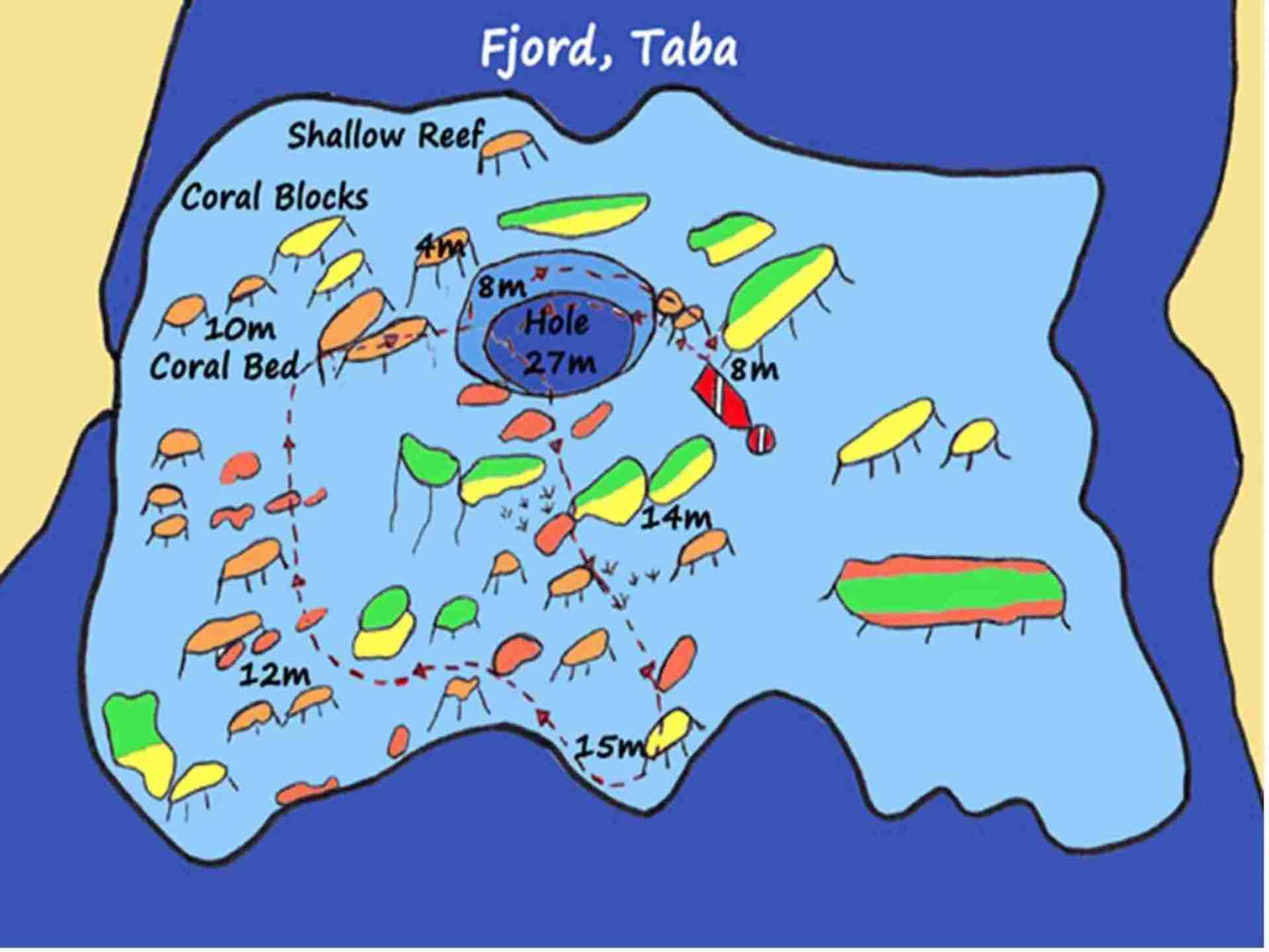
Meanwhile the Fjord is the postcard site of the region. Specifically, its centrepiece is a near-perfect circular hole about twenty metres across, dropping from nine metres to twenty-seven. Around it the reef stays shallow, so the average depth across the dive is roughly fifteen metres.
Since the bay blocks both swell and current, it is one of the calmest spots on the Egyptian coast. Consequently divers and snorkellers work the same water happily. Out at the southern point, big shoals of fusiliers gather in the blue.
Watch for
- Firstly red anemones and glass fish through the shallows
- Then schools of yellow-tail barracuda, and grouper holding station
- Also stone fish and frog fish, both of which take finding
- Finally sting rays and turtles over the sand
Aquarium
An hour by boat from the jetty, Aquarium earns its name. Namely, the reef runs from nine to twenty metres, which keeps the whole dive inside comfortable no-stop limits. Consequently every certified diver can join, and the snorkelling above it is excellent.
Watch for
- Firstly clouds of glass fish, which are what the site is known for
- Then moray eels and puffer fish through the coral heads
- Also upside-down shrimp, turtles and nudibranchs
- Finally the enormous table corals, which set the scale of the place
Marsa El Mugabila
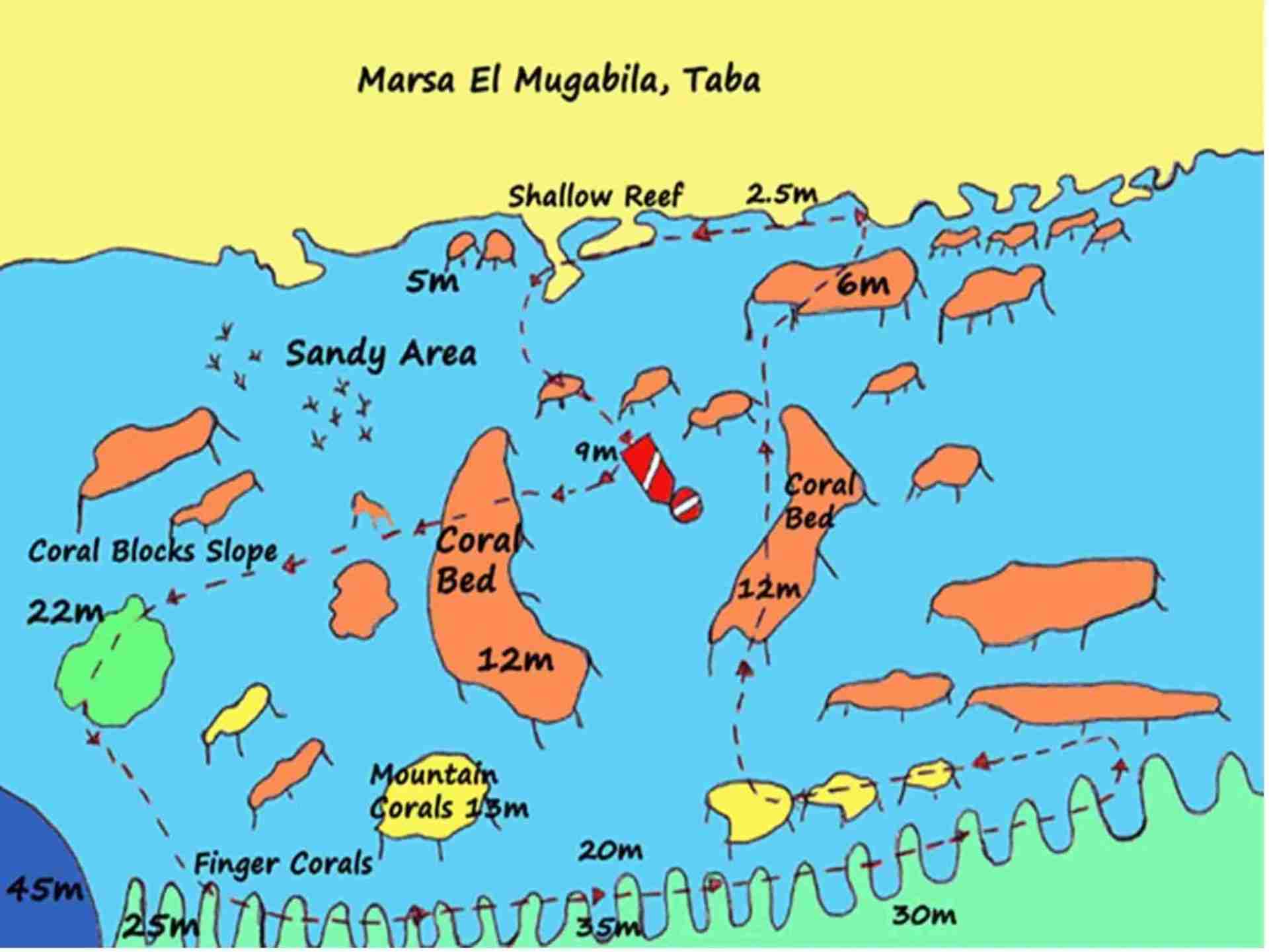
About an hour out, this plateau is the richest coral garden in the area. Specifically, hard and soft corals cover the reef, grouper patrol the edges, and anthias hang over everything in orange clouds. If you are lucky, eagle rays cross the sand.
You will sometimes meet a surface current here. However, it usually fades as you drop towards the seabed, so the dive itself stays relaxed. Snorkelling is good as well.
Watch for
- Firstly glass fish around the twenty-metre mark
- Then yellow-tail barracuda, and eagle rays out over the sand
- Also stone fish, which is the reason to keep your hands to yourself
- Finally the finger corals, which are shaped like castle walls
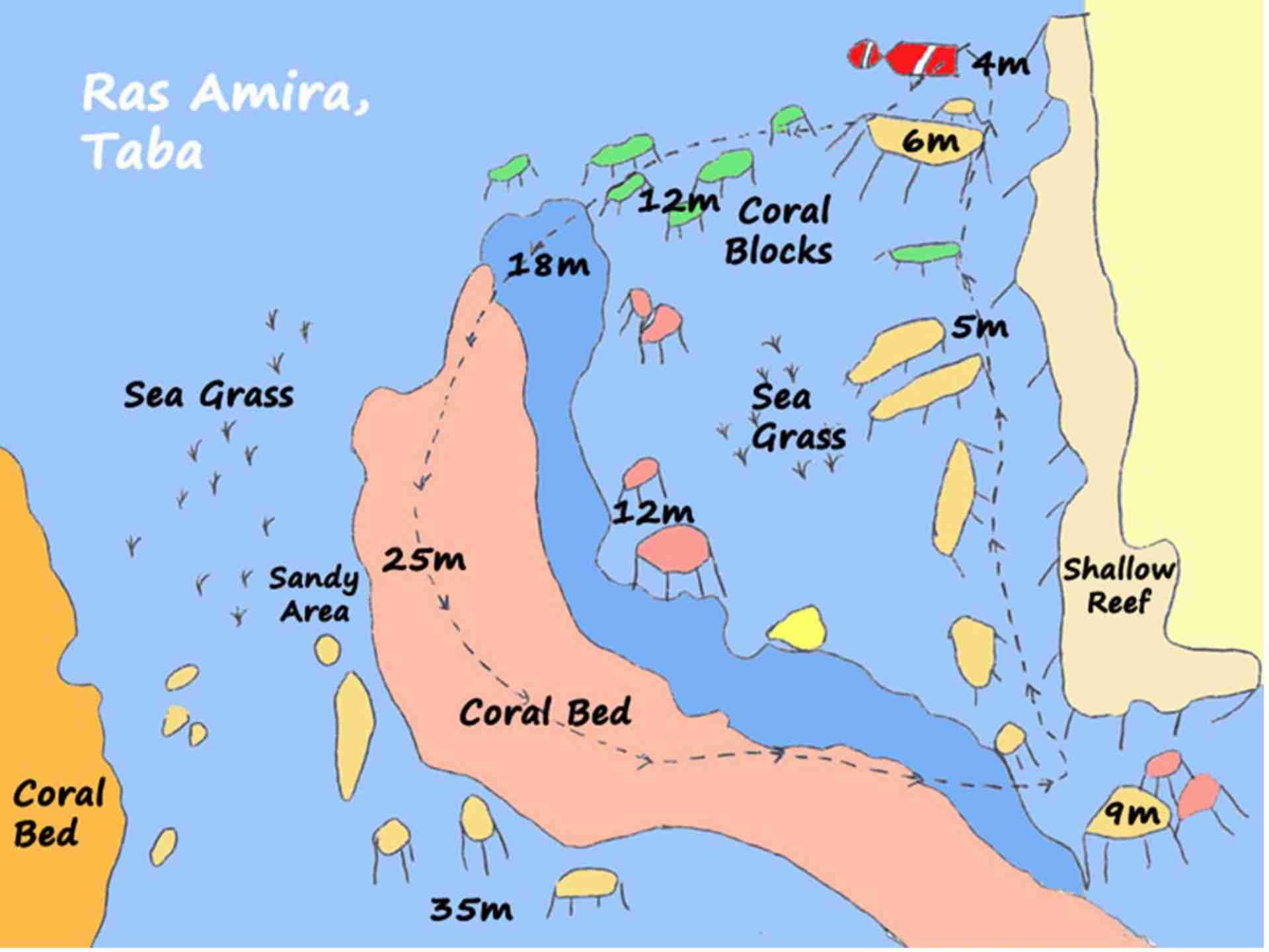
Ras Amira
Roughly fifty minutes out, Ras Amira is the headland reef that sits inshore of Maxwell. Consequently it makes a natural pairing with it: the shallower reef first, then the deeper island offshore.
Maxwell
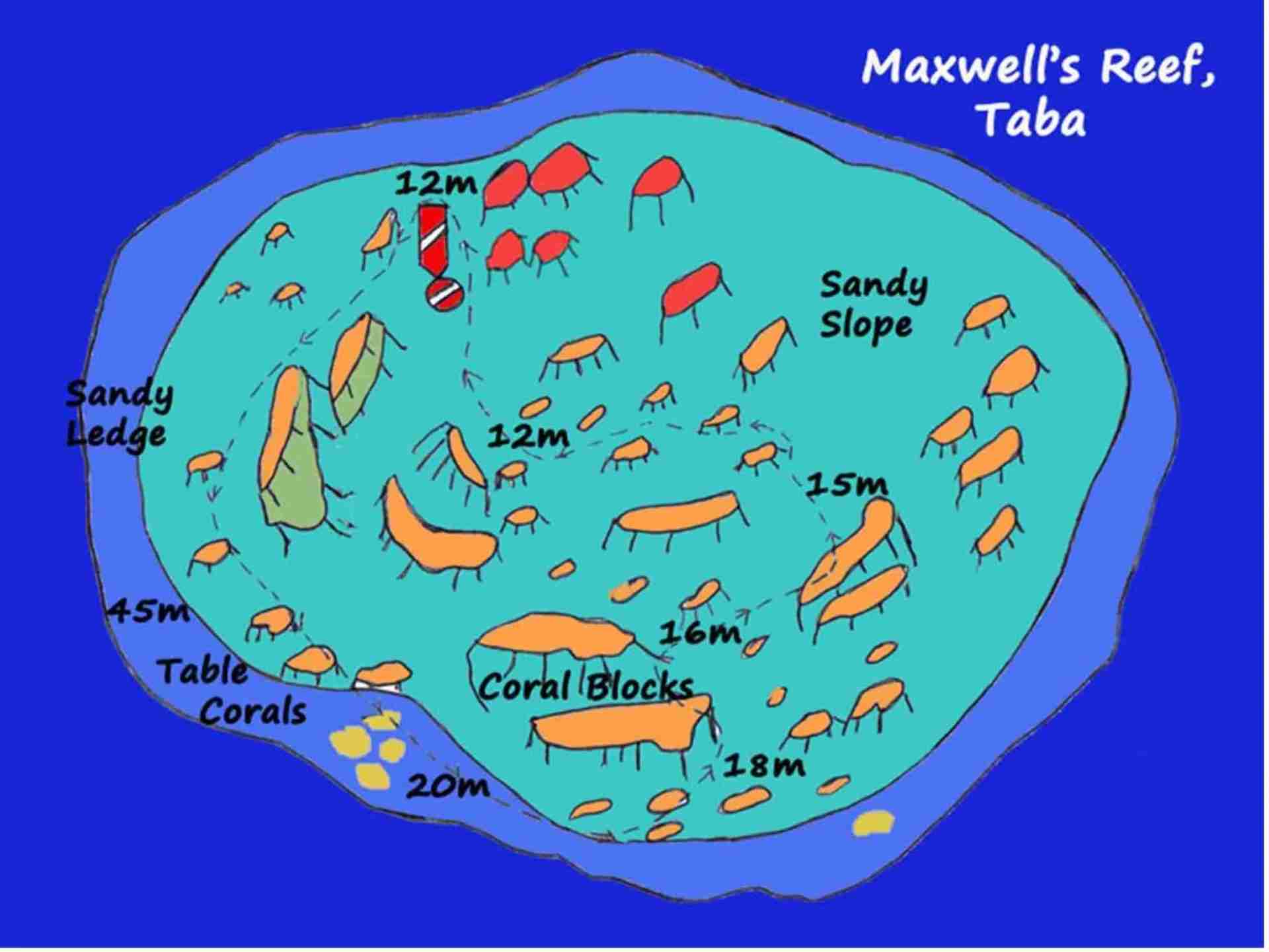
Maxwell carries the name of the eldest son of the diver who found it about twenty years ago. Structurally it is an underwater island, some five hundred metres off the coast, running from twelve metres down past forty-five.
Consequently this is the most demanding of the Taba dive sites, and it is reserved for advanced divers. Surface current can run, although it eases nearer the bottom.
Watch for
- Firstly the dense bait fish, which is what draws everything else
- Then Spanish dancers, which show here even in daylight
- Also stone fish, turtles and sting rays
- Finally the table corals down the deeper flank
Plan it properly. Depth, current and distance from shore all stack up here. Therefore dive it early in the day, with gas reserves agreed in the briefing, and treat forty-five metres as the edge of the plan rather than a target.
Marine life at the Taba dive sites
Above all, the north of the gulf holds the same species as the rest of the Egyptian Red Sea, in shallower water and with fewer divers looking at them. Certainly there are bigger reefs further south, and equally there are few where you get this much to yourself.
Glass fish
Namely in clouds thick enough to hide the coral behind them, and present on almost every site here.
Turtles
Also seen across the area rather than at one site, usually crossing the shallow ground without hurrying.
Eagle rays
Meanwhile out over the sand at Marsa El Mugabila and Pharaoh’s Island. Frankly a bonus rather than a promise.
Grouper and anthias
Certainly the constant of the coral garden, with grouper on the edges and anthias hanging over everything in orange.
Barracuda and fusiliers
Notably yellow-tail barracuda in schools, and fusiliers gathering off the southern point of the Fjord.
Spanish dancers
Above all at Maxwell, where they show in daylight rather than waiting for a night dive, which is unusual.
Stone fish are on three of these sites. Namely they sit motionless on the bottom and look exactly like the rock beside them, so the risk is putting a hand or a knee down rather than swimming into one. Therefore keep off the seabed entirely, and if you must steady yourself, look first and use one finger on bare rock.

Planning a dive at the Taba dive sites
Practical notes
- Firstly allow 30 to 60 minutes by boat from the Hilton jetty
- Then expect light current, or current confined to the surface
- Also plan for good visibility, since the gulf takes very little sediment
- Meanwhile bring a full 5 mm suit, which covers most of the year
- Add a hood or a vest between December and March, when the north cools
- Consequently nitrox is worth having on the deeper offshore days
- Also budget the separate site fee for the castle on Pharaoh’s Island
- Finally, only Maxwell requires advanced certification
A week fits comfortably. Six main sites, several of them worth repeating, fill the days without the schedule feeling stretched. Consequently there is room to dive the Fjord twice, which most people end up wanting.
Taba Heights is the other half of the trip. The resort area holds spa hotels and family facilities, and Cairo sits within reach for a short trip. Therefore a diving holiday here can include the museum and the pyramids without a long detour, which matters if half your party does not dive.
Useful links
- Nuweiba — the next stretch of coast heading south down the gulf.
- Red Sea conditions and planning guide — currents, salinity, weighting and visibility.
- Safety standards and emergency care — briefings, oxygen and chamber contacts.
- Equipment and packing checklist — what to bring for a boat day or a full week.
- Talk to our team — routes, certification levels and family arrangements.
- Chamber of Diving and Watersports (CDWS) — the Egyptian regulator for diving operations.
- Divers Alert Network (DAN) — insurance and emergency guidance.
Frequently asked questions
Are the Taba dive sites good for beginners?
Yes. Sheltered water, light current and shallow reefs make the area a comfortable place to learn. Only Maxwell asks for advanced certification.
How far are the sites from the jetty?
Between roughly thirty minutes and one hour by boat. Pharaoh’s Island is the closest, while Aquarium and Marsa El Mugabila sit about an hour out.
Can snorkellers join?
Almost everywhere. The Fjord and Pharaoh’s Island are particularly good, because most of the marine life stays in the shallows.
What wetsuit should I bring?
A full five millimetre suit covers most of the year. During winter, a hood or a thermal vest makes the second and third dives far more comfortable.
Is one week enough?
Comfortably. Six main sites, several of them worth repeating, fill a week without the schedule feeling stretched.
What is there for non-divers?
Taba Heights offers spa hotels and family facilities. In addition, the Crusader castle on Pharaoh’s Island and a short trip towards Cairo fill the days.
What are you waiting for?
Book your adventure
Tell us which experience you want to enjoy and leave the rest to us. If you have questions, or you are still choosing between routes, our team will talk it through with you before you commit to anything.
Inquiry