
Practical Guide · How to Dive in the Red Sea
How to Dive in the Red Sea The checks, the choices and the briefing that keep you safe
Weighting · Current · Site choice · Safety checklist
Everything on this page is something you do, not something you read about. How to dive in the Red Sea comes down to four decisions: how much lead you carry, how you read the current, which site matches your experience, and what you confirm before you get in. The sea itself is covered in the conditions guide.
Before the trip: how to dive in the Red Sea prepared
Firstly the honest framing: you can dive here all year, but the sea is not the same sea everywhere. The north is cooler in winter, the offshore reefs are exposed and current-swept, and the south stays warm. Consequently the route you book decides most of what you need to bring.
Then the part divers skip: matching the route to your actual recent experience rather than your highest certification card. A diver with fifty logged dives and none in the last two years is a different diver from one who was in the water last month, whatever the card says.
Meanwhile the background — salinity, visibility, how the basin formed, the temperature tables — all sits in the conditions guide. This page assumes you have read it and moves straight to what you do about it.
The four decisions
- The weighting, checked in water rather than copied from a friend
- The current, read before the group goes in rather than after
- The site, matched to recent experience rather than to a card
- The exposure protection, for the surface as much as for the depth
- Besides those, the briefing, listened to in full every single time
- The exit plan, agreed on the boat before anyone descends
The briefing is not a formality. Namely conditions at the same reef change between one dive and the next, so a guide who has dived it a hundred times still assesses it again. If a briefing gets skipped, ask for it.
Warm water still makes you cold. Consequently repeated dives, wind on a wet suit and long RIB rides do more than the thermometer suggests. A hooded vest is the cheapest comfort you can buy on a winter trip.
The weighting check: extra lead in the Red Sea
The Red Sea is saltier than the open ocean, so you float more and most divers need slightly more lead than they use elsewhere. That is the whole of the theory and it is on the guide page. Here is the practice.
At the surface, with an almost empty BCD, a normal breath held and your fins still, the water should sit at about eye level. On the exhale you should begin to sink. If you have to swim down, you are underweighted; if you drop like a stone, you are overweighted and you will fight it for the rest of the dive.
Redo the check whenever anything changes: a different suit, a steel cylinder instead of aluminium, a camera rig, or a full week of dives that has quietly changed how you breathe.
Why it matters more than it sounds
- Overweighting wrecks your trim and drives your gas consumption up
- It pushes you into the reef on every surge
- It makes a safety stop at five metres genuinely hard to hold
- Underweighting turns that same stop into a losing fight
- Both are fixed once, in the first ten minutes of a trip
Do not copy another diver’s weights. Suit thickness, body composition, cylinder material and lung volume all change the number. The person next to you being fine on six kilos tells you nothing at all.
How to read the current before you dive in the Red Sea
Current is the condition that changes most often, and the one divers most often guess at. Above all, never assume the water below follows the waves on top. They are different forces and they disagree constantly.
The weighted line
Namely a line with weight on it, lowered several metres off the stern and watched. The angle tells you strength; the direction tells you the rest.
The reef itself
Also fish, which face into the flow, and soft corals, which lie down in it. Bubbles from divers below show it better than anything.
The people who know it
Meanwhile the cruise director or guide, who should assess the site before the group kits up rather than after. Their call outranks yours.
If you are swept off the reef. Stay with your buddy. Deploy your SMB. Make a controlled ascent to the depth the briefing agreed, and hold it. Do not burn your gas swimming into a current you cannot beat — nobody has ever won that, and the boat is looking for a marker, not for a swimmer. Emergency guidance is published by DAN.
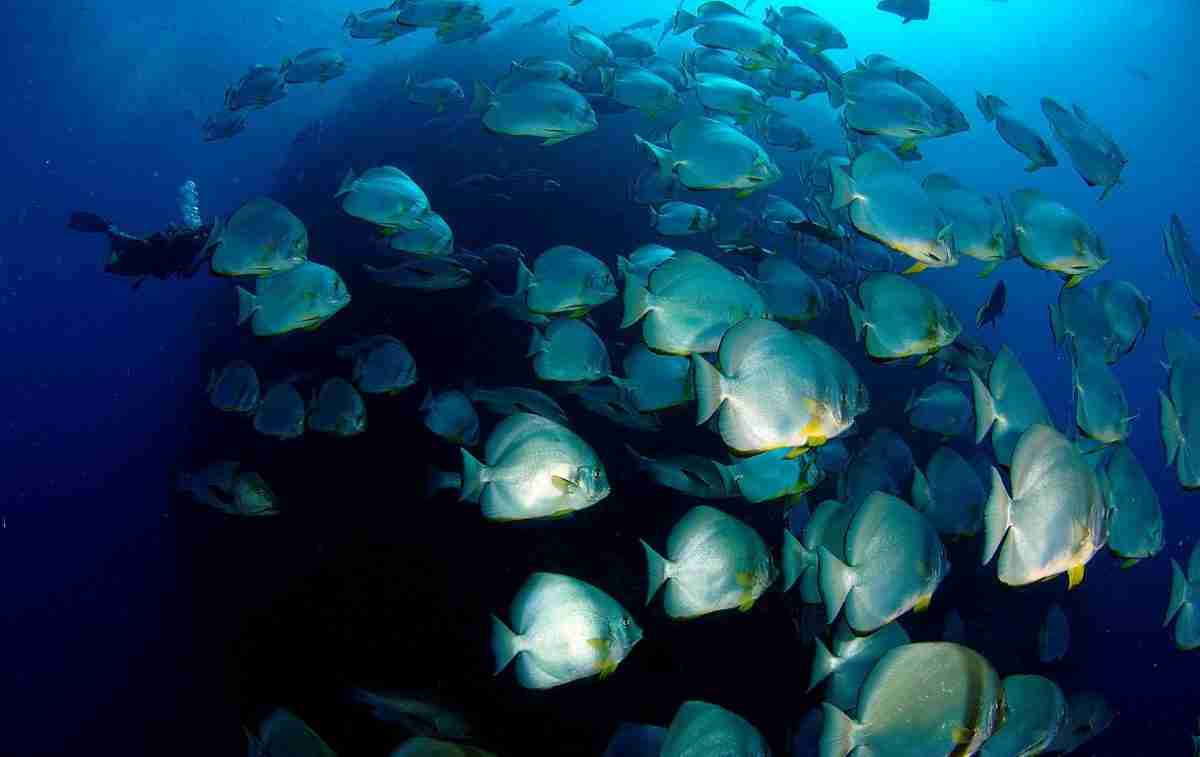
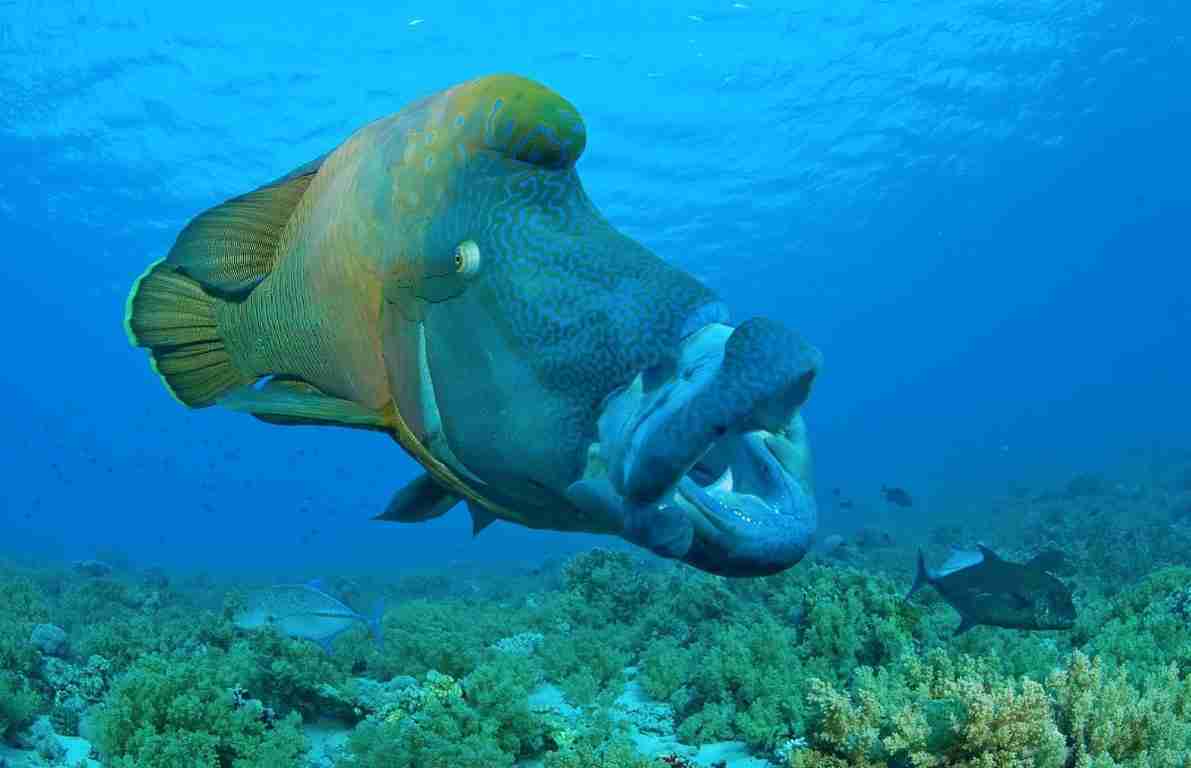
Choosing a site that matches your experience
Firstly the easy end: sheltered coastal reefs with a beach or a short boat ride, shallow profiles and little current. The shore entries around Assalah are the clearest example, and most courses in Egypt happen on sites like them.
Then the middle: guided reefs with real structure and mild current, where navigation matters and depth is a choice rather than a demand. Most of the local sites along a coast sit here.
Finally the exposed end: offshore reefs and marine parks with negative entries, open-water ascents and current that does not negotiate. These need recent experience, not just a card, and they are the ones cancelled by wind.
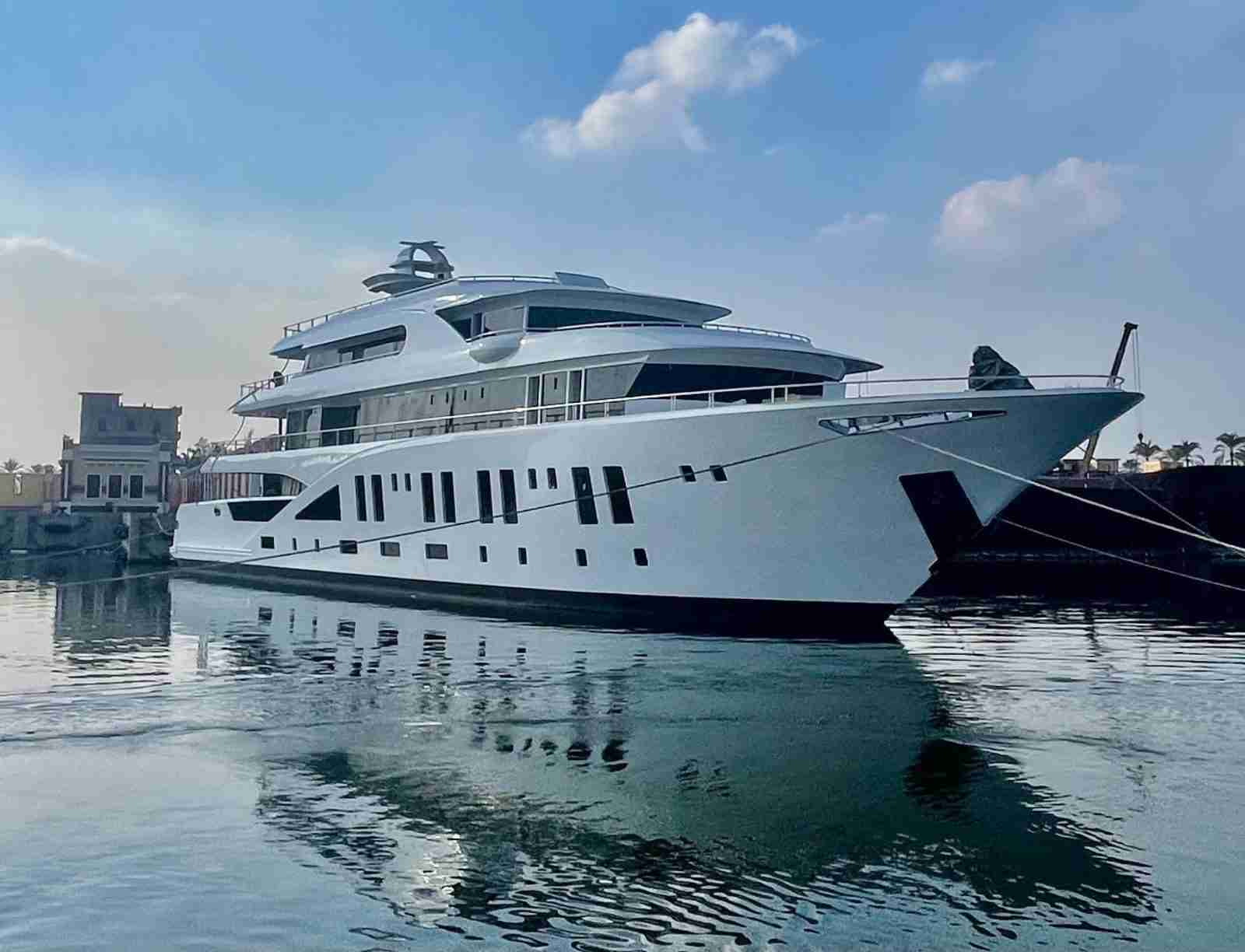
Two sites worth knowing as reference points. The Blue Hole is easy to enter and easy to go too deep on, which is a very different risk from Gabr el Bint, where the diving is shallow and the remoteness is the demand. Neither is “harder” — they are hard at different things, and that is the judgement this whole page is about.
The safety checklist for diving in the Red Sea
Before you kit up
- Listen to the full site and emergency briefing
- Confirm maximum depth, dive time, route and turn pressure
- Agree the exit point and the lost-buddy procedure
- Check you are fit to dive: not ill, not exhausted, not hungover
Before you get in
- Check your buddy’s BCD, weights, releases, air and final kit
- Confirm your SMB is accessible and you know when to send it
- Set the computer, and dive within it rather than around it
In the water
- Stay close to your buddy and in contact with the group
- Watch gas early, not at the point where it already matters
- Never touch or stand on coral, for any photograph
- Do not chase sharks, dolphins or turtles — chasing ends the encounter
- End the dive when you planned to, not when you run out of reasons
Surface intervals and water. Namely dehydration is the most common avoidable factor on a liveaboard week, and the heat on deck between dives is what causes it. Drink before you are thirsty.
Planning: how to dive in the Red Sea across a week
Generally the first dive of any trip is the check dive, and it is worth treating as one rather than racing through it. Weighting, kit, computer and buddy procedure all get sorted in that dive or they follow you all week.
Meanwhile build slack into an offshore itinerary. A week with no spare day loses its best site to one windy morning, and no crew can fix that afterwards. Above all, the route can change for safety at any point, and that decision is not yours to argue with.
Useful links
- Salinity, visibility, temperature and seasons — everything this page assumes you already know.
- The whole Dahab coast — every region around the town in one guide.
- Eel Gardens, Golden Blocks and Lighthouse — the easiest entries to start on.
- Ras Abu Galum to the Caves — six entries with real variety in difficulty.
- Safety standards and emergency care — briefings, oxygen and chamber contacts.
- Talk to our team — about the right route for your certification and recent experience.
- Red Sea Liveaboard — safari routes and boats across the Egyptian Red Sea.
- Divers Alert Network (DAN) — insurance and emergency guidance.
- PADI — recreational training standards and certification levels.
Frequently asked questions
Can beginners dive in the Red Sea?
Yes, on guided coastal reefs, which is where most courses in Egypt happen. Offshore reefs, deep walls and current-swept sites are a different question and need recent experience rather than a card.
How much extra weight do I need?
Slightly more than in less salty seas, but the number depends on your suit, cylinder, body and kit. Do the buoyancy check on the first dive and stop guessing.
How do I know if the current is too strong?
Watch the weighted line, the fish and the soft corals, then take the guide’s assessment over your own. If you would not be comfortable holding position against it at the safety stop, it is too strong for you that day.
What do I do if I lose the group?
Search for one minute at most, then ascend as the briefing set out, deploy your SMB and wait on the surface. Do not stay down hunting for people.
Do I need a guide?
On any site you have not dived before, yes. Local guides know the entries, the exits and how a site behaves on a given day, and none of that is in a map.
What conditions should I expect through the year?
That is covered properly in the conditions guide, with the temperature ranges, visibility and seasonal patterns.
What are you waiting for?
Book your adventure
Tell us which experience you want to enjoy and leave the rest to us. If you are not sure which route suits your certification and recent experience, our team will talk it through with you before you commit to anything.
Inquiry