
Red Sea diving trips • Hurghada & Sharm El Sheikh
Frequently Asked Questions
Everything divers ask us before they book
Firstly, preparing for a Red Sea diving trip is exciting, yet it comes with a lot of moving parts. Consequently we have gathered the questions we hear most often, so that you can find what you need before you step on deck.
Got questions? We have answers
About Red Sea Diving
Browse the questions below to find everything you need to know before you travel. However, if you cannot find what you are looking for, our team is always a message away.
Above all, our experience shapes how we plan every Red Sea diving trip. Whether you are an experienced diver, a beginner, a snorkeller or a kitesurfer, the answers here explain how we work.
What is Red Sea Diving?
Red Sea Diving is an Egyptian diving and liveaboard operator based in Hurghada, with a second branch in Sharm El Sheikh. Specifically, we run four programs: liveaboard safaris, daily diving, diving courses and kite surfing trips. You can read the full story on our about page.
How many years of experience do you have?
We have planned Red Sea diving trips for more than twenty years. Consequently our route planning is based on practical knowledge of sailing distances, seasonal wind patterns and how each reef behaves in different conditions, rather than on a brochure.
Why choose Red Sea Diving?
Because every Red Sea diving trip combines local knowledge with clear organization. Moreover the same team answers before, during and after the trip, so nothing is handed between departments. Above all, safety decides the plan when conditions change.
Trips and routes
Planning Your Red Sea Diving Trip
Where do your trips start?
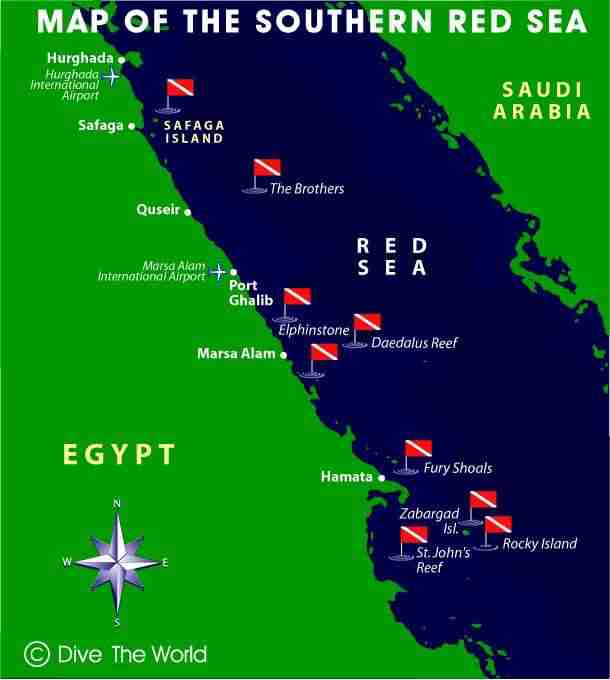
Every Red Sea diving trip departs from Hurghada, Port Ghalib or Marsa Alam. However, the exact port depends on the scheduled route and the season, and it is confirmed with the individual booking. Meanwhile our daily diving boats leave from Hurghada and return each evening.
What diving routes do you offer?
Our Red Sea diving trip programme covers eight liveaboard routes: North, North & Dahab, North & Brothers, BDE, Daedalus & Fury Shoals, Deep South St. John’s, Deep South Elba and Sataya. Furthermore each route has its own page with the full site list, and the practical details sit in our liveaboard guide.
What is included in the safari trips?
Specifically, every Red Sea diving trip covers one scheduled group transfer in each direction, seven nights in the booked cabin category with linen and towels, all meals and snacks between dives, drinking water, soft drinks, juices, tea and coffee, professional dive guides, daily briefings, 12L tanks and weights. In addition, marine park fees, port fees, crew tips, nitrox and equipment rental are charged separately.
Your Red Sea diving trip week on board
How long is a liveaboard trip?
Every Red Sea diving trip runs for seven nights with six diving days. Specifically, boarding is on Saturday from 15:00, diving starts on Sunday and finishes on Friday, and check-out is between 09:00 and 10:00 on the following Saturday.
How many dives are there in a week?
Most Red Sea diving trip routes deliver between 17 and 20 dives across the six diving days. However, the first and final days usually carry fewer dives because of sailing and port schedules, and any route with two long offshore crossings will carry fewer again.
Are airport transfers included?
Yes. One scheduled group airport to liveaboard transfer and one scheduled group liveaboard to airport or hotel transfer are covered by the trip price. Nevertheless individual transfers, private taxis and anything outside the scheduled group service are charged separately.
What happens on the first day on board?
Initially guests are welcome on board from approximately 15:00 on Saturday. Afterwards the crew handles check-in, cabin allocation, certification and diving insurance checks, equipment preparation and the welcome and safety briefing. Normally the vessel then stays in the marina overnight.
How can I book a trip?
Simply tell us your dates and which route you have in mind. Afterwards our team confirms availability, the departure port and the vessel assigned to your trip, and talks the itinerary through with you before you commit to anything. Meanwhile current departure dates are published on redsealiveaboard.net.
Booking and payment
Booking a Red Sea Diving Trip: Deposits and Cancellation
How much is the deposit for a full-boat charter?
A deposit of 5,000 euro secures and confirms a full-boat Red Sea diving trip. Afterwards the balance can be settled on arrival at the boat before the trip starts, or by bank transfer at least two months before departure. Meanwhile individual cabin reservations may follow different arrangements, as stated in the booking confirmation.
Can groups charter a complete liveaboard?
Yes. Indeed, dive clubs and private groups regularly charter a full boat, which allows the itinerary to be shaped around the group rather than a fixed schedule. Consequently we can adjust dive times, night dives and the pace of the week to suit the people on board.
What is your cancellation policy?
Cancelling more than three months before departure retains 25% of the deposit. Similarly, between three months and one month retains 50%, and less than one month before departure or a no-show retains 100%. Finally, all cancellations must be submitted in writing.
Do I need diving insurance?
Yes. Diving insurance is checked on board before the first dive, along with your certification card. Therefore bring both documents with you rather than a photo on your phone, because the crew records them at check-in.
Boats, crew and diving
Red Sea Diving Trip: Safety, Comfort and Marine Life
Safety
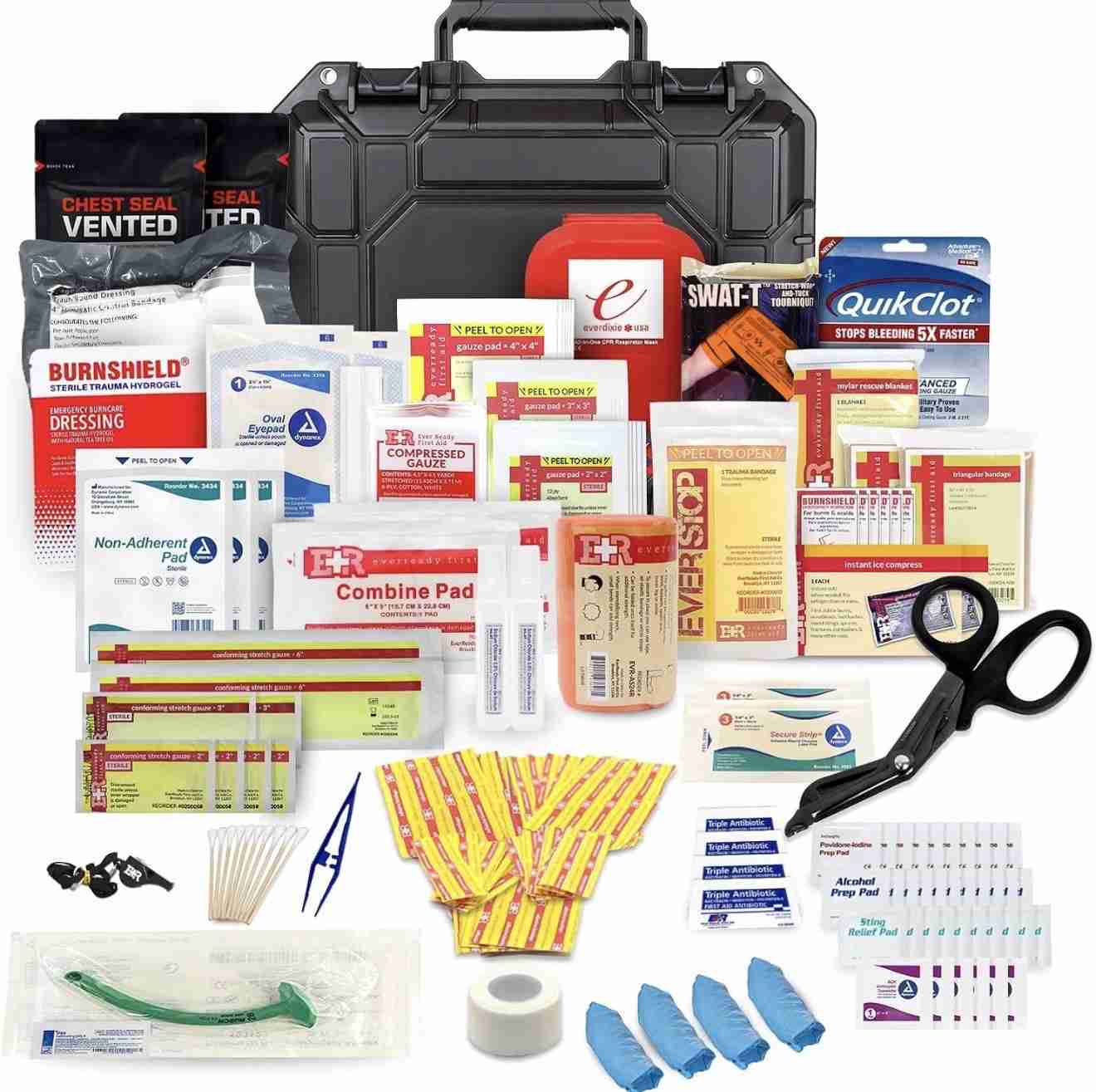
Firstly, every vessel carries a medic first aid kit, oxygen and current emergency gear, while the crew checks it before each departure.
Comfort
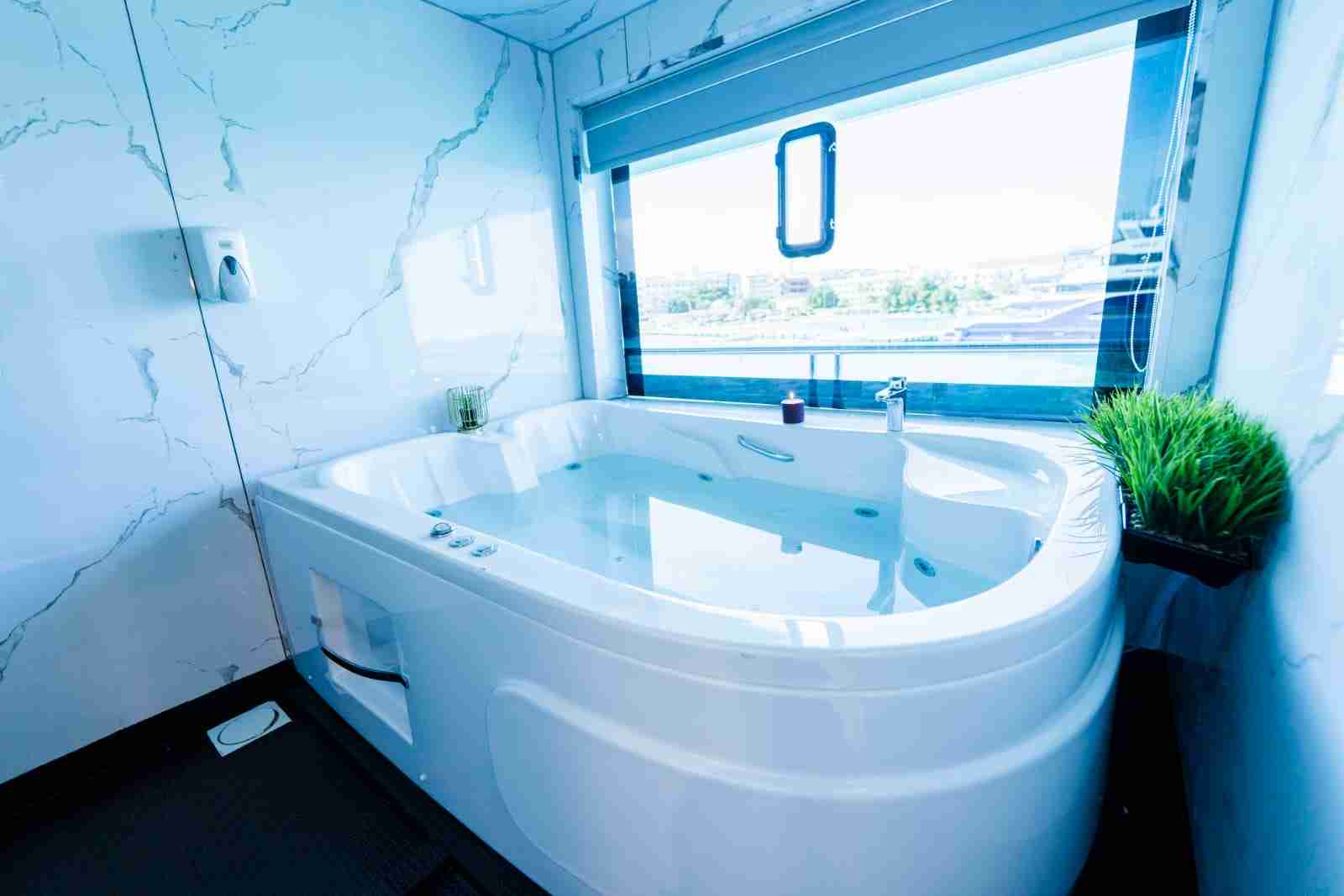
Meanwhile some cabins carry a jacuzzi, although comfort levels differ between vessels. Therefore we match the boat to the group rather than to one fixed standard.
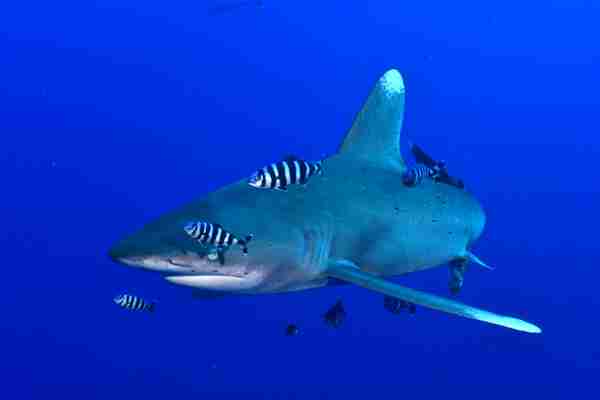
Marine Life
Above all, oceanic whitetips, grey reef sharks and hammerheads patrol the offshore reefs in season. Nevertheless nothing underwater is ever guaranteed.
Are your boats safe?
Safety comes first on every Red Sea diving trip. Initially the crew checks the vessel and the equipment, and then each guide explains the dive in simple words before anyone enters the water. Moreover departures and offshore crossings always depend on wind, sea conditions and authorization from the relevant Egyptian maritime authorities.
Are the boats luxury boats?
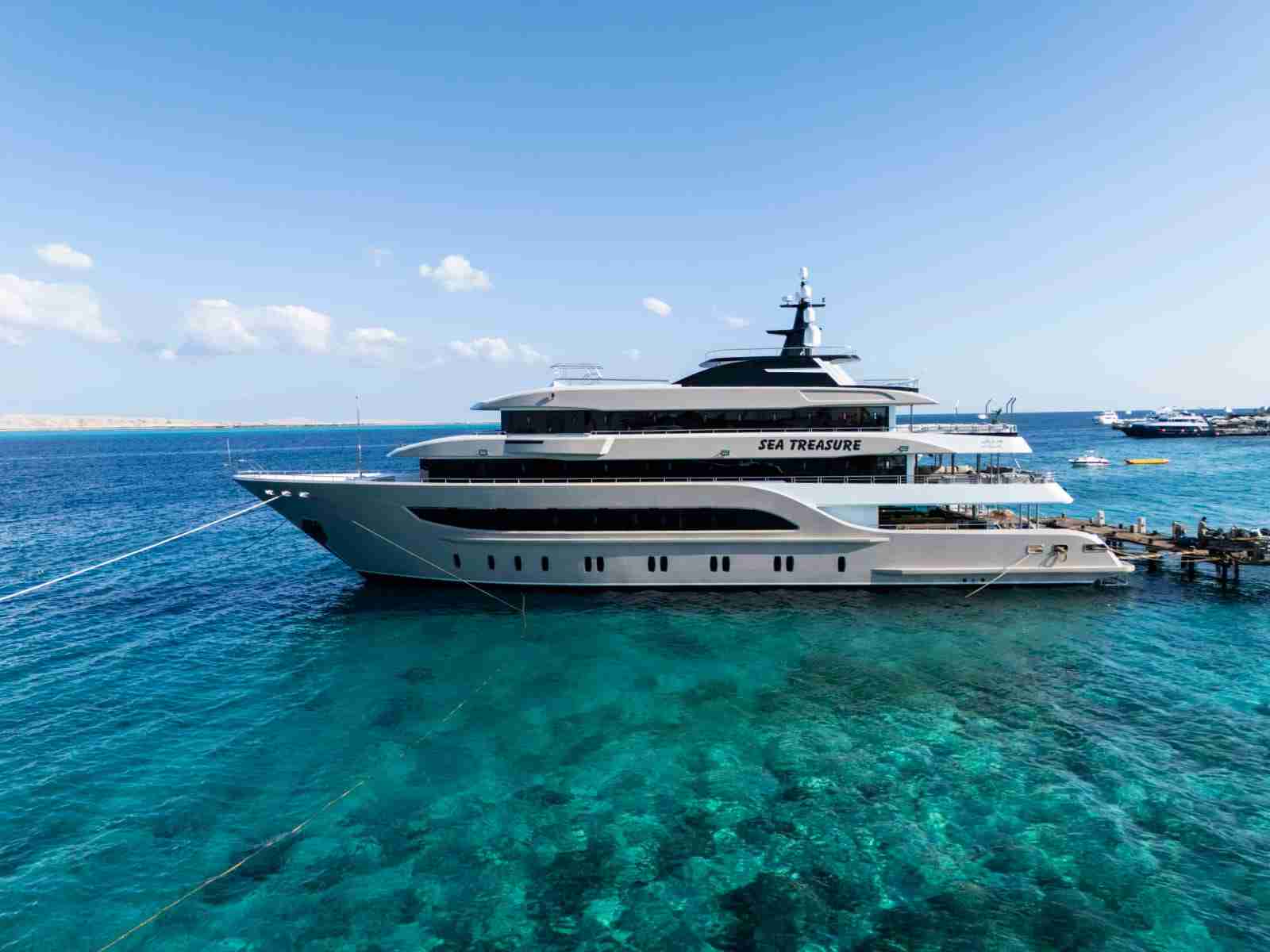
The fleet behind every Red Sea diving trip ranges from comfortable traditional vessels to modern steel liveaboards. Consequently the right boat depends on your group size, comfort level and route rather than on one fixed standard. In practice we match the vessel to the trip, and we explain exactly what to expect before you book.
Do you provide dive guides and instructors?
Yes. Every Red Sea diving trip runs with experienced captains, dive guides and instructors, including CMAS-trained professionals. Furthermore the guides know these reefs personally, which is what allows them to plan around current, depth and the experience of the group in front of them.
Marine life and experience level
What marine life can we see?
Grey reef sharks, oceanic whitetips and hammerheads appear on the offshore reefs in season, whereas spinner dolphins rest in the Sataya lagoon throughout the year. Besides the headline species, expect Napoleon wrasse, groupers, moray eels, green turtles and clouds of anthias over the hard coral. Admittedly nothing underwater can be guaranteed.
Are your trips suitable for beginners?
Some routes are, and some are not. Generally the northern itineraries suit newer divers because they are sheltered, whereas the offshore and Deep South routes genuinely require current experience. Therefore tell us your certification and recent logbook, and we will point you to the right week.
What certification do I need?
It depends on the route. Generally Open Water is enough for the sheltered northern reefs, whereas the offshore and Deep South itineraries expect Advanced Open Water or equivalent, together with drift and wall diving experience. Therefore tell us your level and recent logbook, and we will match you to the right week.
Conditions and night diving
Is night diving included?
Sometimes. Admittedly night diving is restricted across the marine parks, and several southern reefs cannot be night dived at all. Where regulations and shelter allow it, the guides run one, although they confirm it on the day rather than in advance.
What happens if the weather is bad?
The captain reshapes the week around the sheltered reefs. Specifically, between 15 and 24 knots sailing may be permitted depending on sea conditions and authorization, whereas at 25 knots and above departure may not be permitted at all. Ultimately safety decides the plan, not the brochure.
Do you offer kitesurf trips?
Yes. We run kite trips on the flat shallow lagoons the Egyptian coast is known for. Notably they follow the same wind windows that shape our diving season, so a group can combine diving and kiting in a single visit.
Equipment and training
Gear, Nitrox and Red Sea Diving Courses
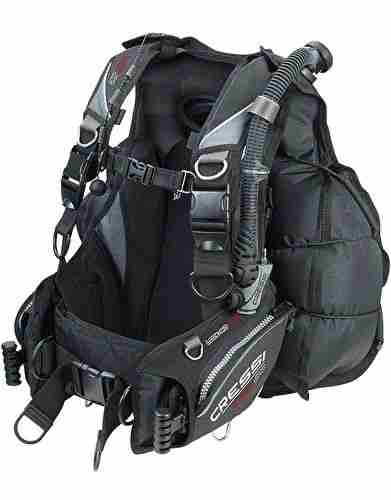
Equipment
BCDs, regulators, wetsuits and dive computers are available for rent, whereas 12L tanks and weights are already included in the trip price.

PADI
Courses run from first-time try dives through to advanced levels, taught by qualified instructors.

BSAC
Likewise we work with BSAC-trained divers and clubs, so groups arriving with their own standards are welcome.
Is nitrox available on board?
Yes, as a paid upgrade on any Red Sea diving trip. Specifically nitrox in a 12L tank costs 85 euro per week and nitrox in a 15L tank costs 100 euro per week, while a 15L air tank costs 60 euro per week. Naturally you need a valid nitrox certification to use it.
Can I rent diving equipment?
Yes. A regulator, BCD or dive computer costs 65 euro each, a wetsuit costs 60 euro, full equipment costs 160 euro and full equipment with a computer costs 220 euro. Meanwhile 12L tanks and weights are already included in the trip price.
Do you offer diving courses for beginners?
Yes. Courses run from first-time try dives through to advanced levels, taught by CMAS-trained instructors. Furthermore experienced divers can add speciality training before an offshore week, which is often the fastest way to prepare for current and depth.
What should I bring on board?
Every Red Sea diving trip starts with the same kit: your certification card, diving insurance documents, a torch for swim-throughs and a DSMB for the offshore routes. In addition, our guide to what divers need on board covers the full packing list for a week away from port.
Ask Our Team
If you cannot find the answer here, simply send us a message. Afterwards our team will reply with the practical detail you need, and will talk the trip through with you before you commit to anything.
Inquiry